It’s been a little while, hasn’t it? Year-end inspections and a backlog of work have me a bit stressed. With the outside temperature warmer than usual this year, riders seem to be more active, don’t they?
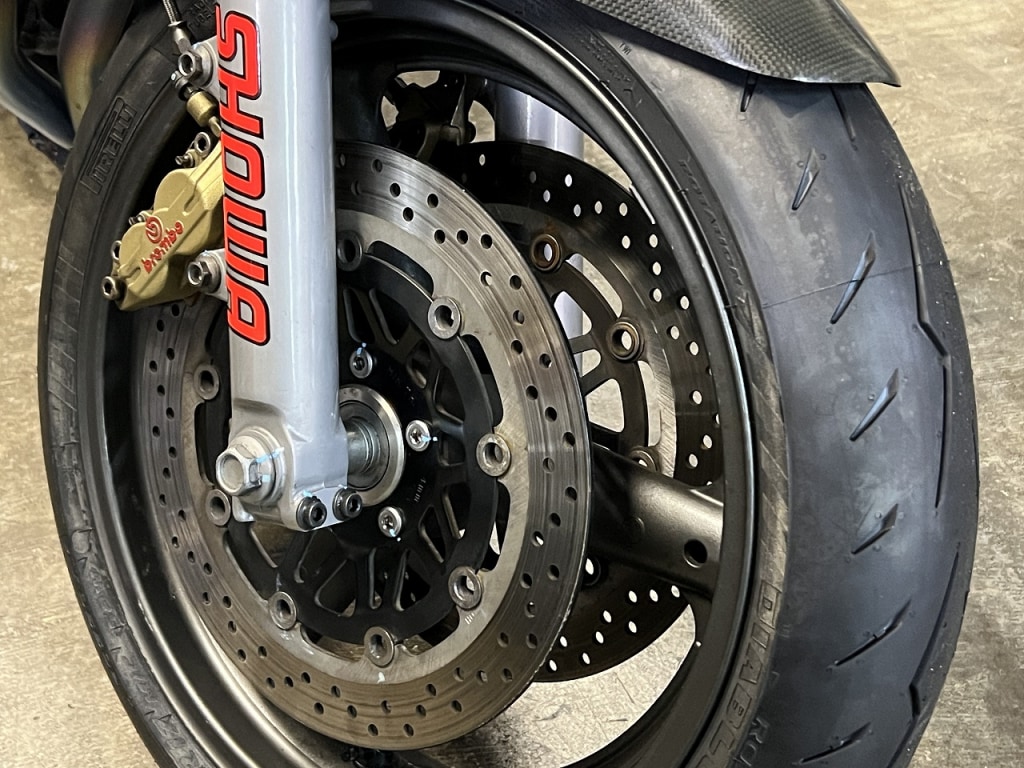
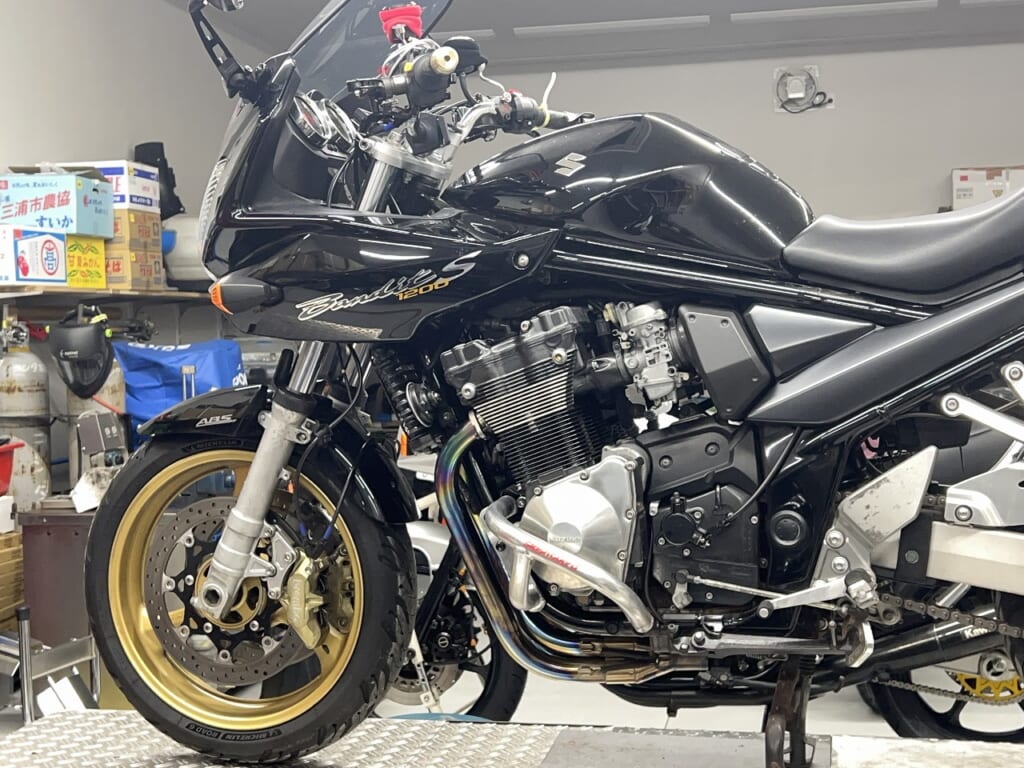
Today we’re going to disassemble the front and rear tires and front fork.
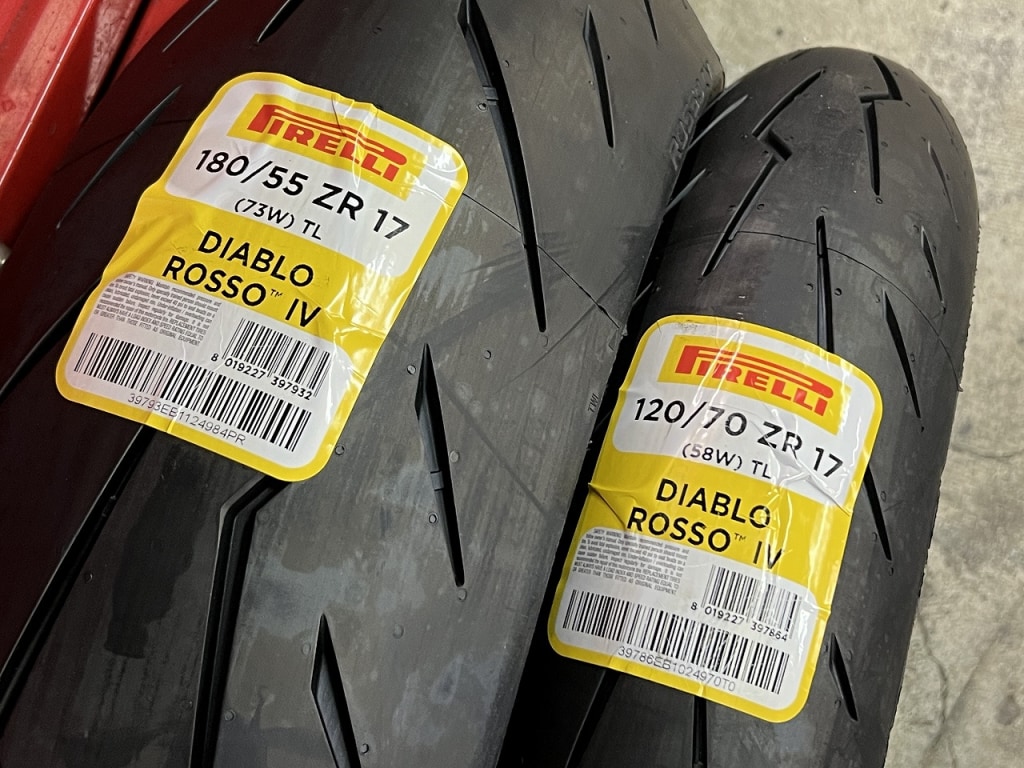
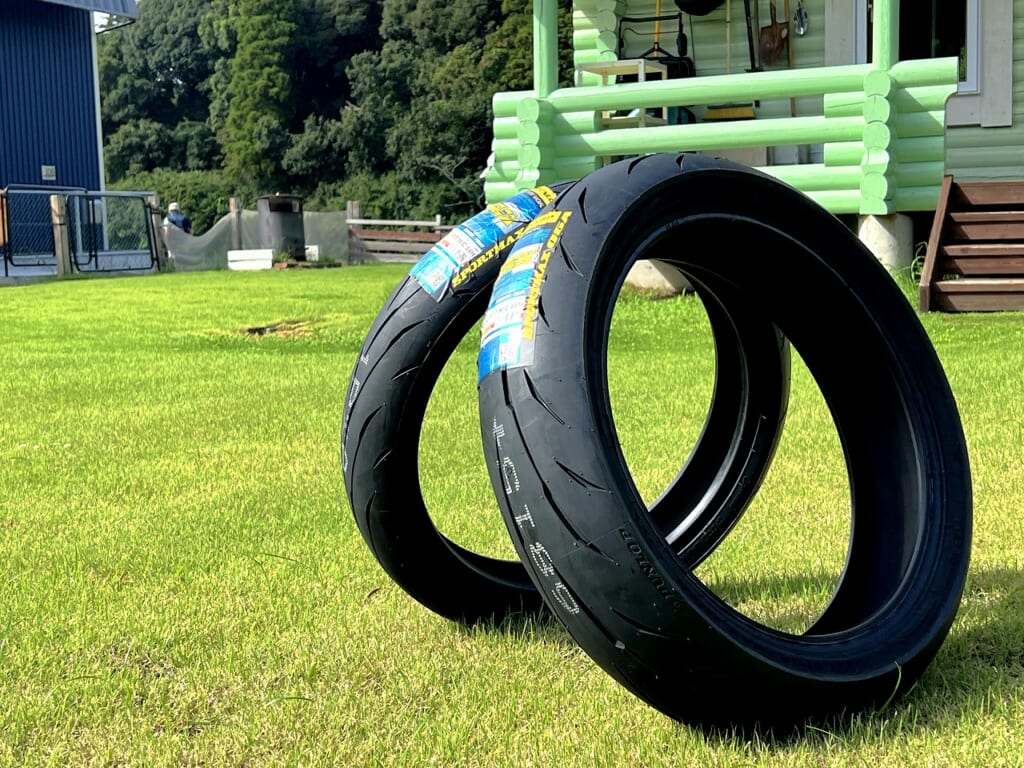
Pirelli after a long time! The product names are confusing and I’m not great with them.
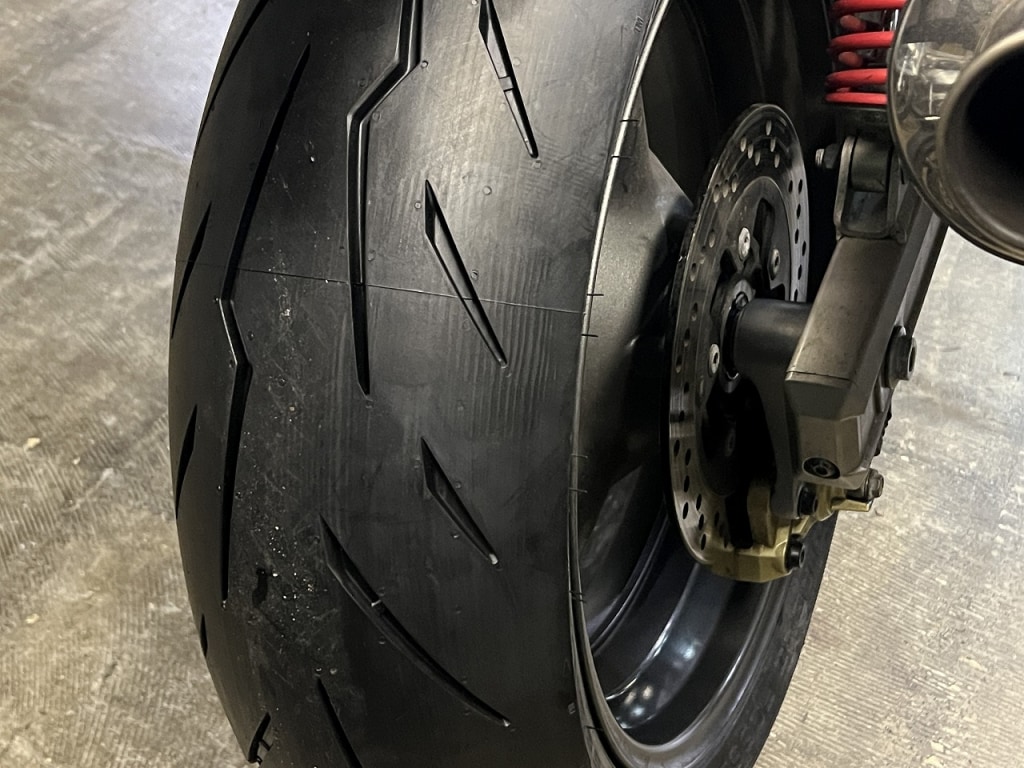
This time we’re fitting Diablo Rosso 4.
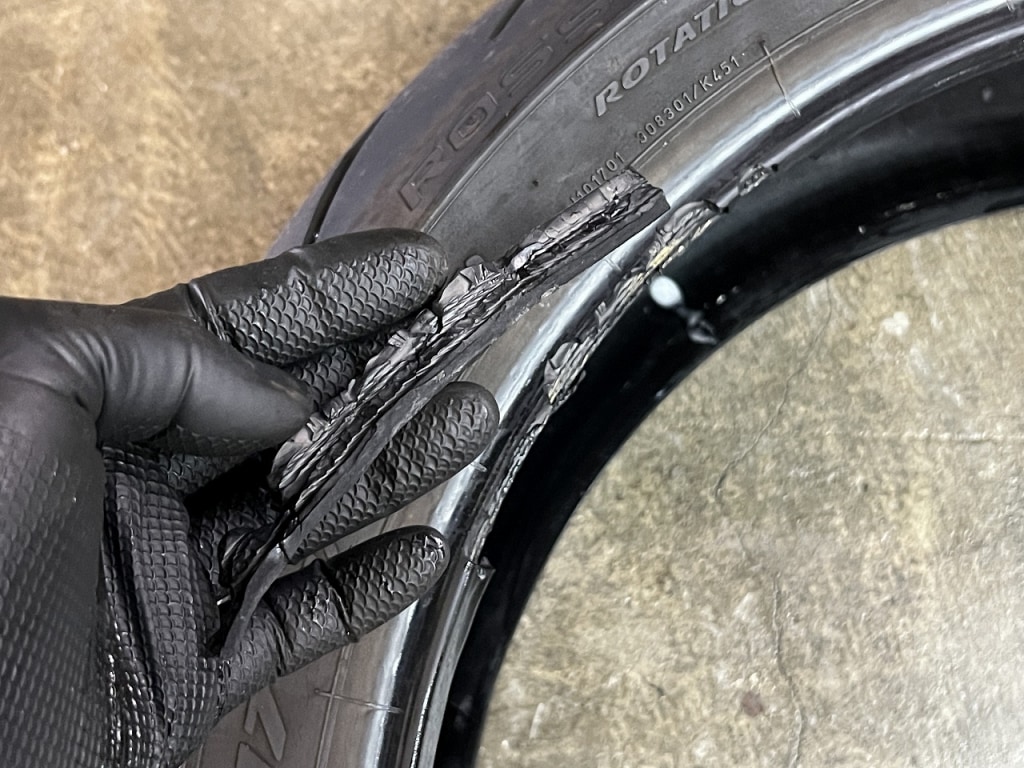
When I was removing the old one with the tire changer, a piece broke off. Tire deterioration is scary, isn’t it? Actually, this is the first time I’ve seen one break off, no matter how old it is.
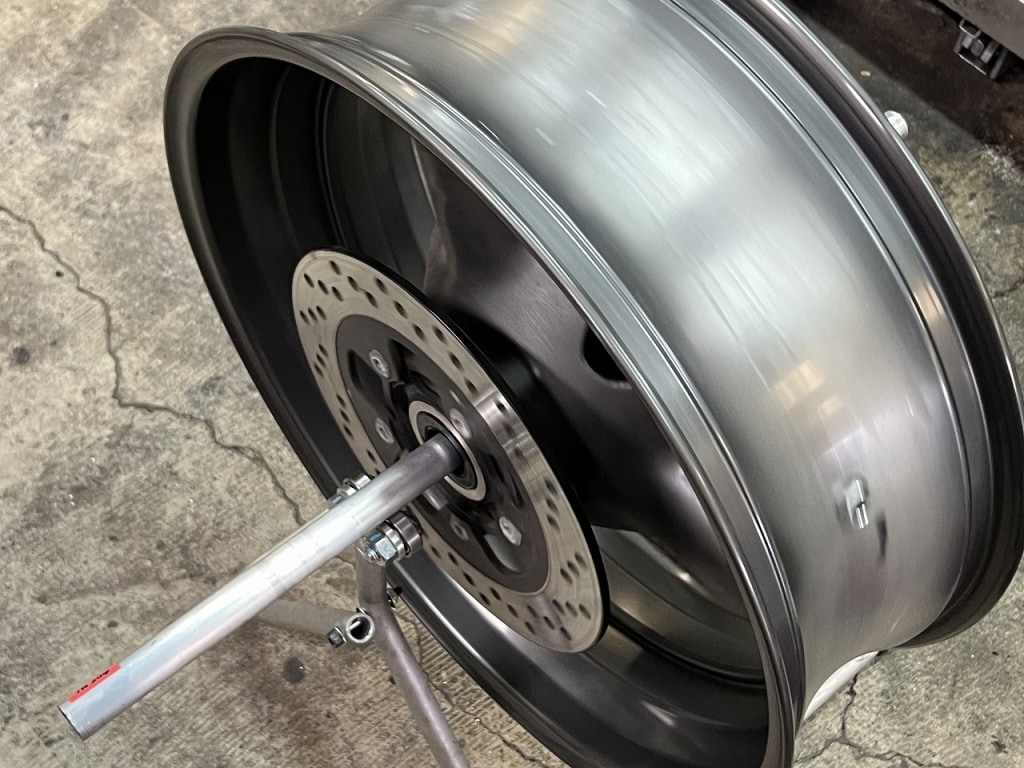
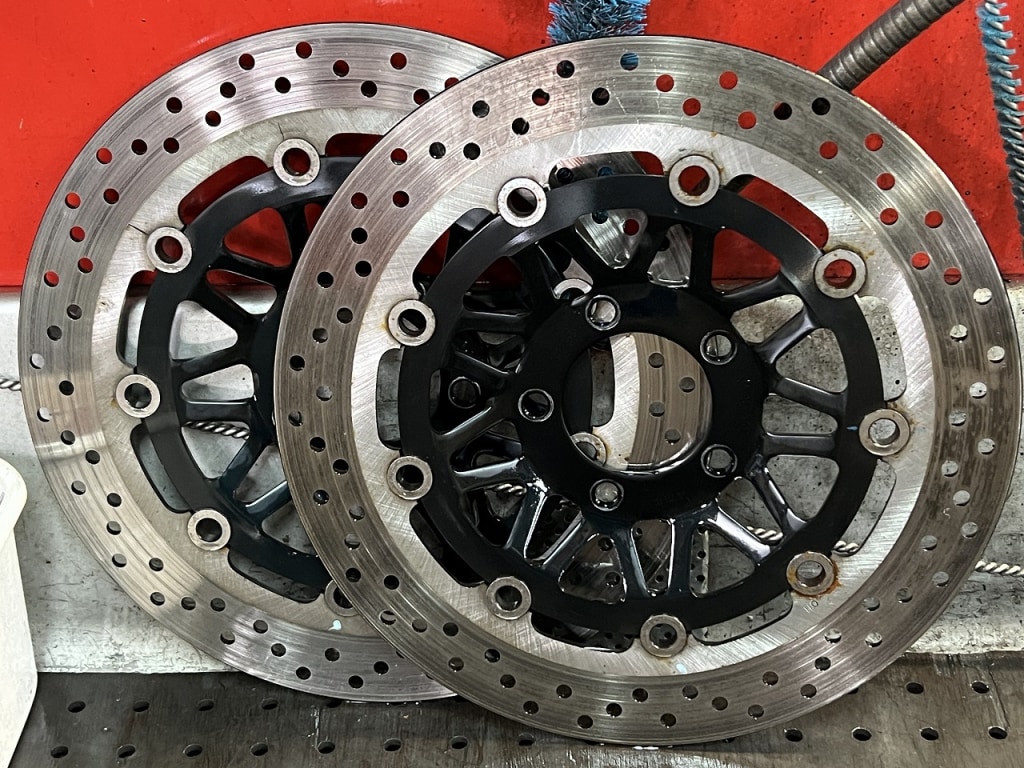
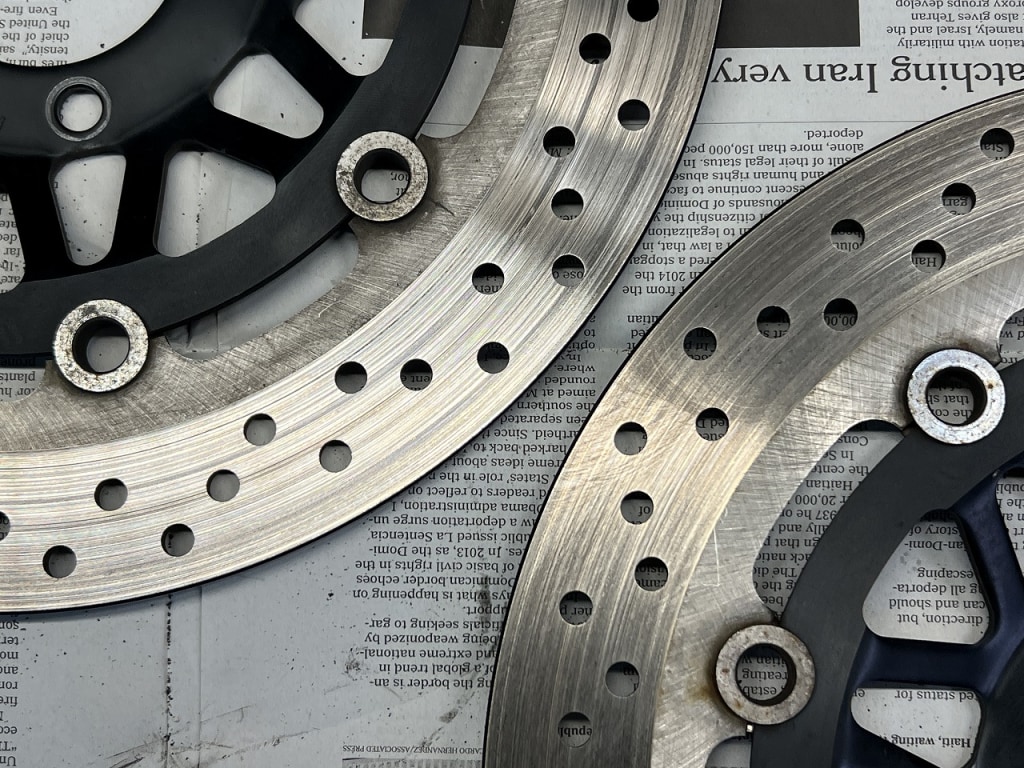
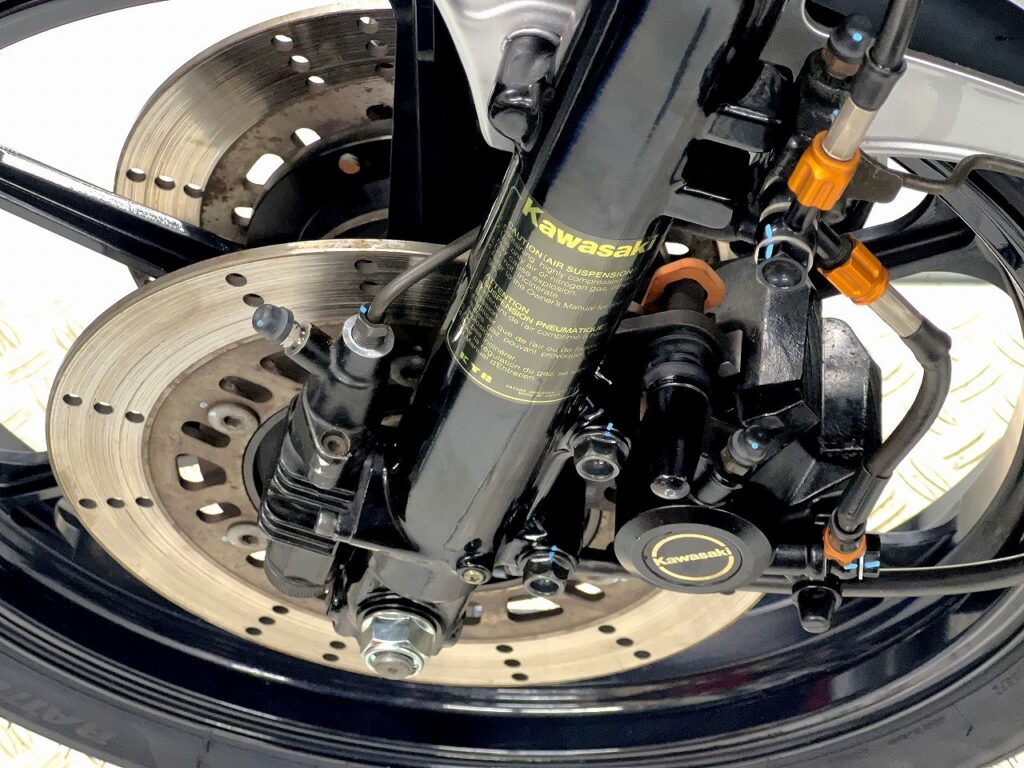
The wheels showed no signs of bending at all. The front brake disc is soaked with fork oil, so I’ll remove it and clean it.
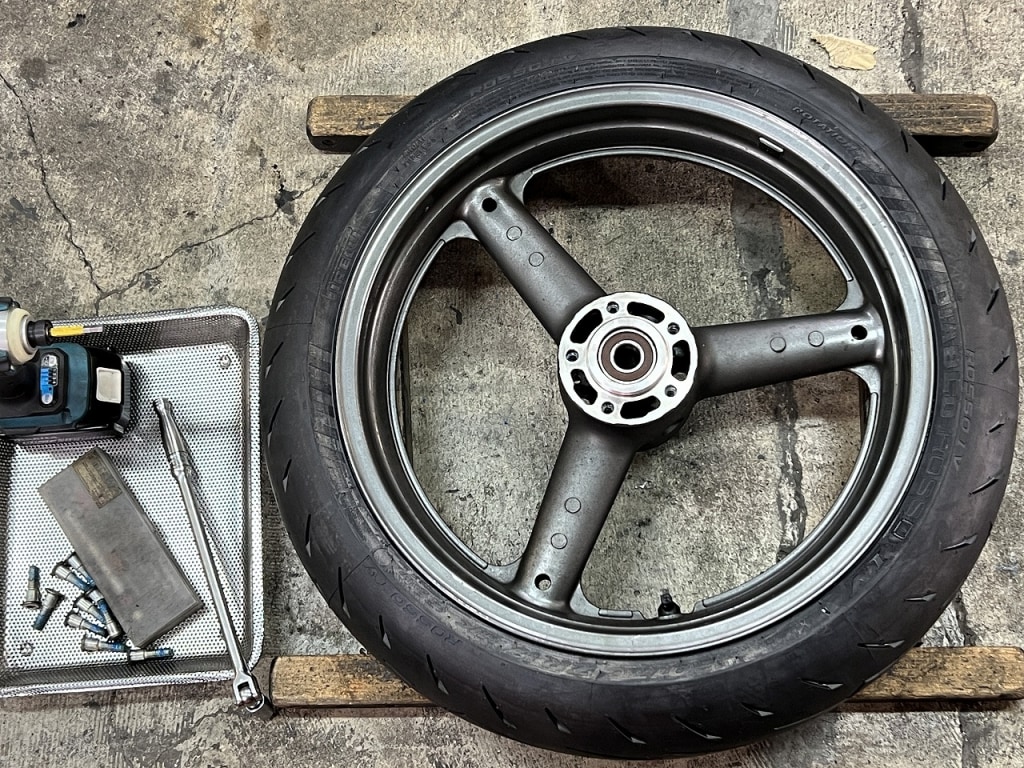
New tires feel amazing, don’t they?
The oil-covered brake disc is removed and completely degreased.
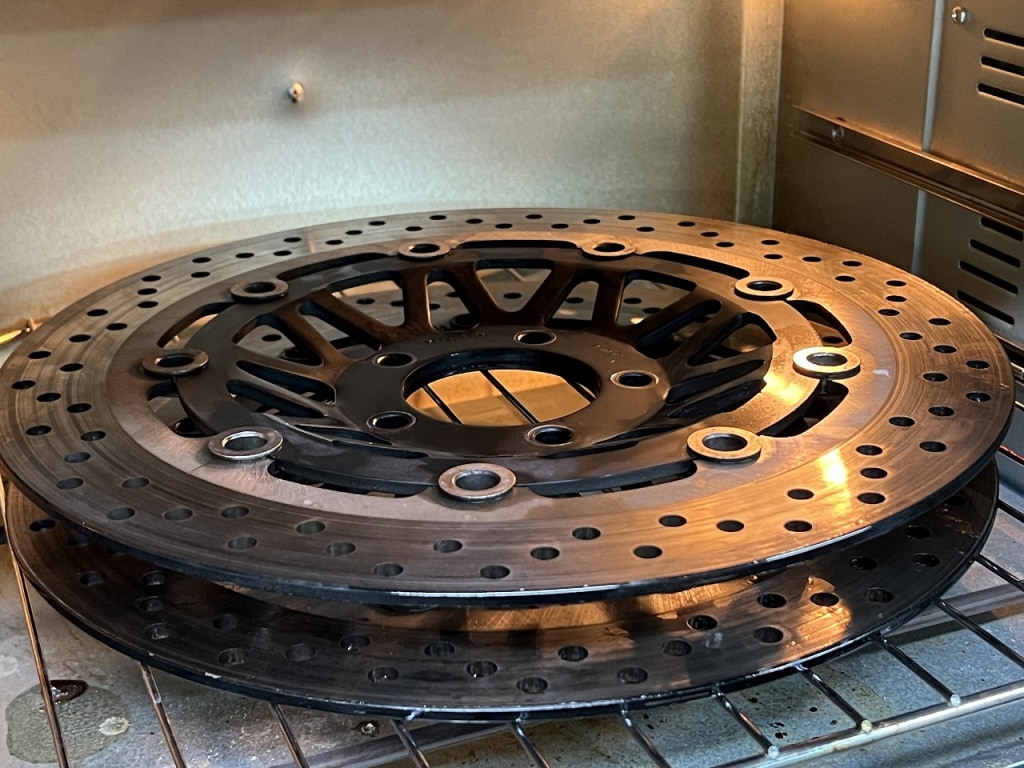
First, I’ll give it a rough wash on the cleaning stand, then warm it in the oven. Warming it brings out the oil trapped in the crevices, so after that, complete degreasing with parts cleaner and the like is the way to go.
Of course, the brake pads are replaced as a set too. Brake pads that have absorbed oil cannot be reused, so please dispose of them.
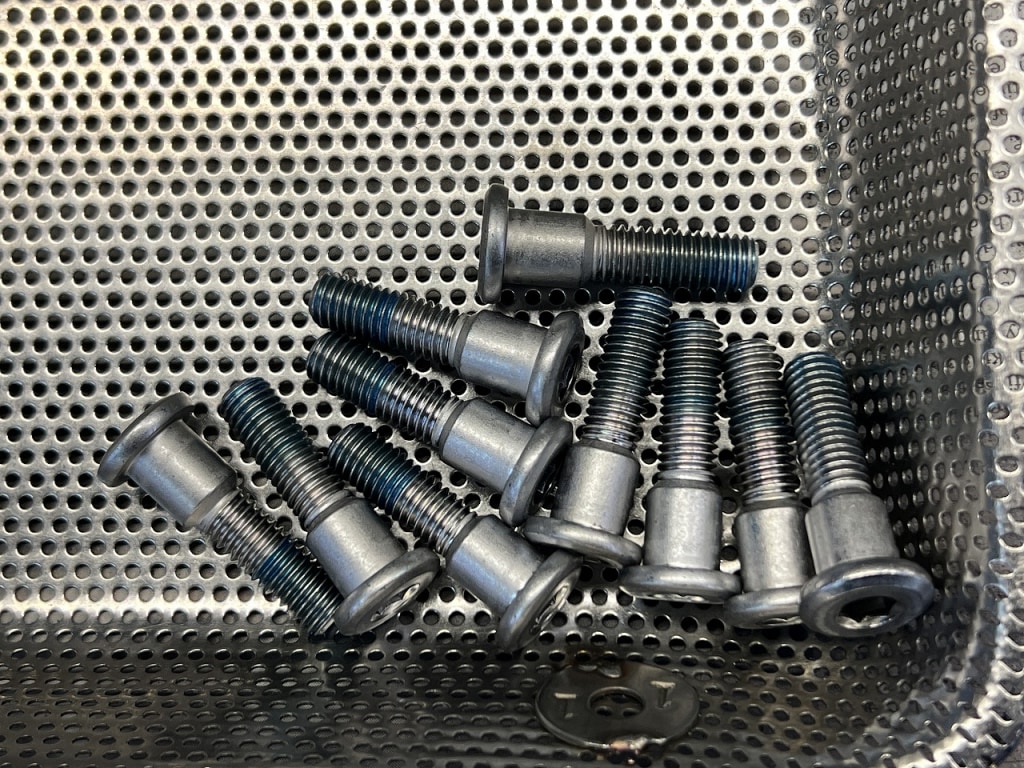
The brake disc mounting bolts have the old threadlocker removed, and I’ll install them with liquid threadlocker.
Now let’s overhaul the front fork.
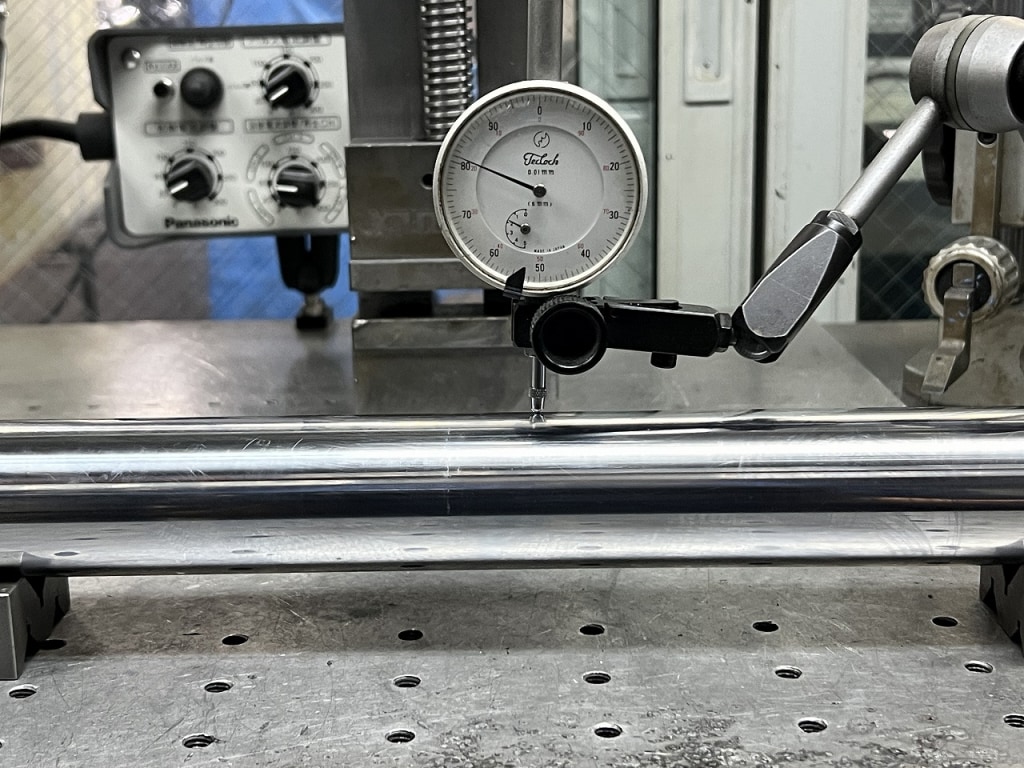
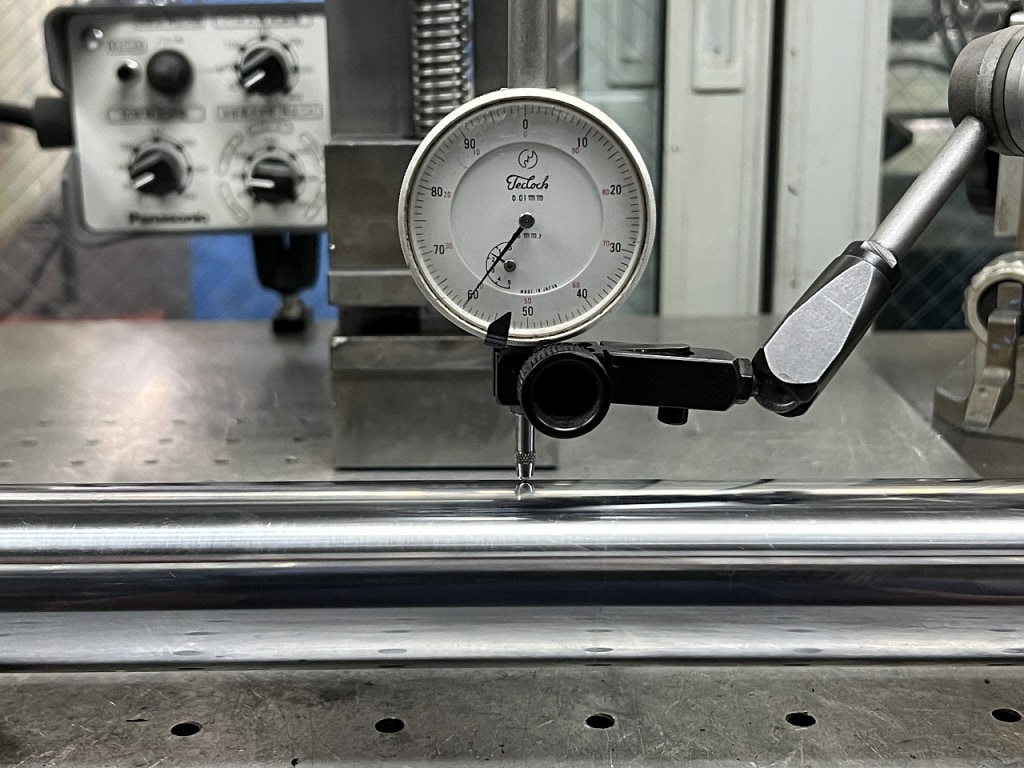
The inner tube showed no signs of bending.
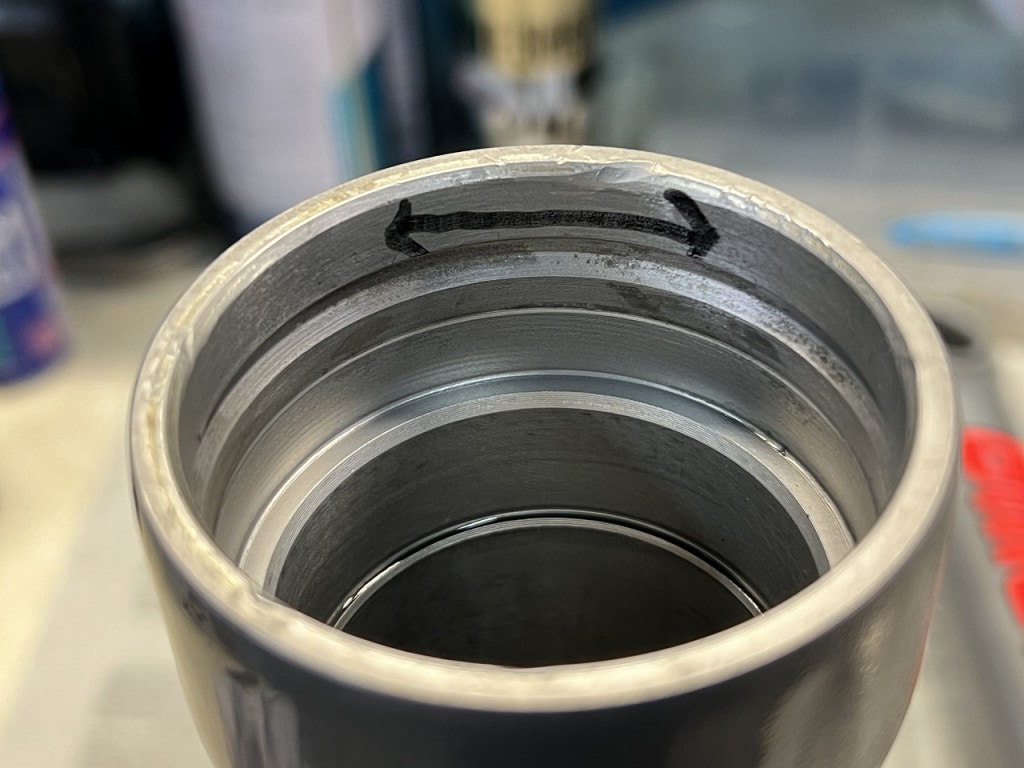
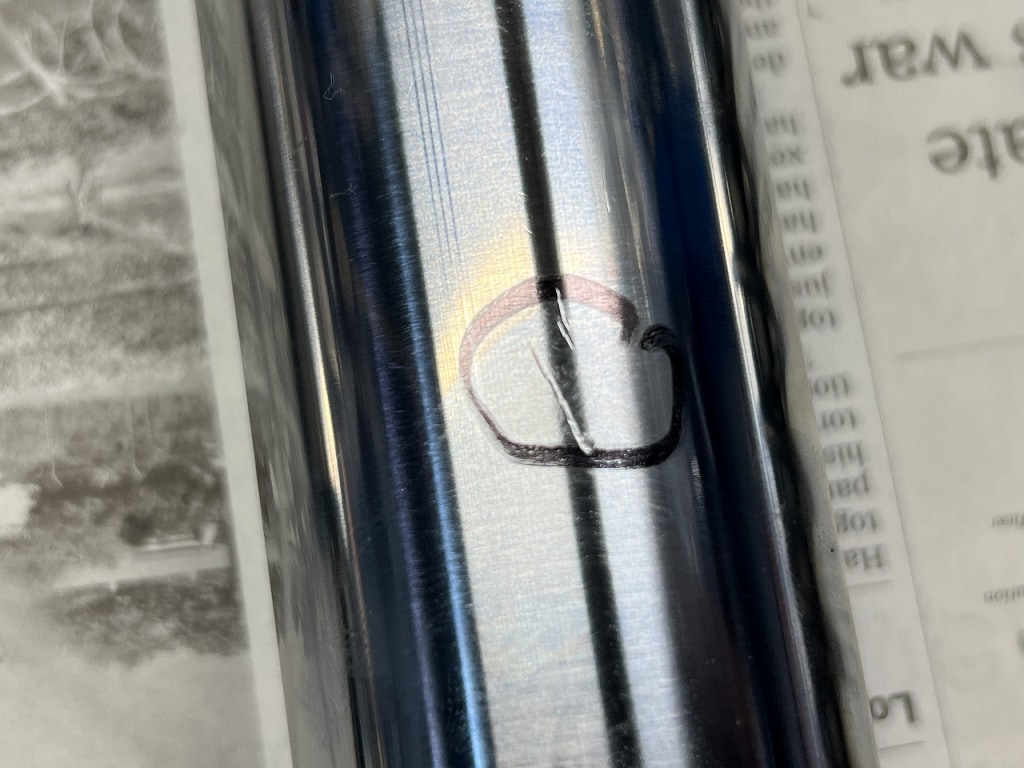
I found a couple of spots on the bottom case and inner tube that caught my attention. I’m not sure if they were there before, but the bottom case seems to have some slight deformation. The inner tube also has some deeper scratches.
Since it’s on the opposite side from where it was leaking, let’s reuse it as is and keep an eye on it.
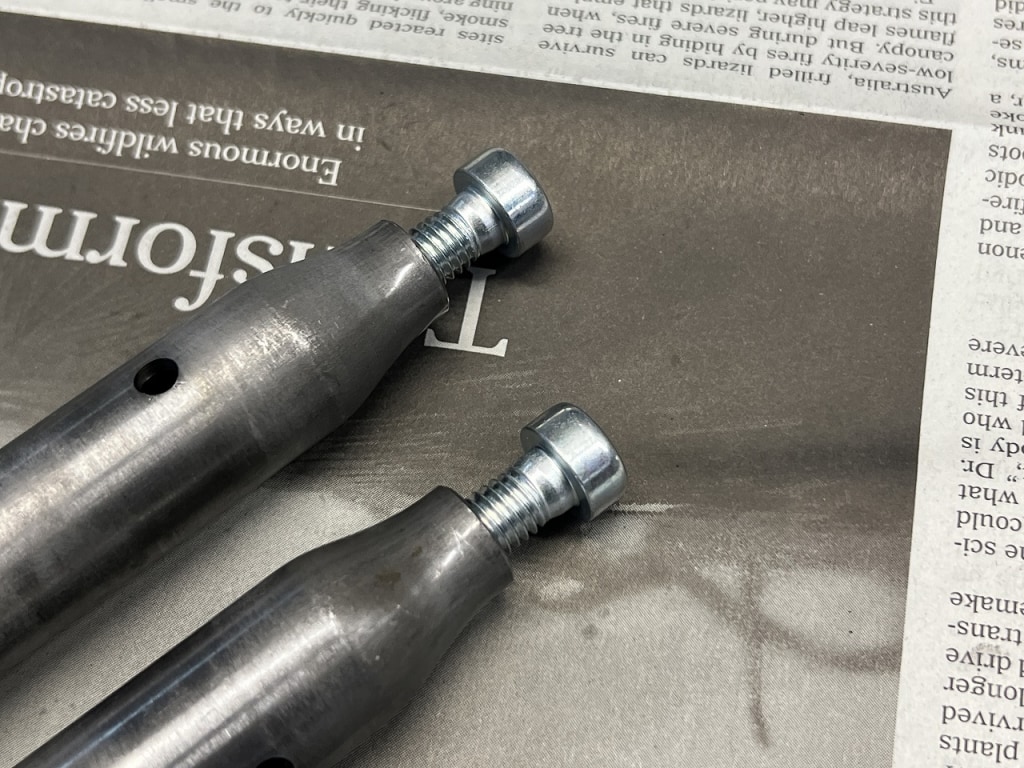
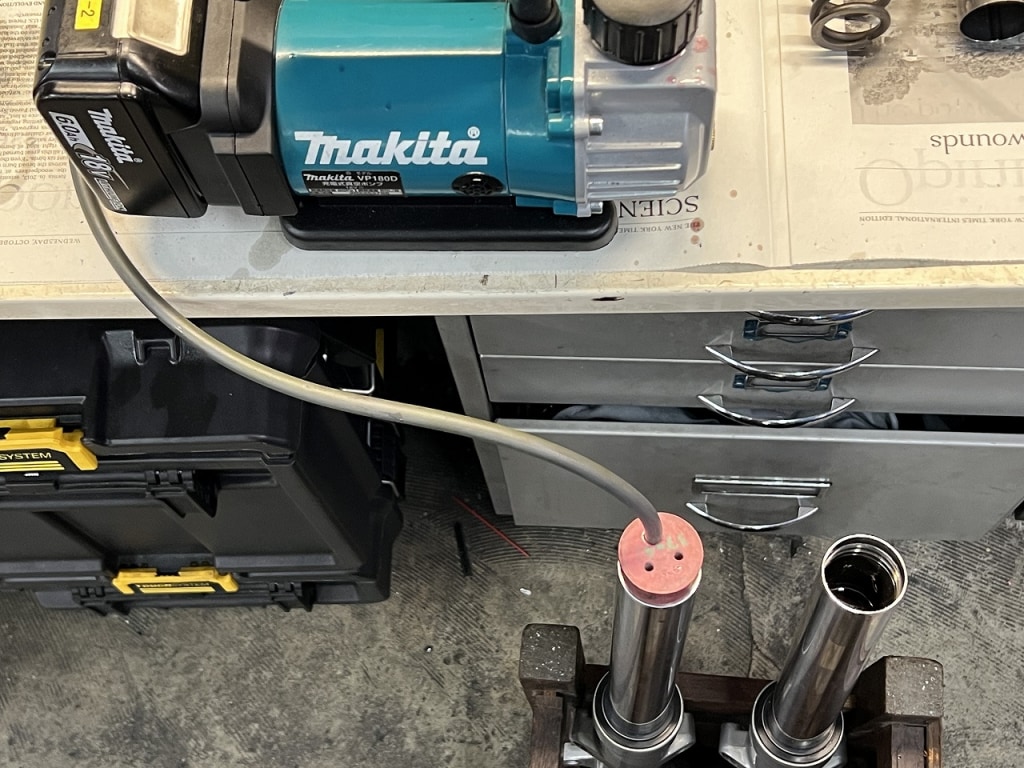
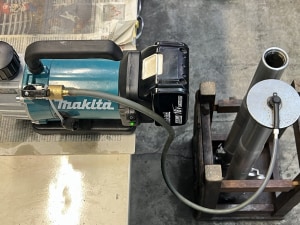
Since it’s non-cartridge, the work is extremely clean and nice. Finally, we’ll do an air bleed with a vacuum pump and adjust the oil level to finish.
A vacuum pump is so incredibly handy that I’d love for everyone to experience it. And the fact that it’s cordless is amazing.
When I do a temporary assembly on the front and spin the wheel, it makes a clicking sound.
Indeed, when I took the job, I was asked to check because there was noise coming from the front area.
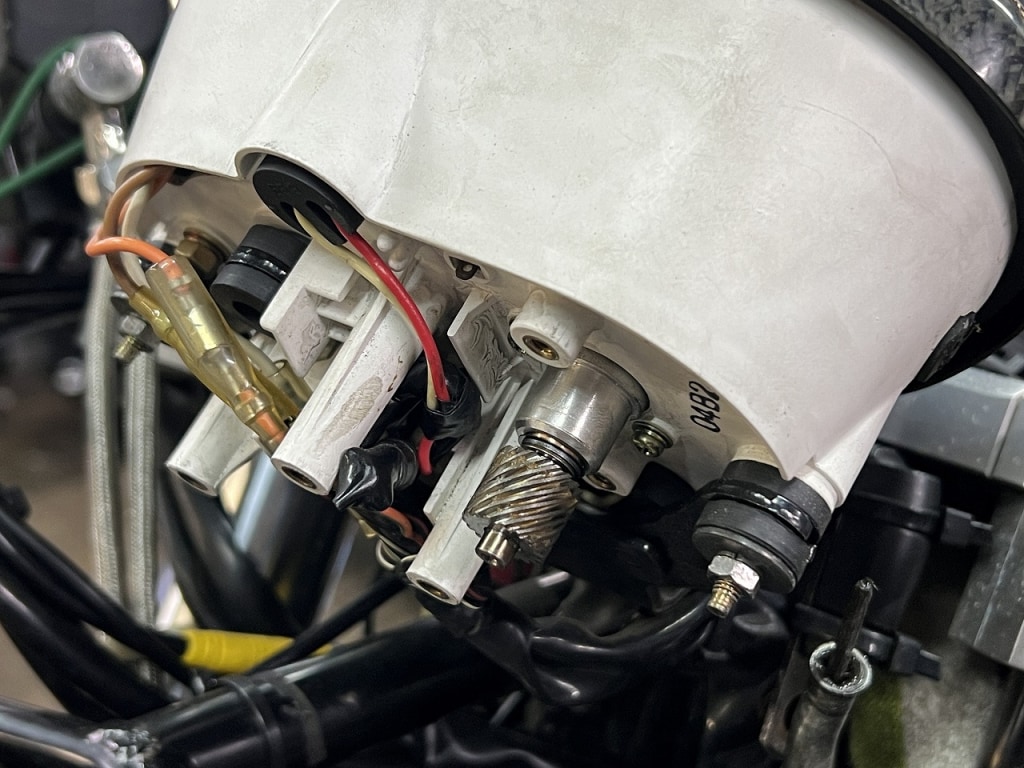
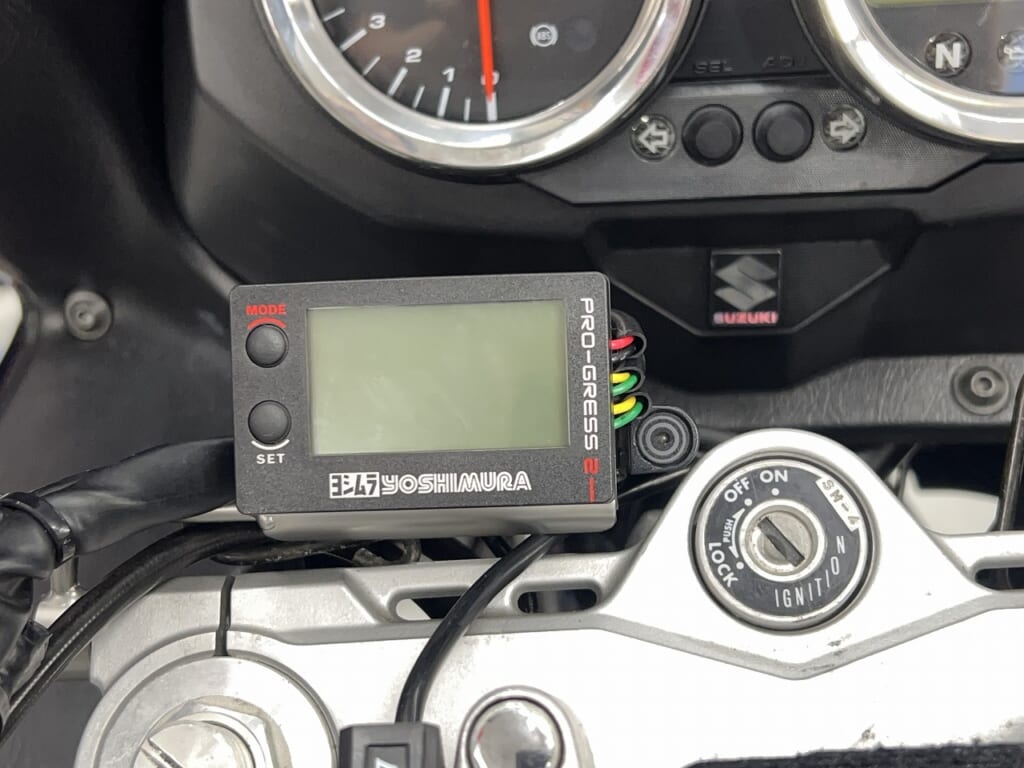
When I spin the wheel, the meter makes a clicking sound, so I disassembled it to investigate. At first I thought it was the meter itself, but it turned out to be the metal gear at the 90-degree conversion point moving up and down. When I packed it with plenty of silicone grease and reassembled it, lo and behold—it suddenly became a world of silence!
These little spots can run dry of lubricant too, you know. Please check them out on all your bikes when you get a chance.
Just a bit more work and we’re done. Hopefully I can wrap it up tomorrow (*´ω`*)



 ポチップ
ポチップ