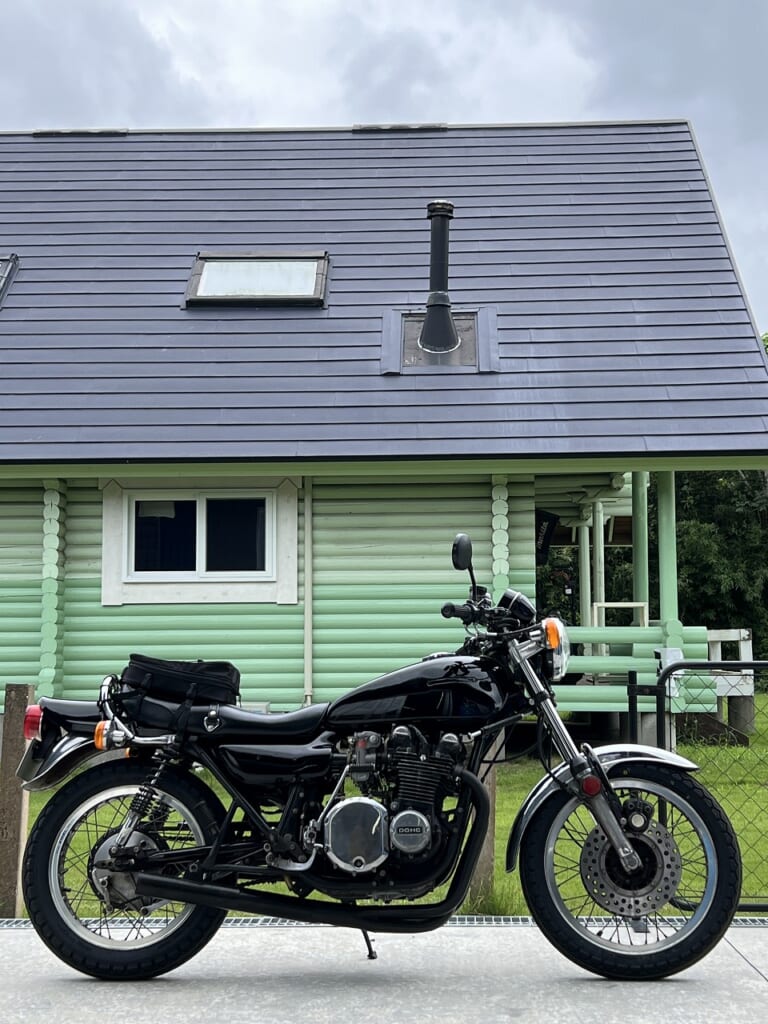
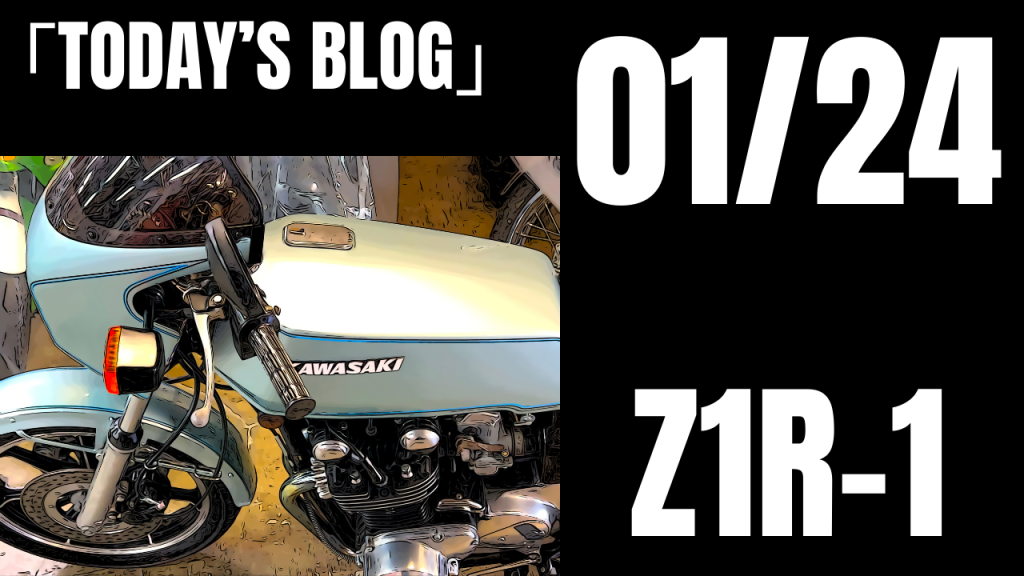
Please think of it as “the blog is being updated by watching ads.” The dreamy bike Z1R! It’s one of my favorite bikes that I’d love to own too.
I bought it, but surprisingly it’s in terrible condition and the controls are quite difficult. It’s too harsh to ride normally, so first I want to maintain it so I can ride it normally.
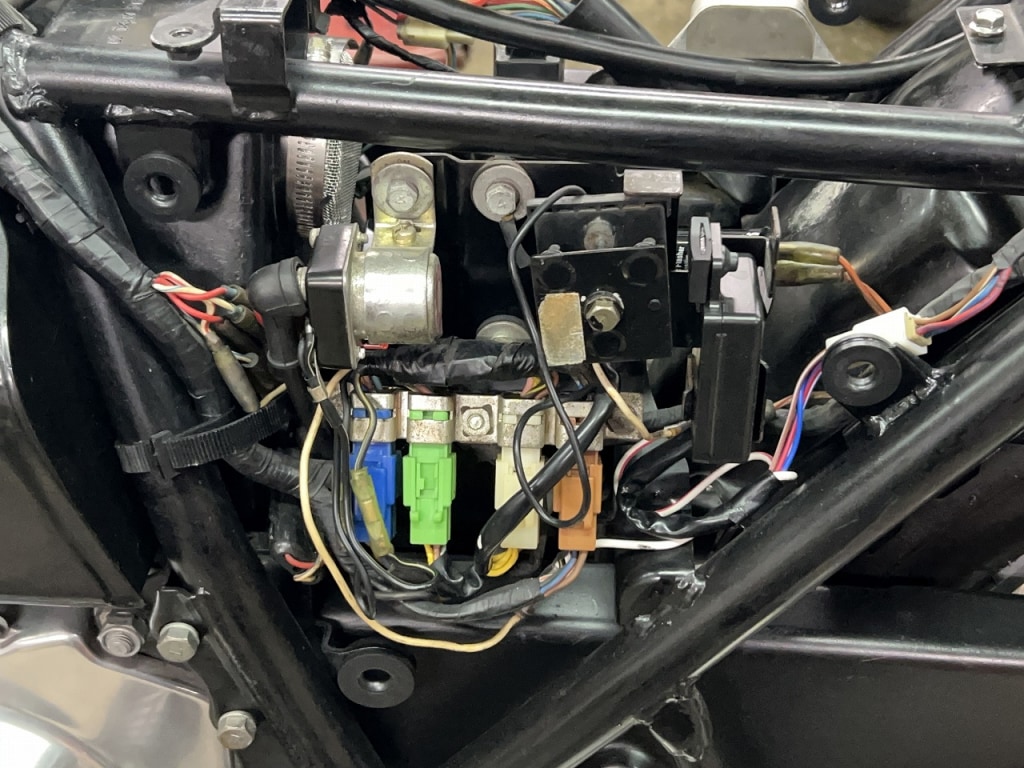
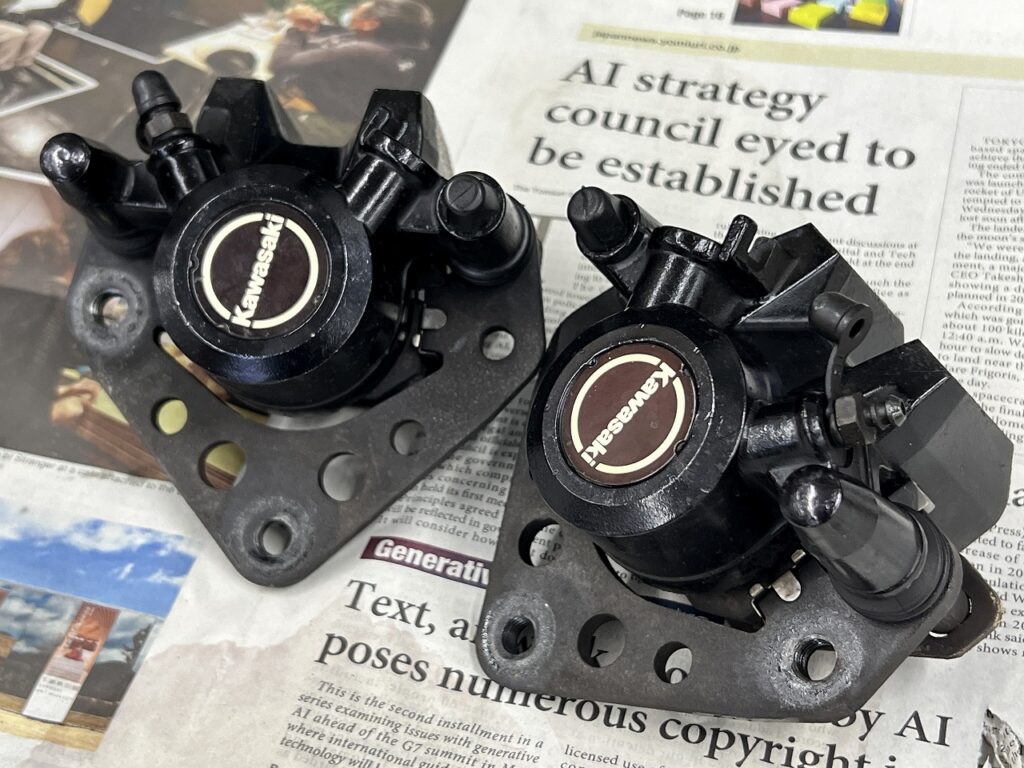
Rarely seen these days “Rectifier” and “Regulator” are separate types. It was an era when they wanted to control various things conveniently. From a modern perspective, everything is large and “in a way, it makes you feel nostalgic.”
Of course, convenient and smooth is better, so I think it’s good to use modern electrical components well.
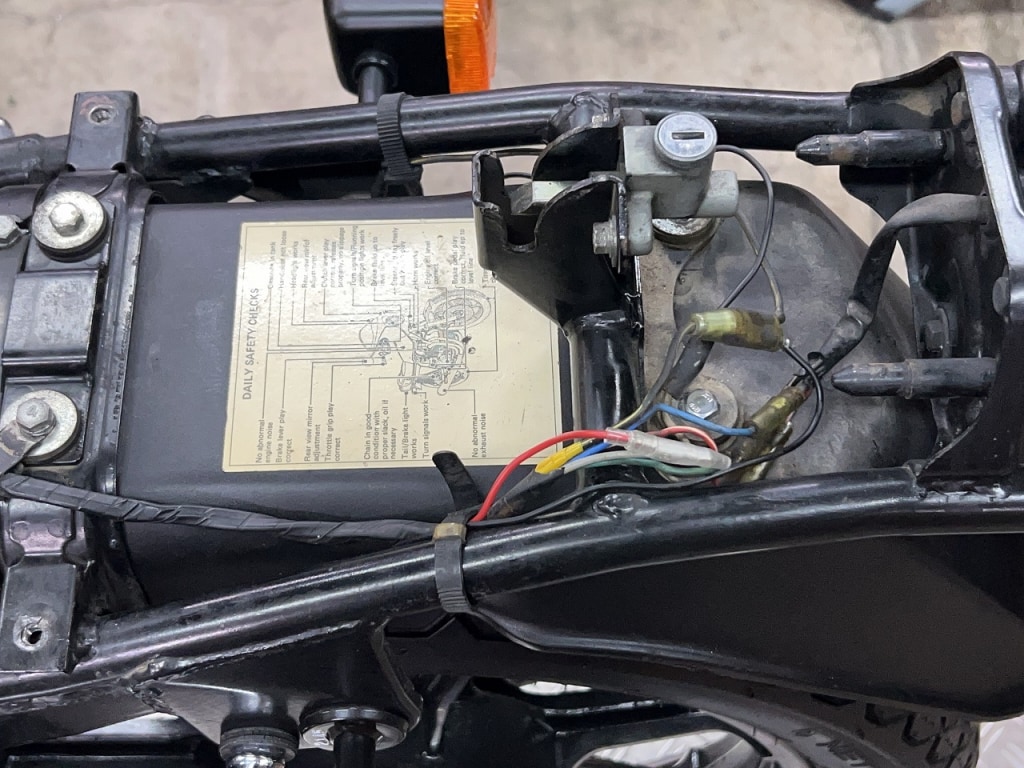
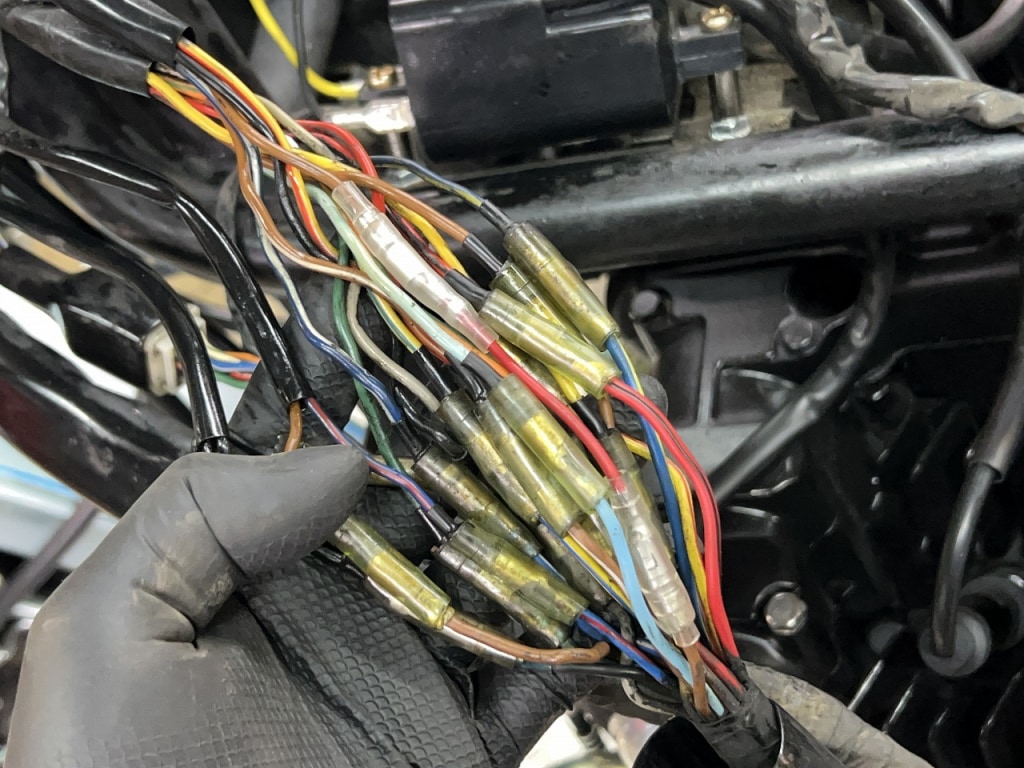
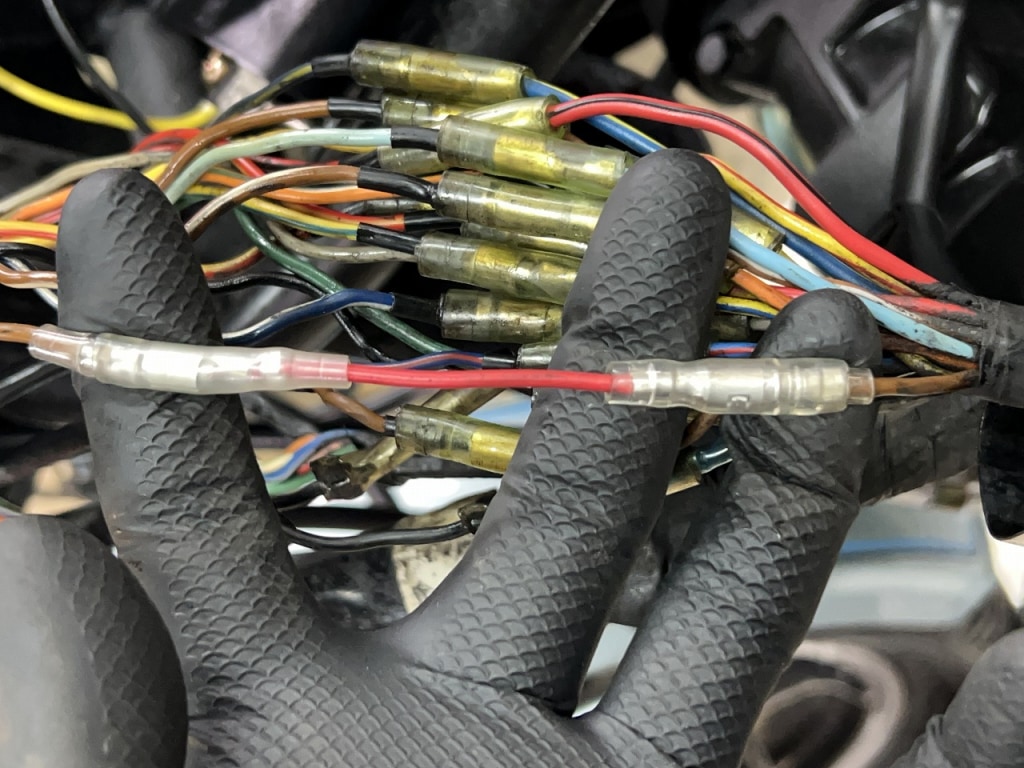
The handlebar switch wiring is amazing. The Z1R runs wiring through the handlebars, so I can understand why it ended up like this. But I wonder if it would have been easier to finish with 110-series terminals after running it through?
I removed the left and right switches because I’m replacing them with repro ones.
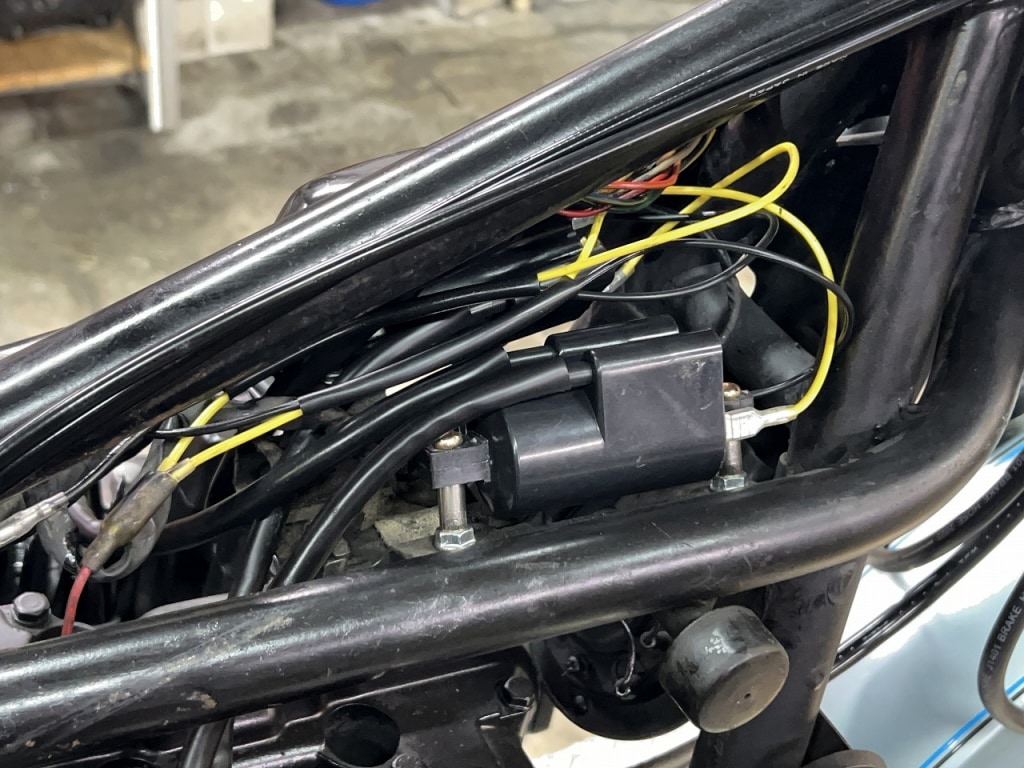
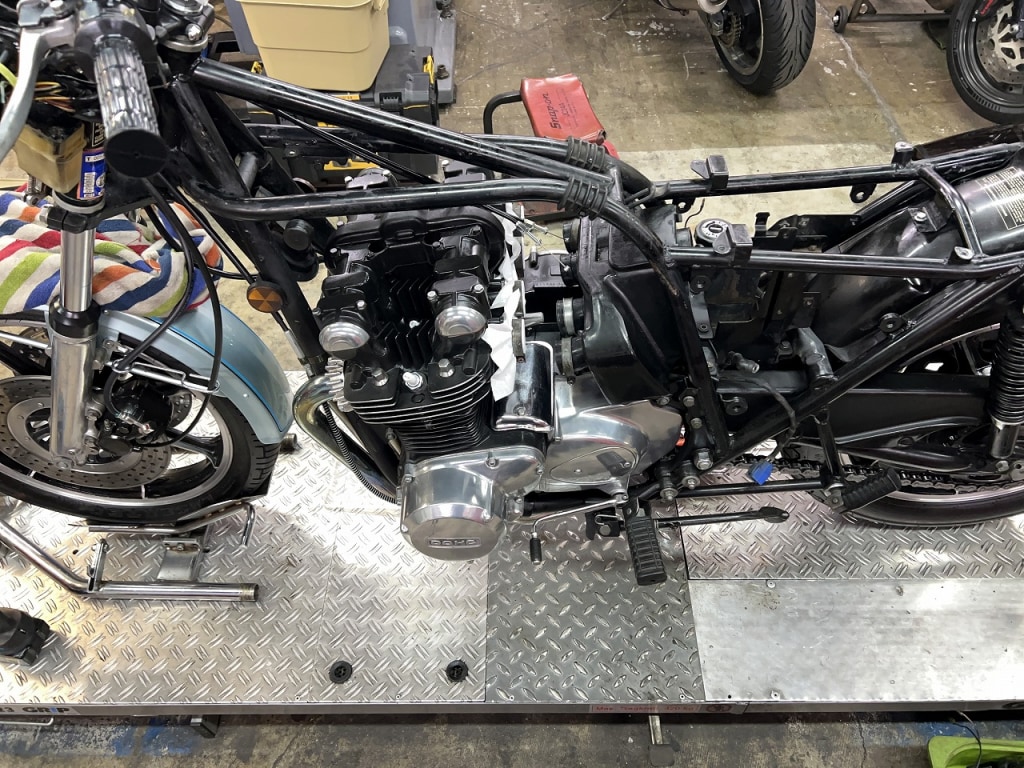
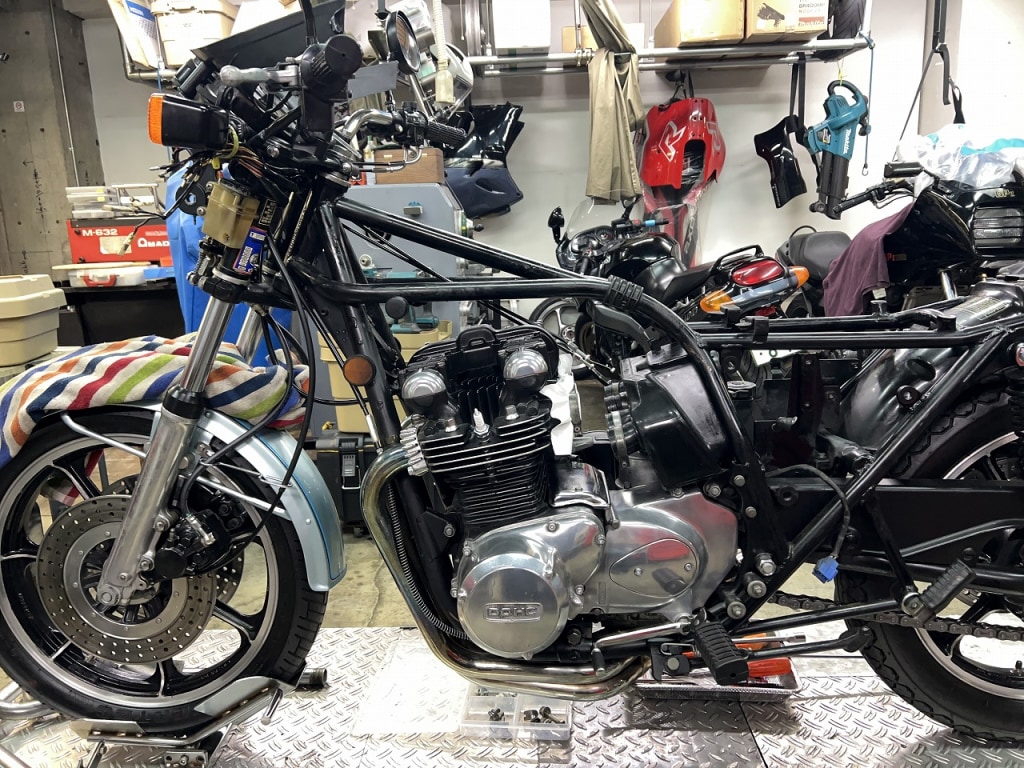
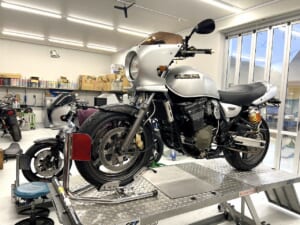
The simpler it is, the more the beauty of the frame stands out
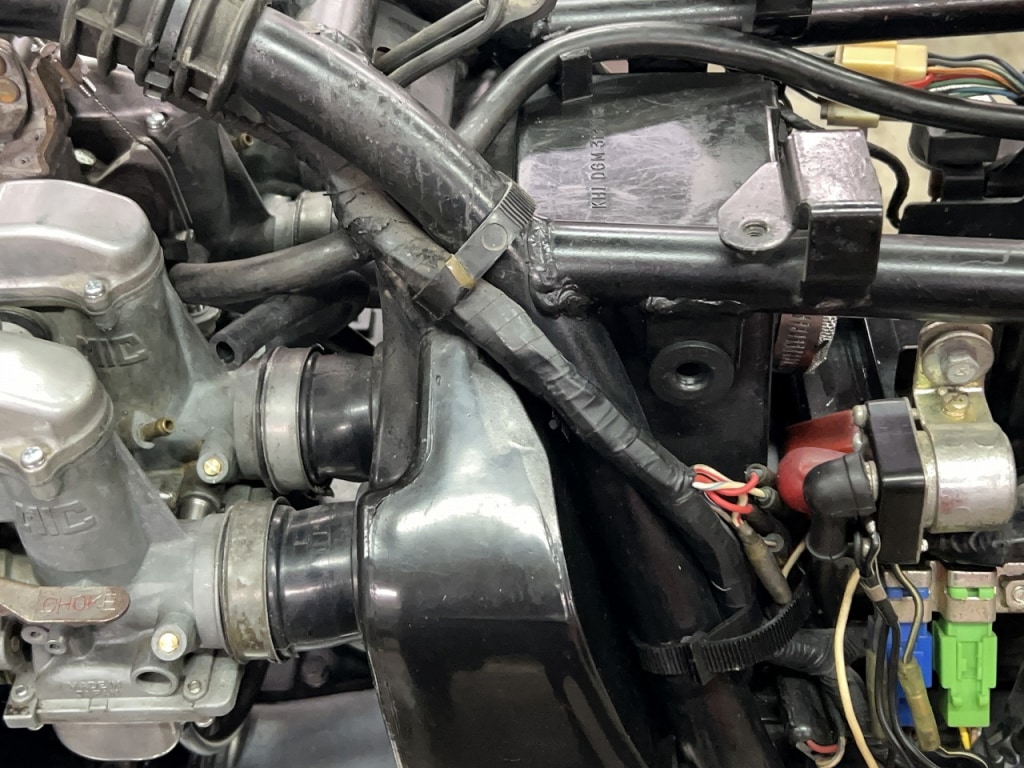
Bikes from this era have thin frames, but the design is beautiful, isn’t it? I’m also fascinated by the wonderful design of the air-cooled engine.
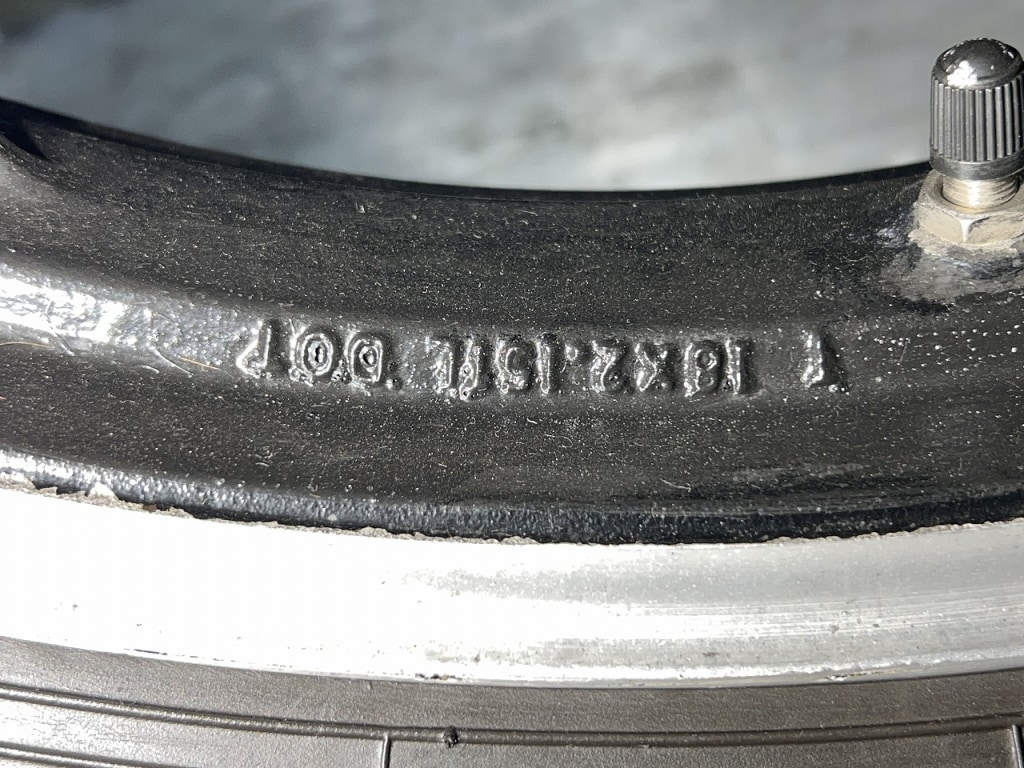
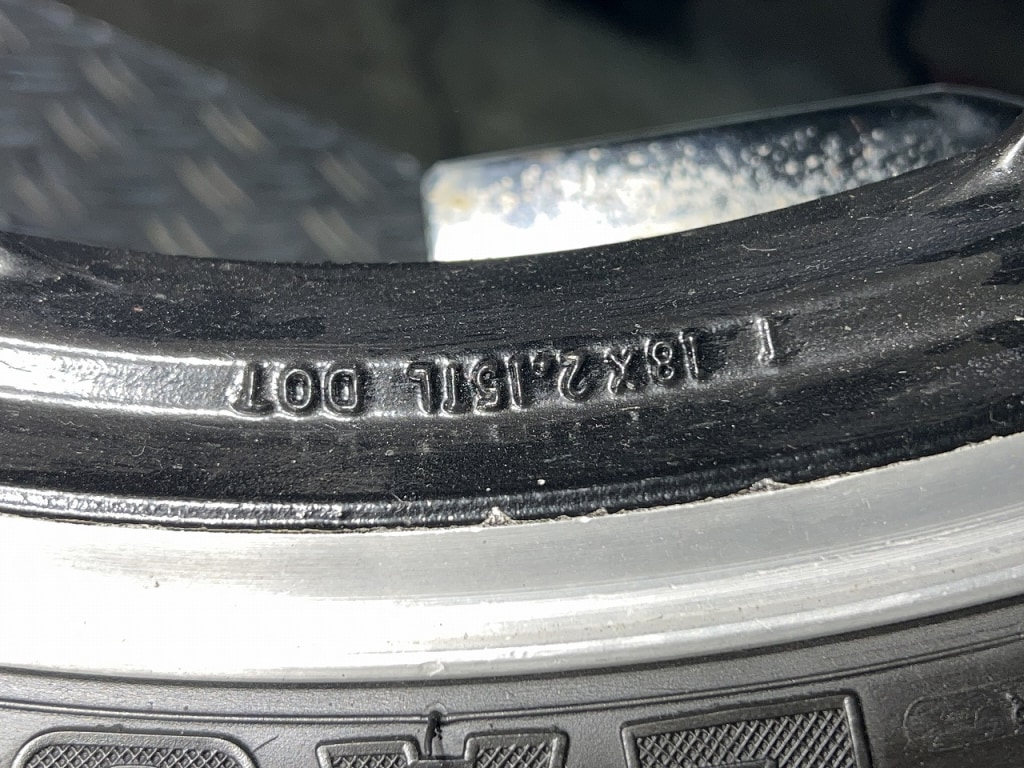
The amazing front and rear same size wheels 2.15-18
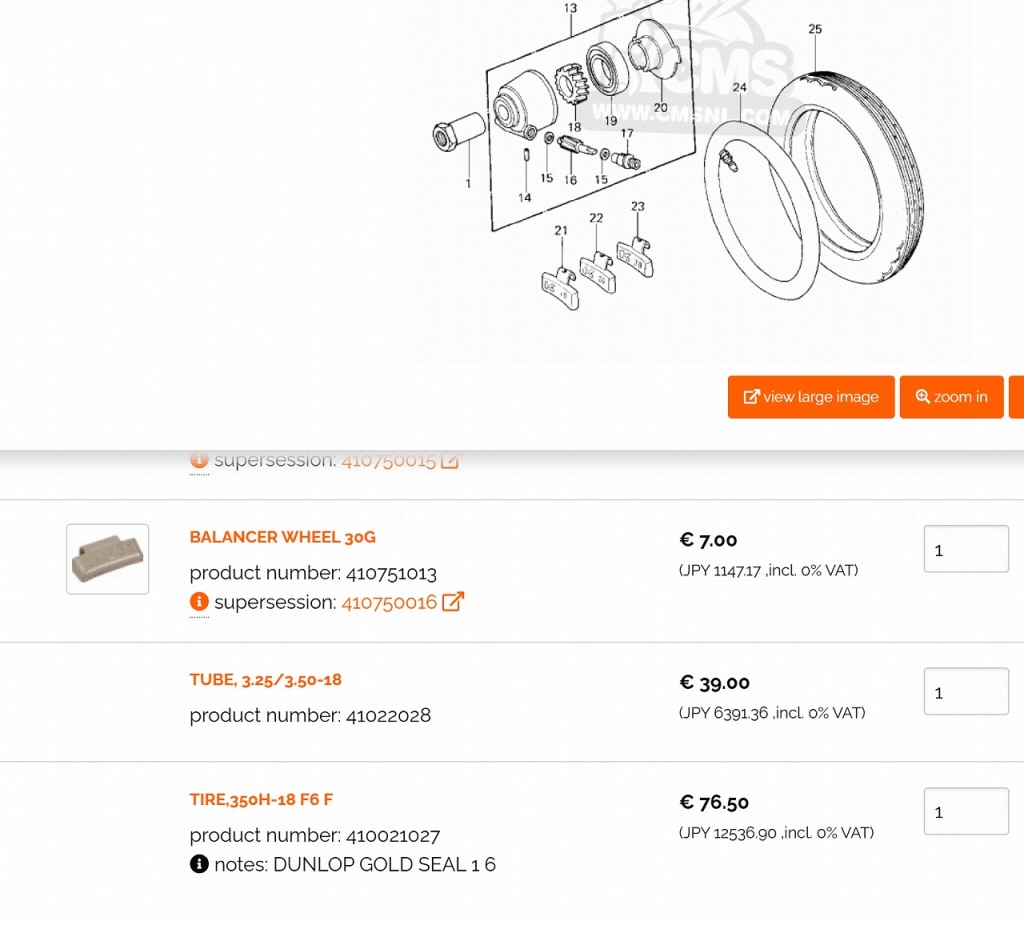
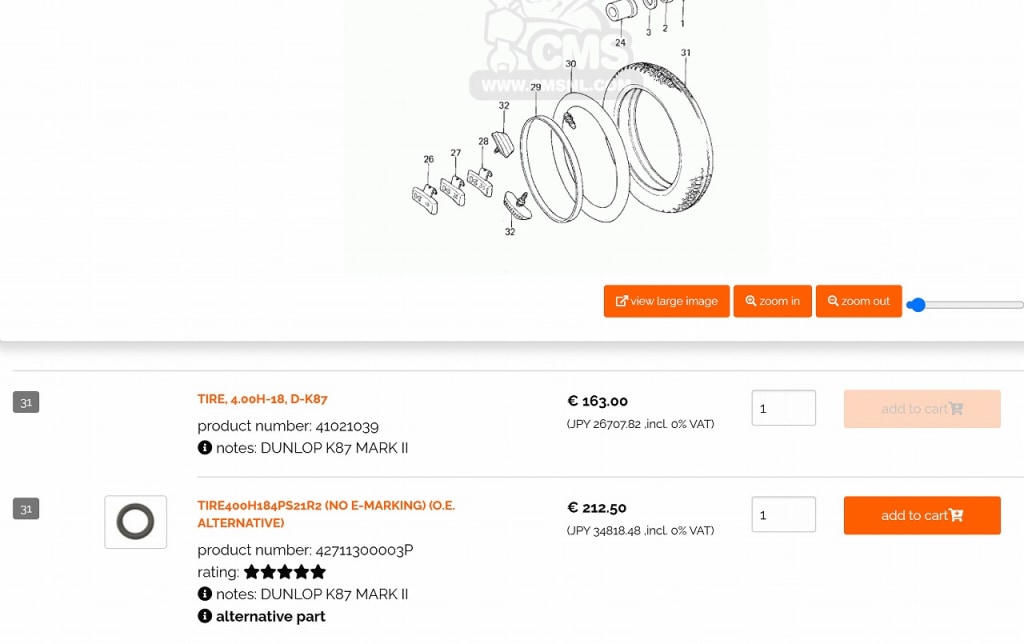
The wheel size needed when ordering tires. And you need to know what original tires were used.
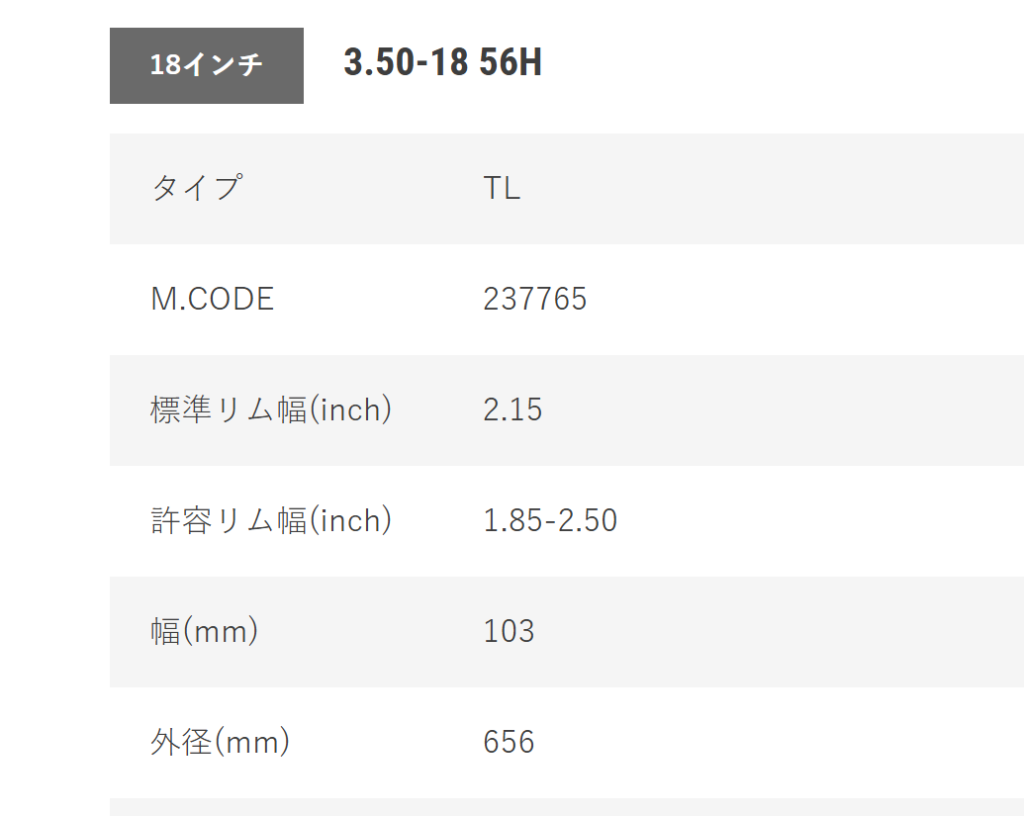
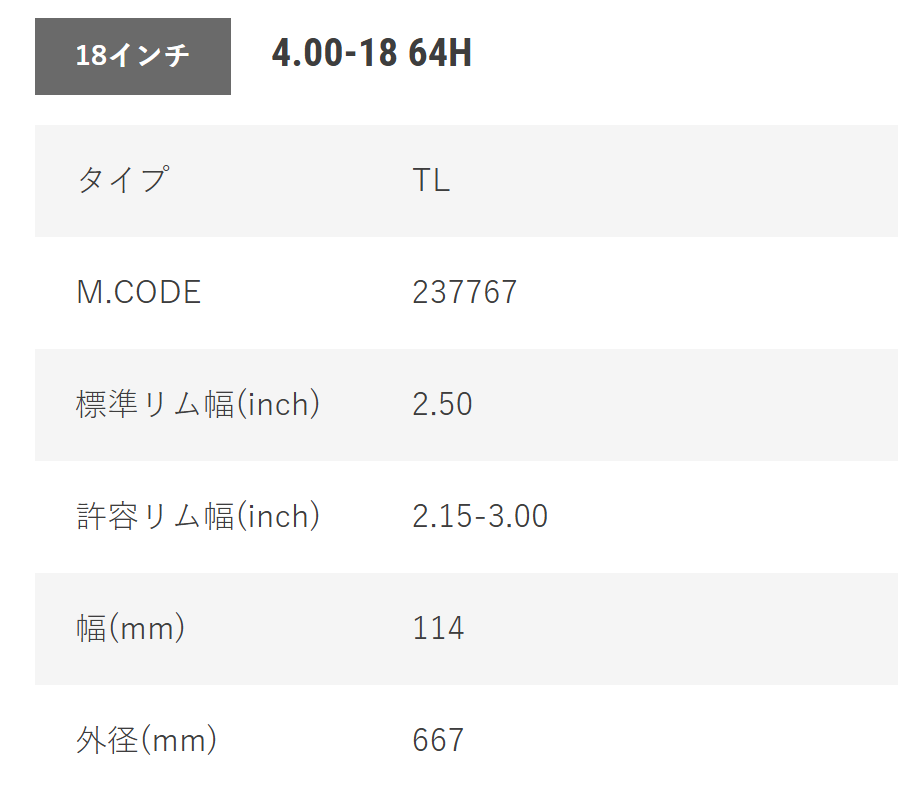
Front 3.50-18 Rear 4.00-18
Lately, this inch notation also feels nostalgic. From this tire size, if you look up the width and outer diameter and check the stance, it will be reliable.
I’ll check the size based on Dunlop TT 100 GP.
You should definitely check the allowable rim width. If the values deviate from this, “tires that absolutely can’t use the edges” or “clearly strange round shapes” are likely to result.
Nowadays, “there may be no tire options,” so in such cases it can’t be helped, but “the wheel rim width” and “the tire’s allowable rim width” are definitely items to check.
Similarly, “outer diameter is quite important,” and if the difference is large, the stance can change significantly, so it’s good to know.
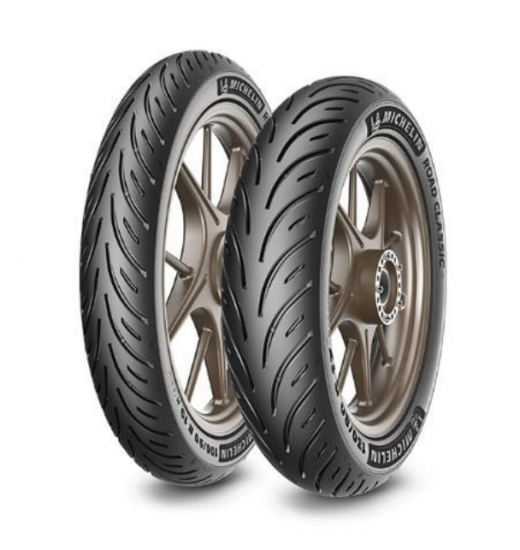
Michelin Road Classic adopting belted bias
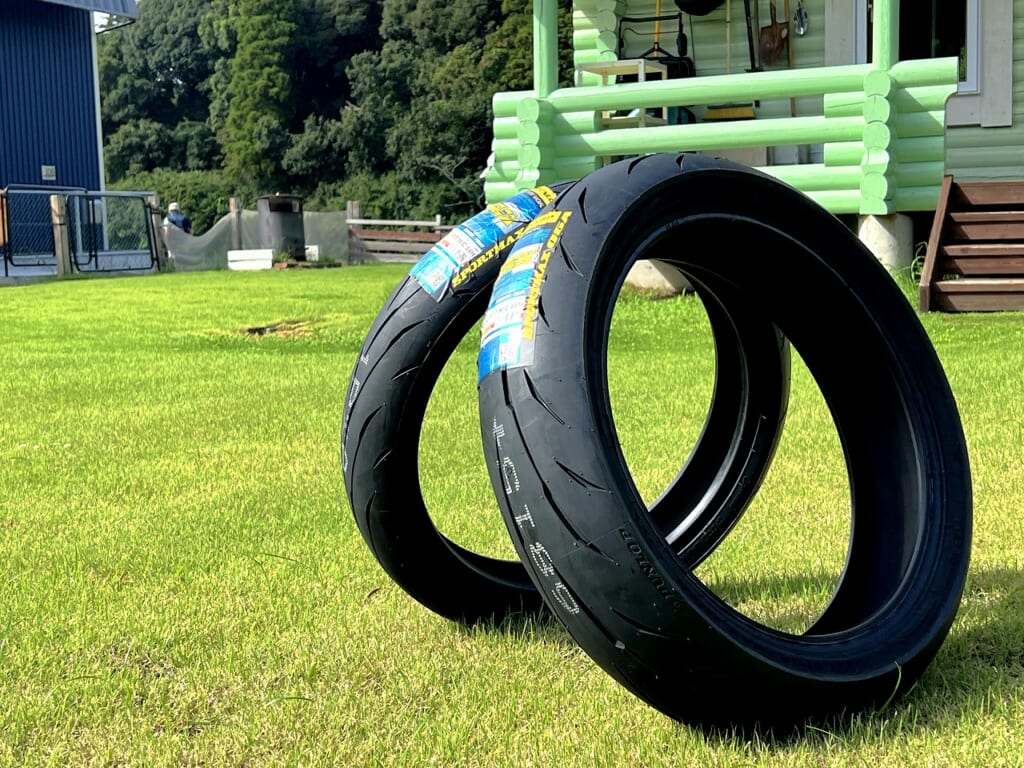
Since I’m a Michelin fan, “Michelin ROAD CLASSIC” is the only choice.
This tire is also on my GPZ 550, and I think it’s an extremely natural and good tire. Bias tires also roll very cleanly with Michelin, so without the drawbacks of operability, I think it becomes a bike you can enjoy with confidence.
〇Front ROAD CLASSIC【100/90-18 M/C 56V TL】 *Front is not belted. 〇Rear ROAD CLASSIC【4.00 B18 M/C 64H TL】 I went with this combination this time.
What’s troublesome about Michelin tires is “they don’t list tire dimensions,” so I have no choice but to look them up from Bridgestone and Dunlop as reference.
What I struggled with this time was the front. 100/90-18 is better for rim width = the tire shape is good, but 9mm nose-down 110/90-18 is better for outer diameter = same 656mm outer diameter and good stance, but front and rear tires are close in width.
When I’m worrying about tires like this, an hour passes in no time. Once the tires actually arrive and I install them and check with actual measurements, the data becomes richer.
Every time I think about it, “is it better to know? Or better not to know?” Which way is more fun to ride… In the end, it’s all about riding, but if you understand the numbers, it’s easier to make corrections logically. That’s how I’m ordering parts little by little. I wonder if I’ll finish before moving… I’ll do my best.



 ポチップ
ポチップ