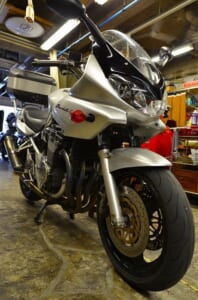
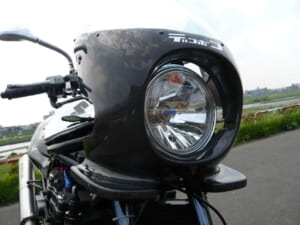
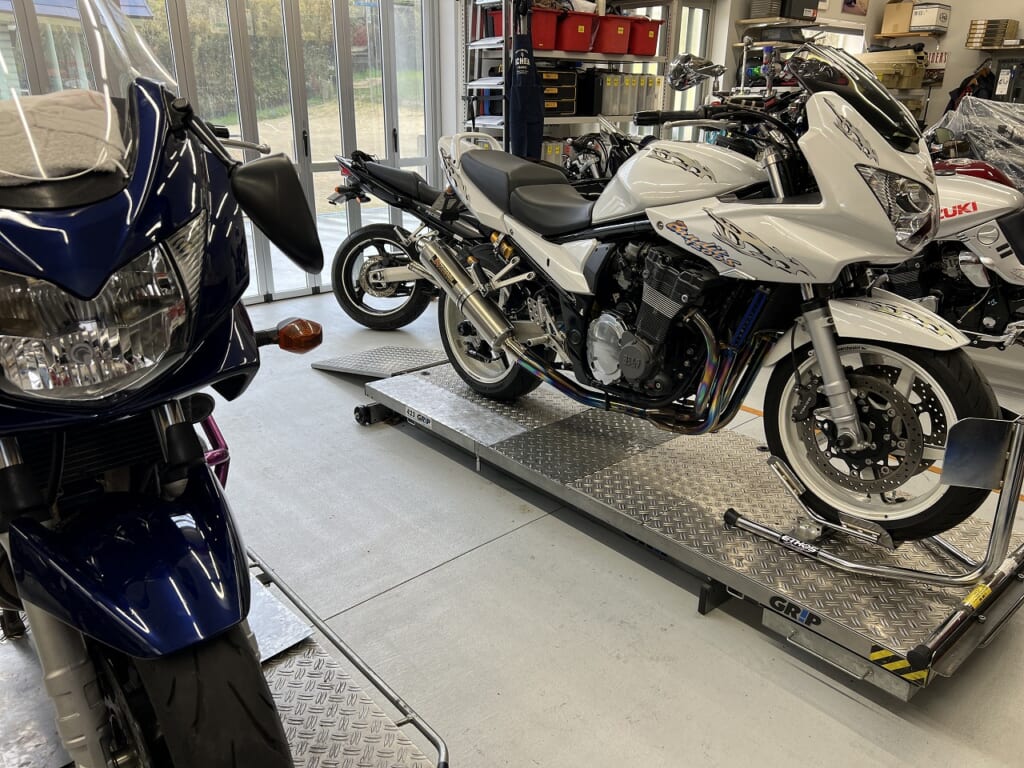
We’re in the middle of a mysterious Bandit 1200 K6 celebration festival! (*´ω`*) Recently, I’ve been able to produce YouTube content more consistently, which is great, but the blog has been somewhat neglected. I’m trying to find a good balance and keep at it.
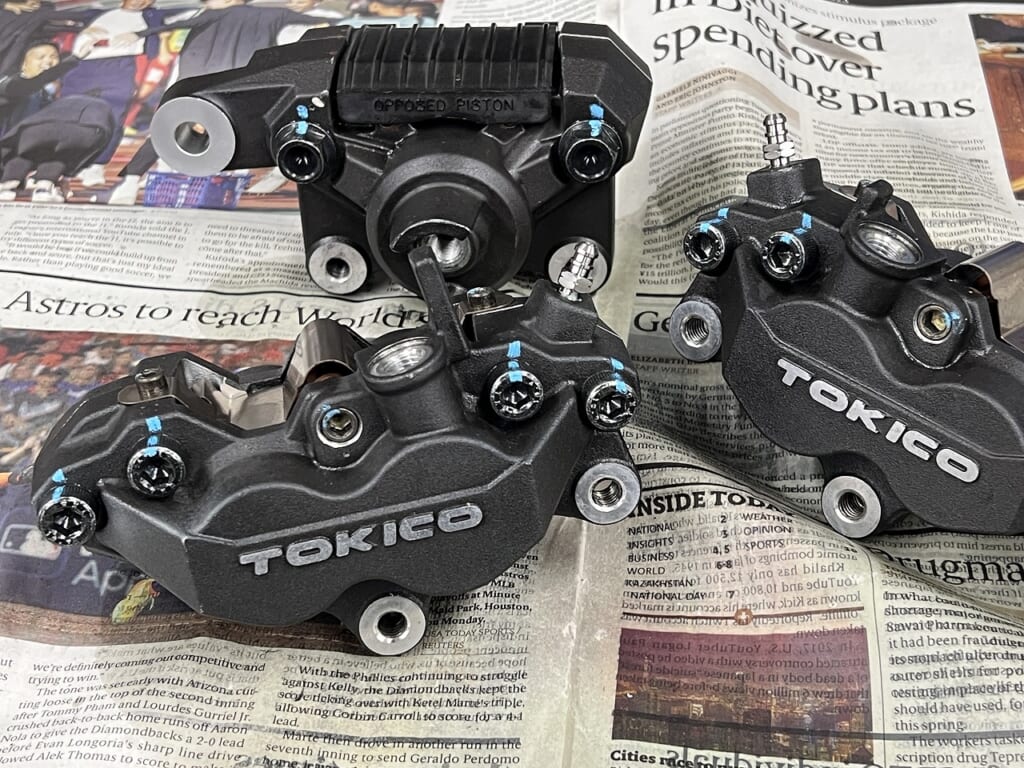
This time, we received a request for inspection work plus additional maintenance. We’re overhauling the brake calipers, which have been feeling a bit off.
Today’s Maintenance Log
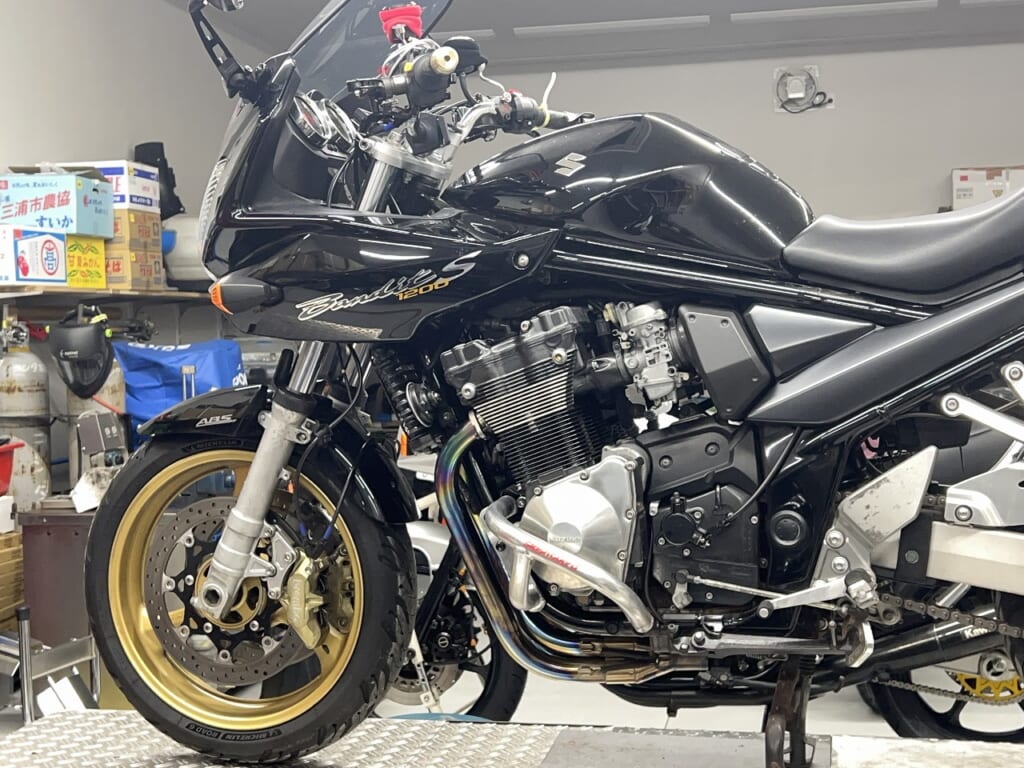
Vehicle:Suzuki Bandit 1200 (K6)
Features: The final oil-cooled model released in 2006. In other words, this year marks exactly **20 years since manufacture**.
Work Performed:
Brake caliper disassembly, cleaning, and complete replacement of all seals (overhaul).
(※If master cylinder overhaul or brake hose replacement was also performed, it will be noted)
What We Want to Share: Even if the engine is running strong, the rubber components inside the brake calipers will definitely deteriorate and harden after 20 years. This is the most “important” maintenance to safely stop a heavy oil-cooled bike.
Decoboco’s other BLOG. “RURAL GARAGE“
A hidden room for non-motorcycle topics. Sharing everyday convenience items, relocation, delicious food, life philosophyand more. ←click
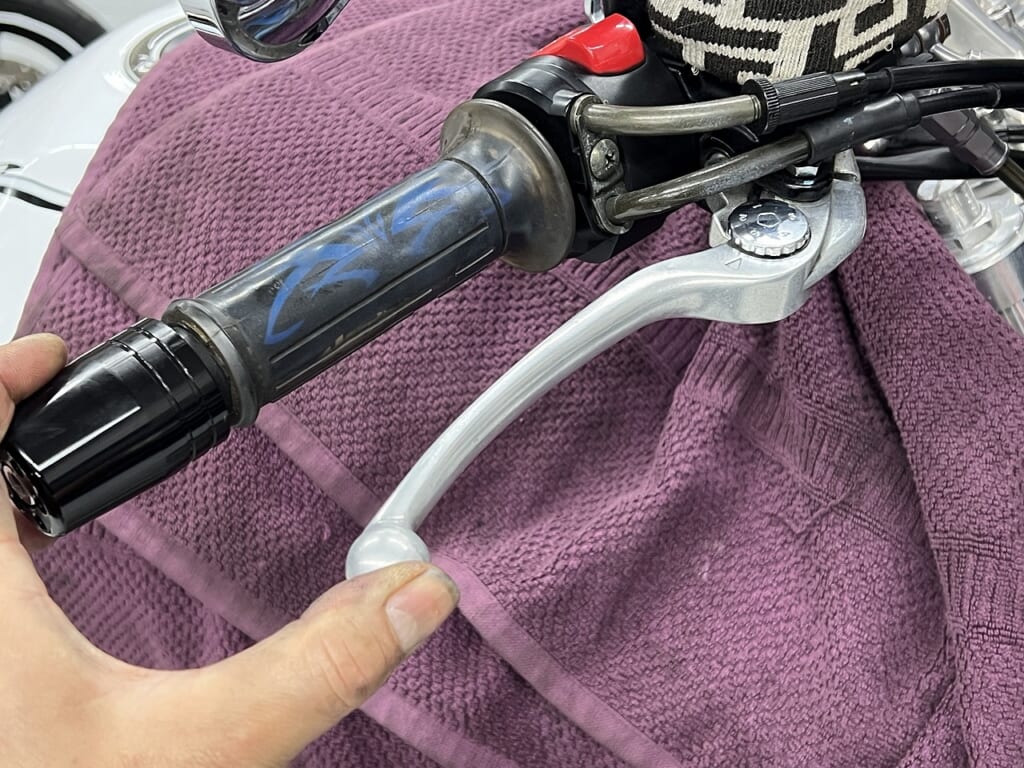
When caliper seals age, brake feel tends to become soft
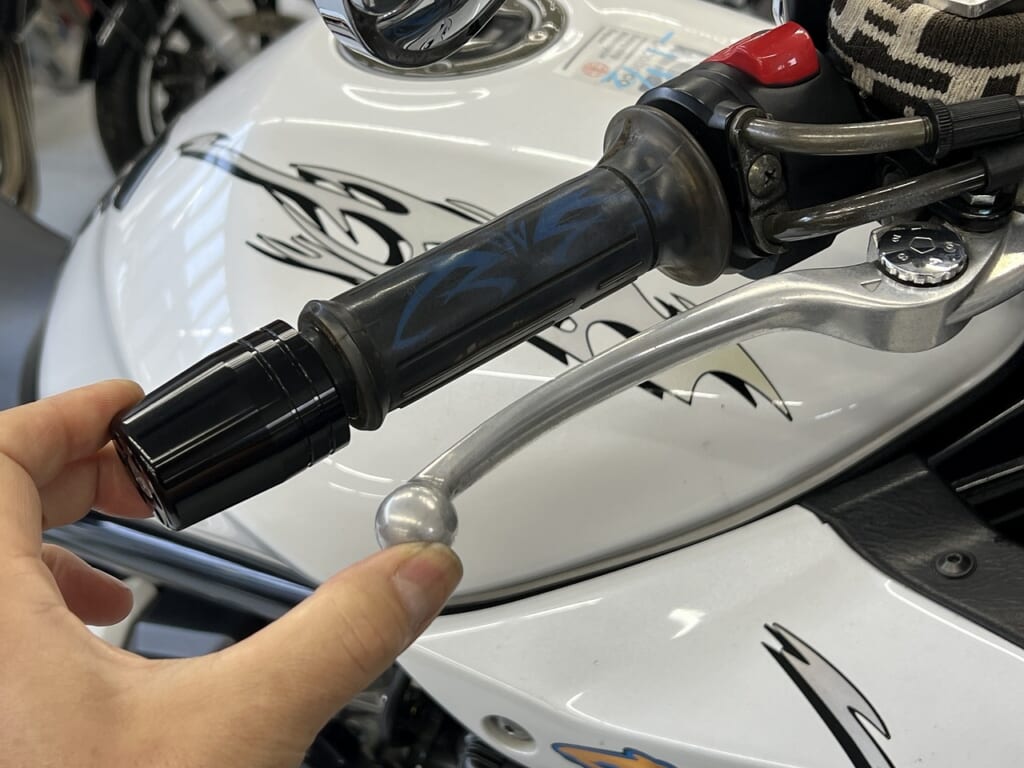
It’s gotten this soft. When caliper seals age, excessive rollback often occurs. When that happens, the piston retracts more than necessary, making the brake feel soft.
A light cleaning can provide some recovery, but that’s just a temporary fix. If you’re going to spend time cleaning the caliper, it’s more efficient to just do the overhaul.
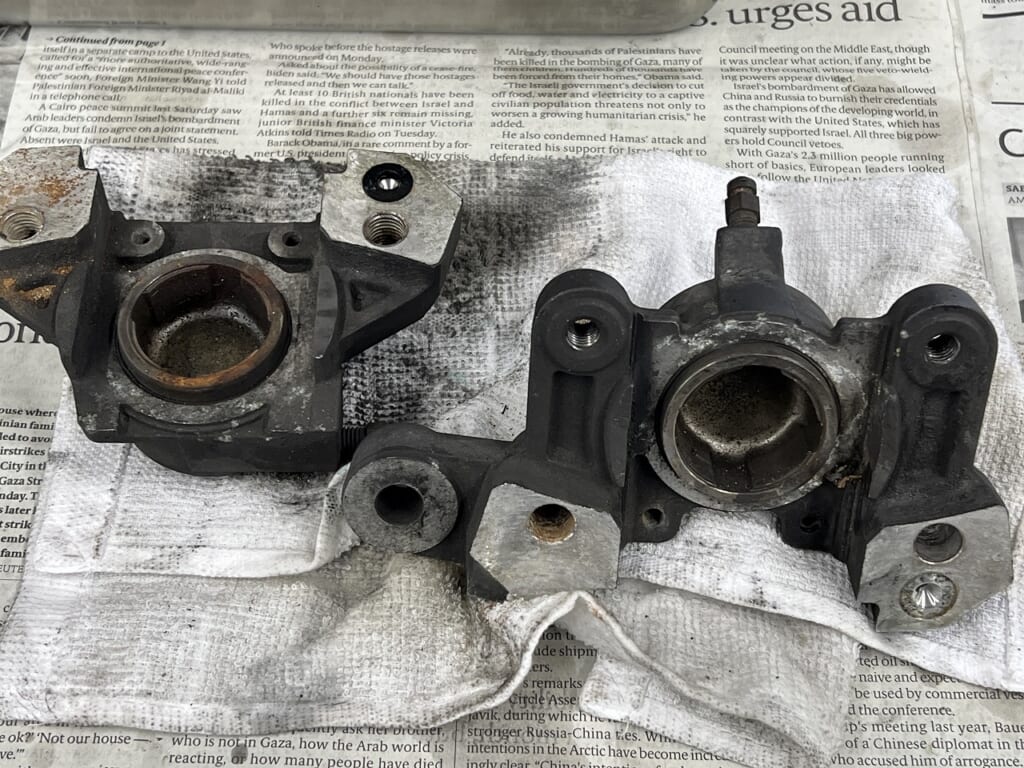
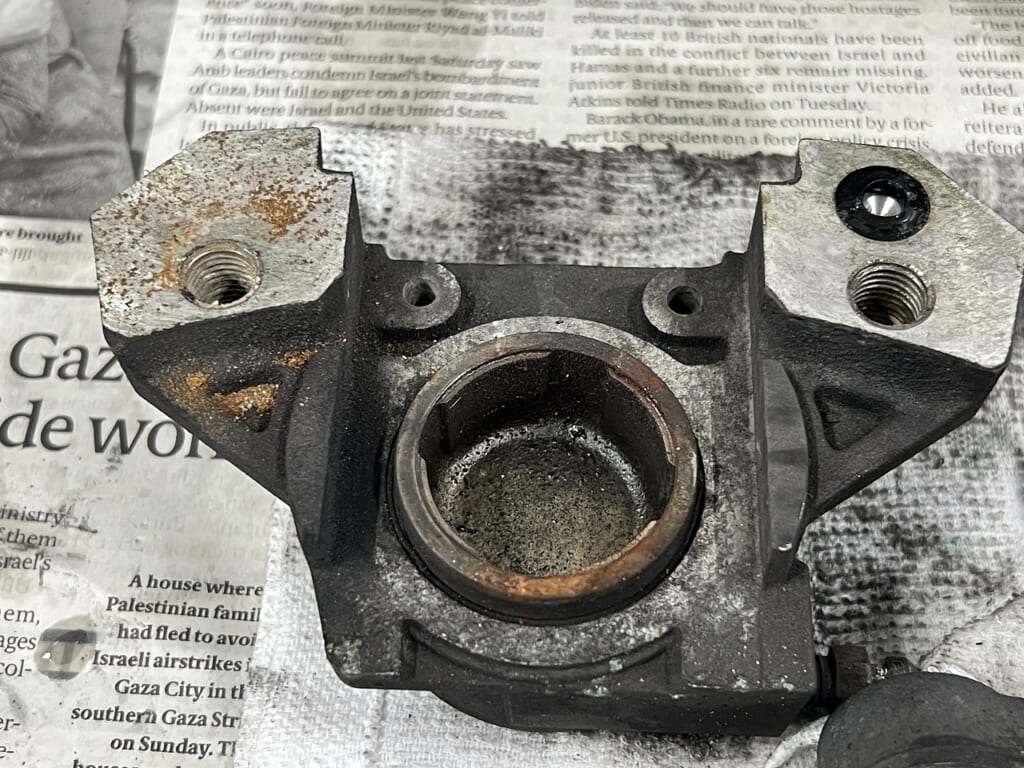
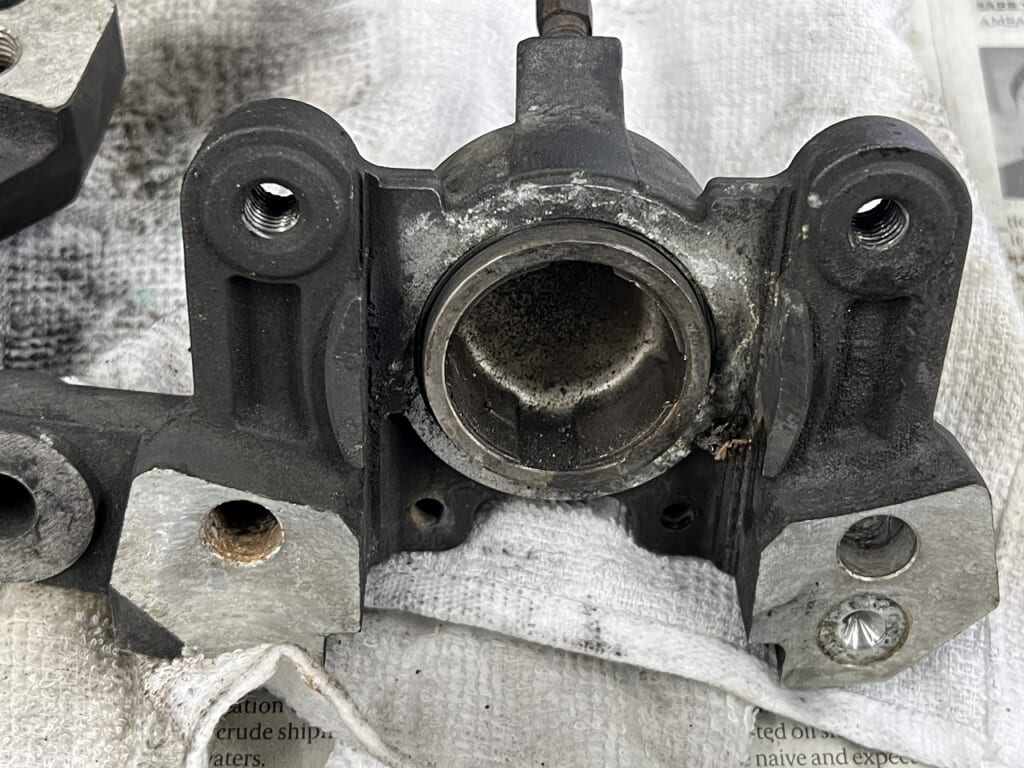
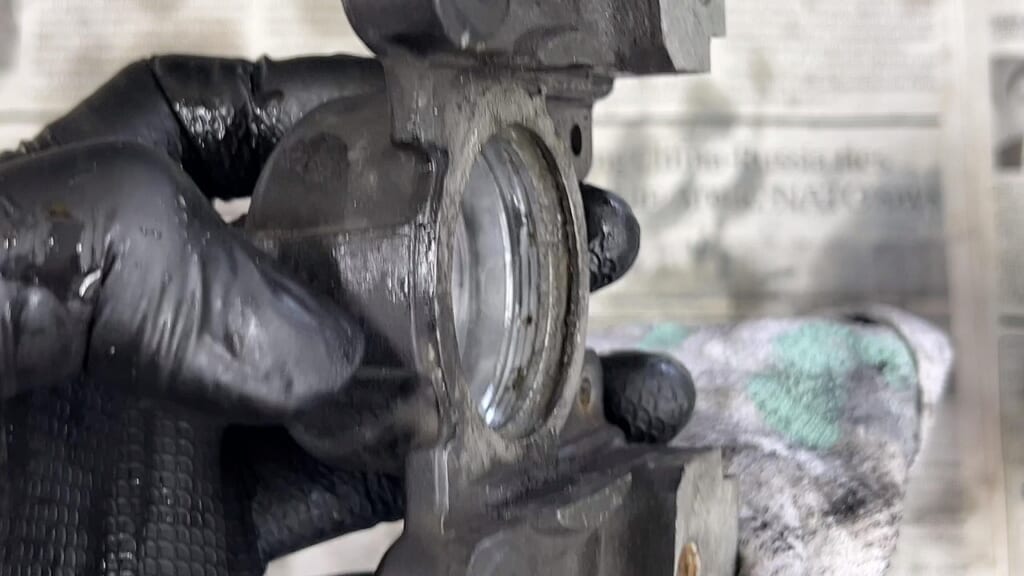
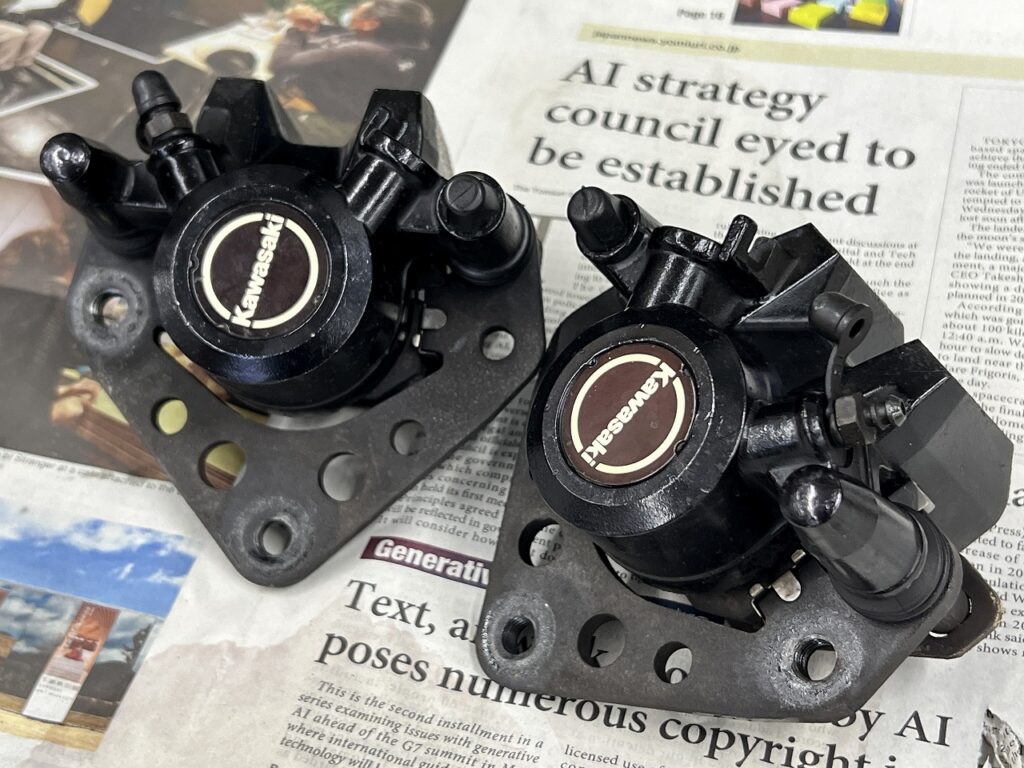
Non-anodized calipers tend to have more corrosion
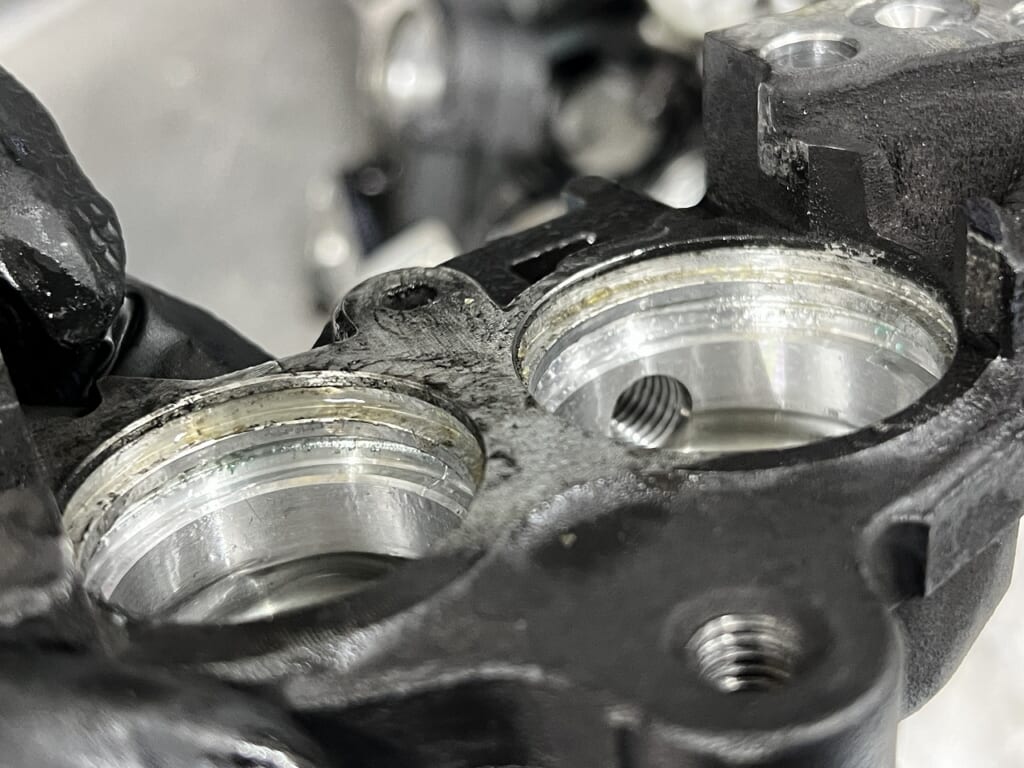
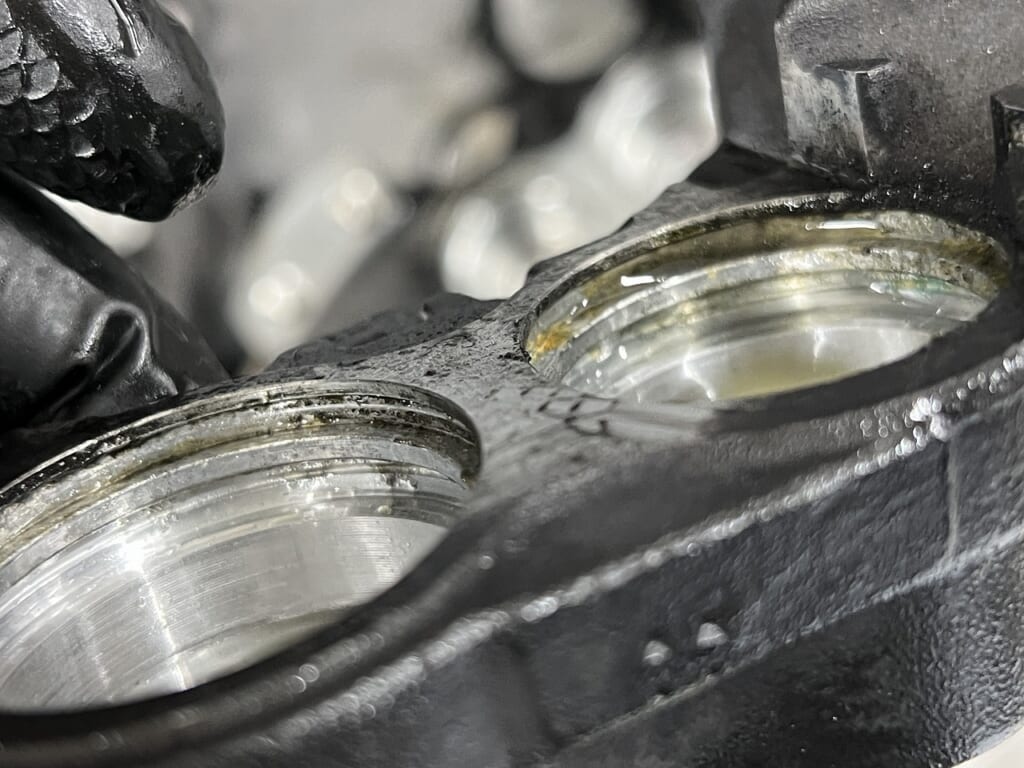
It looks fairly clean, but debris has quietly accumulated. I shot video of this, so check YouTube later for details.
It’s a great time to be able to see the harsh reality through both images and video! (*´ω`*)
The rear caliper has been changed to an older Tokico 2P model. It’s in quite a severe condition. Factory brake calipers really need an overhaul after 6-10 years.
This is a screenshot from the video. The debris accumulation is extreme. It’s hard to believe this much can build up.
Basically, when this debris accumulates, it pushes the seal against the piston side in a distorted way. The piston extends through hydraulic pressure, so that works reasonably well, but rollback (the piston retraction function) decreases. Heavy brake lever, soft brake feel/excessive play That’s what happens, so if you want smooth, responsive braking, periodic overhauls are necessary.
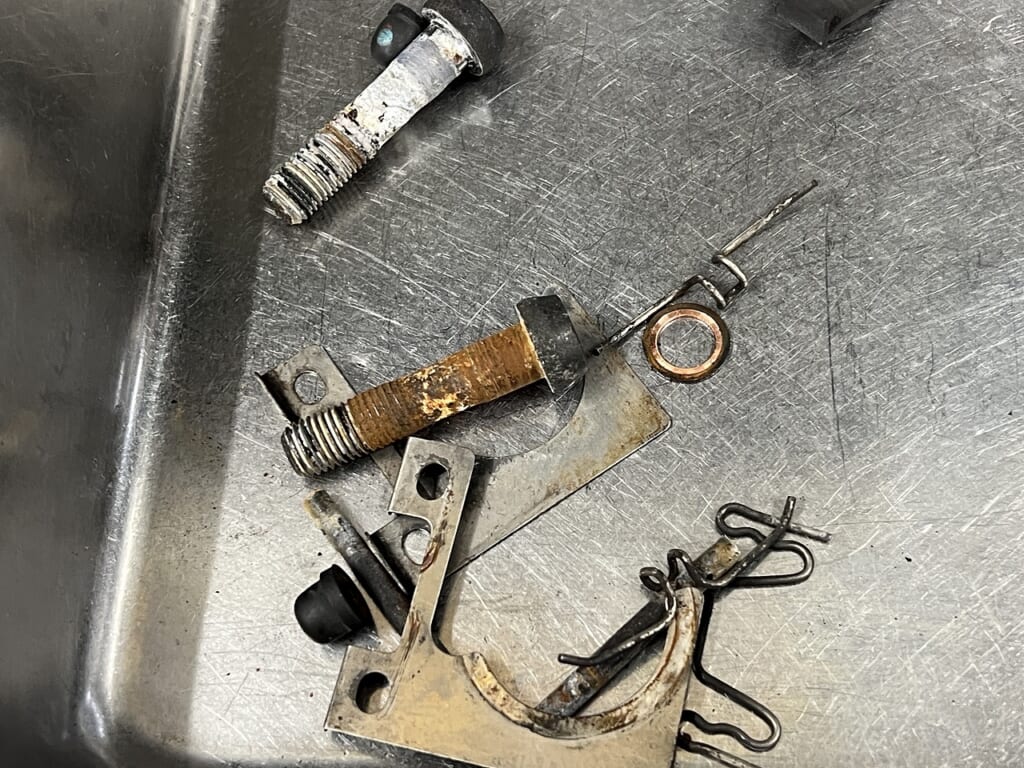
The corrosion on small parts is also severe. We reuse what we can and replace all bolts with new ones.
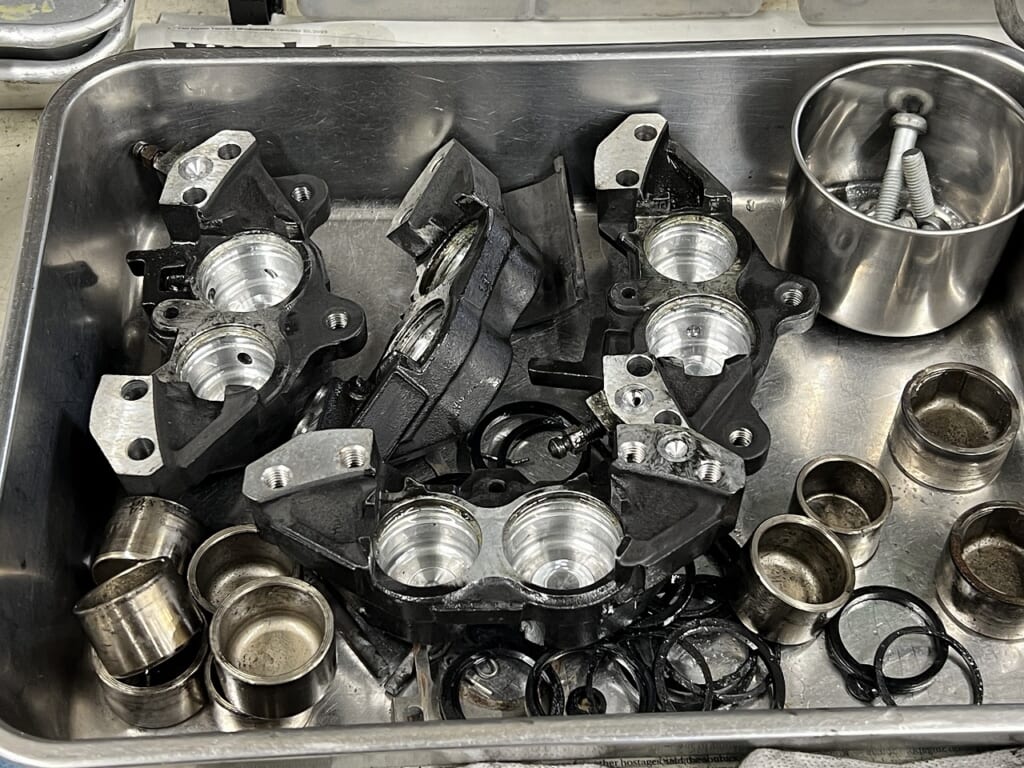
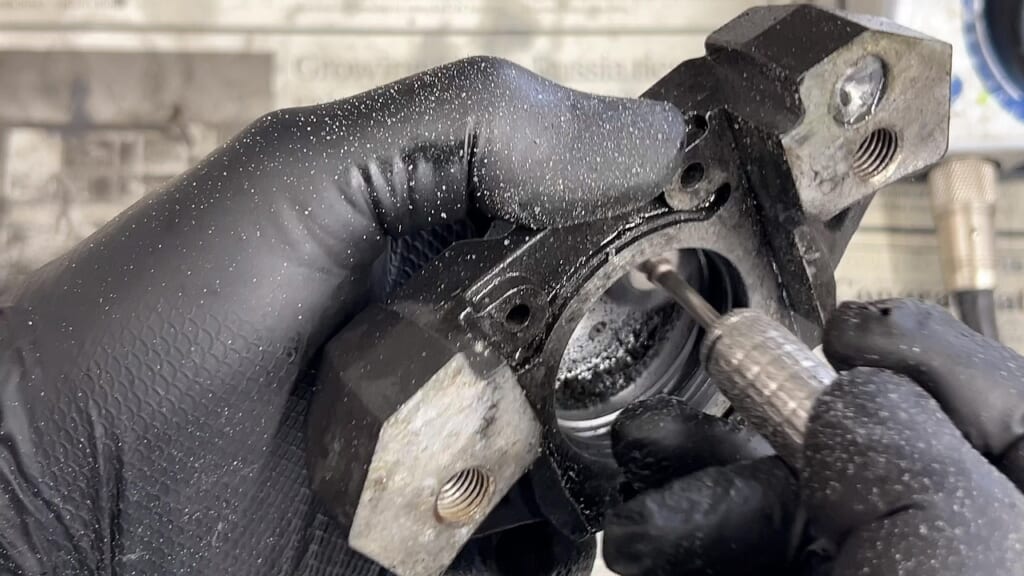
Rough cleanup with a rotary tool → sparkling finish with wet blasting ★
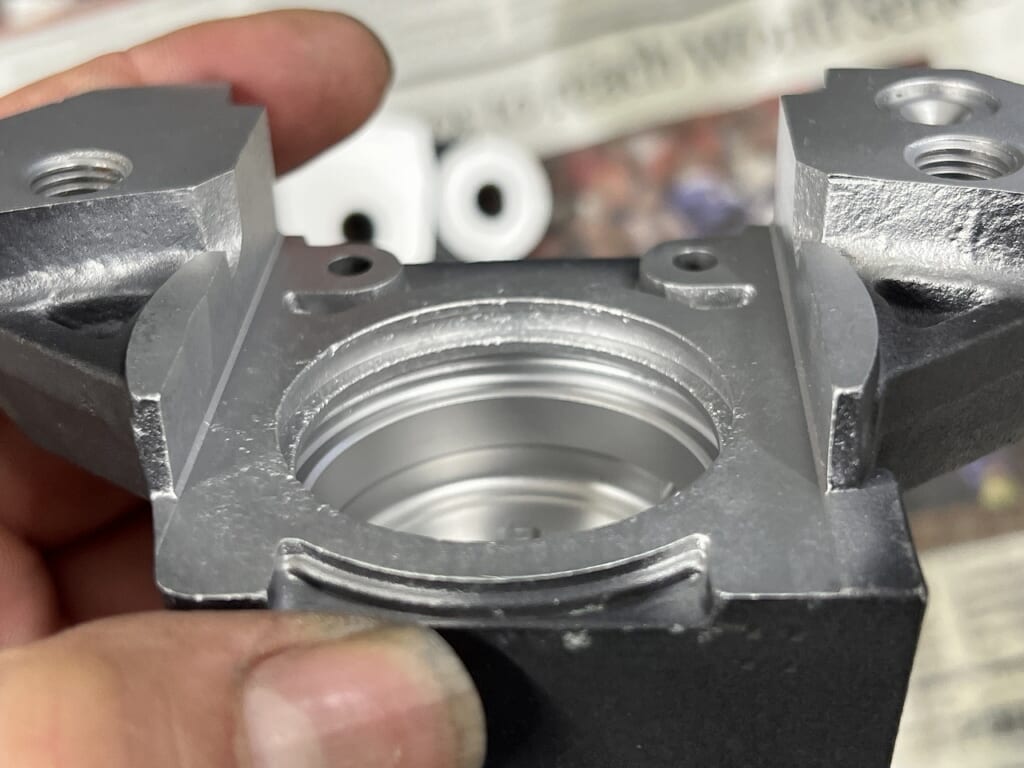
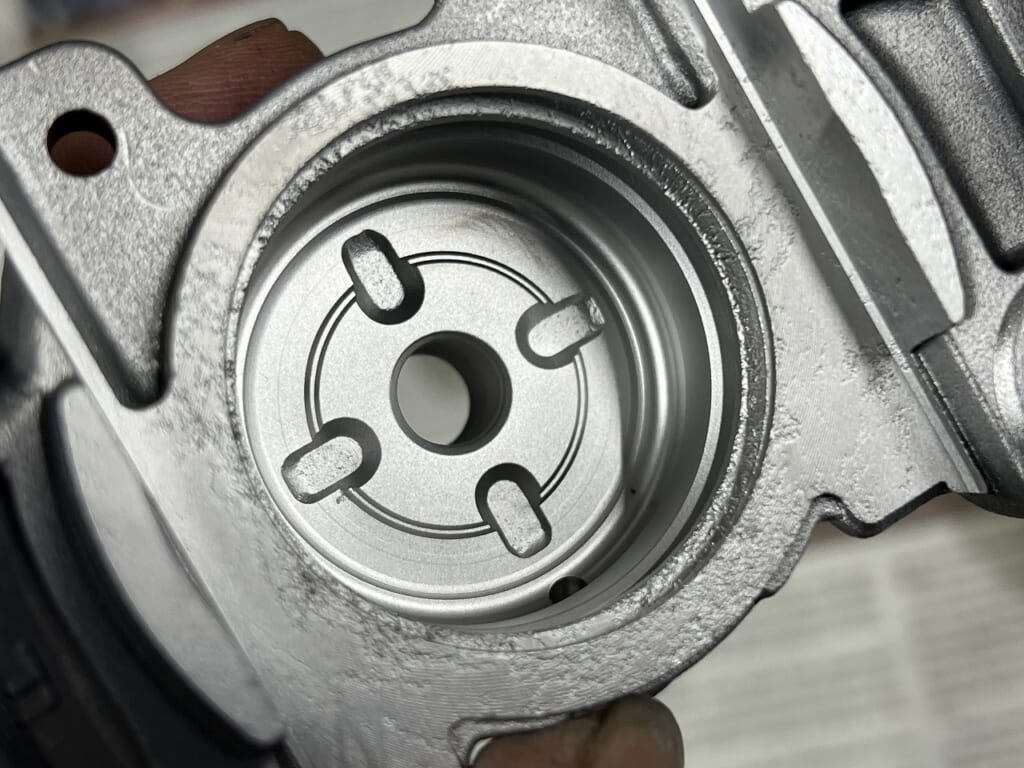
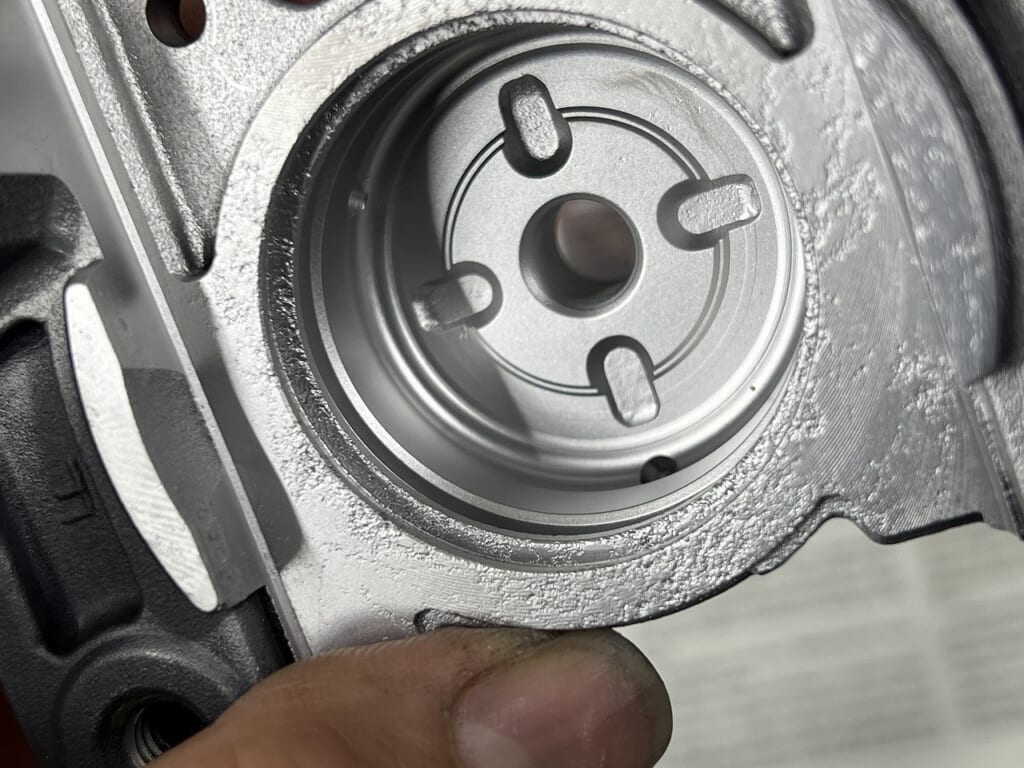
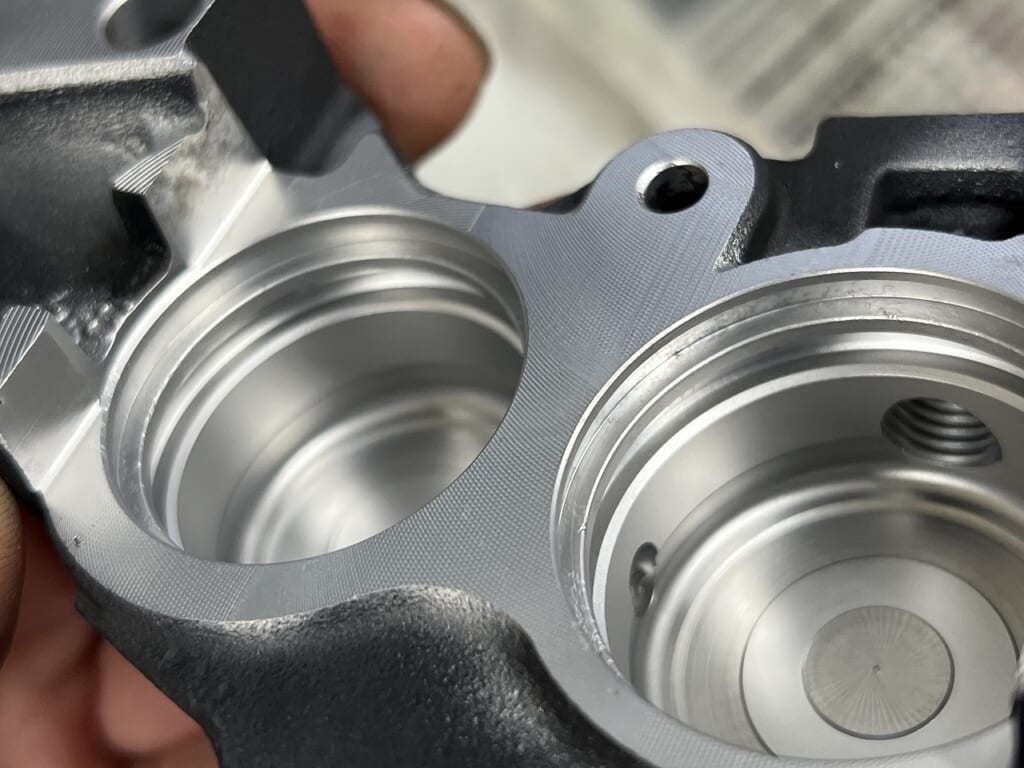
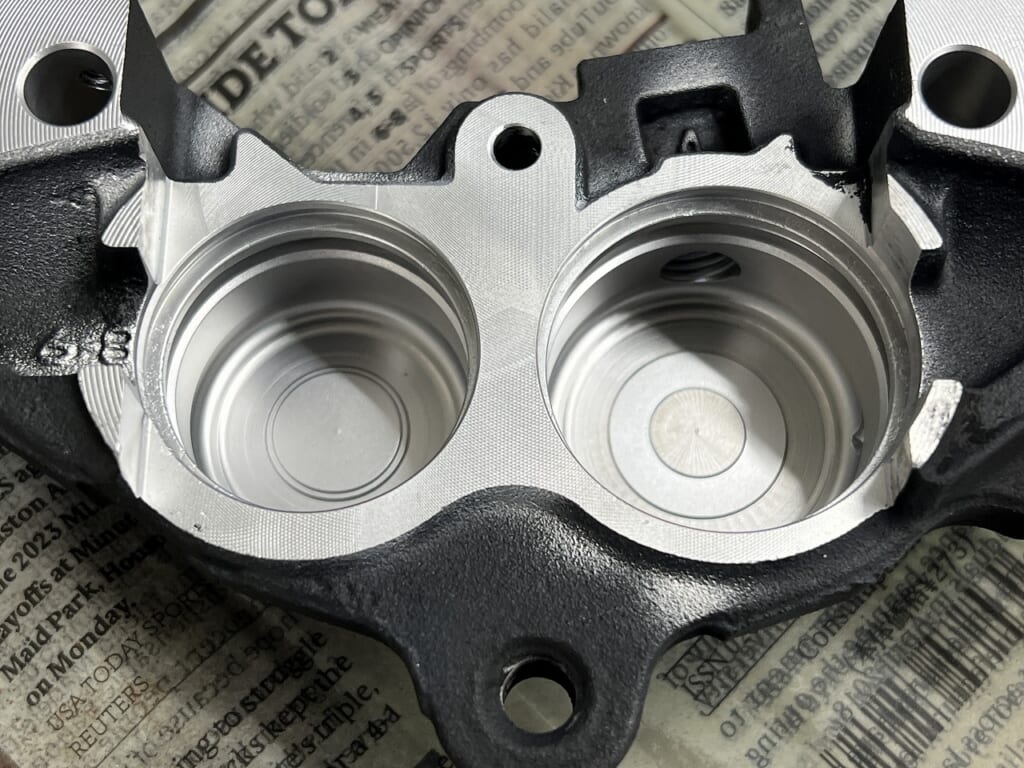
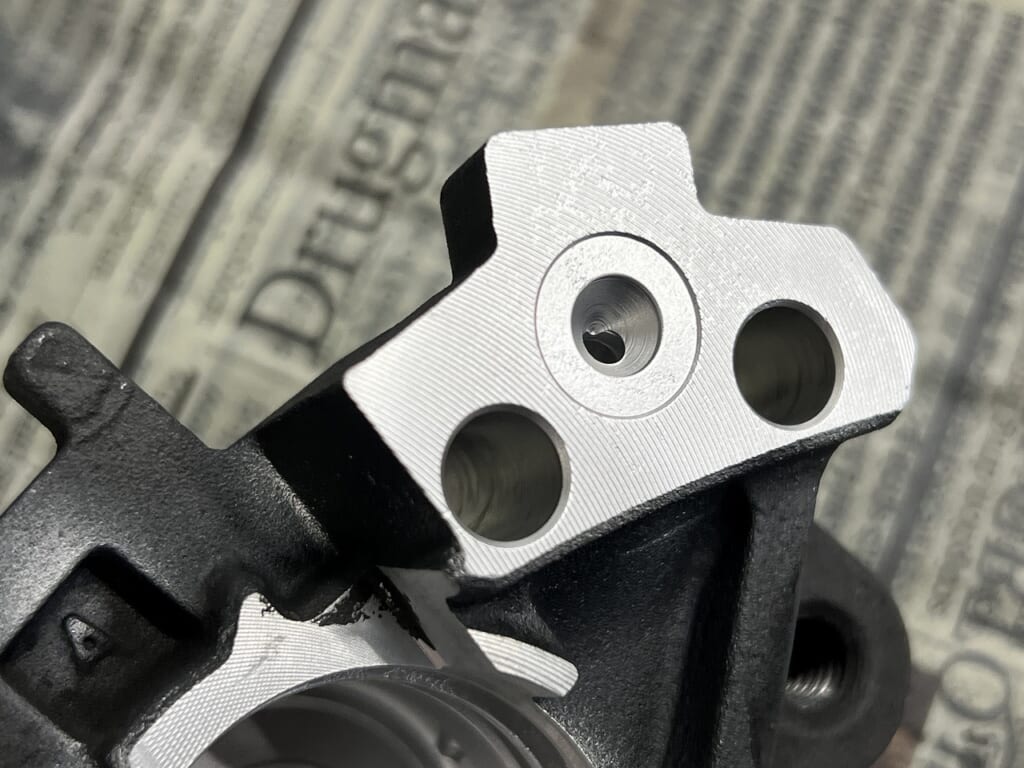
The rear caliper is finished. The rough surface on the body is likely from corrosion that has eaten away at it. By the way, if you never overhaul a caliper, it can deteriorate like a cavity and eventually collapse completely.
Wet blasting reveals collapse = the part is finished My Zephyr 550’s stock caliper actually developed a hole. In a way, it was good it happened. You can’t tell from the outside.
It really looks rejuvenated instantly. Interestingly, wet blasting finishes resist corrosion well. While it doesn’t match formal surface treatments, this equipment excels at finishing bare metal like this.
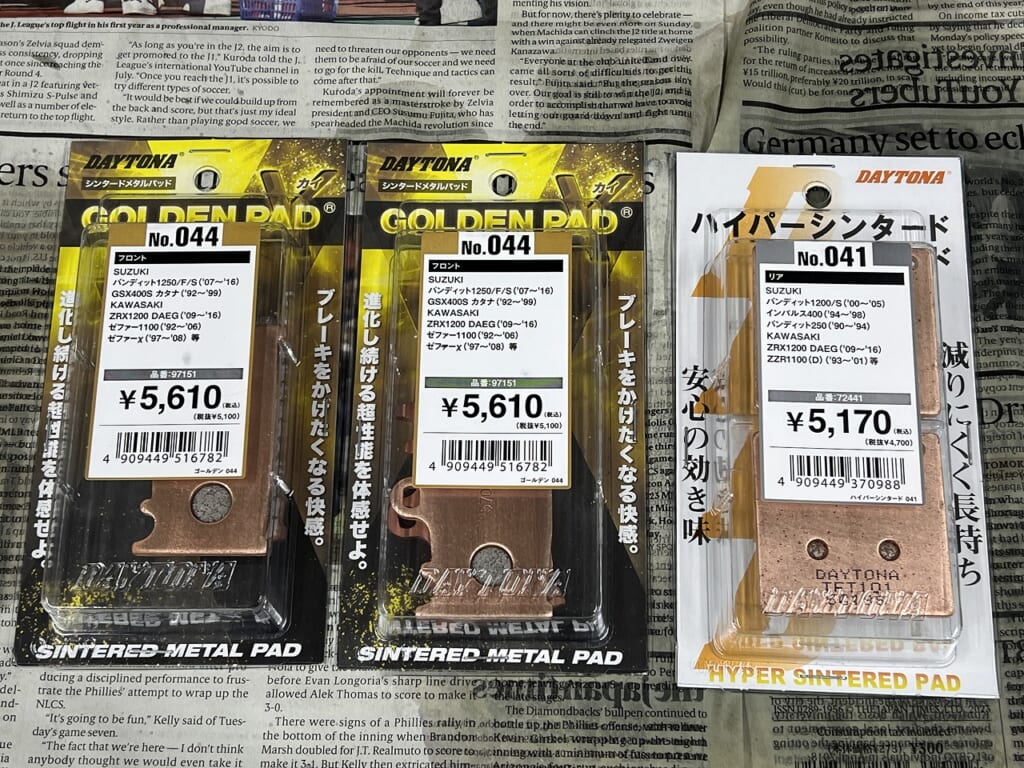
Brake pads are Daytona sintered metal
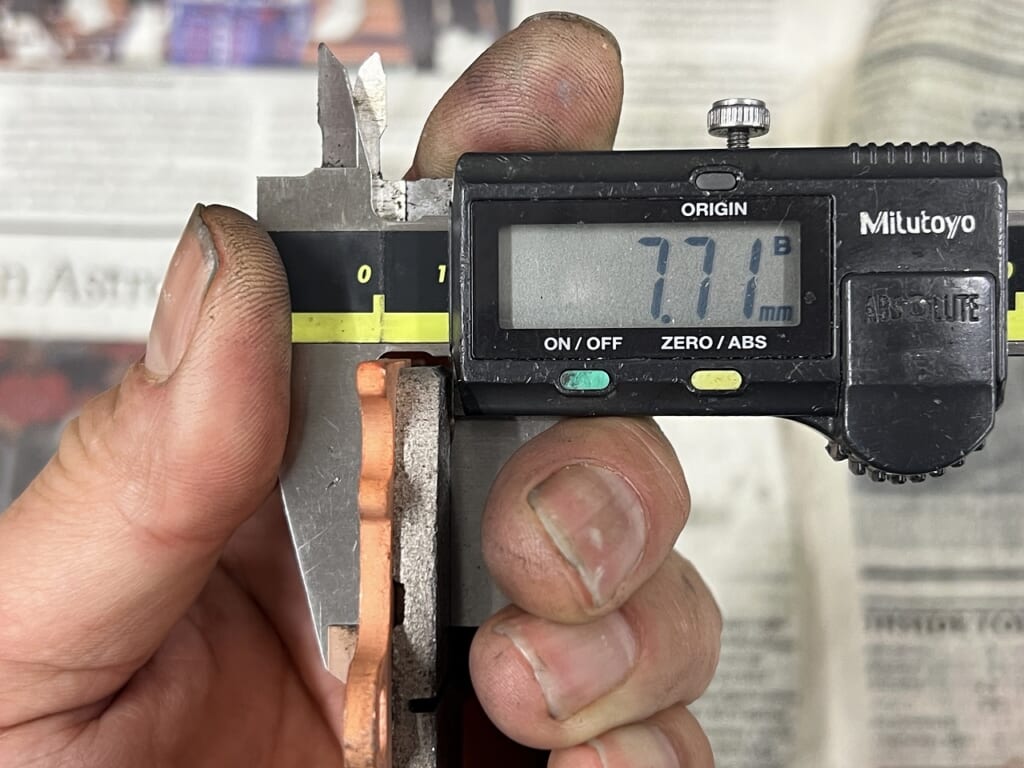
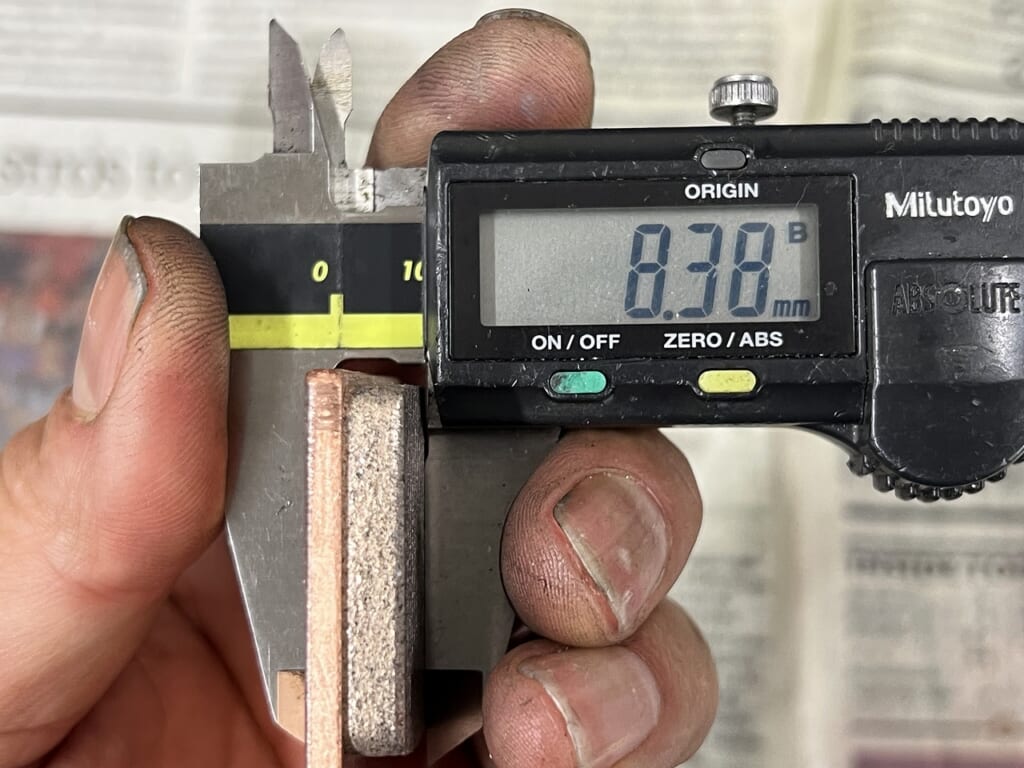
It’s good to know the maximum thickness too. *It’s listed in the catalog. Brake pads don’t wear evenly across the surface. They tend to wear at an angle no matter what, so don’t use them down to the limit.
Using them too close to the limit can also damage the disc. That can end up costing more. Managing the piston height and remaining thickness carefully is the way to go.
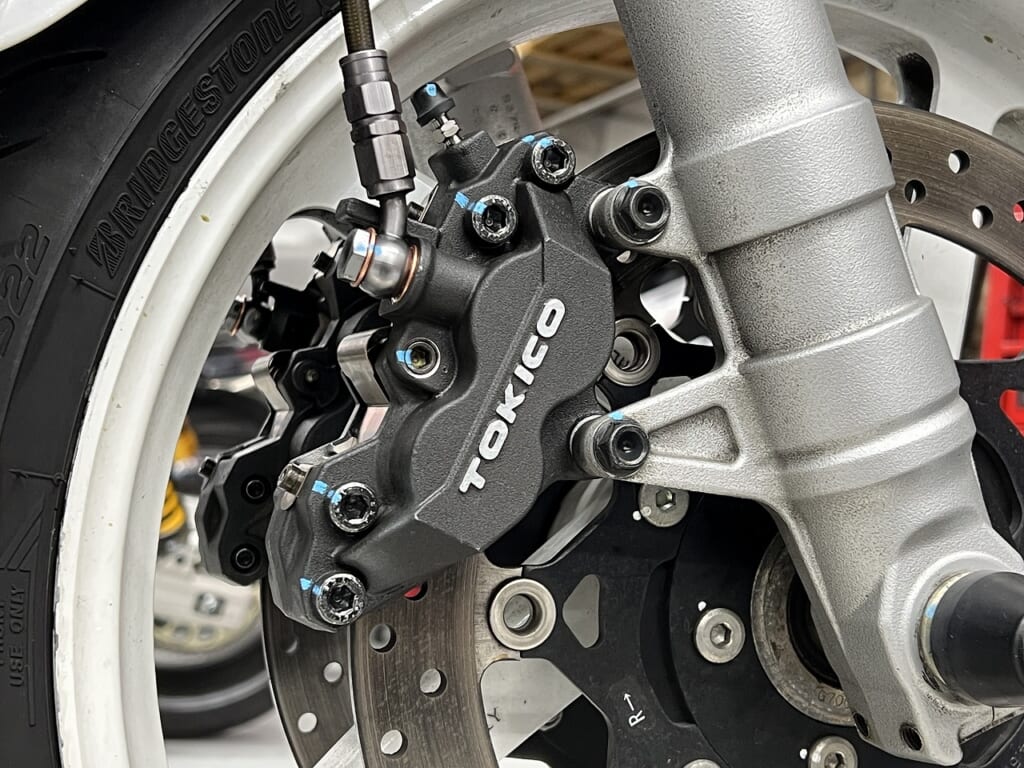
Since it’s a Tokico caliper, we’re assembling it with CCI metal rubber. That smooth insertion feel is always reassuring.
I forgot the rear caliper bleeder nipple, so the rear is waiting for air bleeding.
Now it has a firm, crisp feel (*´ω`*) With brakes like this, you can ride with confidence and have fun.
That’s how we completed the caliper overhaul. The customer trusted us with the budget, and based on the mileage and age, we’re identifying maintenance that will be needed soon.
Suzuki Bandit 1200 (K6): 20 Years Old and the Importance of Brake Overhauls.
Vehicle: Suzuki Bandit 1200 K6. Details: The K6 model was released in 2006, meaning this bike is now exactly 20 years old! Just like a 20-year-old house needs a fresh coat of paint and major repairs, a 20-year-old motorcycle desperately needs internal maintenance. Work: We overhauled the brake calipers. The rubber seals inside were completely hardened after two decades of heat and use. We thoroughly cleaned the pistons and replaced all the rubber seals and fluids. Verdict: You can only enjoy the powerful acceleration of an oil-cooled engine if you have 100% confidence in your brakes. If your bike is getting older, a brake overhaul is the most important investment you can make!


 ポチップ
ポチップ