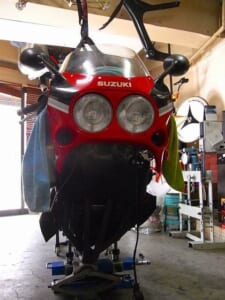
The earthquake situation has calmed down a bit, and I’m feeling somewhat relieved (*’ω’*) I thought if something really big had hit in the previous state, it would have been bad.
Earthquake preparedness can’t be done gradually, so it’s better to tackle it all at once when the timing is right.
The timing is a bit off from when I originally took it in, but since it’ll finish quickly, please let me do the work
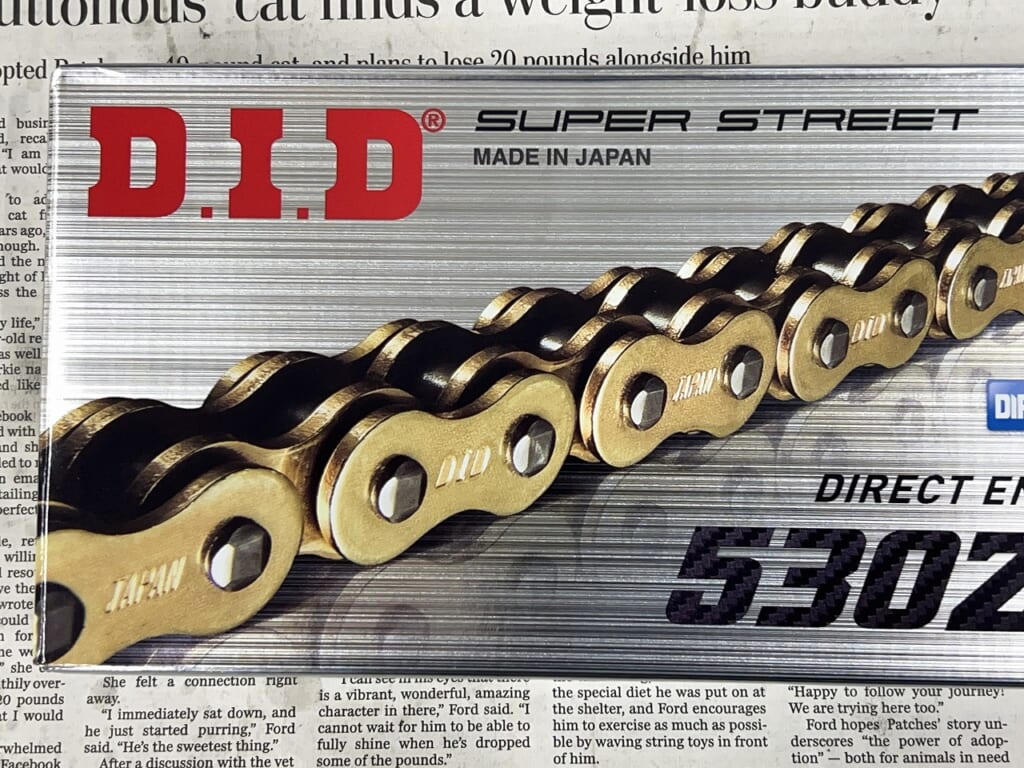
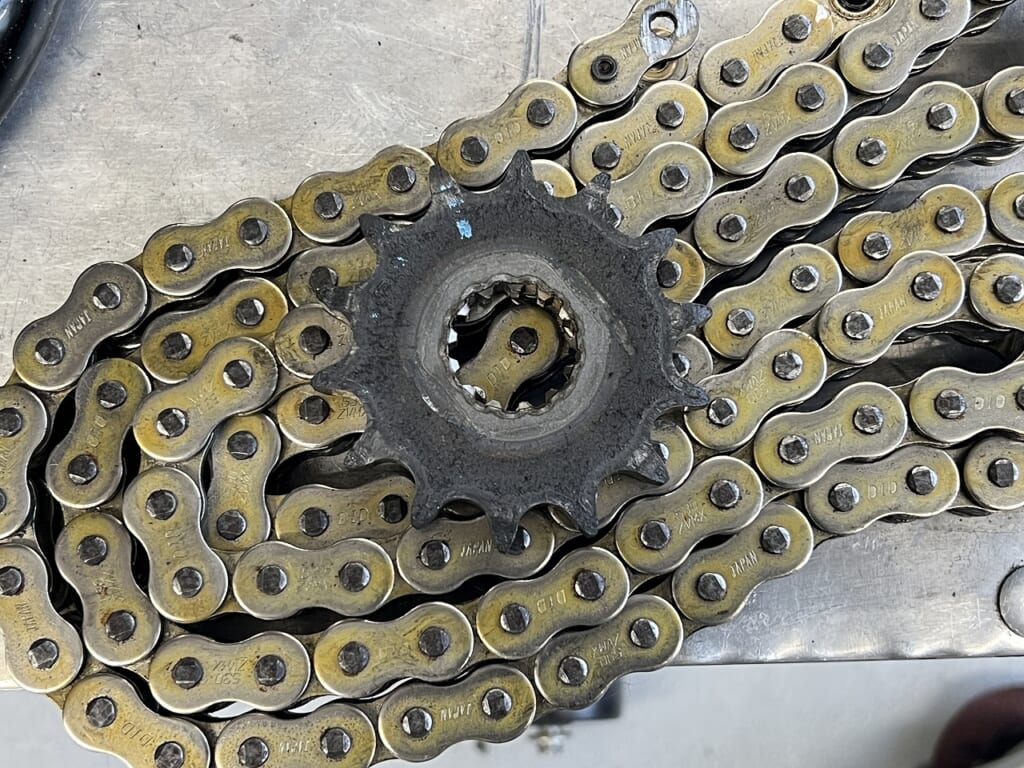
Mechanic’s perspective: Aluminum sprockets reduce unsprung weight, but they have the inevitable drawback of wearing faster than steel. That’s exactly why I specifically choose D.I.D for the chain—it has virtually zero initial stretch and boasts incredibly low friction. The quality of the chain greatly influences the lifespan of the sprocket!
My other blog, Decobocoism. “RURAL GARAGE ”
A hidden room for non-motorcycle content. I share everyday convenience items, relocation stories, delicious food, and life philosophy and more. ←click
This time I’m going with 530. Since the wheels are stock front and rear, I can’t choose 525.
The 520 size is certainly much lighter and the chain price is more reasonable. Compared to 530, the 520 requires more frequent maintenance cycles for oiling and adjustment. The 530 is like an axe—you can use it roughly / the 520 is like a blade—you need to keep it sharp to use it well Choose based on your annual mileage, riding style, and how lazy you are about maintenance.
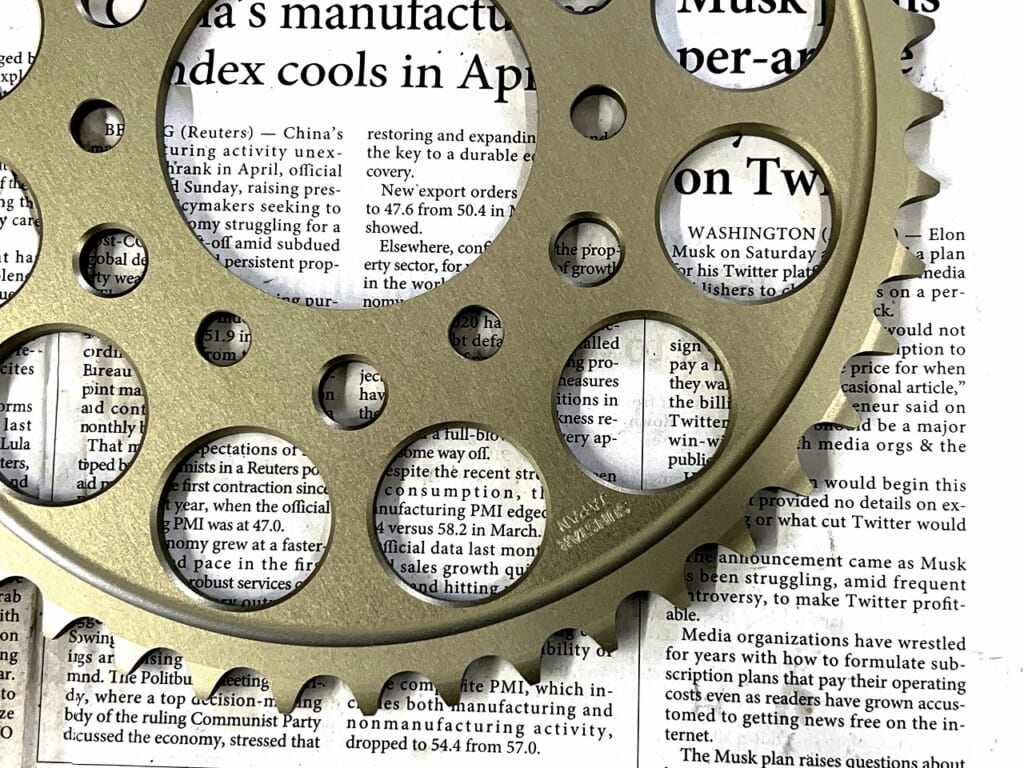
Aluminum sprockets are a bit of a luxury treat too
Aluminum sprocket list prices keep going up. Yet the manufacturers’ margins are shrinking… or so I hear. Think about it carefully.
Even though they’re compatible, “they manufacture and sell front and rear sprockets in non-standard tooth counts” for us. Isn’t that amazing? It’s really because consumables like this are available that we can keep riding our bikes. This is becoming less and less a given in today’s world…
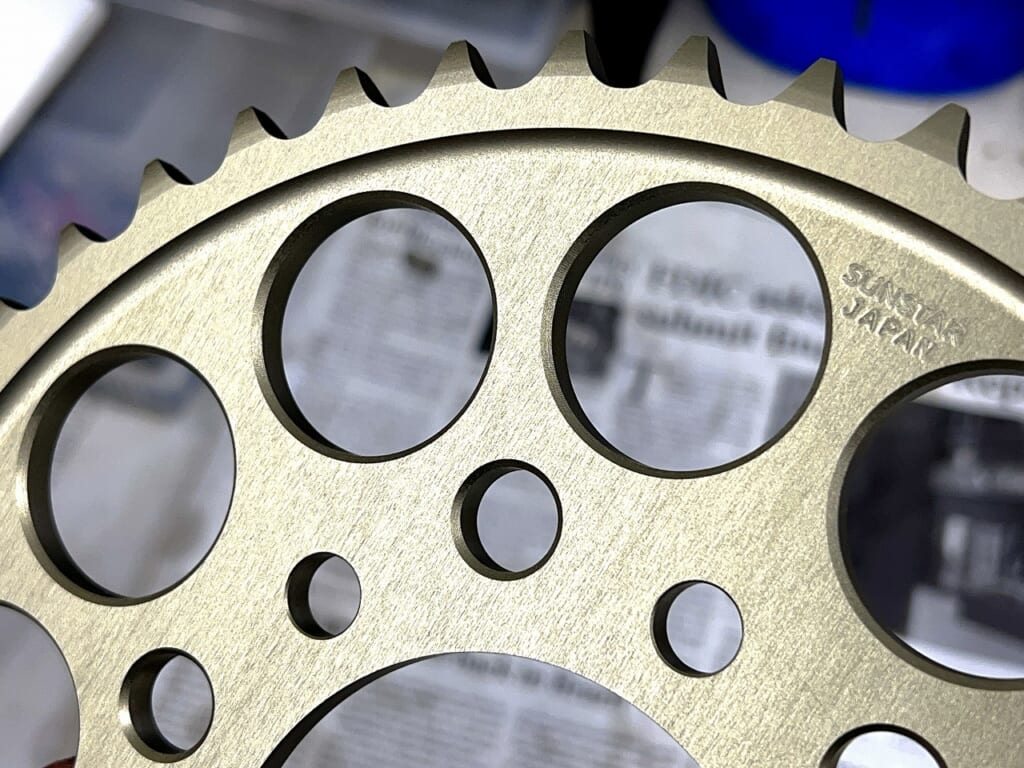
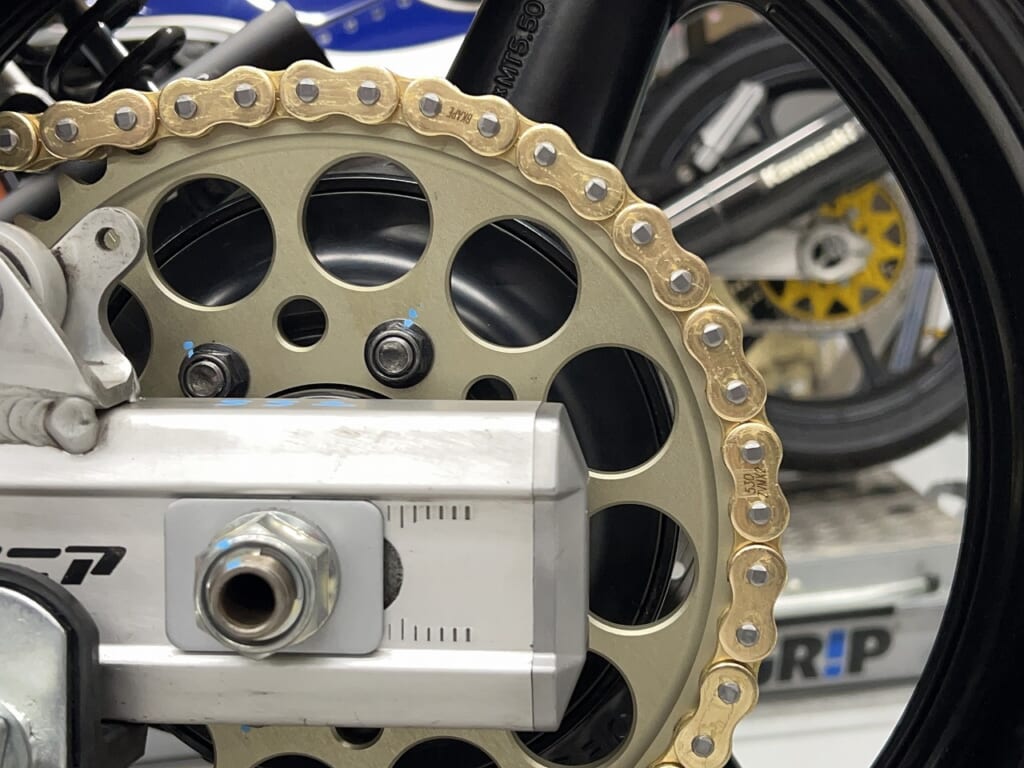
Looking closely, the lightening is incredible.
Even with the chain spinning it hard, I still can’t believe it holds up… Compared to steel, you really want to choose something with that “I’m doing something special” feel, even for consumables like this.
( ,,`・ω・´)ンンン? The front and rear final ratios are different… This time we’re going back to stock.
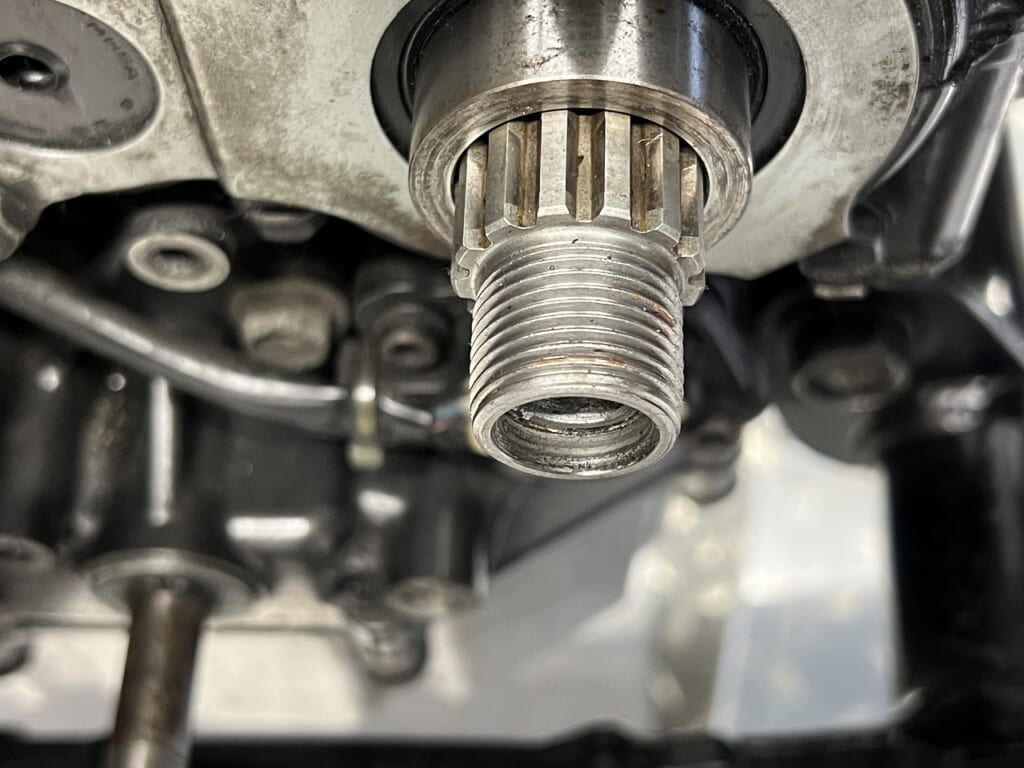
I’m a fan of the countershaft threads. Keeping them clean is important to prevent any thread issues.
I remove the OEM micro-capsule thread locker. With this OEM thread locker, you can’t feel the tightening at all. If you thoroughly clean and inspect the countershaft side, it should be fine, but if there’s any nicking or debris, it gets tightened in as-is.
I want to maximize safety and reliability.
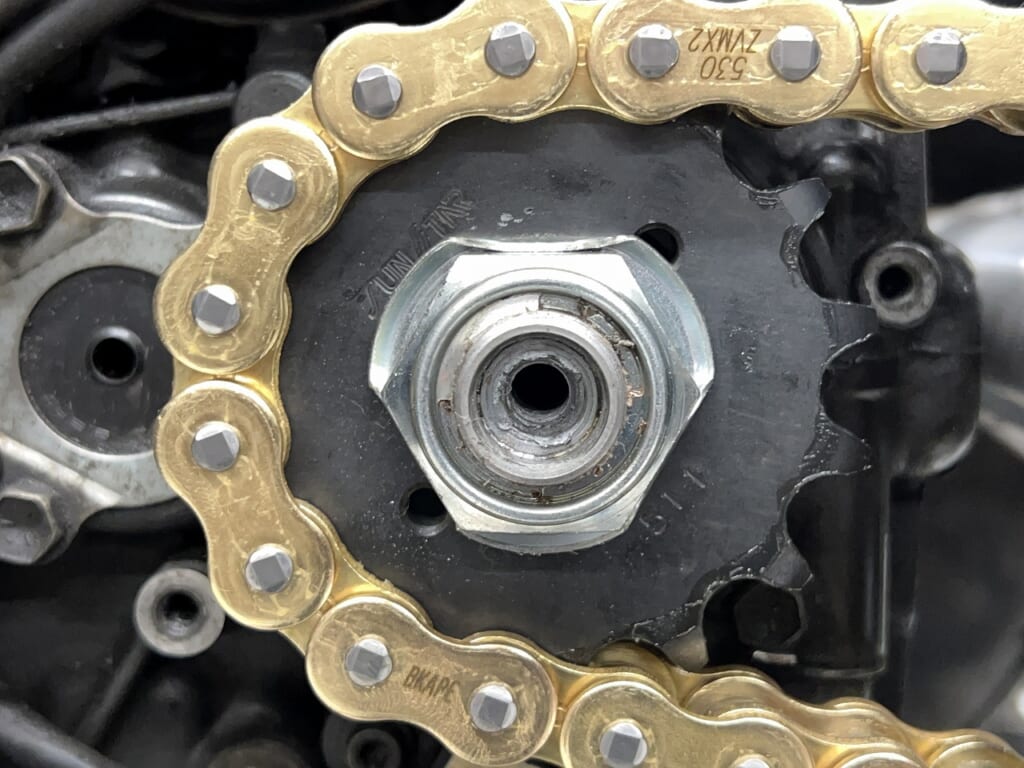
The somewhat unpopular three-point fixing. I wonder if the day will come when we can fully tighten everything… hehe
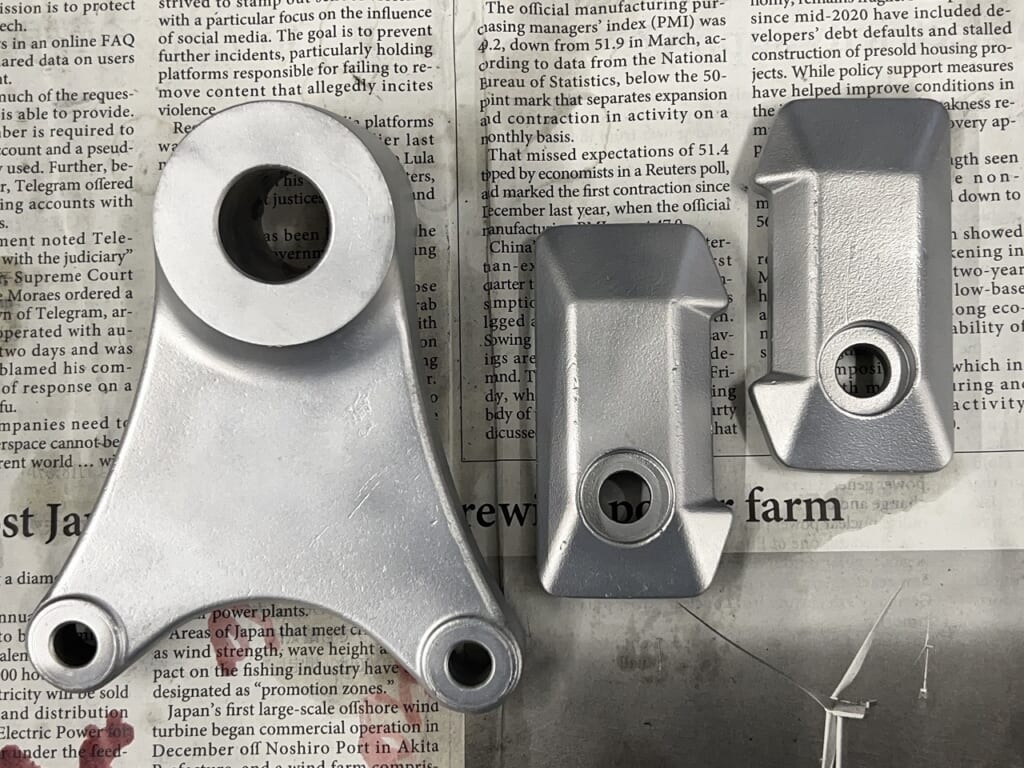
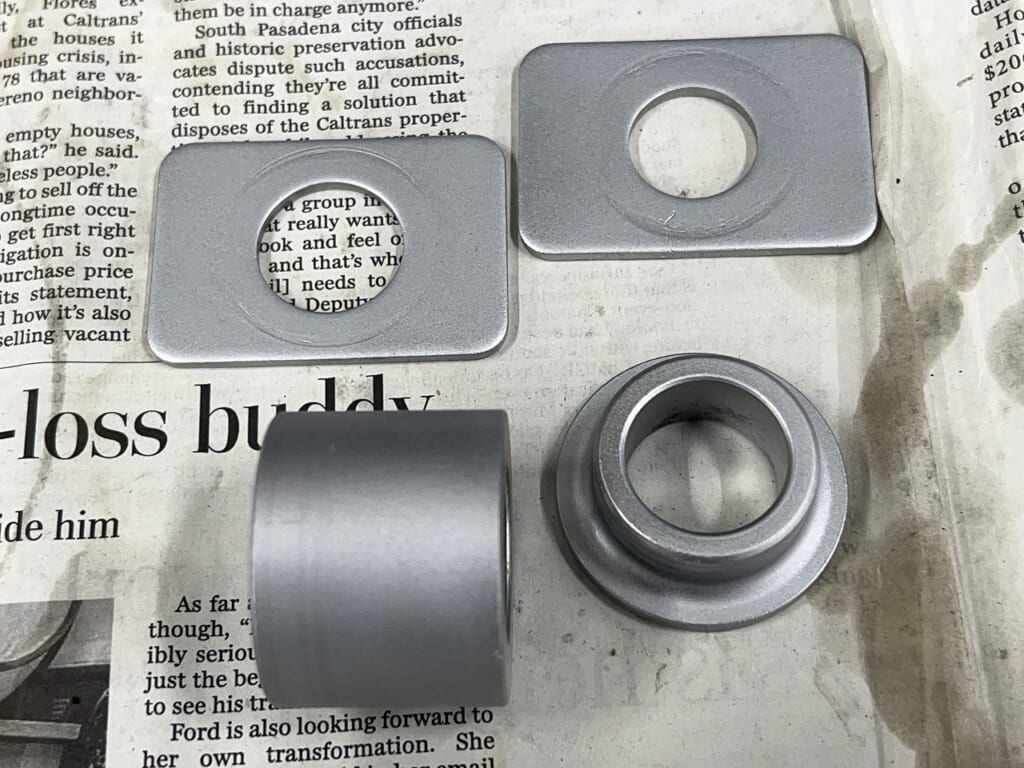
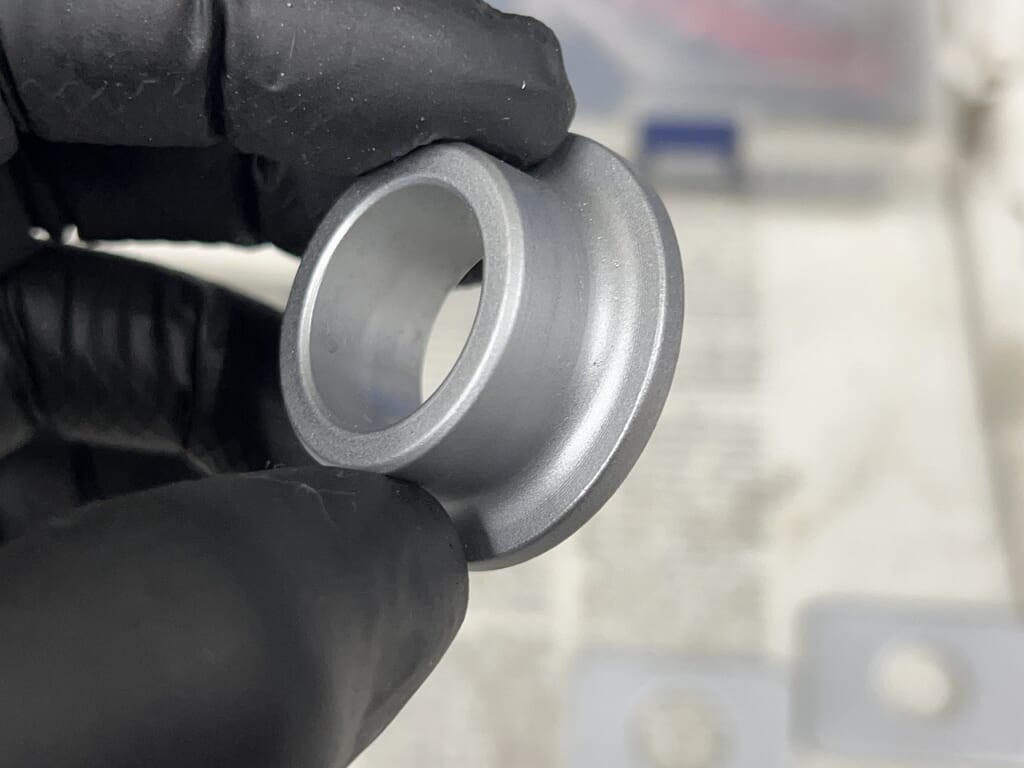
When you finish the areas you can make look nice, people will go “Oh!” That’s the idea. Fashion starts from the feet, as they say (*´ω`*)
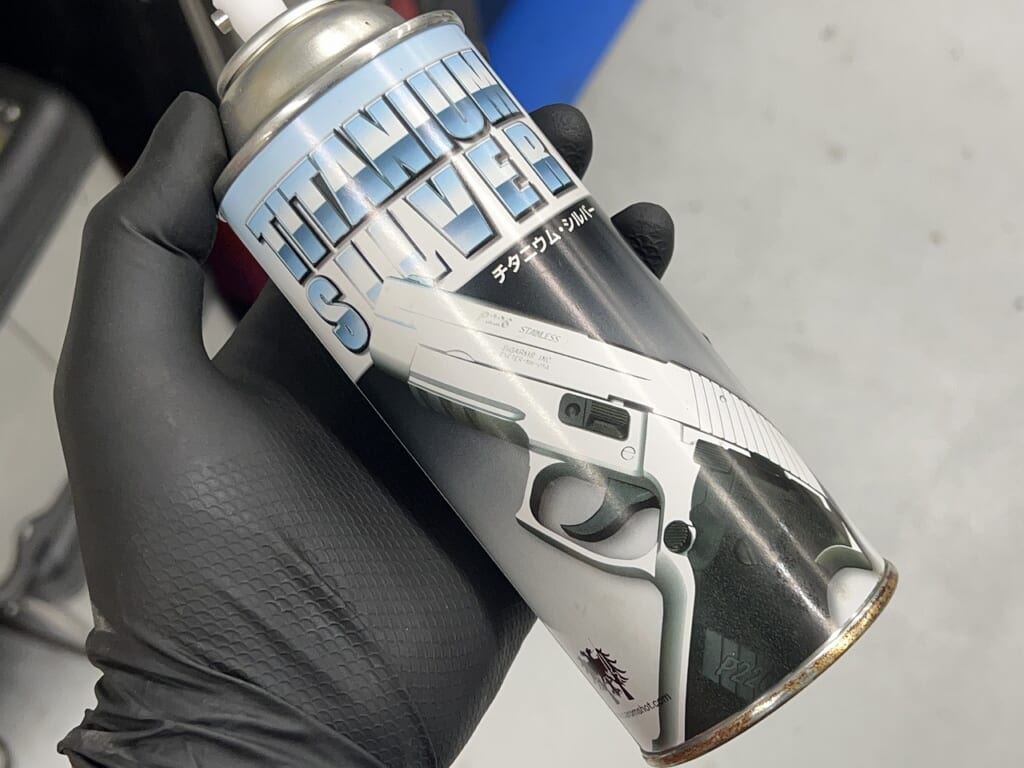
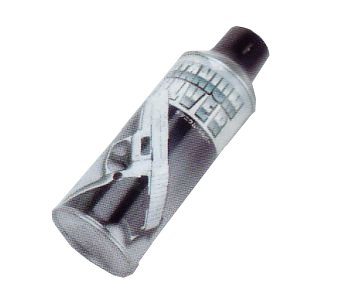
Thinner is precious these days, so we can’t casually apply gun coat. *We use thinner for cleaning* This type of iron-colored paint and model gun paint is surprisingly excellent for rust prevention.
I used to love this before I started using gun coat. It has a decent feel when you apply a wrench to it, with a “soft paint film” kind of quality. It’s soluble in thinner and perfect for minor undercarriage touch-ups.
If you lightly warm the base material before painting, it applies beautifully and can be installed right away *though it’s better to let it cure properly*. For me, since it’s a service job, I use it right away, and it’s totally fine.
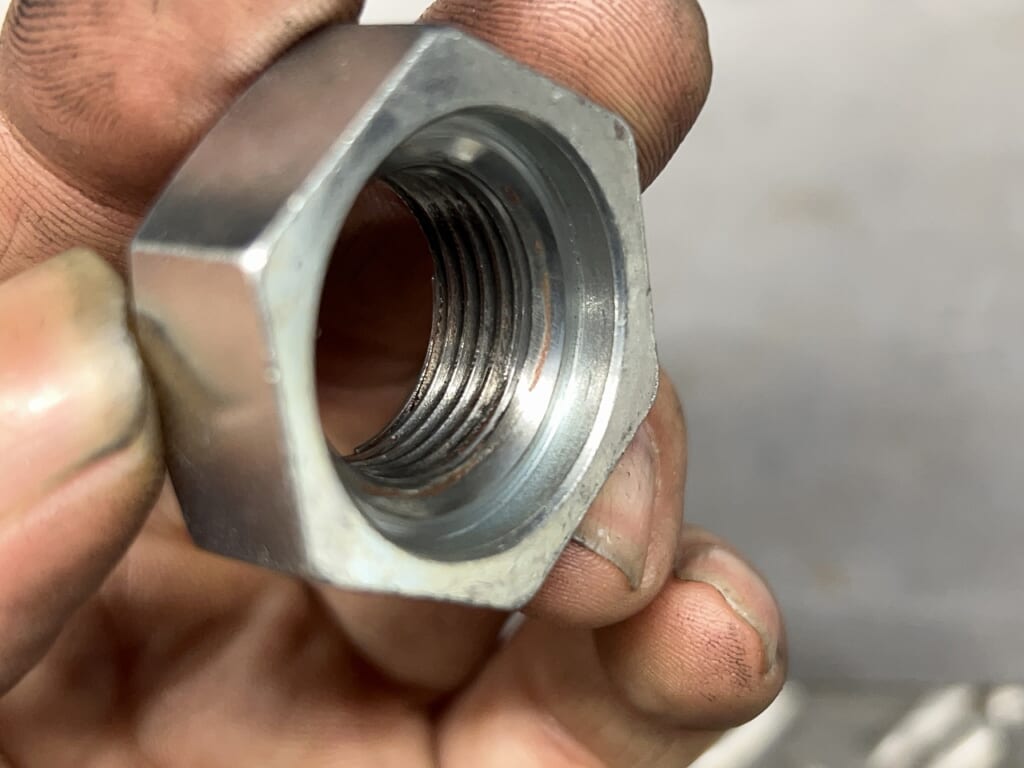
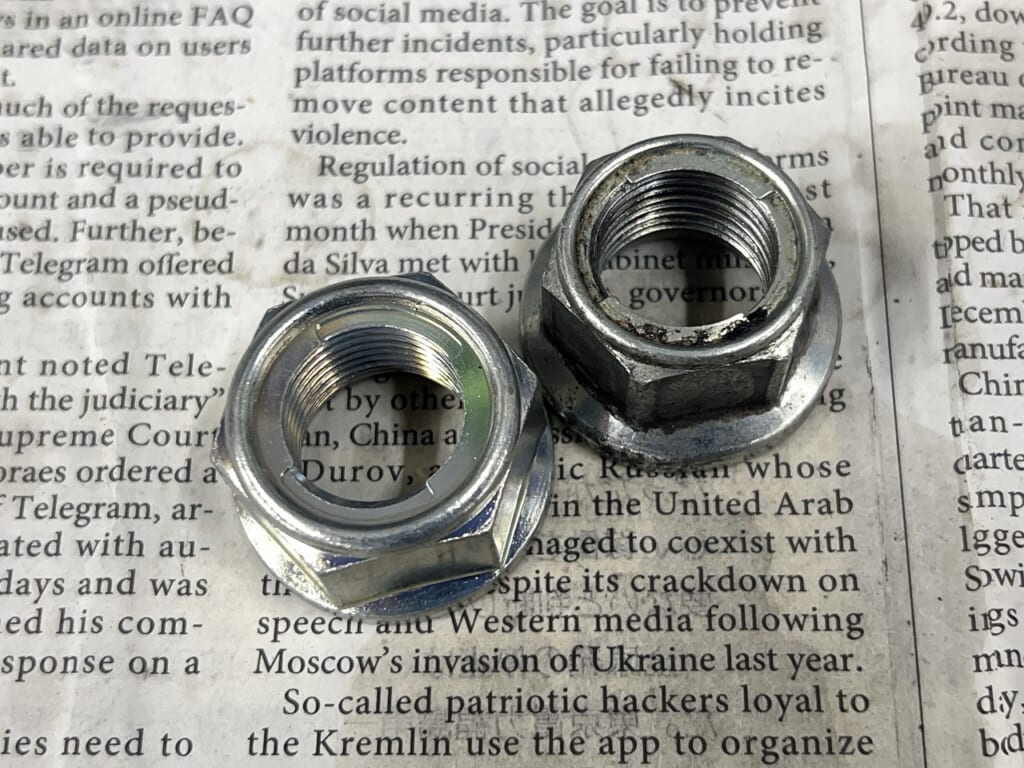
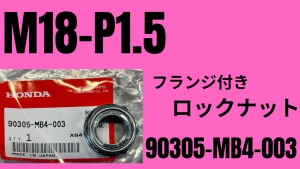
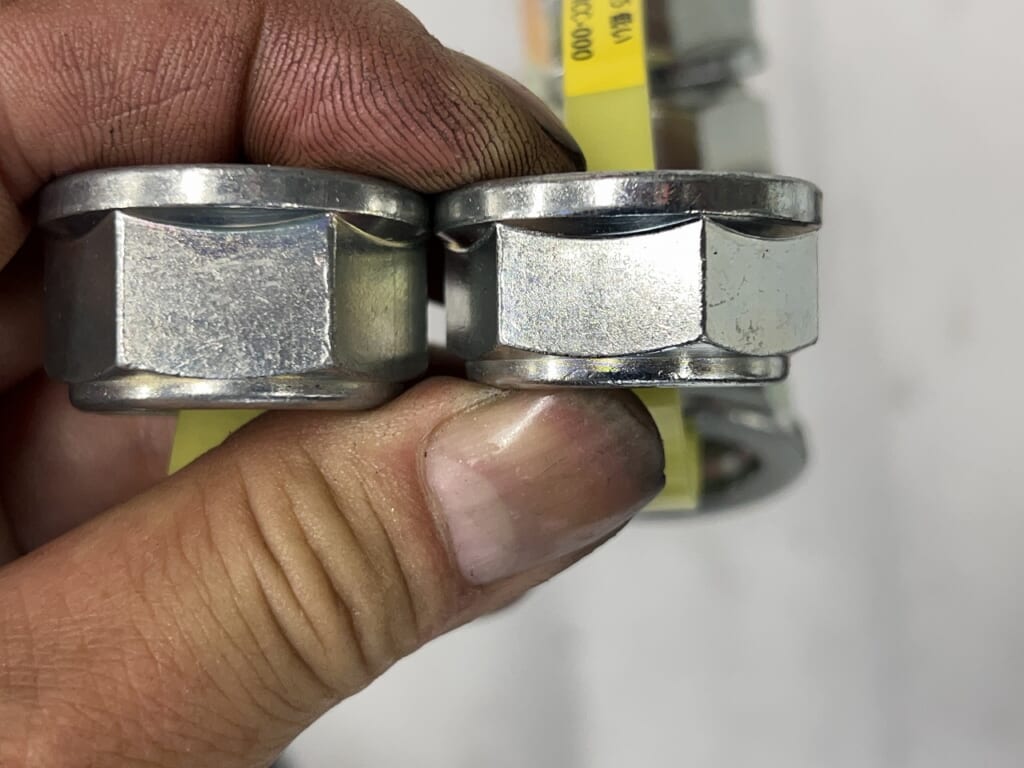
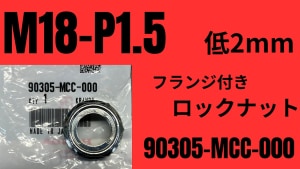
Don’t hold onto lock nuts like they’re precious. Same with drain bolts and such— “When you replace them occasionally, things look sharp” you know?
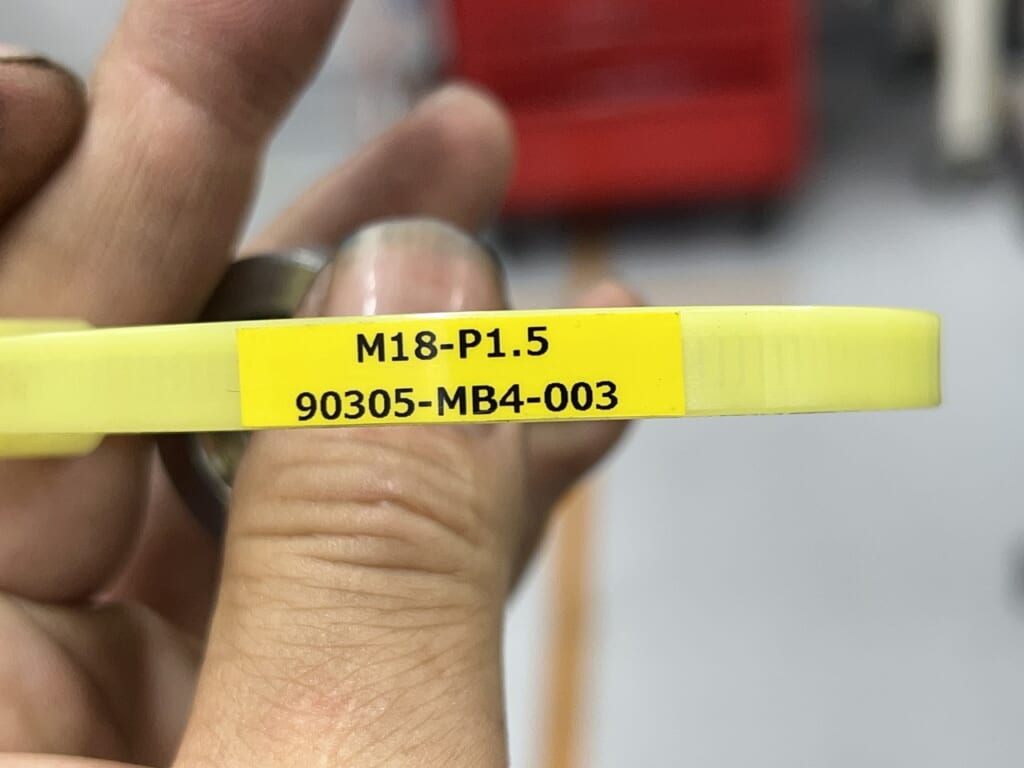
For M18-1.5, I use Honda. For standard bolts and nuts, I prefer to use Honda as much as possible. If you compare Suzuki’s price and quality feel to Honda, you’ll subtly understand the difference, I think.
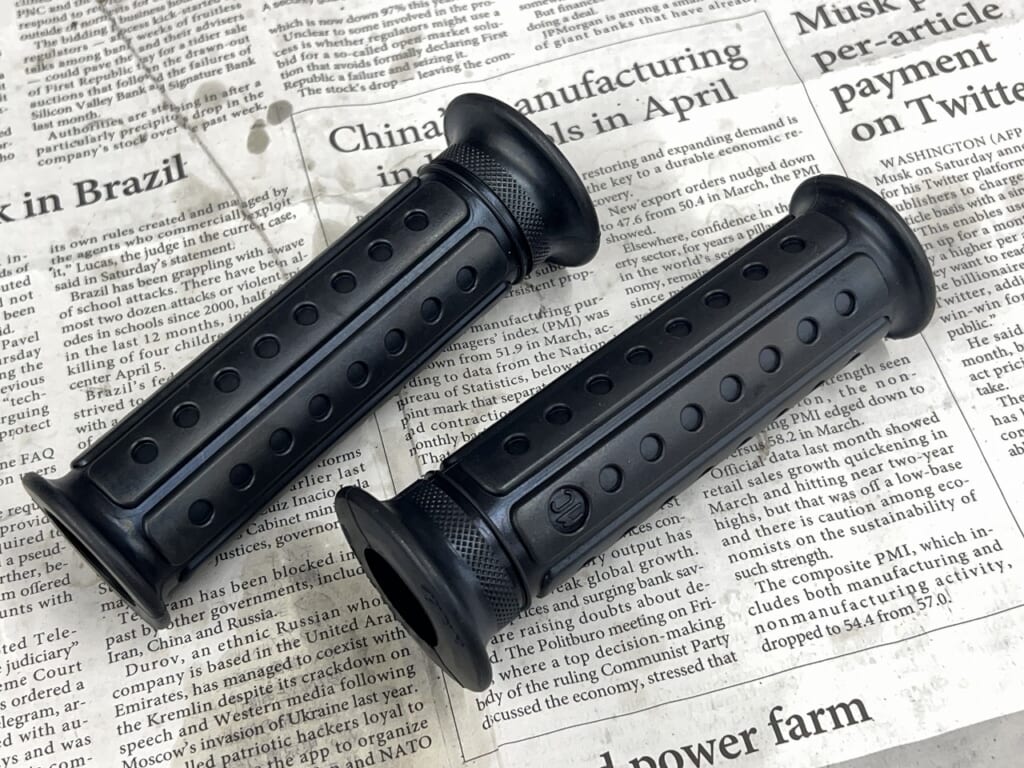
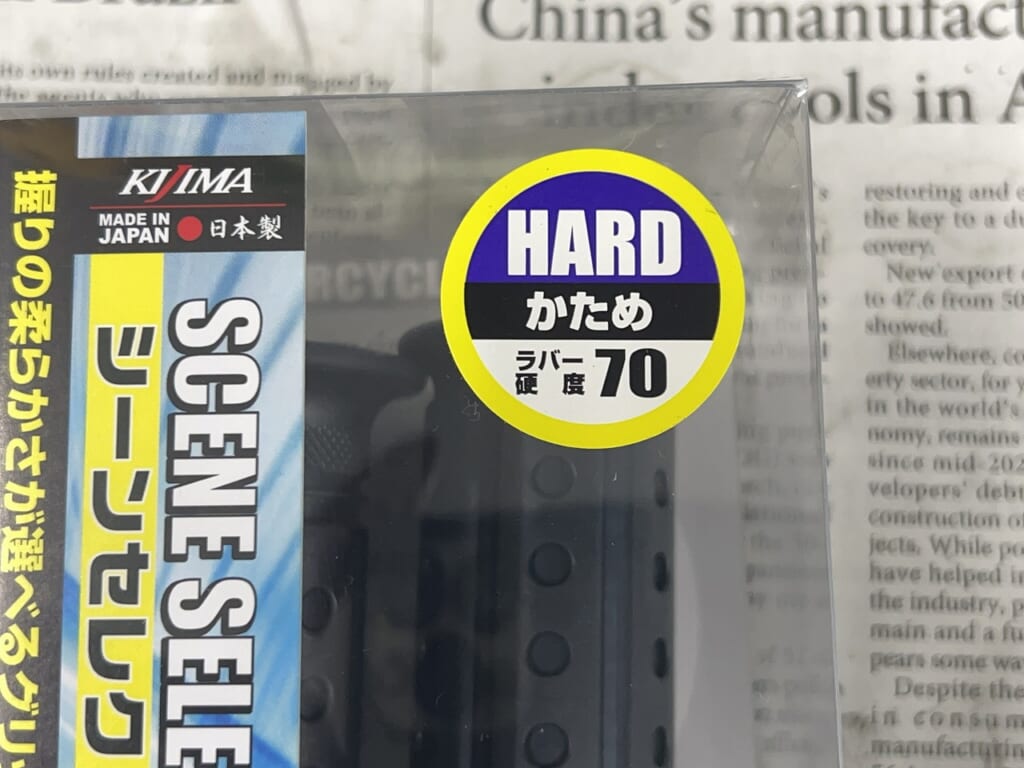
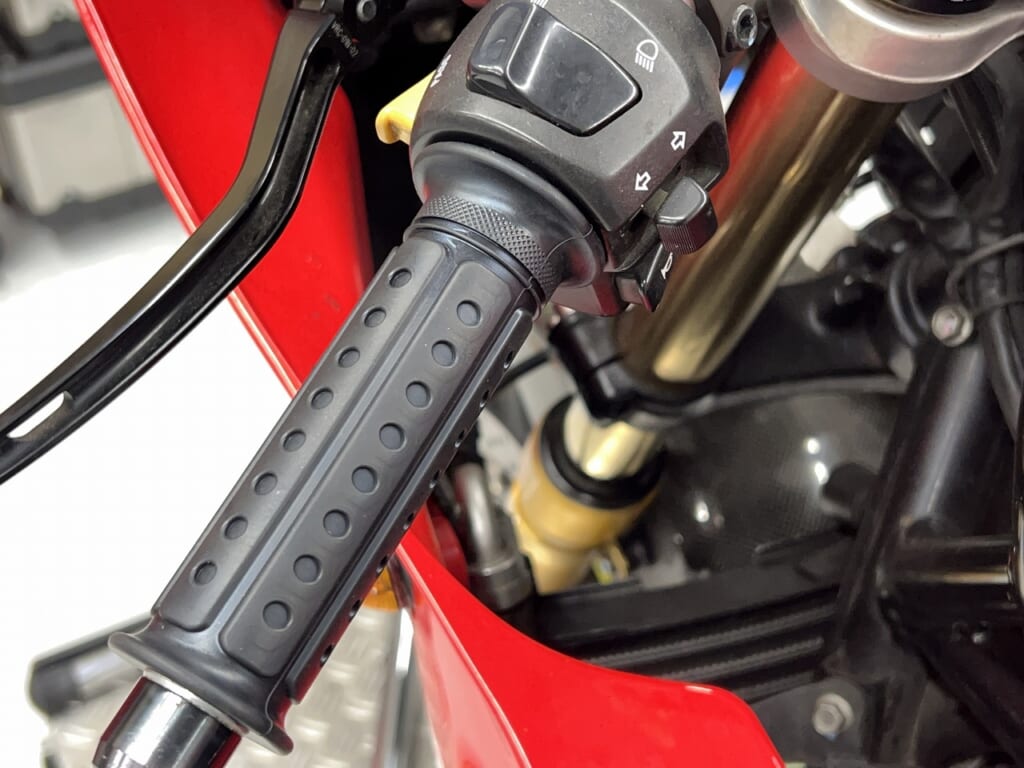
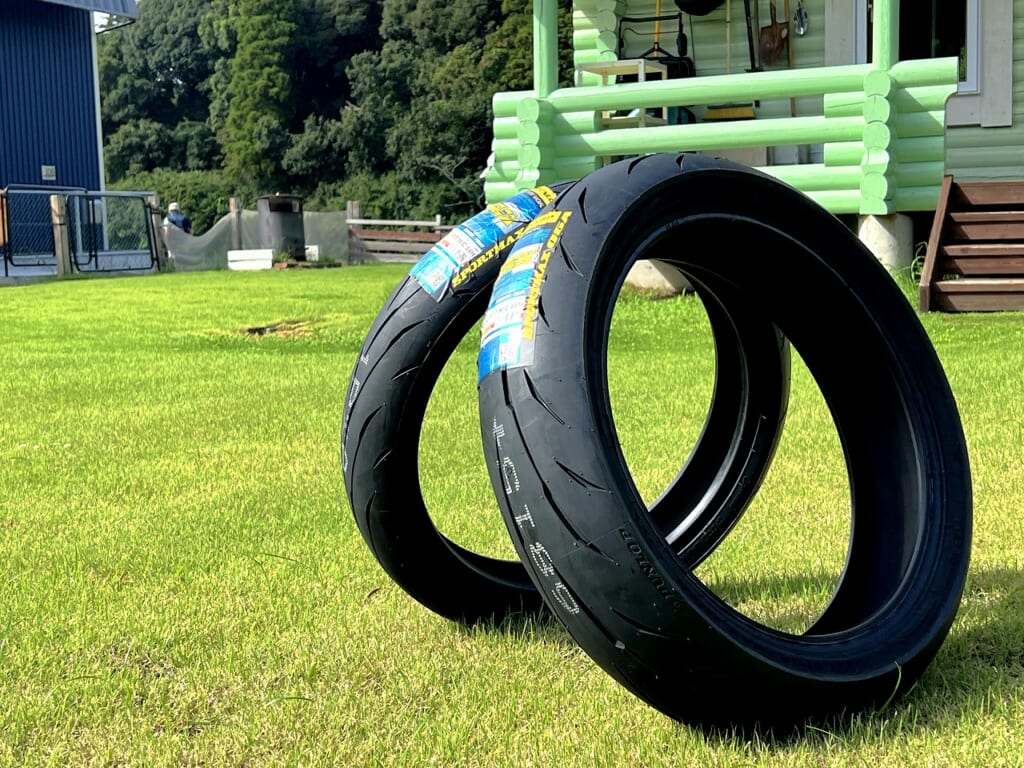
This time, by my own judgment and bias, I went with “Hard.” The stock felt softer than I expected.
I completely remove the adhesive and apply anti-slip tape inside before installing. No need for bond or wire wrapping, so it’s hassle-free.
Next time and beyond, it’s quick to swap out, so it saves time.
Breather hose replacement *spring hose*
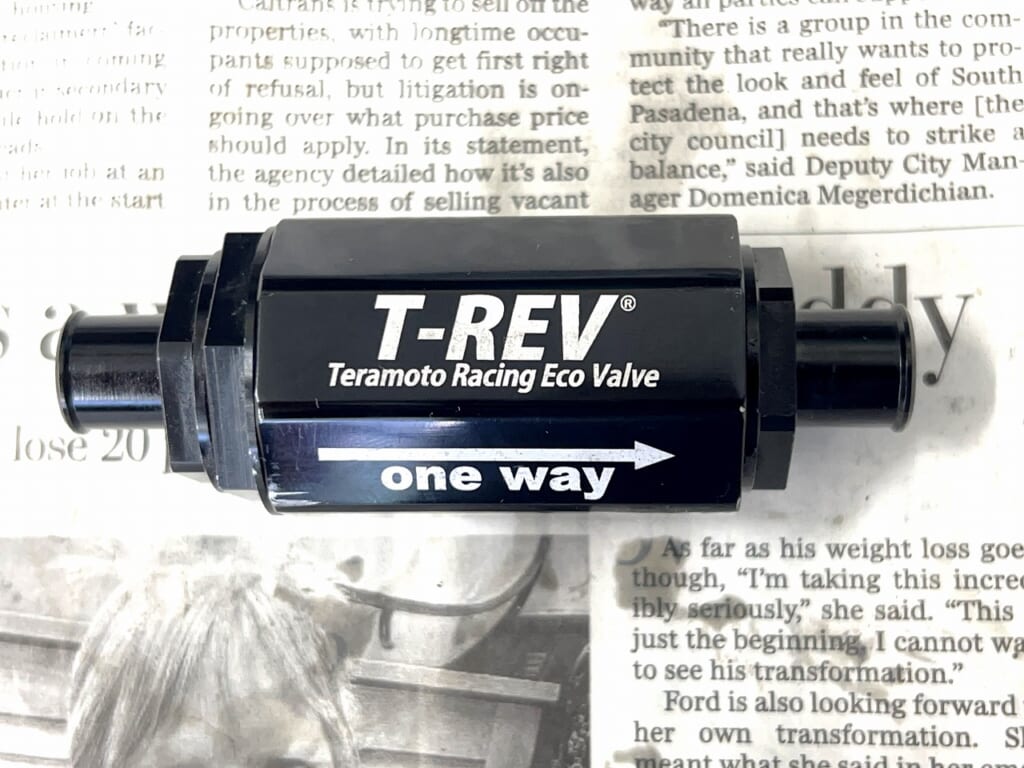
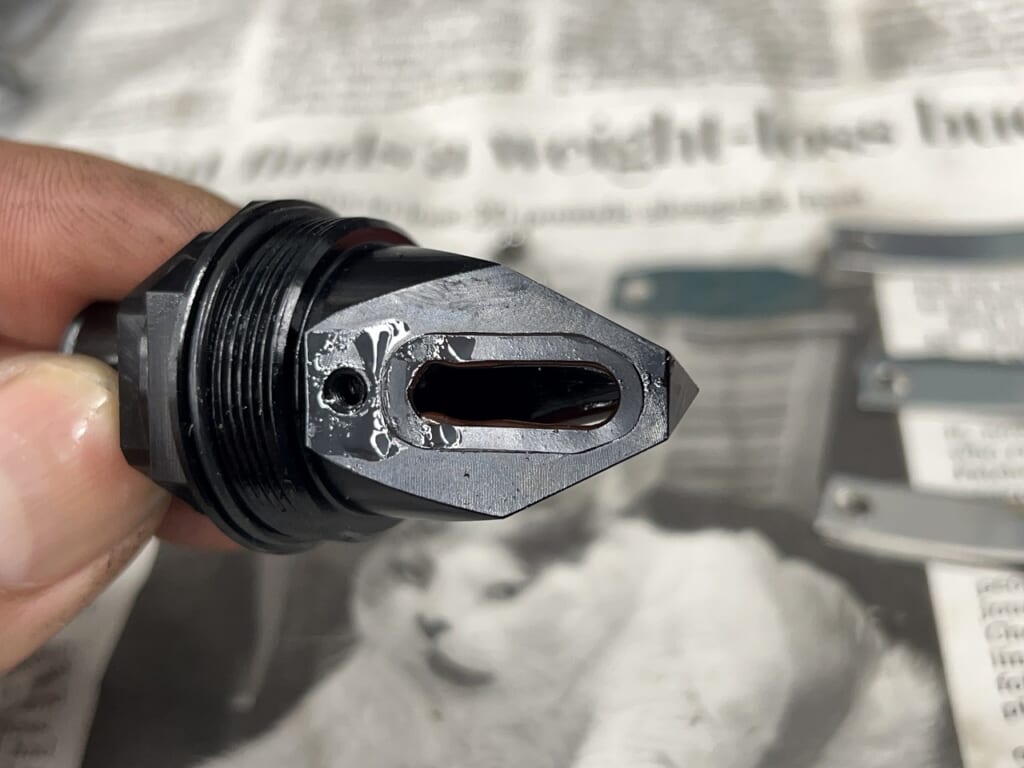
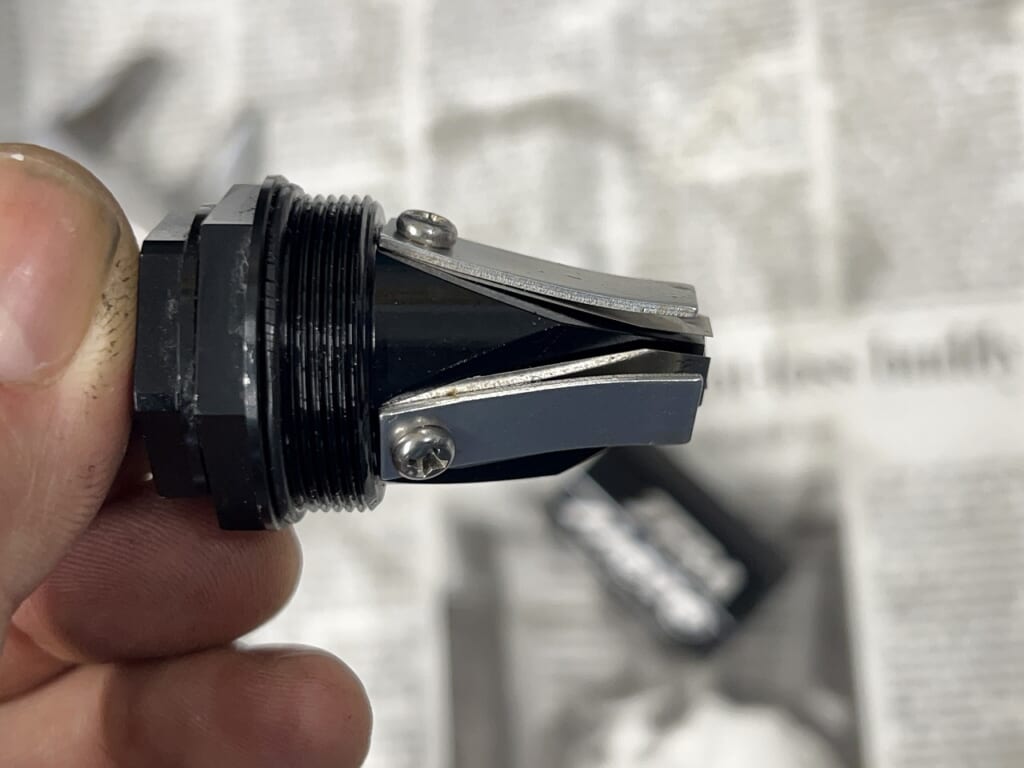
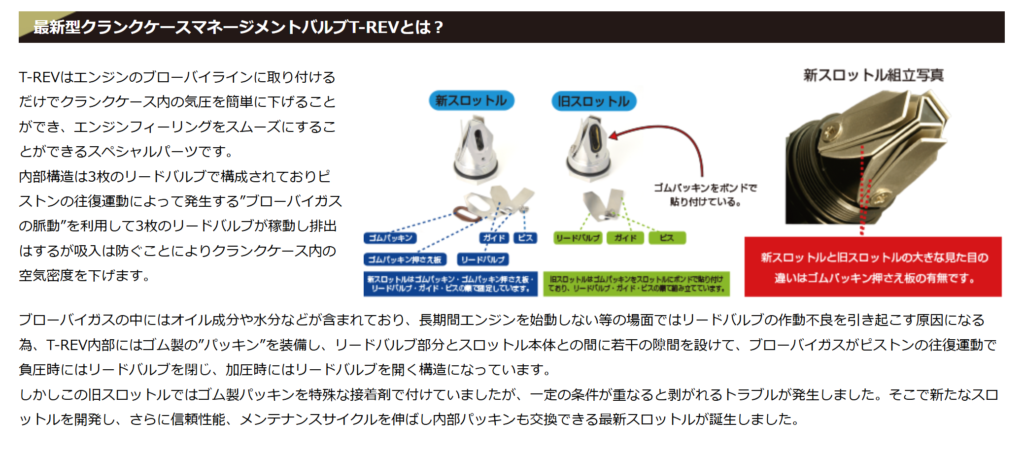
We’re using secondary air for forced decompression & T-REV combo. When secondary air is present, the exhaust does tend to run lean, but if you cleverly repurpose this function, the engine braking becomes milder too.
By the way, if you remove the secondary air function on an inspection-certified bike and it gets caught during inspection, you’ll fail. The problem is that secondary air parts are discontinued, and used ones rarely come up. The four iron pipes that make up the secondary air reed valve are important, so you need to keep them. *Currently, inspections are digitized, so “why the inspection failed” is shared across all inspection facilities nationwide. Once you get caught and fail, it’s hell…
We offer a fuel service where you cover the gas cost. On the way back, just ride it home without worrying.
All done!
D.I.D Chains All the Way! Maximizing the Lifespan of Aluminum Sprockets.
Topic: Drive-train refresh featuring the ultimate combo of a D.I.D chain and an aluminum rear sprocket. Details: Replacing the chain and sprockets completely transforms how light a bike feels, even when just pushing it around the garage. Today, we installed a lightweight aluminum (duralumin) rear sprocket to reduce unsprung weight. While aluminum offers excellent throttle response, it is softer and wears down faster than OEM steel. To combat this, I always choose D.I.D drive chains . D.I.D chains are famous for having virtually zero initial stretch and incredibly low friction thanks to their patented X-Ring technology. Because the chain runs perfectly straight and smooth, it minimizes wear on the delicate aluminum teeth. Verdict: Properly riveted with professional precision, the rear wheel now spins effortlessly with zero resistance. Choosing a high-quality chain is the best insurance for making your lightweight custom sprockets last!


 ポチップ
ポチップ