It looks like we’re in for rainy weather from tomorrow onwards. Are you prepared for the rain? Well, I’d guess most people aren’t…
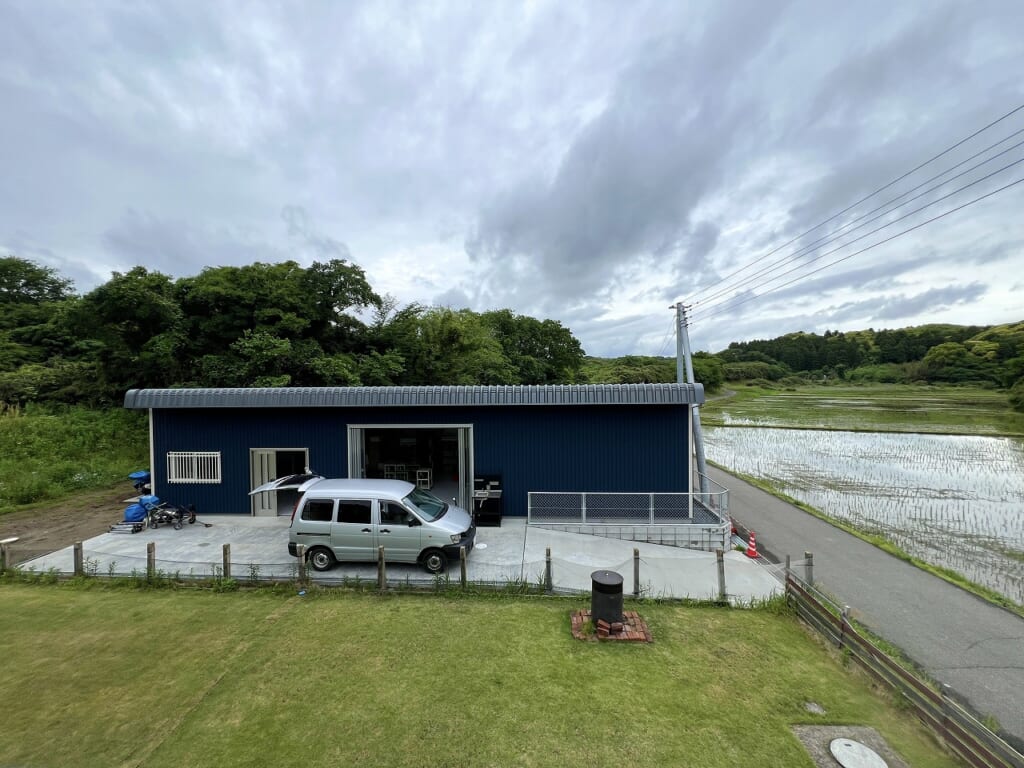
For those living in semi-basement homes or garages in urban areas, during heavy downpours “where exactly should I move my bike or car?” It’s absolutely better to think about this in advance. Waiting to figure it out when you think “oh no, this might be bad” is too late. For those renting semi-basement garages in the city… “definitely go for the second floor” is the way to go. Maybe second-floor garages will see increased demand going forward.
So today I’ll be doing a full rear caliper and master cylinder overhaul
Today’s Brake and Suspension Maintenance Log
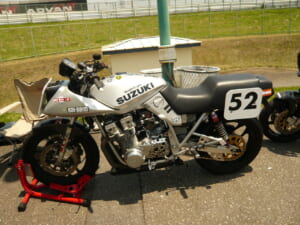
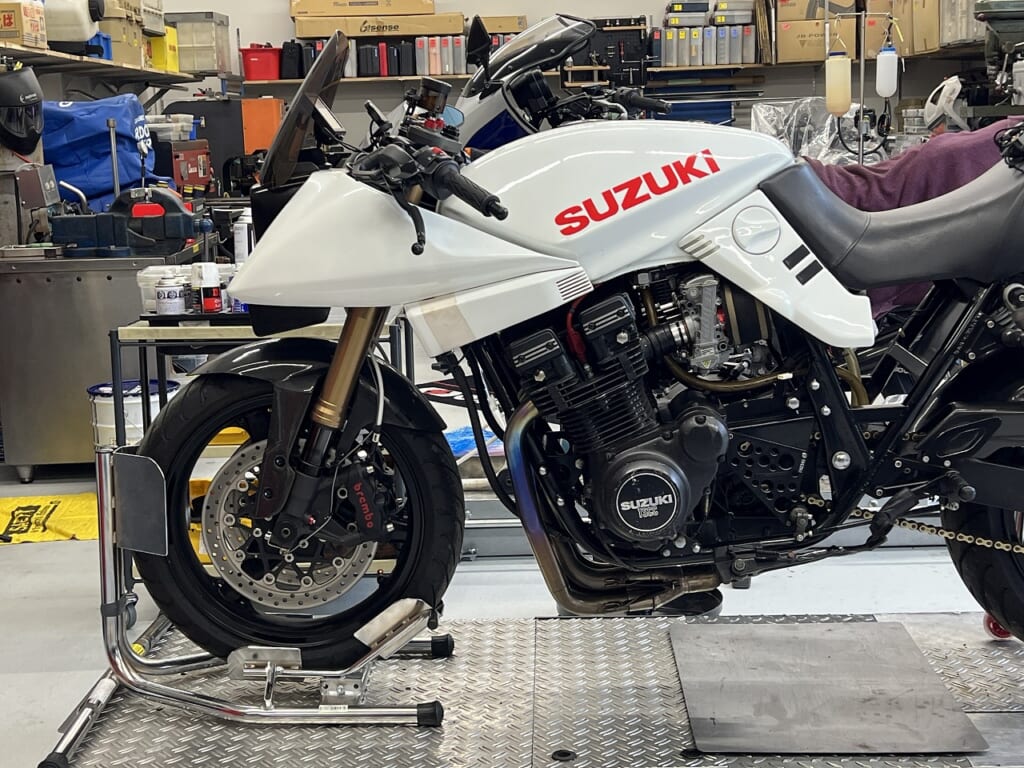
Vehicle: Suzuki GSX750S KATANA (White Color Spec)
Service Request: Full overhaul of rear brake caliper and elimination of brake drag
Symptoms on Intake: Heavy drag resistance when spinning the wheel by hand, friction during push-pull motion, crystallized brake fluid around the caliper piston, and brake dust accumulation.
Key Points of Service: Split the caliper body and thoroughly remove aluminum corrosion (white oxidation powder) from inside the seal grooves. Mirror-polish the piston, install new seal kits, and recondition the slide pins and torque rod areas to restore “zero-resistance wheel spin” that lets the wheel rotate freely!
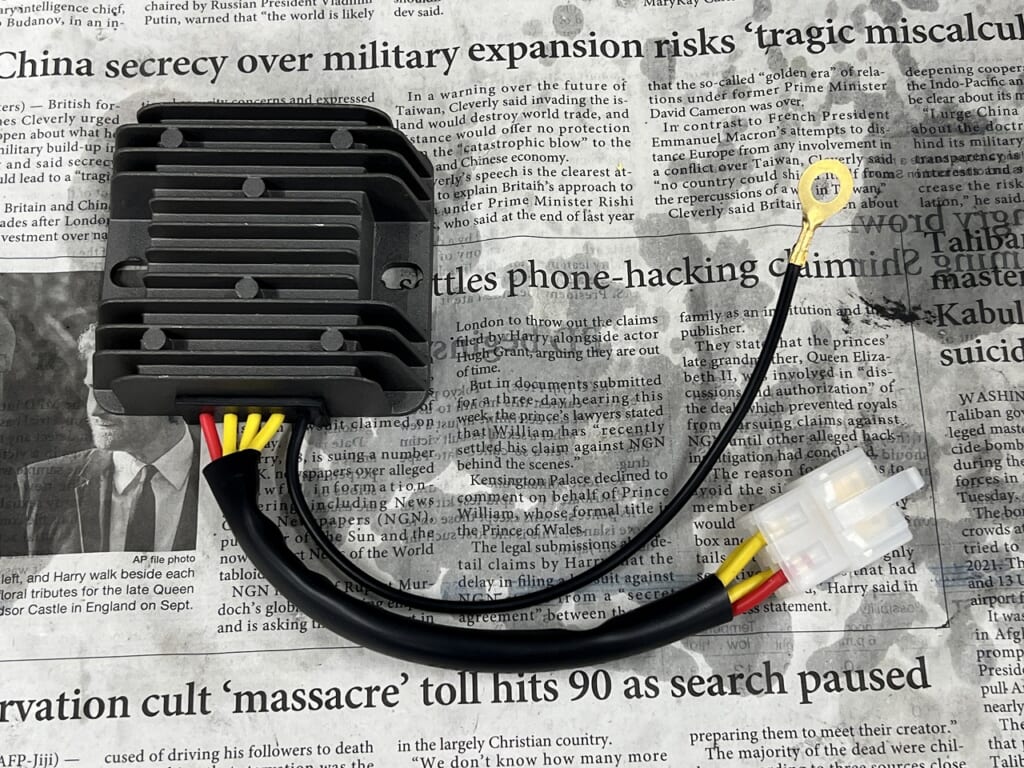
I set up spare regulator wiring the same way as the current setup
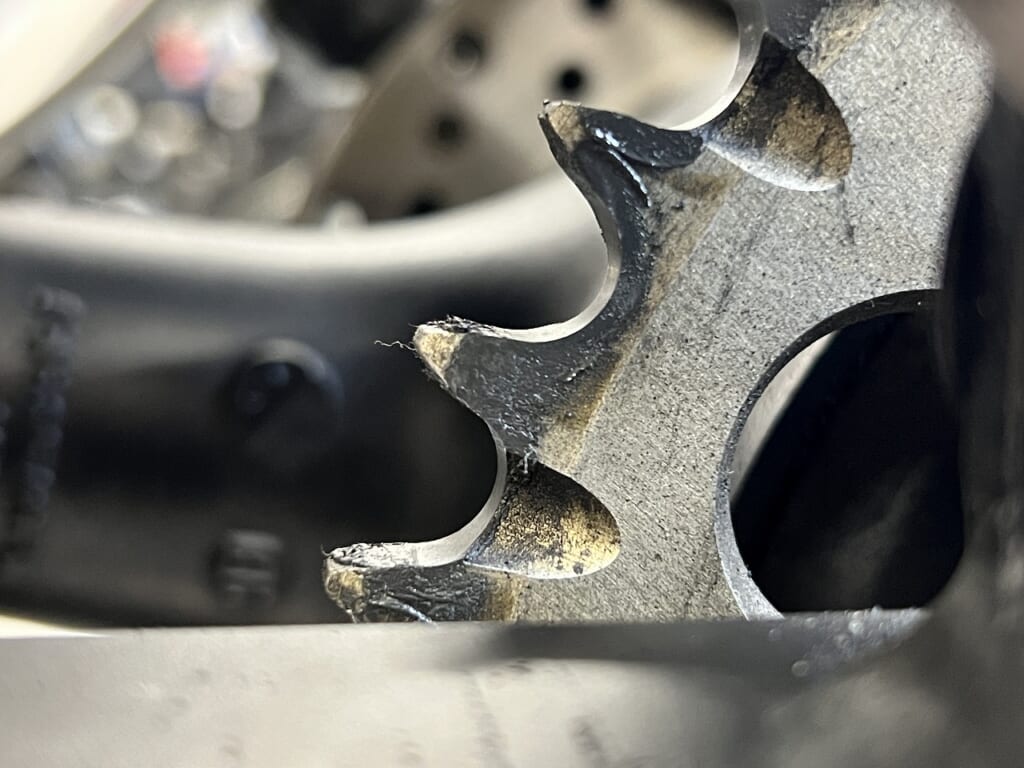
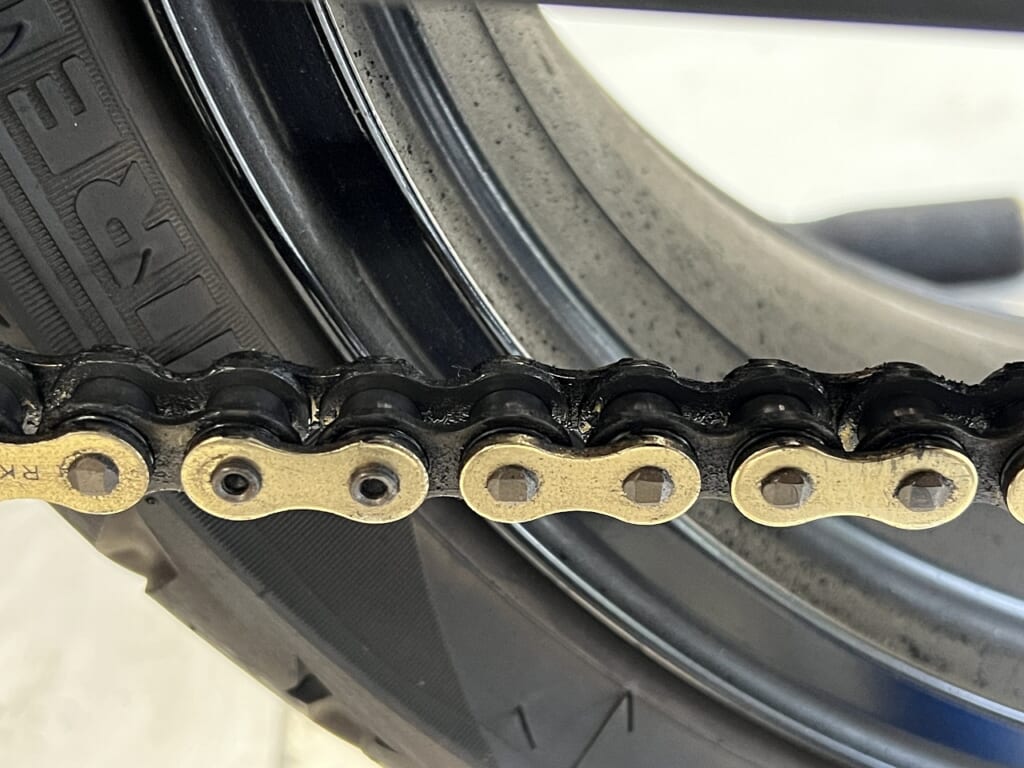
I proposed and sourced a chain & sprocket
Now let’s head to the main event (*´ω`*)
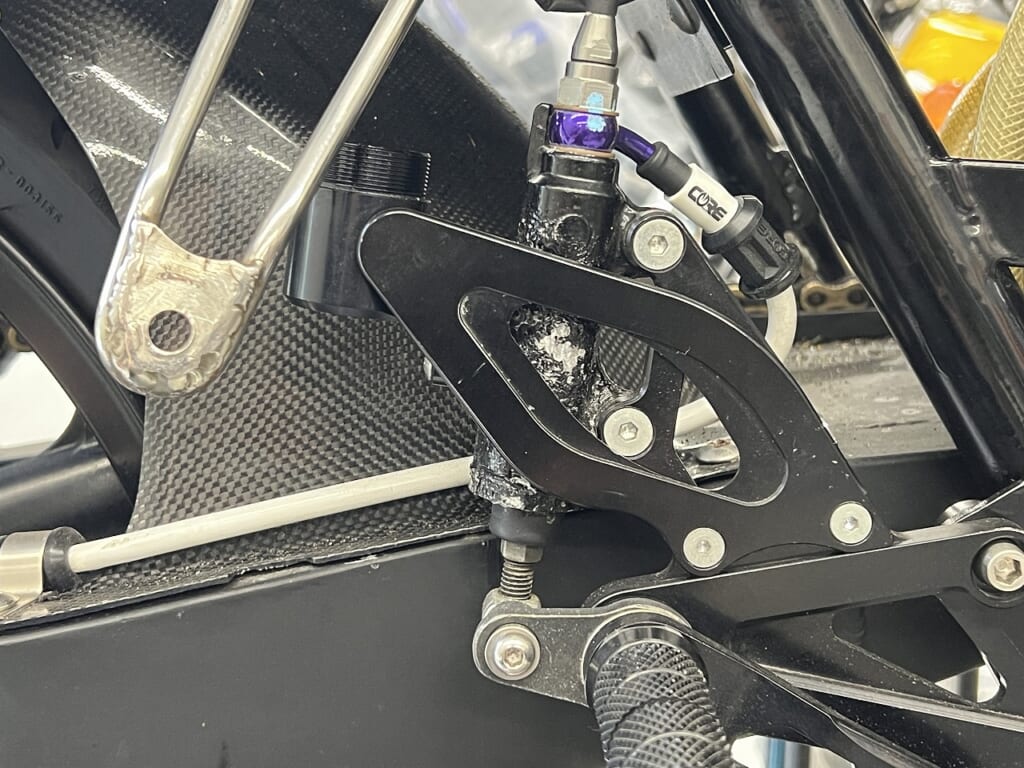
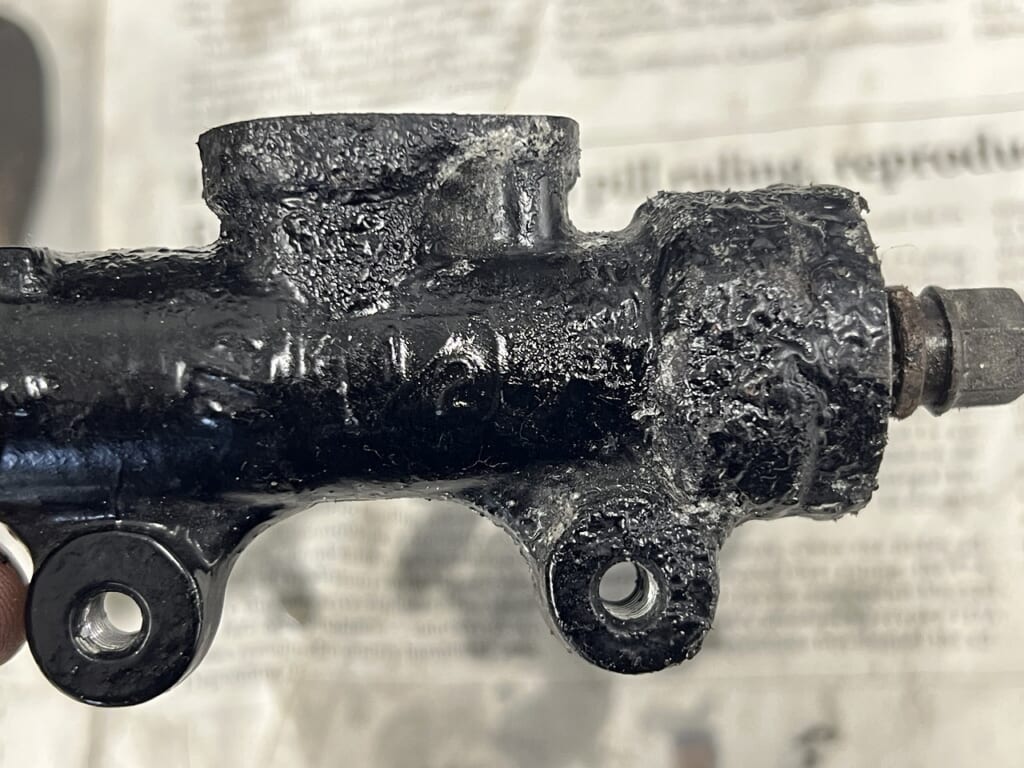
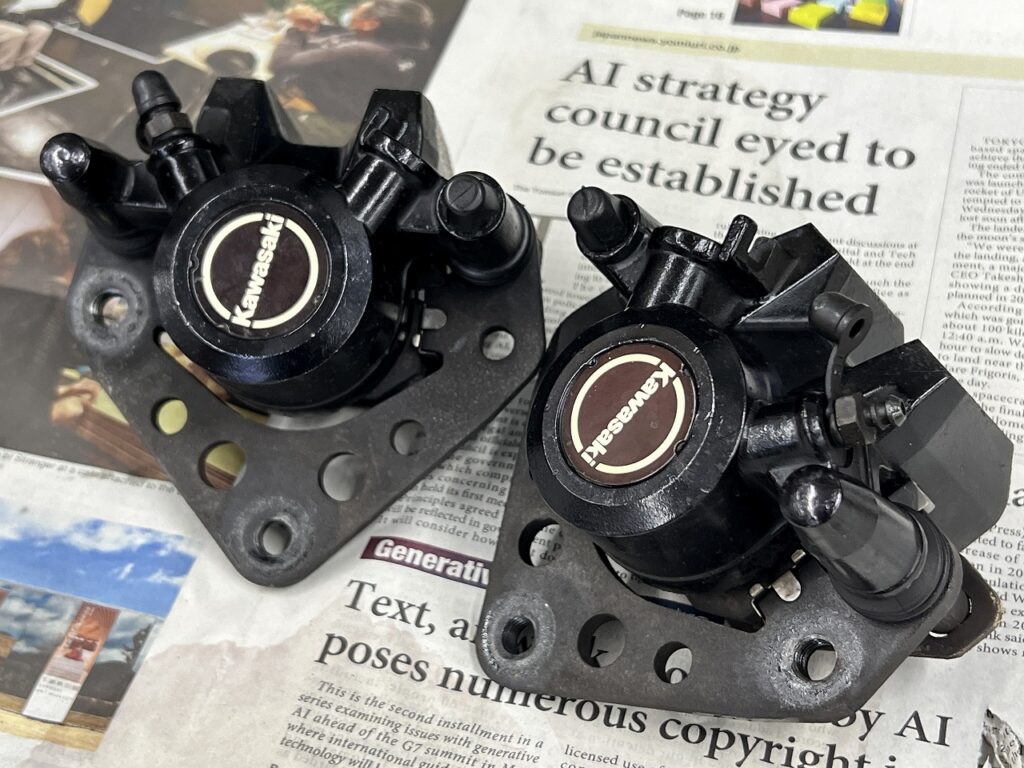
The paint looks pretty worn out. Let’s quickly remove it and check.
Removed it quickly. I was impressed by how simple vintage bikes are!
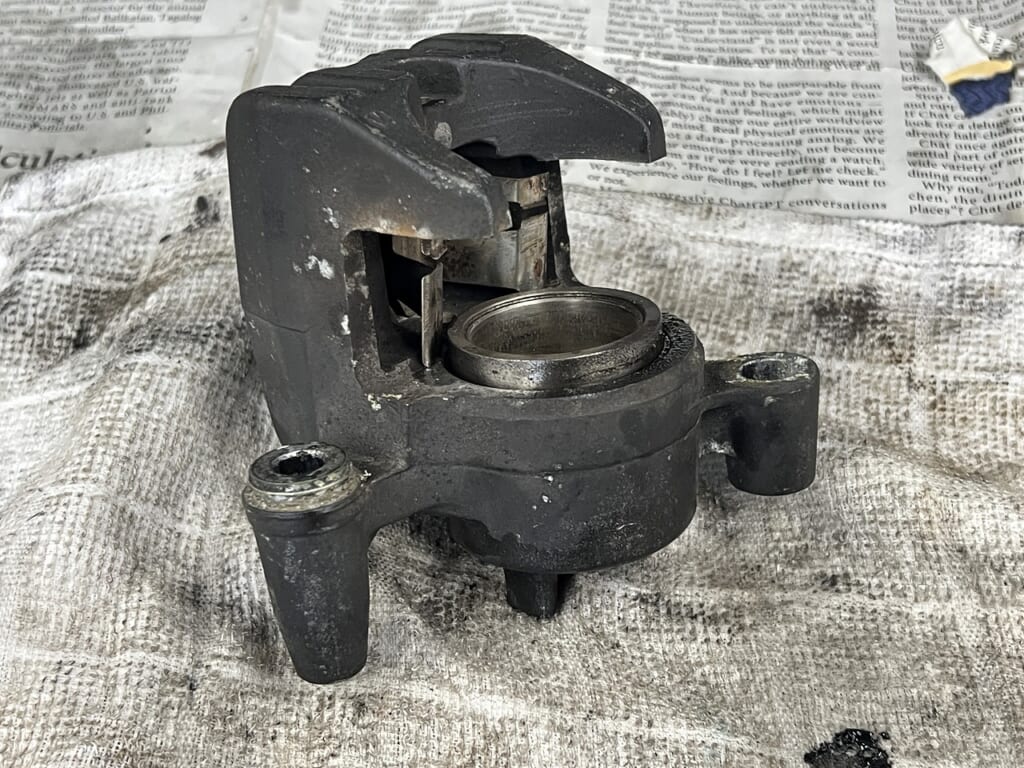
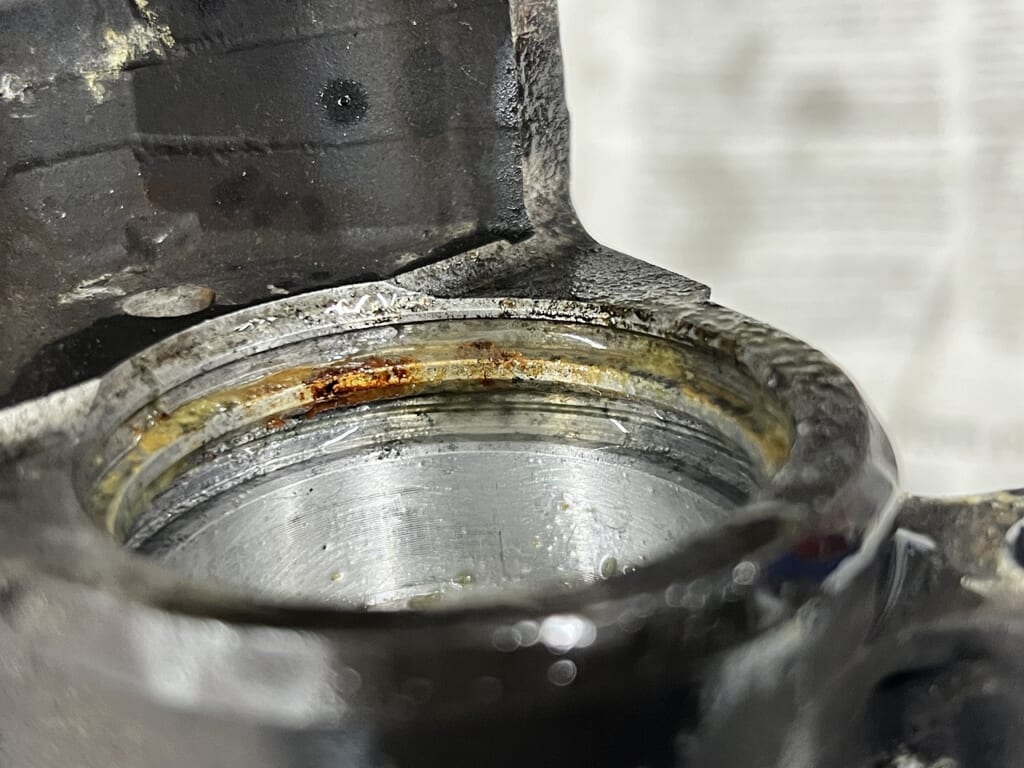
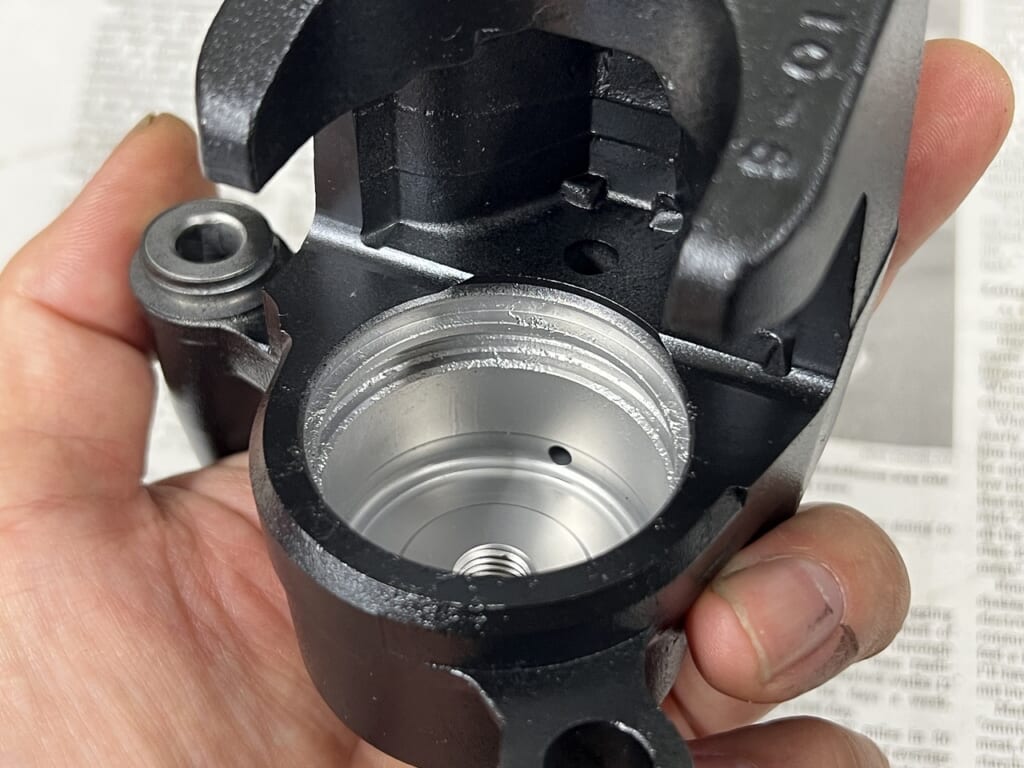
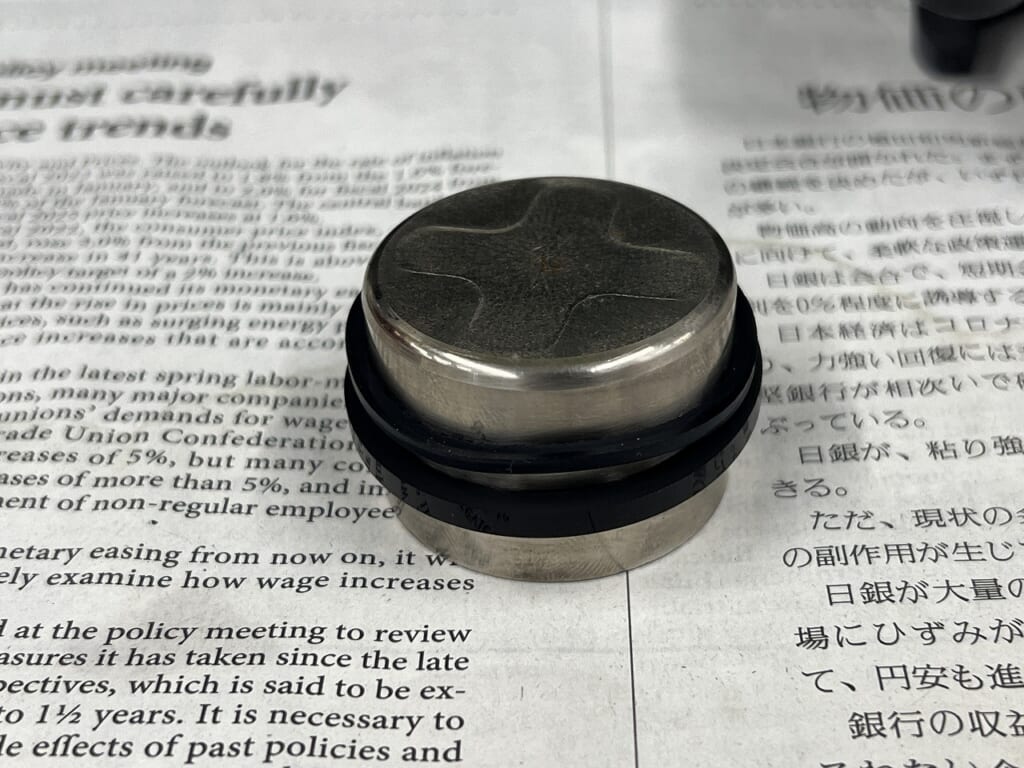
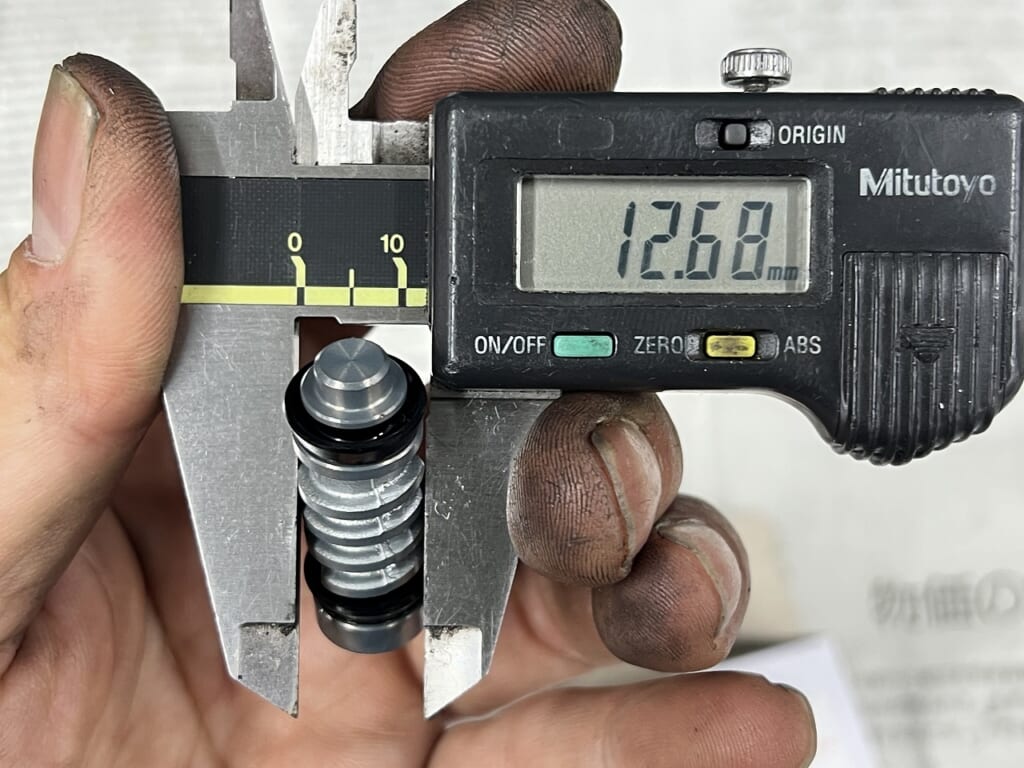
The slide pin action is very poor. The seal groove is in reasonable condition (*´ω`*)
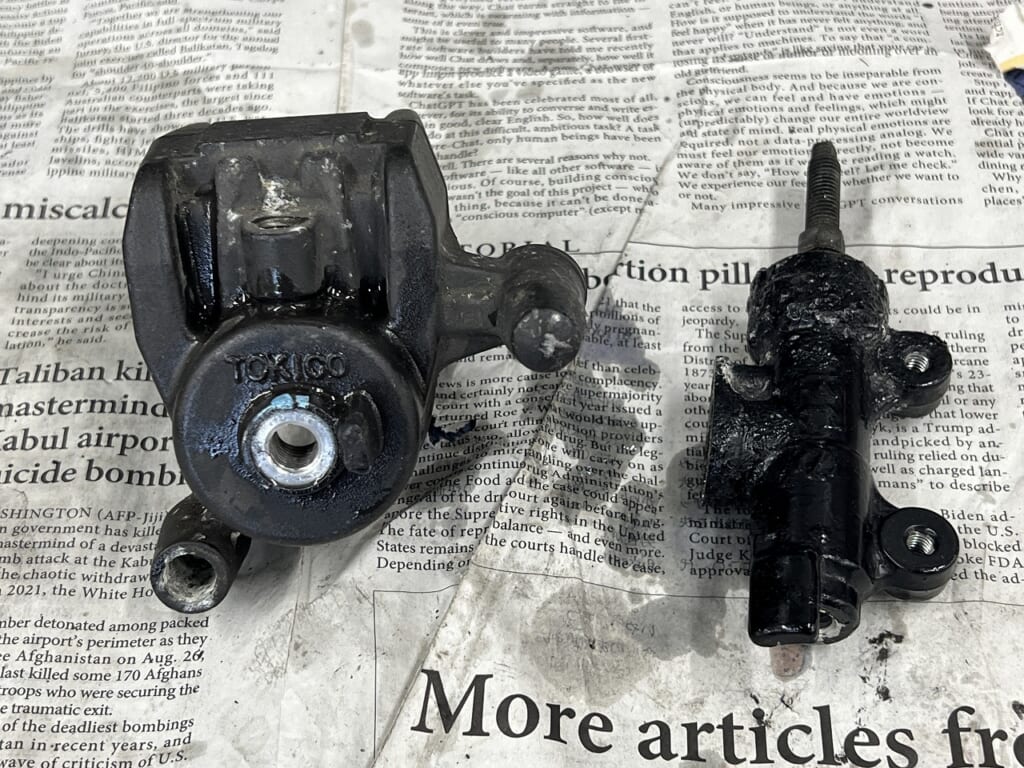
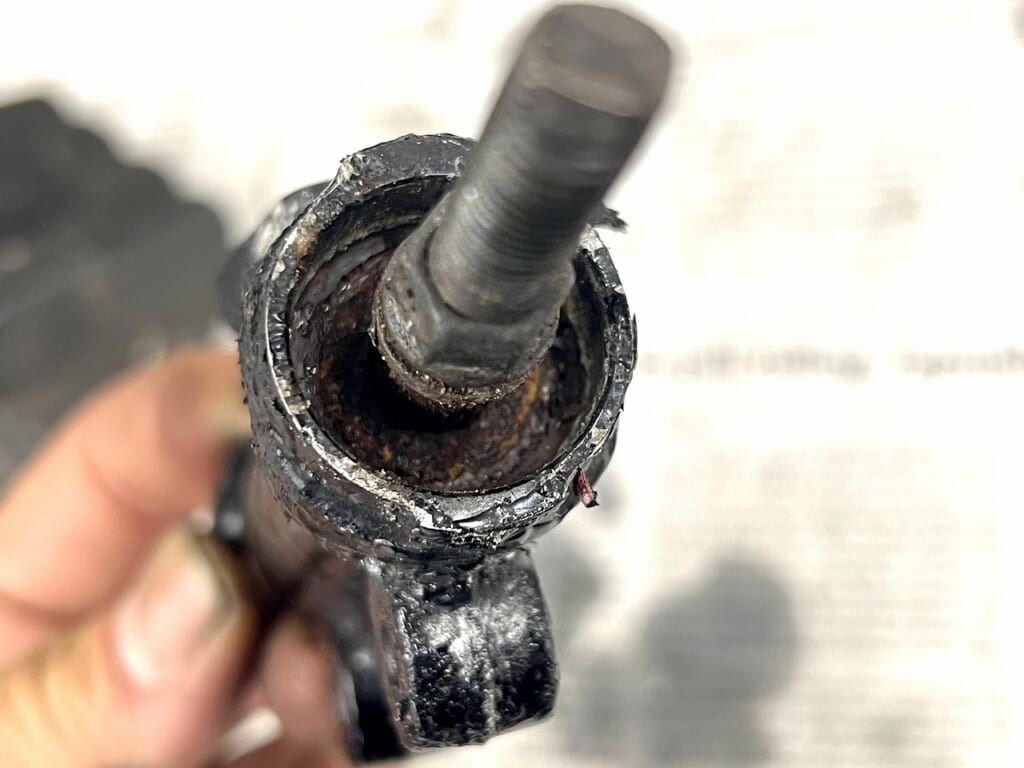
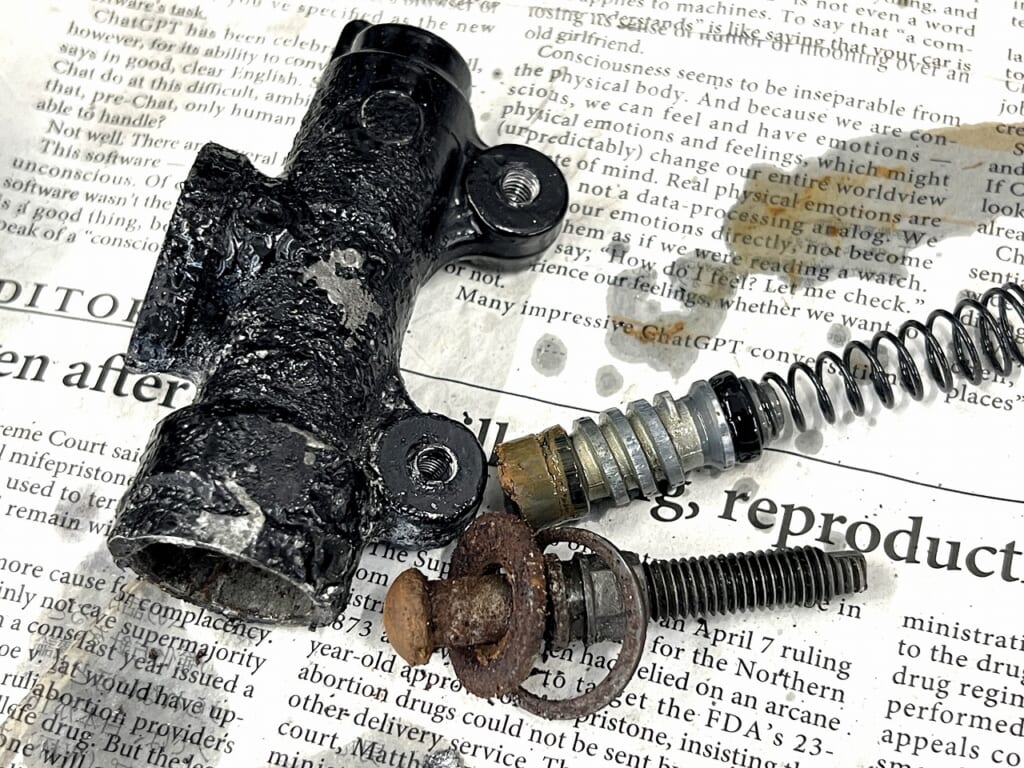
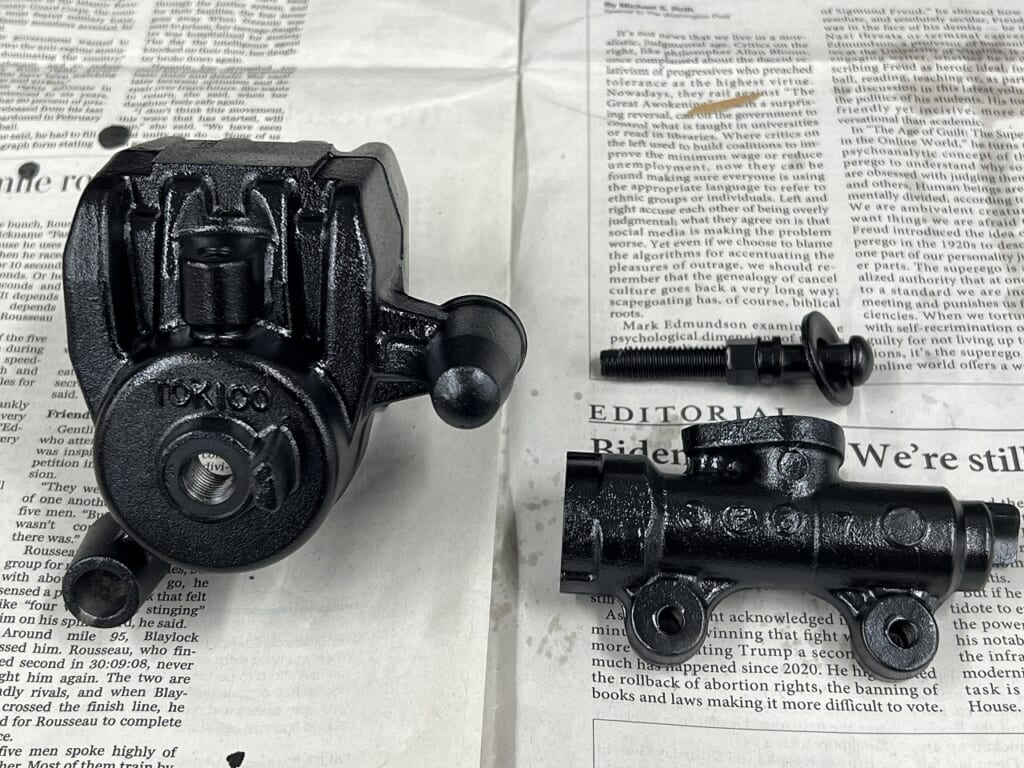
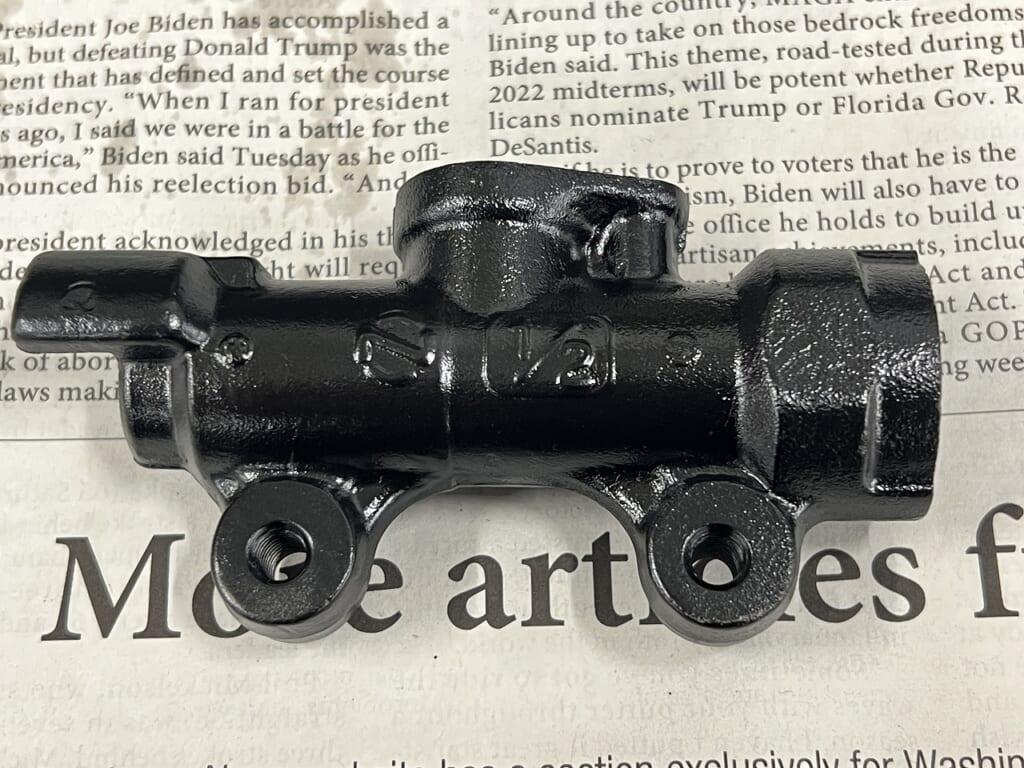
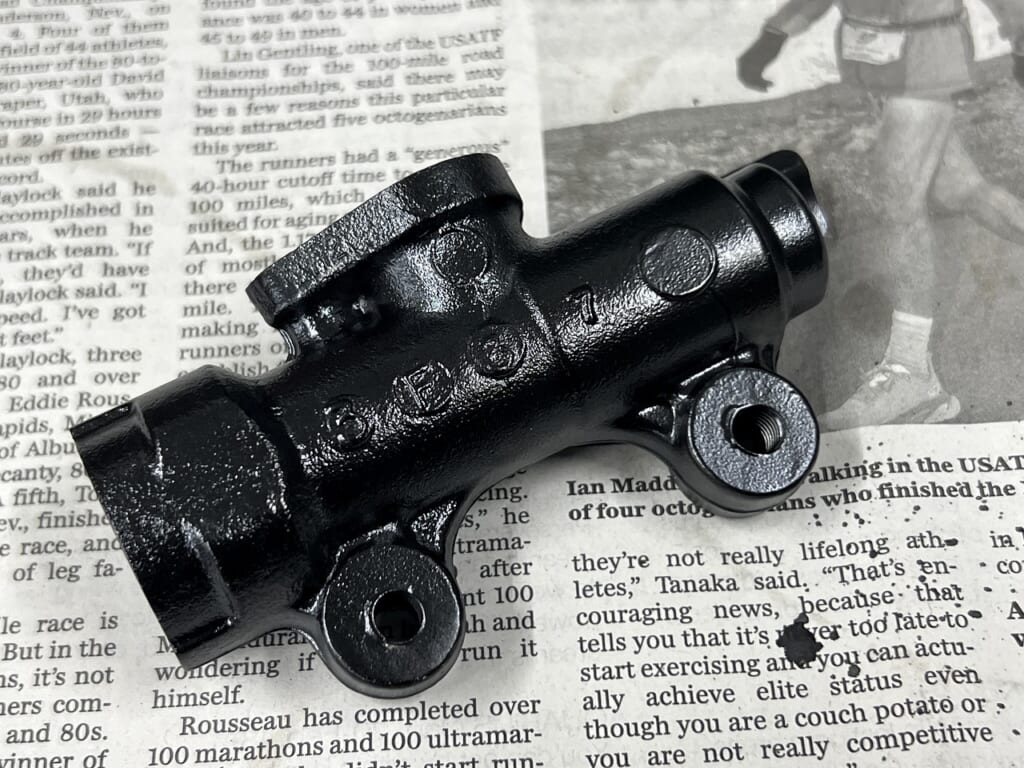
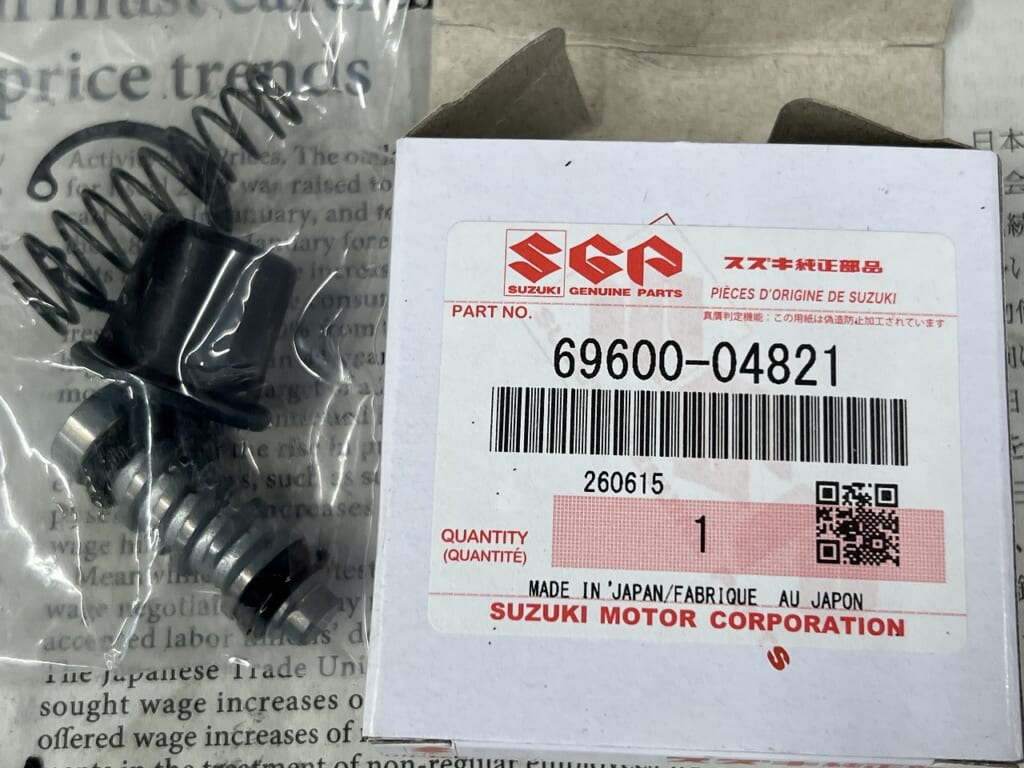
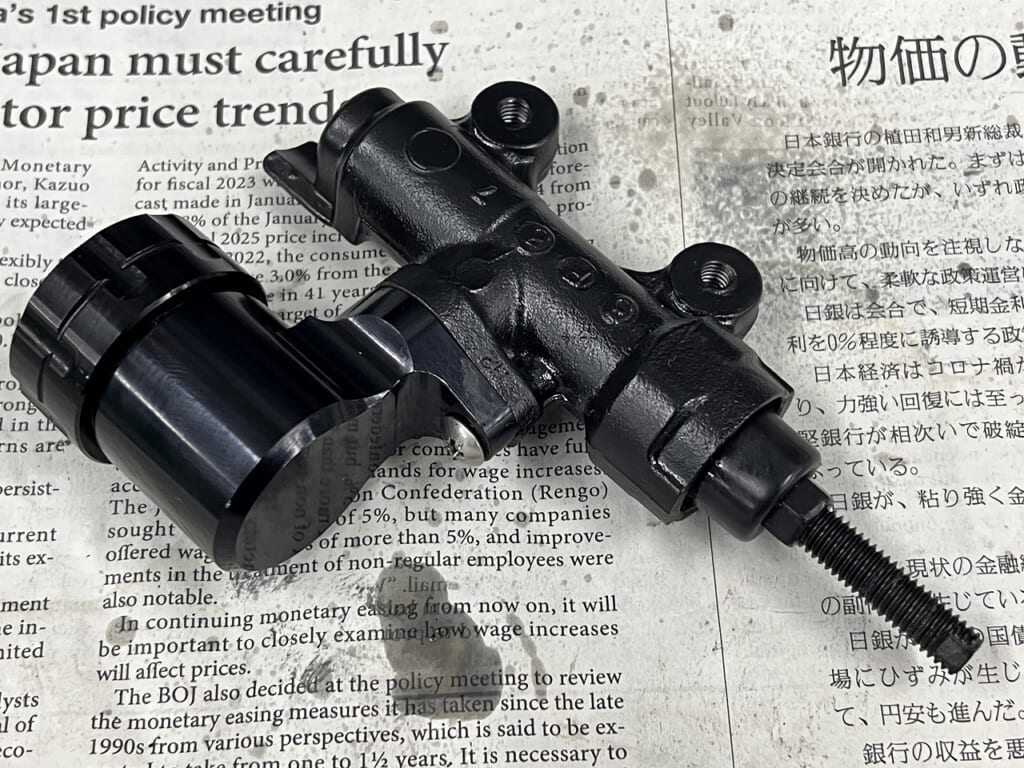
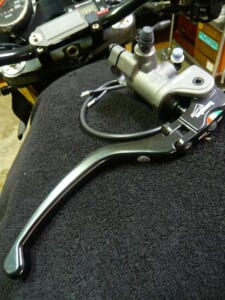
The master cylinder is in pretty rough condition. It’s the usual Nissin 1/2 size, but the later M6 fixed type. I’m wondering if buying it as an assembly would be cheaper…
For now, I want to strip the paint and then decide.
It looks good, so I’ll reuse and restore it
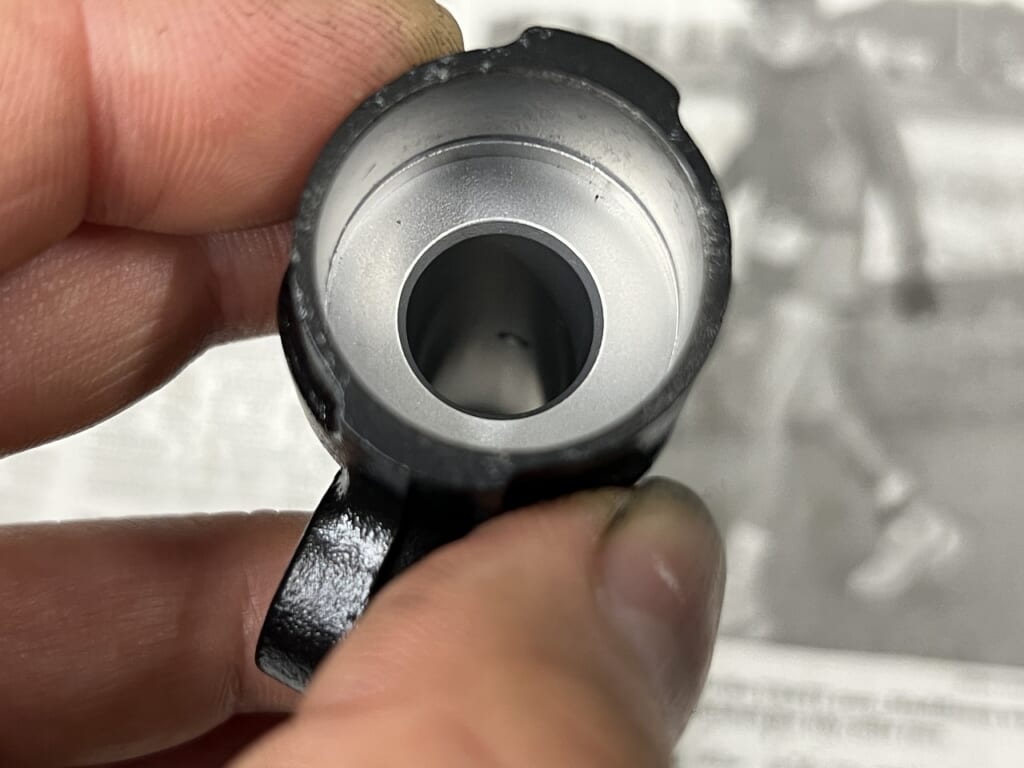
It was in much worse condition than it looked, but after stripping it was clean, so I finished it up.
It’s better on the inside than it looks on the outside, so I’m relieved.
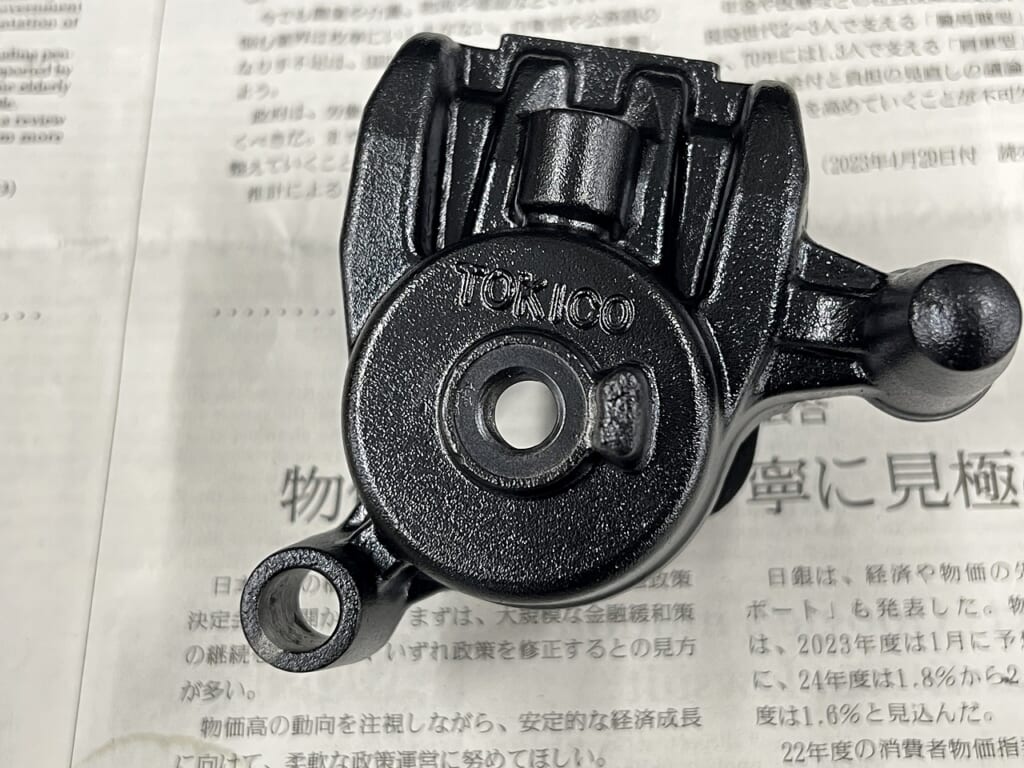
The body is a bit worn, but still good. Tokico… anodize it… not wind-painted…
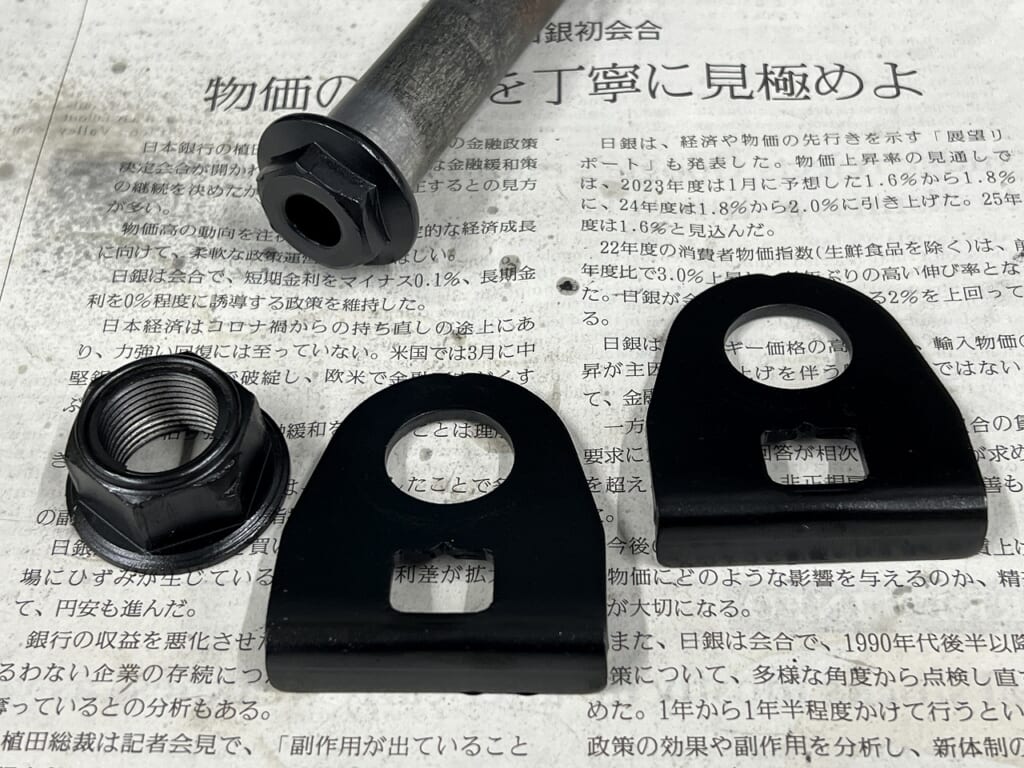
I also finished the axle area parts with gun coating as requested.
Inspecting parts before assembly increases confidence (‘◇’)ゞ
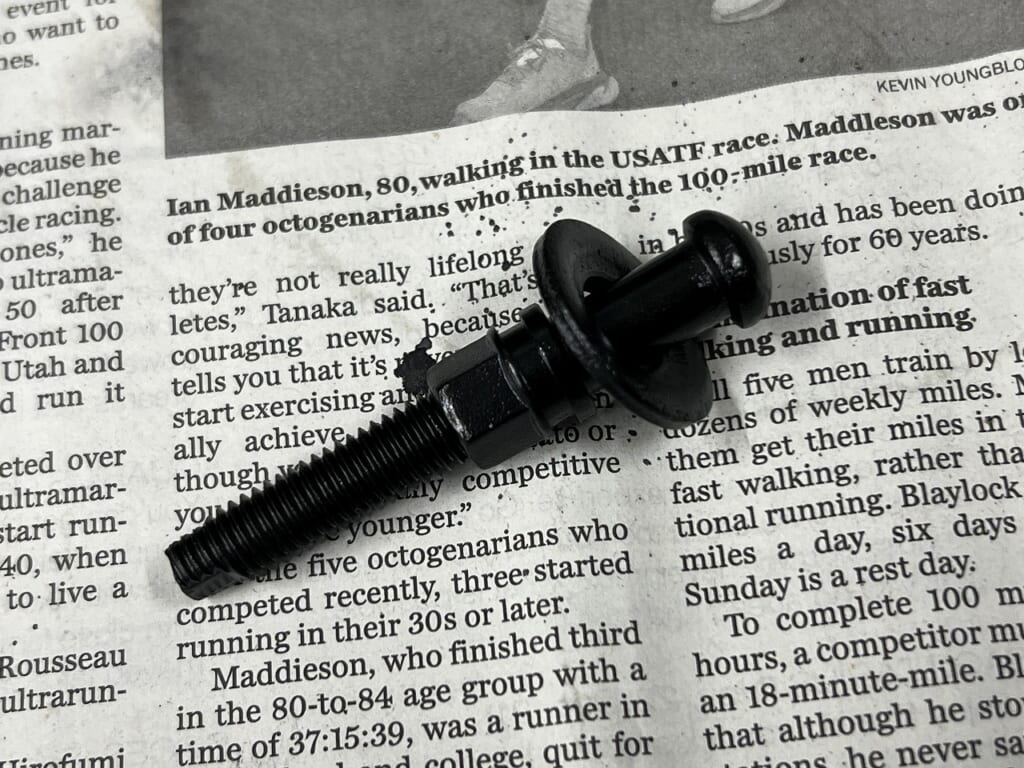
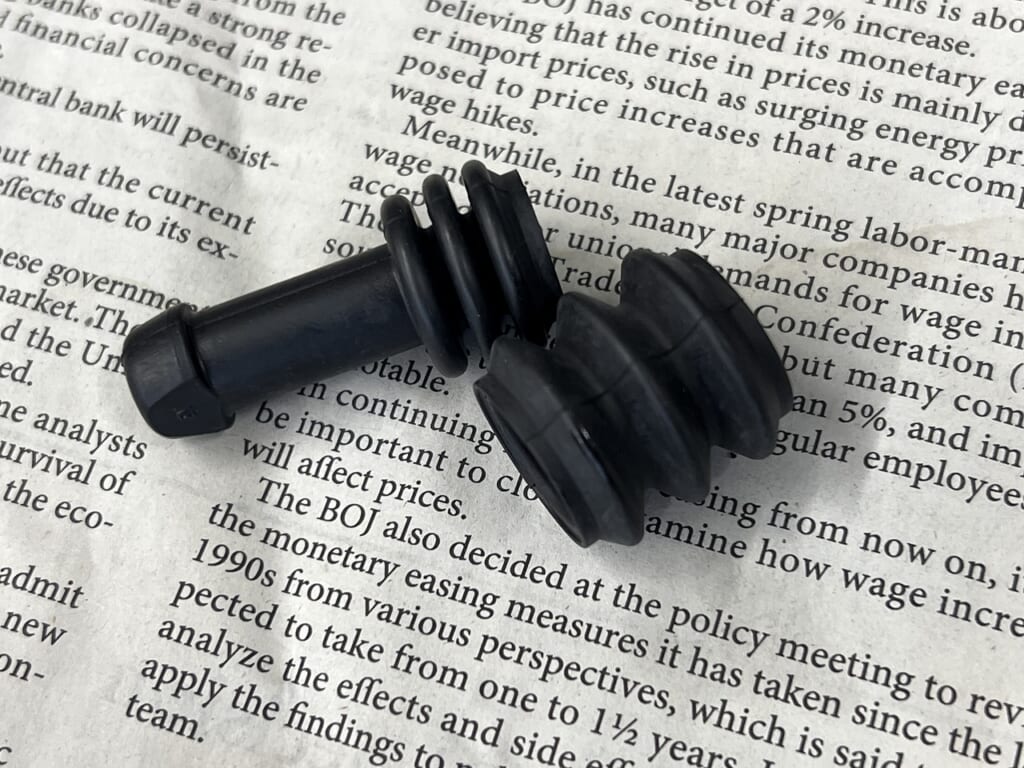
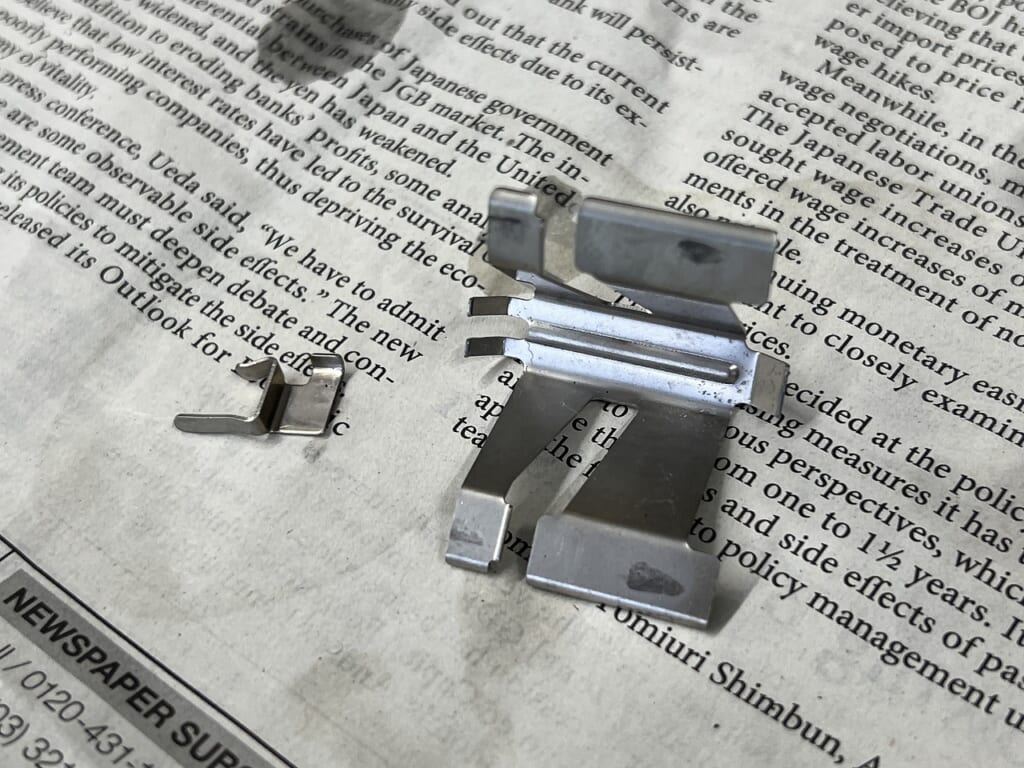
Single-piston caliper boots are very important and should be replaced every 2-4 years. I just go ahead and replace them aggressively. Single-piston calipers won’t perform well unless the slide pins move really smoothly, so thorough cleaning is essential. Cleaning up small plate parts also makes a huge difference in the final result.
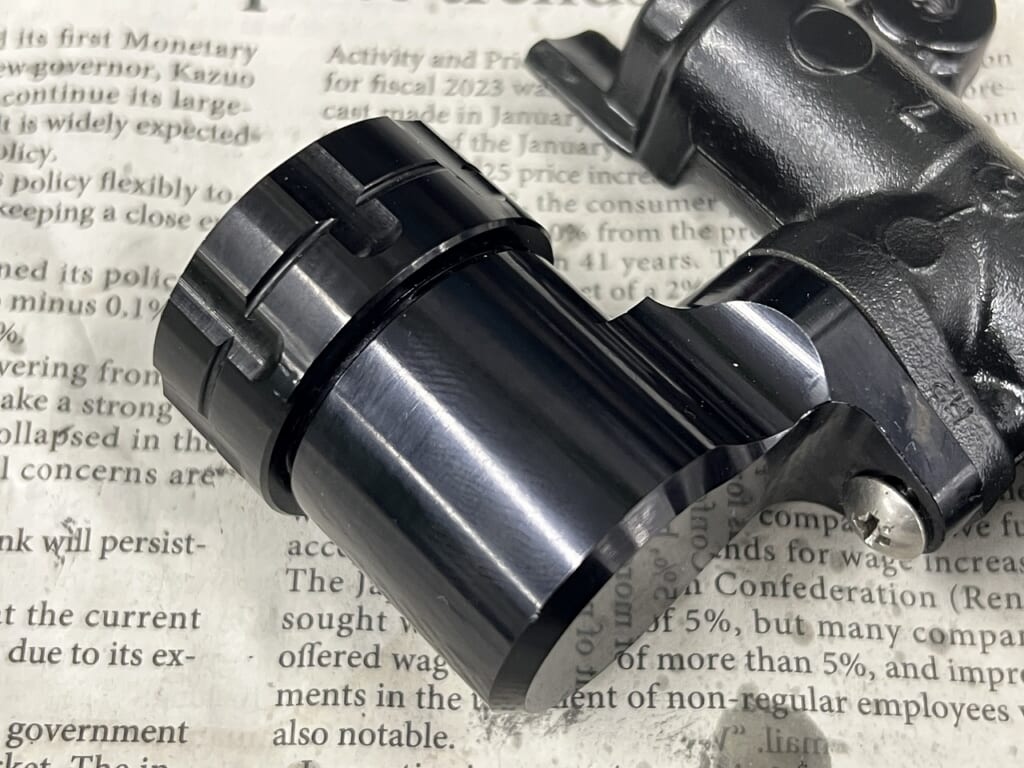
This one is usable. By the way, even with 1/2 size there are length differences, so be careful. If you’re unsure what something is for, it’s safer to just replace it as an assembly.
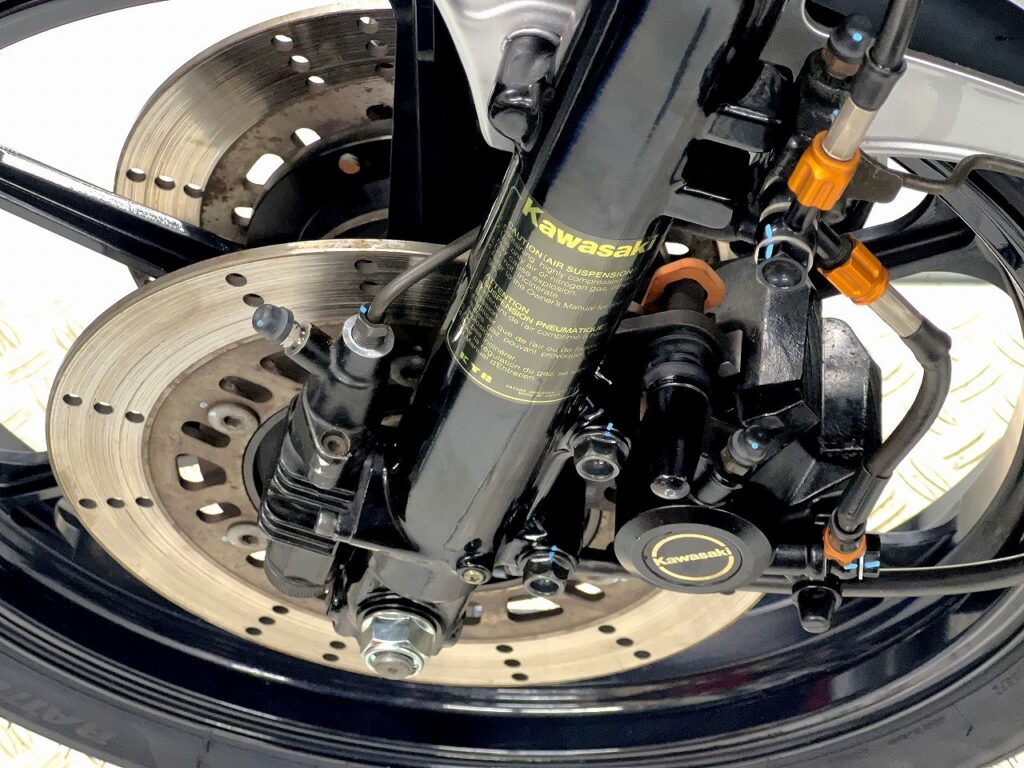
By the way… to be precise, if the reservoir tank fluid level isn’t visible, it fails inspection . I’ve done it on my Inazuma 1200 too, but… the front is more likely to get caught than the rear, so be careful.
I haven’t met a really strict inspector yet, but… there are plenty of aftermarket parts sold that don’t meet inspection standards, so watch out.
Mystery Solid Object in the Workshop
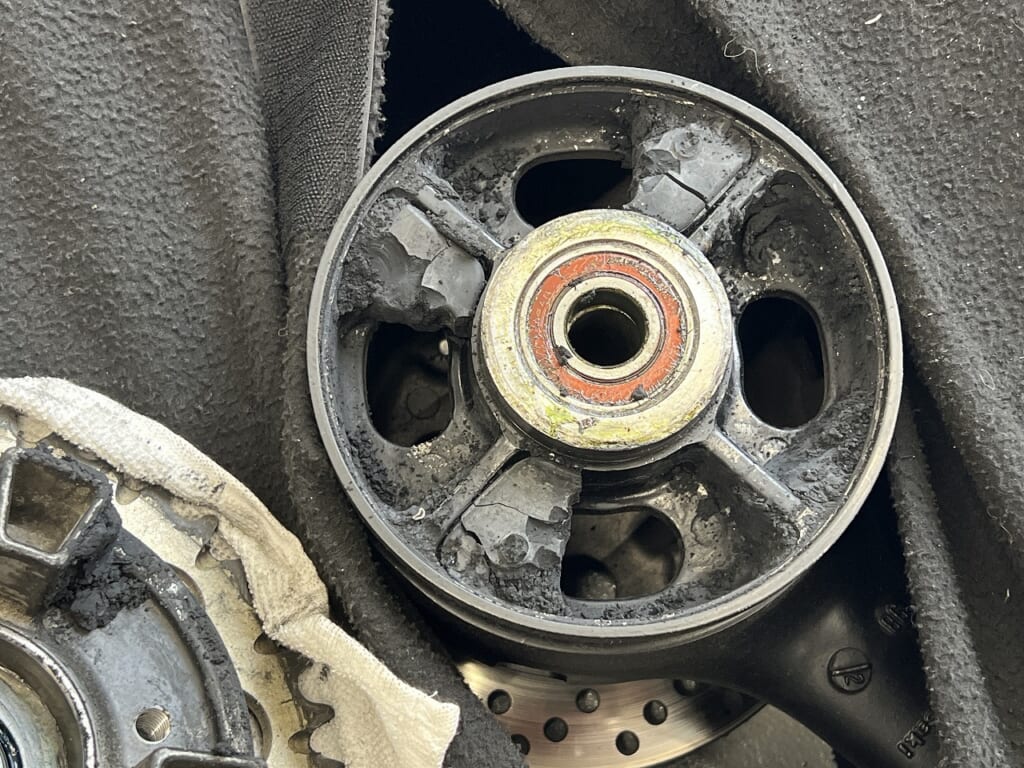
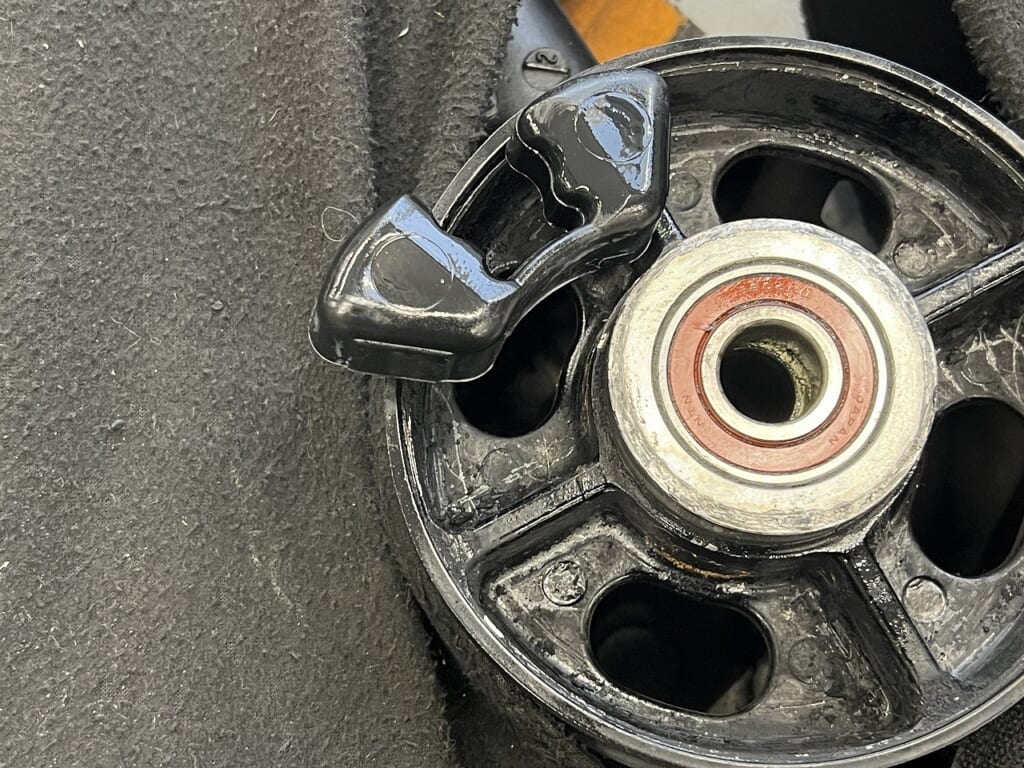
For the past few days, mysterious black lumps have been rolling around the workshop occasionally. They’re jet black like carbon chunks and completely crumbly and worn.
Finally today, I figured out what they were.
It’s you! (*´ω`*) I mean… a hub damper gets like this? It’s in an unbelievable state.
I scraped it off and cleaned it up. There’s also a customer-supplied bearing replacement request, but… the supplied bearing has a different part number and won’t work. It was changed to a different one when the wheel was swapped. I’ve sourced the correct size.
After installing a new damper, I figured out what the mystery pulverized stuff was… Life doesn’t always go smoothly, does it? ( ;∀;)
To be continued
Suzuki GSX750S KATANA (White Exterior Spec).
Topic: Full precision overhaul of the rear brake caliper to completely eliminate brake drag. Details: Tonight’s mechanical log focuses on the iconic Suzuki GSX750S KATANA. Inspection revealed severe rear wheel rotational resistance—the wheel barely spun half a turn by hand due to frozen caliper pistons. Disassembly confirmed that oxidized aluminum corrosion inside the seal grooves had expanded, excessively squeezing the rubber piston seals against the caliper pistons and disabling proper roll-back action. We ultrasonically cleaned the caliper body, scraped all corrosion from the seal grooves, mirror-polished the pistons, and installed fresh OEM seals with silicone grease. Verdict: The rear wheel now spins effortlessly with zero friction drag, and pedal feel returns to a razor-sharp, knife-edge responsiveness. Precision prep work restores the true cutting edge to the Katana!


 ポチップ
ポチップ