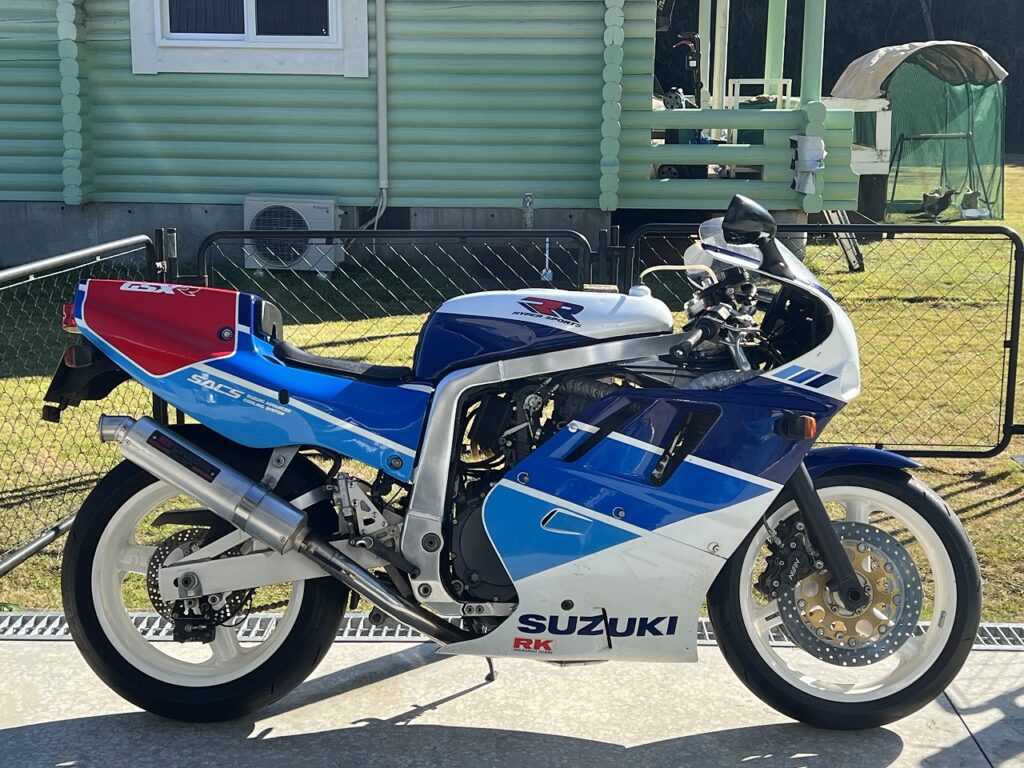
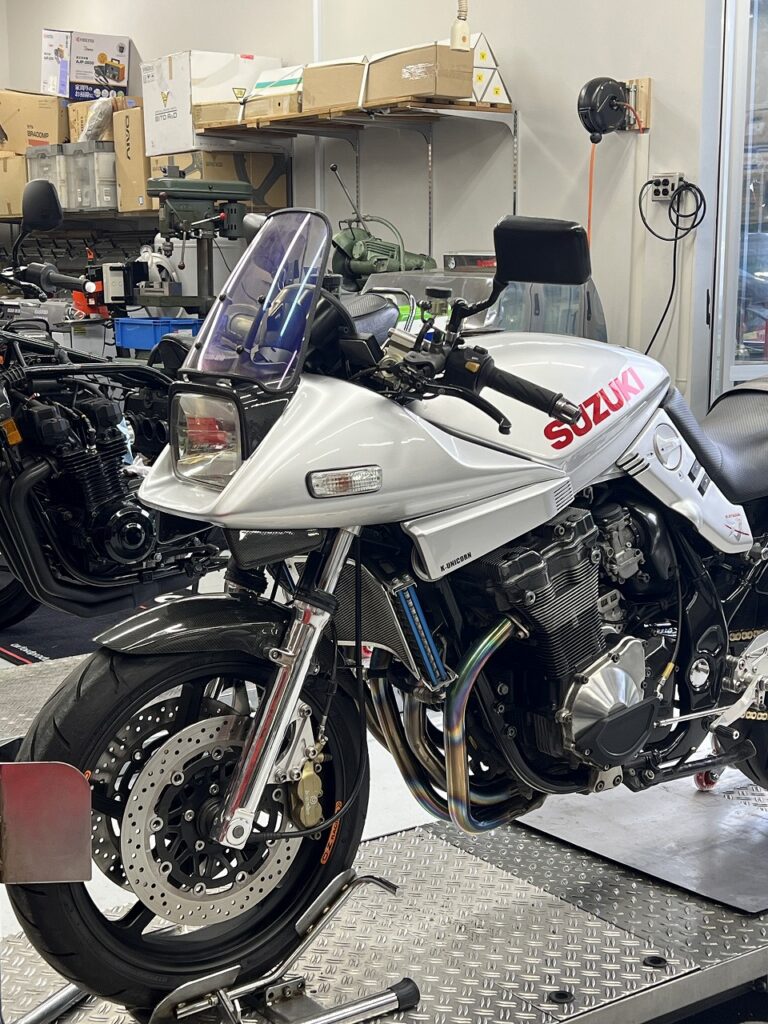
Maintenance Log: GSX-R1100H (1987) – What’s the Secret to Longevity? Building a Foundation by Incorporating Small Restoration Elements into Daily Maintenance
Inspections, maintenance, vehicle pickups and drop-offs, and taking care of the chickens—before you know it, a whole week has flown by (laughs). How are you all getting on with your year-end preparations? The outside temperature has turned properly wintry, and mornings have become a season when it’s hard to take that first step out the door.
Right now, I just want to get through this “inspection rush” in front of me without a hitch! That’s what I’m feeling ( `ー´)ノ Due to efficiency and scheduling, the order in which we’ve taken in bikes has gotten pretty mixed up (?) but we’re finishing each one properly, so owners, please bear with us a little longer~!
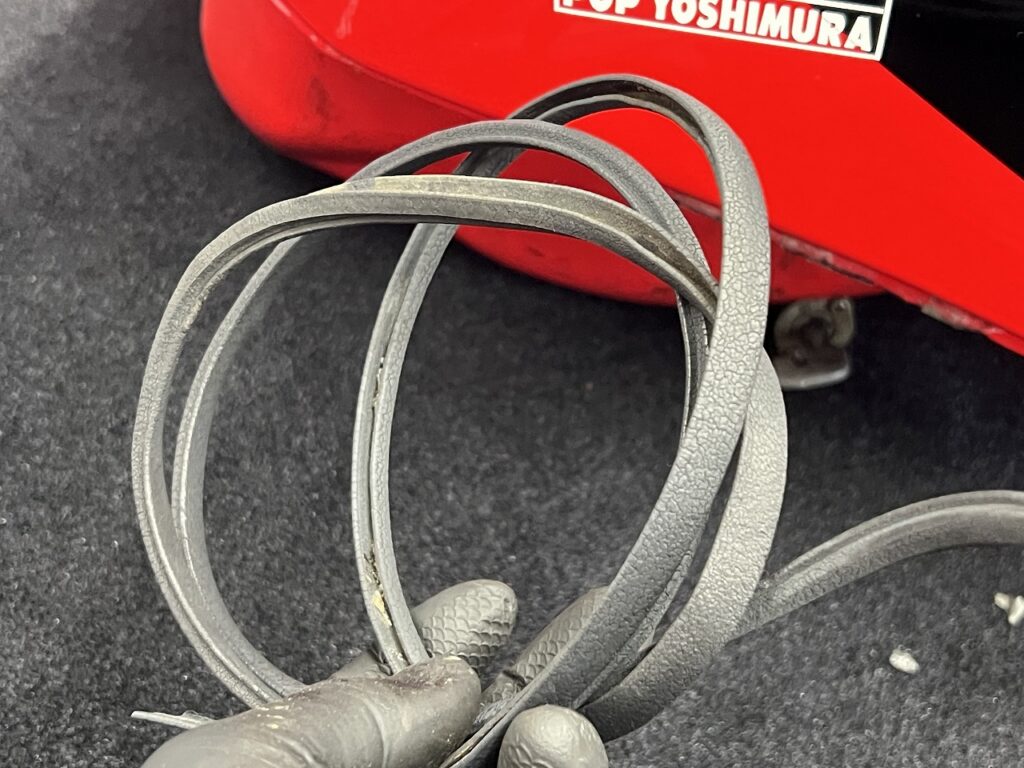
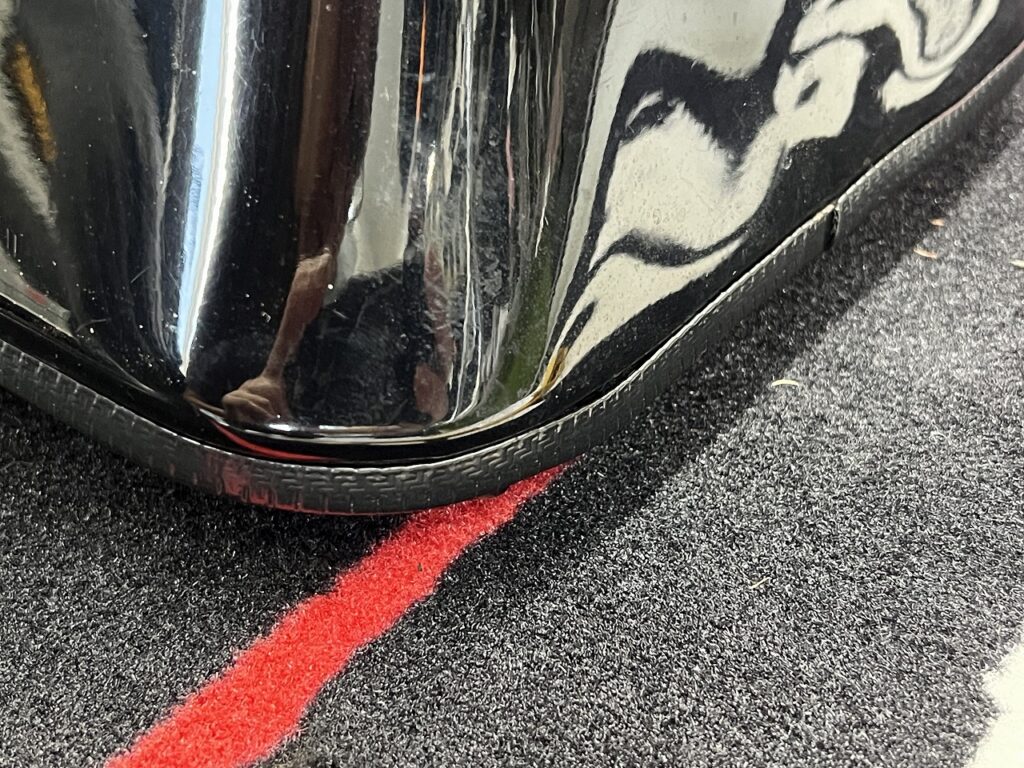
The original uses this kind of double-sided tape trim molding… but it peels off over time, and removing the adhesive when replacing it is a hassle. Honestly, there’s zero benefit (laughs).
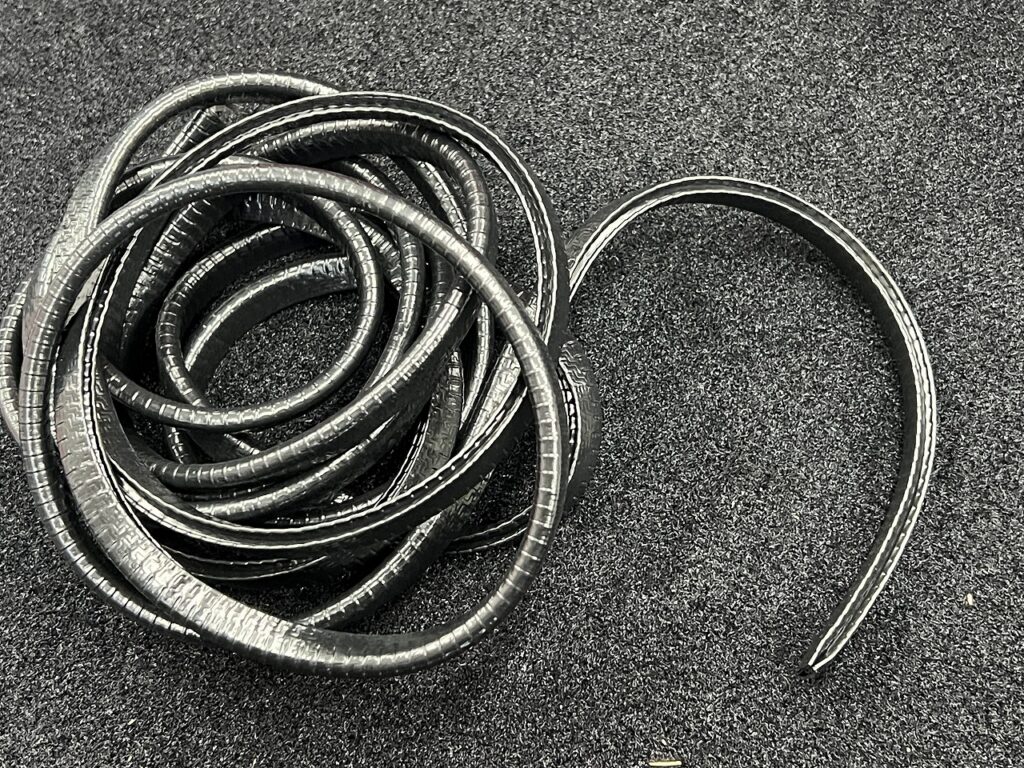
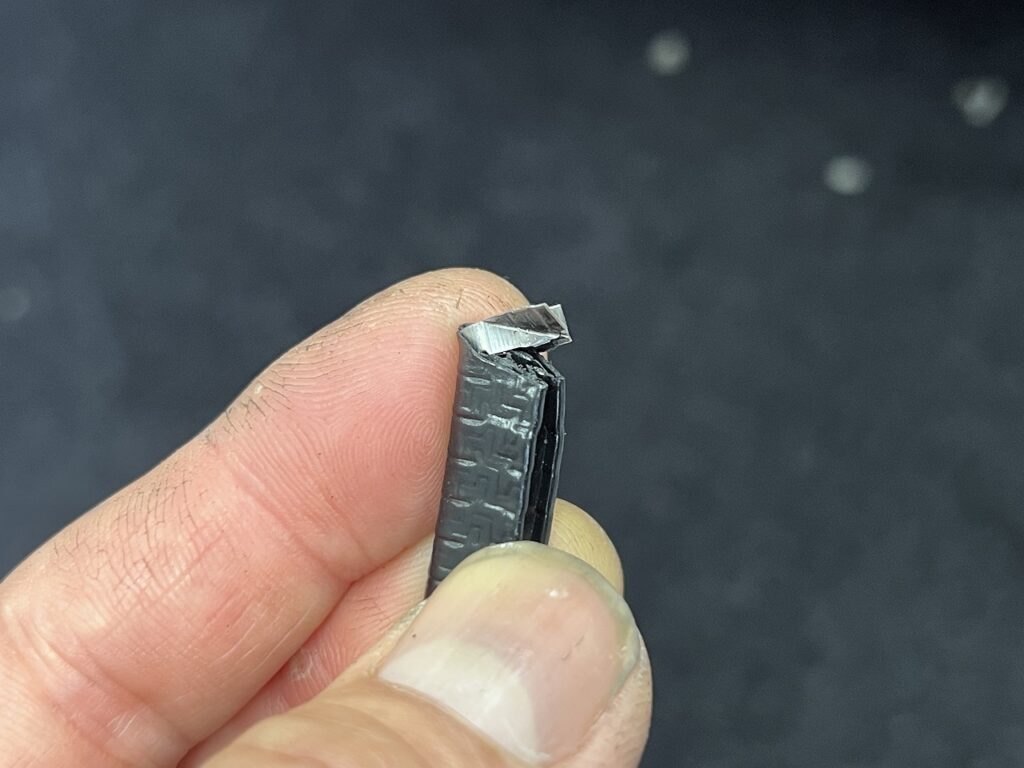
So this time, I’m switching to a shape-retaining metal-core trim molding (edge trim) with a steel core inside! It clamps and holds firmly without relying on double-sided tape, and the clean radius (curve) comes out exactly as intended, so both appearance and durability finish up nicely ( `ー´)ノ
I used to use Suzuki OEM, but there are cheap ones available on Amazon. I keep them in stock and usually swap them in as a service. It’s useful for all sorts of things, so having one on hand is handy.
Metal trim with a steel core fits perfectly to any tight radius (curve)!
And if the fit into the panel is tight, you can widen the groove a bit; if it’s loose, you can adjust it by gently squeezing it with your fingers or pliers.
In the maintenance shop, if you stop reaching for “adhesives, double-sided tape, and cable ties” right away, you should end up with a high-maintainability environment where you can cleanly remove and reattach parts, and repeat work, over and over ( `ー´)ノ
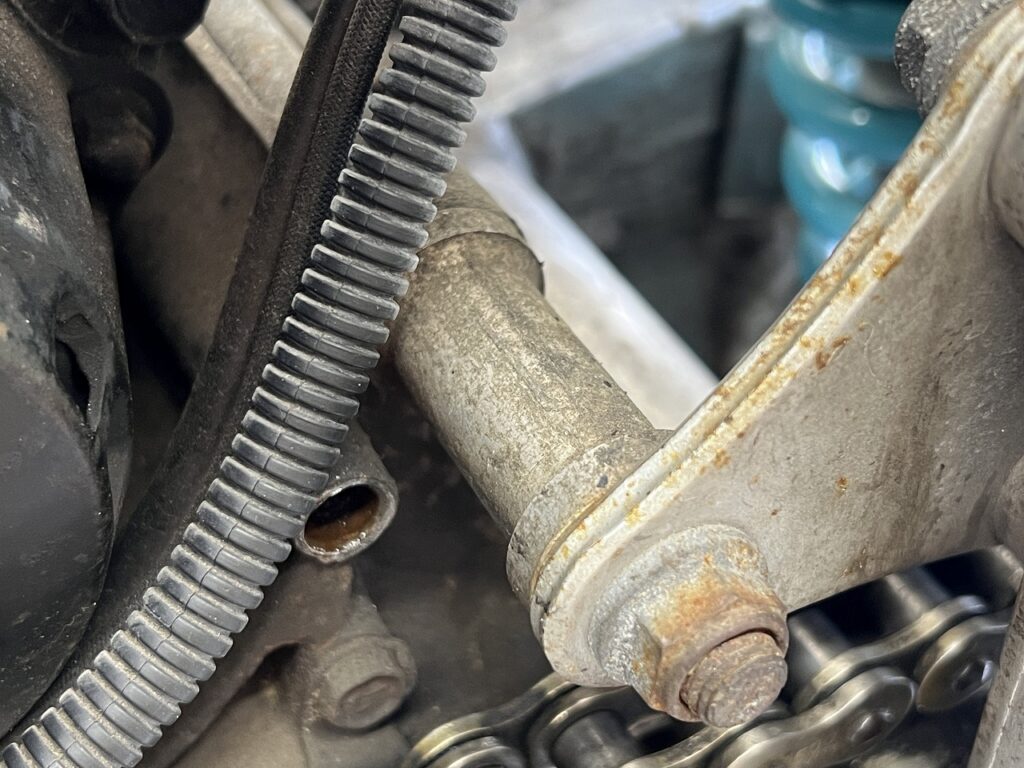
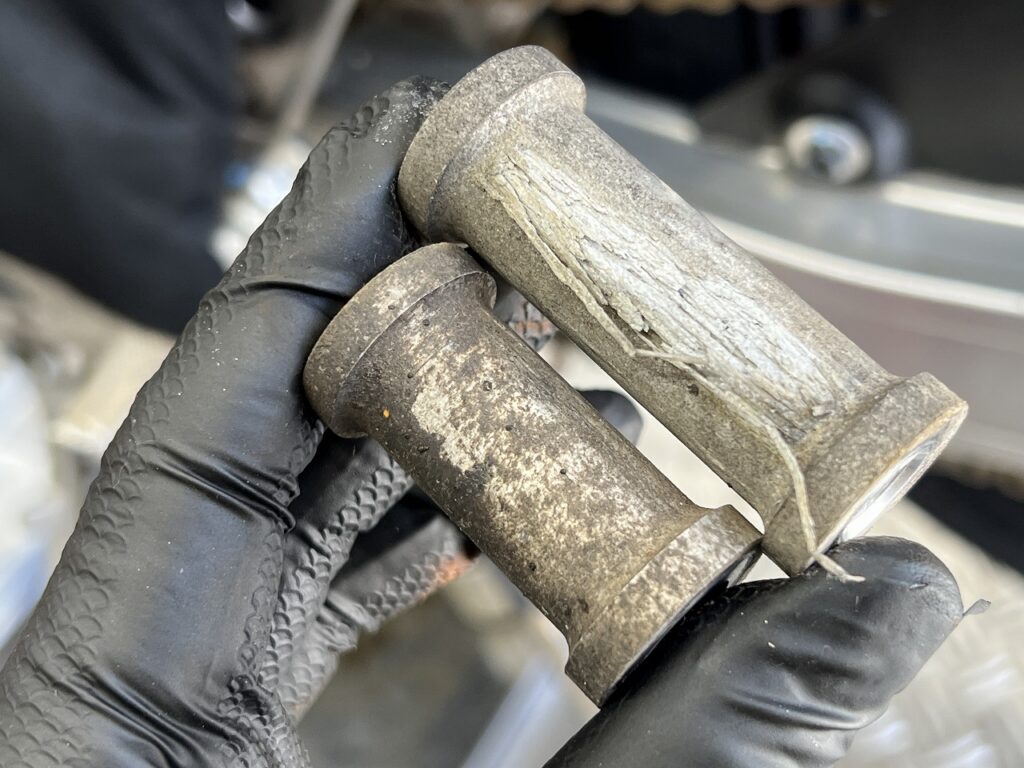
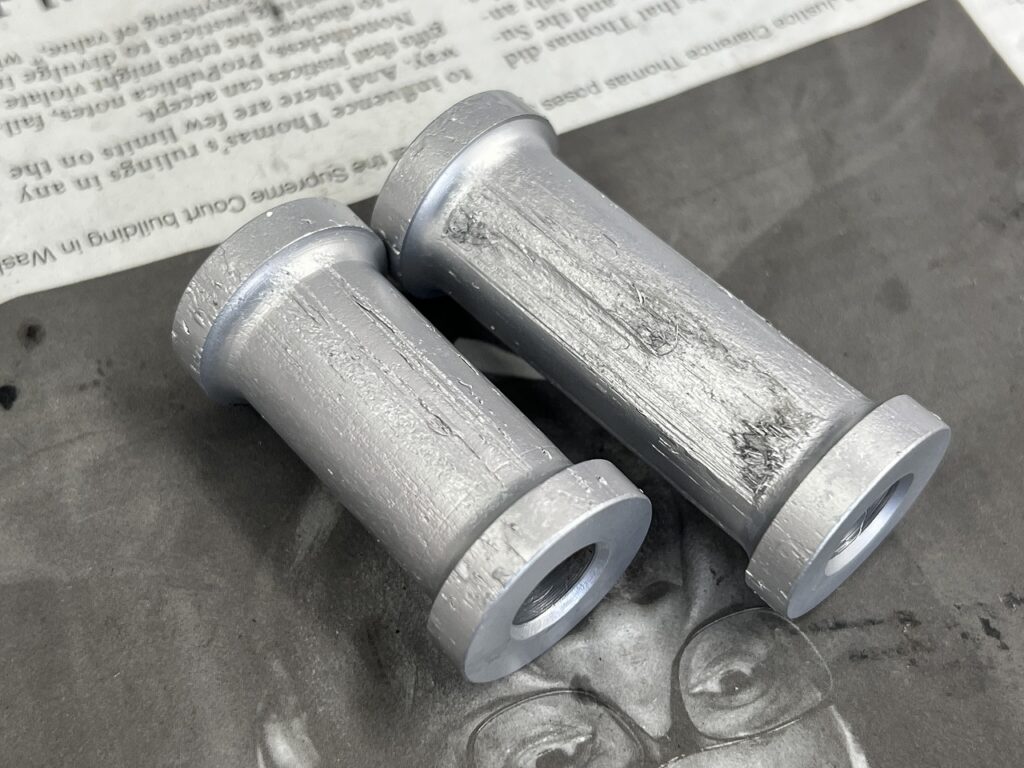
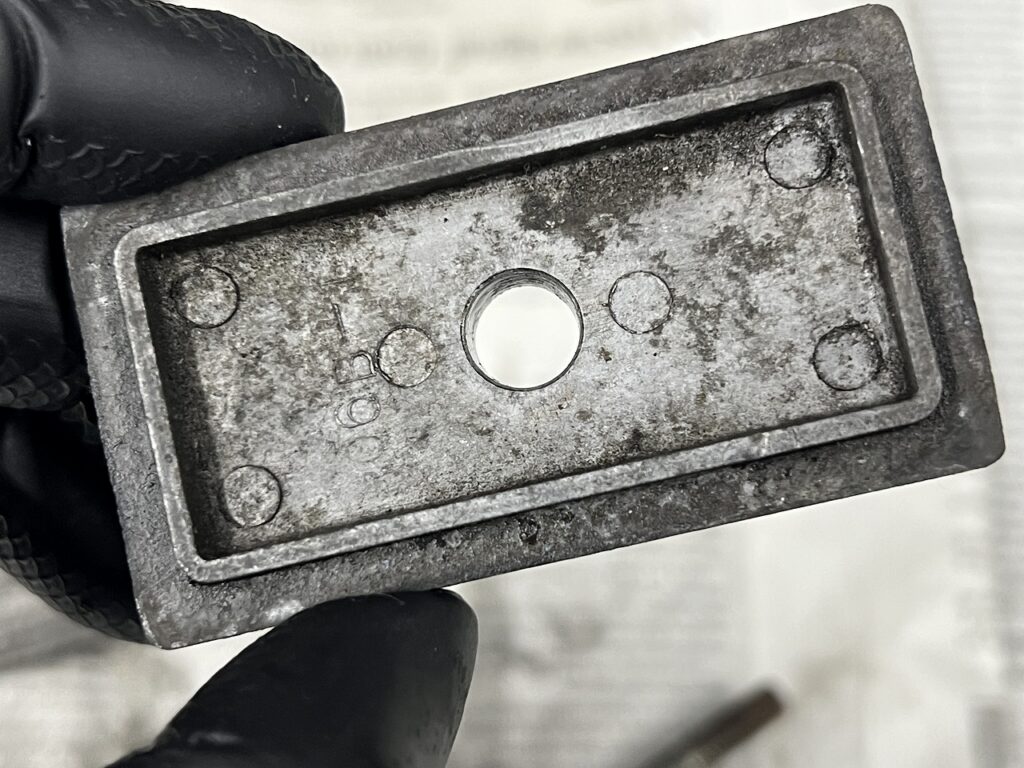
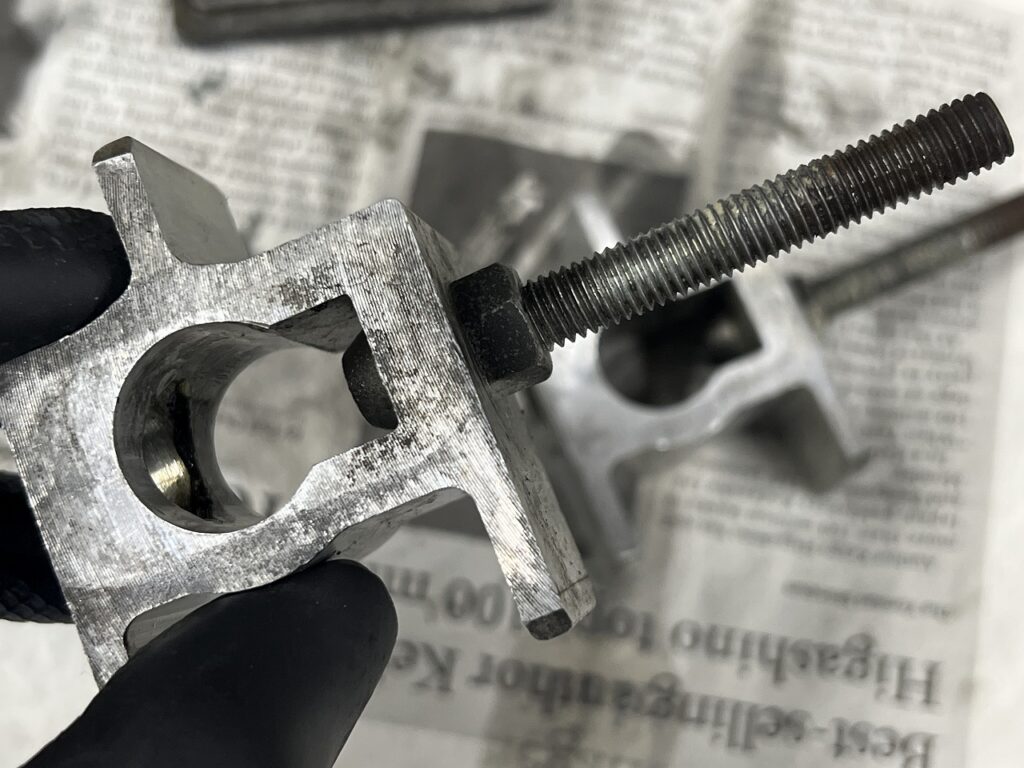
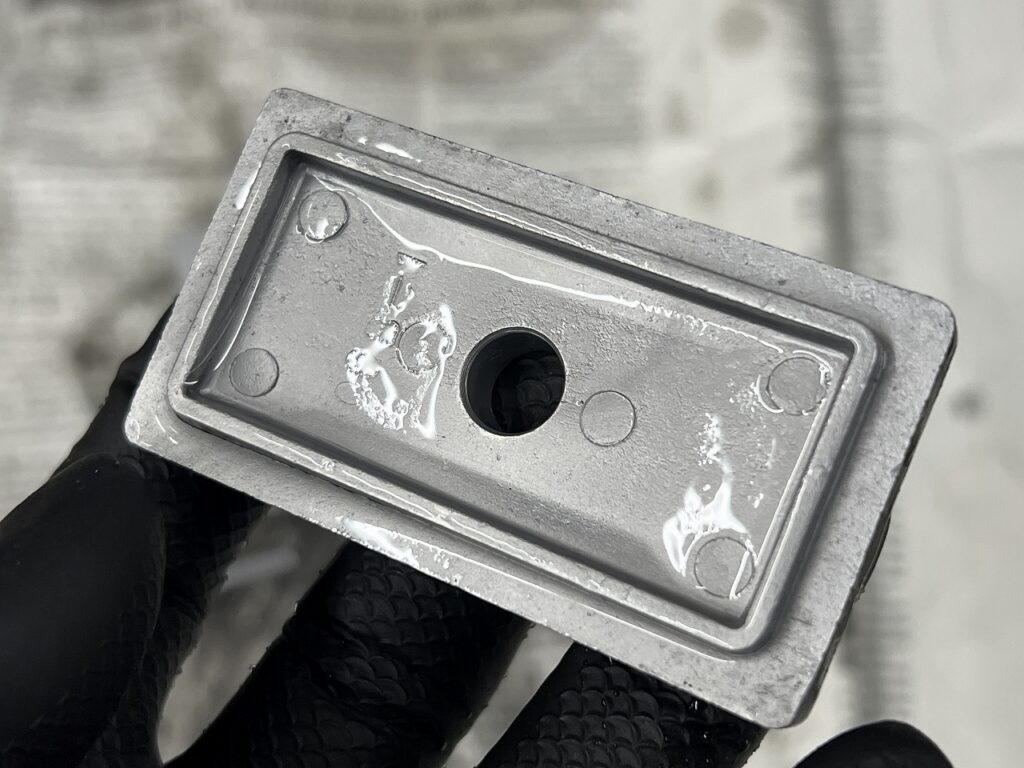
Surprisingly corroded? Engine mount collar corrosion discovered
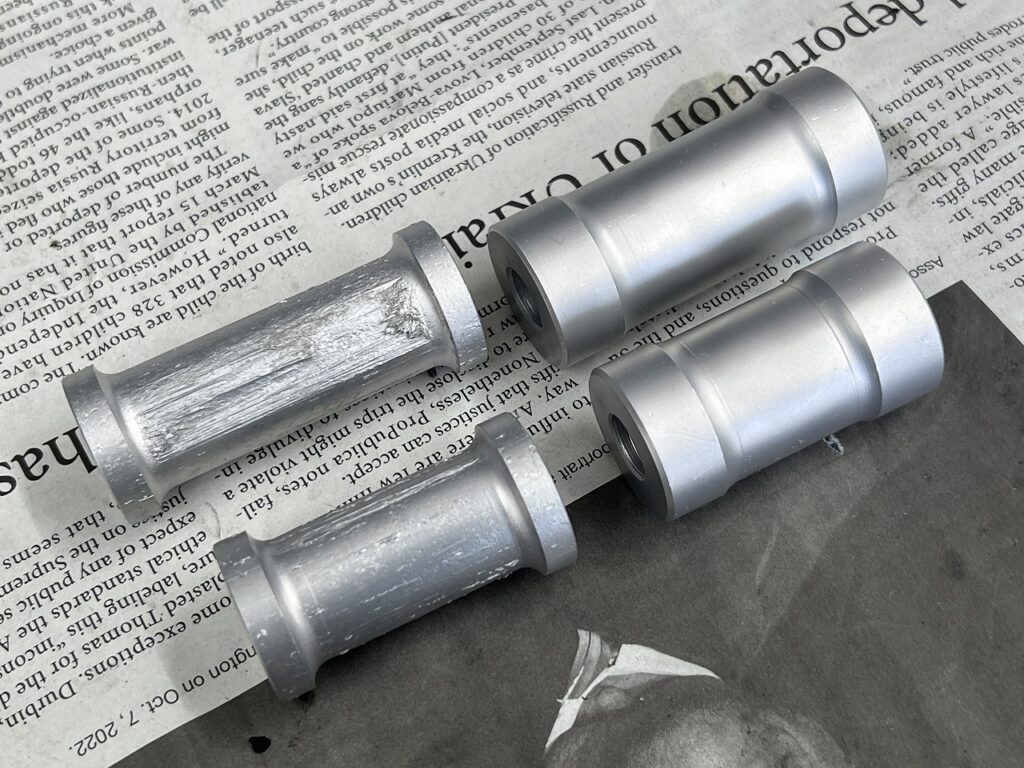
Early GSX-R models often end up like this, pretty beat up. It doesn’t get mentioned much, and people often just look the other way, but this time I’m going to finish it properly.
I wet-blasted it wondering if it might have a hole in it. Unfortunately it didn’t.
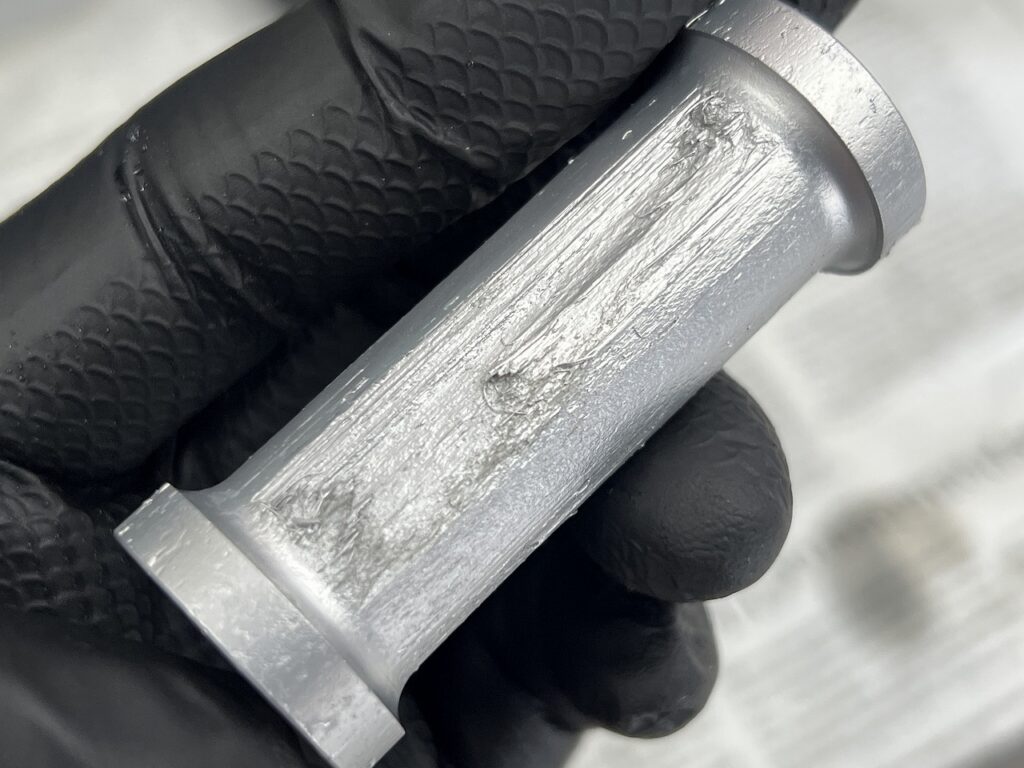
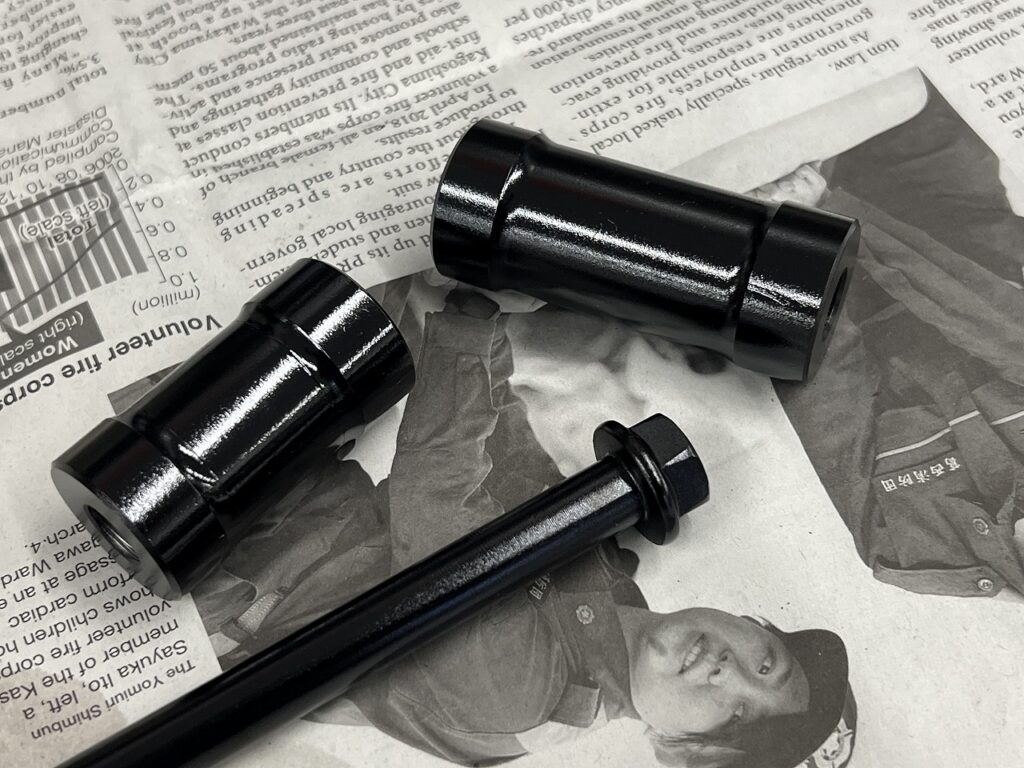
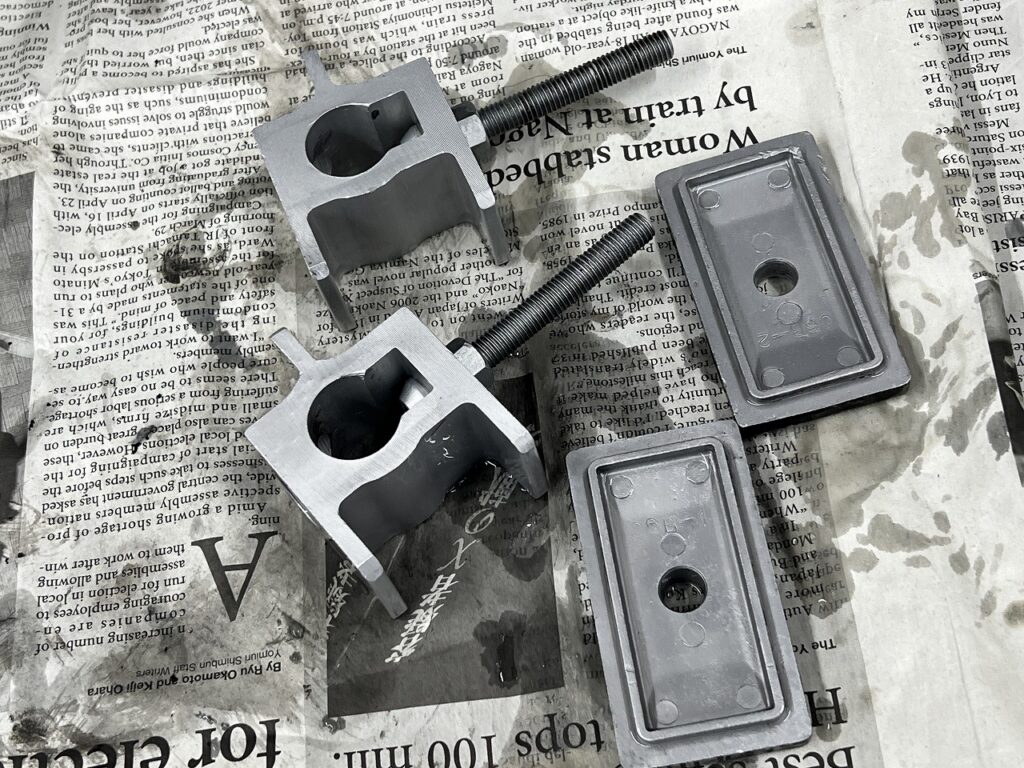
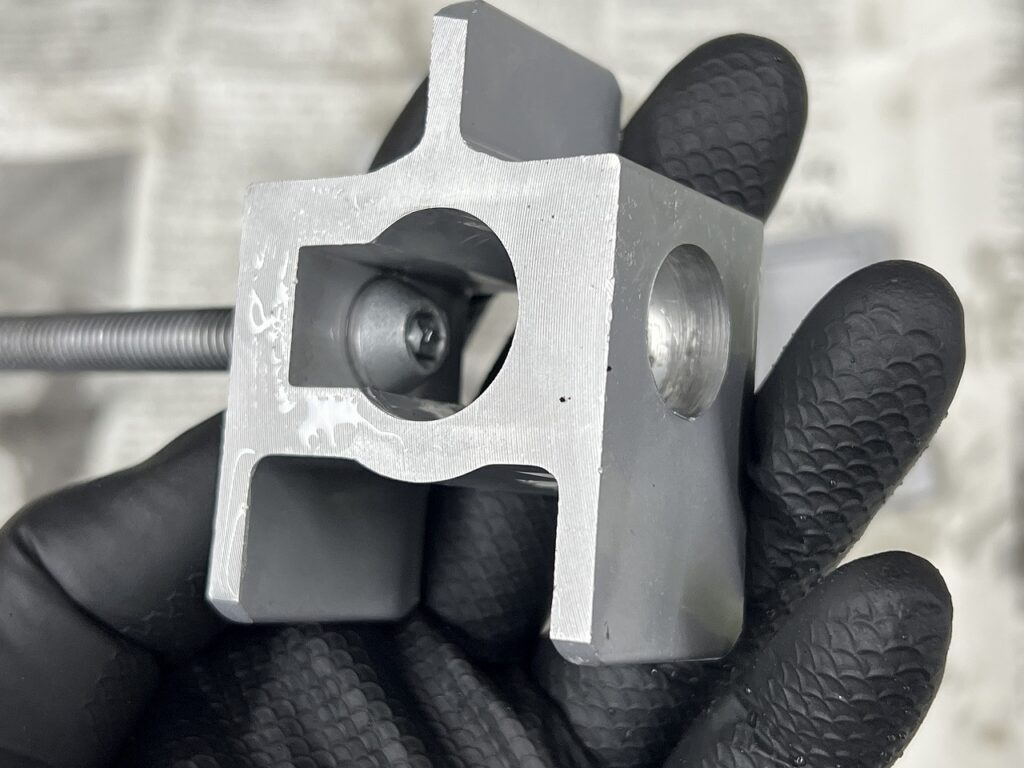
I remade it to the same size. There’s no particular reason to lightweight it like the original, so I made it beefier.
I gave it a Gun-Kote coating. This way it’ll be fine forever.
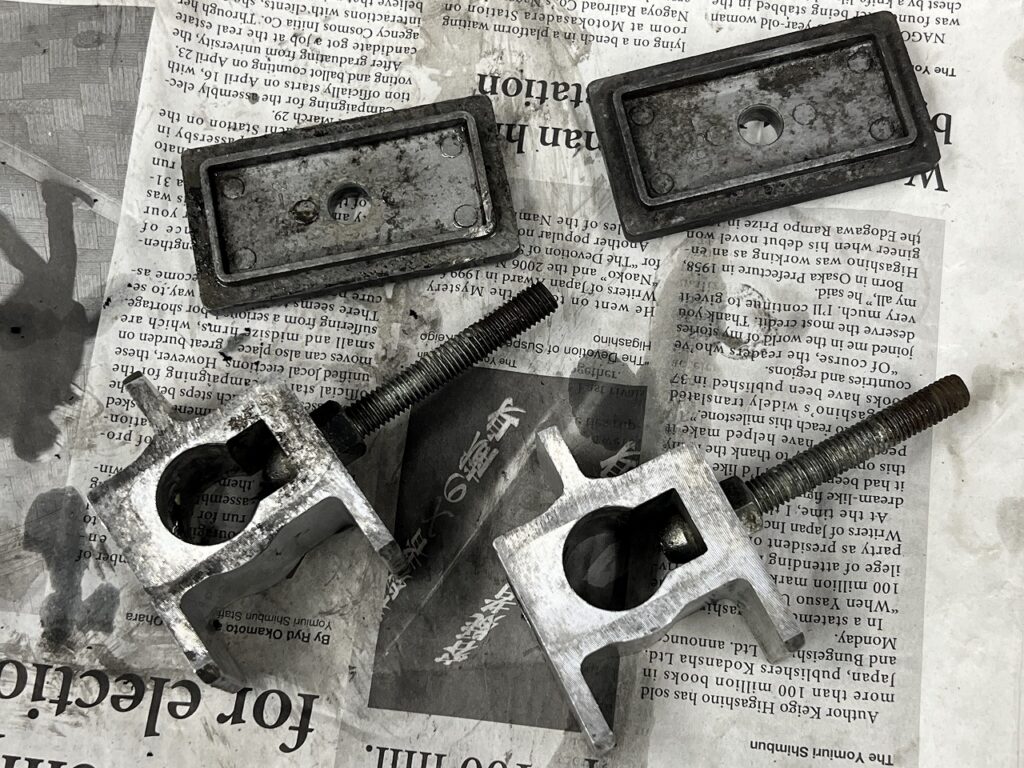
The hidden chain puller shines inside?
It’s a hidden spot, and cleaning it doesn’t change anything…which is exactly why I do it (*´ω`*)
I want to reduce the times I avoid touching things or pretend not to see them.
It’s the back and inside of fairings and parts, so the owner usually doesn’t even notice (laughs).
But if you keep steadily paying attention to these hidden areas, a few years down the line when you take something apart, you’ll think “Oh, the inside is really clean!” and work happily, and the burden on whoever touches it next time will be much lighter ( `ー´)ノ
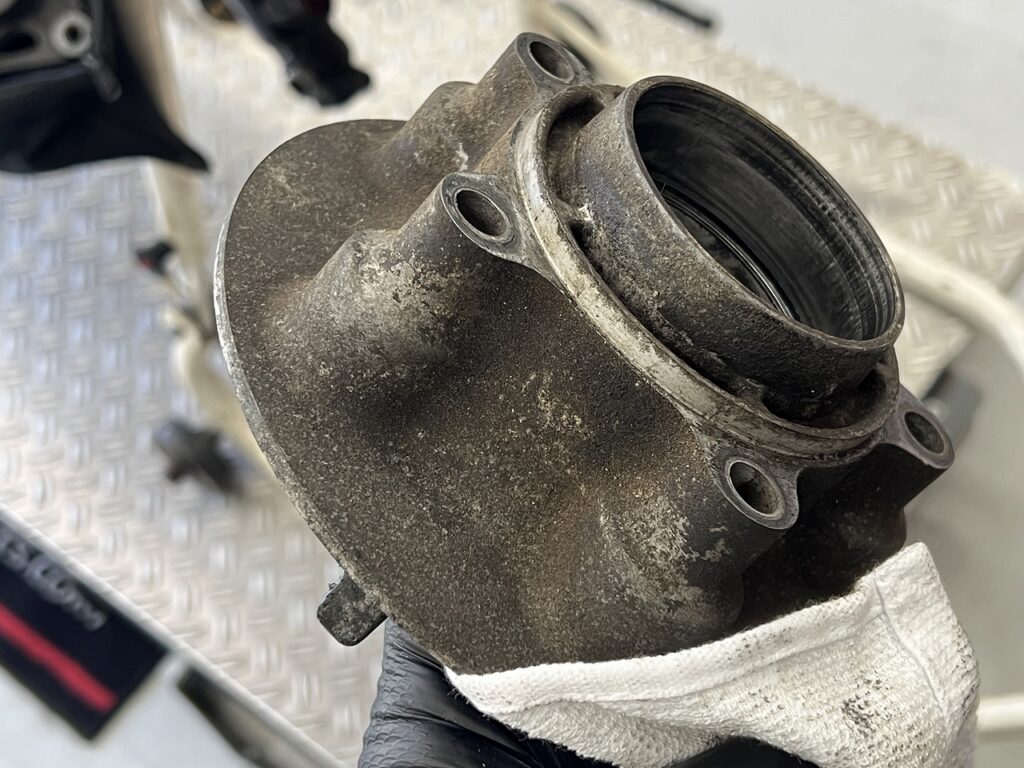
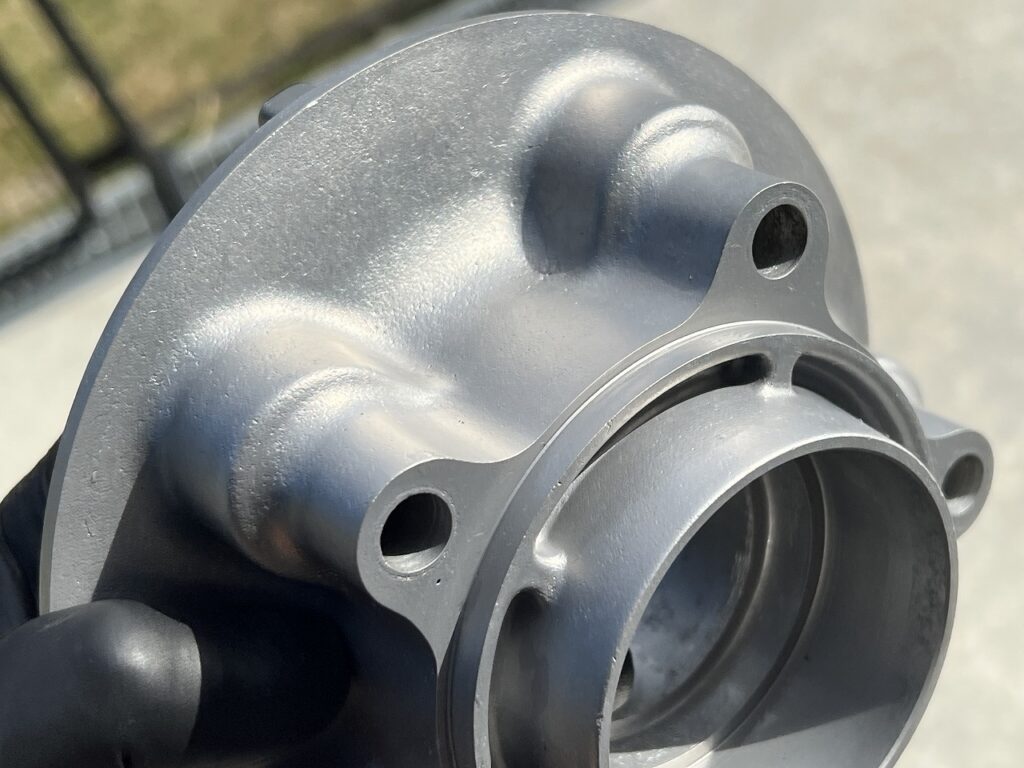
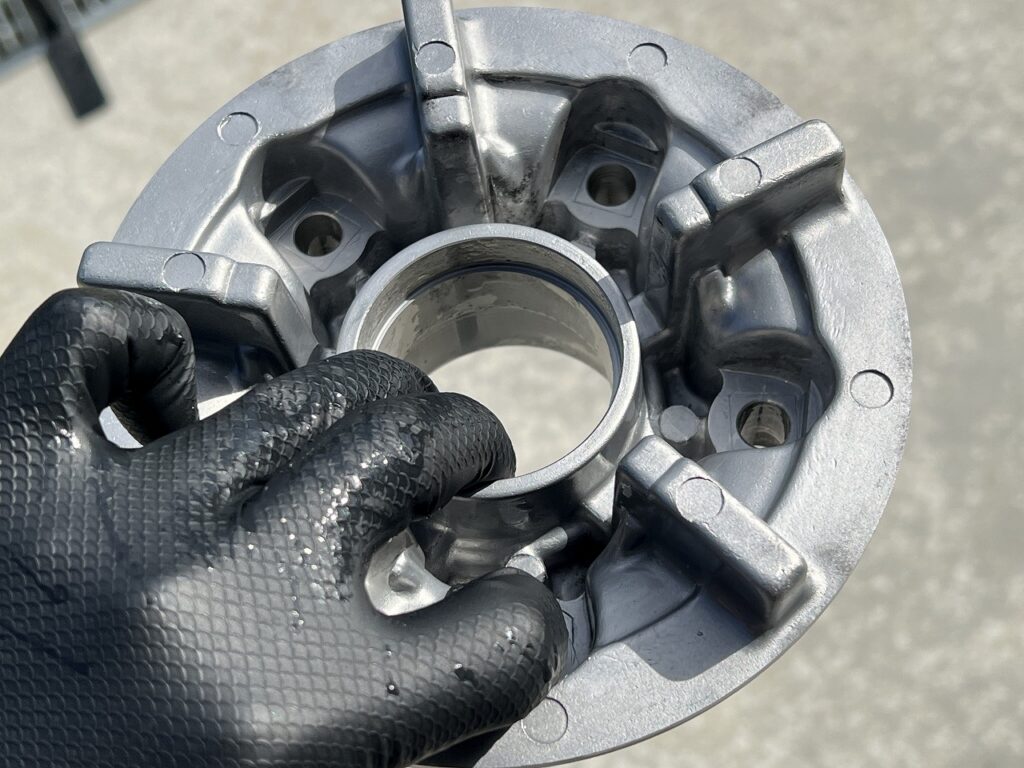
The rear sprocket hub is dirty…
It’s pretty seriously dirty…!
Rather than the usual chain oil splatter, it’s more like “age-appropriate wear and stuck-on grime accumulated over many years”. It’s a deep spot the owner can never reach or polish during normal washing, so I’m going to give it a thorough cleaning and a good dose of love ( `ー´)ノ
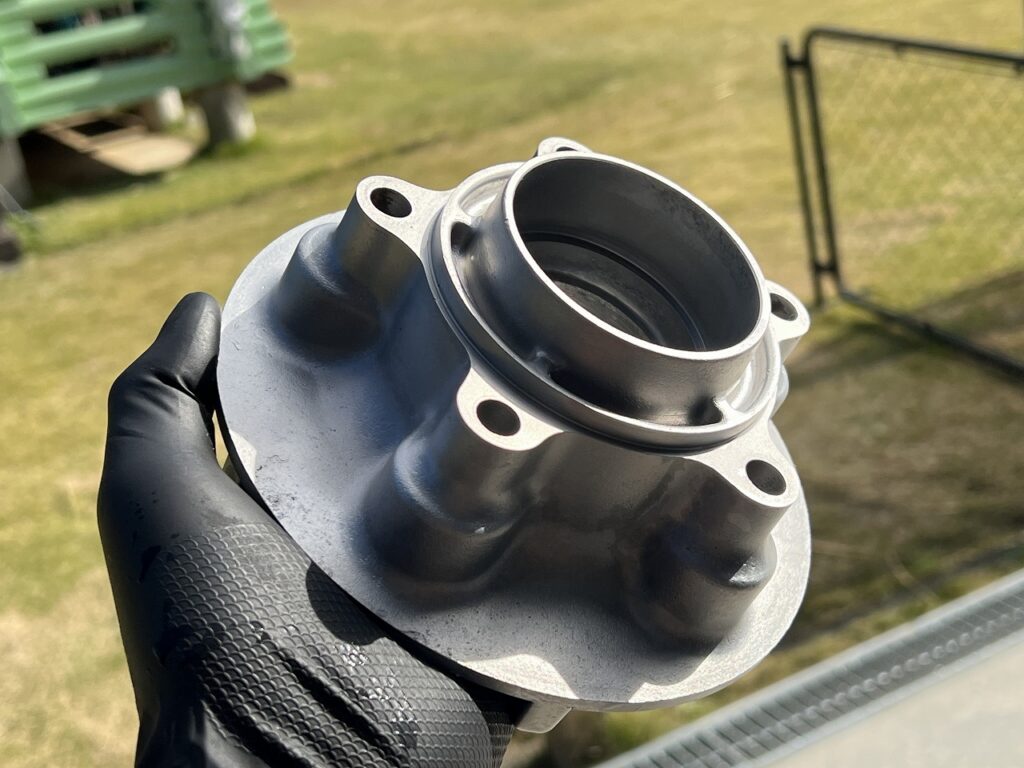
If you warm the hub itself, thermal expansion lets it slip right off.
Wet blasting removes years of stubborn grime and corrosion in an instant! I’m reminded every day that “in the end, it’s all about the tools”.
If you want to keep working long-term without strain, “efficiency” and “proper equipment investment” are absolutely essential. If someone says “hand-polishing takes less time and looks better!” then fine, but…that’s just not how reality works (laughs).
By investing in good equipment, “work speed”, “finish quality”, and even “satisfaction for both owner and technician”—everything goes up a notch ( `ー´)ノ
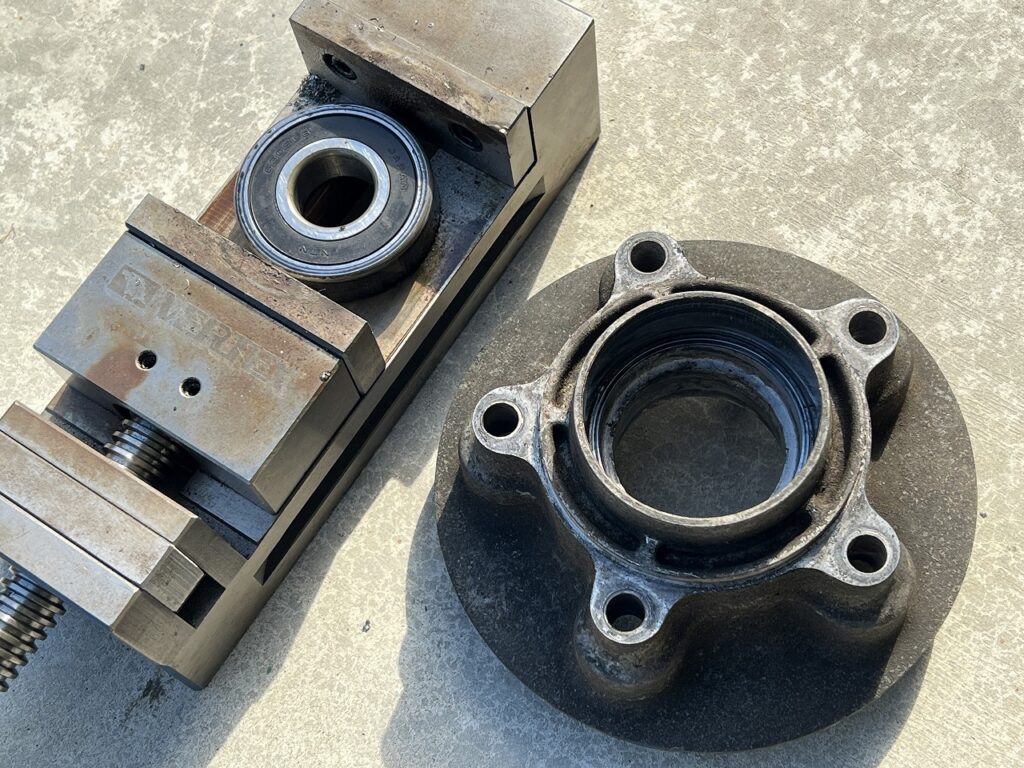
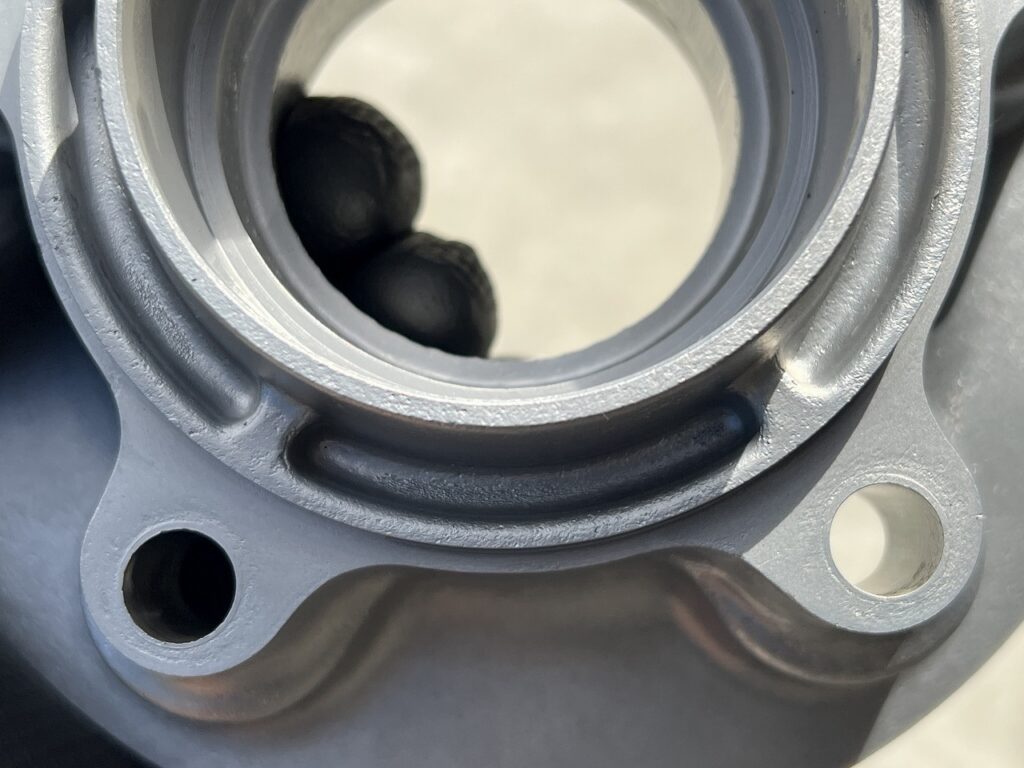
I’ve been thinking…Suzuki OEM wheels, for better or worse, have “thin bearing press-fit clearance (thin housing wall thickness)”.
It’s a charm born from pursuing lightweight and performance, but if you’re thinking about riding for 20 or 30 years, it’s actually not a feature you want (laughs).
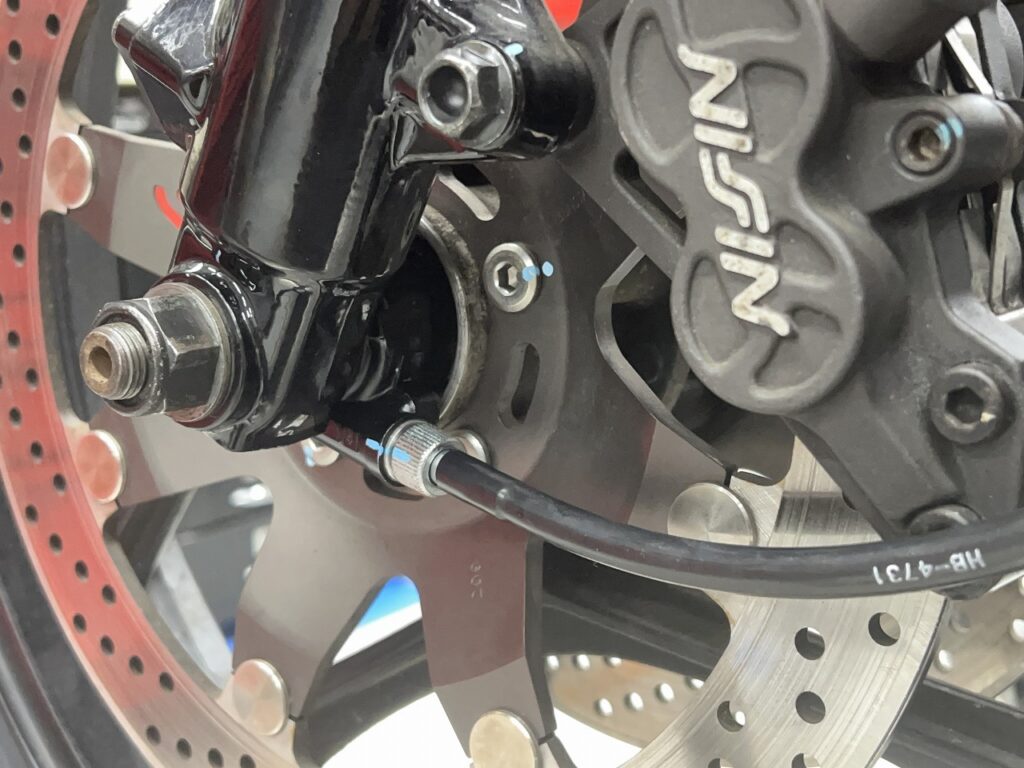
In fact, older Suzuki OEM wheels often have loose bearing press-fits (play in the fit) pretty commonly. When you change tires or remove wheels, check the press-fit tightness and play once in a while, okay ( `ー´)ノ
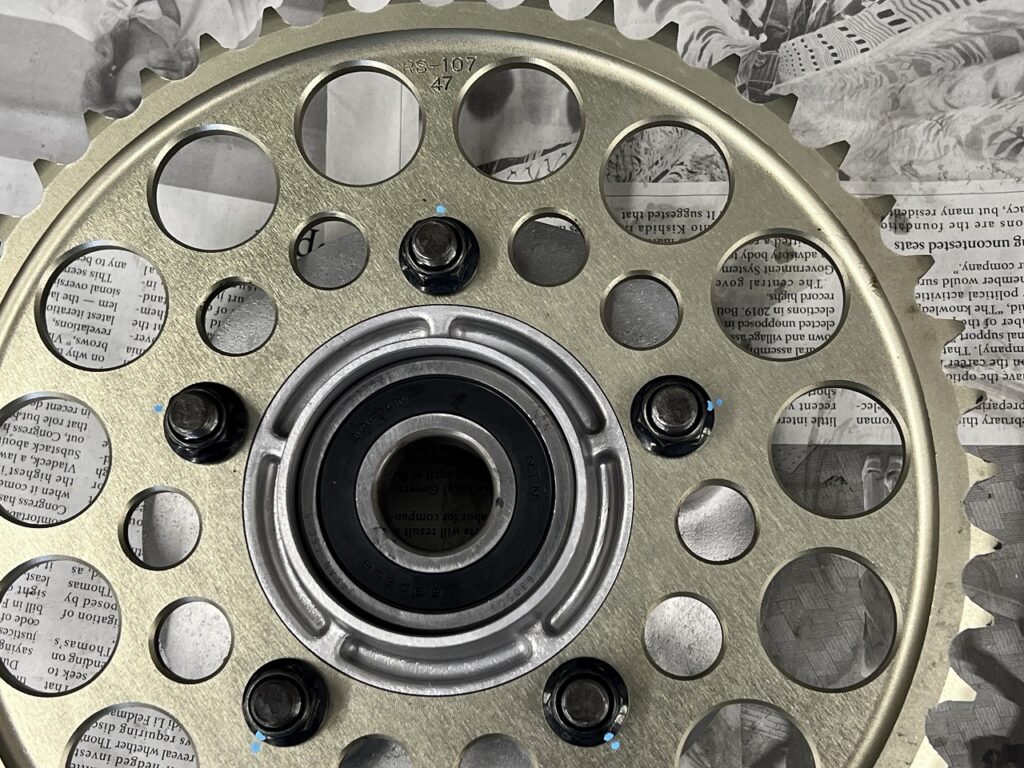
Lock nuts are always new. Just cleaning up the small details refreshes things quite a bit~
Maintenance Log: GSX-R1100H (1987) – What’s the Secret to Longevity? Building a Foundation by Incorporating Small Restoration Elements into Daily Maintenance



 ポチップ