When a bolt breaks, “Did it break, or did I break it?”
Only the person working on it really knows.
You can often sense a bolt about to break by feel.
“I’m about to break, you know~” The bolt sends out signals loud and clear through vibration.
When something won’t come loose, the first rule is not to force it —that’s what matters.
Not breaking it in the first place is what’s important.
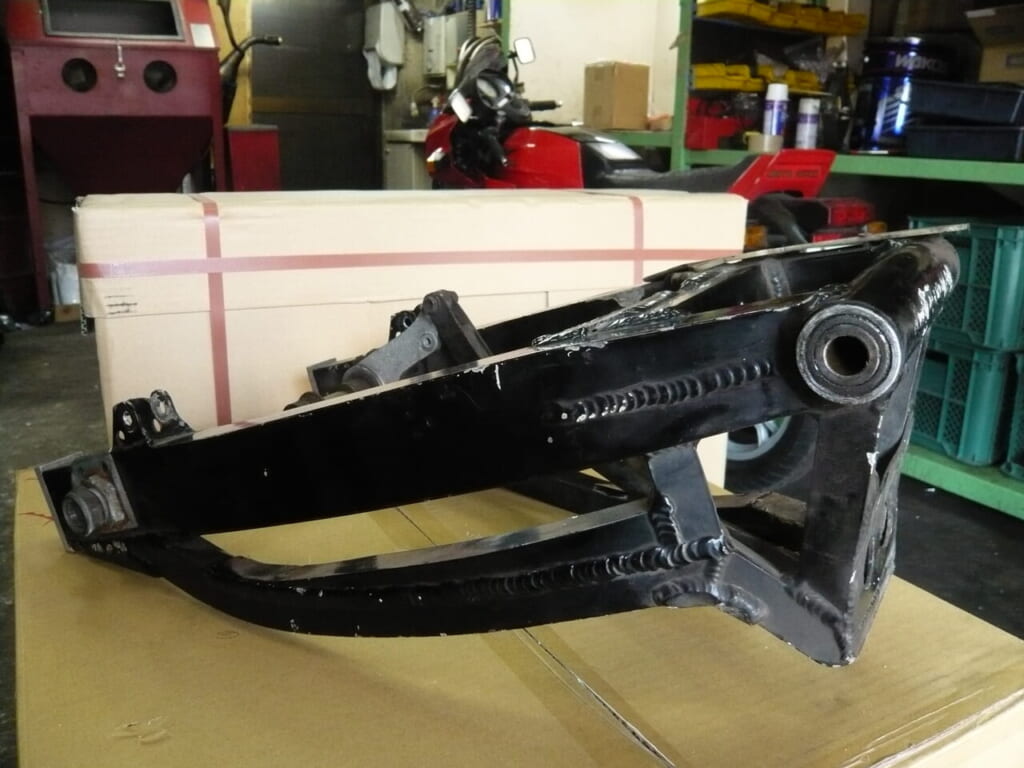
Let’s say it breaks anyway.
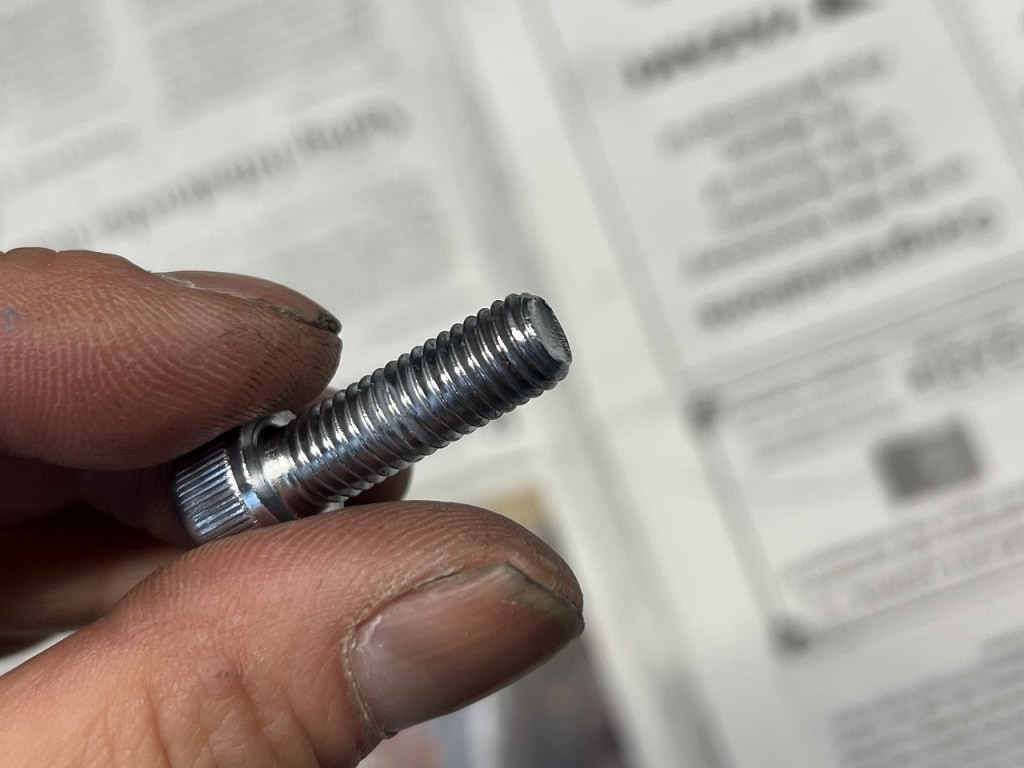
The screw sticks out and breaks clean.
That’s actually a small blessing.
Making the most of this situation gives you a better chance of recovery.
Don’t grab the threads right away
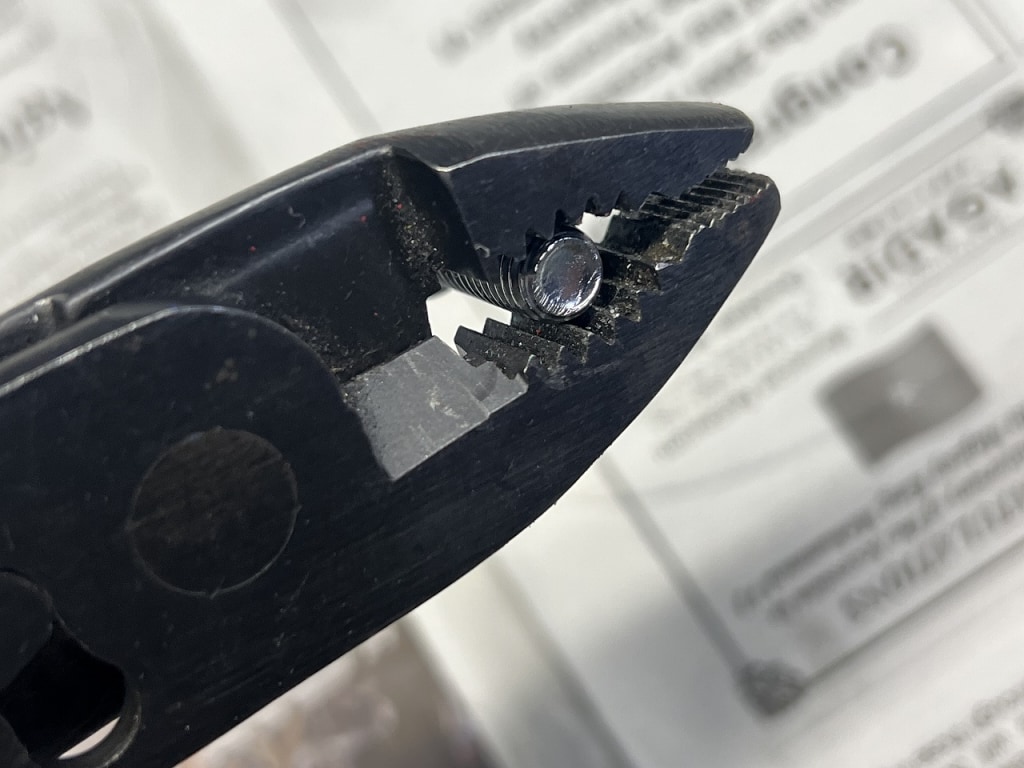
If threads remain, you can use a nut for welding, or a center-punch guide and other techniques.
If you crush and bend this right away, it’s the worst case.
The damage spreads, so “carelessly grabbing with vise grips or locking pliers” is a no-go.
“Think three or four steps ahead: what if this method doesn’t work?”
Nut attachment and welding are options, but…
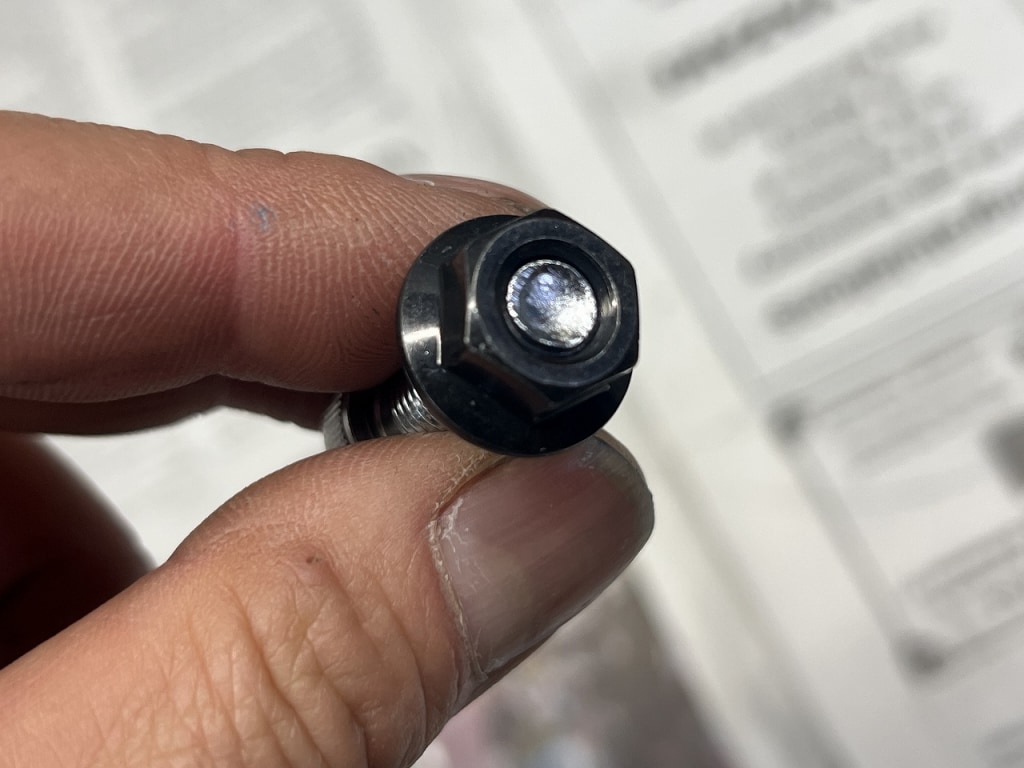
If the bolt weakened and then broke,
in that case, this method can work.
But usually, “the threads seize and break” more often than not.
In other words, “galling”— threads welded together.
Rolled bolts are already breaking, so “even if you create a new head with a nut, it’ll break again.”
Lubrication is needed, but on galled bolts, “lubrication and heat” have limited effect.
Better to drill the center without false hope
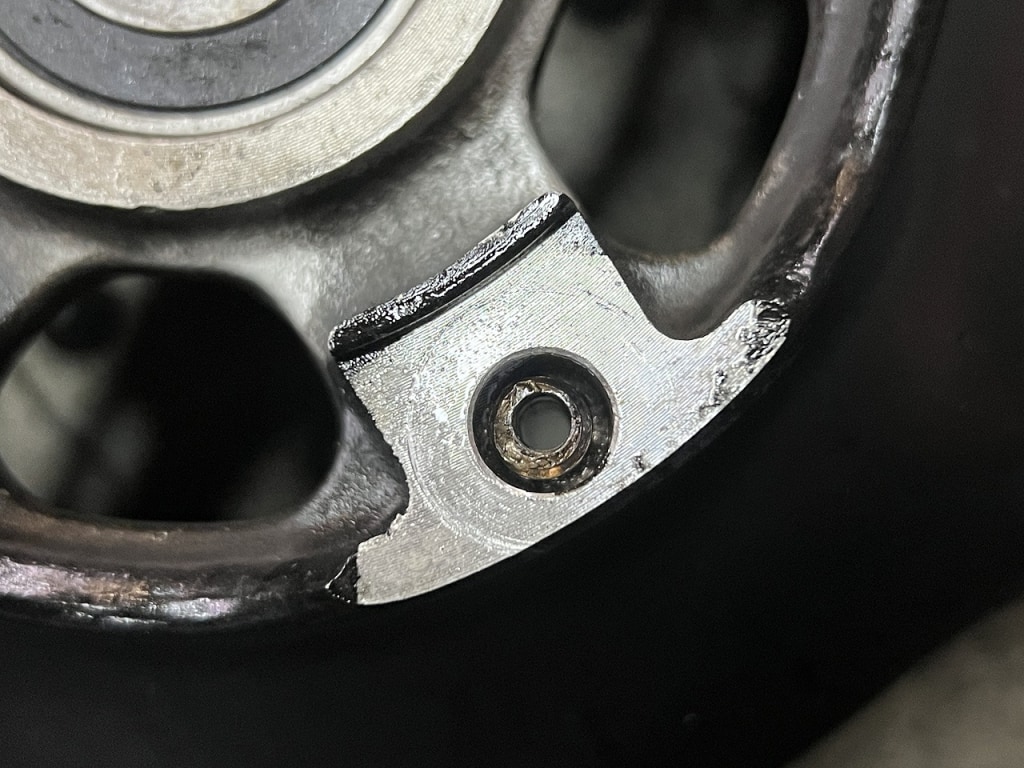
It depends on location and situation, so I can’t say for sure,
but ultimately the main flow seems to be: pilot hole, remove the remaining bolt, and worst case, helicoil.
Having threads left makes it easier to center the drill.
If you can keep the threads intact, the damage won’t spread as much.
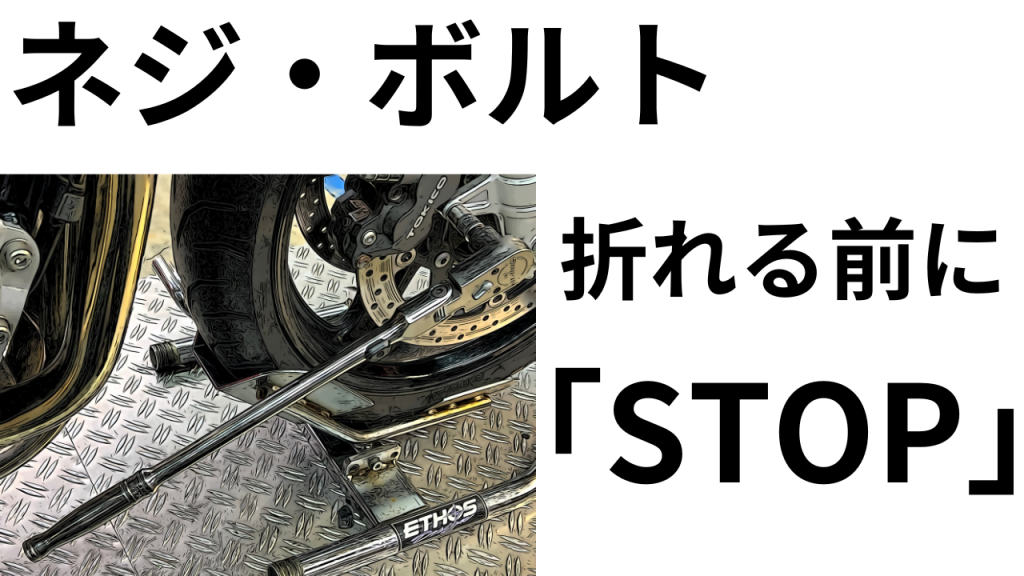
When something won’t come loose, pick a tool that feels solid.
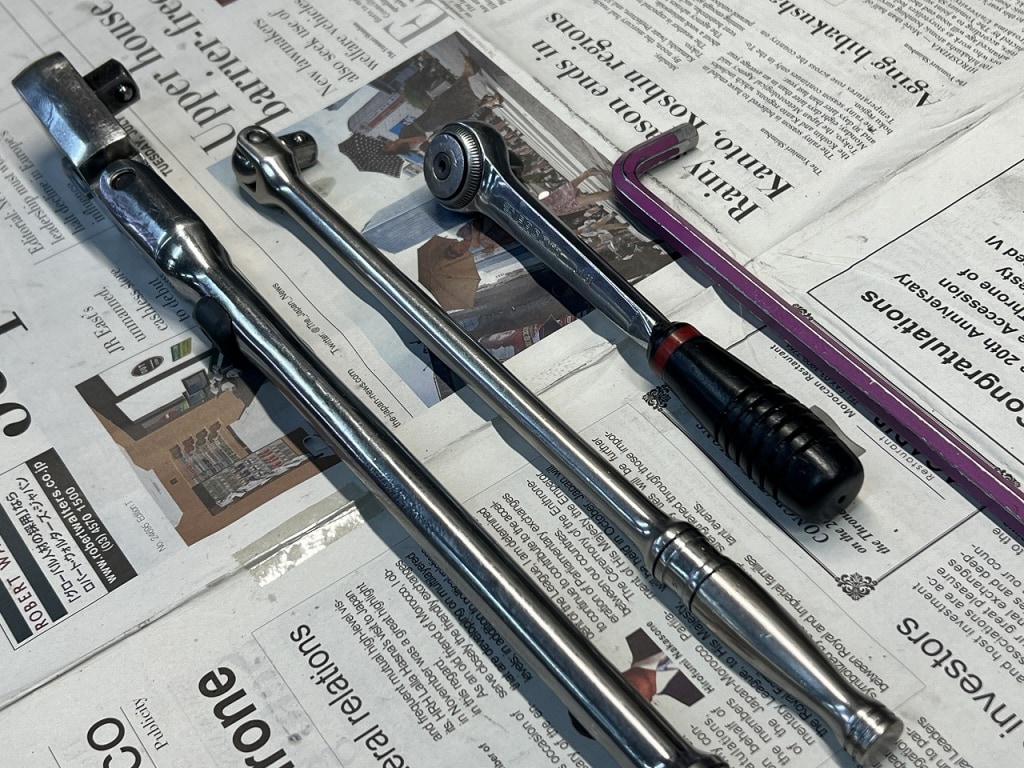
“The bolt is tight and won’t come loose.”
In that case, pick a tool that feels solid and use it.
“Thick and long” —that’s what matters.
Using a “thin and short” tool on a stuck bolt means “what should come loose won’t, and what shouldn’t break will.”
That’s the “did I break it or did it break?” problem. Only the person working on it knows…
“Slow and steady wins the race.” The old folks sure knew what they were talking about.
To loosen a bolt, “thickness really matters” (*´ω`*)
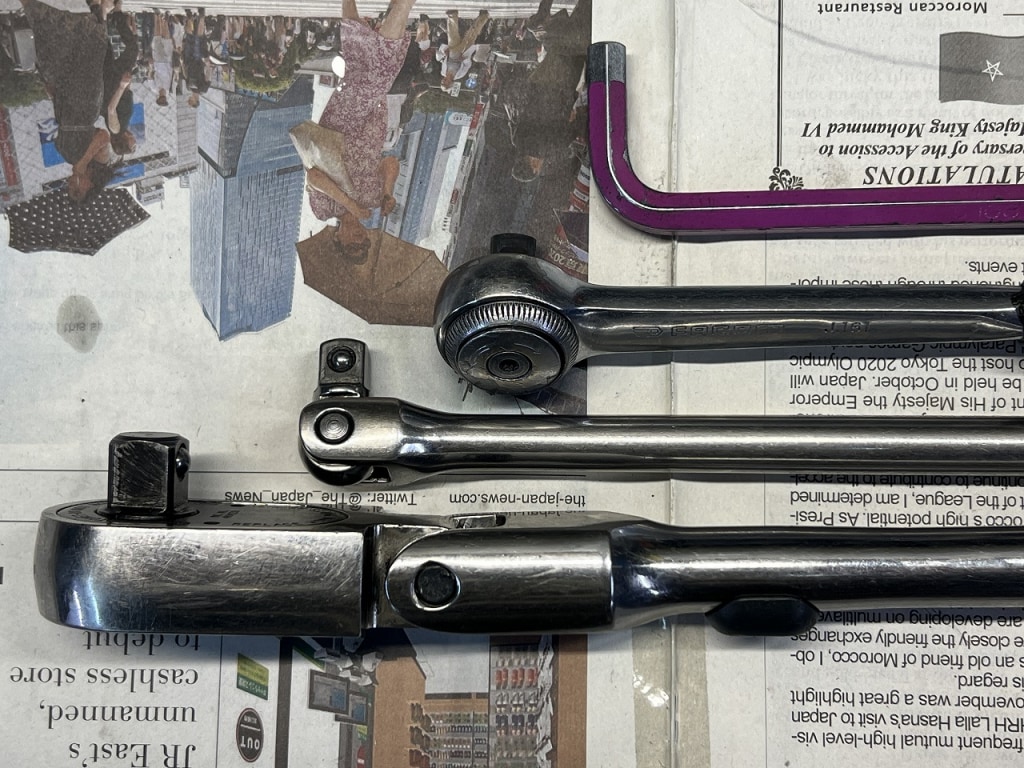
“No flex means direct transfer of force.”
The moment you think it might not come loose, “switch to a solid tool”
and honestly, this often saves you from breaking it.
Lined up side by side, you can feel the difference in force transfer to the bolt.
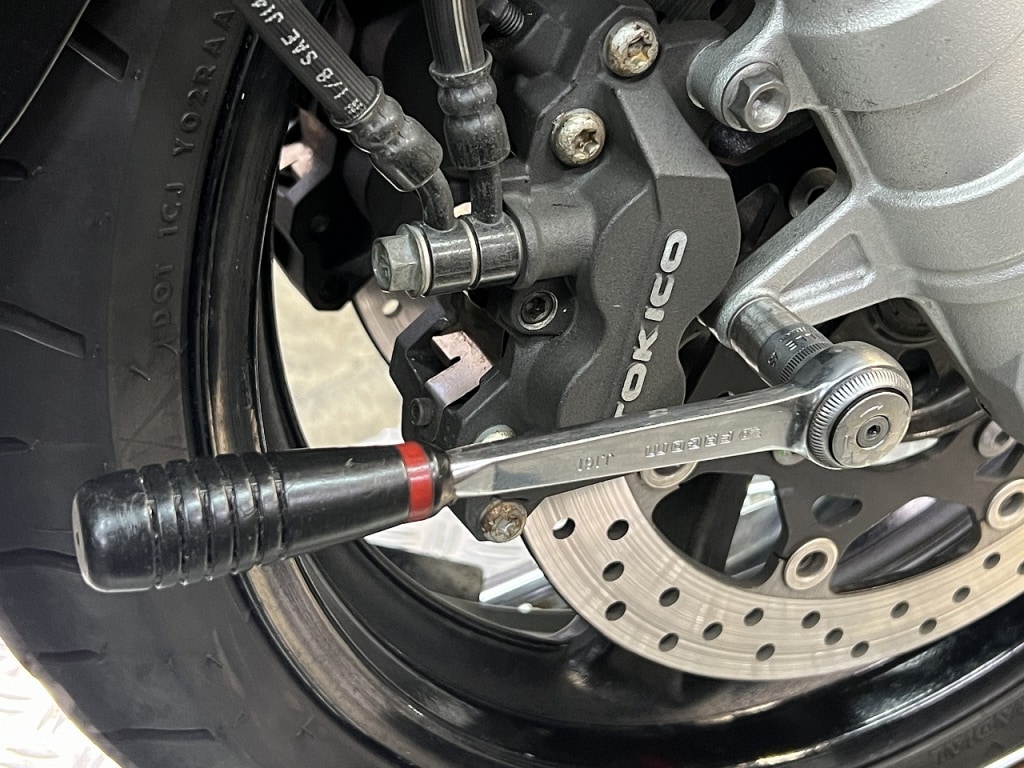
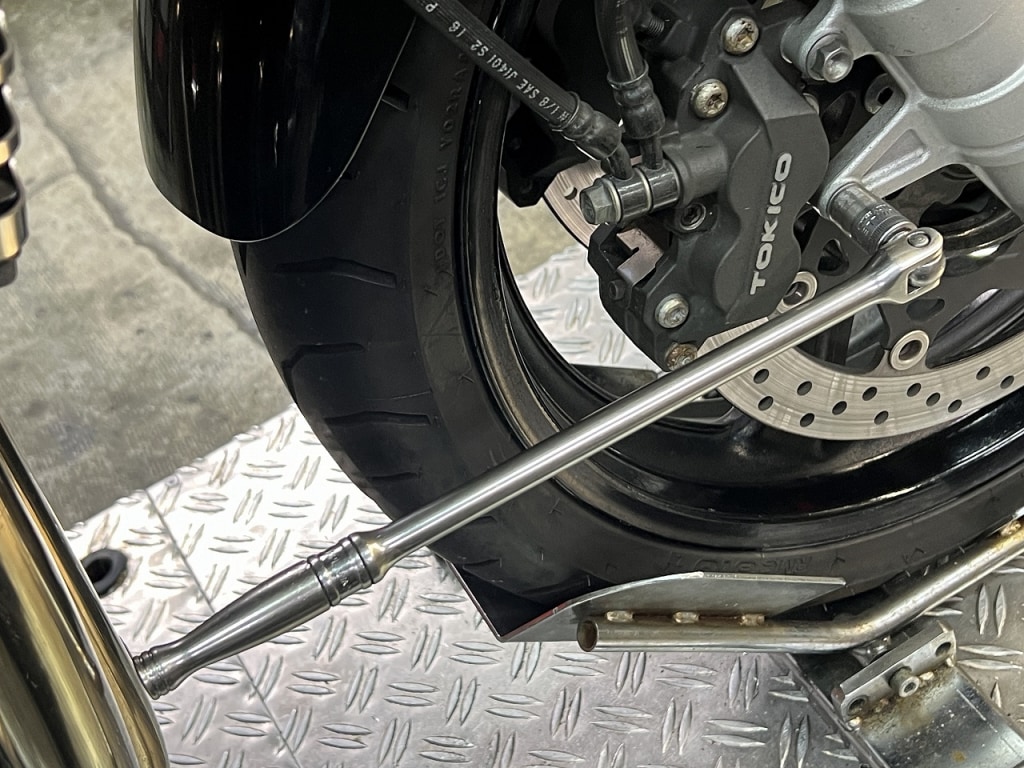
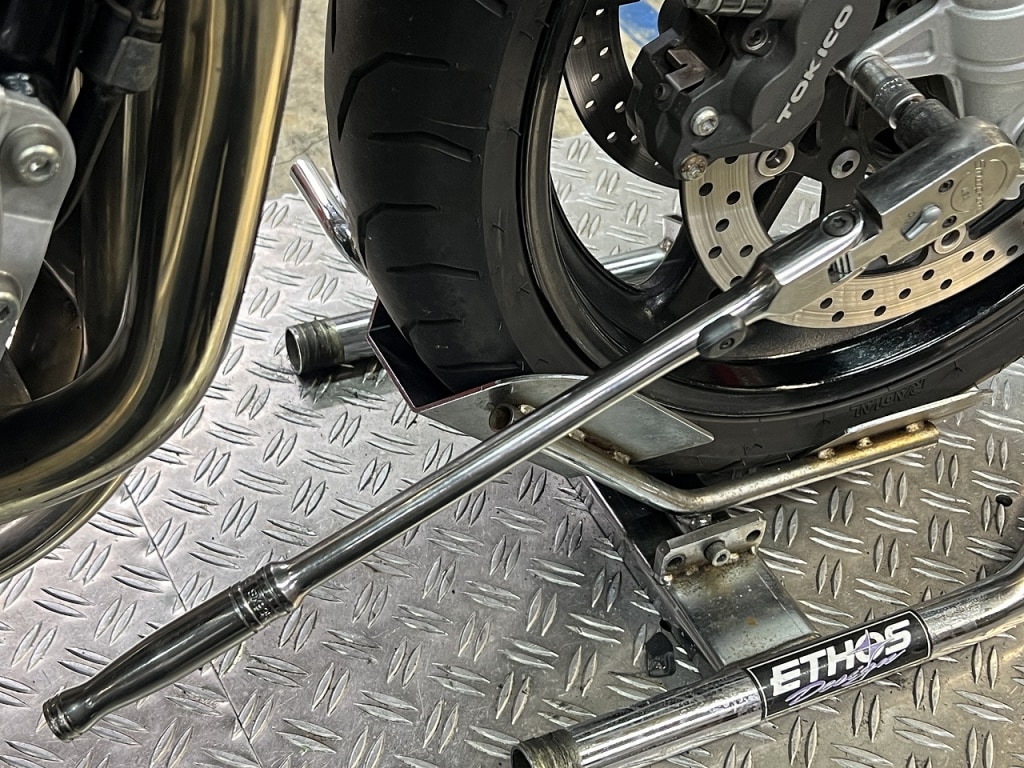
When it won’t loosen! That’s when…
First,
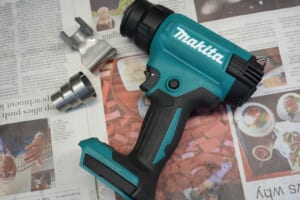
“lubricate well,” and heat “works great on thread-lock and rust.”
Then “switch to a solid tool.”
Loosen in small increments: “loosen a few degrees, then tighten,” repeat “don’t force it all at once.” *If it loosens, that’s fine.
Handling it while the bolt head is still attached is “super important and easier.”
Once you break the bolt, the work multiplies and costs go up.
“Not breaking it, not damaging it—that’s the best outcome.”
Removing one bolt can take hours; a bolt is just a bolt, but it’s not. I’m not the type who likes to swallow bitter pills.


 ポチップ
ポチップ
 ポチップ
ポチップ
 ポチップ
ポチップ