Yep, yep! ♪
Annoying stuff happens every day, doesn’t it? What do you think…
I’m at my wit’s end with Suzuki lately—discontinued parts and price hikes everywhere.
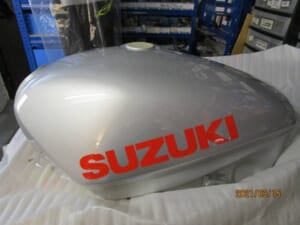
So the tank got corroded, and after getting quotes from various shops, the fuel level gauge turned out to be discontinued. Well, that figures.
It’s a rare bike, after all—a GSF.
I’m too lazy to search and think about it, so I figured, “Why not just go without a gauge?”
“If possible, though…”
Hmm…
Here’s a hint for finding an alternative part.
① Search the internet for what others have done.
② Do a reverse search using gaskets and seals—surprisingly useful.
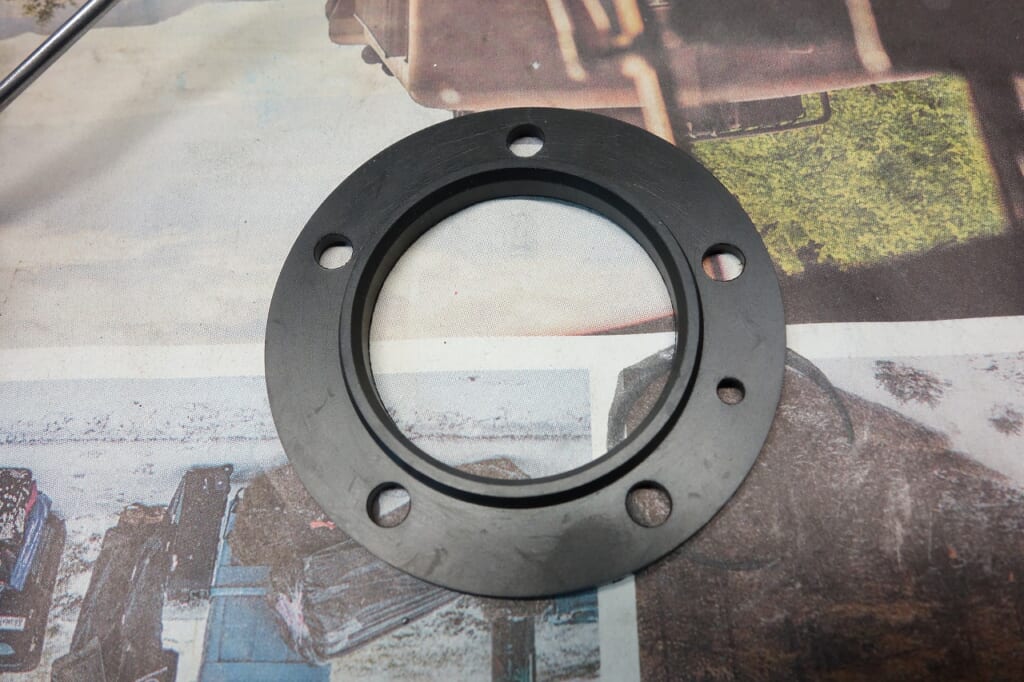
So I took the GSF1200 fuel level sensor seal part number 34825-45100 and searched online to find other models that use the same seal.
If you can find the MIN-MAX resistance values, that’s ideal. Scooter manuals are hard to come by, so that’s where we hit a wall. (We didn’t confirm it this time.)
Skywave, huh… never mind.
Then I looked for quotes based on the part number and tried to find the cheapest option.
That way, if something goes wrong, the emotional and financial burden on me and the customer stays small.
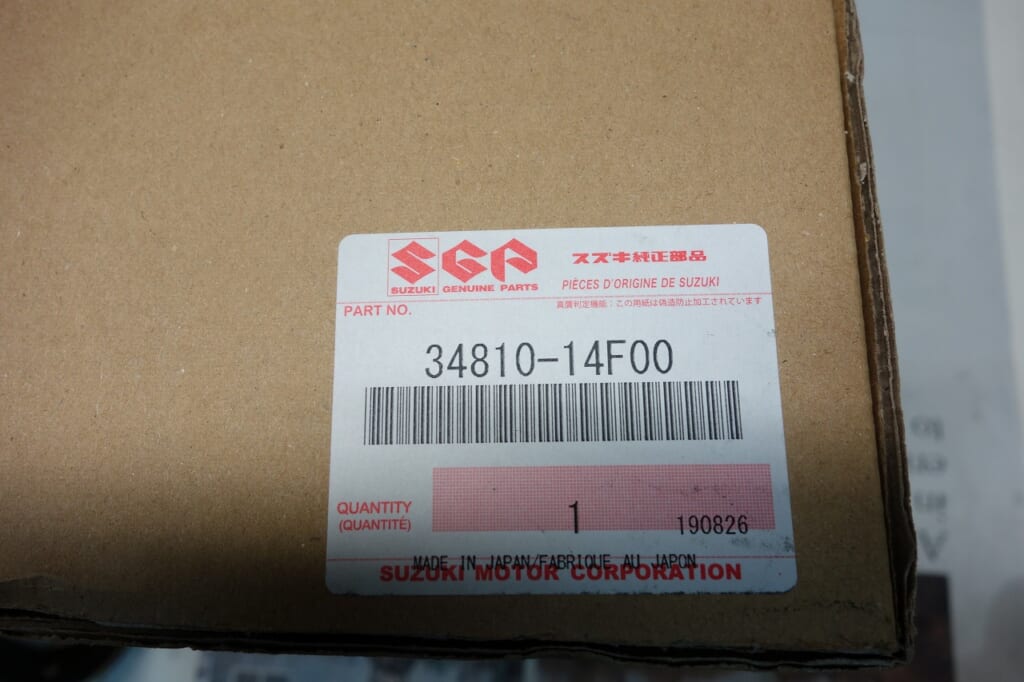
And it arrived—34810-14F00 (¥5,450 before tax). Still before tax.
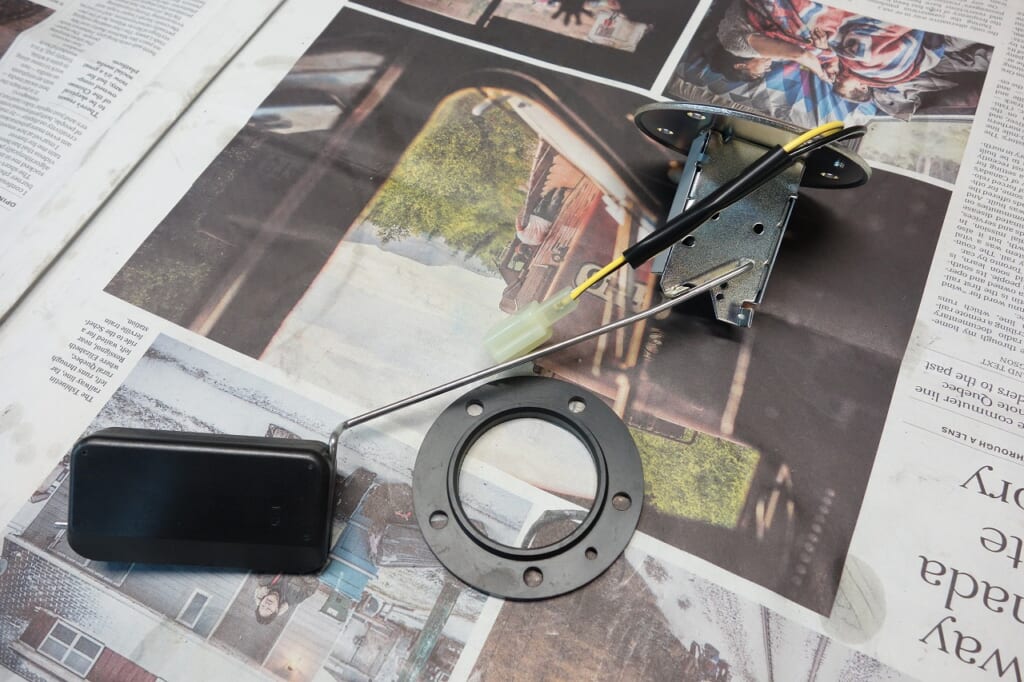
Wow! A dead ringer. I thought it would work as-is, but…
Something’s off. The arm is reversed.
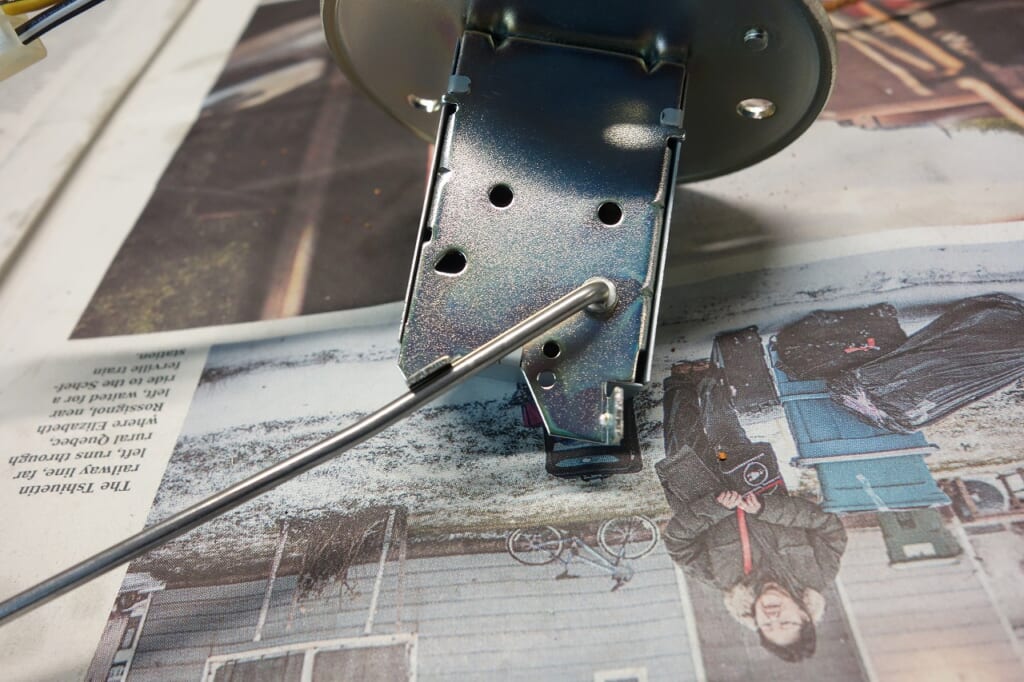
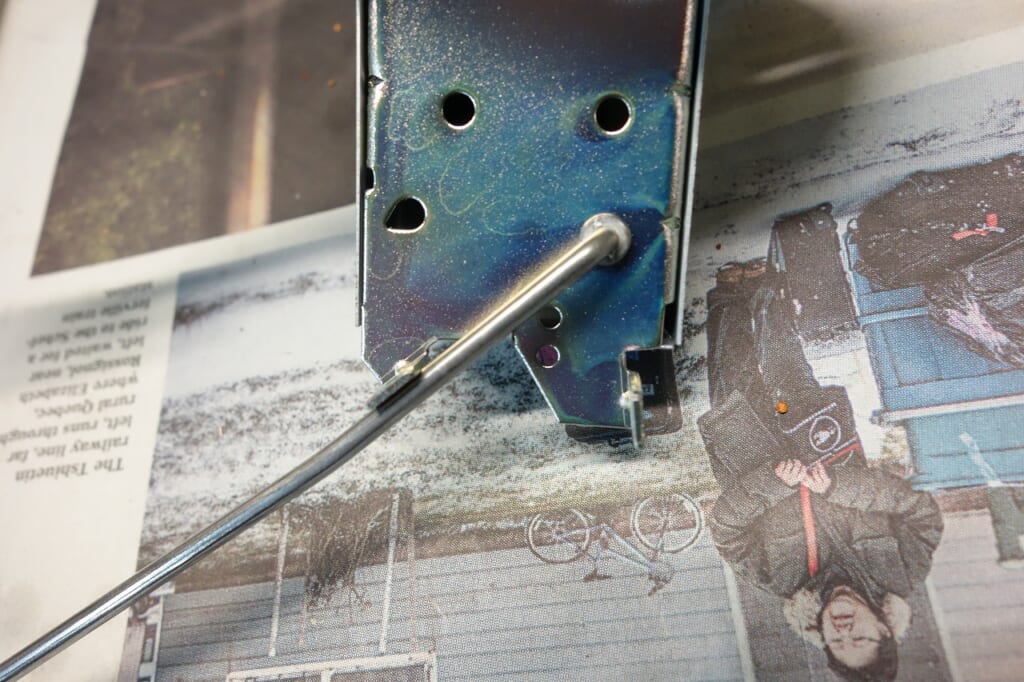
The sensor might be the same, but the arm position is different—classic Suzuki move.
*Lucky us.
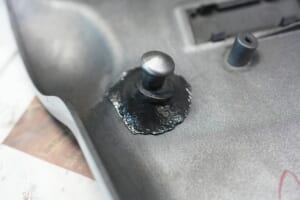
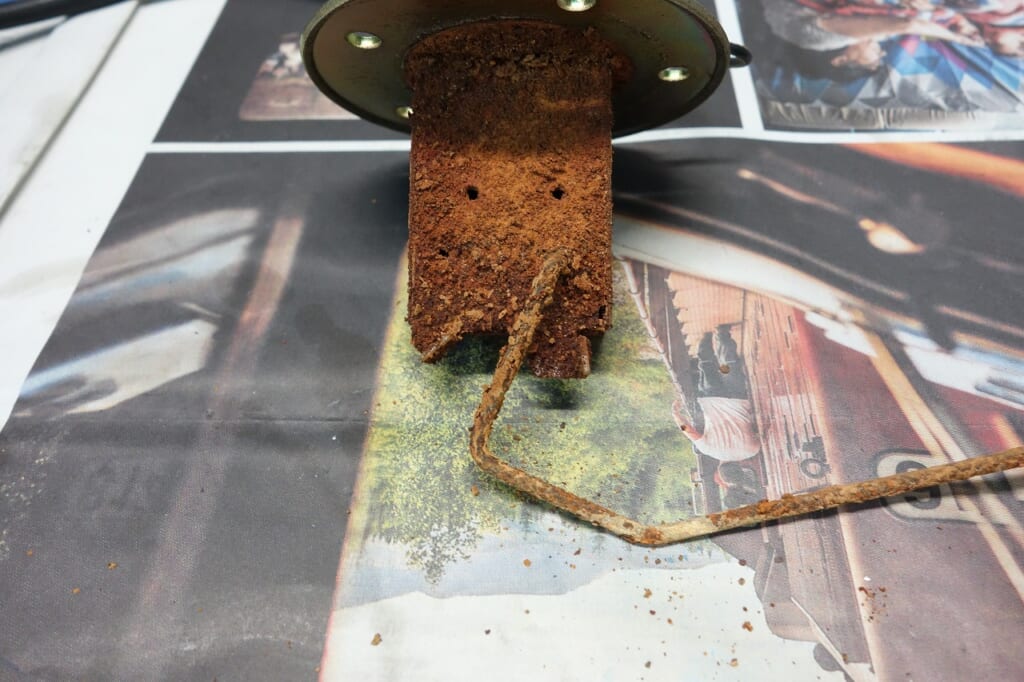
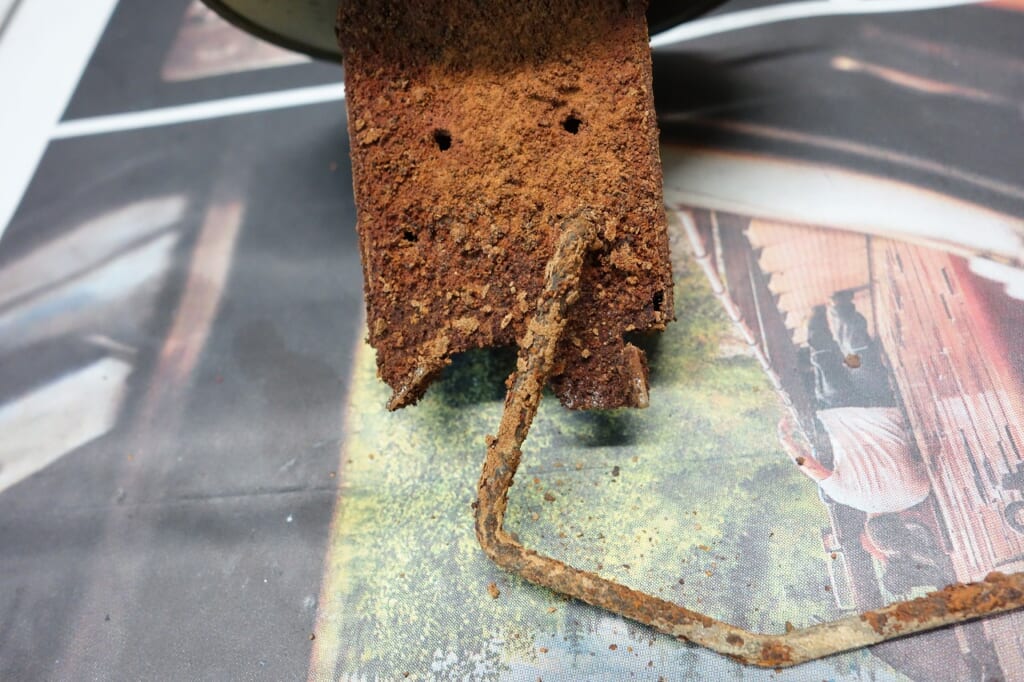
And man, is this thing rusty… the sensor’s shot.
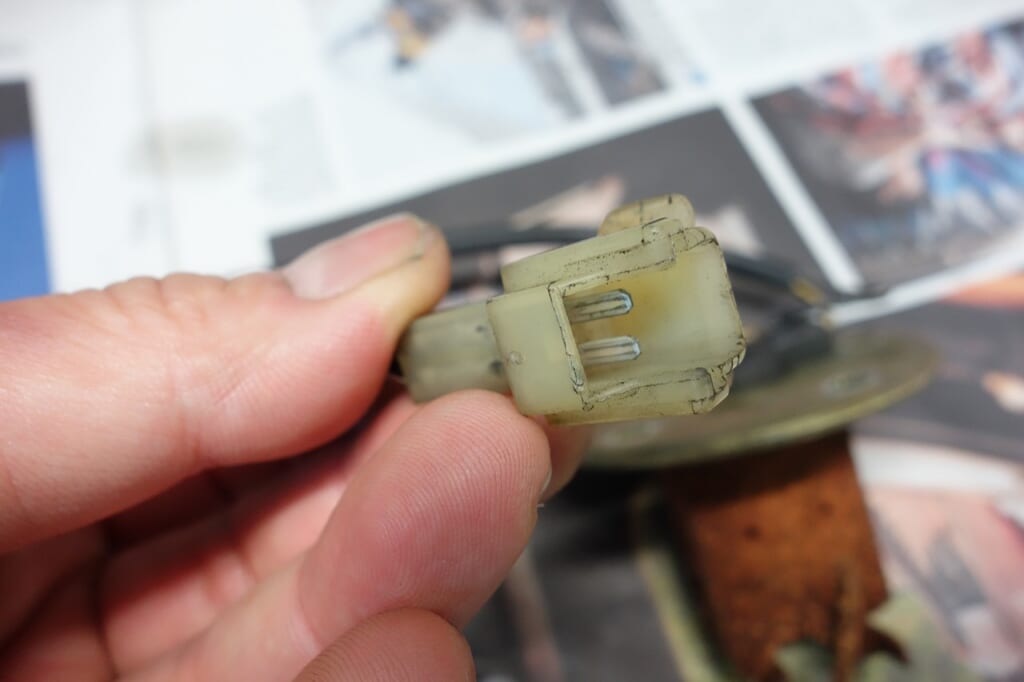
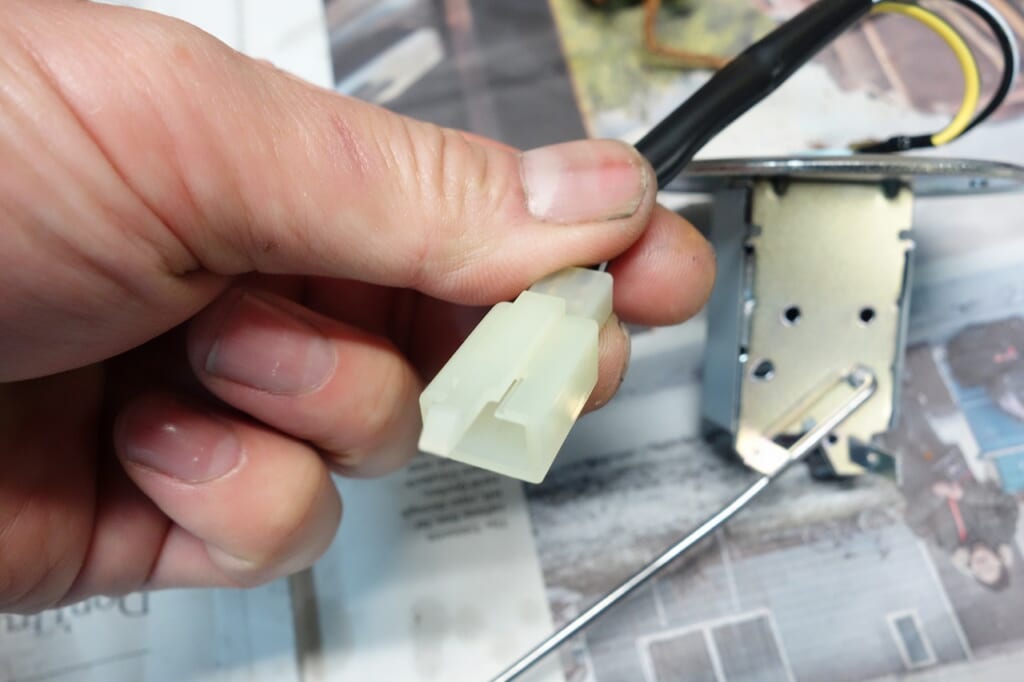
The connector is different and it’s shorter, so I’ll cut the old one at the base and splice it on.
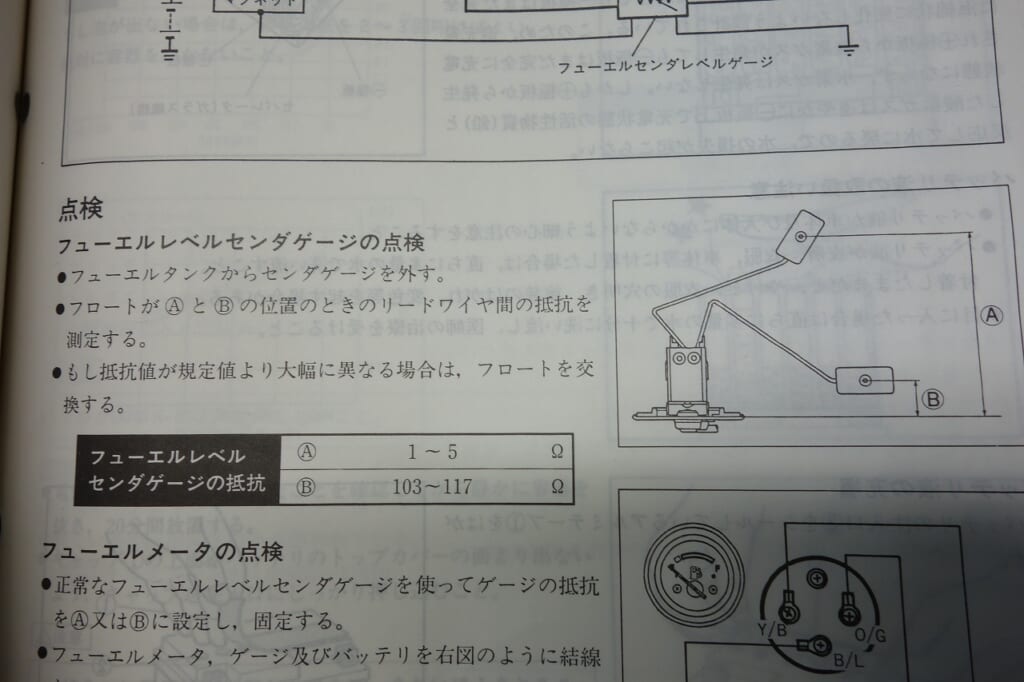
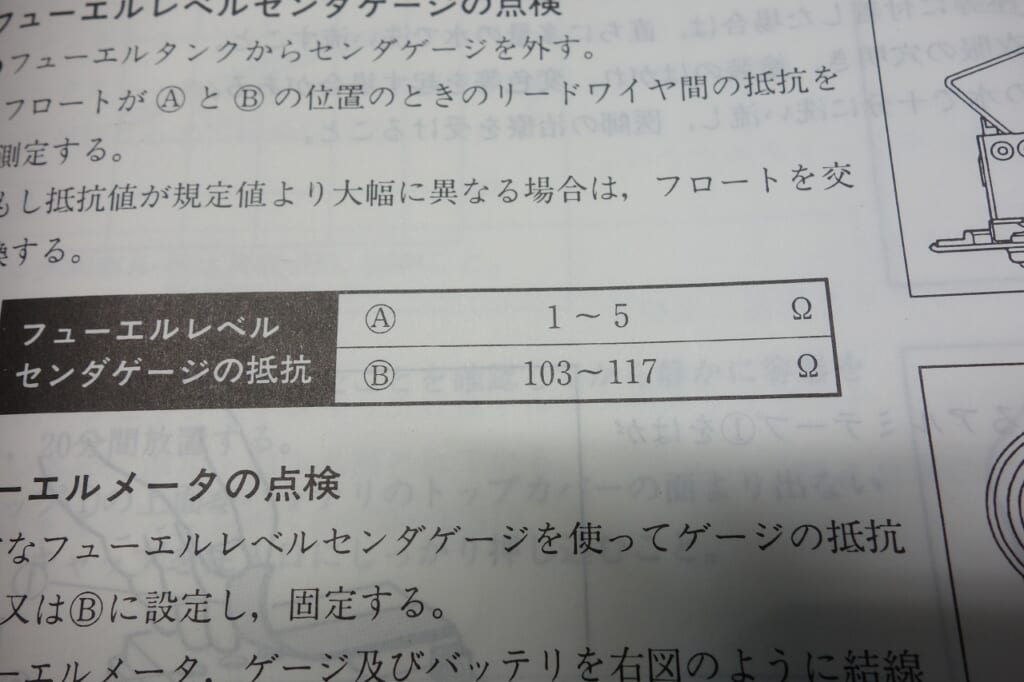
Now I’ll check the GSF1200 manual.
This is when a manual really comes in handy—honestly, I can’t do the job without one.
Our shop got manuals from an expert, and
I’ve never counted them, but there are hundreds. *So many I’ll probably never read them all.
Anyway, back on track. Since it’s just a rough MIN-MAX gauge, ballpark figures are fine.
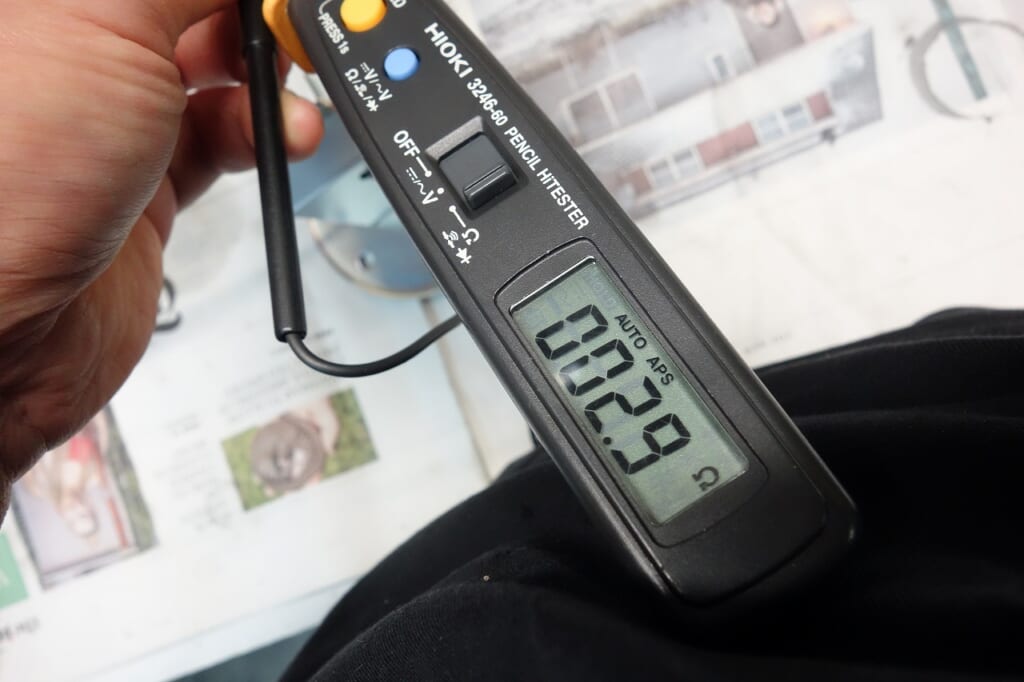
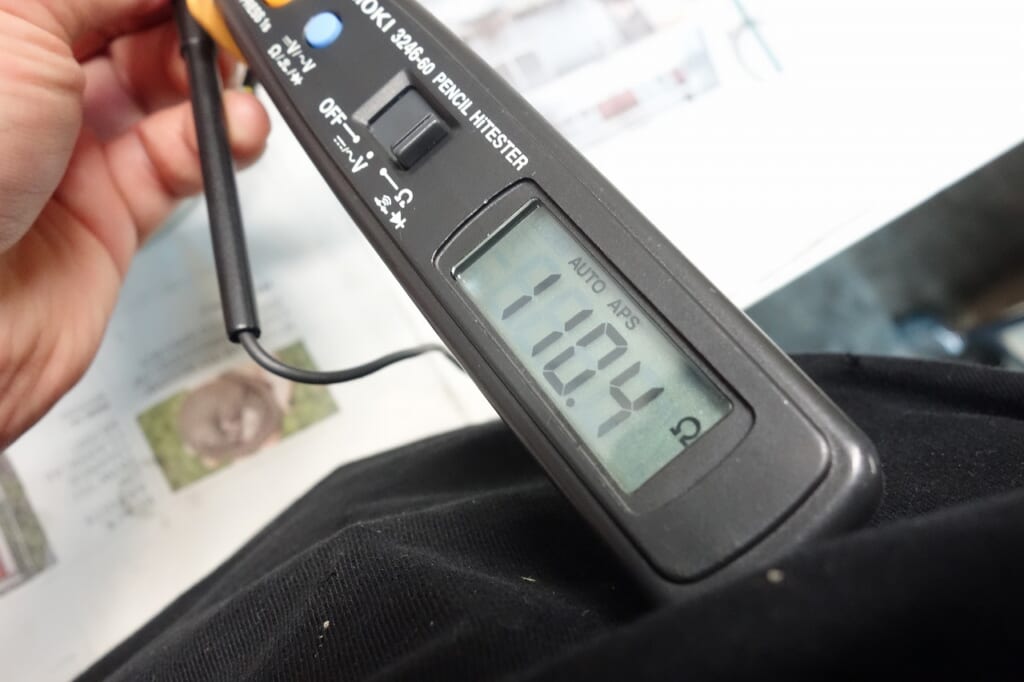
3–110 ohms, so it should work—relief! (‘ω’)ノ
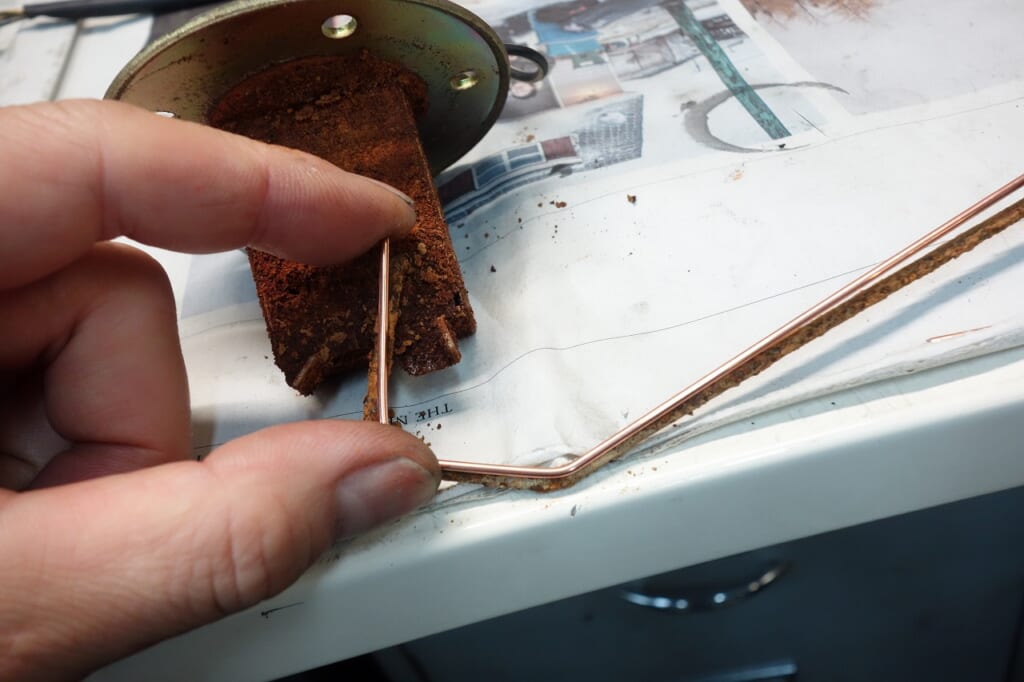
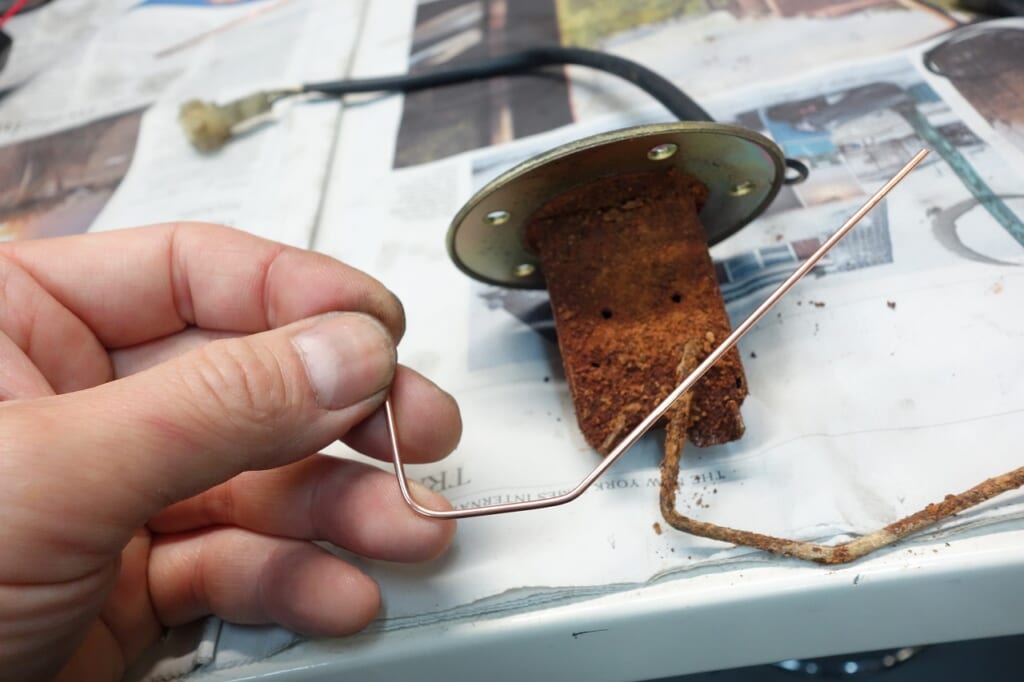
I’ll roughly use a welding rod to trace the bend angle.
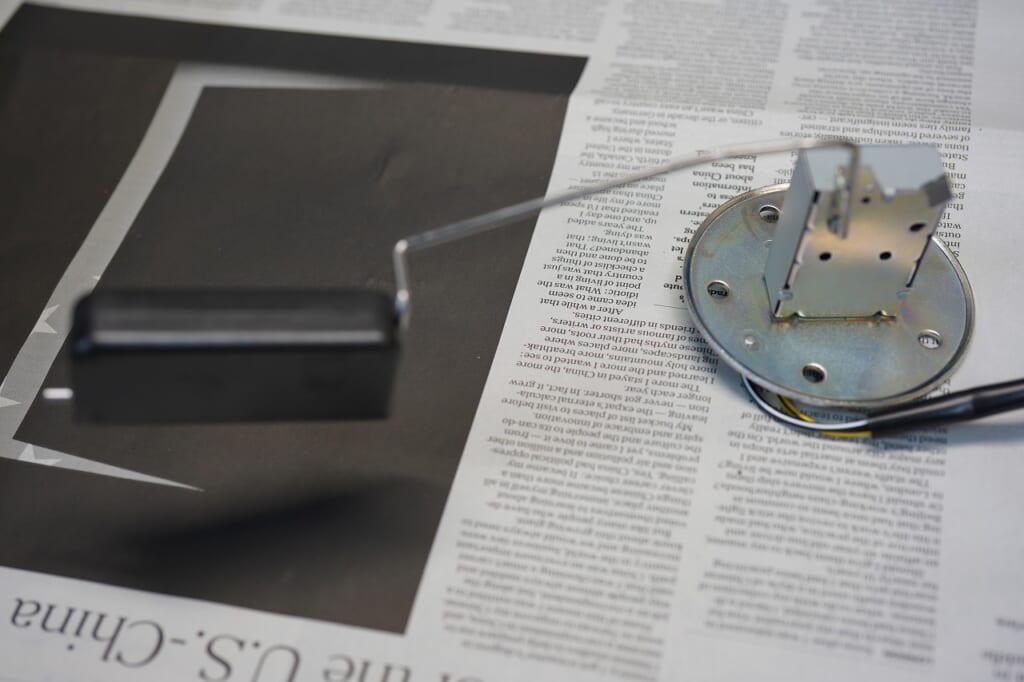
And there we have it—pretty close now!
The tank is out getting rust removal right now, so I’ll install it and fine-tune once it’s back. (‘ω’)ノ
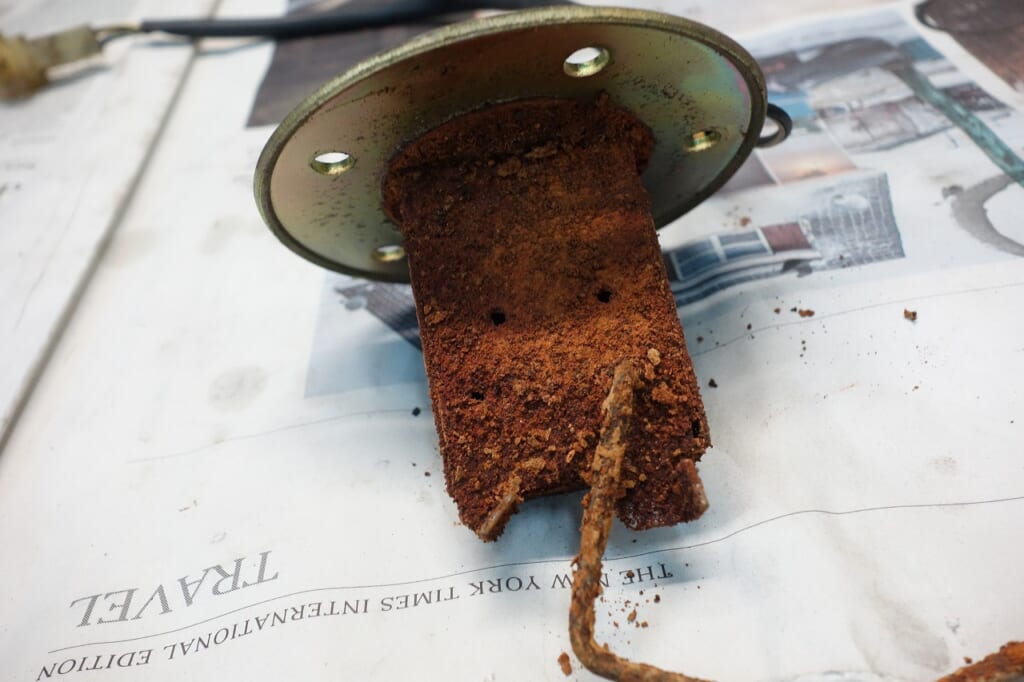
I mean, this thing is seriously rusty.
This is what it takes: researching parts, taking the risk to order them, taking the risk to modify them, installing them, and only then confirming everything works.
That’s where the cost comes in.
If you’re going to keep the same bike for a long time, you should buy OEM parts while they’re still available—don’t worry about whether they’re expensive or cheap. That’s what I tell myself every day. (‘ω’)ノ