Honda motorcycles are really easy to ride, aren’t they?
They have a very friendly feel to them.
Riders of Suzuki or Kawasaki bikes say, “Hmm, boring!”
Whether it’s easy or hard to ride, I don’t like either. It’s a subtle feeling, or maybe I want to develop it myself?
There were some strange issues, but I’ll skip the details since it’s a hassle.
Honda’s characteristic oversized petcock. There’s a theory that the diaphragm sometimes tears.
Well, when that diaphragm tears, the vacuum hose sucks up gasoline, which causes flooding and the engine won’t start.
Gasoline gets into the oil too, and so on.
It was a long journey.
Since we’re replacing the clutch, I checked inside with an endoscope.
Autofocus Endoscope Fiber Scope Endoscope Camera Anykit
Having a fiber scope can be pretty handy.
When choosing one, look for:
• A thin tip—this one is 5.5 mm diameter
• Dual camera capability (straight view only gets pretty tough).
• LED lighting.
• A dedicated model with a built-in monitor is better.
• Checking through the spark plug hole
• Checking the fuel tank condition
• Checking the oil pan and other components
• Checking the shape inside cowls that can’t be removed.
I think it’s pretty useful. If you run a shop, keeping one handy can add credibility and save time on work.
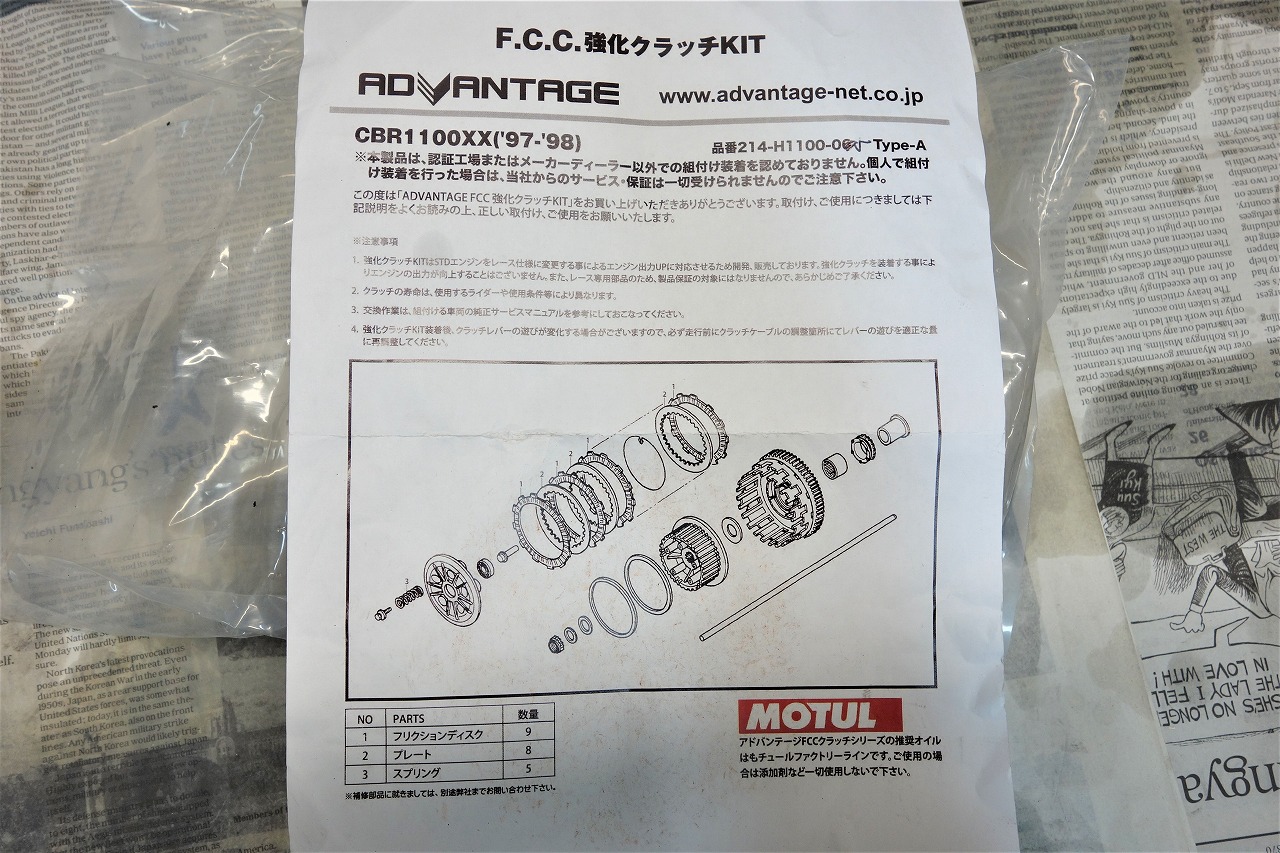
As always, a pretty simple instruction manual.
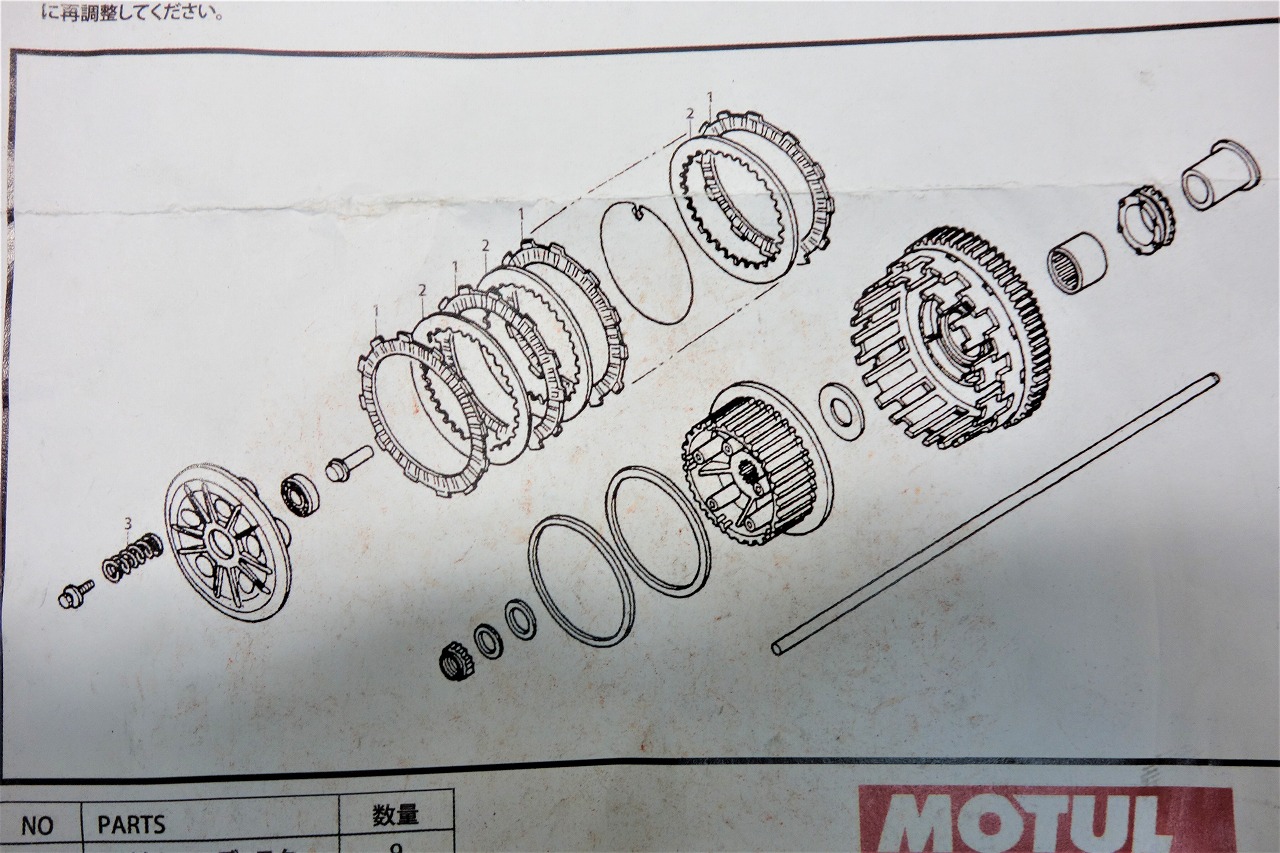
I’m deliberately not writing it out, but you get it, right? Match it against the kit contents. That’s the idea. So 1 and 2 mean… I see.
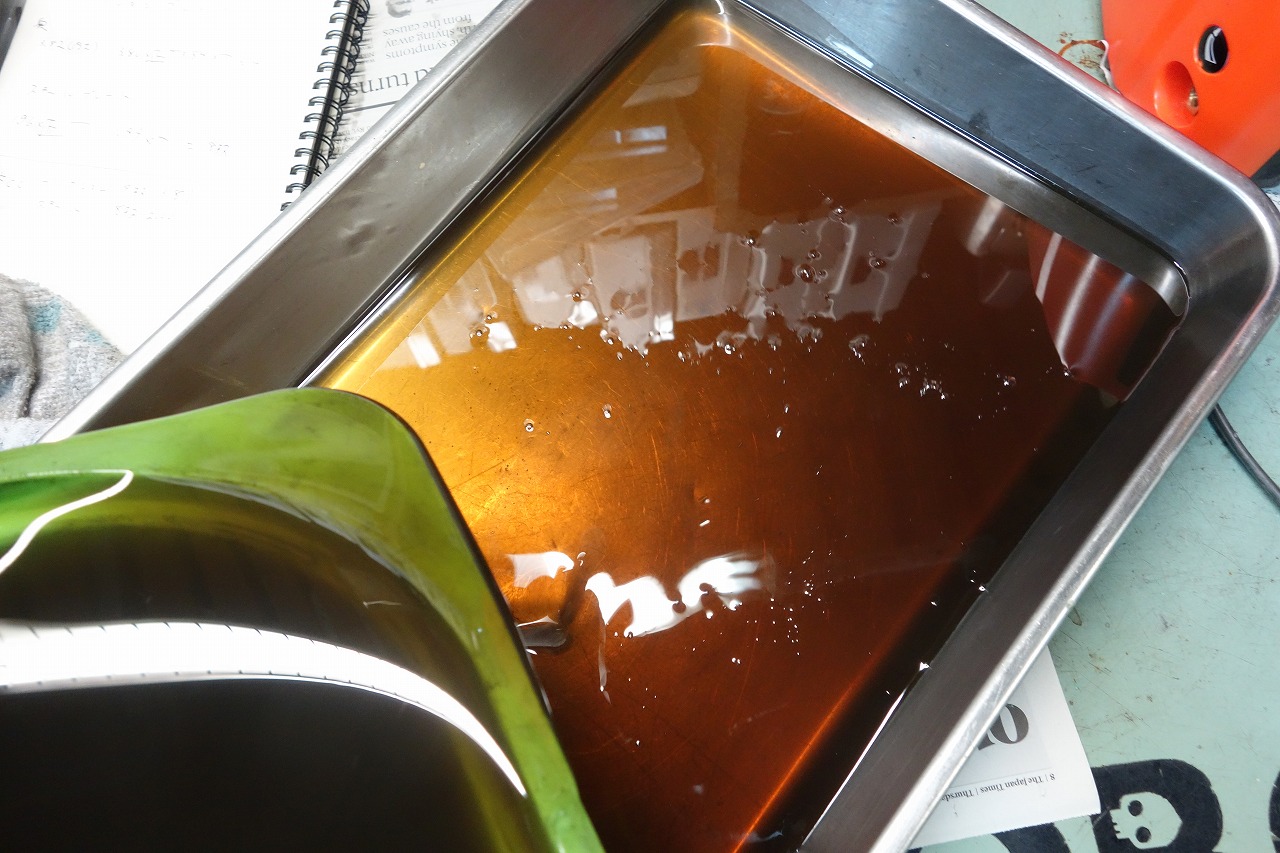
The owner mentioned strange particles in the oil, so I checked. Sure enough, there was a black object in the oil pan. I determined it wasn’t a concern from a composition standpoint.
The oil smells strongly of gasoline.
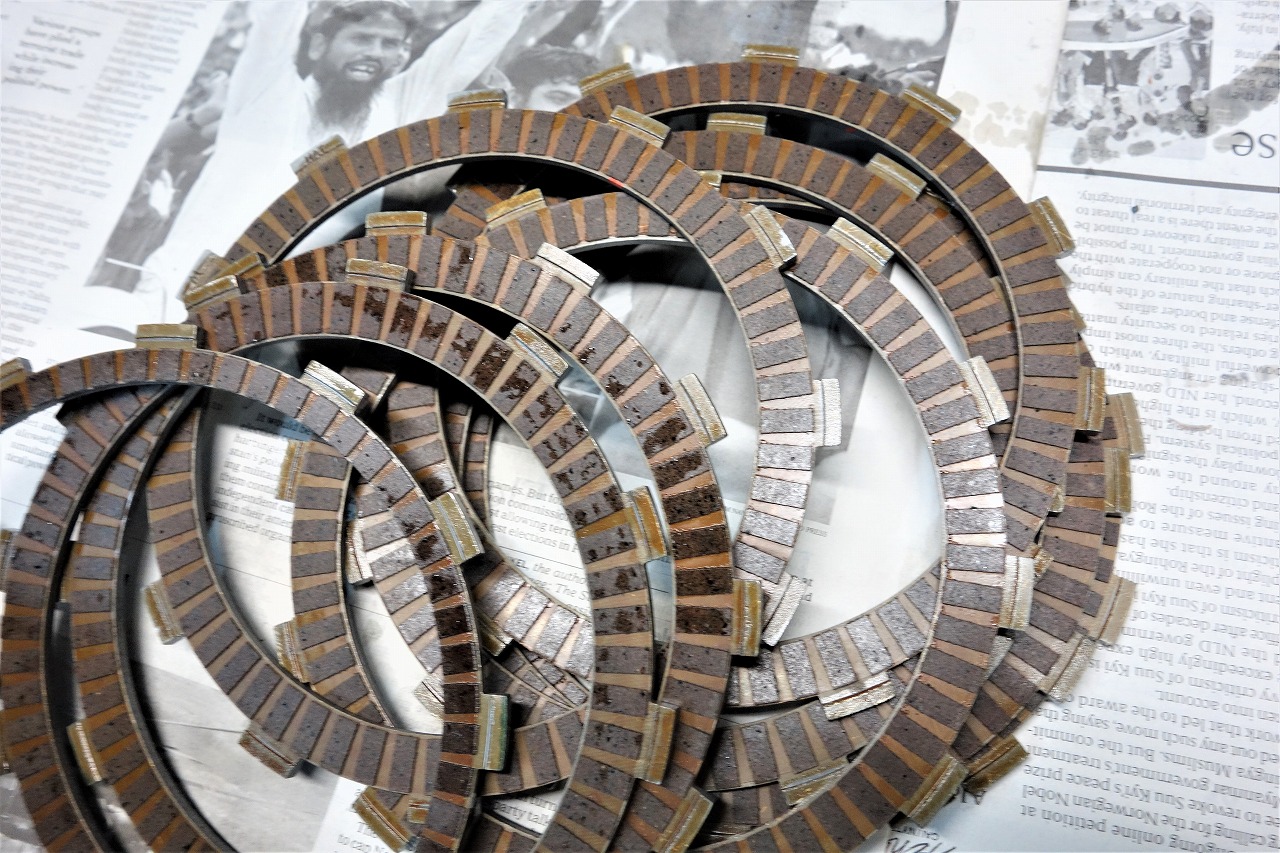
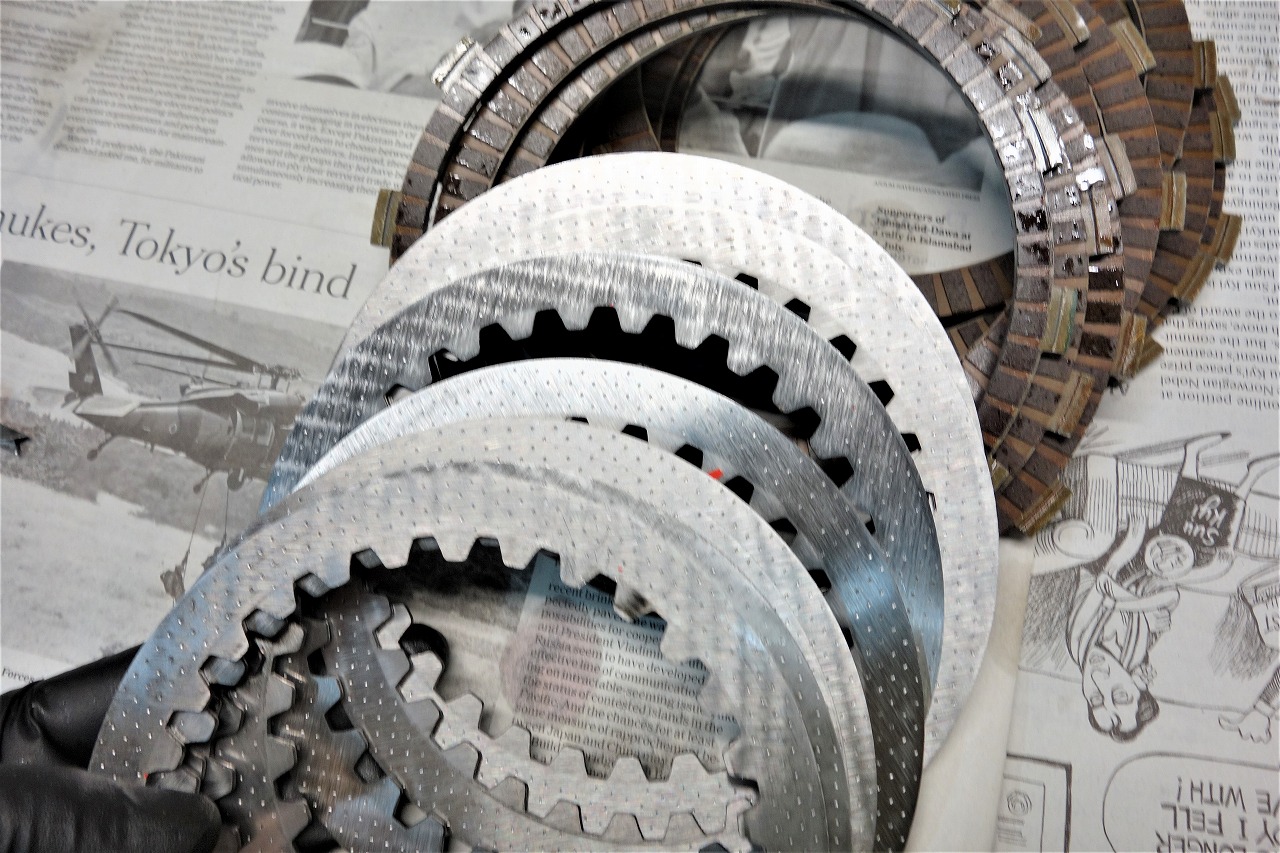
The Blackbird is a 20-year-old now. It hasn’t worn down, but replacing it now means no worries about deterioration.
Running great!