Some non-compliant parts are circulating in the market. Not having trouble at inspection and getting it passed as-is is the mature and smart approach.
I’ve excerpted things inspectors told me, warnings I received, and cases I heard from colleagues in the industry.
For those doing user inspections too, here’s a reference.
※Road transport vehicle safety standards please check the Ministry of Land, Infrastructure, Transport and Tourism website.
List
- Bulb turn signal area/flash rate
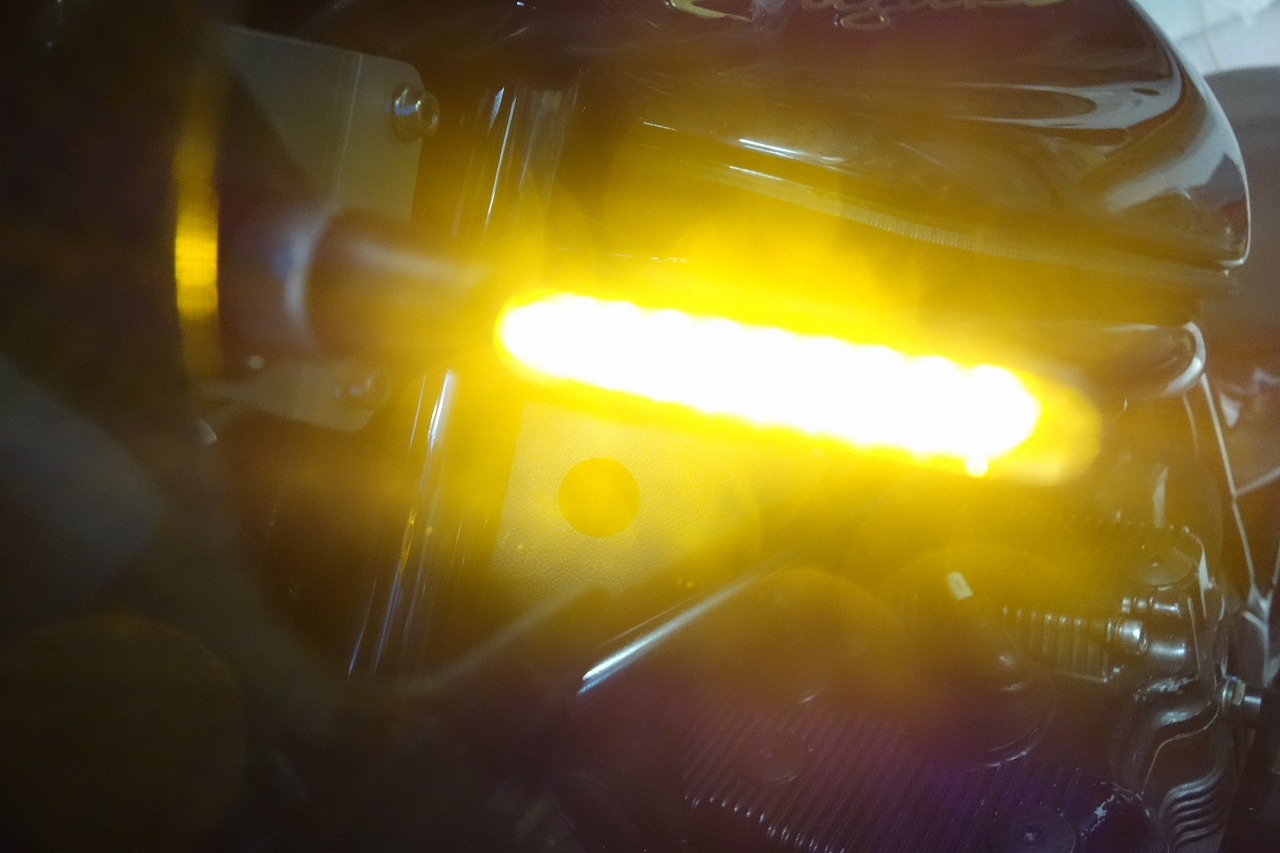
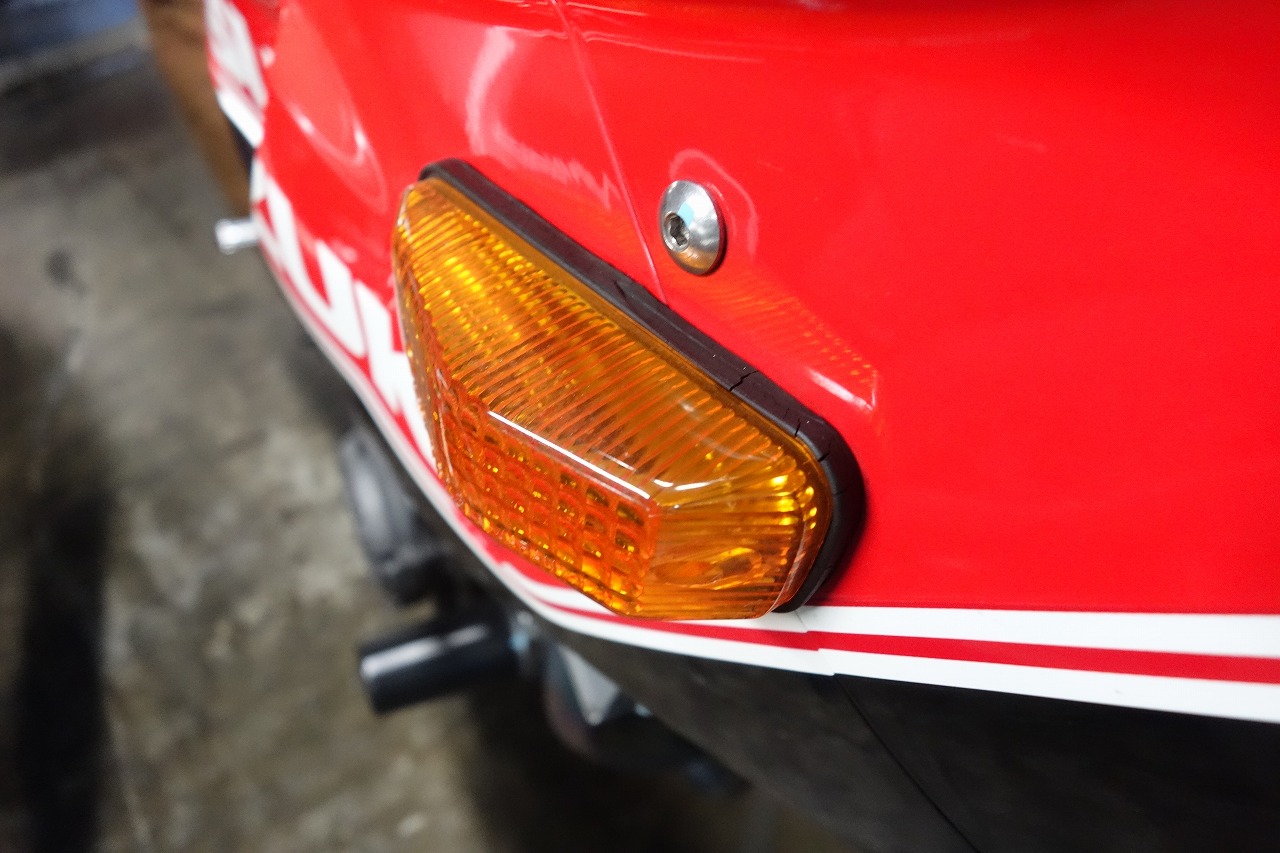
- Turn signal color: orange (orange ✓) yellow (yellow ✗)
- Adhesive turn signal area
- Headlight color: two lights (left and right different colors) bluish
- Additional lighting visible from the rear
- Indicator lamp
- LED circuit board tail light & turn signal
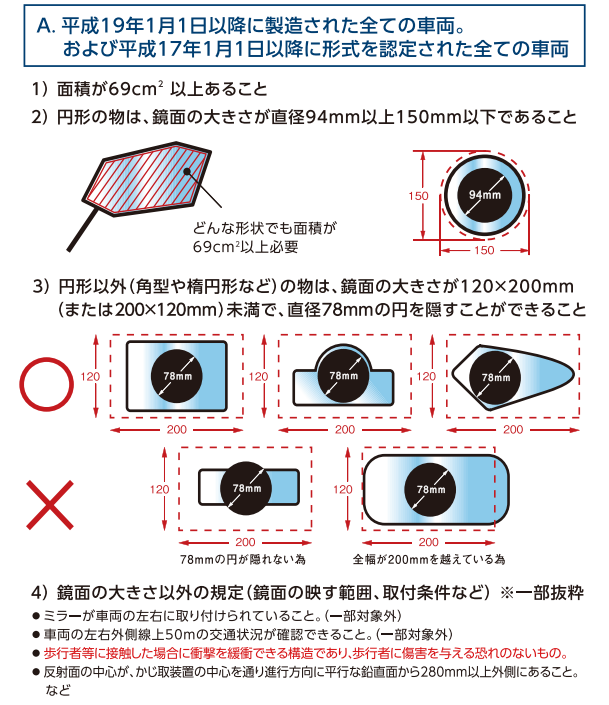
- Rearview mirror area
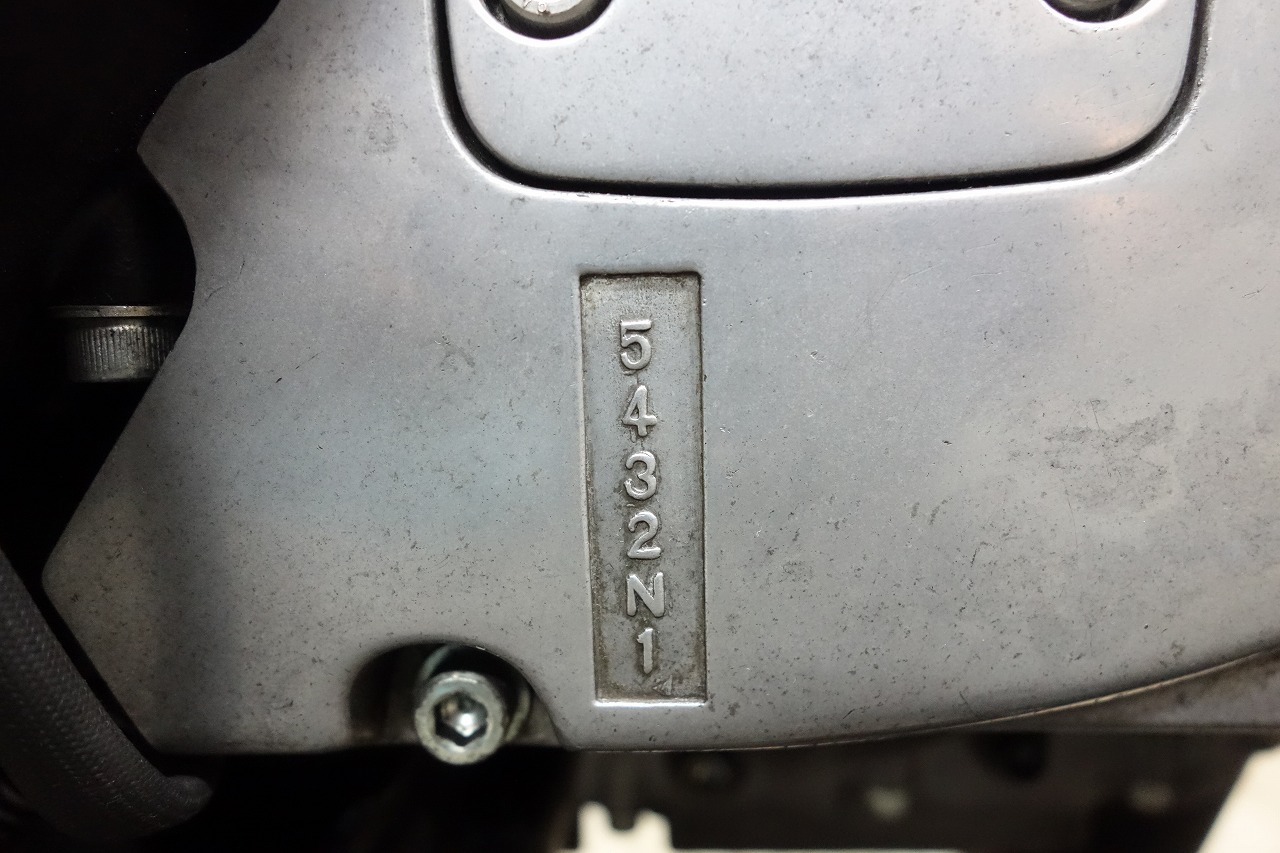
- Shift pattern
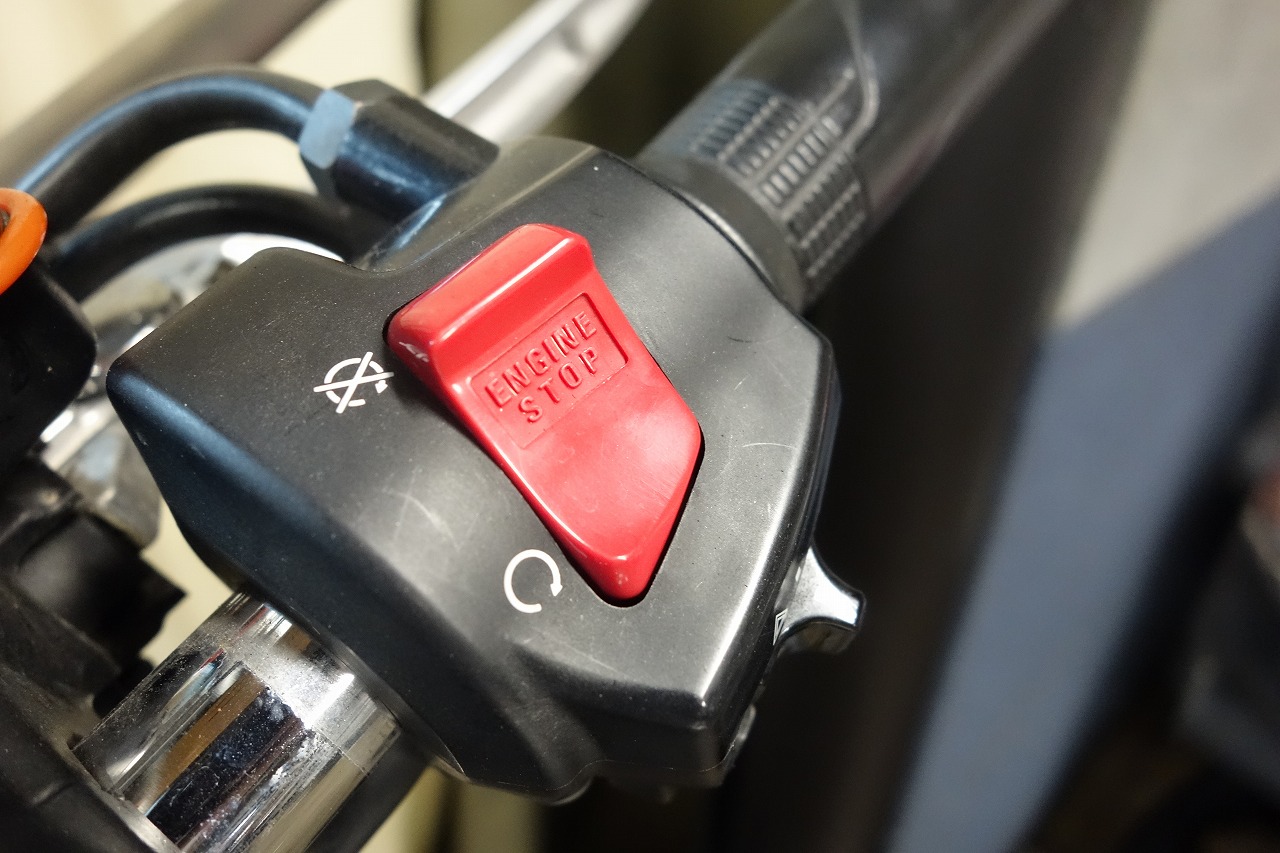
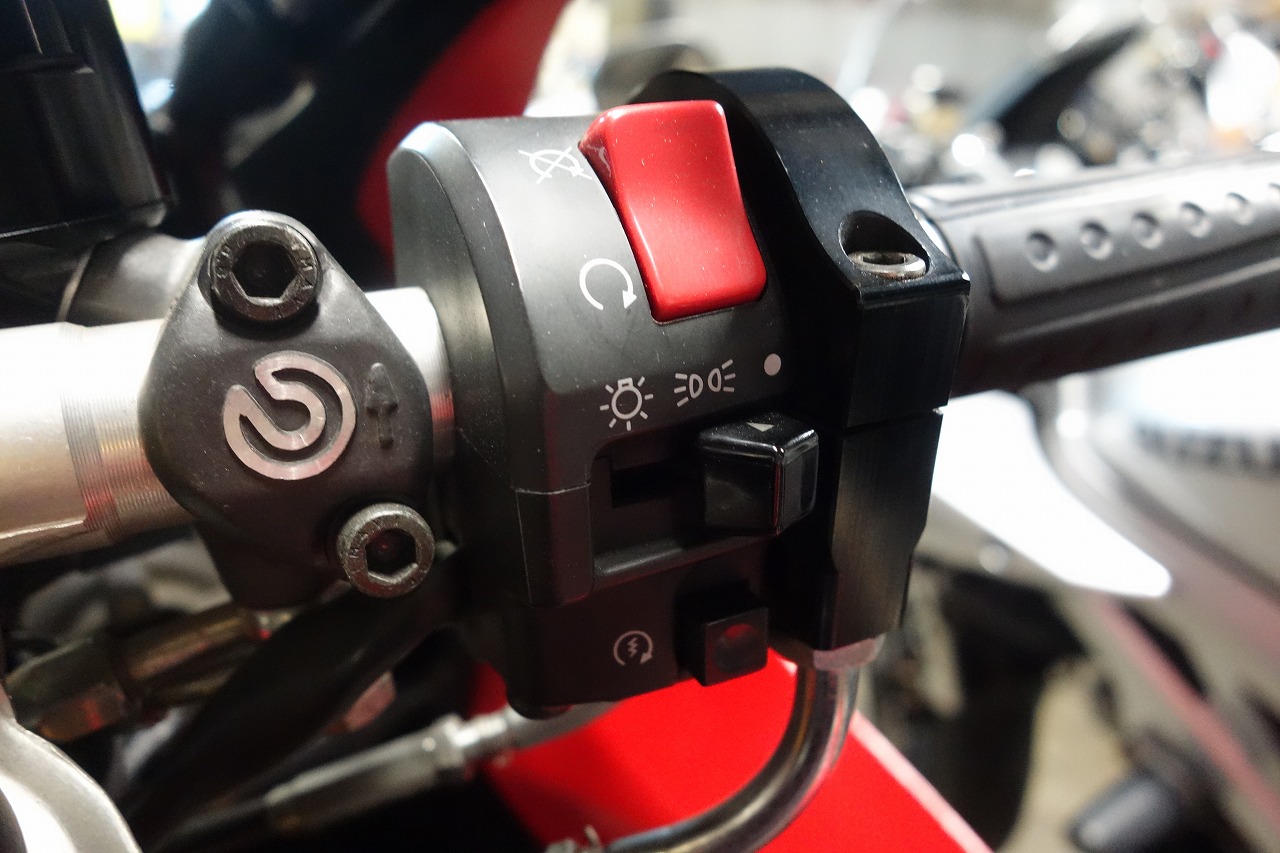
- Switch box markings faint or invisible
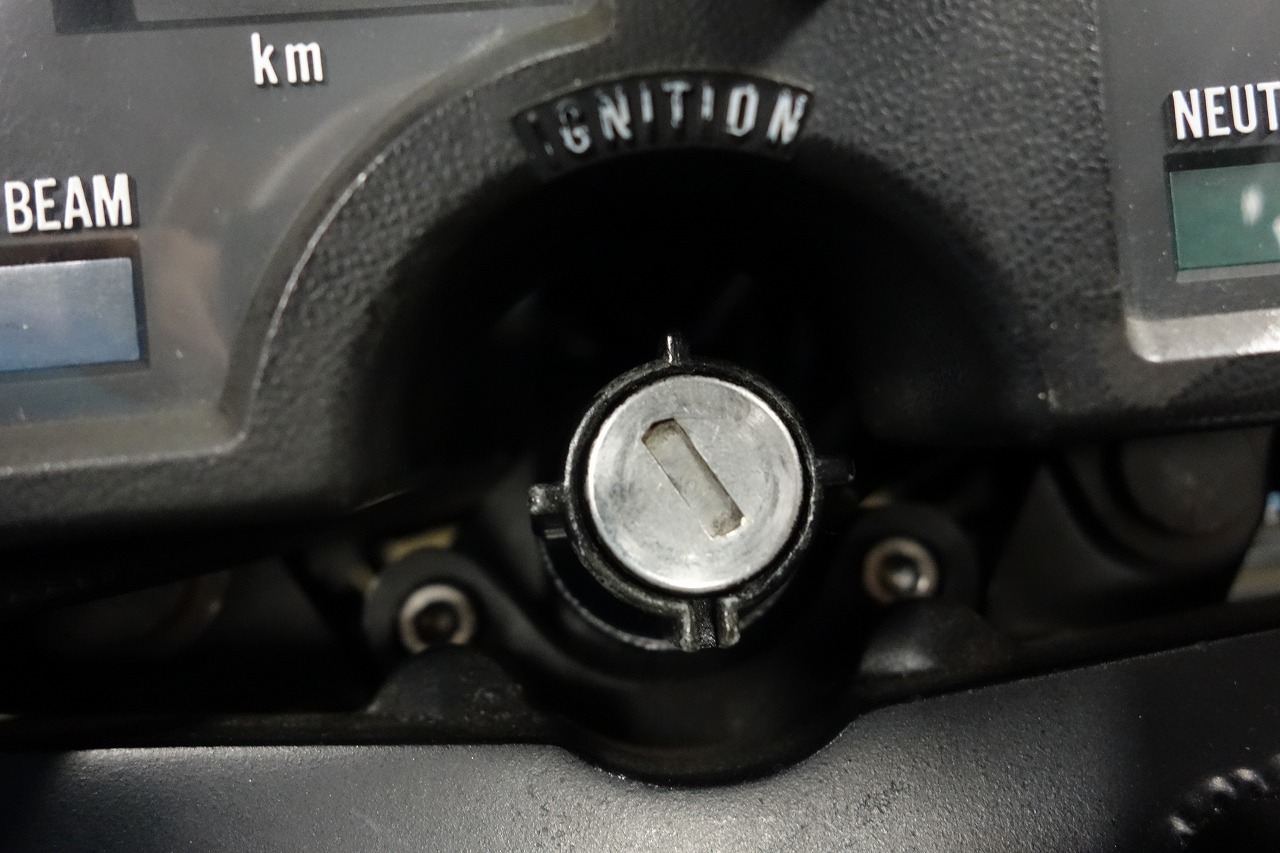
- Key cylinder ON / OFF / P / LOCK markings
- Frame number / engine number
- Axle shaft cotter pin / lock nut
- Handlebar lock
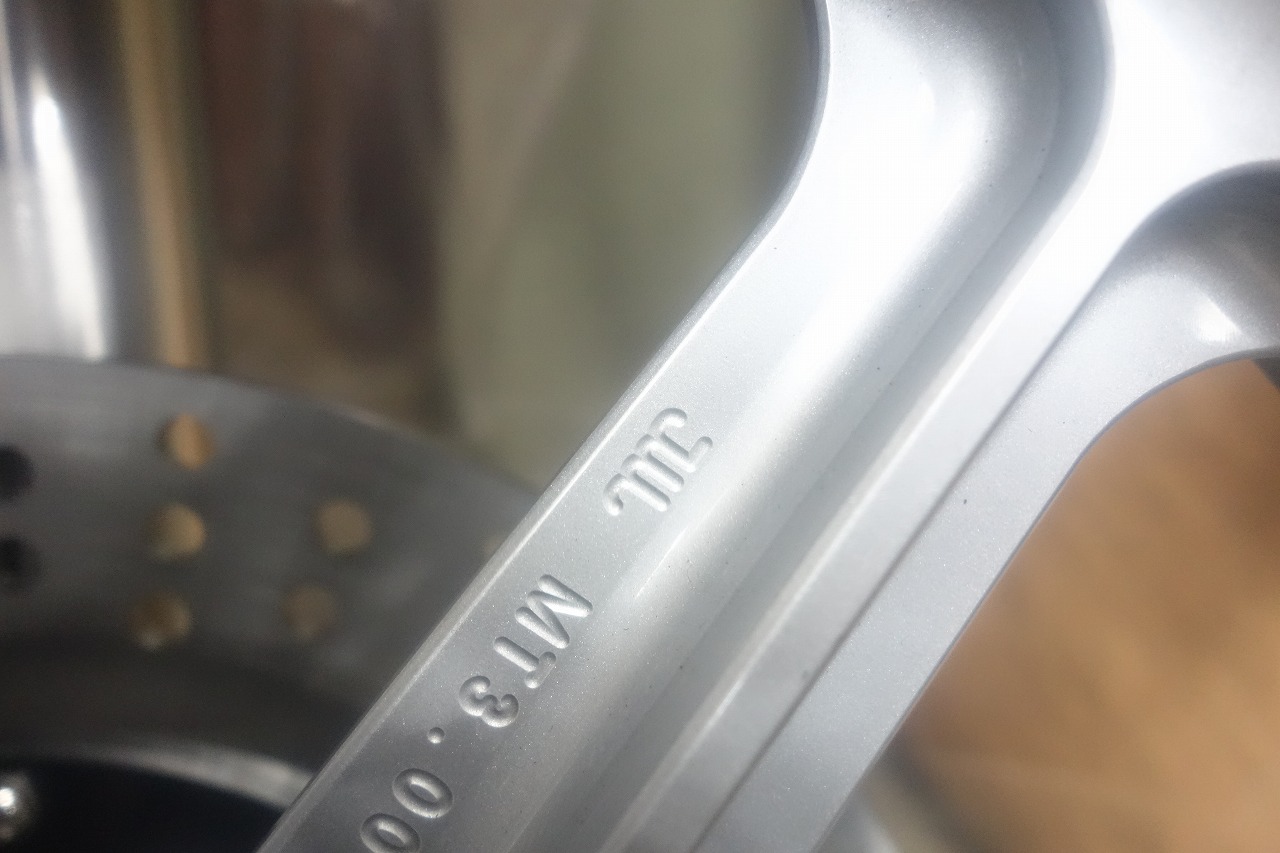
- Wheel JWL marking
- Headlight always-on switchable to ON / OFF
- Exhaust secondary air cancel
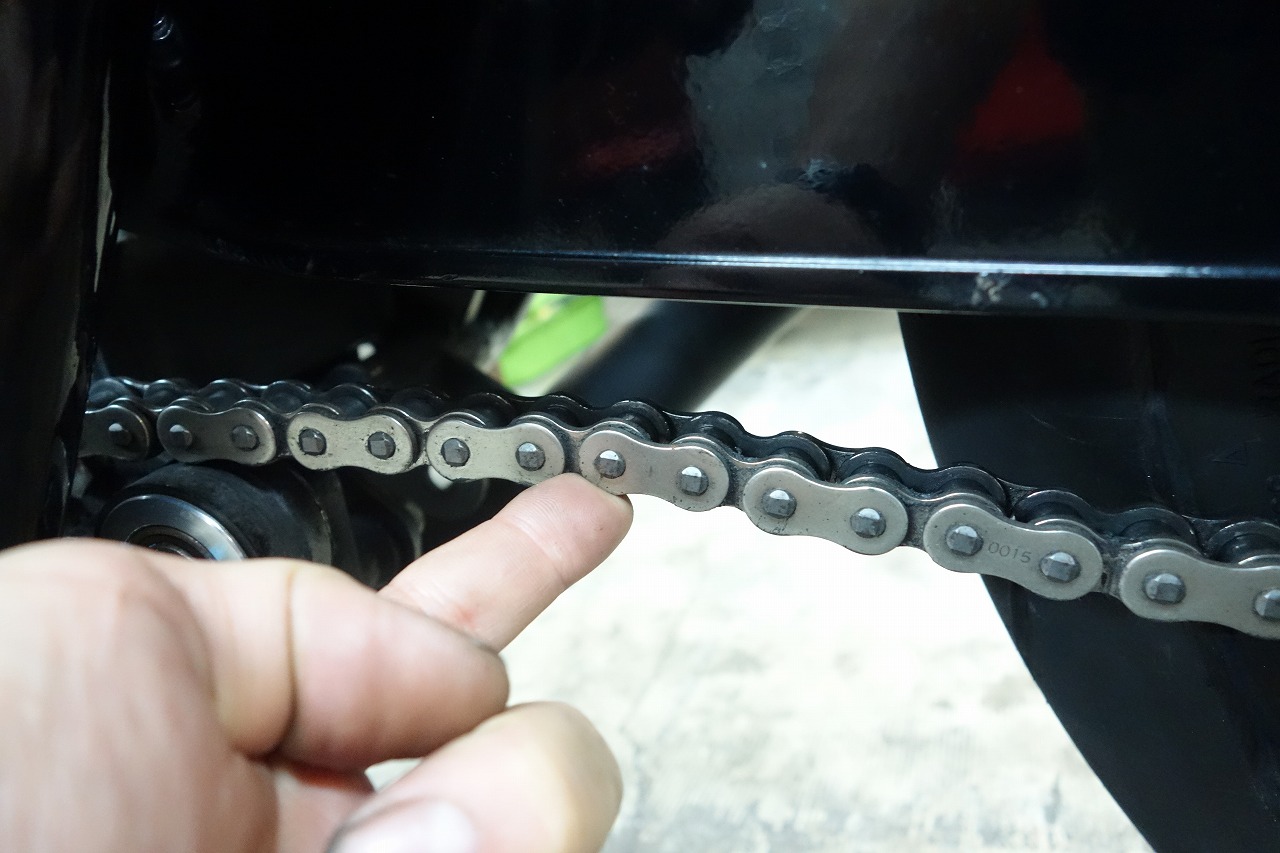
- Drive chain tension
- Pannier case or carrier dimensions length / width
- Protrusions / sharp objects
- Exhaust gas test BC / EBL sub-con / full-con installation
Details
- Bulb turn signal area/flash rate
- Color = orange
- Lens = clear OK
- Flash count = 60–120 times/minute
- Lens spacing (pitch) = front (240 mm or more) rear (150 mm or more)
- Brightness = 10 W–60 W
- Lighting area = 7 cm 2 or more
- Note: e-marked LED = those certified by brightness have no area requirement
- Note: Sequential turn signal LED = those certified by brightness have no area requirement
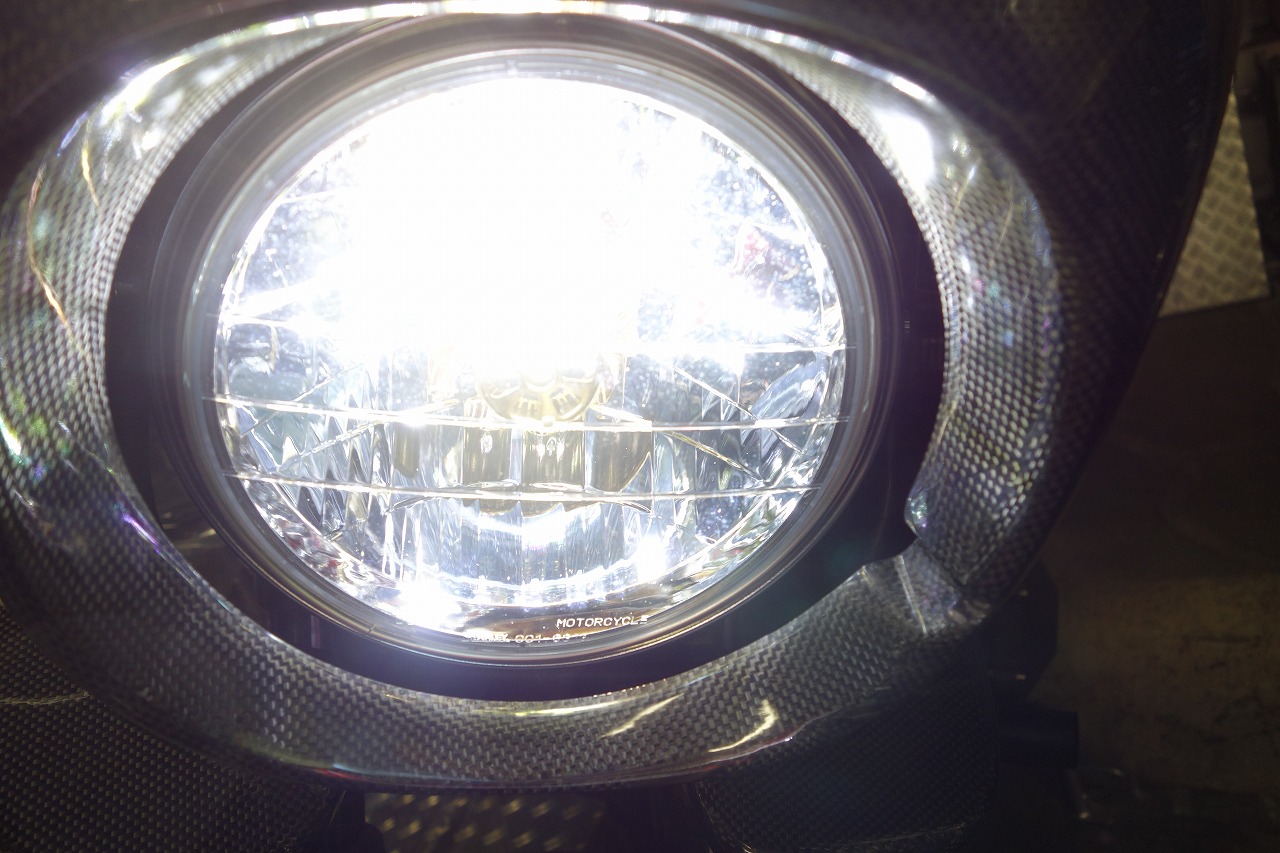
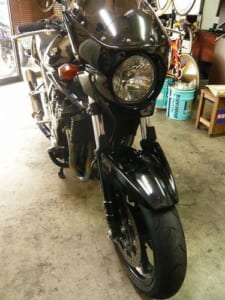
Headlights are the toughest part of motorcycle inspection.
- Brightness = 15,000 cd or more
- Yellow bulb (vehicles manufactured before 2005 are OK)
- Blue = not allowed (HID requires caution)
- Two-light setup: symmetric left and right from vehicle center (size may differ)
- Two-light setup: left and right color tone must be the same (similar)
- Lens condition = cracks, chips, cut pattern (right-hand traffic) not allowed
However, for vehicles manufactured on or after October 2020, low beam is measured as follows:
(UN R98, R112, R113 compliant vehicles are also subject if manufactured on or after June 2015)
- Cutoff line below horizontal plane
- Peak luminous intensity 5,000 cd or more
- (Transitional measure: if 2 is non-compliant) high beam luminous intensity 15,000 cd or more
(Reference) ECE regulations related to headlight inspection
· R98: HID light source headlight regulation
· R112: asymmetric beam distribution regulation
· R113: two-wheeler symmetric beam distribution regulation
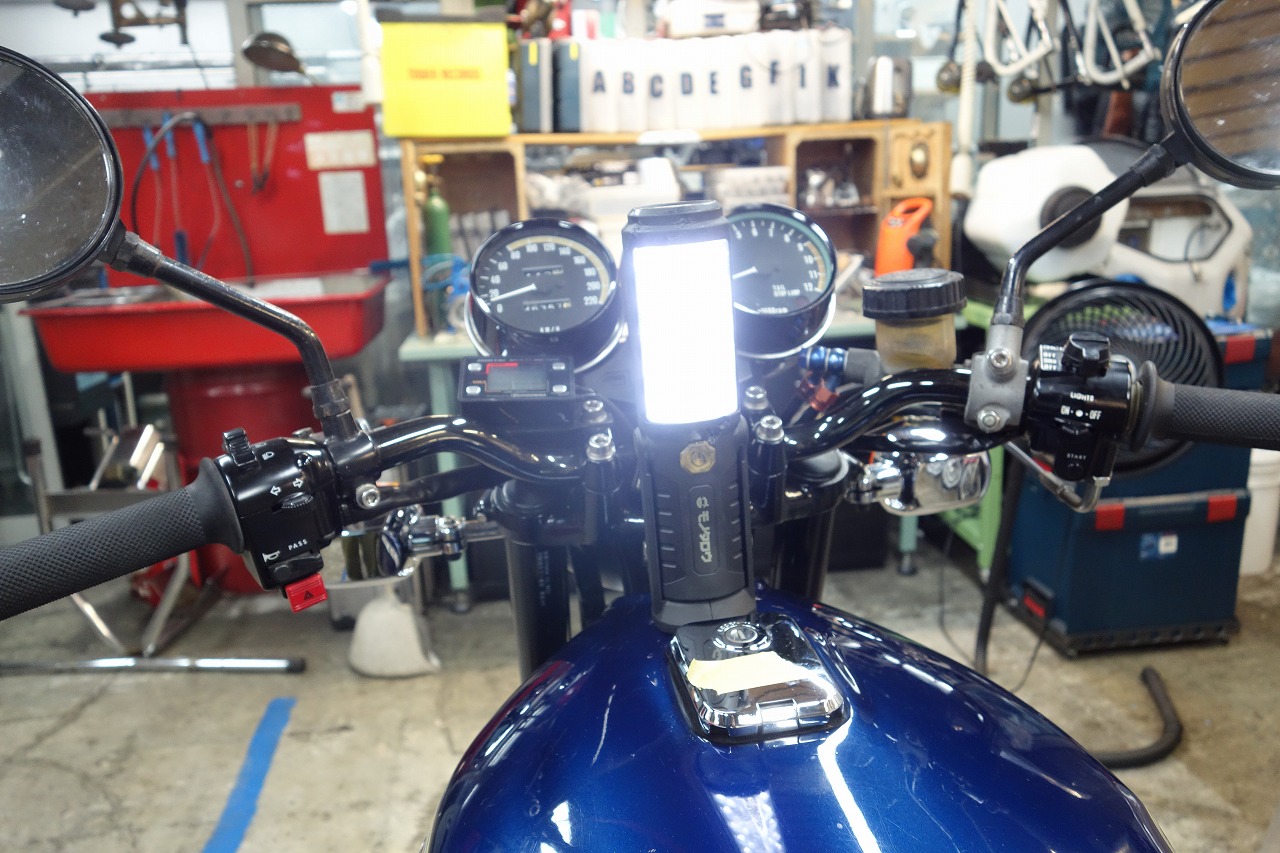
Vehicles equipped with so-called new light sources, LED and HID, require attention to luminous intensity, beam distribution, and light color.
- Tail & brake light
- Turn signal
- License plate light
- Back light
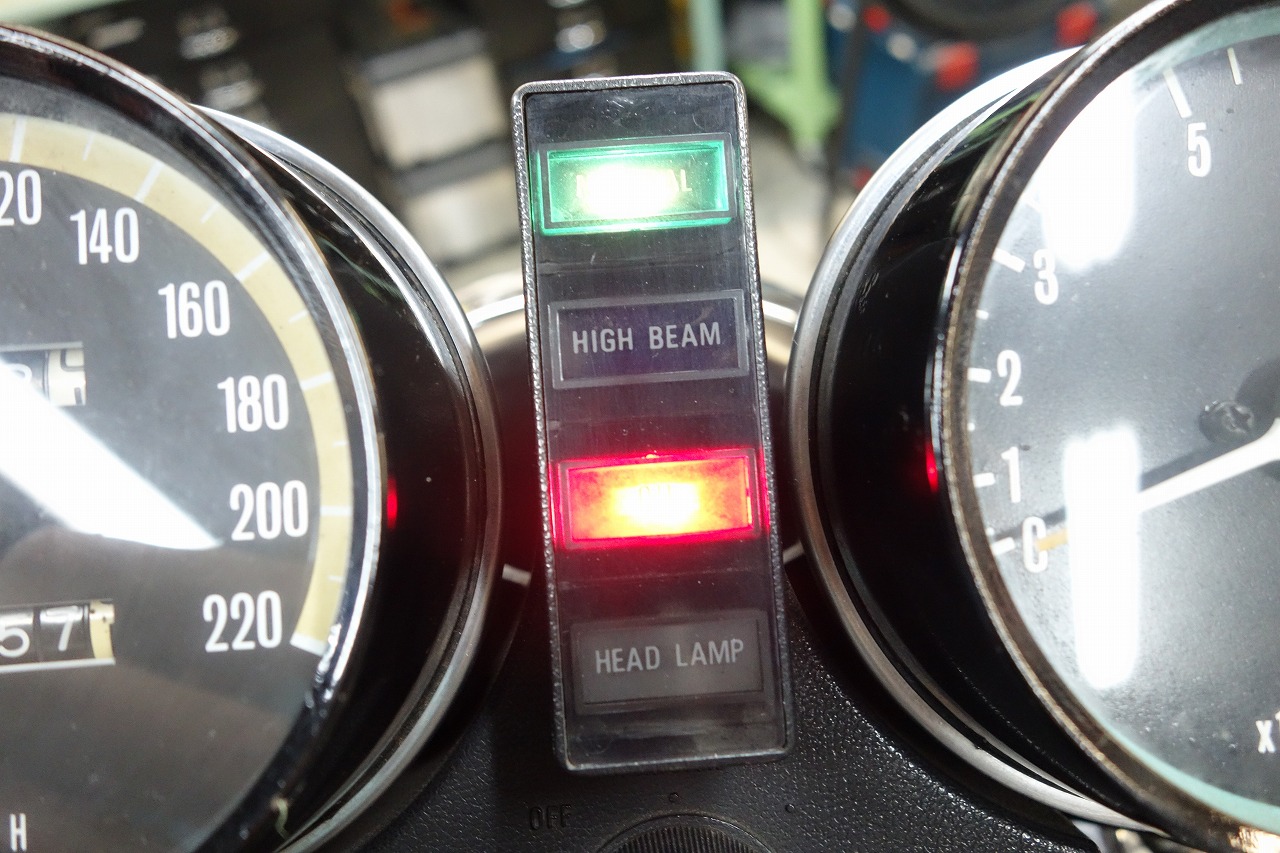
All marked ones must light up or they fail.
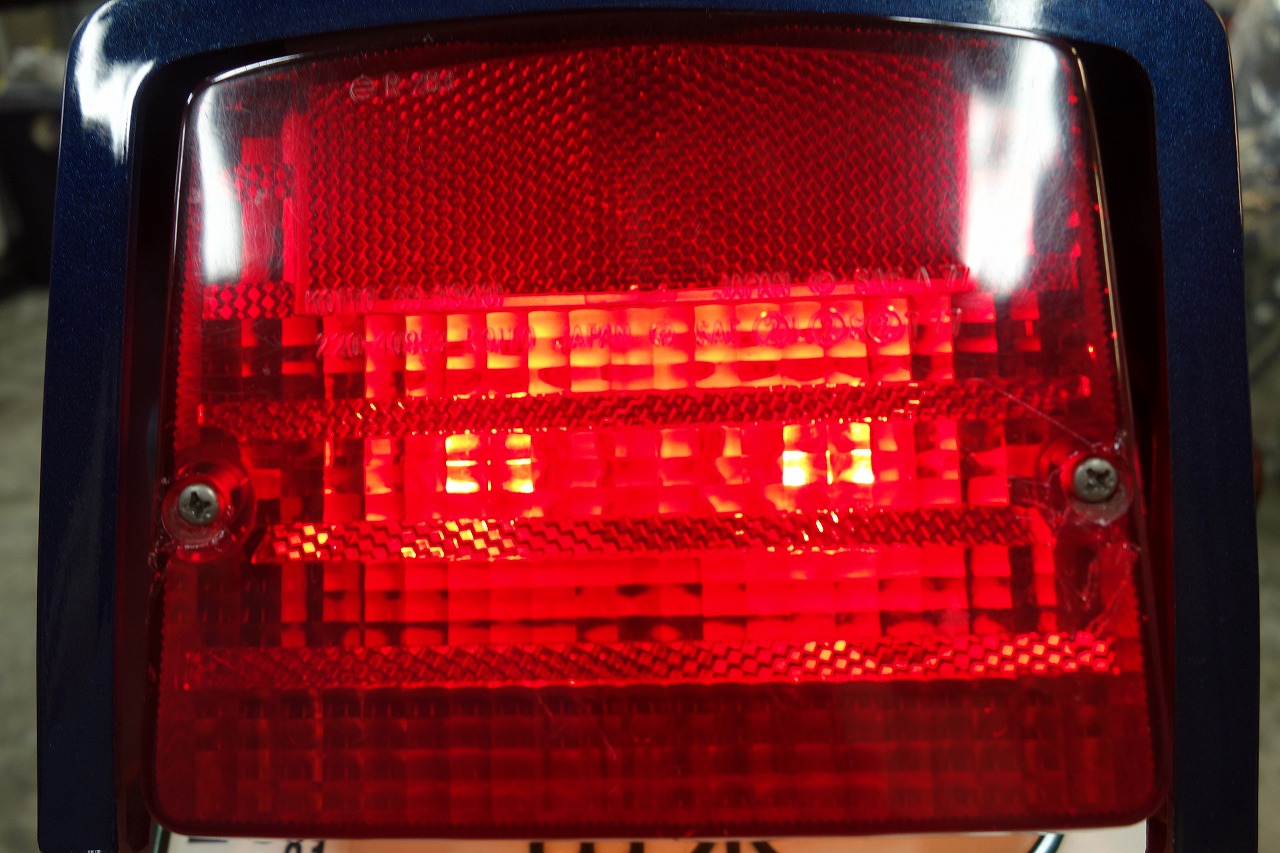
Basically multiple bulbs are installed. If even one is burned out, it counts as a bulb failure.
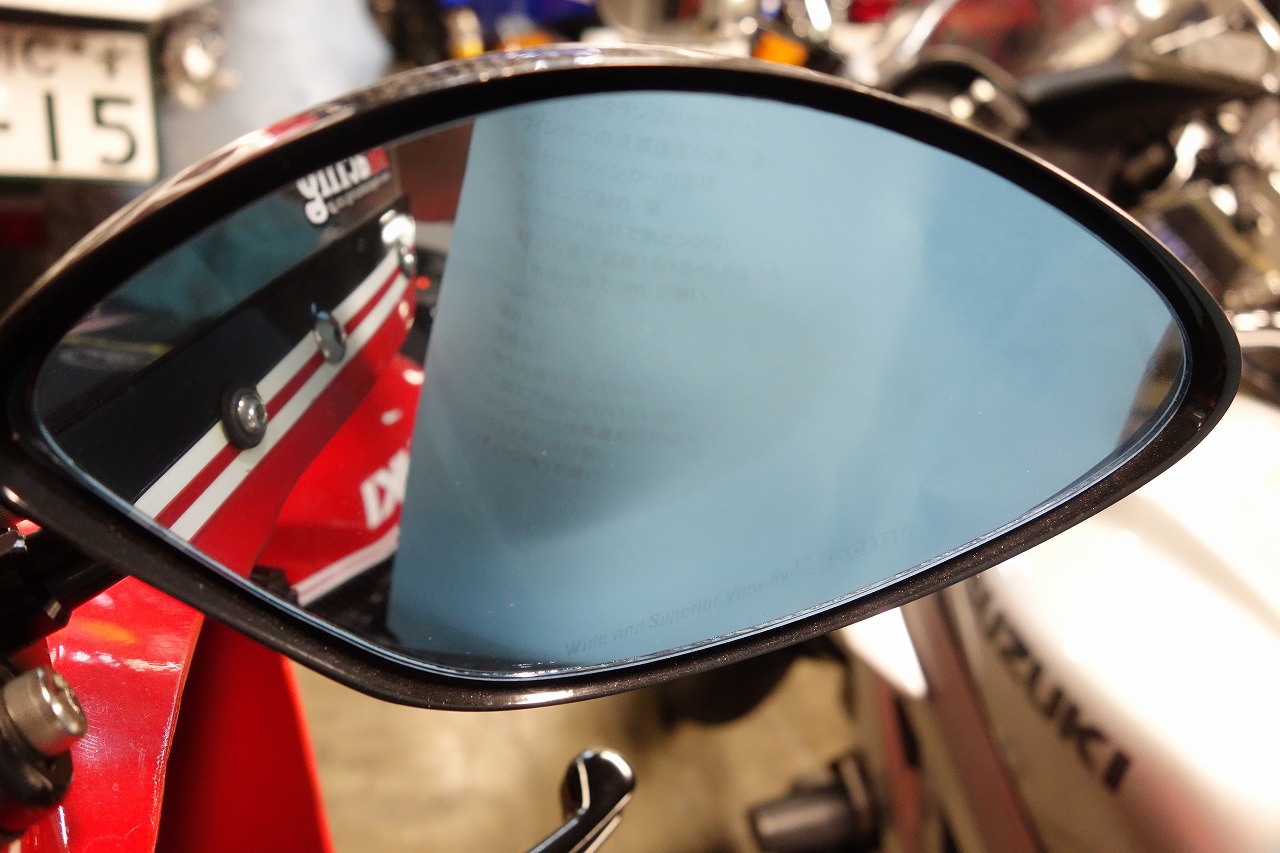
- Before December 31, 2006 (Heisei 18): manufactured vehicles = no specification ✓
- From January 1, 2007 (Heisei 19) onward: manufactured vehicles = specification applies, see below
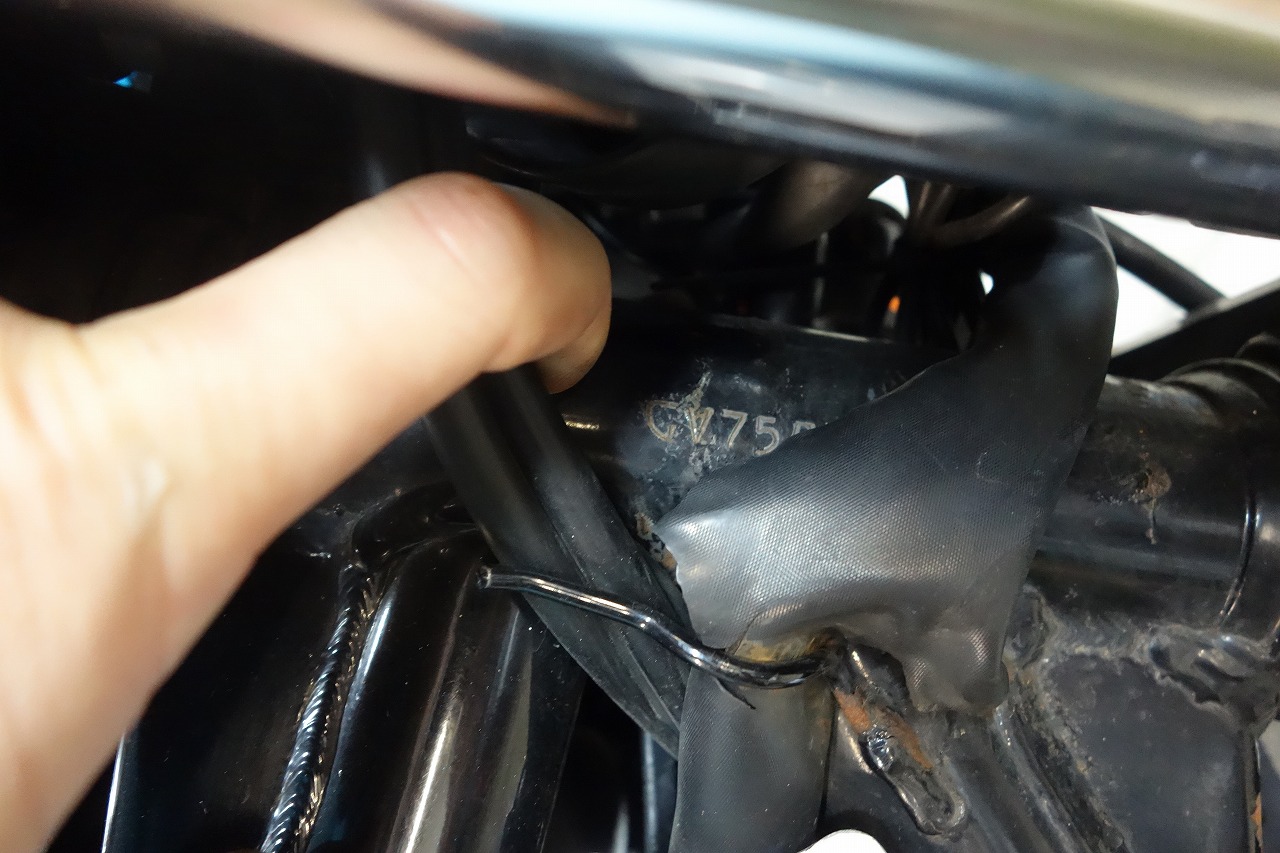
Be careful if frame paint obscures them. For Kawasaki Z-series and J-series, it’s better to check before purchase. If stamped by anyone other than the manufacturer or by authority, permanent cancellation may prevent continued inspection.
If you think, “Wow, this Z is cheap,” some caution is needed.
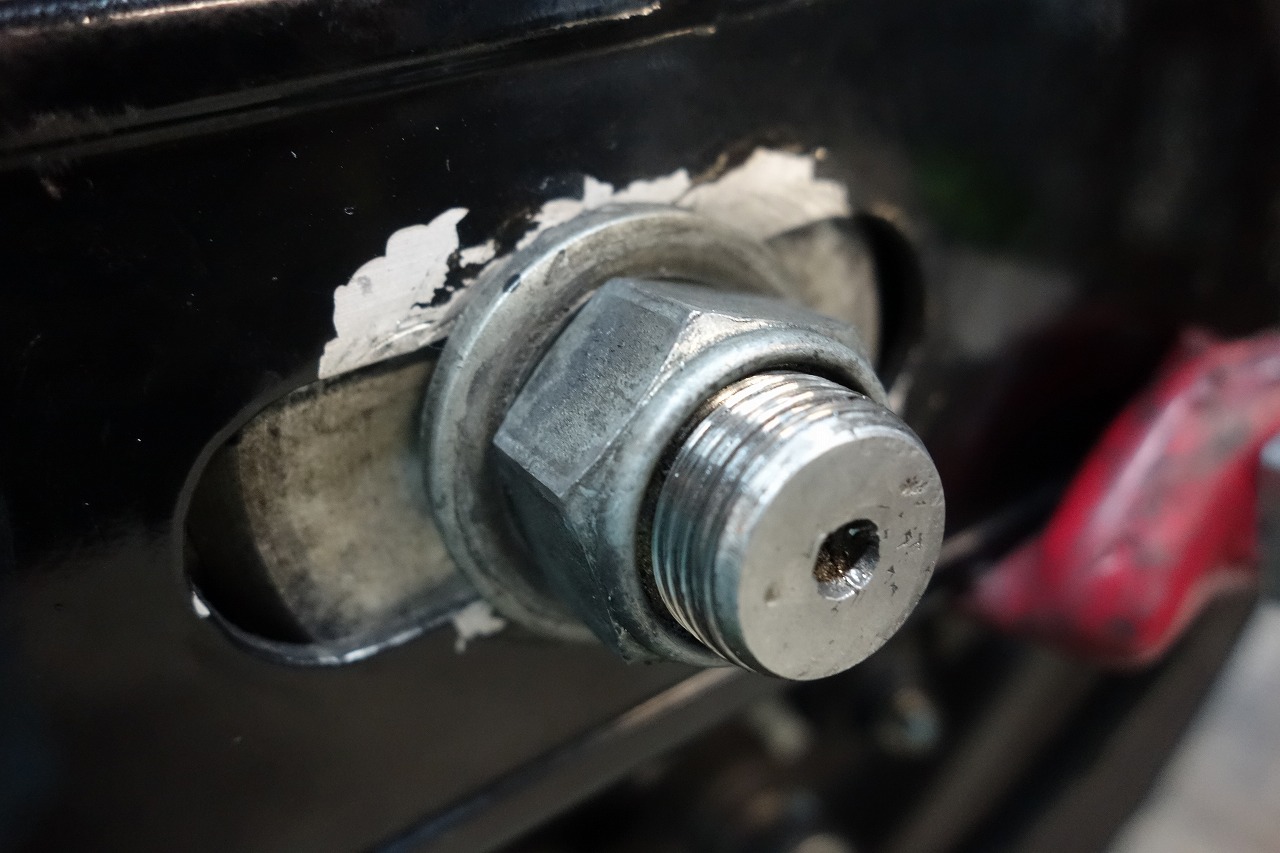
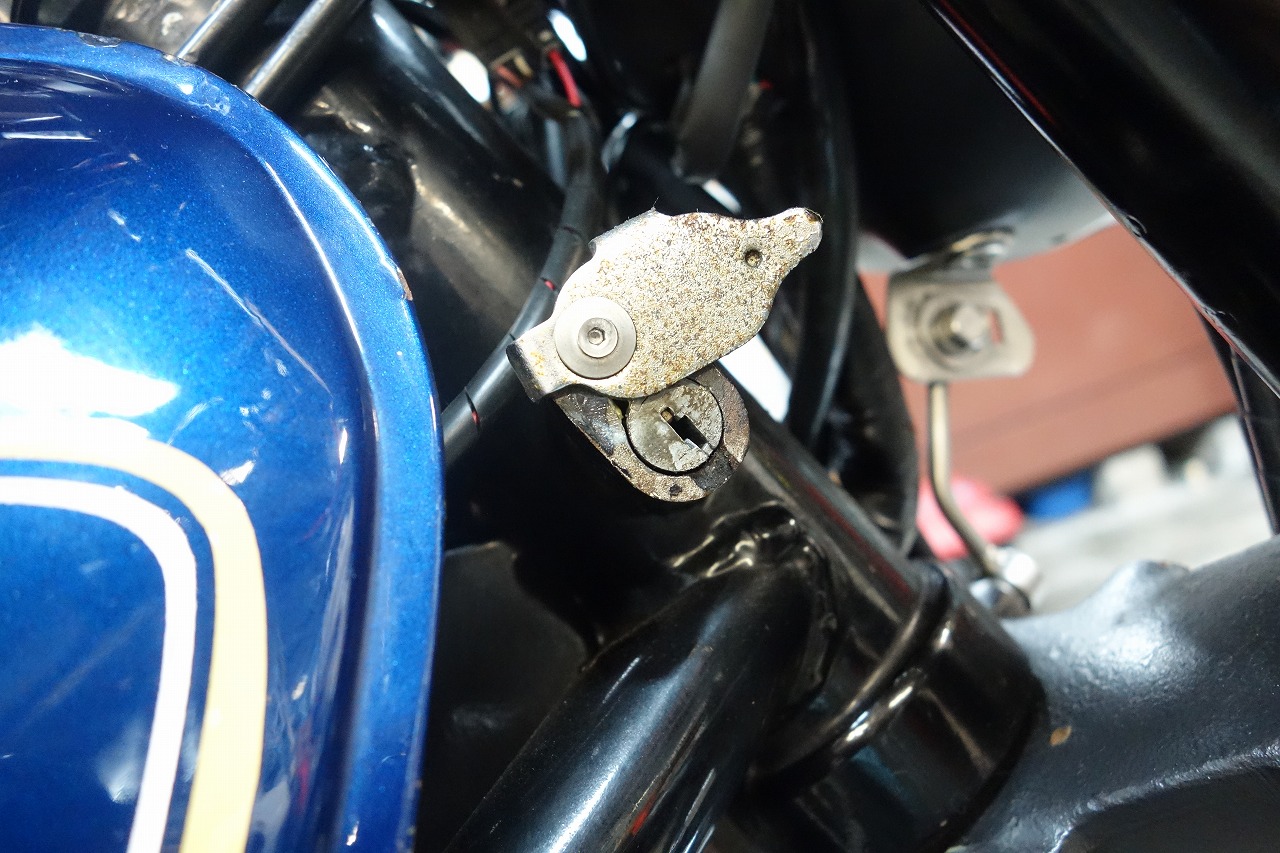
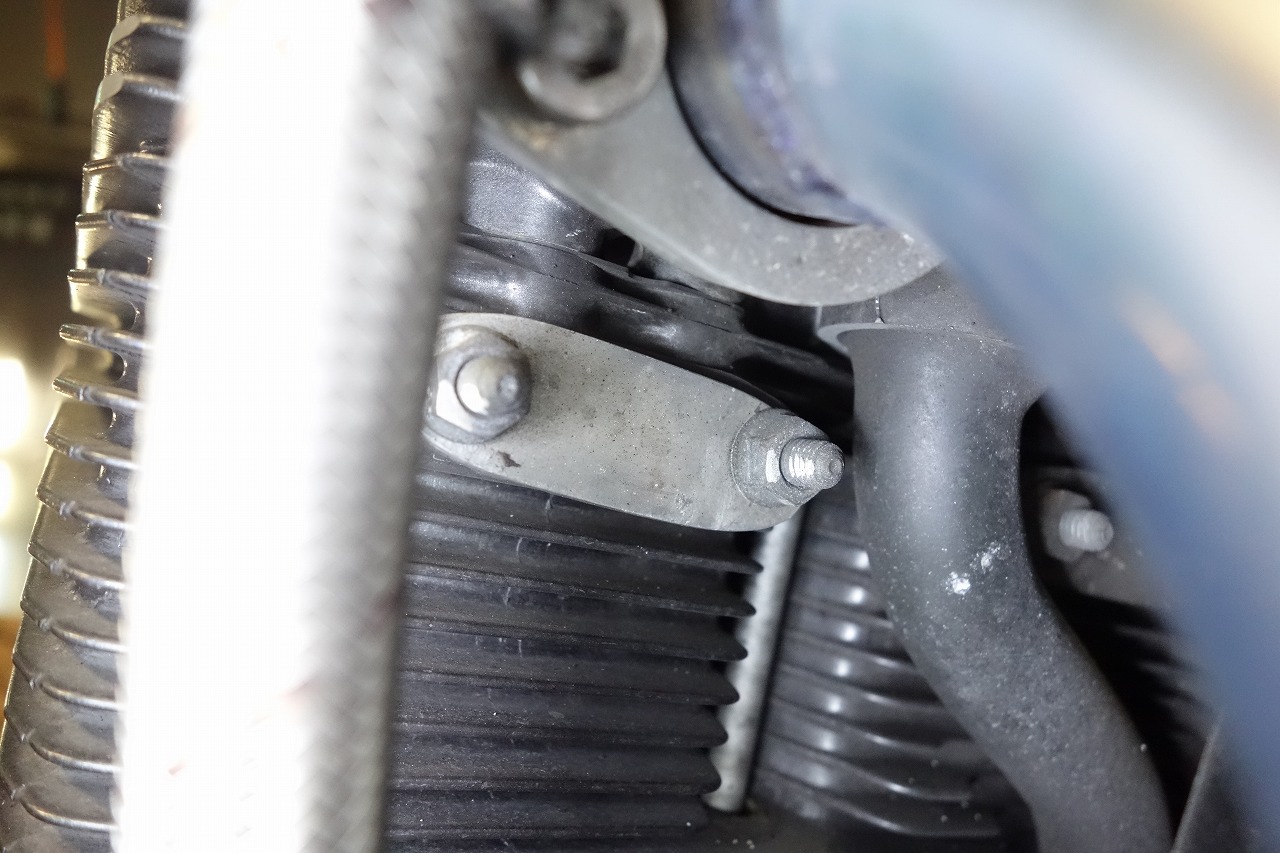
It’s not visible, so it’s not that common, but . . .
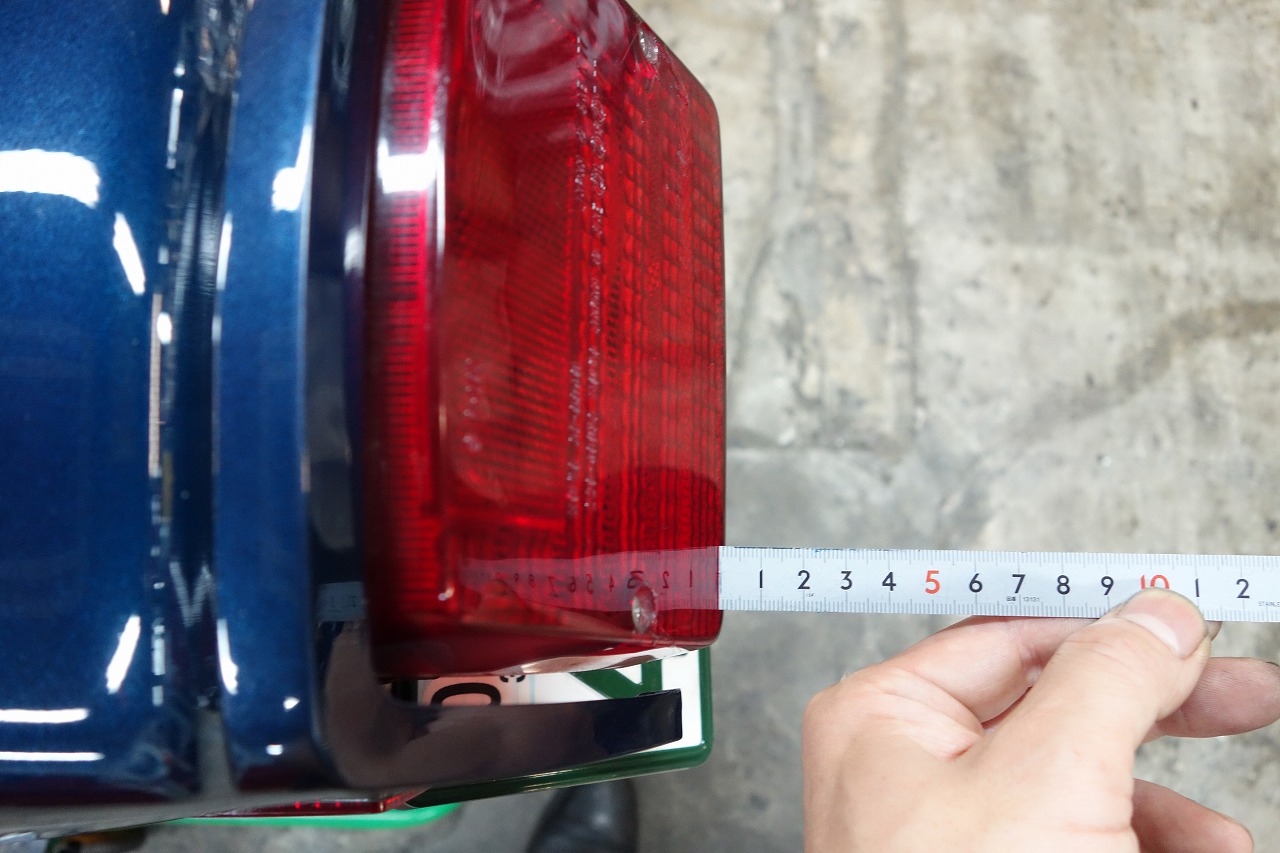
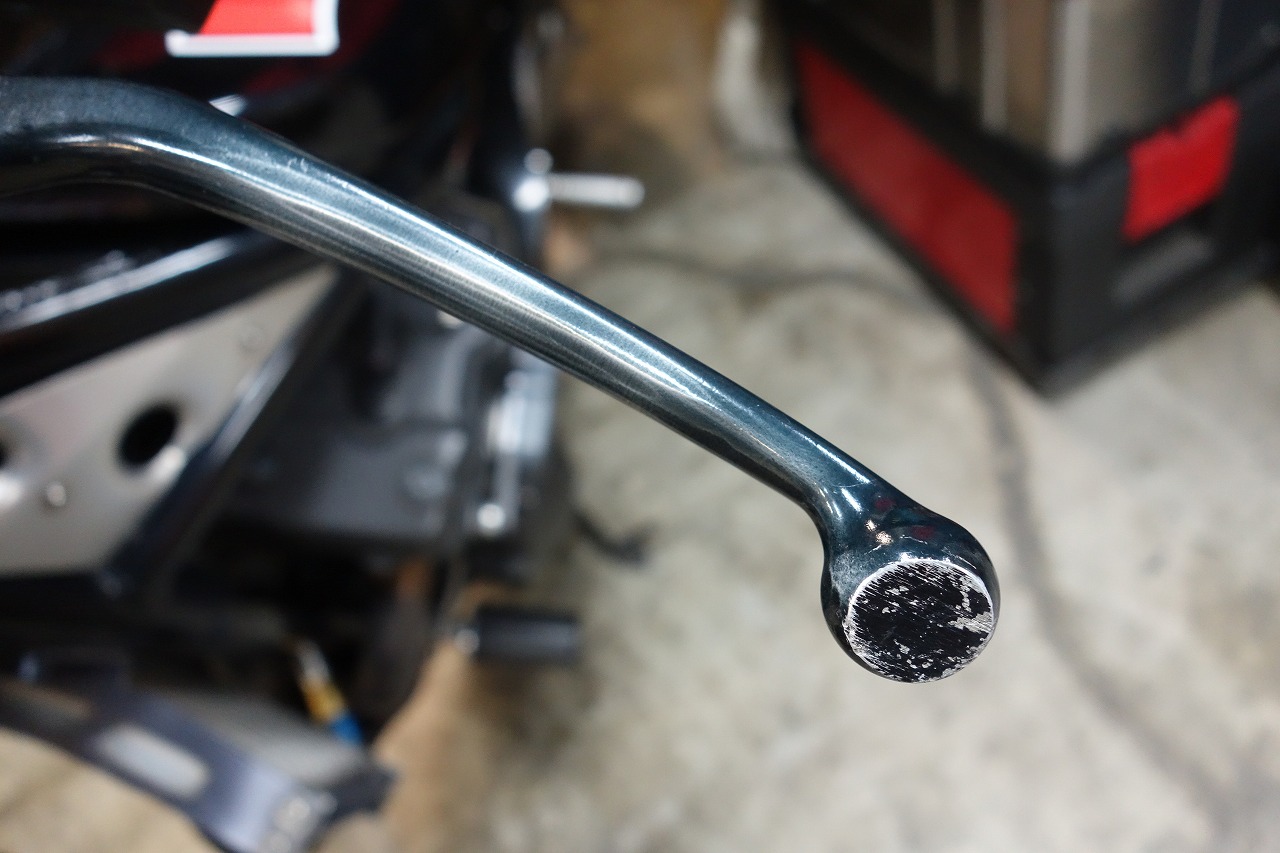
- Width ±2 cm: be careful when replacing handlebars
- Length +3 cm: be careful with pannier cases and carriers—probably out
- Height +4 cm: be careful removing/attaching fairings and windscreens
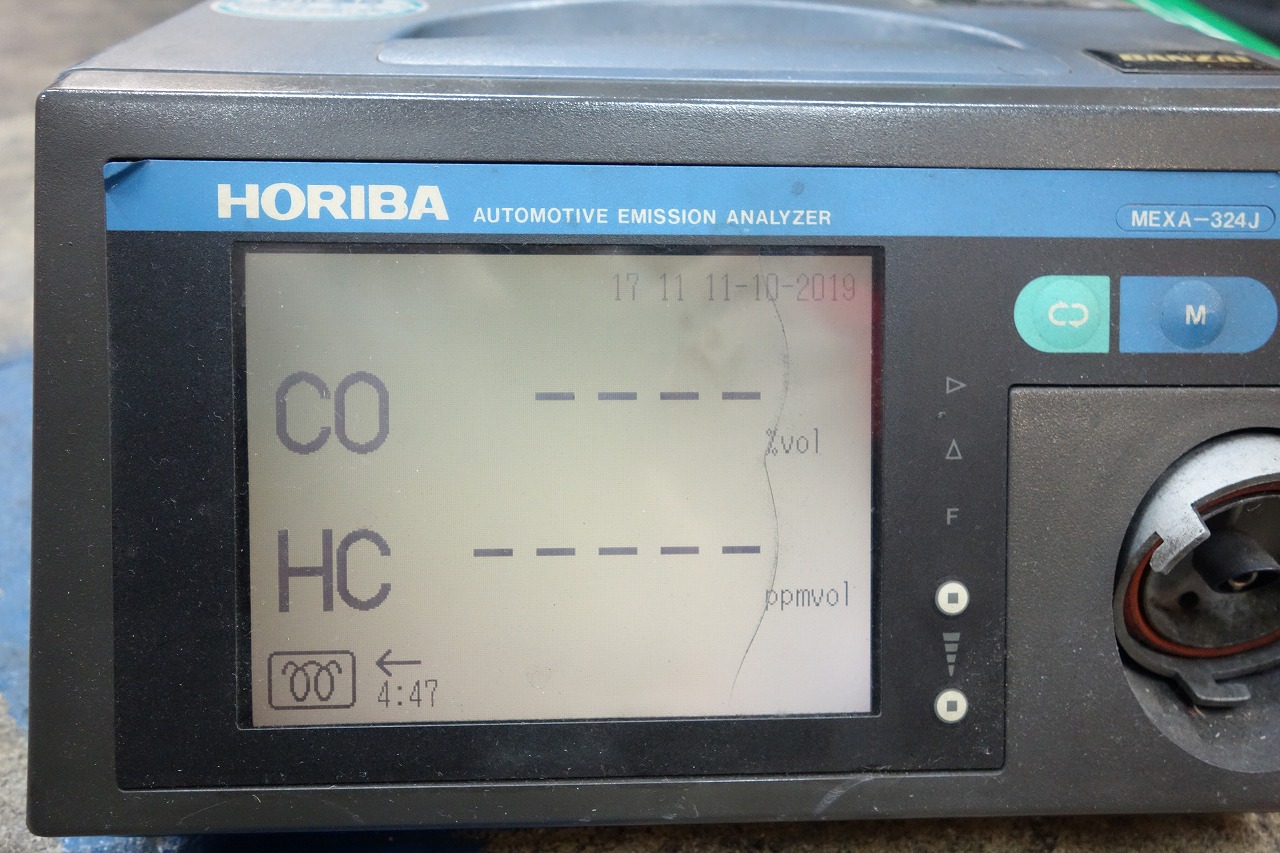
- OEM muffler with catalyst: only government-certified muffler (with gas report) is allowed
- No catalyst: OK if it passes the gas test. (No catalyst is rare.)
- After sub-con/full-con installation, you should know the CO/HC at idle