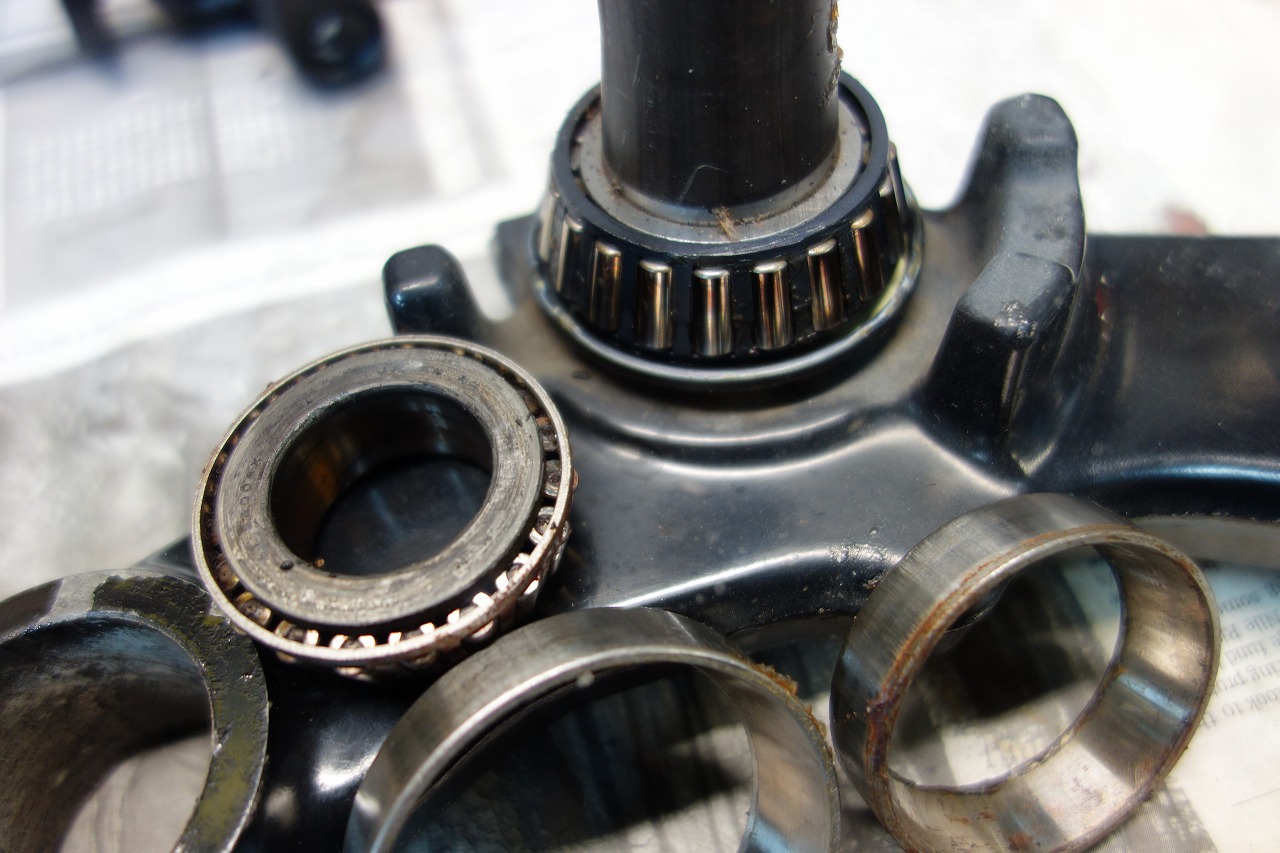
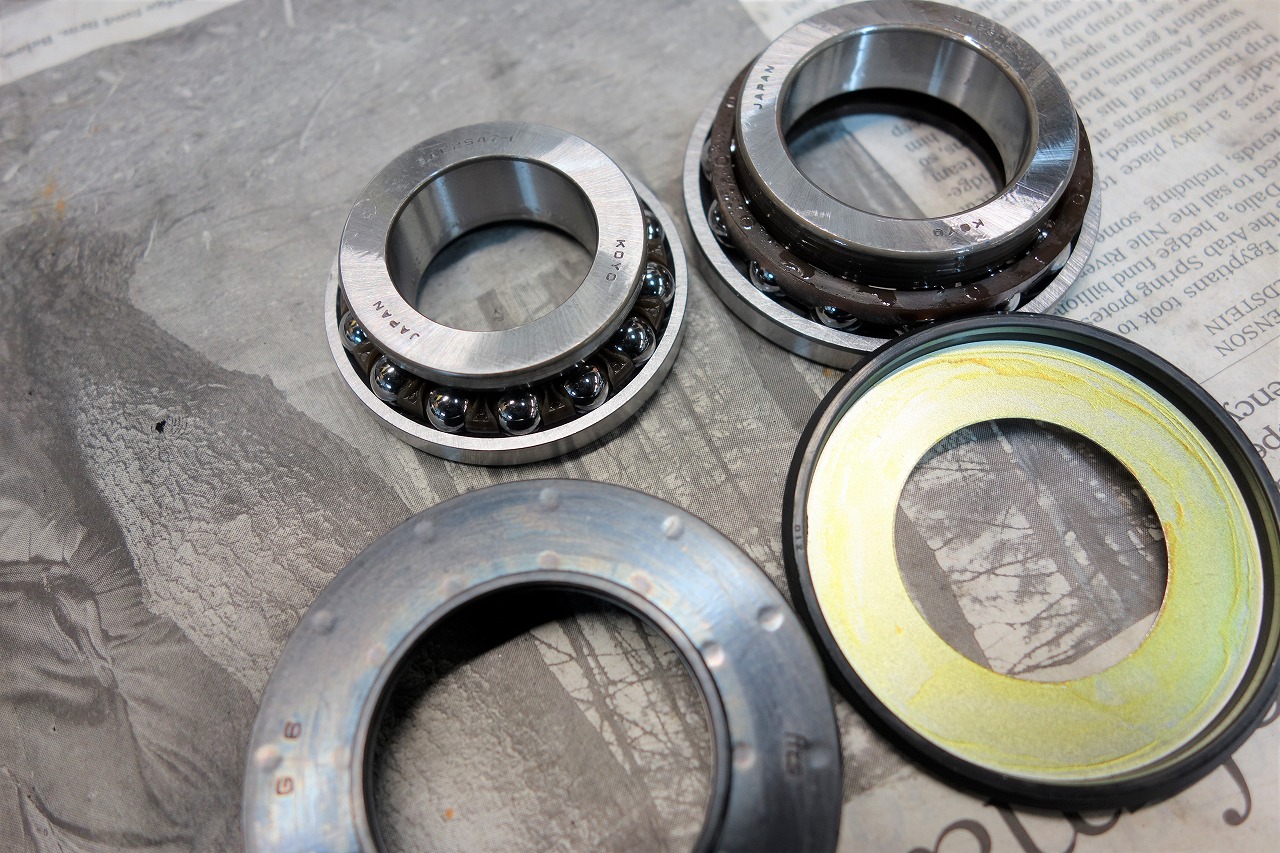
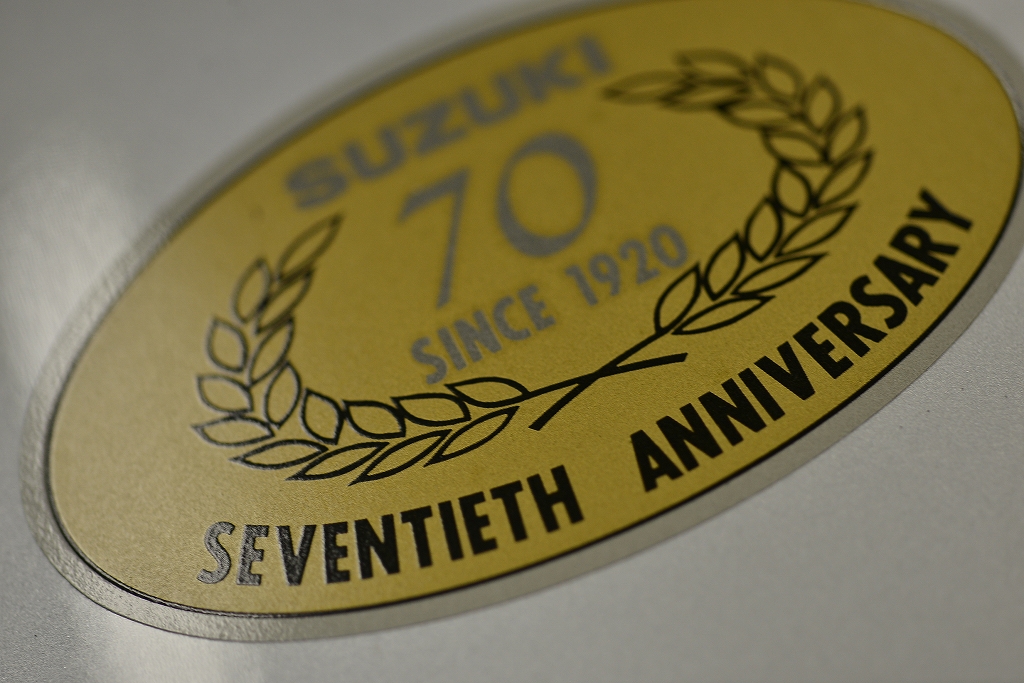
Katana. With the new model on sale, the older one is seeing a surge in popularity too. . . . Inspection, front maintenance, DID Sunstar KIT, Deco-mainte, and more on request. Straight into stem disassembly. There was barely any grease on it. Poor condition equals higher improvement potential—that’s the flow. Am I the only one who finds it reassuring when there’s more room for improvement from a technician’s perspective?
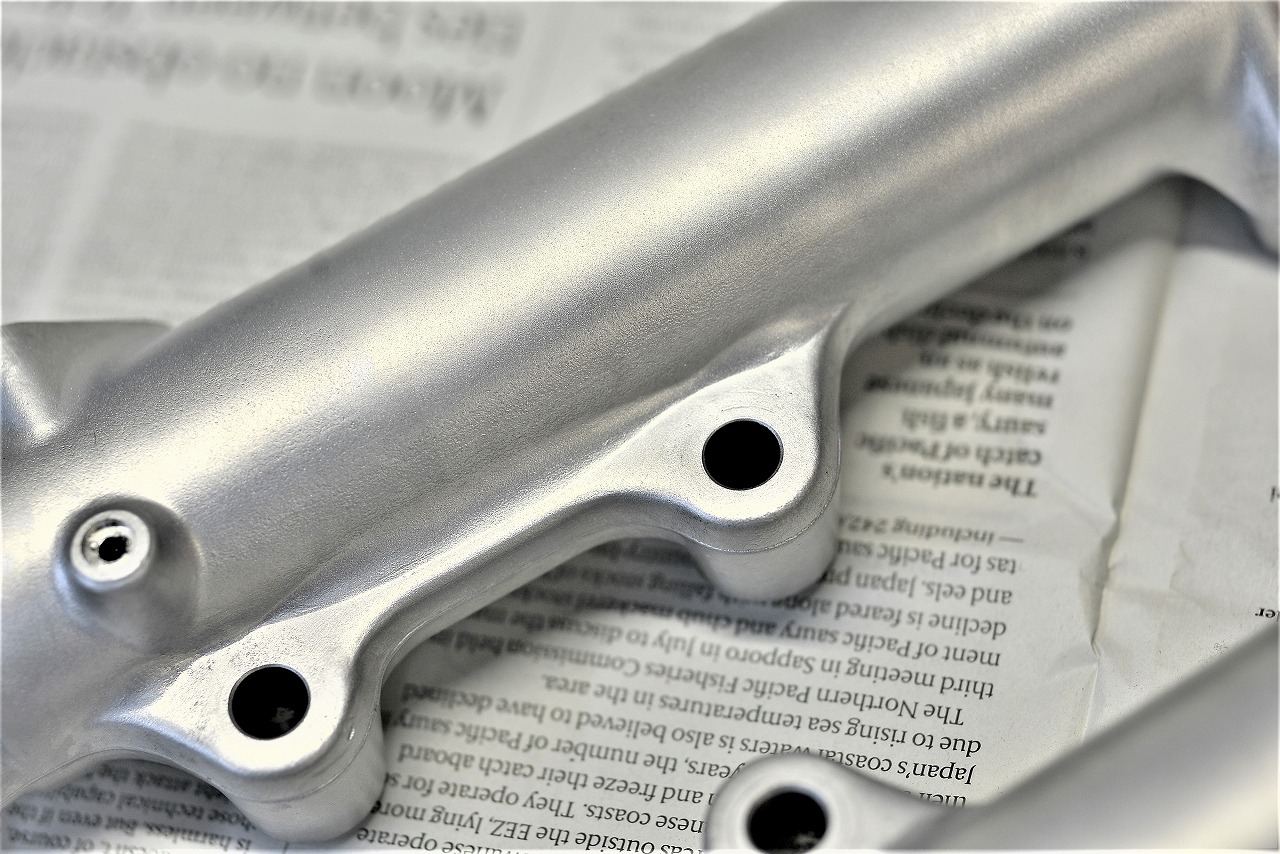
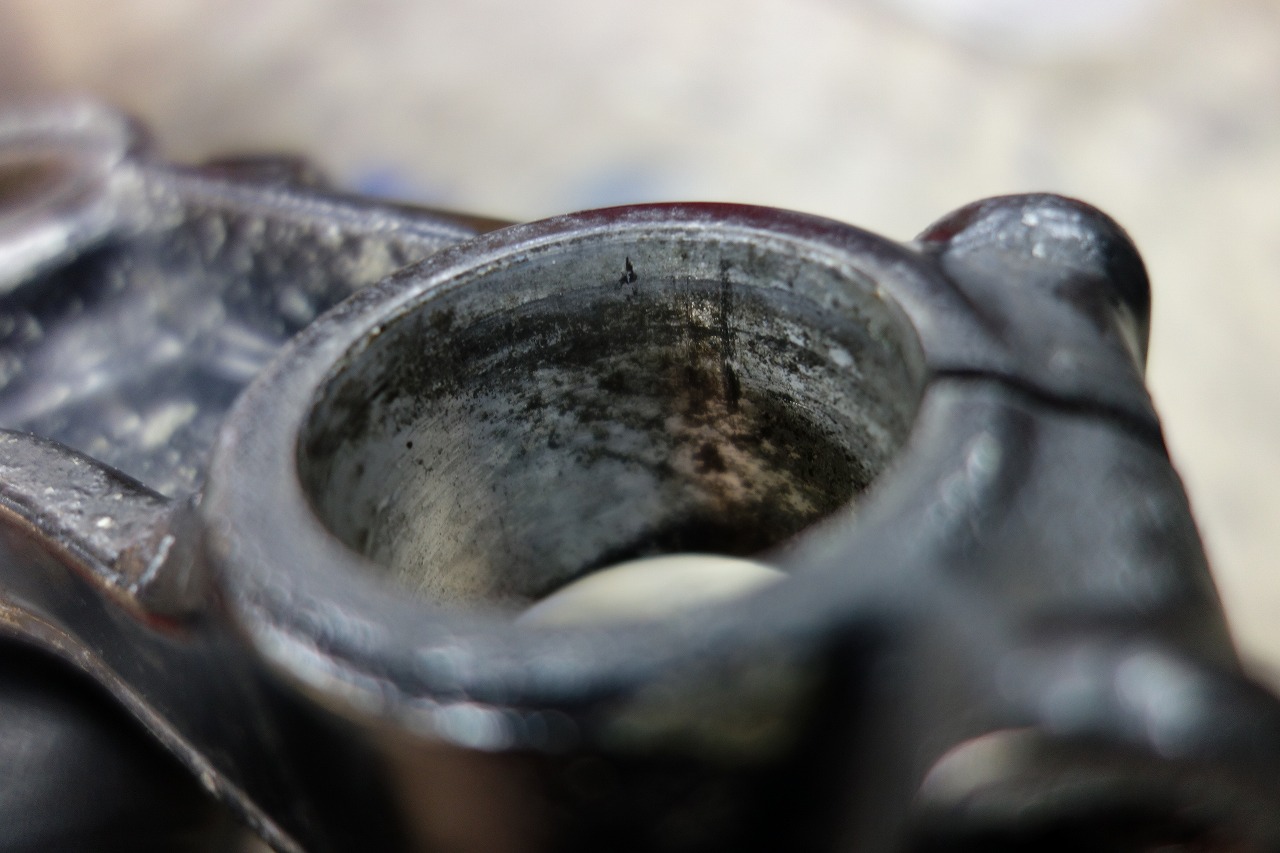
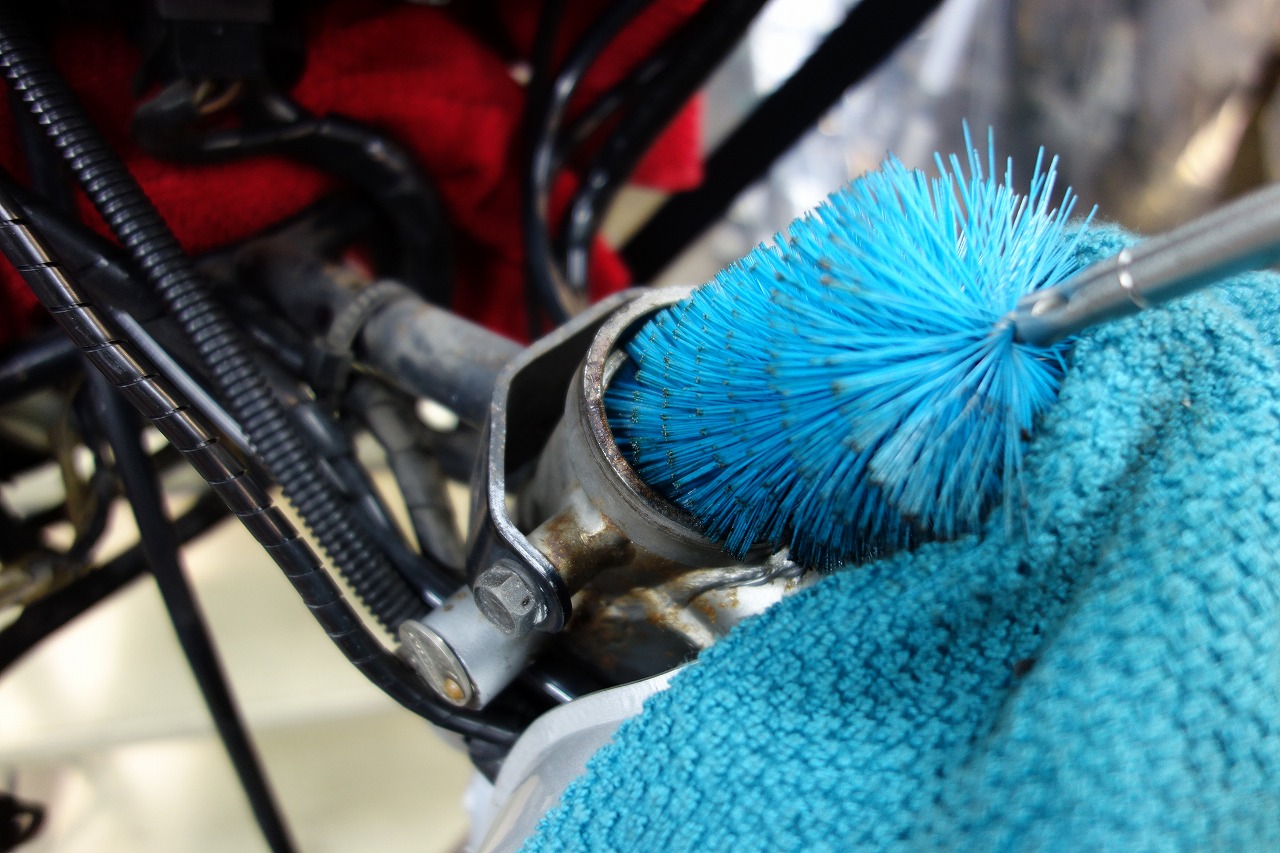
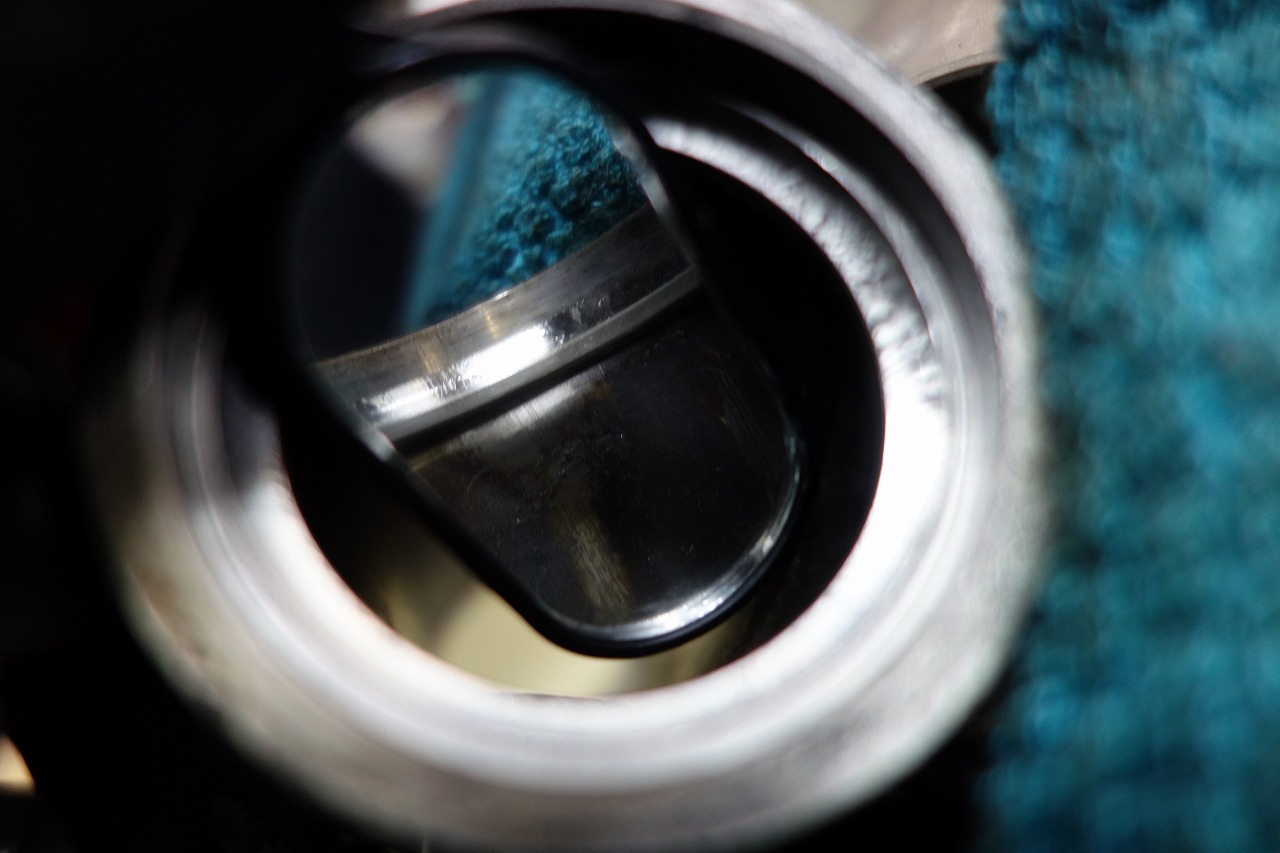
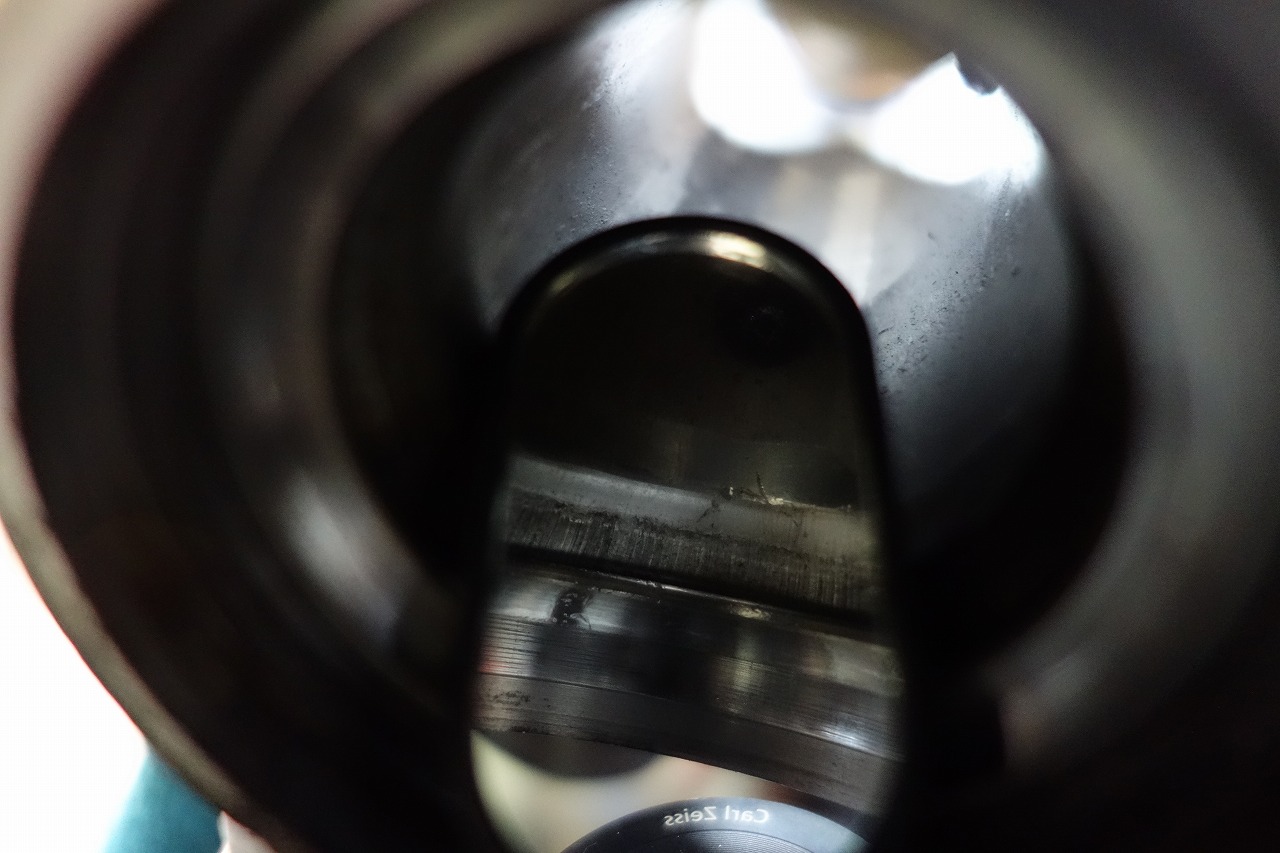
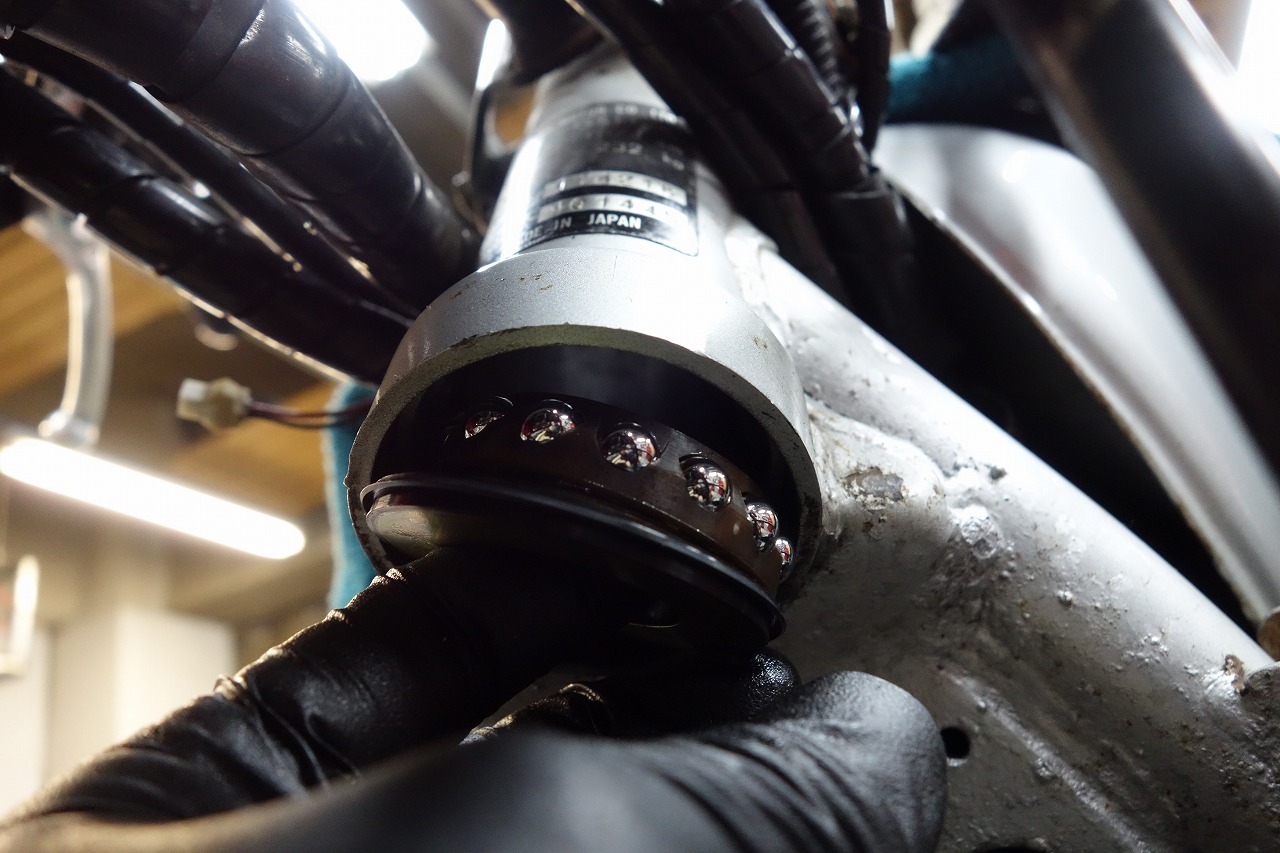
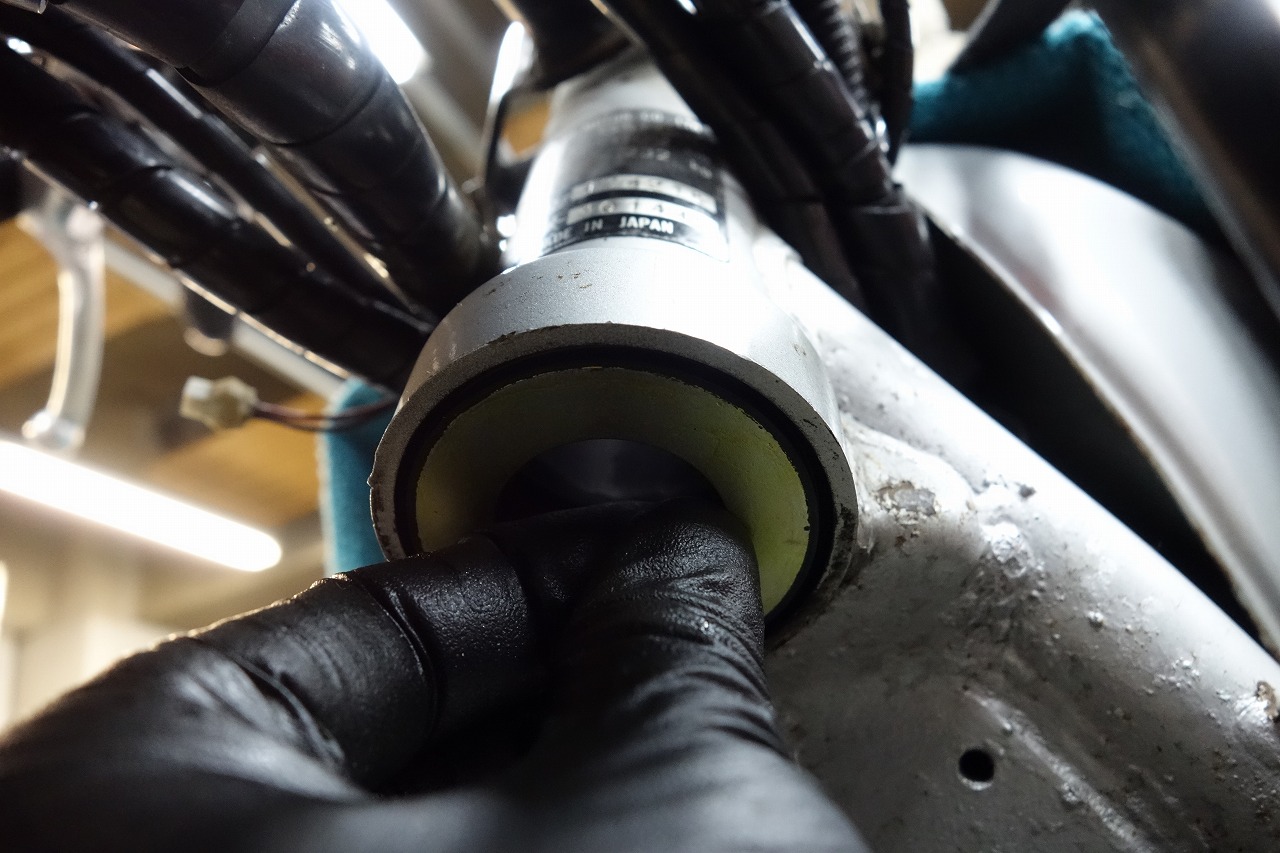
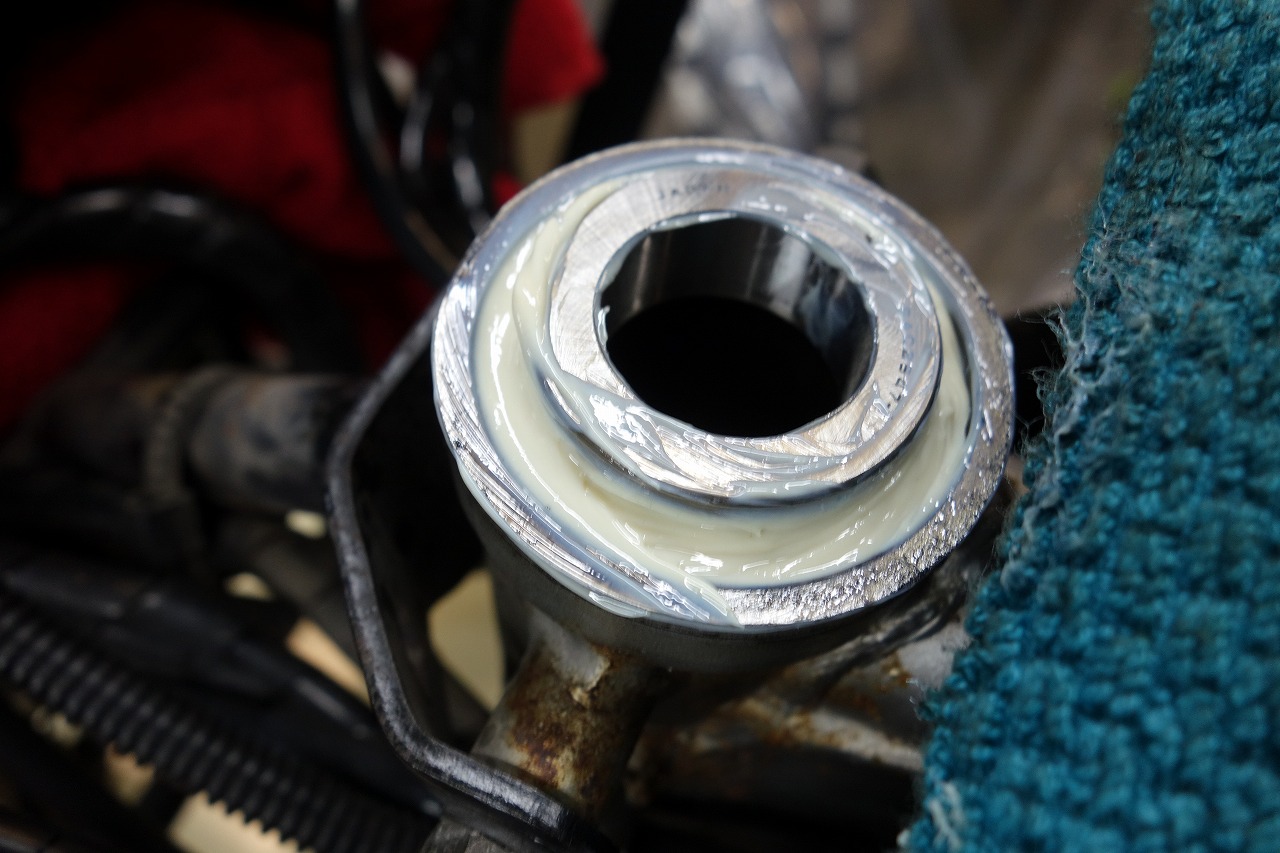
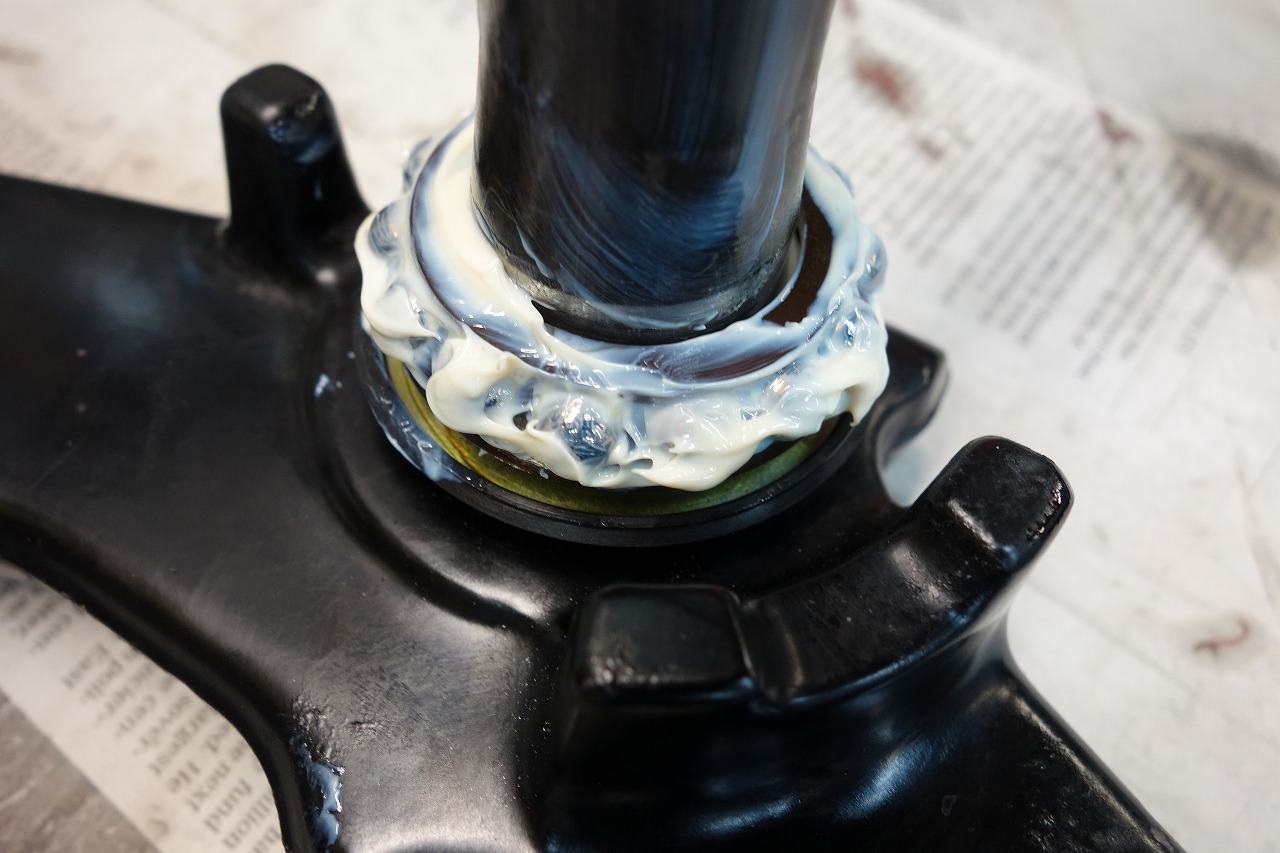
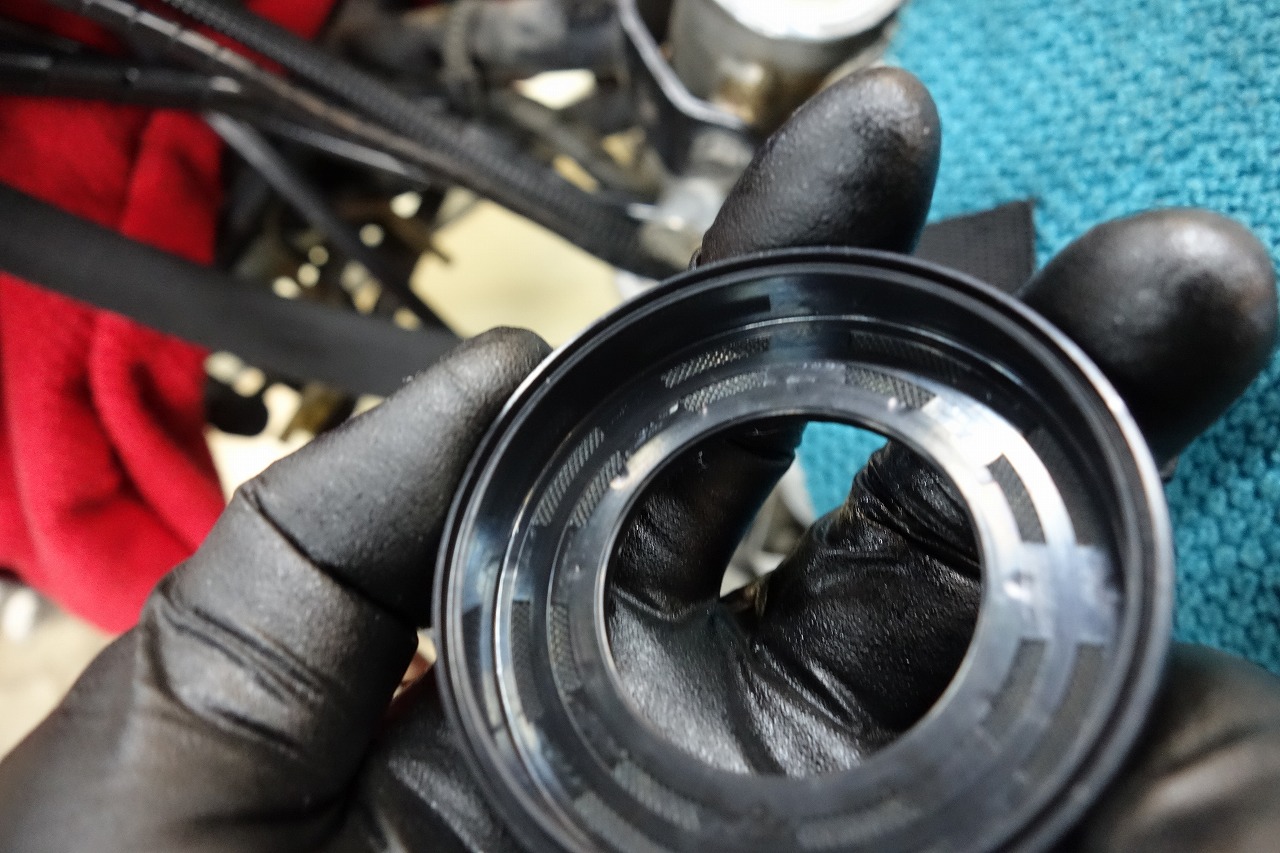
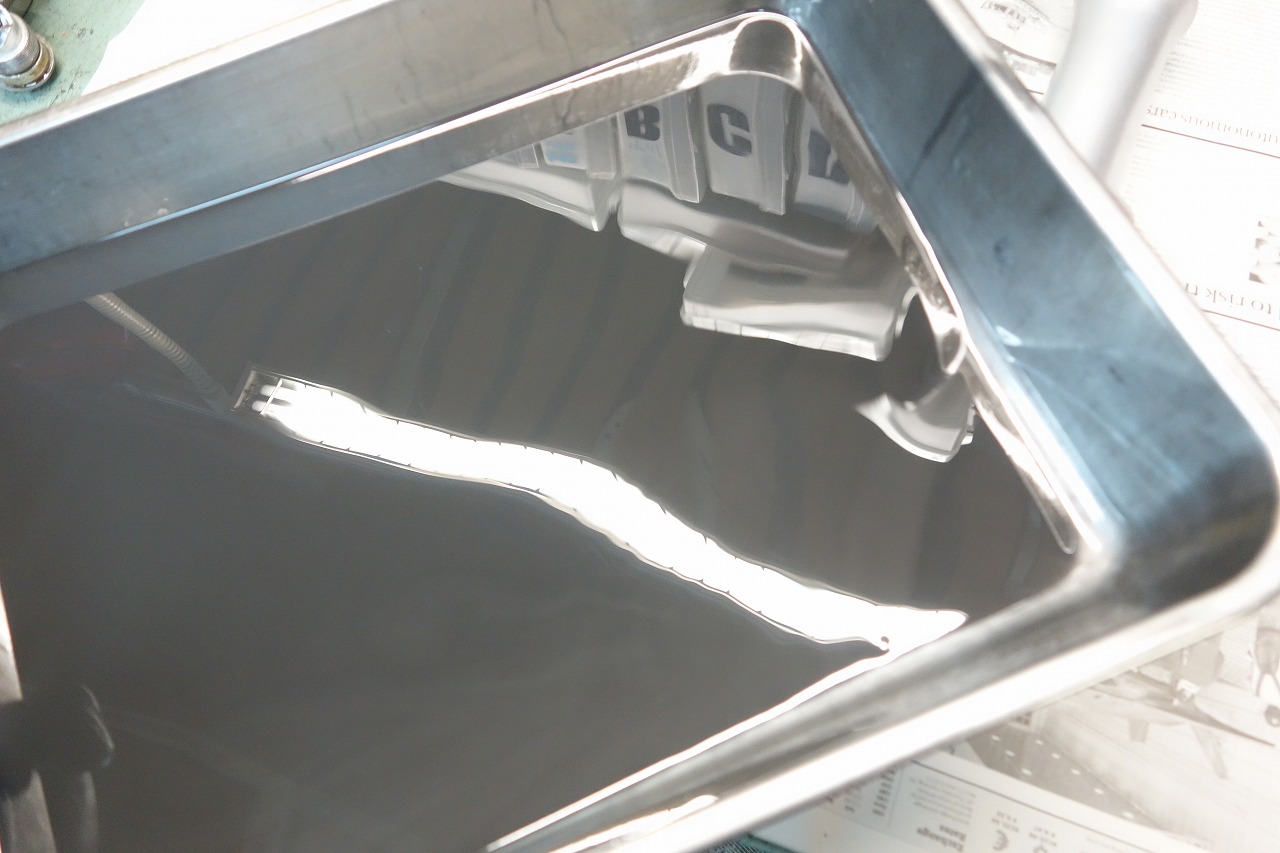
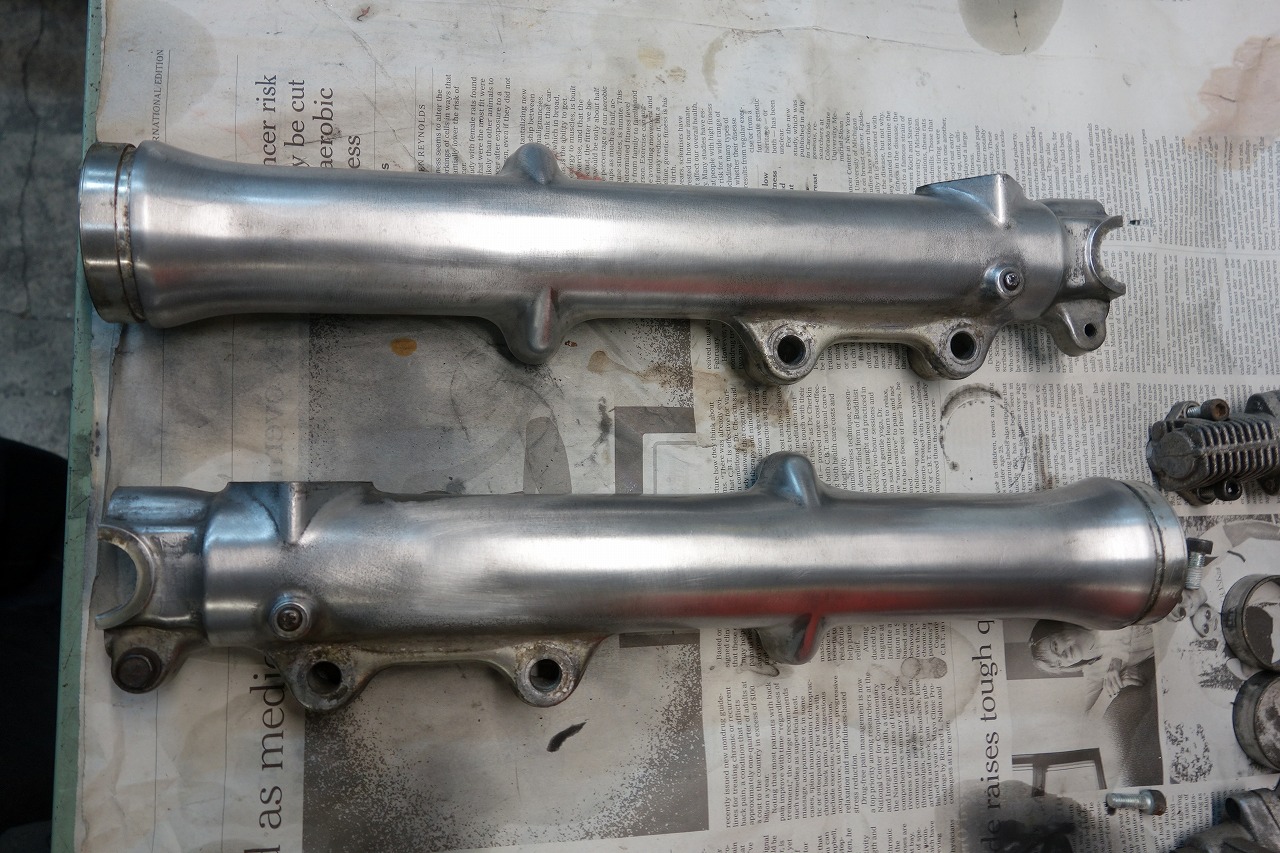
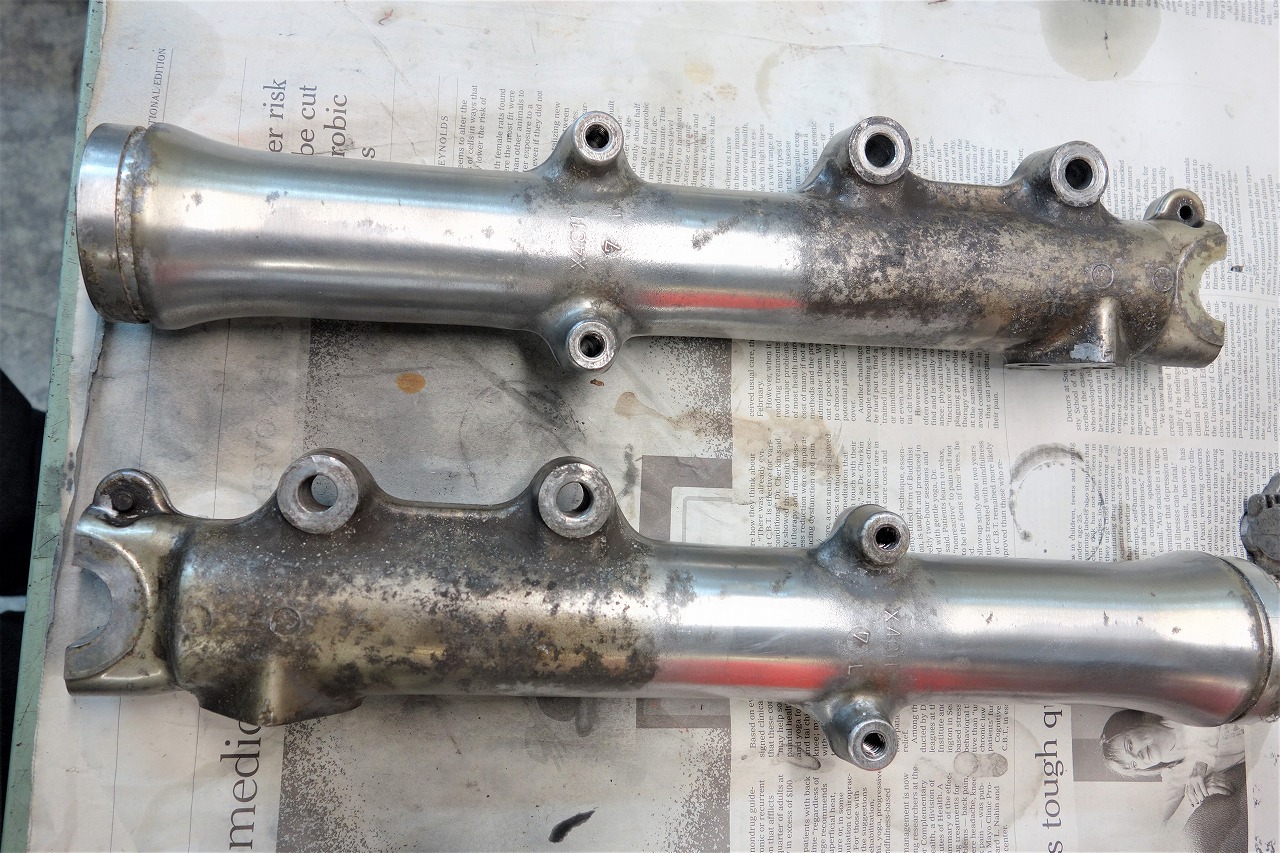
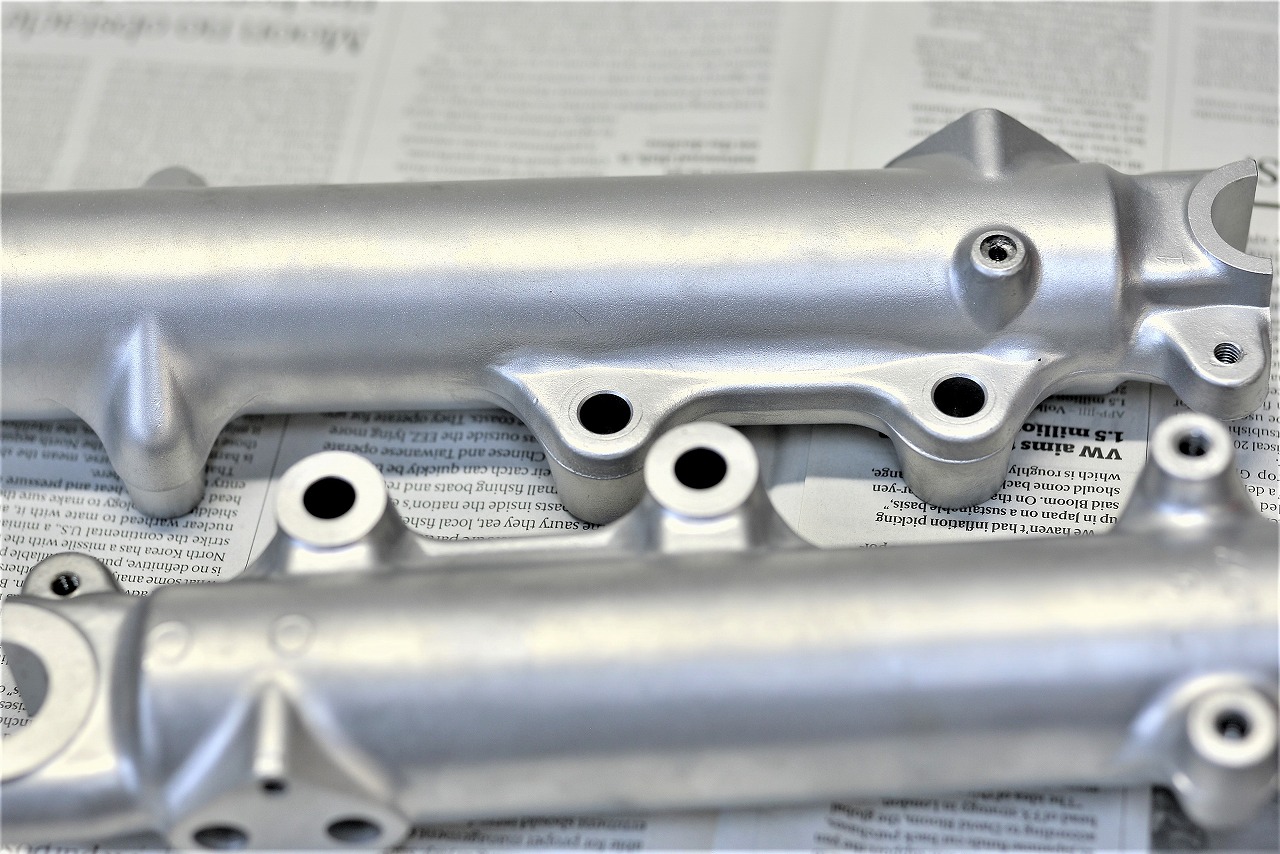
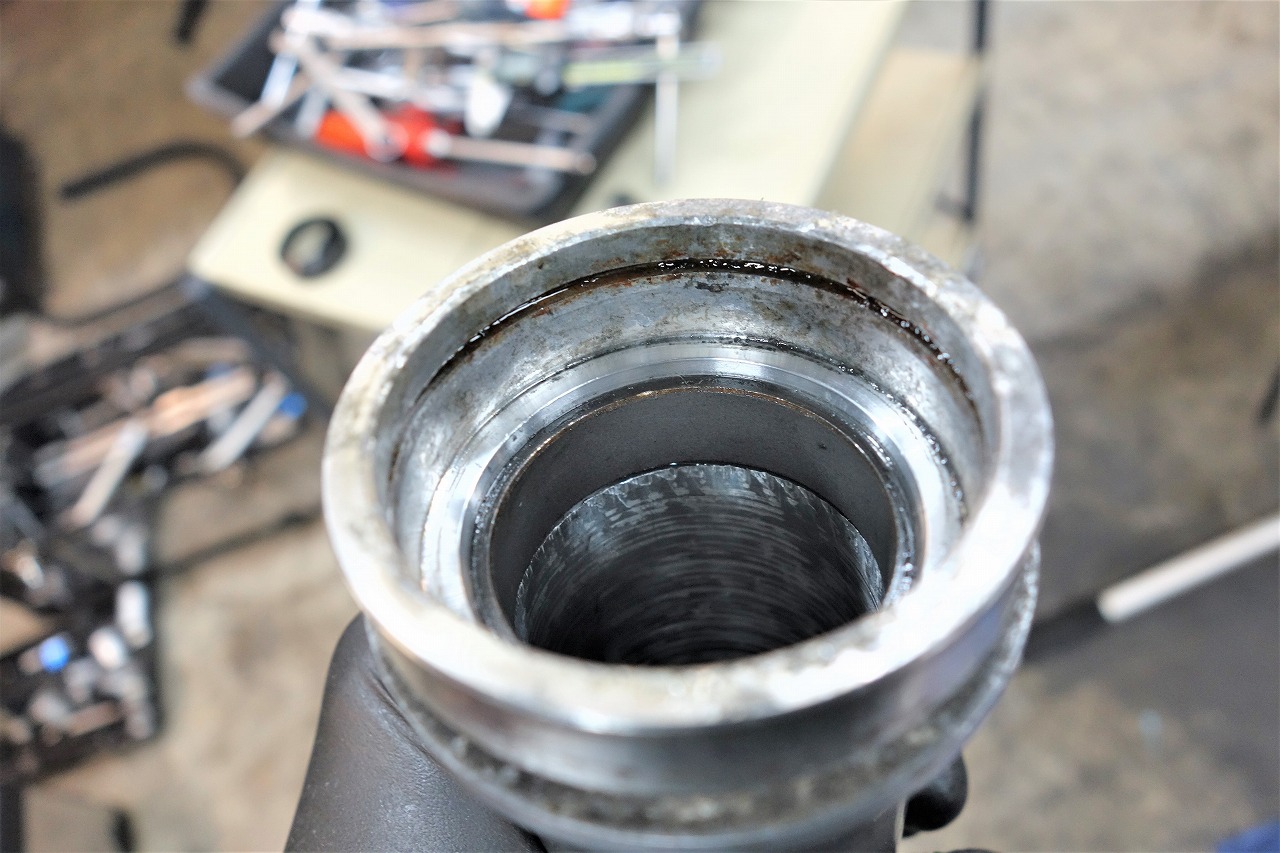
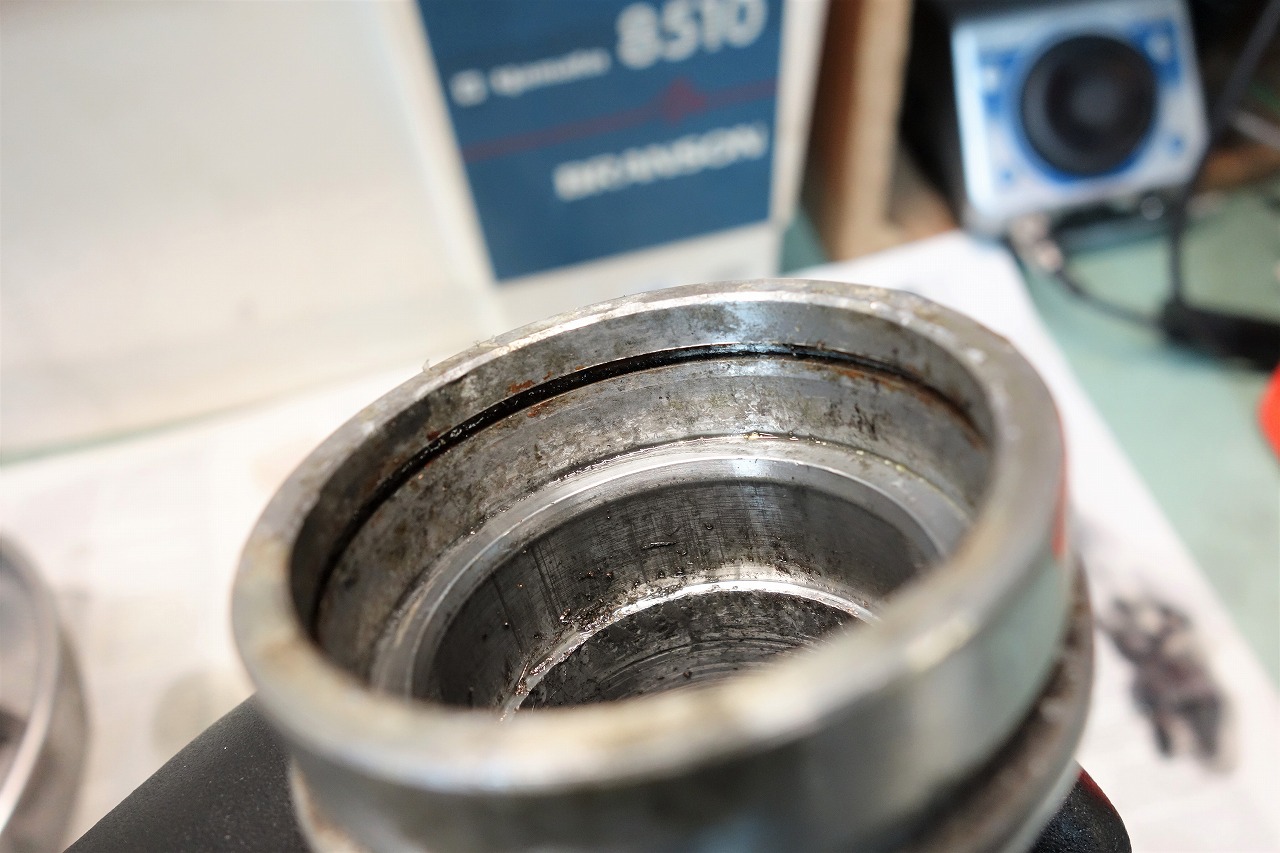
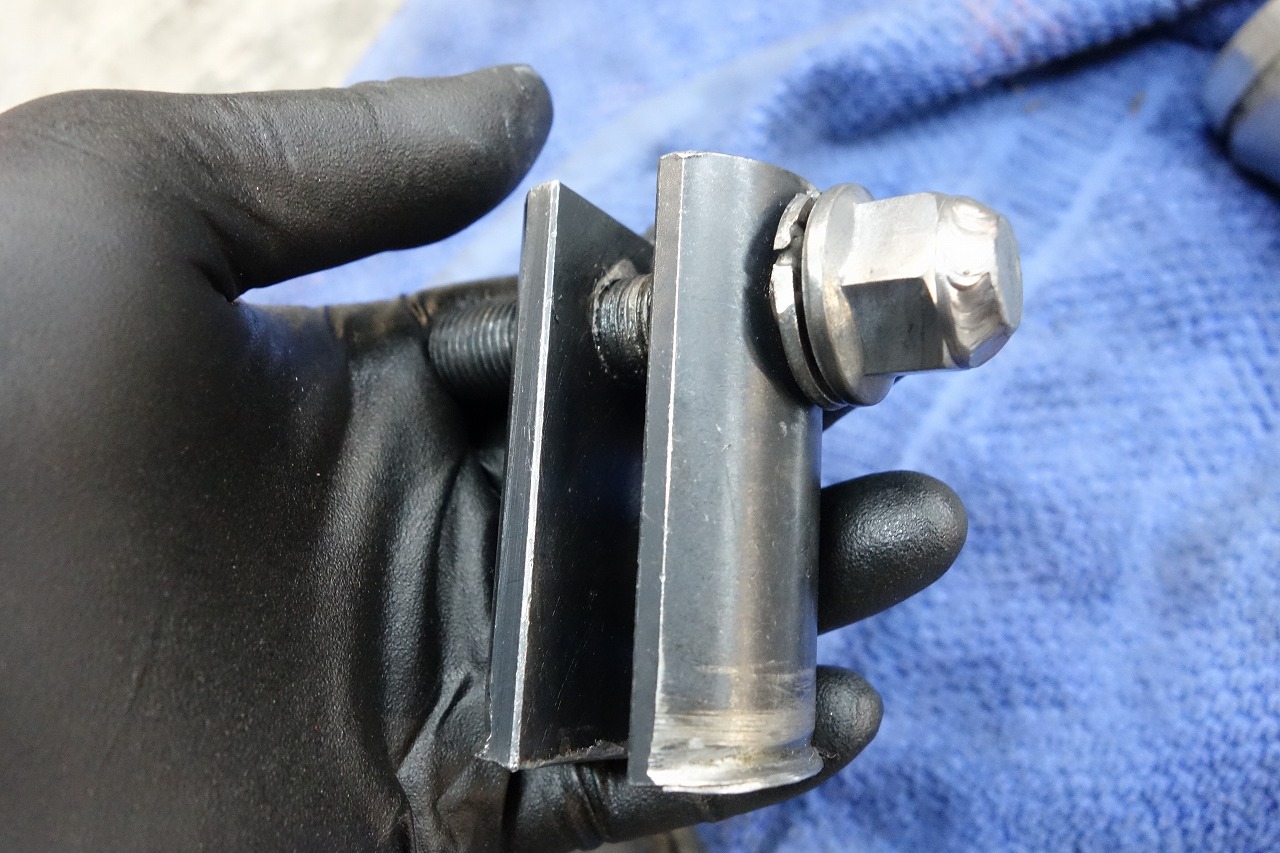
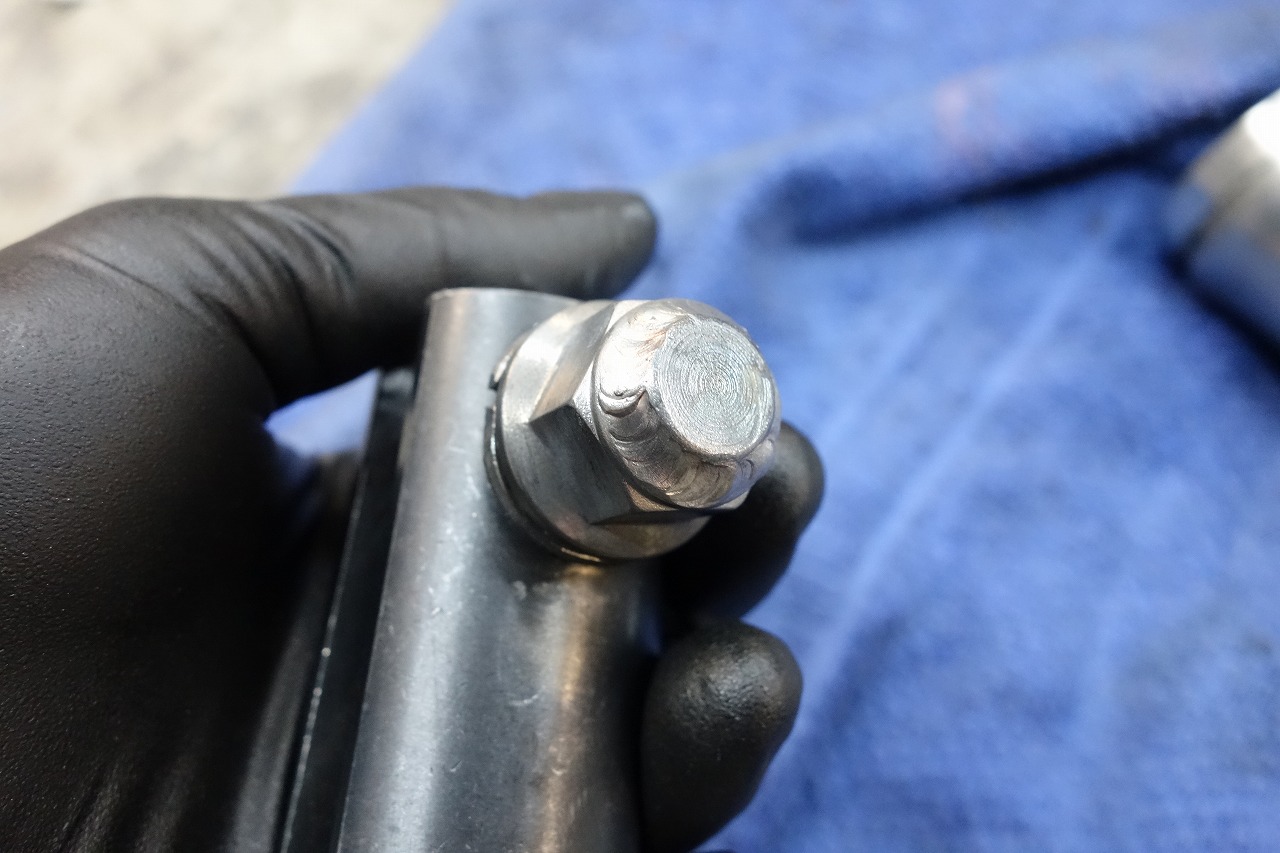
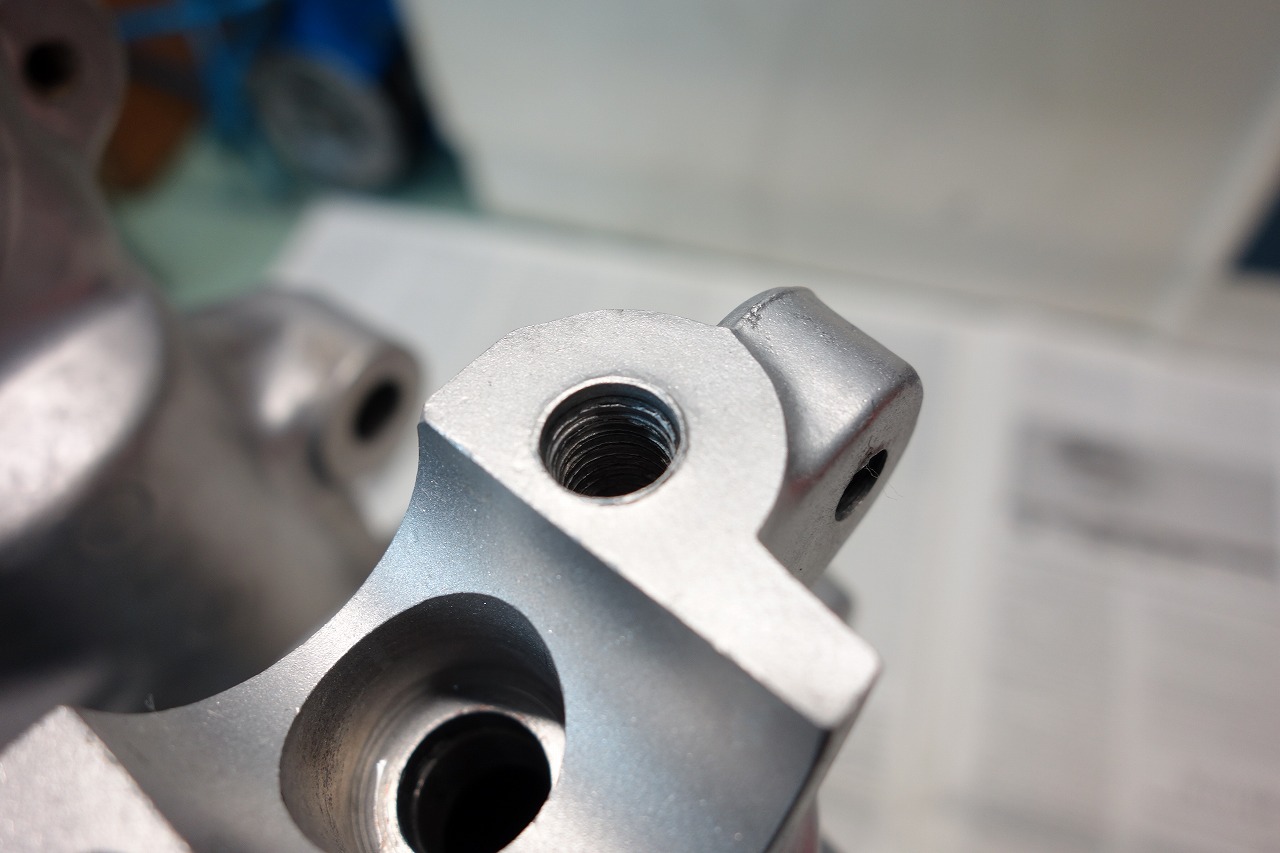
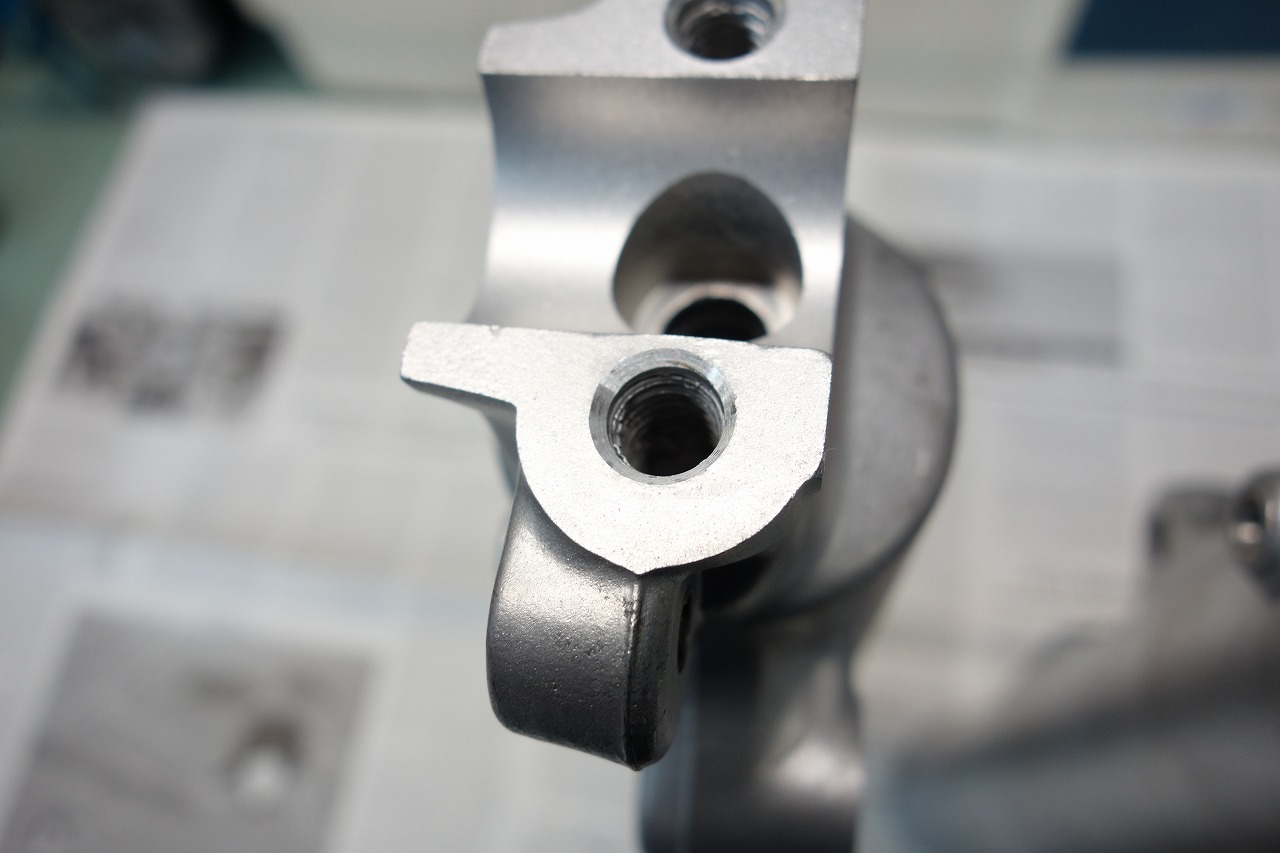
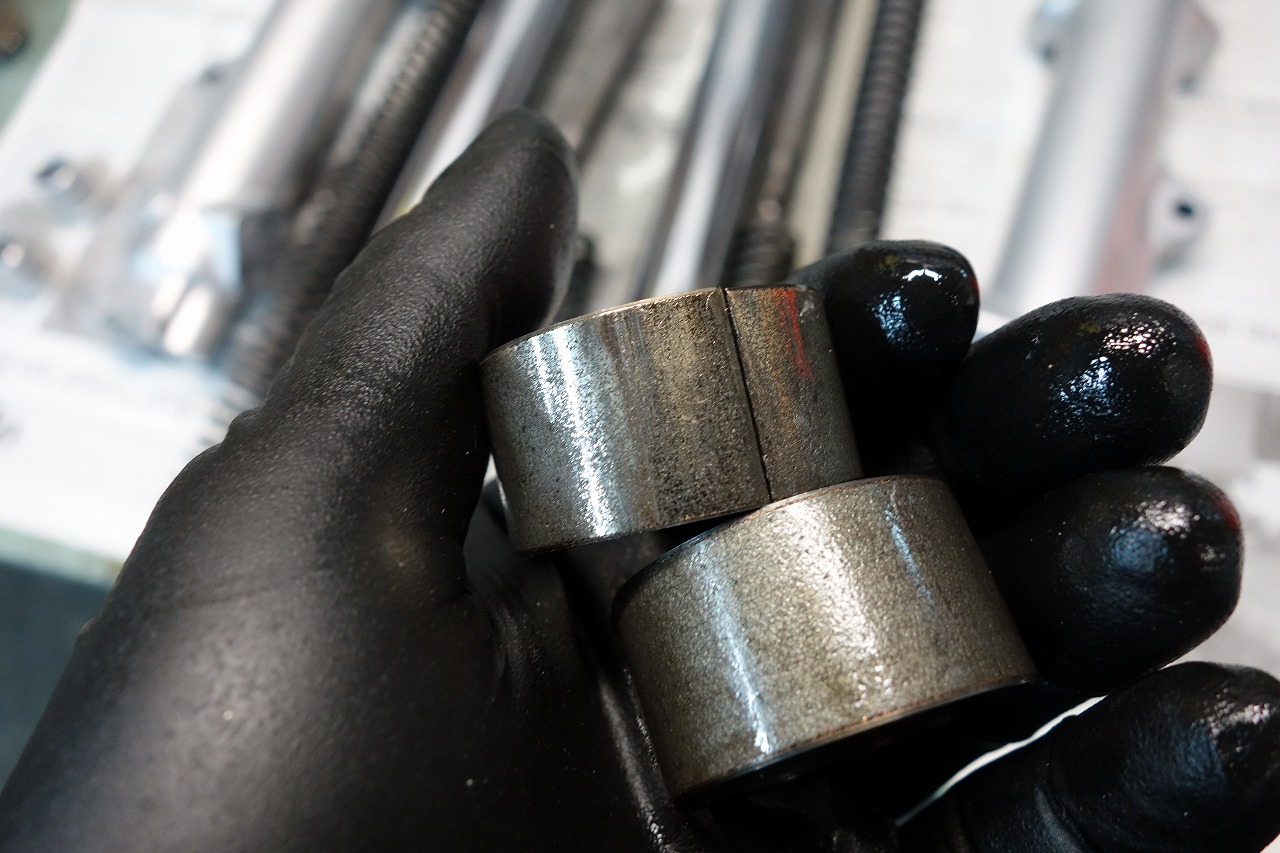
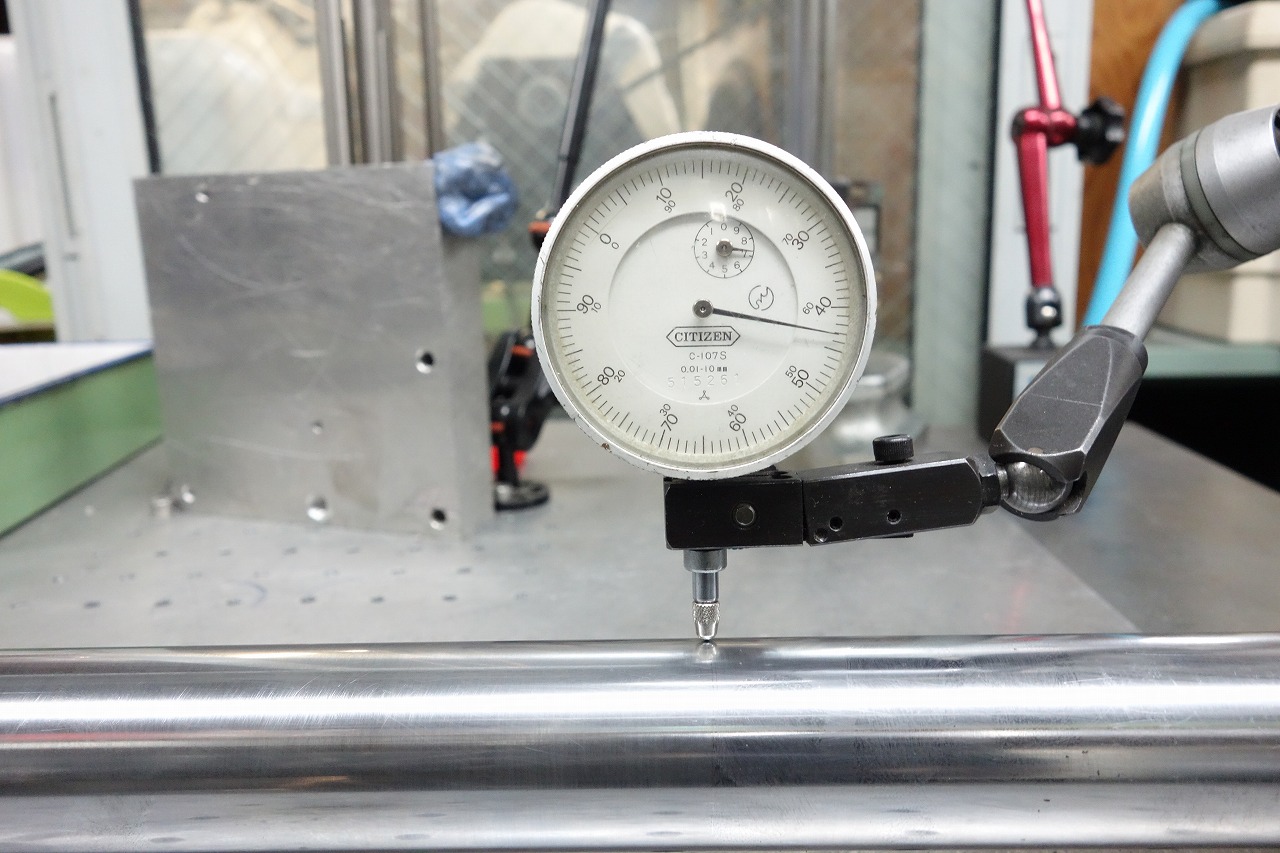
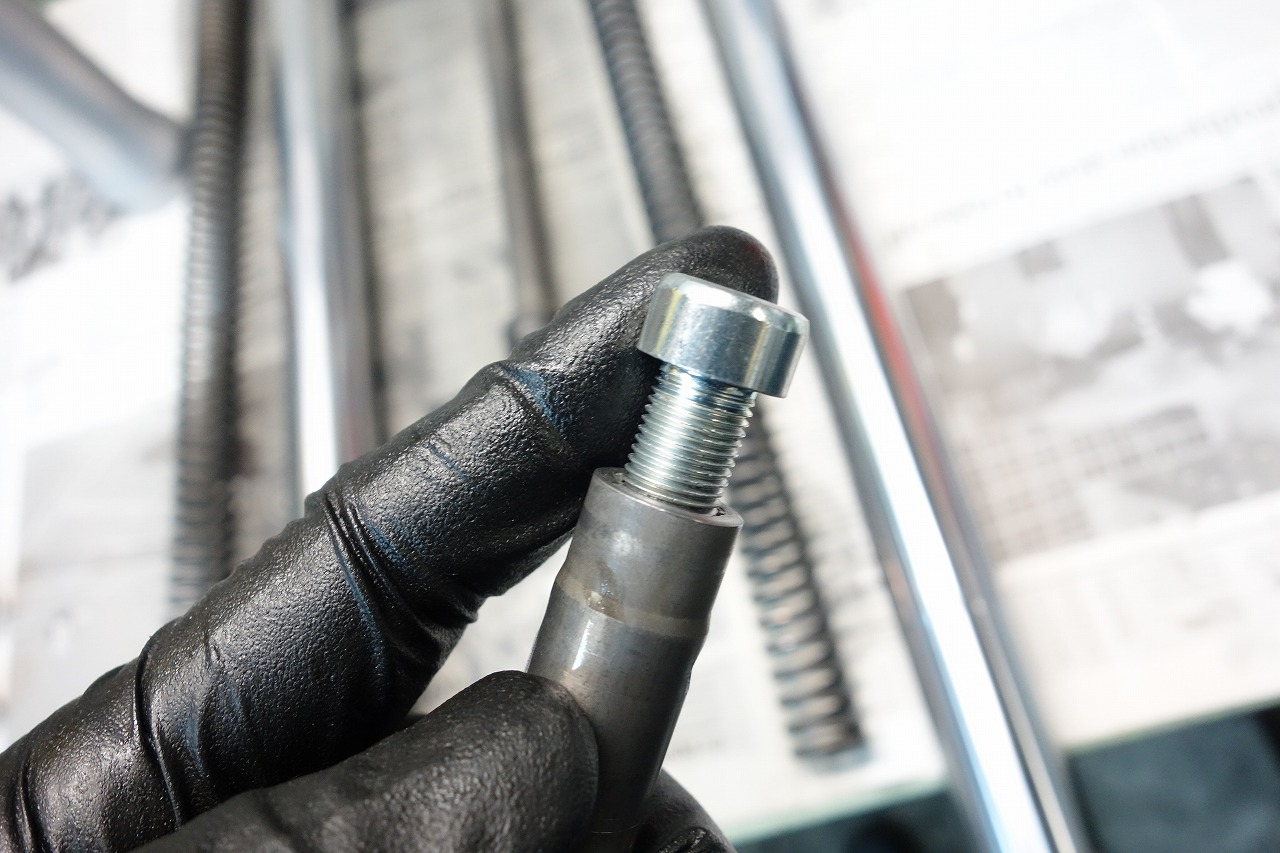
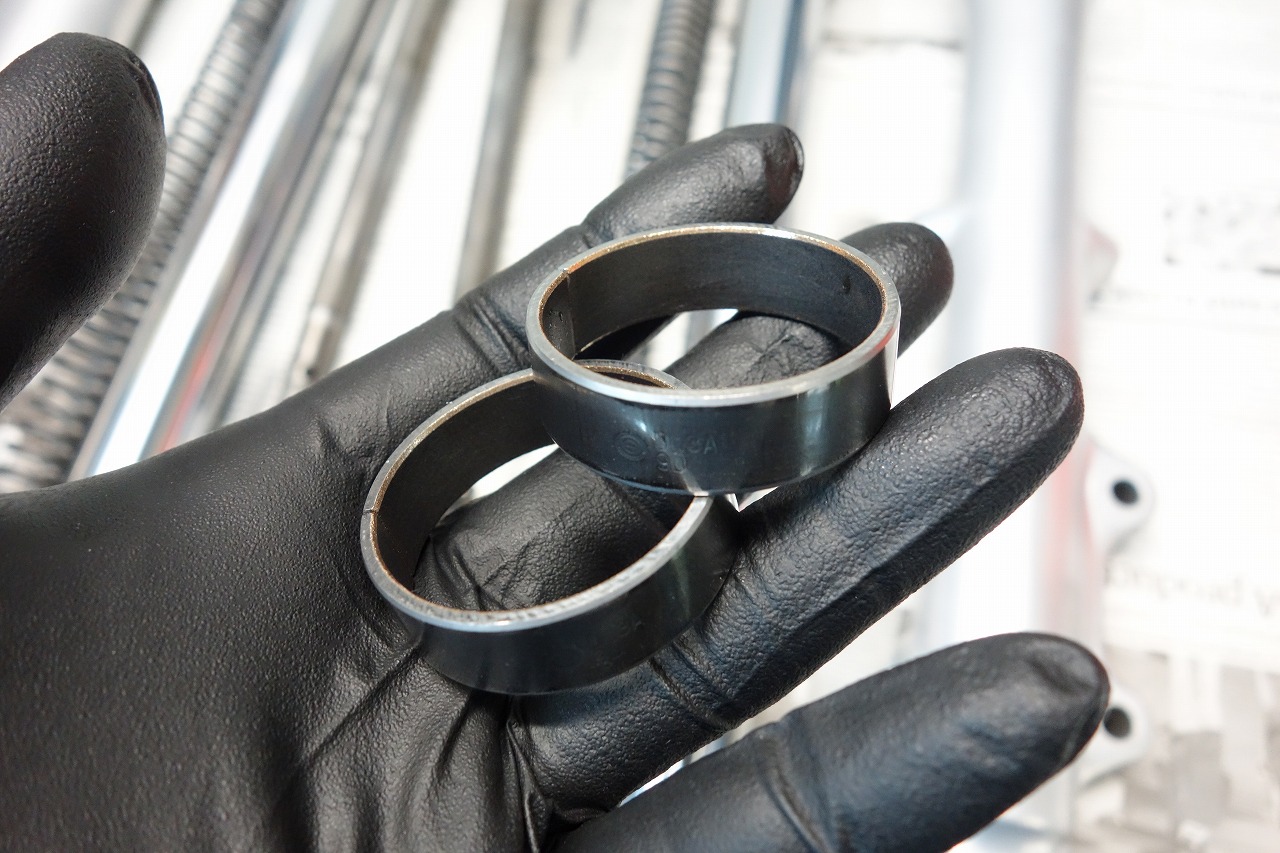
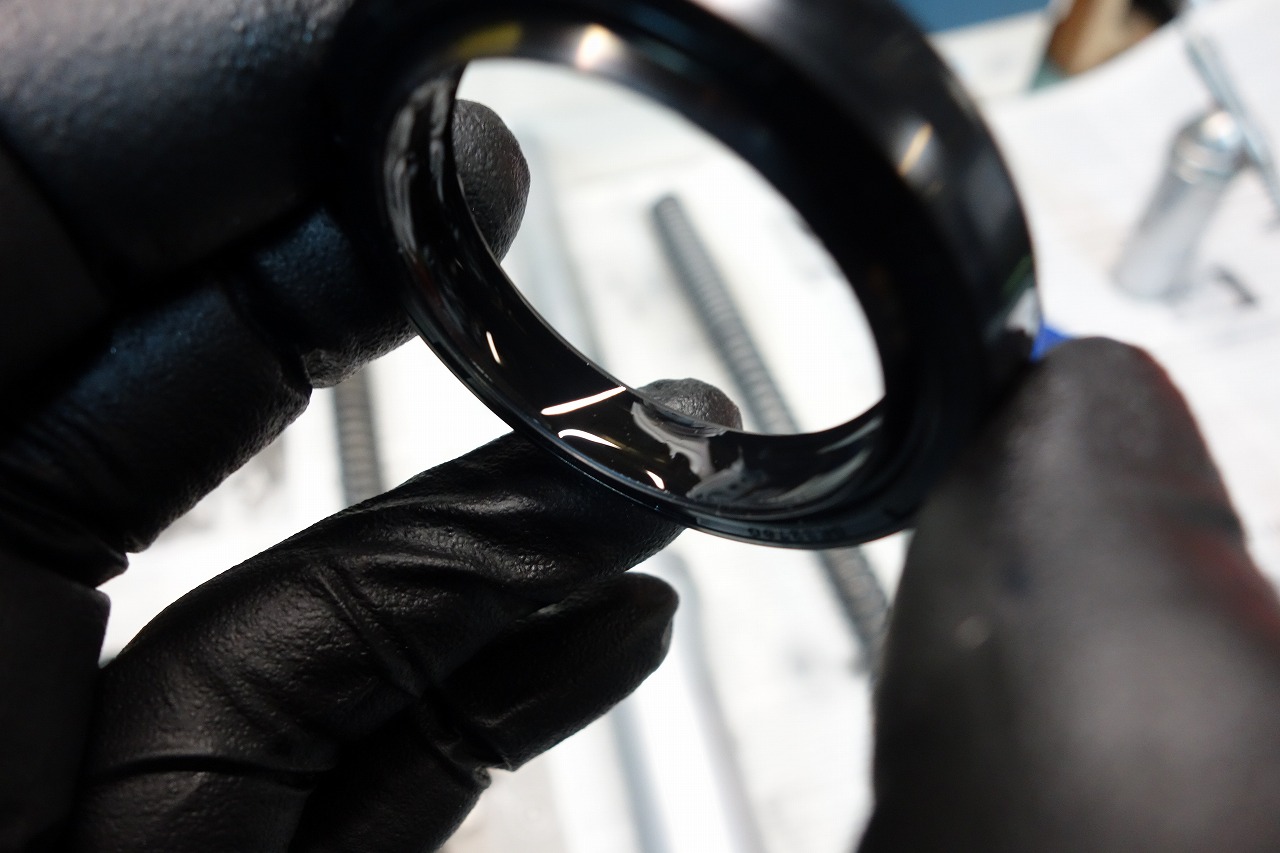
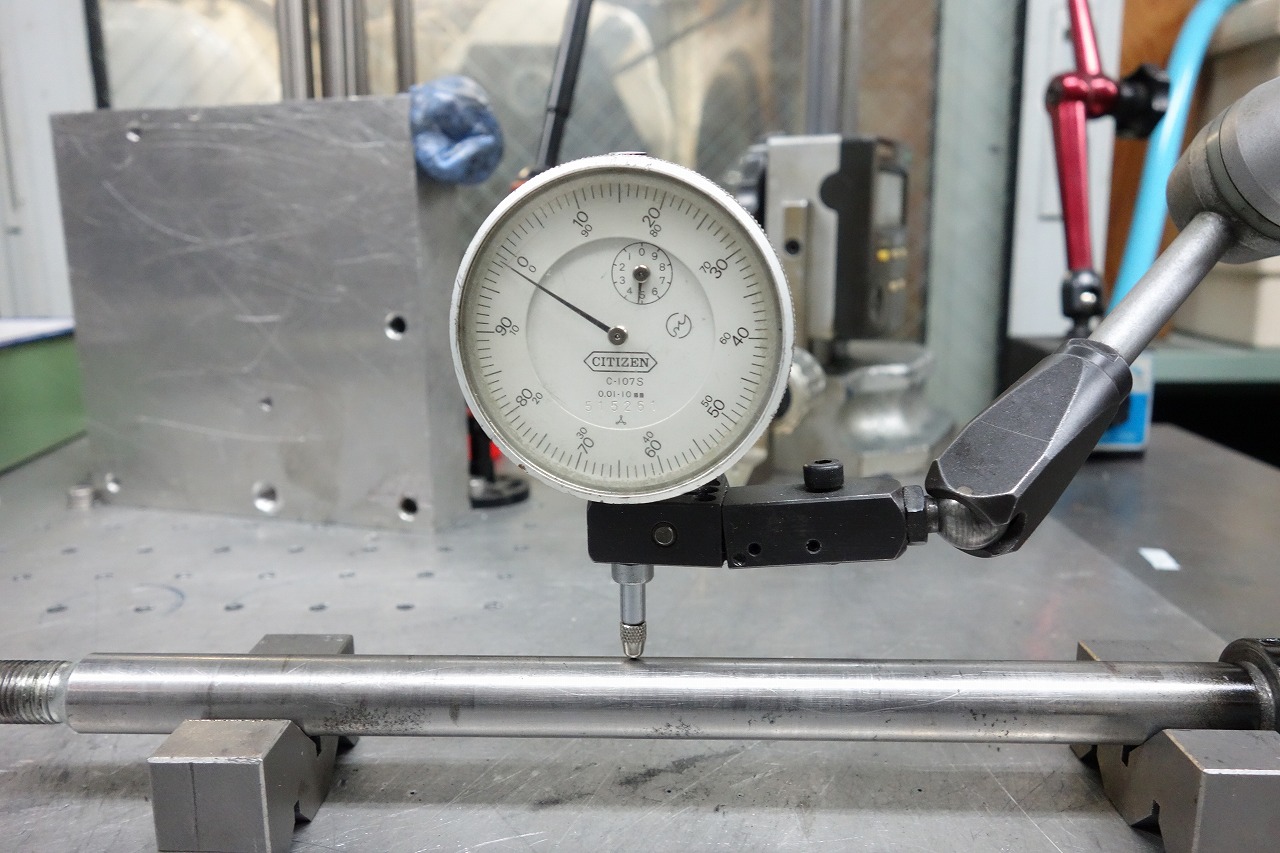
Like anything else, making a unit that’s already in good shape even better is harder than improving a rough one. Stem-side clamp. The inside is pretty rusty, so I’ll polish it later. Scrubbing the inside clean—I feel like that care comes through. Reliable Suzuki engineering. From the GS1000 all the way up to the Bandit 1200 K6, the stem bearings are the same (depending on the model, of course . . . ). Well, that’s convenient. Lately, getting by with just the lower *2 feels like an even better deal. Once pressed in, checking with a mirror gives you peace of mind. The lower one stays off the stem for now . . . Knowing how well the seal grips saves you headaches down the road. *Some manufacturers make seals that grip incredibly tight. During initial assembly adjustment, if it’s stiff so you set it loose and assemble it, then after completion and a test ride, once the seal settles in, play develops—and you’re back to square one. I think grease that stays soft at room temperature and doesn’t liquefy easily even when the frame gets hot is best. (It stays in place better.) As always, Neutech NC100. Spin the upper seal around too—knowing how well it grips is a good idea. *Apply grease and assemble. Moving on to the front fork. The fork oil was in pretty rough shape . . . The bottom case is being polished as an additional service. Straight into a refresh. My recent concern. Poor clear coat adhesion to buffed or polished aluminum. If you’re going to color it, you can rough up the base and use primer, but keeping it smooth is still tricky . . . that’s what I’ve been thinking lately. Backing up a bit. Keeping the seal press area and snap ring groove clean reduces trouble, I think. This type is somewhat rare—the metal doesn’t come out easily. It’s not too hard to disassemble that far, so it’s better to replace it. I always use the Suzuki OEM steering bearing puller. (Not that it’s used for steering—I don’t find it that convenient anyway.) Since this puller is awkward to use, welding a nut on might make it easier? For what it’s worth. Once the stud bolt goes in, the face inevitably lifts. As long as it seats and stays put and doesn’t pull out, you’re good. A light chamfer helps, I think. The metal wear on the inner tube side was significant. The inner tube runout was 0/100—good news. The cylinder bolts are special, so they come out new (ideally every time). If you can slip them in by hand, assembly worries drop. I think it’s M10-P1.00 The bottom metal sometimes exists in the parts list by year, sometimes it doesn’t—a strange part. Basically, it’s a standard spec by “outer diameter × inner diameter × width”—meaning the same fork can use it.
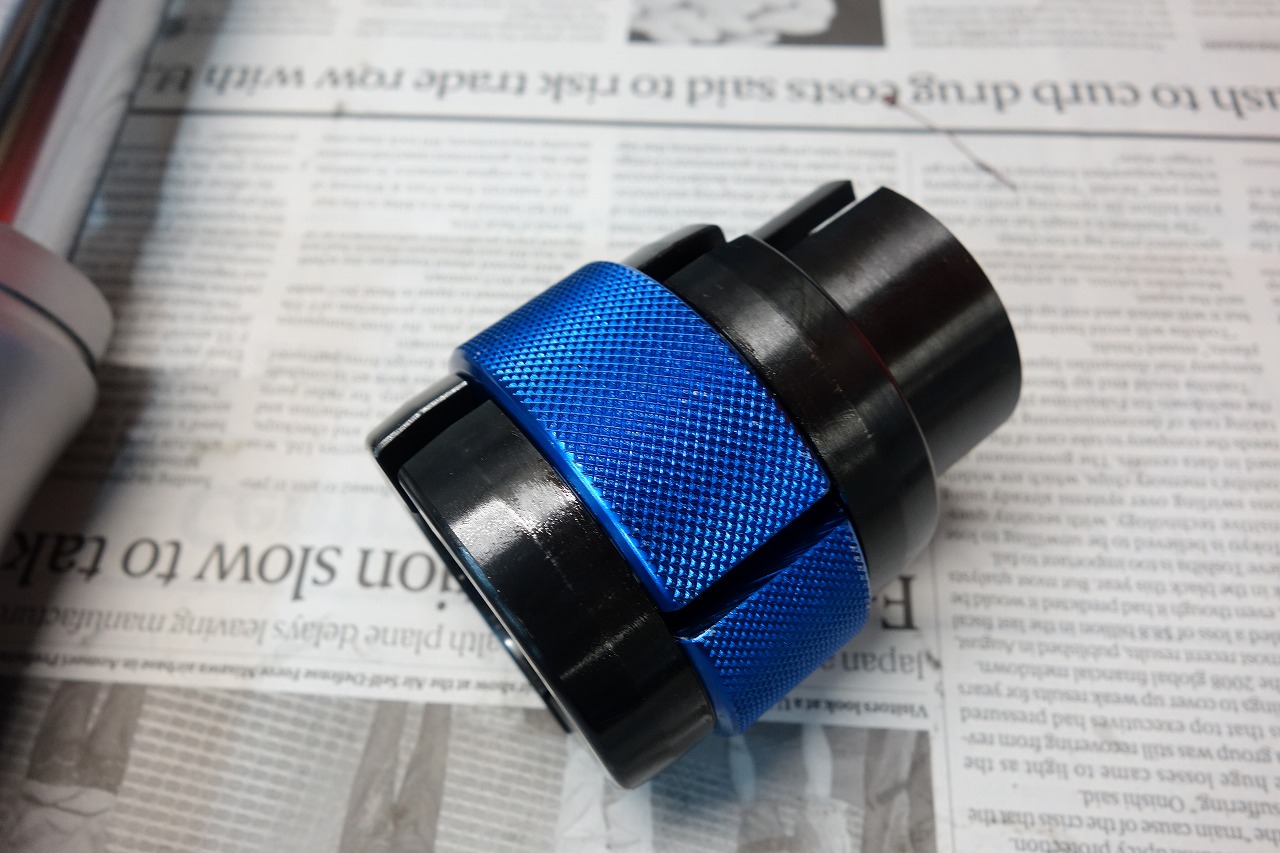
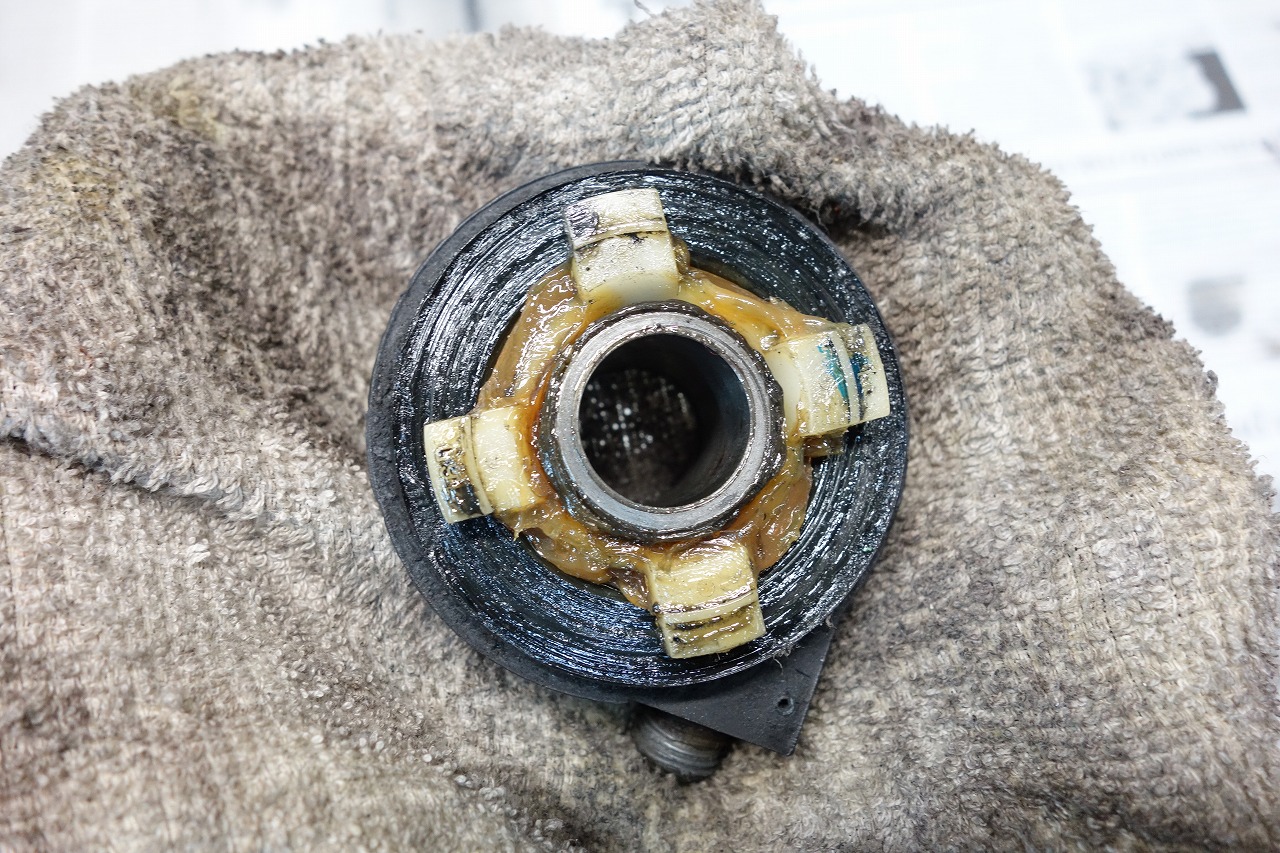
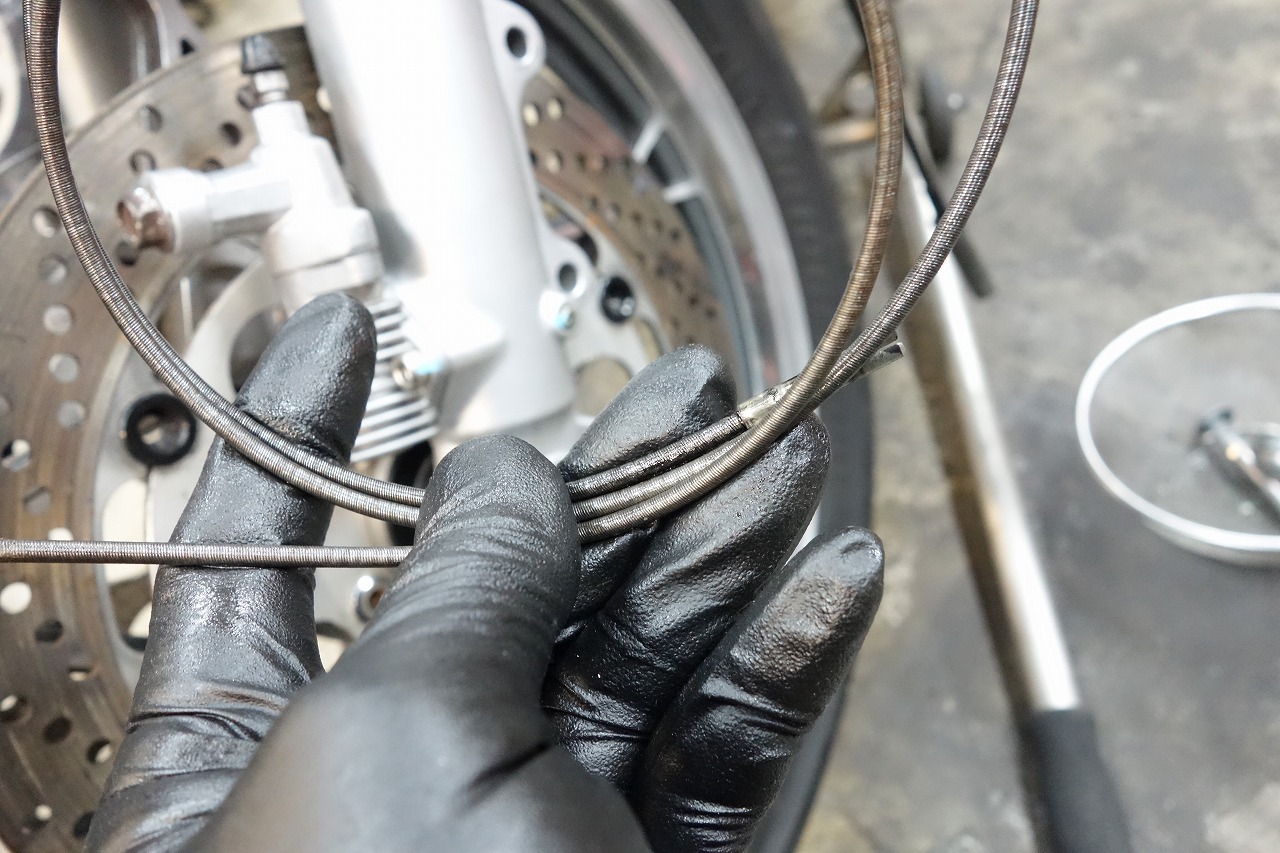
Don’t just slap it together; research before adapting it. This is a matter of preference, but I assemble with fork oil moistening the inside of the seal. Grease gets crumbly as it ages. If dirt gets in, it’s hard to get out. *This part is up to the technician’s preference. The press tool is Motion Pro. Wow, it looks cool! and I think it’s easy to use. That said, basically, an oil seal goes in smoothly if the mating surface is clean. I don’t think the press tolerance and material relationship makes it tight. The speedometer grease is crazy . . . I’d really rather you didn’t add extra grease. The front axle is fine too. The speedometer cable got oiled too.