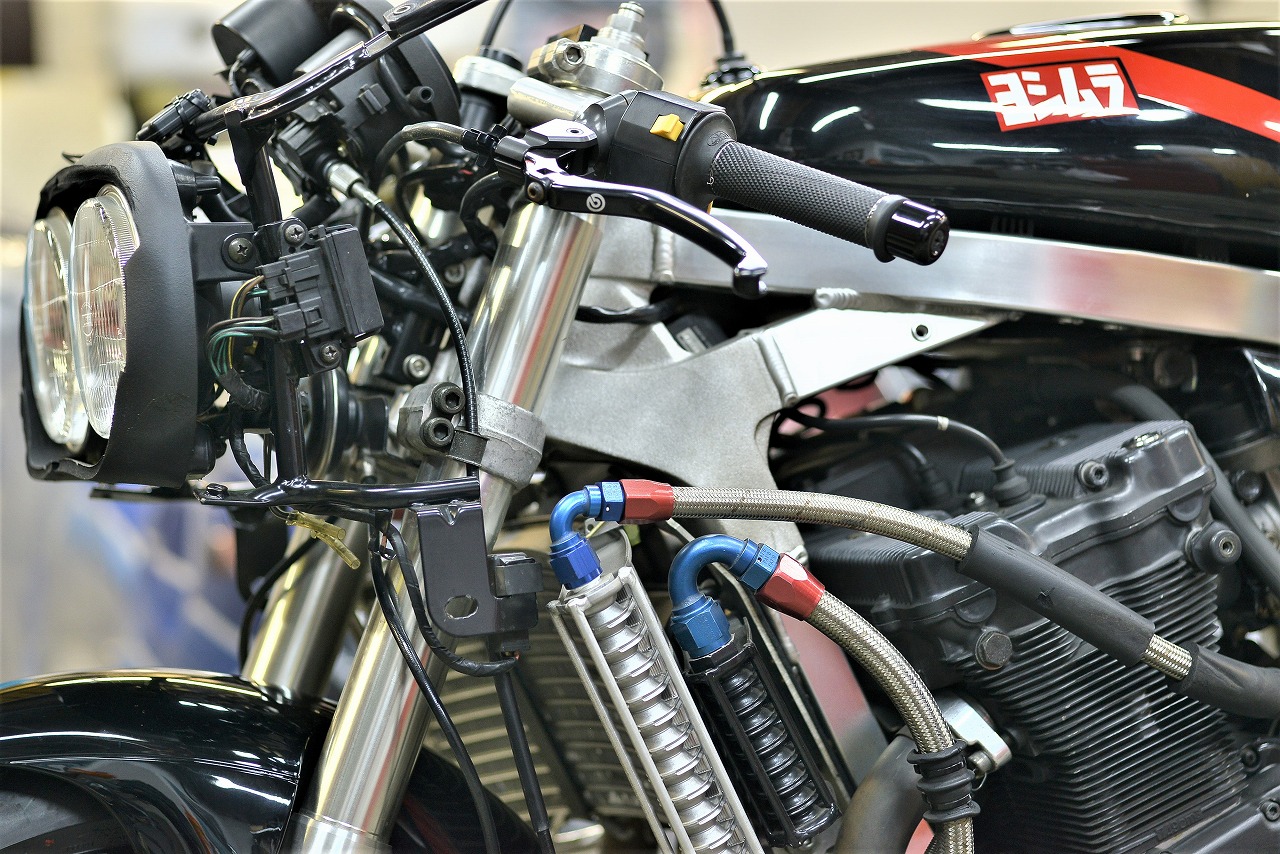
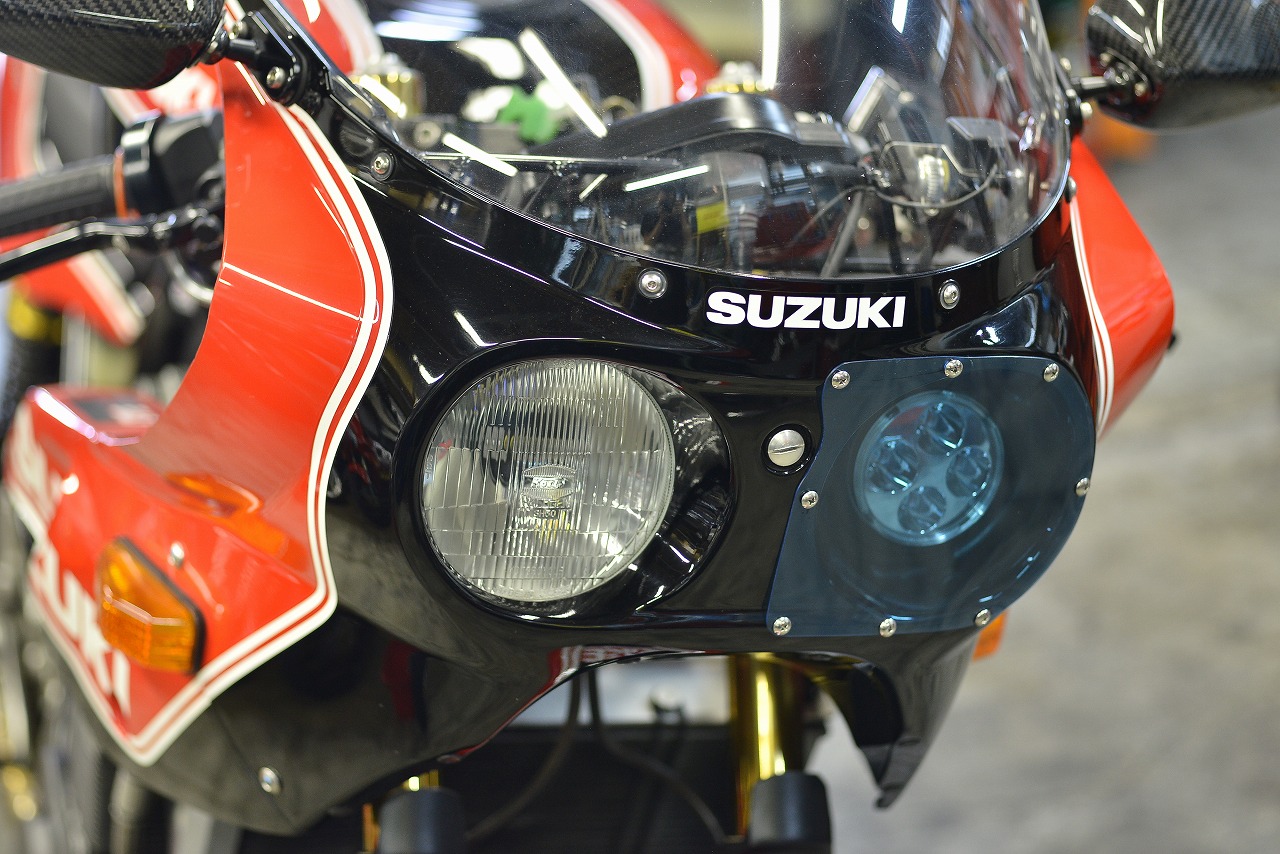
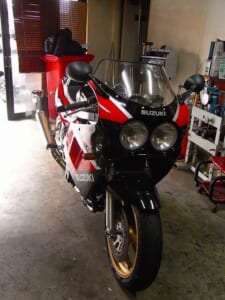
This GSX-R750RK has such great character. We’re working through some custom requests alongside the inspection. First issue: with the inverted forks and auxiliary oil cooler setup, the steering angle is too tight and there’s no handlebar lock. The owner asked if converting back to upright would help. Good point! Let’s give it a try.
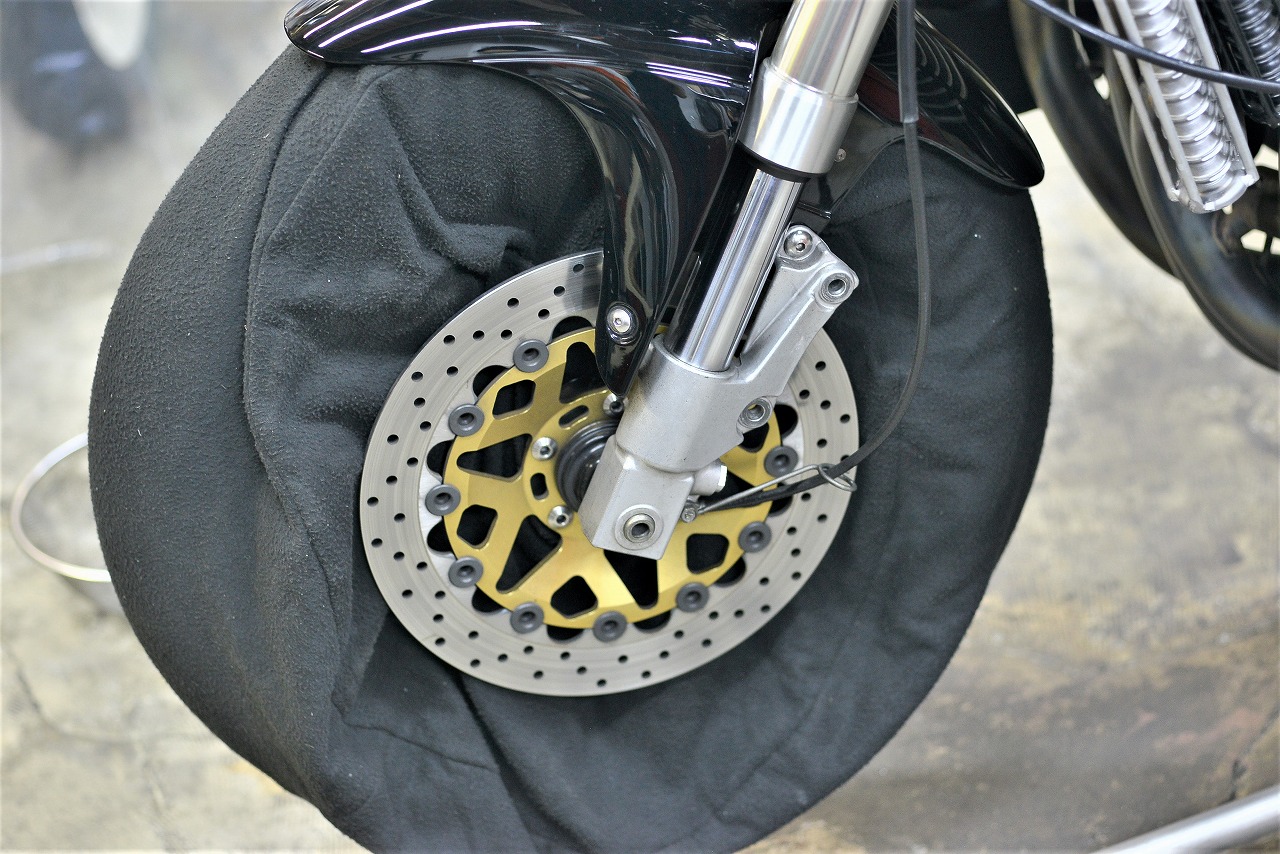
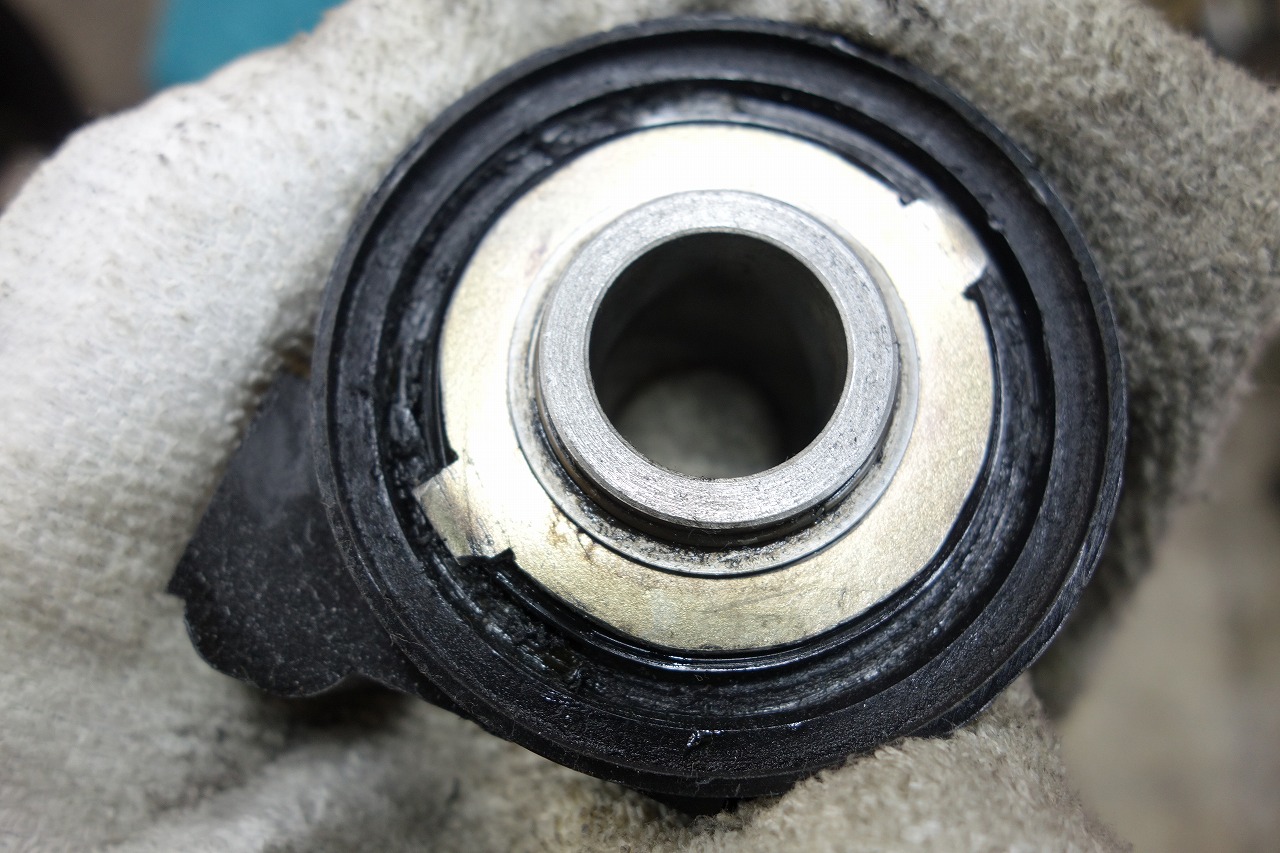
Since the wheels are Marchesini, we’ll protect them carefully—that way the work goes smoothly and we avoid any scratches. With the front end lifted, it’s best to measure and confirm the dimensions. I measure from the lower stem bearing position back to the axle shaft to work out the millimeters in reverse. On top, I measure from the top. If you use an absolute reference point that never changes, you can reproduce the geometry later without guessing or worrying about getting back to the same stance. The speedometer gear had a broken tooth. I was amazed it was still turning smoothly—really drives home how motorcycles are pretty forgiving.
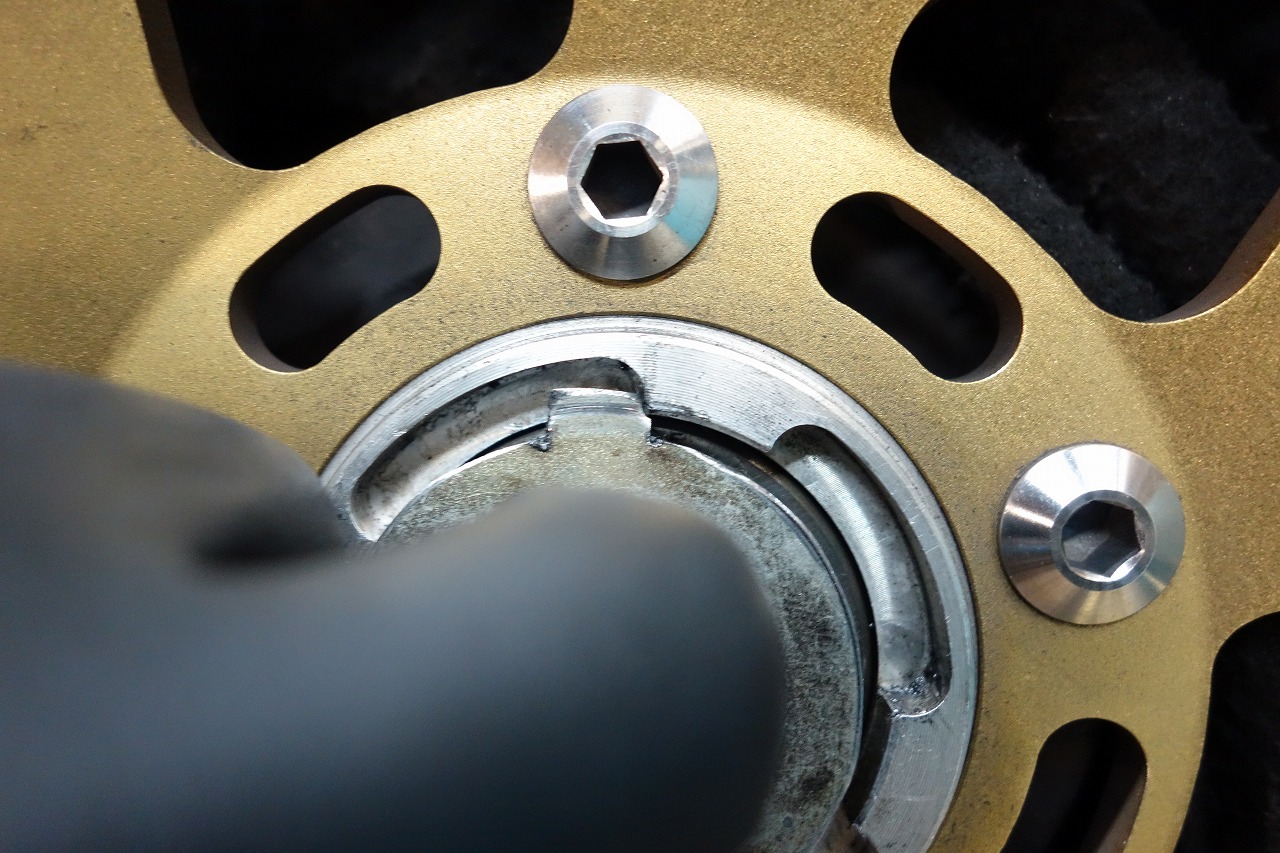
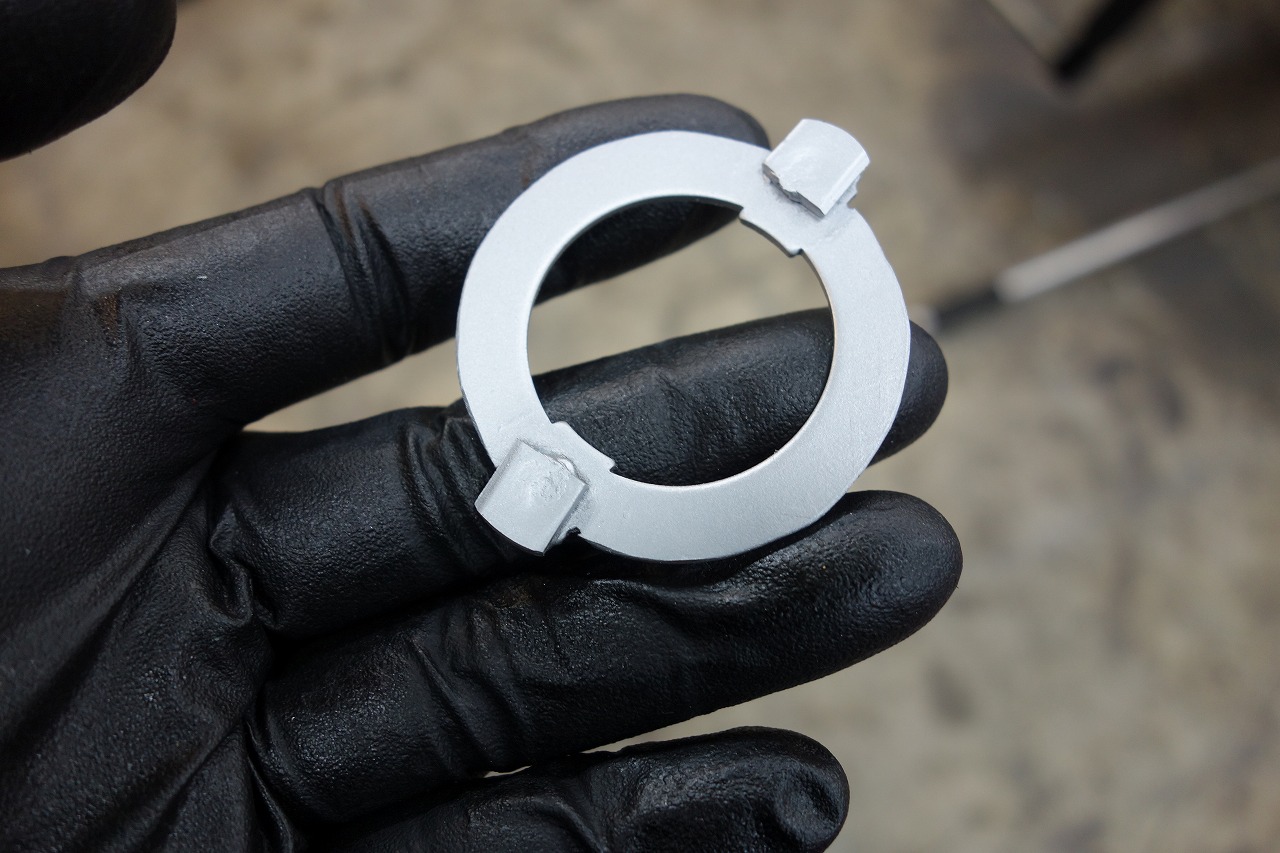
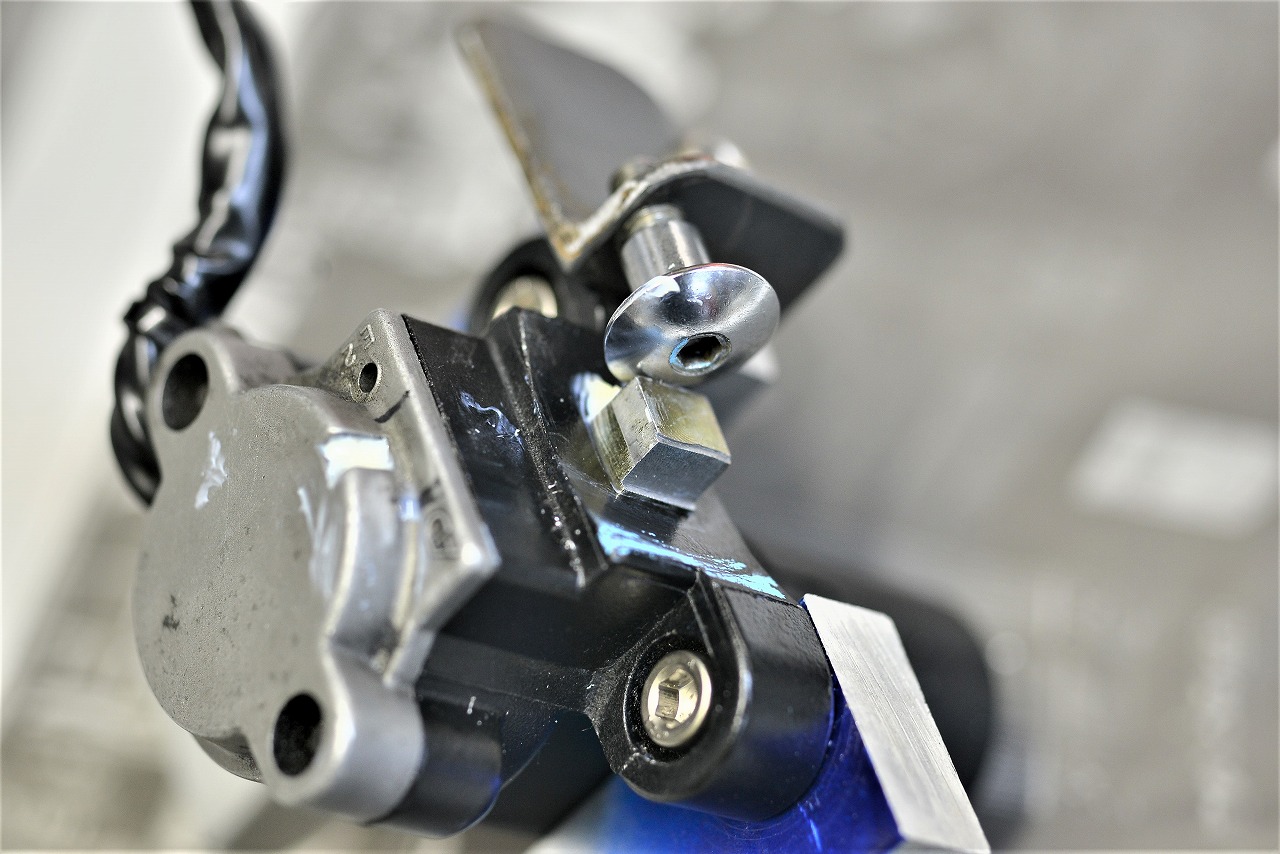
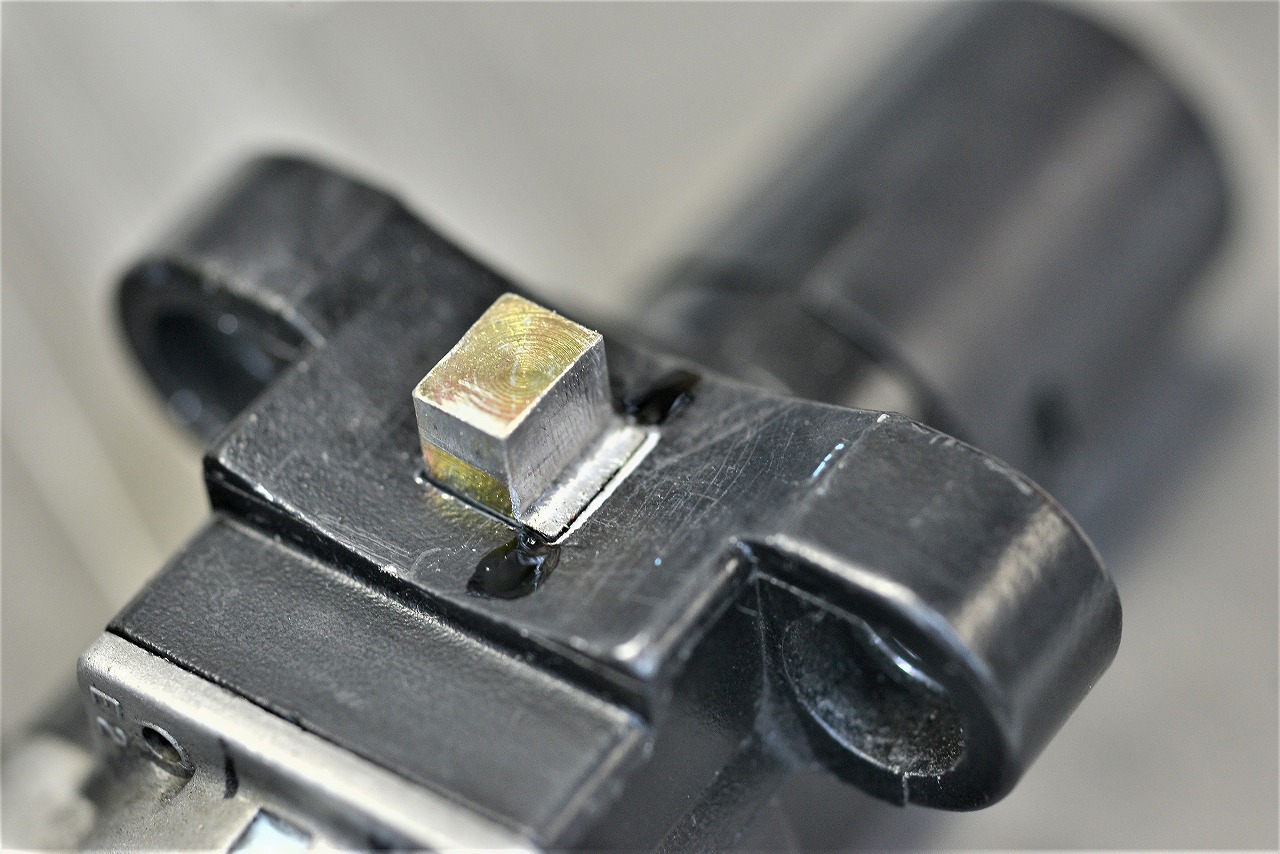
Should we buy a new one or fix it? Let’s fix it for now—it’s quick anyway. It’s slightly off-center, but barely—right on the edge. I wonder how it broke off and where it went. We sheared it clean and built up material with spot welds. This is one of those moments when you really appreciate spot welding. We painted it for good measure.
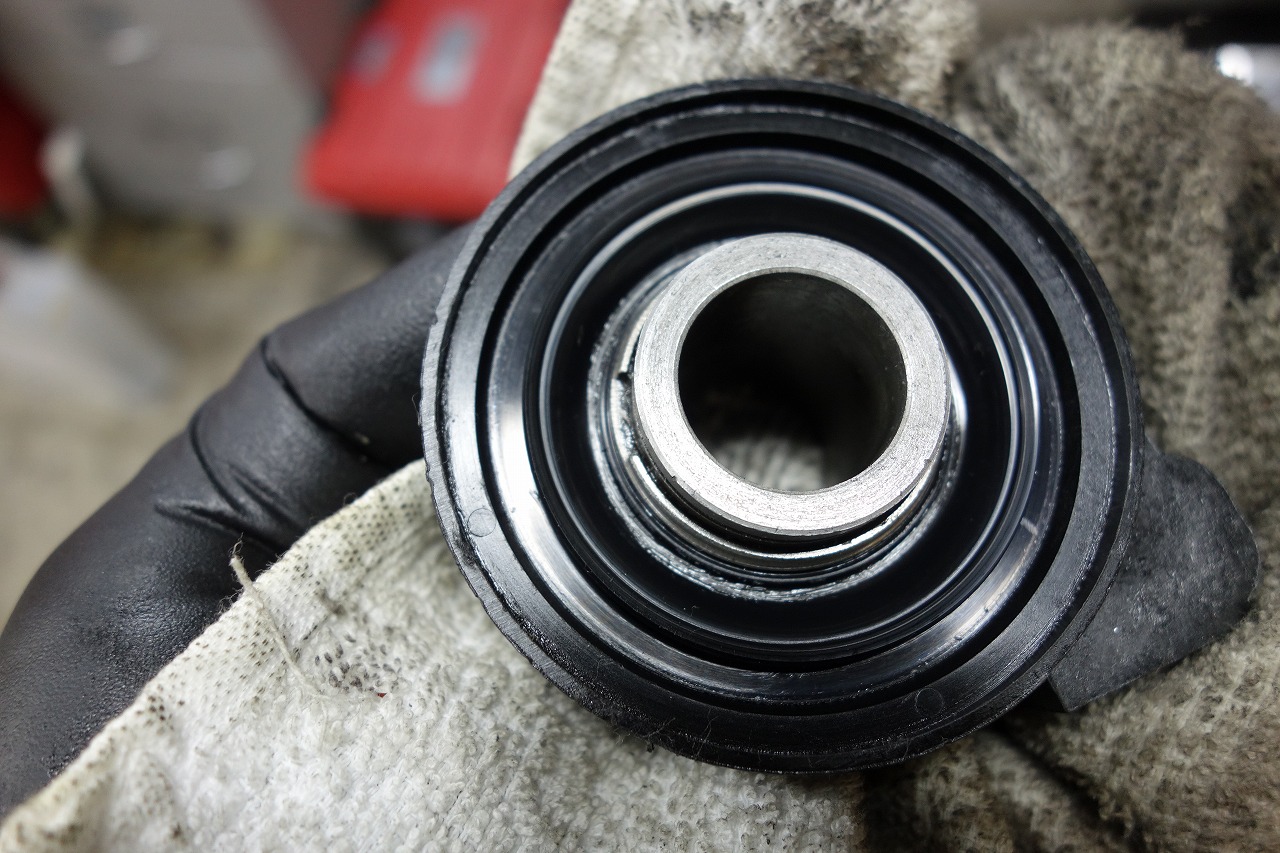
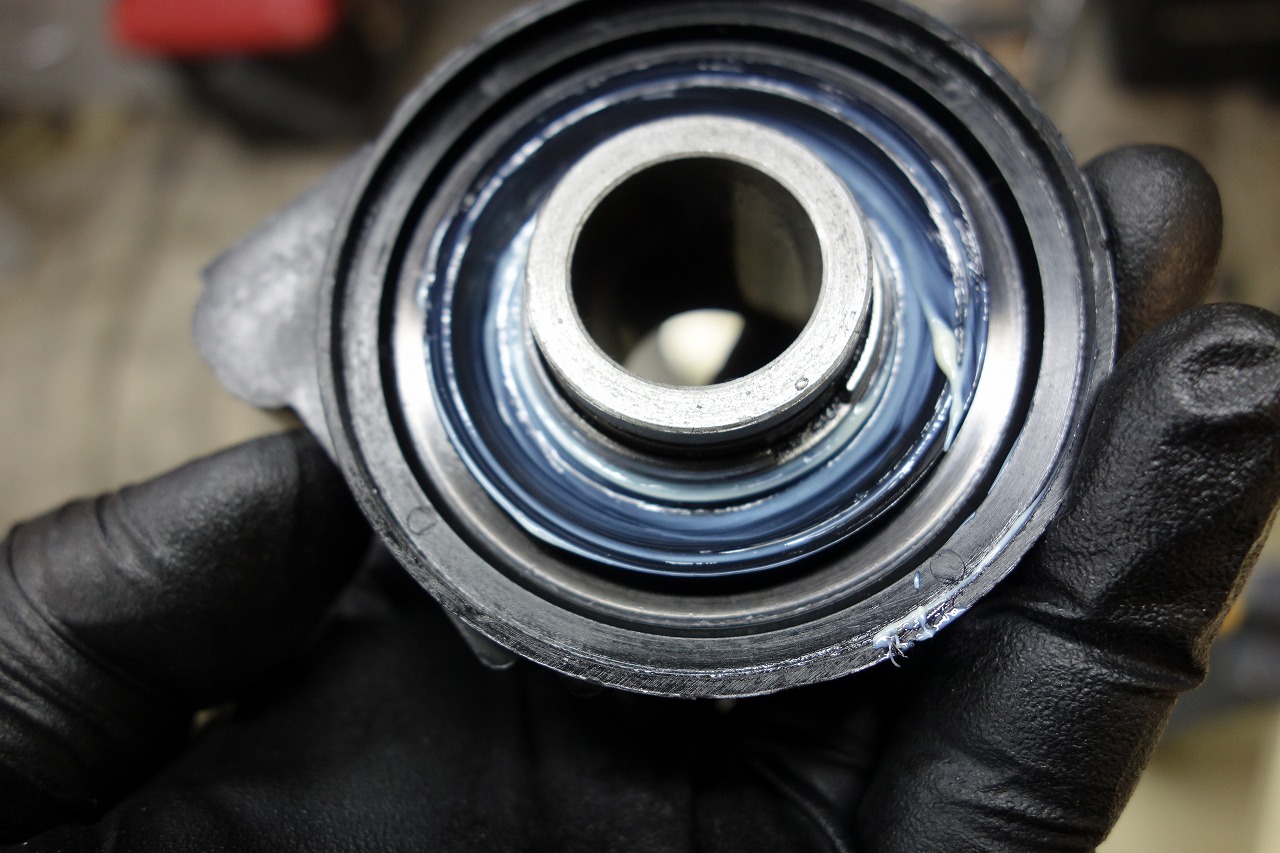
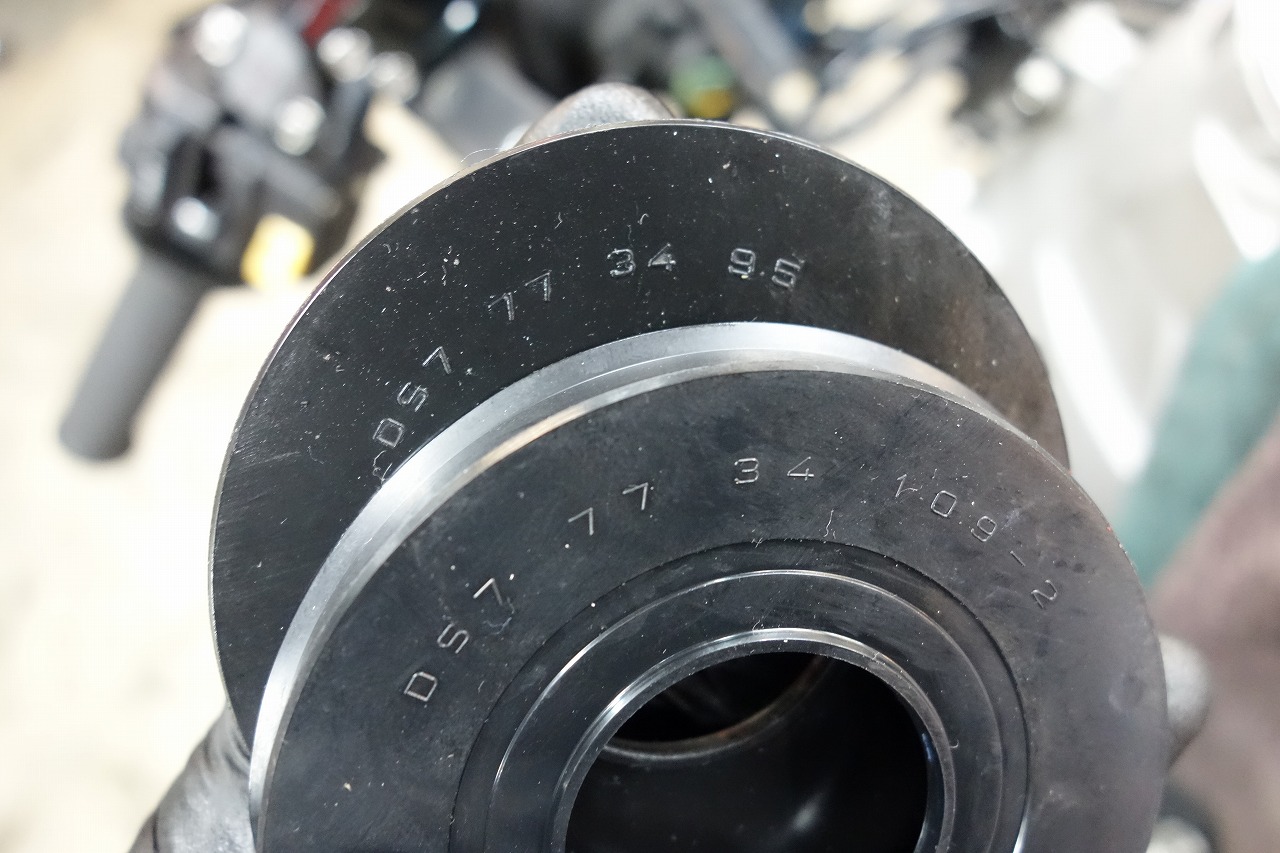
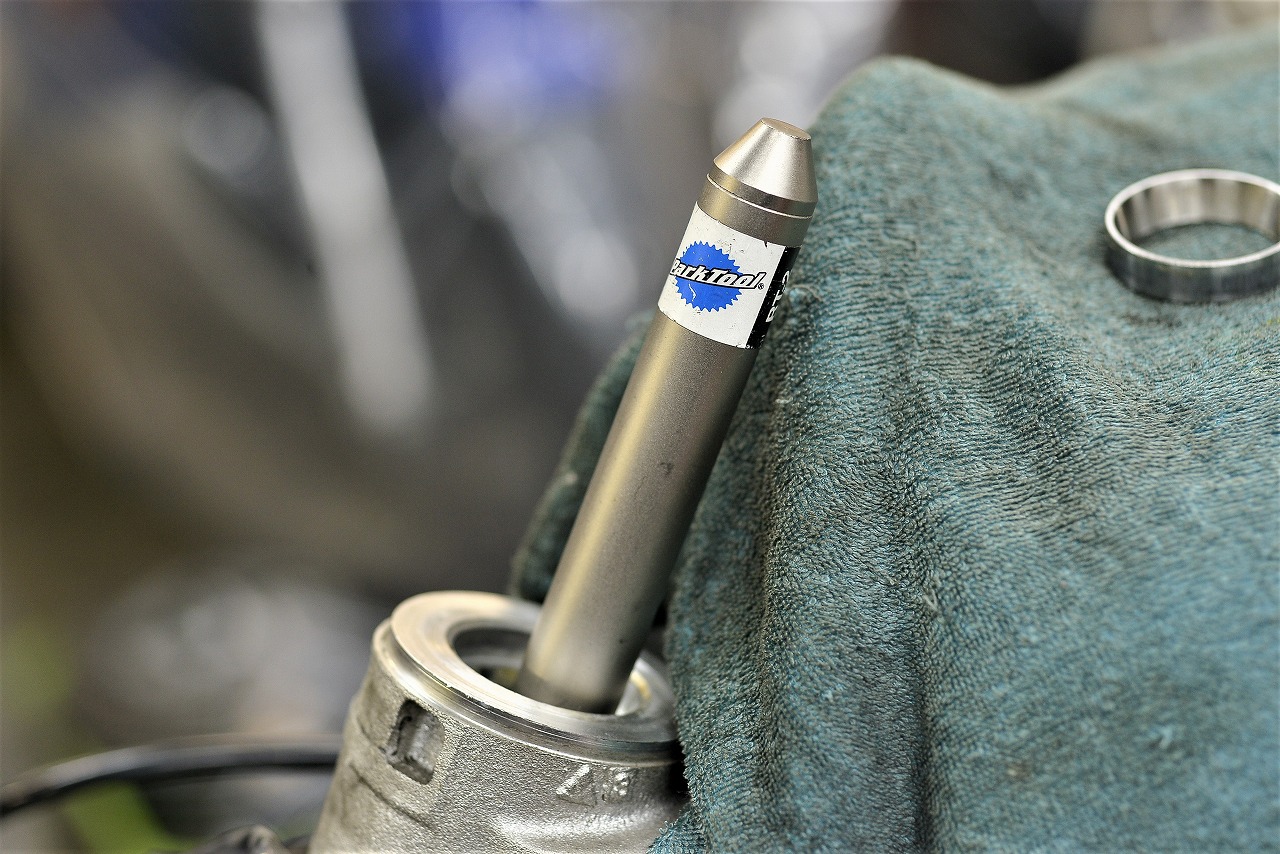
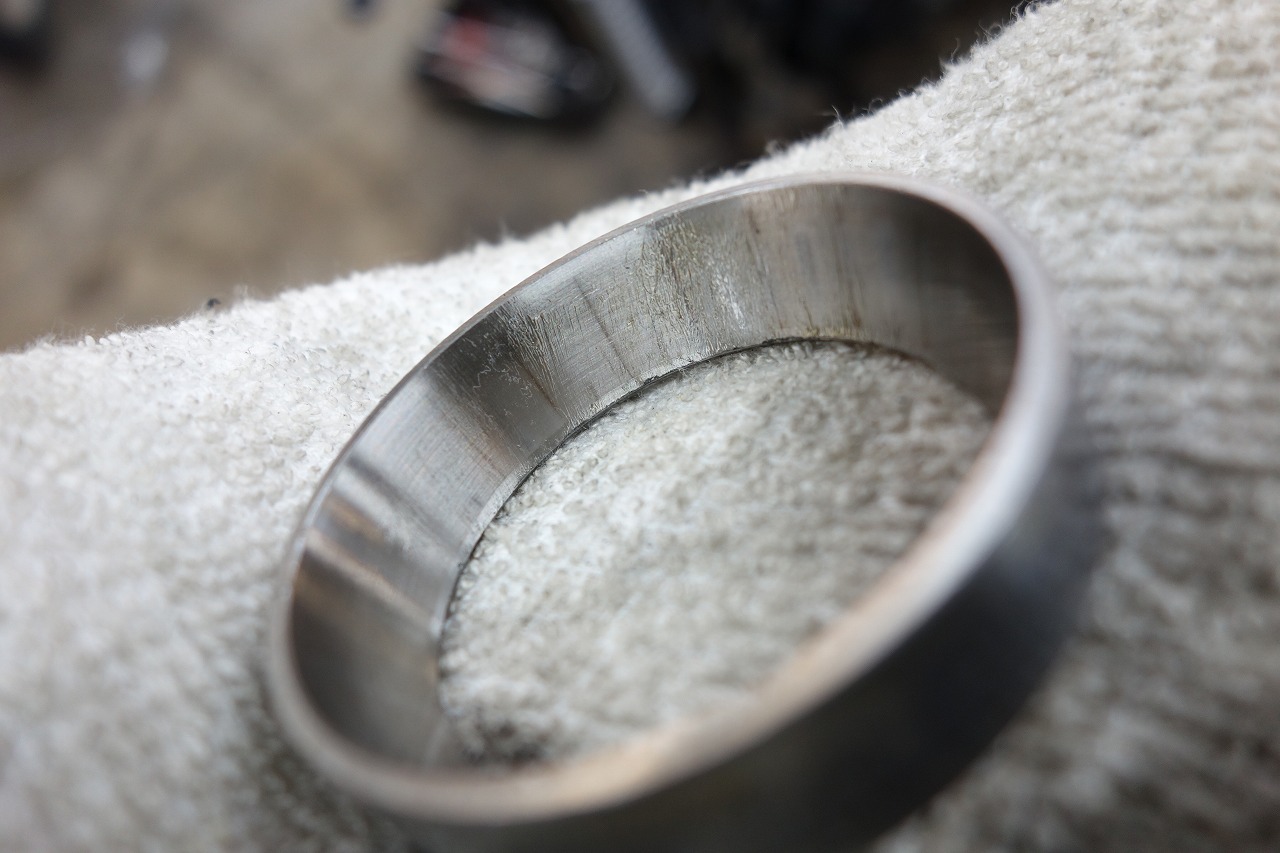
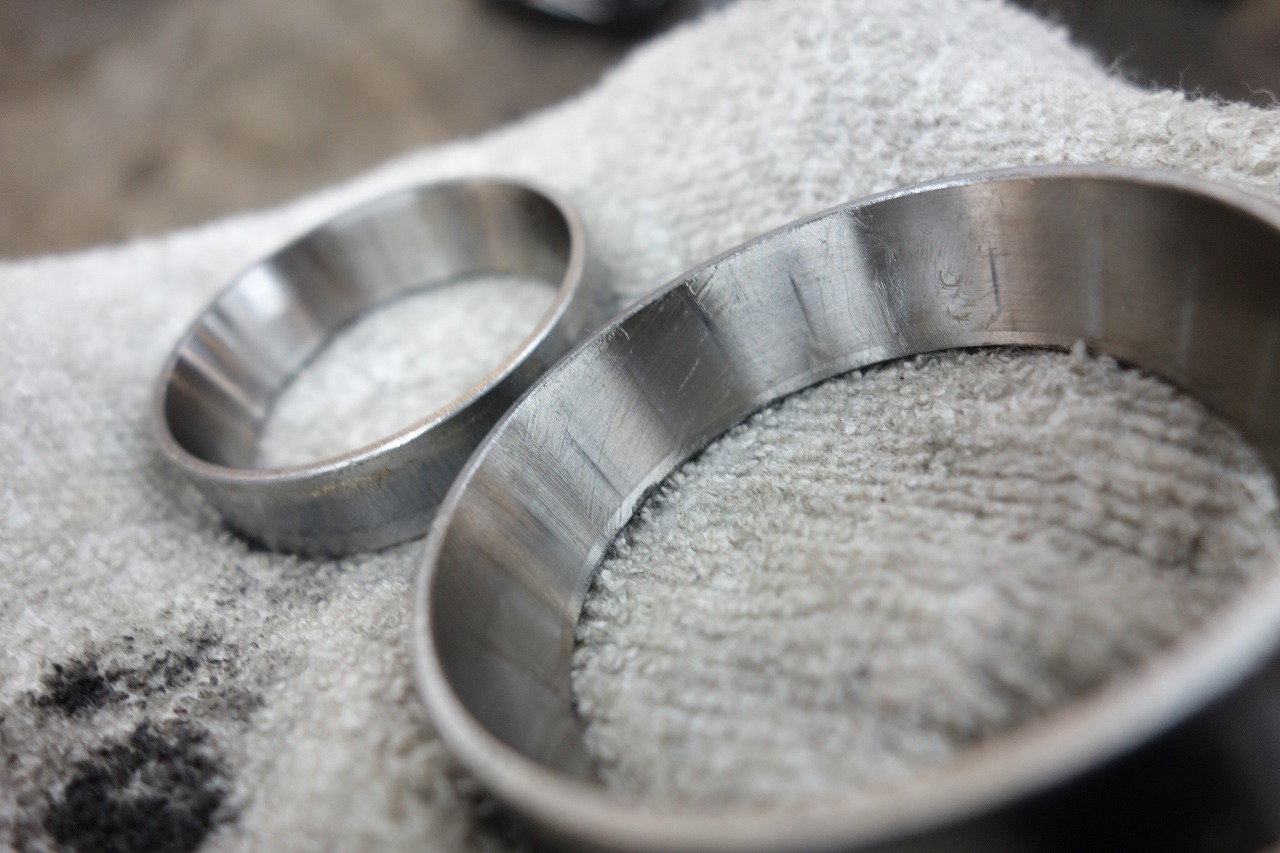
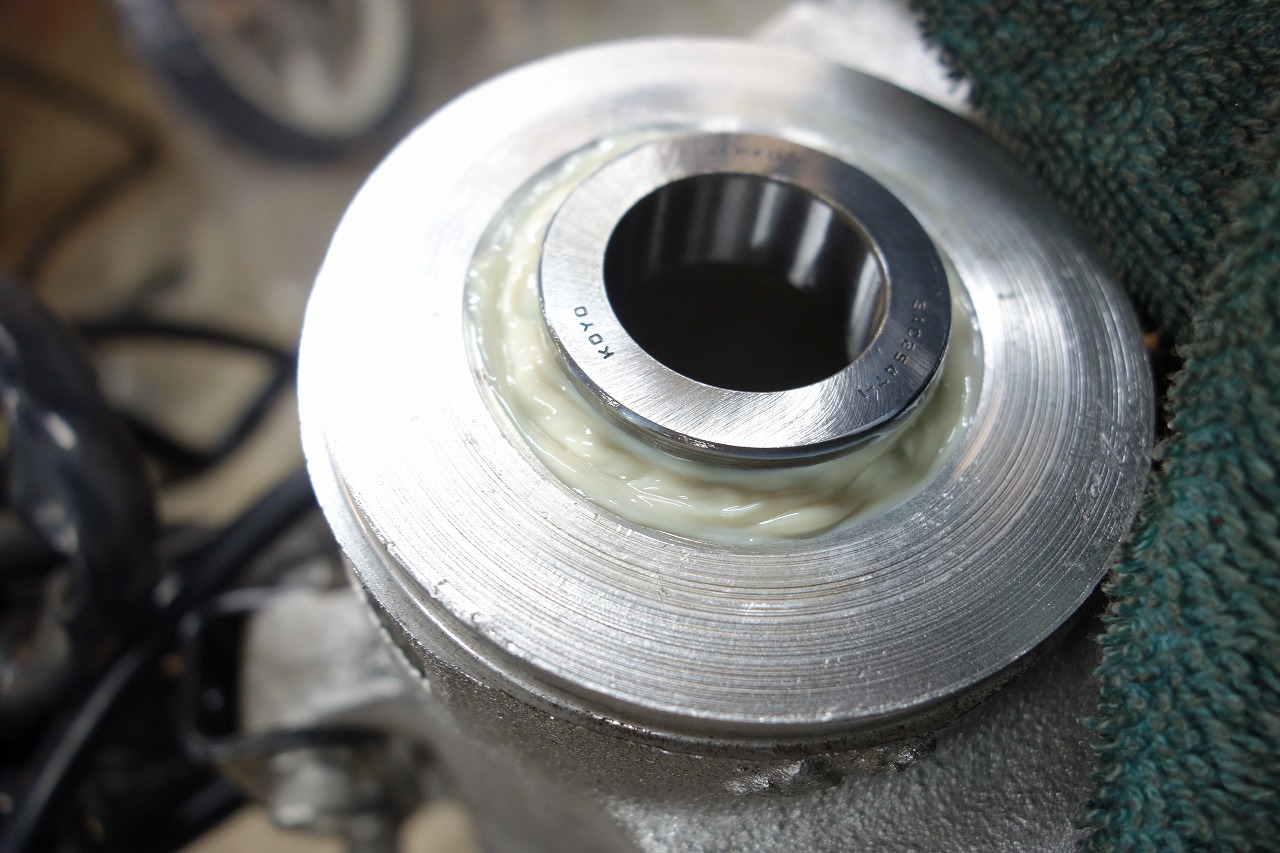
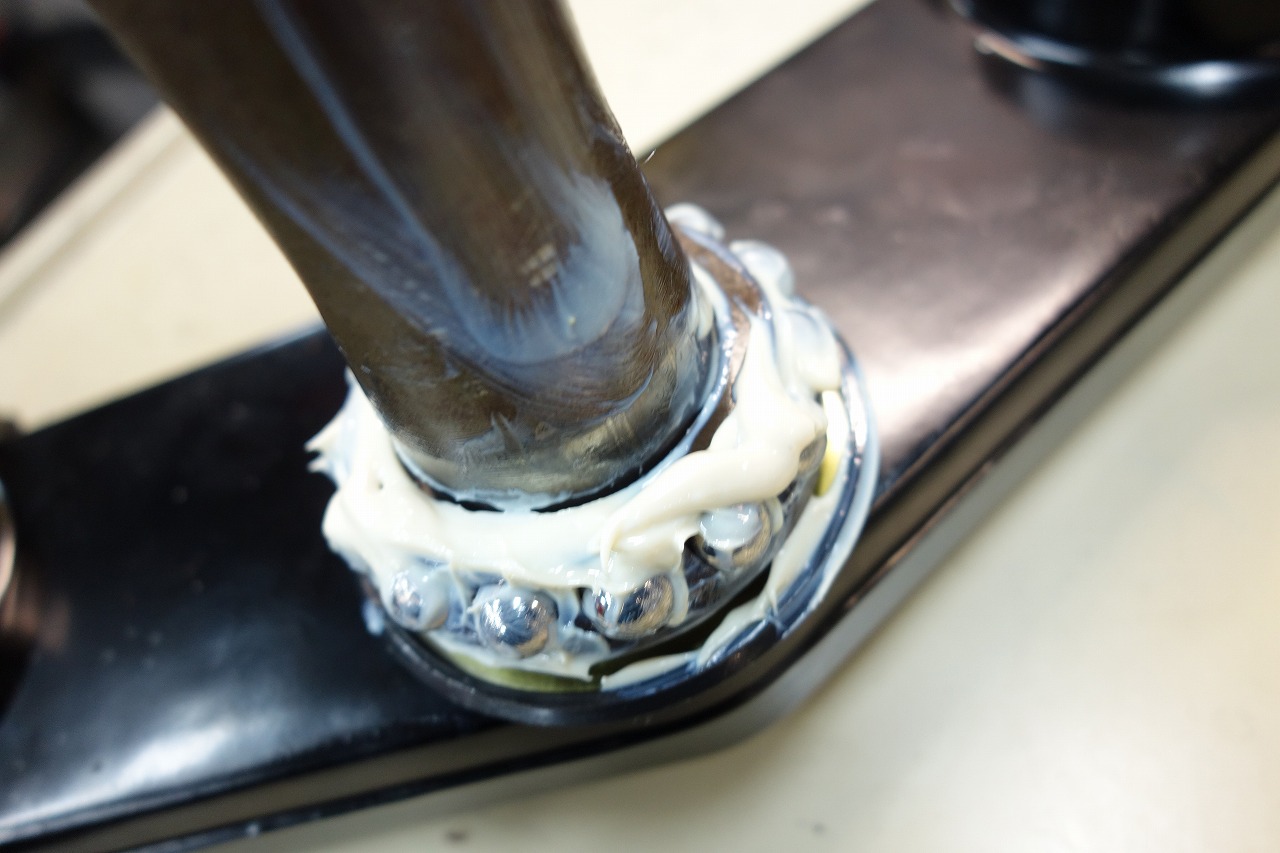
I’ve seen bikes with tons of grease packed into the speedometer gear—I wonder what that’s all about. Maybe it’s a technique some shops teach? I see it done pretty generously sometimes. (Not this time, though.) The right amount is tricky to judge, but moderate is best. With the bike lifted, the steering didn’t feel great, so we started taking things apart. The lip was bent—that explains it, and now we can move forward with confidence. But I wondered if a bent lip would really affect steering that much. Turns out this one was a smaller spec than stock. The original is shown below. We tap them out with a Park Tool RT-2. It’s a pretty innovative tool. It’s not a cure-all, but I think any motorcycle shop should have one (they come in two types). It’s really handy. The races looked good. We’ll replace them anyway to be safe. We press them in top and bottom, then verify visually. We coat it with Newtech NC100 grease, assemble, and we’re done. Back to the handlebar lock issue: Let me back up a moment. • Remove the stopper and it locks too tight • Welding it up would be too far away (stem is already painted)
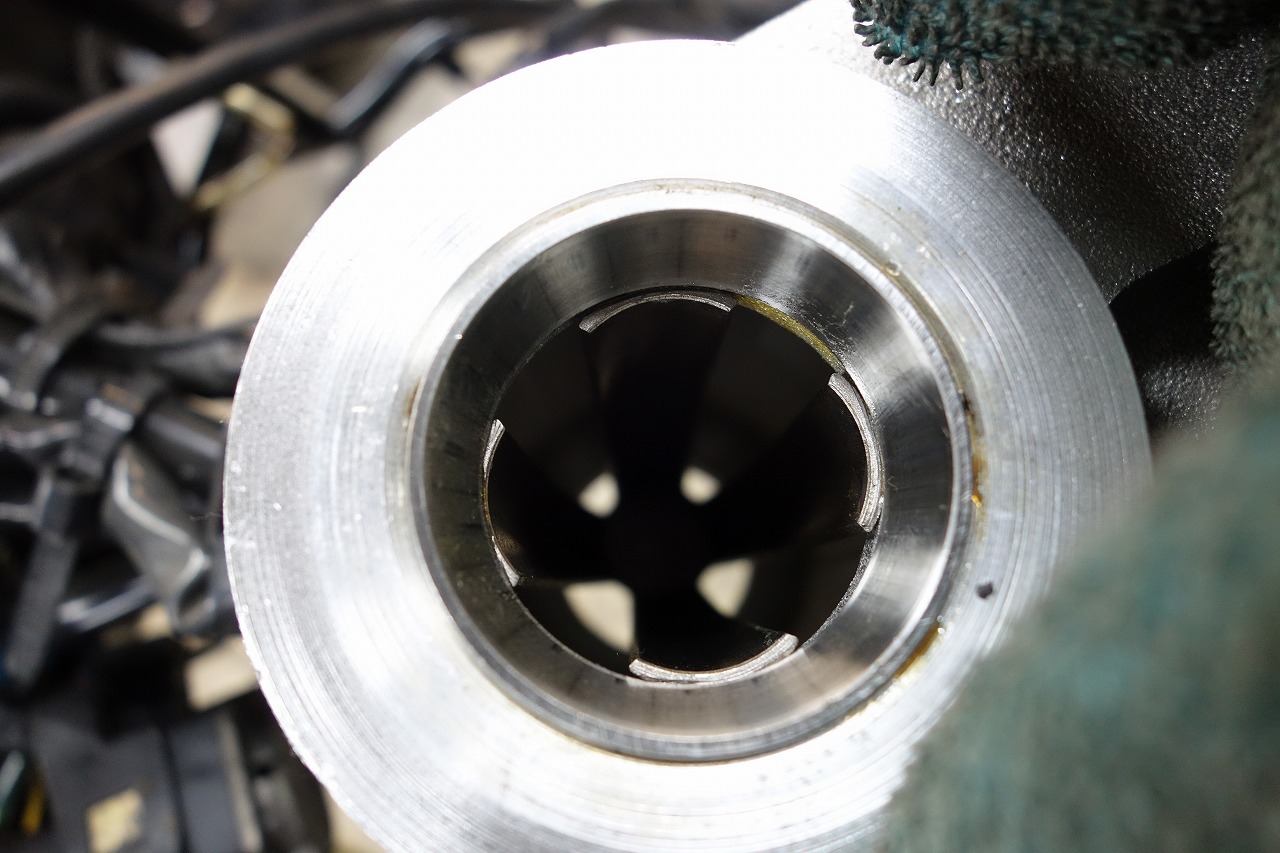
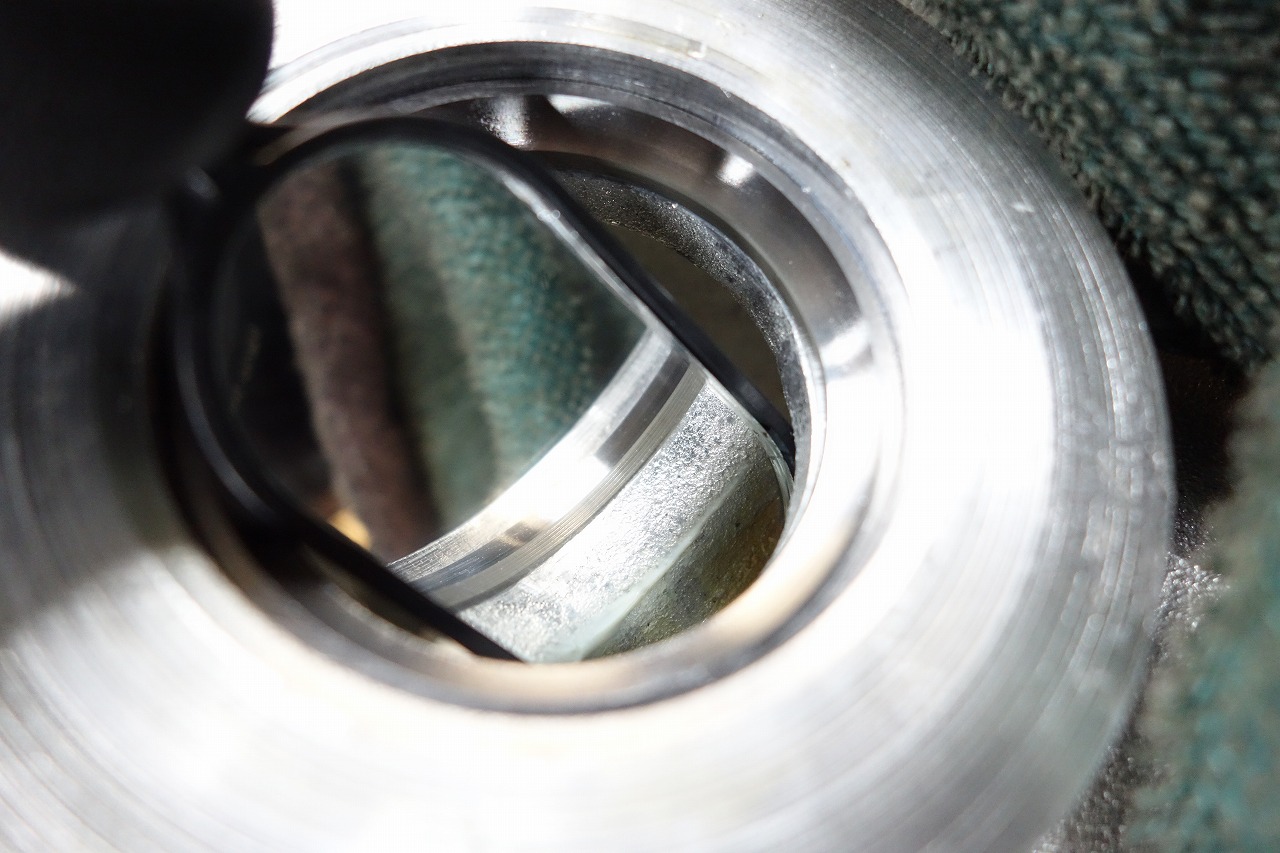
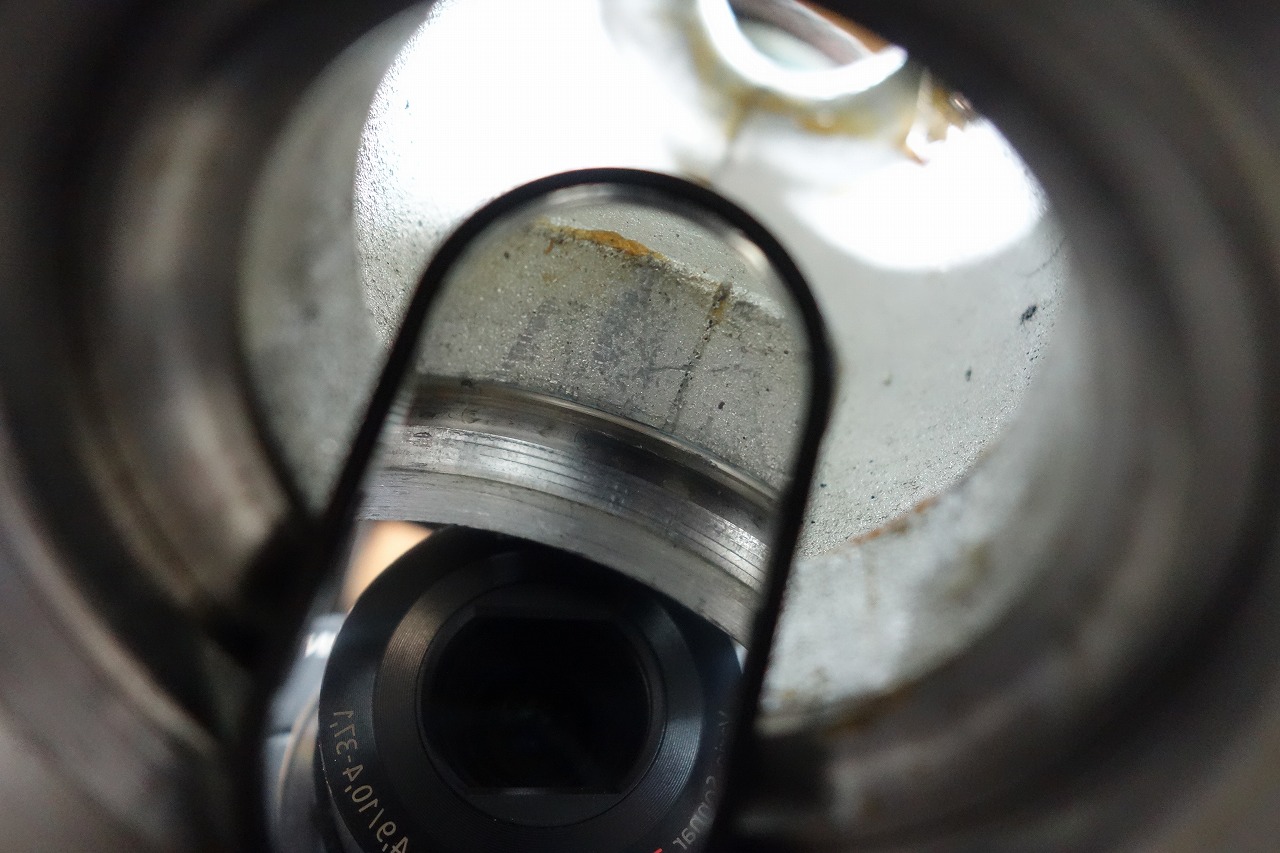
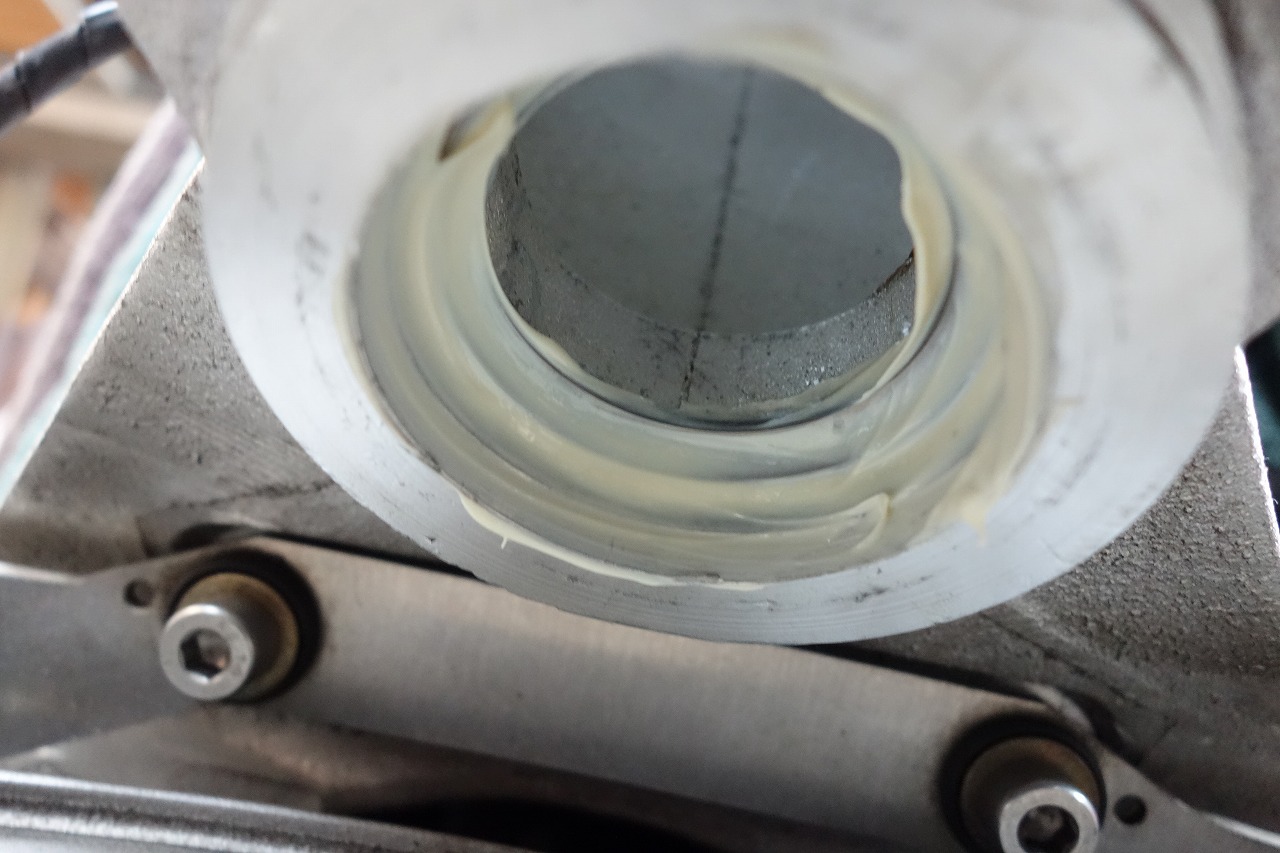
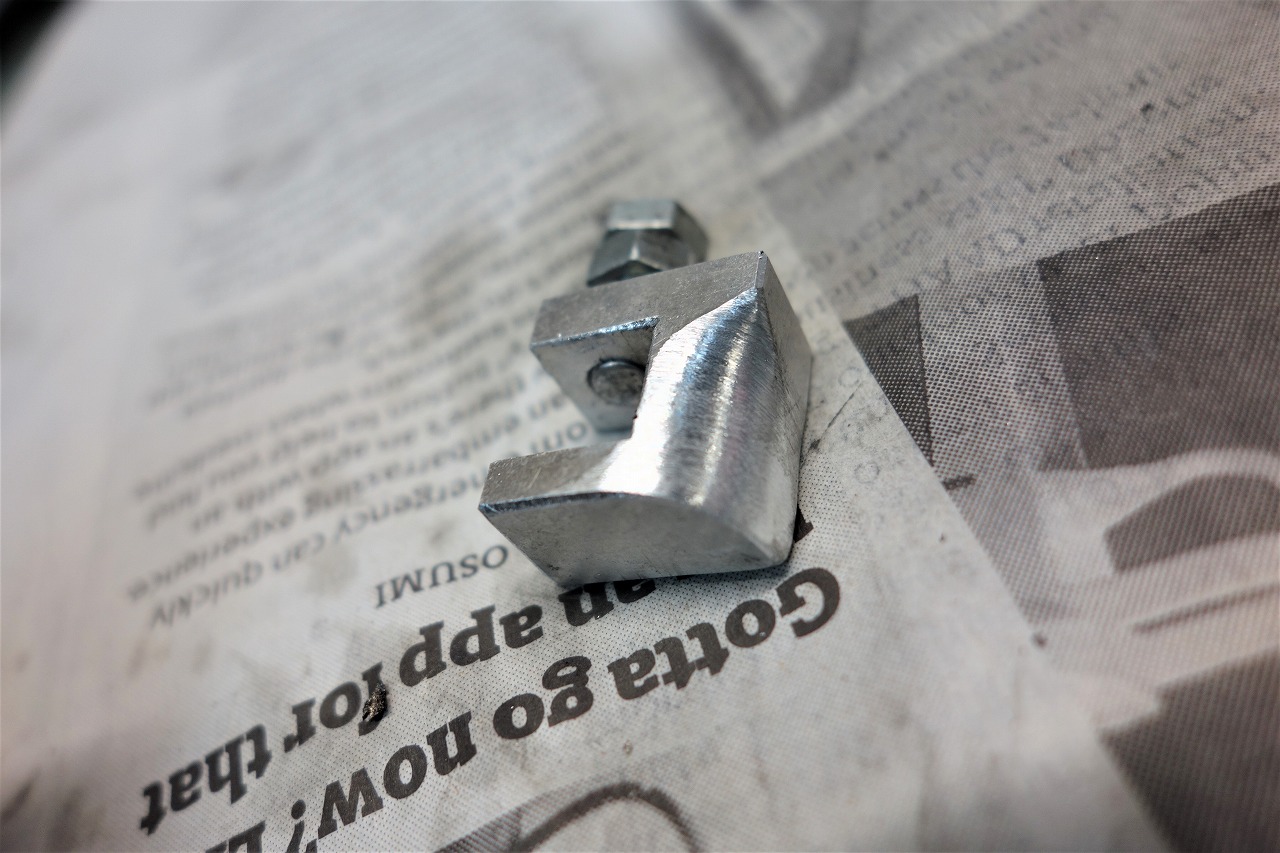
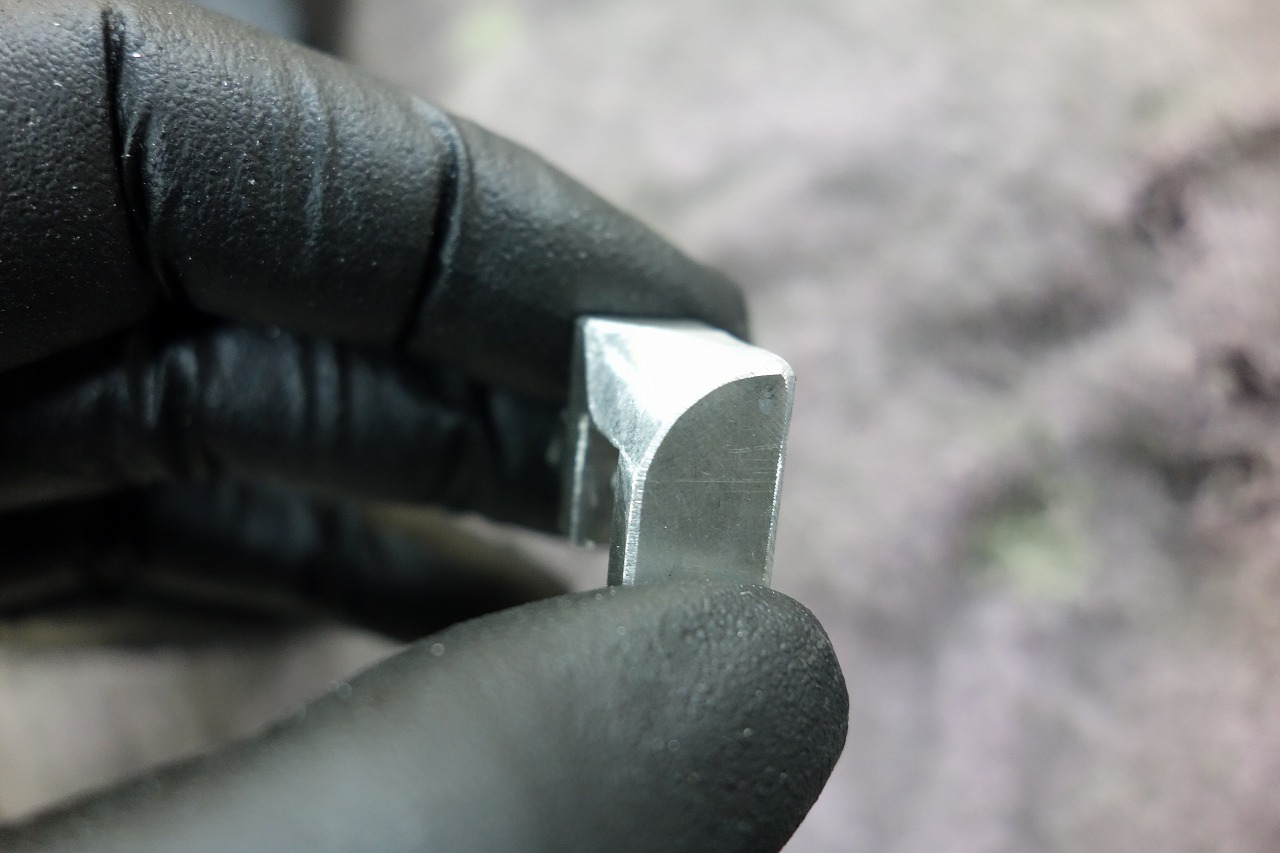
We wanted the least hassle, so we tried grinding first to see how far we could go. Surprisingly, we had plenty of clearance, so we reused the original stopper. We secured it with threadlocker and epoxy for insurance, so we’re confident it’ll hold. Next: the owner wanted a handlebar lock if possible. The frame has a recess—no boss to weld to. We used an analog approach: marker and ruler to figure out how much we’d need to grind off the cylinder.
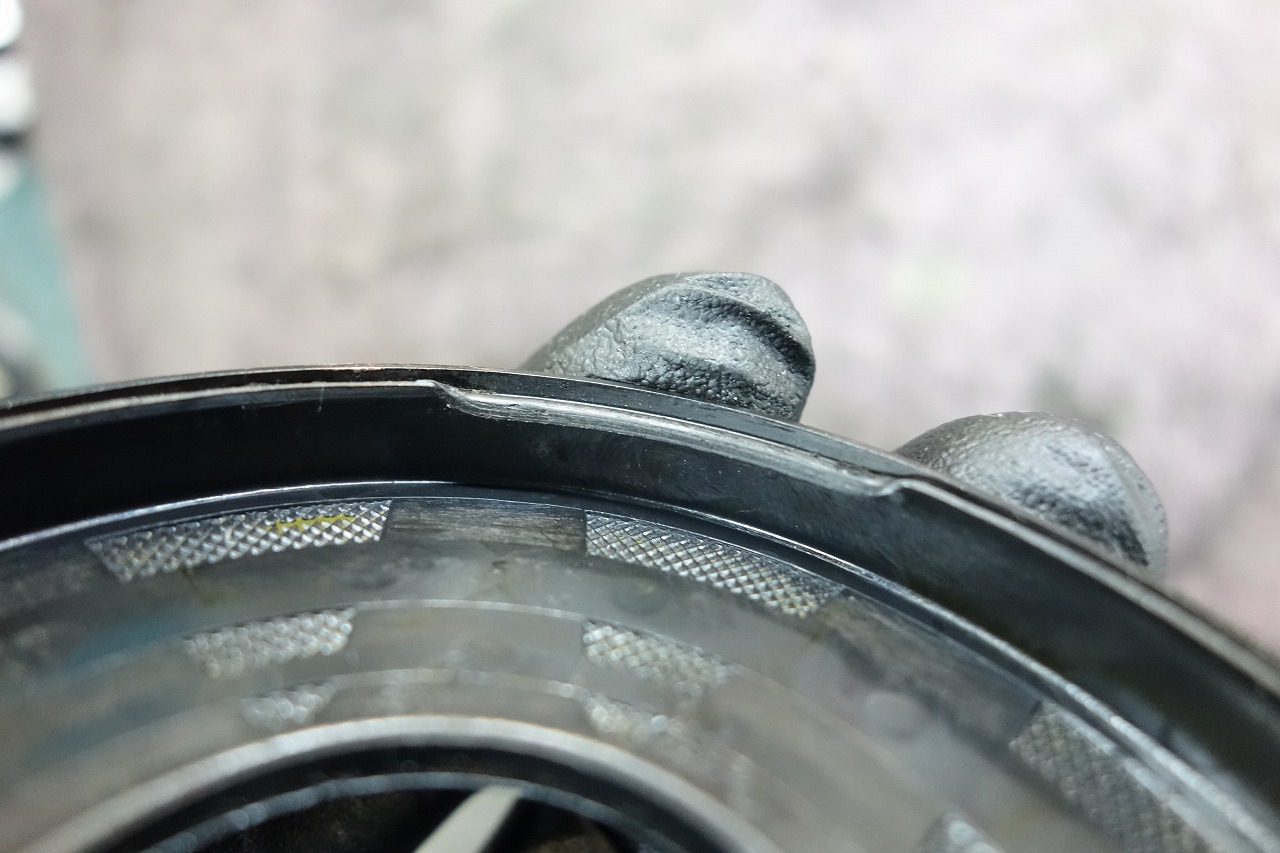
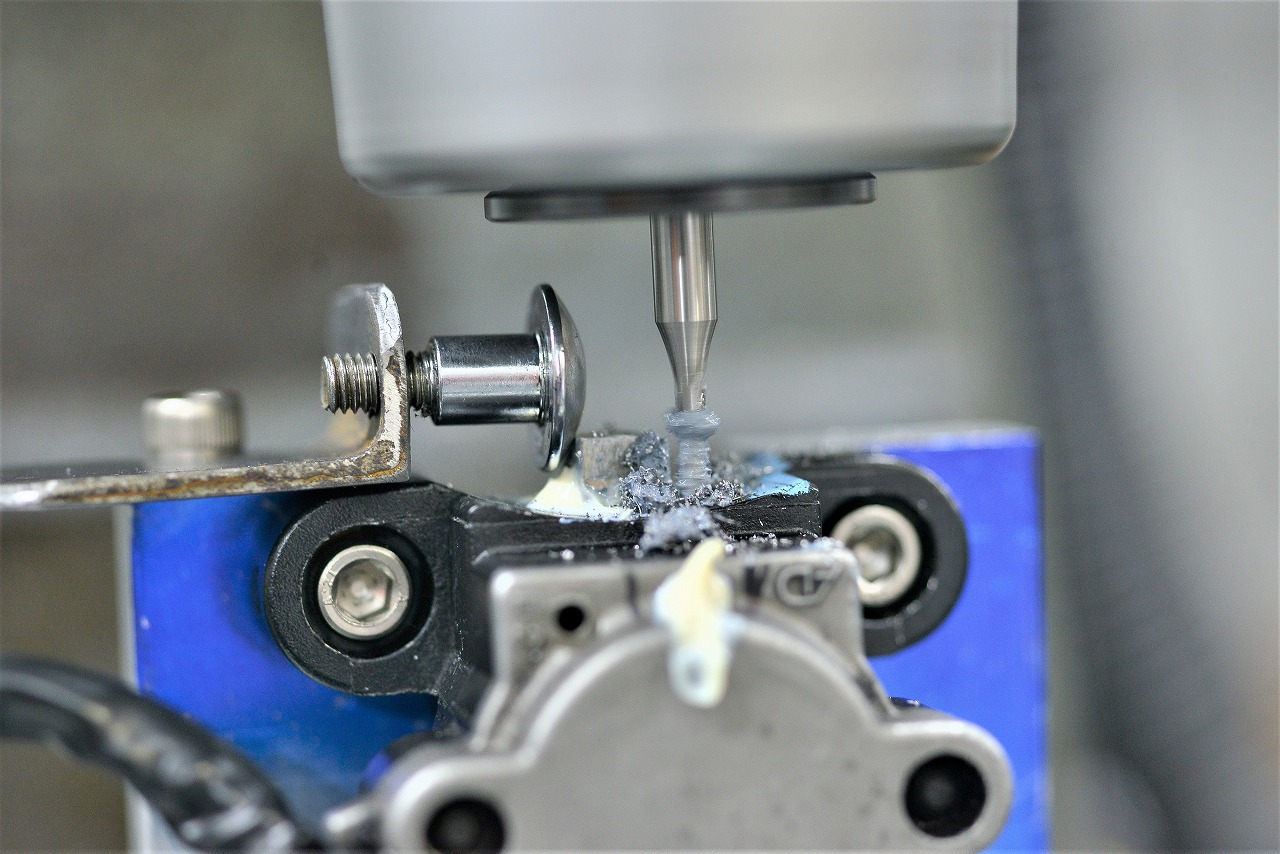
We ruled out anything over half, but it looked like we could do it with less than a third—so we had to go for it. To keep grinding to a minimum, we made a fixture to hold it steady, added a damper because the chuck was vibrating, and went back and forth carefully. We didn’t want metal chips getting inside, so we applied grease and wiped it away as we went. Perfect. If you rush and just grab a grinder, you’ll regret it—that’s experience talking. Pay attention to the hidden spots too.
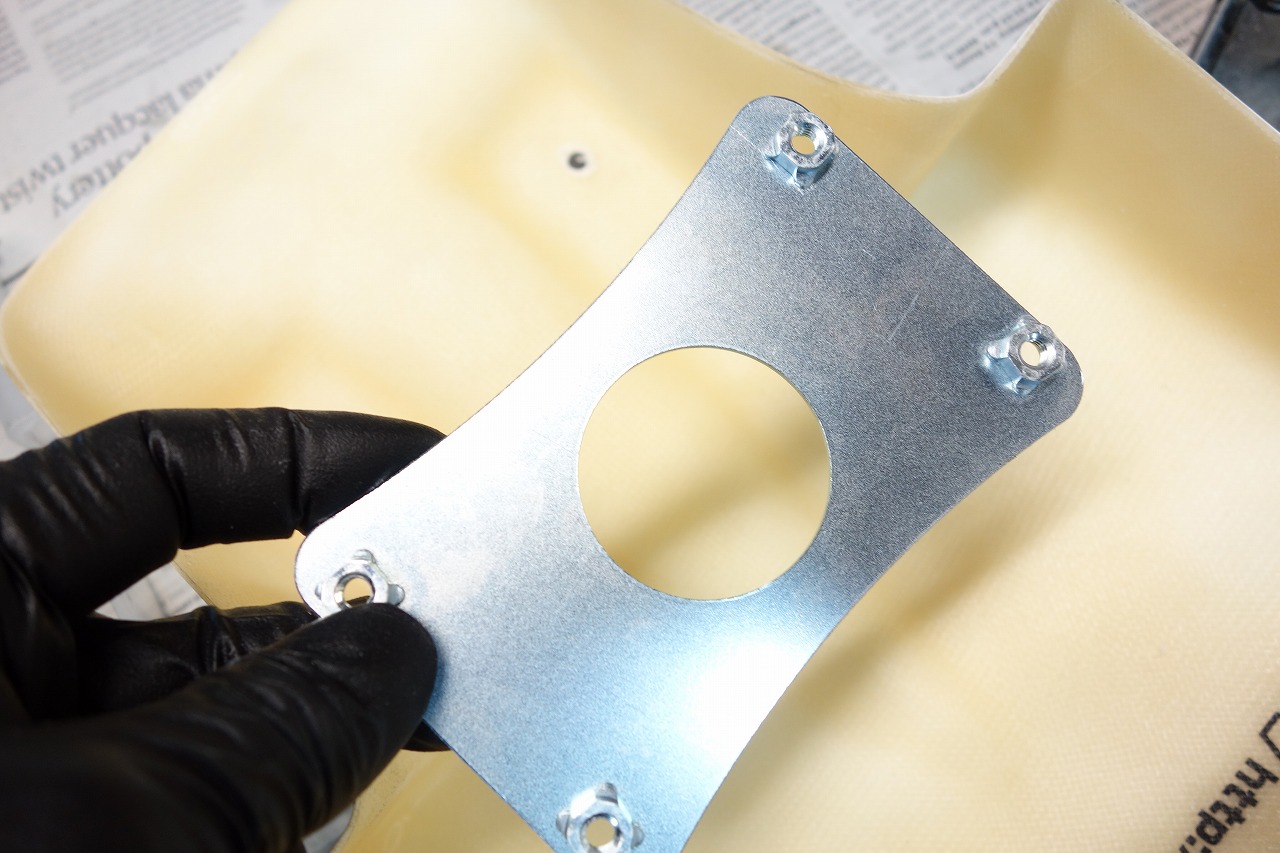
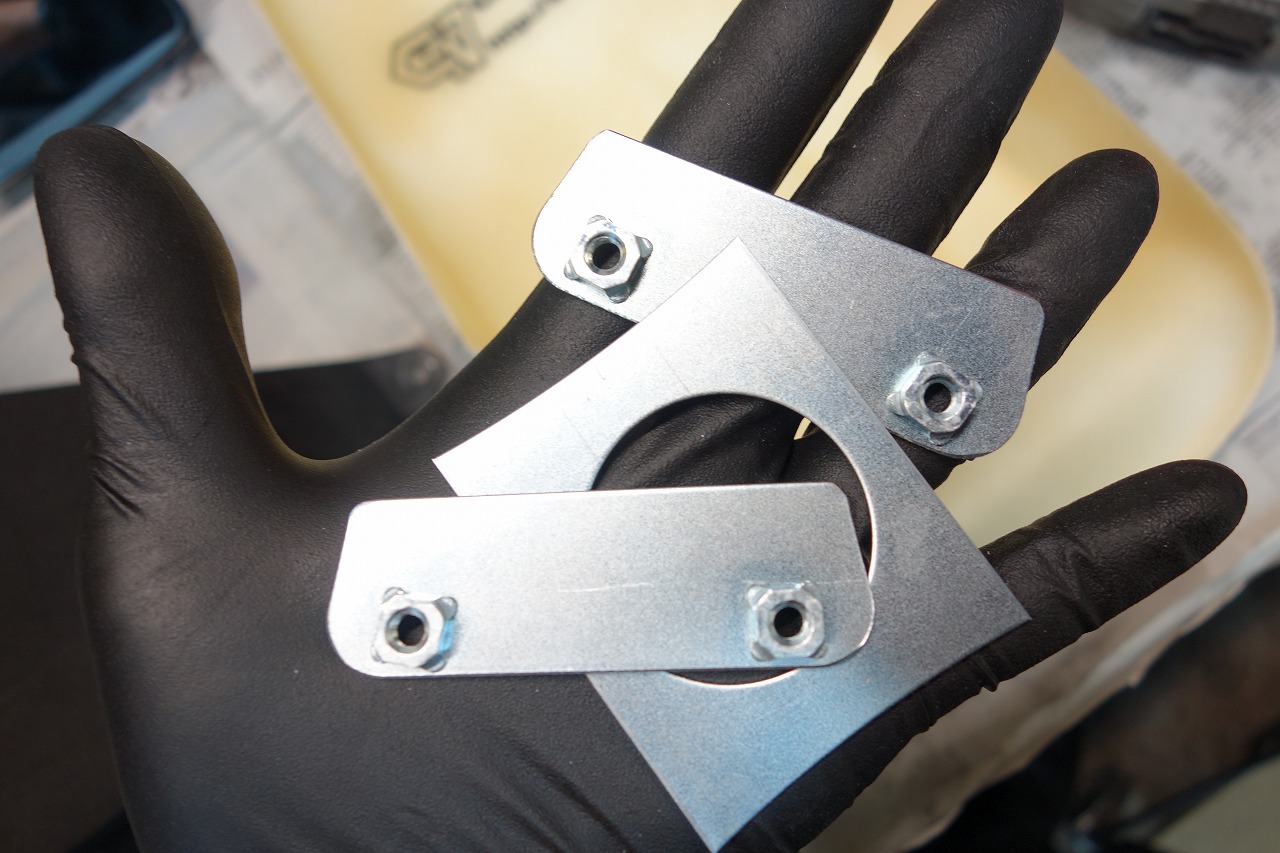
Probably nobody will ever notice, but that’s how it goes. Now to install the fender… wait, there’s a step here and this plate won’t fit! We sheared it and reused it. (The new one the owner brought.) Every day I’m reminded how important good equipment is.