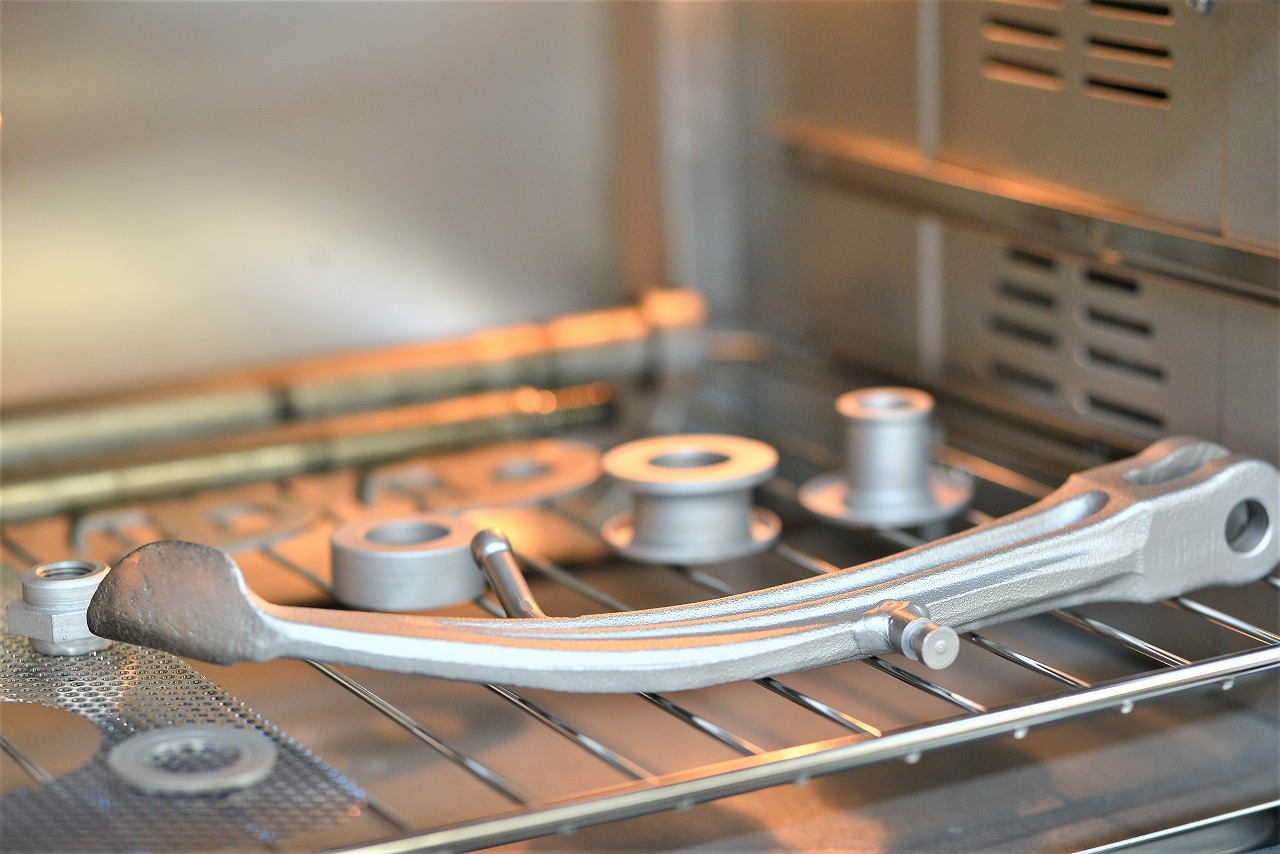
An oven gets convenient when it’s bigger. Small but big? Huh?
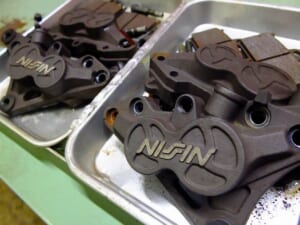
Paint baking isn’t our main business, so it’s more like “too small for a main job/too big for a gap”—that kind of nuance?
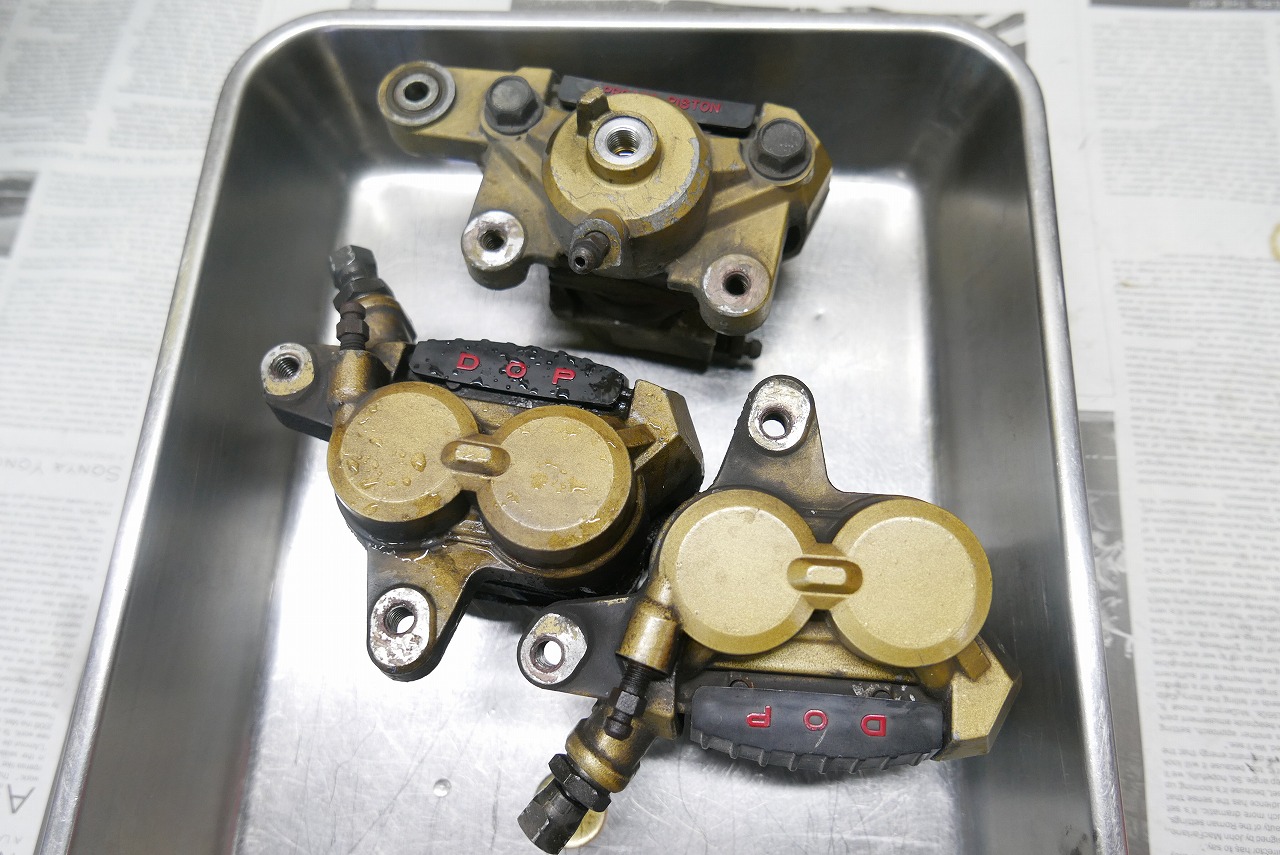
Plus they’re old, so the condition is pretty rough.
The equipment investment is really paying off!
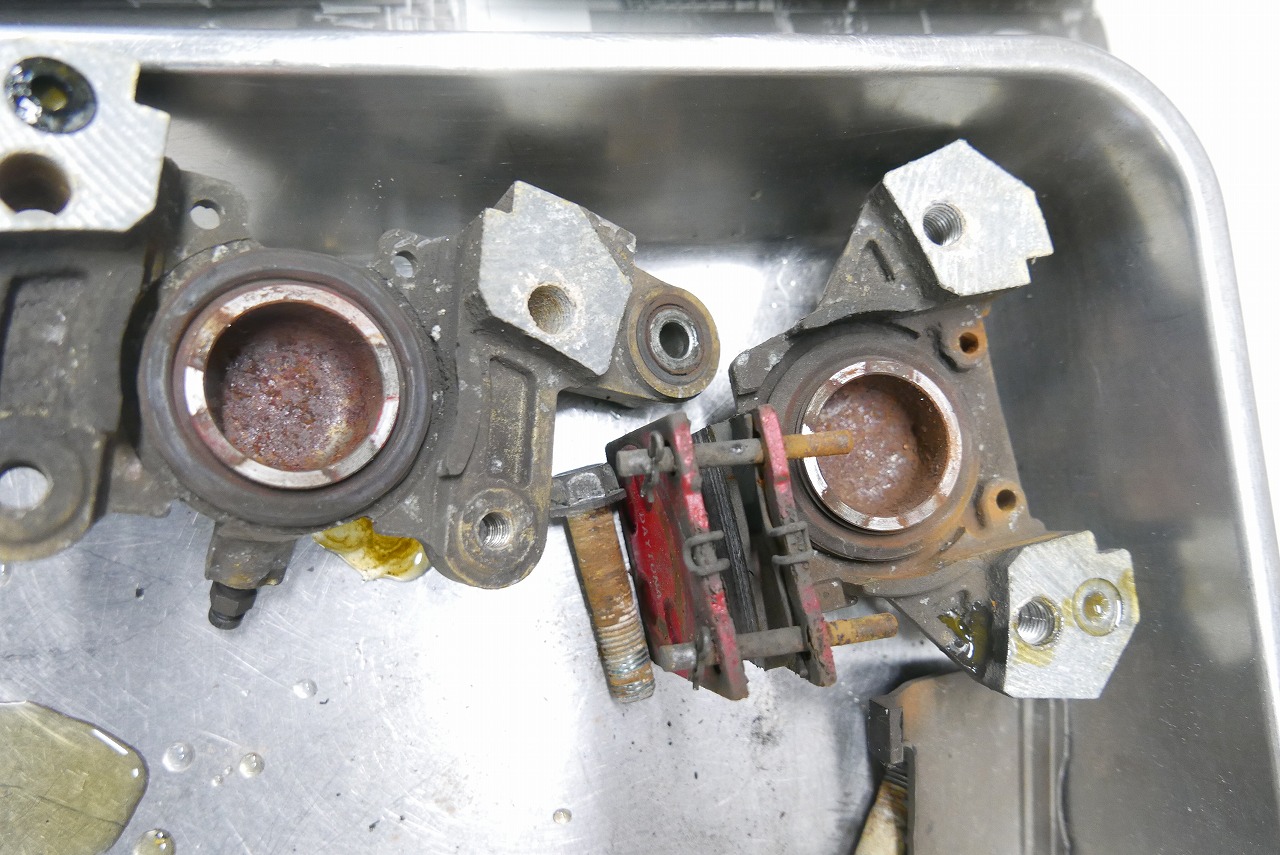
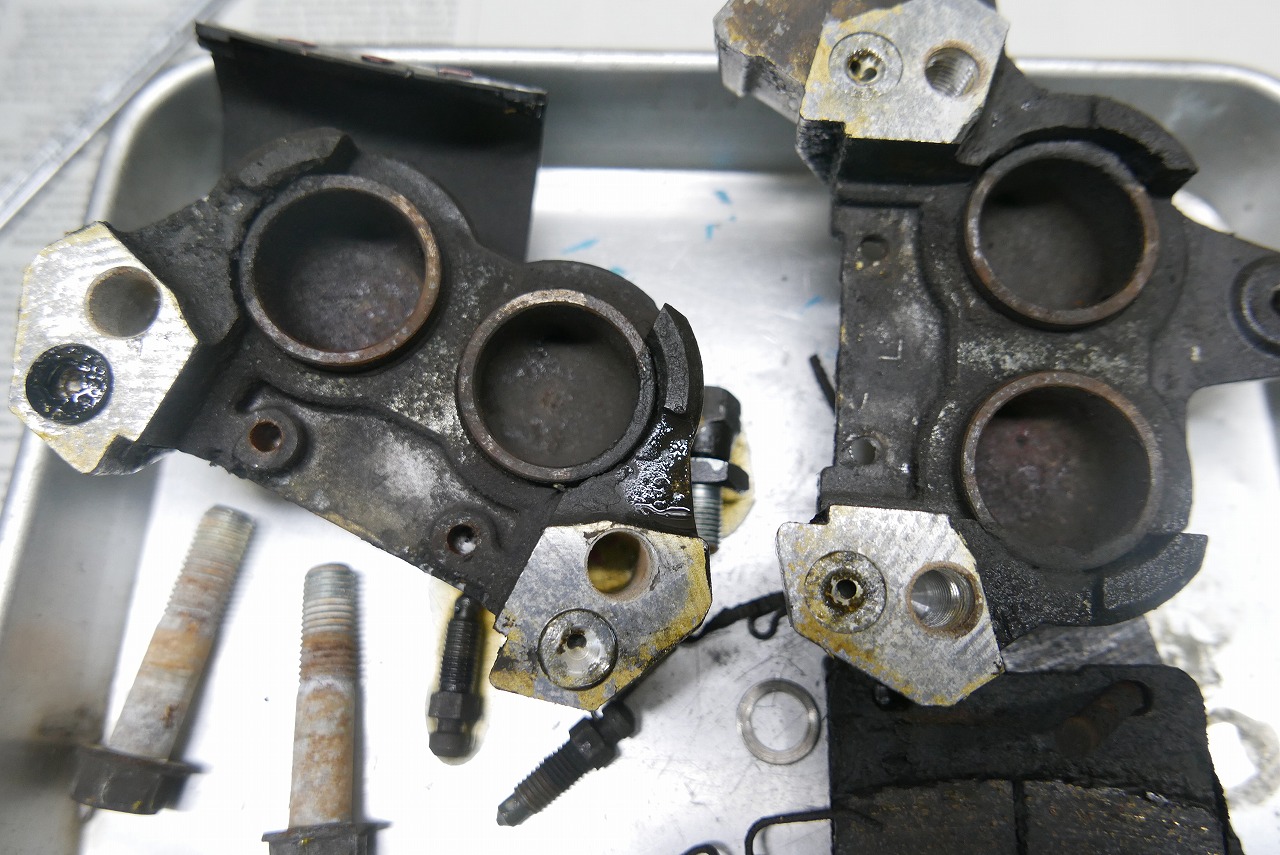
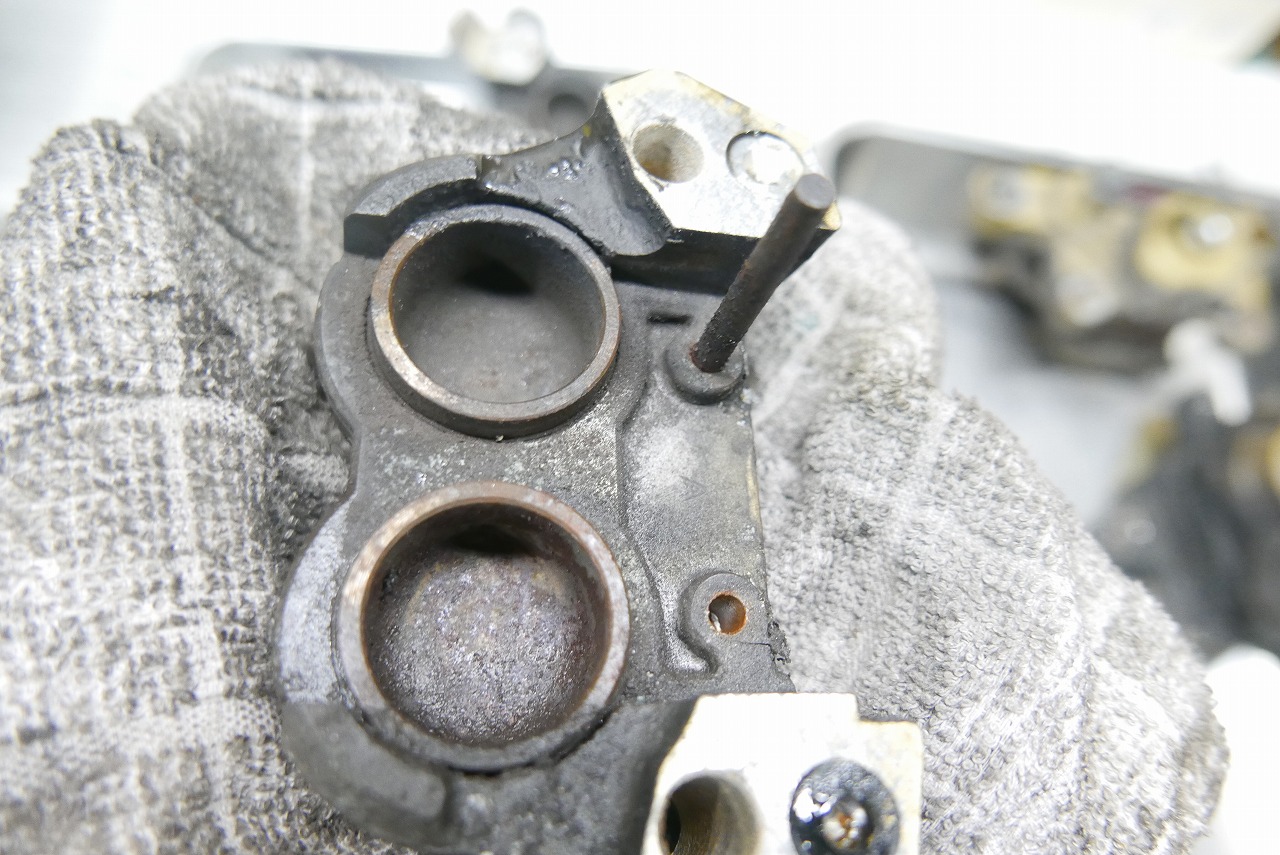
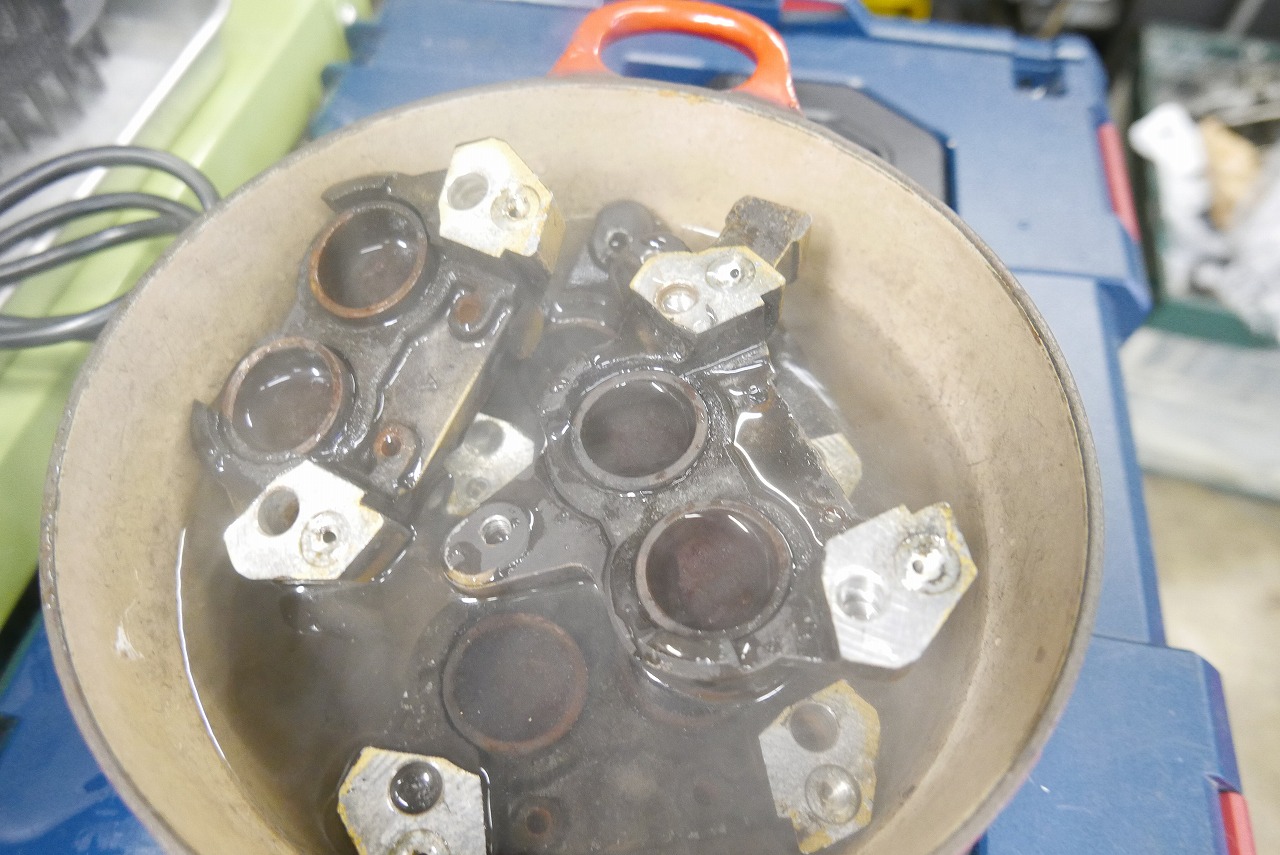
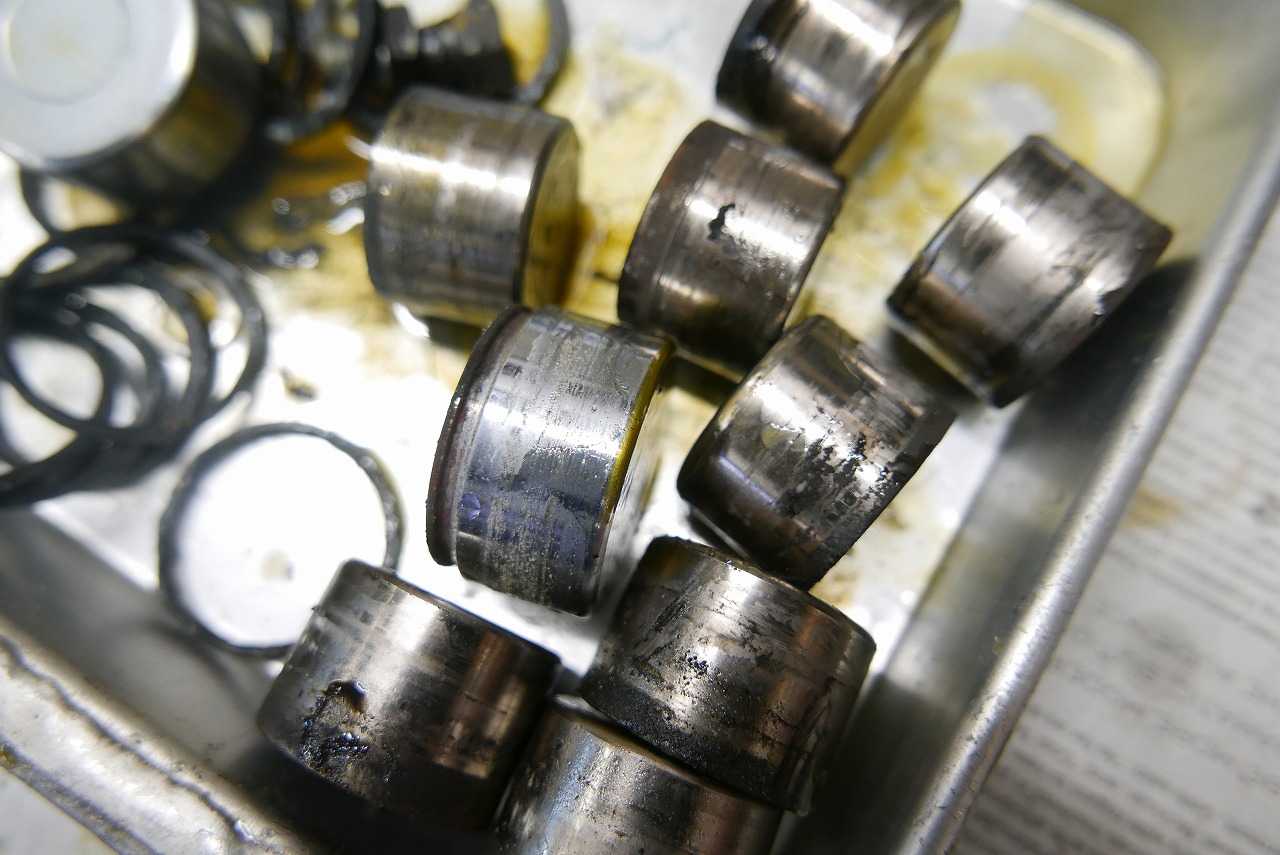
Every time work doesn’t flow smoothly, I think “I need to make a better tool.”
I’m always asking myself: is it “bad equipment” or “low skill and experience”?
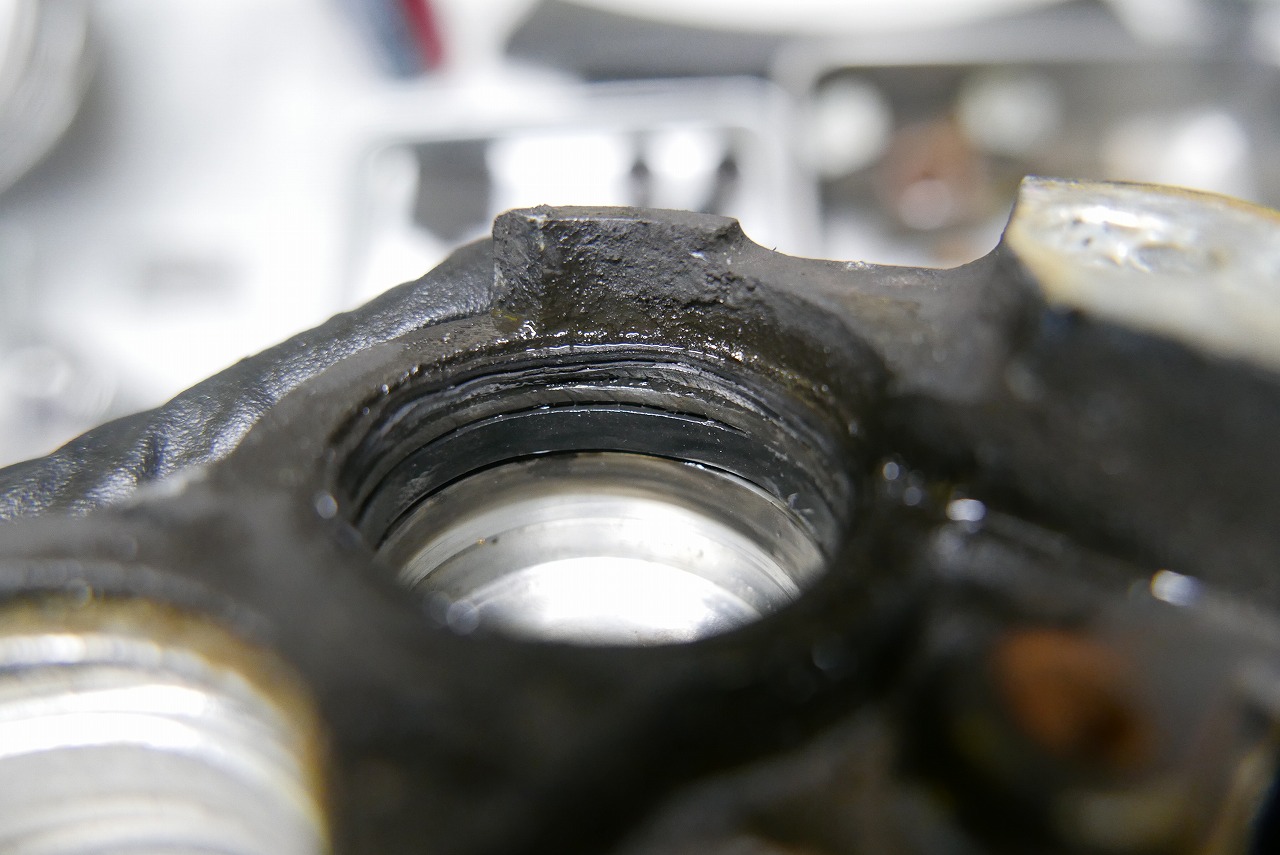
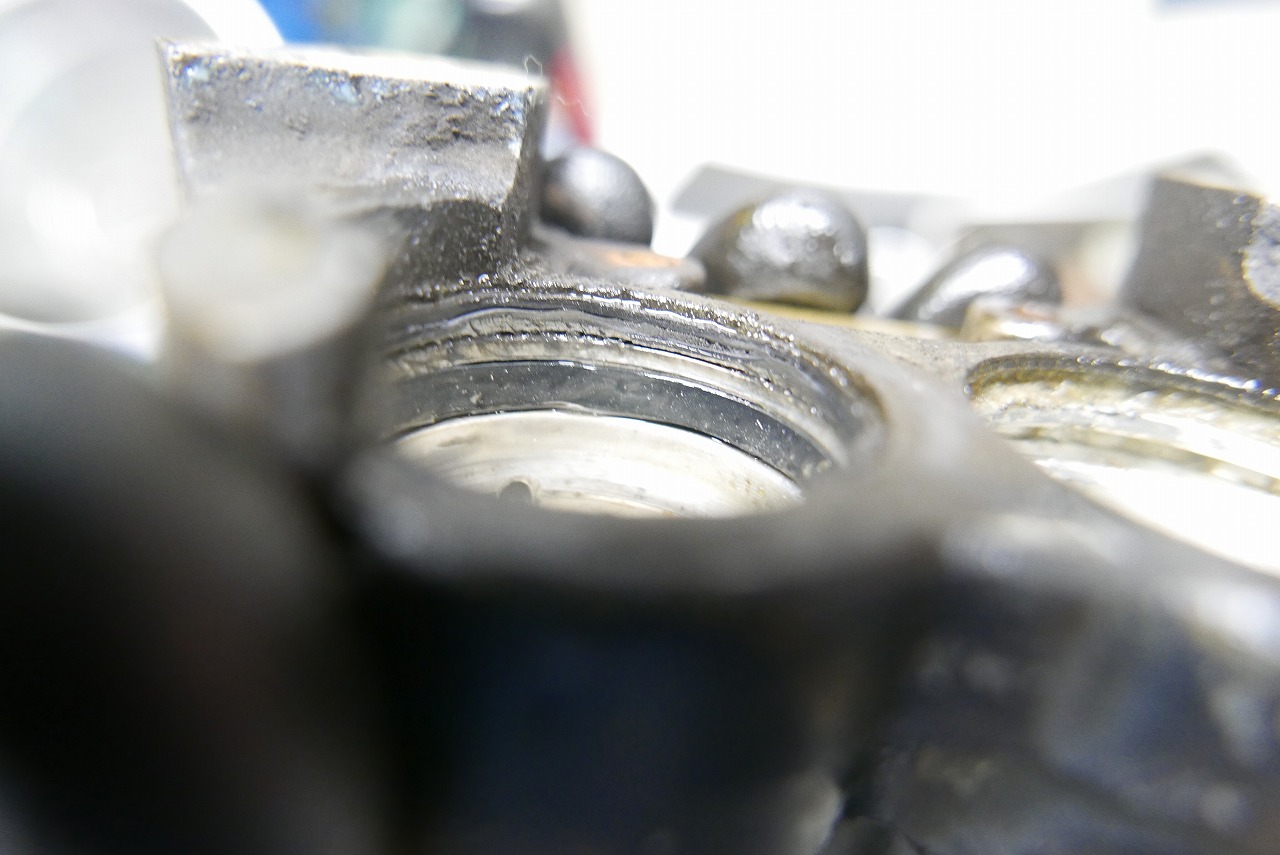
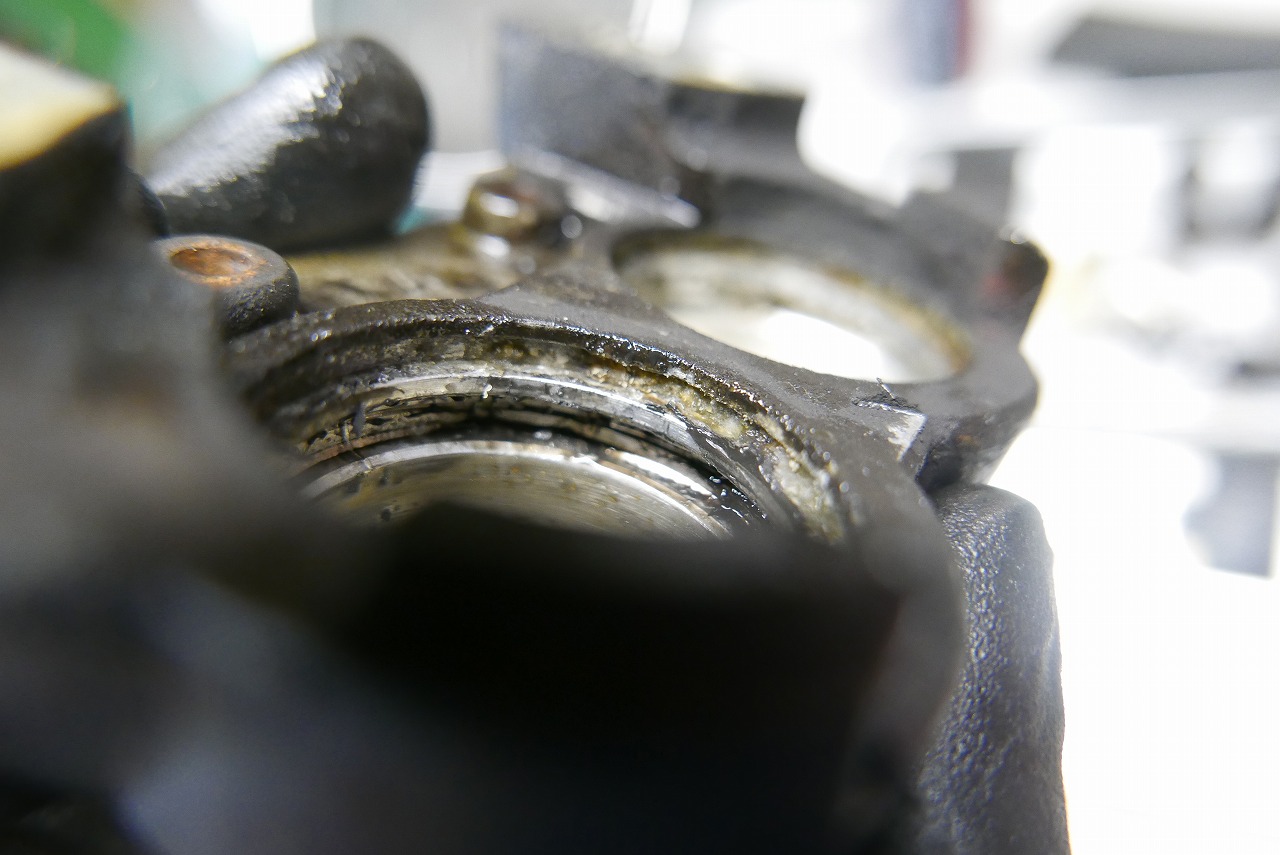
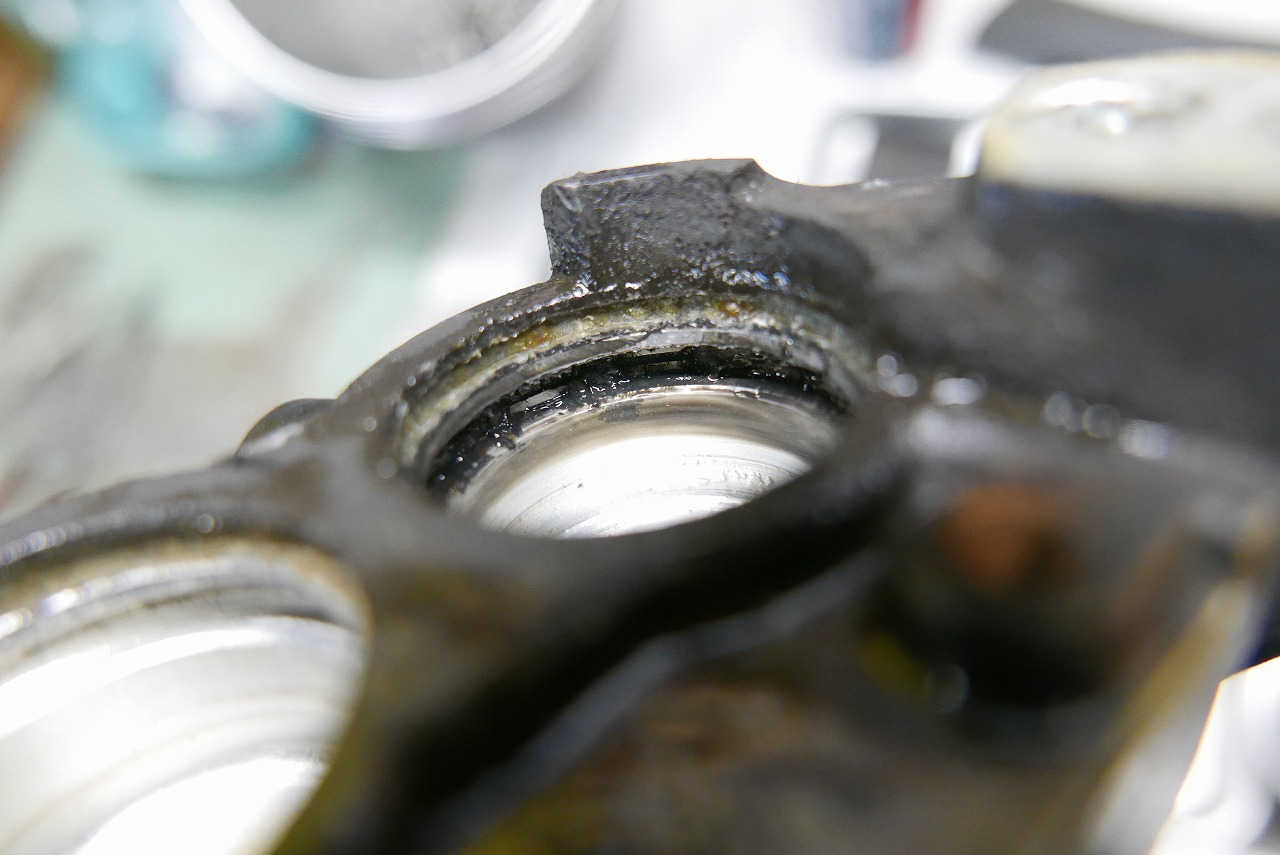
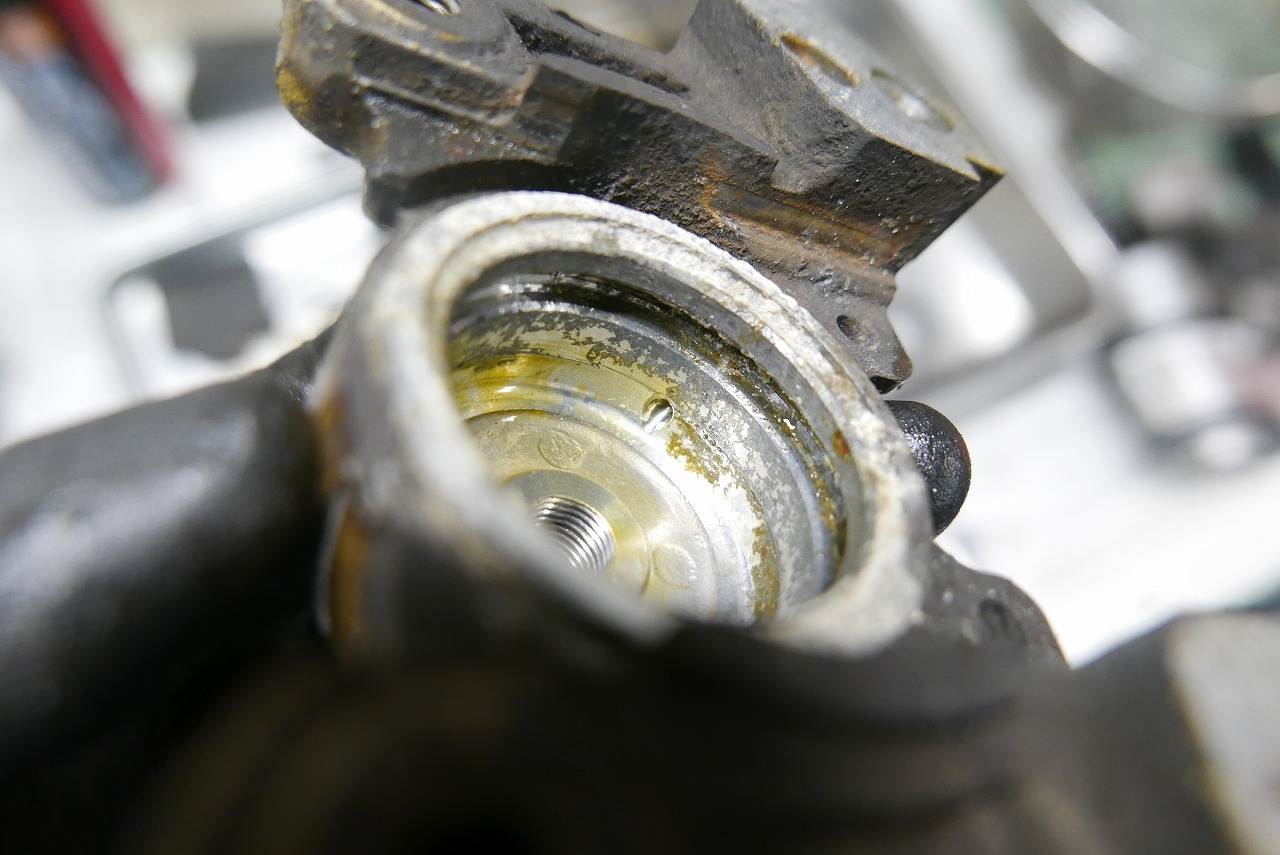
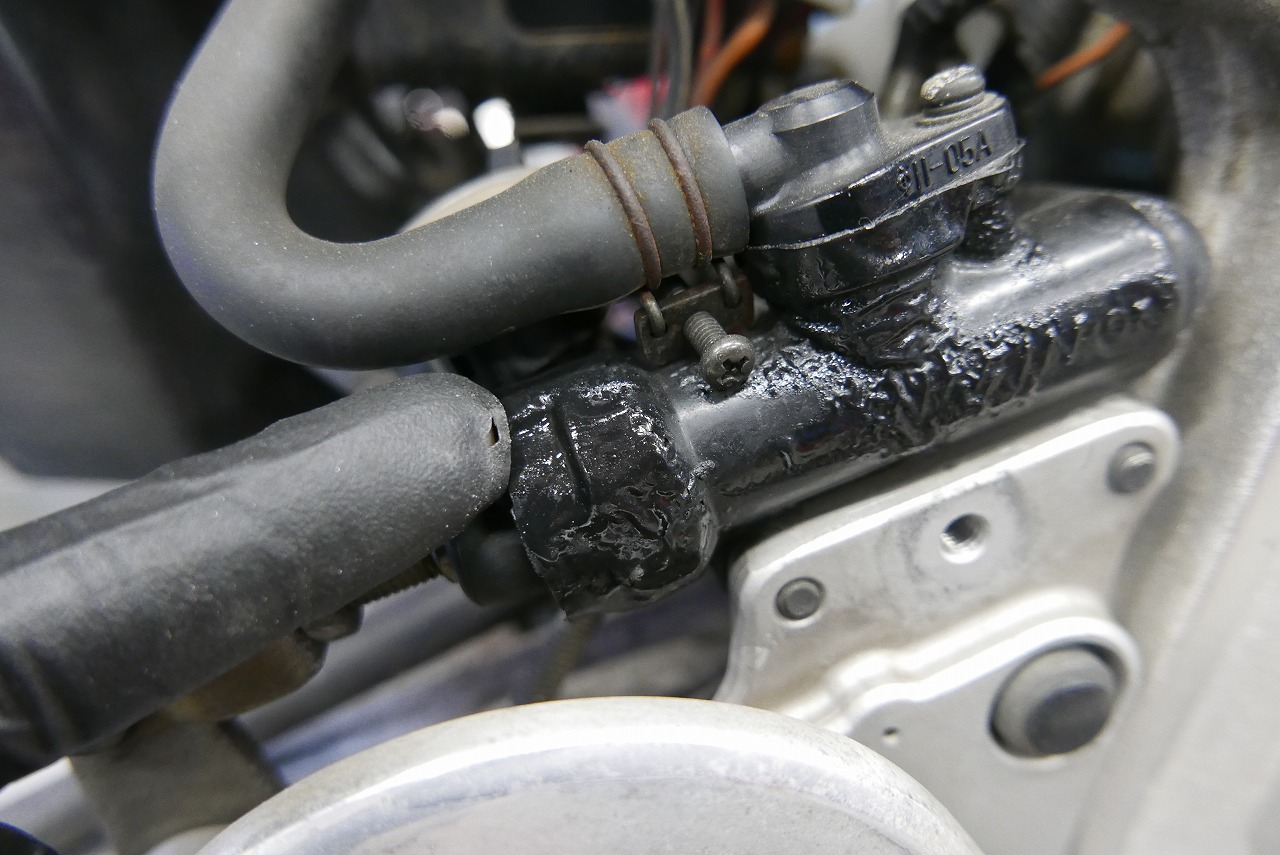
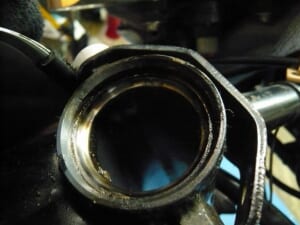
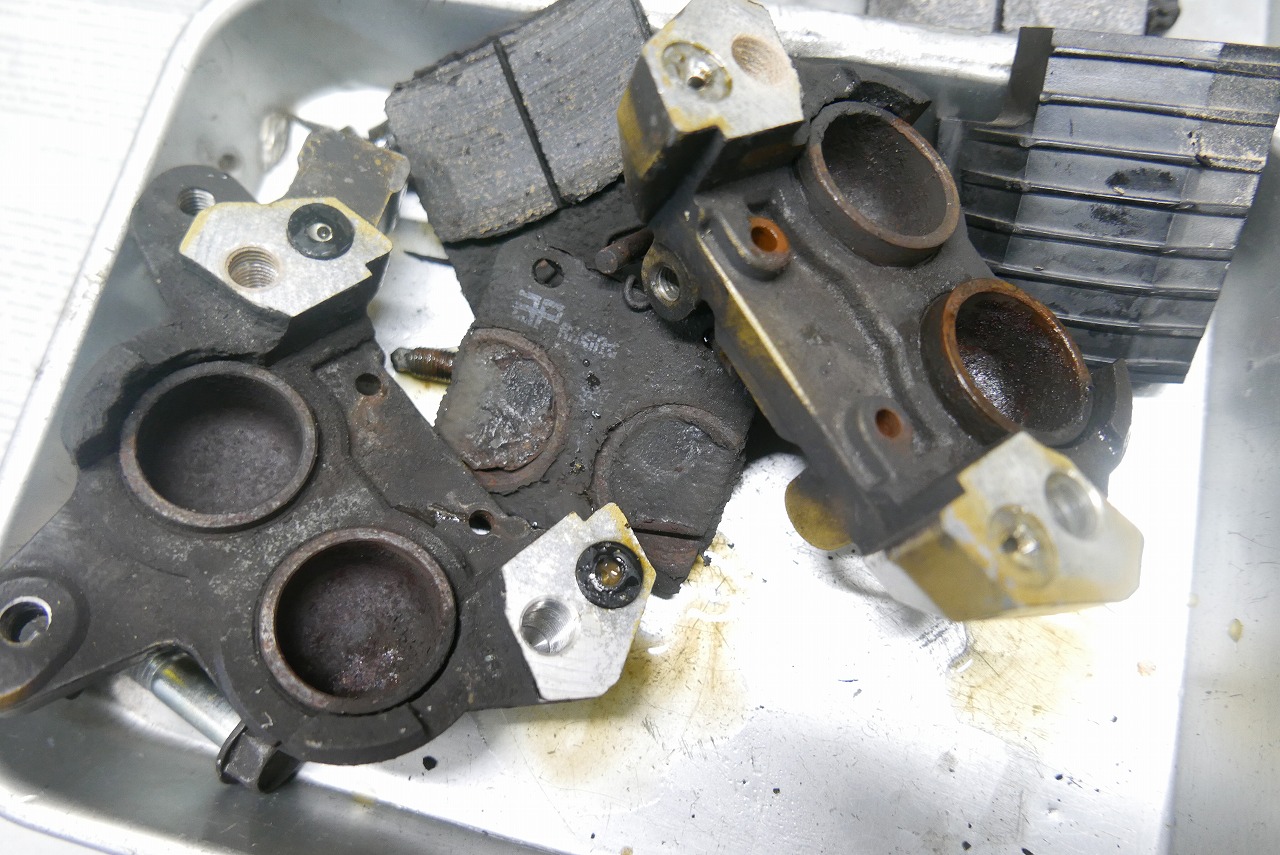
Poor brake caliper piston action usually means the seal is old (deformed/hardened) or the seal groove is corroded and the piston gets stuck.
Even if I scrub the caliper and massage the piston, there’s a limit. I think it’s faster and gives better results to just do an OH instead of spending all that time.
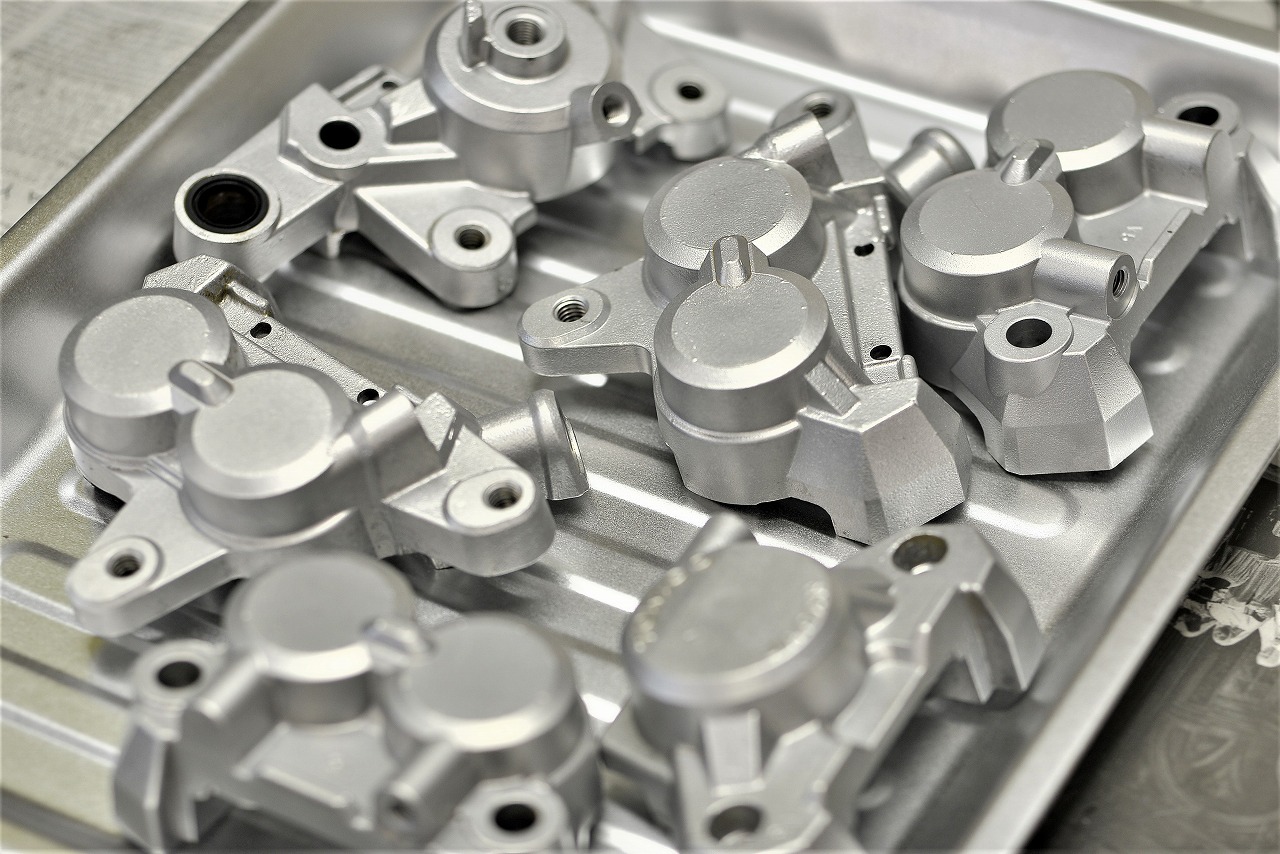
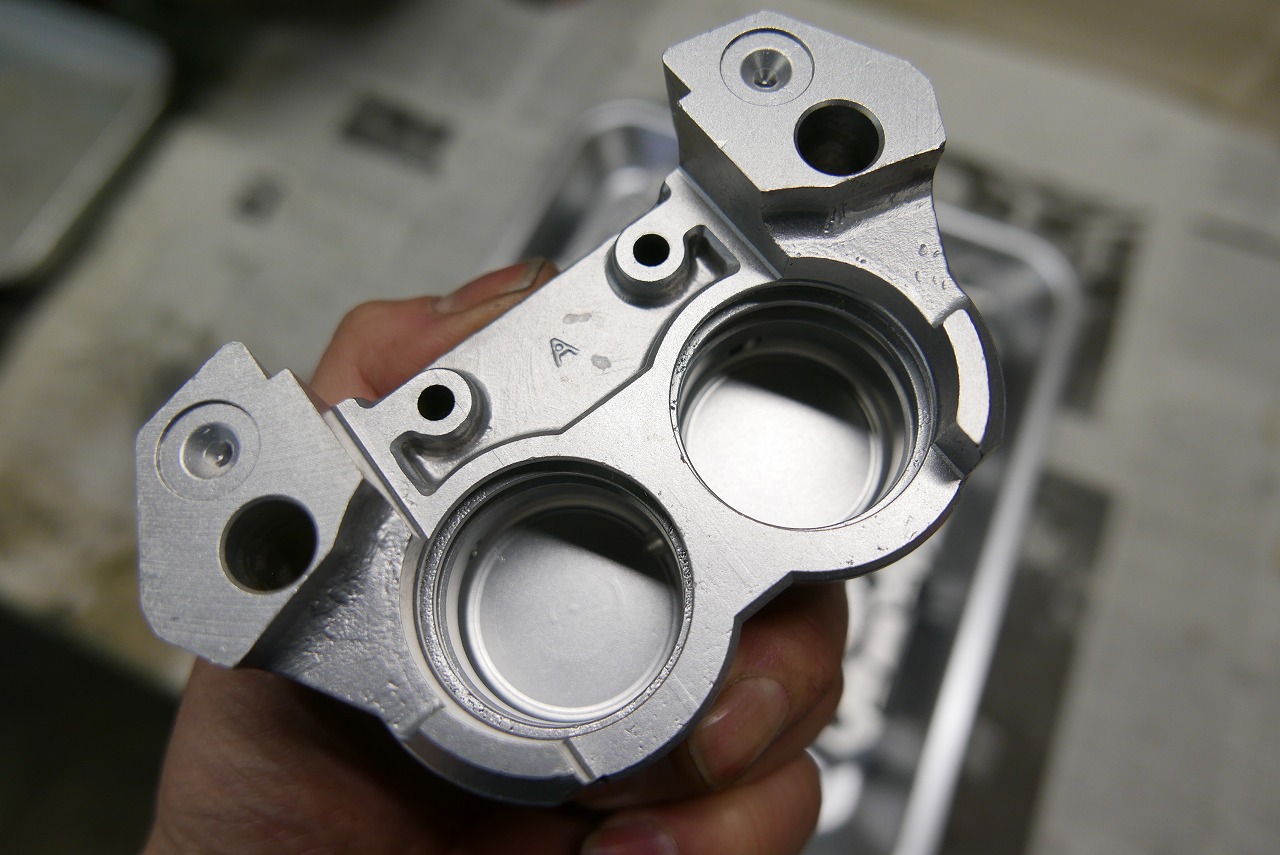
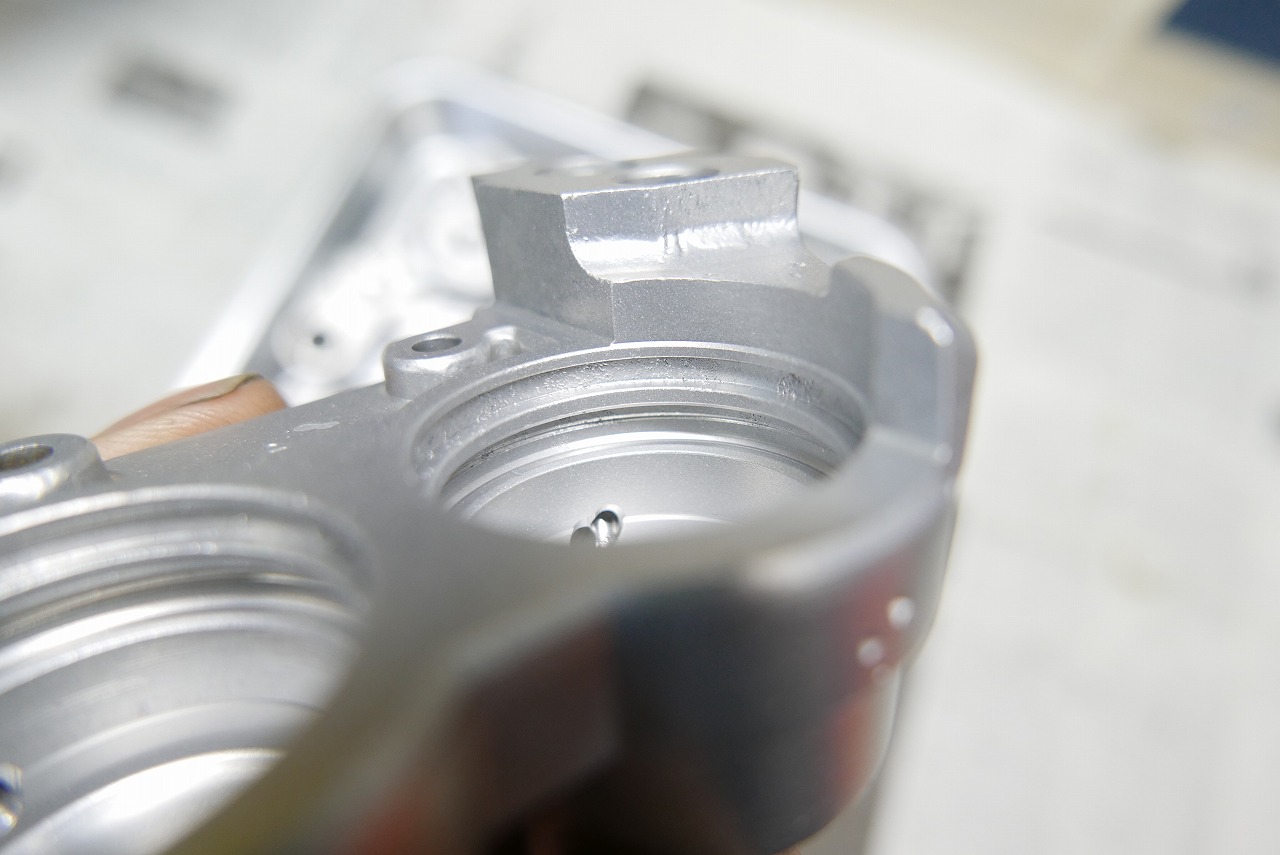
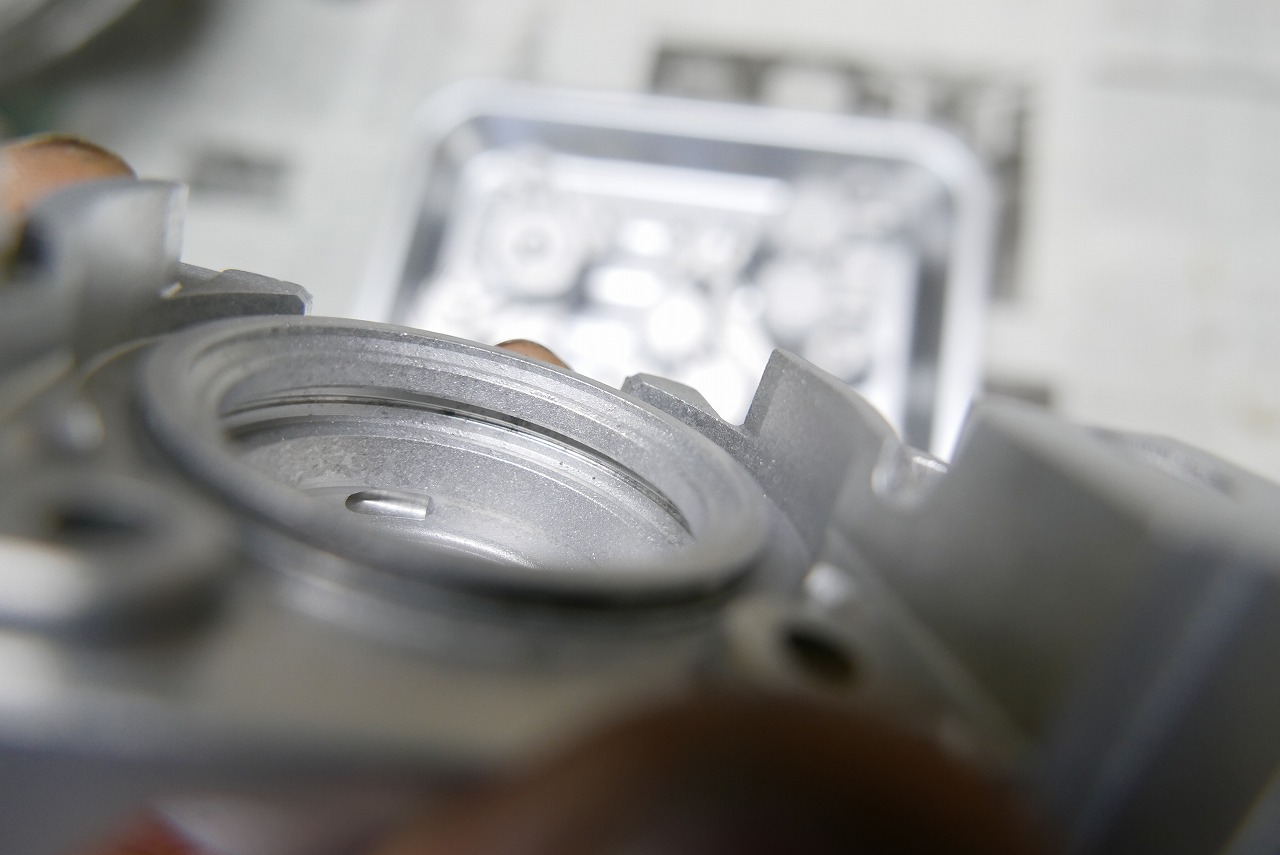
Paint looks nice when you apply it, but you have to strip it again later—this finish is easier to maintain.
Whether it’ll need another OH someday is unclear, but…
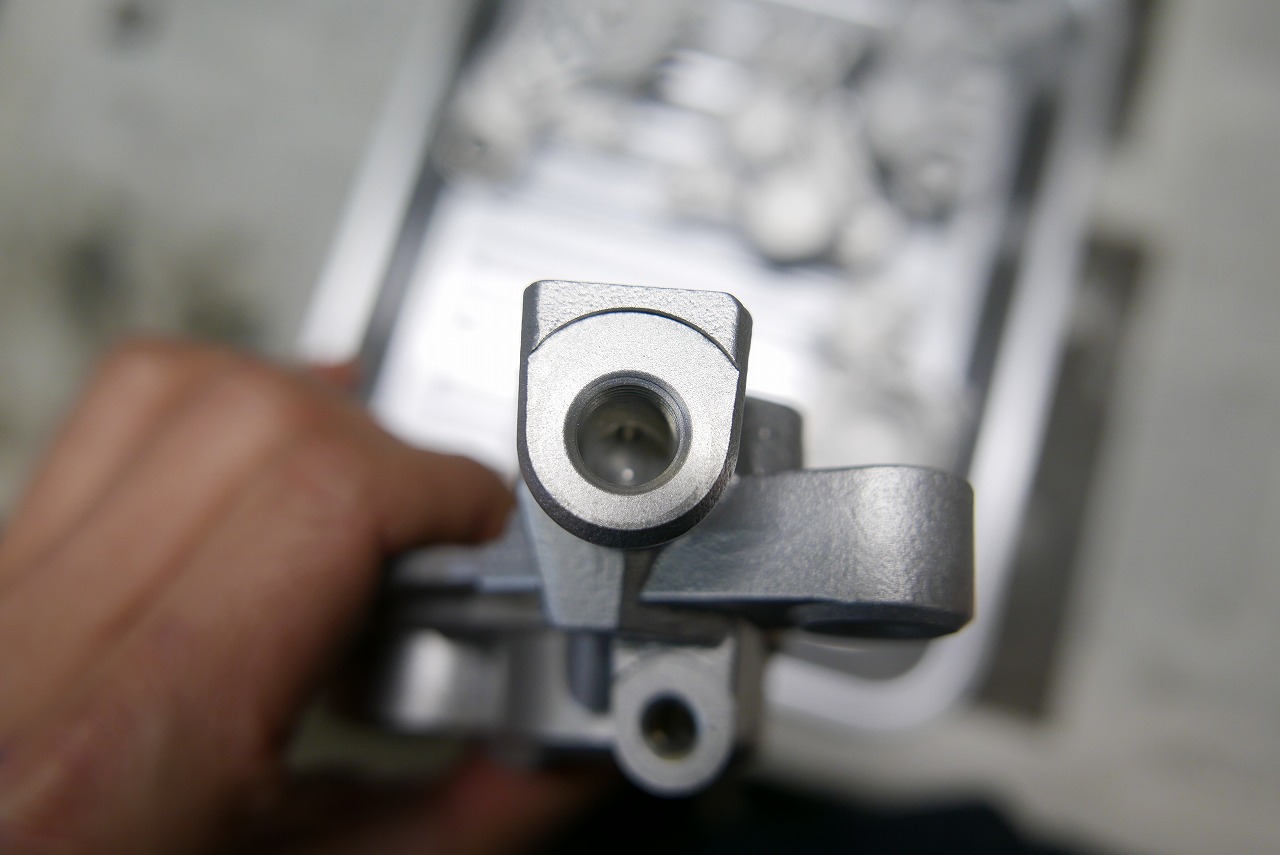
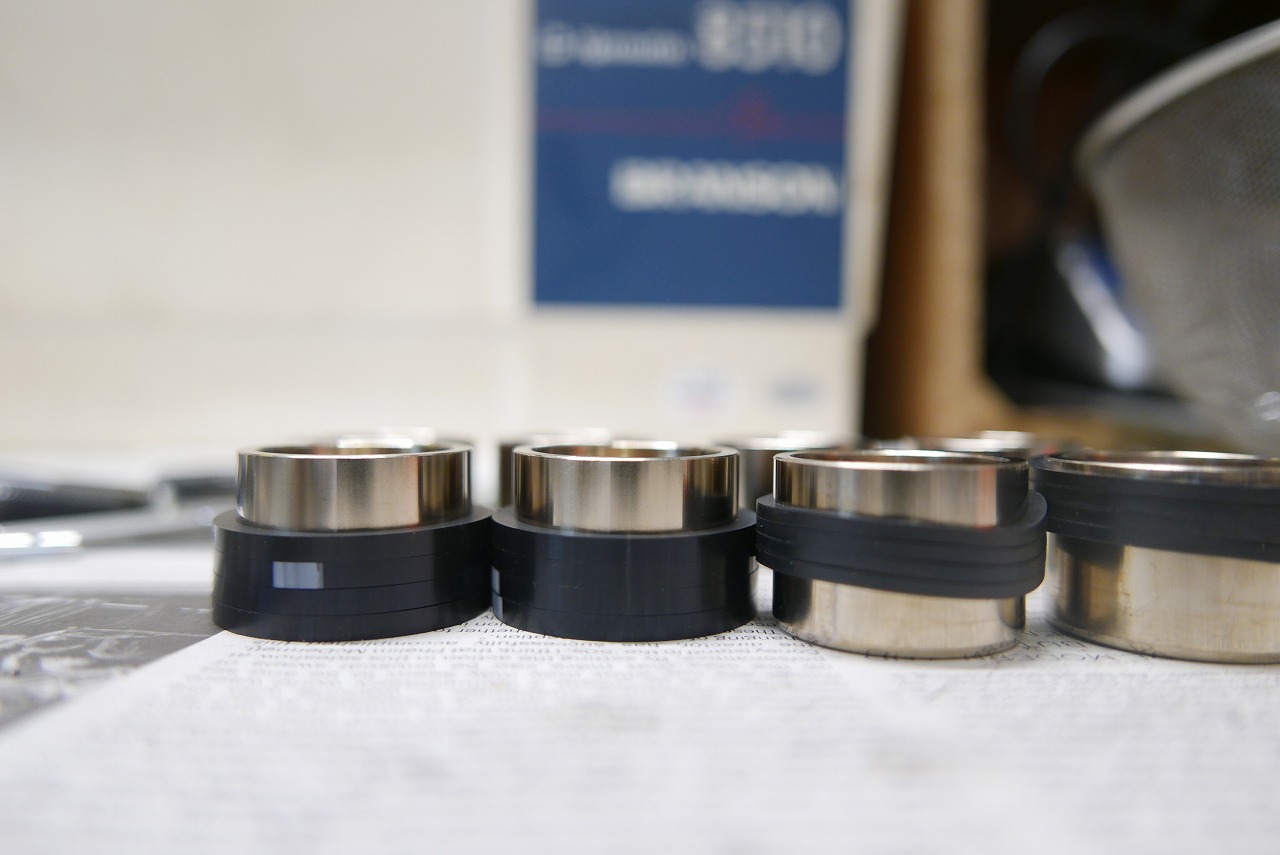
Whenever humans are involved, mistakes can happen. “Is it the replacement part’s fault or the technician’s fault?” It’s definitely the latter. I don’t want to end up making excuses.
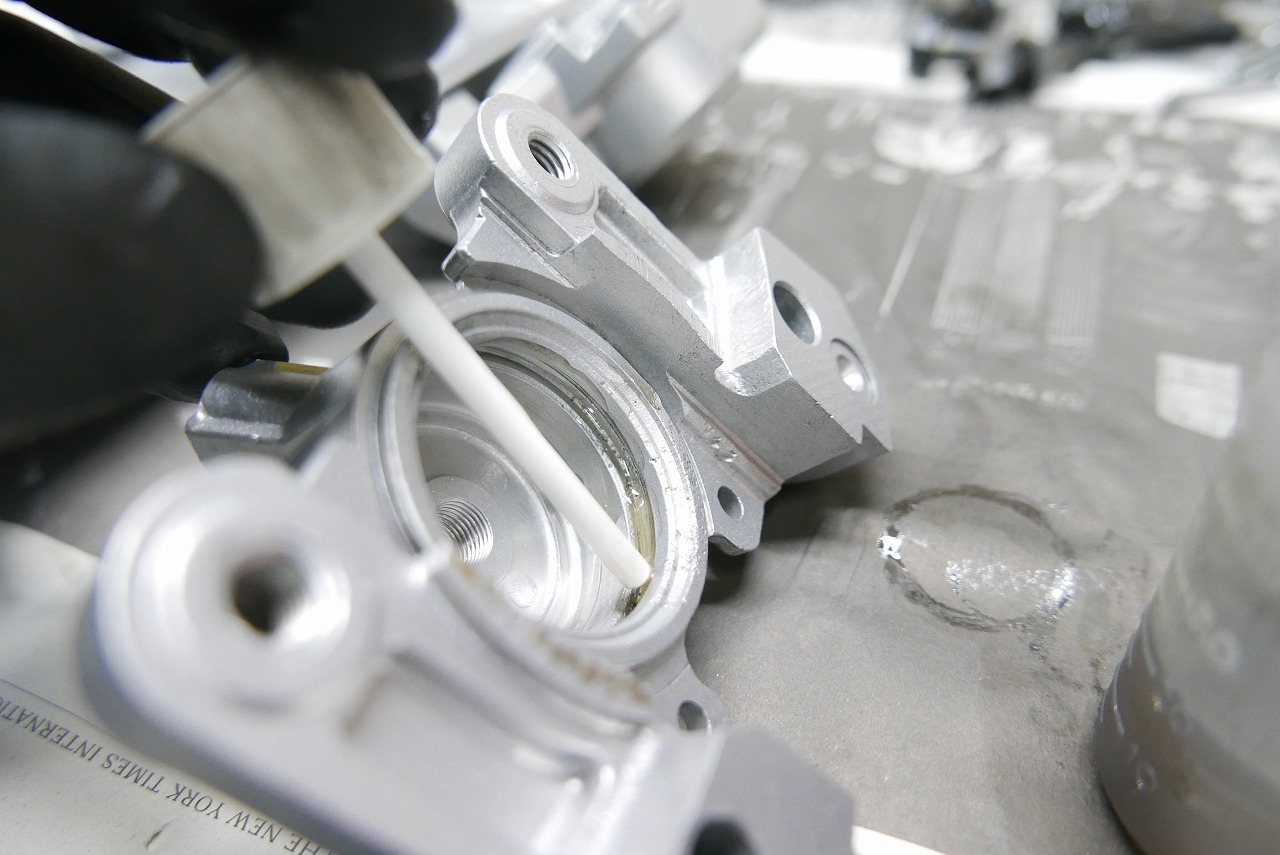
*It might be better to avoid grease-based products in general.
·Grease doesn’t dissolve and stays behind, and after it degrades it still stays—requiring disassembly.
·When cleaning the caliper, water and grease mix—there’s a risk of corrosion inside the caliper groove.
It’s not absolute, but that’s what experience tells me.
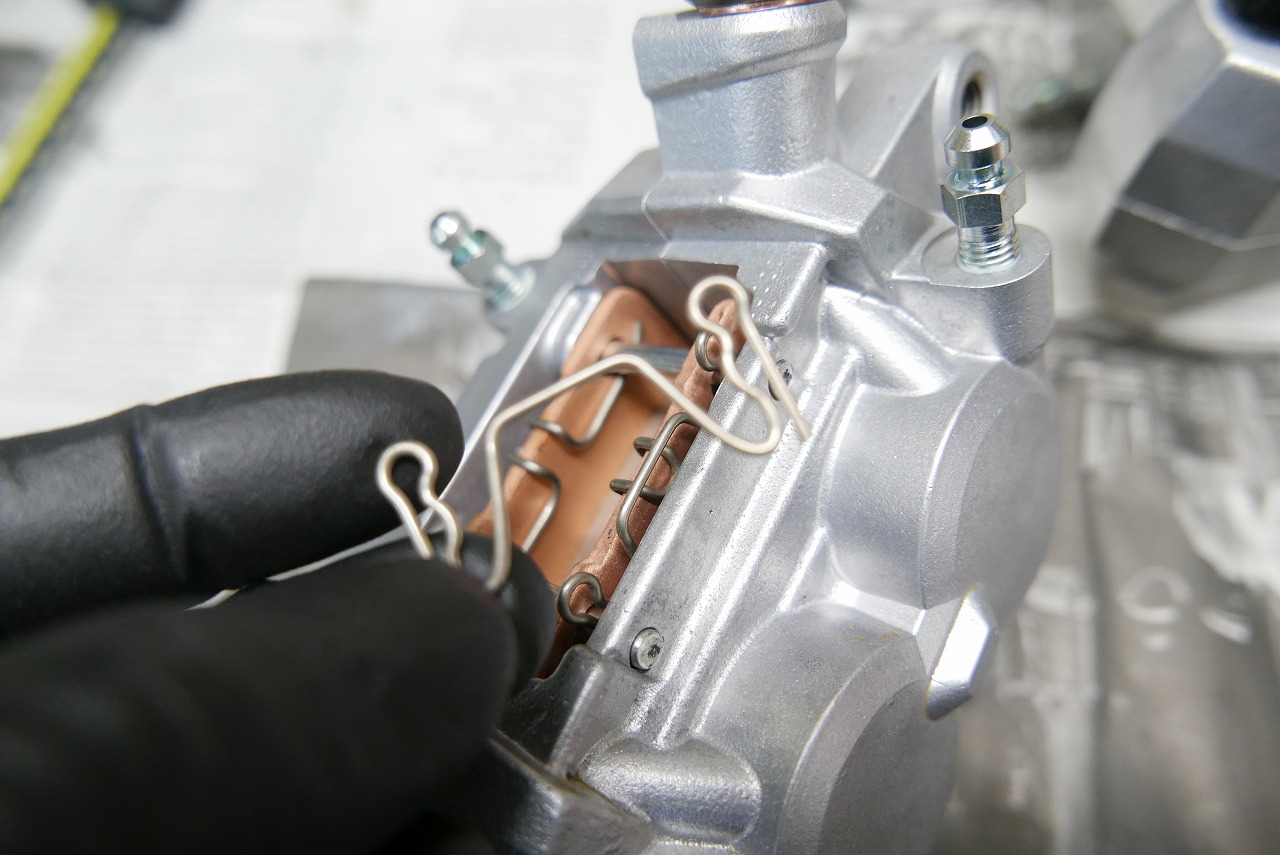
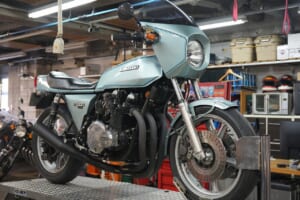
Only the person doing the work gets excited about this, but… I finish the customer’s bike to make my own work easier.
Suzuki 69142-46E01 Clip, pad pin
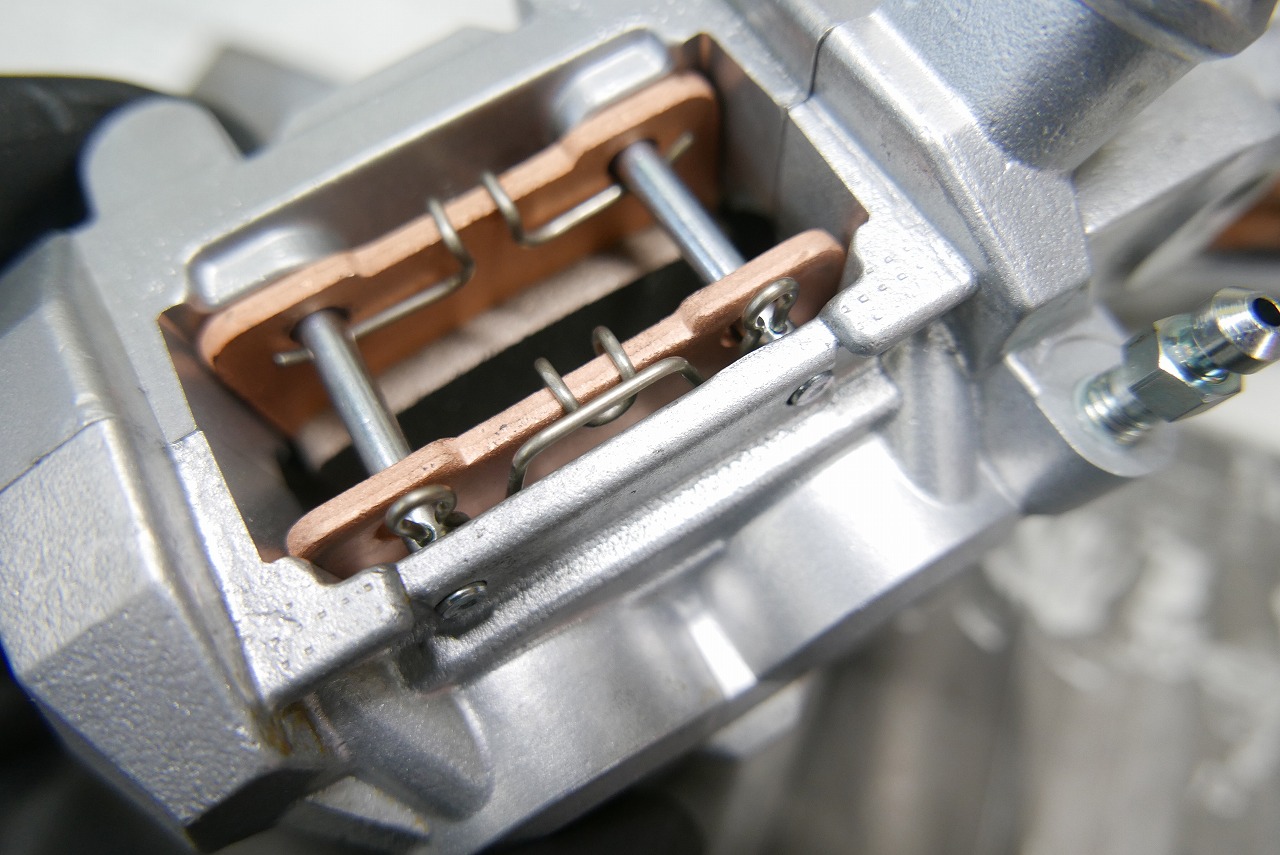
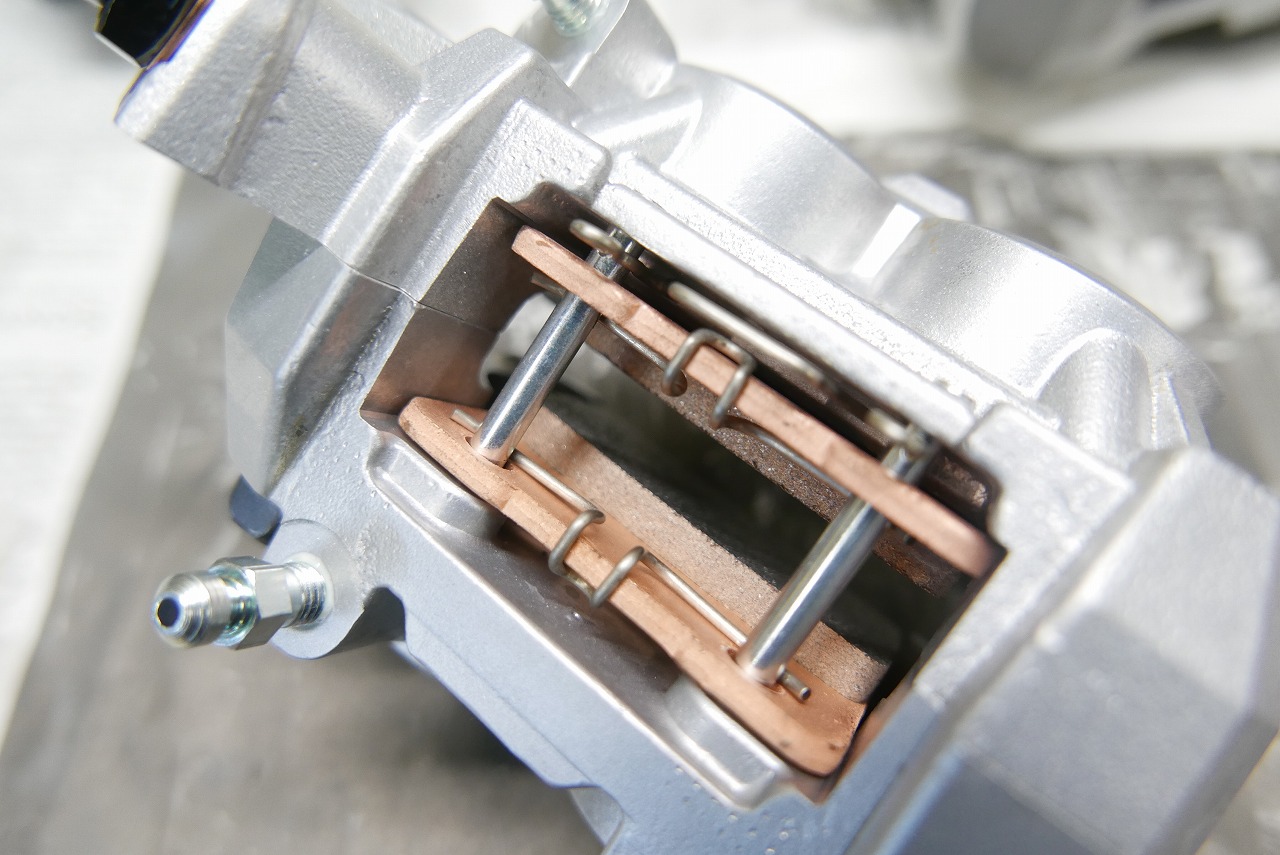
Vesrah VD-331JL
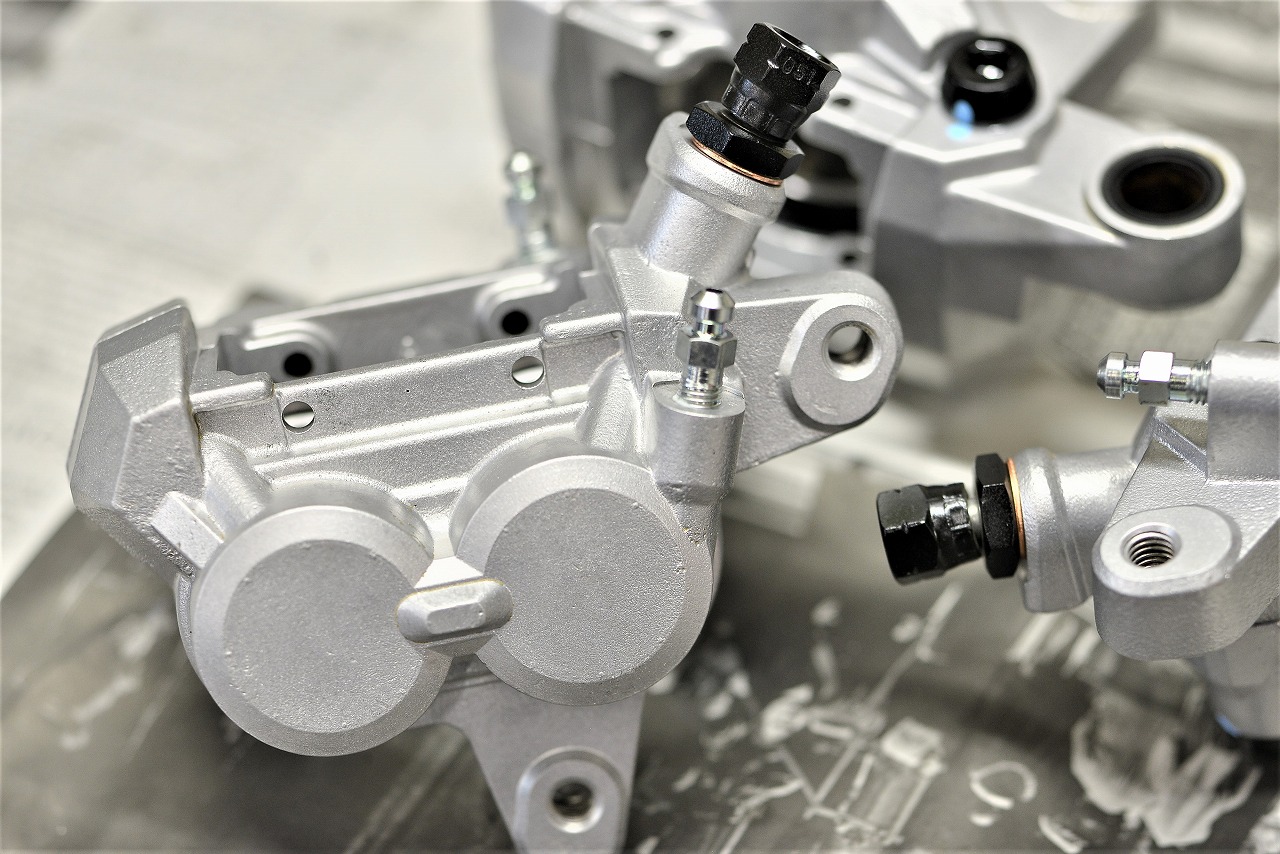
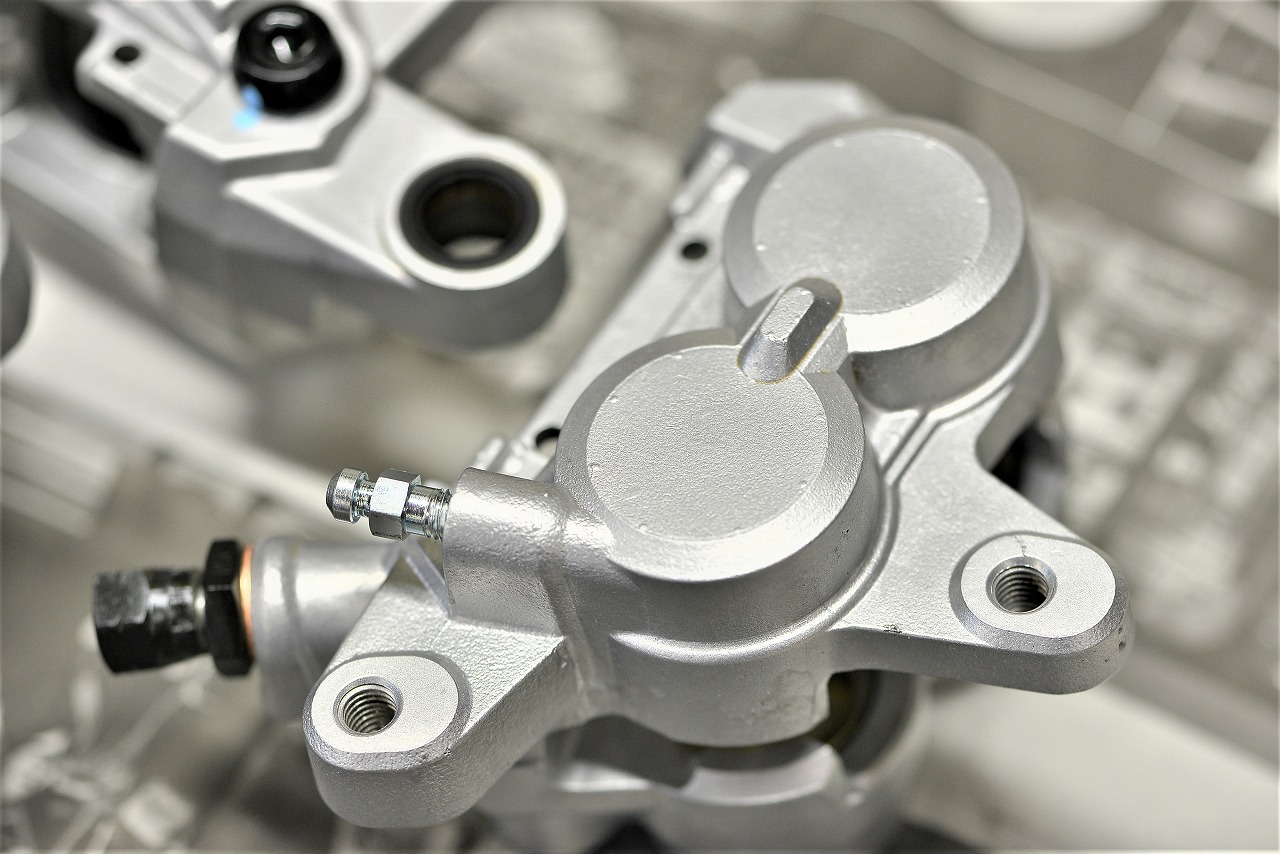
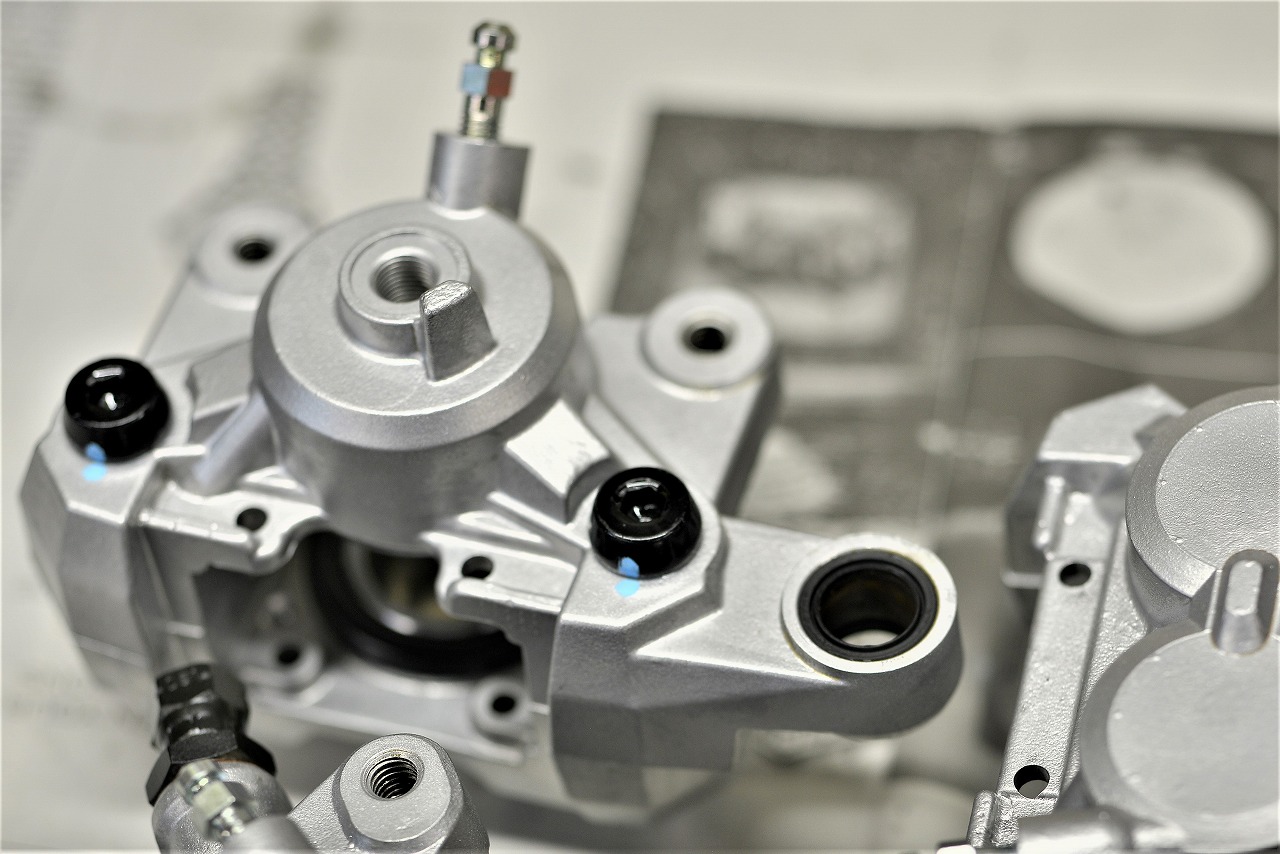
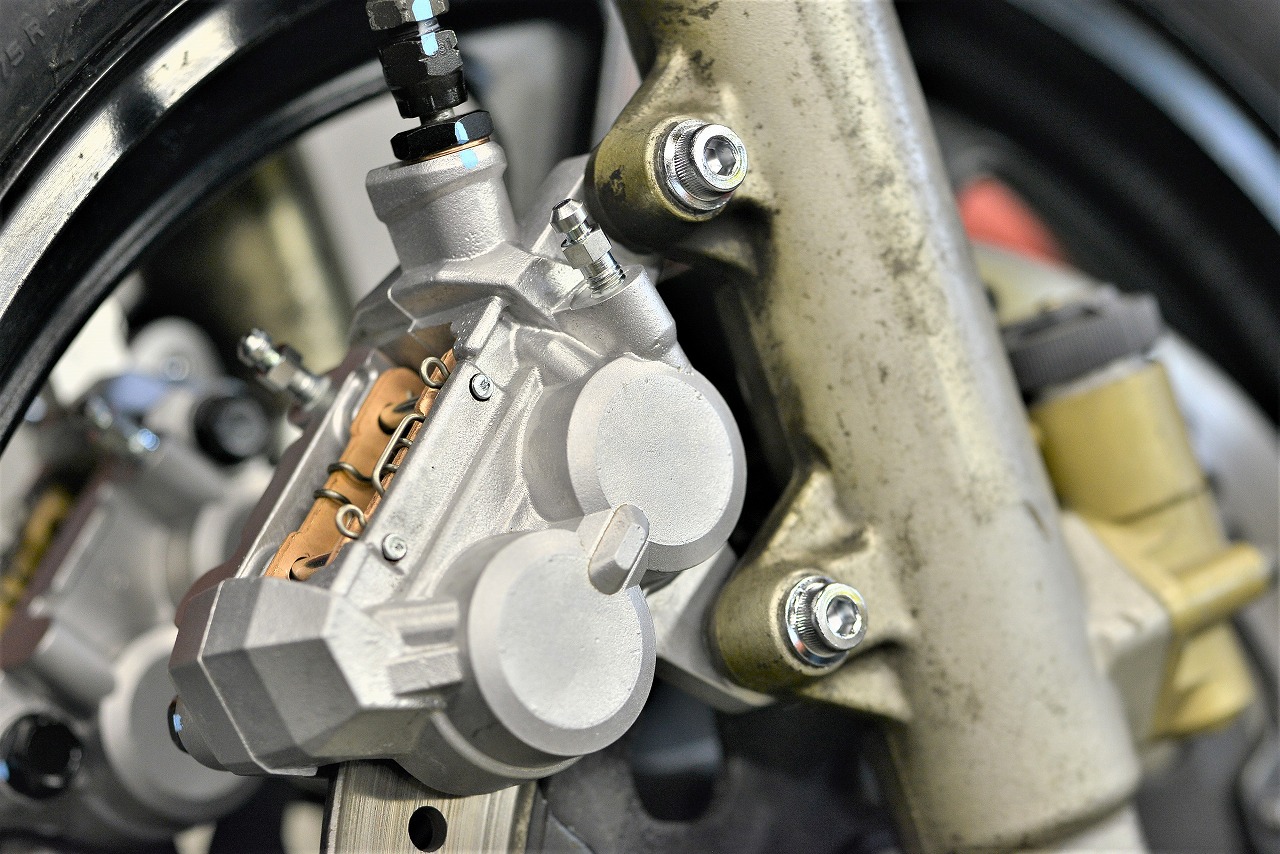
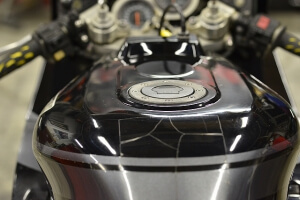
A texture that holds up to close-up photos is always challenging.
Anyway, the brakes are done.