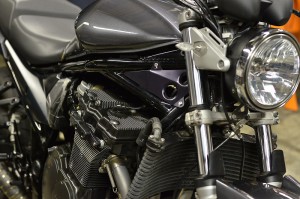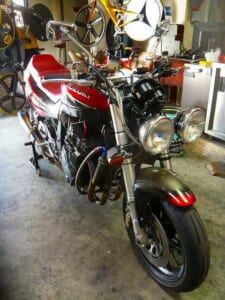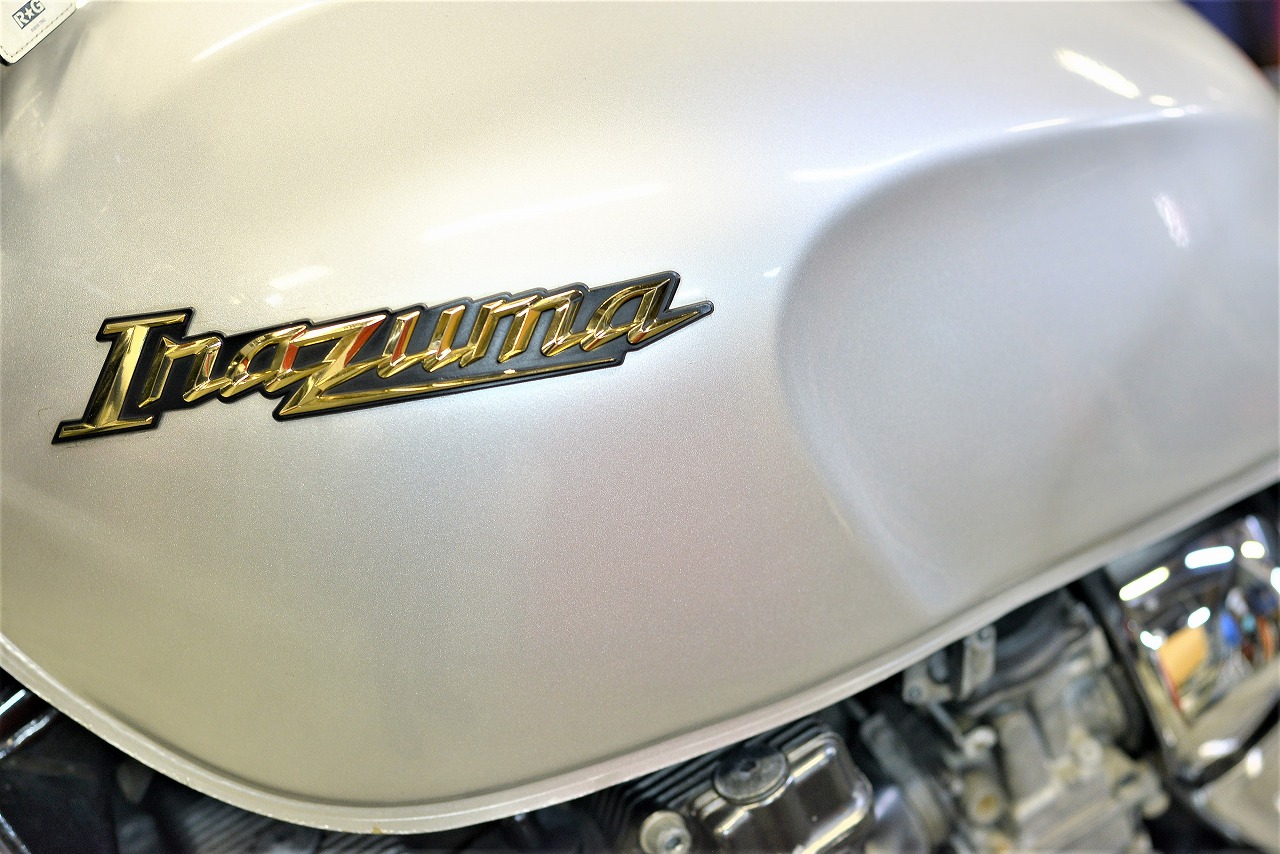
A hidden gem, the Inazuma 1200. This is an oil-cooled maintenance job plus Yoshimura ST-1 cam installation.
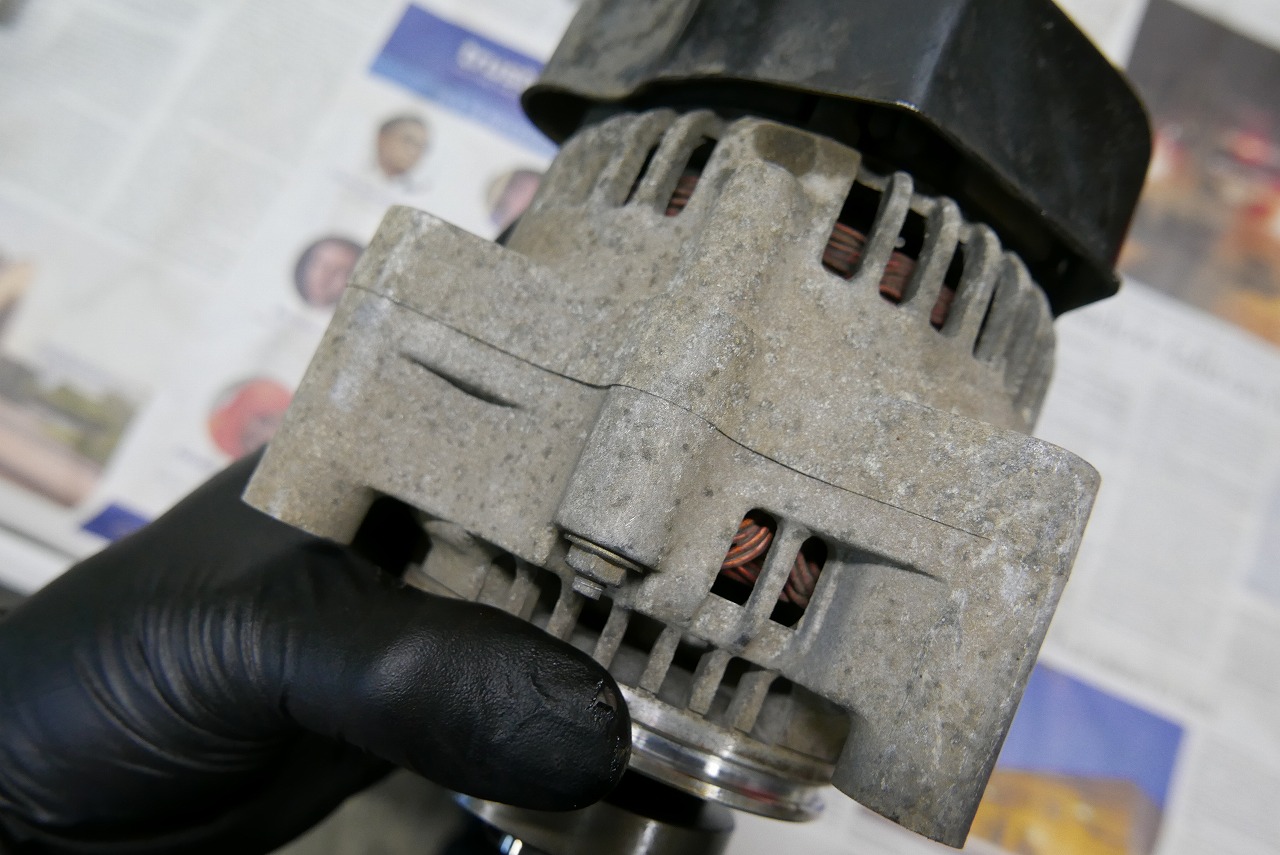
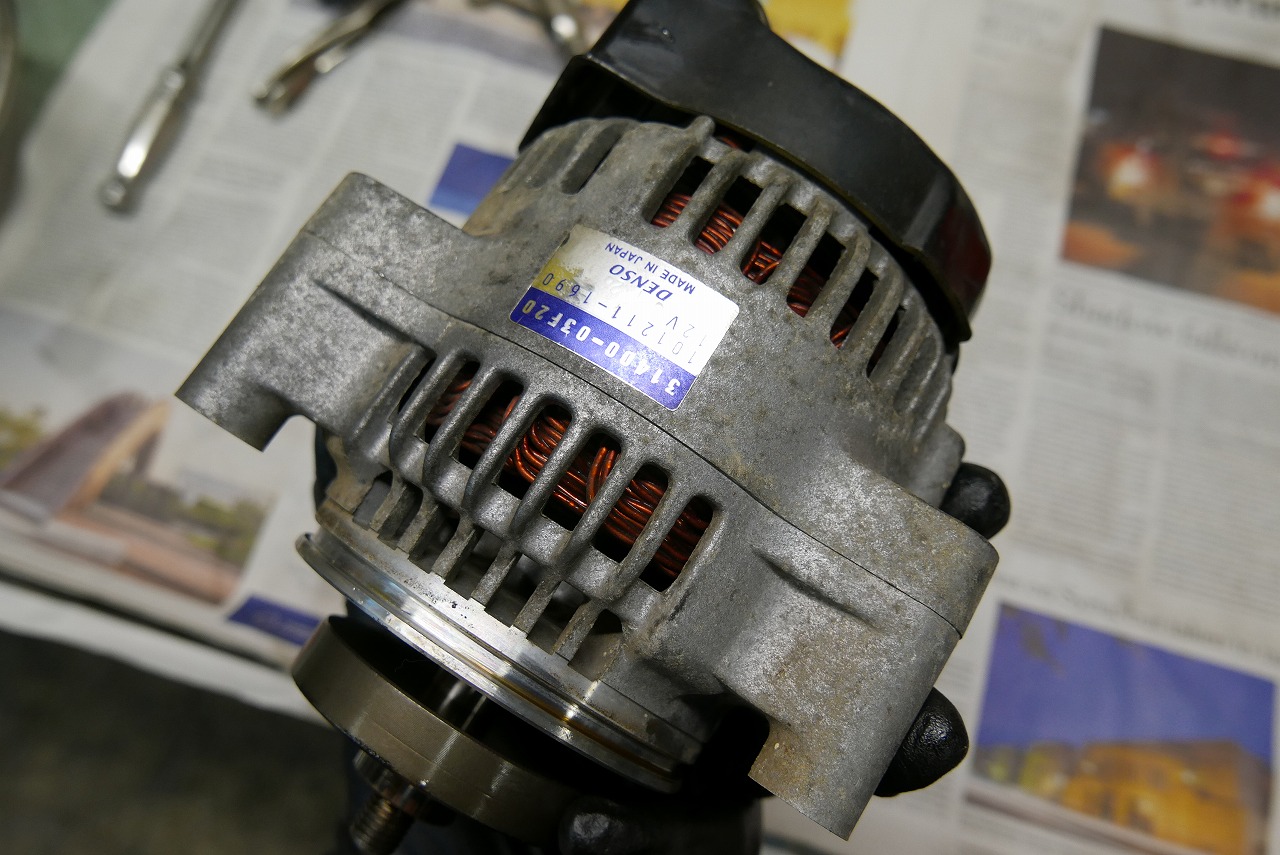
First up is generator damper replacement. We’ll clean up the body too. (No image)
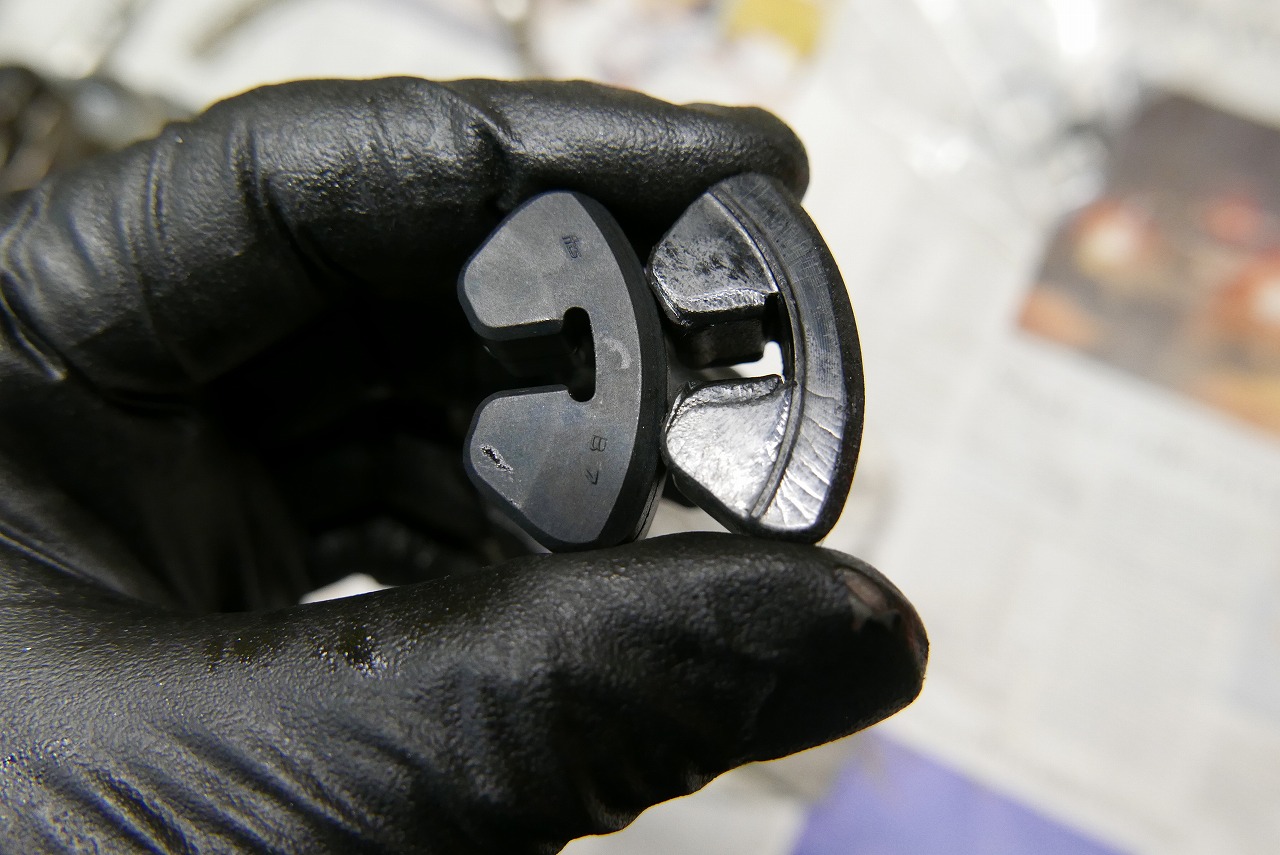
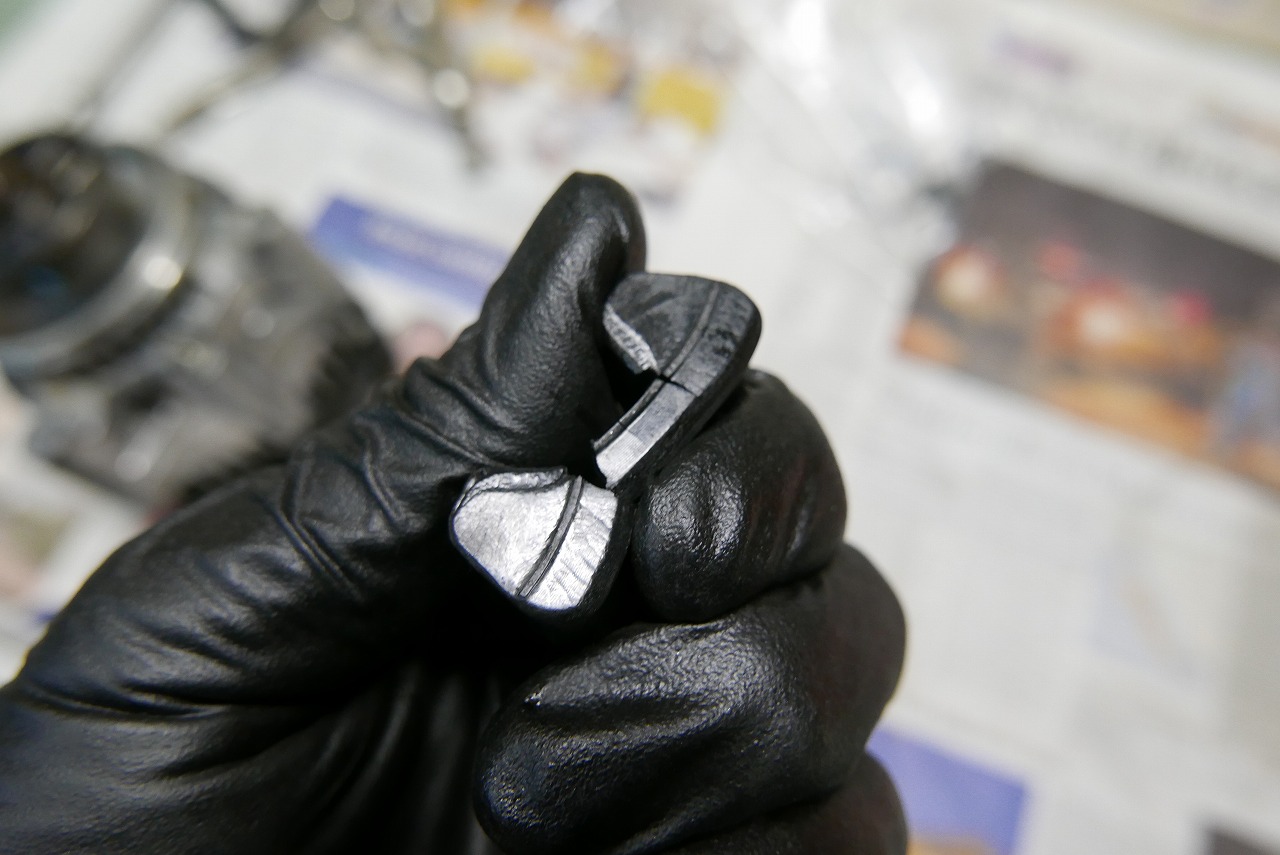
It’s completely stiff. The engine heat has done a number on it.
When this wears out, it can get pretty noisy around idle, so definitely check it out.
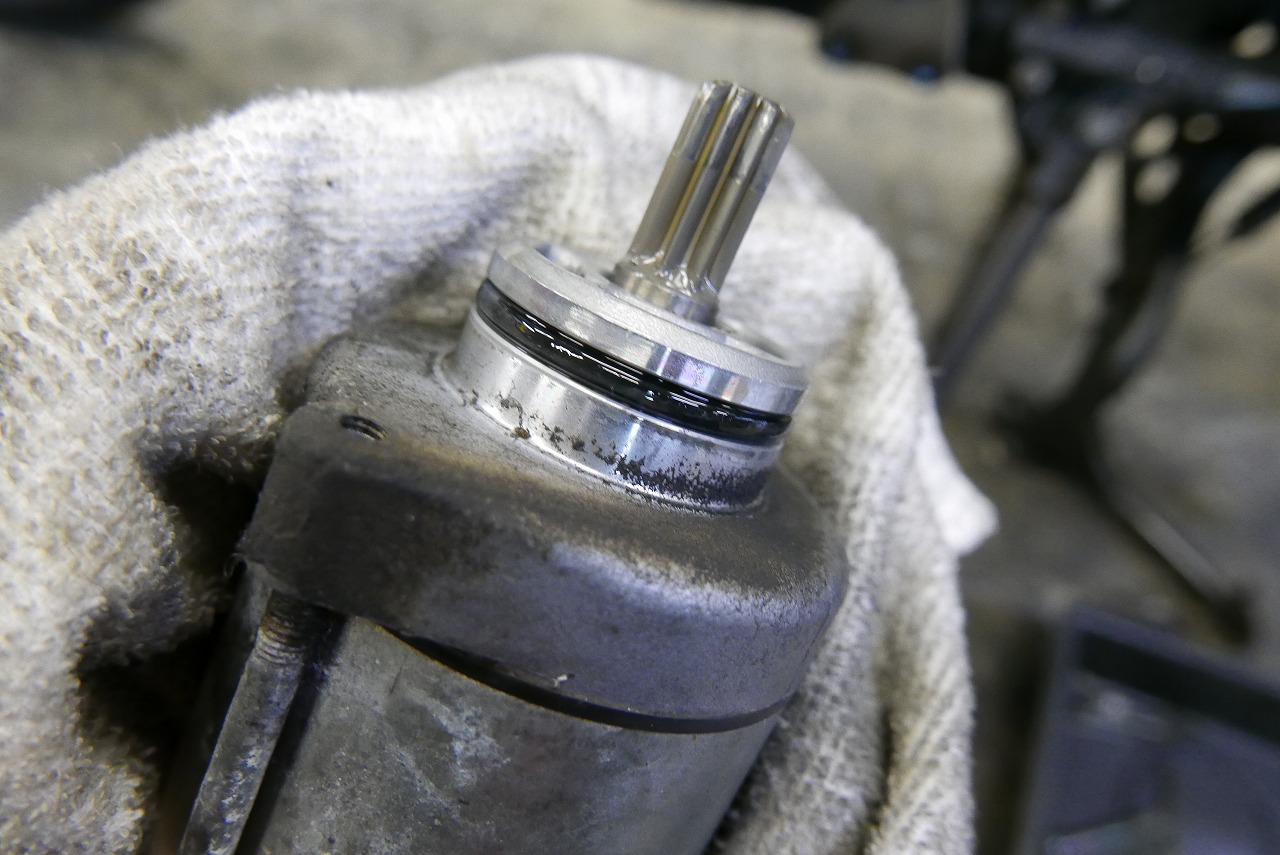
We’ll also replace the starter motor O-ring.
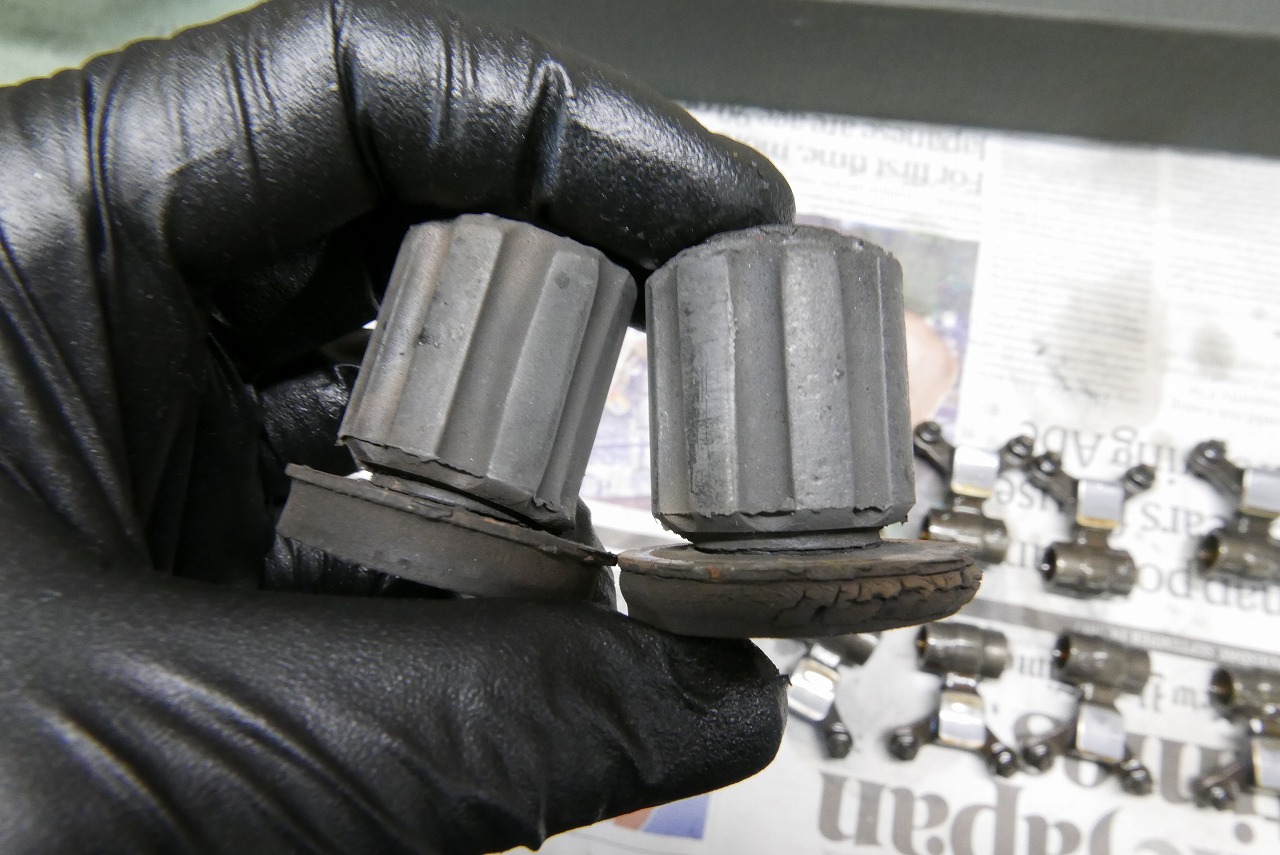
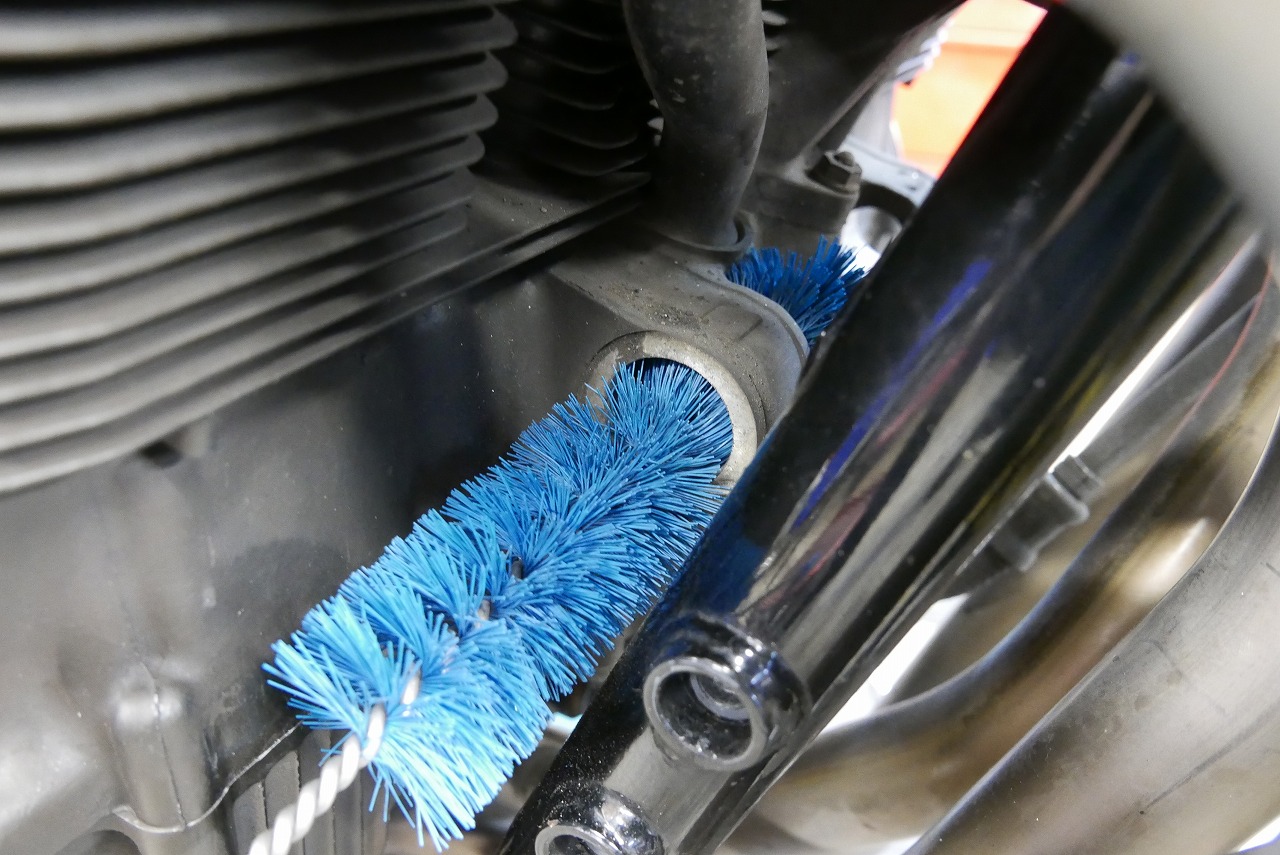
The engine damper wear is moderate. We’ll clean up the case and install it properly.
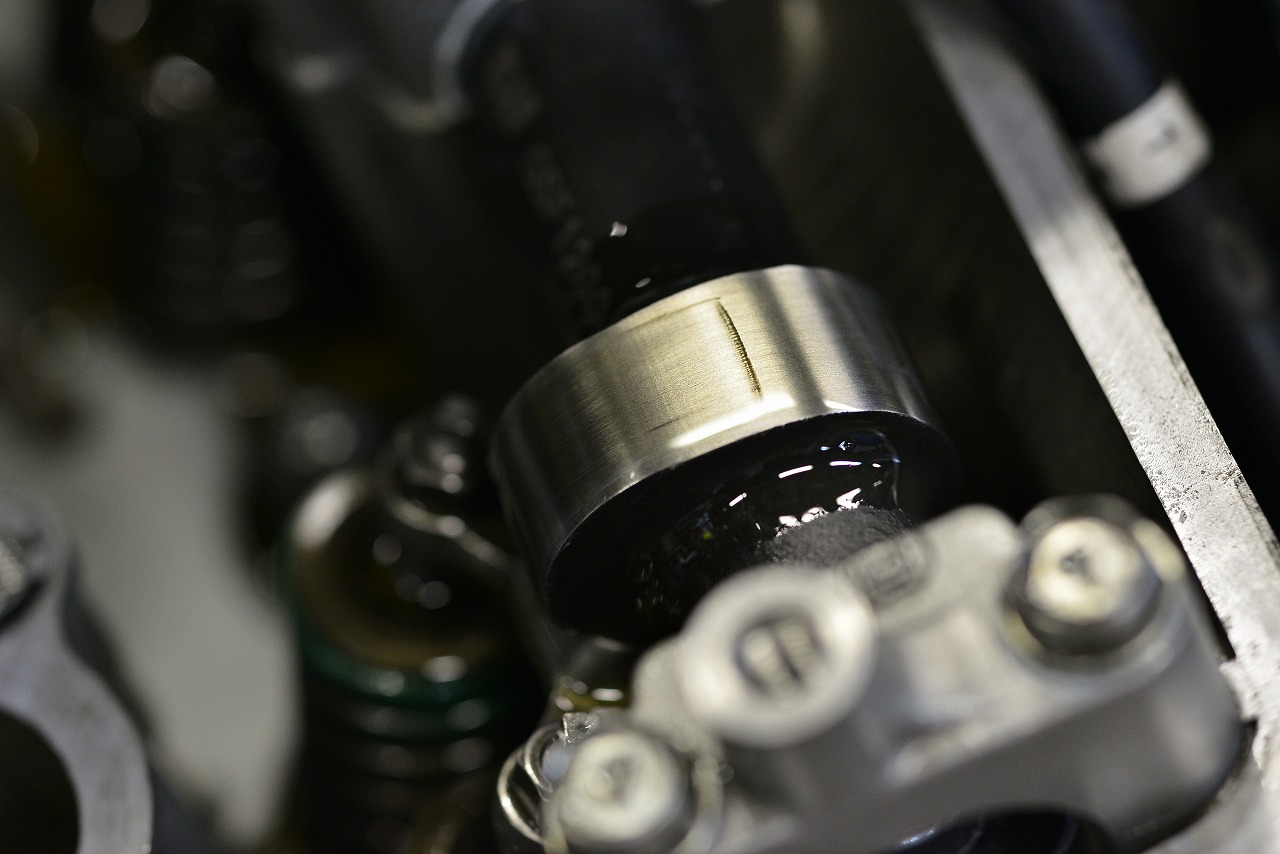
Next we’ll remove the cam and inspect it.
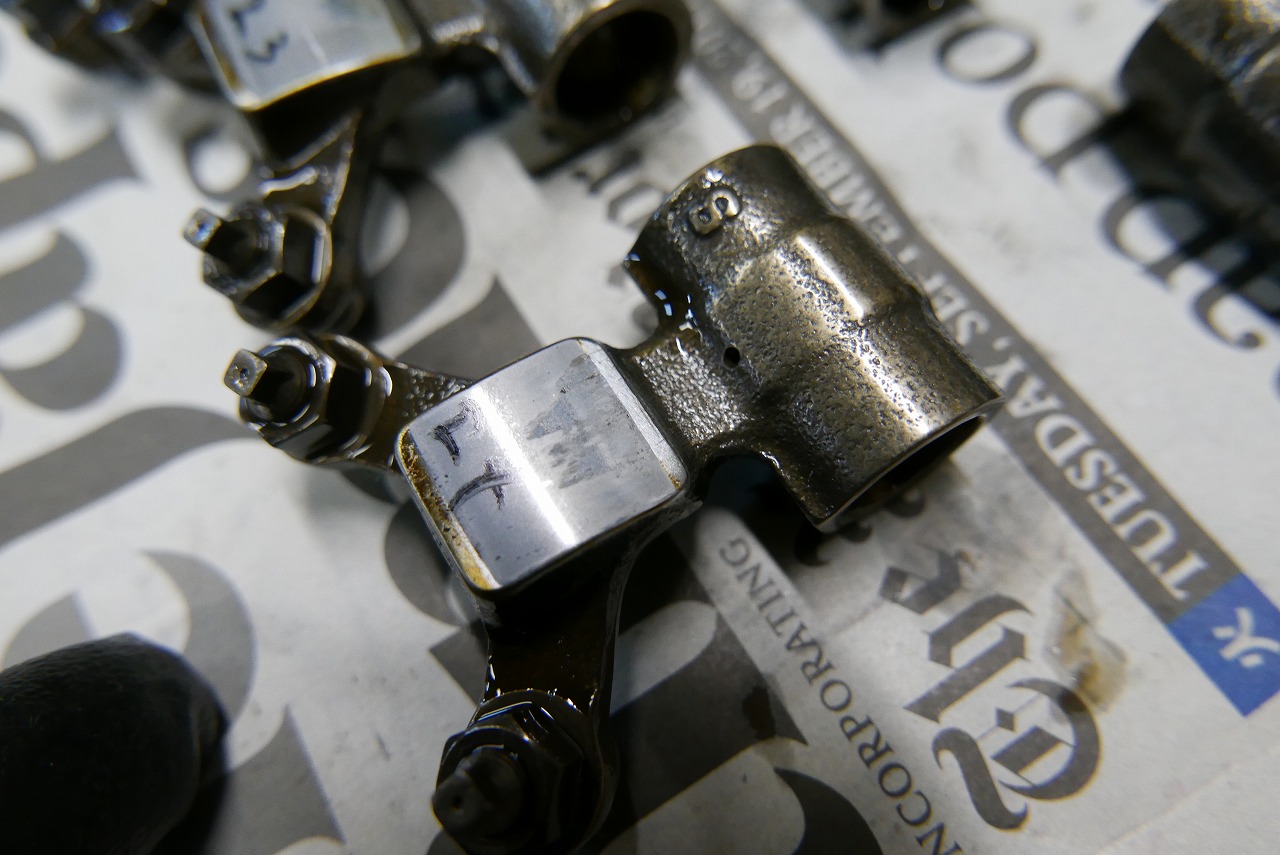
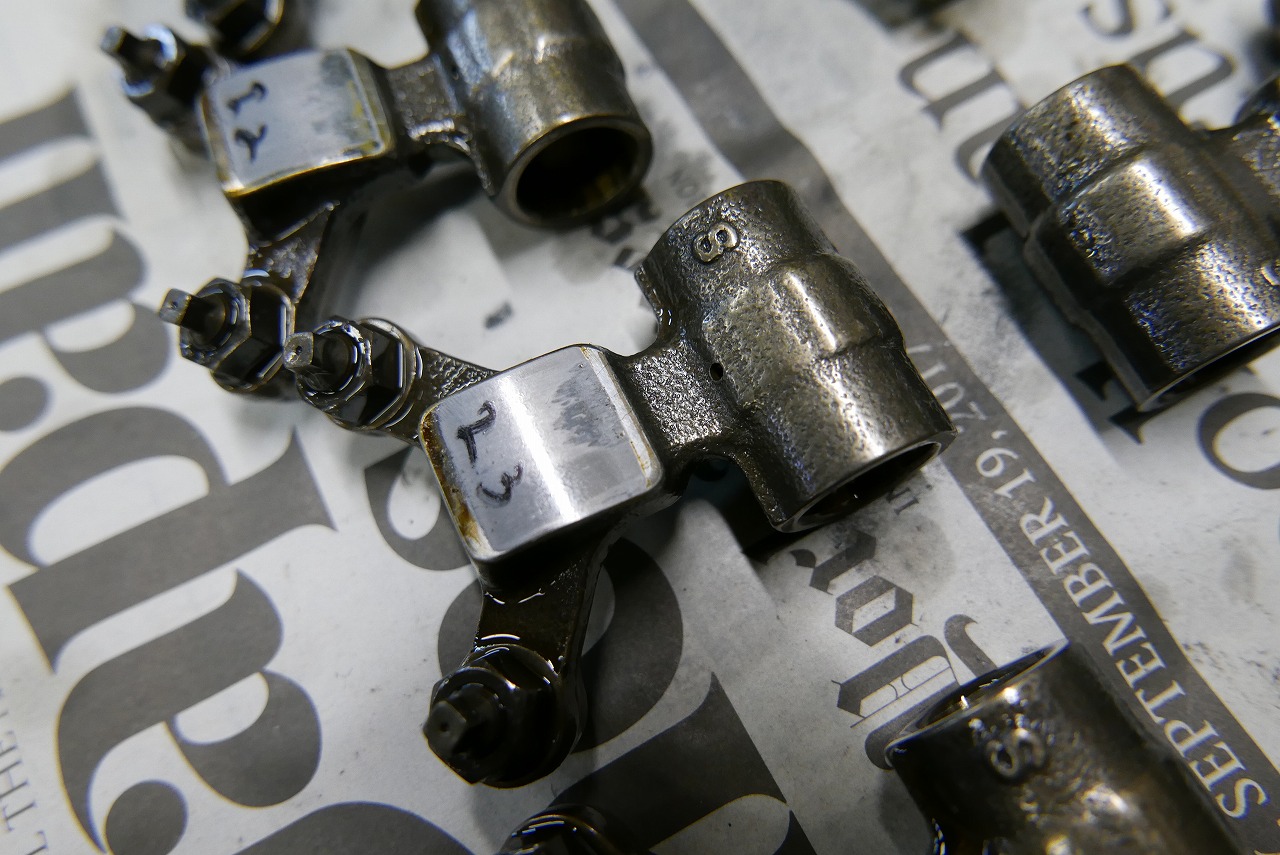
There’s some slight wear on the rocker arm contact points. It’s still usable, but when the cam is new, the rocker arm should be new too.
It’s kind of like how when the brake disc is new, the pads should be new as well.
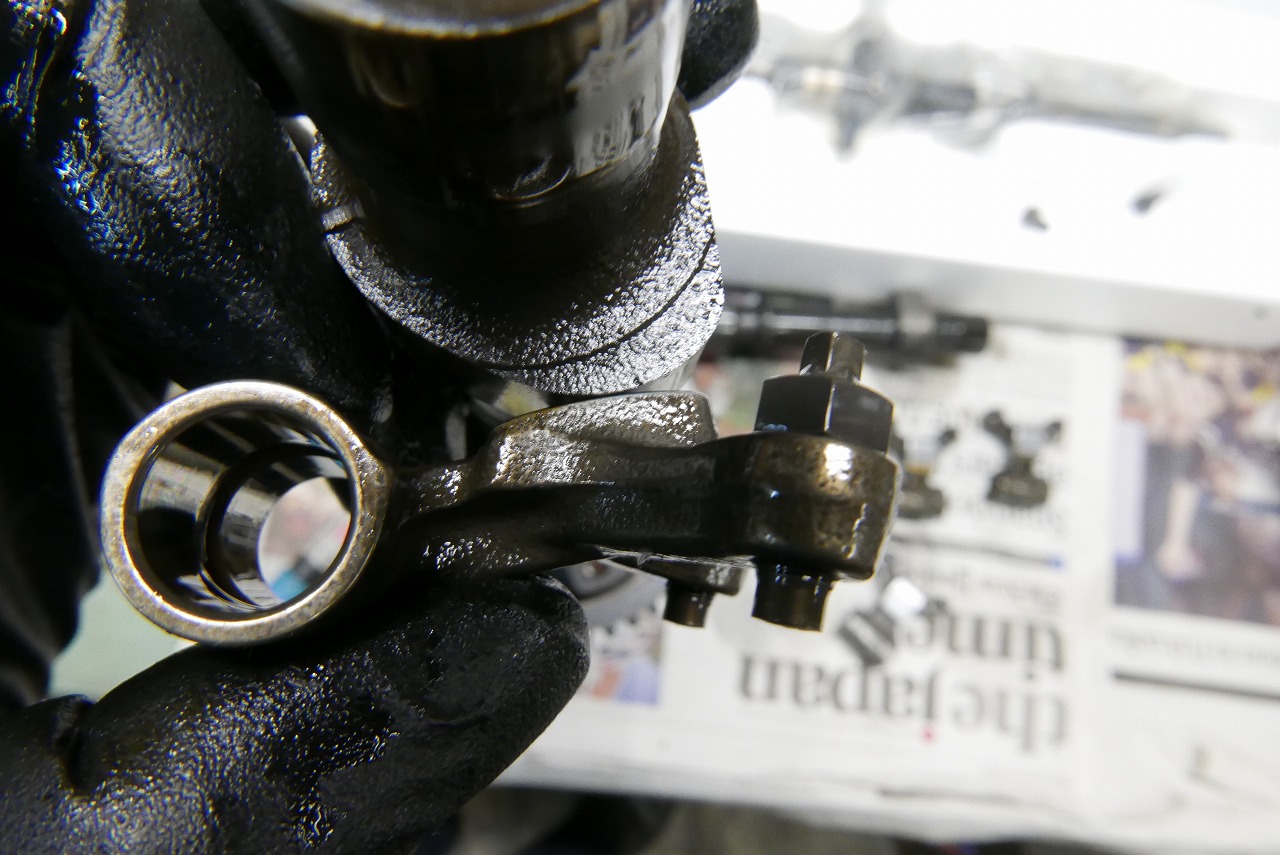
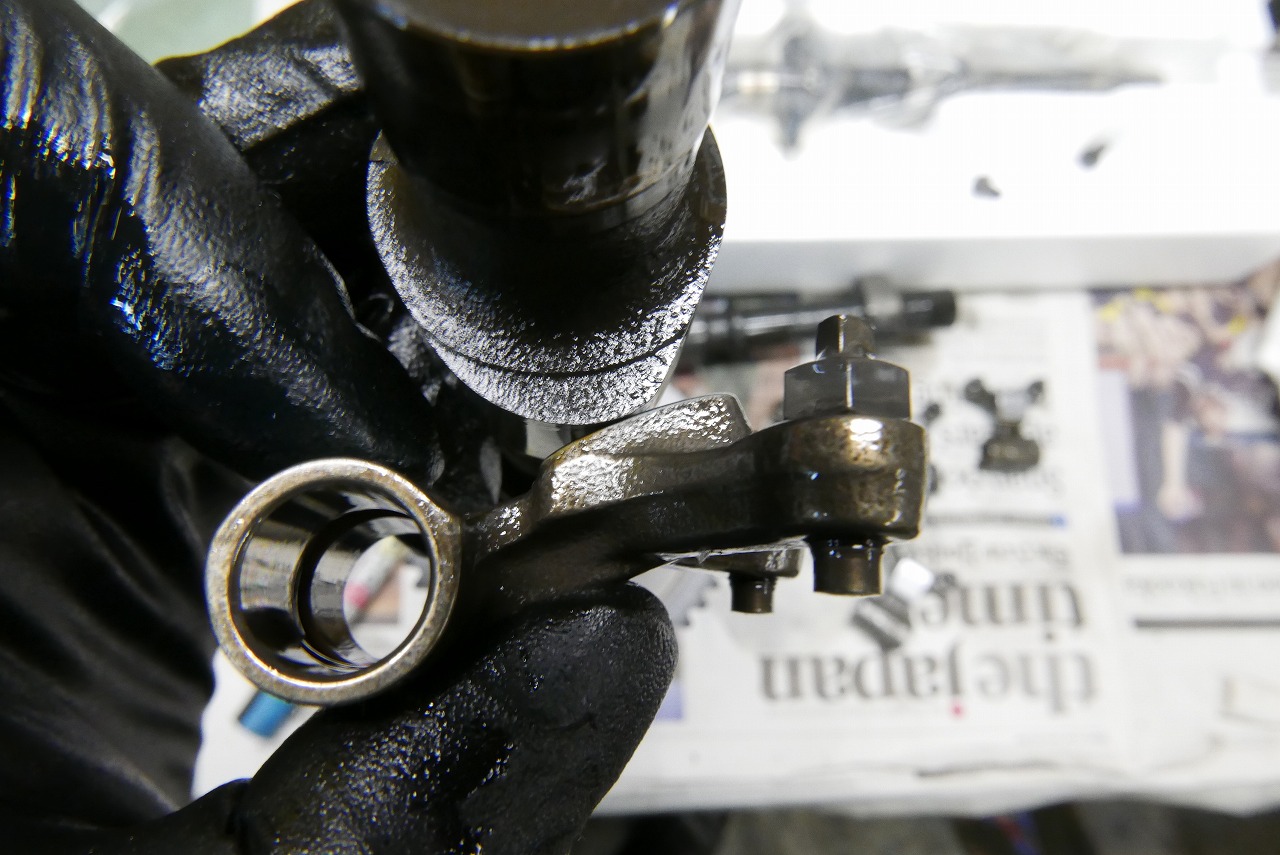
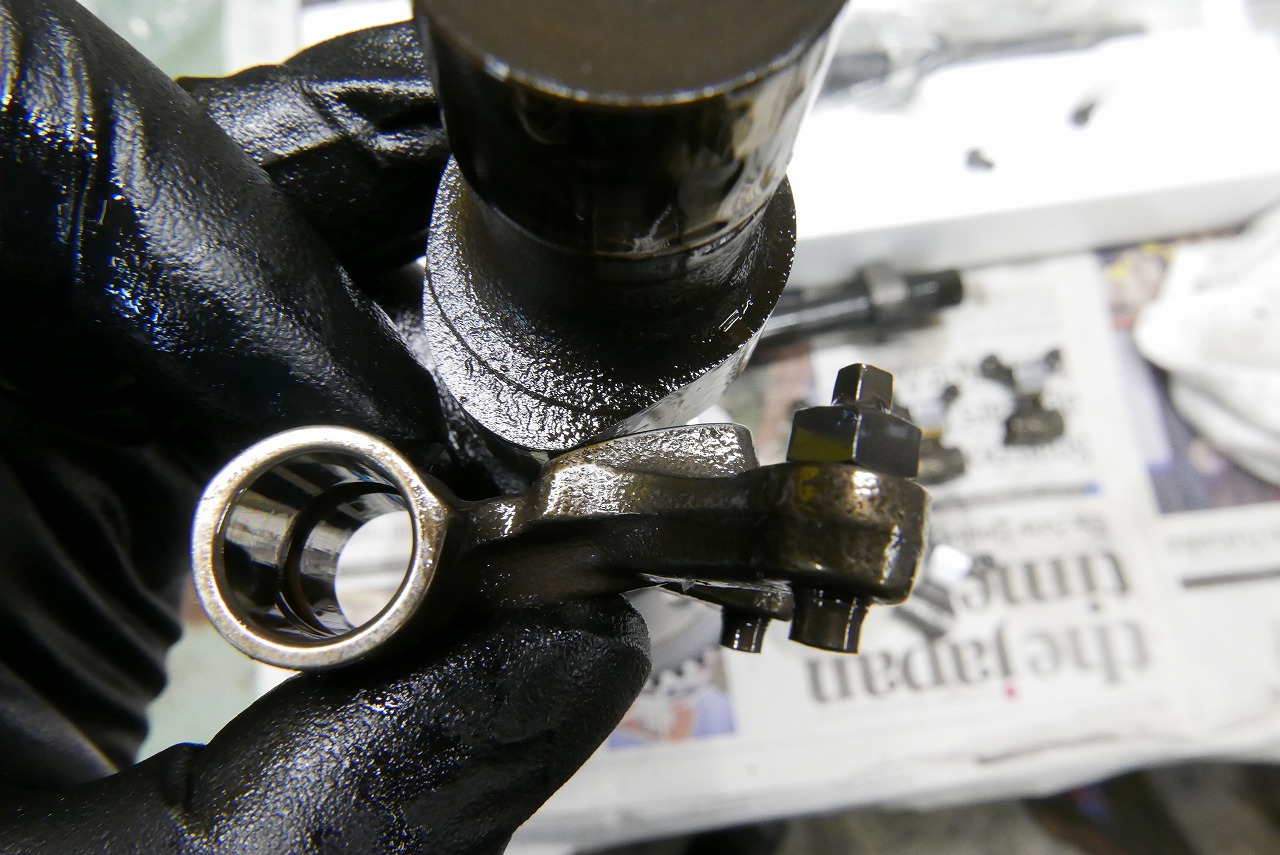
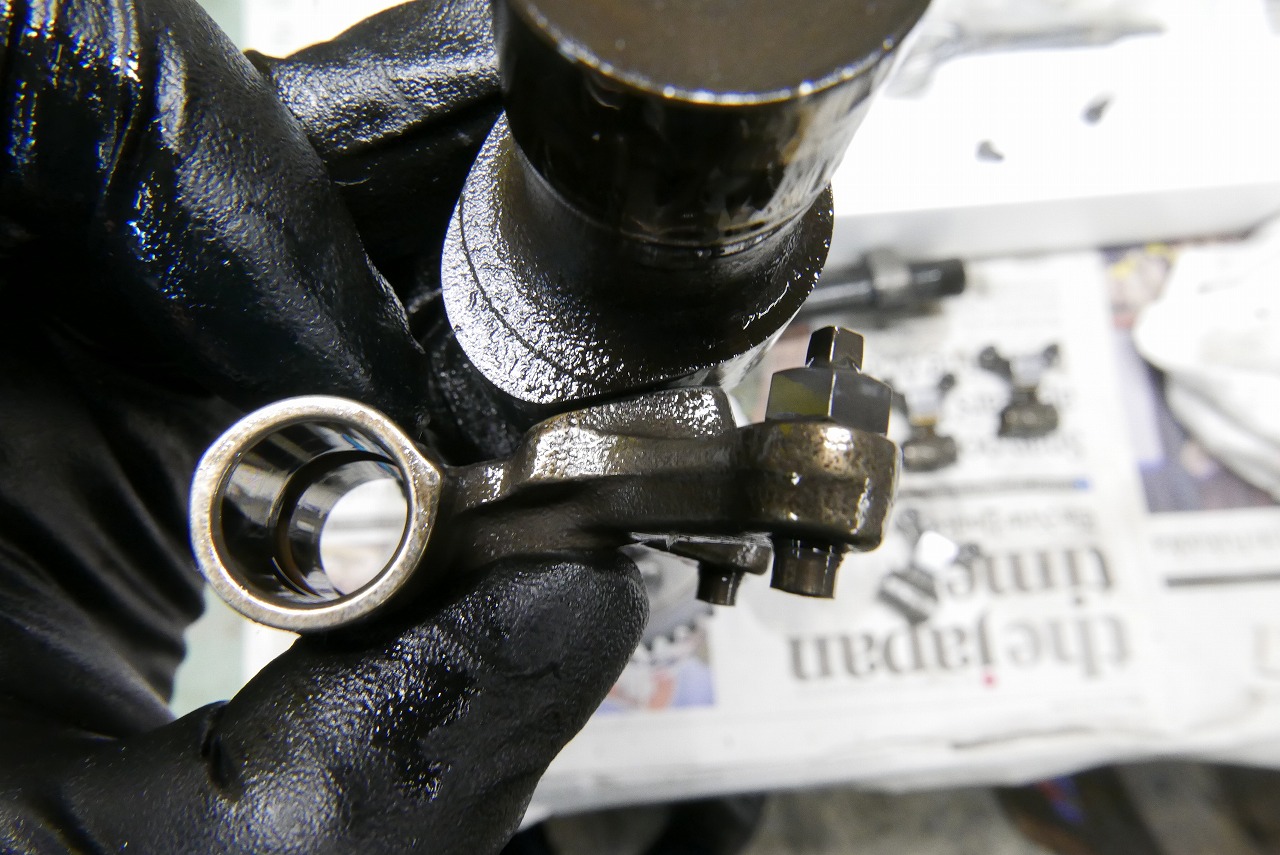
With rocker arm-type setups, what people call valve noise is often actually the tapping sound from worn rocker arms.
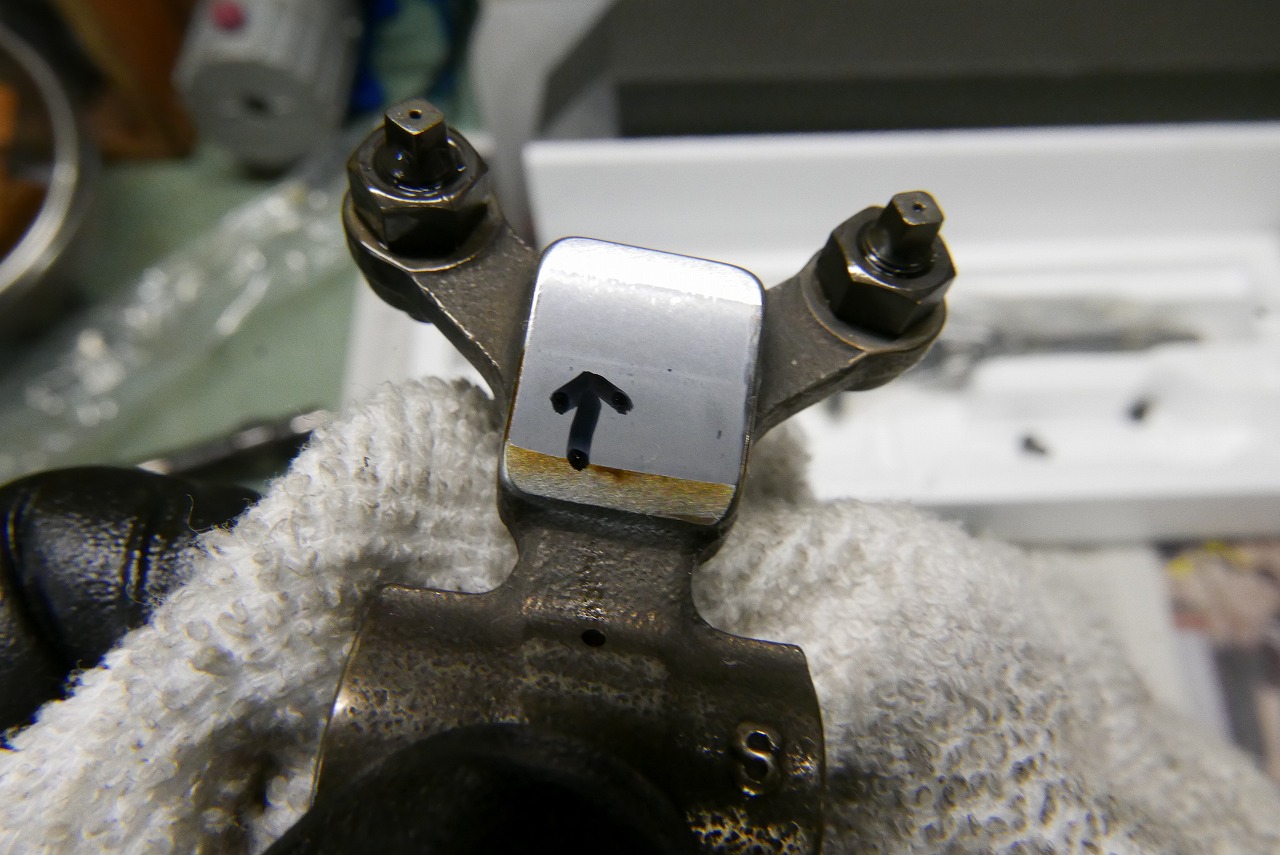
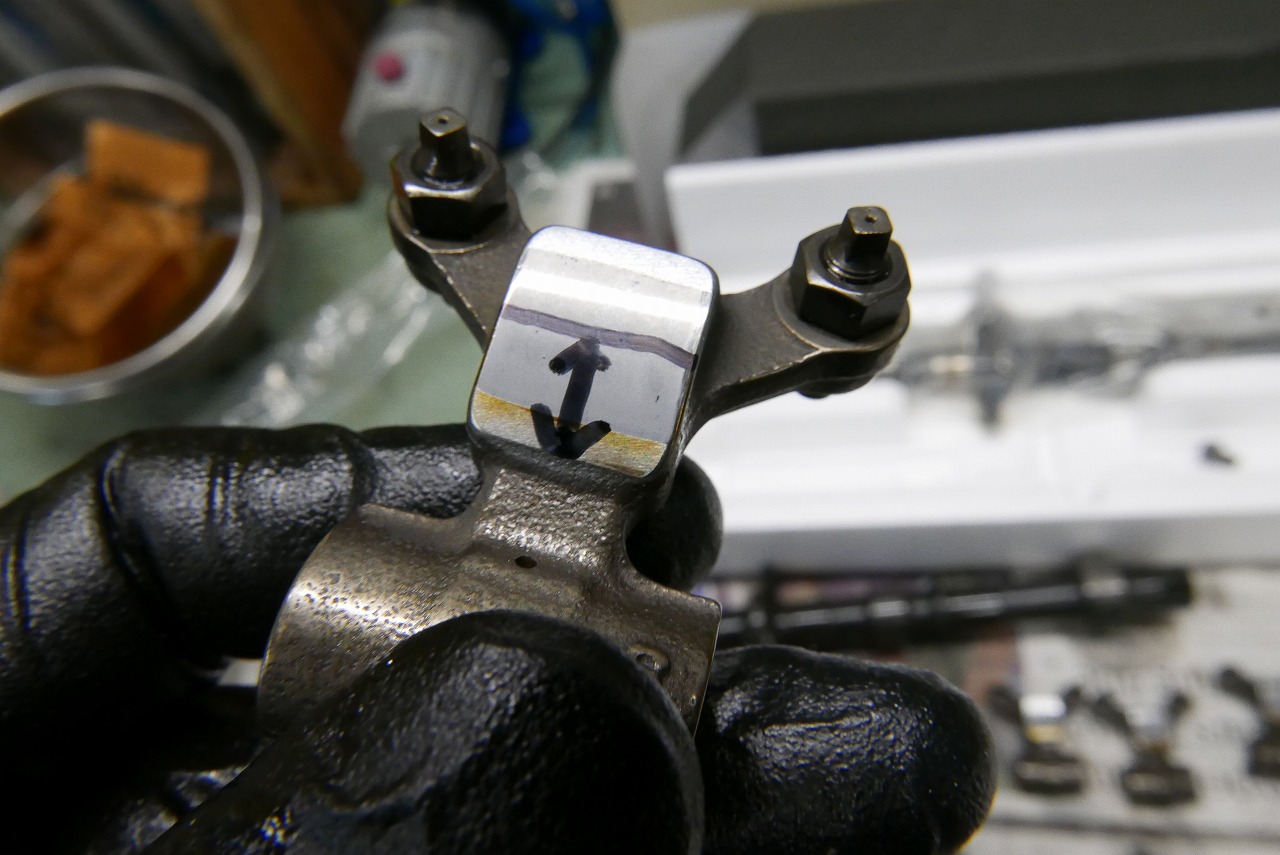
The cam profile is such that the contact area on the lower half of the image (the support shaft side) tends to wear harder.
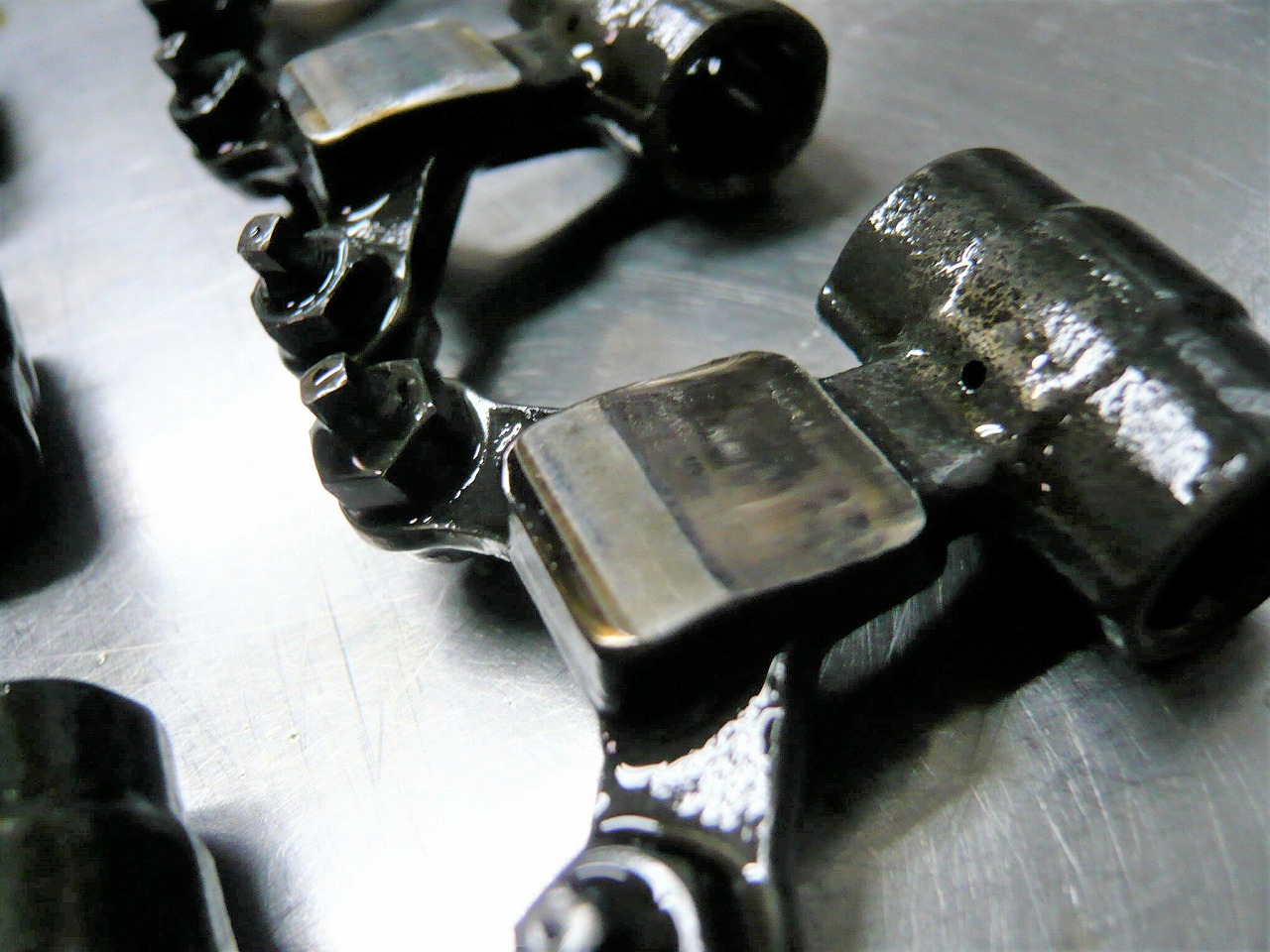
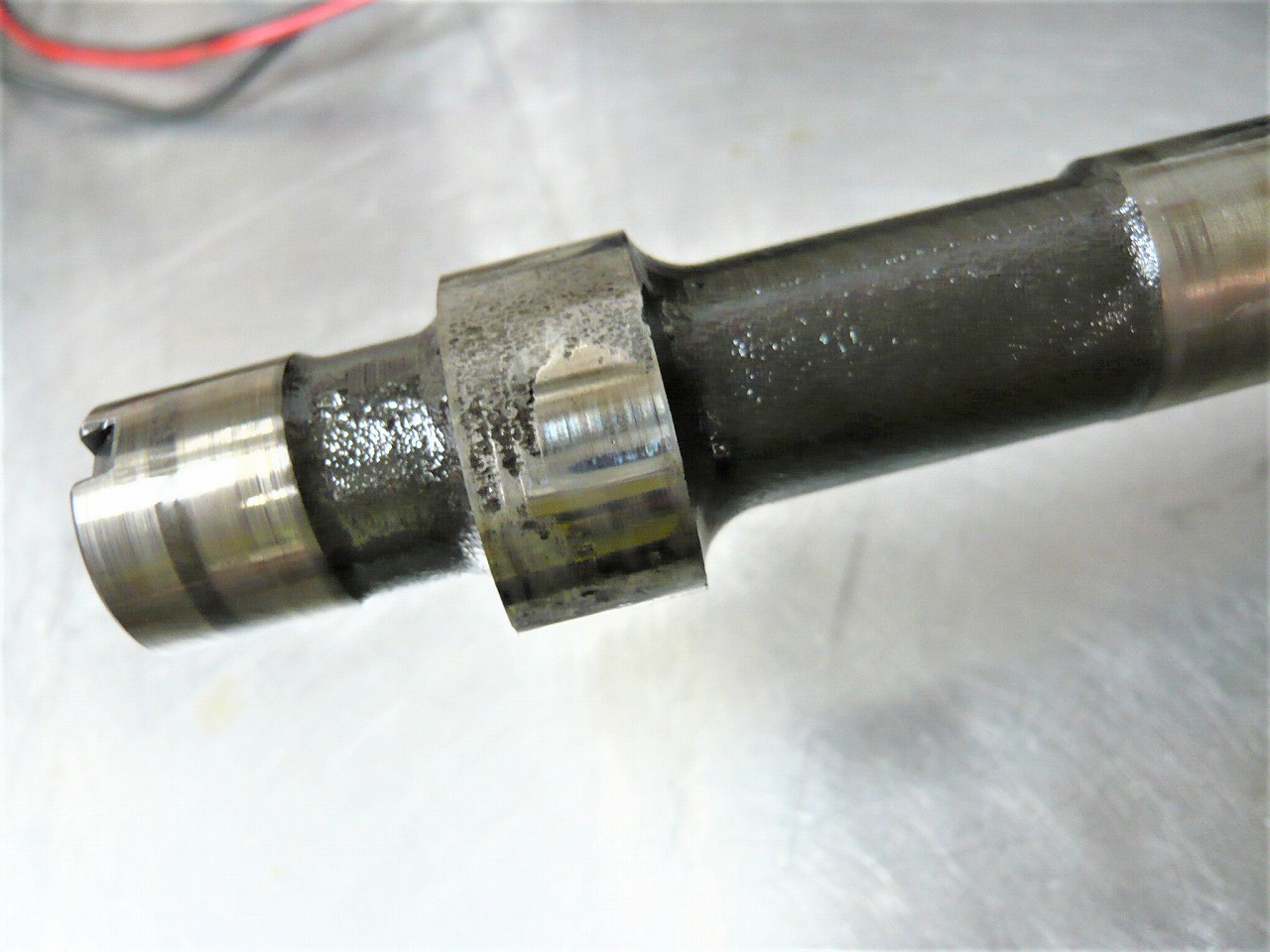
This is the worst cam scuffing we’ve ever seen at the shop ↑
It was a GSXR1100 that came in because of severe valve noise.
When the owner arrived, they were like “Oh, turn off the engine—quick!” because it was making this rapid-fire tapping sound almost like an exhaust leak. I was shocked.
It’s not ideal, but even when the cam and rocker arm scuff, they don’t seize up and cause engine failure—they just gradually wear down. (Of course, the metal particles circulate throughout the entire engine.) I haven’t seen an actual seizure leading to engine failure yet.
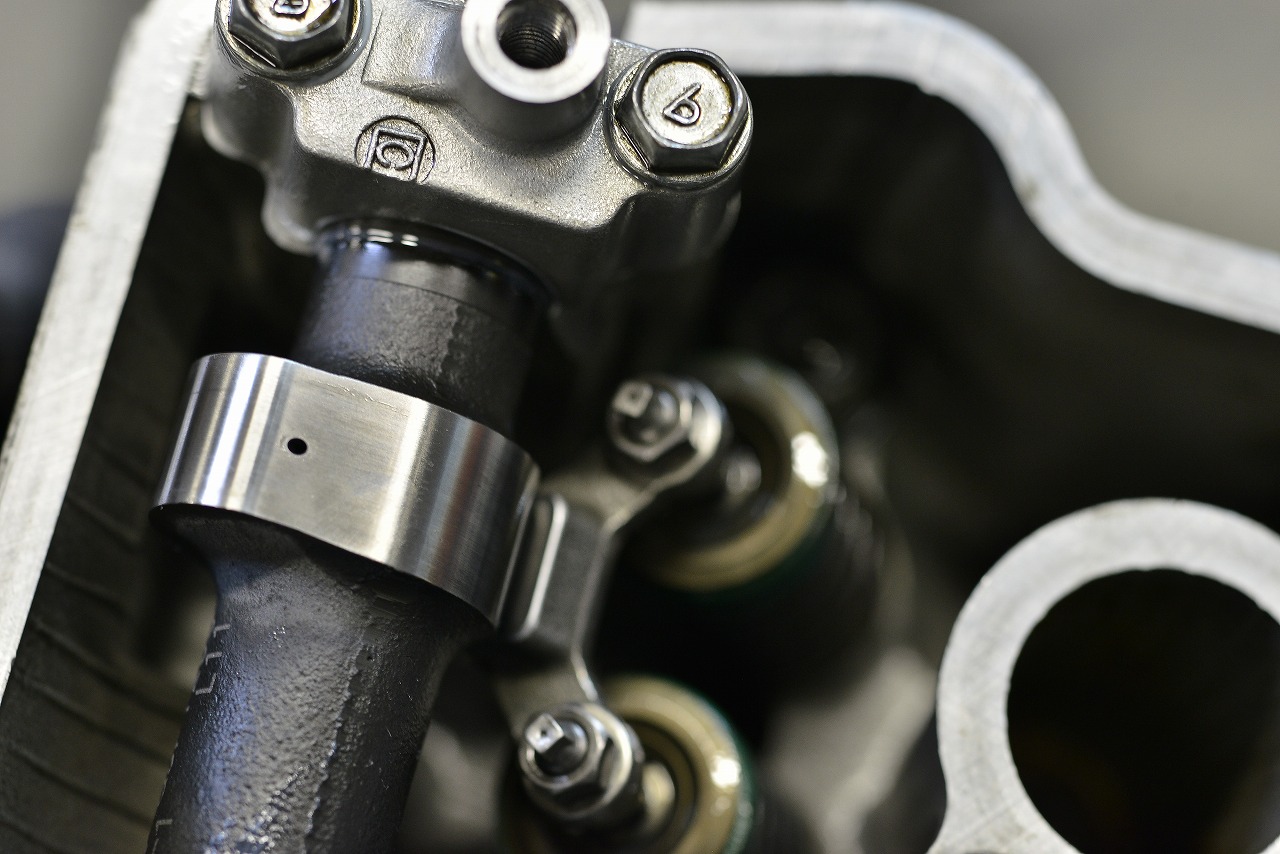
The camshaft and rocker arm are now new, and we move on to measurement.
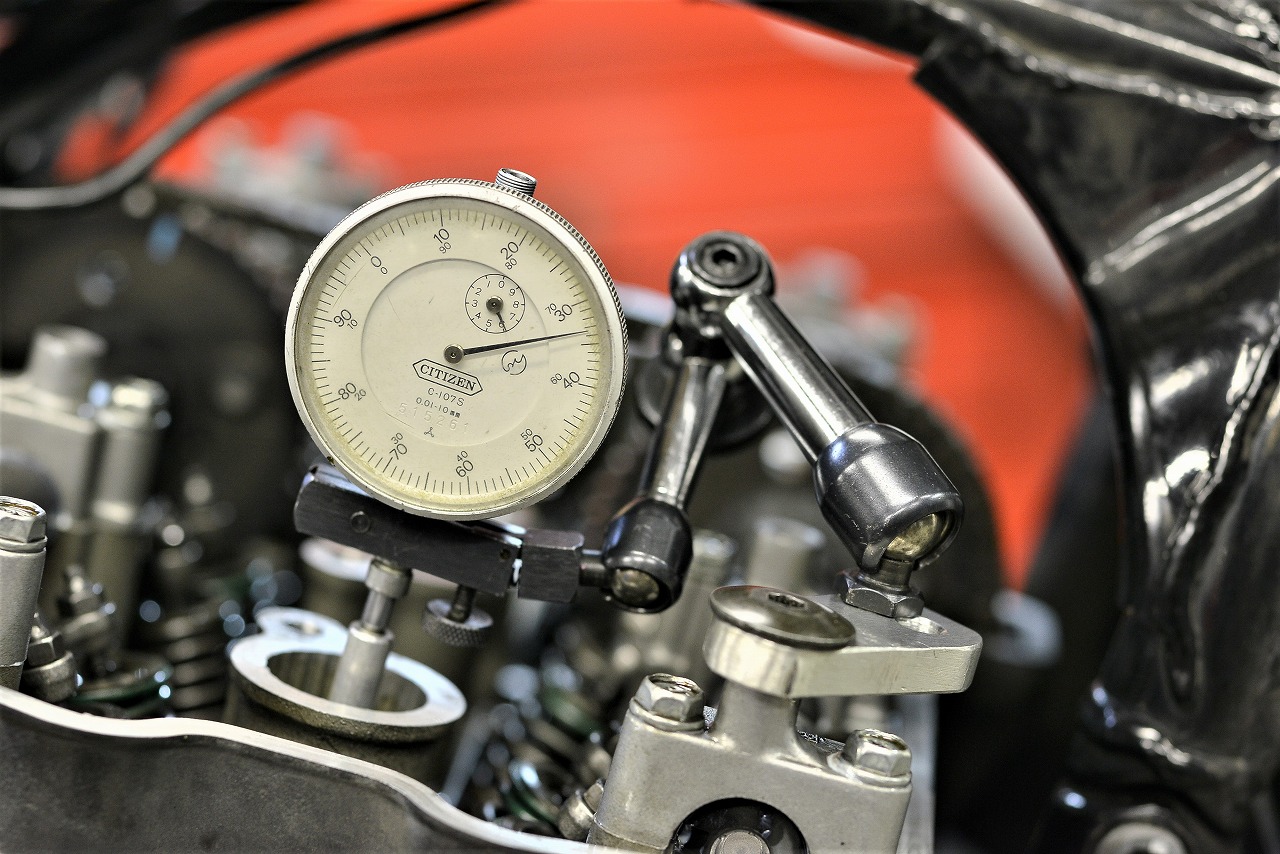
We confirm top dead center—
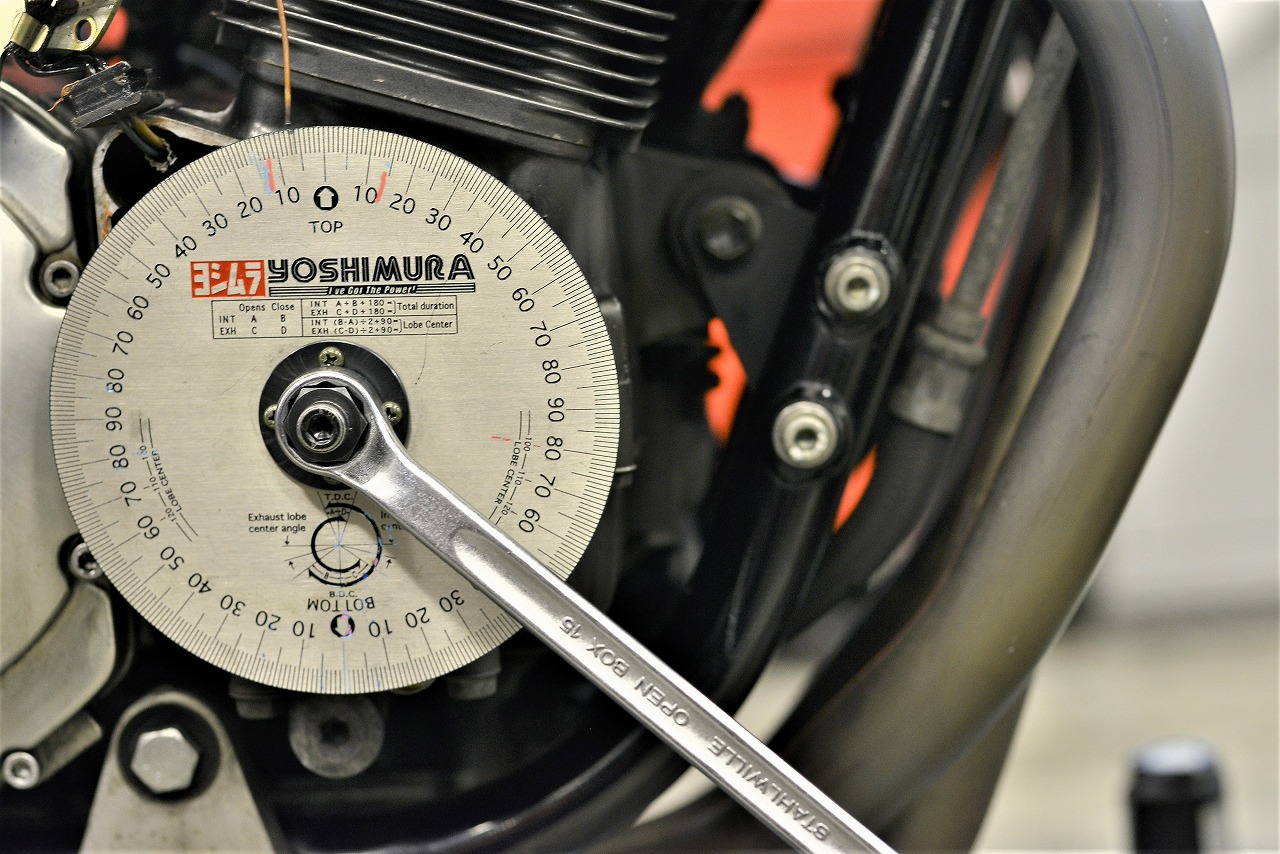
Next we check the valve timing. We always set it to Yoshimura’s specified values. (The safe choice)
Cam chain slack and condition, how the crank turns (whether your hand shakes and won’t stop), and even the dial position and angle when checking 1mm valve lift can cause 1–2 degrees of variation. To increase confidence, we measure multiple times.
Strictly speaking, if the cam phase differs between cylinders 1–4, the readings will obviously be different. (Though we probably won’t see anything that extreme…)
Since cylinder 4 is easiest to measure, this job’s valve timing reading is based on cylinder 4.
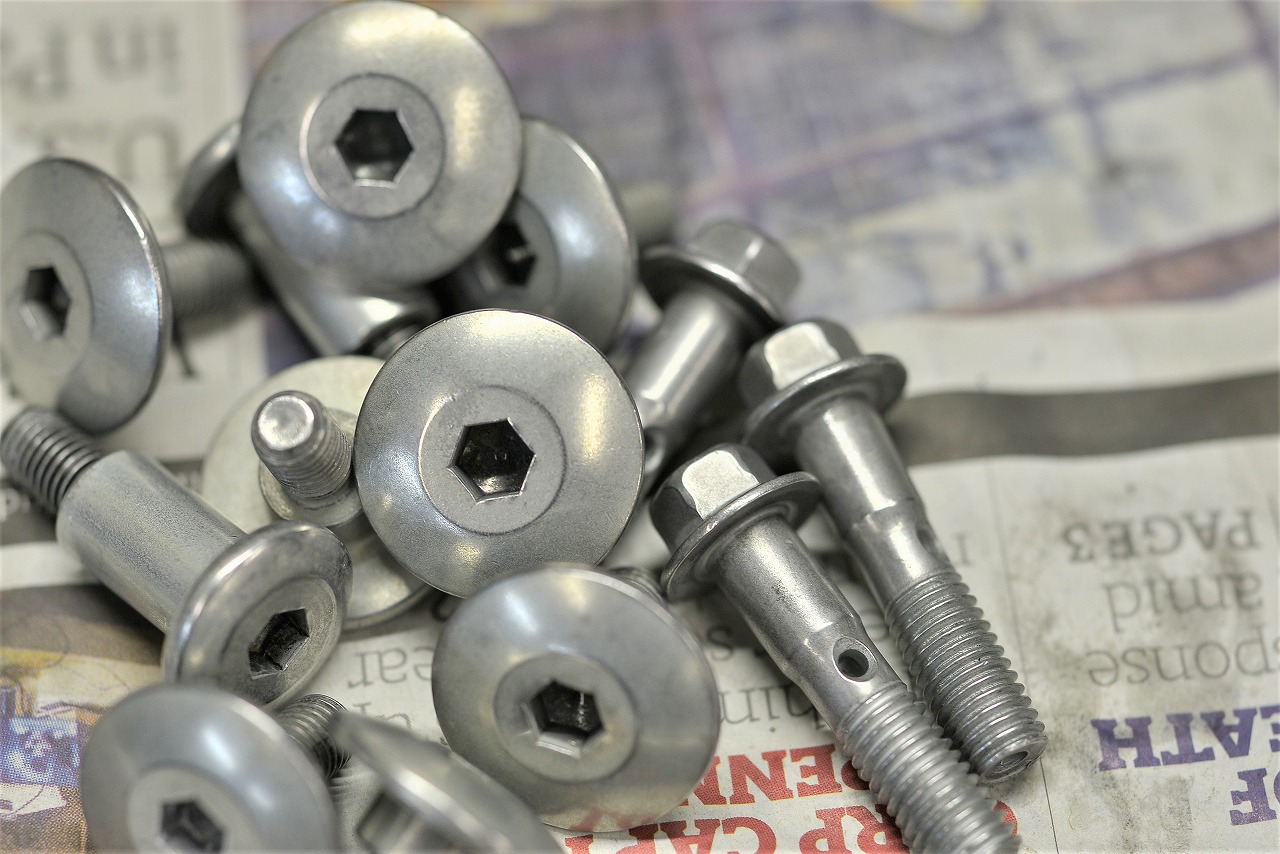
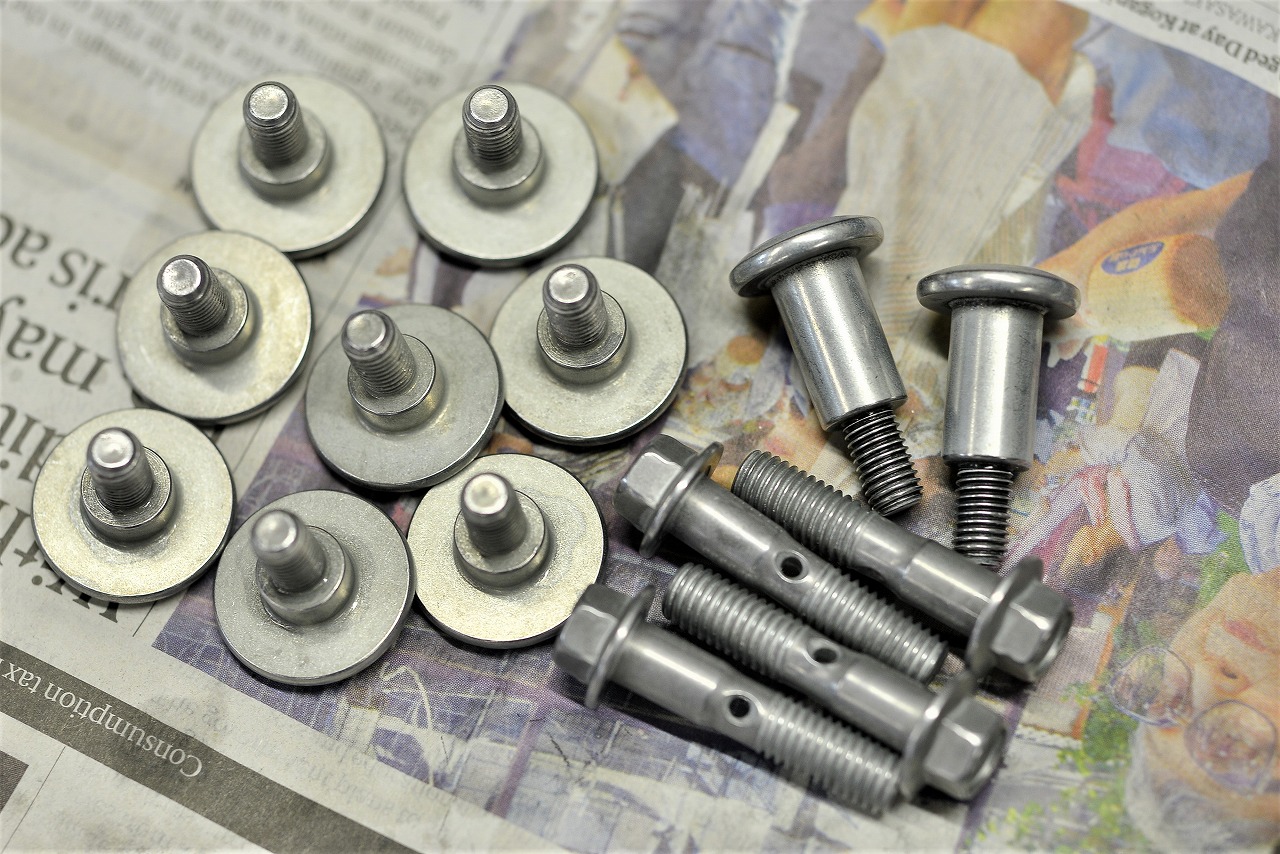
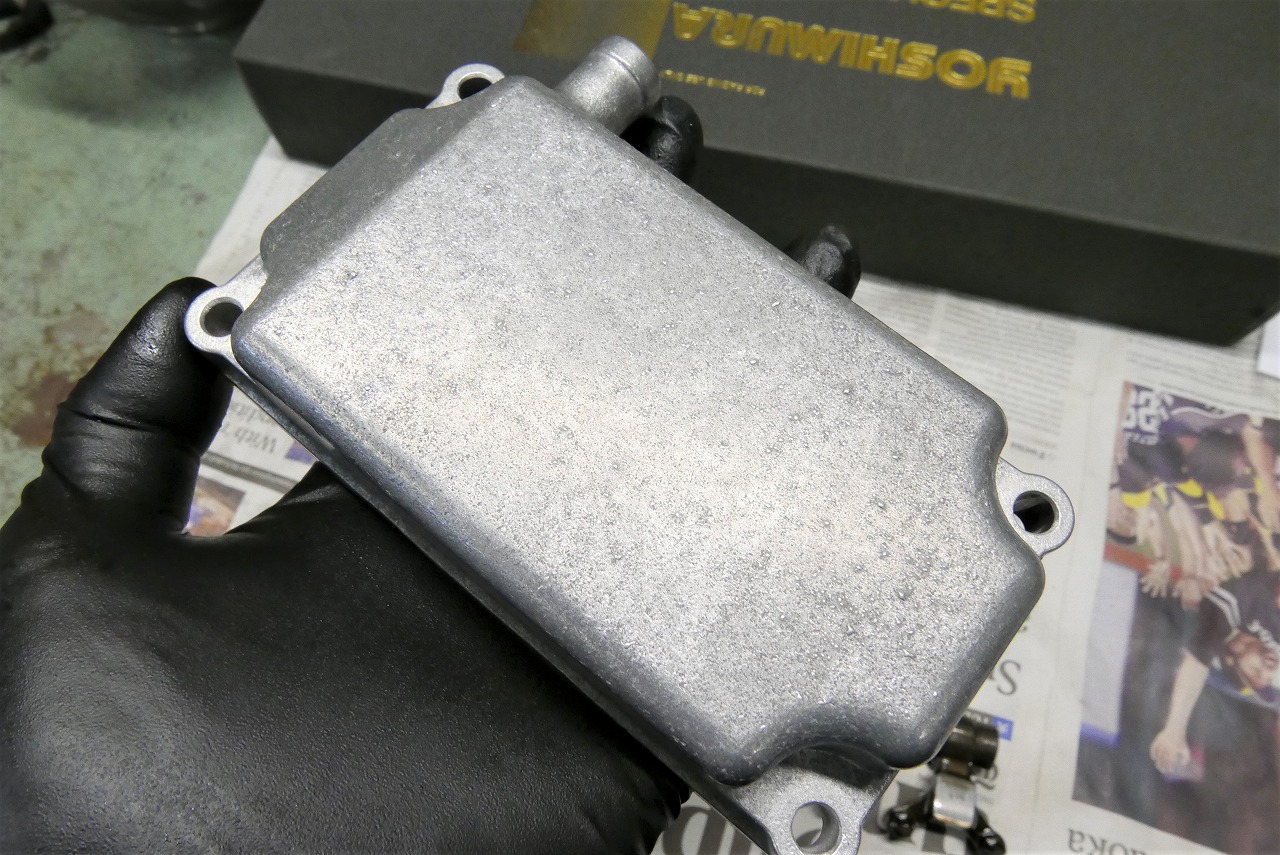
We use the recently popular barrel polishing, which polishes automatically while we work.
It’s like humanity discovering the washing machine.
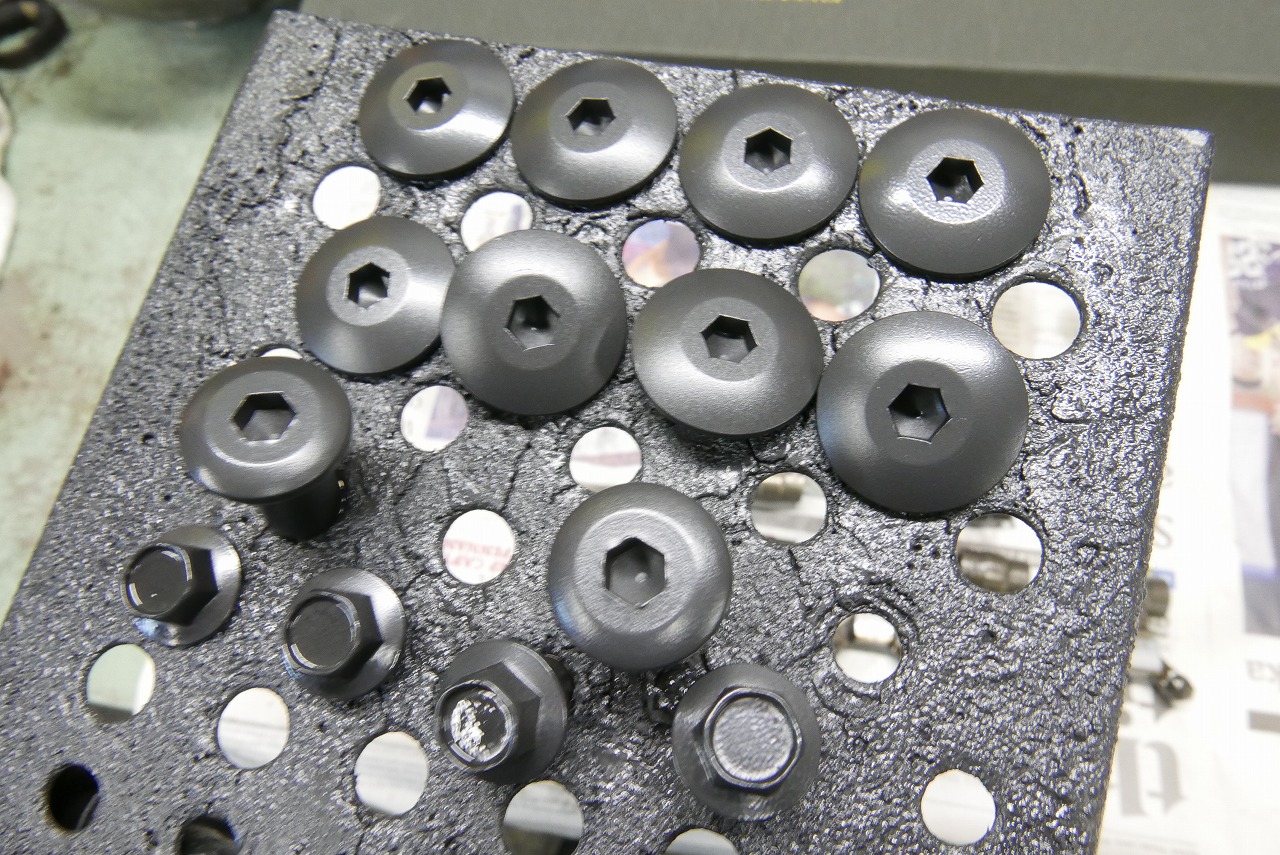
Once it’s clean, we spray-paint it.
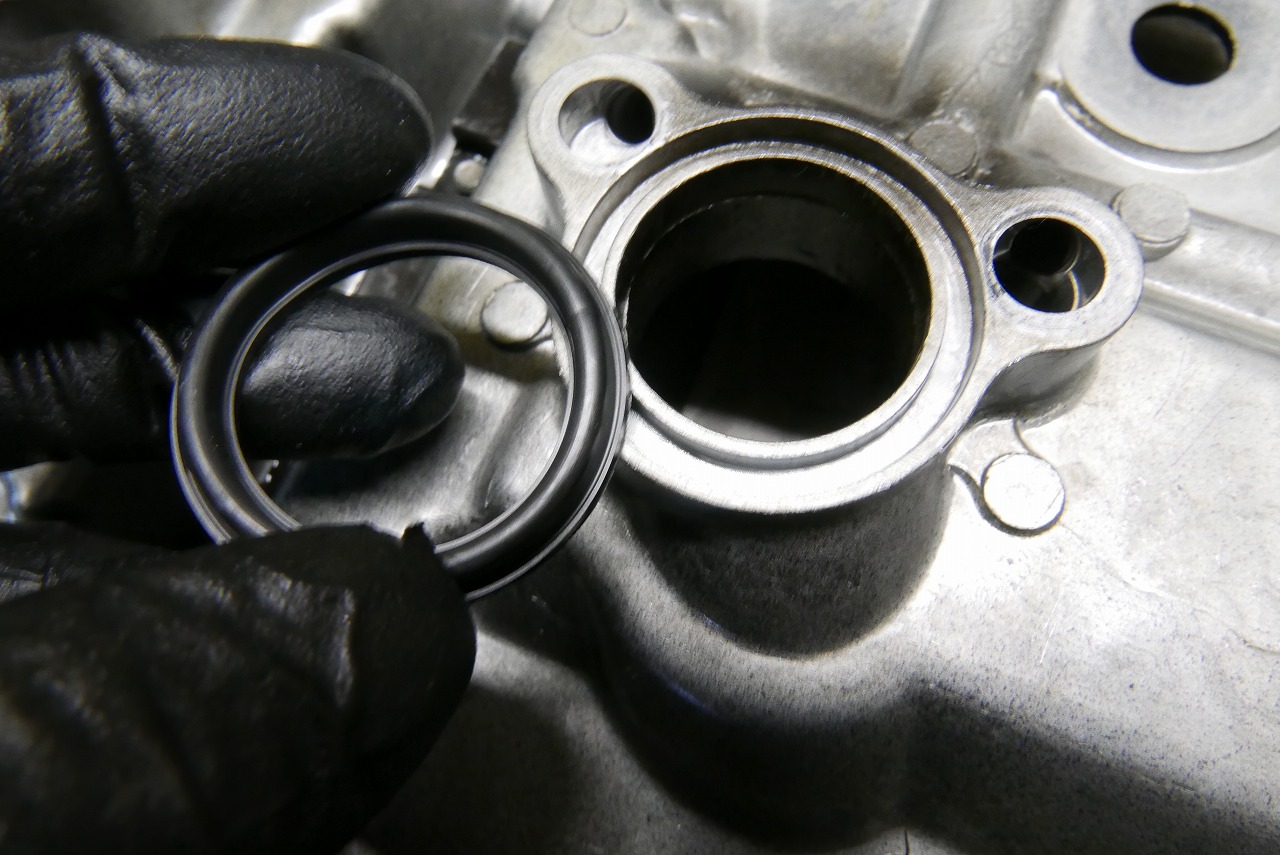
With oil-cooled engines—or really anything—unnecessary chemicals just mean extra work down the road.
If liquid gasket sealant was applied for assembly, removal becomes a hassle. You don’t need to apply anything; it seats in the groove just fine. Just insert it gently—nice and easy—and you’re good.
With the spirit that gentleness saves both people and things, go for it!
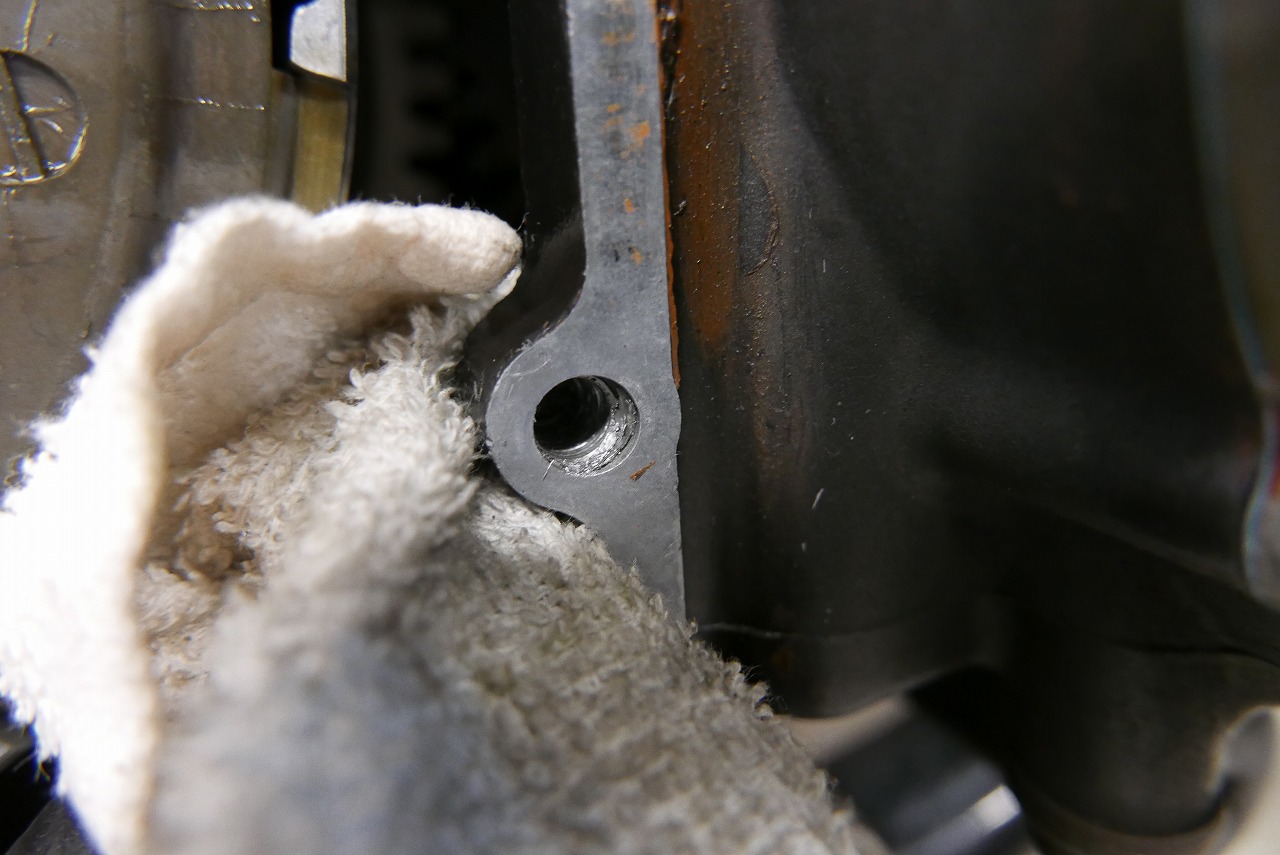
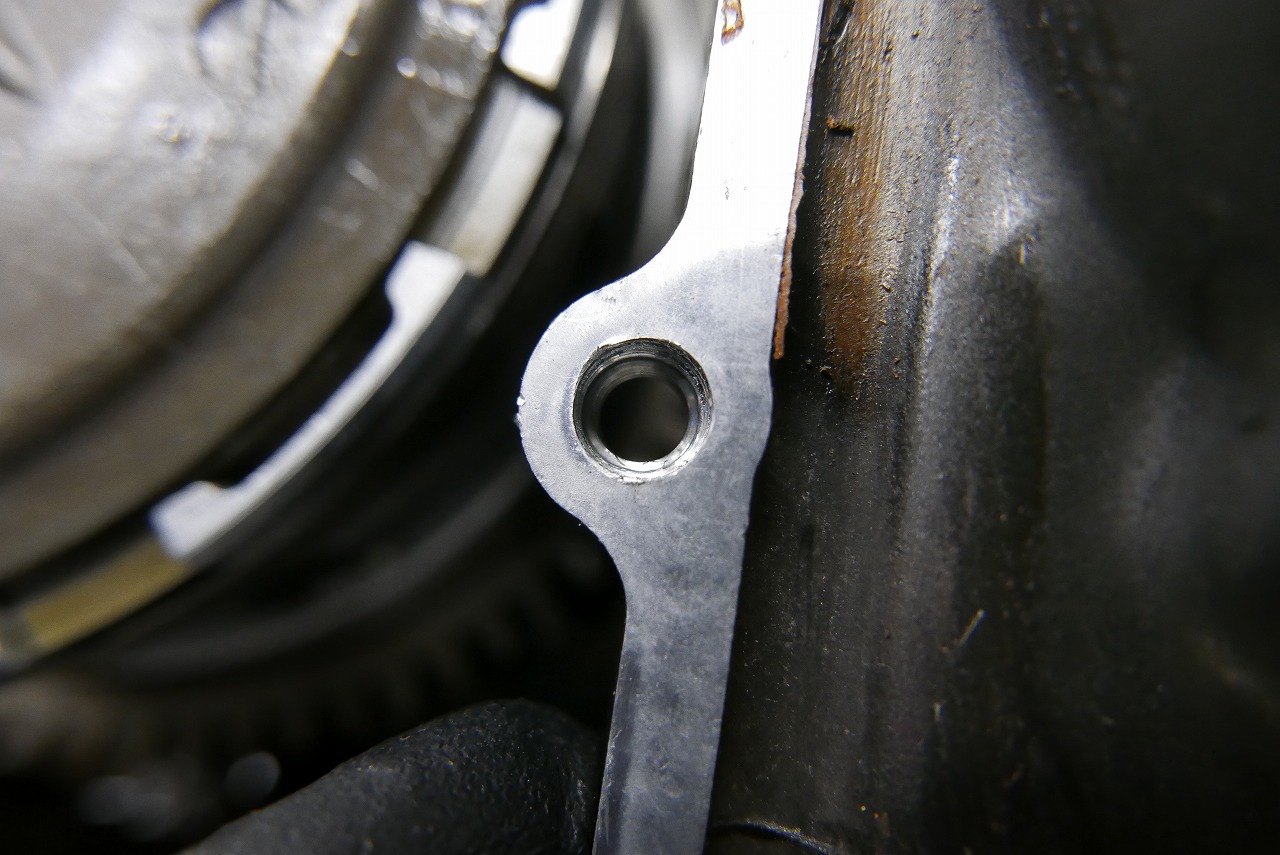
The customer also ordered oil-cooled engine cover bolts. One had a stripped thread, so we helicoiled it.
Honestly, I think you shouldn’t use helicoil inserts anymore. (We have no choice for larger sizes, though.)
Tangless inserts, on the other hand, are probably so smooth that no matter who does it, 90+ times out of 100 they’ll go in on the first try, even for M6 and smaller.
Plus you don’t have to break them off.
• They work even in blind holes (no residue left behind)
• No removal risk when the engine is installed for repair
• If you mess up the insertion, they’re easy to remove
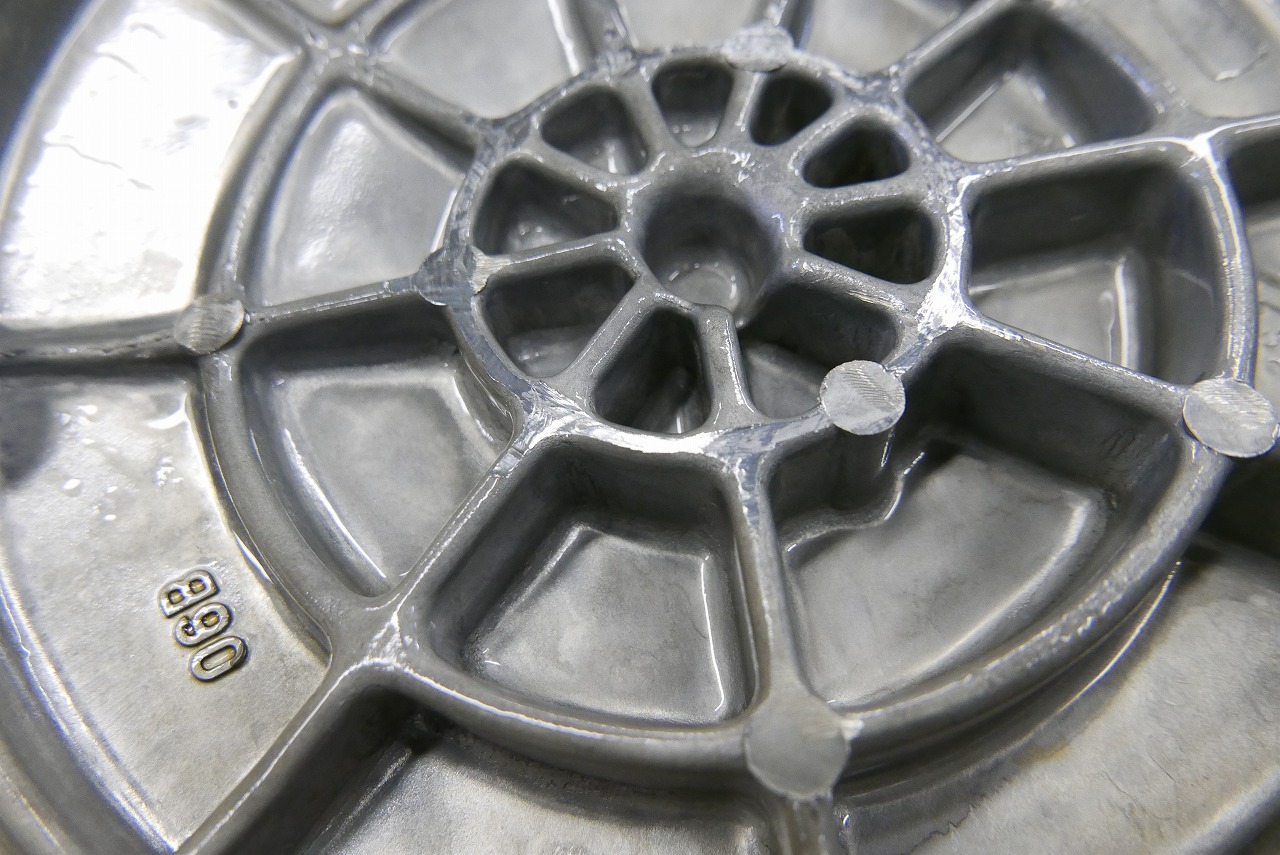
Looking at the cover… what’s this? What happened? There’s some weird scraping.
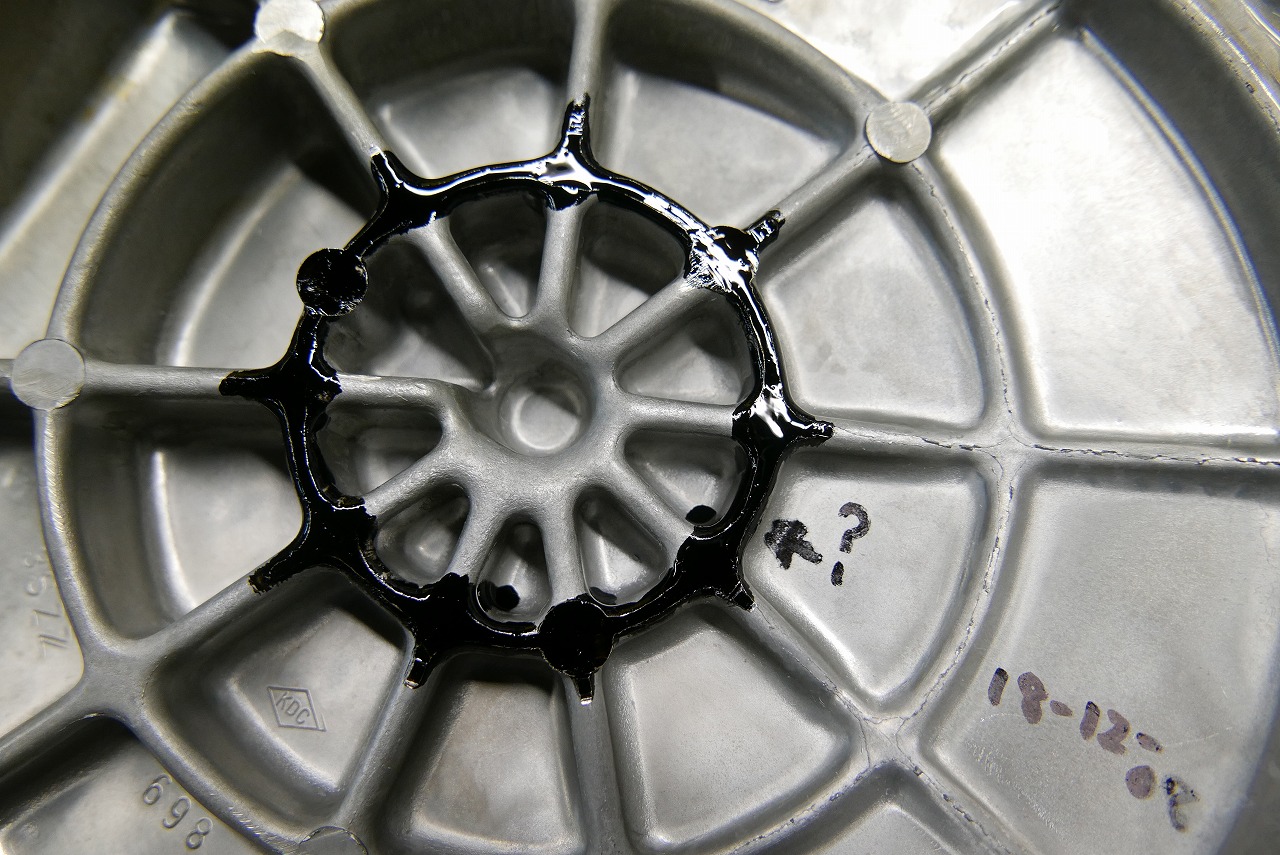
If you’re a bit worried, you can mark it—that way it becomes a message the next time you take it off.
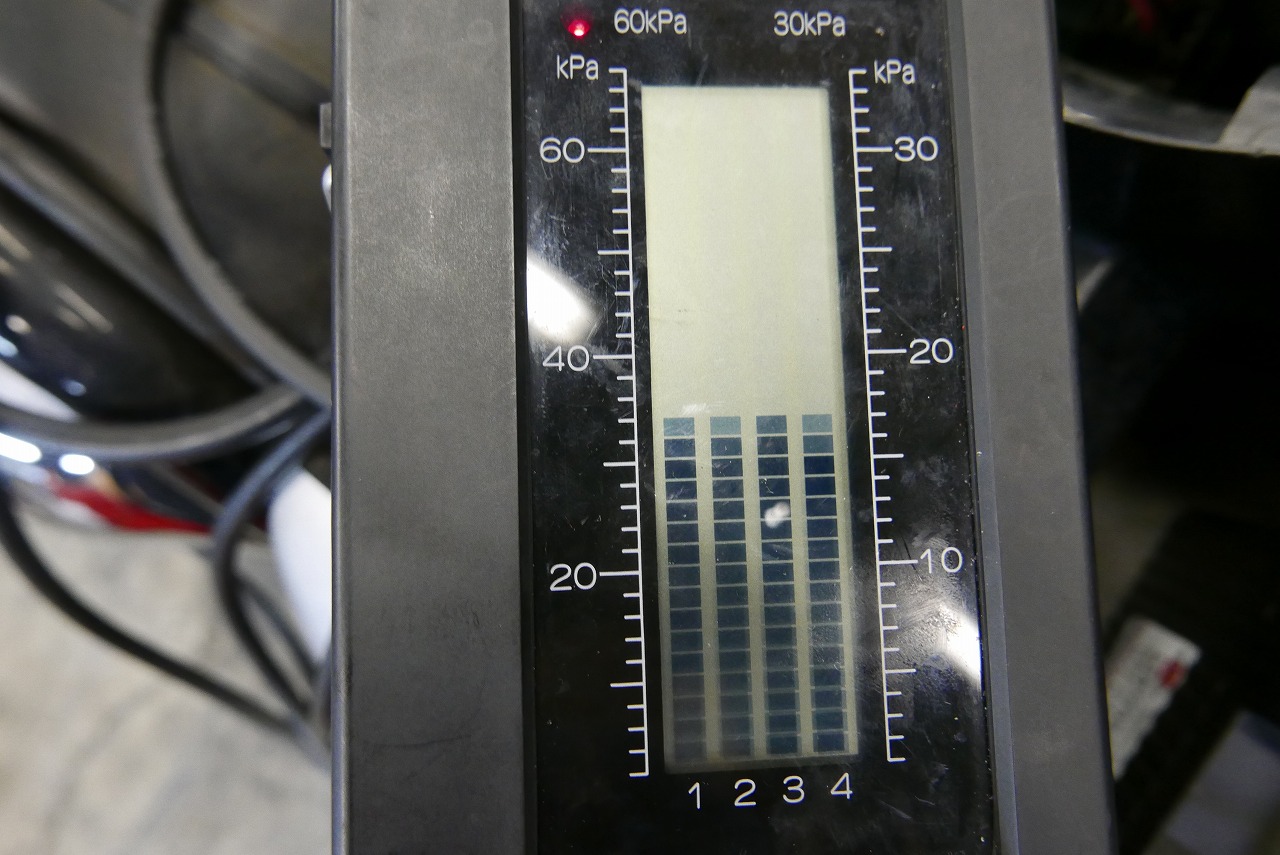
After that we synchronized it and we’re done.