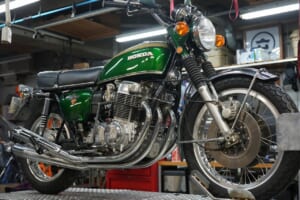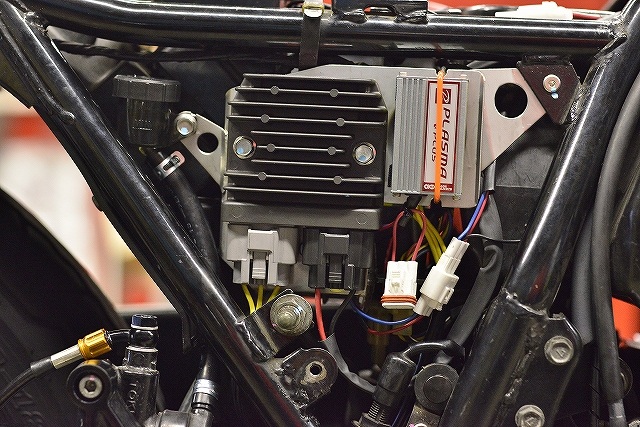
Let’s install a PAM MOSFET regulator. The wiring and connectors are included, making it a highly convenient kit that we use regularly.
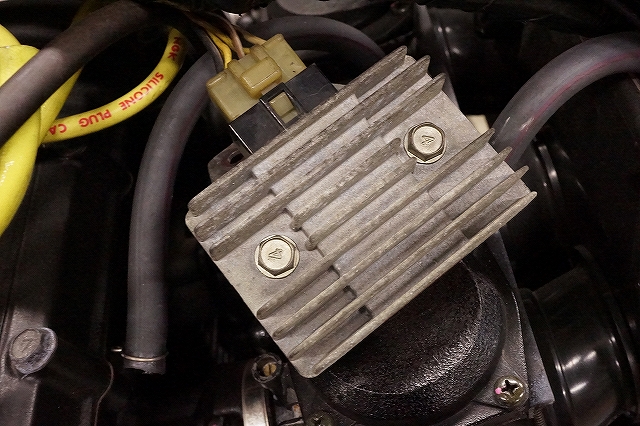
With the headlight on at idle, the voltage drops steadily. Raising the RPM to around 1500 solves the problem, and turning off the light switch also eliminates it.
Since “adults always keep the light on,” I’d like to first confirm whether the MOSFET regulator is actually effective and consider it.
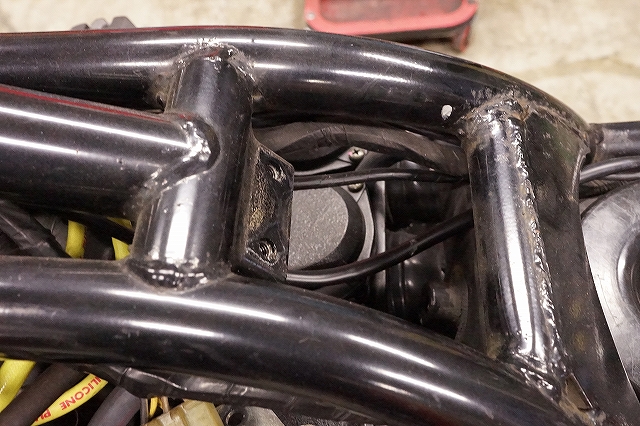
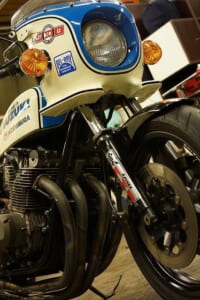
Kawasaki bikes of this type have the regulator mounted in a strange location—somewhere that gets very hot but doesn’t cool down. Well, there’s nowhere else to put it…
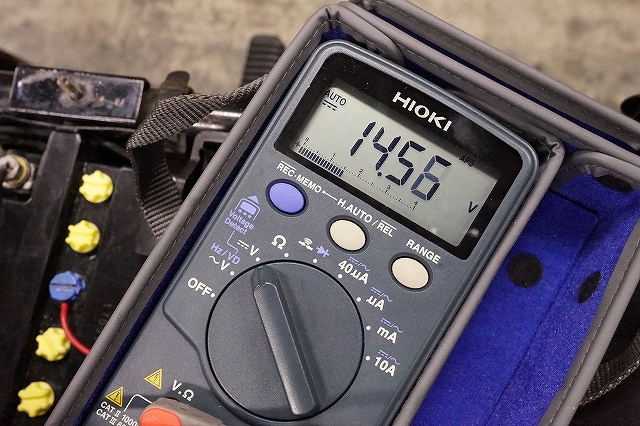
This depends on the battery condition, so take it as a reference only.
Standard regulator, engine on, light off, around idle—
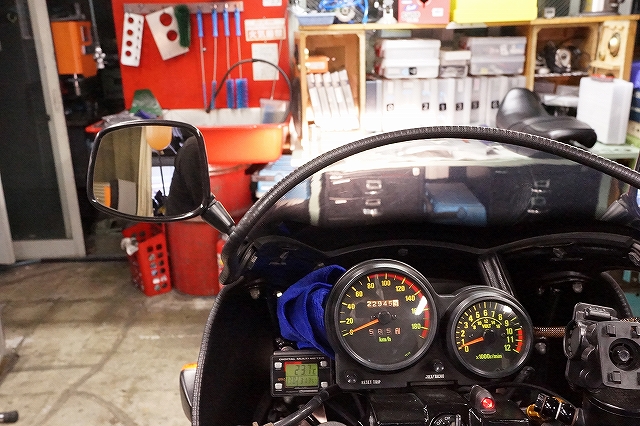
Light on (60/55W)
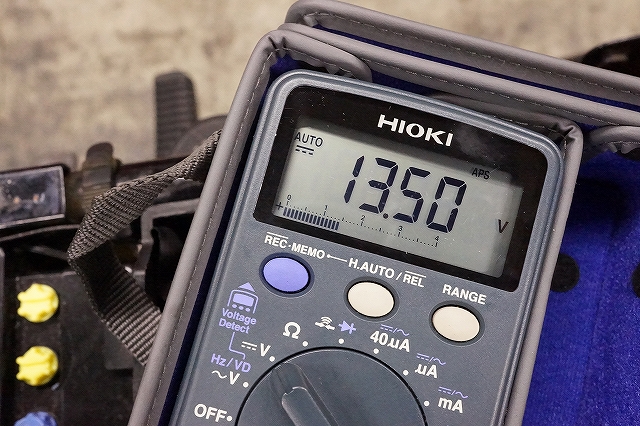
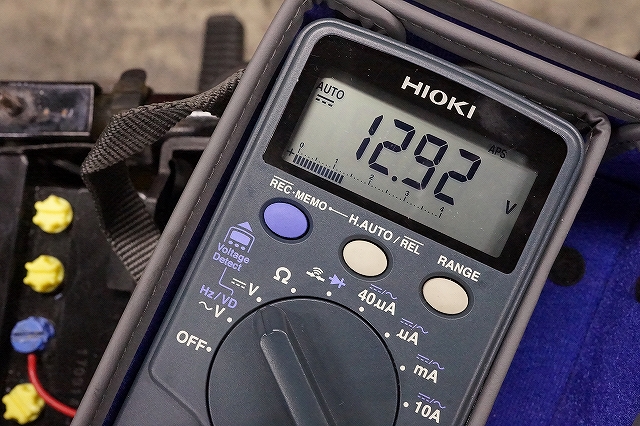
The voltage steadily drops.
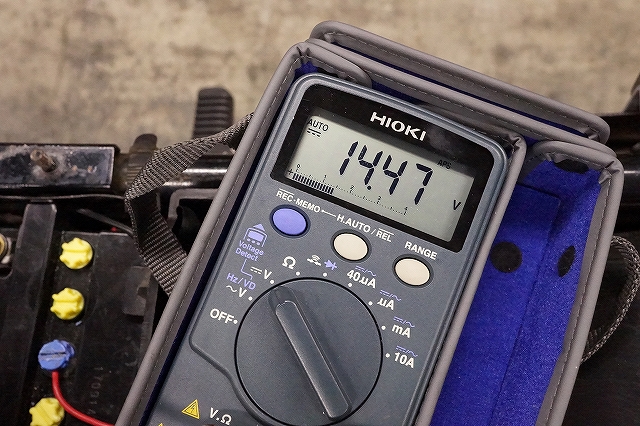
Naturally, raising the RPM to around 1500 solves the problem, and it won’t go any higher than that.
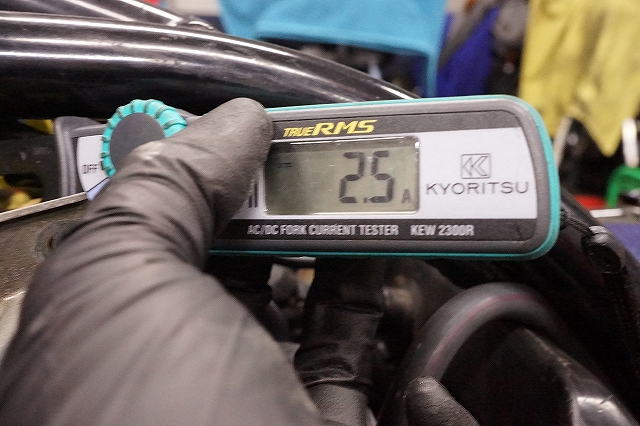
Our ammeter only goes up to 10A, so we’re using a clamp meter just for reference…
Light off: around 2–2.8A, flickering
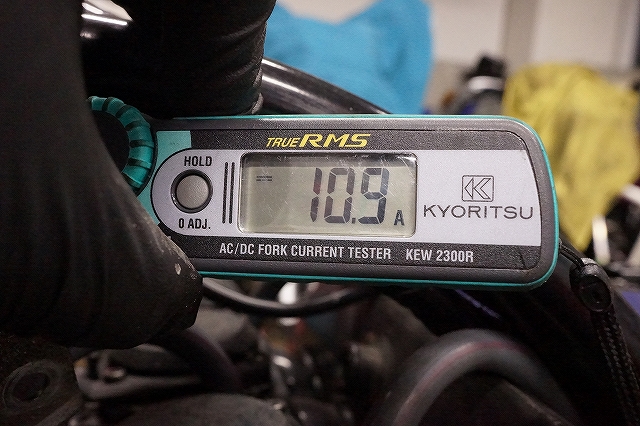
Light on: around 9–11A, flickering
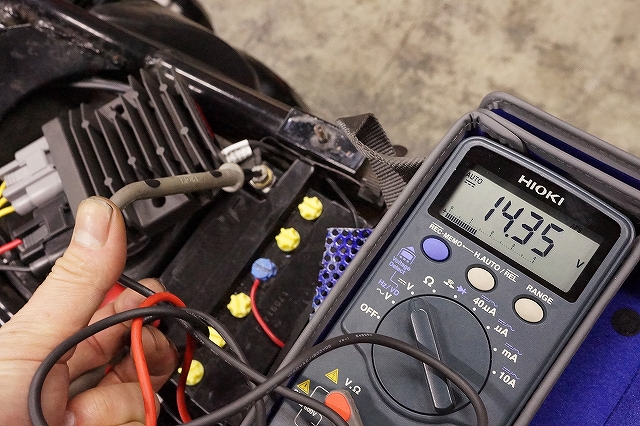
PAM MOSFET regulator, engine on, light off, around idle—
Not much difference.
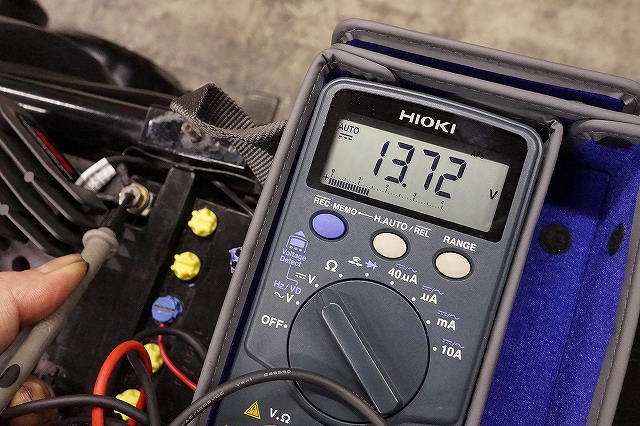
With the headlight on at idle, the voltage no longer drops from 13.7V. This is effective, so we’ll replace it.
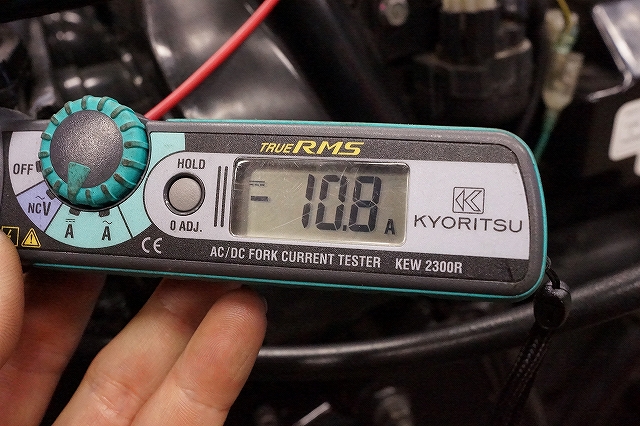
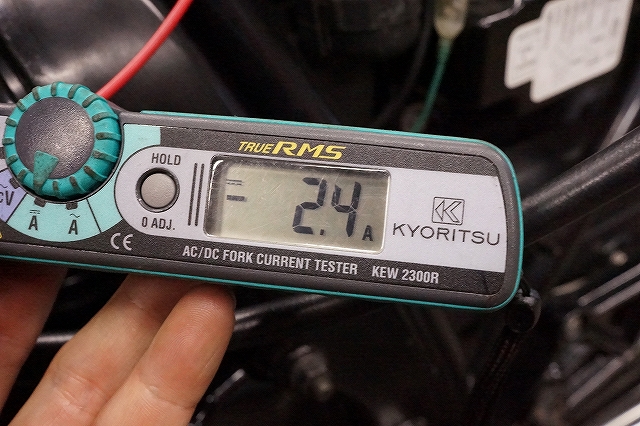
The amperage is almost the same. It’s smarter and recognizes and outputs optimally.
Also, the unit itself doesn’t get very hot, which is extremely appreciated.
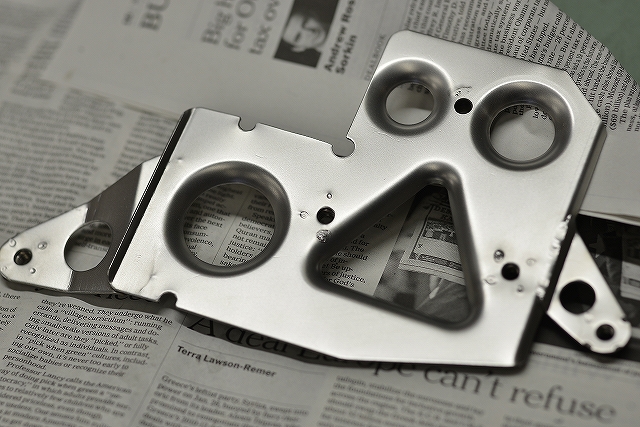
There’s no space to mount it at all, so we removed the contents of the right side cover, fit the unit, and fabricated a bracket. We opened it up a bit too much, but it’s hidden anyway, so it’s fine.
There was a hole right at the top, so we made good use of it. The tank won’t fit—typical Kawasaki. I think we got it mounted in a stock-like way.
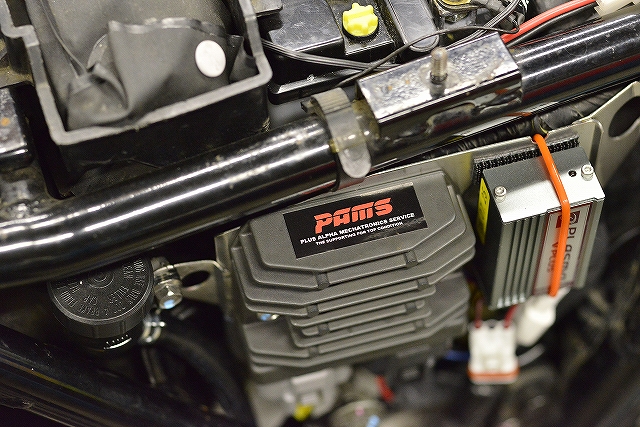
The nuts are also welded in place, so removal and installation are easy. When you mount parts on the back side where your hand can’t reach during later modifications, serviceability becomes terrible.
We try to avoid casual chopping and welding to the frame. It’s fine if you’re welding beautifully crafted brackets or covers as the final form to complete the bike, but frames that have been carelessly modified with temporary tacking always look unfortunate.
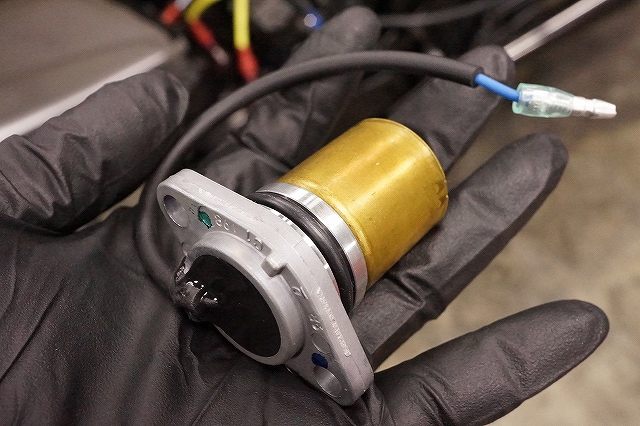
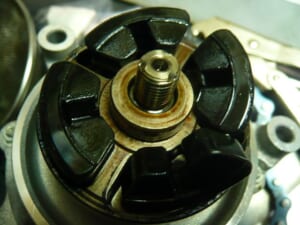
The center shield was leaking badly, so we replaced it.
After a test ride, it’ll be complete.