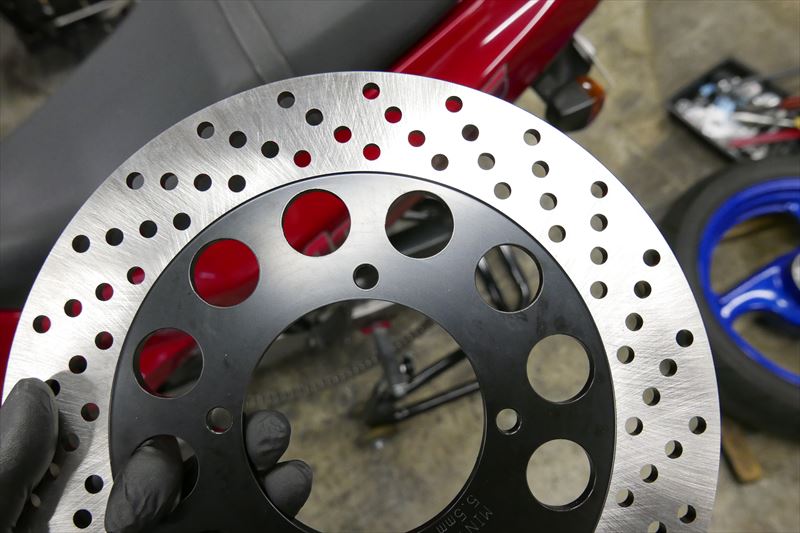
We checked various options, but it looks like we have to go with the stock part.
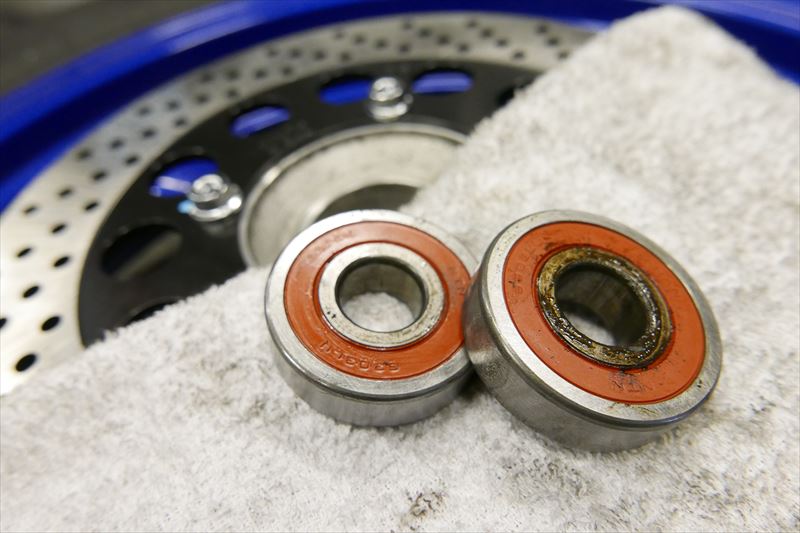
We’ll replace the wheel bearings. I think it’s fine to replace them once every 20,000 to 30,000 kilometers.
There are two ways to think about it:
• Use them to the limit as long as they work
• Keep them in good condition and use them
Either approach is fine. Depending on the condition, they can easily last around 50,000 kilometers. They rarely become stiff, but naturally there’s more play and a loss of smoothness.
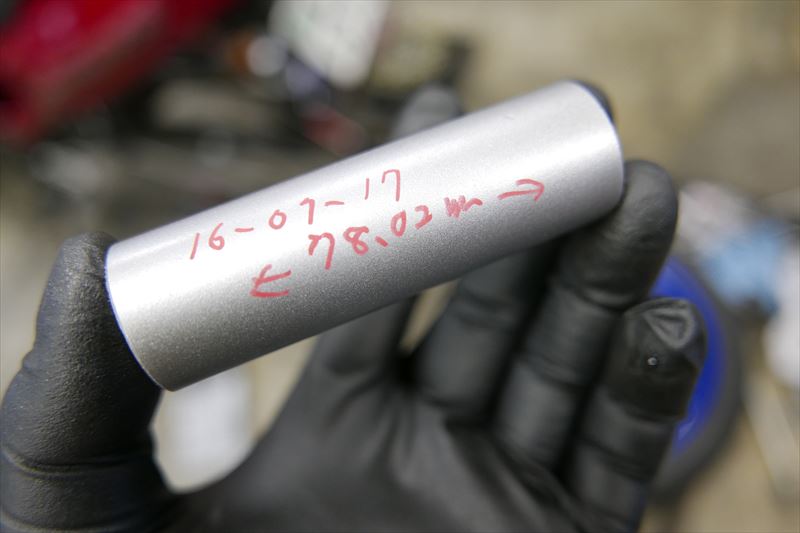
My handwriting is a bit shaky, but it’s legible. If we note the dimensions, it’ll be easier to check next time.
The distance collar is definitely the key.
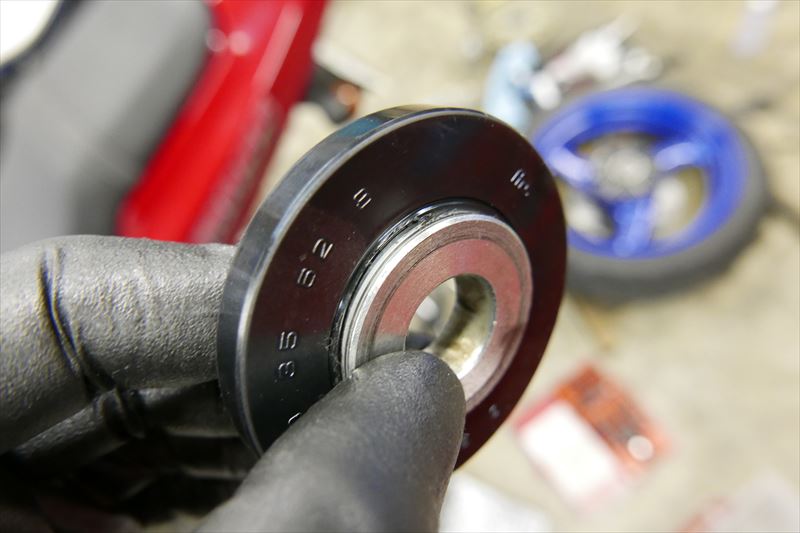
Oil seal. By the way, in this condition it won’t turn by hand. The purpose of this seal is to prevent water from entering, keep grease from leaking out, and maintain the collar.
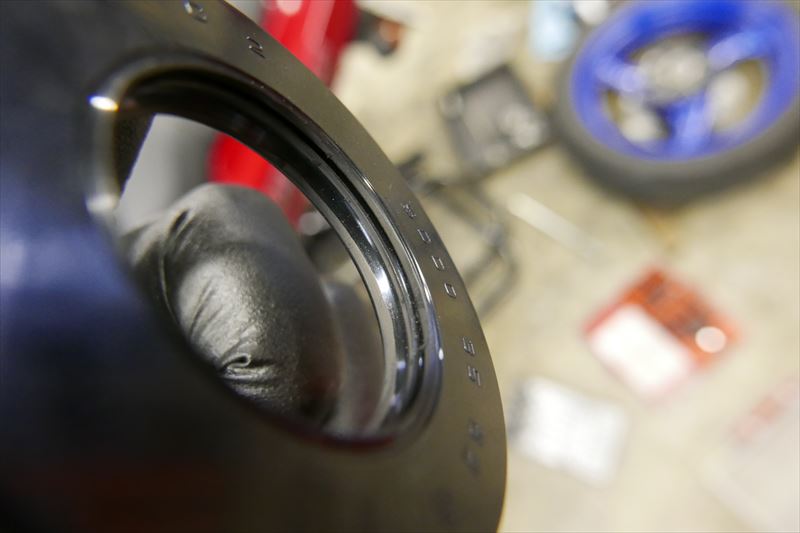
We wipe all the way around and clean it off. We break it in from the start just enough so the collar doesn’t fall out and it moves smoothly. Other motorcycle manufacturers use a smoother, minimal seal.
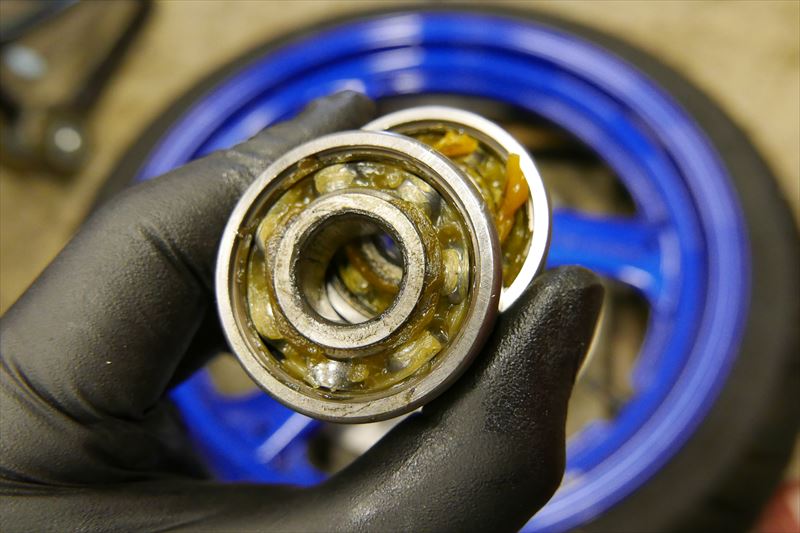
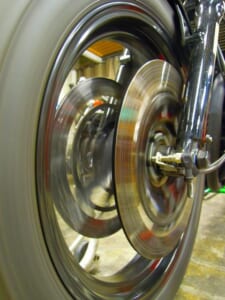
Front wheel. Good condition with oil present. Once the oil is gone, it fails suddenly. Care is needed.
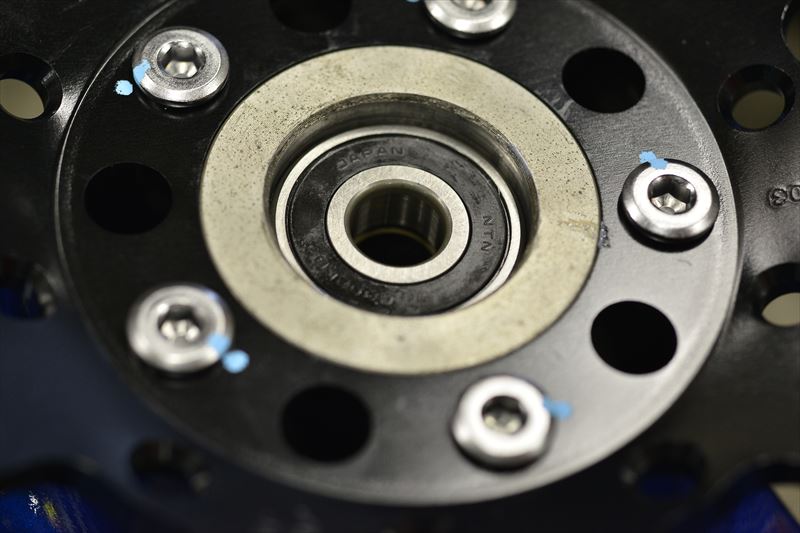
Replacing wheel bearings isn’t the end of it. First, the press-in direction reference is usually specified by the manufacturer. If not, we can measure the current state and infer it from the groove depth on the wheel side.
I’ve seen wheels where people just swapped them in and said “OK!” but the distance collar was loose, or the reference position was reversed and the center was off.
Even in that condition, the bearings won’t break and they’ll work. But that kind of replacement won’t achieve 100% potential.
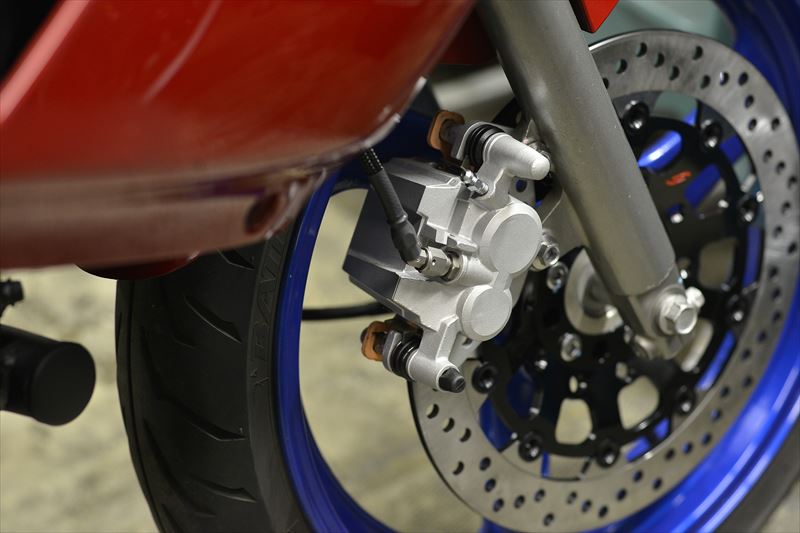
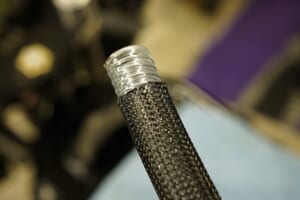
Even with a stock caliper, finishing it with a fitting instead of a banjo instantly boosts the premium feel.
By choosing a layout and parts that differ from off-the-shelf options, you also get a sense of satisfaction.
And at minimum, the layout must account for future caliper removal and installation.
Considering future maintenance and removal when planning is something that applies to everything.
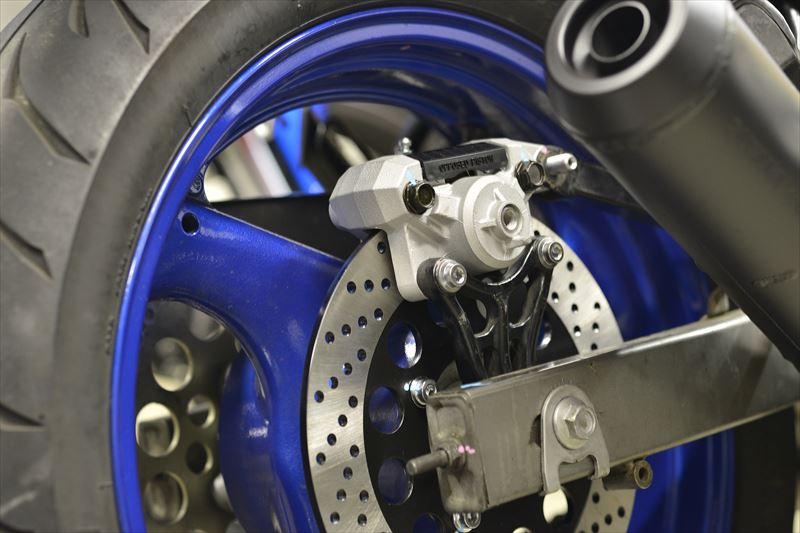
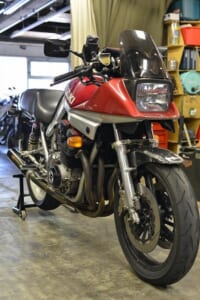
Hmm, it looks a bit Yamaha-ish. Subtly, the caliper bolts are changed front and rear.
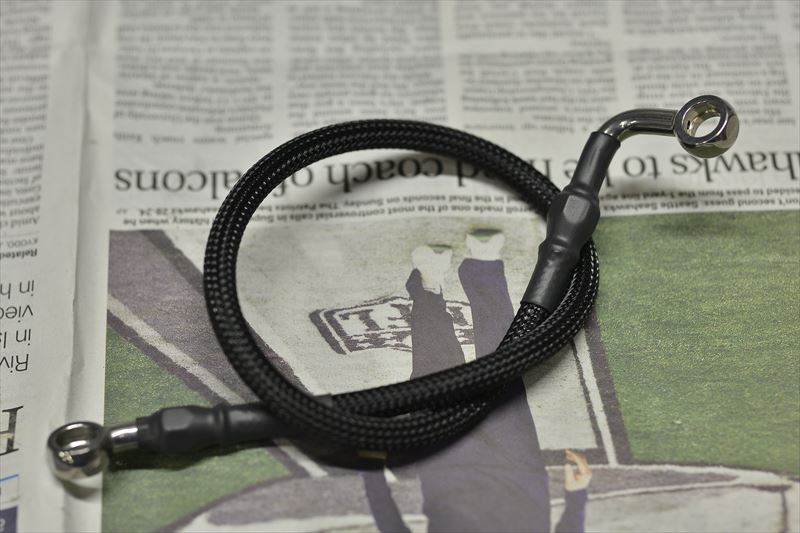
We finished the hose front and rear to look stock at first glance.
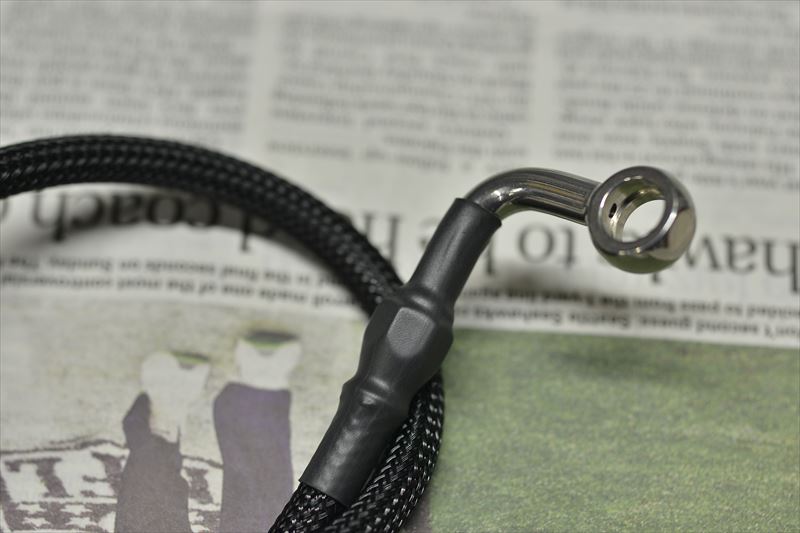
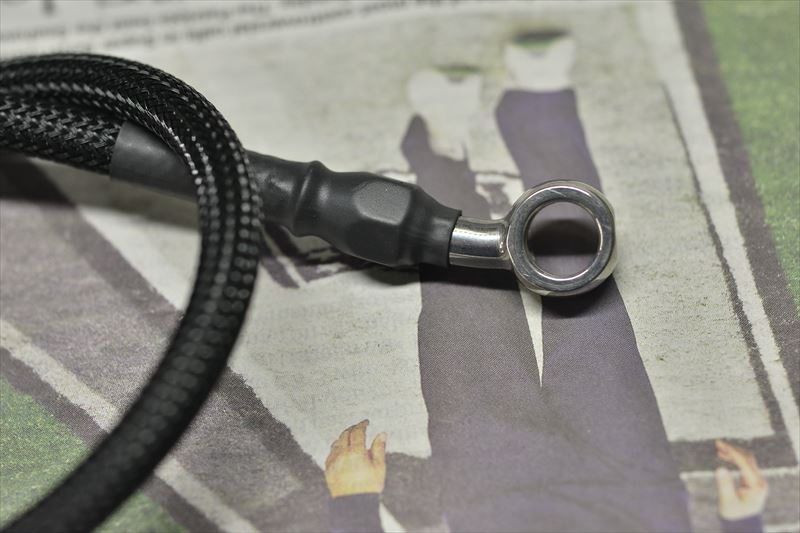
This is the first time I’ve used a side neck, and it looks like a part that will offer good flexibility going forward.
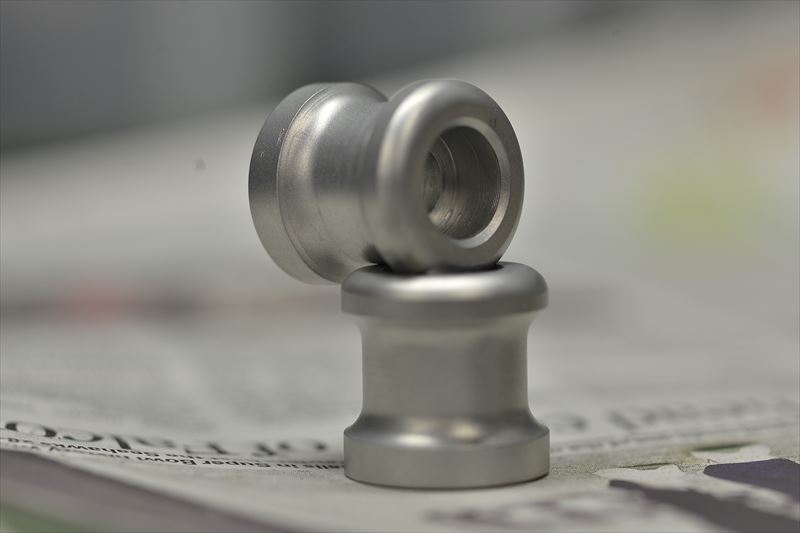
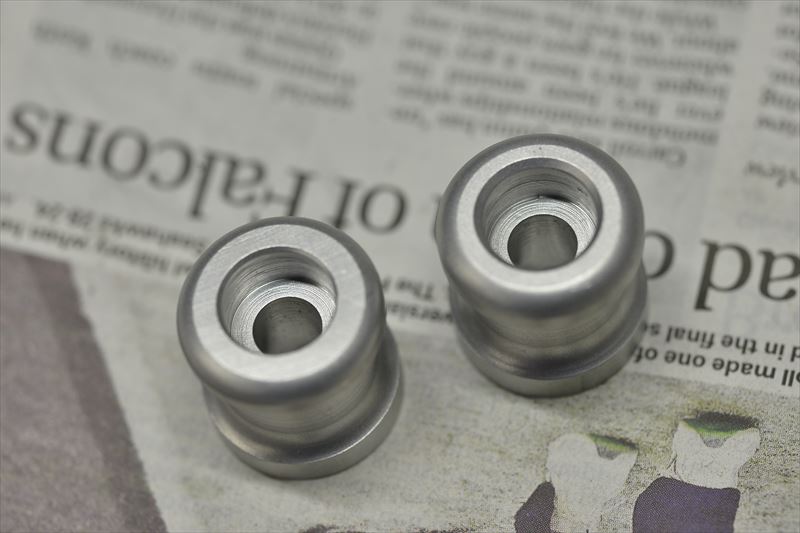
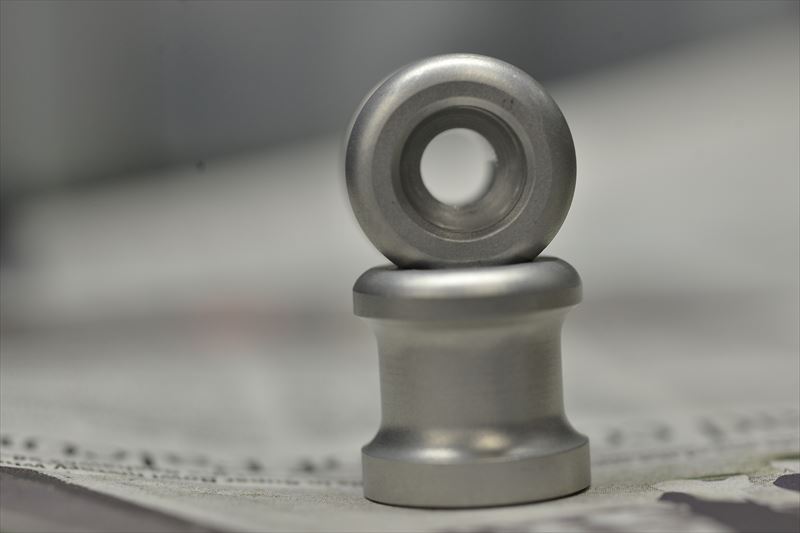
It’s a bit chunky, but we fabricated a stand collar as a service extra.
Delrin would be lighter and better, but we didn’t have any on hand, so we used aluminum.
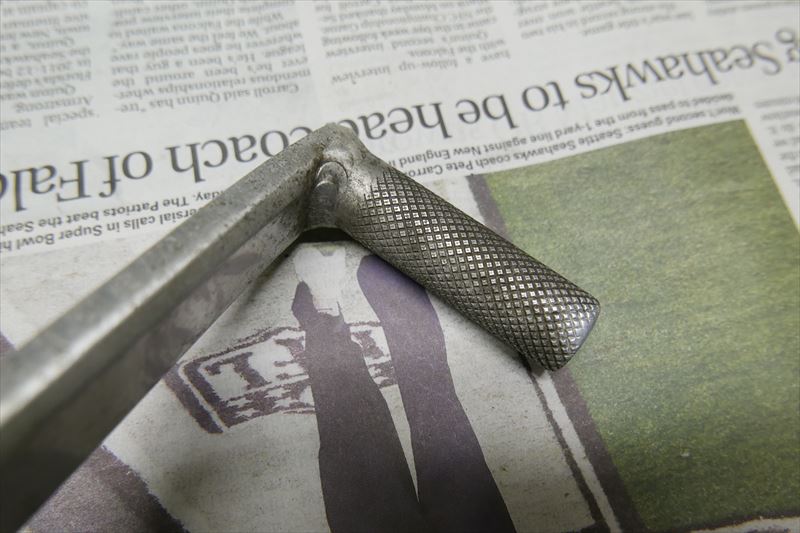
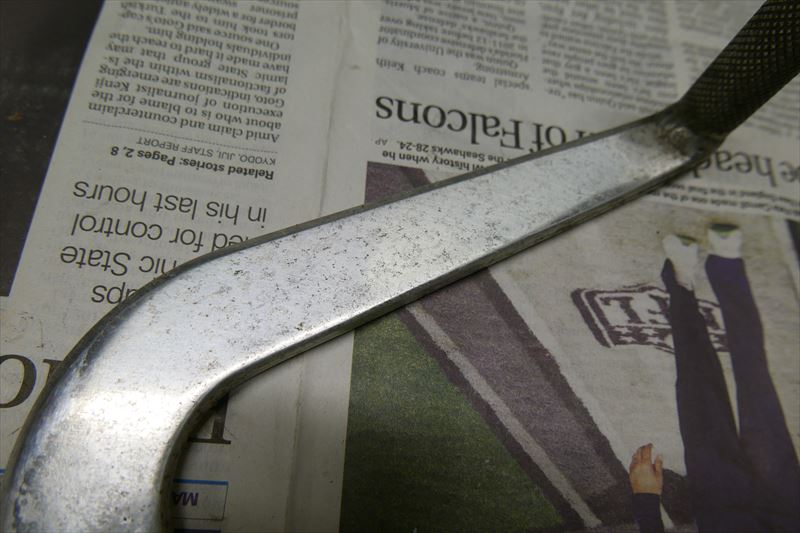
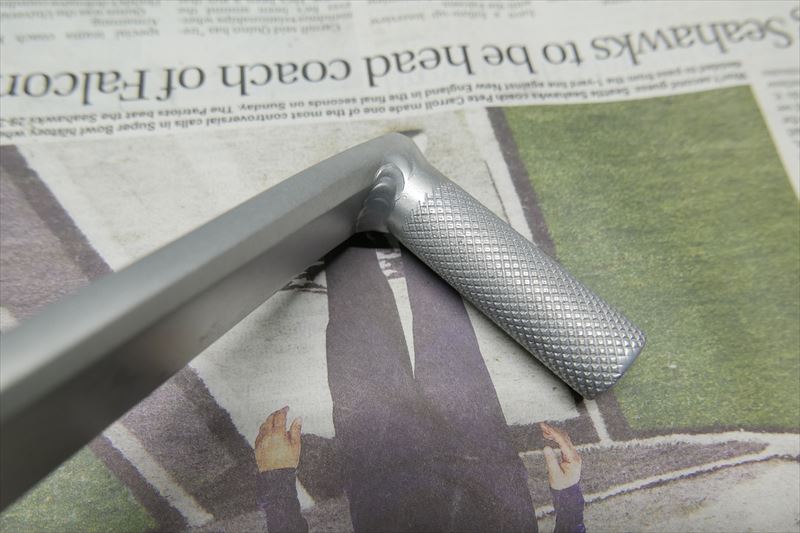
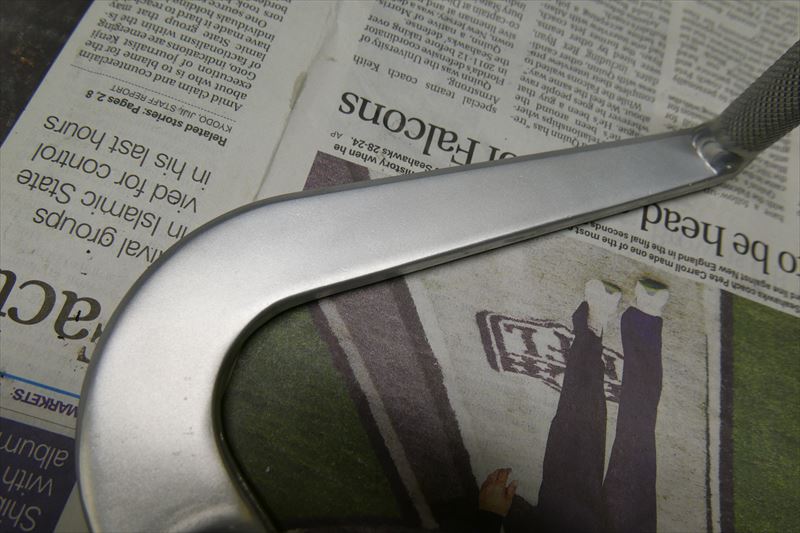
We polished the fine details as a service extra.
Not everyone does service work. For first-time customers, we don’t do anything at all. For customers we think we’ll have a relationship with going forward, we do things the way we think is best and the way the owner will be happy with the appearance. The result is everyone’s satisfied, and that’s a double win.