Let’s continue with the work.
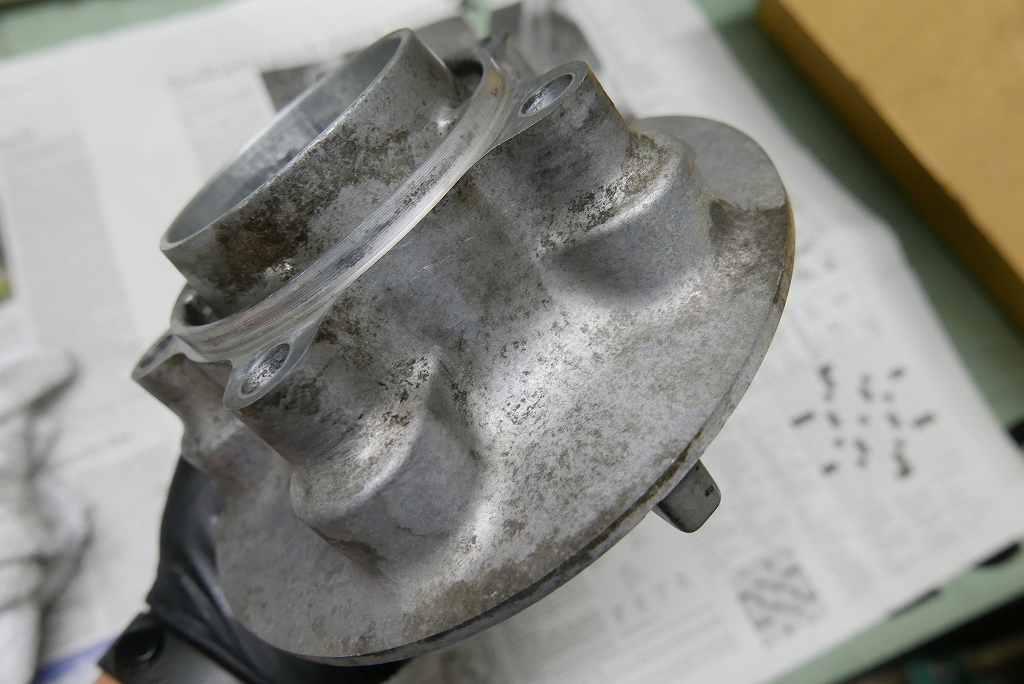
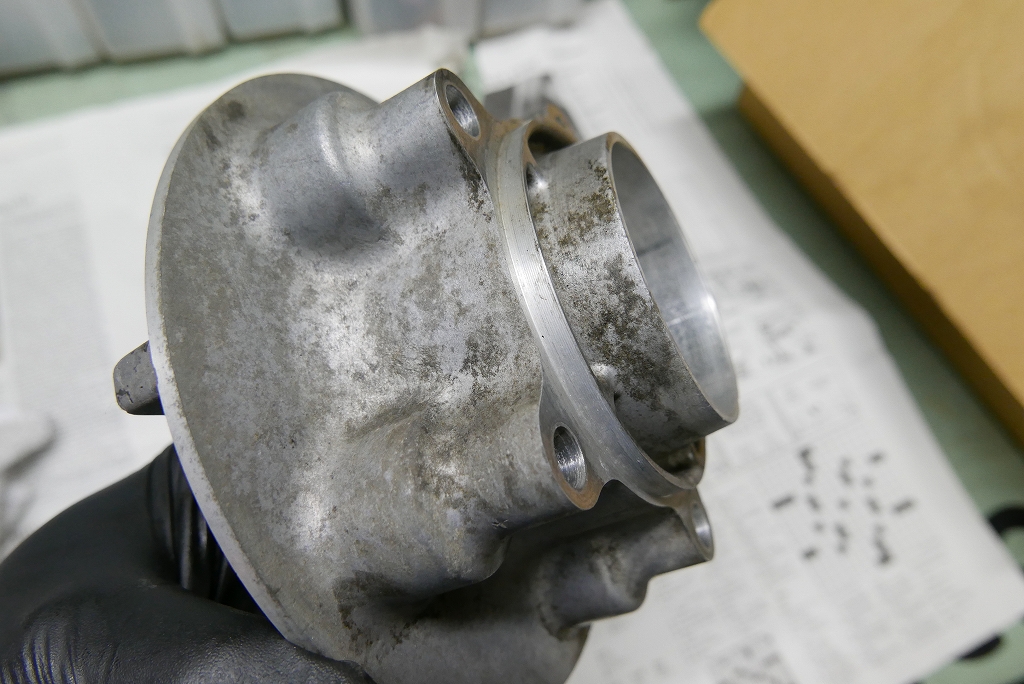
Polish the hub, which looks quite worn, and clean it before assembly.
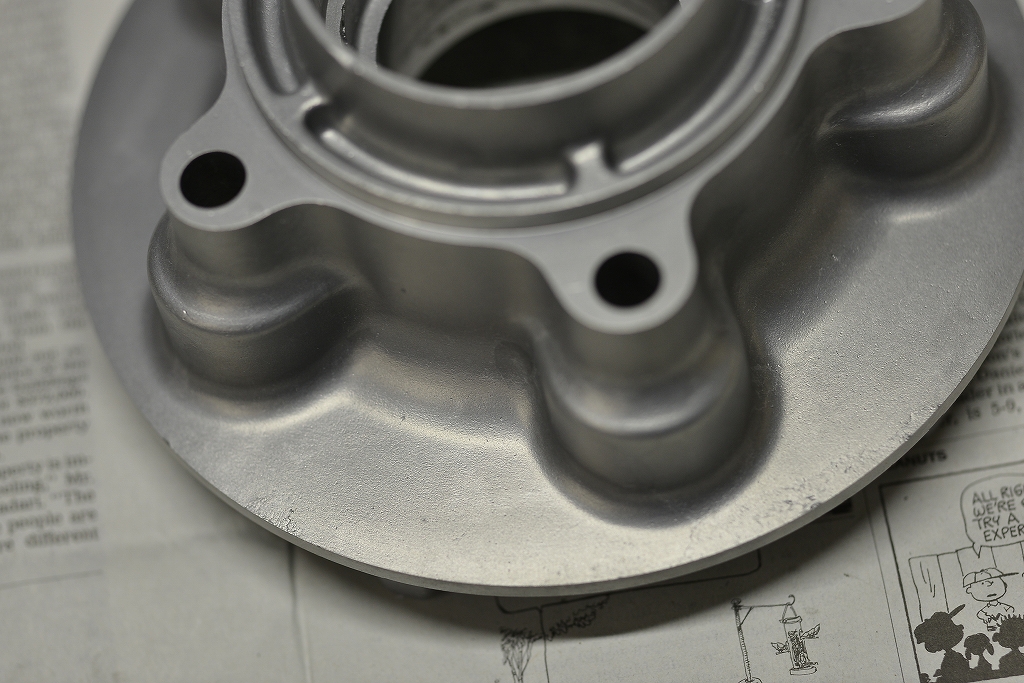
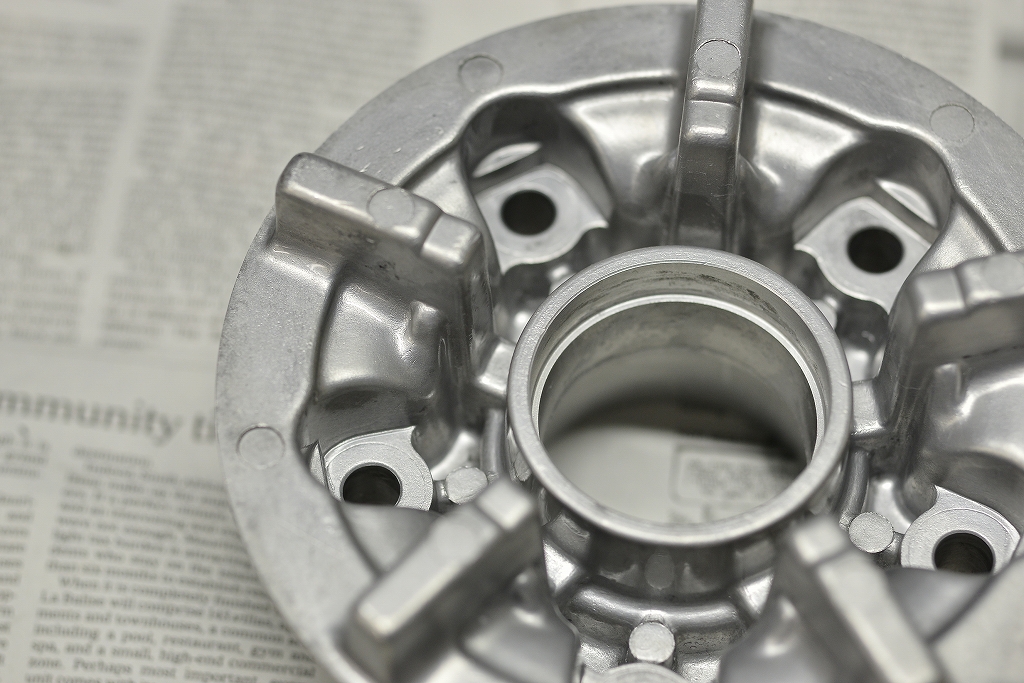
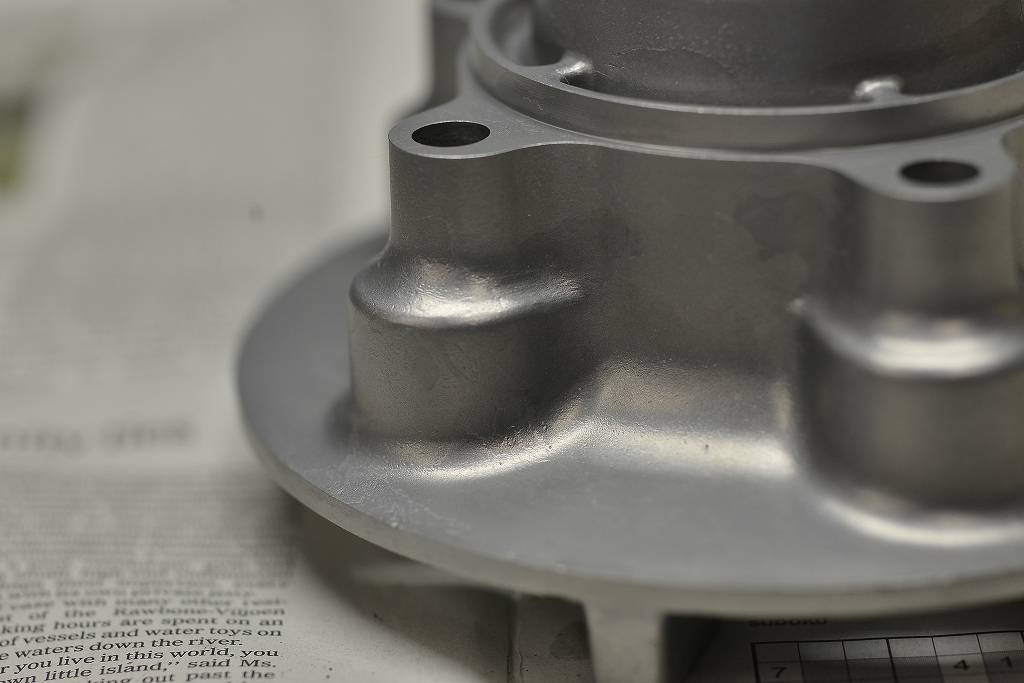
It looks better than new. We can proceed with the work feeling refreshed.
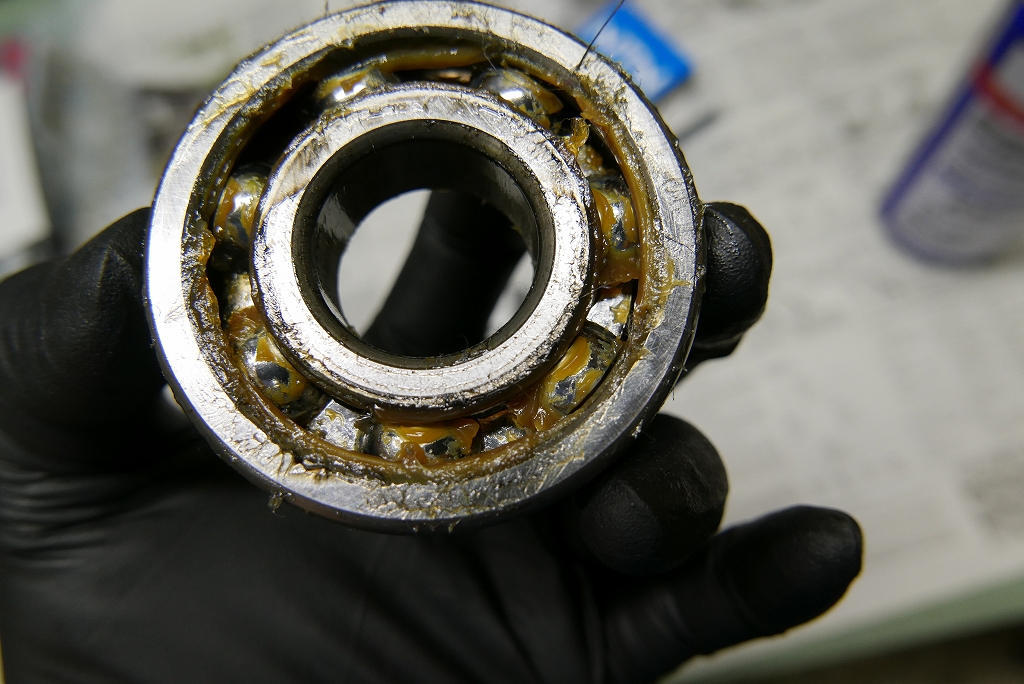
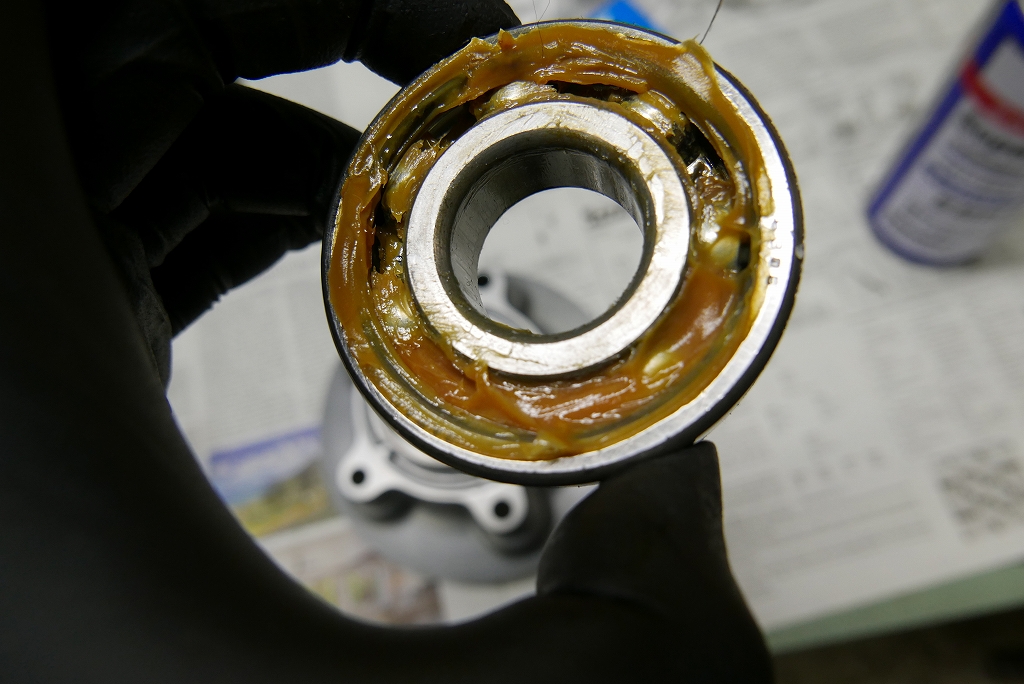
Without sealed bearings, it ends up in this condition. Sealed bearings seem to have slower grease loss and slightly better oxidation resistance.
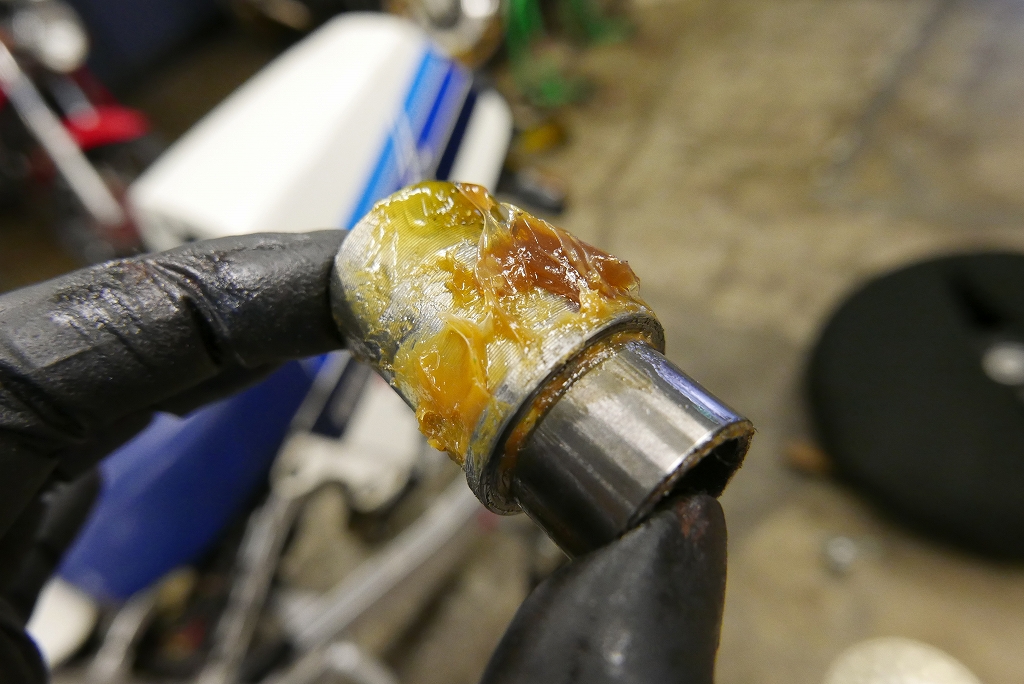
The hub collar gets this way too. It’s extremely dirty.
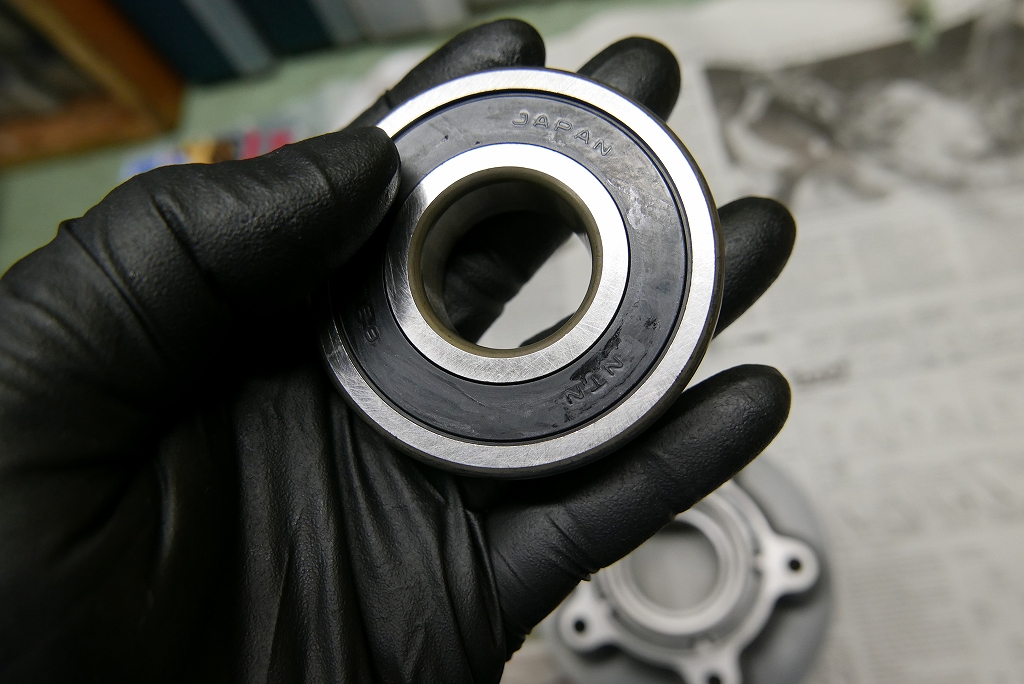
Sealed bearings are definitely cleaner and better.
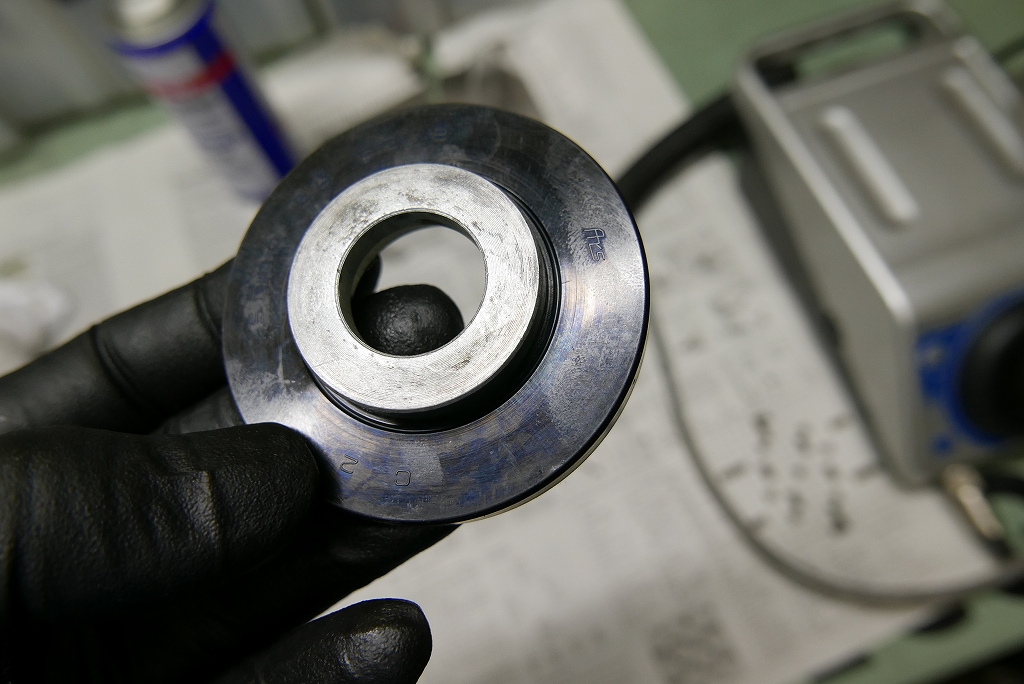
As usual, it won’t turn by hand…
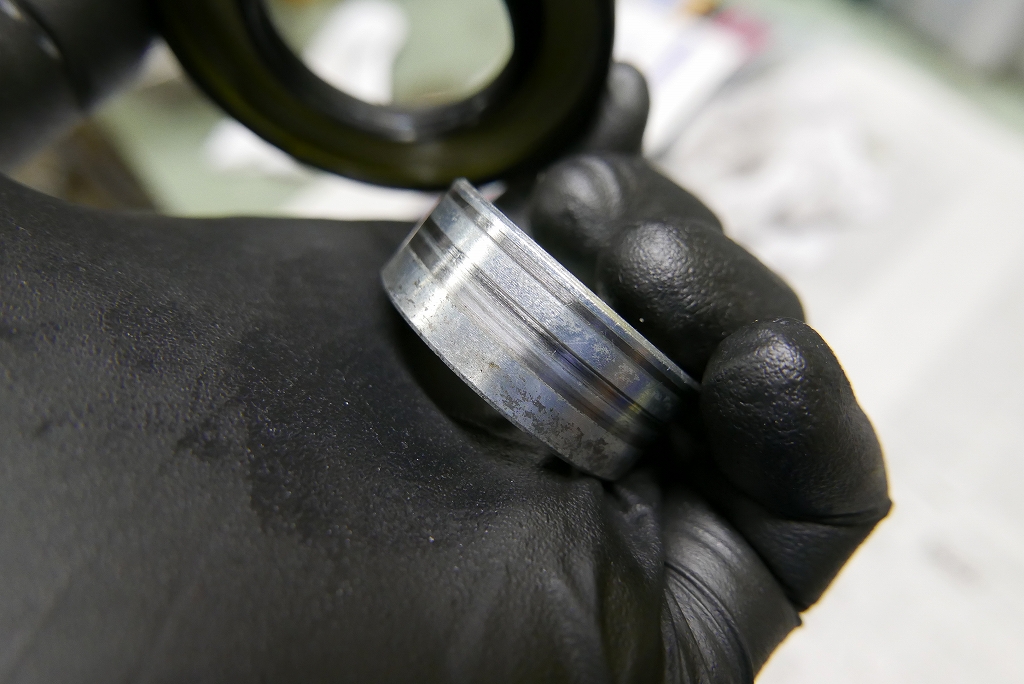
There’s enough friction to wear down the steel collar.
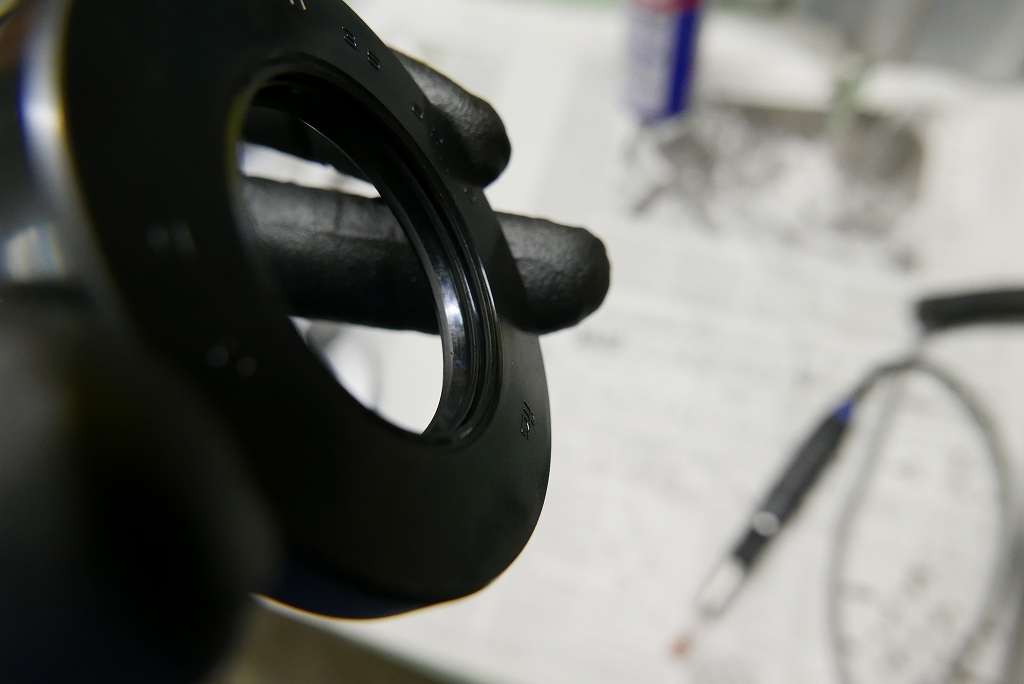
It’s best to apply a light initial contact before assembly.
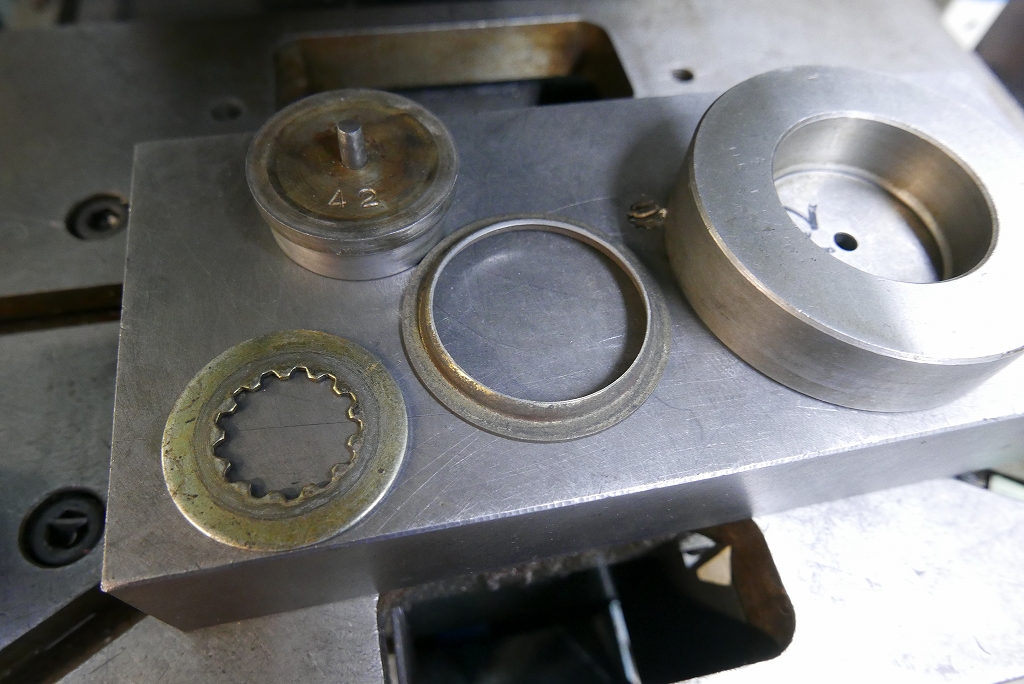
The OEM is a silencer? It’s a damper sandwich type with a flanged washer already installed on the back. Since it’s a shame to just assemble it as is, we’ll punch it out with a press to use just the washer. It comes out cleanly and easily.
Of course, you can’t achieve this without using a shear blade properly.
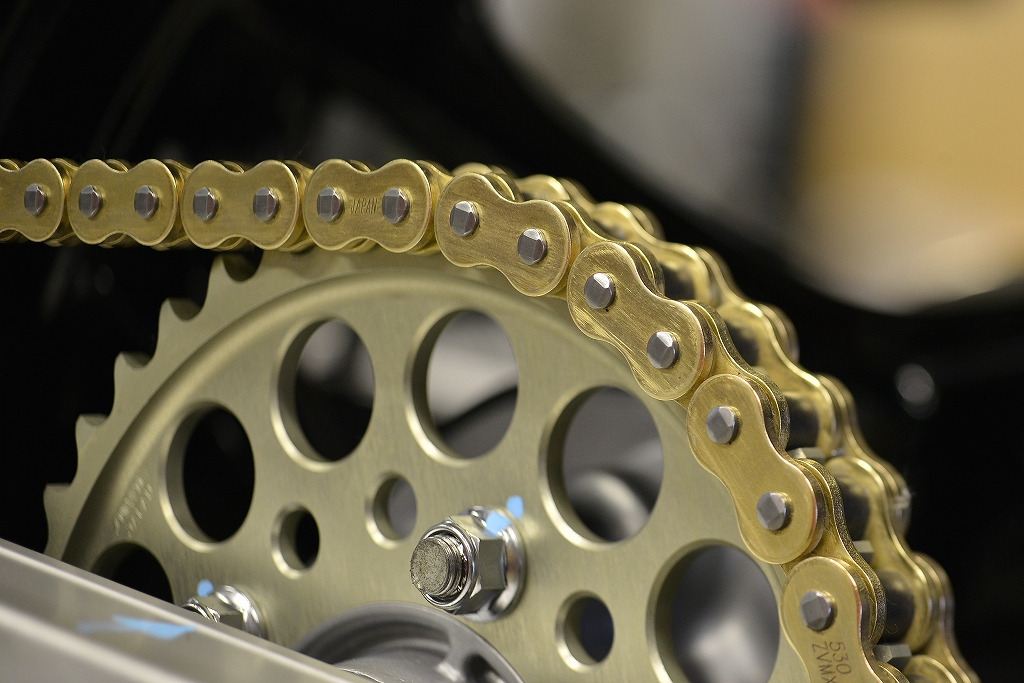
The chain is DID and the sprocket is Sunstar steel—a solid combination.
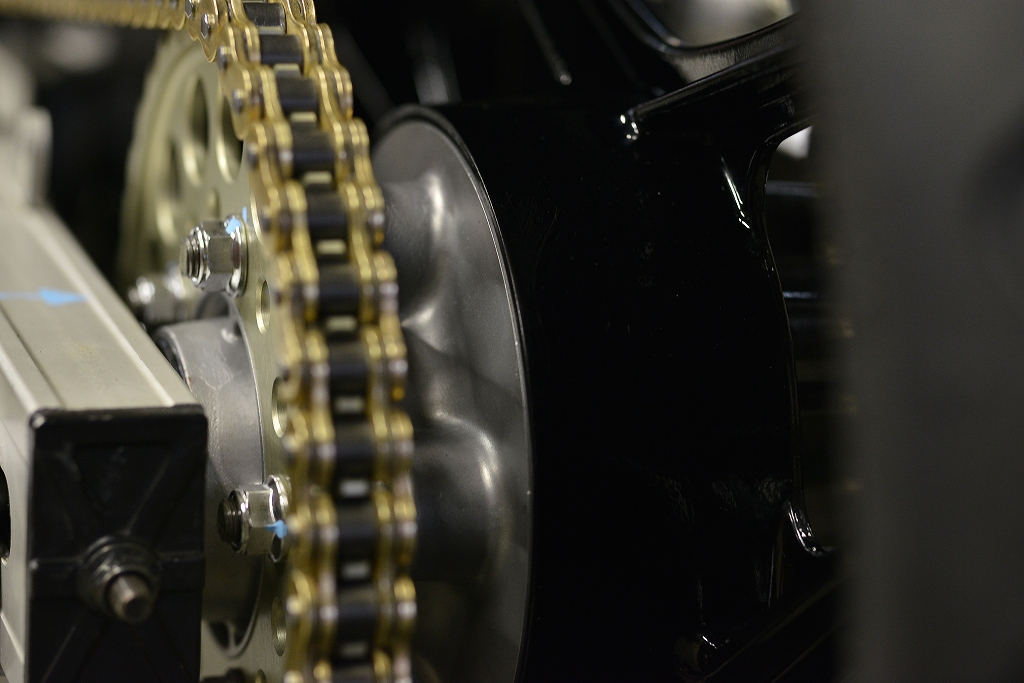
The hub looks clean and feels great. I’m happy to see the bike getting cleaner and cleaner.
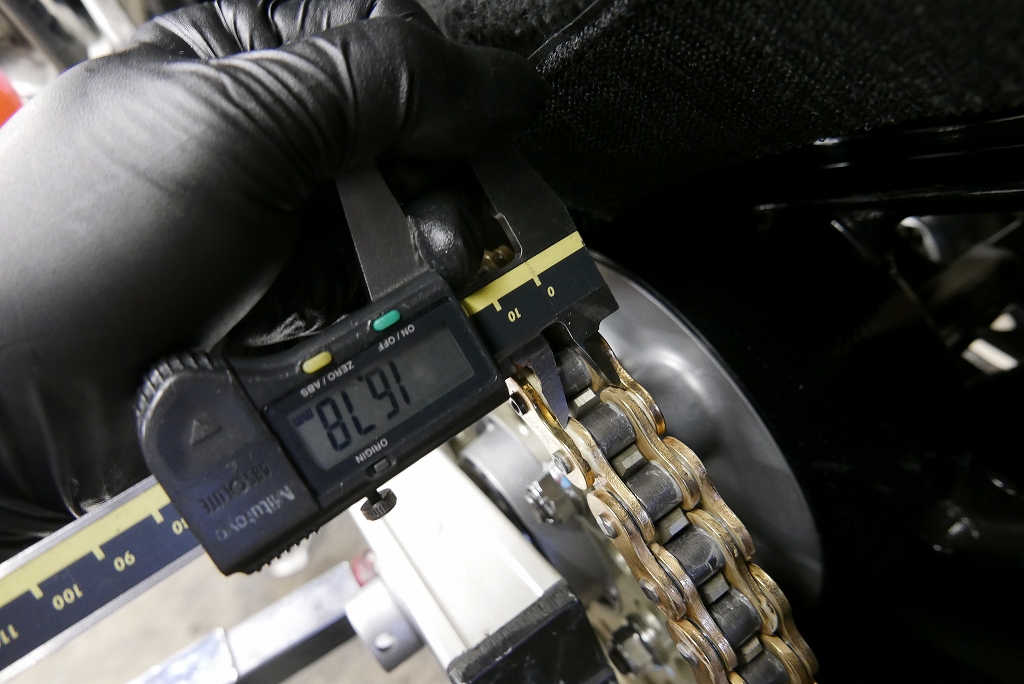 For peace of mind, it’s good to check that the plate press-fit is secure.
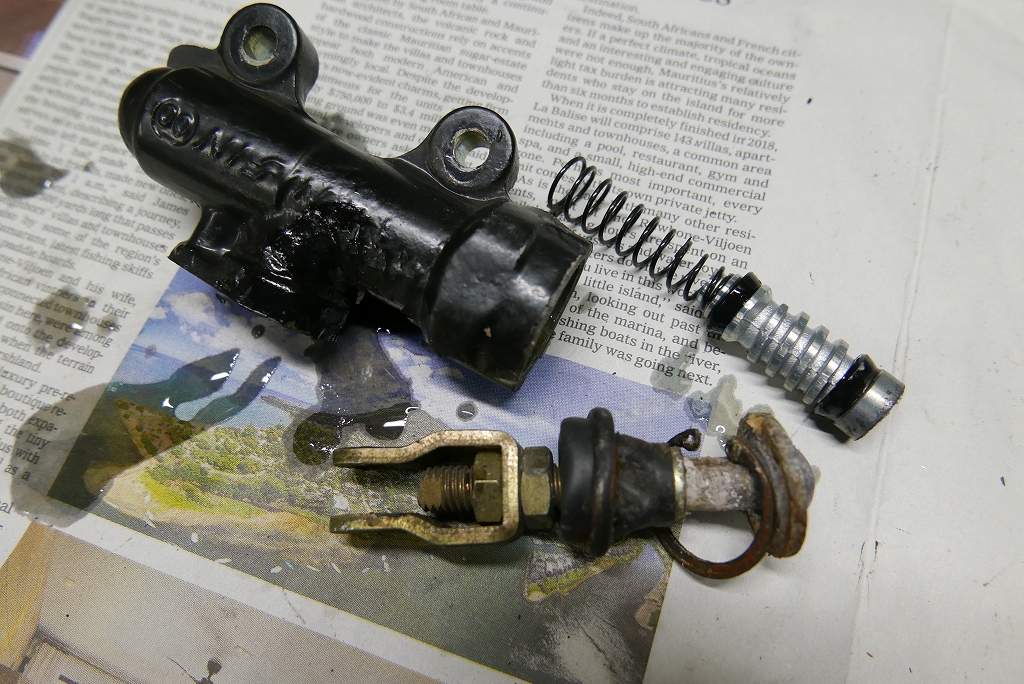
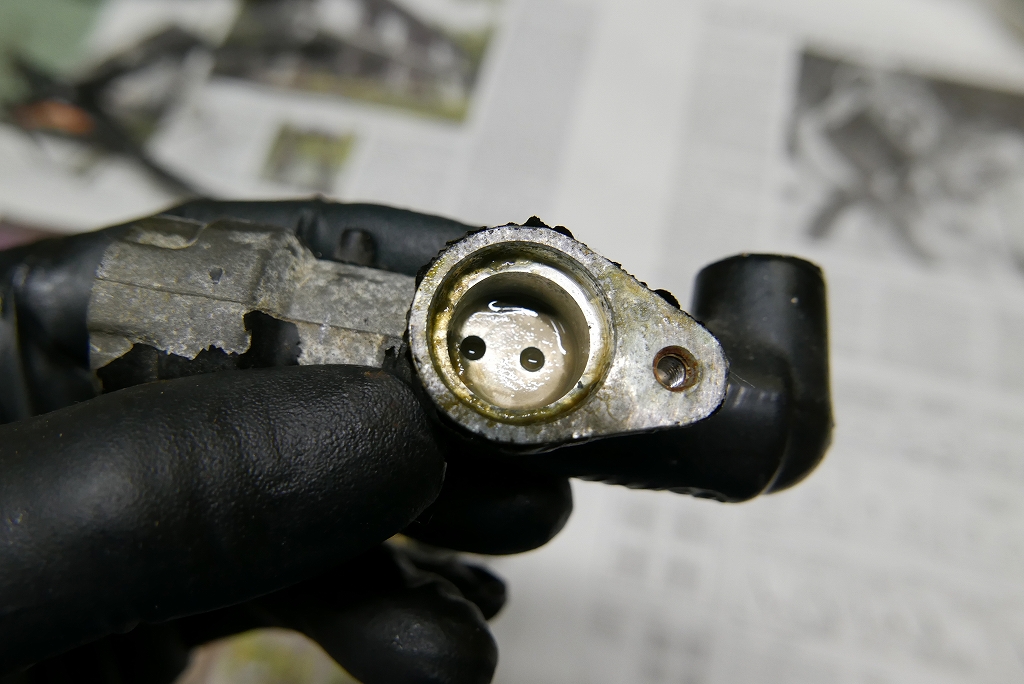
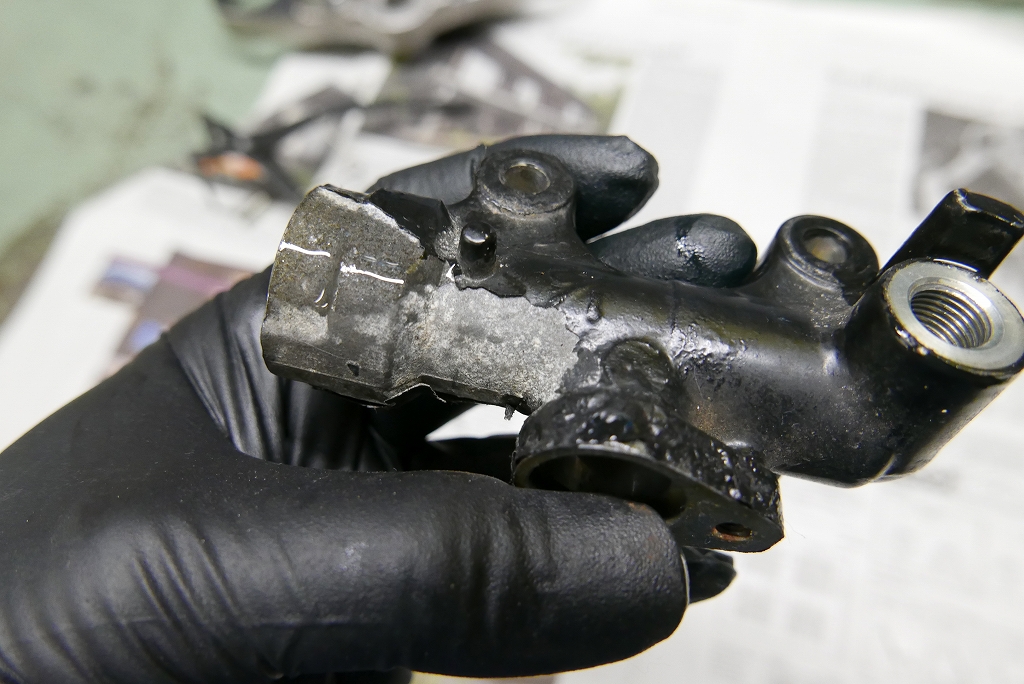
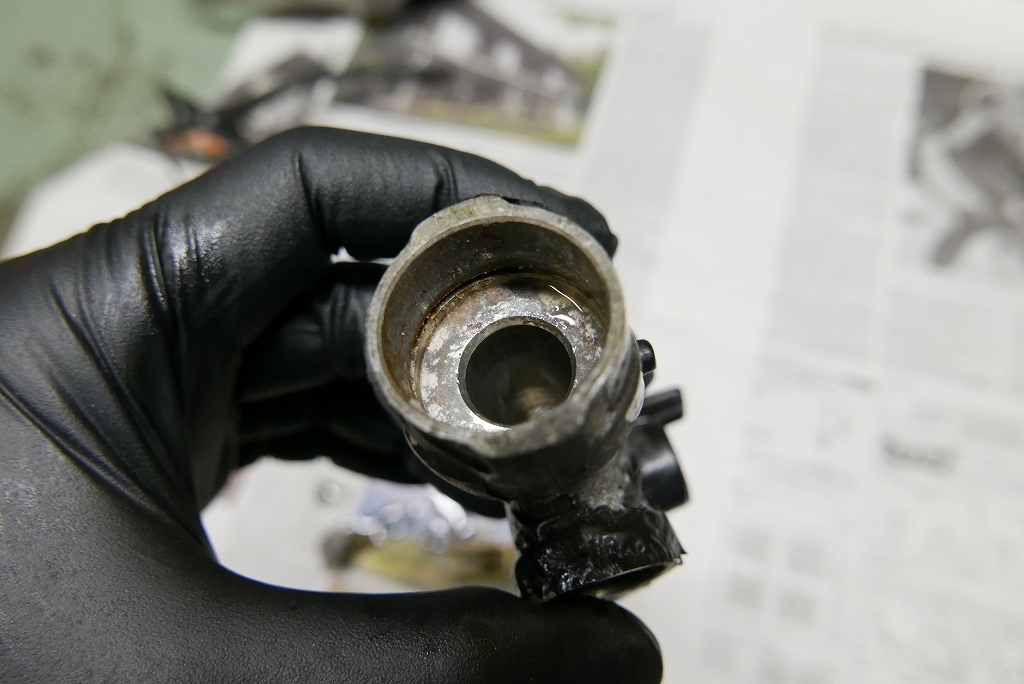
The rear master is also sluggish, so let’s polish and refresh it.
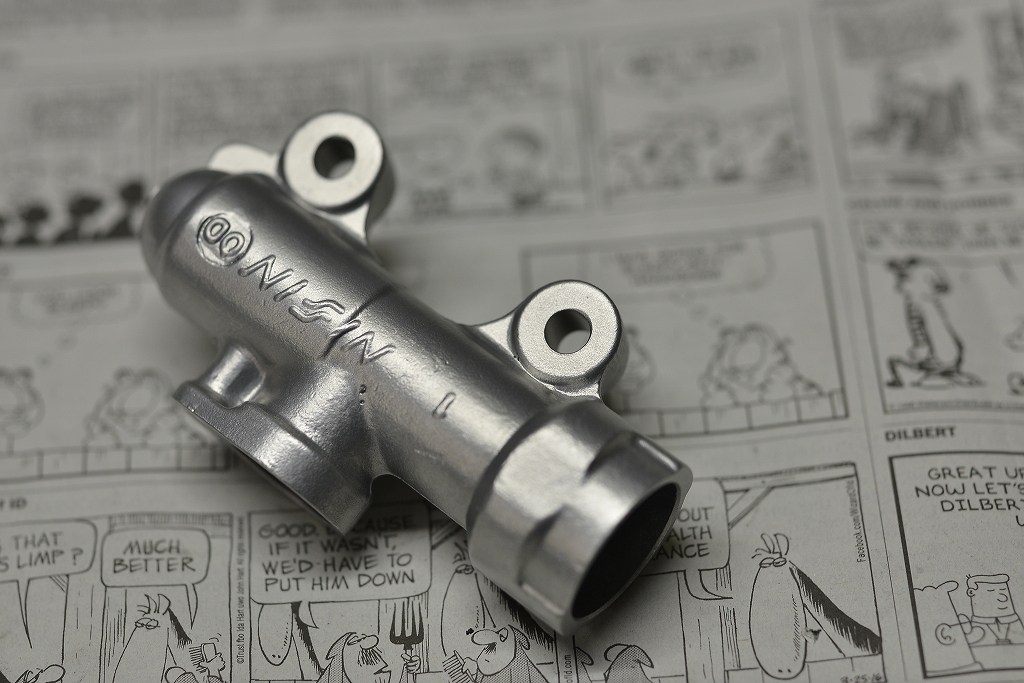
We’ll use fluid anyway, so we’ll just use rust preventative oil as is.
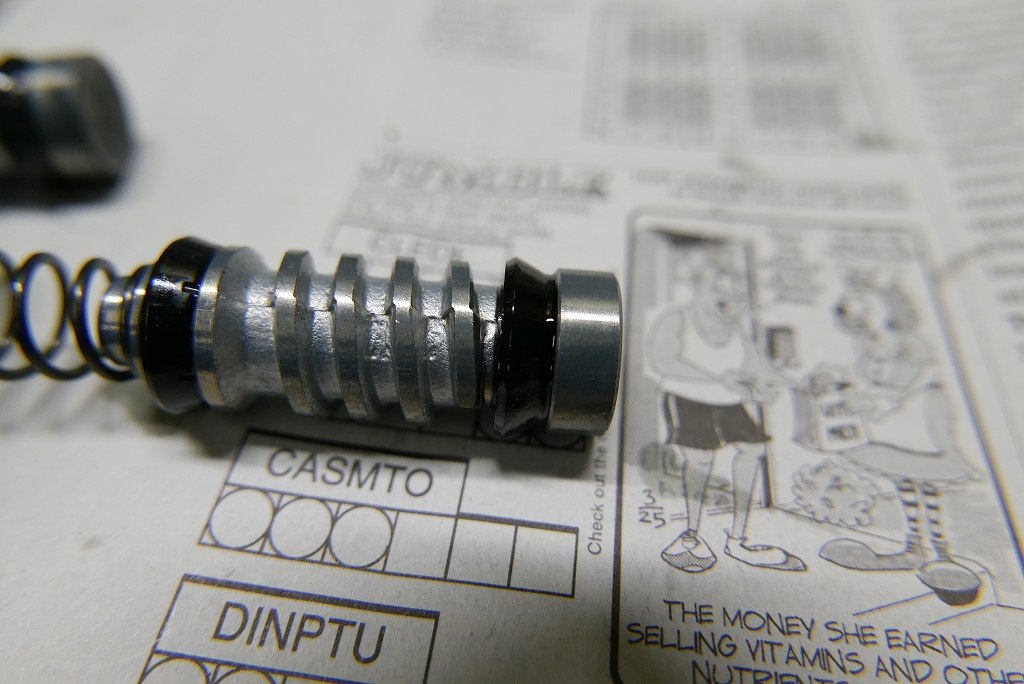
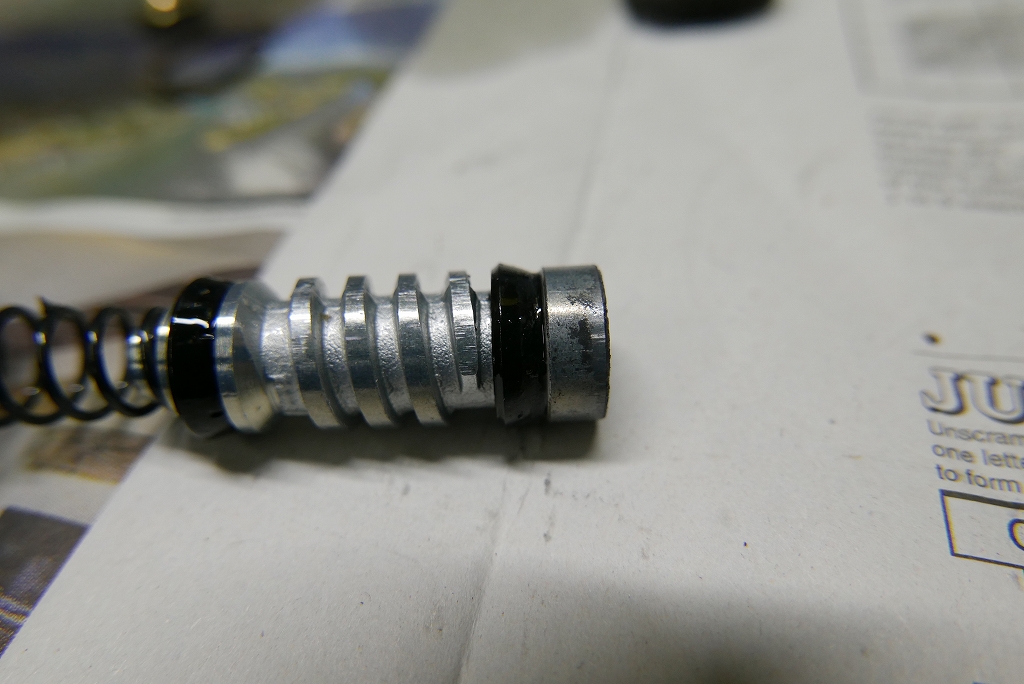
The bottom one is used. It doesn’t look heavily used, so it might be from actual riding.
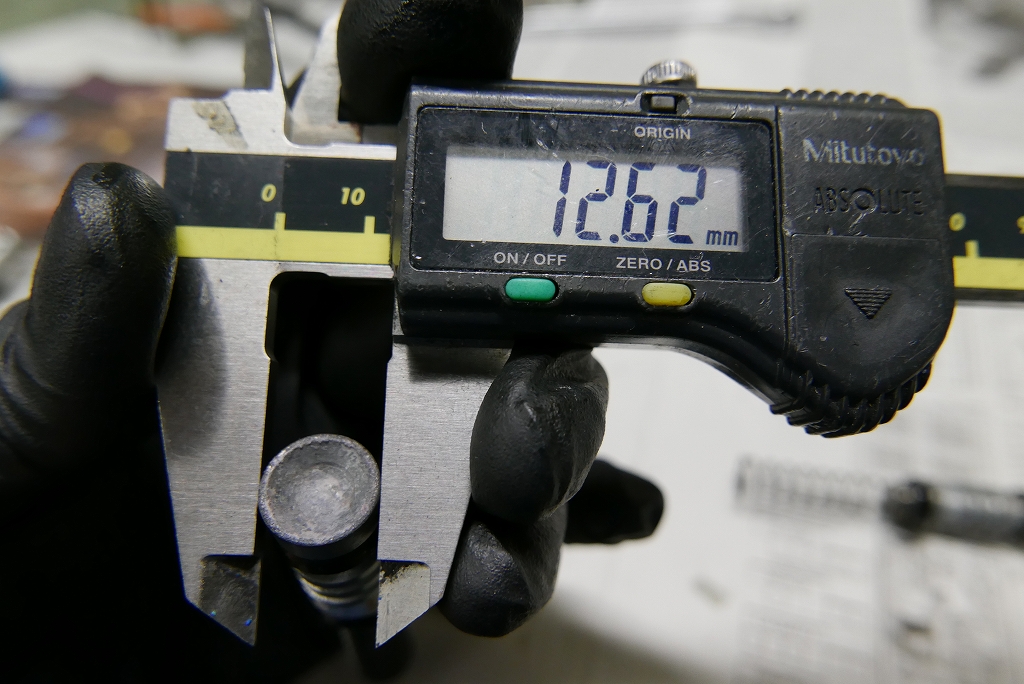
Of course, we’ll check both before assembly.
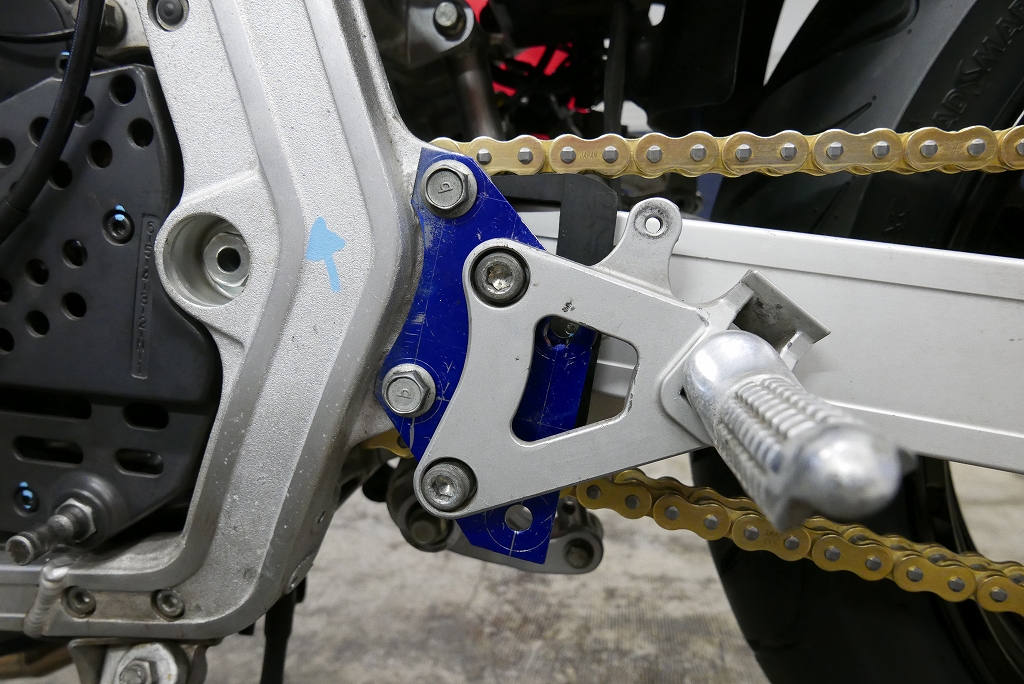
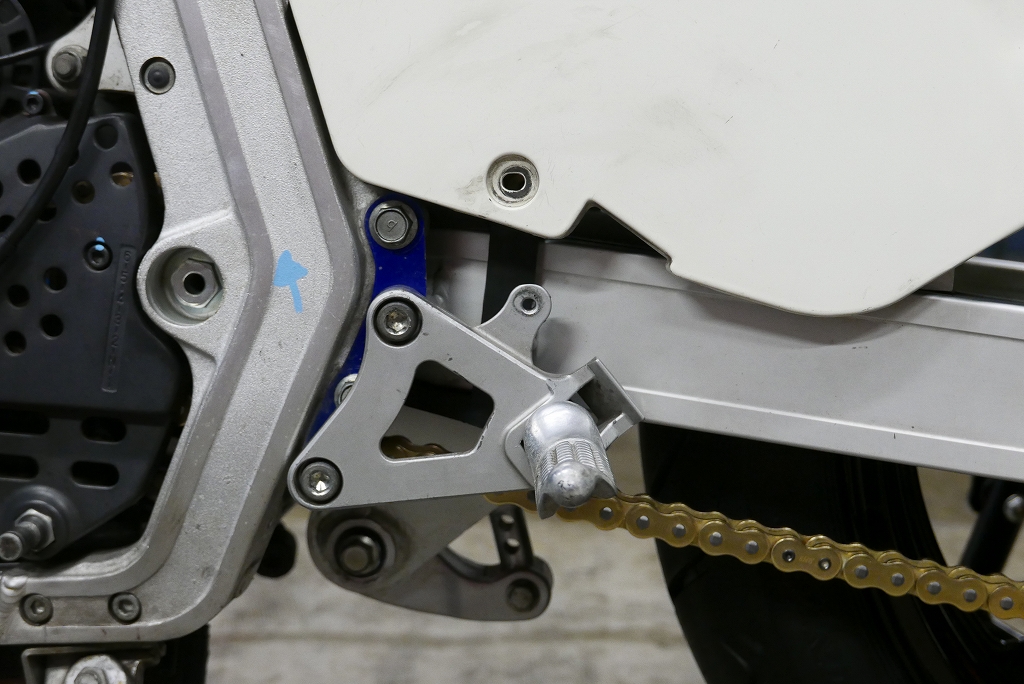
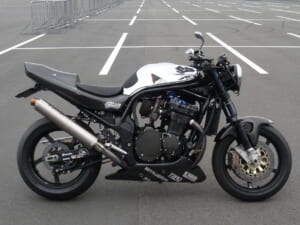
The GSX-R750 has abnormally high steps—the riding position is cramped. I suggested lowering the seat, but building it up would make the look clunky. Will it even work?
I made a simple mock-up to straddle and check. The lower image looks good, so I’ll make a mock-up for the right side too.
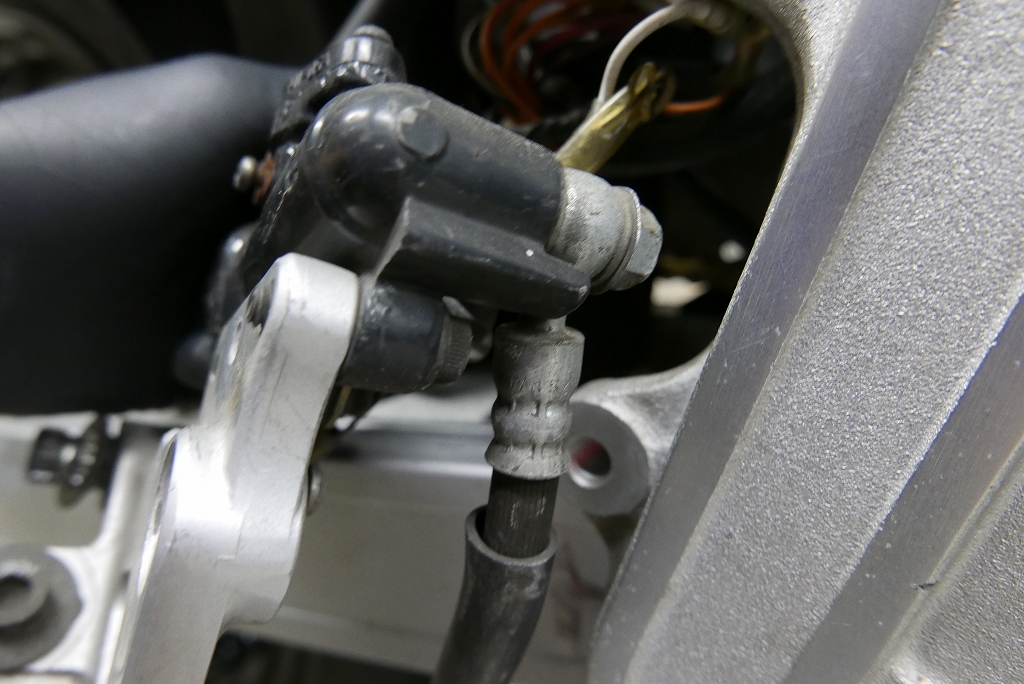
The master and hose contact the frame, so it won’t work….
So that suggestion is off the table….