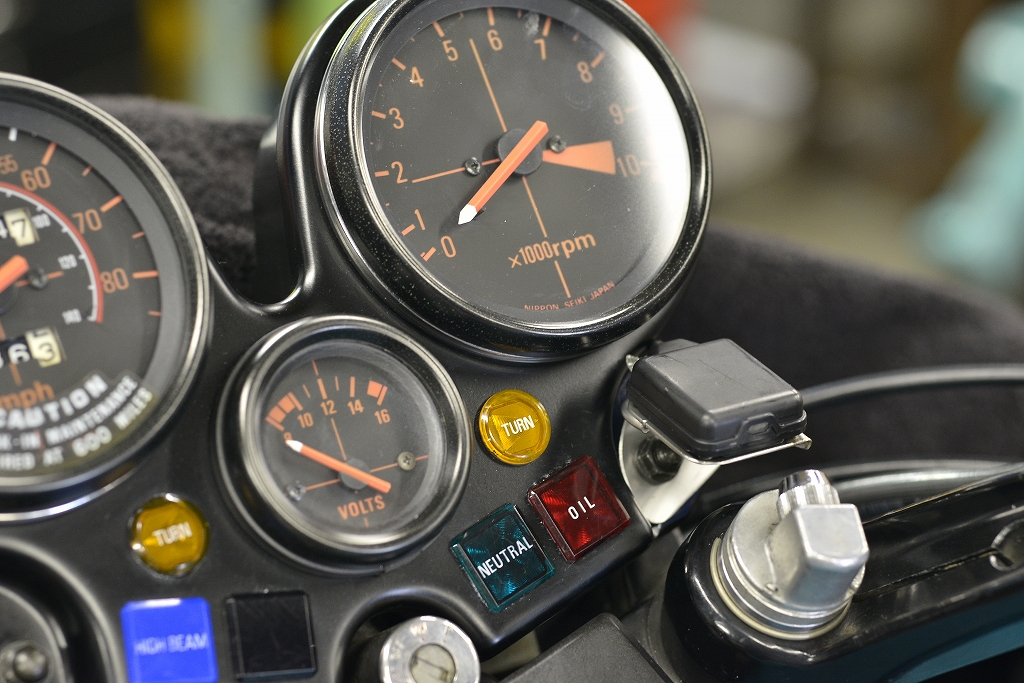
Let’s continue with the fabrication work.
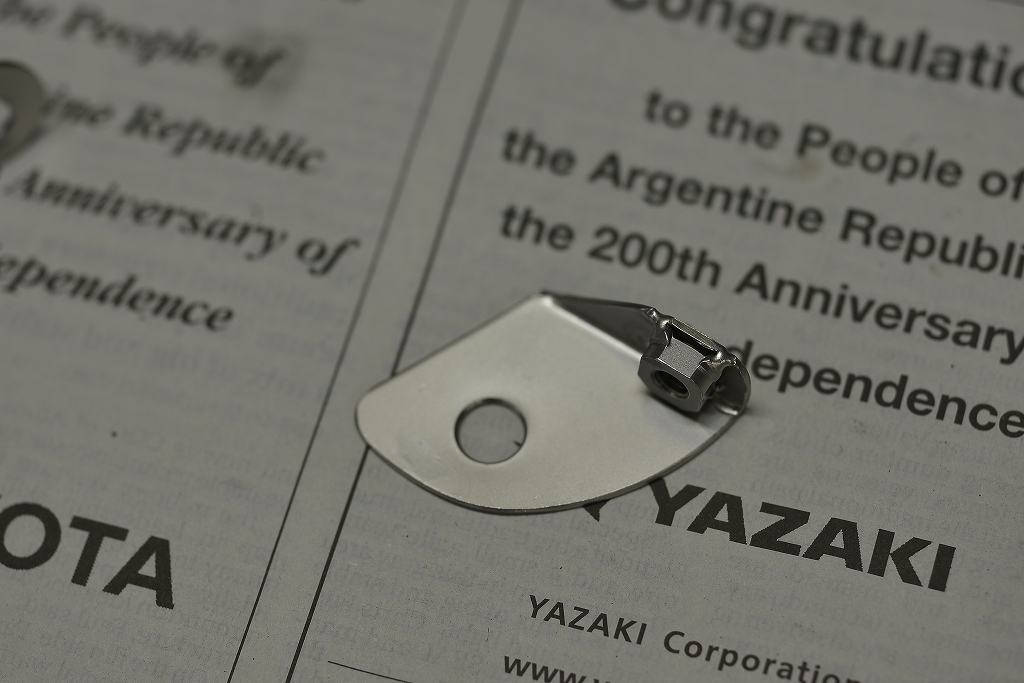
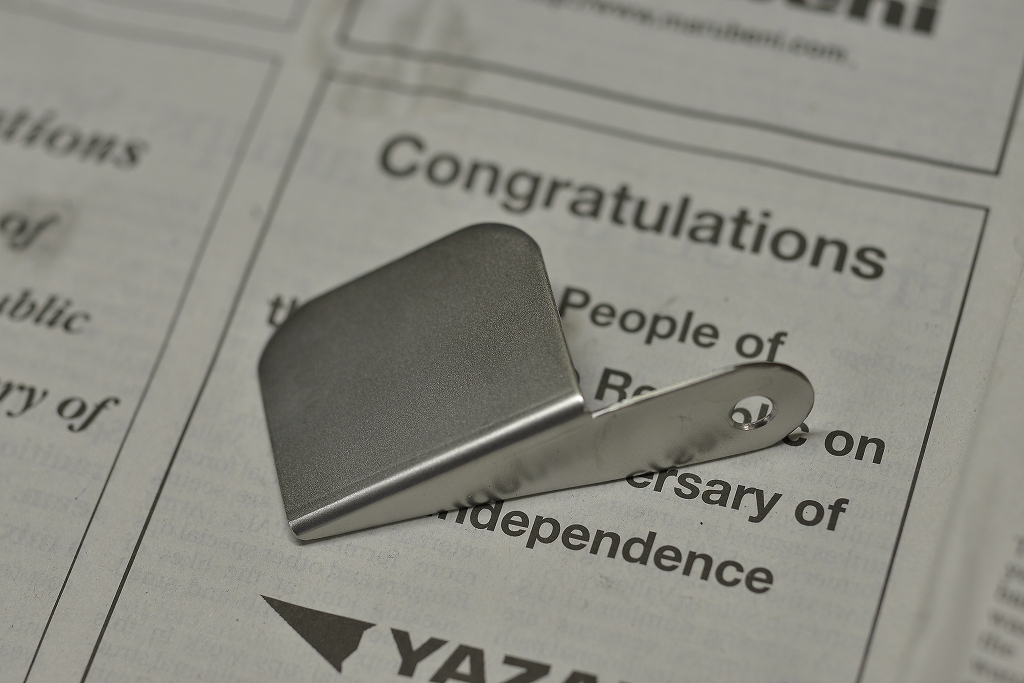
The antenna mounting bracket is a two-piece structure. The neck can flex and allows for proper fitment.
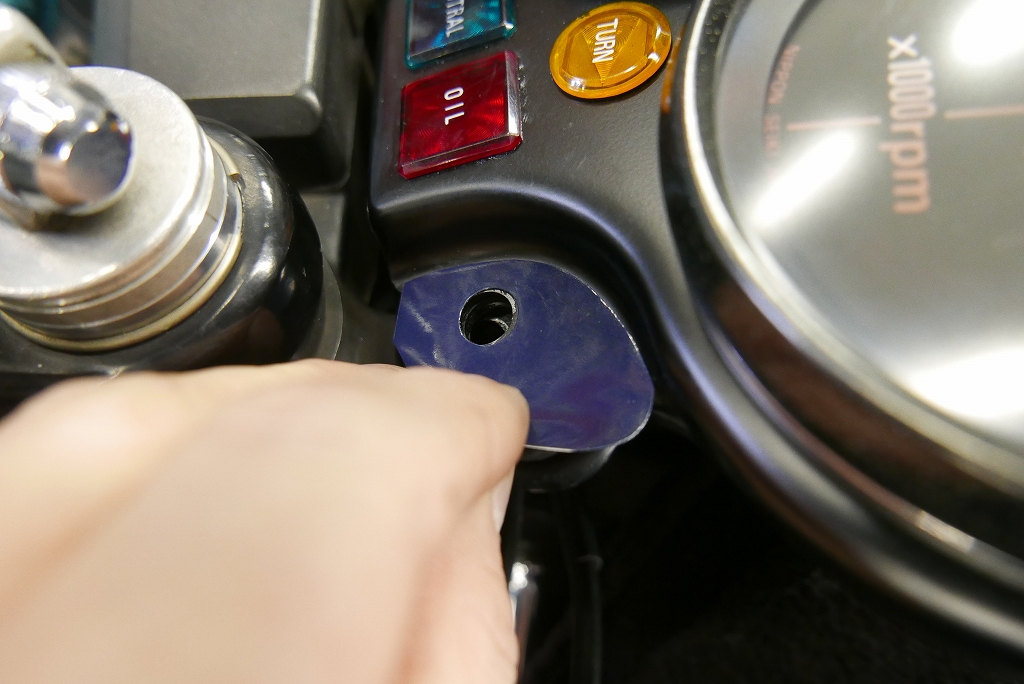
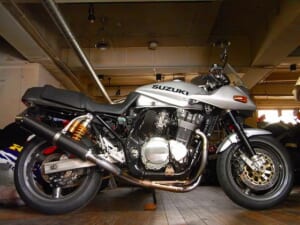
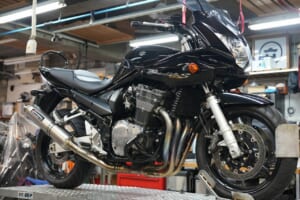
Since this is such a pristine bike, I’ll apply protective tape under the bracket to prevent scratches.
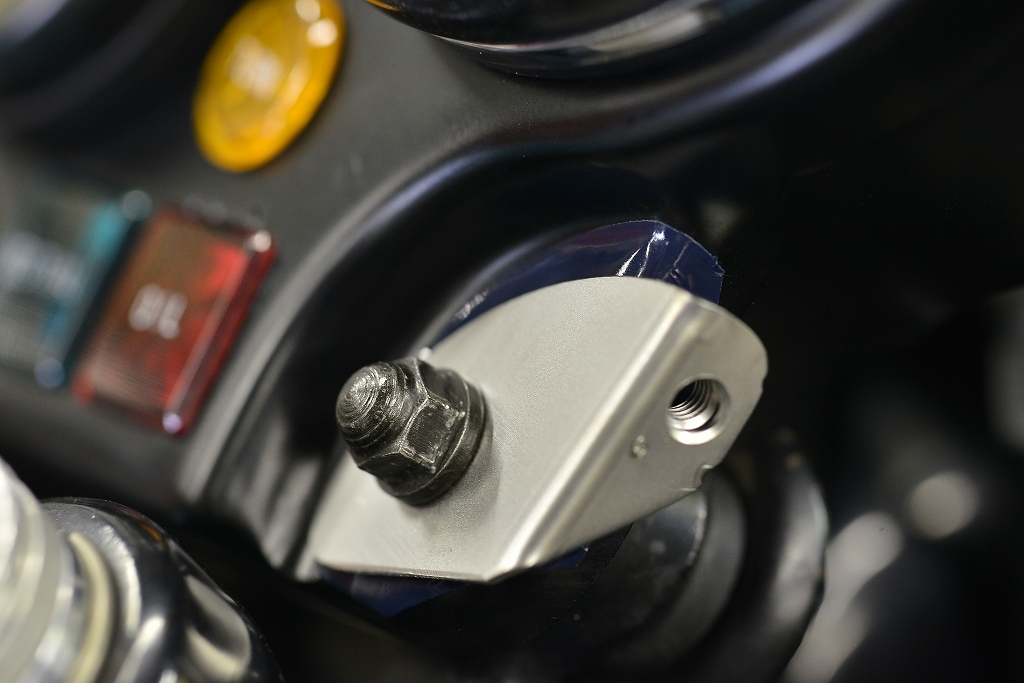
It looks like this.
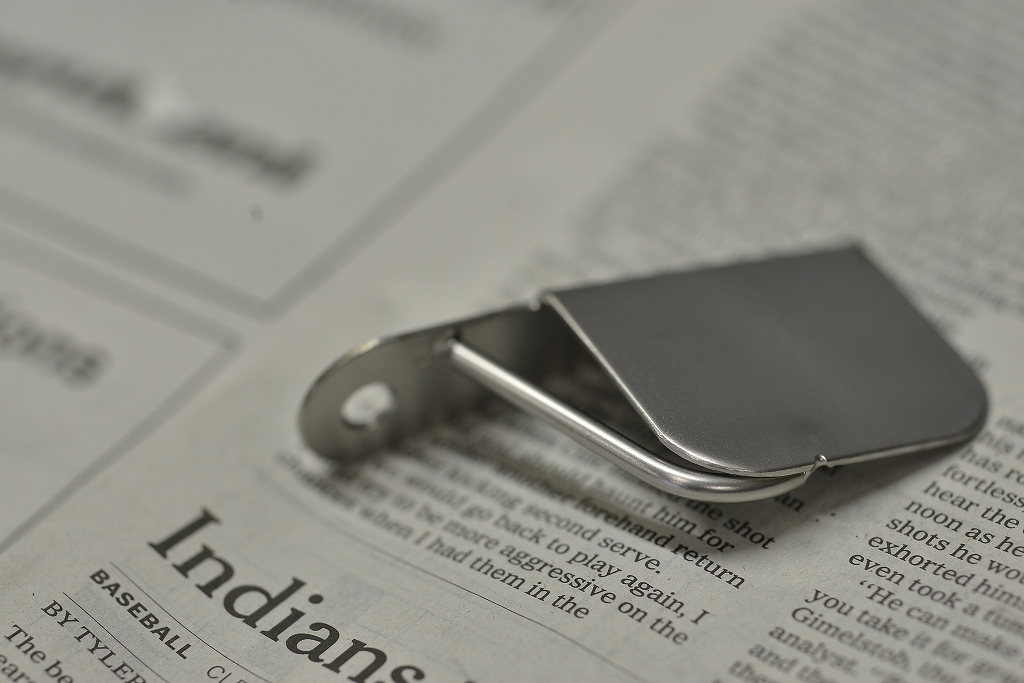
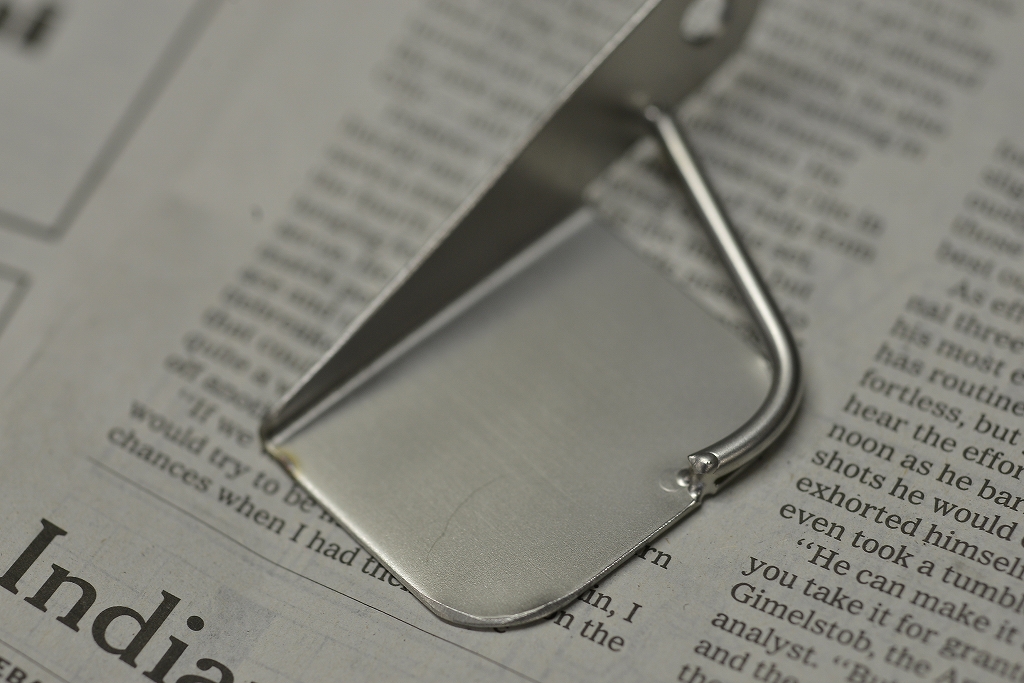
It seemed a bit weak, so I reinforced it. The design looks purposeful—perfect.
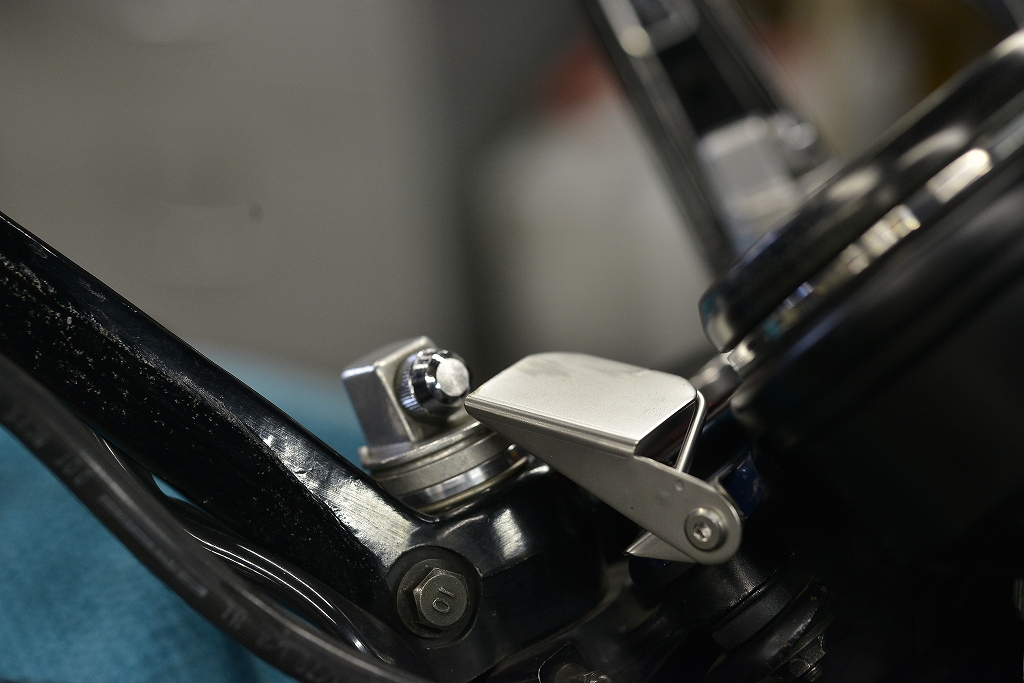
This is how it’s mounted.
I basically dislike black, so I’m going with bare stainless steel.
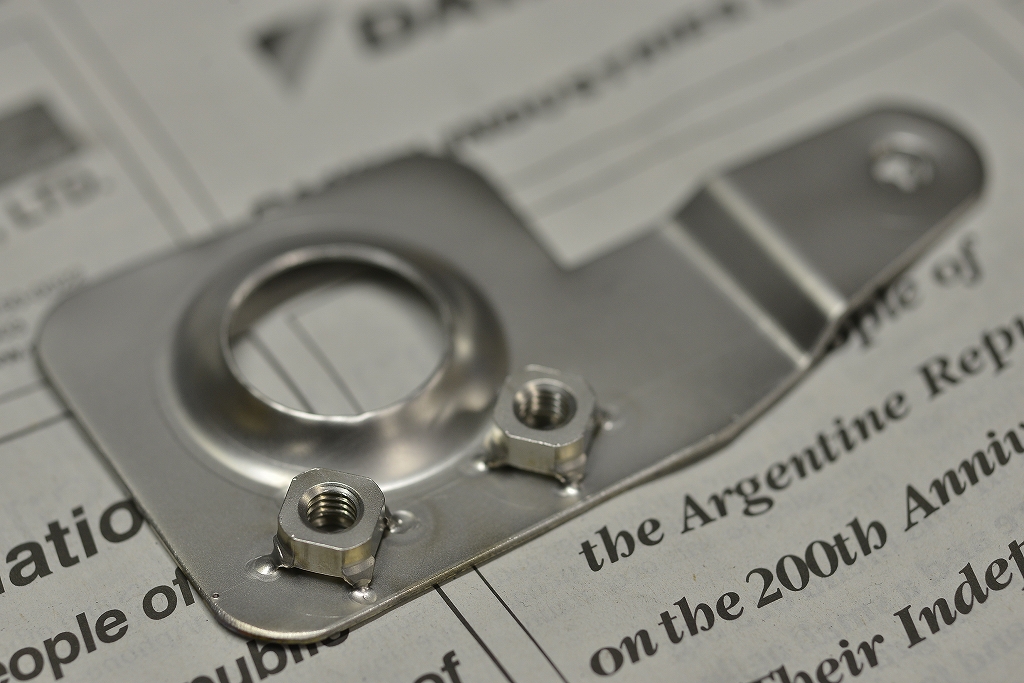
This is the headlight relay bracket.
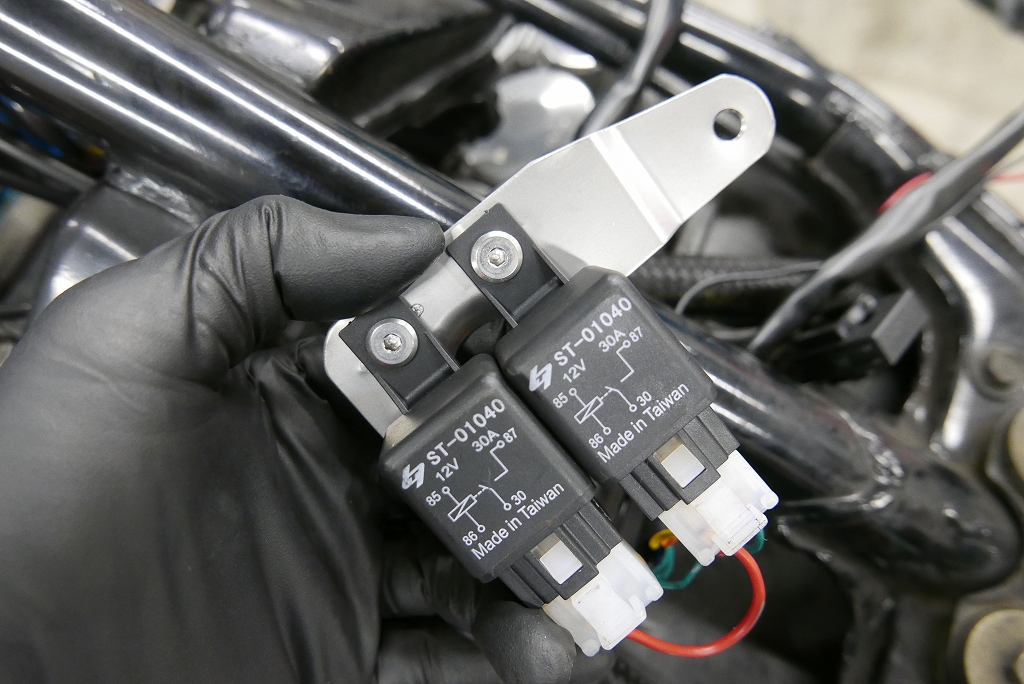
It’s secured like this.
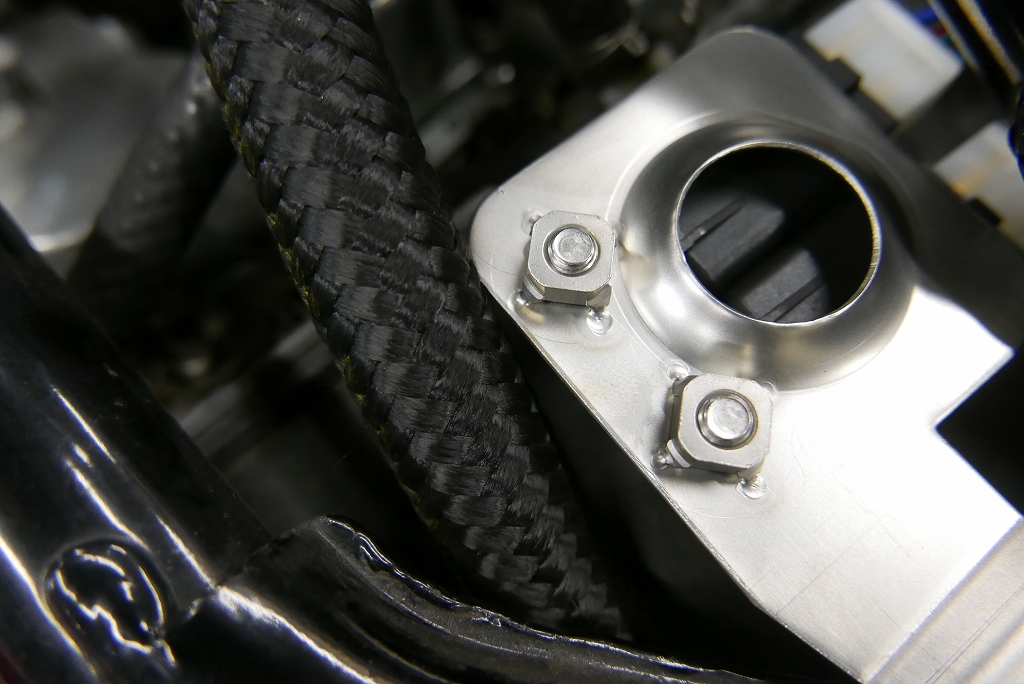
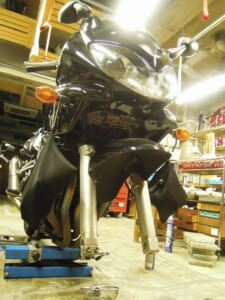
The hose routing is a bit risky.
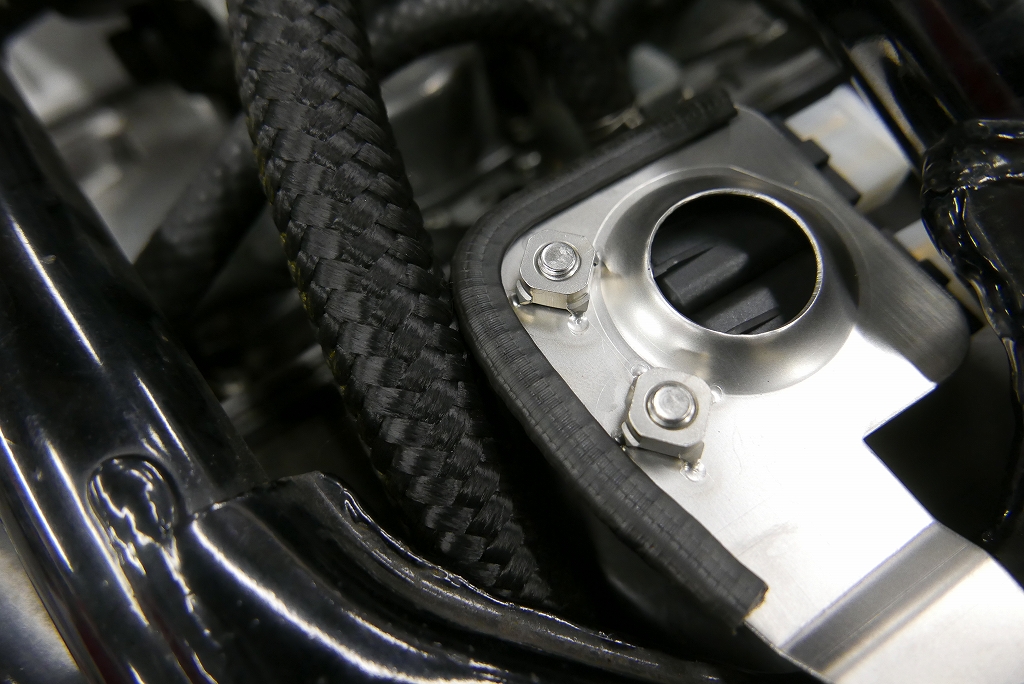
I’ve protected it, but there’s still a chance of rubbing.
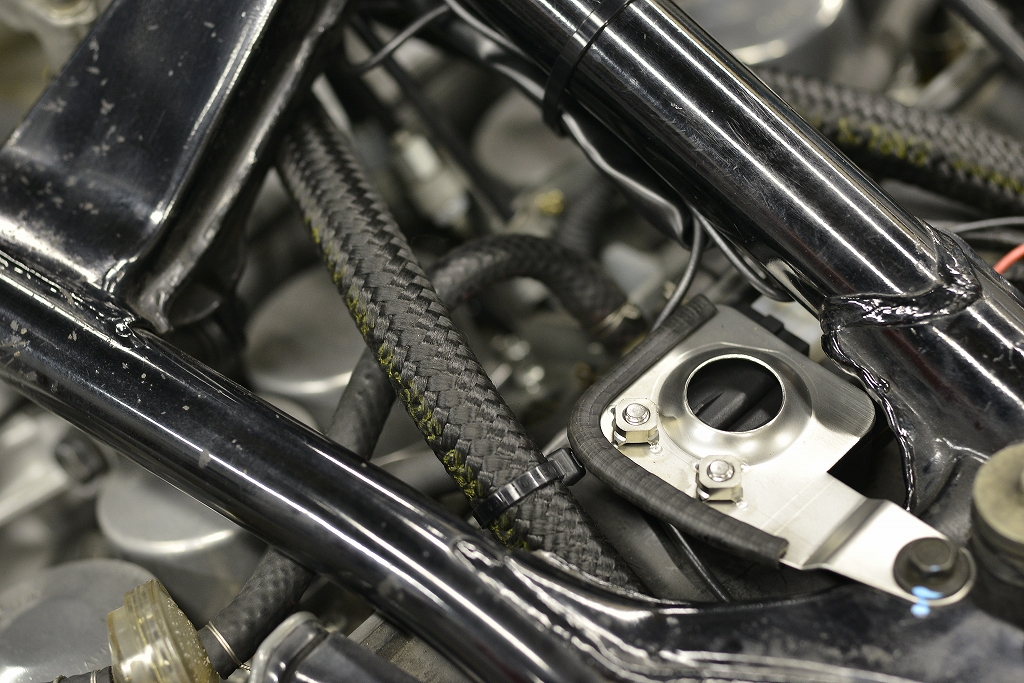
A different use for cable ties. Now it’s secure.
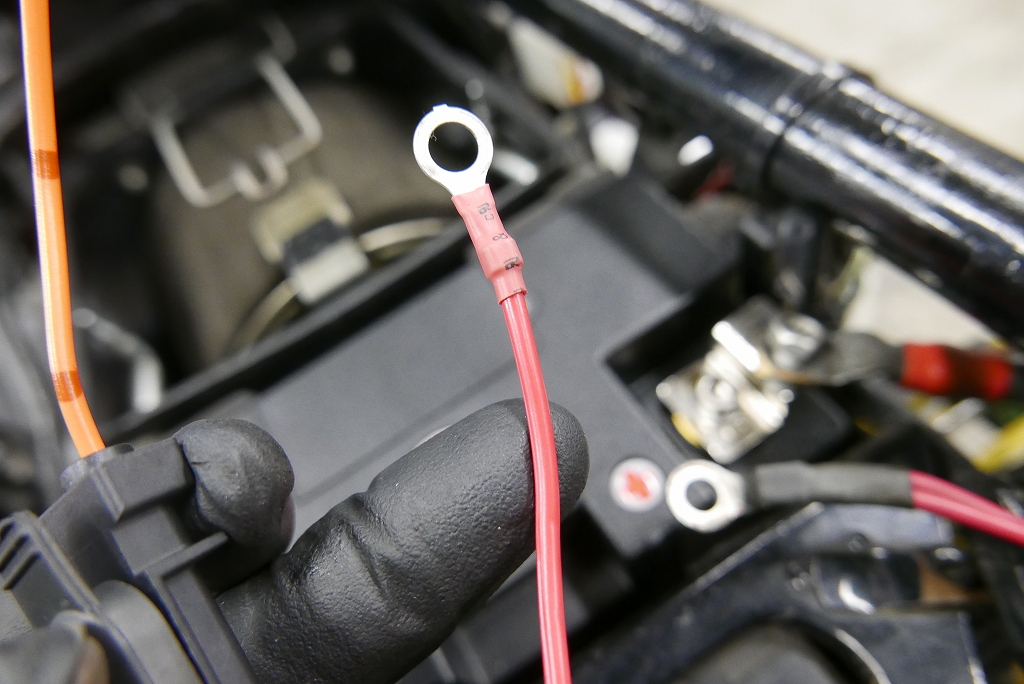
For a charger, you must place a fuse as close as possible to the positive terminal—otherwise, if something goes wrong, it’s definitely a disaster.
Most user-installed wiring I see is in pretty sketchy condition. I’m honestly amazed how often they don’t catch fire—it’s something I think about every day.
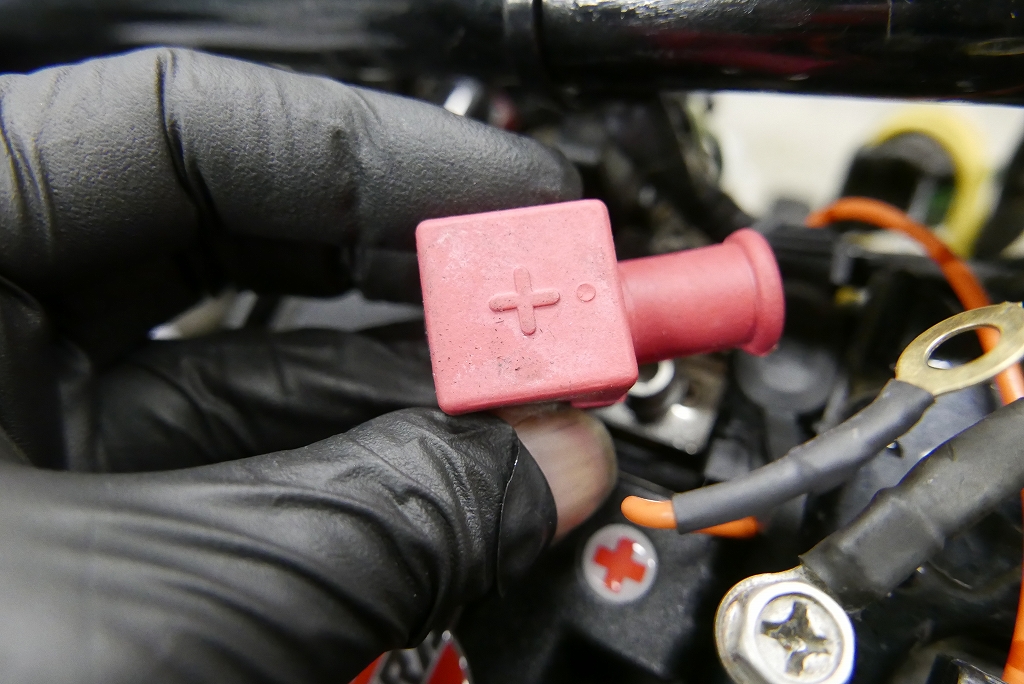
I’ll add a terminal cover too.
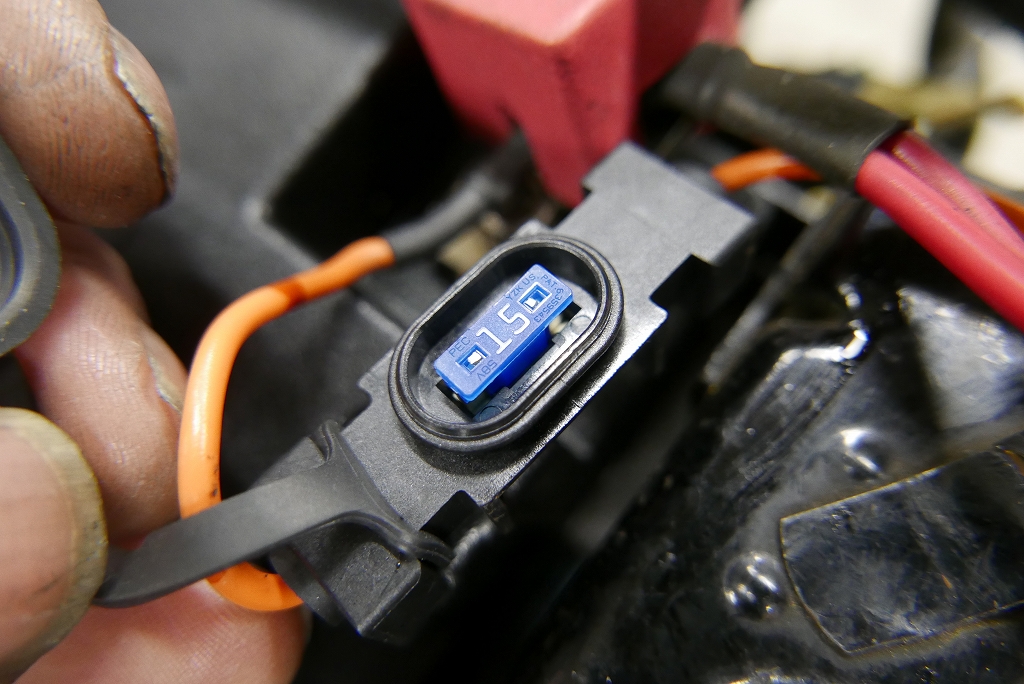
A low-profile micro fuse fits neatly. 15A should be plenty.
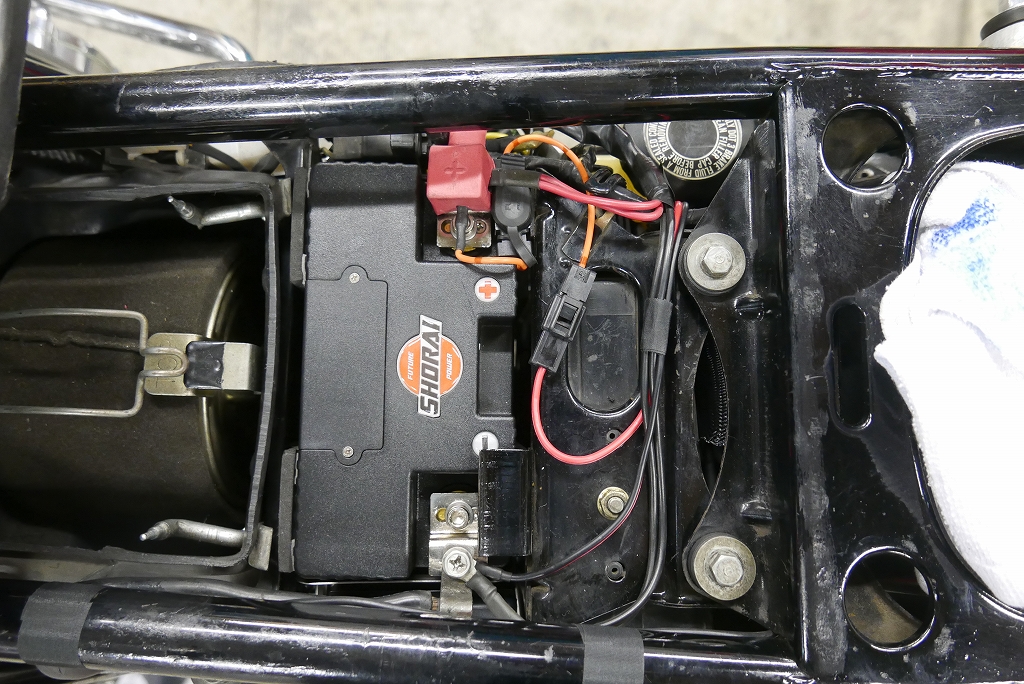
That’s what we ended up with.
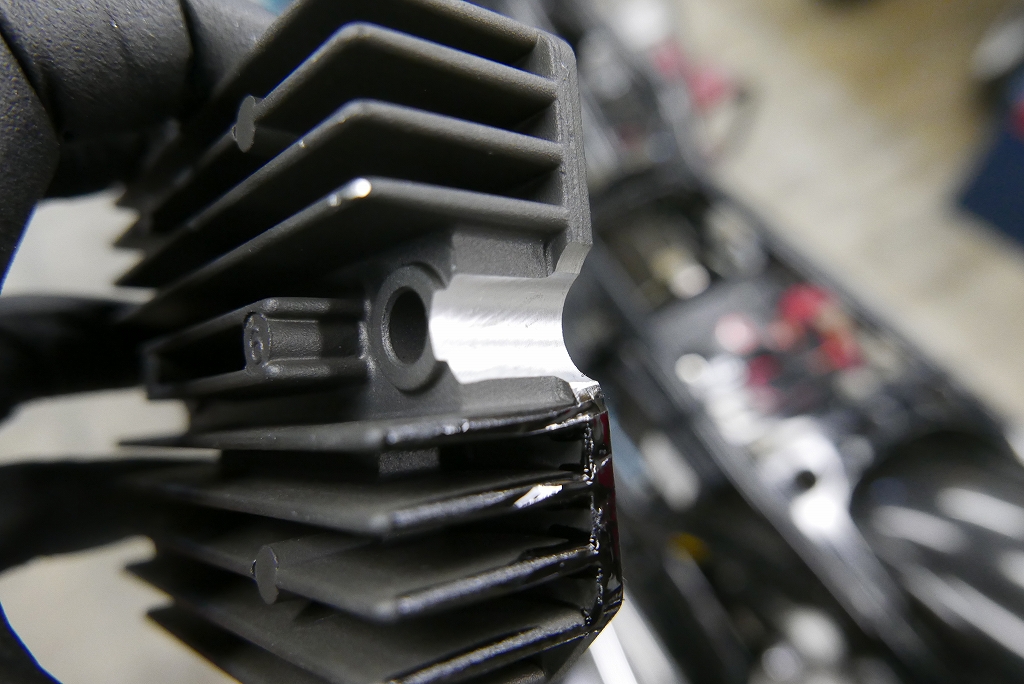
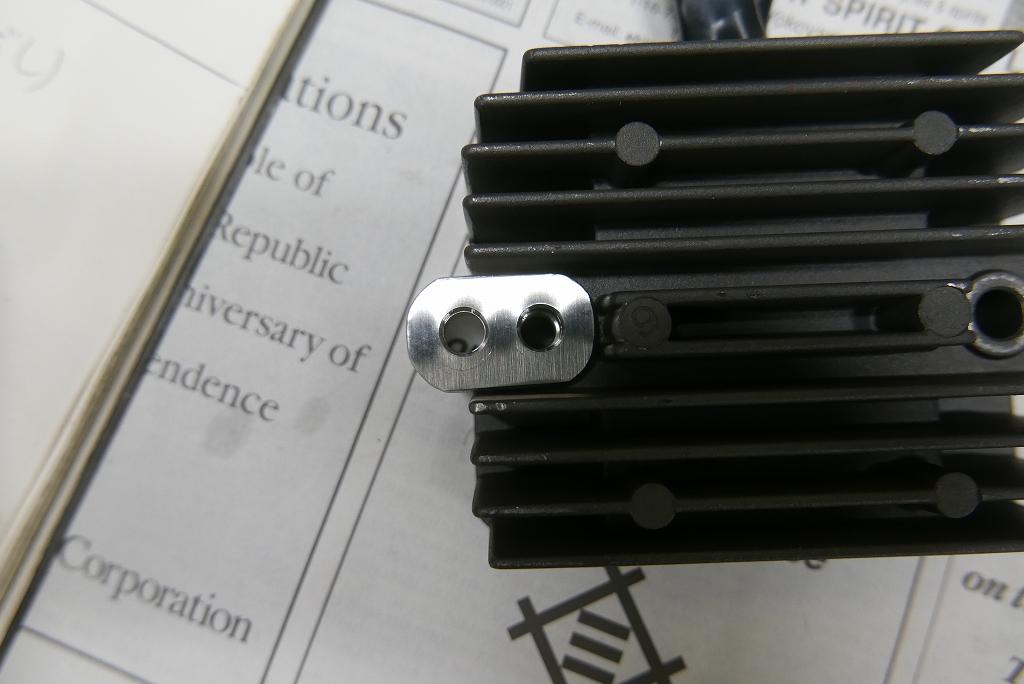
I machined the side.
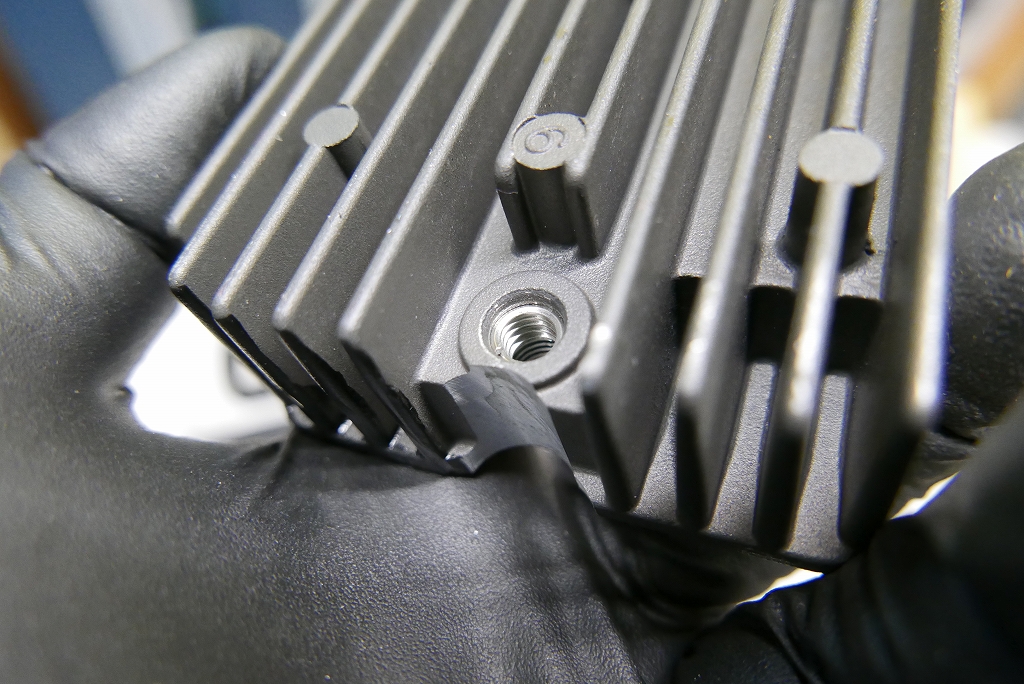
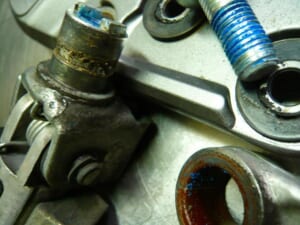
The bore is a bit rough, but as long as it grips, it’s fine—so I installed a helicoil.
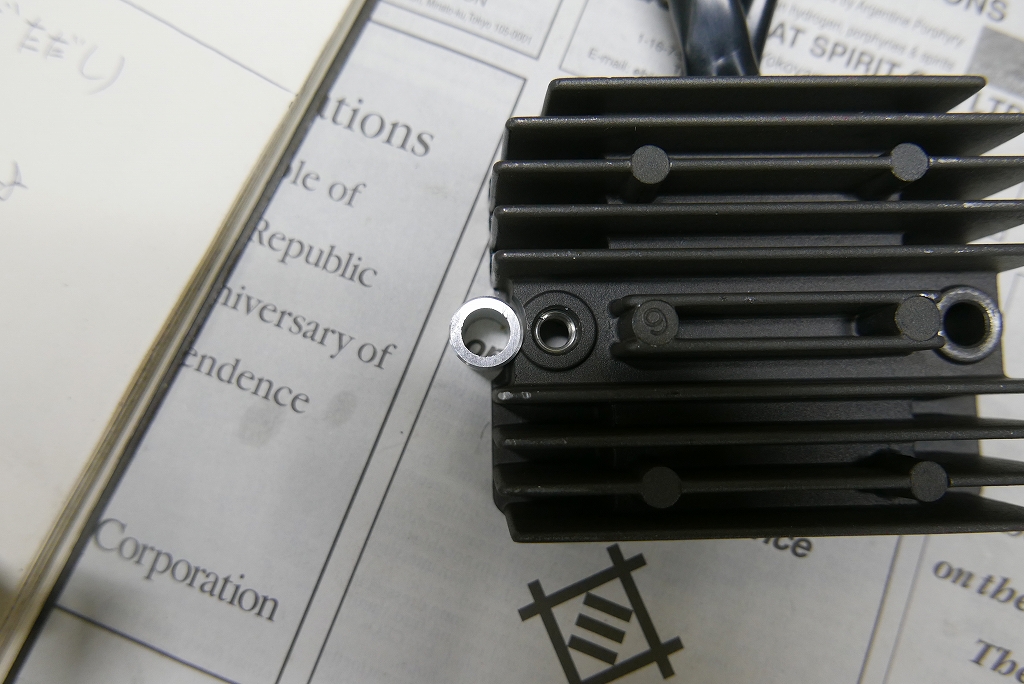
This was
Now it’s
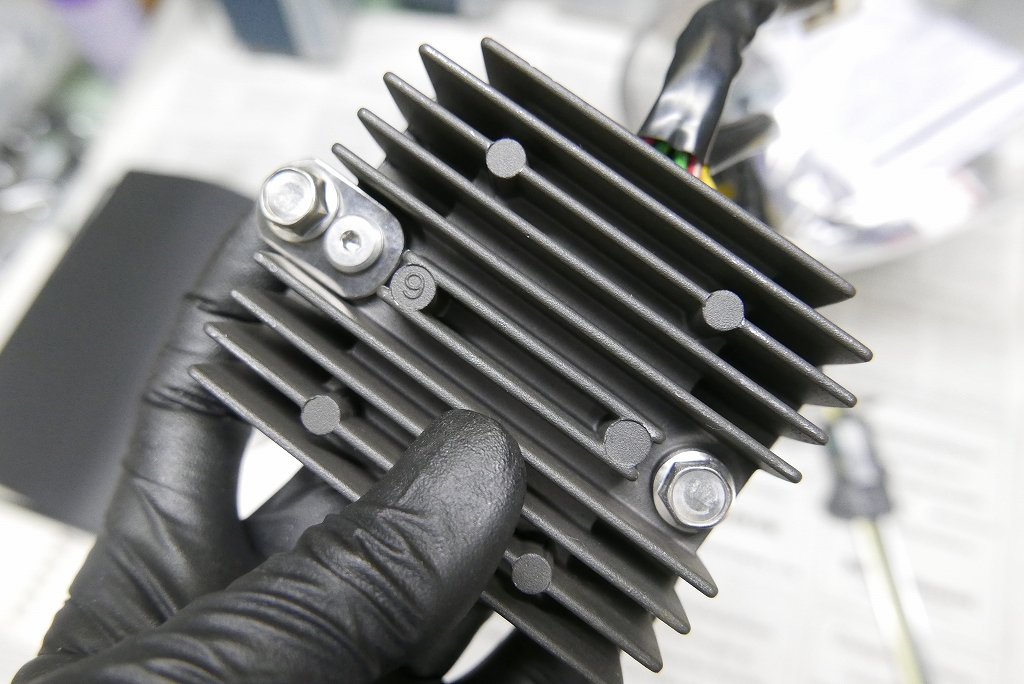
P80.
Honestly, it would have been faster to modify the battery case, but removing it was a hassle.
I’m not sure which approach actually ended up being quicker.
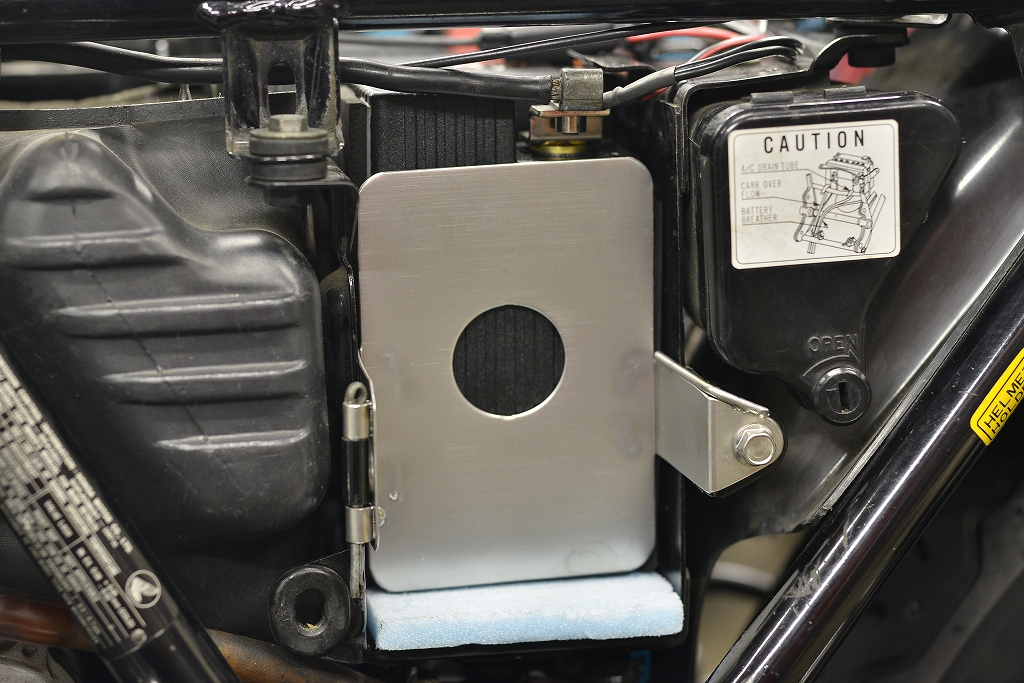
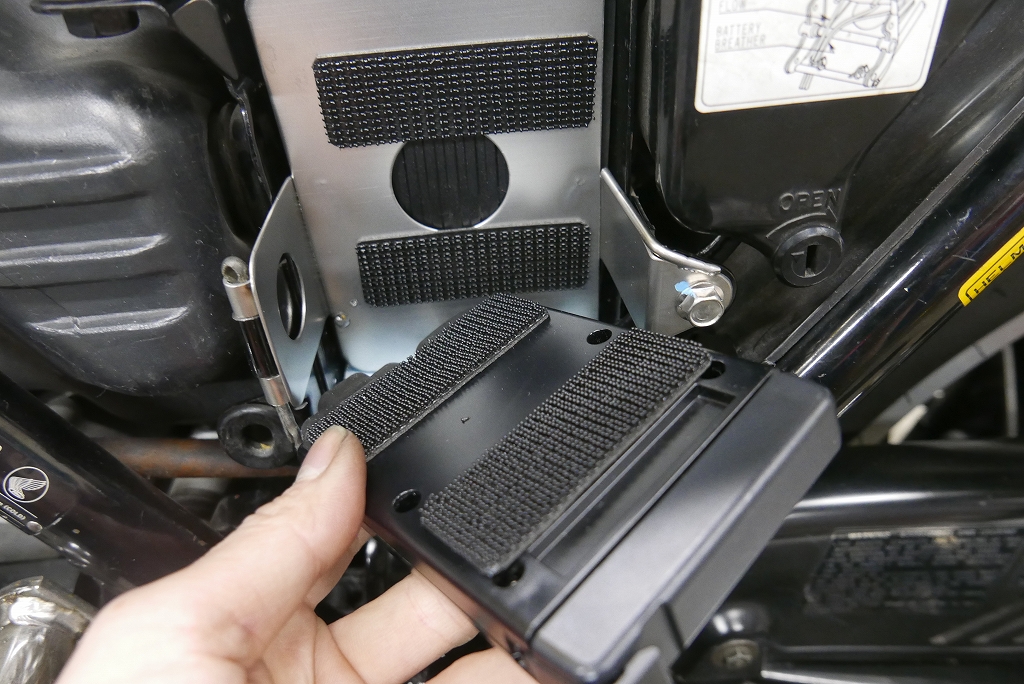
The ETC unit is removable like this.
It’s quite bright.
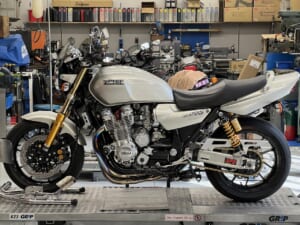
All done!