Sorry for taking an unusually long time—I’ve been getting sidetracked all over the place.
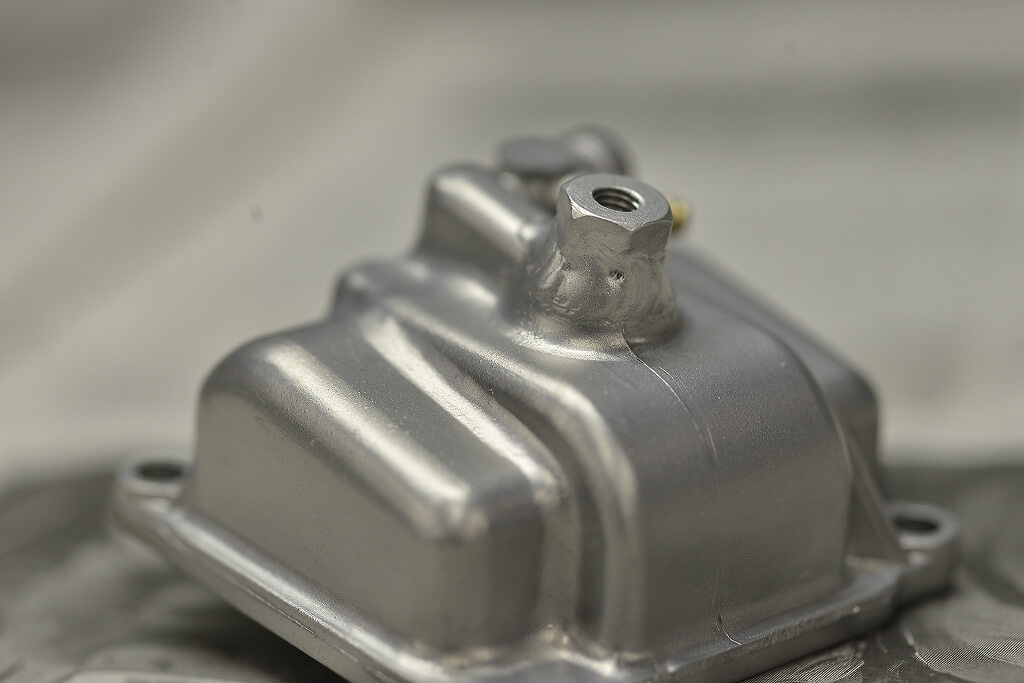
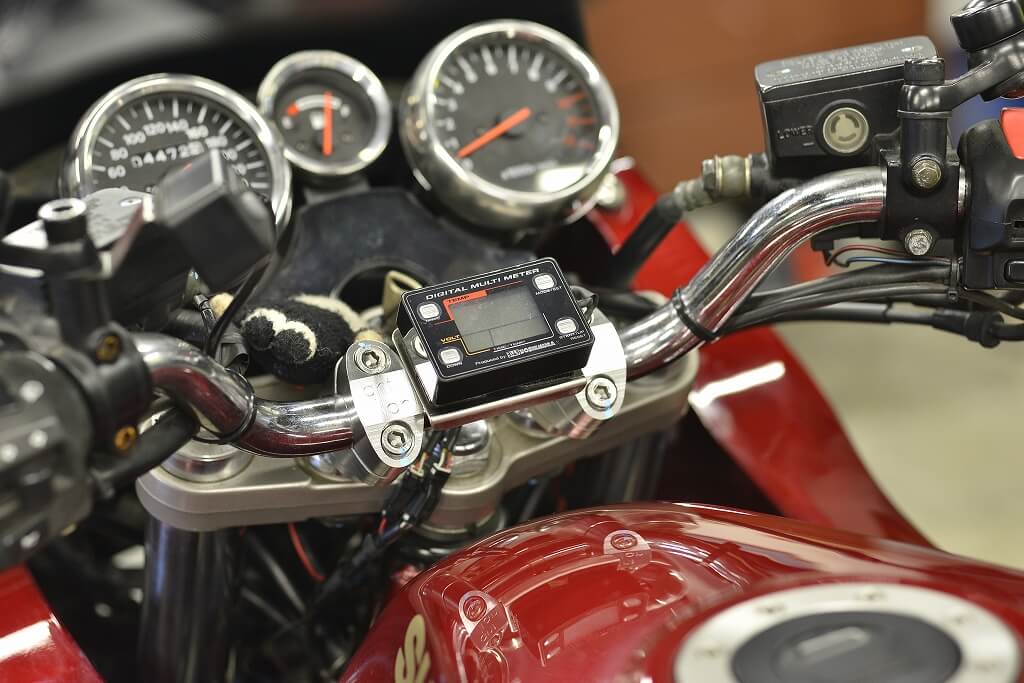
The customer asked me to do something about the idle control remote dangling around with cable ties, so I ground it down, welded it, and fixed it in place.
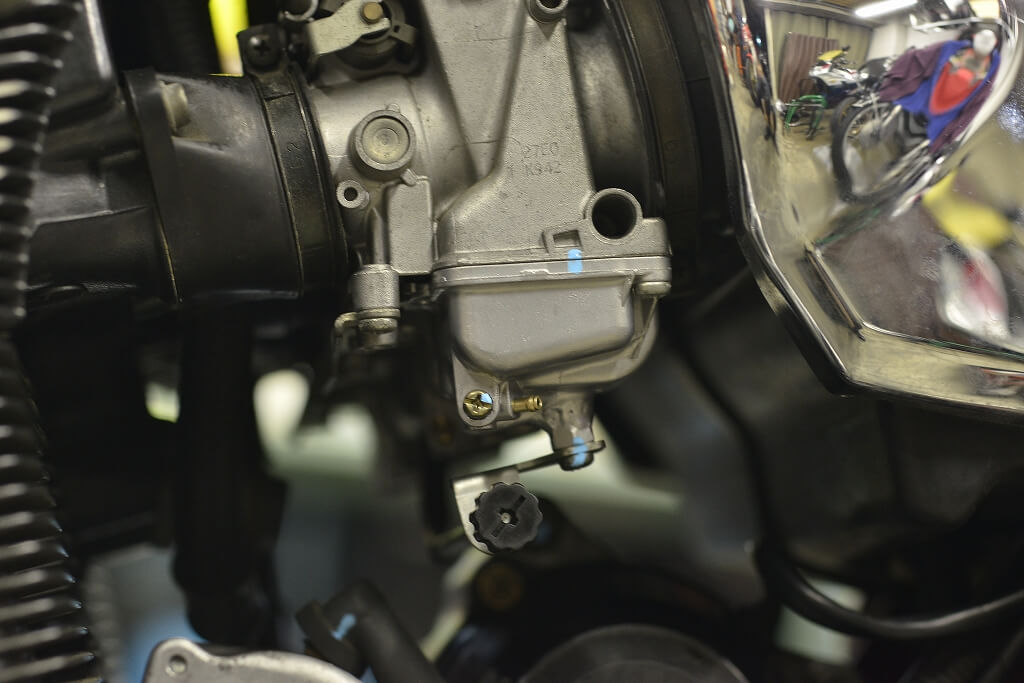
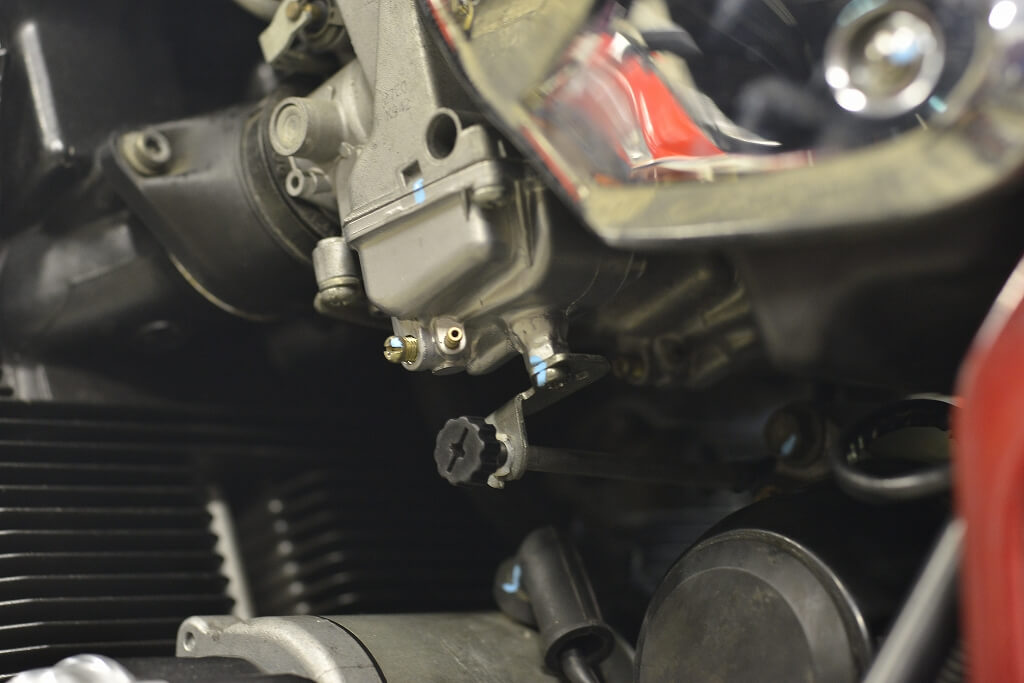
Hmm, subtle. Good.
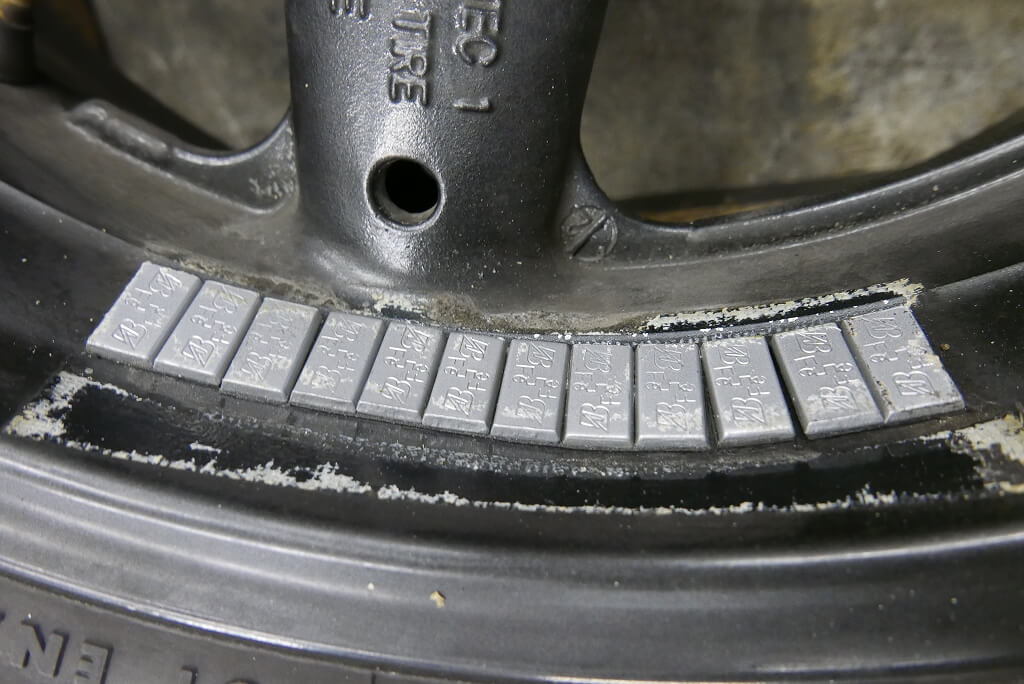
The customer mentioned that the weight is incredibly heavy.
Well, sure, it might happen sometimes, but honestly I can’t say much more than that.
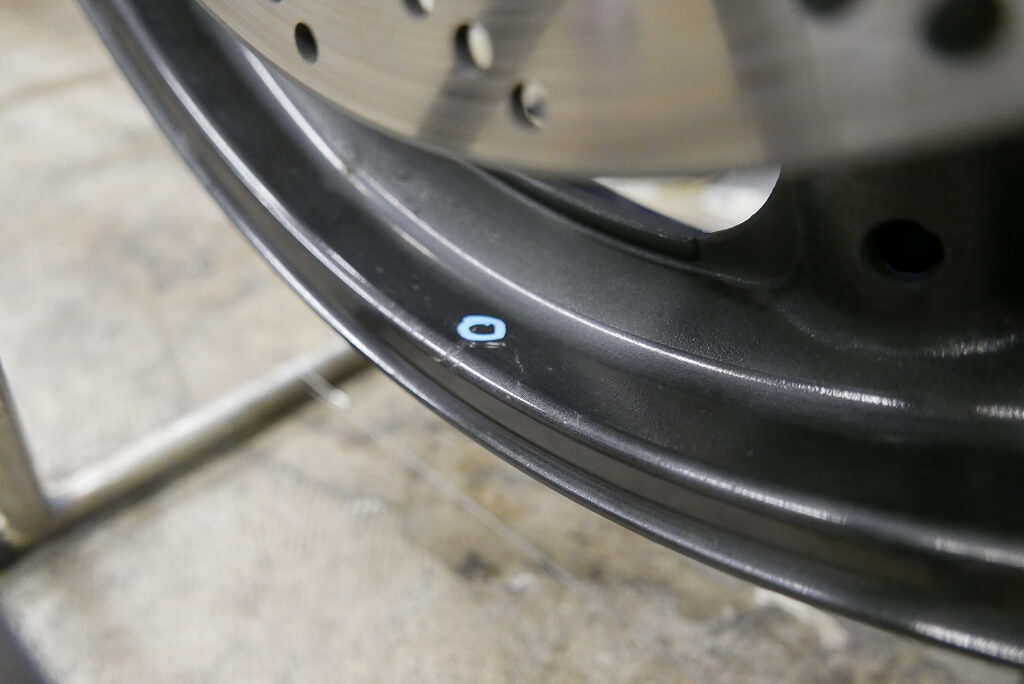
The method is to balance the wheel heavy point with the tire light point. In theory the air valve area should be heavy, but with stock wheels that’s almost never the case—(I think aftermarket wheels are mostly air valve).
*You just have to trust the tire light point.
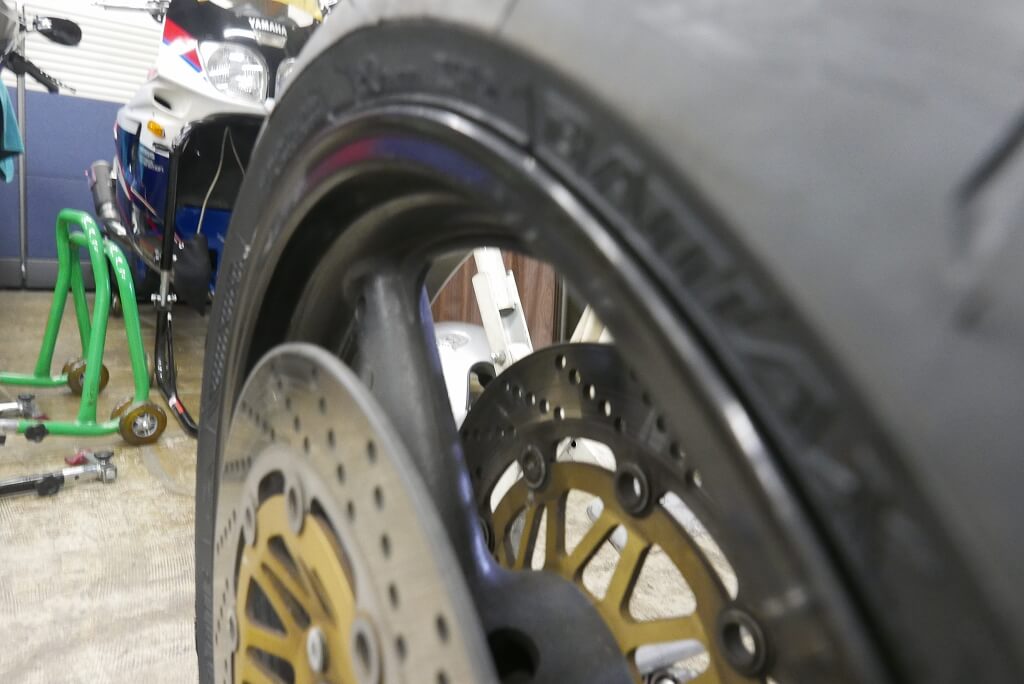
Fill it to maximum air pressure and make sure to bring the bead up properly.
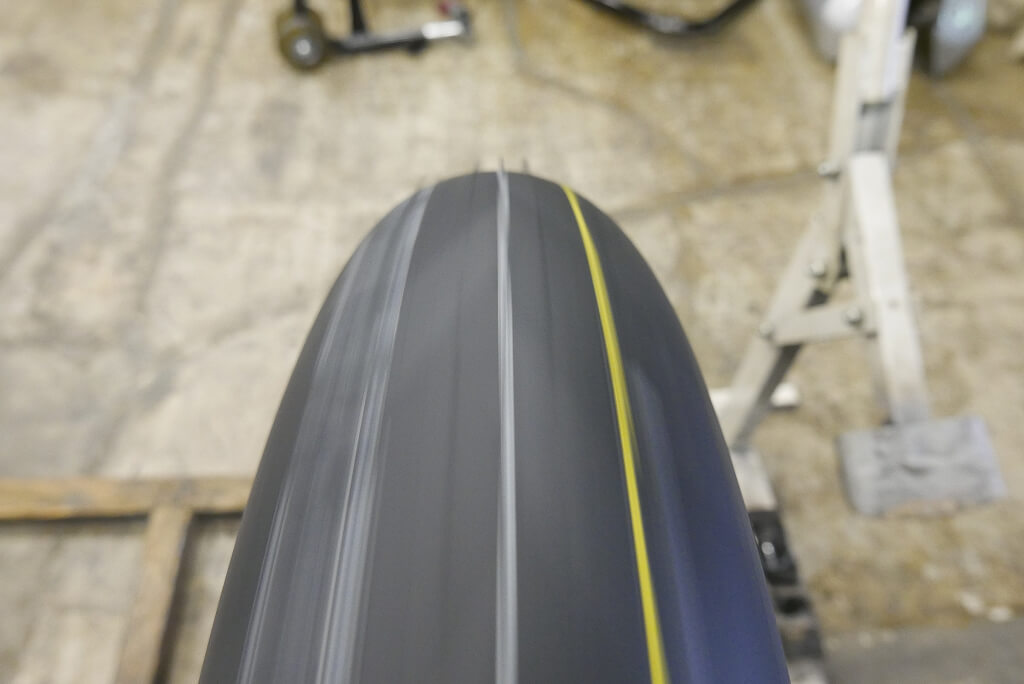
After assembly, it’s good to check that there’s no runout for peace of mind.
By chance, both front and rear came out to 0G—lucky?
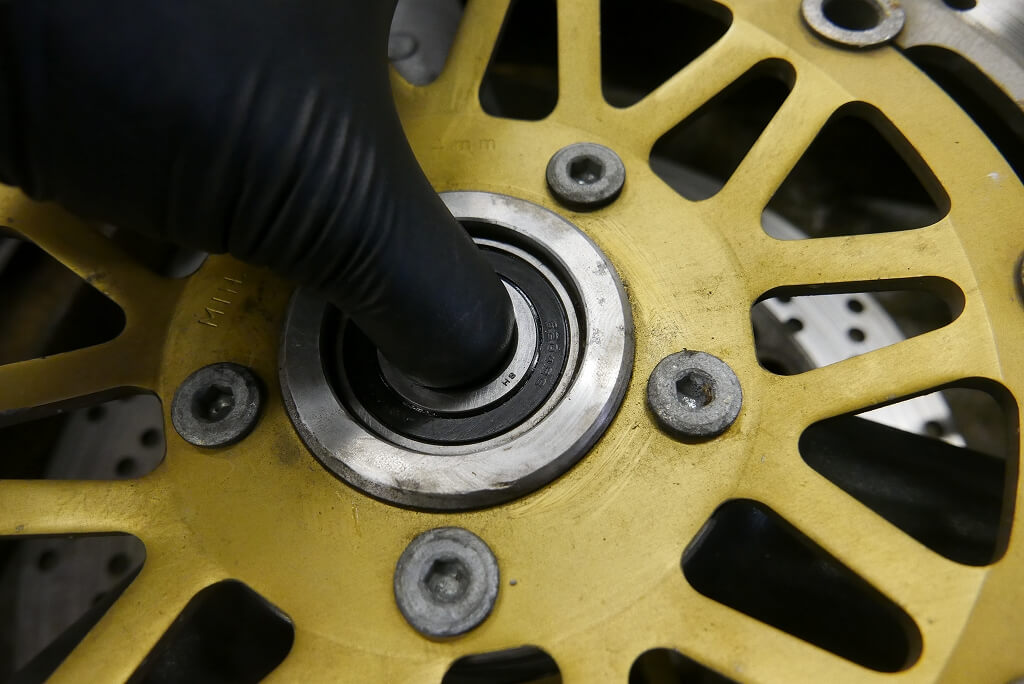
When I pulled the shaft, I thought “huh?” but then “I see”—that’s how it is. I adjusted the bearings too.
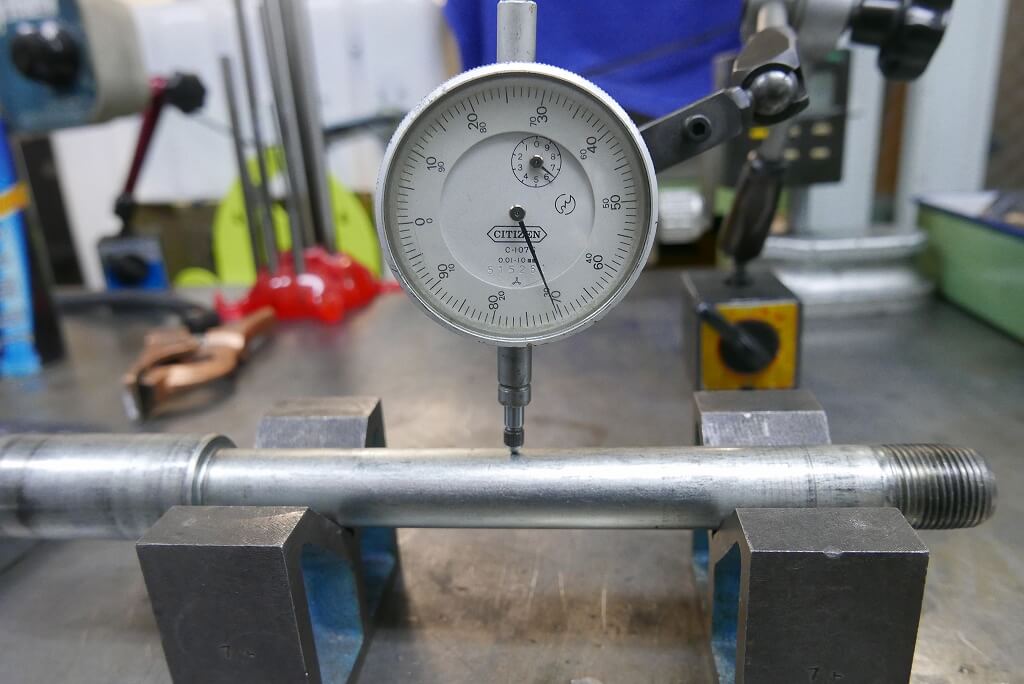
Every time I check, I wonder if this way is better
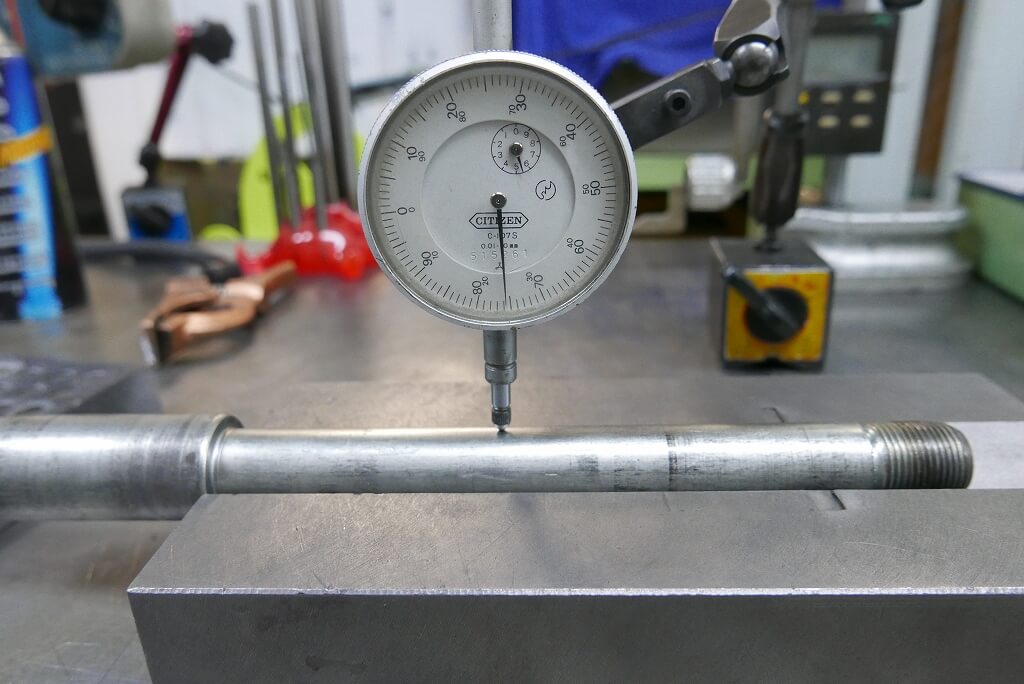
or if that way is better. Are only brand-new axles runout-free in the 100-range? The rear always comes out somewhere in between.
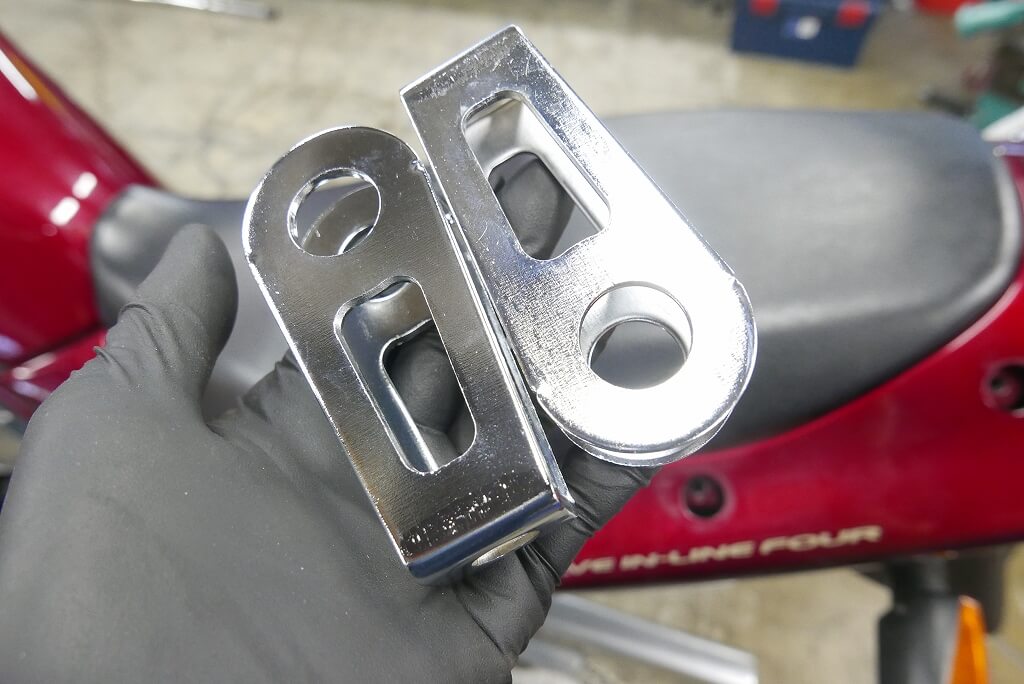
The stock chain guide costs just a few hundred yen. Clean is best.
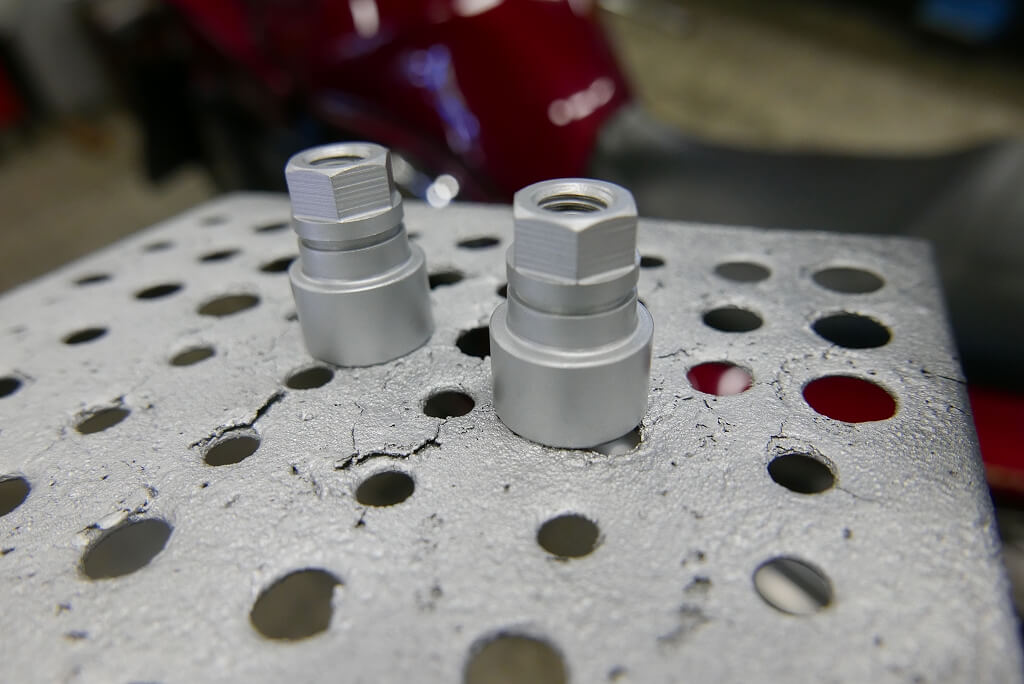
The nuts are more expensive, so I reuse them. I’m kind of a cheapskate.
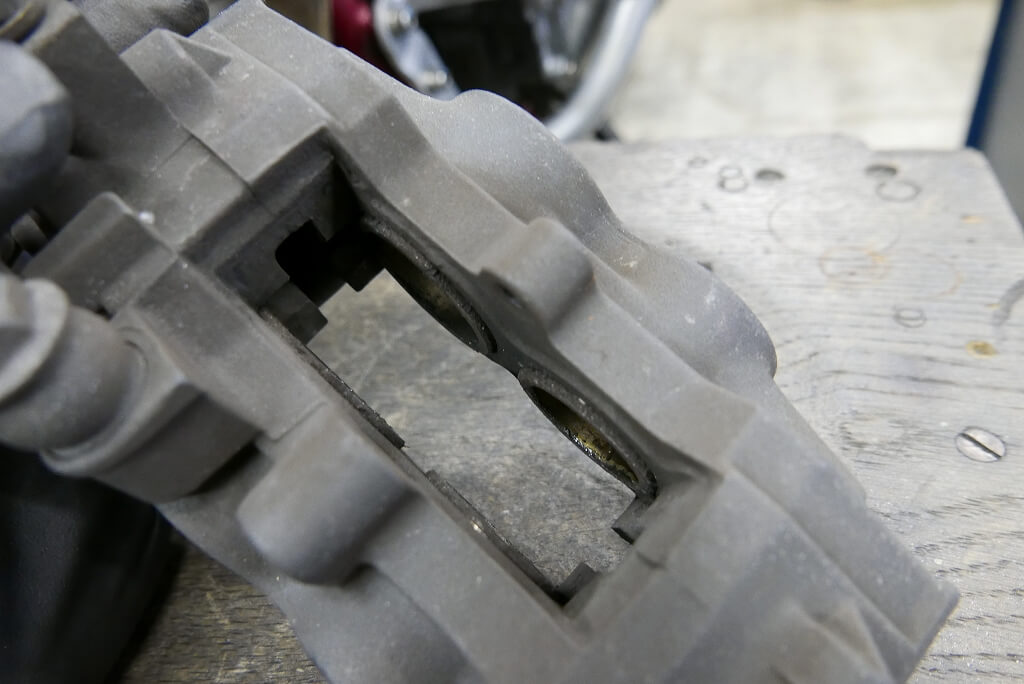
Washed both left and right calipers (rear already had OH done)
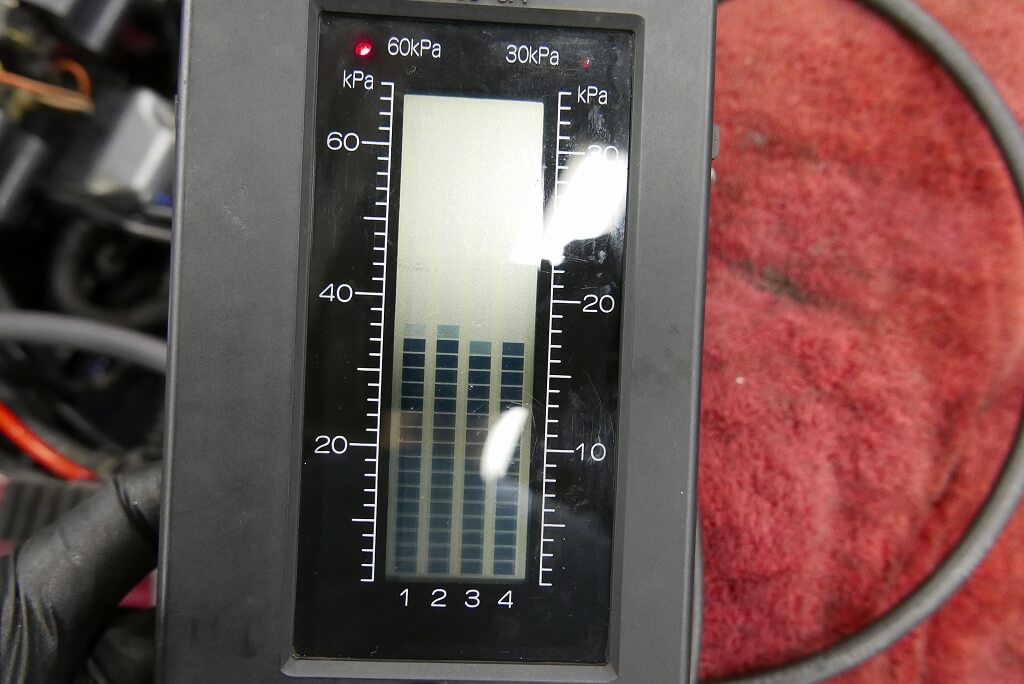
Balanced the brakes
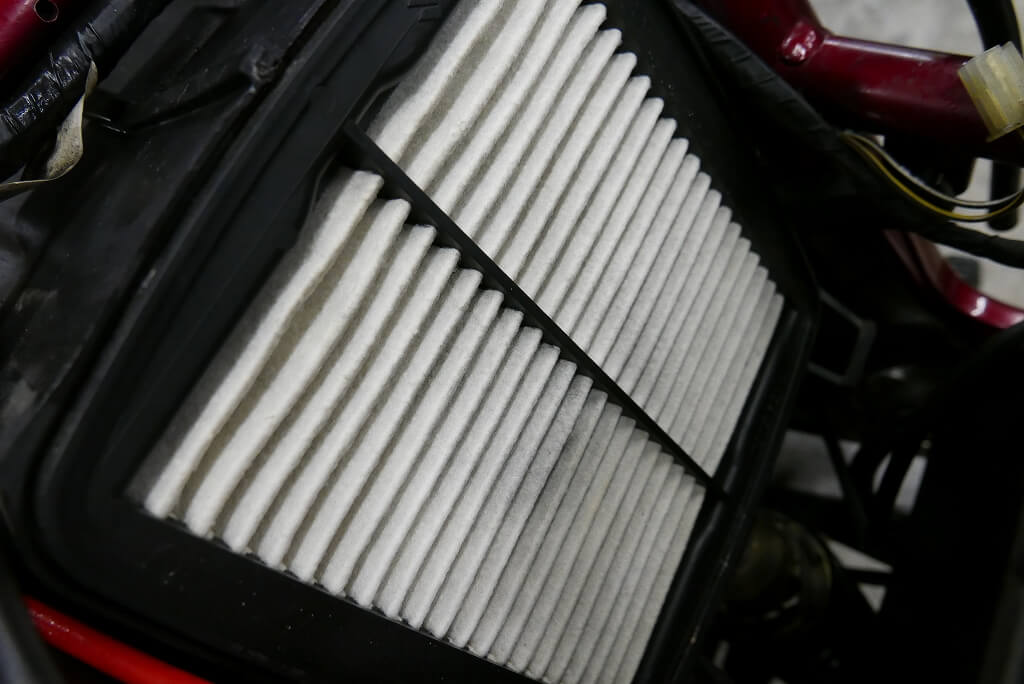
Also checked the air filter
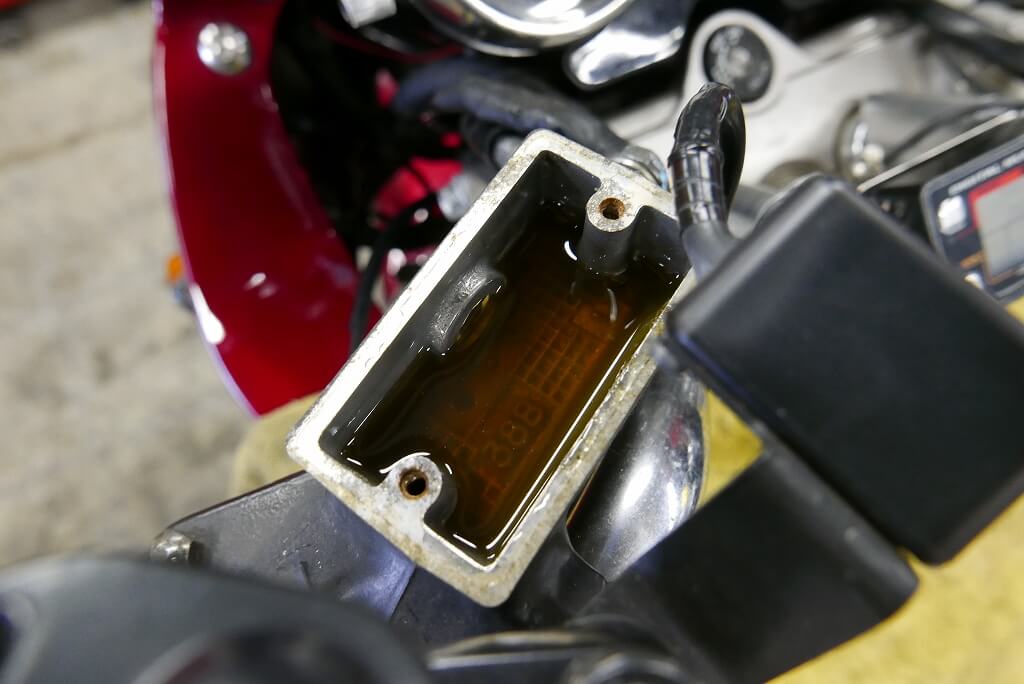
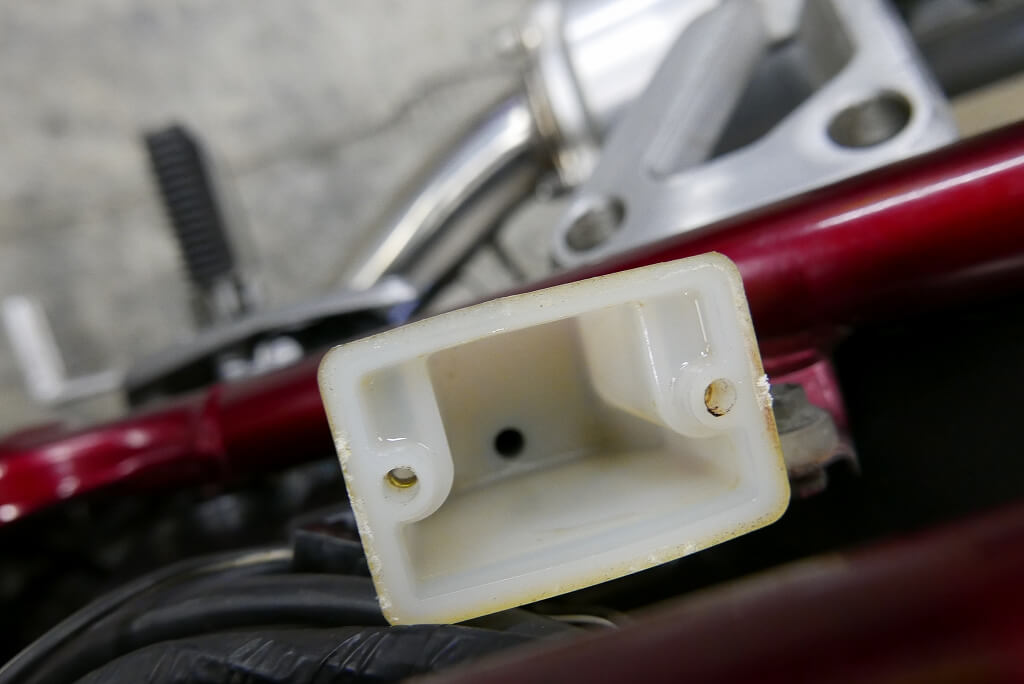
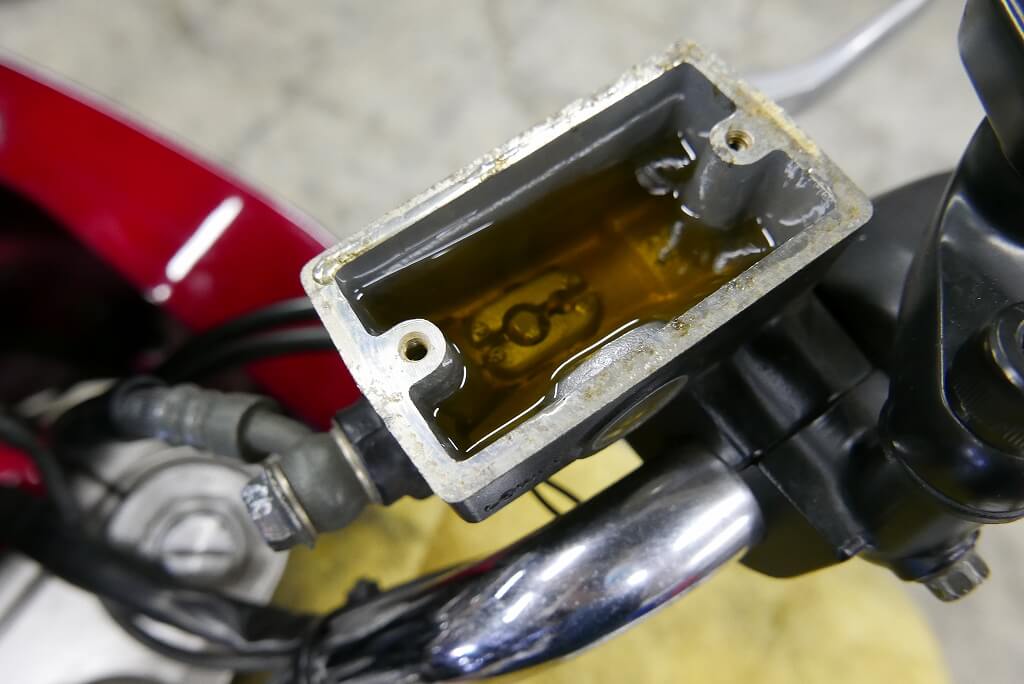
Changed the fluid
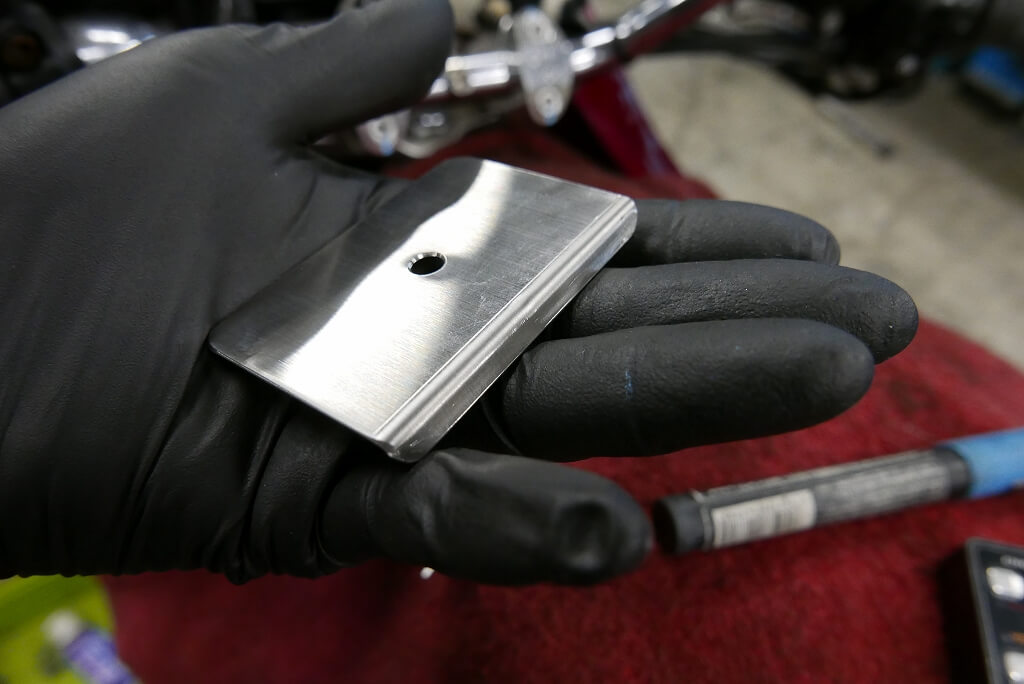
I sometimes do this, but I basically hate co-tightening fasteners at certain points during maintenance. I made a simple tool for it.
That’s it. The handlebar post is an anthill. Of course, this isn’t for the oil-cooled model.
Suzuki’s long tank makes it much easier.
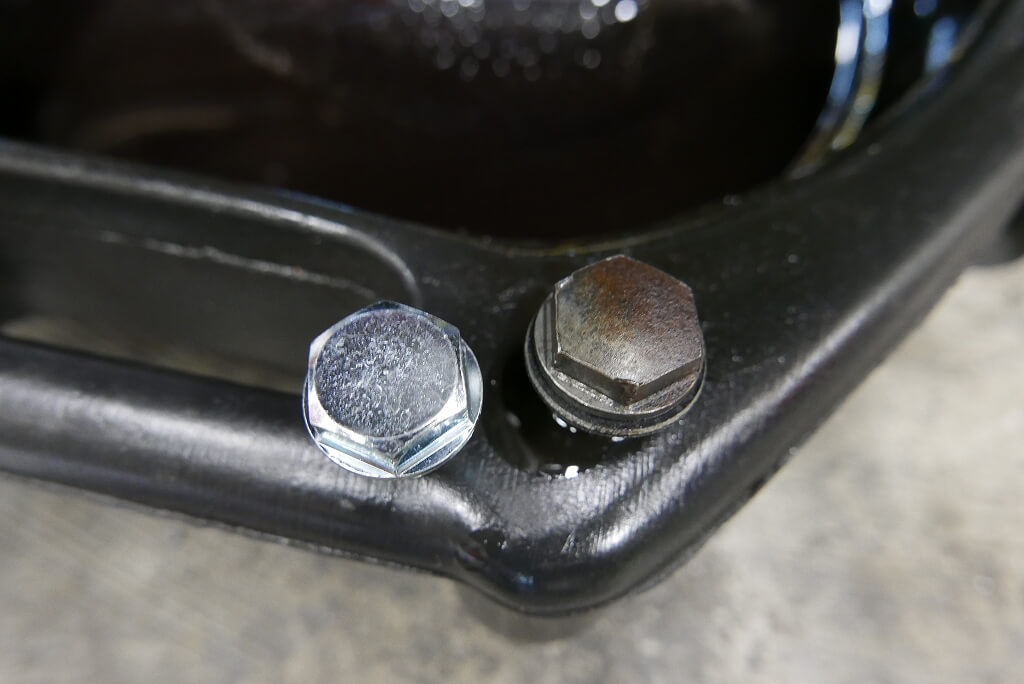
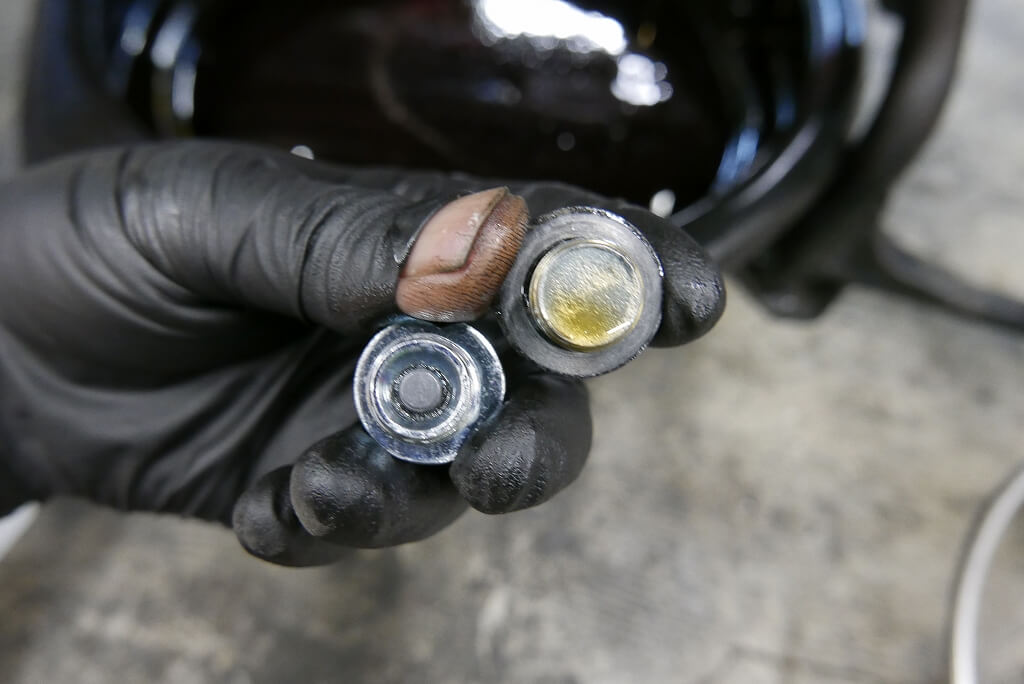
I’ll swap the drain plug for the latest model with a magnet. If it gets dirty, it’s fine to replace it once in a while.
I basically avoid aluminum drains—they scare me.
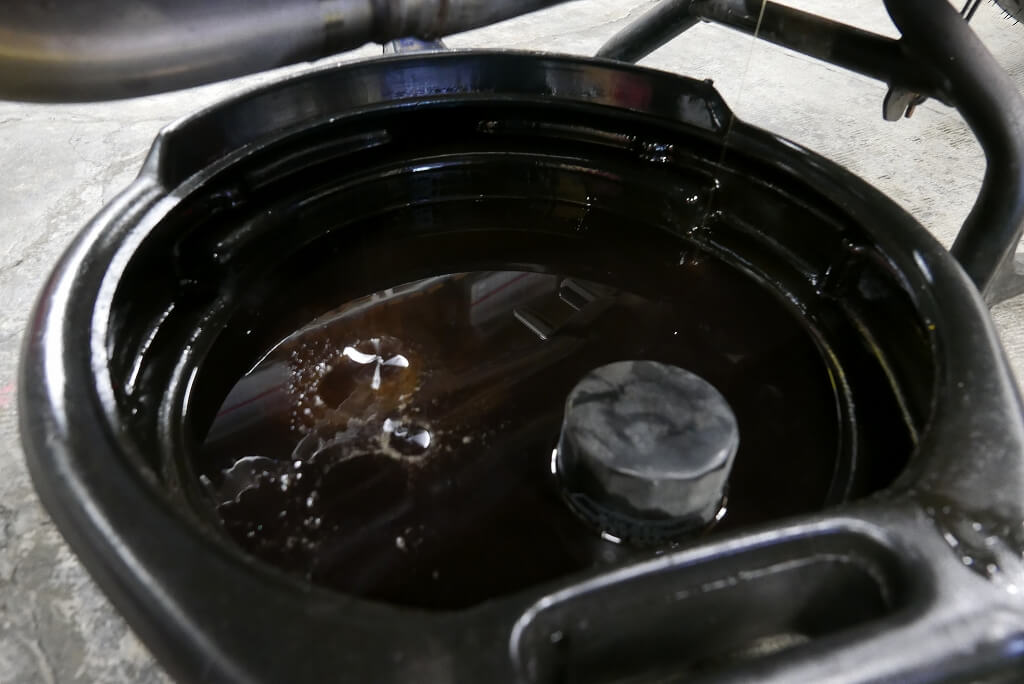
Oil change complete.
Almost everything is done, but I’m on hold looking for something. It’ll be soon—sorry for the wait.