The dramatic change after the work suggests the bike must have been in pretty rough shape.
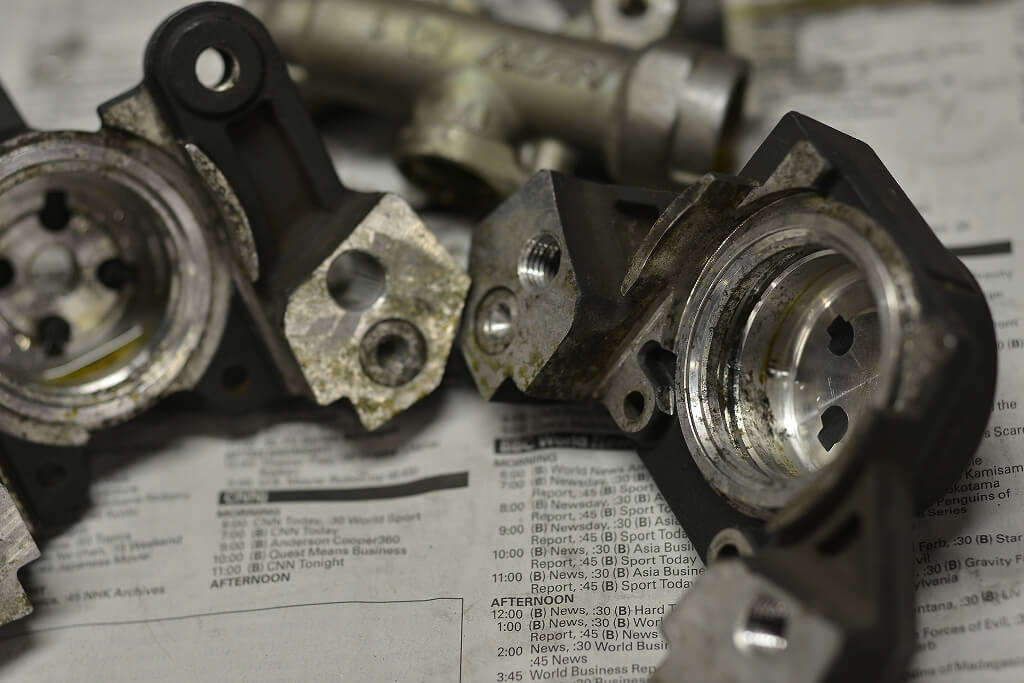
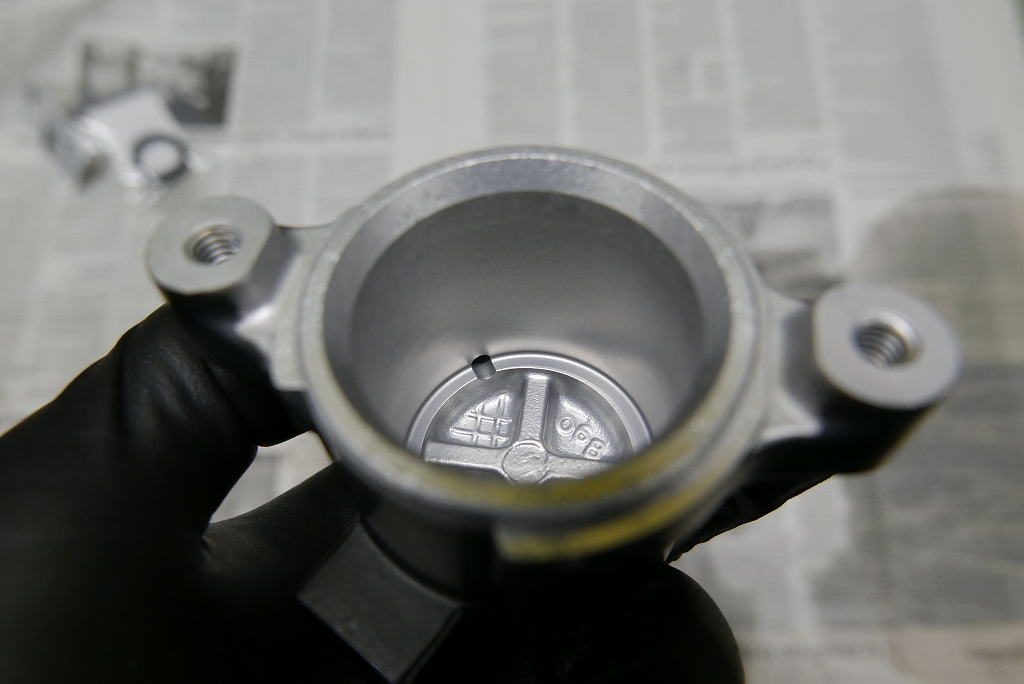
Take the brake caliper, for example.
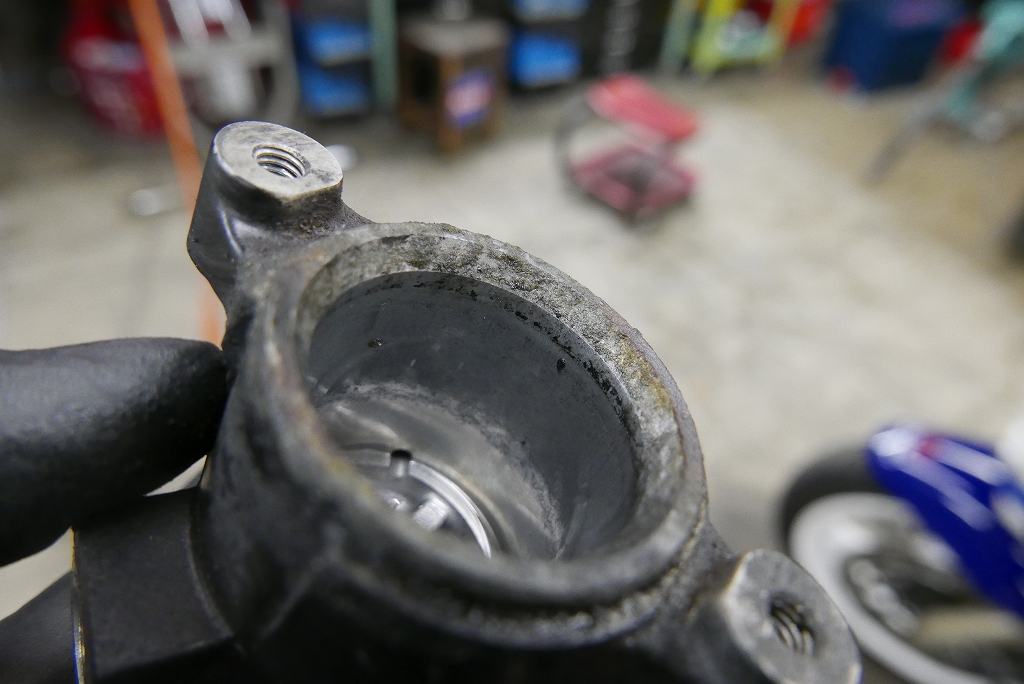
The oil seal is stiff and stuck. There’s corrosion buildup in the grooves, and the piston is heavily rusted.
Even when you squeeze the master and apply hydraulic pressure, the response is poor and it naturally won’t return.
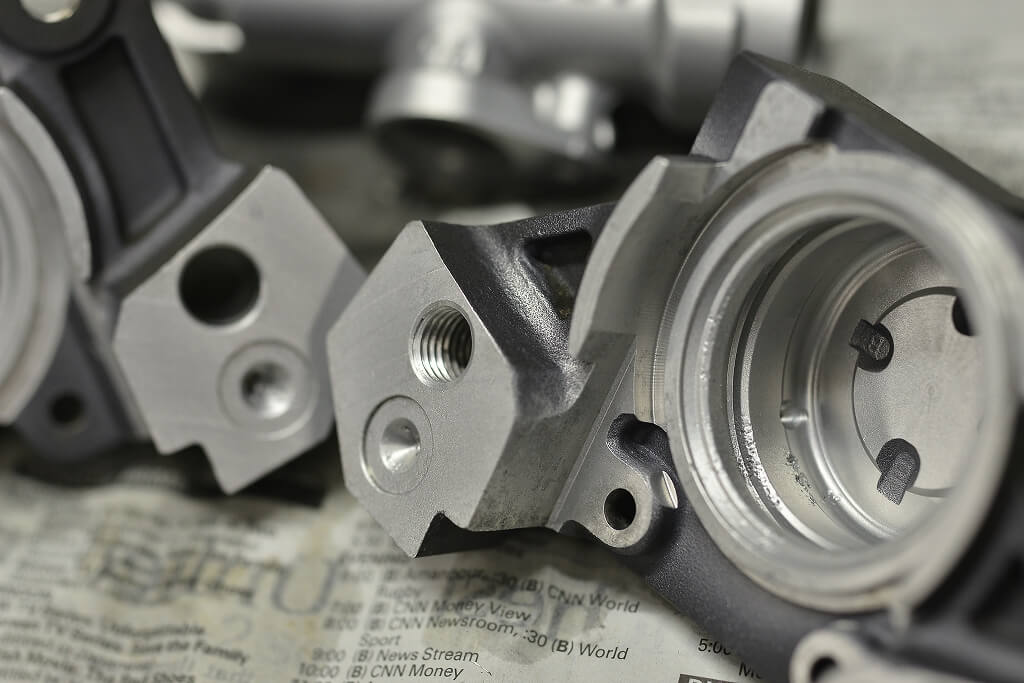
Clean it up from that state and reassemble it properly, and naturally it works well.
I think most anyone would get similar results—there’s a lot of room for improvement.
Customers can easily see the improvement too, which is really nice.
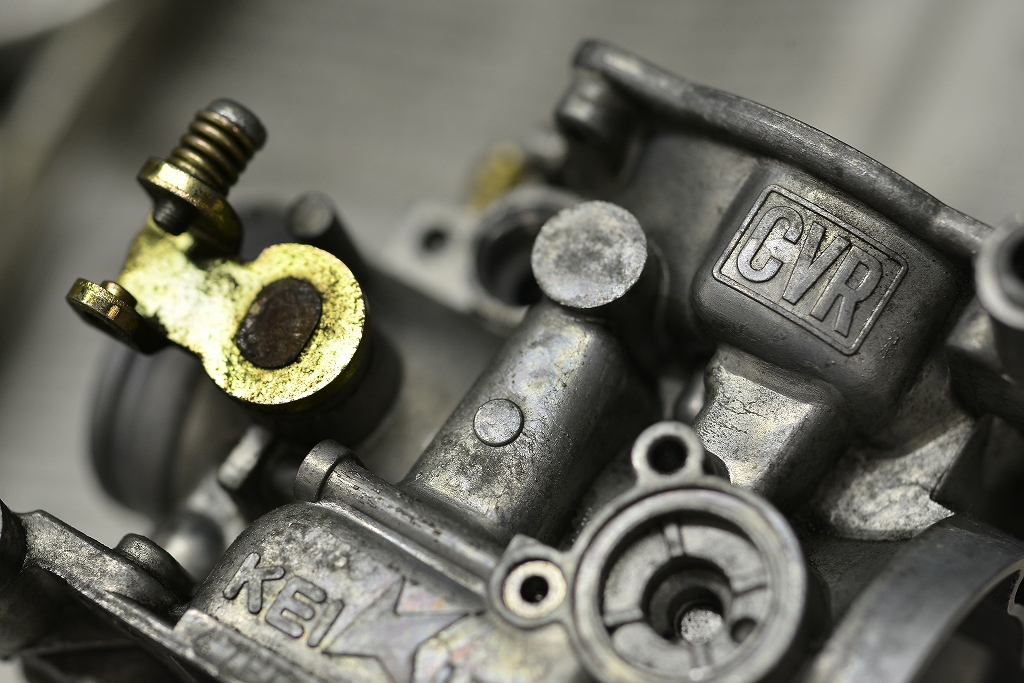
Take the carburetor, for example.
It’s clogged and won’t run. Clean it properly and clear the passages, and naturally it runs well.
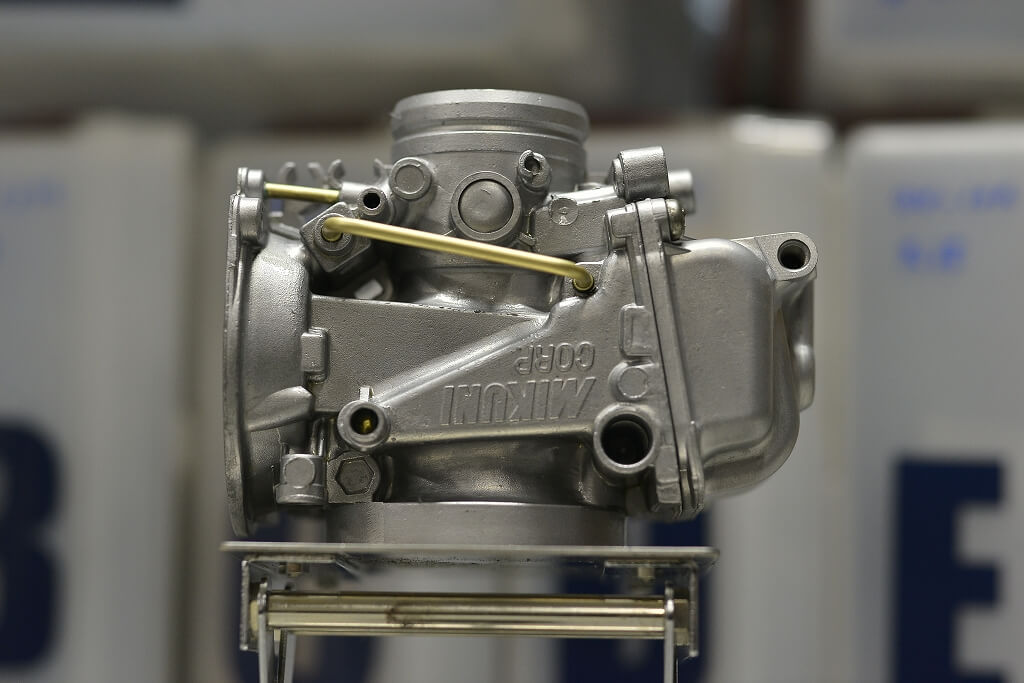
If the performance is equally good, customers are happier when the parts are clean too, and I think it deepens their affection for the bike.
You can’t tell how well it runs from the outside, after all. When it gets clean as a bonus, maybe the mechanic, the customer, and the bike are all happy.
I honestly hate the mindset of “it’s cheaper to buy new—just replace it.”
If the shop can repair it quickly and cleanly, the total cost is lower and there’s no waste.
When the shop does complex work, the revenue is better too.
Customers can put what they save into other work, so it seems like everyone comes out ahead.
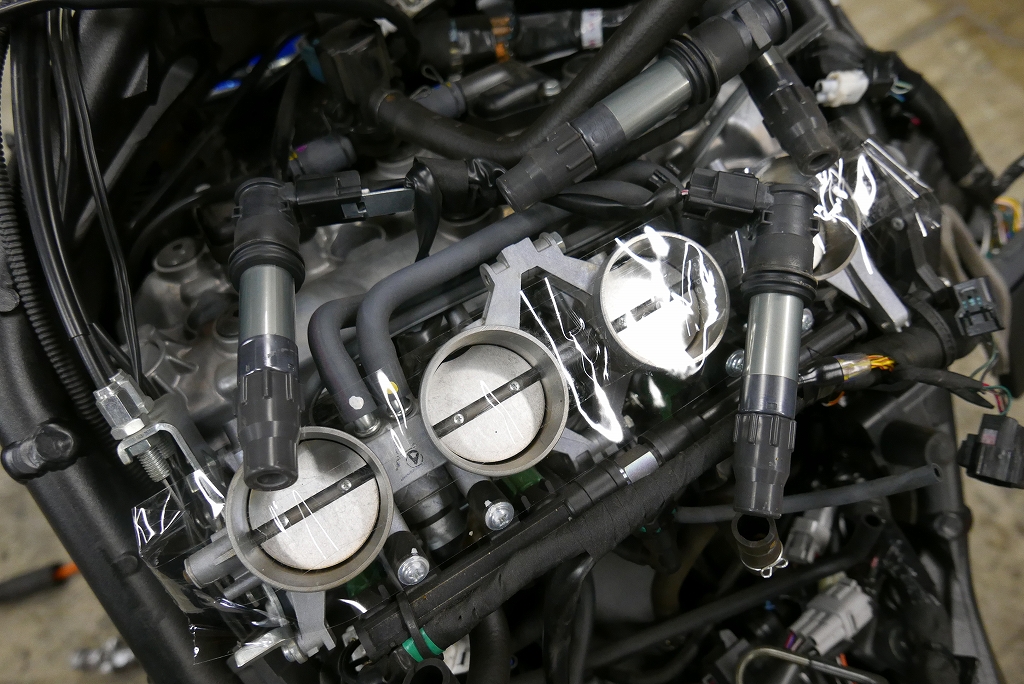
Working vehicle maintenance is pretty unglamorous, honestly.
It improves as you go, but compared to repair work, the gains are modest.
Inspections are worth doing, but being too obsessive about them might not be the best approach either.
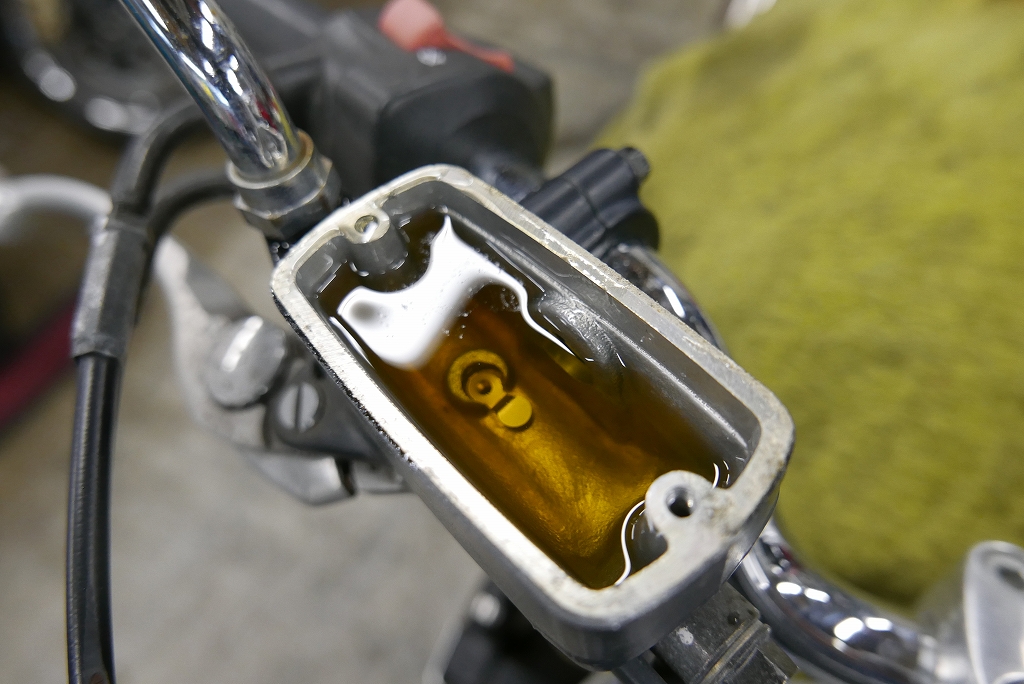
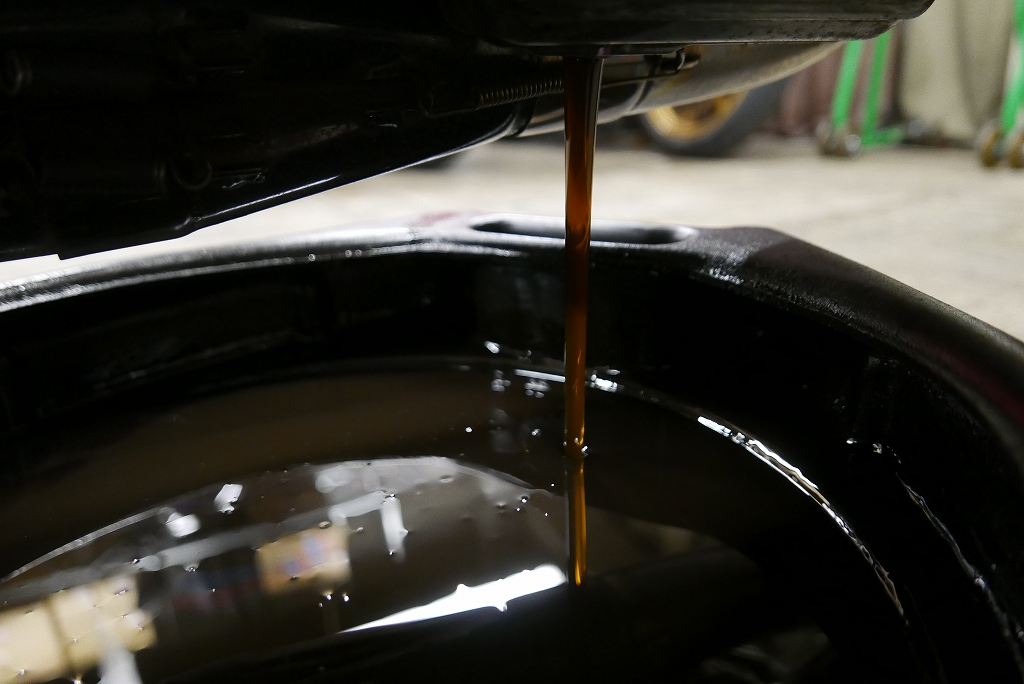
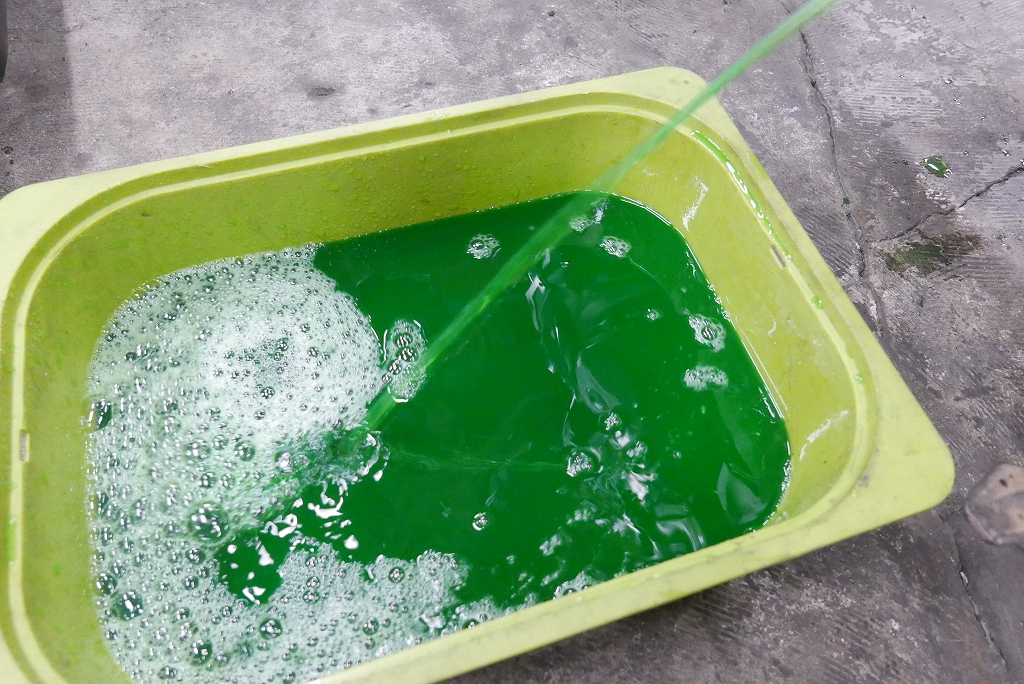
Fluids are critical—neglect them and nothing good happens. Pay attention.
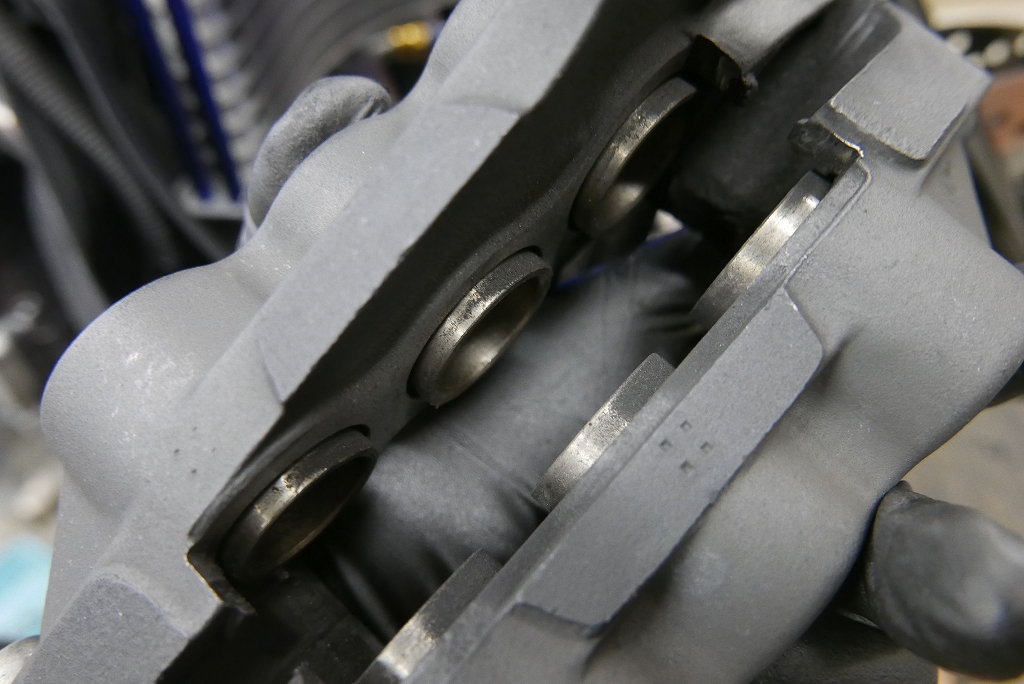
Inspection maintenance means checking each component to keep things running as smoothly as possible, but honestly, you can’t tell how most parts are doing from the outside without taking them apart.
Remove each component and check it—is everything okay? It’s also a preventive strategy where you can plan out what might need repair or maintenance next time.