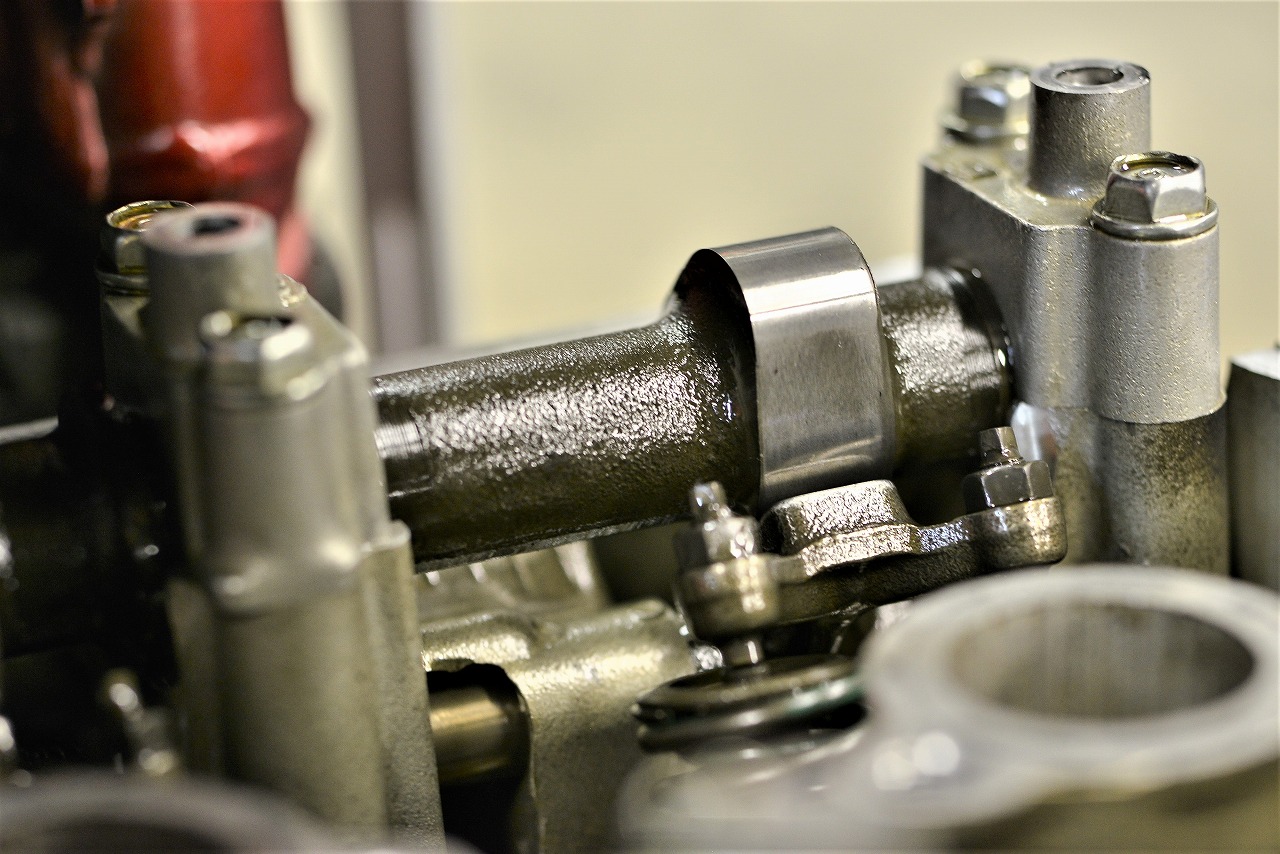
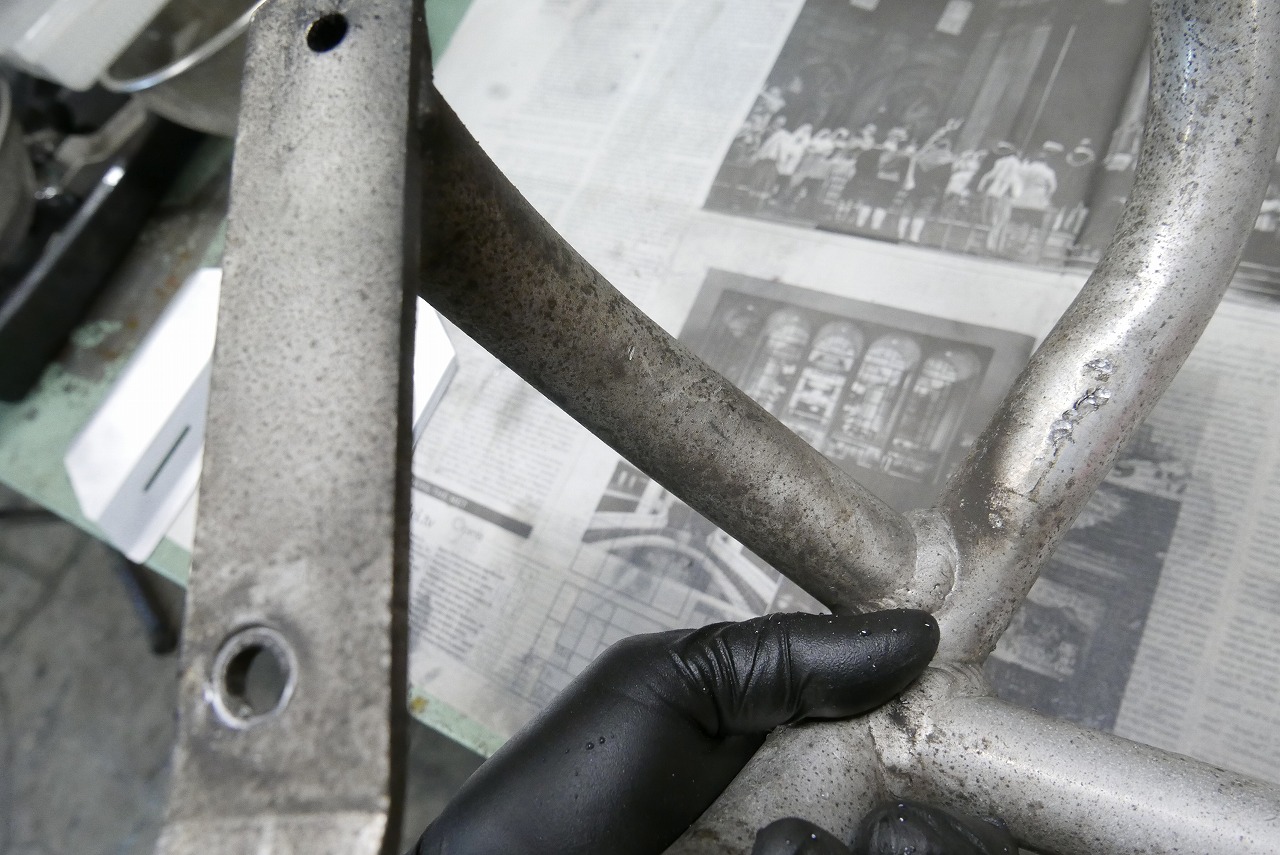
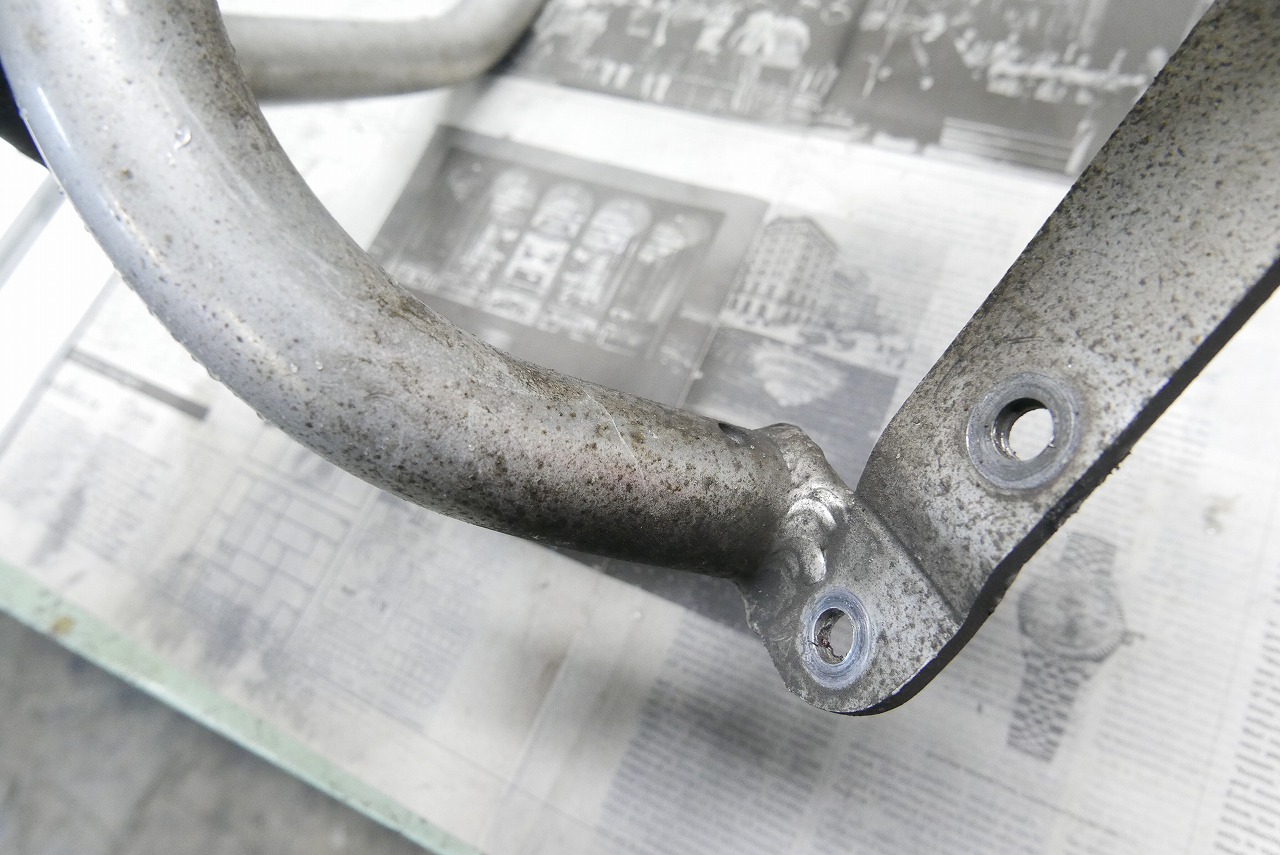
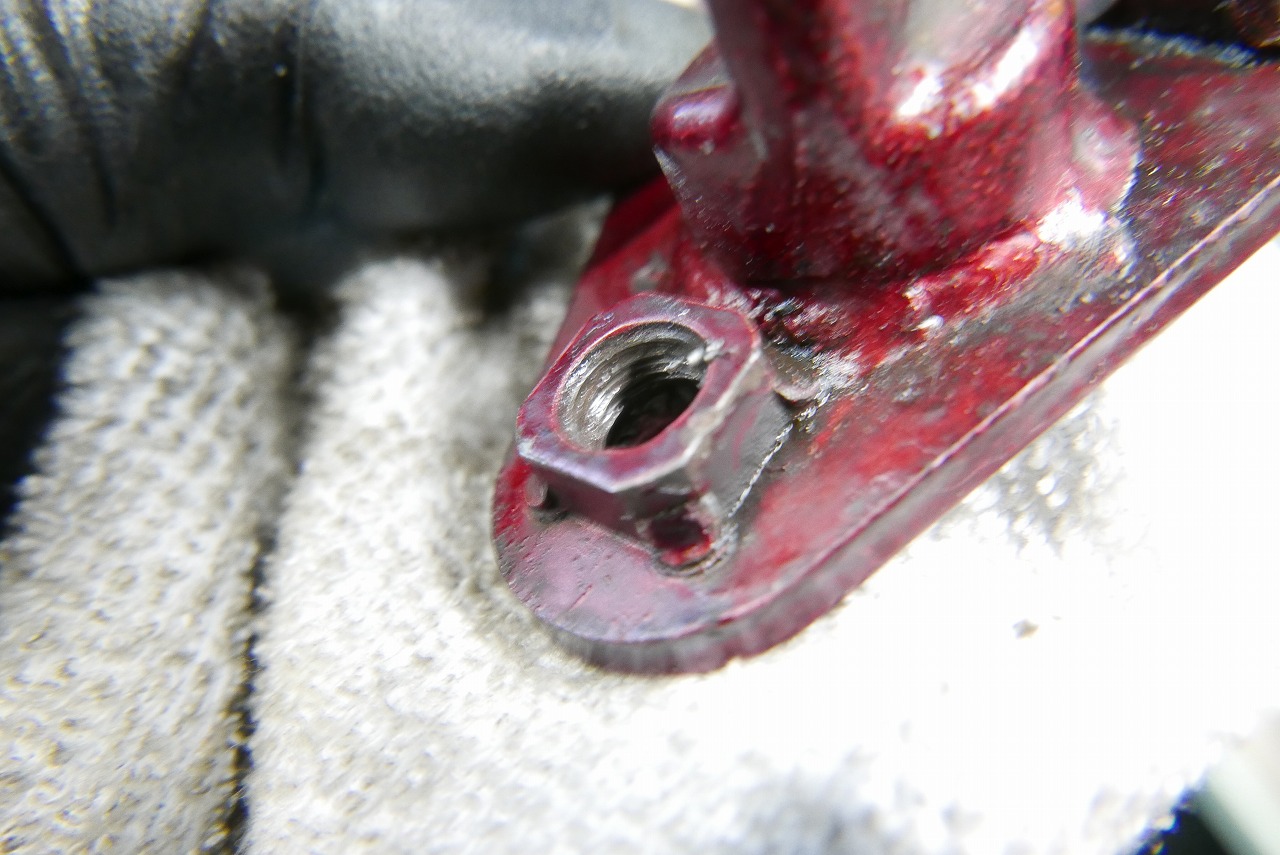
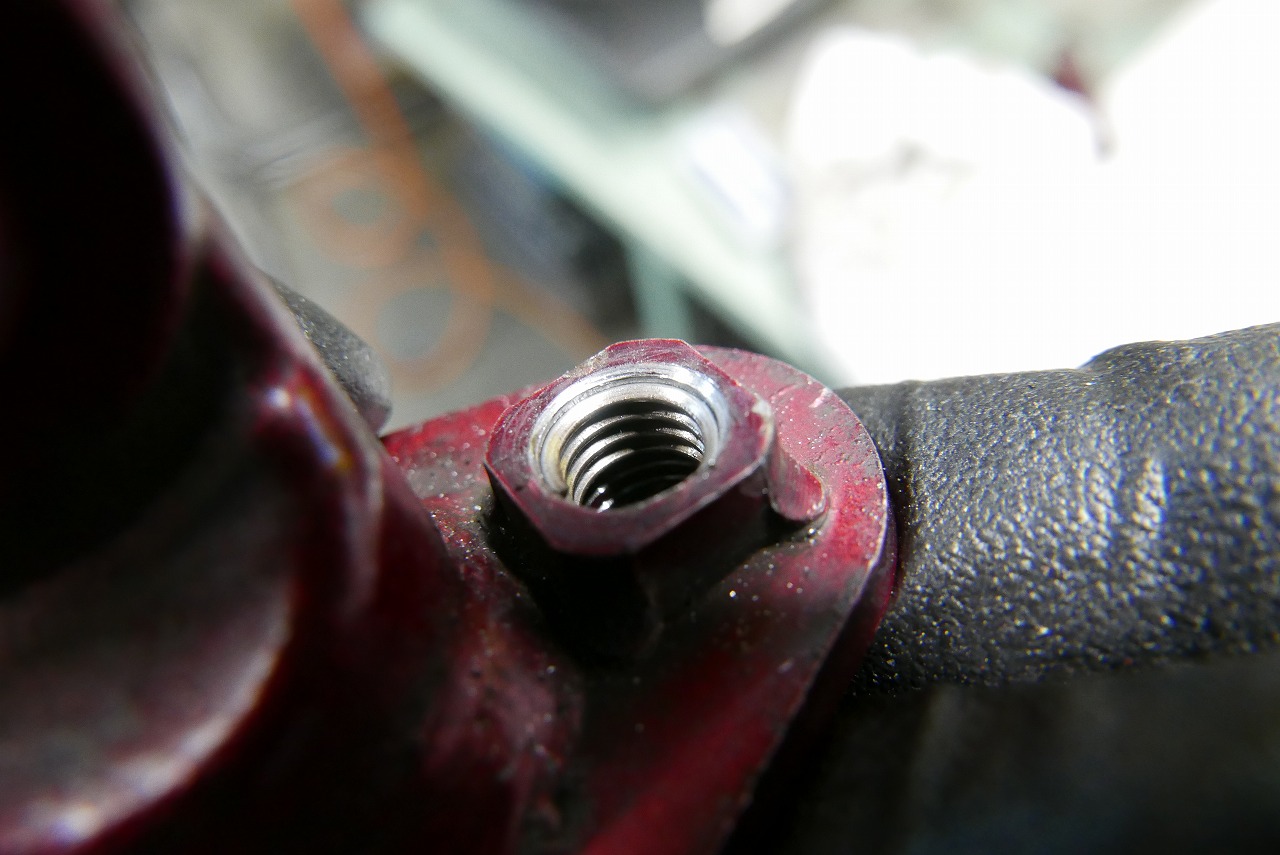
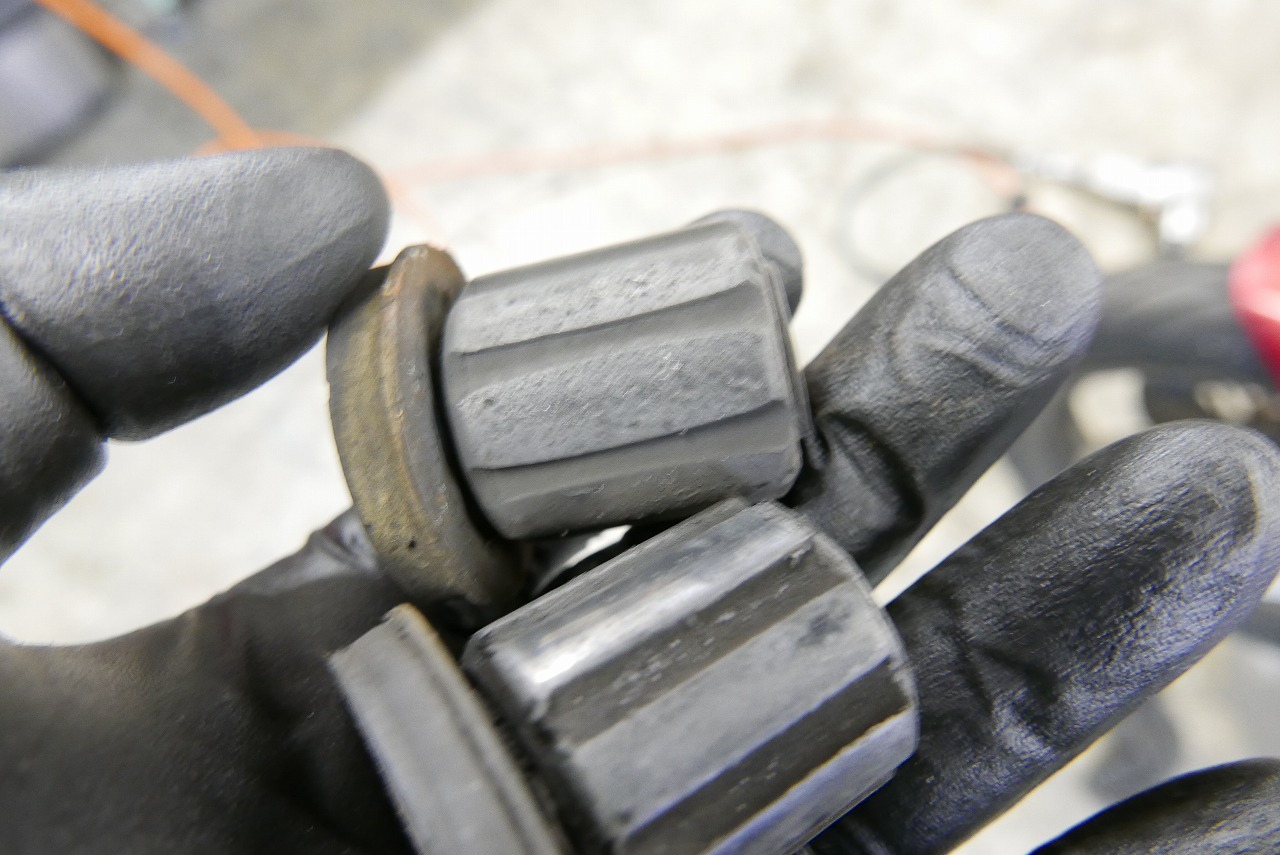
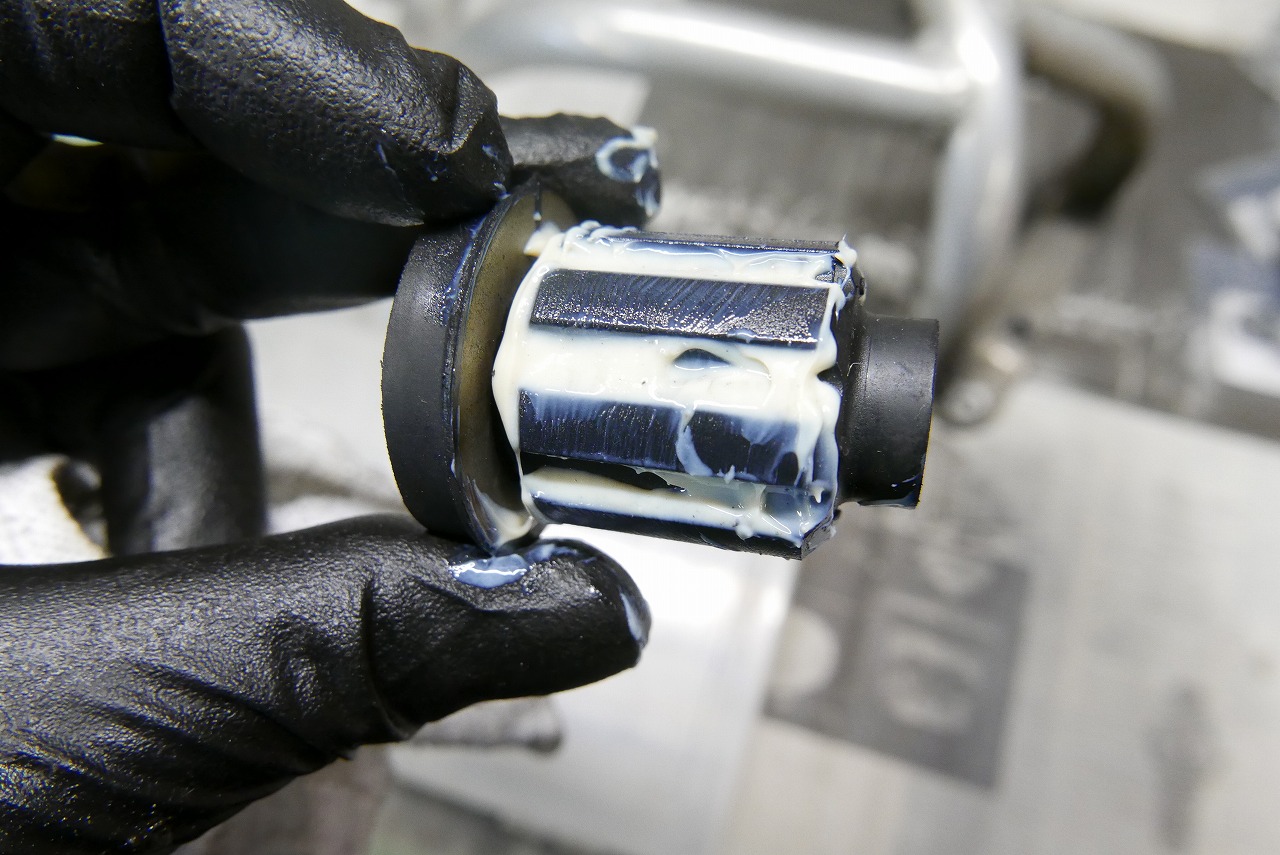
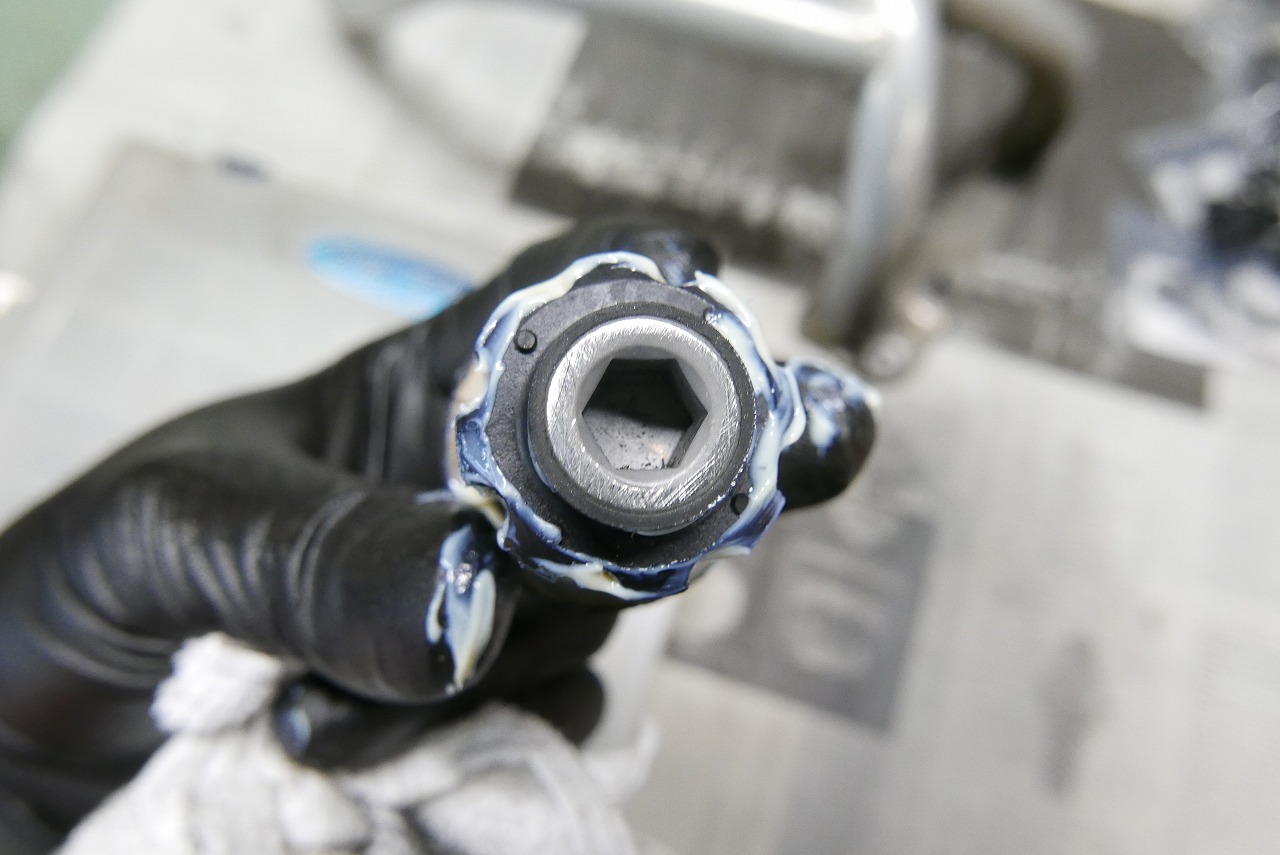
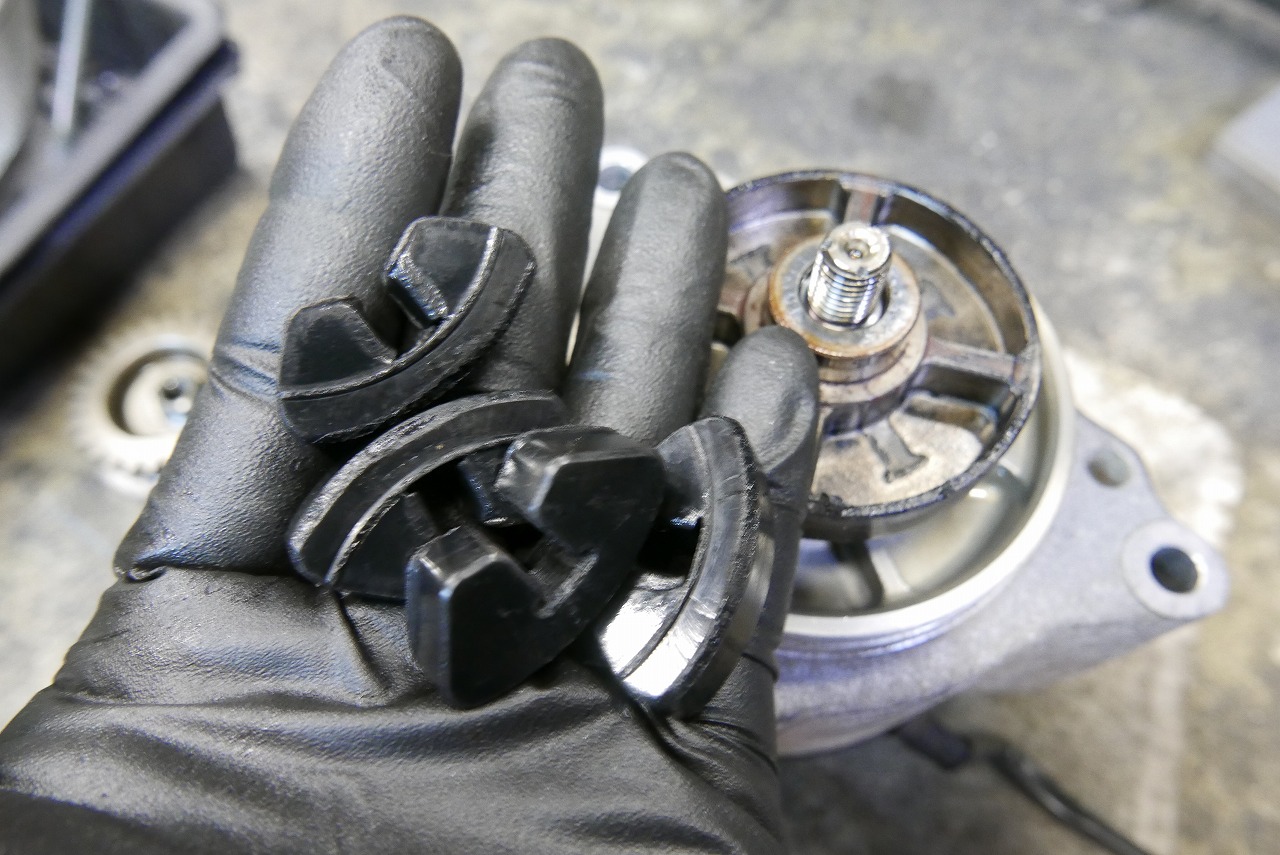
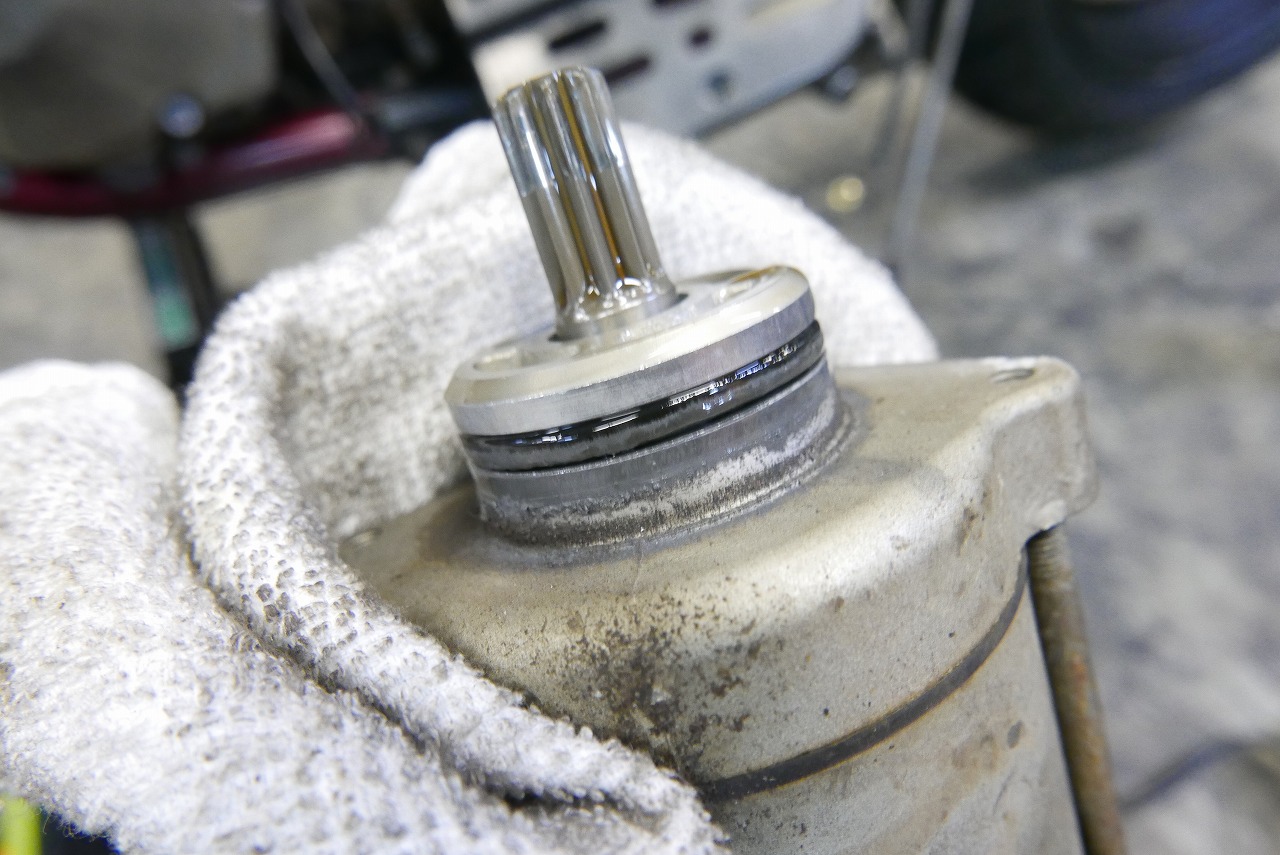
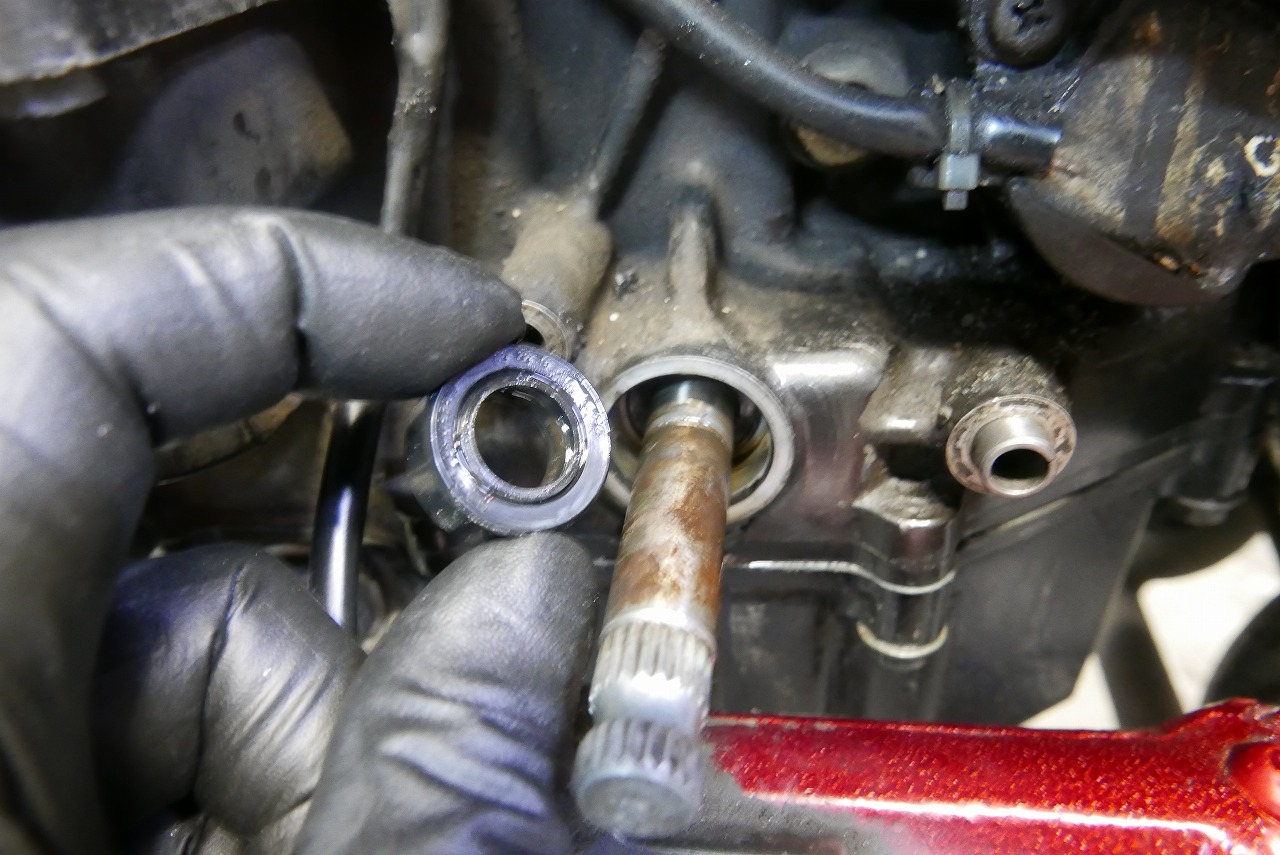
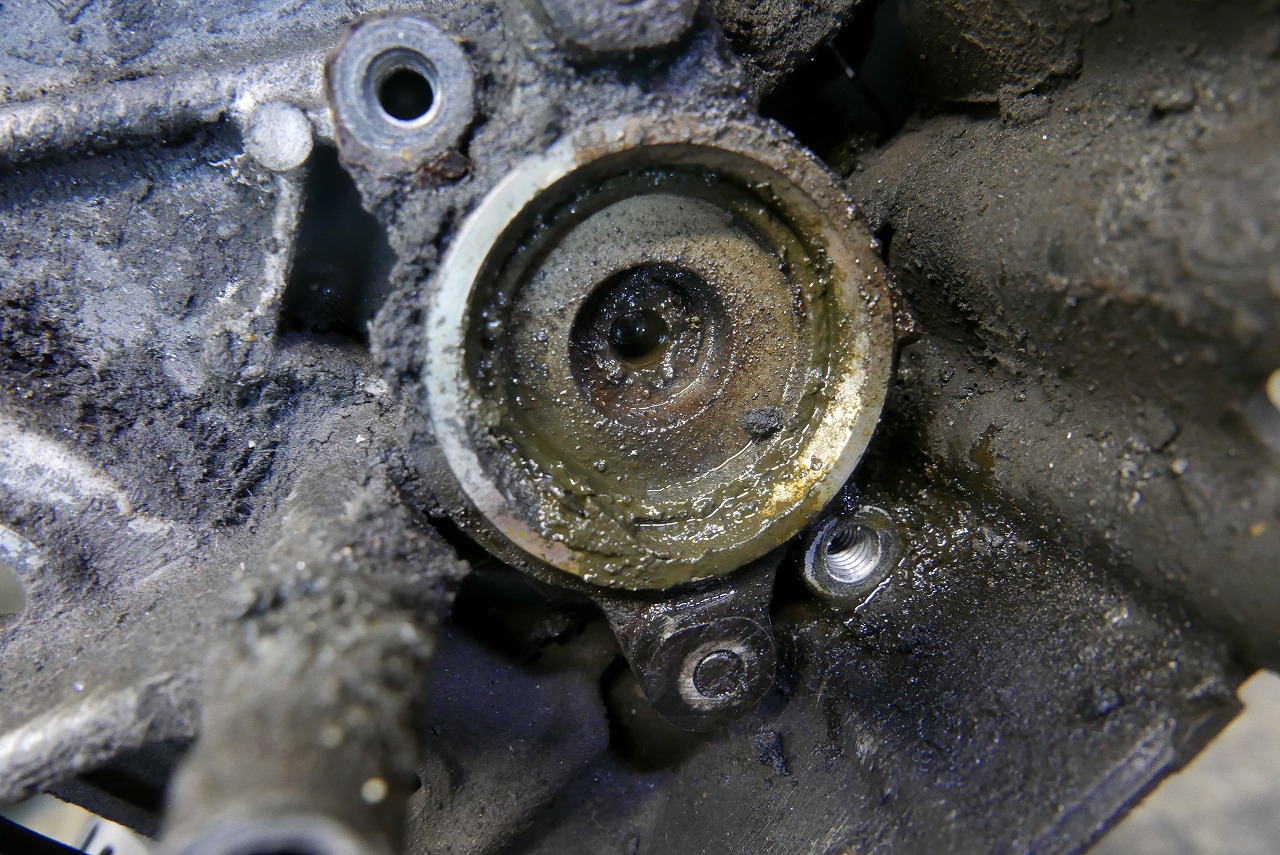
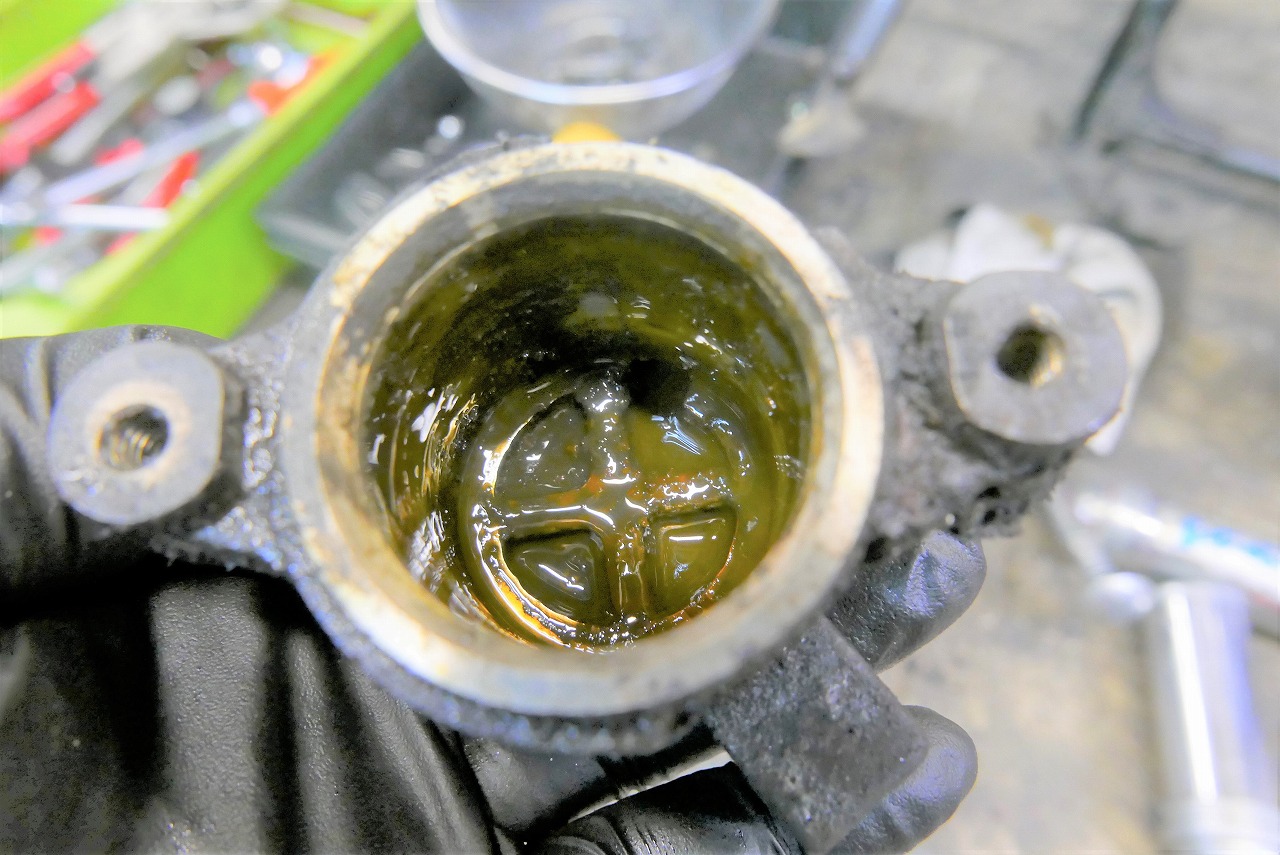
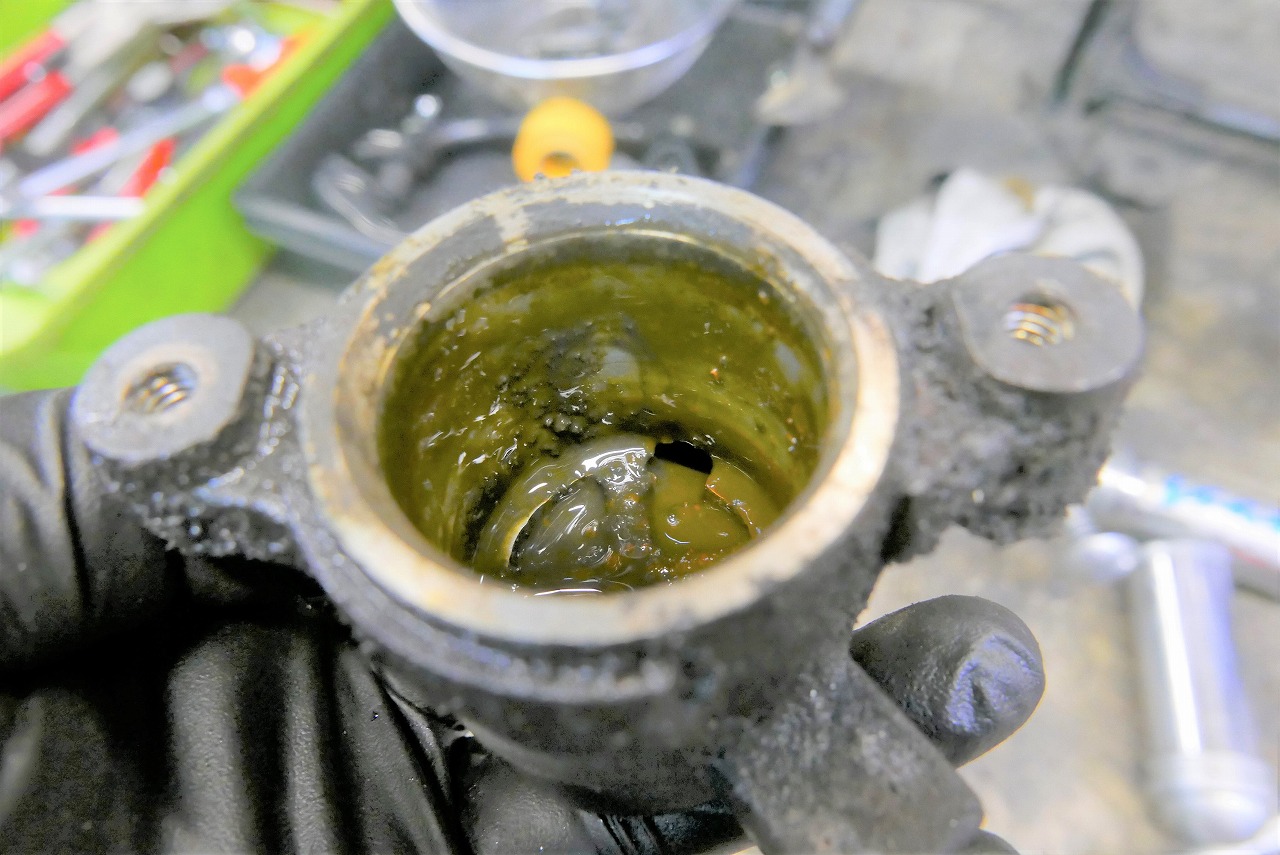
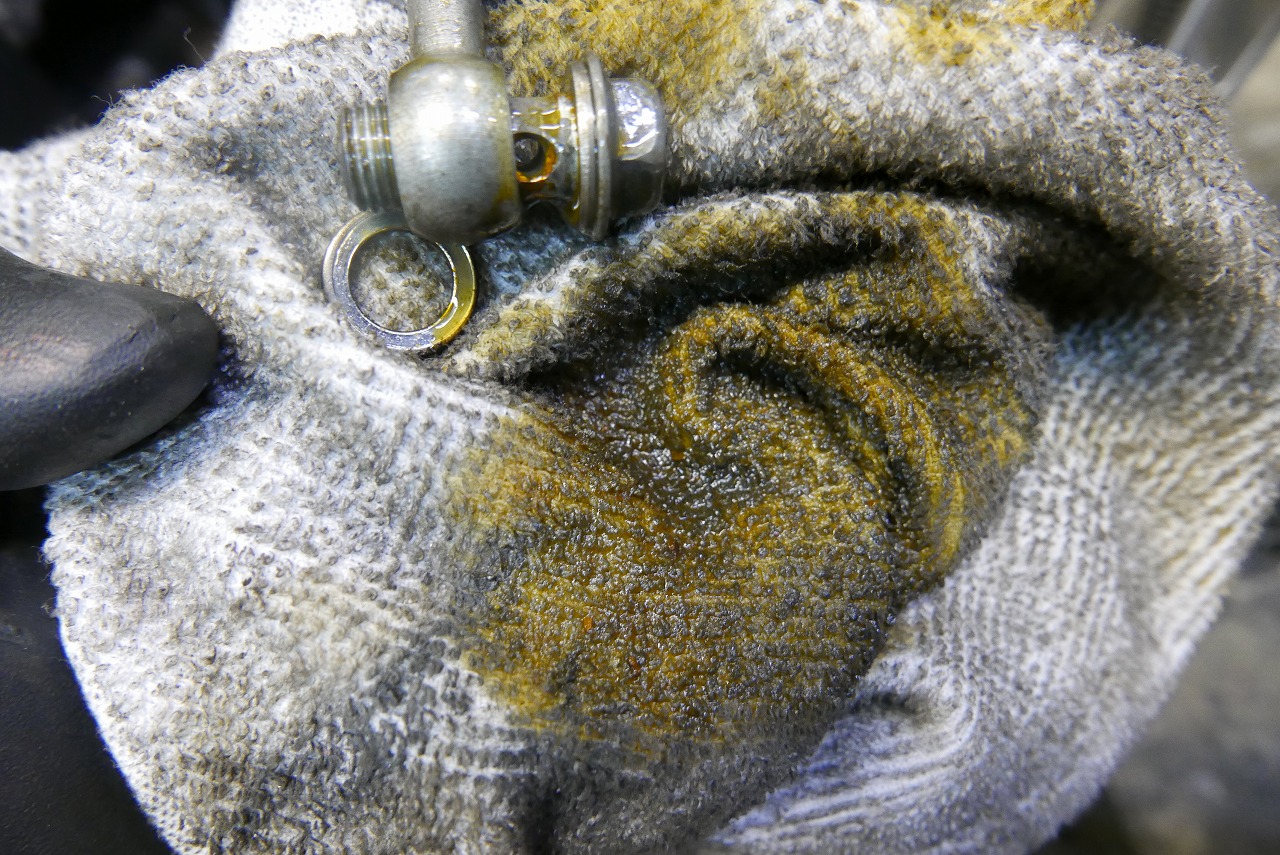
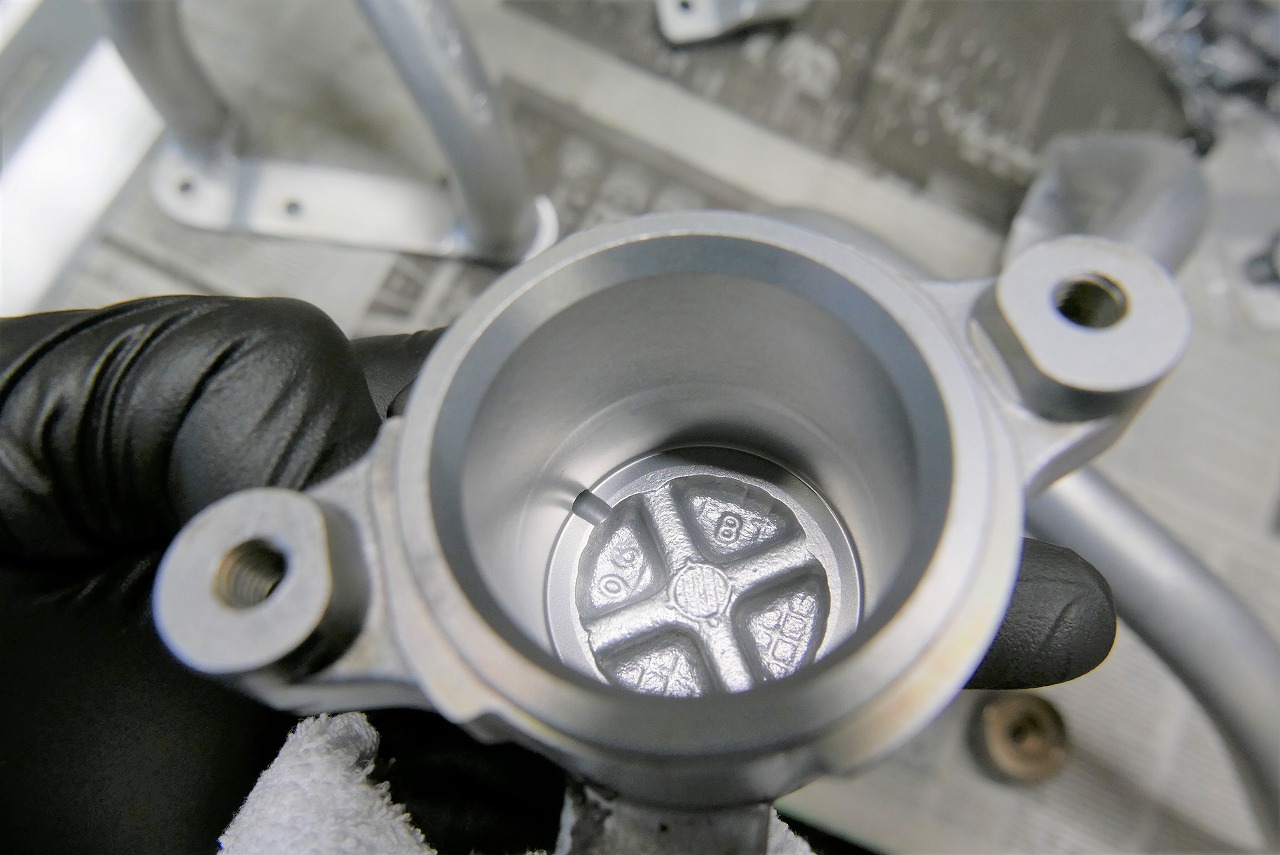
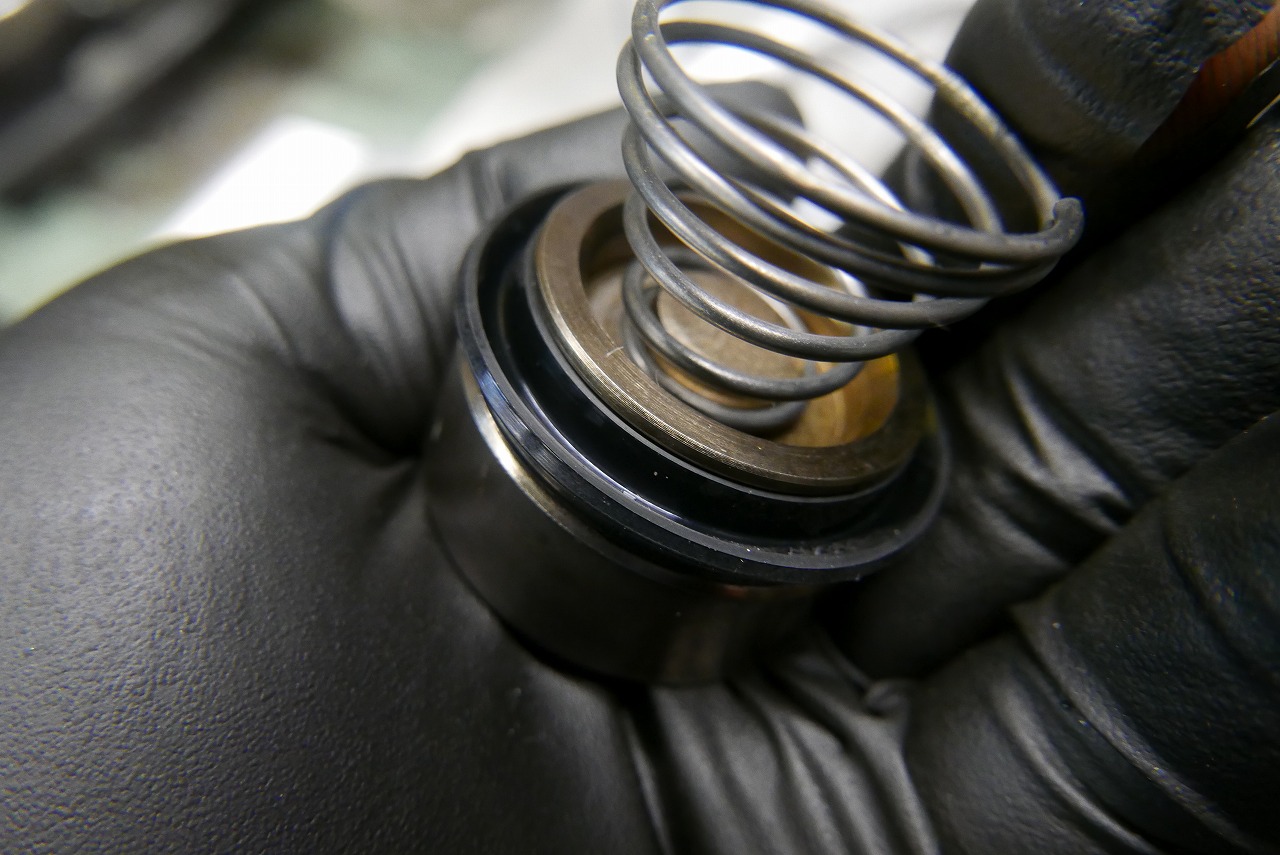
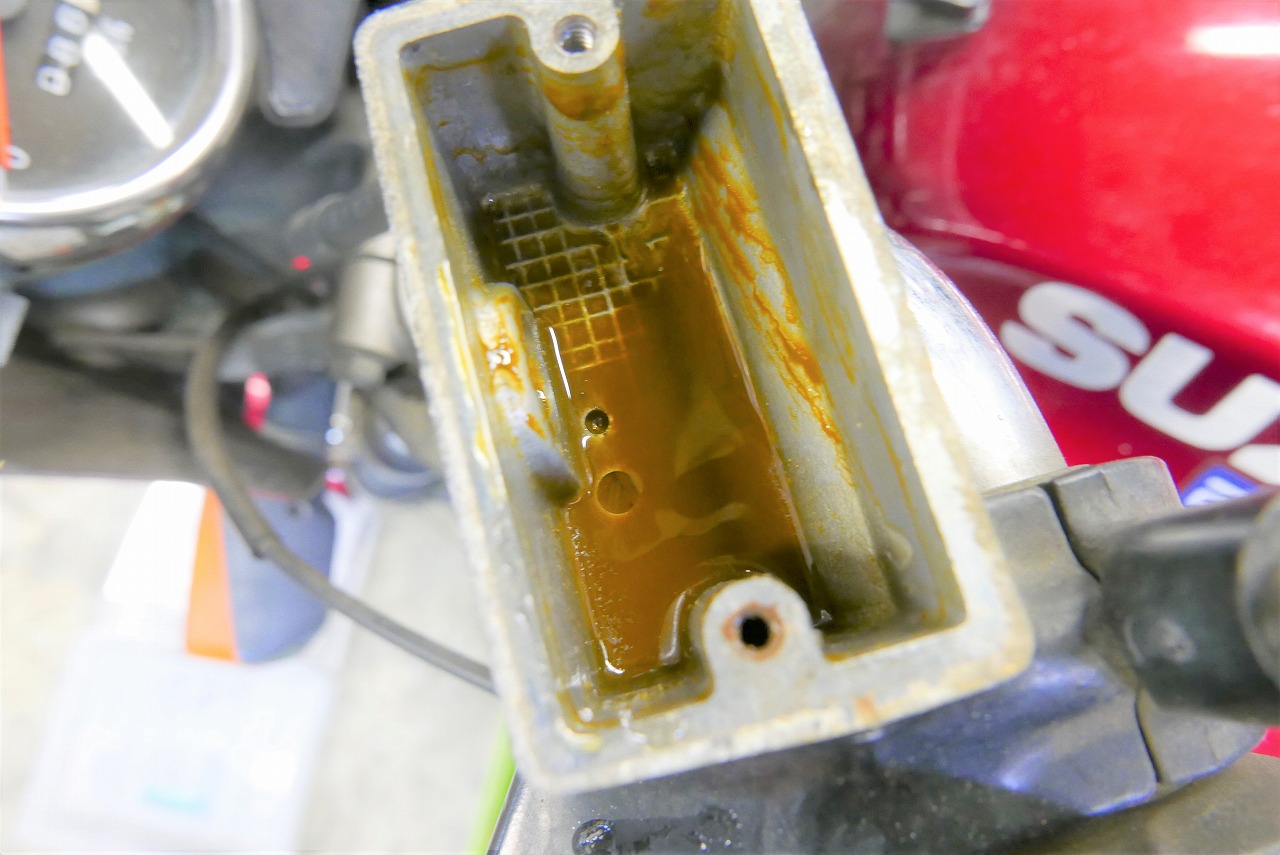
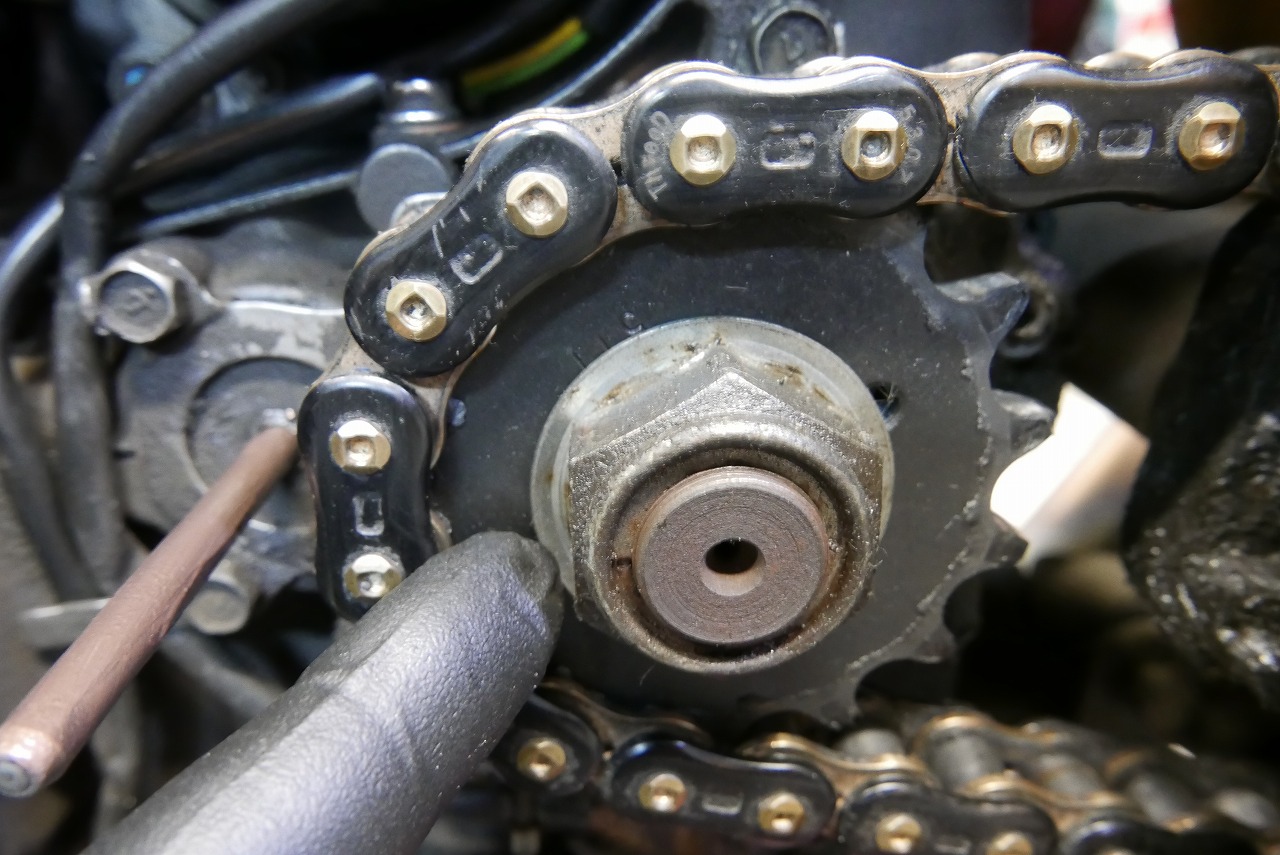
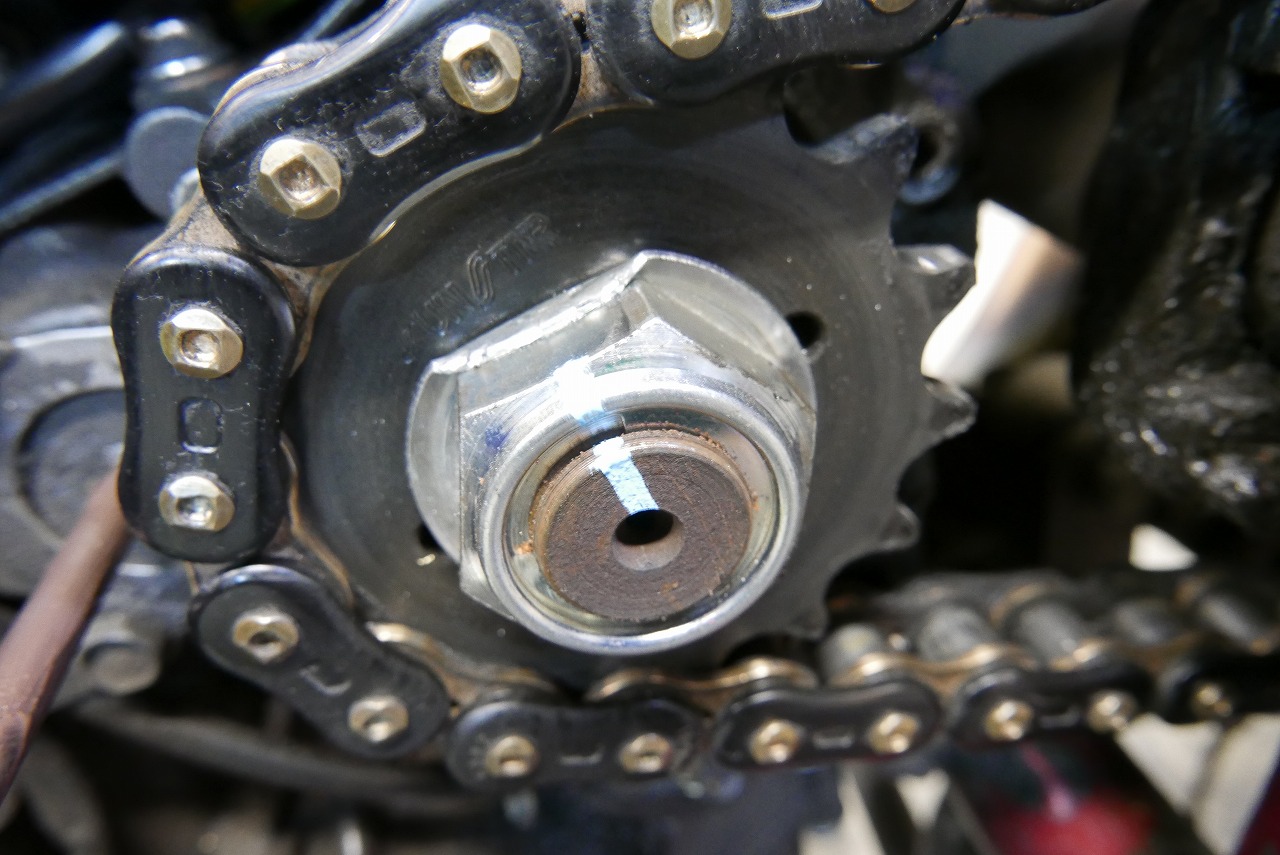
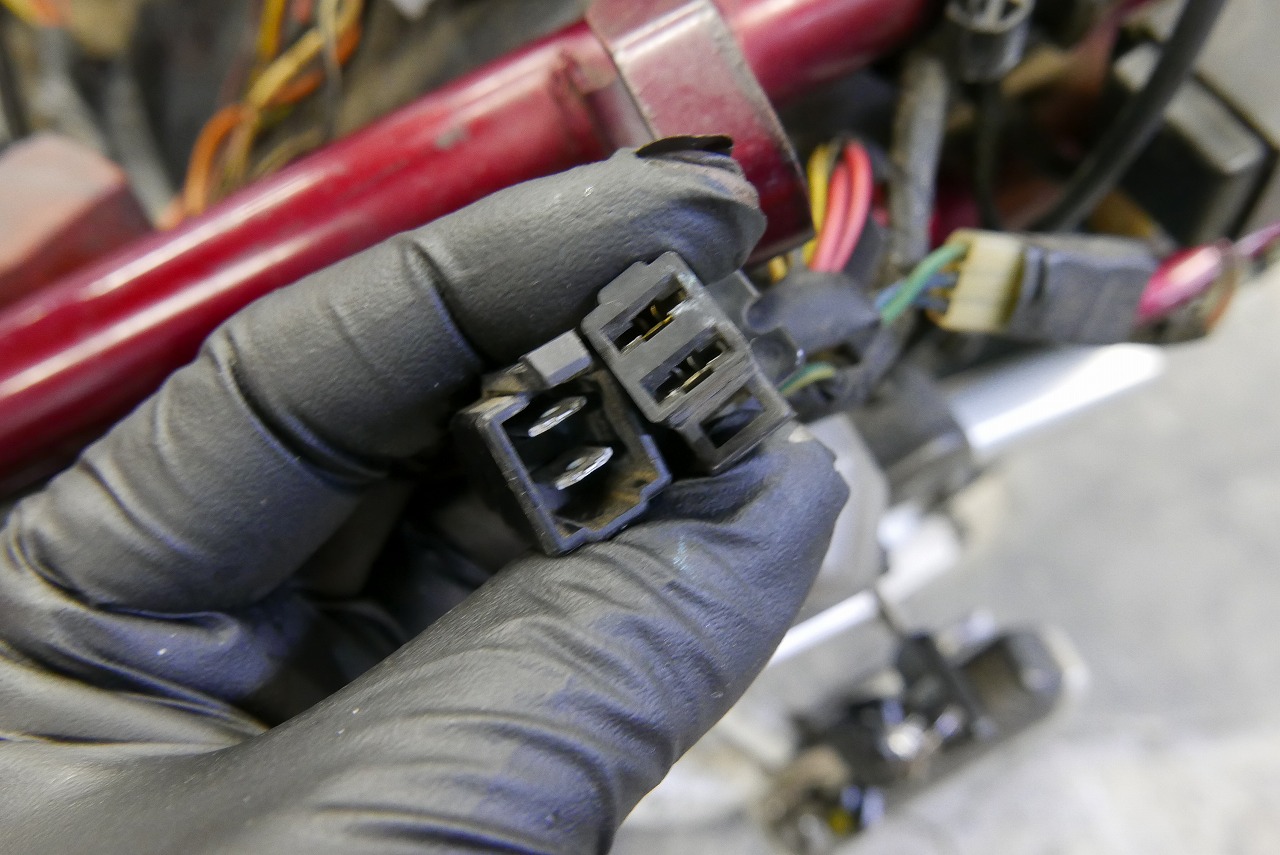
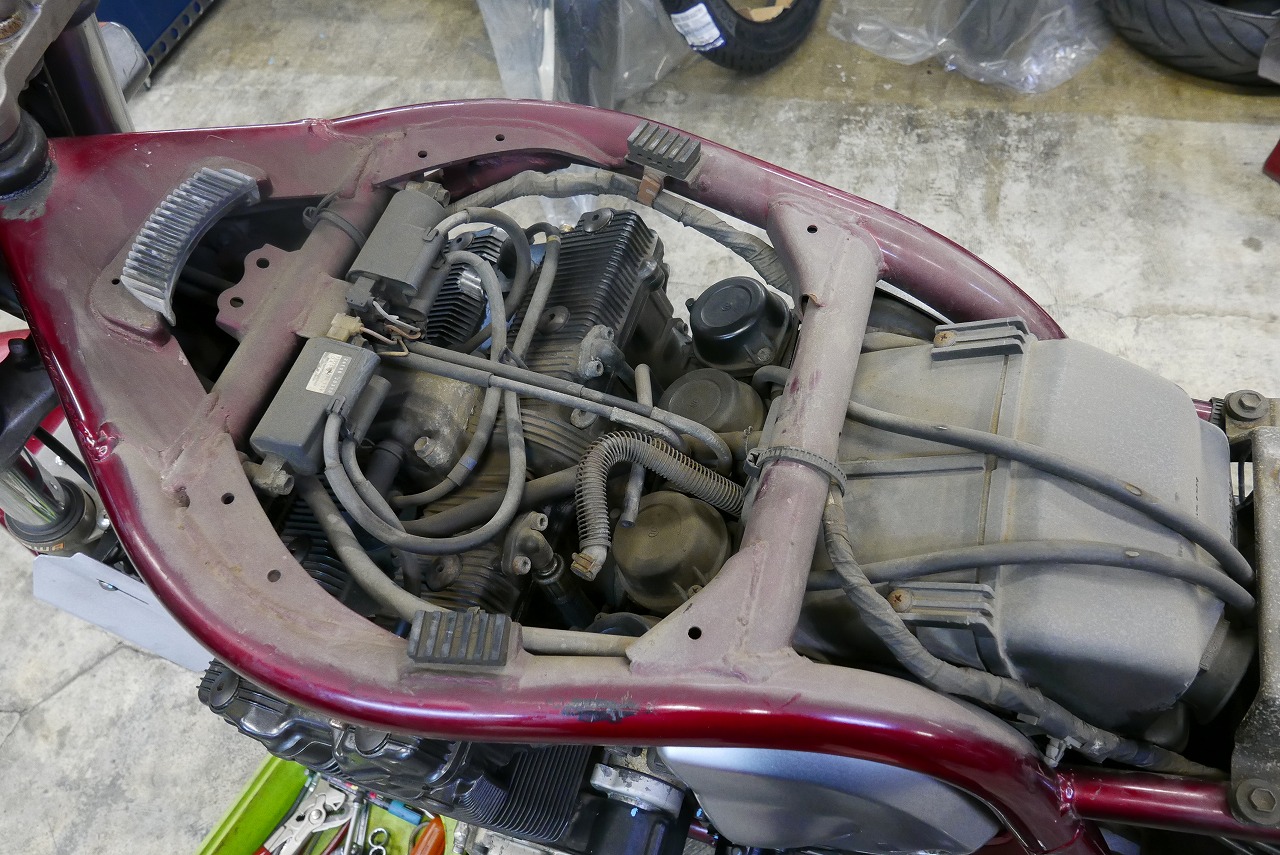
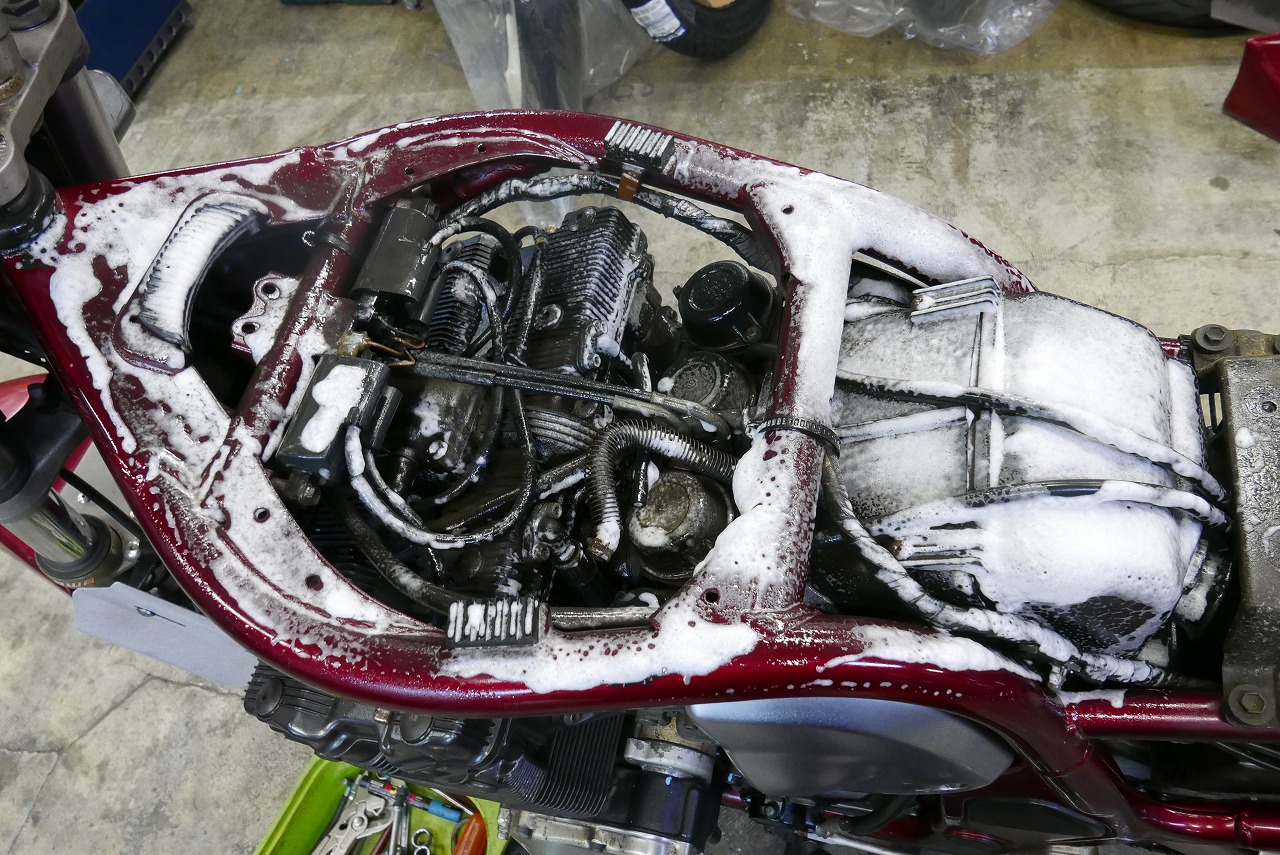
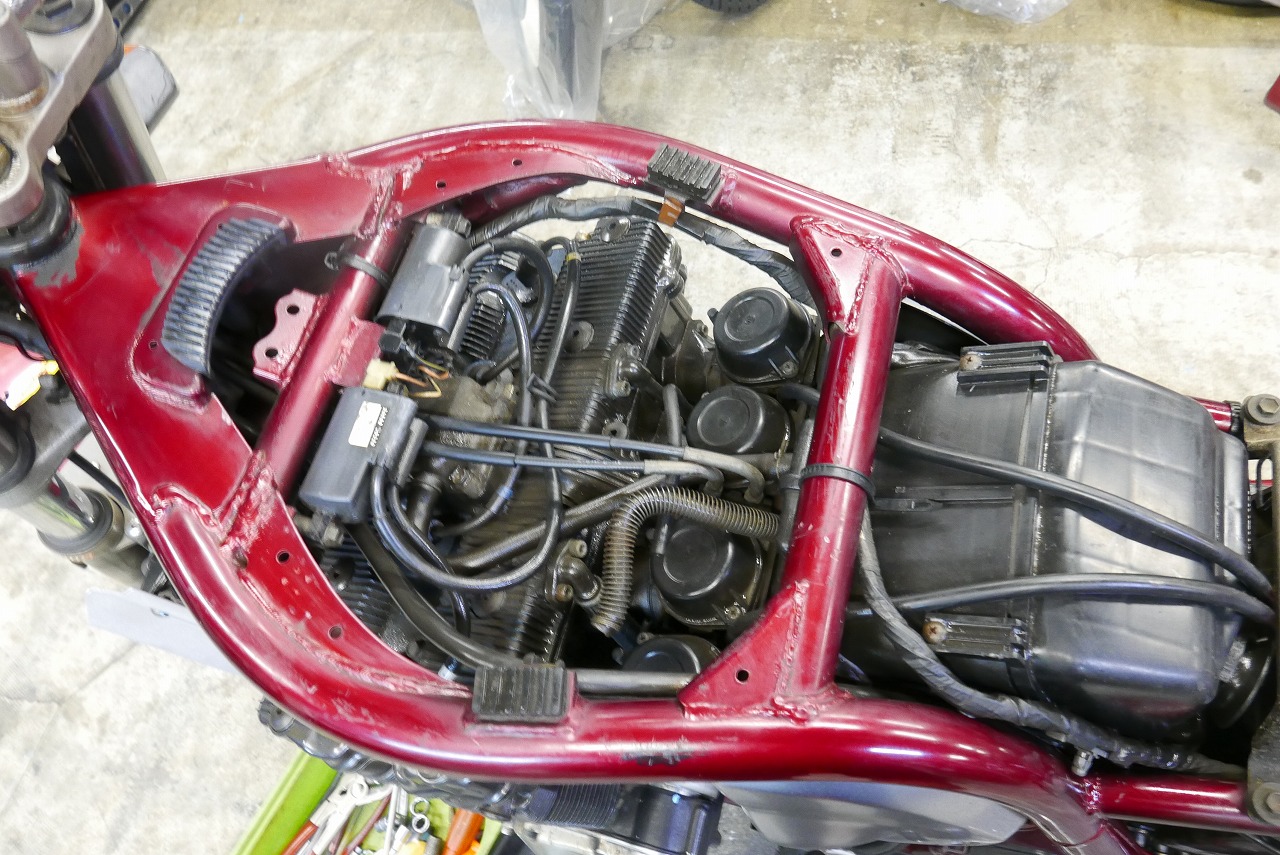
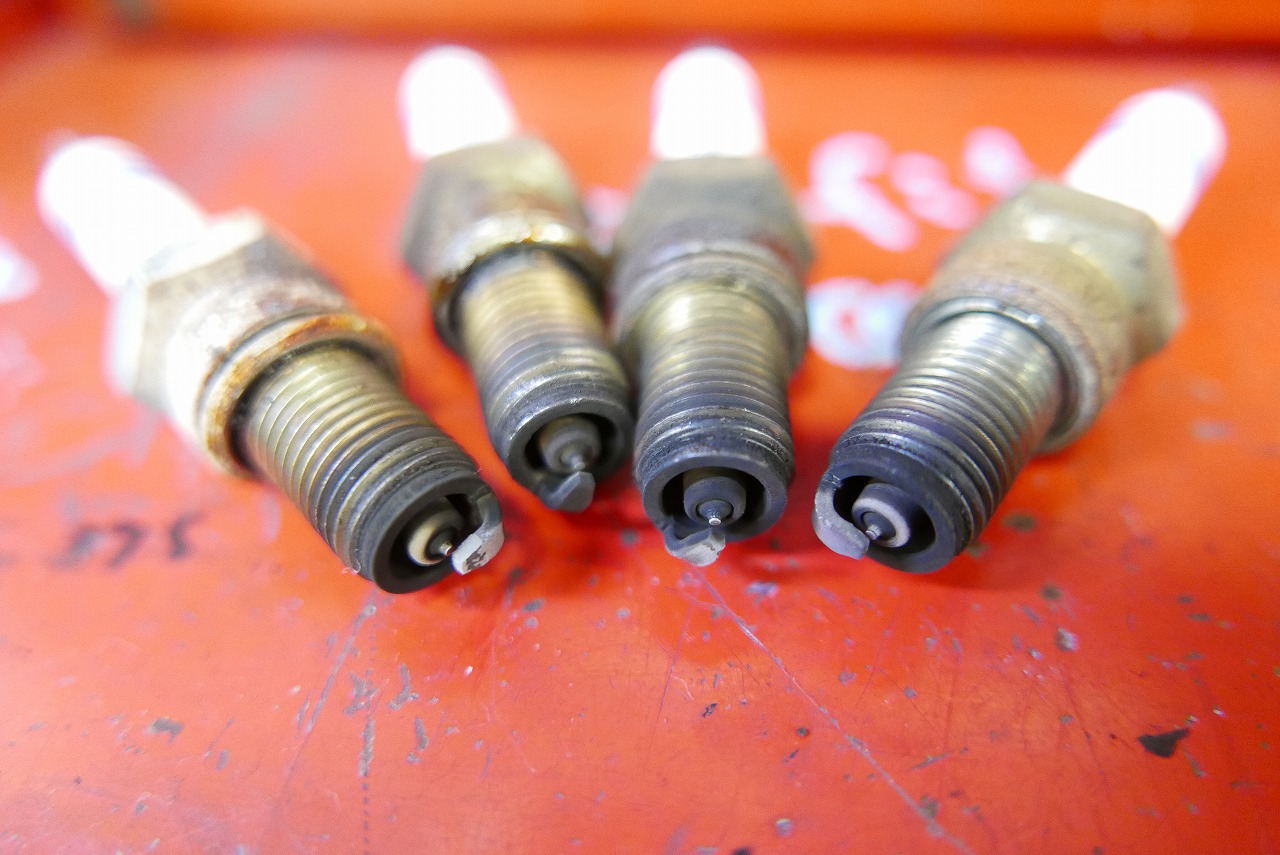
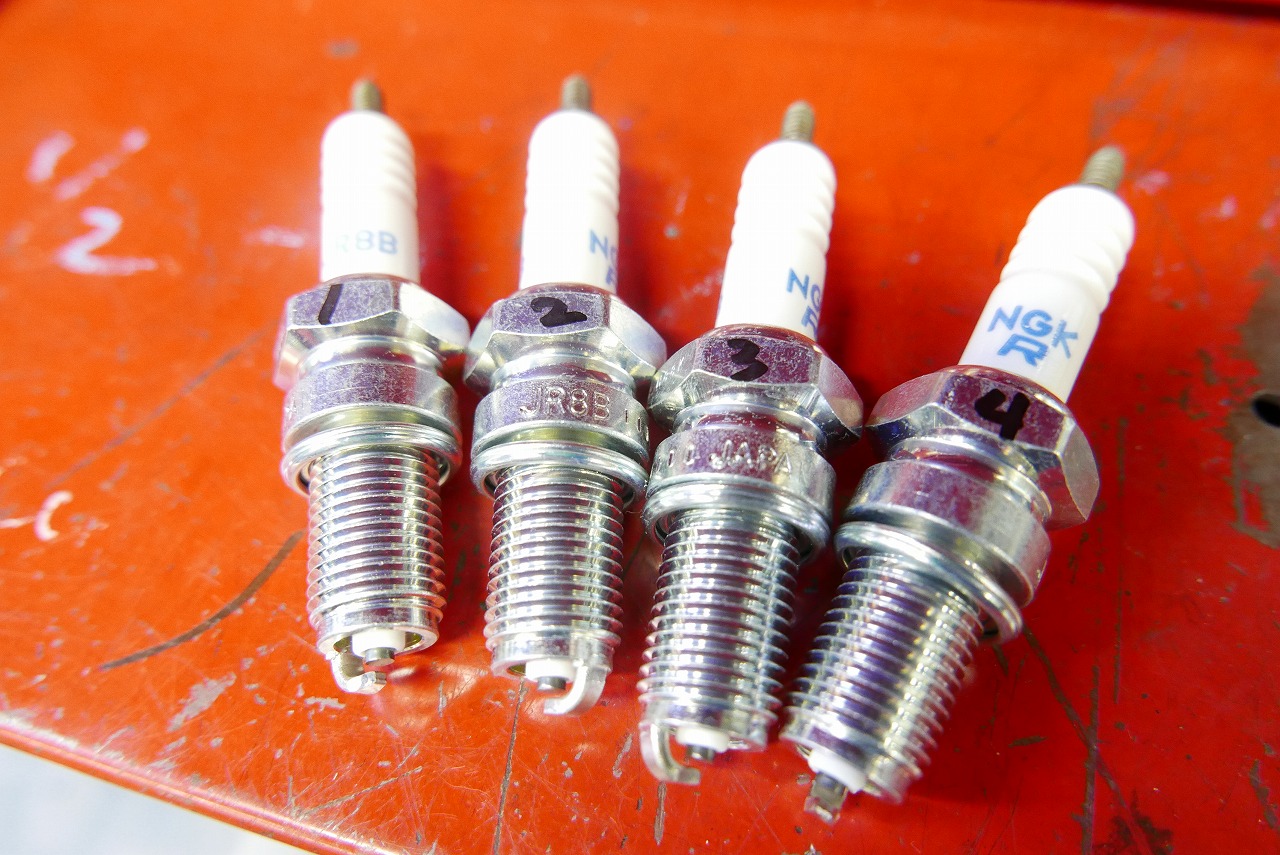
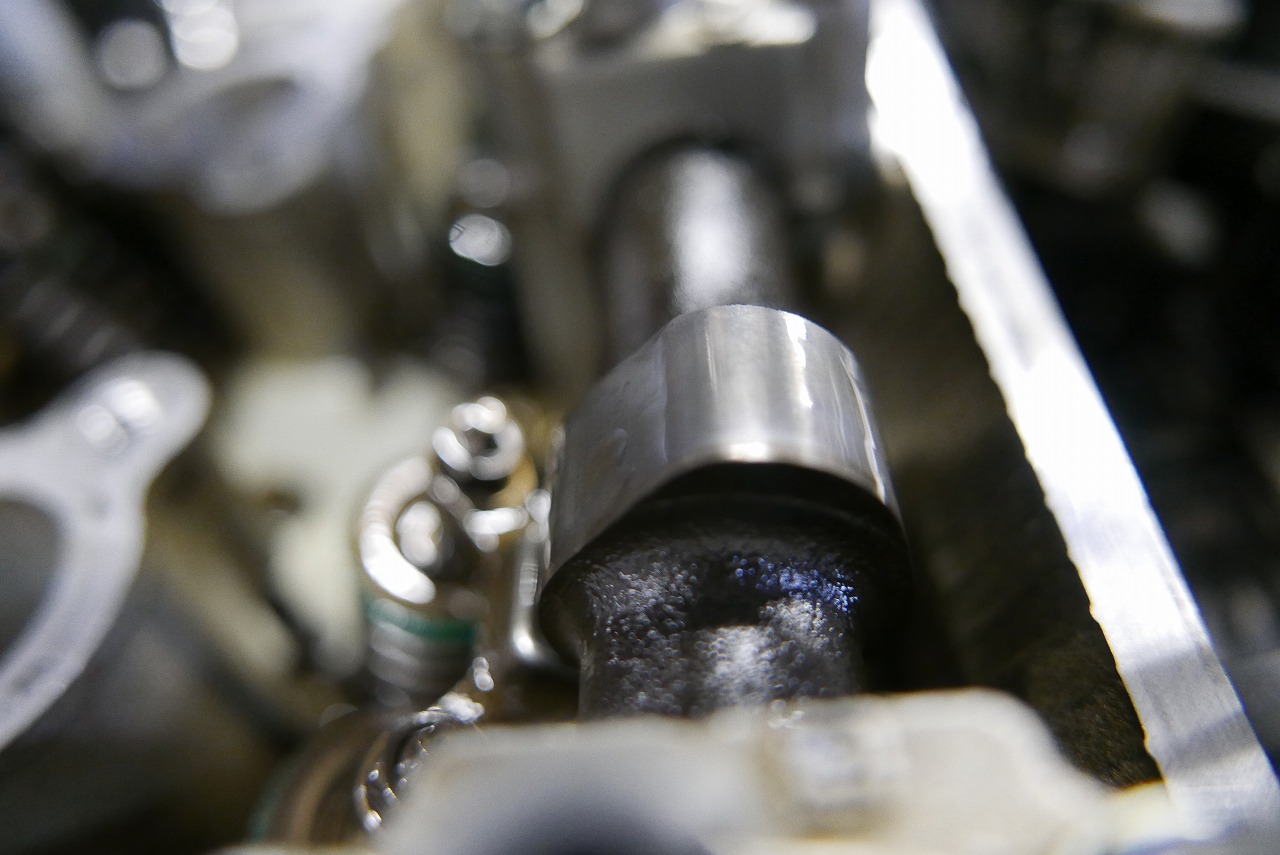
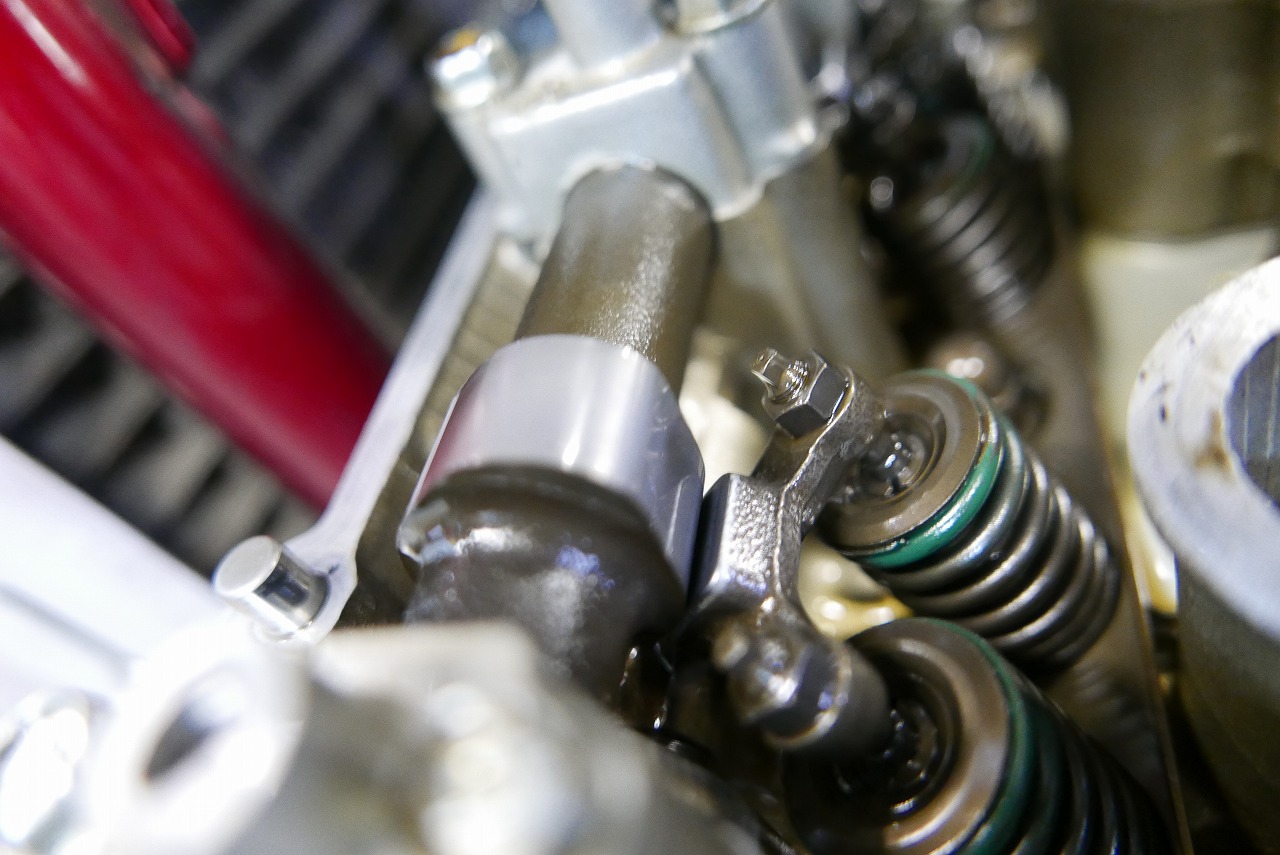
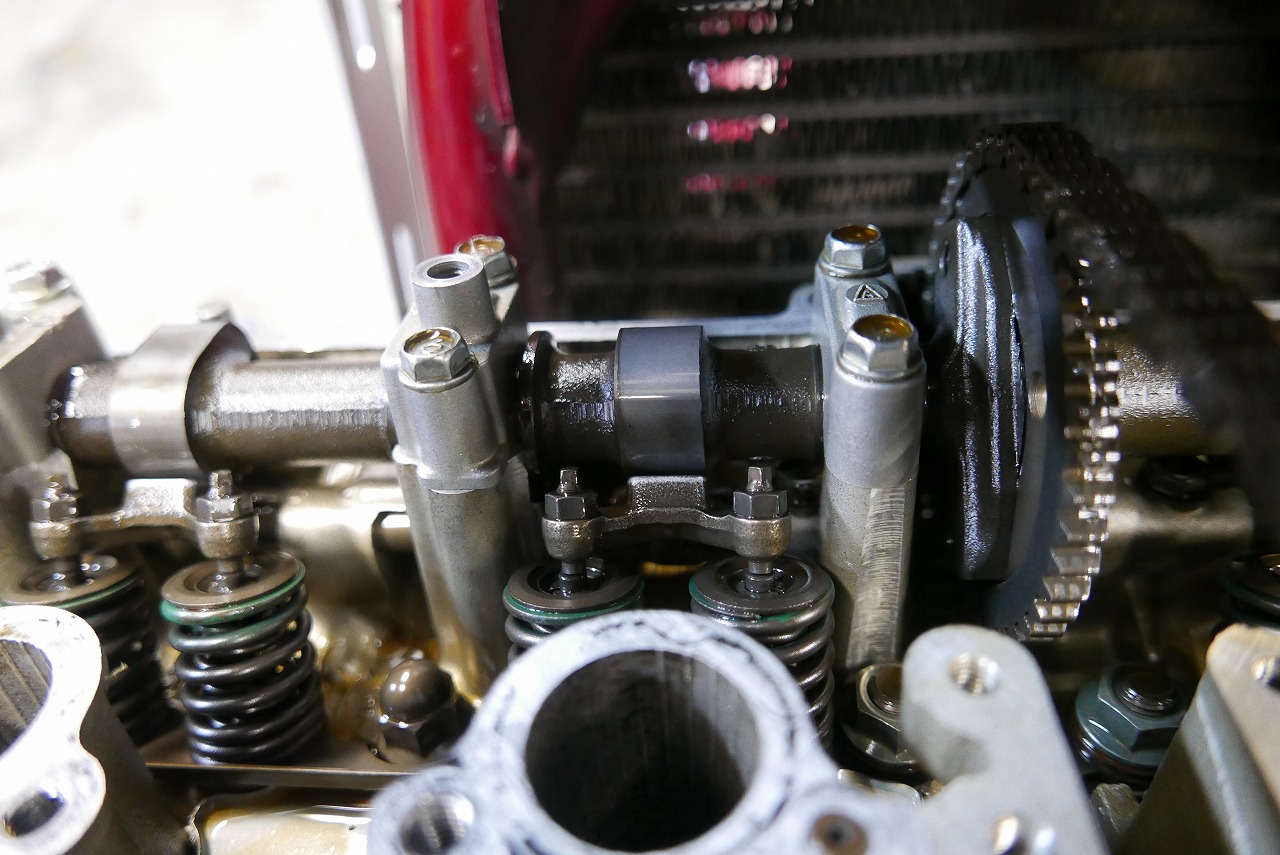
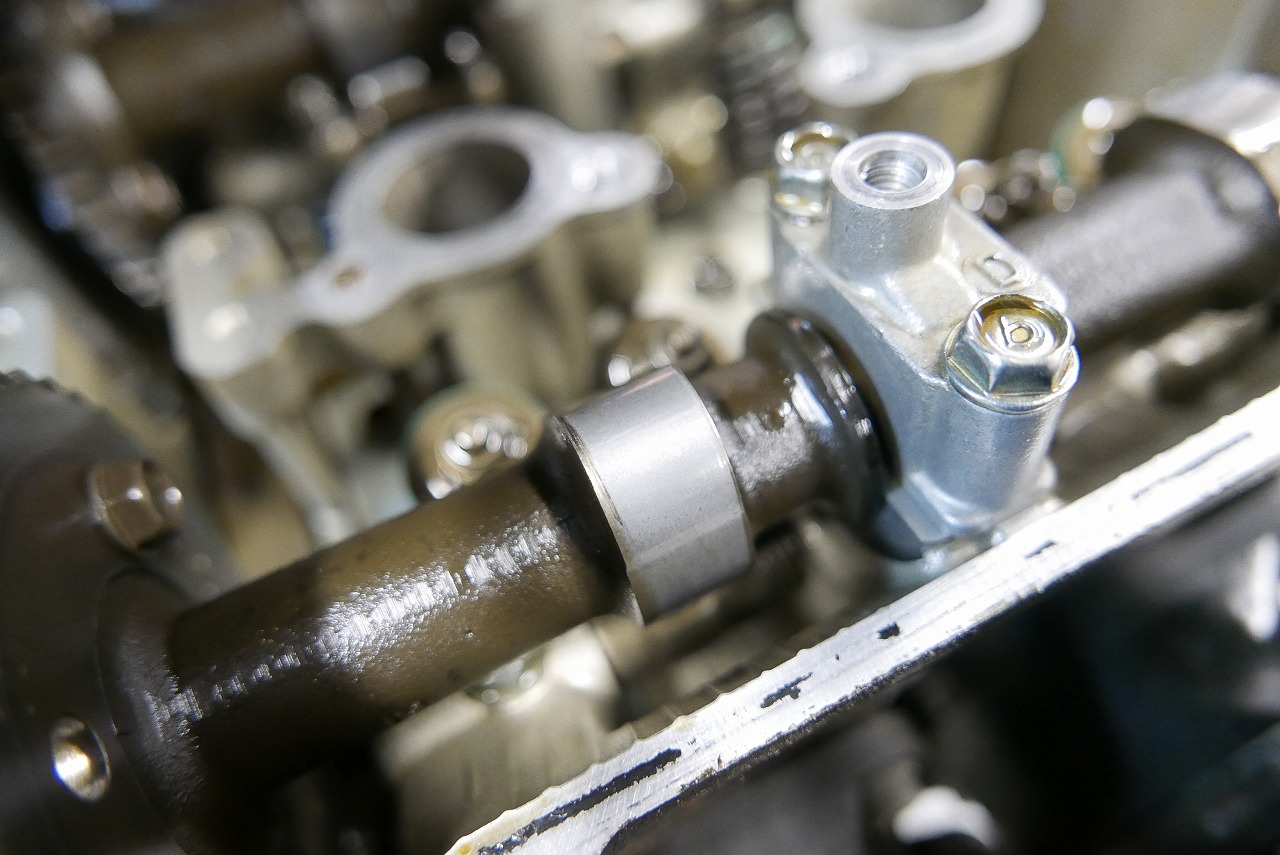
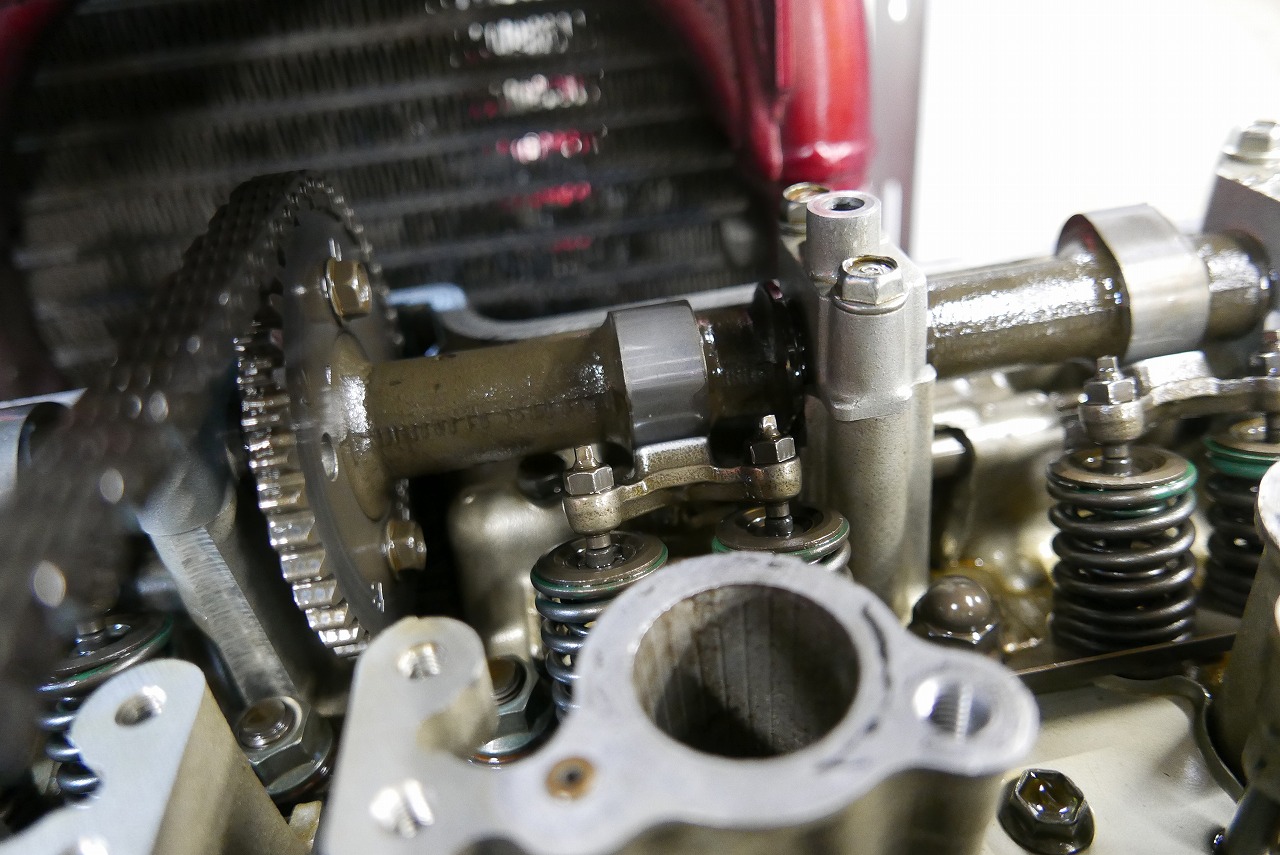
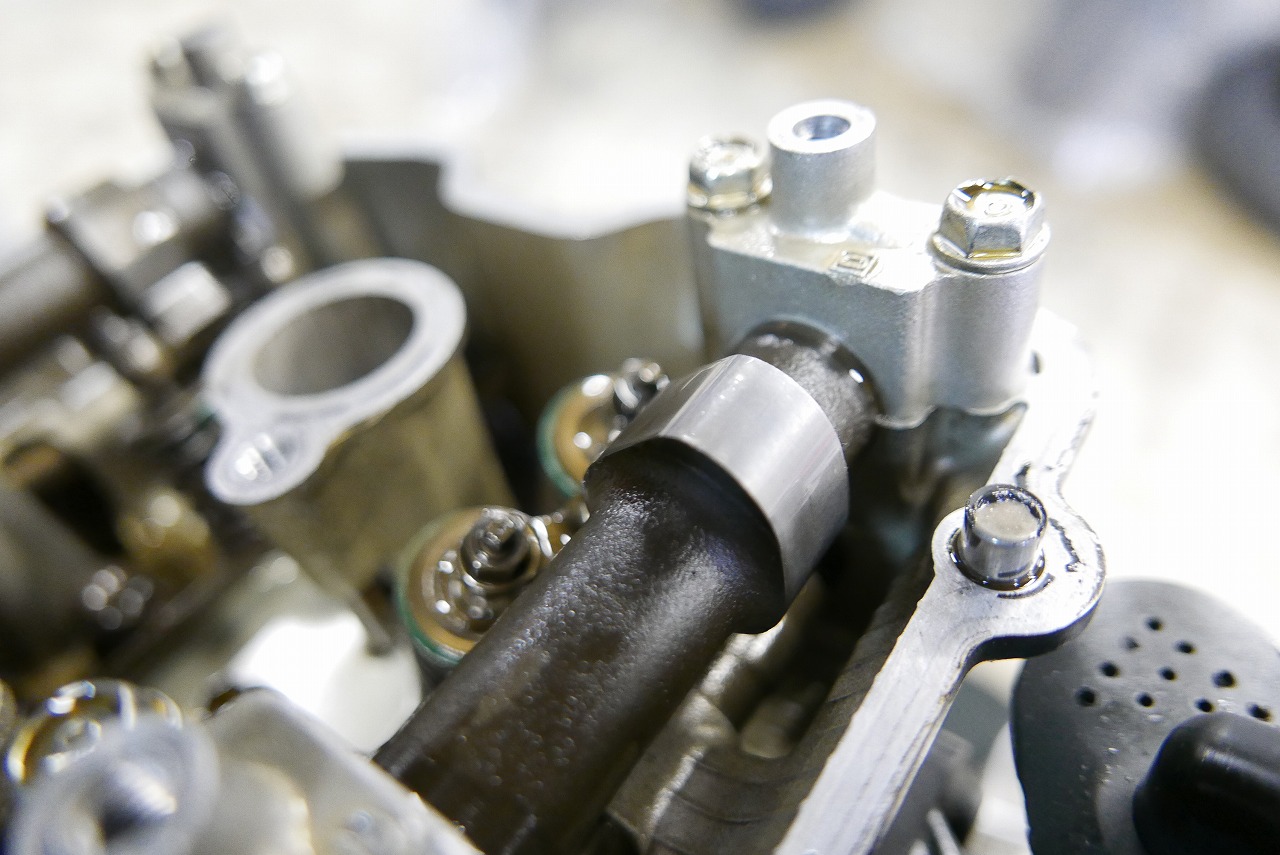
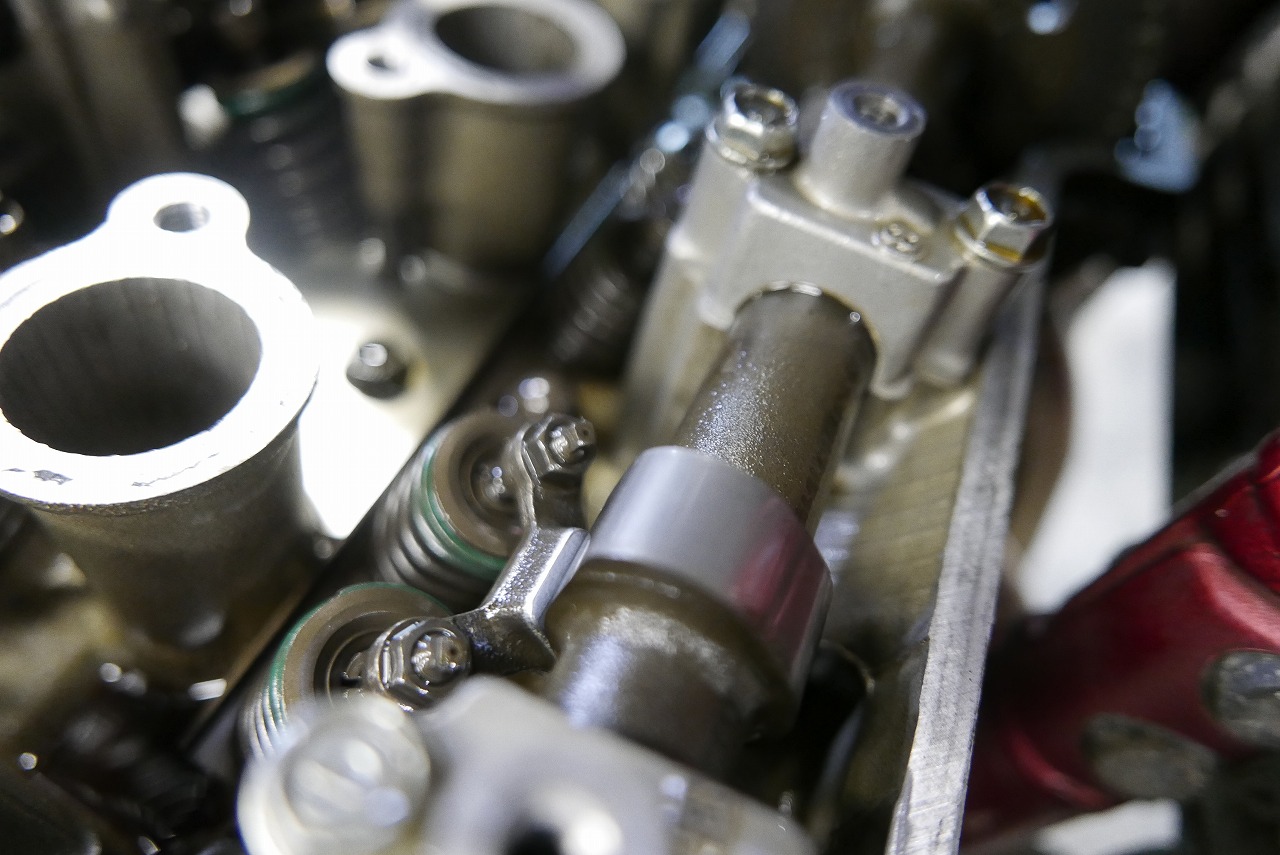
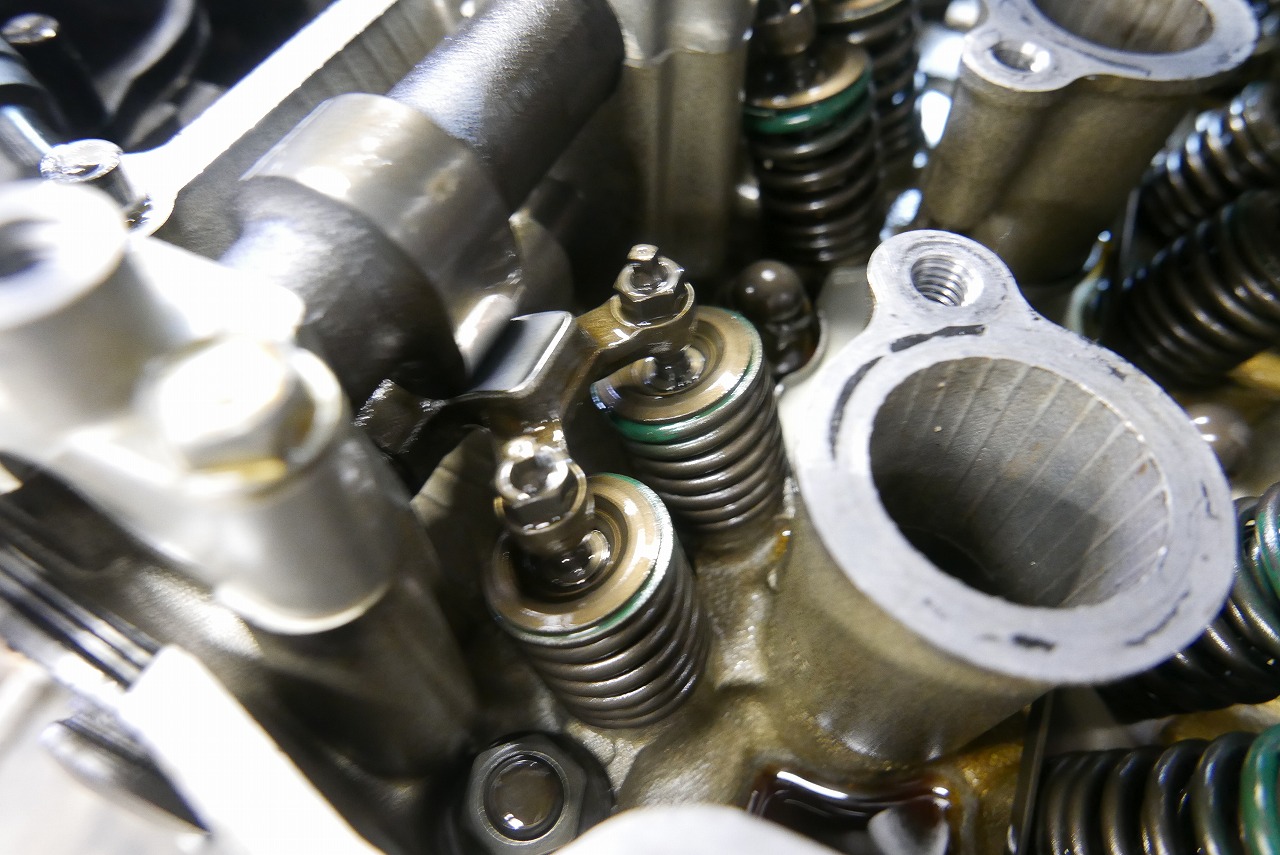
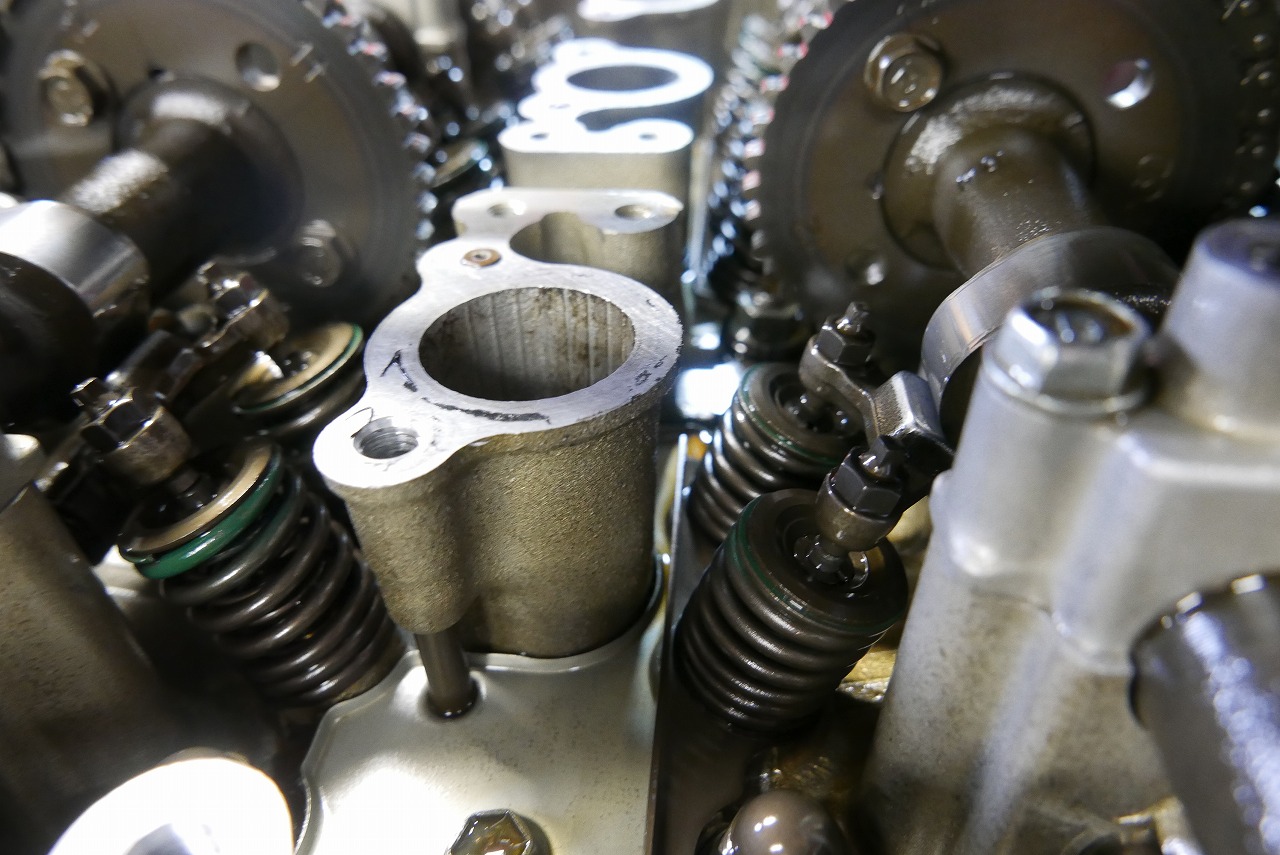
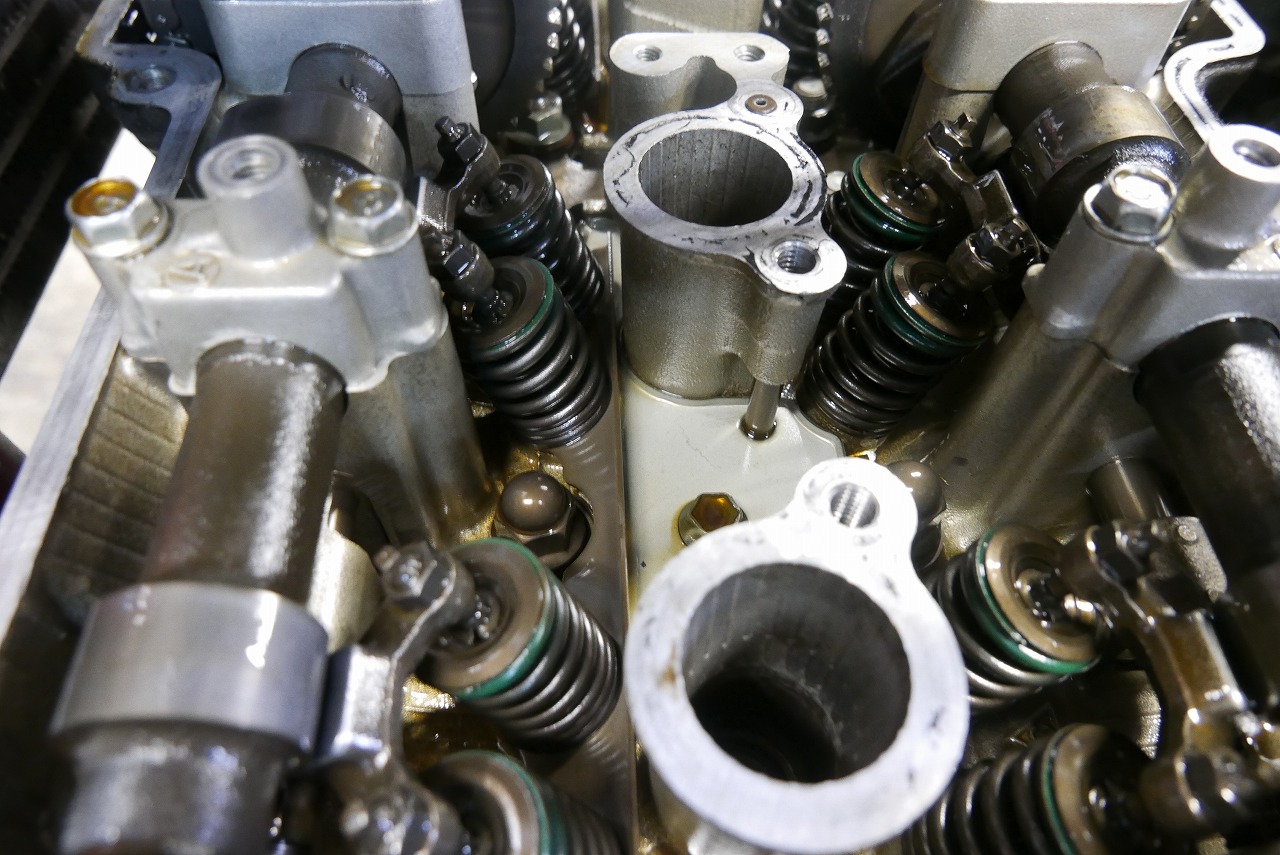
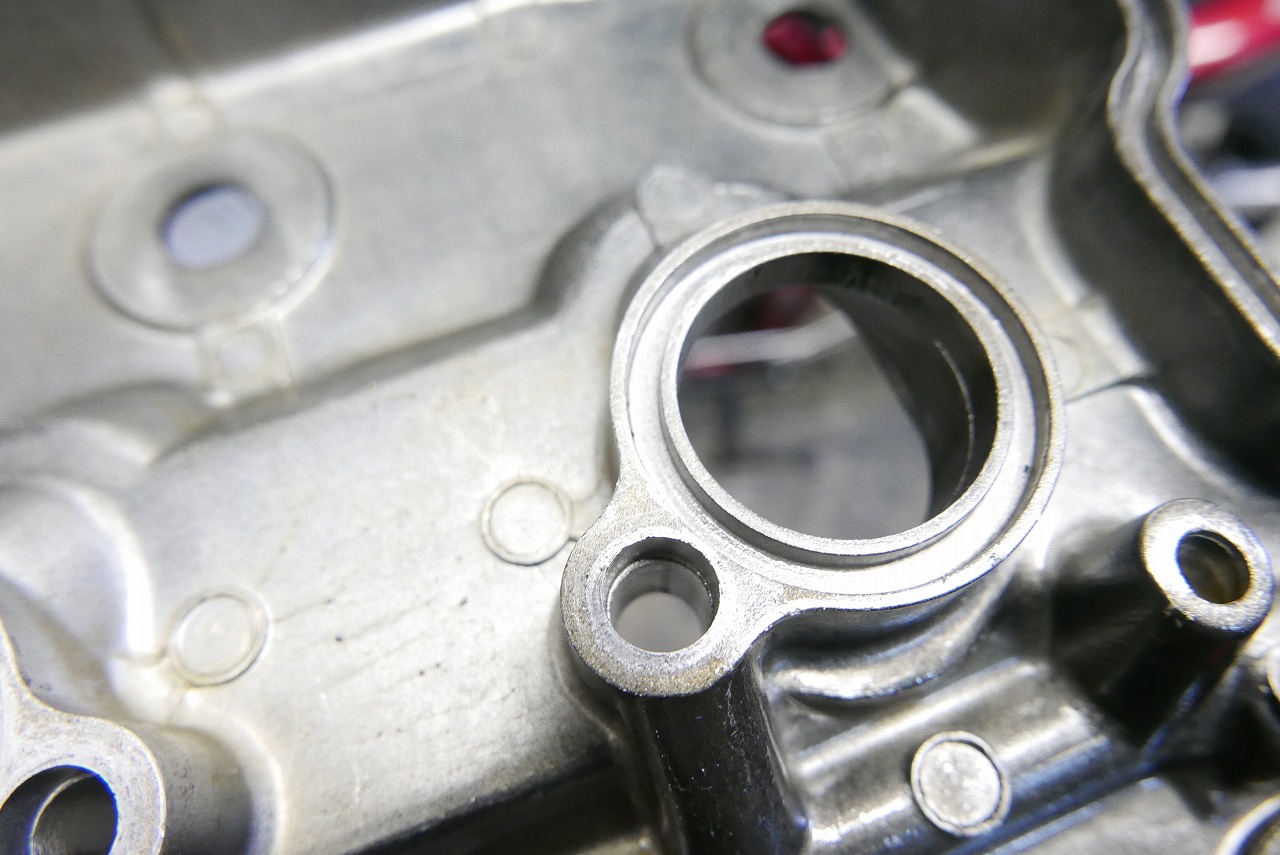
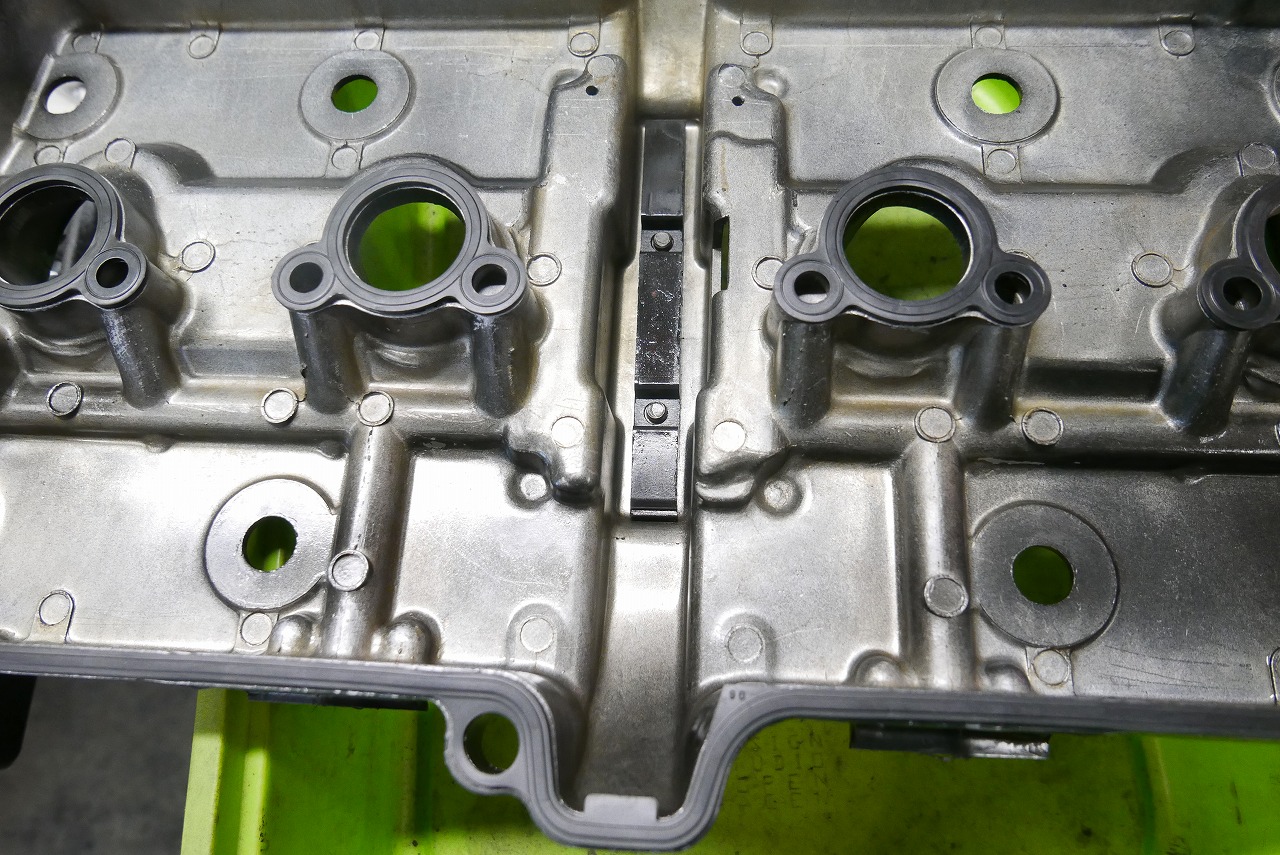
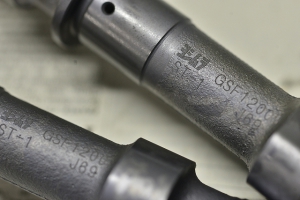
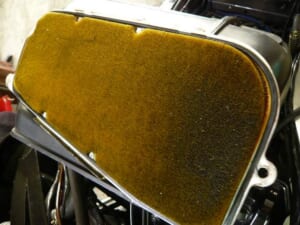
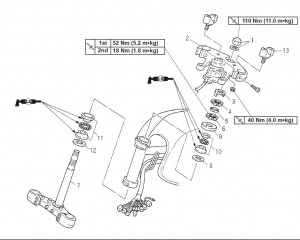
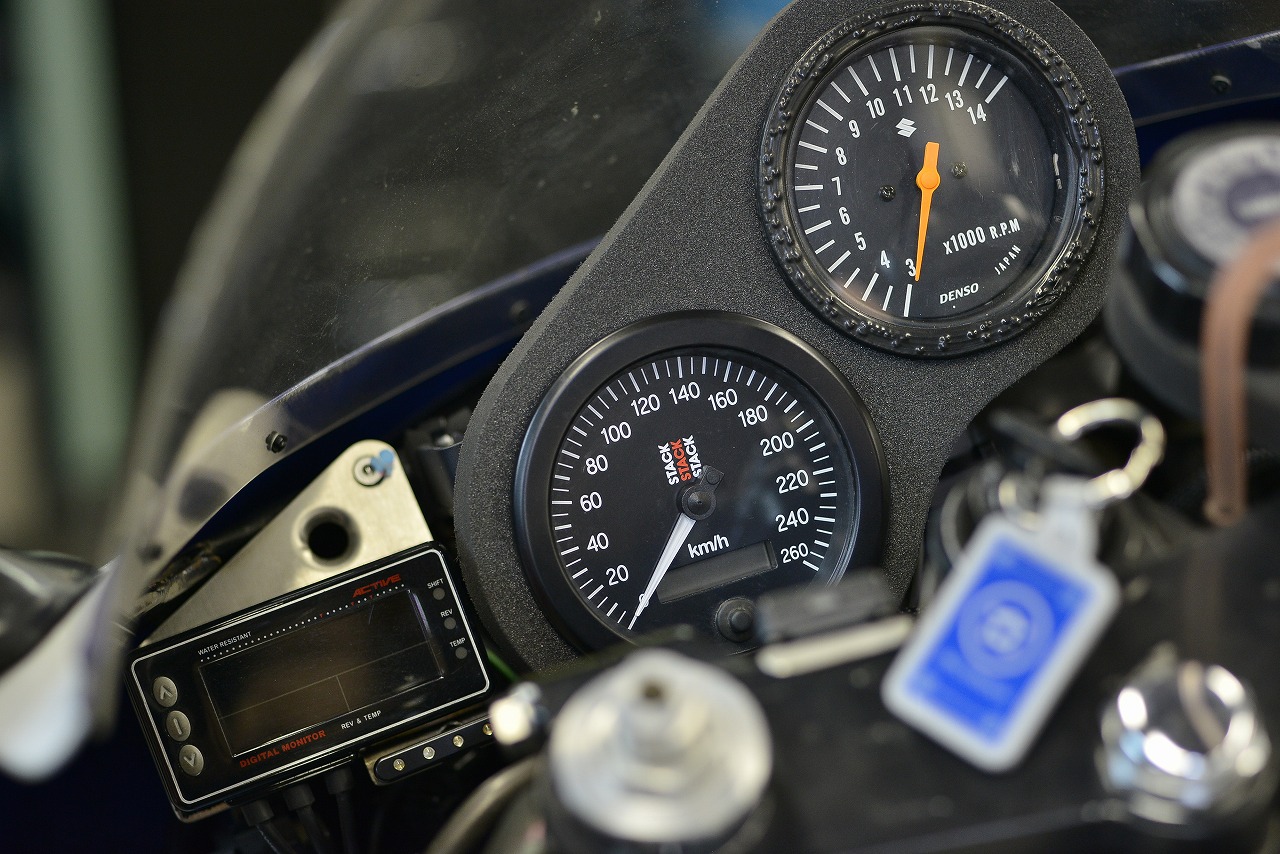
The customer requested oil-cooled maintenance to go along with our popular new inspection plan. The condition had quite a bit of character. It looked a little sad, so I polished it afterward. Work the owner can’t do is our job. Sometimes you see it—stripped threads on the engine hanger bolt. I helicoiled it. Basically, making the bolt longer and securing it with a nut is… not the way to go. Right? The engine damper is… well… worn way too much. You could say the timing was right. This is just my personal take, but I think if you apply grease, the inside gets slippery and the case doesn’t wear as much. We use a later-model damper. The generator damper is also in pretty rough shape. We also replace the starter motor O-ring. The GSF1200 gave the impression of leaking oil quite a bit. There was a theory it might be the oil pan, but first the shift seal was so loose it came out by hand. We also found fluid leaking from the clutch release! Wow—amazing. Or rather… the viscosity was almost like water. I think it’s best to change it once a year if possible. We keep seal kits in stock, so we polished and overhauled it quickly. The cup looks sharp and in great shape. Inside the clutch master… honestly, you really should overhaul the master and replace the hose, or it’s no good. For now, we just cleaned it. When replacing the chain, it’s better to replace the lock nut and washer at the same time. They cycle with the throttle—ON-OFF-ON-OFF—which means they loosen easily. If you bend two or more spots and mark them, it’ll be easier to judge later. For oil-cooled bikes, the generator connector is something you should definitely check first for peace of mind. Glad there was no problem. When you remove the tank, it’s pretty dusty. This kind of dust doesn’t come off even with water. When you spray water, it looks clean while wet, but once it dries, the dust comes back. I recommend Cleanview No-Touch—spray it on and wait one to two minutes. Put on rubber gloves and wipe for one to two minutes and it should shine. No-Touch makes the dust moist and easier to remove. Even if you don’t get it all, No-Touch makes it moist and look clean. The trick to cleaning is to keep it simple and easy. If you do it at a level that doesn’t make you hate it, you can keep doing anything consistently. Iridium plugs. If you don’t notice a dramatic effect or feel a difference after replacing them, I think standard JR8B plugs are fine. Standard plugs also seem easier to recover if they foul—which is reassuring. If you mark the numbers, you’ll reduce mistakes and mix-ups when removing them. #1 IN #1 EX #2 EX #2 IN #3 IN #3 EX #4 IN #4 EX—no scoring, in excellent condition. The head interior is clean, so it doesn’t look like it’s overheated much. That’s reassuring. By the way, after cleaning… sometimes you see head covers assembled with liquid gasket sealant. It’s a pain to remove, and I don’t think it actually stops leaks. A leaking rubber gasket means it’s hardened and lost its seal.
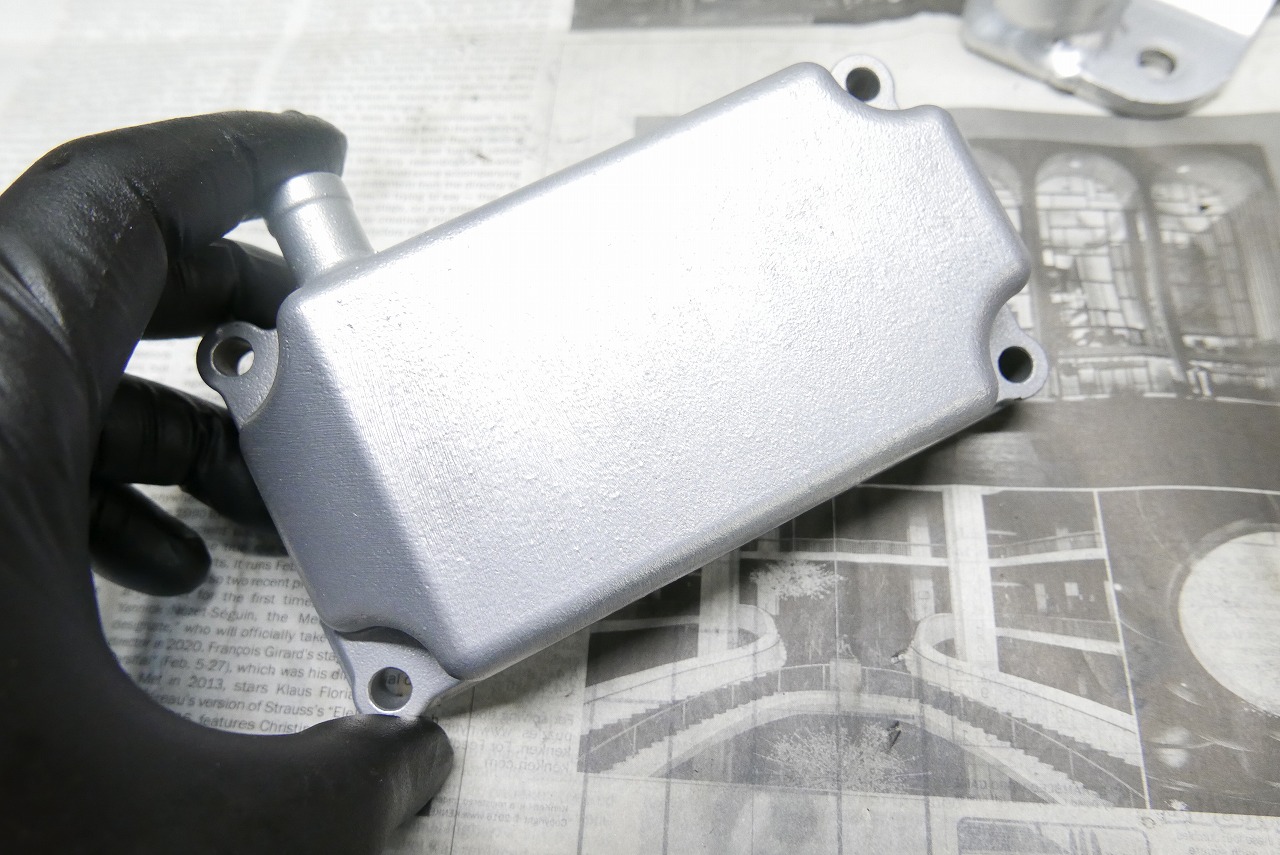
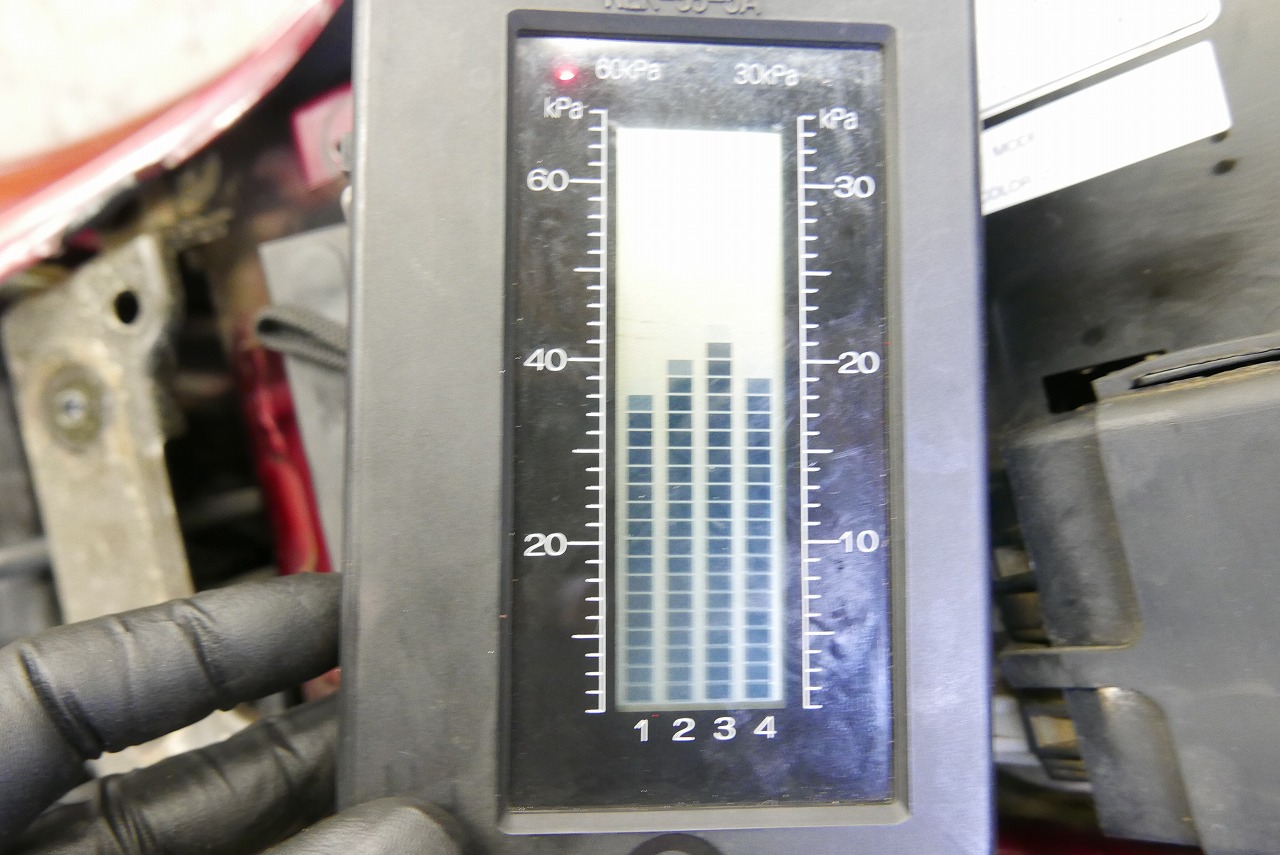
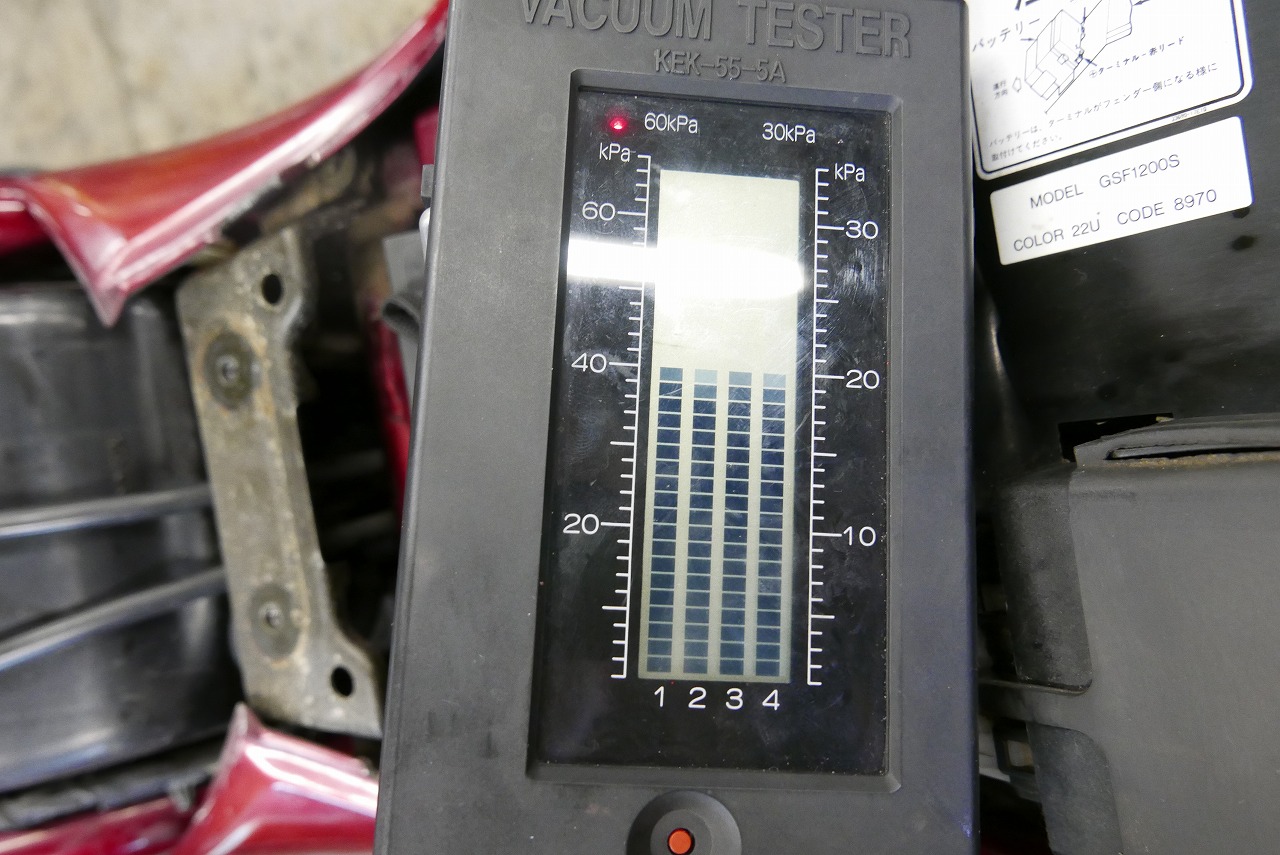
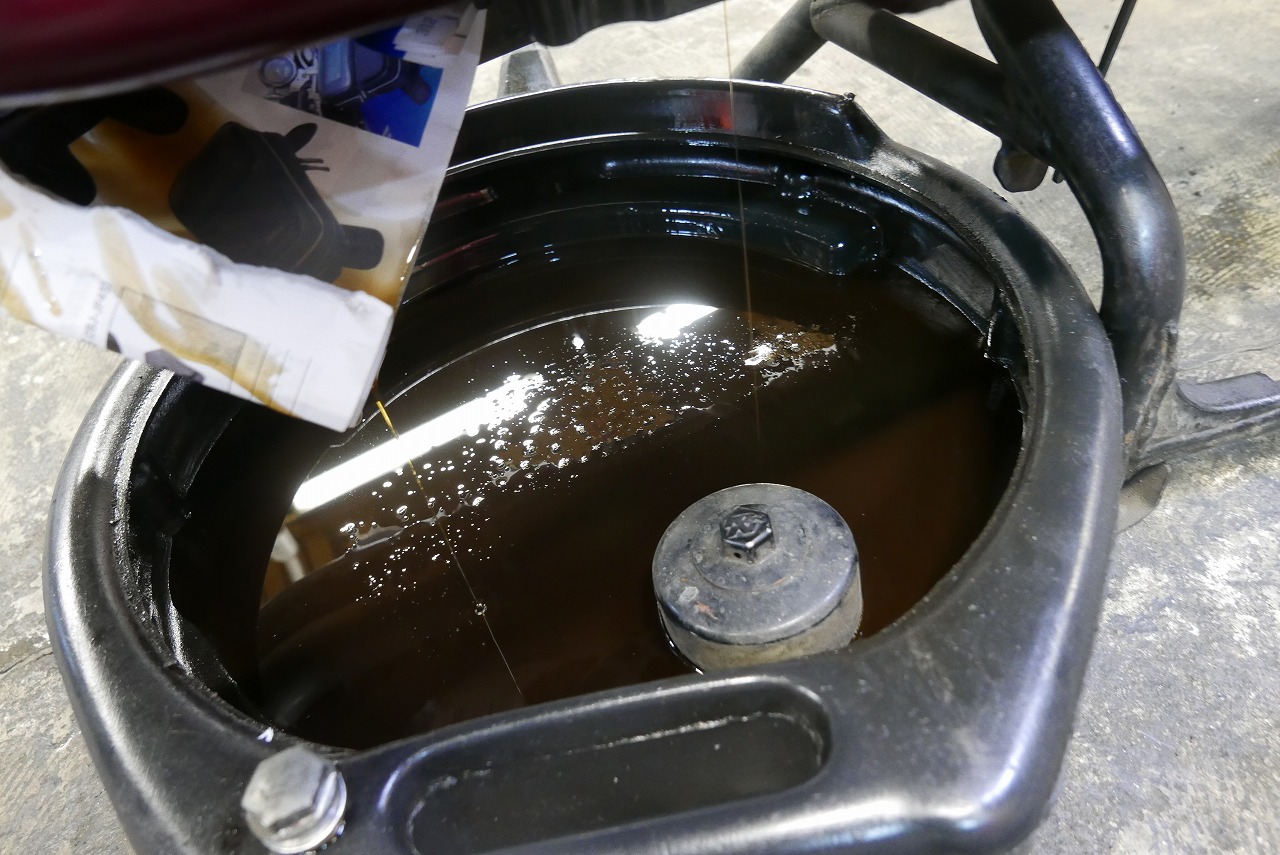
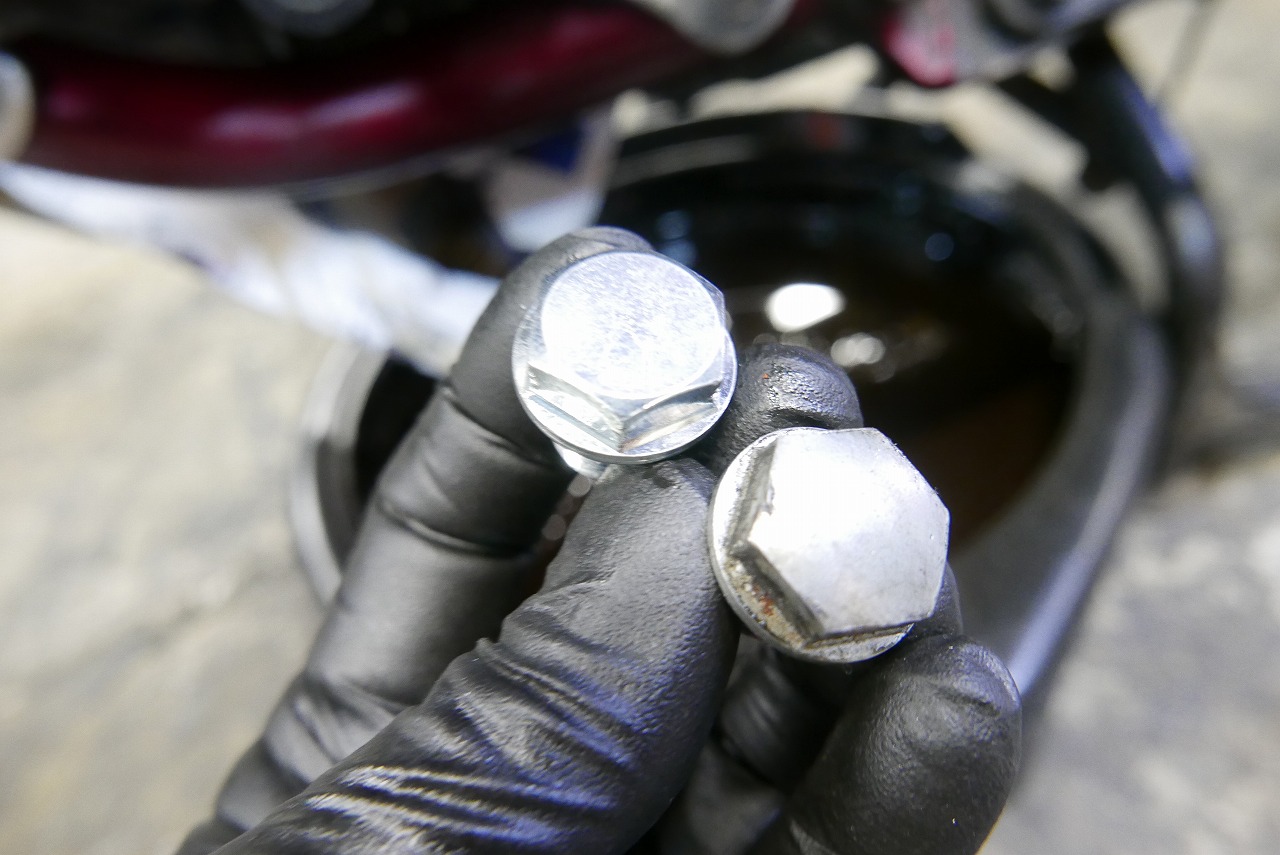
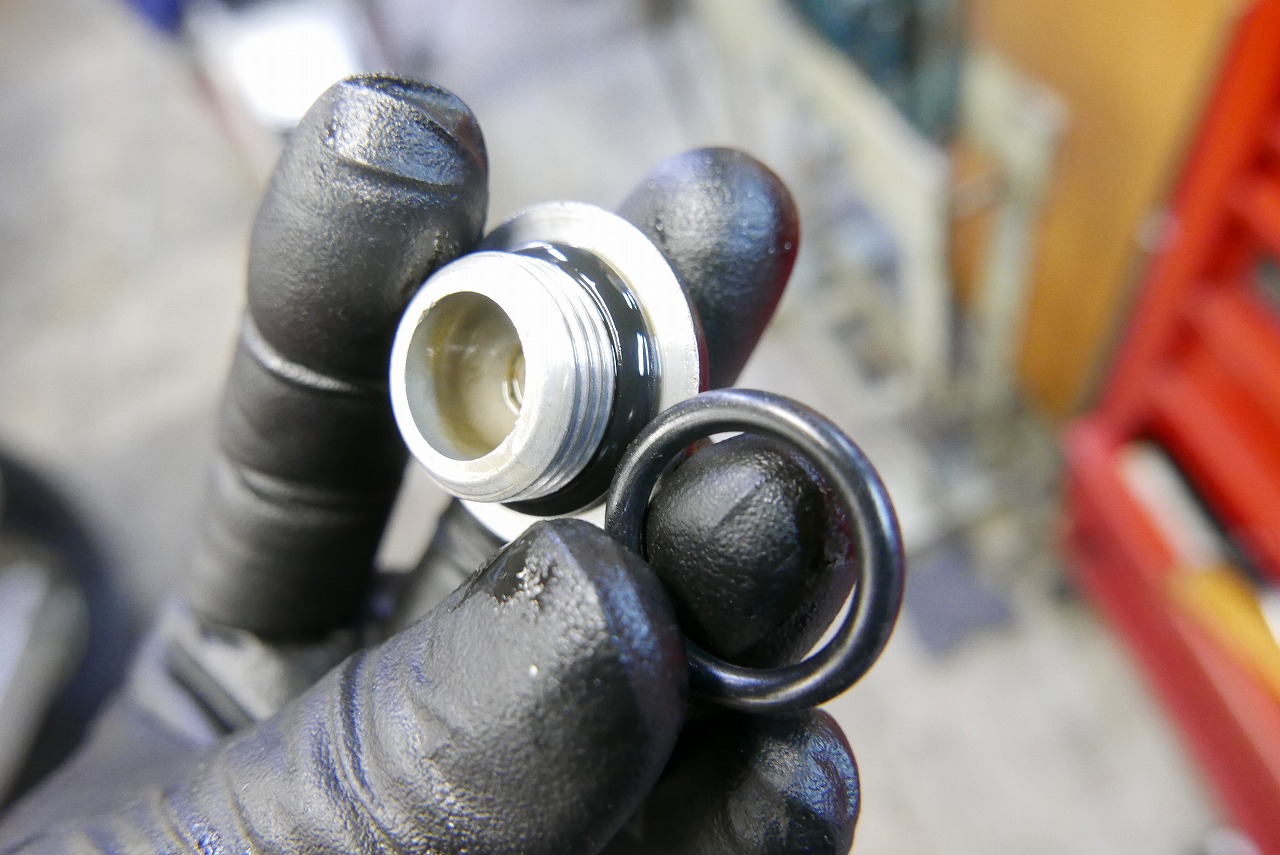
Applying liquid sealant for some amazing benefit—if you’ve actually experienced that, maybe it’s okay. But if you’re just using it as insurance, I think not using it is better for everything. When setting the gasket on the head cover, don’t apply anything—it’s fine. The gasket seats really firmly in the cover, more than you’d expect. If it falls out, the installation might be rough. Take your time, move things out of the way, and do it gently and carefully—it goes smoothly. We also polished the breather cover to better-than-new condition. When the carburetors are synchronized, the engine runs smoothly and feels really nice. Since this is a new customer plan, we change the oil and filter as a service. This time we used Newtech NC50 10W-50. If the drain bolt looks dirty, I think it’s worth replacing. If the cap O-ring is getting worn, replacing it gives you that satisfying “click” when you tighten it. That’s the end of the work for this time.