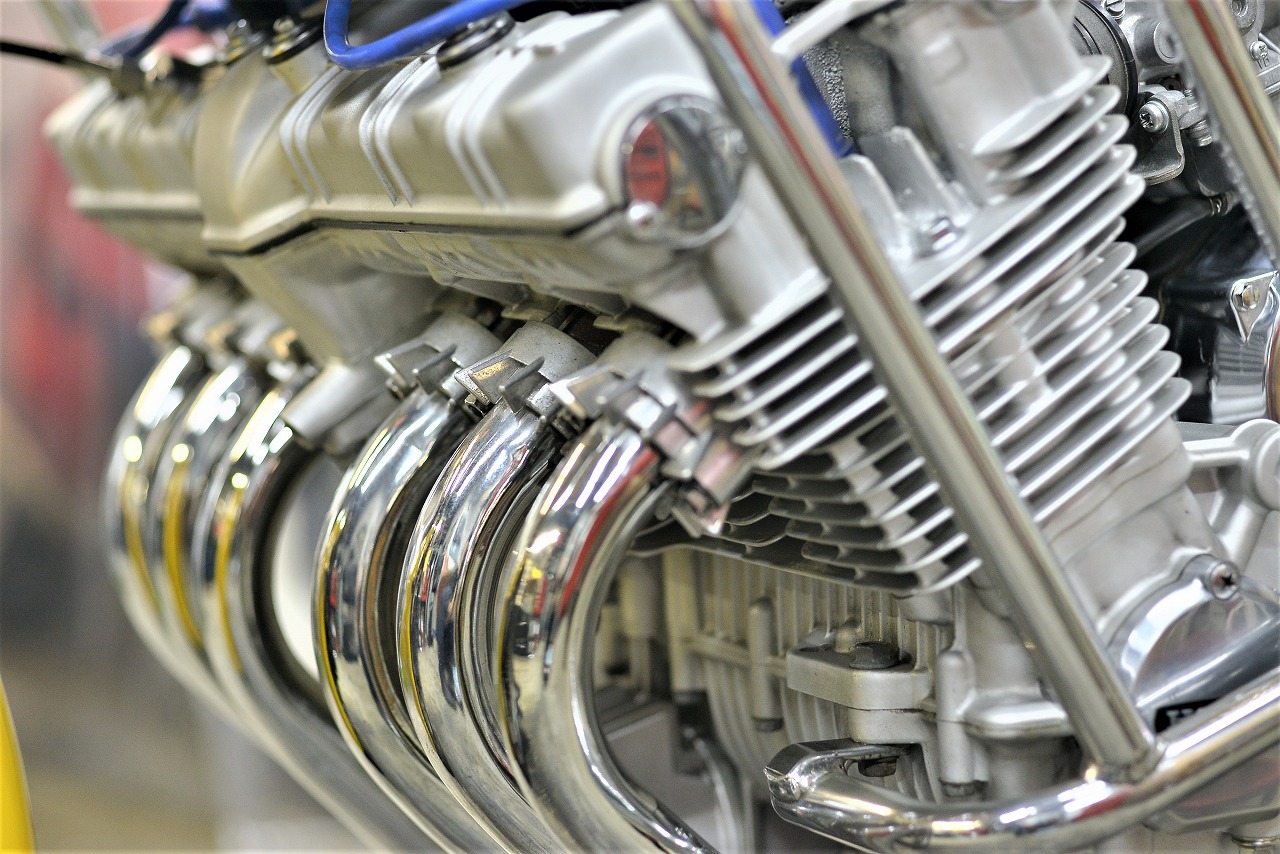
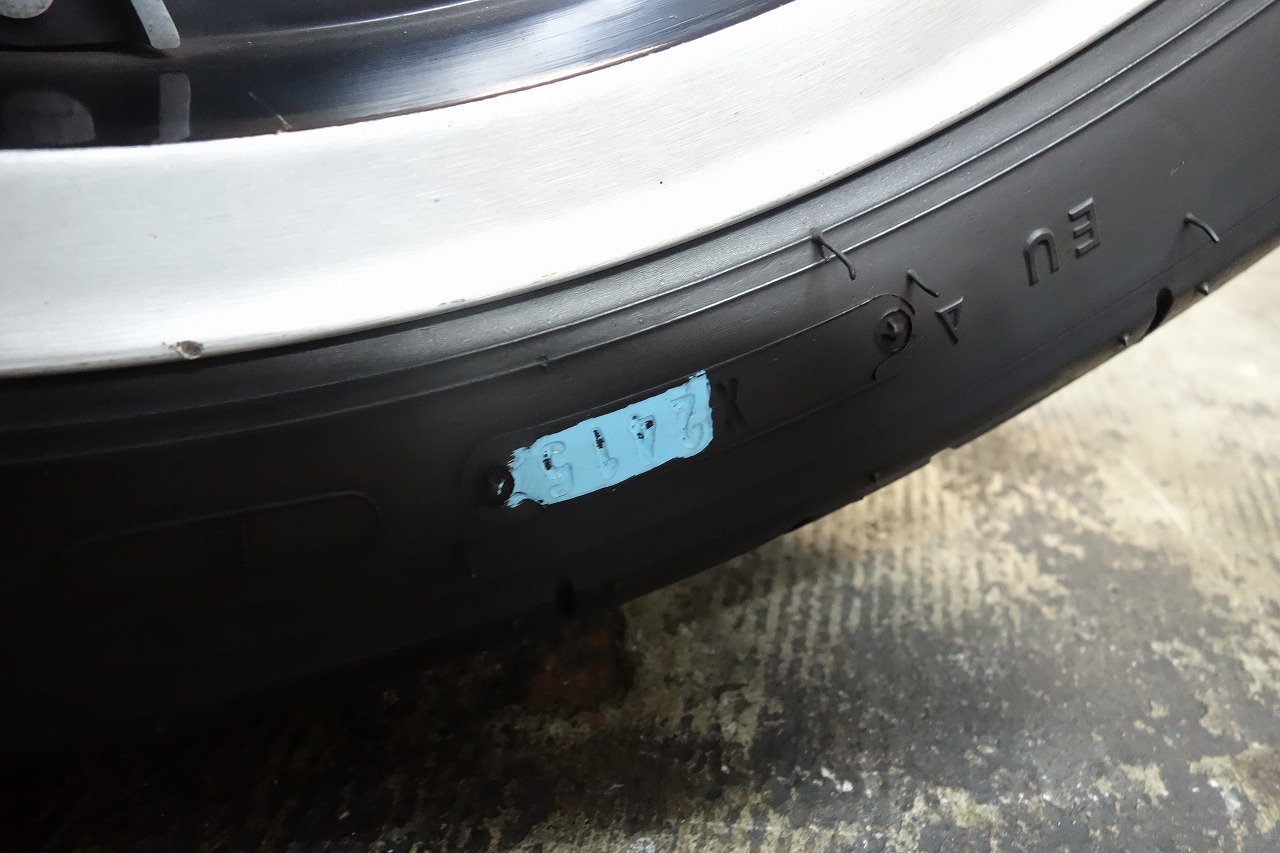
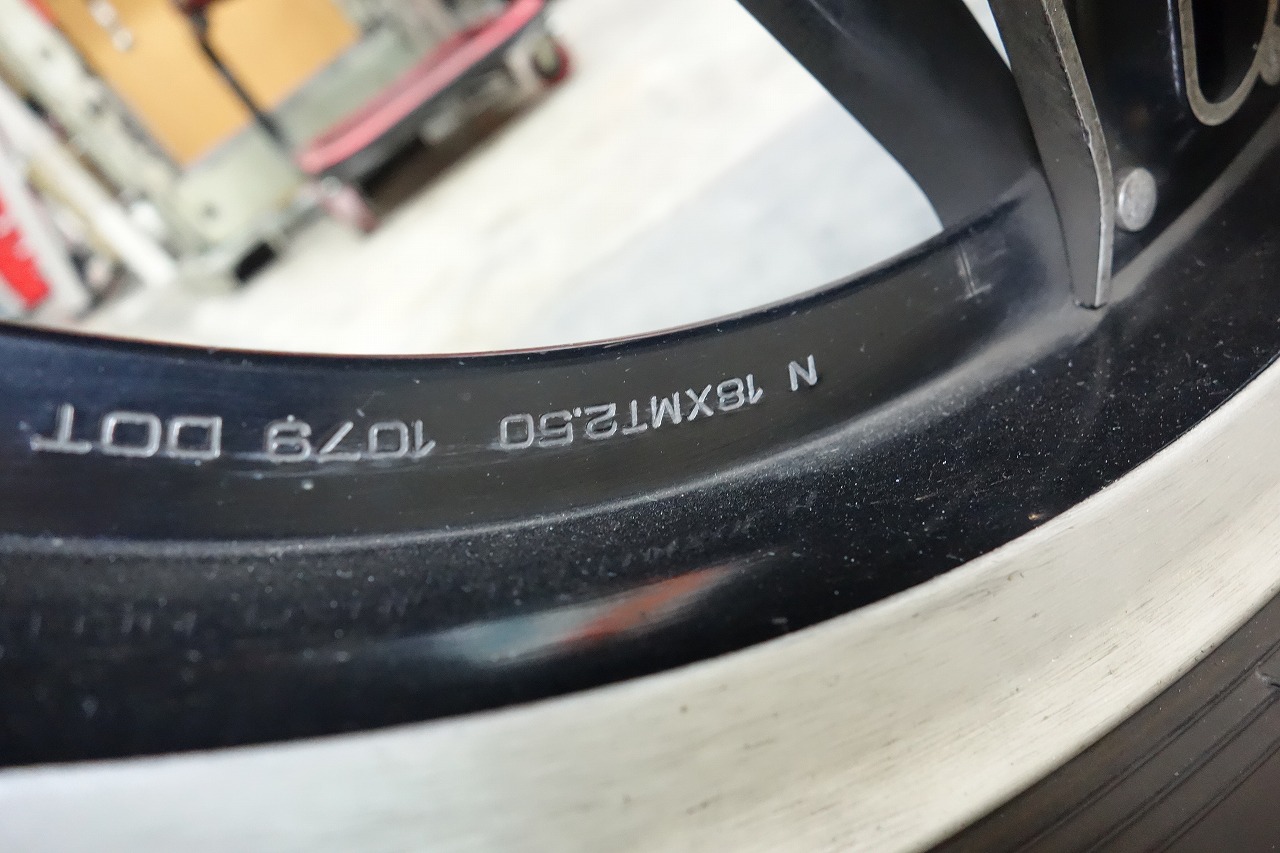
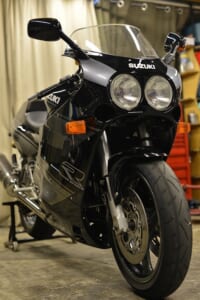
The CBX1000 really has an impressive presence. Deco-mainte at your service.We check and report the tire manufacturing date, brand, and size. Sometimes we notice why certain sizes are fitted—and occasionally wonder about it ourselves.
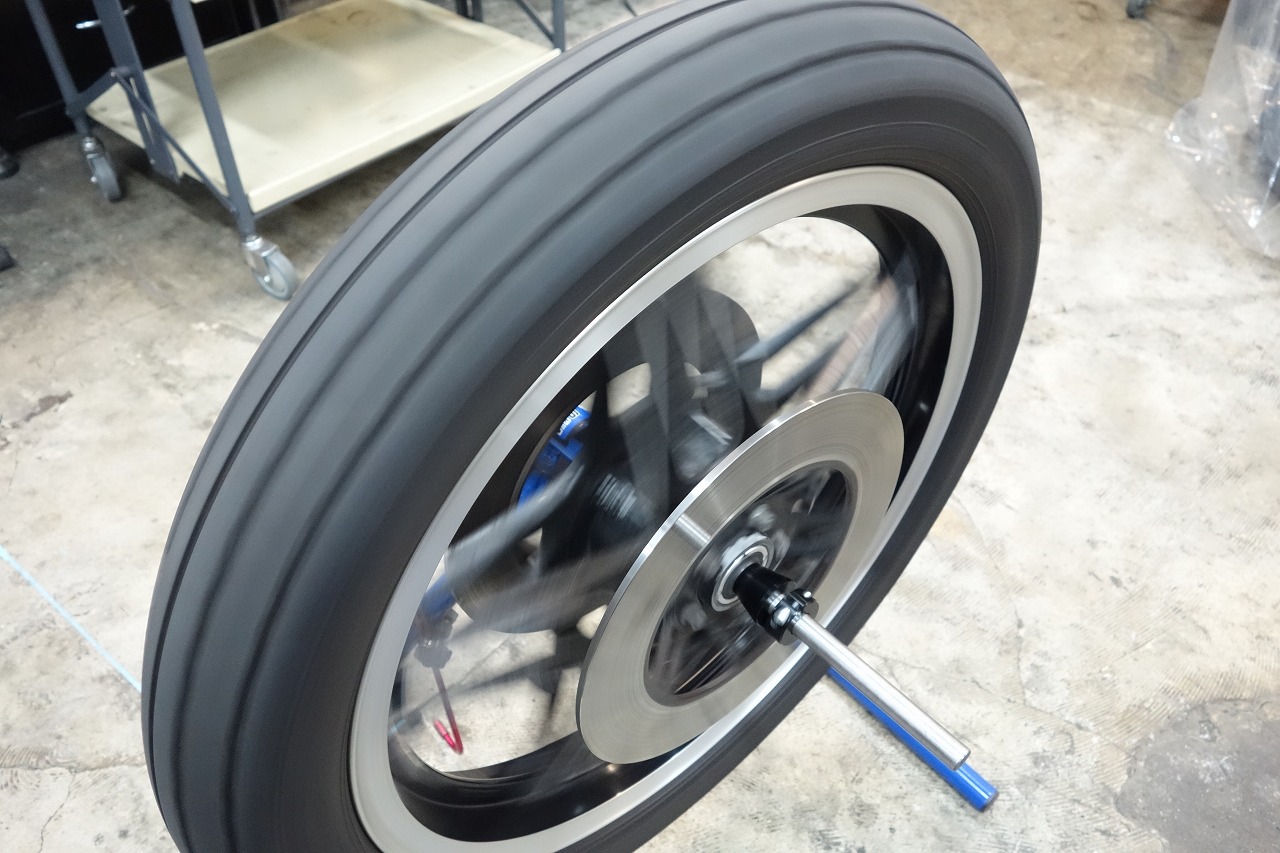
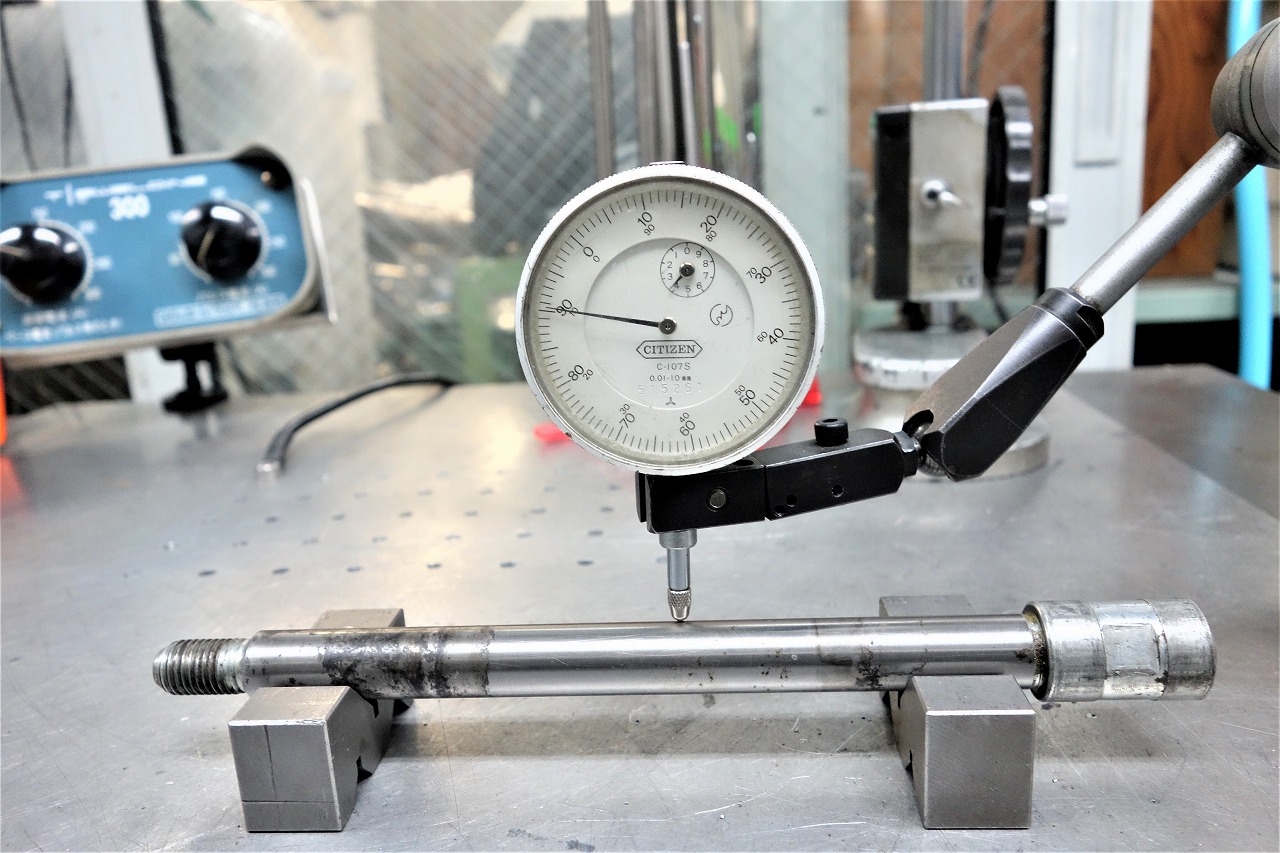
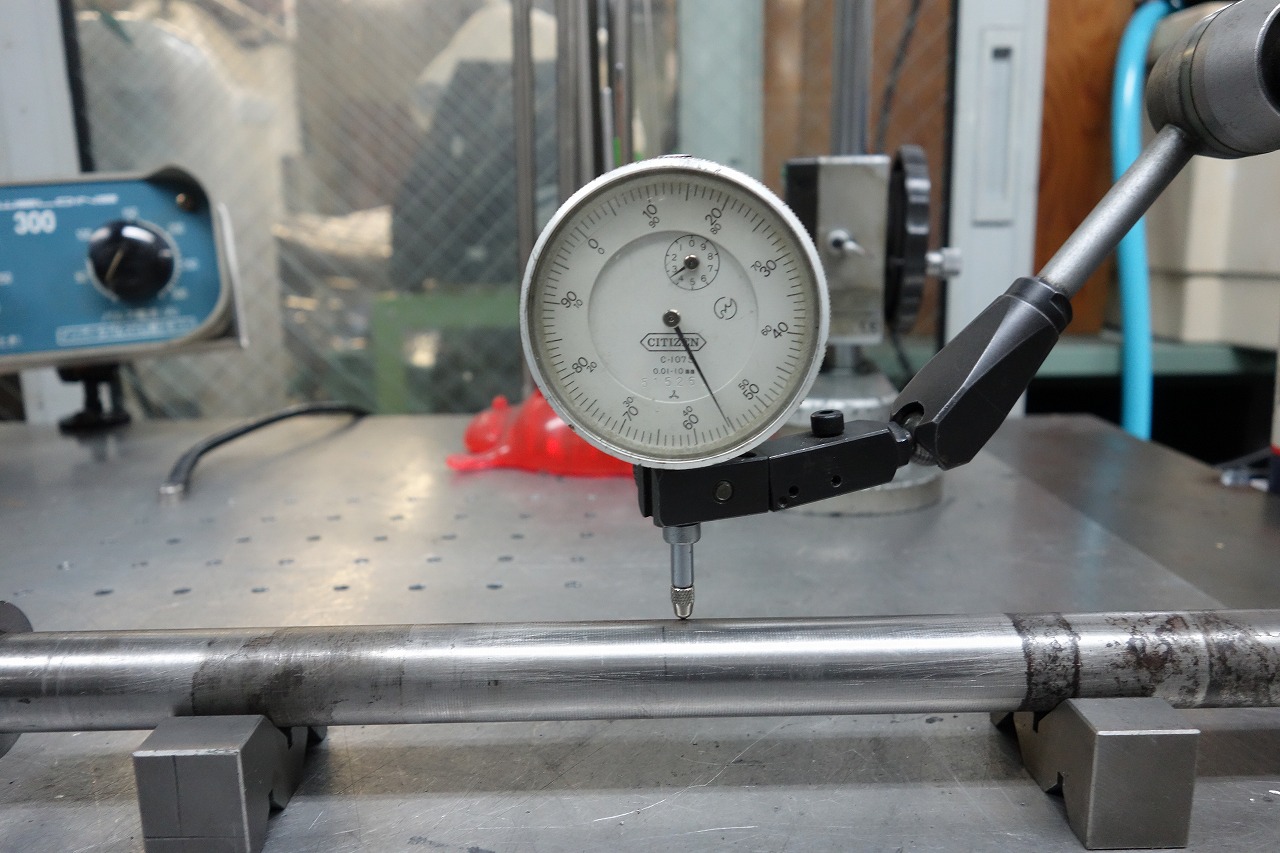
We also let owners know when tires are getting close to needing replacement.Knowing the rim width of both front and rear wheels makes tire selection fun and interesting.Checking wheel and tire runout often reveals the source of handling concerns and questions. You should also verify that the tire bead is properly seated.
Getting the most out of a tire’s performance makes riding safer and more enjoyable.
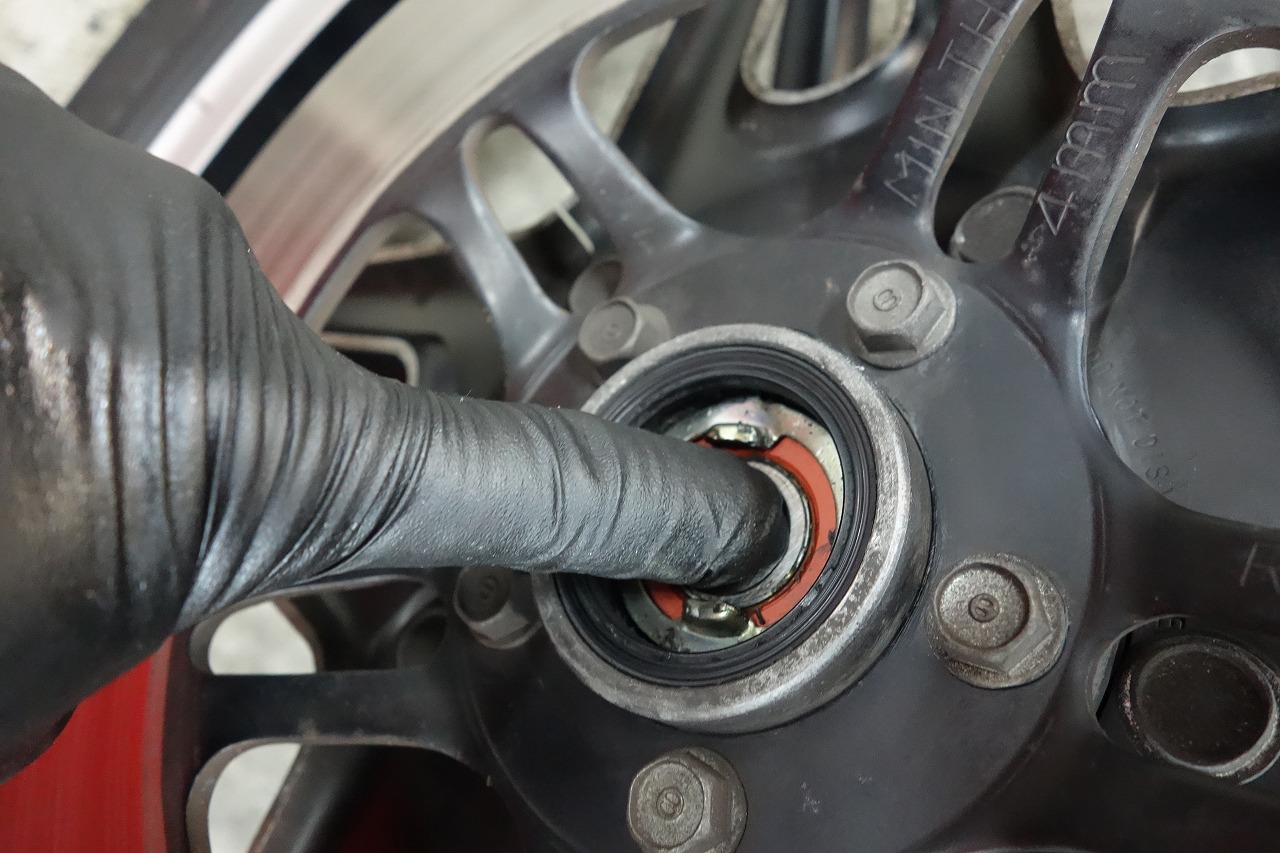
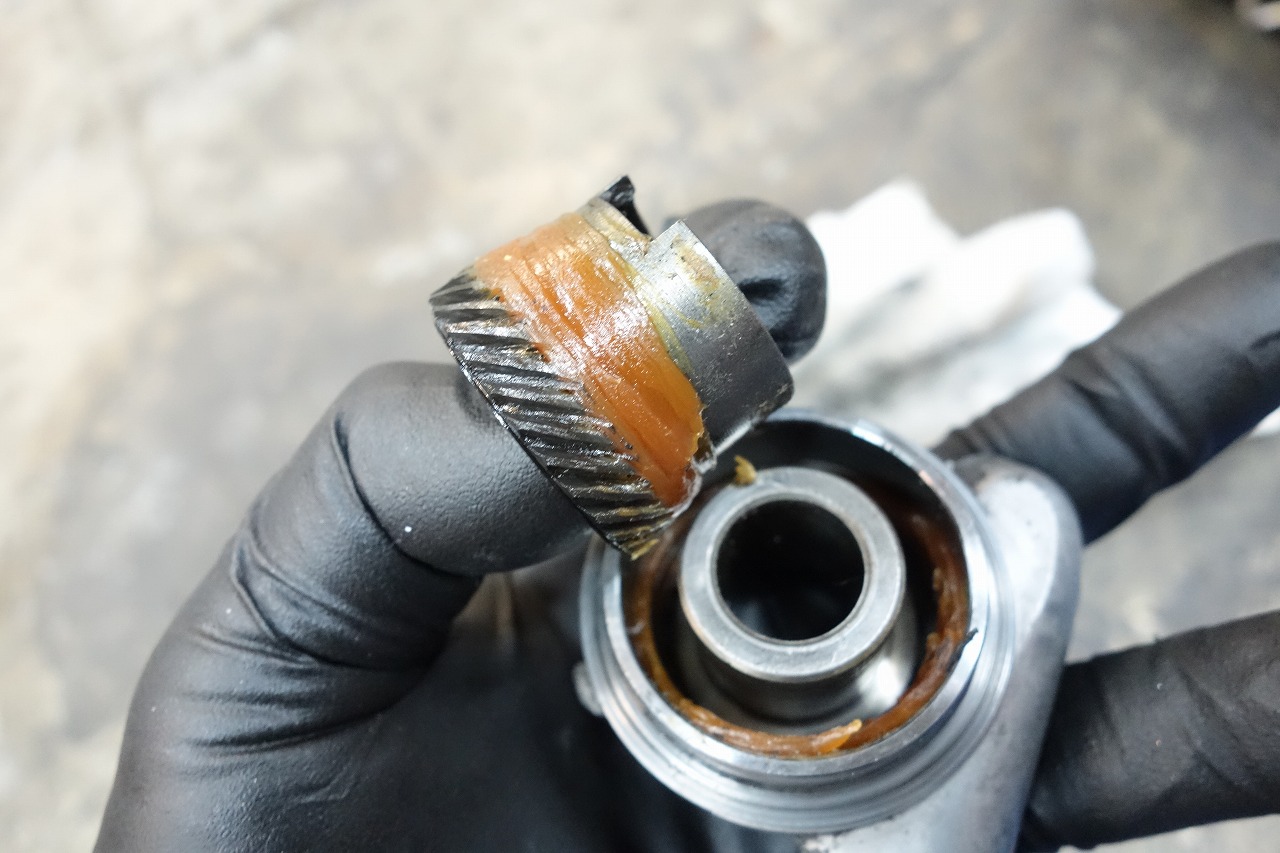
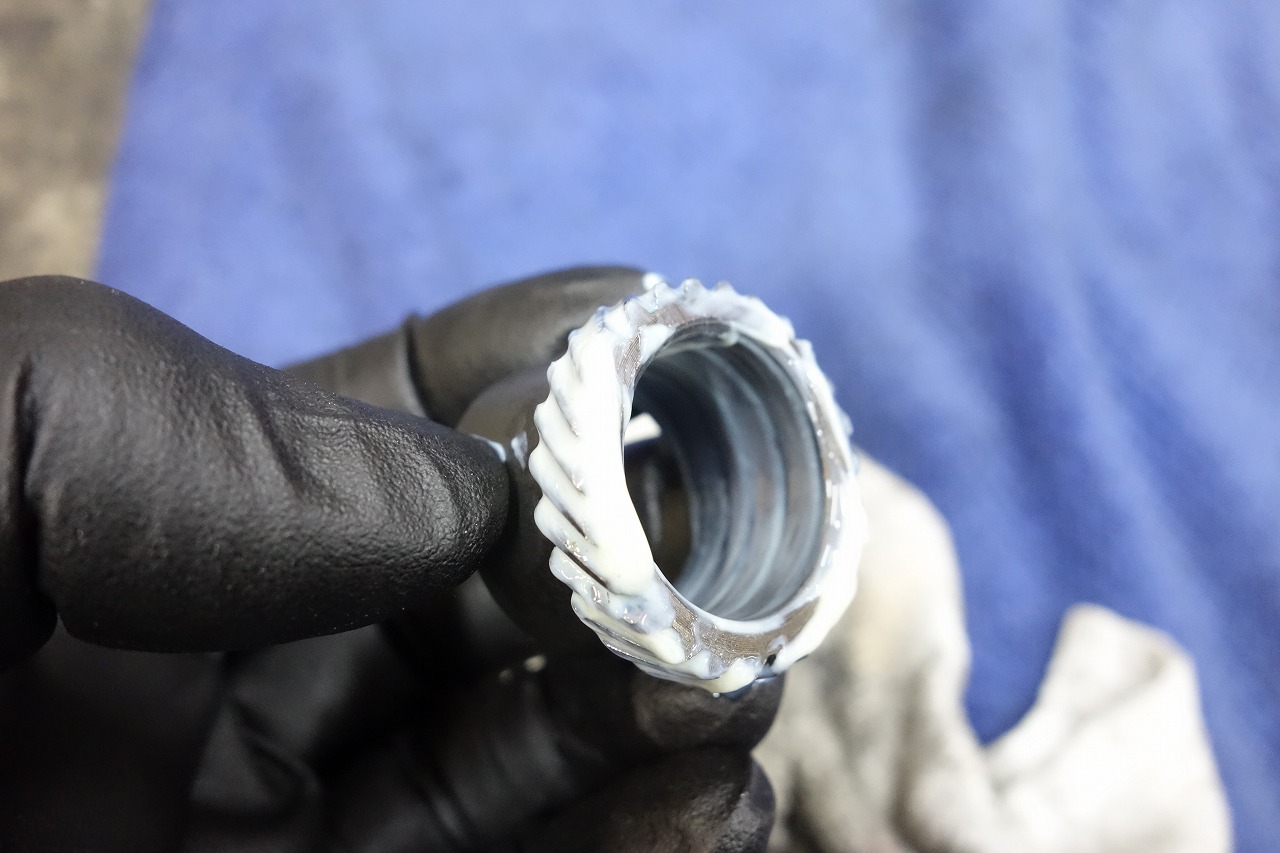
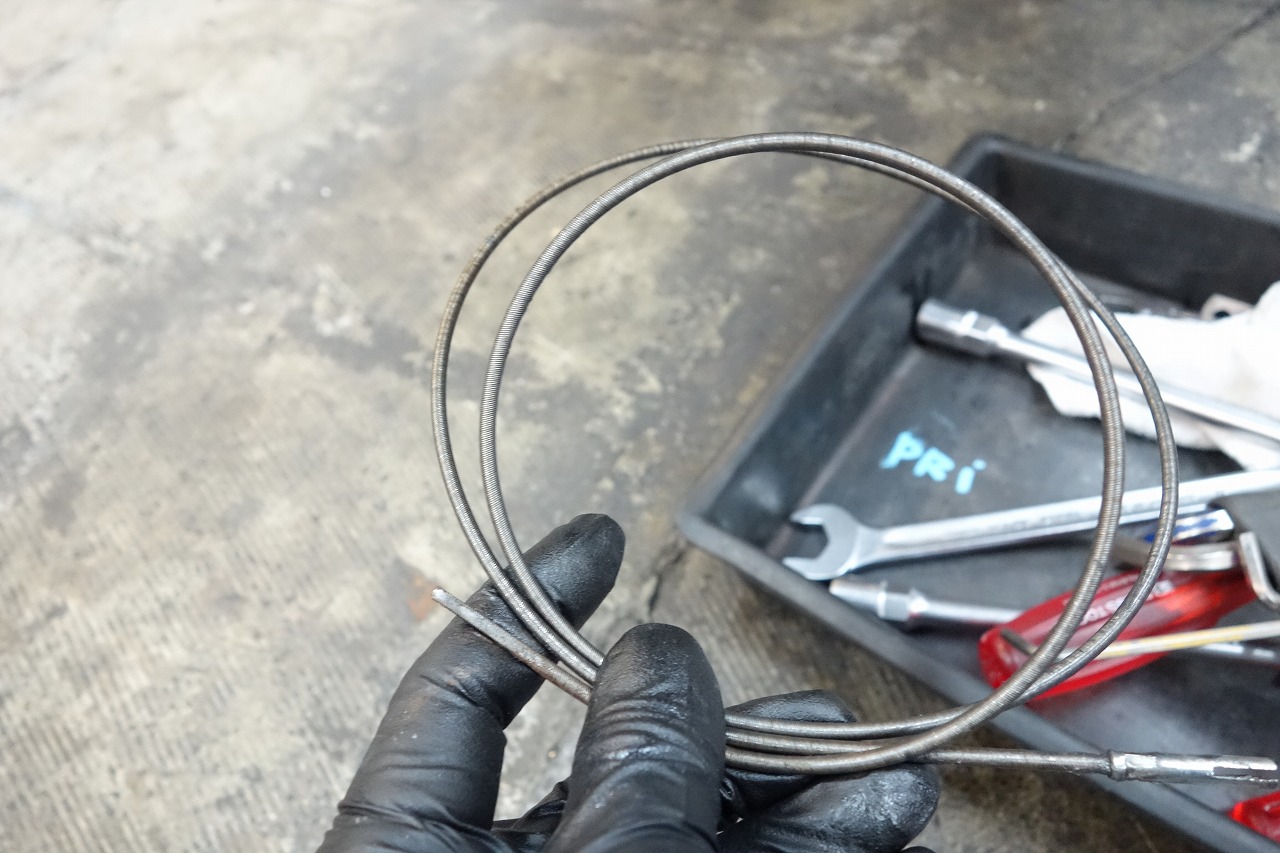
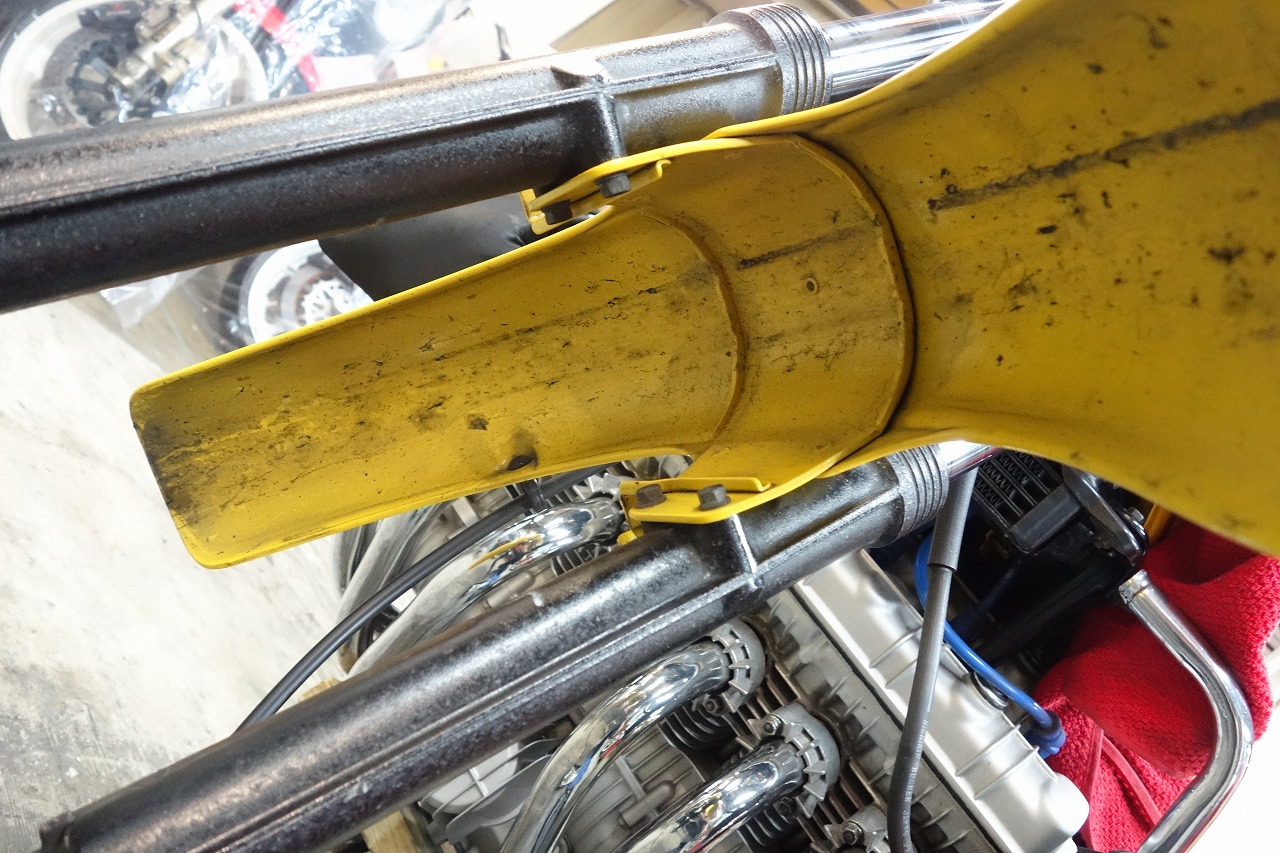
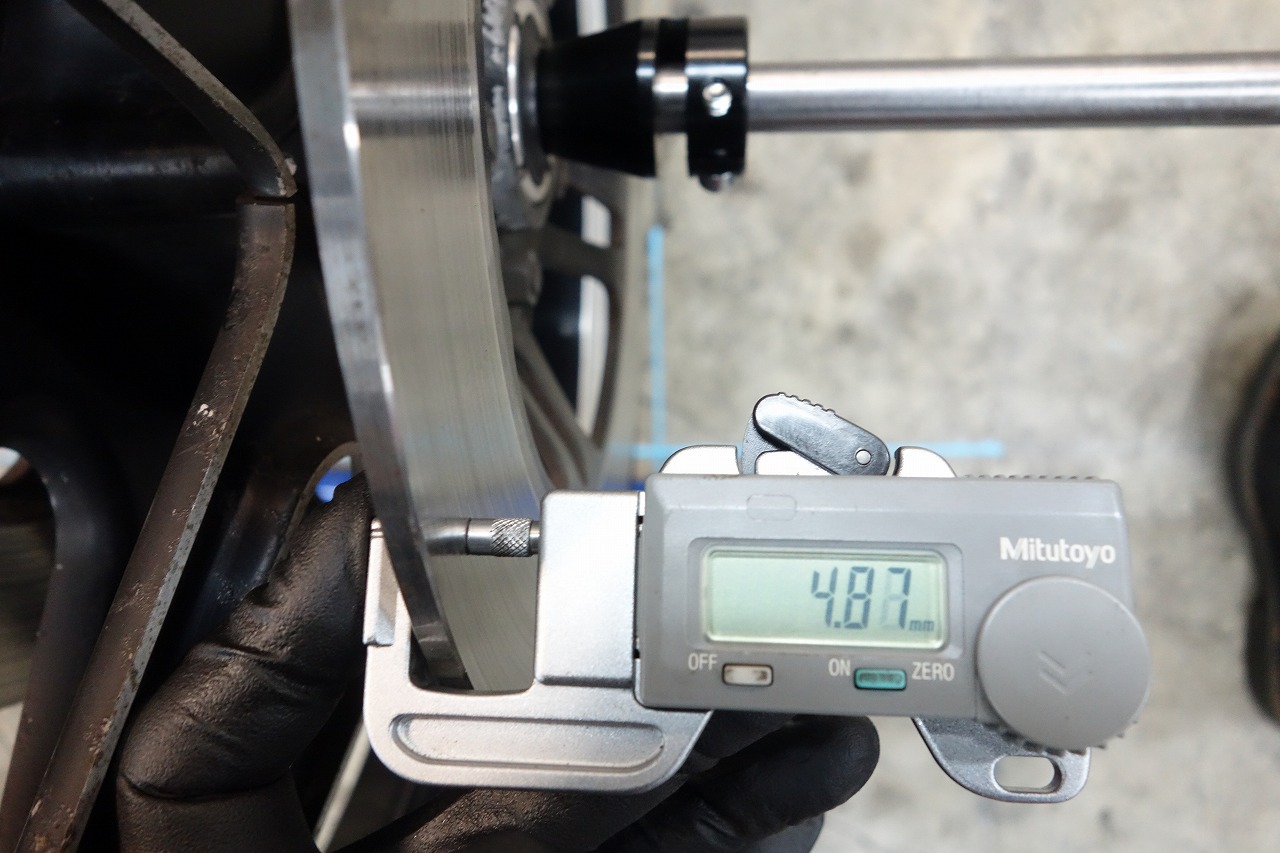
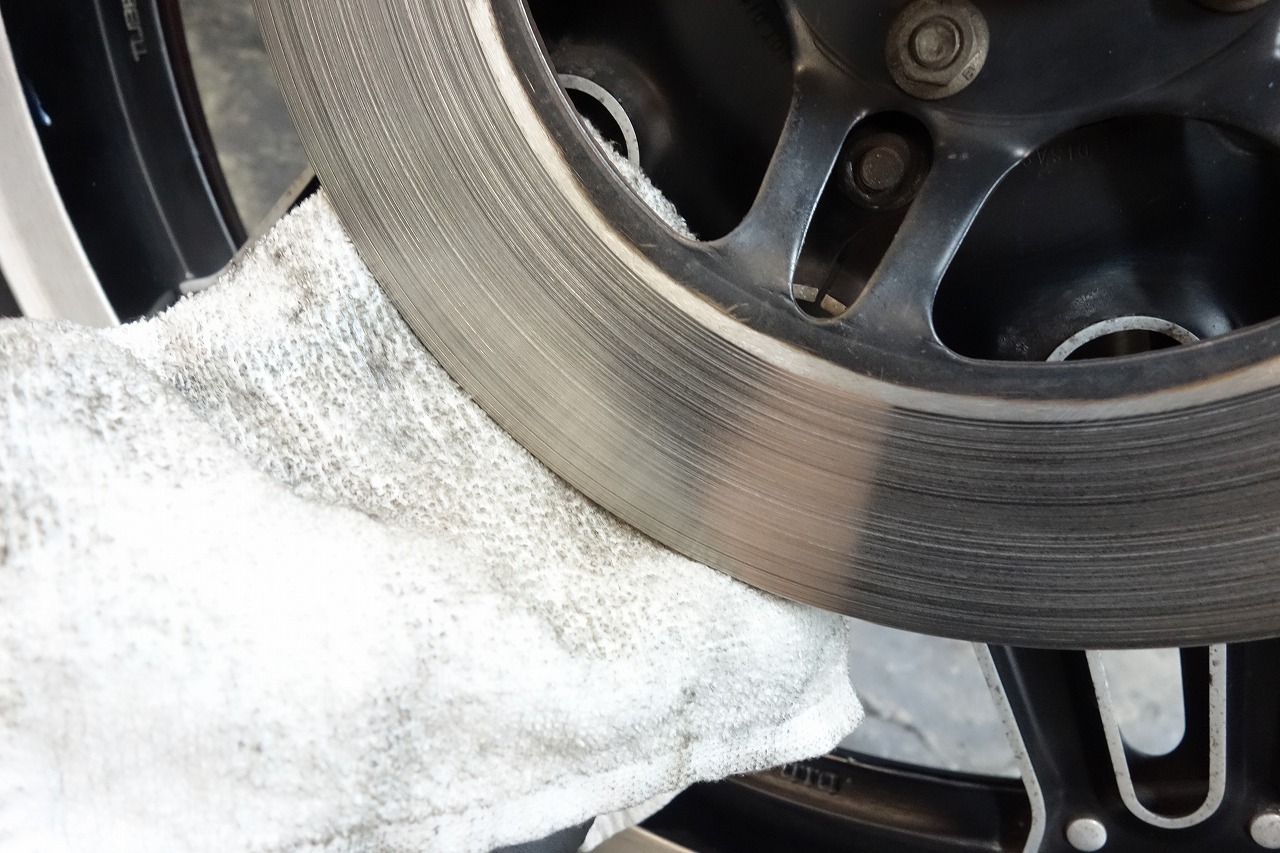
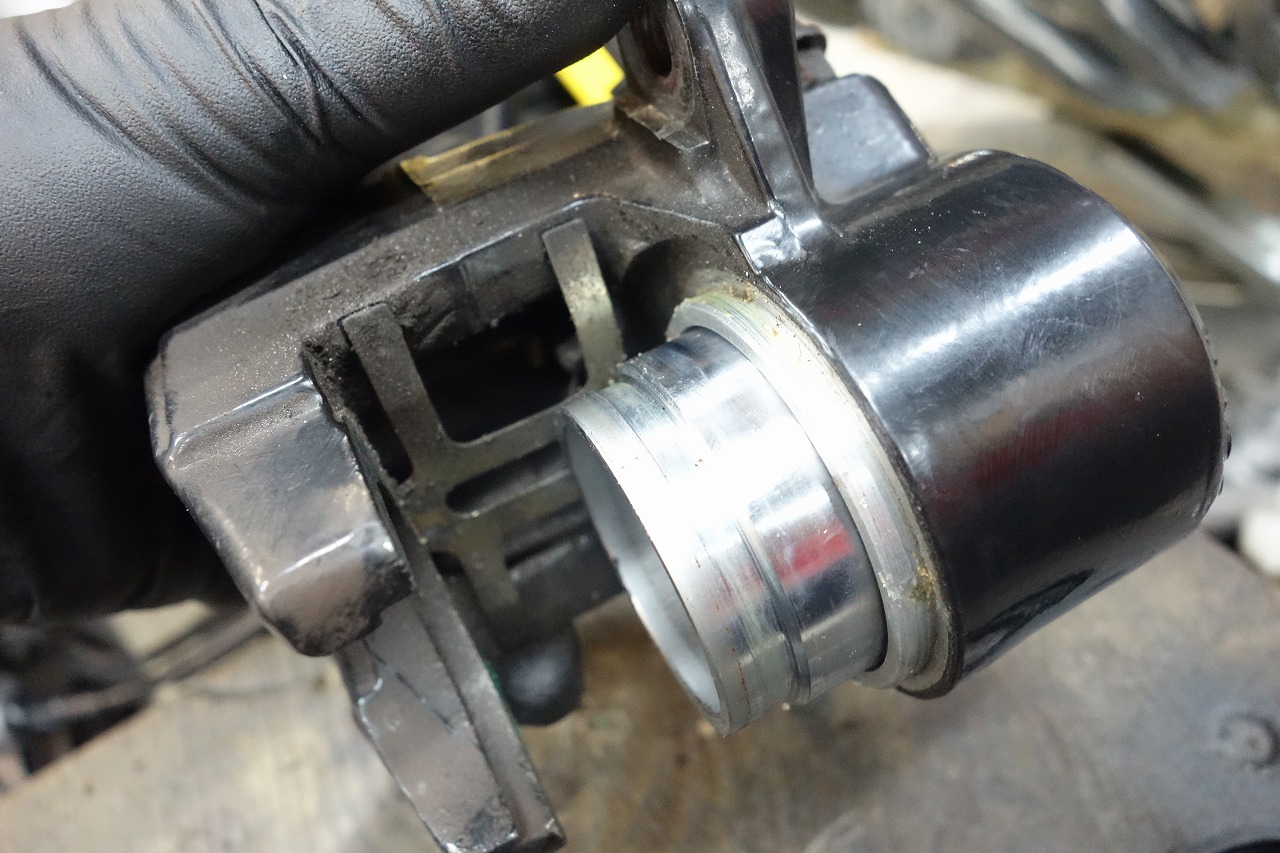
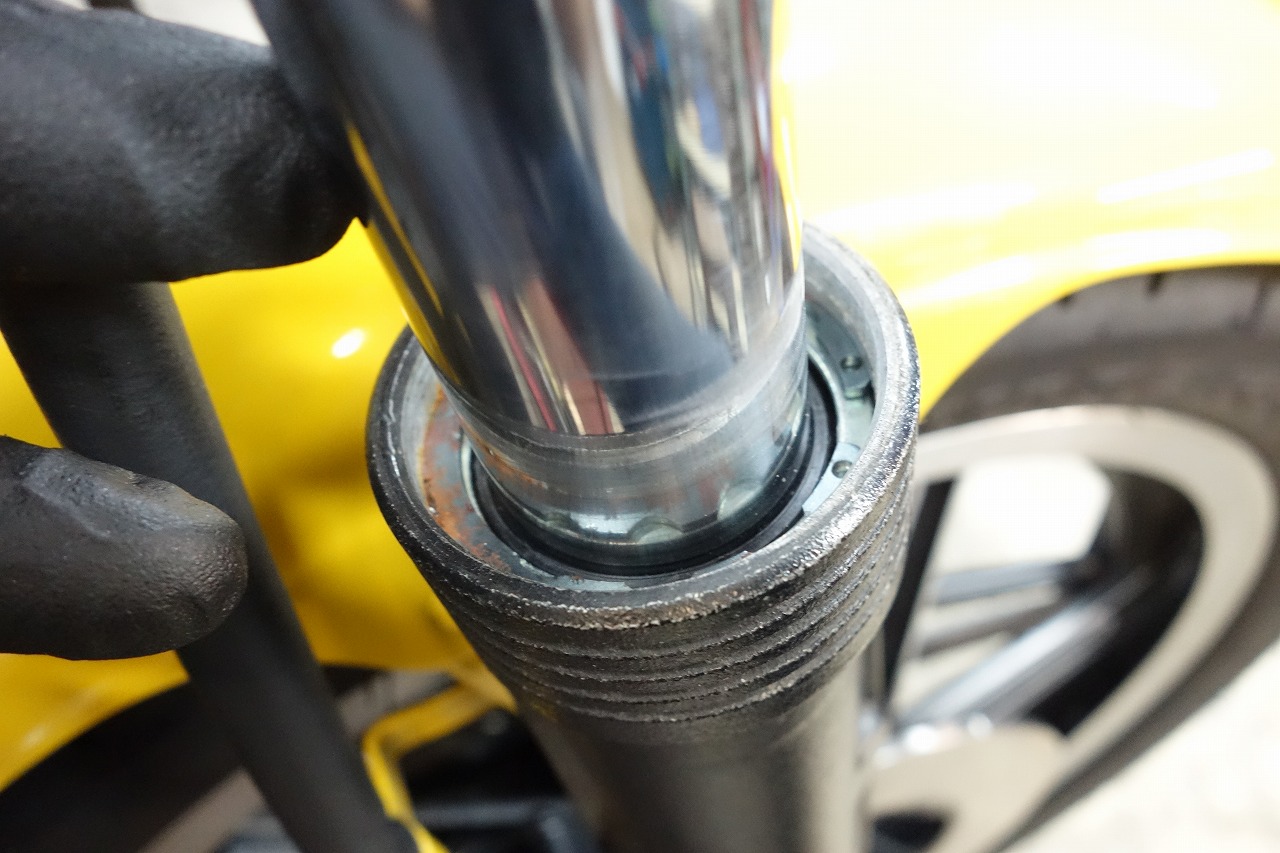
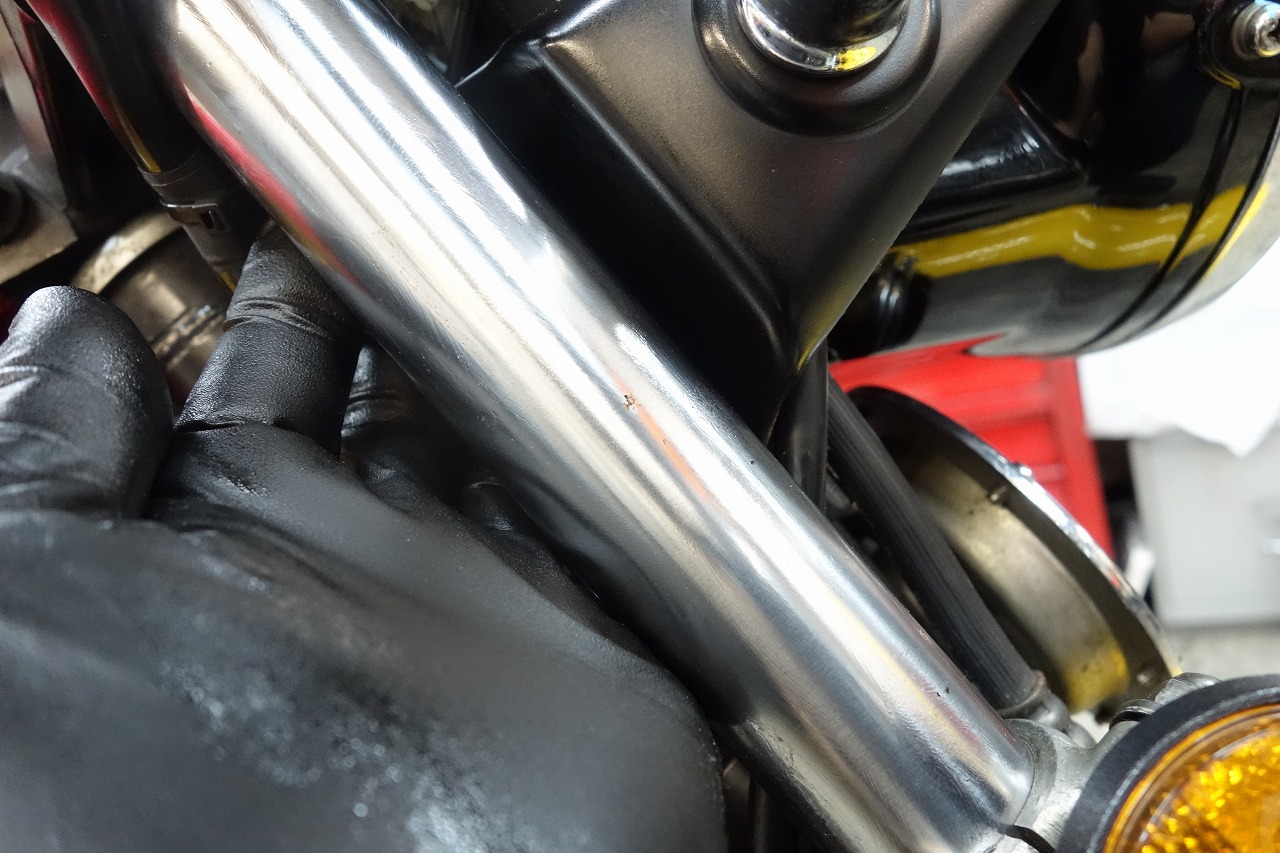
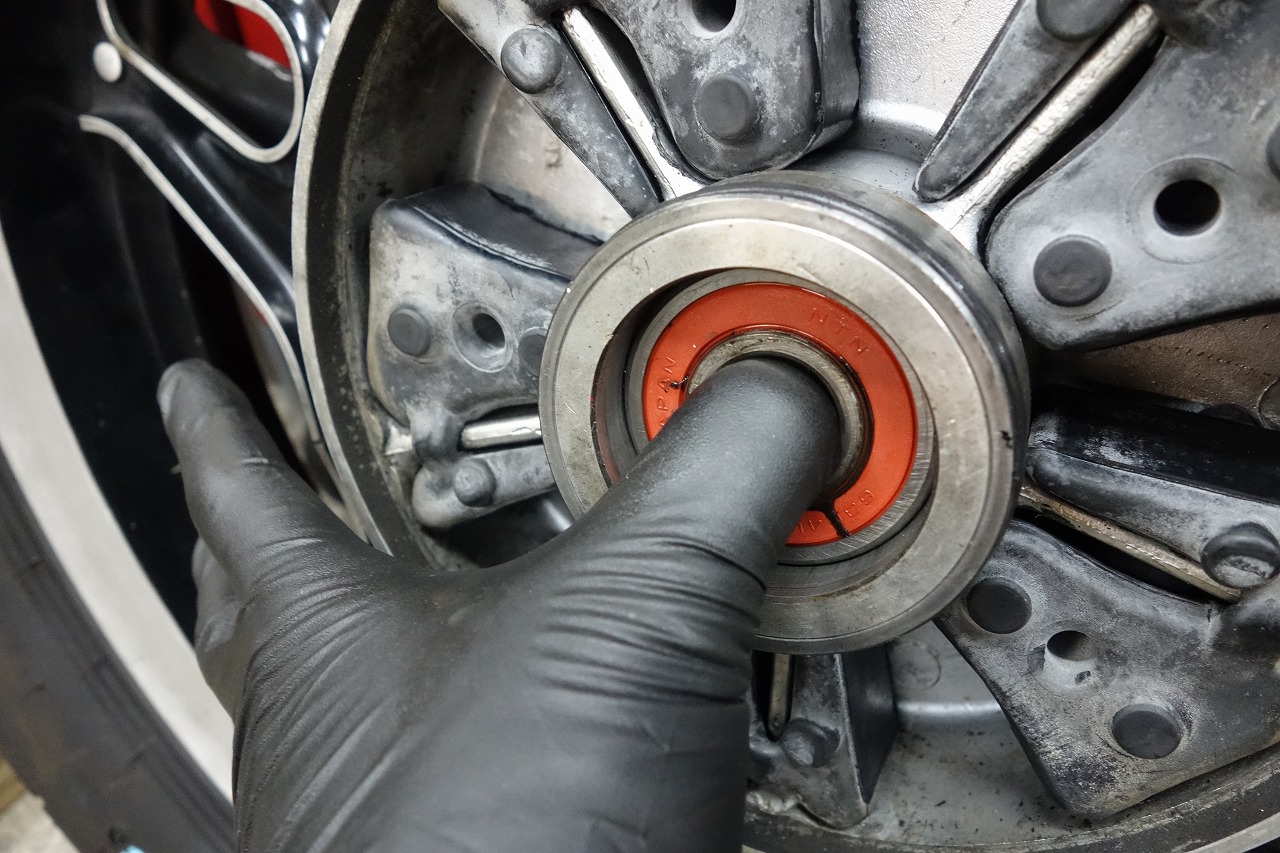
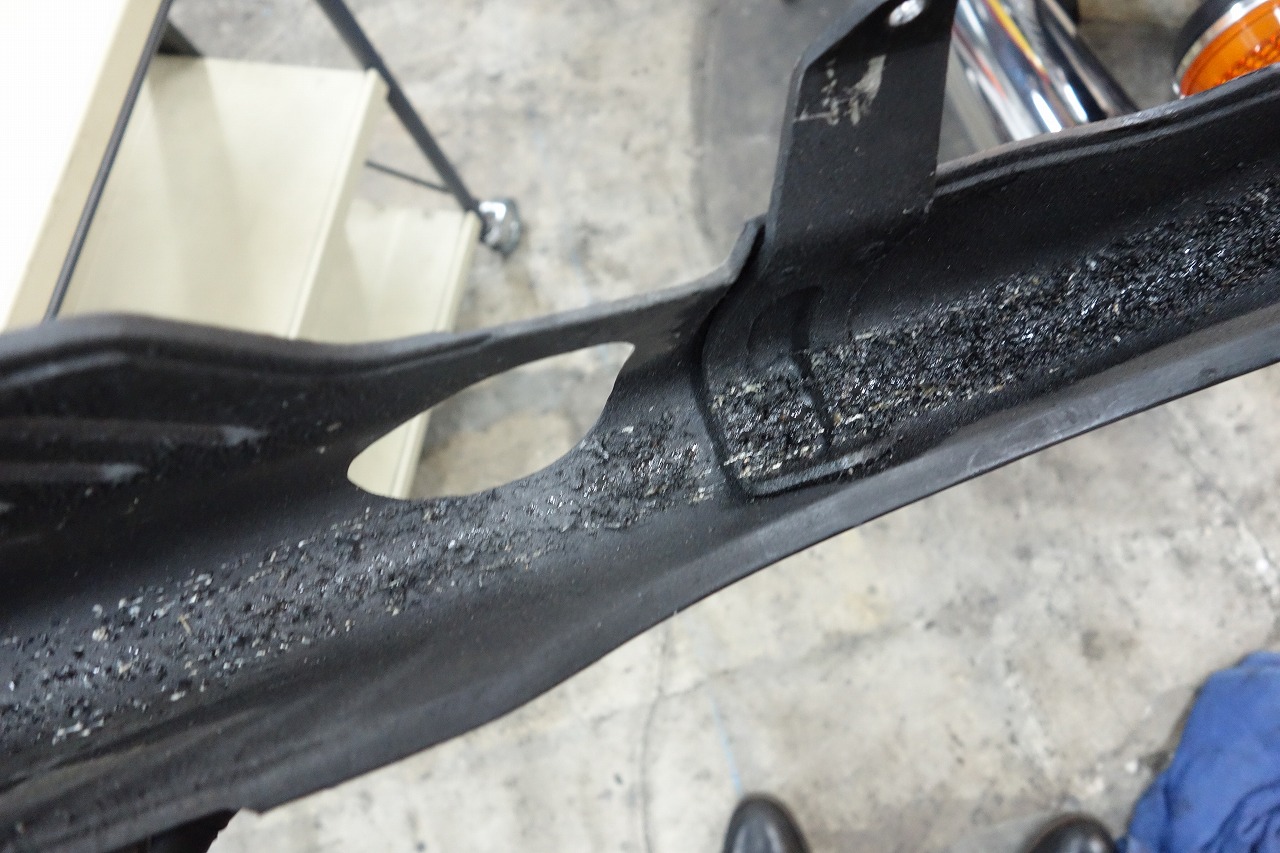
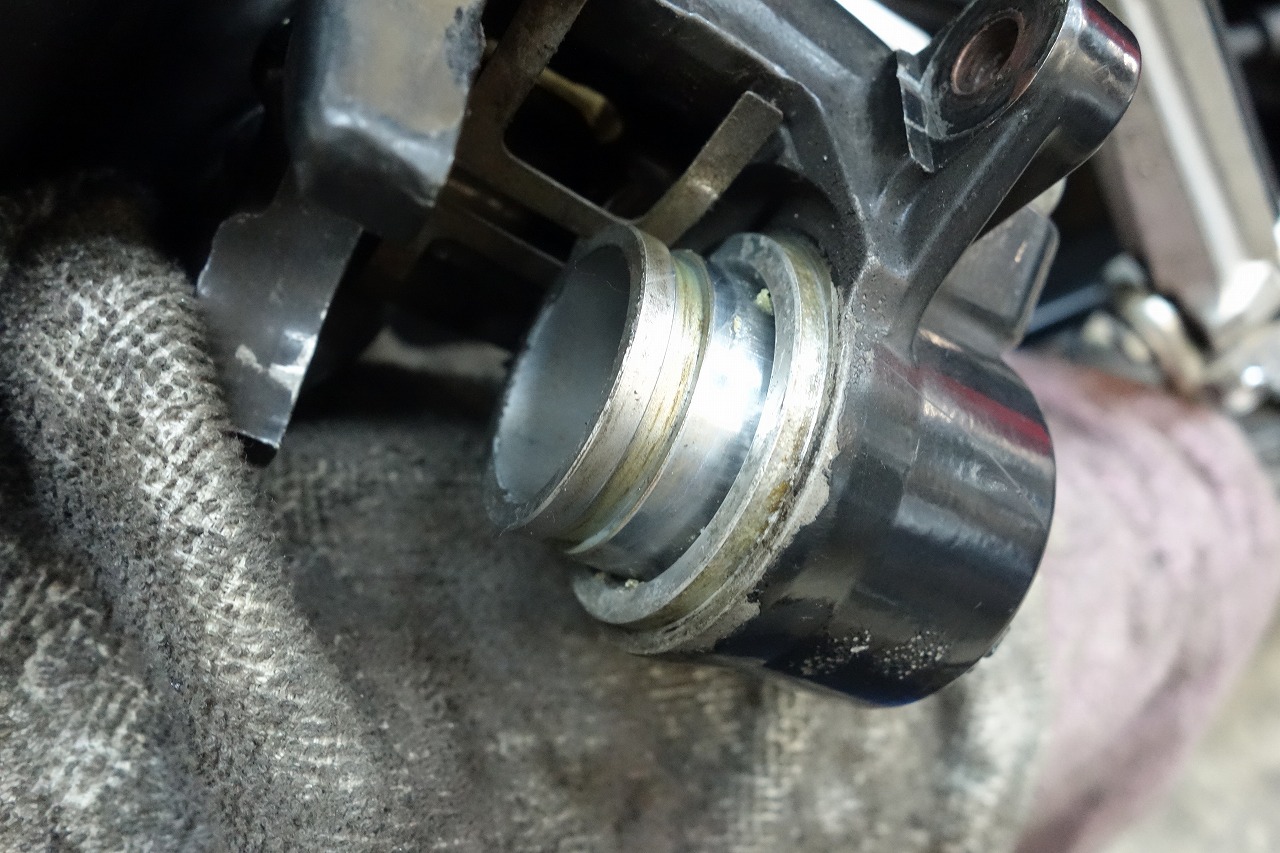
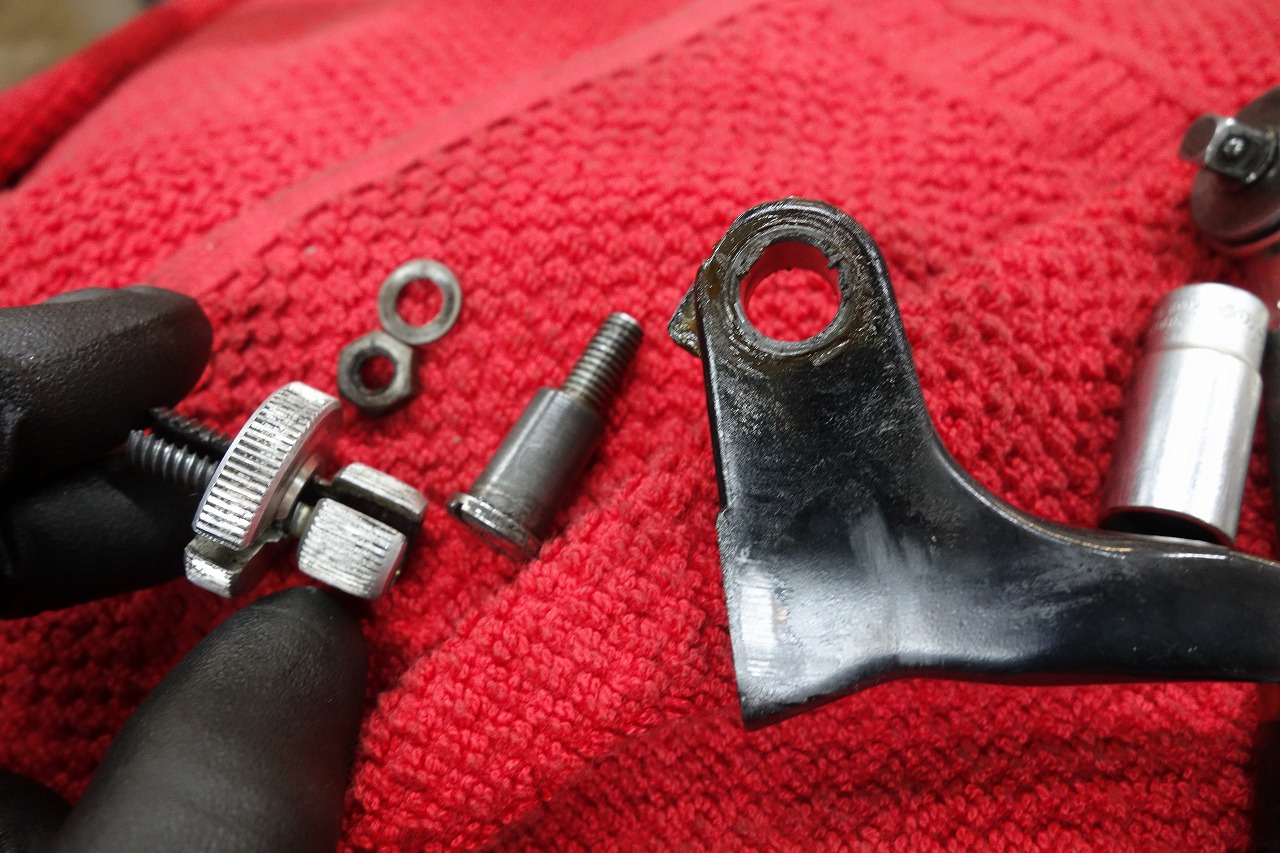
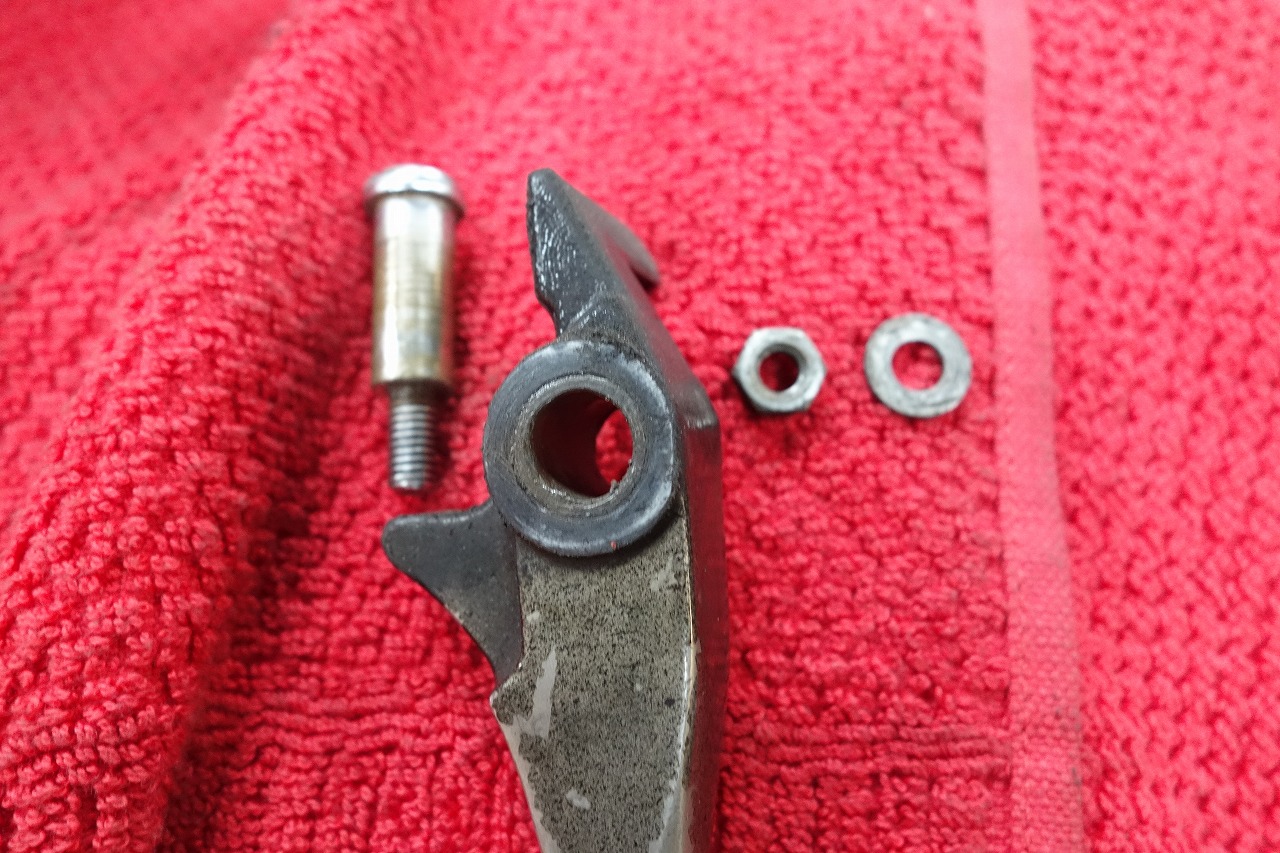
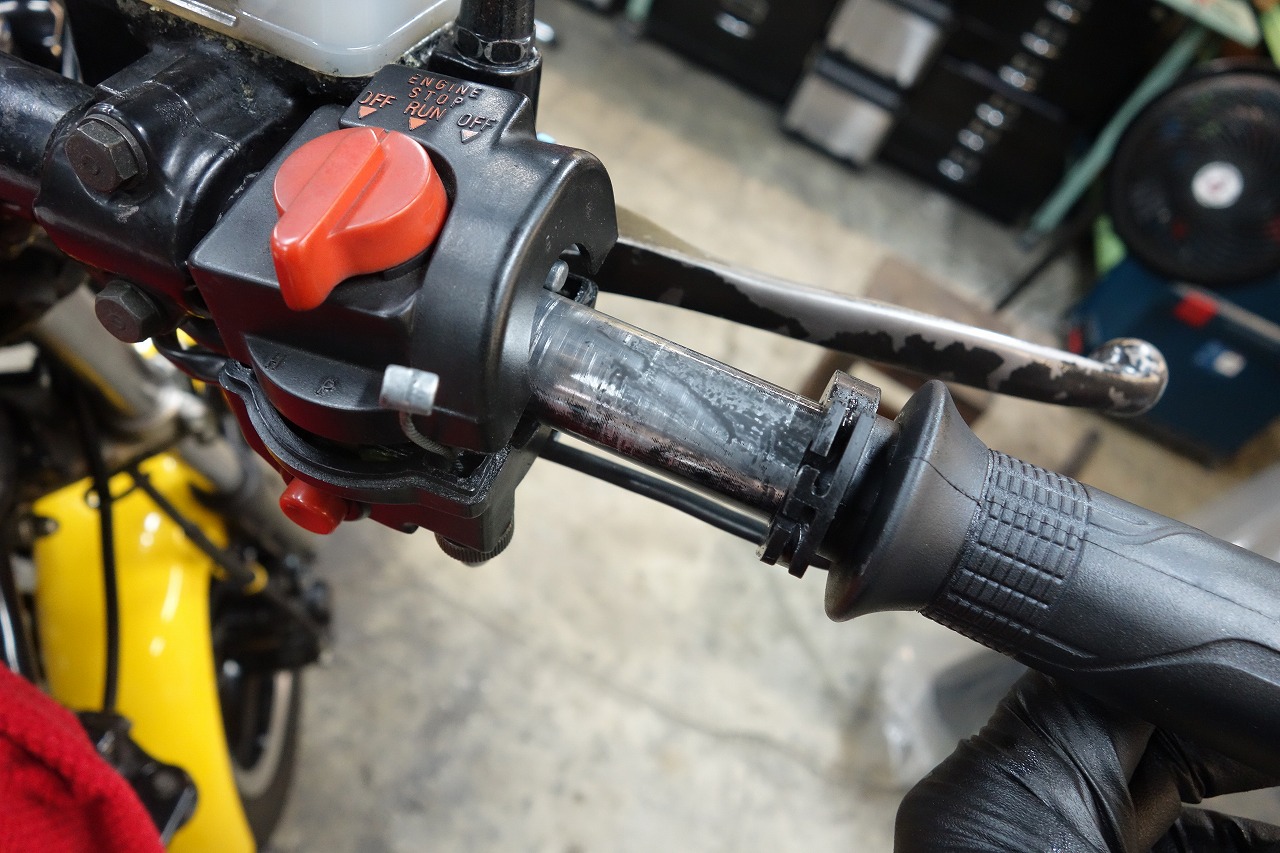
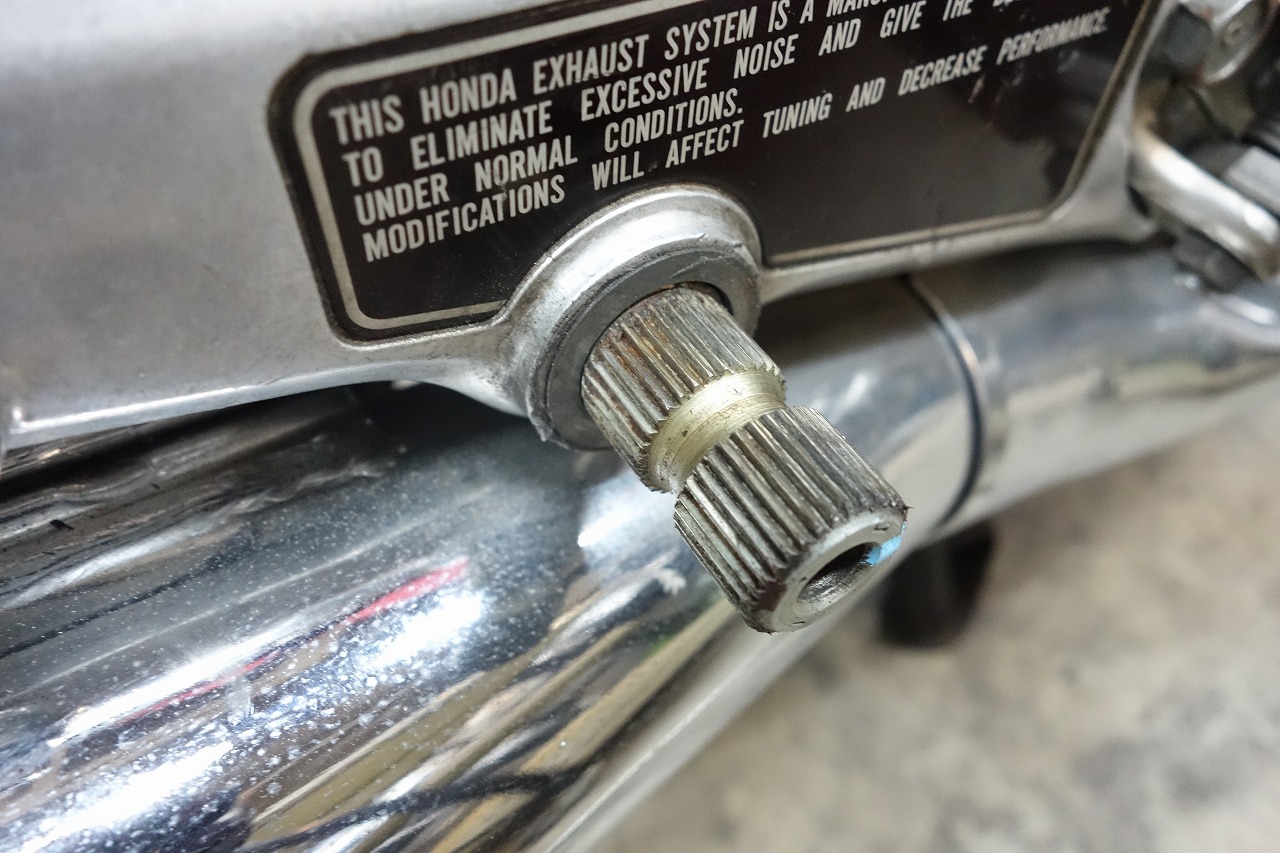
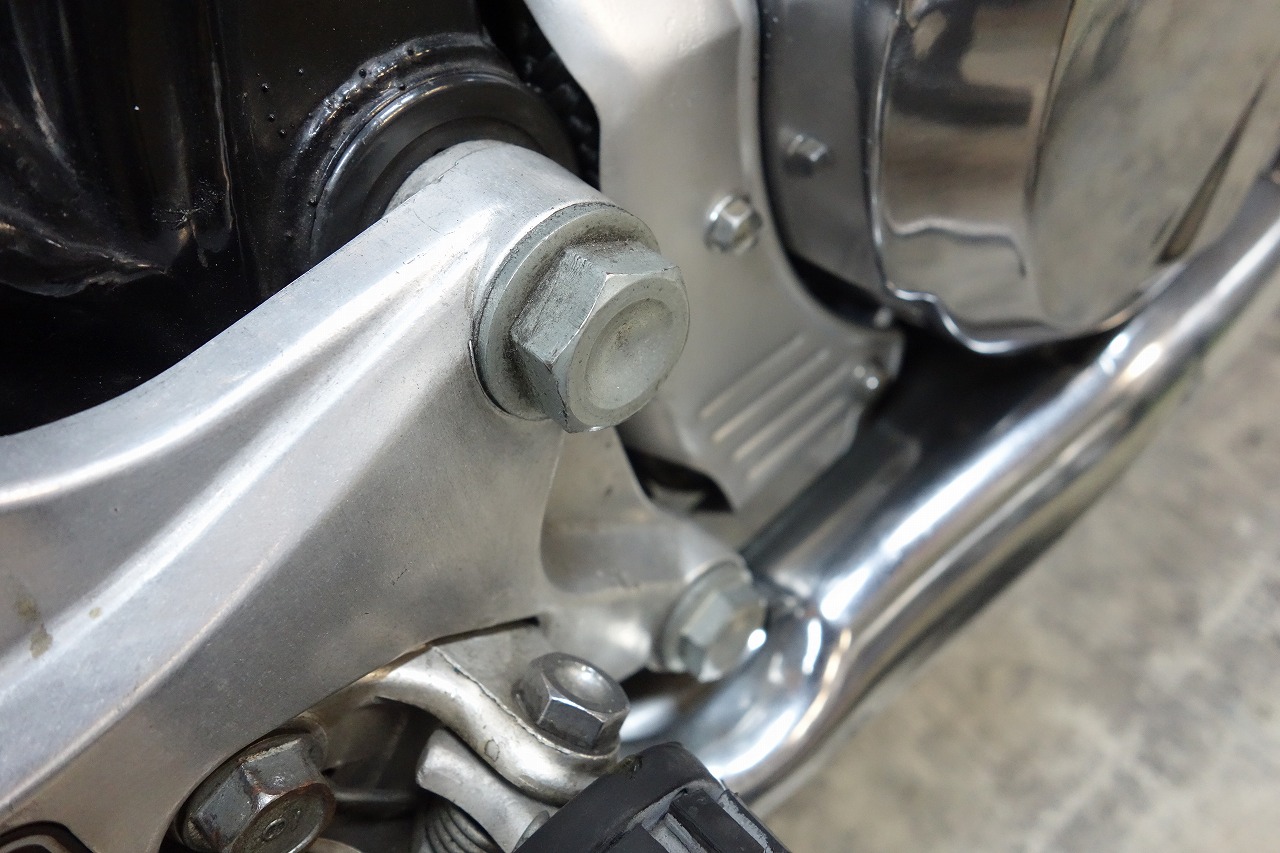
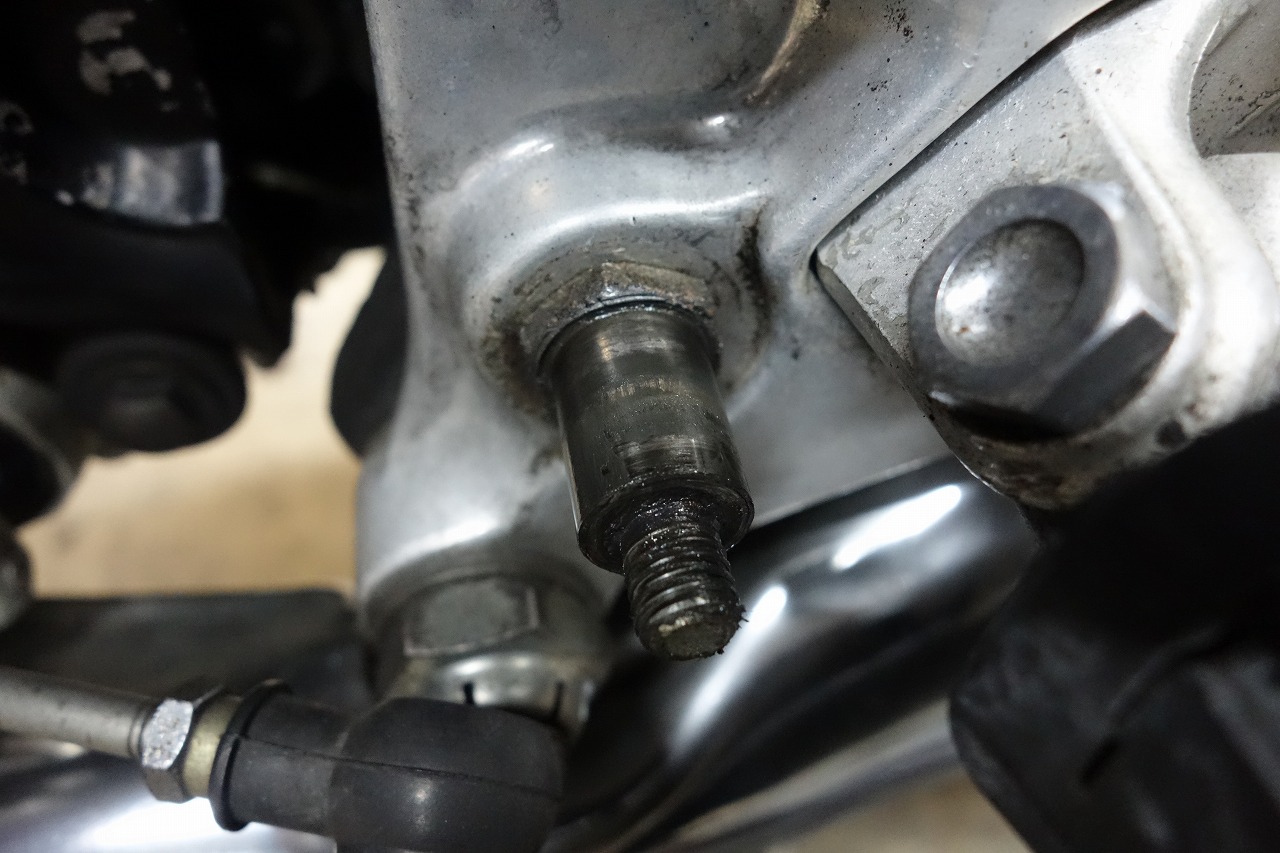
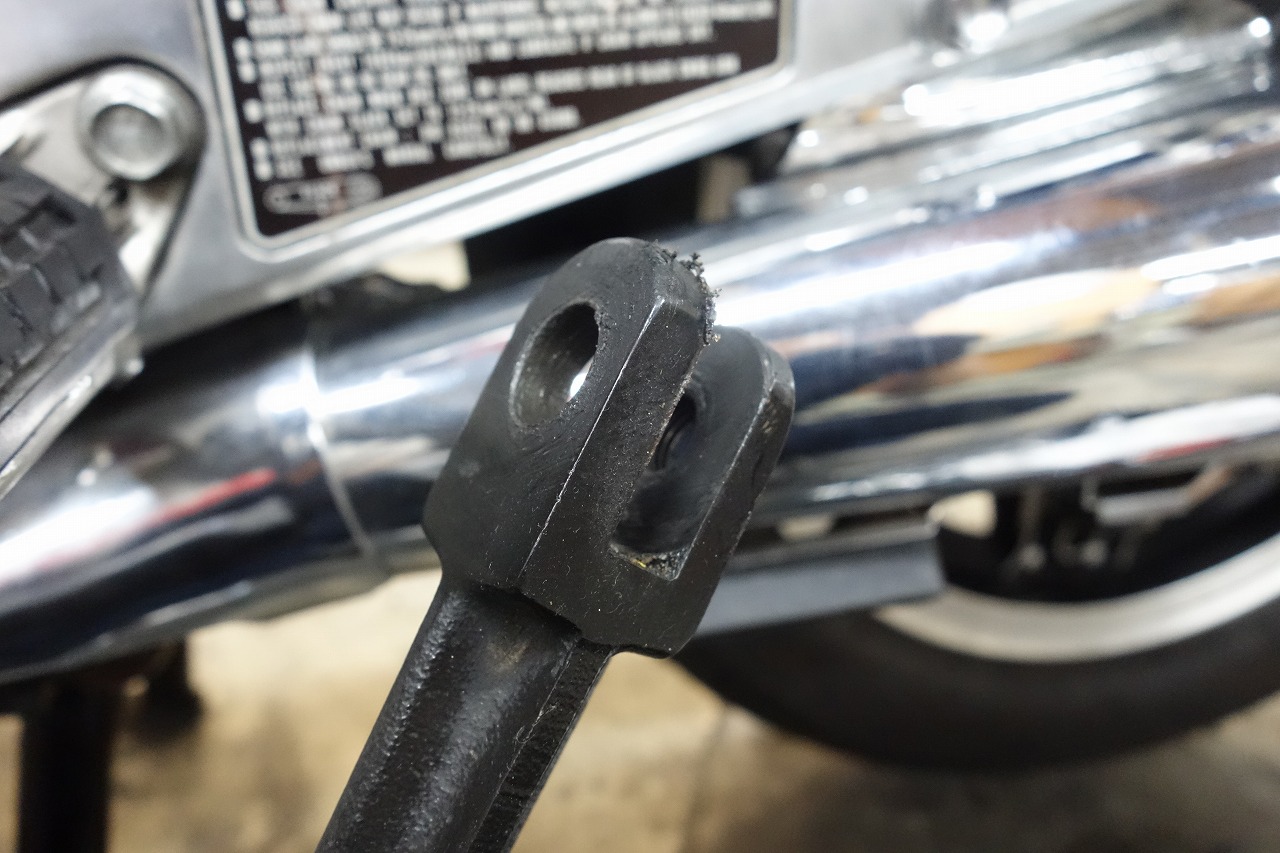
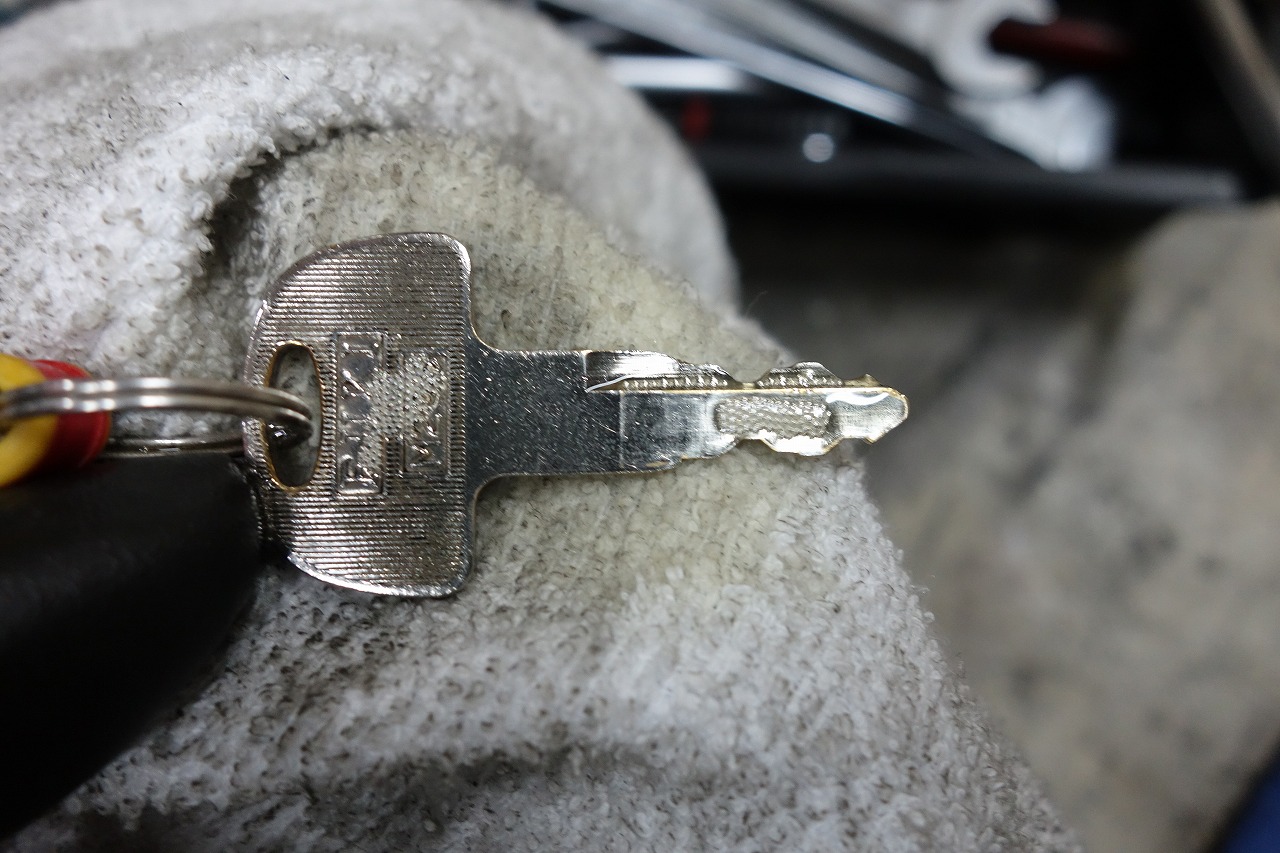
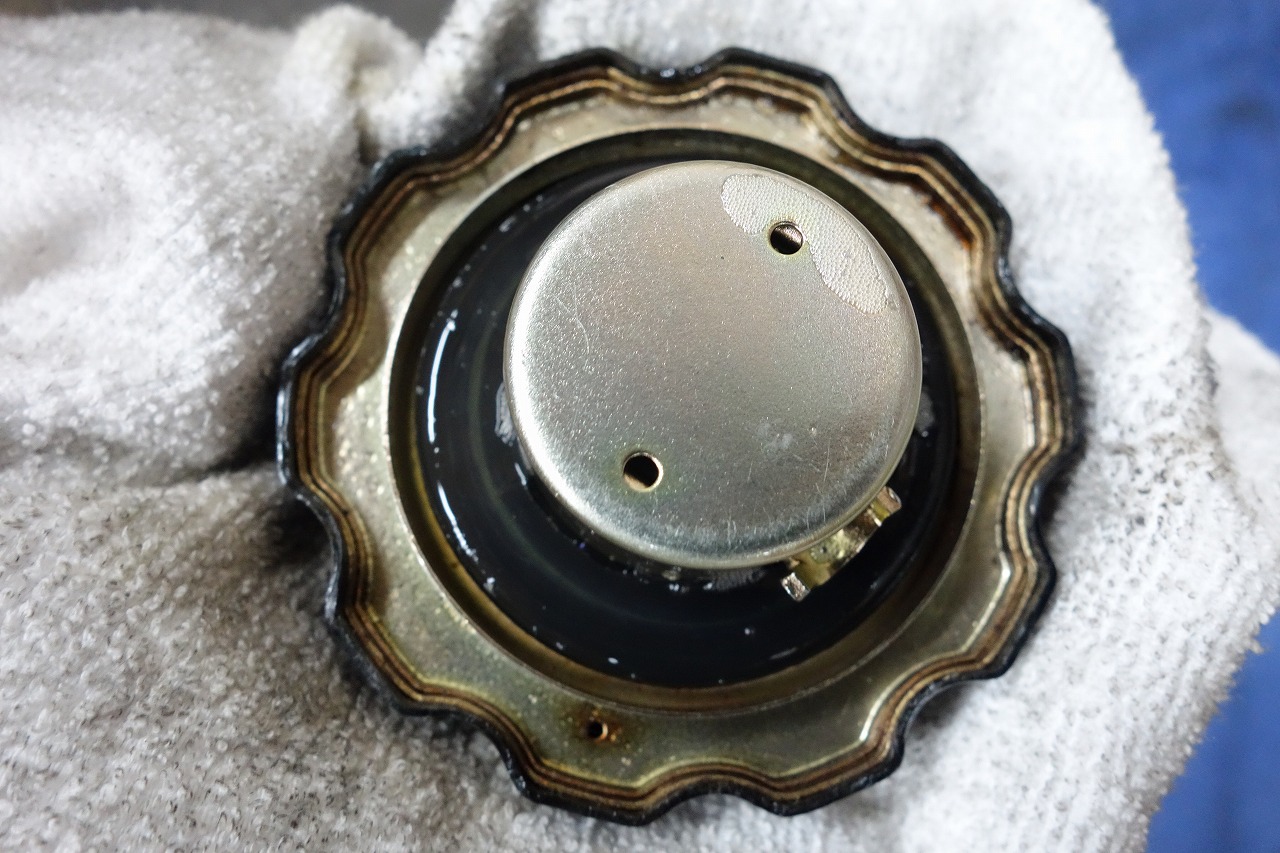
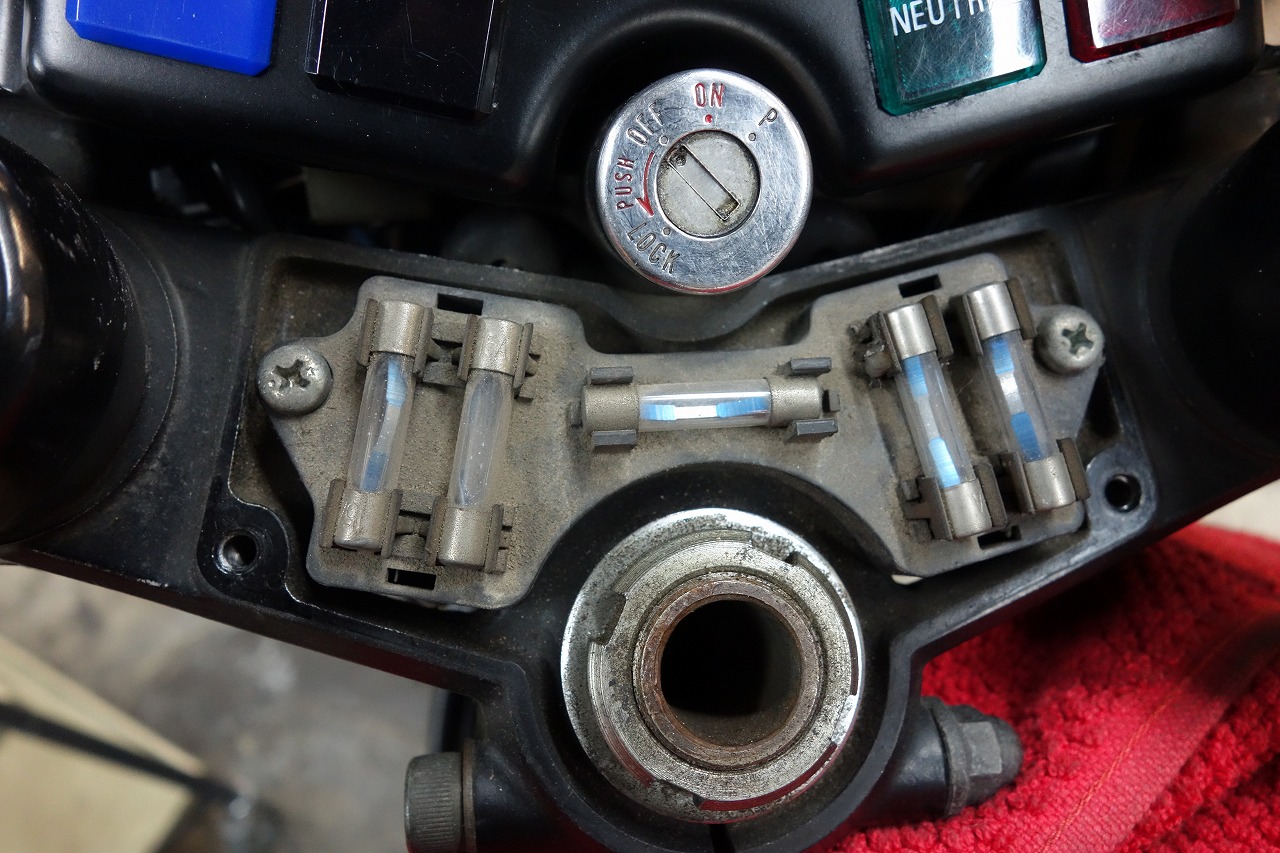
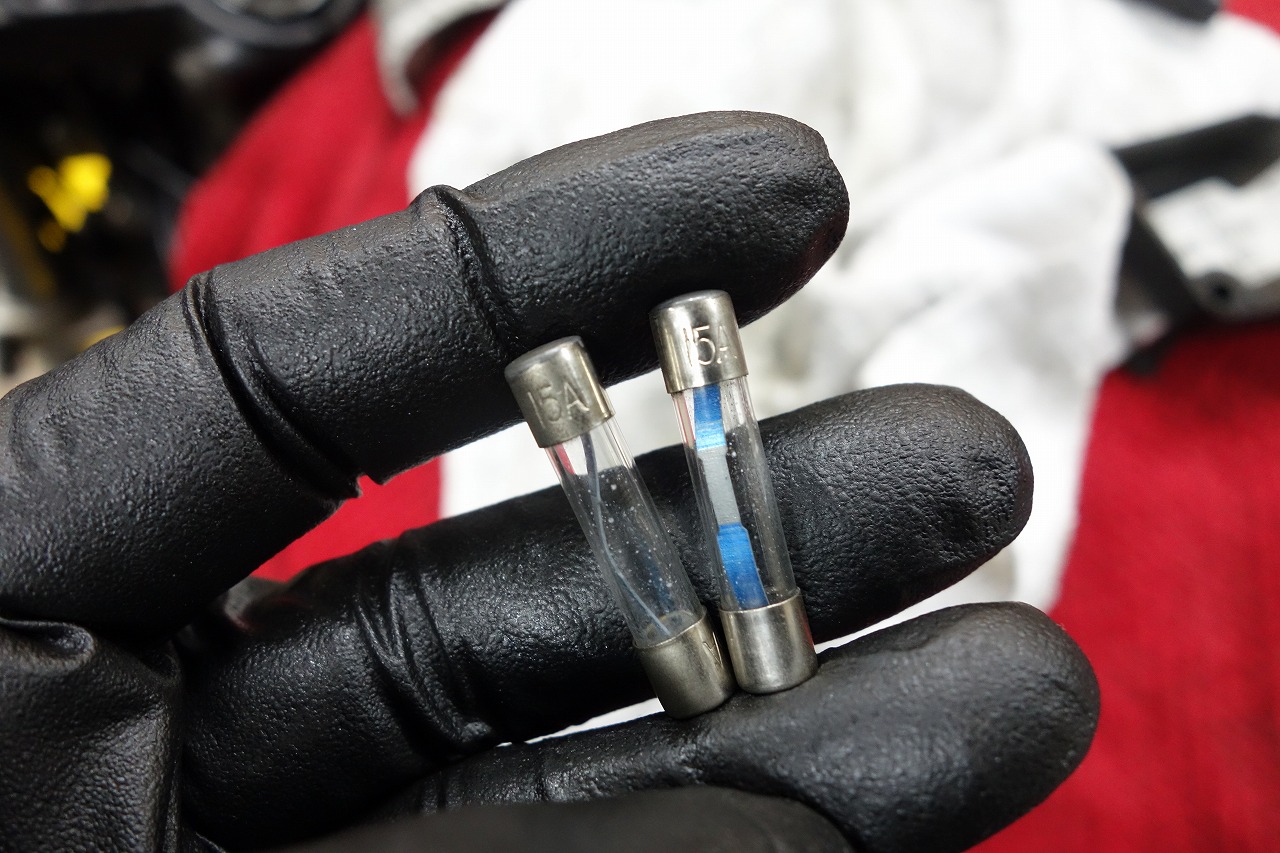
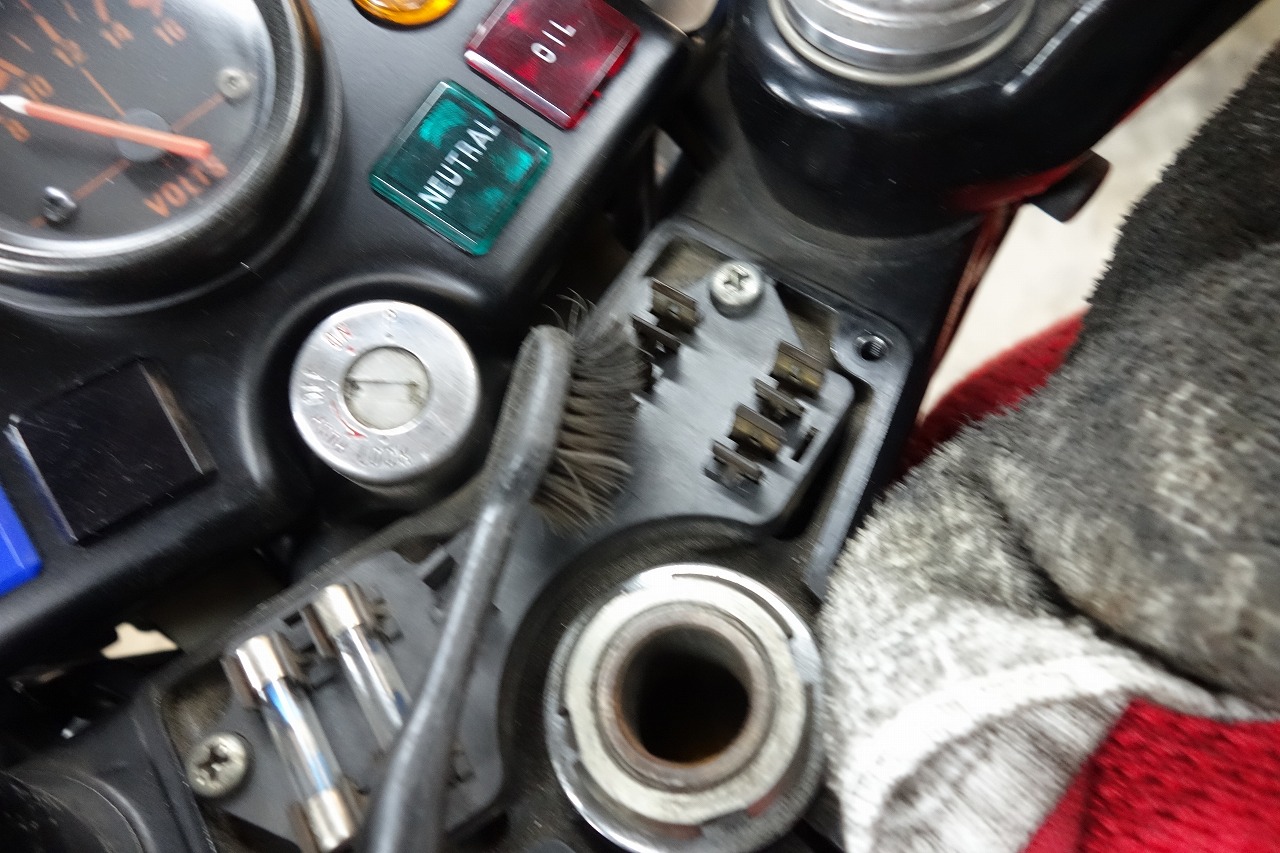
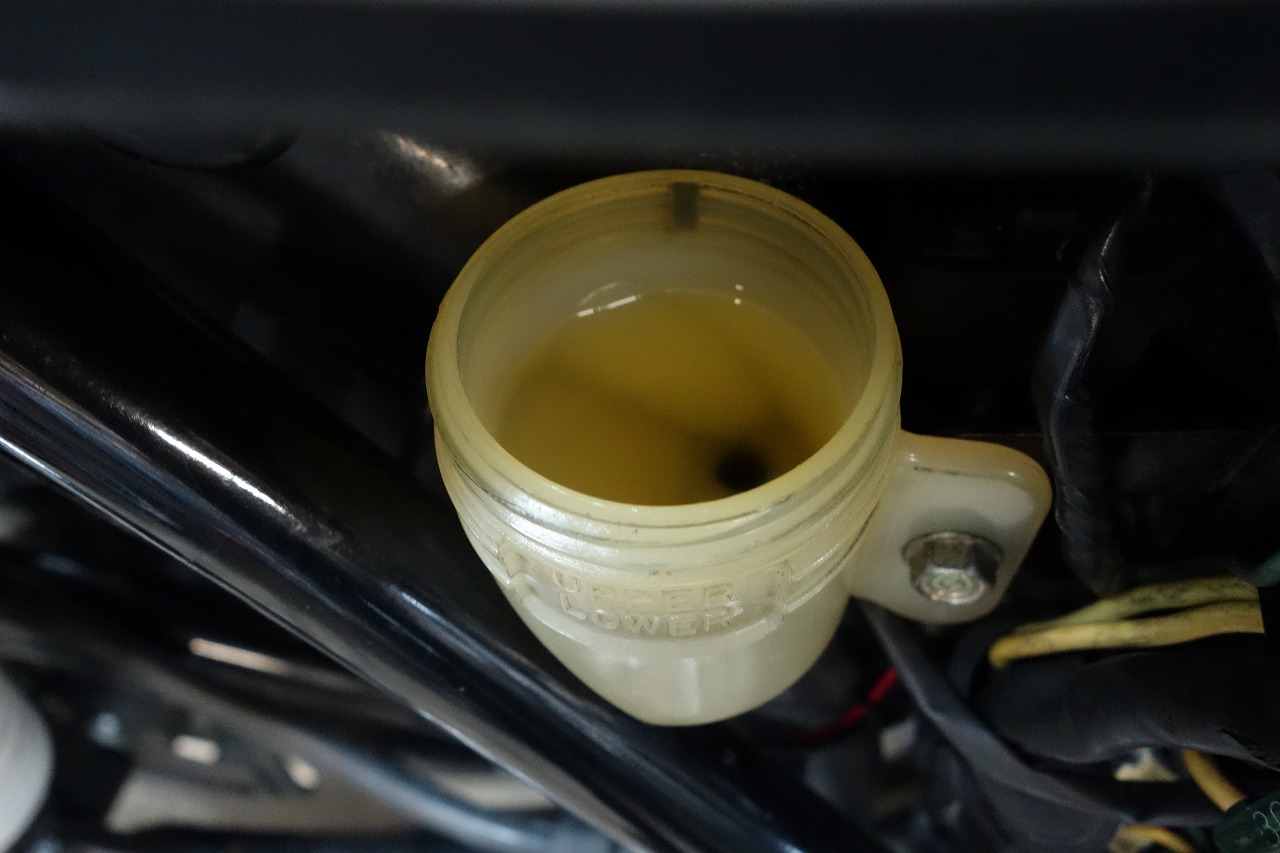
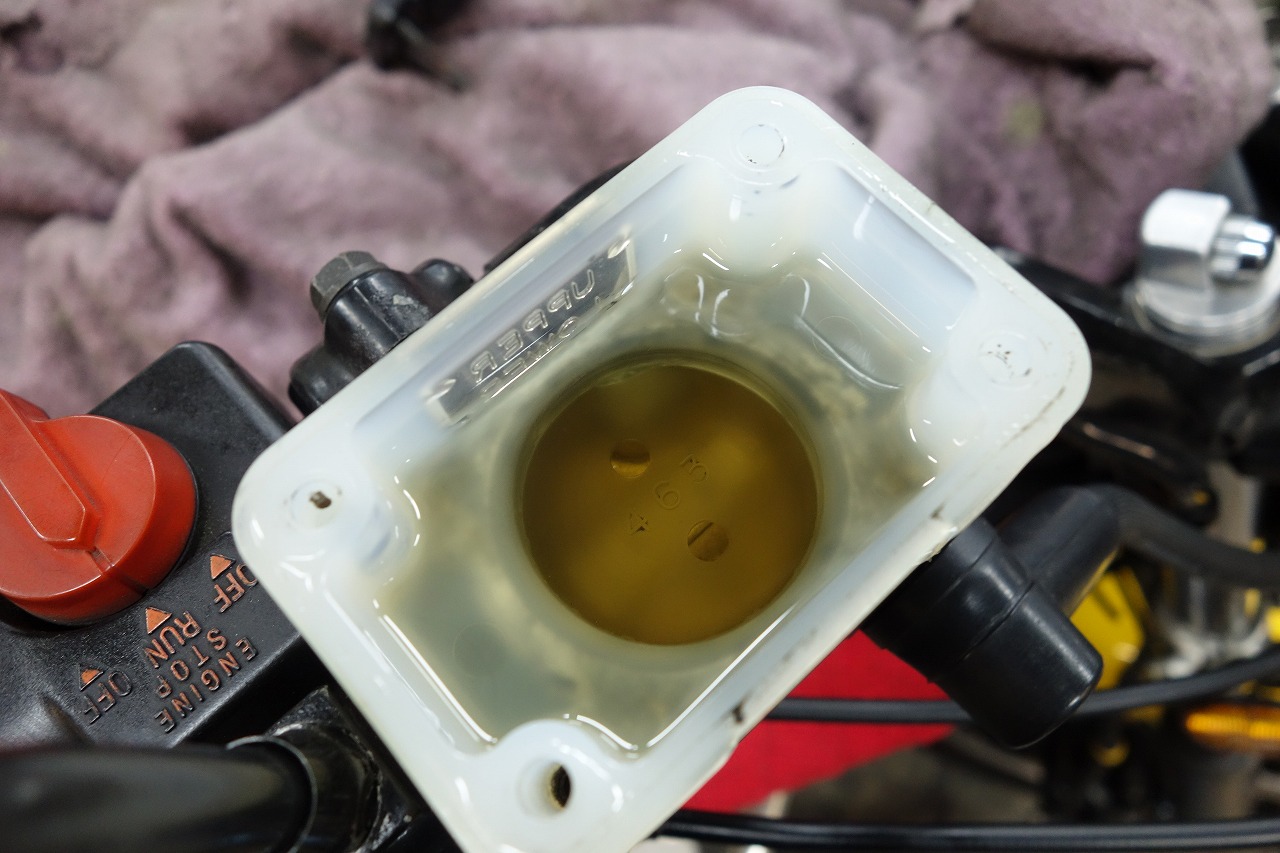
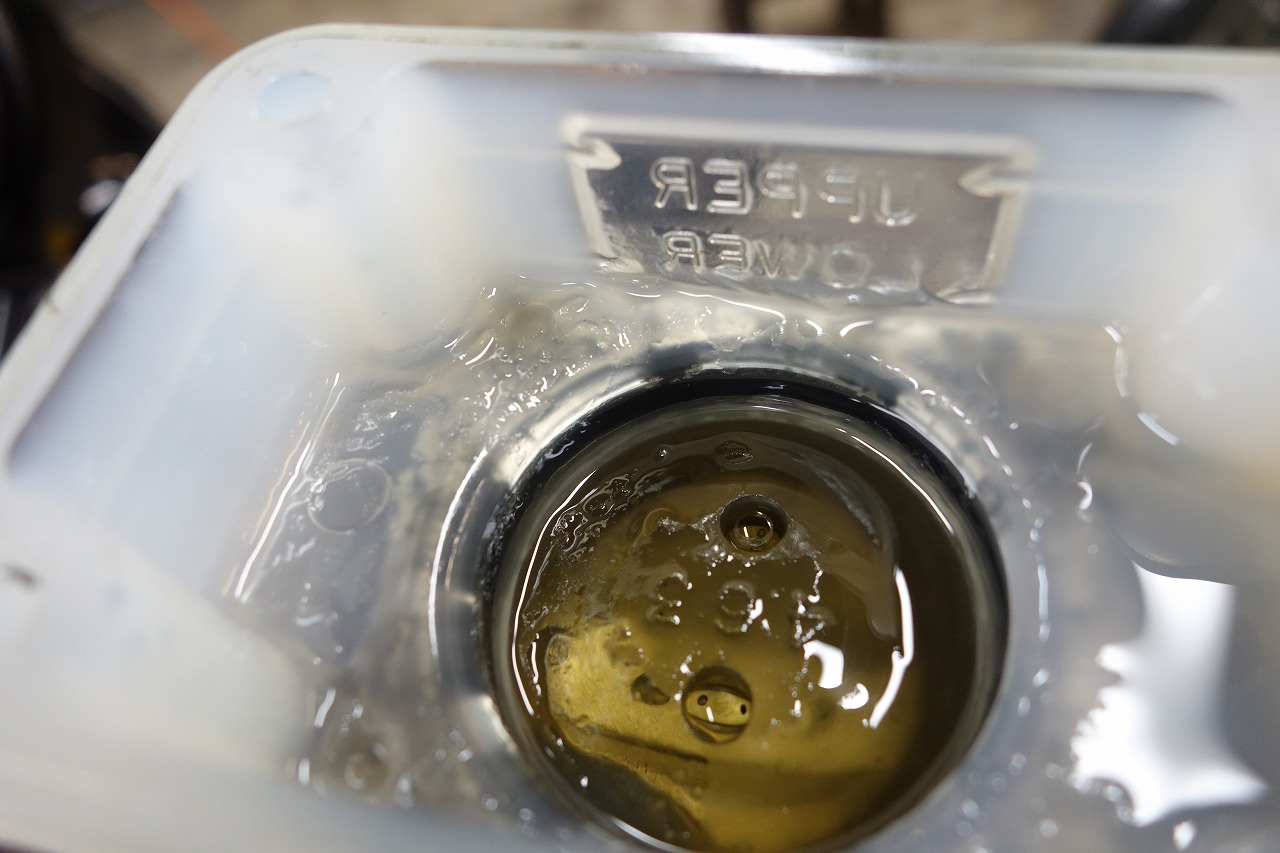
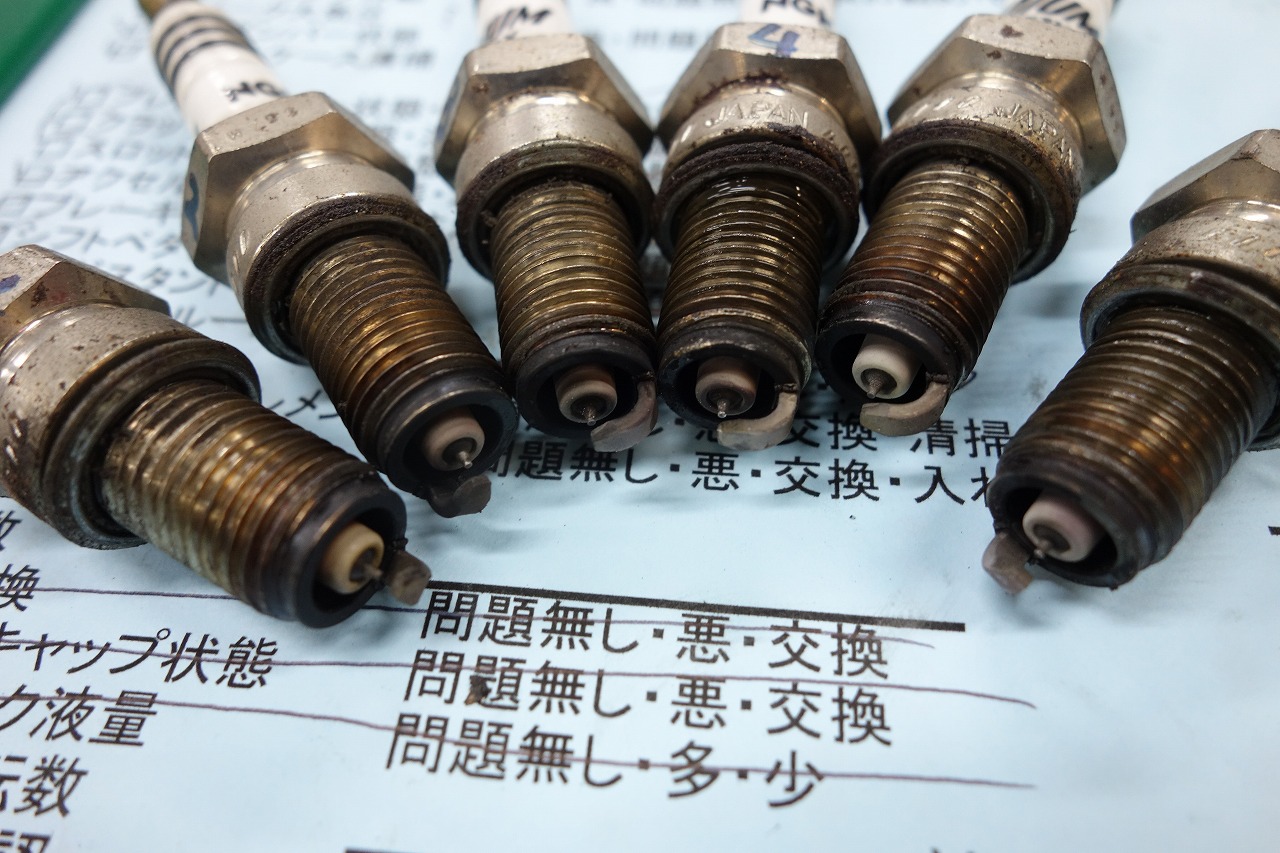
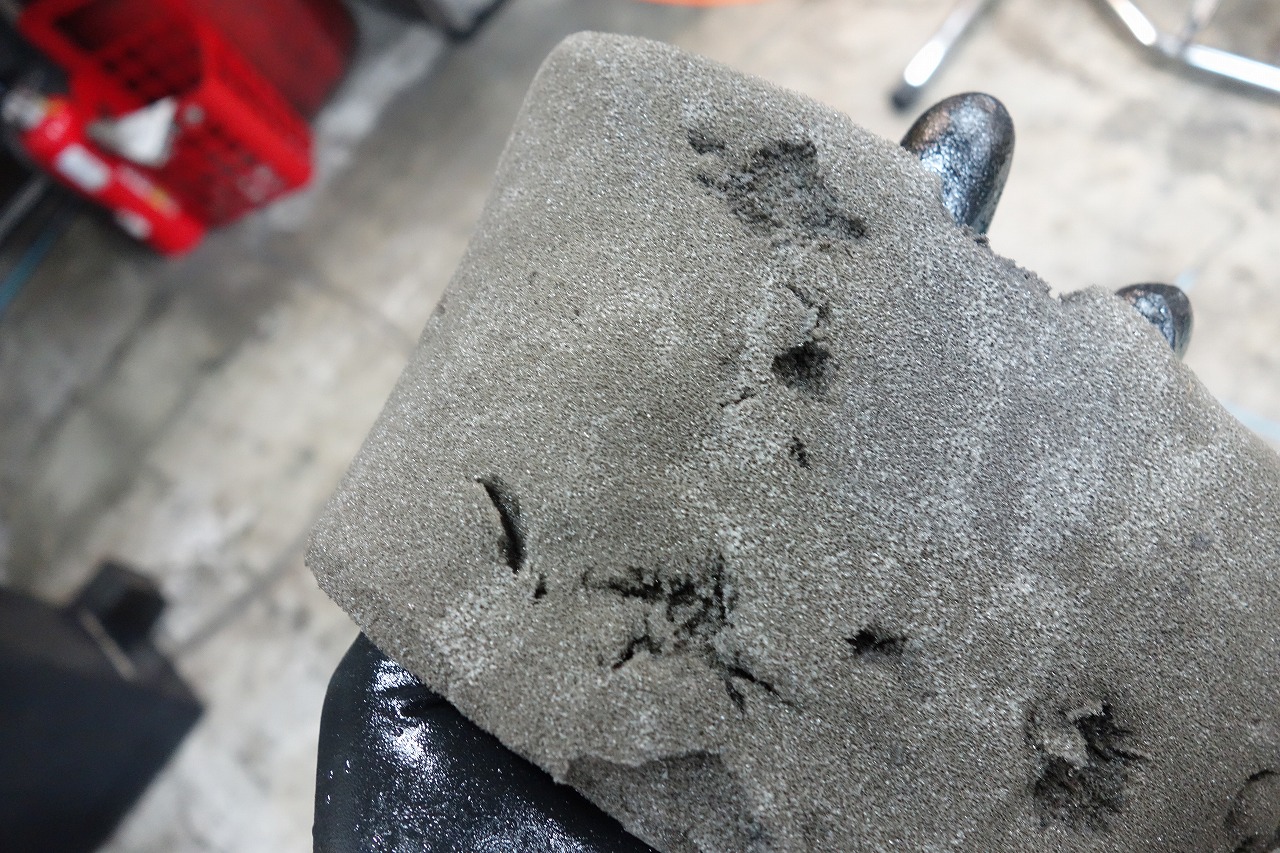
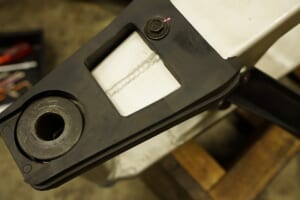
We see tires like this sometimes. Bridgestone’s BT45V also catches our attention a bit.The axle shaft showed no issues.We adjusted the wheel bearings. Comparing to other bikes, Suzuki wheel-side tolerances are relatively loose—quite the observation. We’ll replace the grease in the speedometer gear.We installed Neutech NC100.Let’s clean and lubricate the speedometer cable too.We’ll clean the inside of the front fender too. I was surprised to find it’s plastic, not steel.Measuring the thickness of all three brake discs.Degreasing and cleaning the brake discs. It’s a bit disappointing they don’t have holes.All calipers are operating excellently. You can really tell this bike has been properly maintained.Let’s lubricate and protect the inner tube from rust.The damper is fine. We adjusted the wheel bearings.The rear axle is fine.This is a good time to clean the inside of the chain case.The rear caliper is operating well.Let’s remove the brake and clutch levers and lubricate them.Let’s clean and lubricate the throttle too. (We’ll stop here since we just assembled it recently.)Removing the brake pedal shaft is quite a job, so we’ll handle this from the outside.Removing the pivot pin is tough. (´;ω;`)The shift side also has good lubrication and is in excellent condition.A smooth-moving sidestand feels great.Let’s clean the key once in a while too.We protect the inside of the fuel cap from rust, wipe it clean, and inspect it visually.Honda’s signature top bridge fuse (cartridge).All 15A—do we really need that much? Cartridge fuses are such a pain when they blow. We brushed out the dust with a toothbrush.We replaced the fluid with Golden Cruiser DOT4.It was a bit gel-like. Brake fluid should ideally be changed every year, or at least every two years if in use.We checked the plug condition and gap. (Reusing it.)When we cleaned it, it started crumbling, so we’ll replace it.We wiped out the inside of the air cleaner box too. Overall condition is excellent and reassuring. Vroom vroom! That concludes this service.