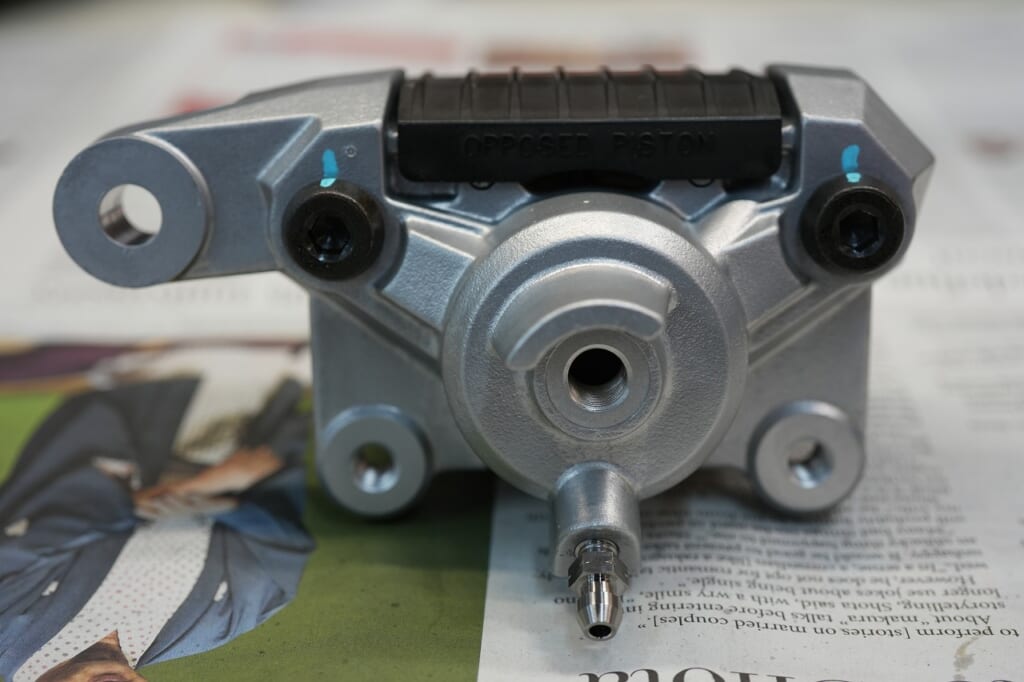
Even if we adapt parts from other models and improve the potential a little, that makes me happy, you know…
Is it really that easy? Well, such cases do pop up now and then, but you also need to take responsibility for your own choices.
Just copying compatibility information wholesale isn’t that interesting, is it? Actually, there’s not much of it out there.
When someone says “this is close dimensionally, so give it a shot,” that’s proof that some modification or risk is involved.
People swallow information whole, then think “great!” and DIY their way into a mess.
That happens, so remember: treat all information as reference material first, and you bear the risk of your own judgment.
Just because tomatoes are healthy doesn’t mean eating only tomatoes will make you healthy, right? Bikes are the same way—before you add something, you usually need to ask “what’s the real issue here?”
Whether adapted parts will fit or not—you really can’t know until you actually try it the first time.
Before worrying about whether parts fit or work, there’s something wrong with blindly trusting some stranger’s words in the first place.
The fact that something fits is just the result; hardly anyone writes down the process.
If you’re doing it yourself, that’s one thing, but asking someone else to build something from scratch based on this kind of info? That doesn’t seem right.
We live in an age drowning in information.
Nobody goes back to correct old posts, and nobody writes “it didn’t work out and performance actually dropped.”
Most people end up drinking the bitter broth over and over…
The fun part is making it taste good at just the right temperature yourself, not carelessly reaching for shortcuts.
And when you think about the final price, labor and machining costs—it should all make sense, but somehow it doesn’t…