I’ve acquired such a great bike that I never run out of blog topics~
I’m deeply feeling Kawasaki’s generosity in the world of parts compatibility.
I’m a bit surprised that parts for a bike from 40 years ago are still available as genuine items.
*Not everything, but we can manage within reasonable limits.
I now fully understand why there are so many Kawasaki users….
Well then
When I purchased it, the left and right back mirrors were completely different, so
for now I’ll repurpose a GPZ 900 R early model repro mirror .




 ポチップ
ポチップ
THE used car! It came with different mirrors on the left and right (*´ω`*)
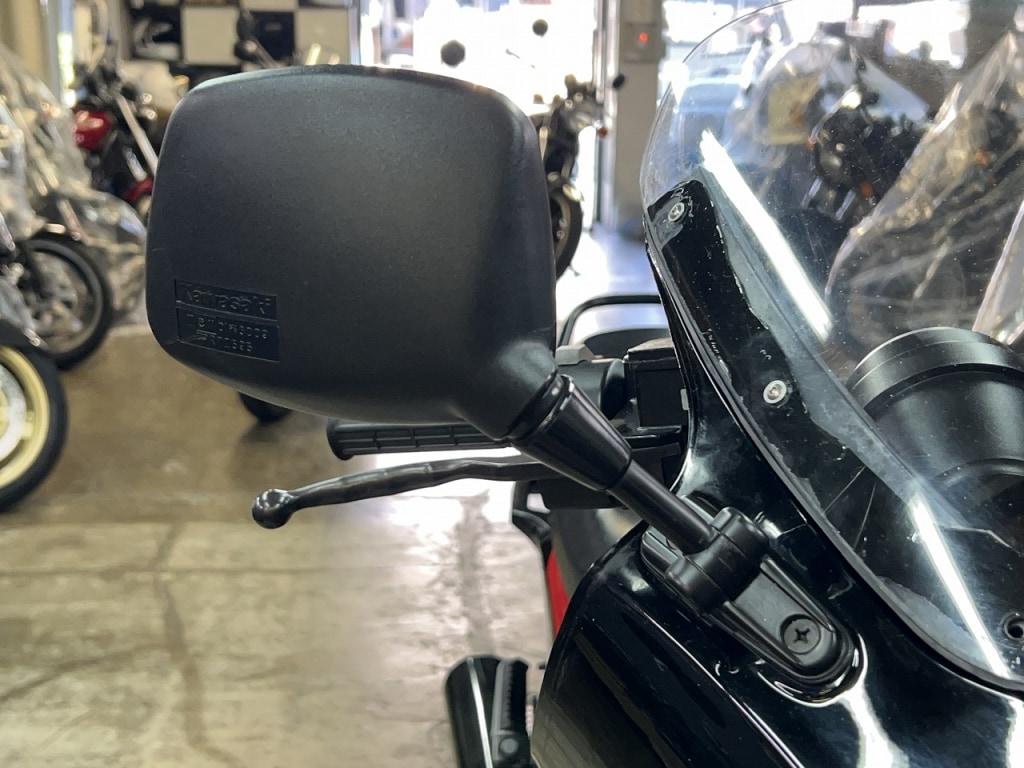
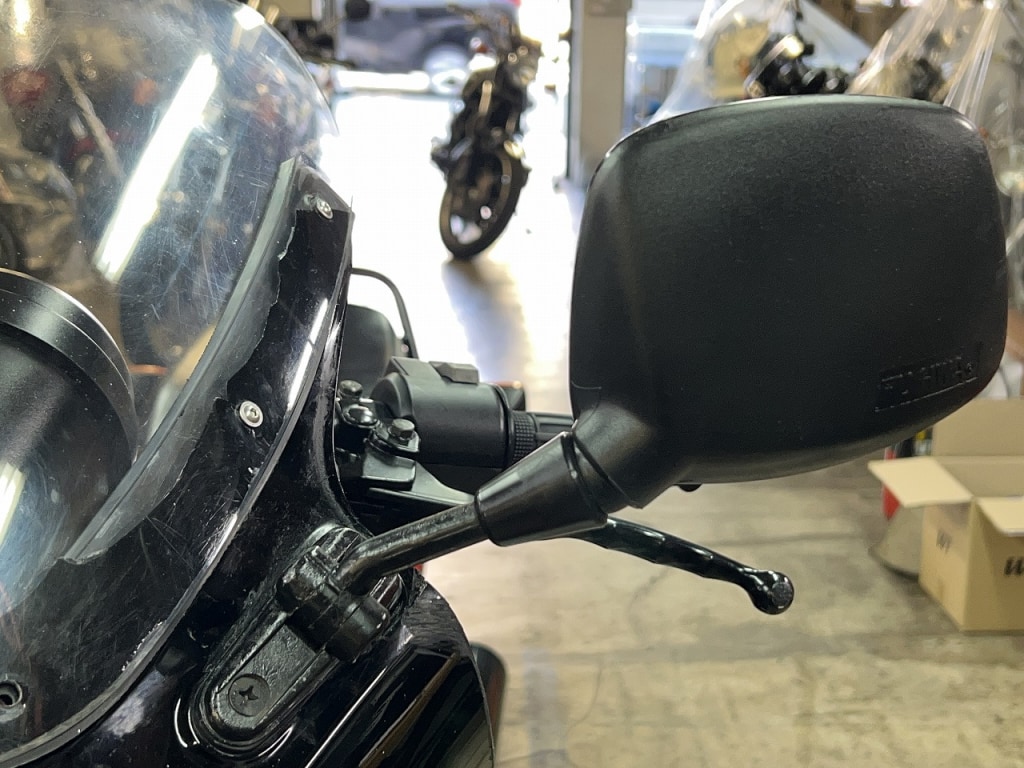
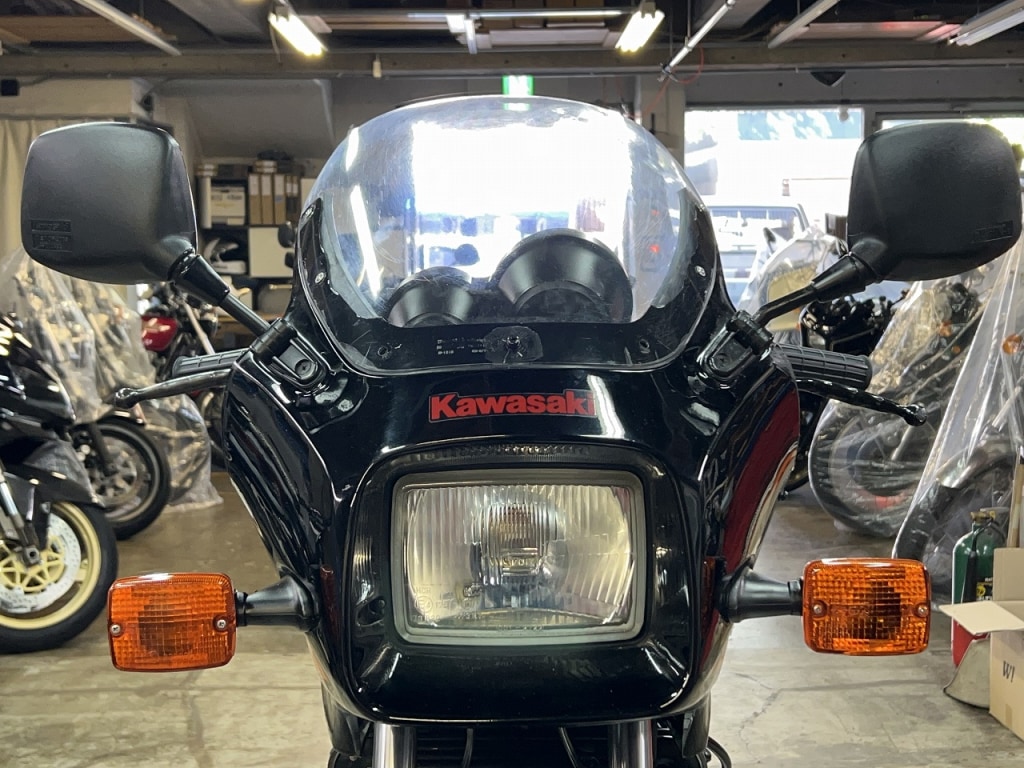
The mirror part is pretty similar, but the arm bend is different.
And since it’s generally worn out, I’d like to use a GPZ 900 R repro mirror in an original-style way.
This is just a small thing, but with Kawasaki, repro parts are abundant.
In other words, parts are reasonably priced and easy to obtain.
The texture is just right! A really nice GPZ900R repro
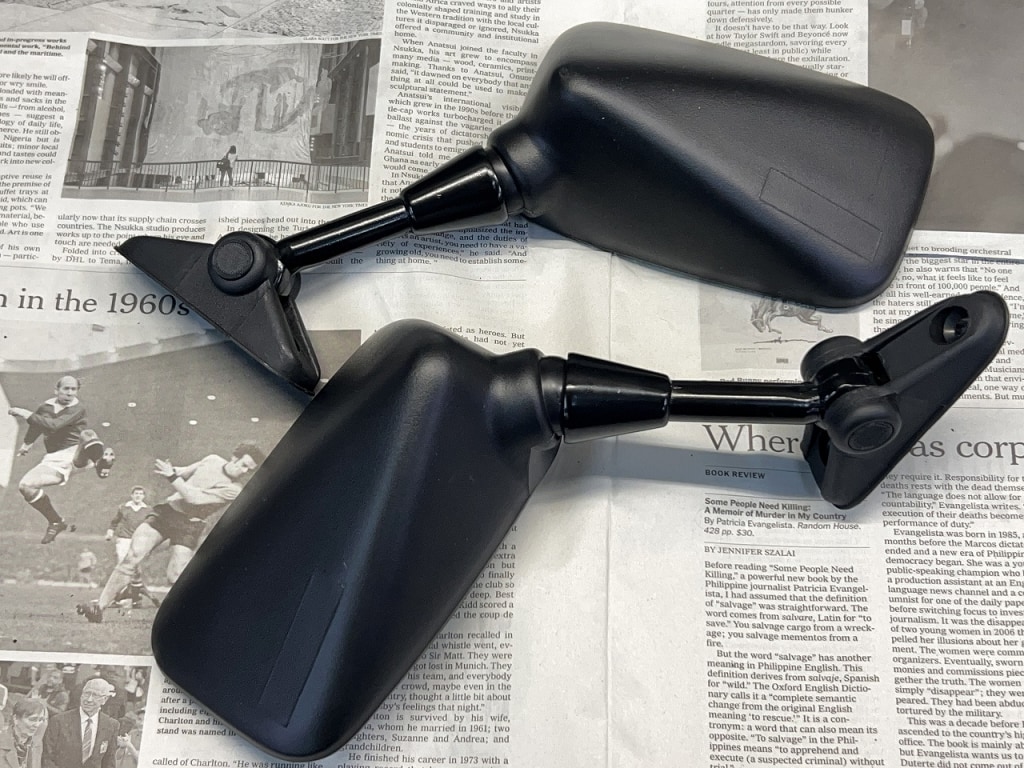
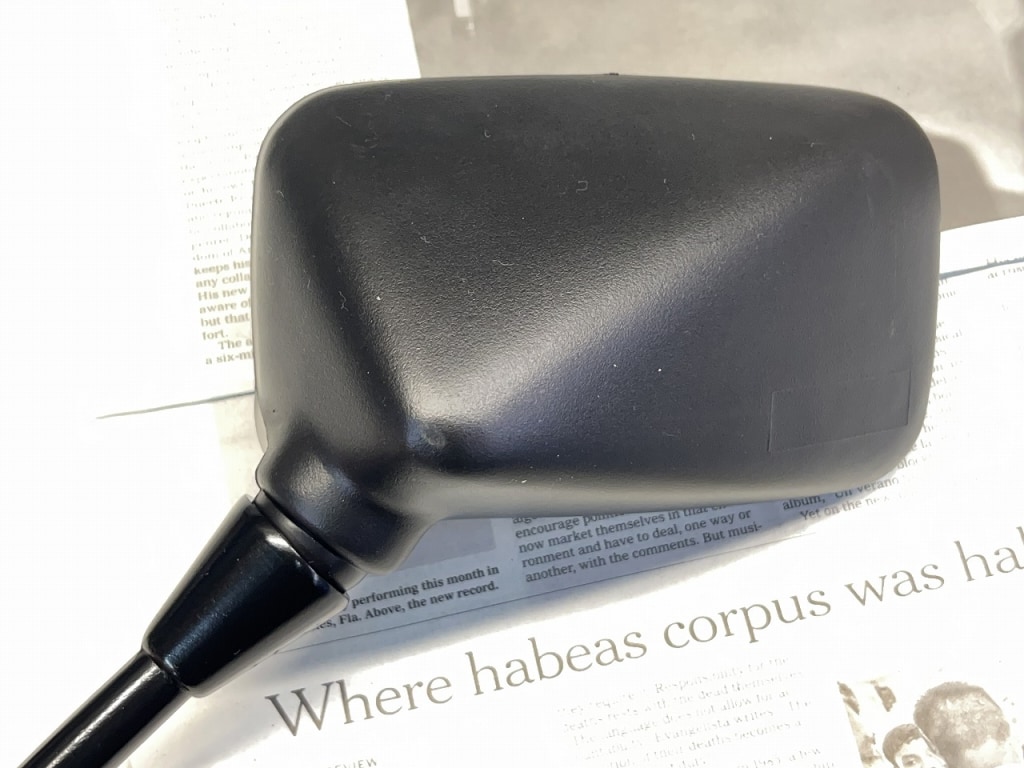
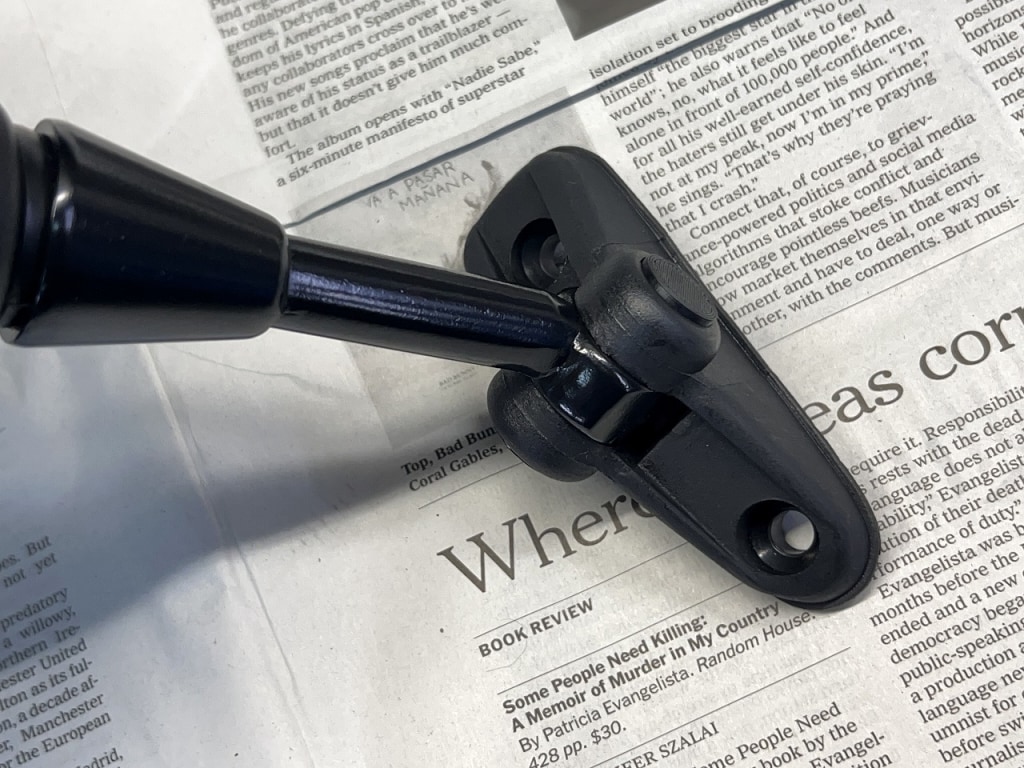
The arm length is short and feels just right.
The overall texture looks stock, so I think it will work without any sense of incongruity.
That something like this is selling on Amazon for 7,500 yen is amazing.
Plus it’s a Posh product! That’s somewhat reassuring.
When I checked the mounting pitch… is loose a good thing?
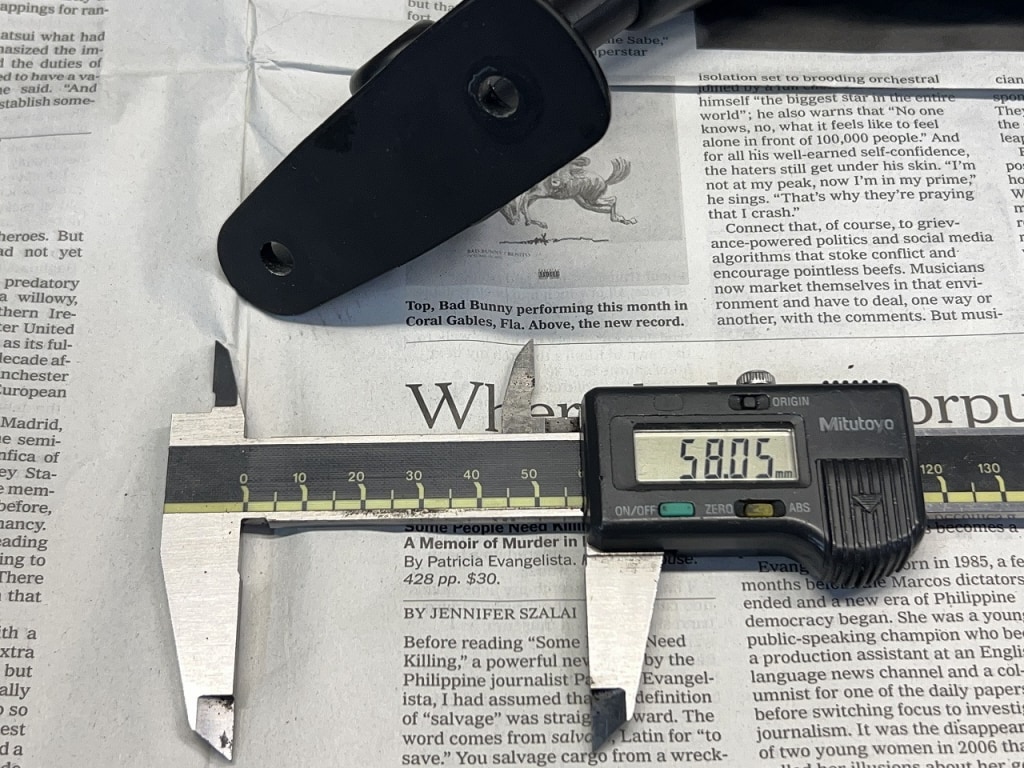
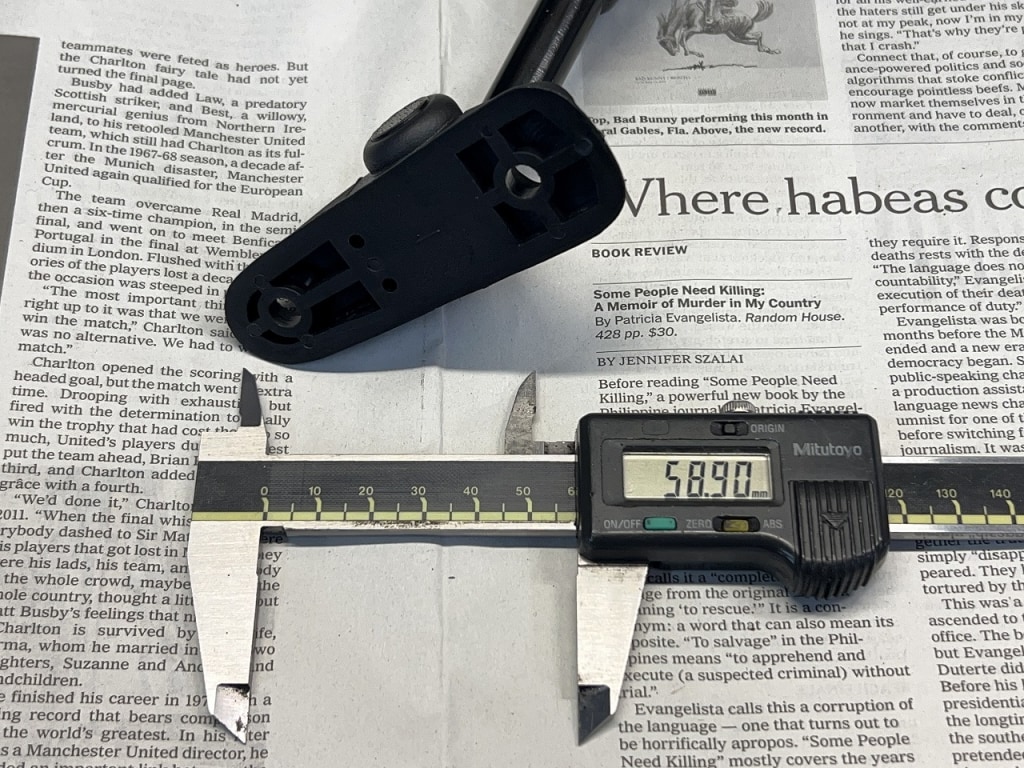
There’s a difference of about 0.9mm, roughly 1mm in pitch.
Well, since I measured on the plastic mirror side, it’s somewhat vague.
I haven’t checked the frame side, but it fit right on with a loose finish.
What do you think? Is the frame side about 58mm? I’ll check that next time.
I bet a lot of people want to know these specific numbers for this kind of repurposing information.
Plus heads look uncool, so I’ll swap them for HEX, but what about the outer diameter?
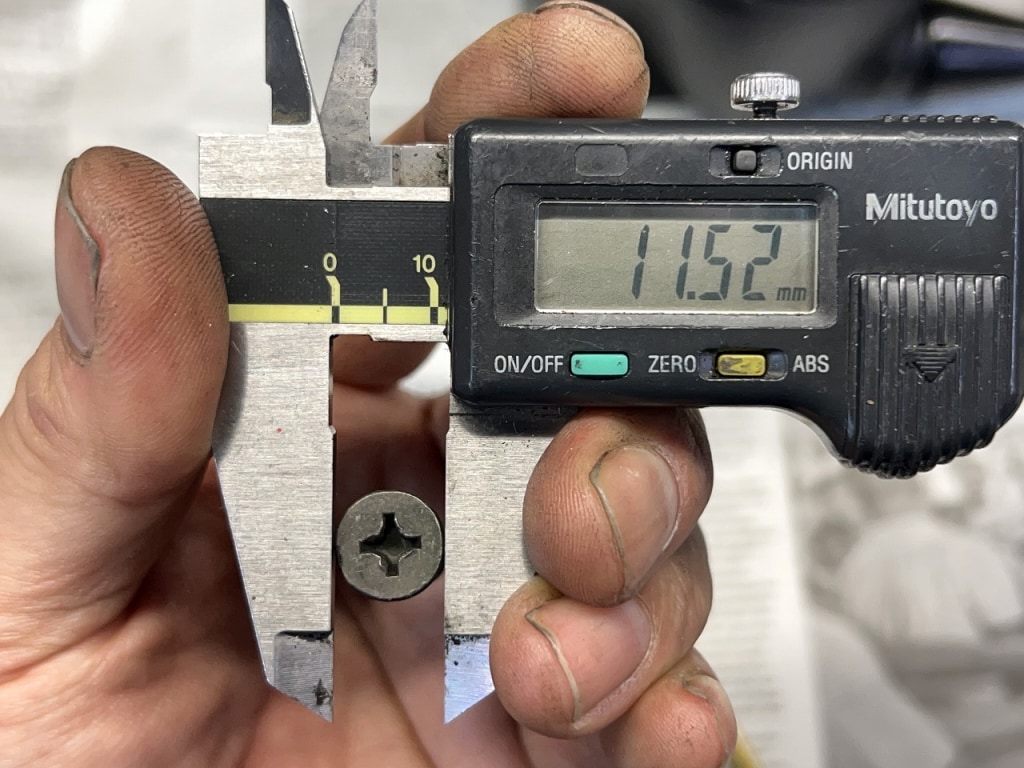
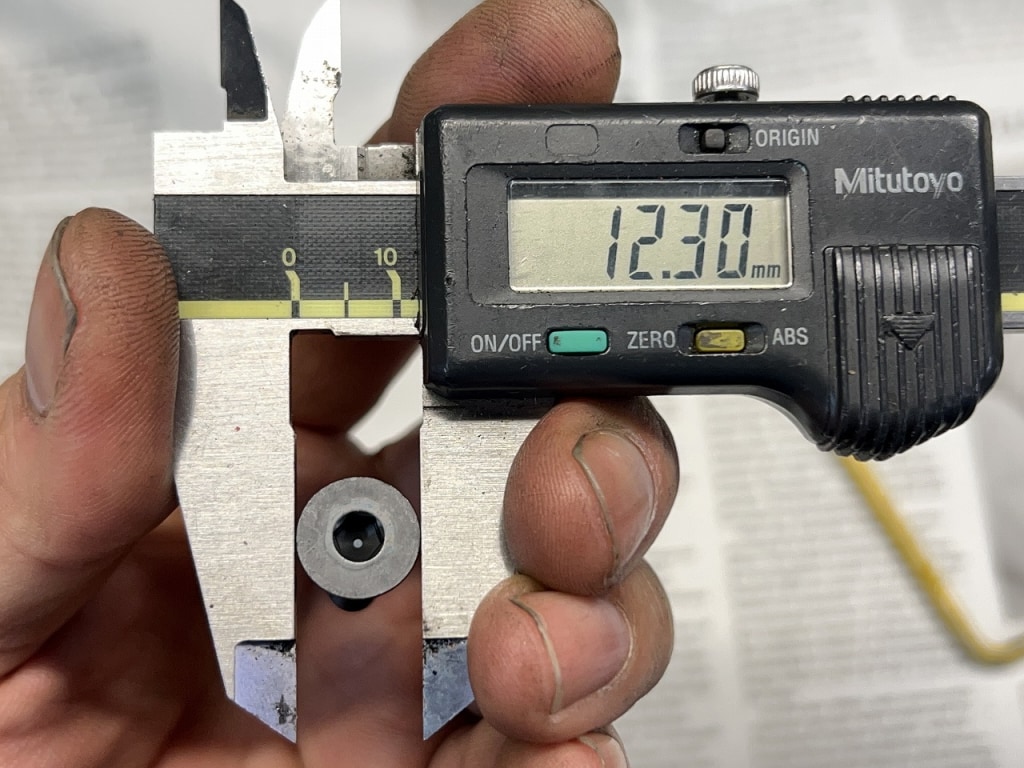
Kawasaki’s countersunk bolts (M6) have a slightly smaller countersink outer diameter than standard parts.
In other words, you need to reduce the outer diameter a bit to fit them. It’s a bit of a hassle.
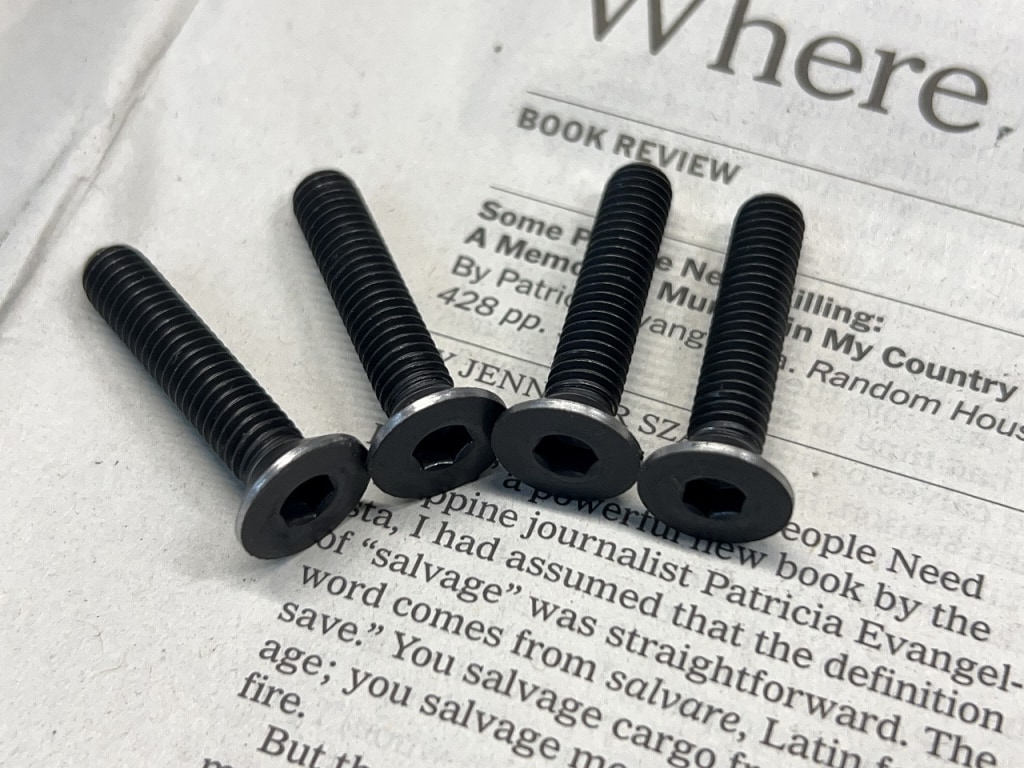
If you turn it down about 1mm on a lathe, you can use it as is and it looks a bit cooler.
I happened to use it for a GPZ 750 customer the other day, so I had some in stock.
It’s as if I had predicted this future….
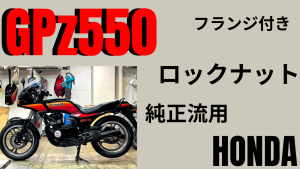
Since the mirror base is plastic, always secure it gently with a lock nut
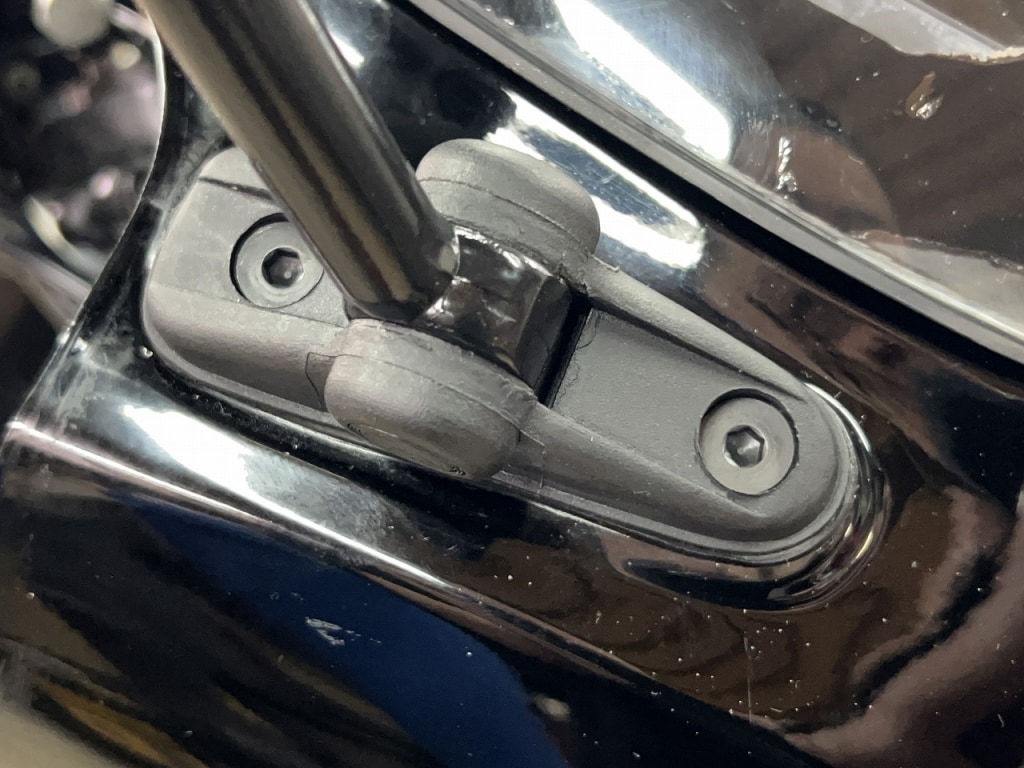
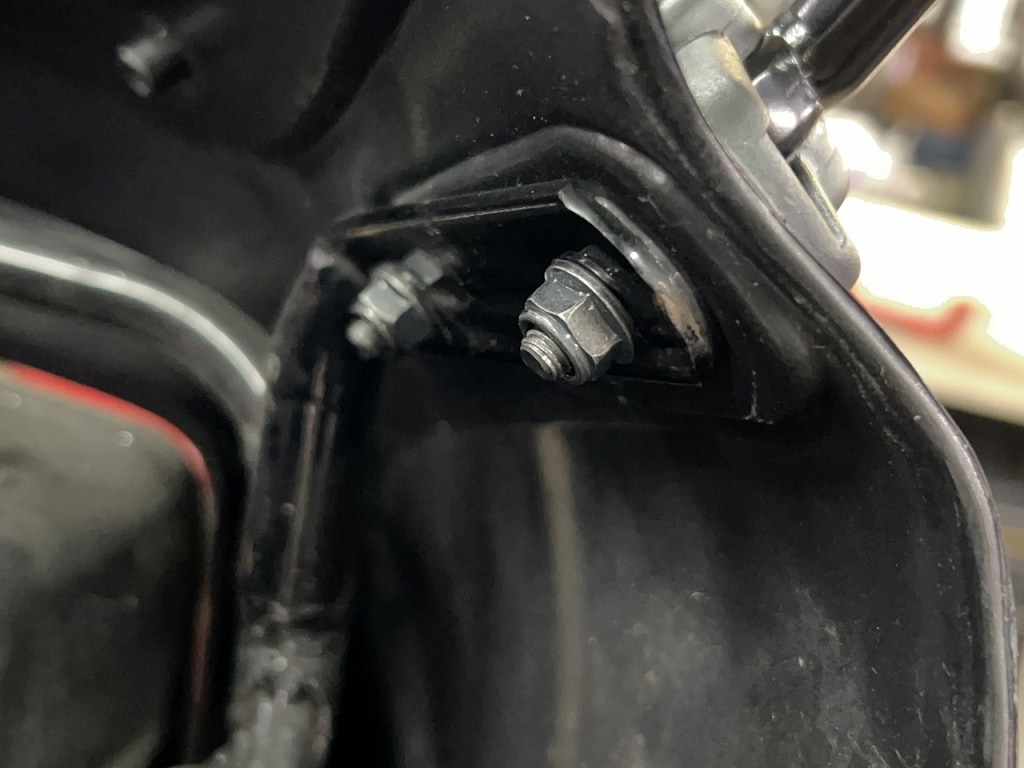
Lock nuts weren’t particularly common in this era.
You often see people desperately putting in spring washers to make do. That kind of thing, right?
Since the other side is plastic, tightening too hard will crack or expand it , and if you tighten it gently it will loosen. That balance is tricky, isn’t it?
Using a lock nut and tightening it just right will make the mirror last longer .
You have to be pretty careful because structures from that era where plastic is directly tightened with metal bolts are surprisingly still around.
If you look at the structure of an old bike and take some countermeasures, you can minimize damage to parts and reduce loosening.
Modern designs would use push rivets or hook-type fasteners or well nuts for plastic, or make the receiving side convex and bolt-fix it to avoid putting stress on the plastic.
With older bikes, if you look at the structure and take a little care, you can minimize damage to parts and make them less likely to loosen.
Unless you’re told, you can’t tell it’s 100% stock-looking custom work
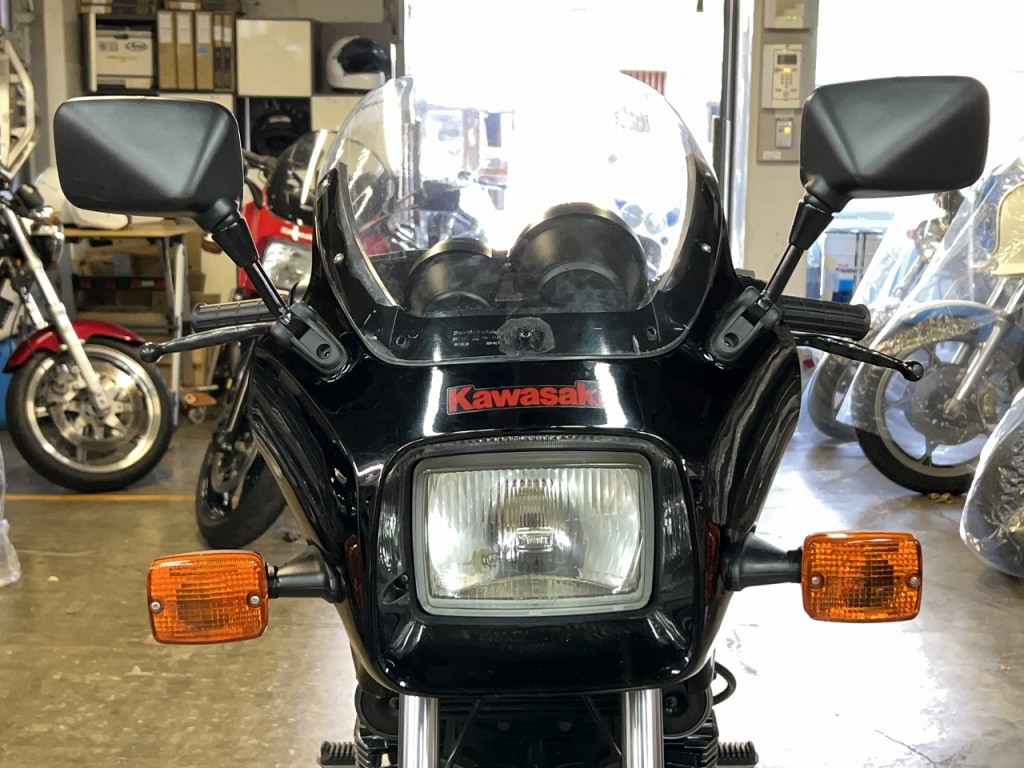
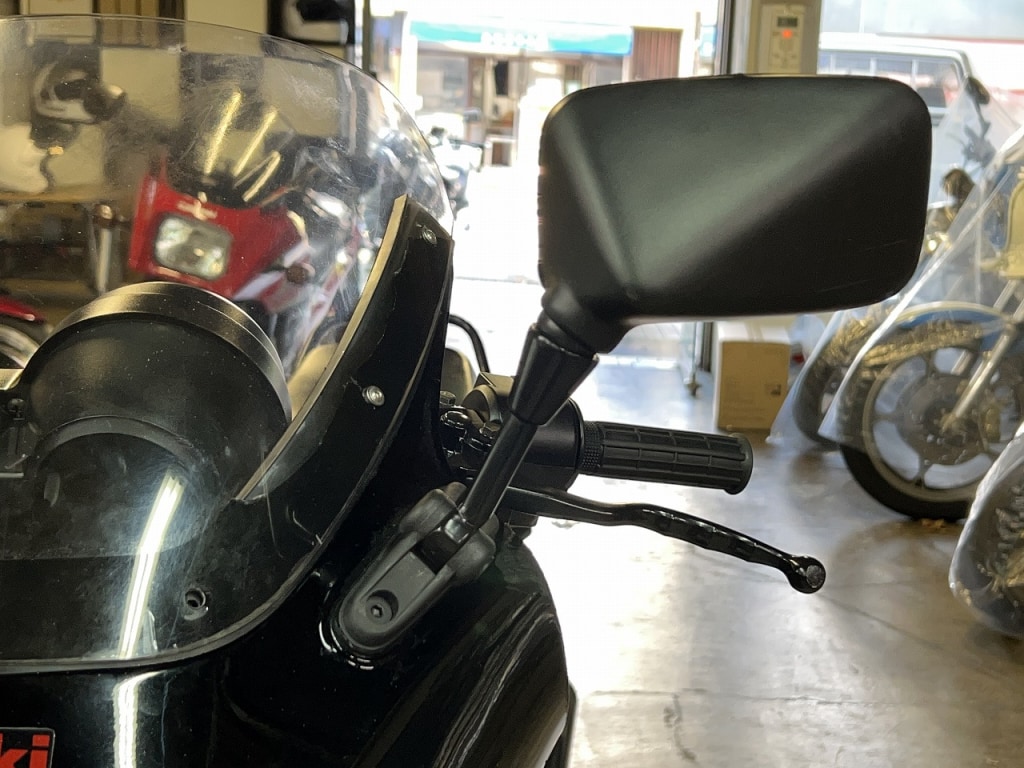
Hmm…. it’s really subtle and very nice (*´ω`*)
Basically, I want to enjoy it in its original state without spending too much money.
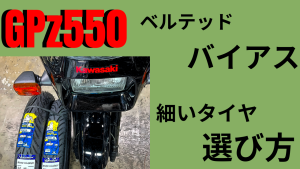
These days there’s a trend that thicker tires are better, but
thin tires are actually really fun.
Recently, bias tires have evolved and there’s something called belted bias.
Plus, since it’s bias, the cost is low, so it’s kind of a win-win?
After all, classic bikes have so much to do! so it’s fun, right?
ポチップ
 ポチップ
ポチップ
 ポチップ
ポチップ