Yeah, yeah, the “heading to Hawaii for the end of the year?” kind of talk has really died down. The temperature’s gotten bitterly cold and it’s starting to feel like December. Naturally, as it gets colder, the motivation to ride bikes disappears, and even writing this blog makes me feel a chill.
I’m really looking forward to the new facility that’ll probably be much more comfortable.
Today, people left earlier than planned, so I’ve got a bit of time to get some work done. Let’s go then, shall we (*´ω`*)
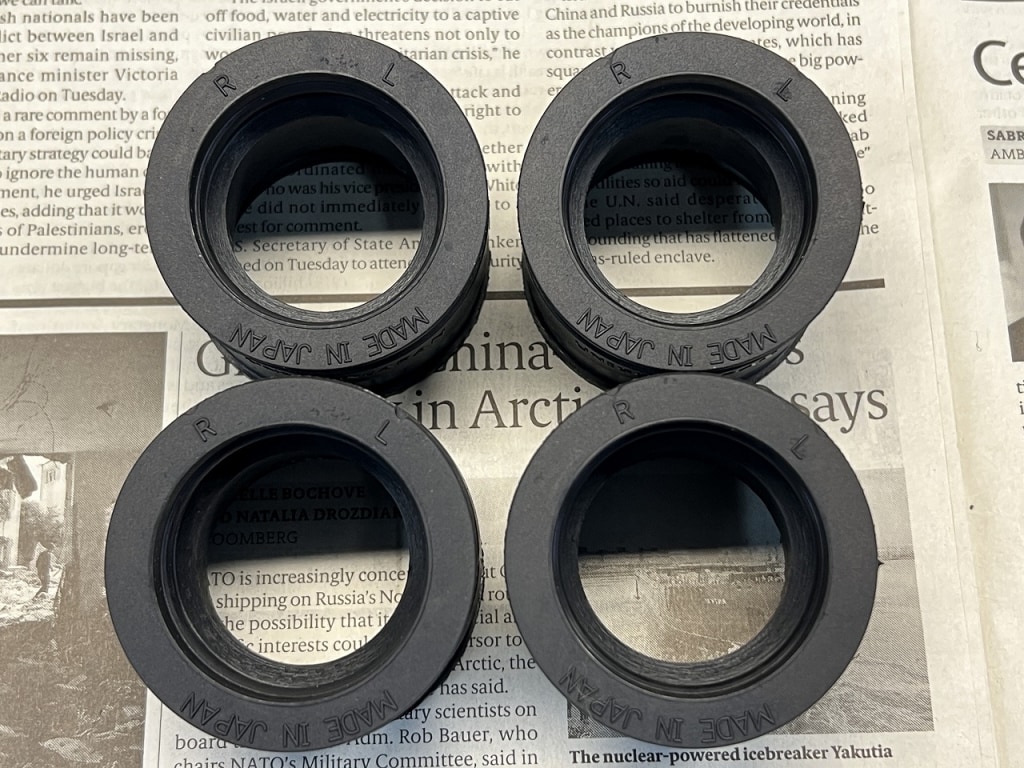
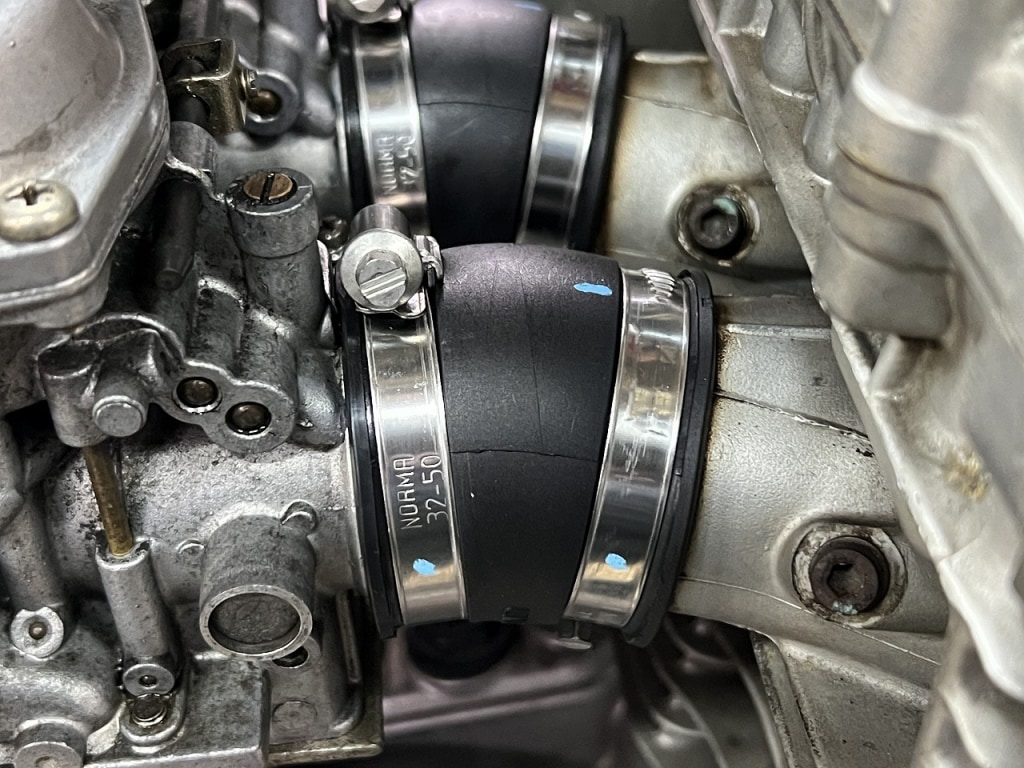
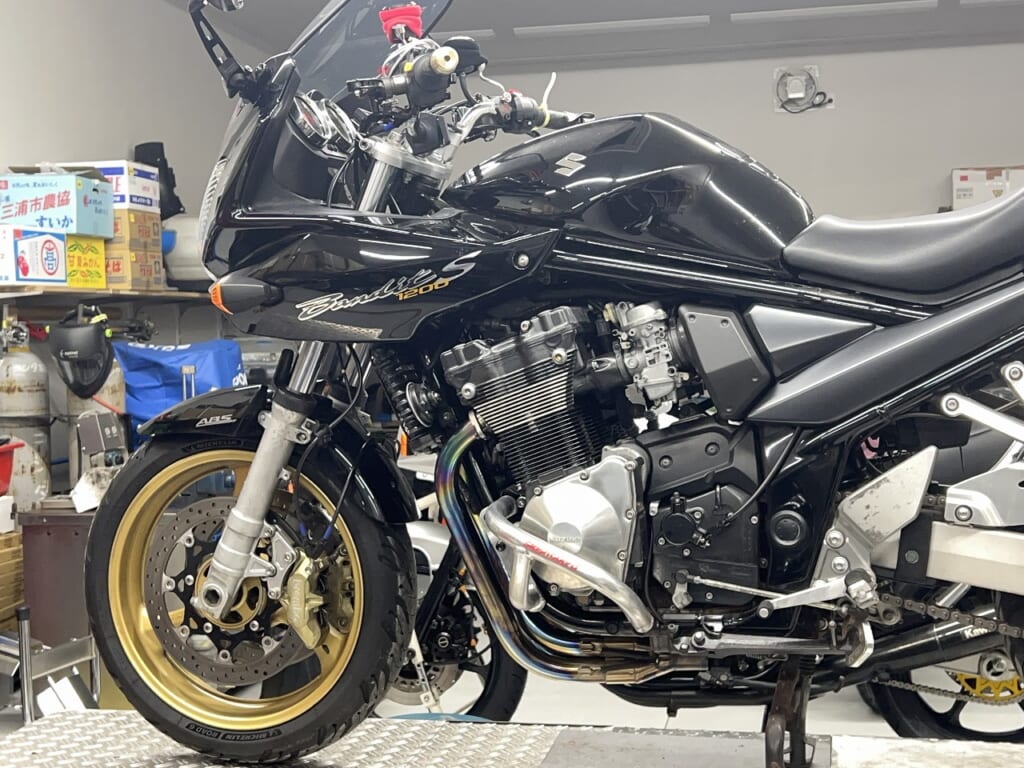
By the way, it’s a common point on both sides. There’s a stamp on the engine side, so check it carefully and install it properly. Material-wise, it felt more solid than the OEM. Since this is the first time using it, I can’t say for sure, but it feels like “safety and peace of mind improve considerably.”
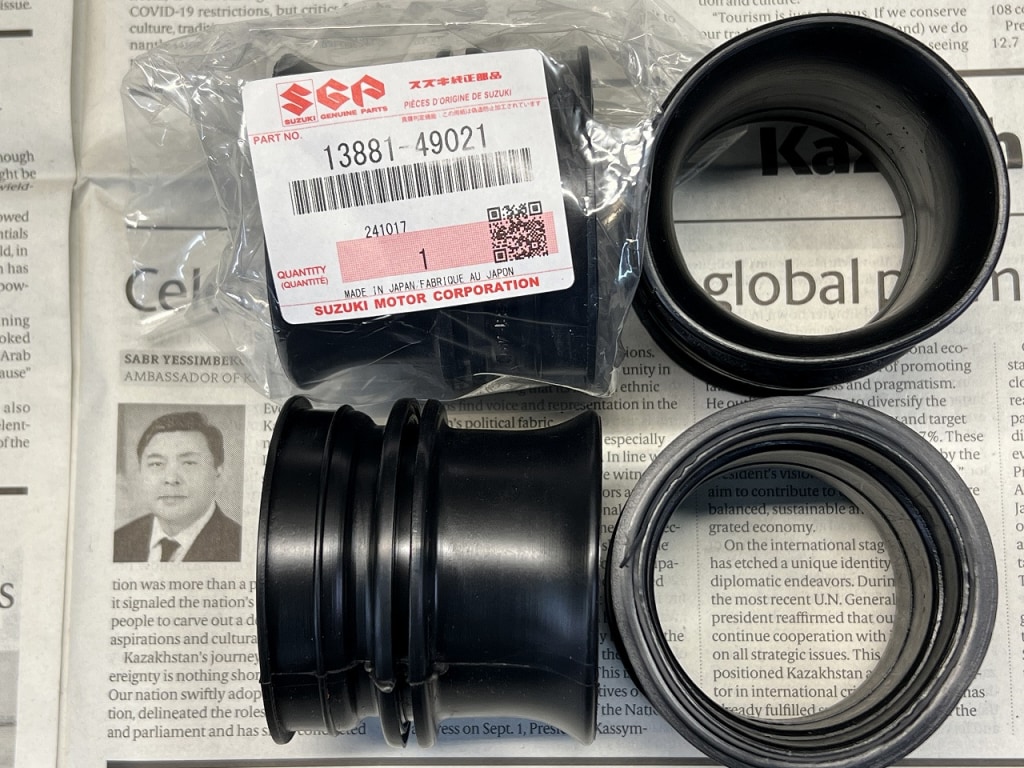
I’ve heard that sometimes the OEM Suzuki ones are too soft and don’t seal secondary air properly, and there are occasional stories of the carb popping off on first start after a TMR install. This feels like it reduces those worries.
The hard-to-install series! Hose outlet 13881-49021
Even without injection, they wanted a good seal back then. I think you could probably skip this ring, but since it came on the original, I install it every time.
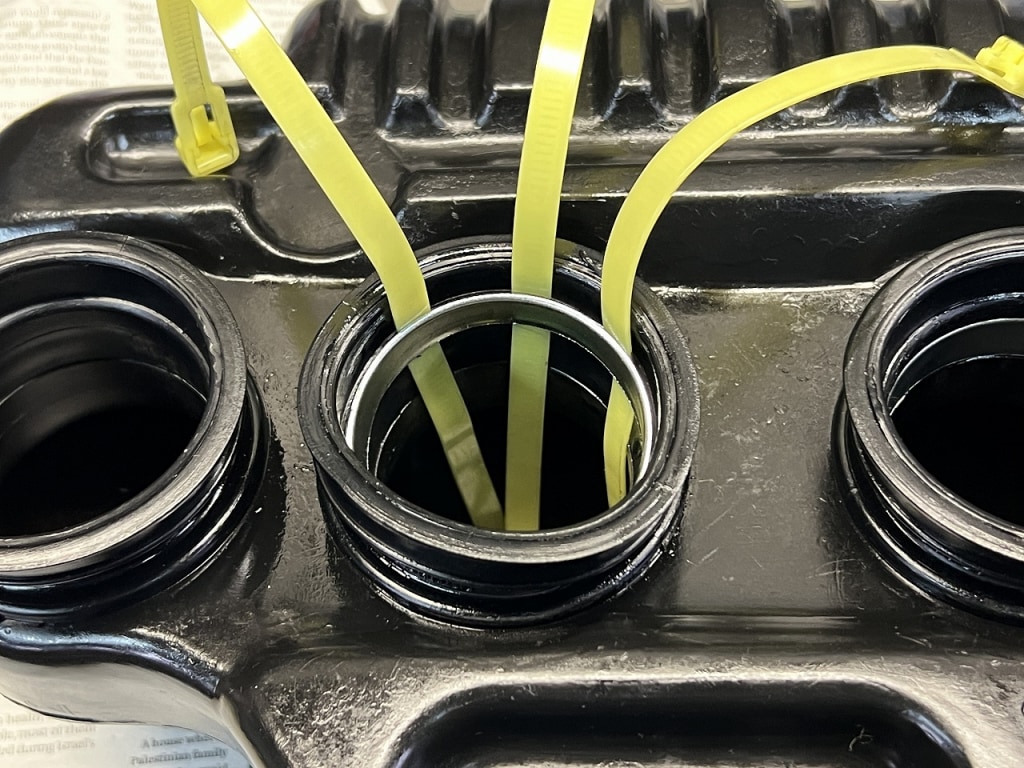
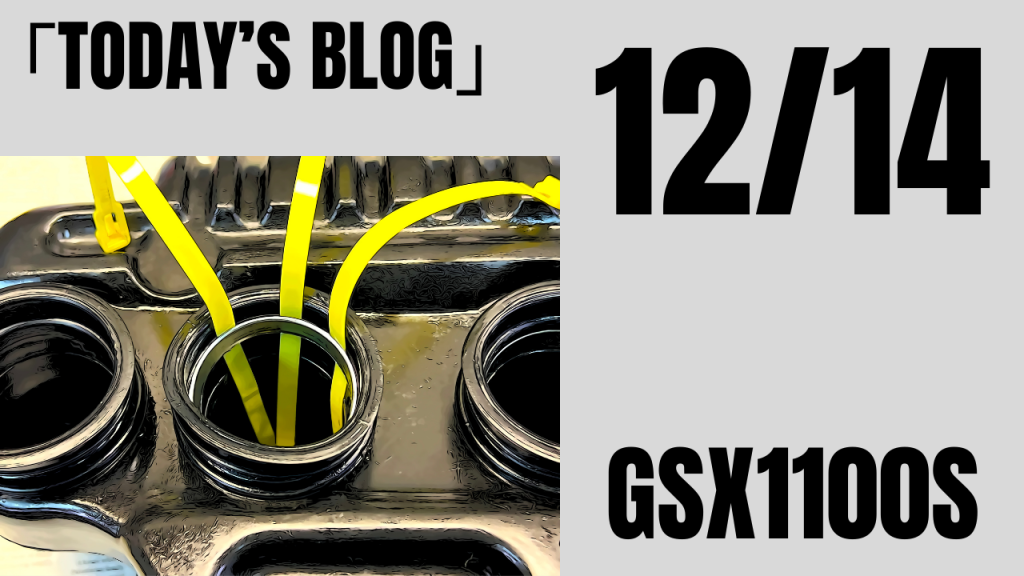
It won’t go in as-is, so if you use a reusable tie smartly, it’ll slide right in. For installation, push one side all the way in and angle it like in the picture. Then put in about three reusable ties (thicker ones work better), spray some silicone spray, and push—it’ll slide right in.
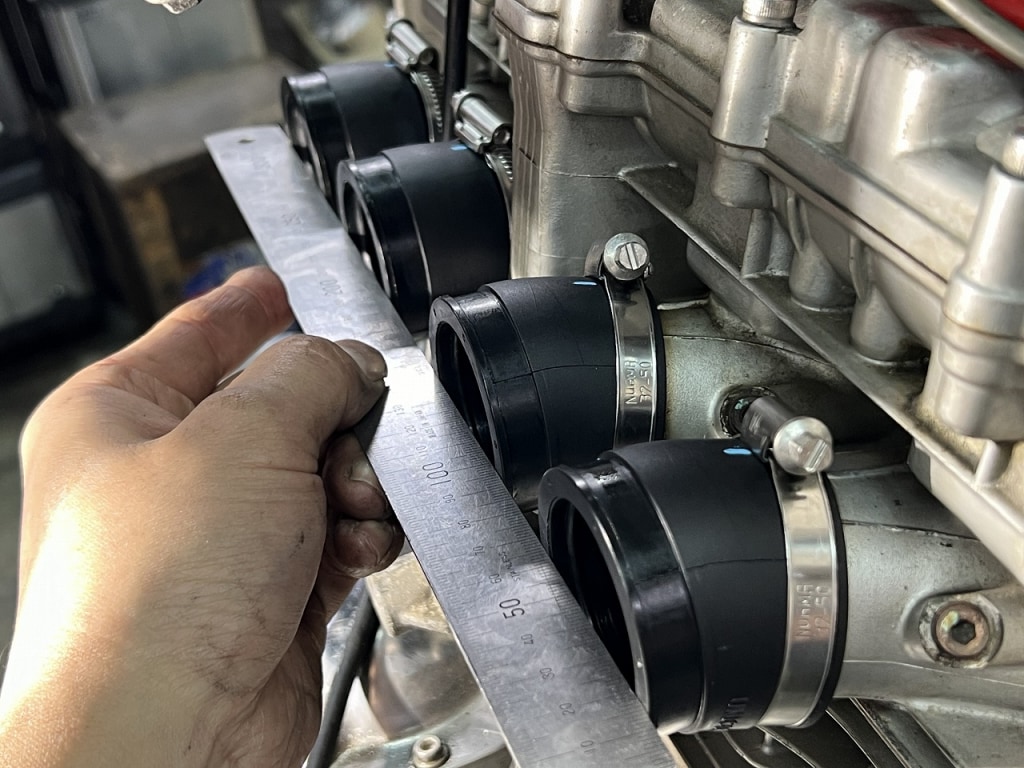
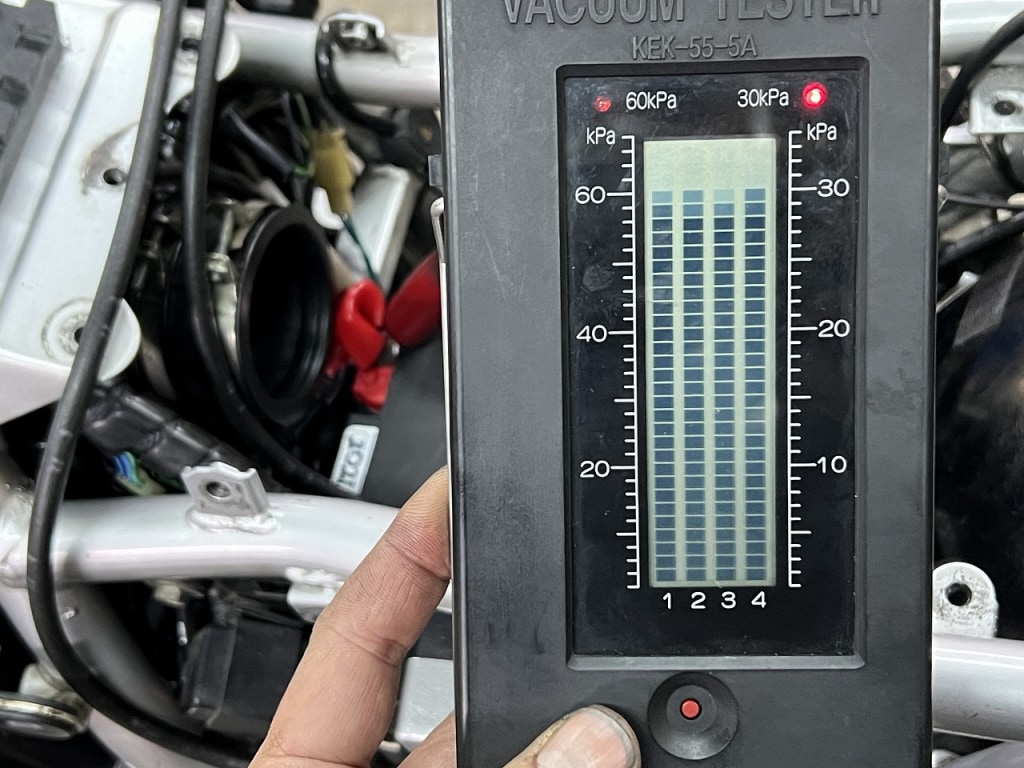
The Katana has a mysterious structure, so checking parallelism is important. Rather than checking all four at once, “align 1-2 and 3-4, then check all four at the end” might be easier.
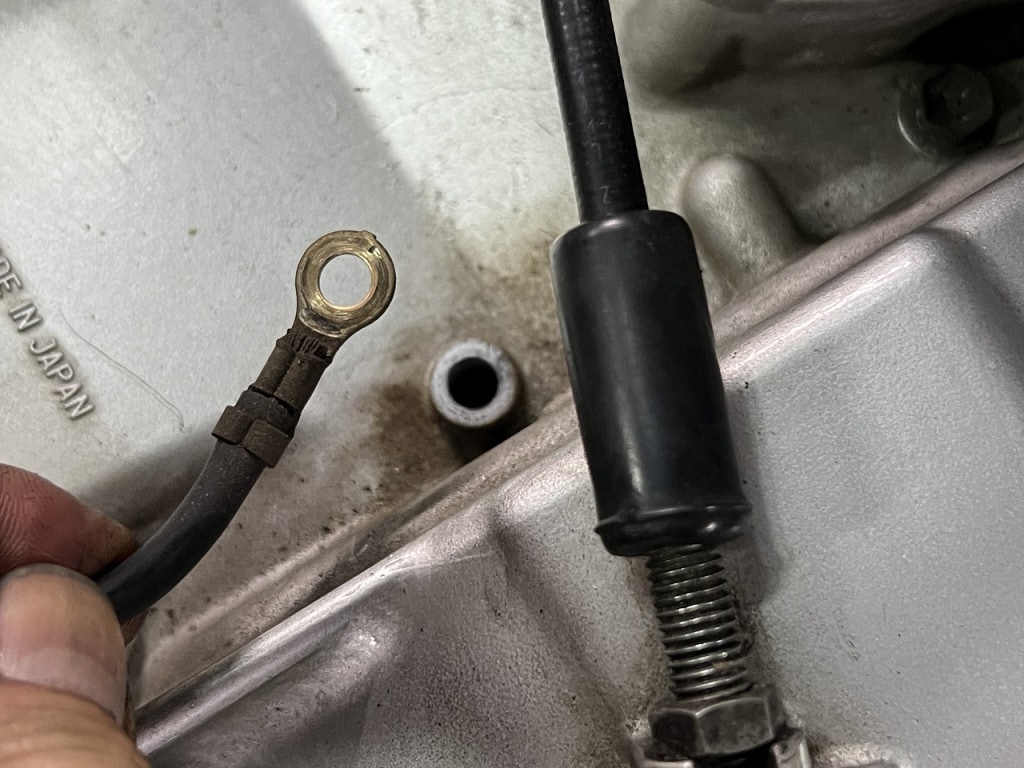
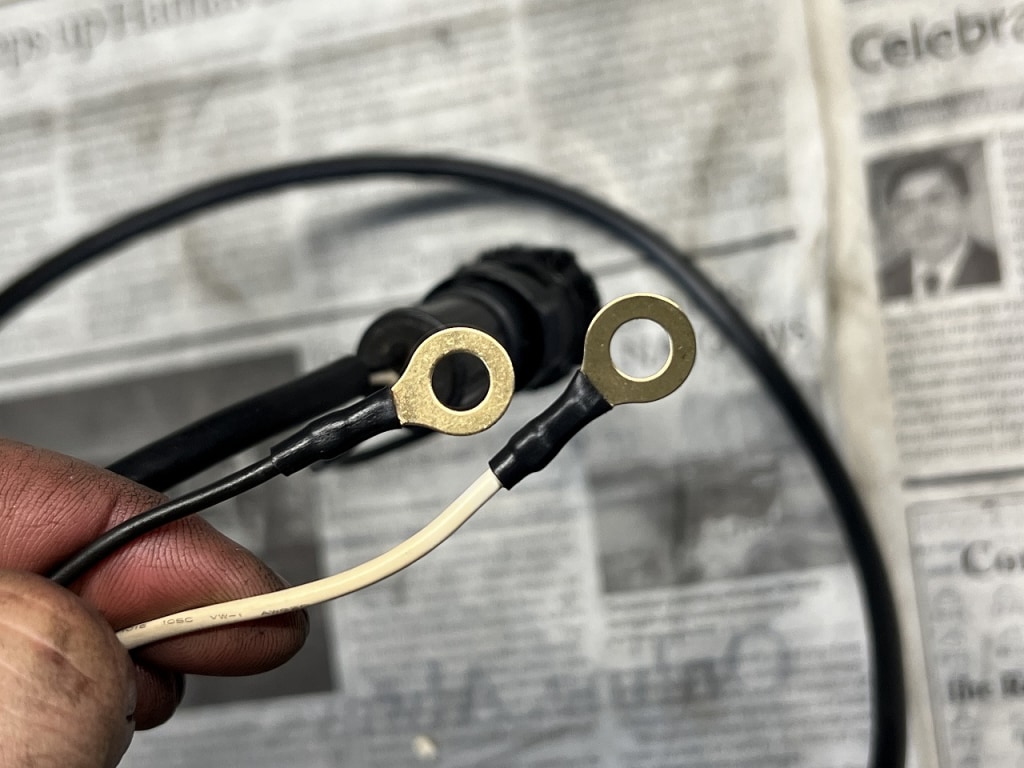
When you remove the air cleaner box, giving the main ground a good cleaning boosts your peace of mind a bit.
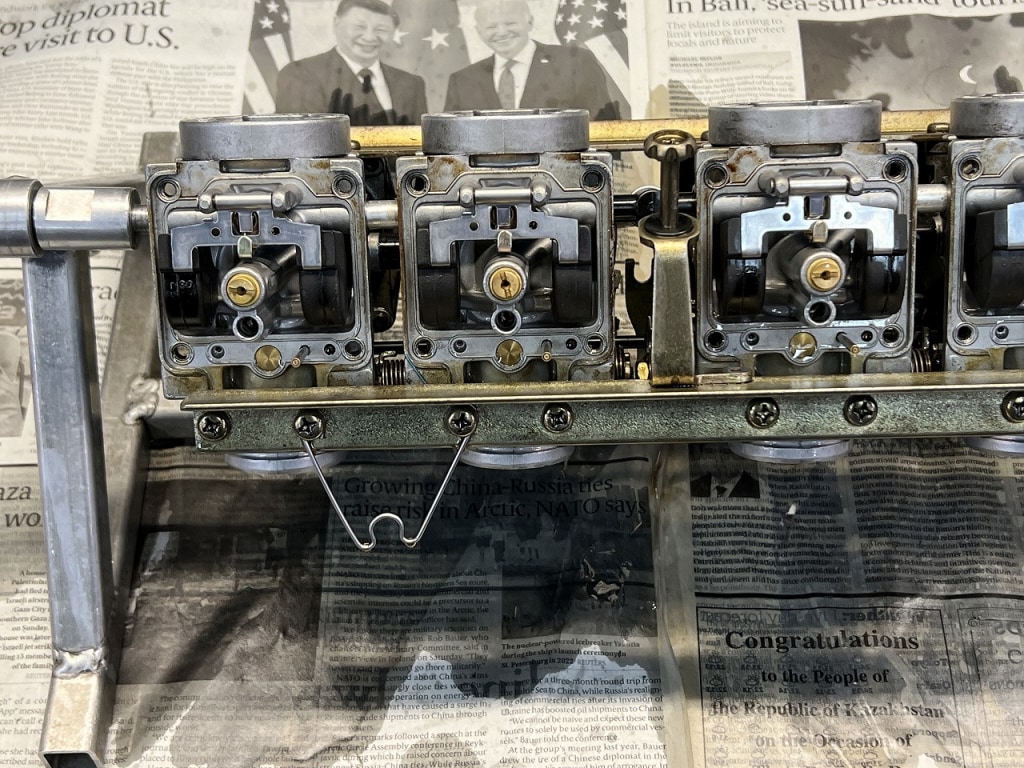
The carburetor’s off, so let’s check the passages with compressed air
Just blowing air through the pilot jet passages makes a big difference. The narrower passages tend to get clogged up over time.
Got the carburetor installed and synchronized the carbs too. This reproduction intake manifold feels pretty good. With the OEM, you get a pulsing feeling when starting the engine. With this solid intake manifold, you don’t get that at all. It just feels like the material is more durable overall.
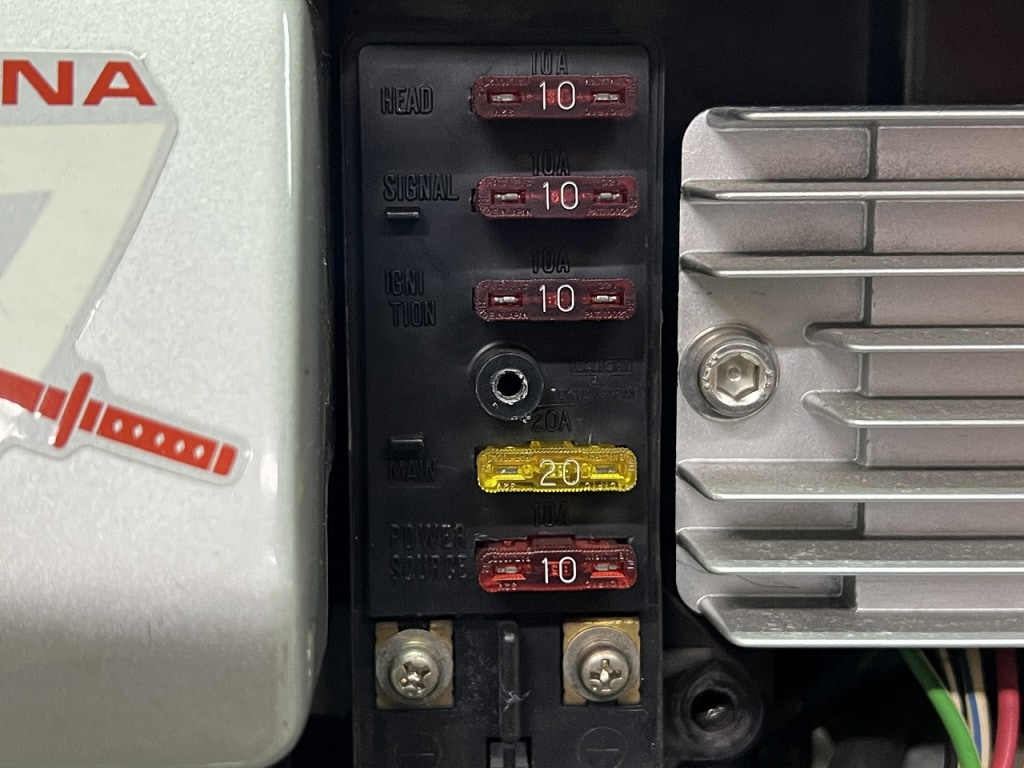
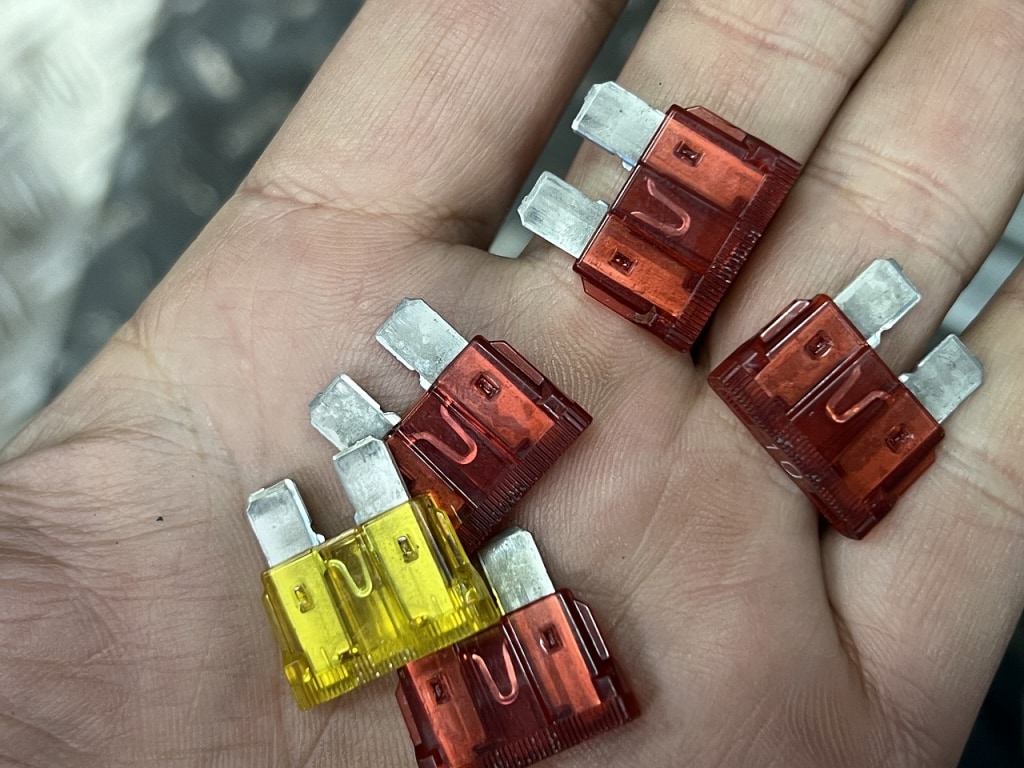
Let’s replace the fuse (*´ω`*)
Fuses don’t cost much. To be honest, replacing them won’t “have a dramatic effect, but it gives you peace of mind mentally.”
I think it’s fine to start with things you can do for a few hundred yen to a thousand yen
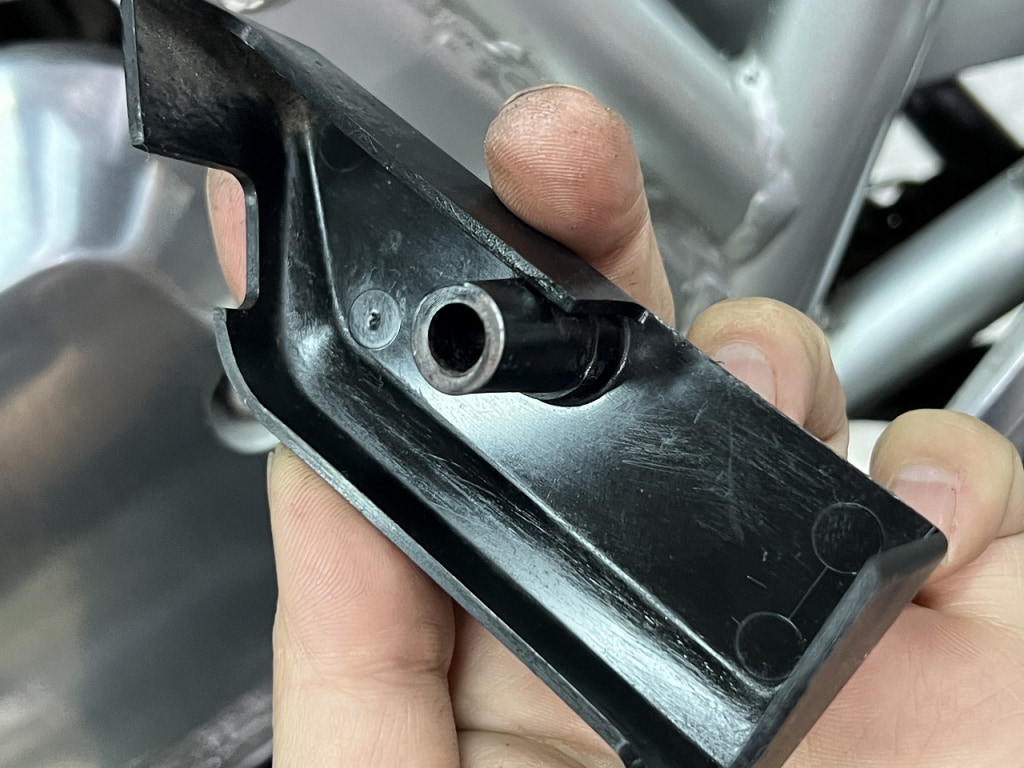
Cleaning the inside of the removed cover feels nice too. Having one silicone spray is super useful, so keep some in stock.



 ポチップ
ポチップ