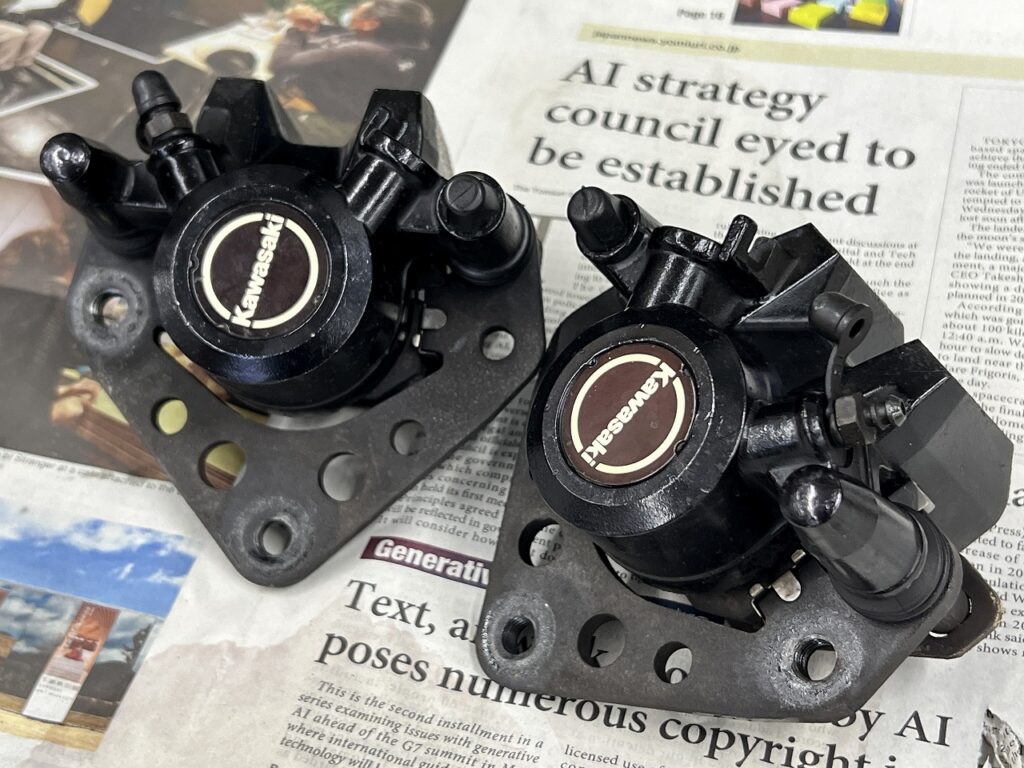
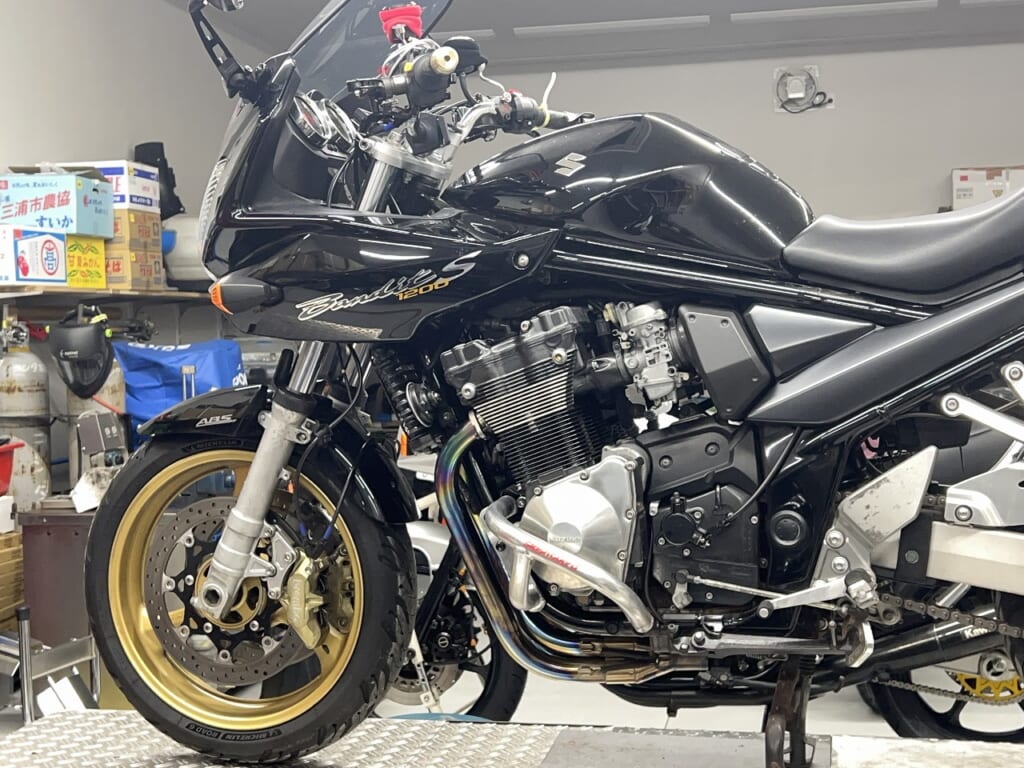
Well, here we have everyone’s favorite oil-cooled bike (*´ω`*) Lately we’ve been turning down quite a bit of work, so oil-cooled jobs have been drying up too.
A while back we took in a GSX-R750 GR71 with a slight fuel leak from the carburetor. Let me check it out.
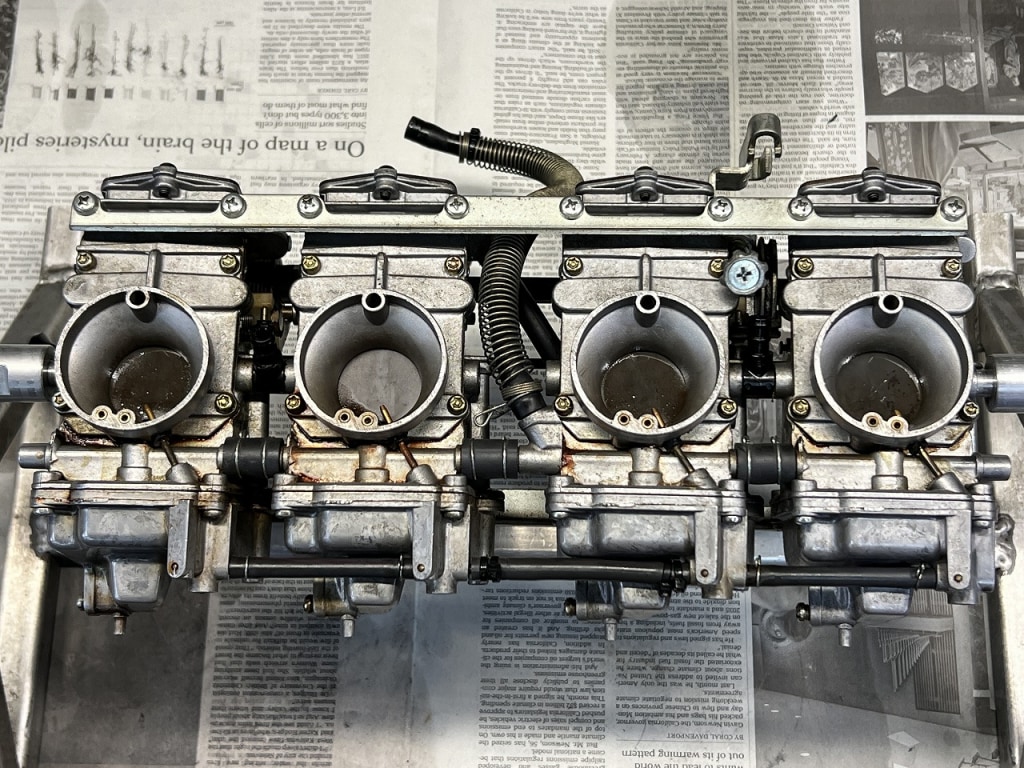
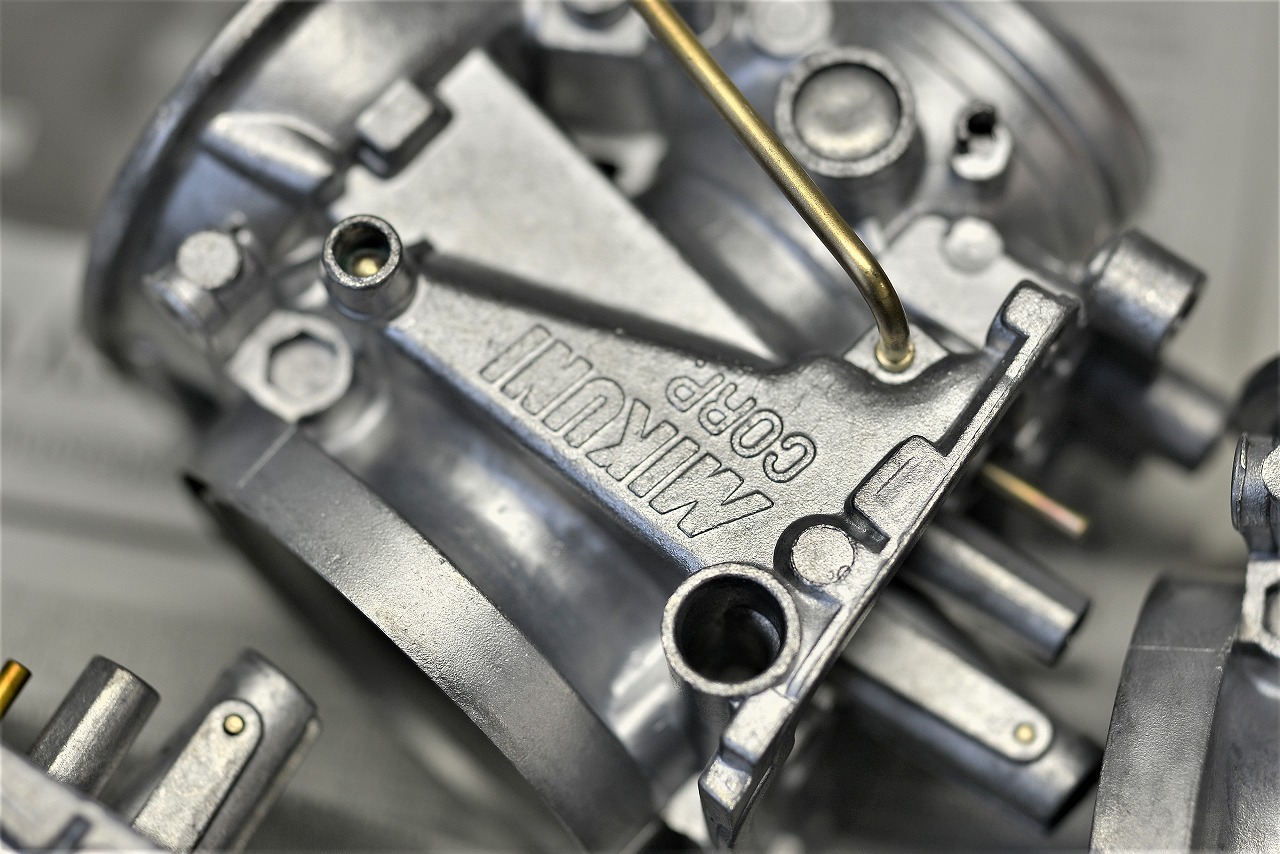
Basically, we don’t usually work on the VM29 carburetor on the GR71
This carburetor has given us so much grief that honestly, I’d rather not deal with it. Poor serviceability, weird layout, and when it gets old, problems just keep piling up.
For now, we’re proceeding with the understanding that we won’t disassemble the four-barrel section.
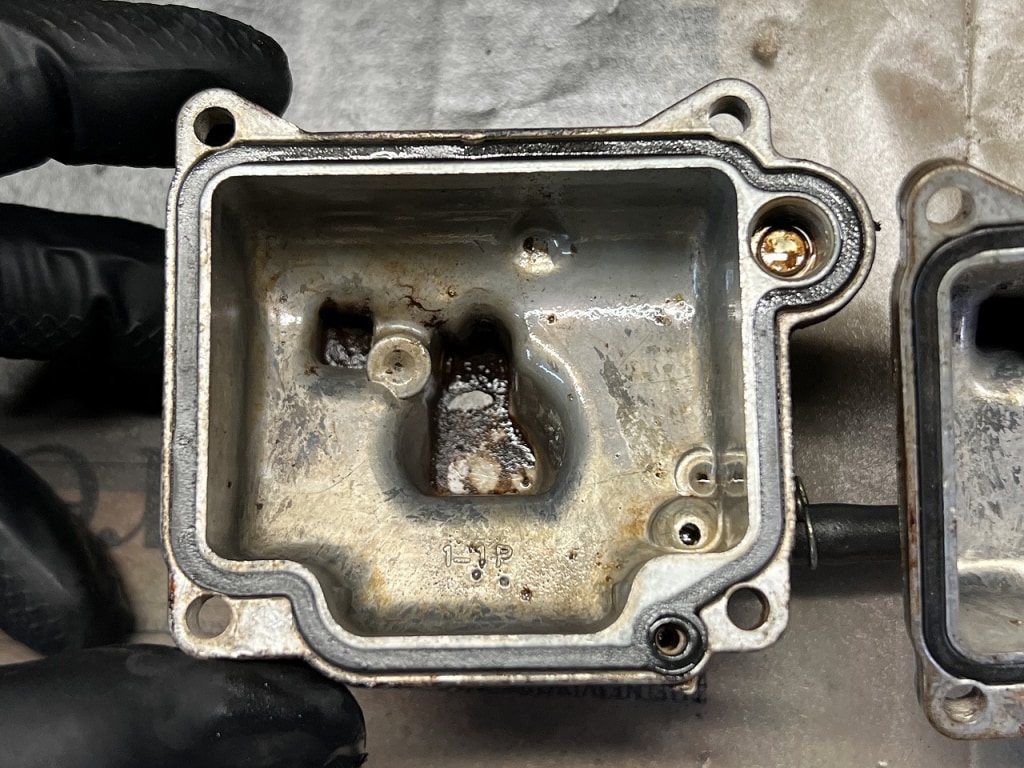
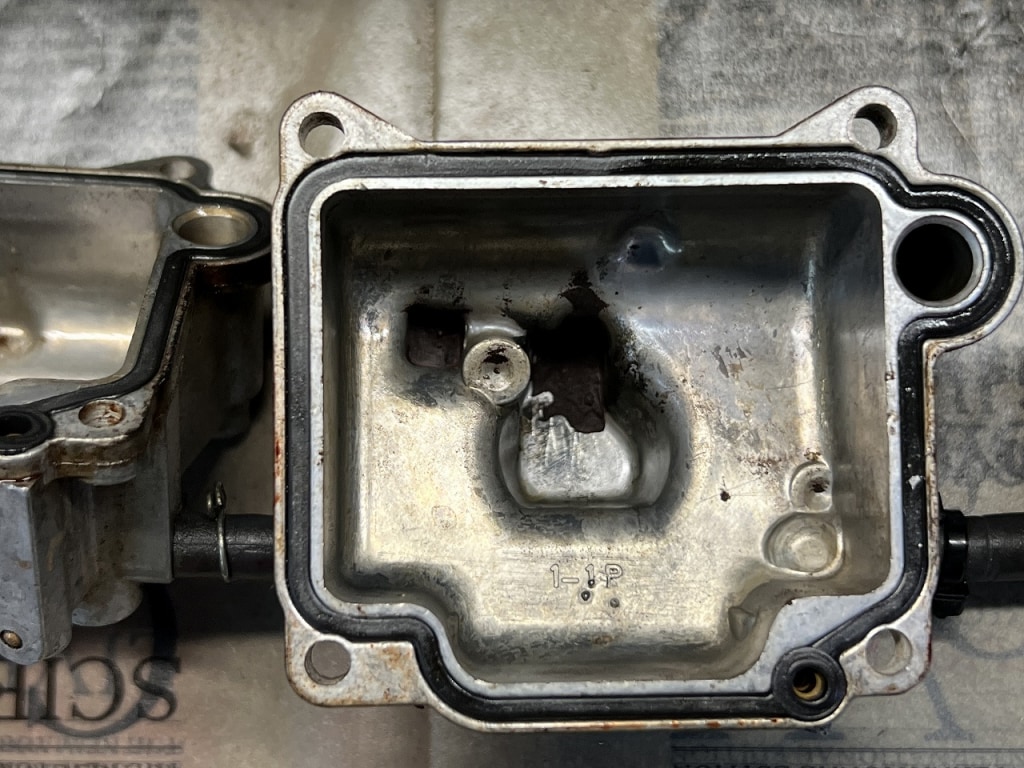
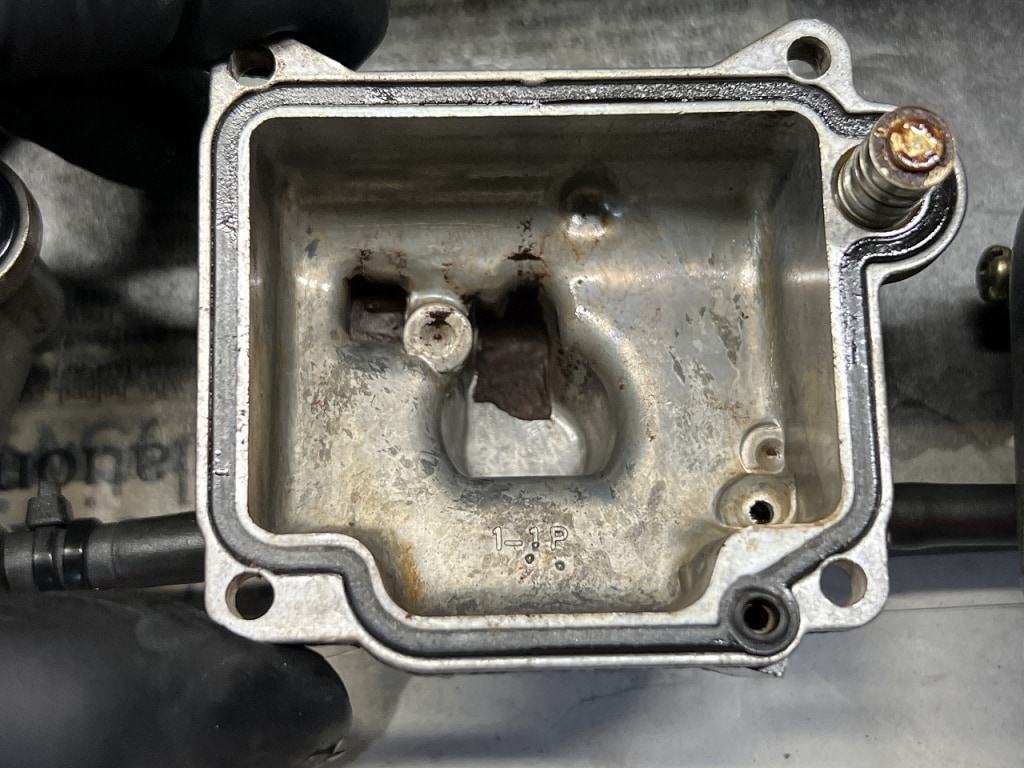
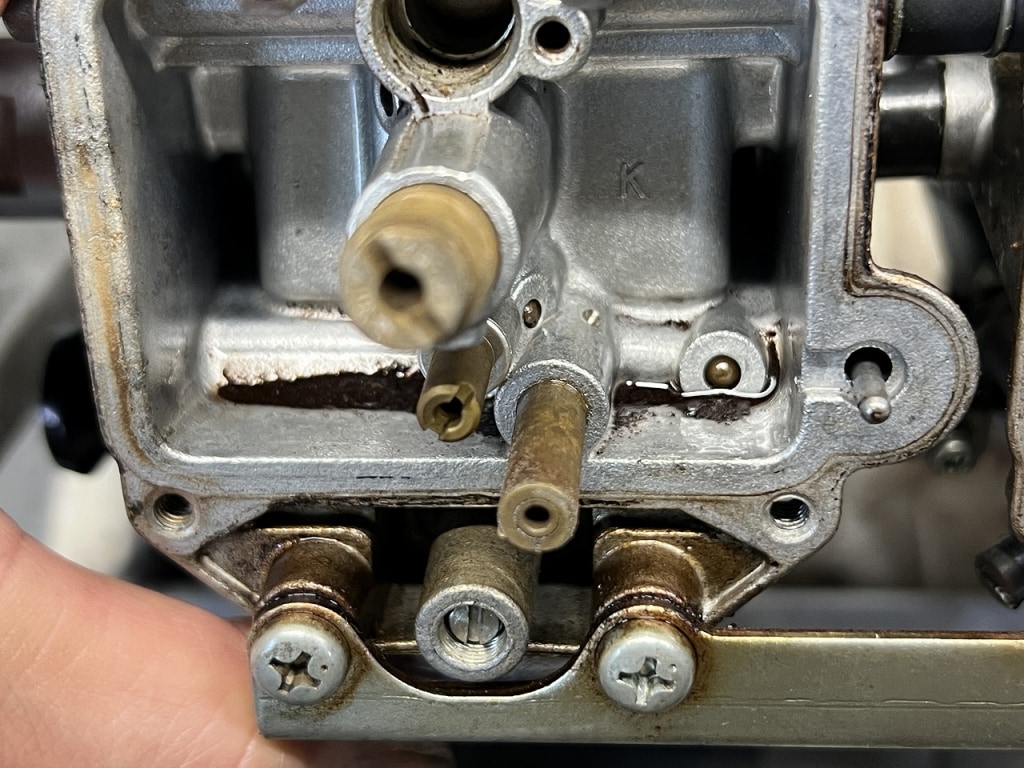
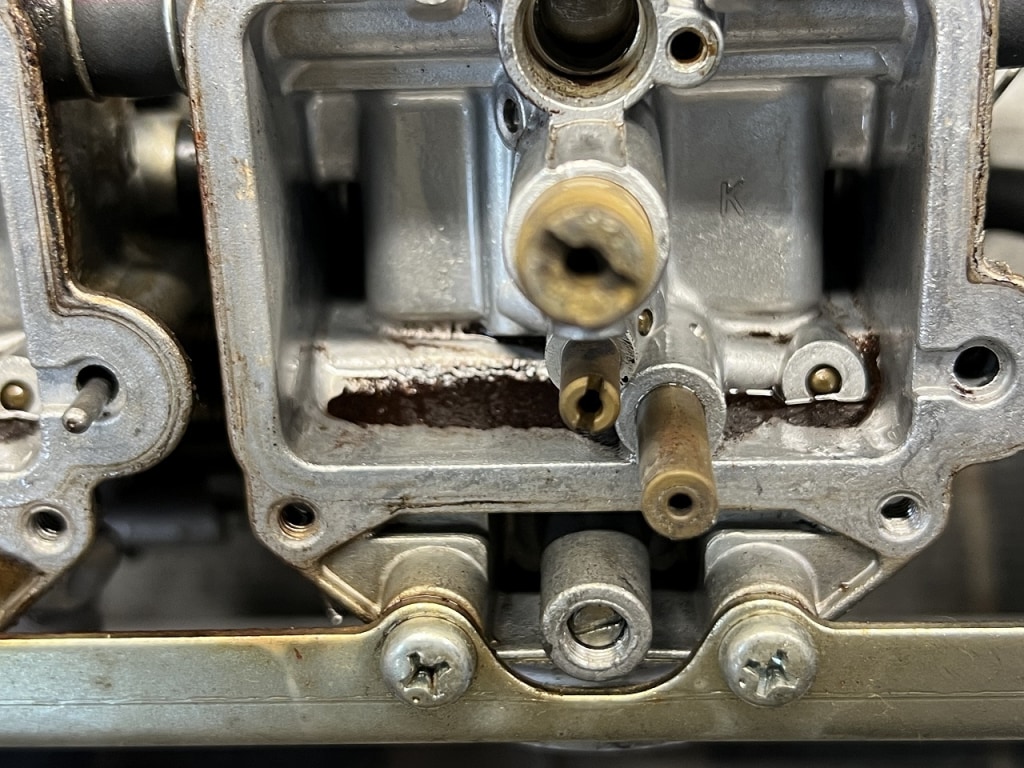
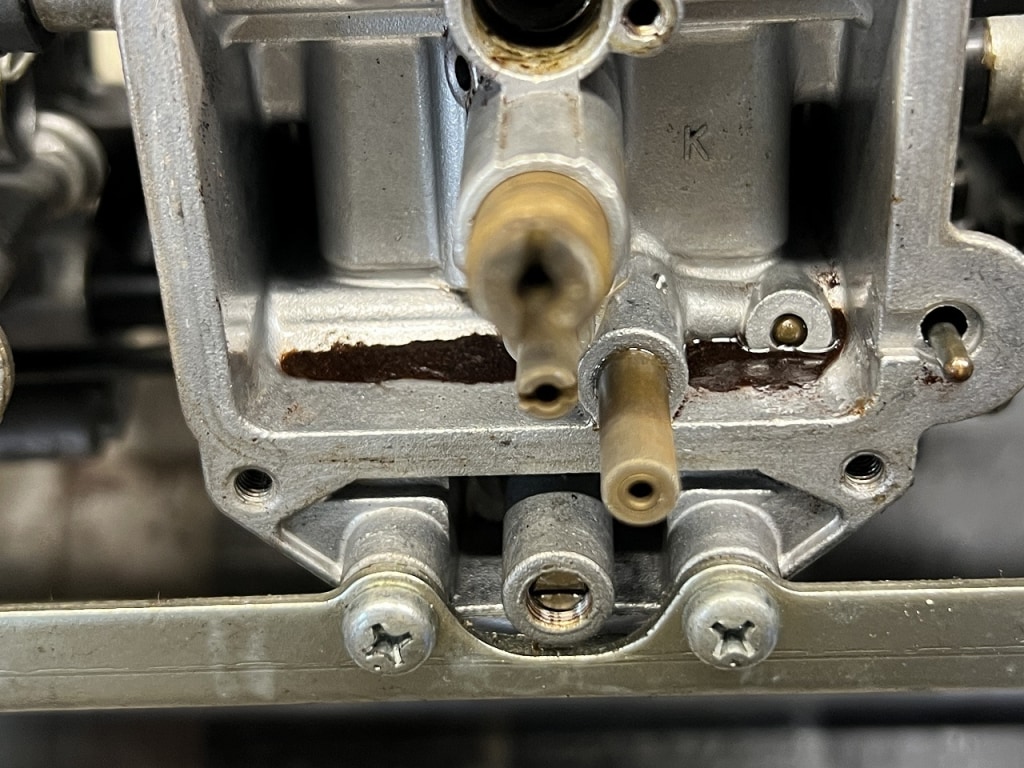
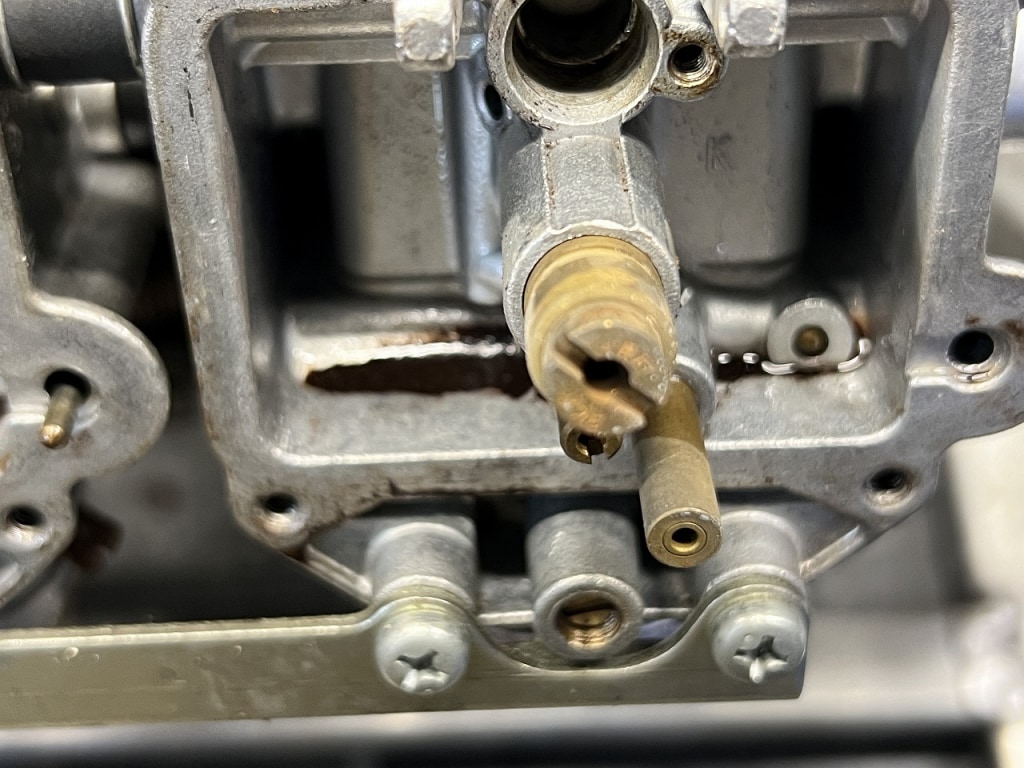
Overall, it looks kind of dried out
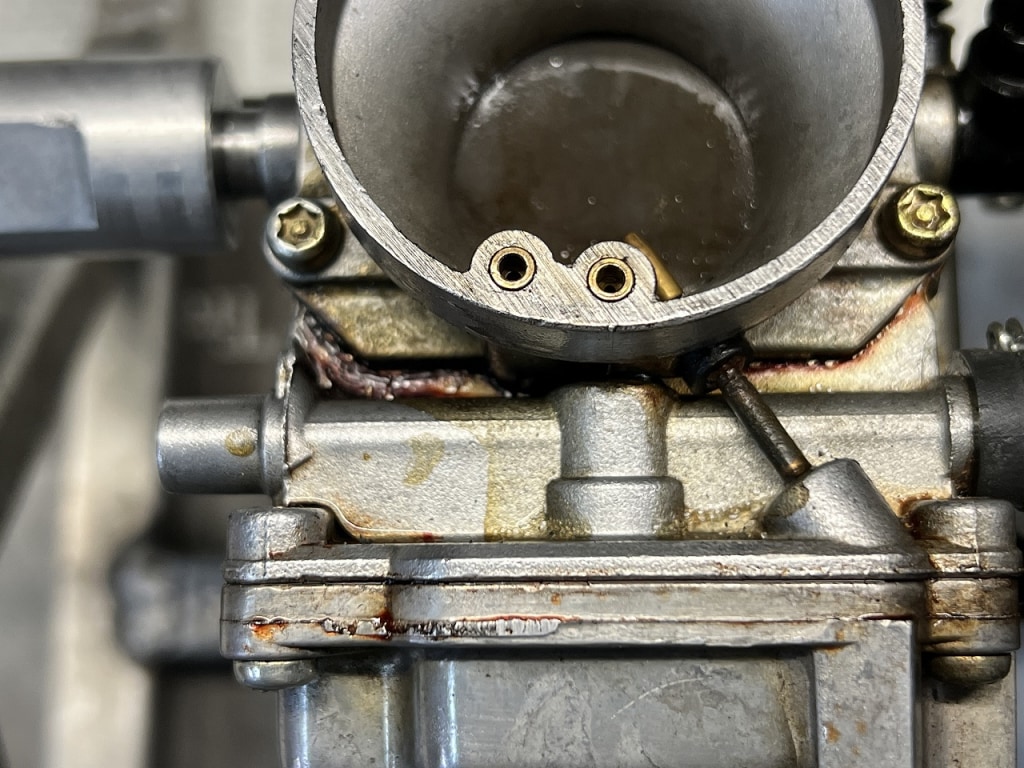
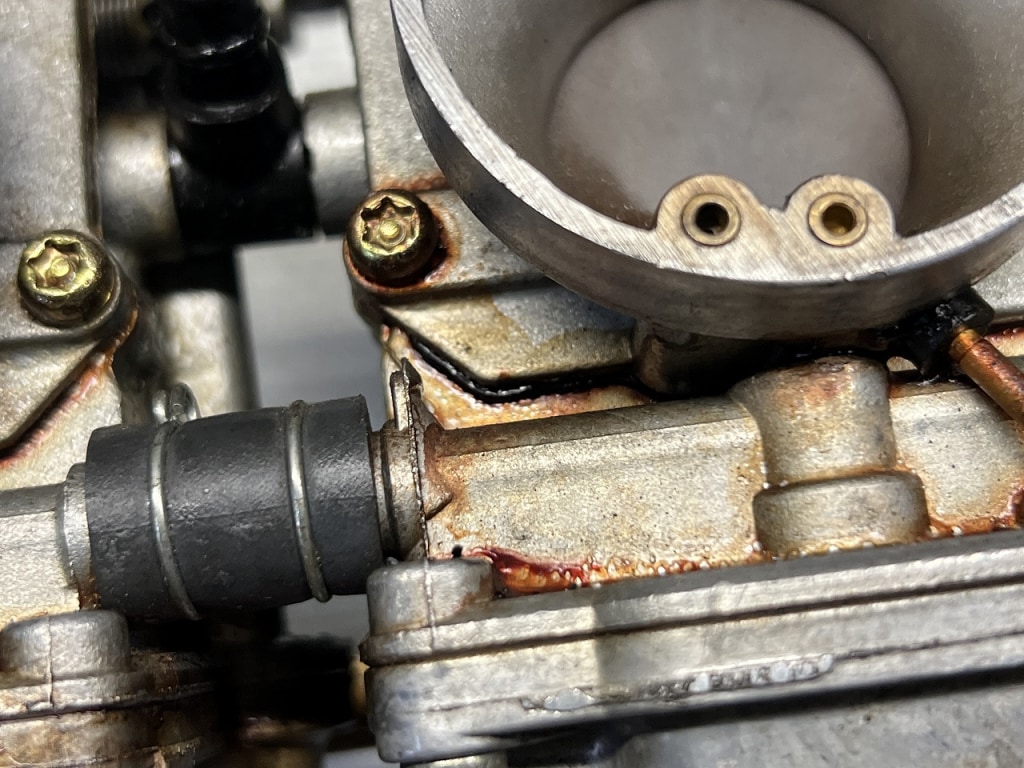
It’s consistently wet and brown-looking. That’s pretty common with old carburetors, so I’m not too surprised (*´ω`*)
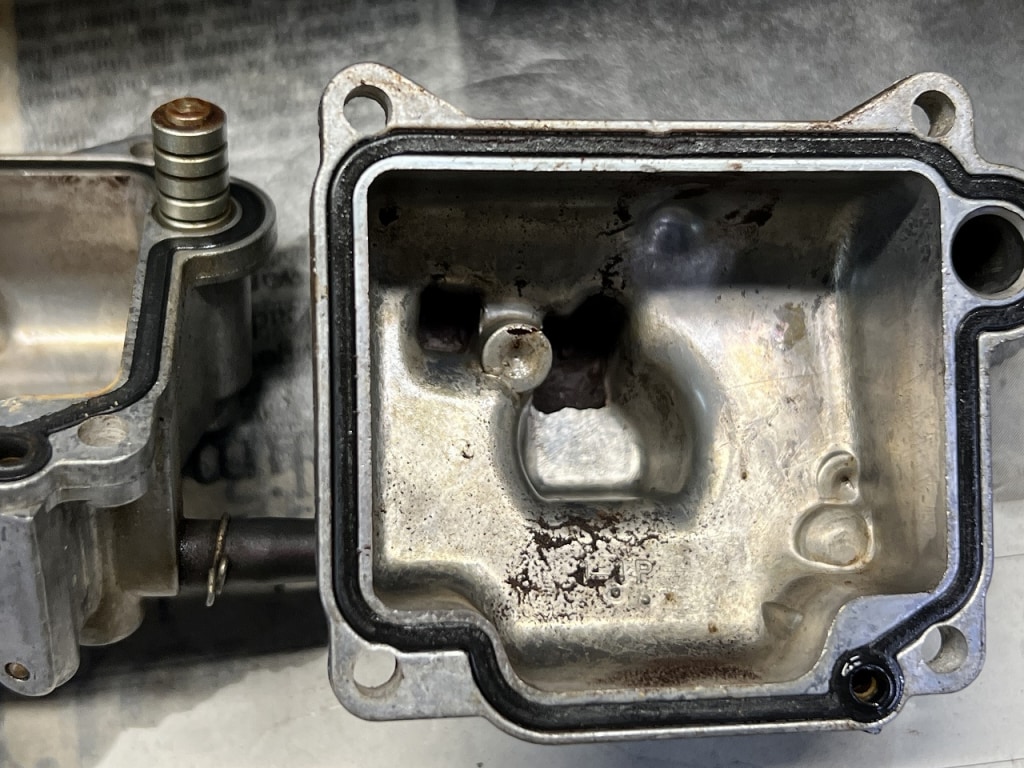
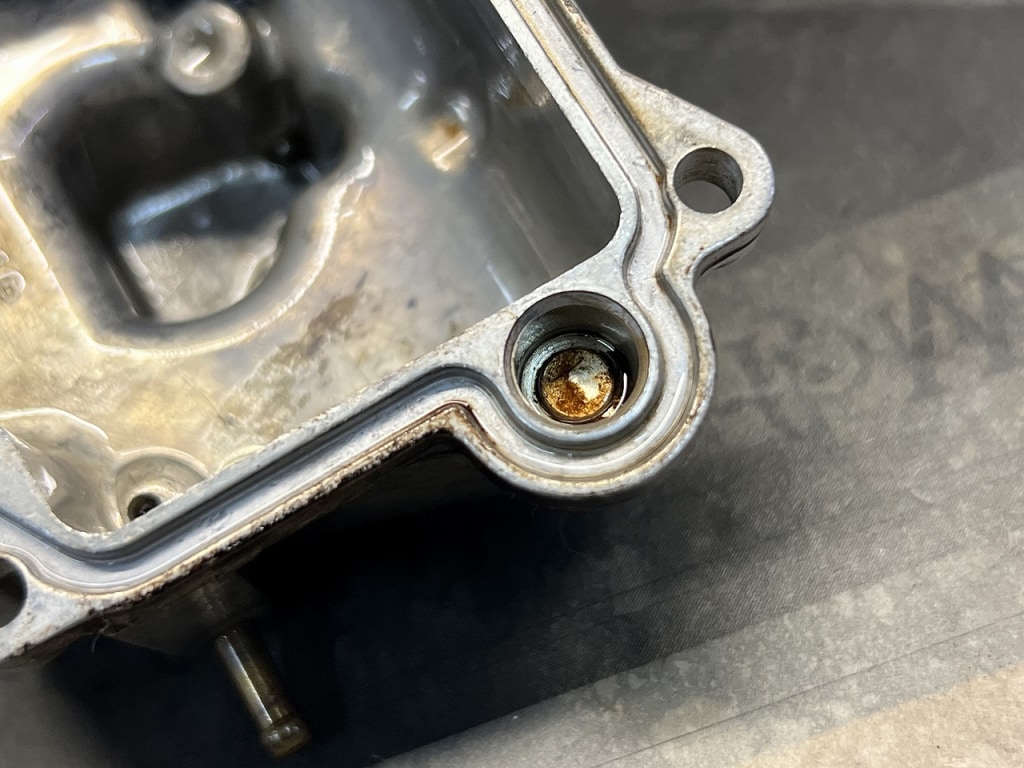
There’s a huge amount of rust buildup in the float chamber. That’s a bit surprising.
When I flipped the carburetor over after washing it, it looks like rust flowed into the upper side too. I think we should check the inside of the tank with an endoscope.
O-rings are all stiff! They were moving pretty well though
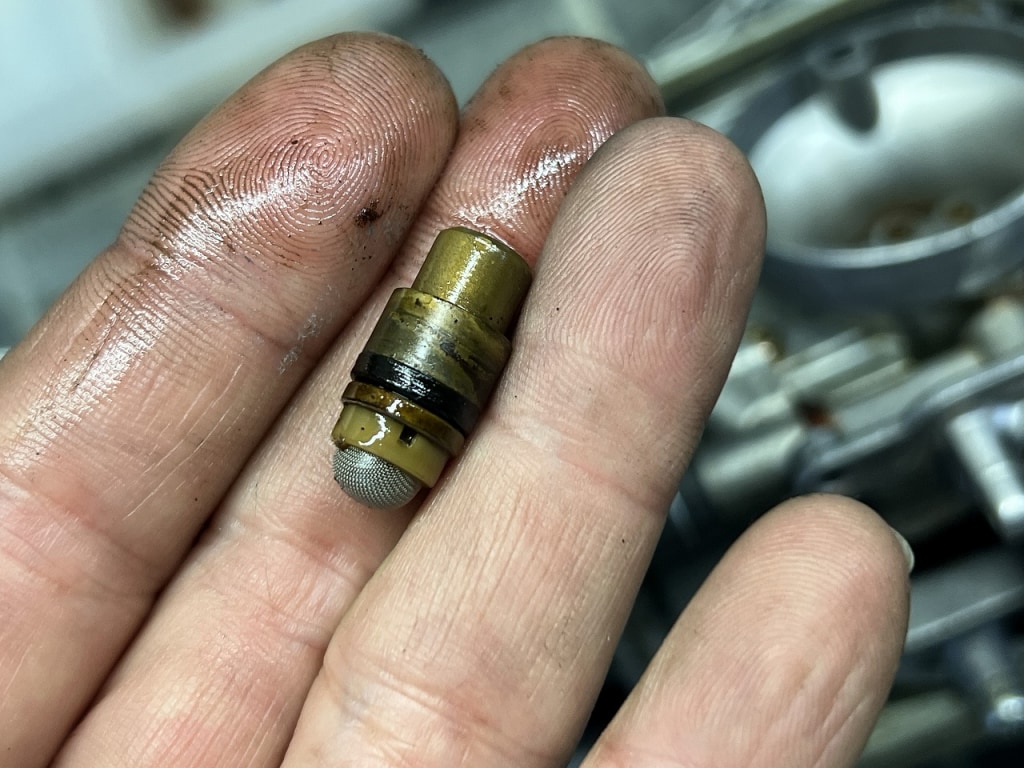
When the float valve O-ring hardens and causes a side leak, it makes overflow more likely. It was hardened to that degree—really stiff. It’s a miracle this thing even made it here.
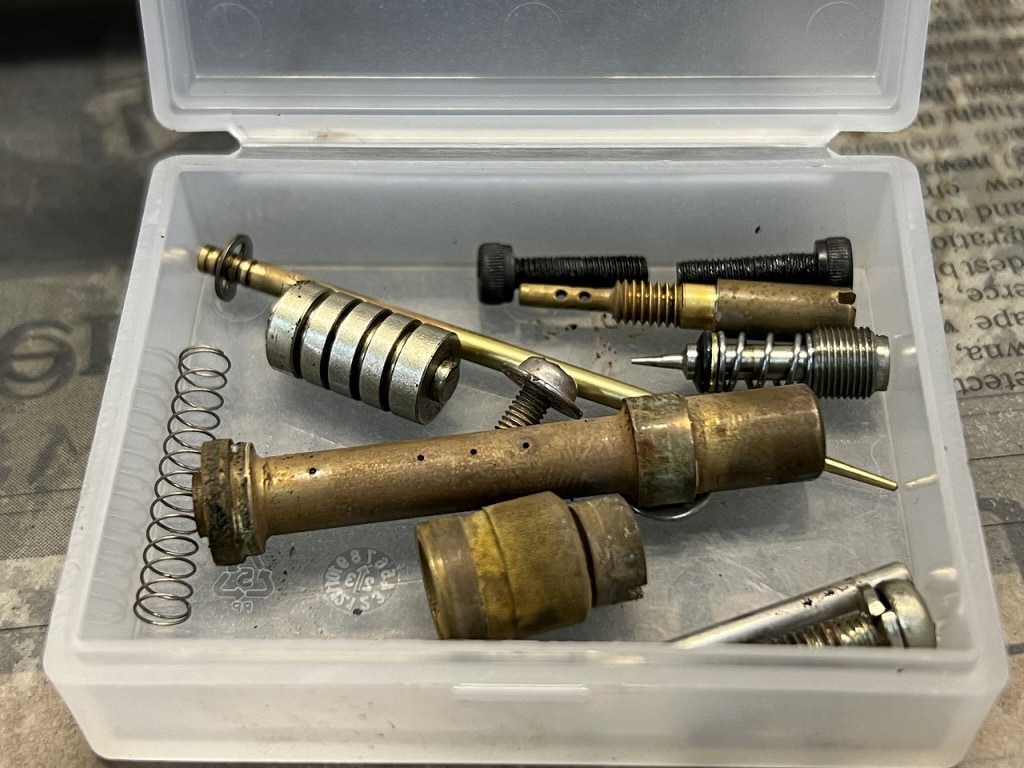
The accelerator pump piston was also seized and wouldn’t move. Gasoline inside the carburetor can go bad and clog various passages, right?
Even though it changes, basically it’s still gasoline, so it’s very heat-sensitive . If you warm it up with a heat gun, it quickly turns into a gooey mess and the passages can open up. Heat is really effective on clogged spots.
Sometimes you want to reuse a jet that’s clogged but discontinued. In those cases, if you apply heat carefully the passages often open up, so give it a try.
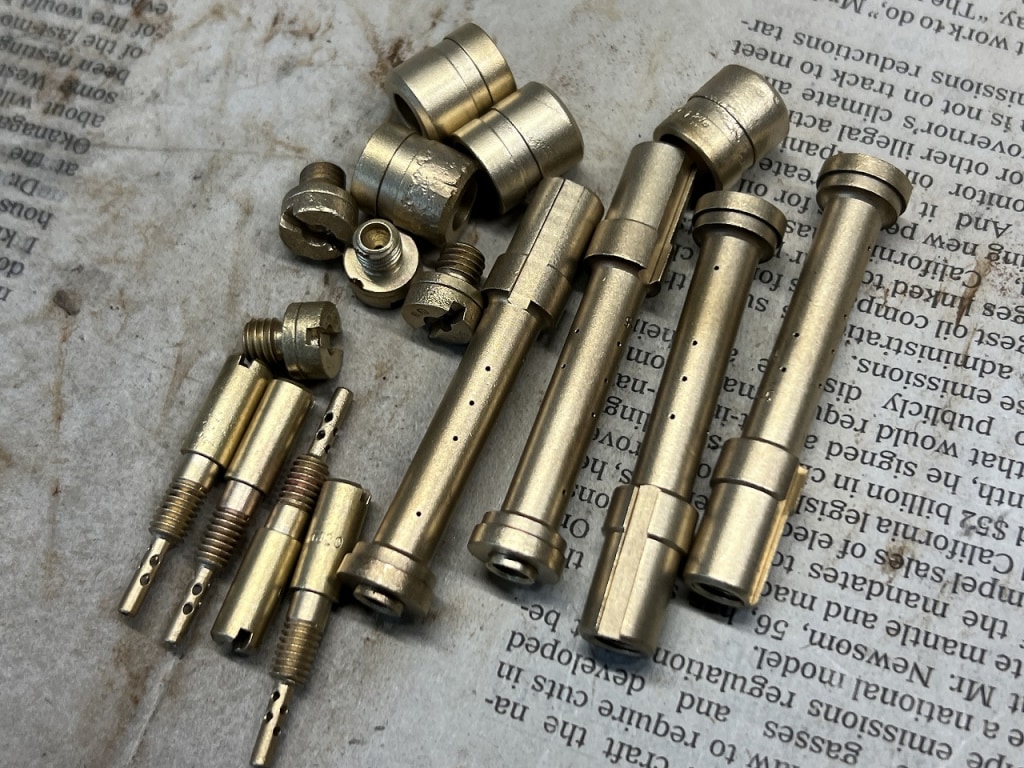
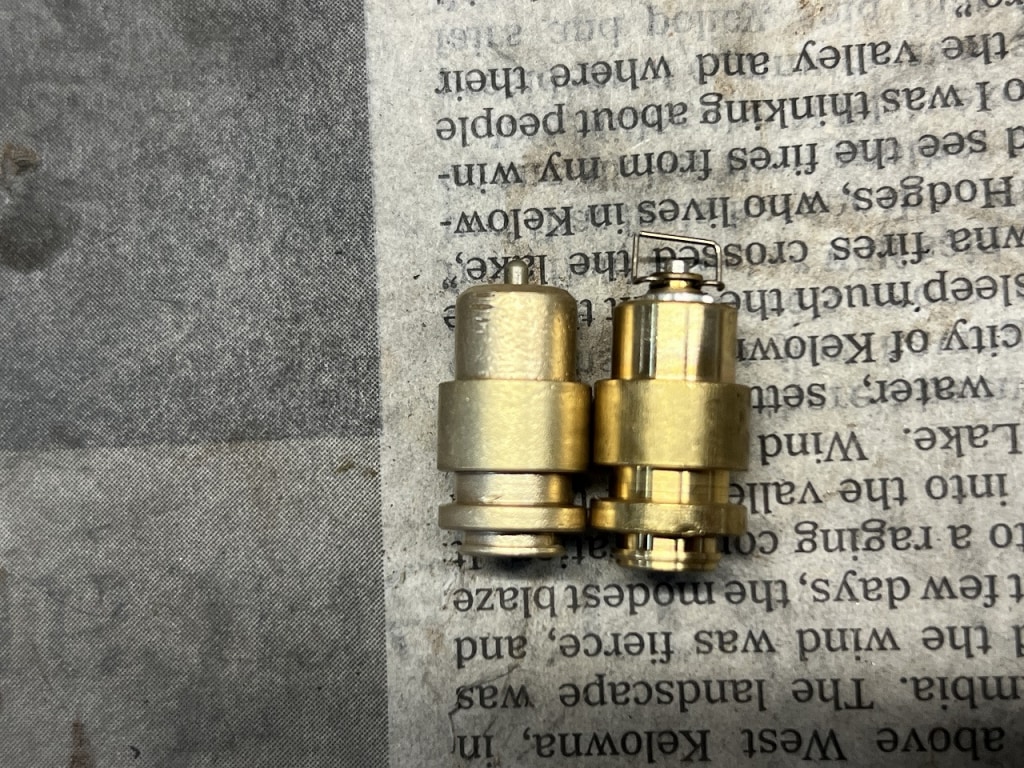
The jet markings are completely illegible
It’s pretty likely the carburetor got clogged at some point. Given how much time has passed, it wouldn’t be surprising.
I cleaned up the jets with wet blasting to identify them. If you overdo it, you risk eroding them, so I kept it moderate.
Float valves from this era are metal and not very reliable. I used to adapt rubber-type float valves from other models, but with the passage of time, when I checked recently they run nearly 6,000 yen each so that’s not really practical anymore.
I found one with similar dimensions in my used parts stockpile. I won’t know if it works until I test it, but if it does, that’ll be much more affordable.
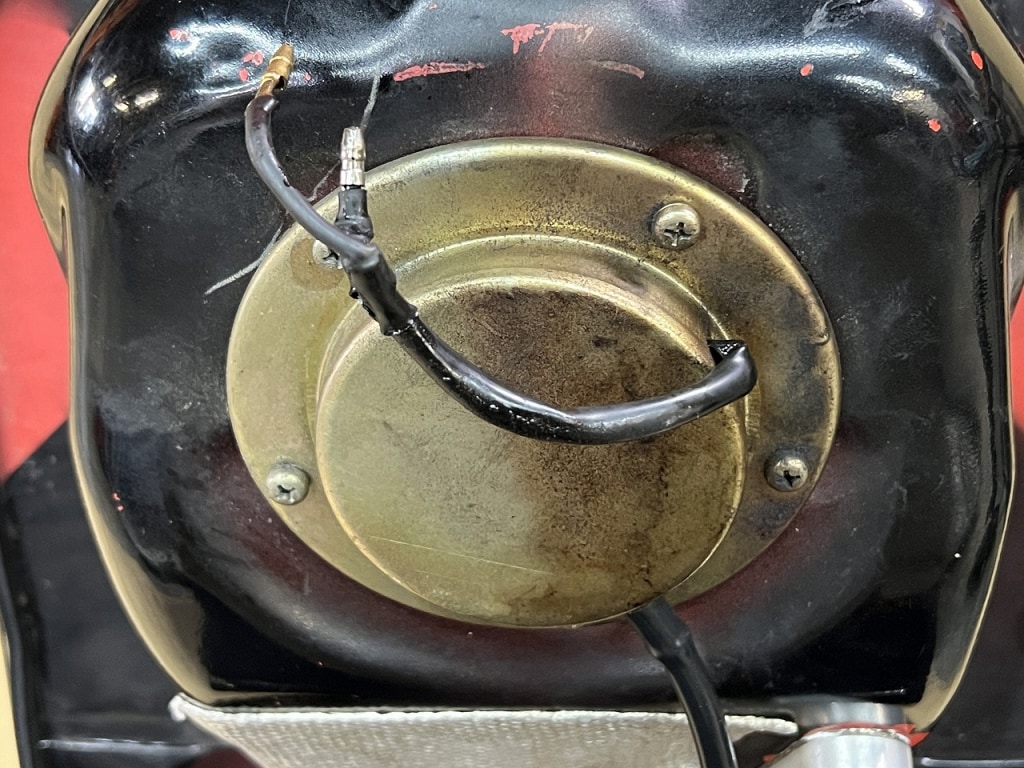
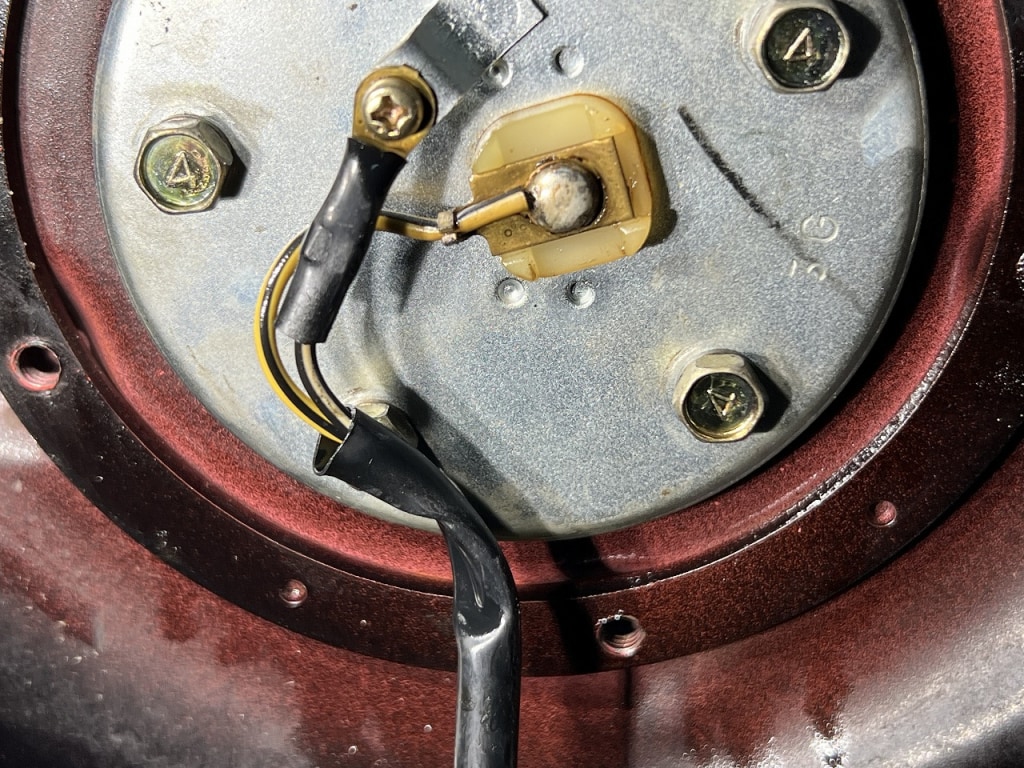
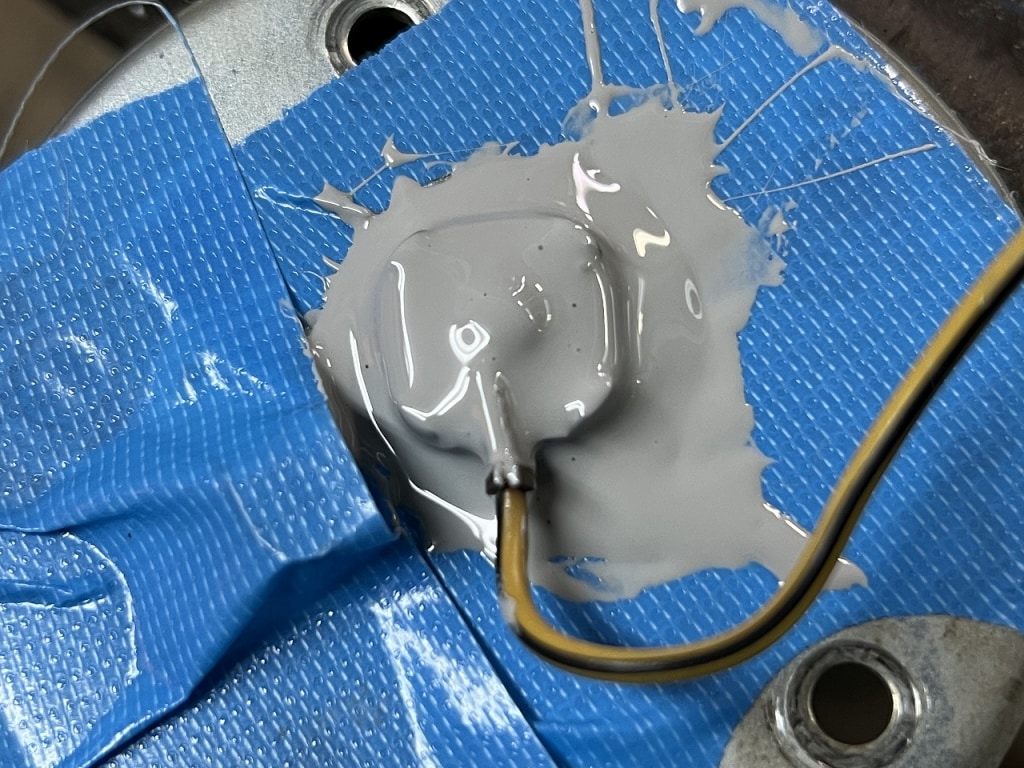
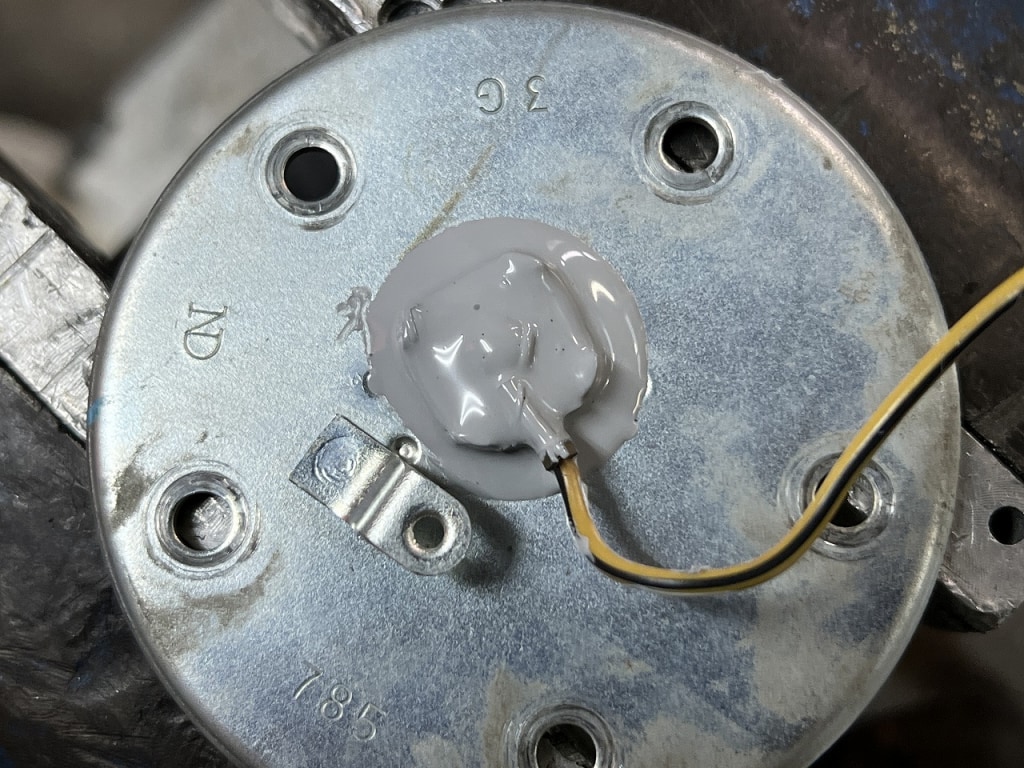
Fuel is leaking from a weird spot on the fuel sensor
When I tried to remove the tank, I got fuel on my hands… The wiring was swollen, and fuel was trickling out.
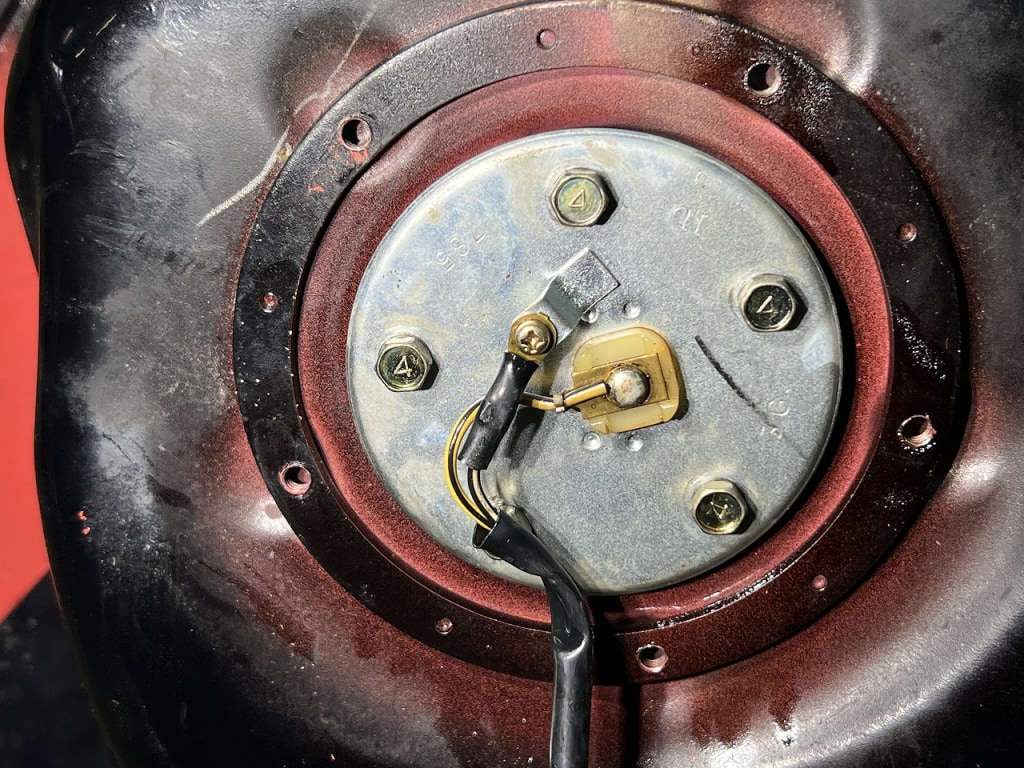
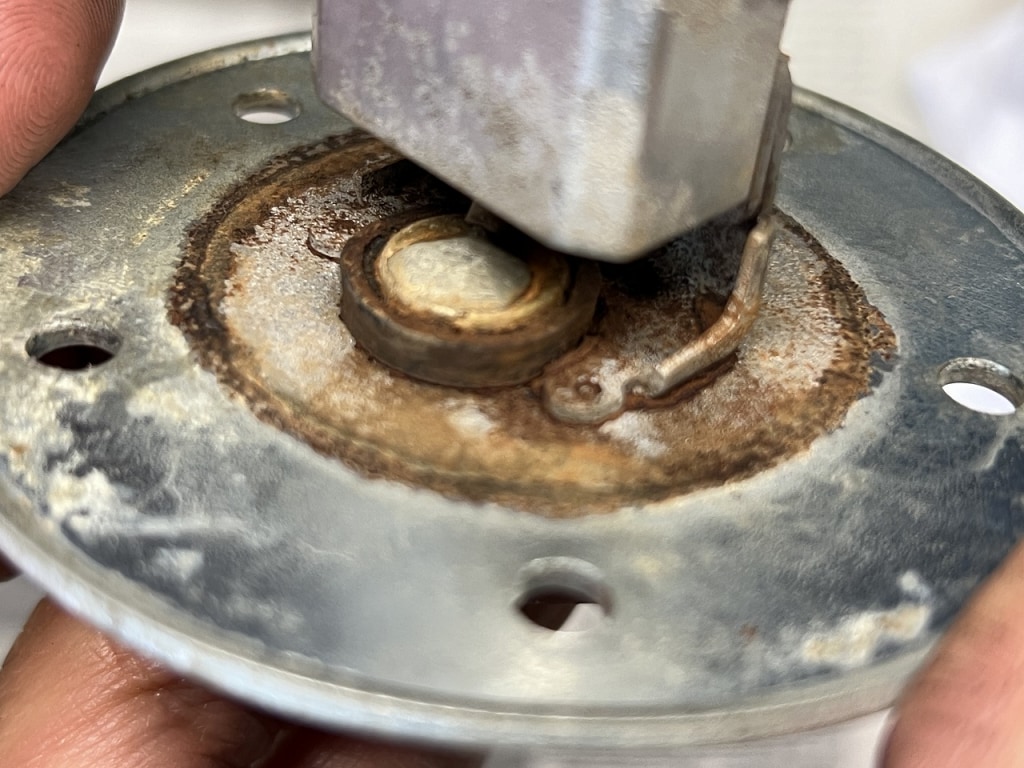
When I checked the gasket by taking it on and off, fuel is seeping from the white plastic part of the fuel sensor.
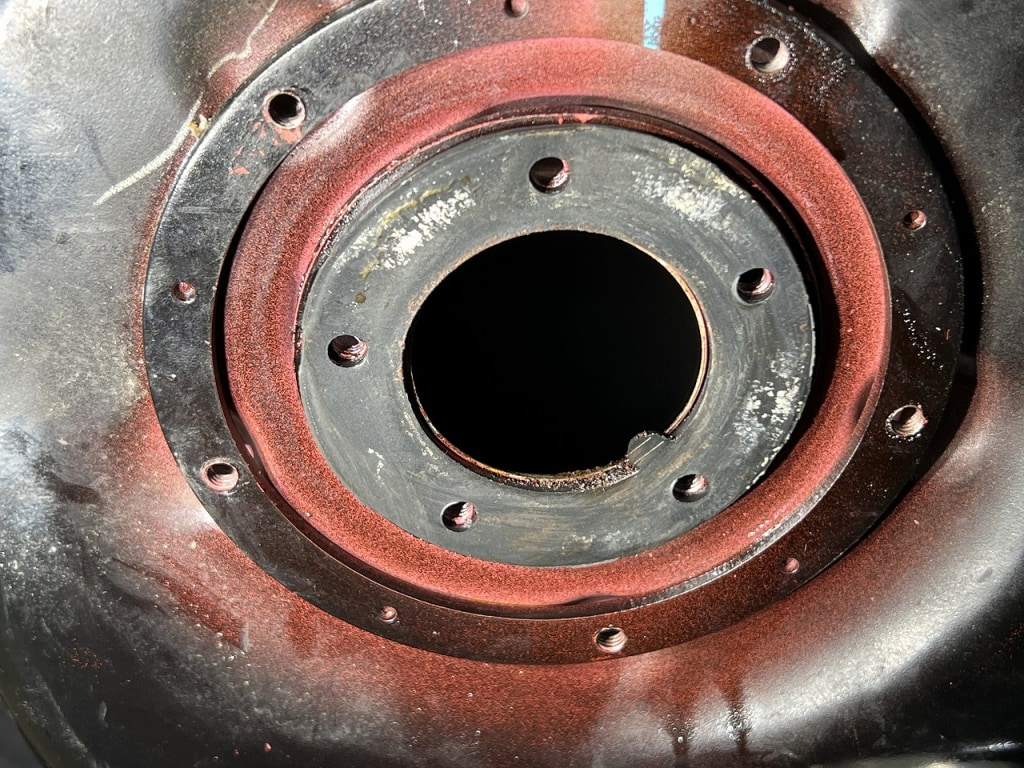
The inside of the fuel tank has corroded and been slightly eaten away.
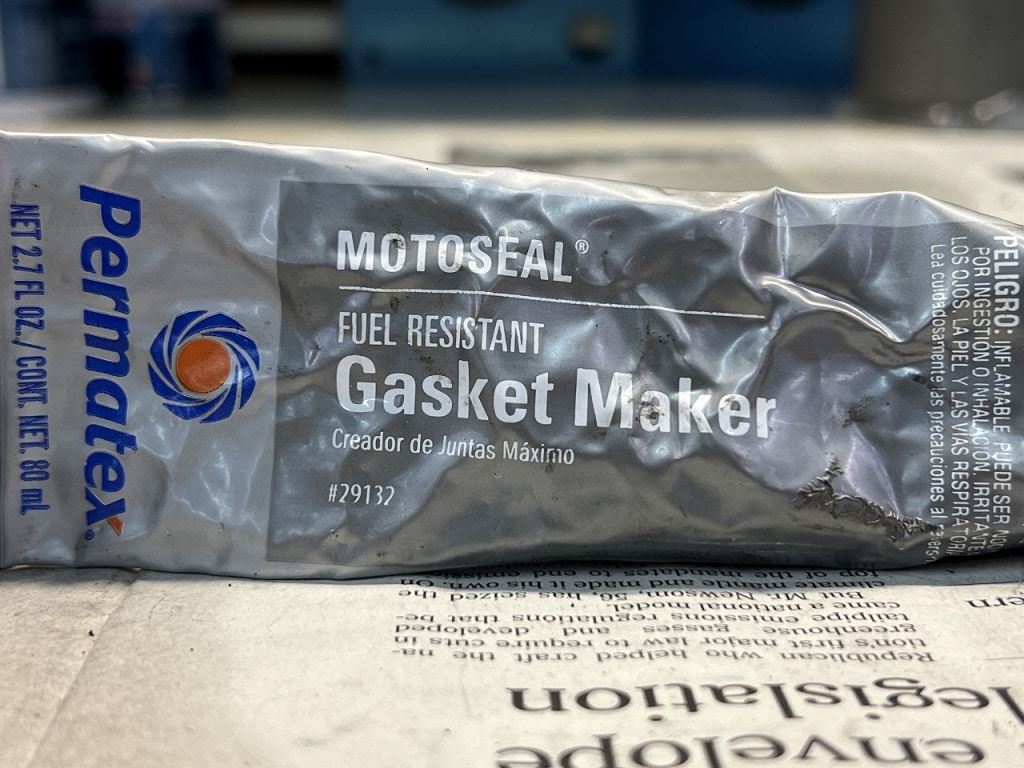
Gasoline-resistant liquid gasket “Permatex”
Permatex is way better than ThreeBond’s gasoline-resistant product.
Basically, gasoline-resistant liquid gaskets are “semi-dry,” meaning they don’t fully cure. Permatex reaches a paste-like consistency, so it doesn’t sag after application, which is reassuring.
Somehow, this kind of work looks more professional when it’s rounded. Also, Permatex is thick after application, so the trick is to apply it little by little.
This fuel sensor gasket is actually used on quite a few models. Basically, you can reverse-engineer the fuel sensor from the gasket.
I haven’t looked into it myself, but if you reverse-engineer from the gasket over the holidays, it might be fun.
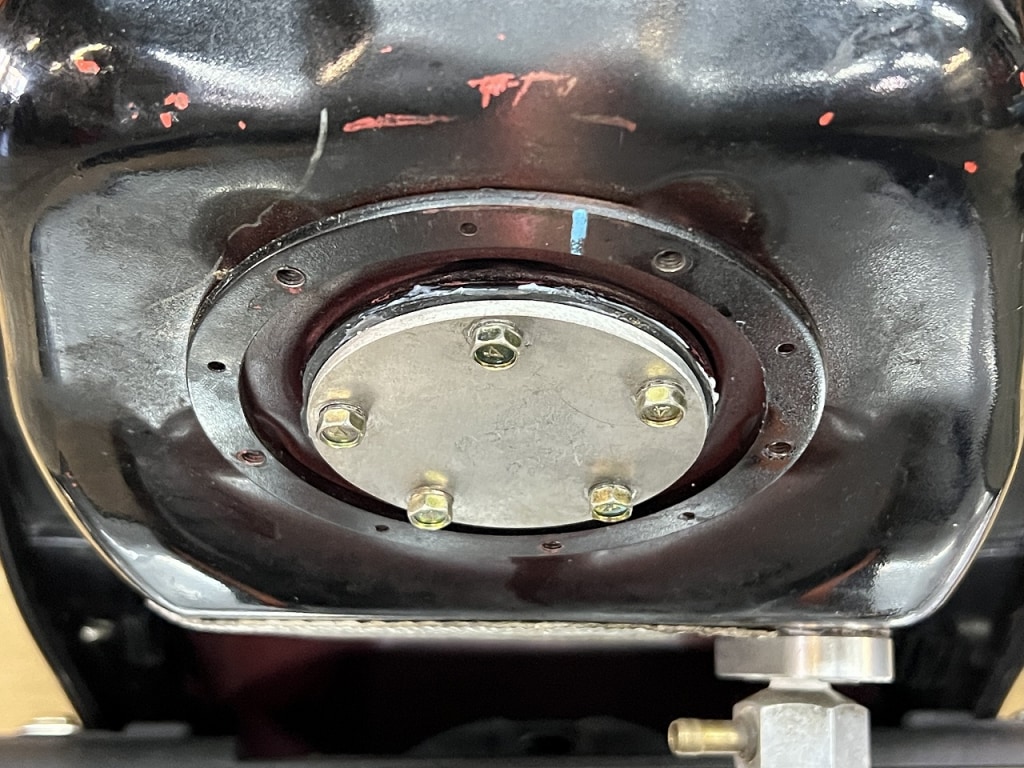
For now, I’ve capped it since it’s risky. To be continued




 ポチップ
ポチップ