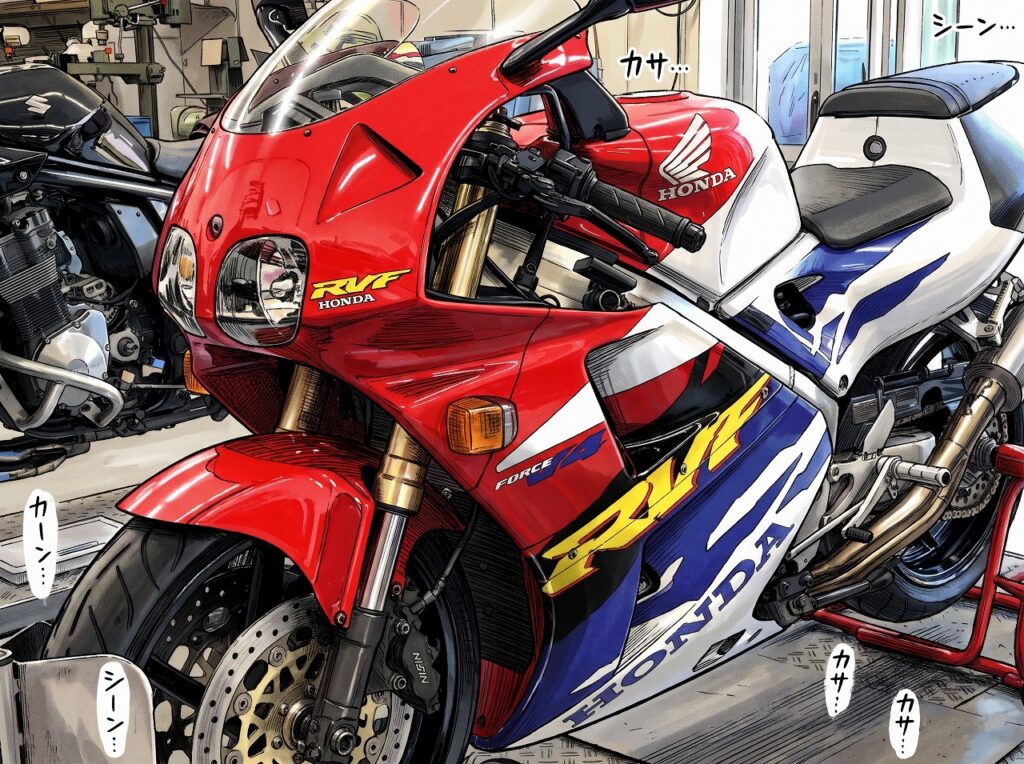
Service Log: Honda RVF400 (NC35) Chronic Issue? Regulator Burnout! The Limits of Thyristor Design and Evolving to Modern Standards with Electrical System Tuning
It’s hardly an exaggeration to say there’s only about a month left in the year.
Has this year been fulfilling for everyone? Looking across the entire Japanese archipelago, with so many disasters and accelerating inflation, I feel like the atmosphere has become one where it’s harder to casually own a motorcycle.
In the industry, you hear talk of “customer lock-in” and “efforts to keep riders on their bikes,” but… honestly, I think people who are passionate about motorcycles will keep riding no matter what, and those who want to quit will quit.
This is just my personal guess, but if you’re thinking of “quitting or selling,” now feels like the right time.
Looking soberly at future domestic demand, used motorcycle prices should eventually return to pre-COVID levels (or possibly even lower). Yet dealers who bought high are afraid of selling below cost and can’t cut prices boldly, so “average showroom prices” stand out while the crucial “actual average transaction prices” get overlooked.
The motorcycle industry right now reminds me of the current used condominium market. Dealers rush into renovations (repairs, customization, restoration) before finding a buyer, and once you add in acquisition costs, outsourcing fees, and labor, the numbers no longer work for a sellable price… The future is murky, and we’re slowly crossing on thin ice—every industry is genuinely scary right now ( ;∀;)
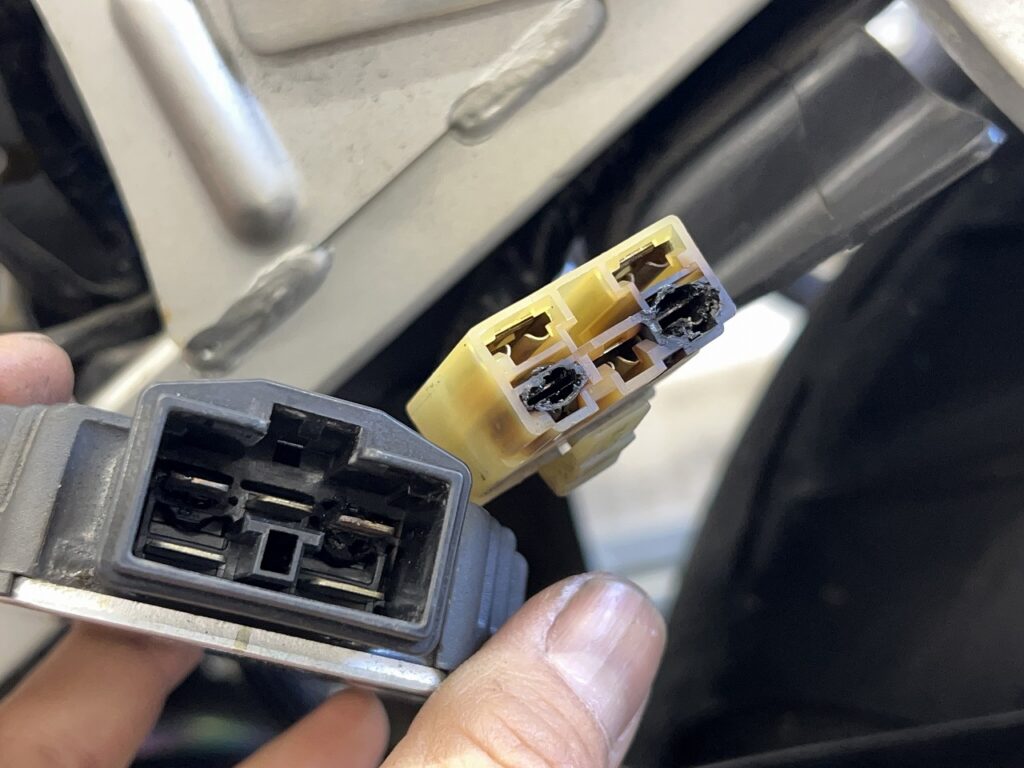
With a hissing sound, the stock thyristor regulator burned out
Good catch! The owner said they heard a hissing sound coming from under the seat… Magic sixth sense? It’s definitely burned.
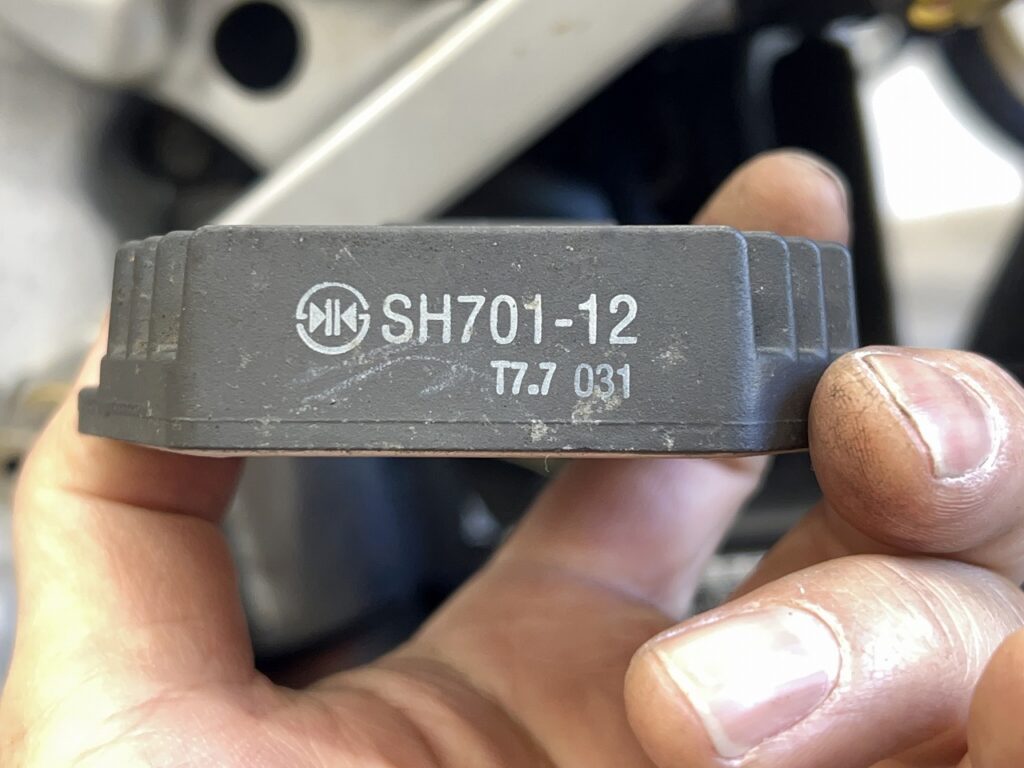
SH = Thyristor type
It’s probably original equipment… I see owners who’ve never replaced the regulator before—it’s about time. By the way, you can’t tell how bad it is just from a routine inspection. It’s like a burned-out light bulb…
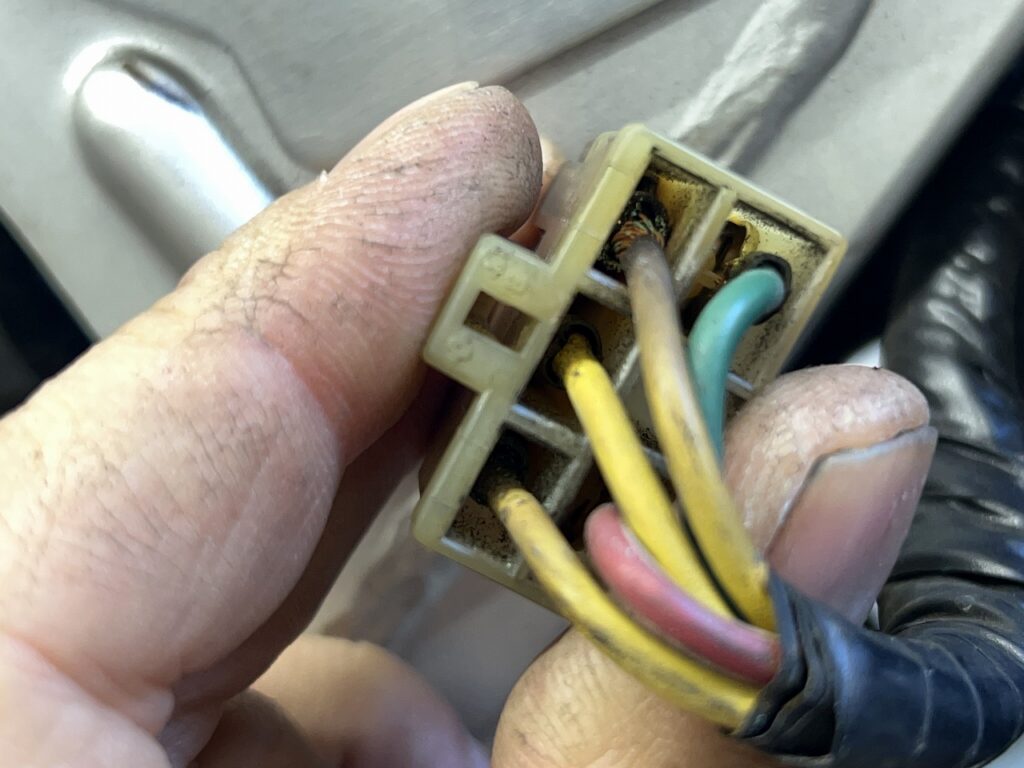
It’s definitely burned. But the harness side was in perfect condition. With older bikes, when it gets like this, the wires inside can burn and discolor so badly they’re unusable.
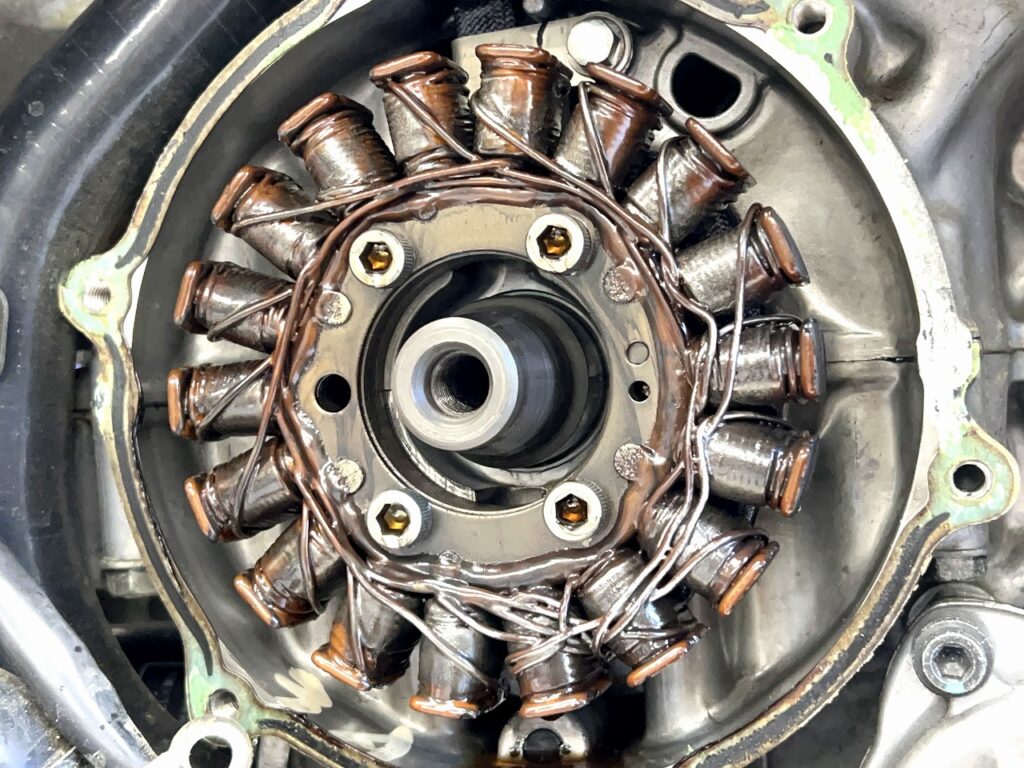
Always check the coil side condition
The problem might not be the regulator alone. If you don’t check what condition the generator coil is in right now, you can end up with compounding troubles.
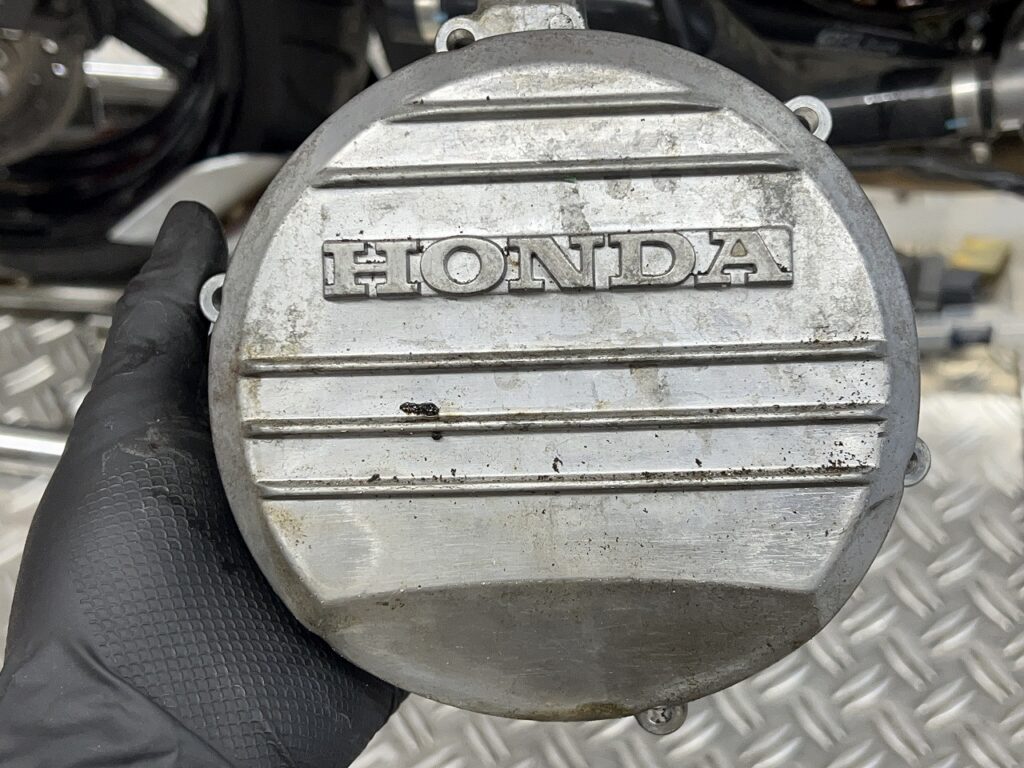
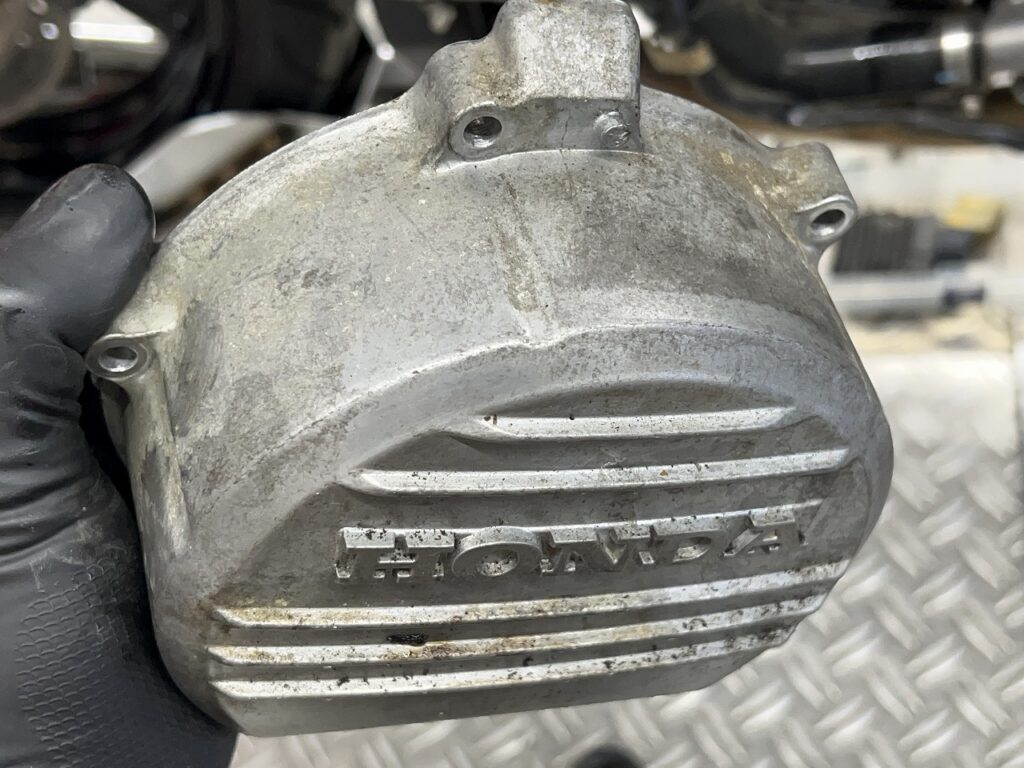
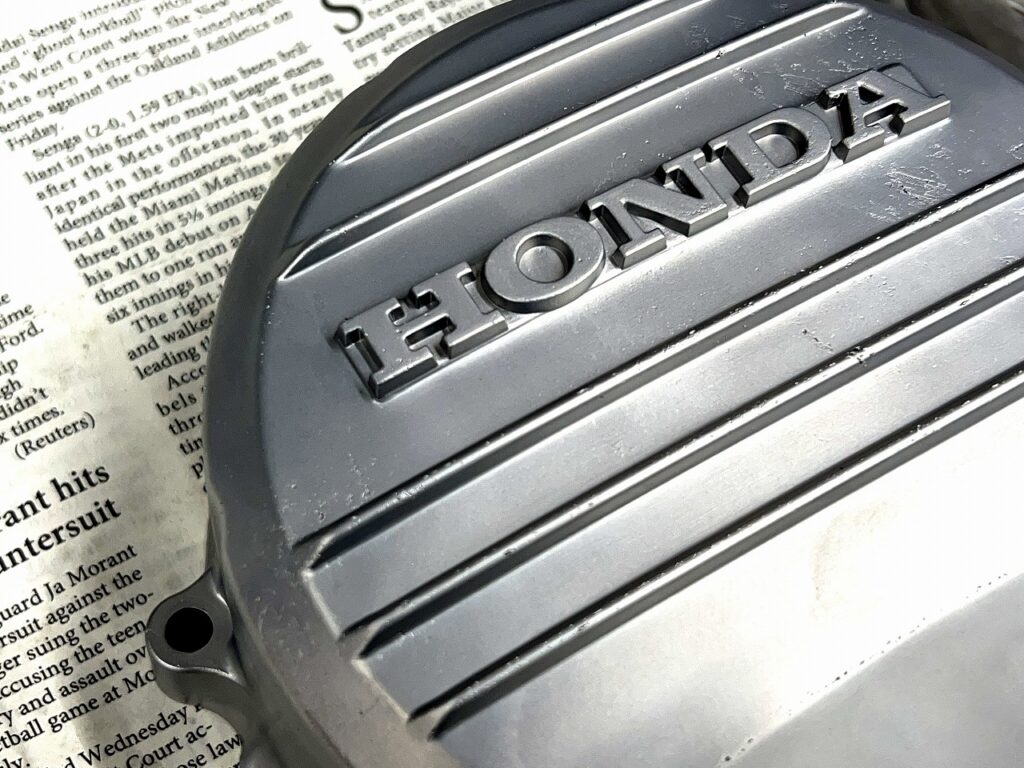
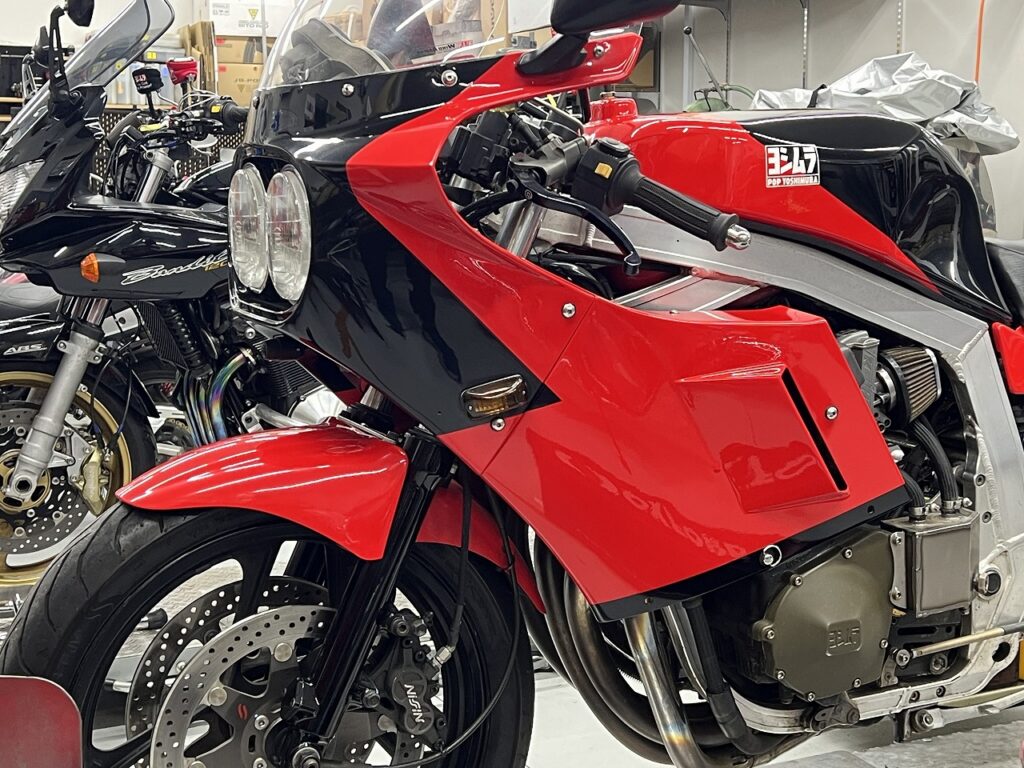
The unpainted engine cover—clean and honest—on this RVF400
This bike is also 30 years old. It’s got a really nice, characterful look to it.
We finished it with a nice wet-blast shine ☆. Honestly, if it were mine, I’d finish all the engine covers the same way.
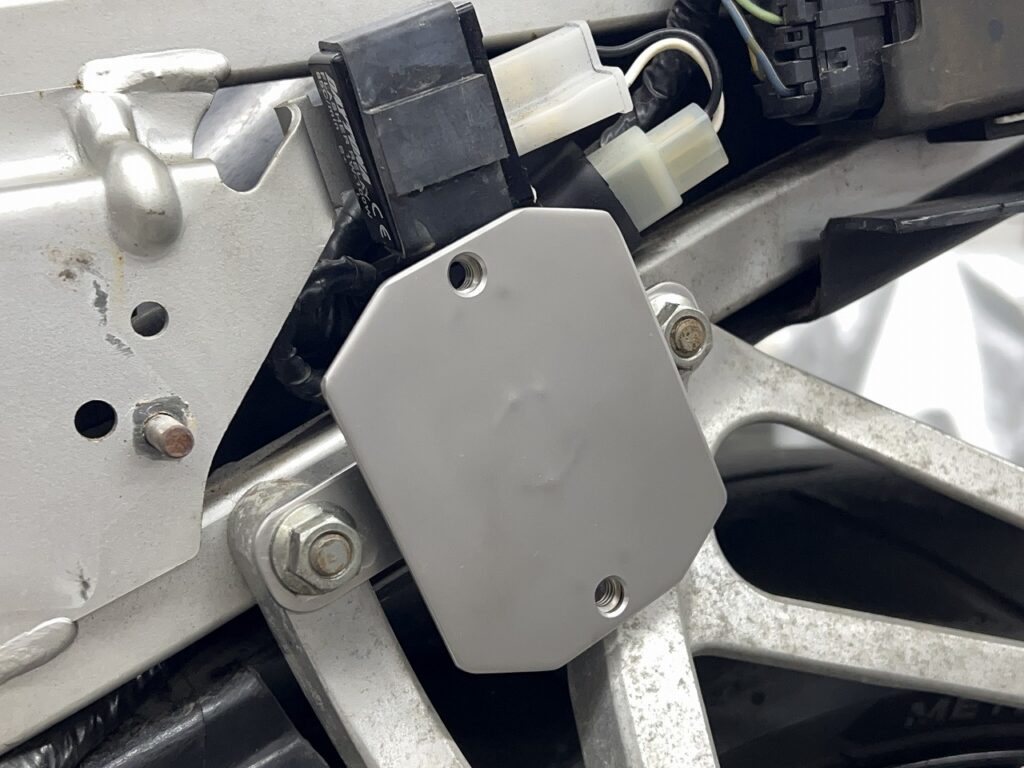
The dimensions are tight, but… that’s THE Honda way.
The bracket is welded to the seat rail, and the mounting bolts are welded too. That’s Honda for you… you can see their determination not to let anyone change anything.
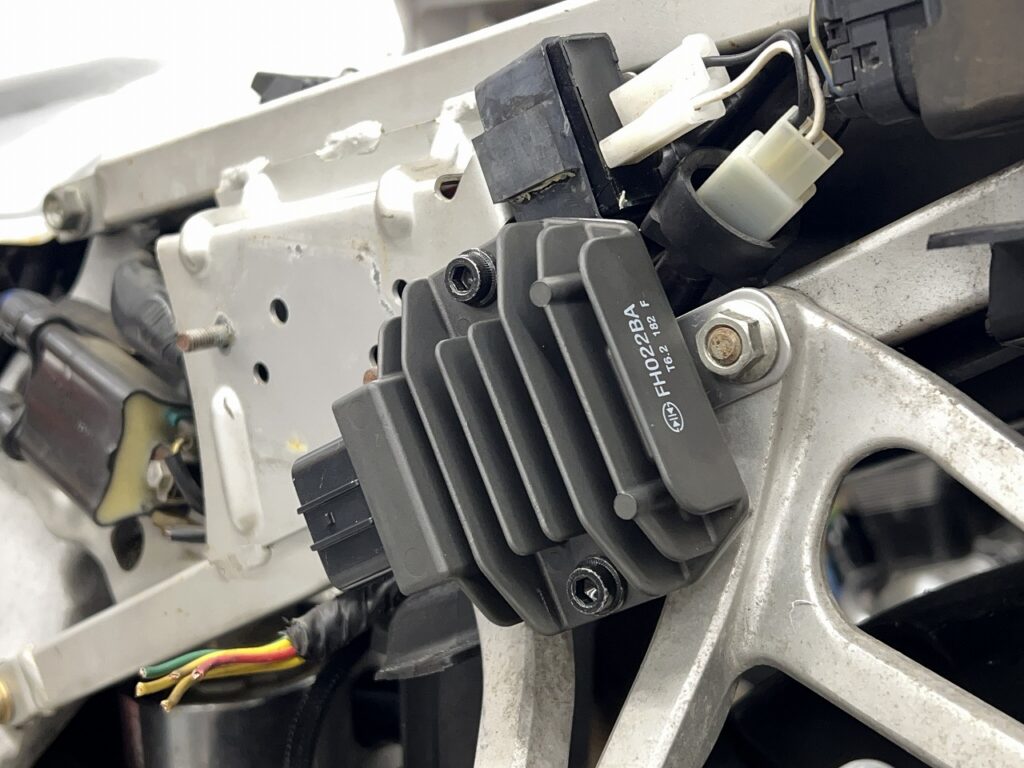
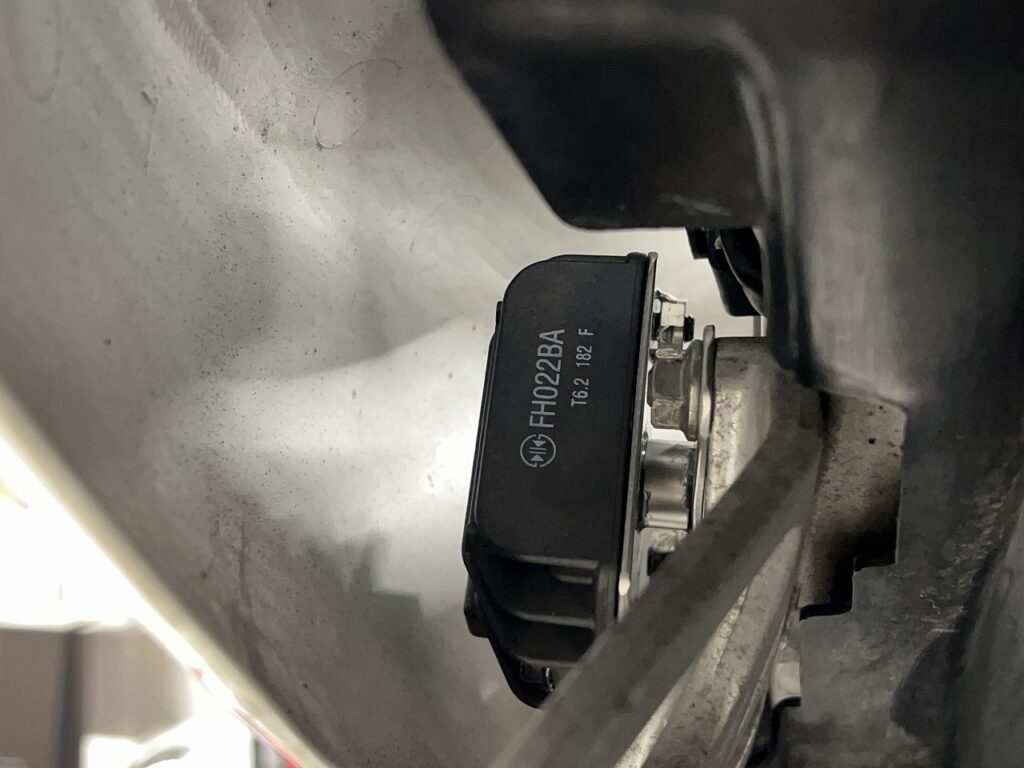
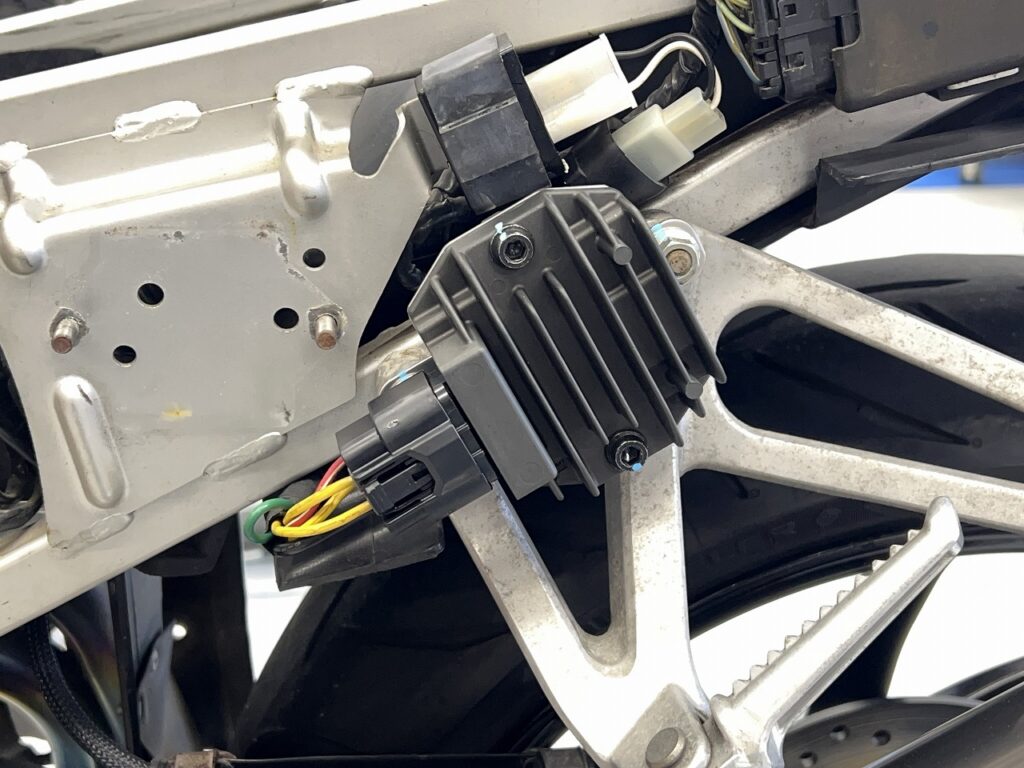
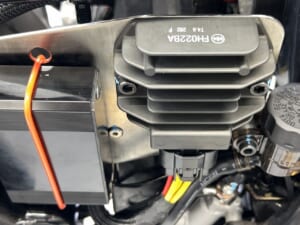
The inside of the tail cowl is surprisingly spacious, so we made a bracket from SUS304 stainless steel to mount the MOSFET FH022BA.
The back uses welded nuts, so it’s easy to remove and install.
We were able to install it without extending the harness—perfect! (*´ω`*)
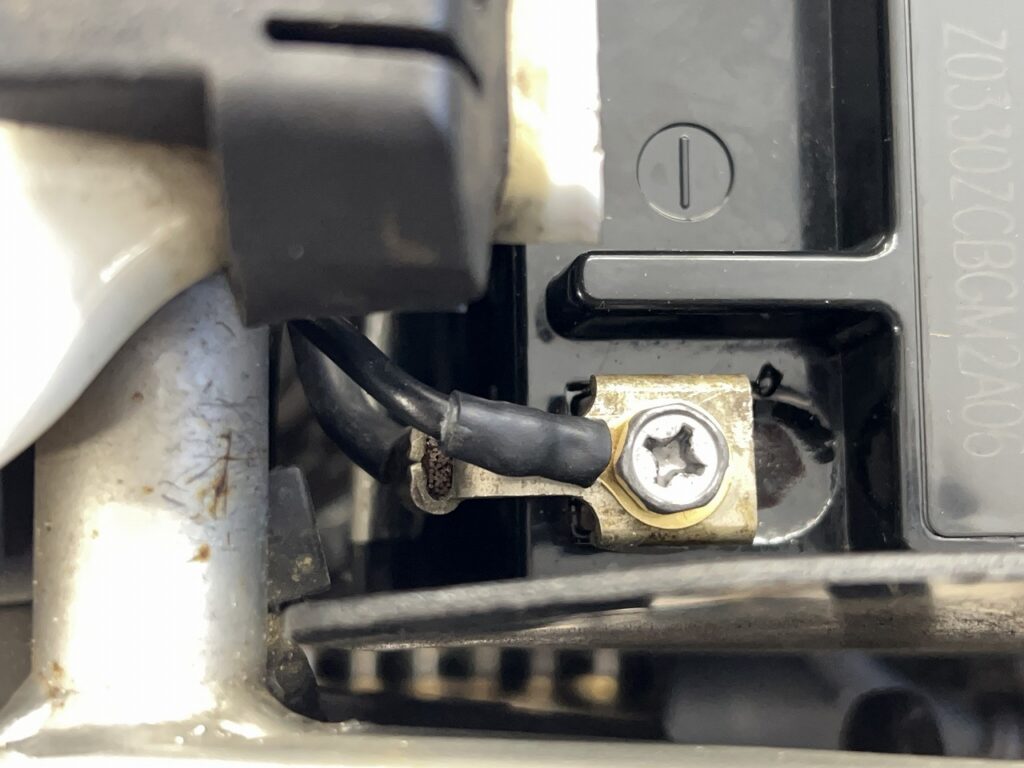
If possible… when wiring the electrical system on older or aged machines, it’s better not to use the ground wire inside the main harness .
If that doesn’t ground properly, you’ll get serious problems in the ignition system, charging system, sensors, and lights… The fix is simple: use thicker wire—about 2 to 3 SQ (square millimeters)—and run it directly to the crankcase or the battery’s negative terminal , and you’ll have peace of mind!
Do this and you completely eliminate the possibility of mysterious problems from decades of ground wire degradation, breakage, and increased resistance inside the original harness. Honestly, I can’t trust the original harness ground anymore ( ;∀;)
AC (alternating current) voltage measurement is essential
When you replace the regulator, don’t just check the DC (direct current) voltage at the battery terminals—also measure the AC (alternating current) output from the generator side , and your confidence level jumps way up!
Most motorcycles use “three-phase AC generation” (in a way, it’s like a three-cylinder engine). If all three phases aren’t generating healthily, no amount of new regulator will improve charging. What we sometimes see in the field is one phase dead, leaving “two phases,” or output dropping from a rare short, leaving “2.5 phases”…
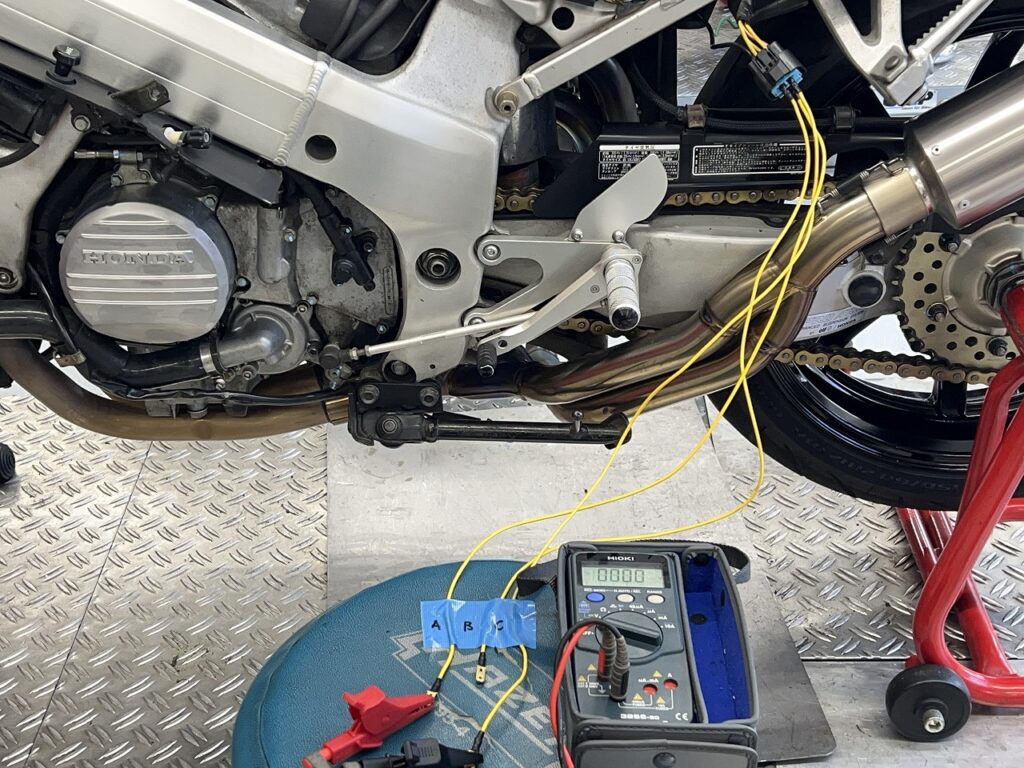
Disconnect the connector and measure each pair of wires—”A-B,” “A-C,” “B-C”—on the AC range, checking how much is being generated from idle to high RPM. That’s the sure way to know ( `ー´)ノ
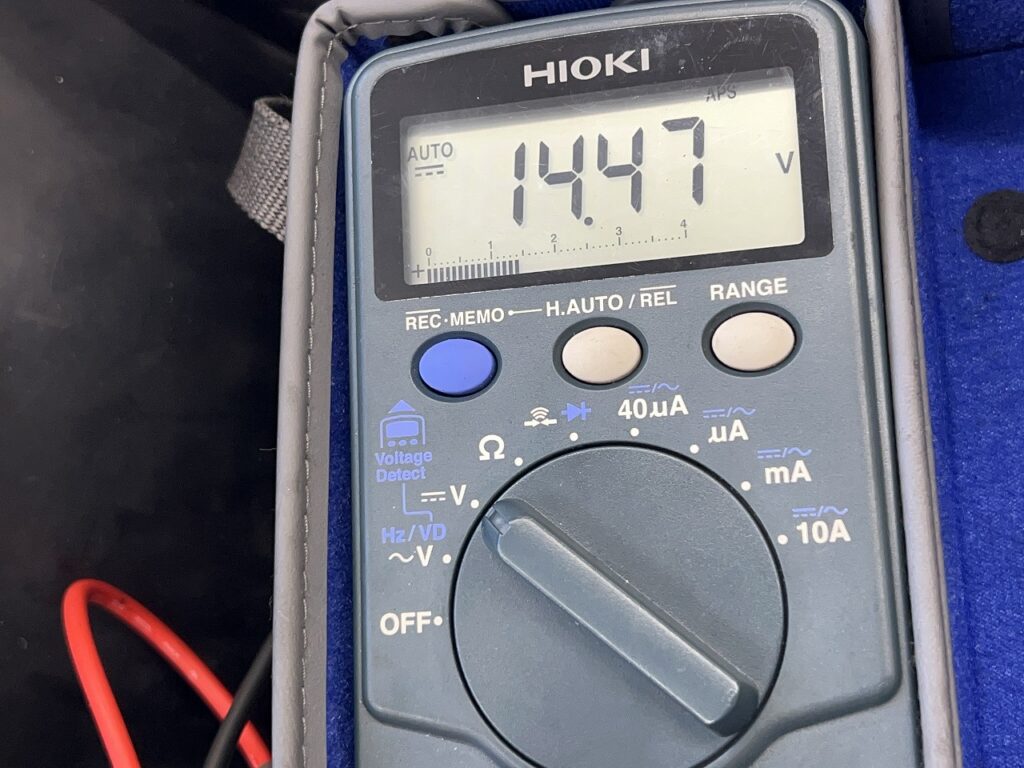
The DC output voltage is fine too. Now you can ride with confidence.
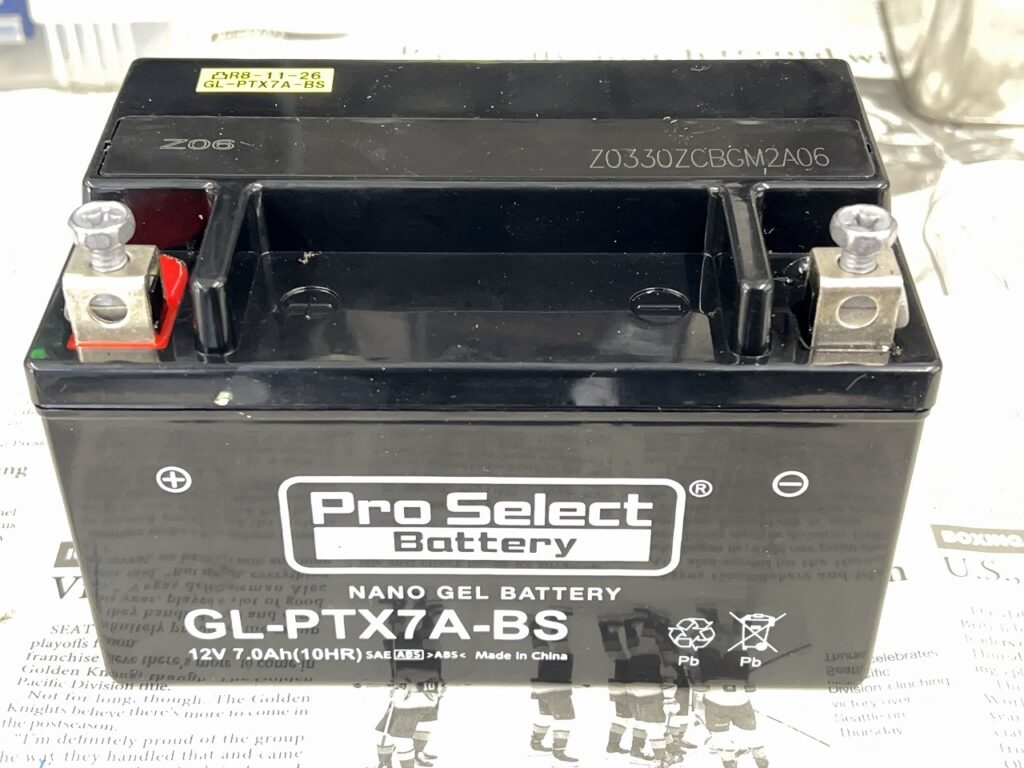
Battery: AGM GEL battery, no question
I’m really grateful that AGM GEL batteries have become affordable and widespread.
AGM stands for Absorbed Glass Mat (Absorbed Glass Mat)
It refers to a structure where a special fiberglass mat (separator) that holds the electrolyte (dilute sulfuric acid) like a sponge is sandwiched between the battery plates inside.
Because the liquid can’t flow freely, it has these advantages compared to traditional open-type batteries:
Resistant to leaks : The mat holds the electrolyte, so it won’t spill even if tilted.
High vibration resistance : The mat acts as a cushion, firmly holding the plates in place.
High starting power (low internal resistance) : The plates stay in close contact, making it easy to draw large current all at once.
You can use it in MF bikes, and you can even convert open-type batteries to MF—in a way, it’s a dream battery.
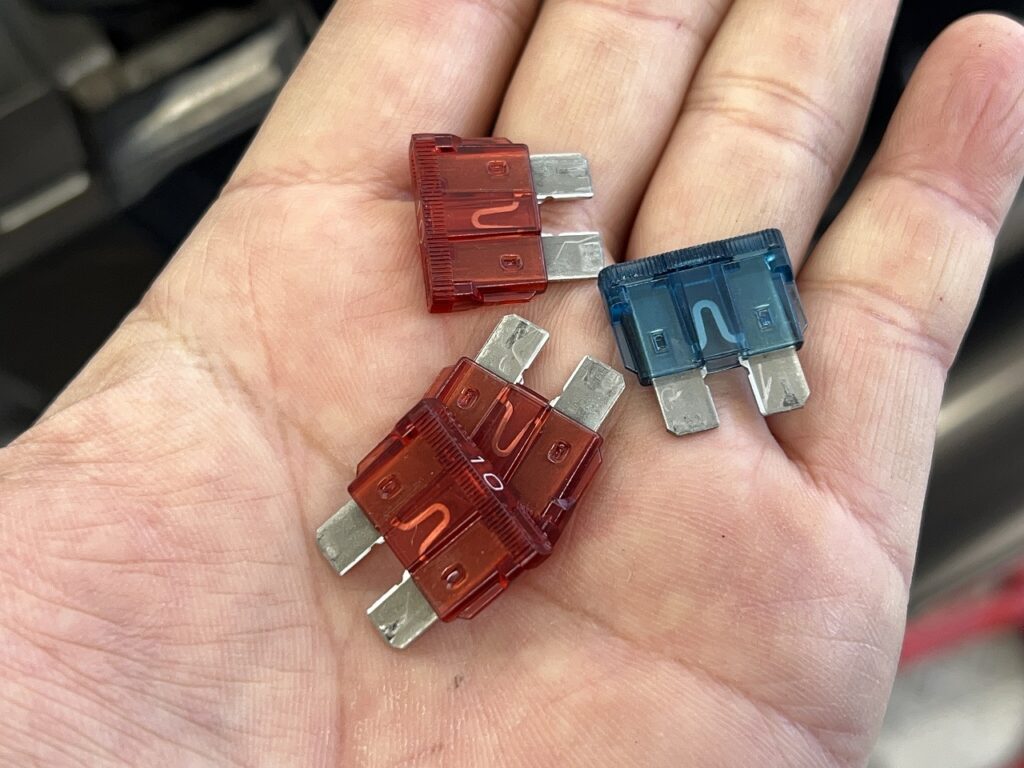
Since problems have already happened, it’s good to check all the fuses too, just to be safe.
Service Log: Honda RVF400 (NC35) Chronic Issue? Regulator Burnout! The Limits of Thyristor Design and Evolving to Modern Standards with Electrical System Tuning

 ポチップ