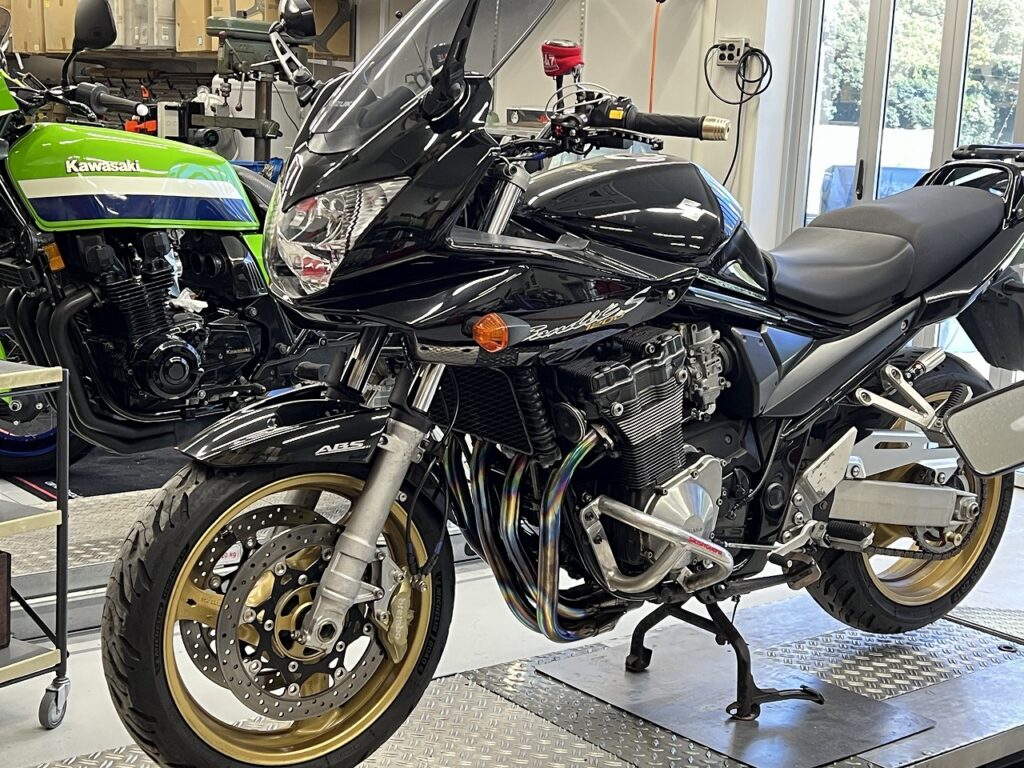
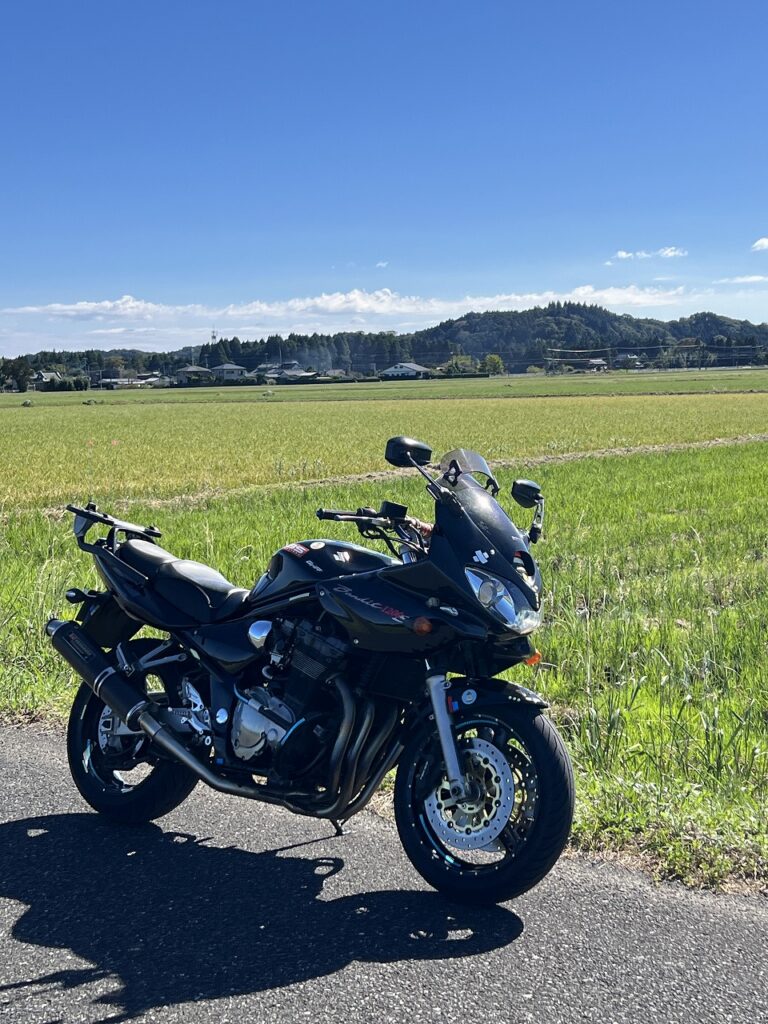
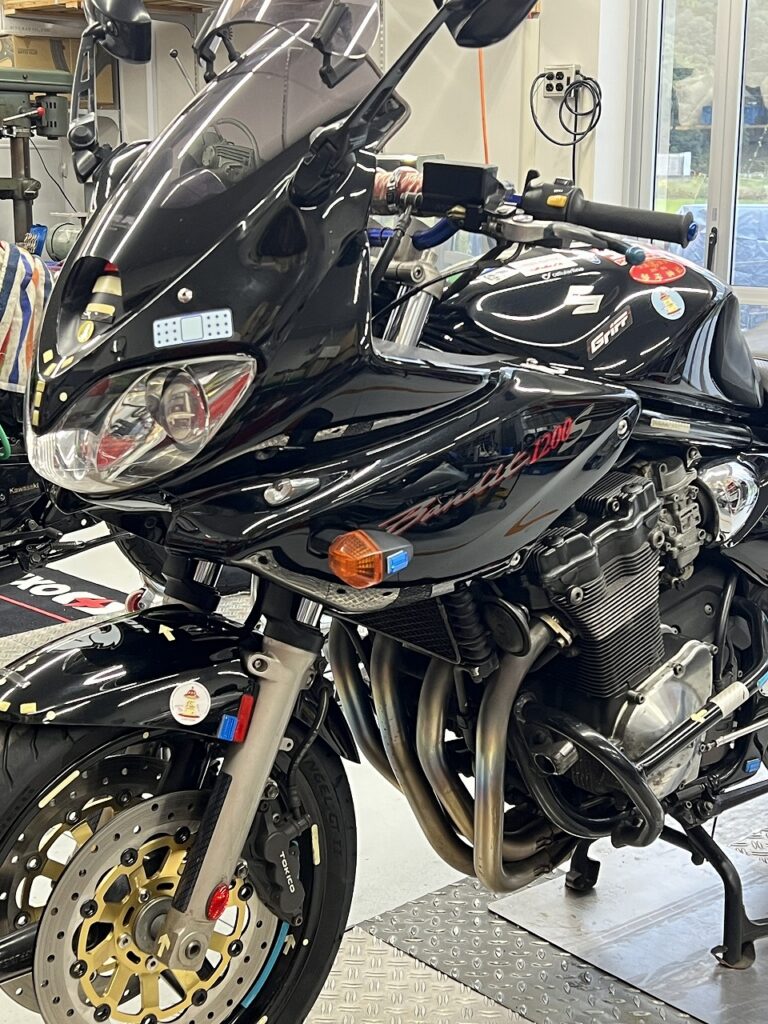
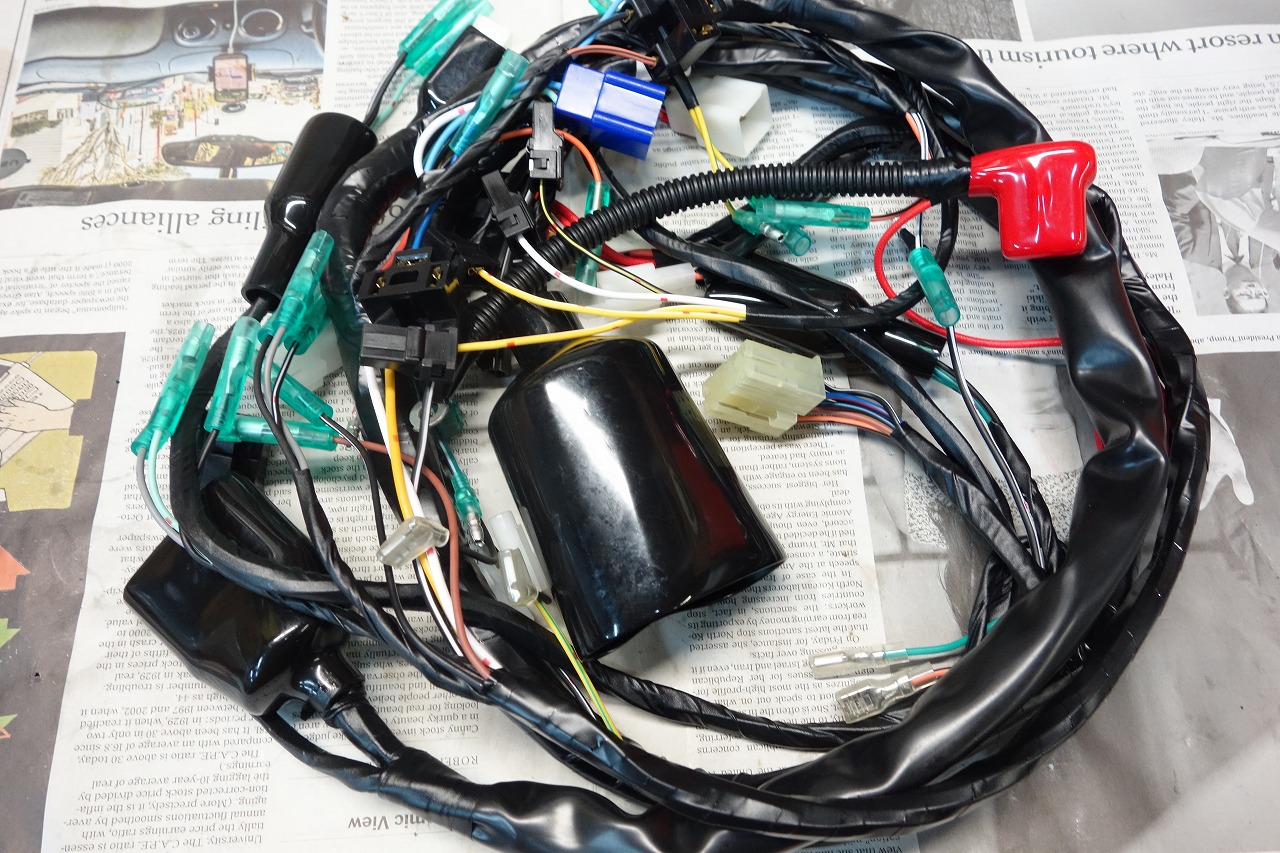
[Maintenance log] The rumored oil-cooled maintenance! Bandit 1200 (K5) also a 20-year-old bike. Resetting rubber, fluids, and electrical as foundational tuning
Depending on the bike’s age, it’s really important to work backward realistically from the question “how many more years can I ride this motorcycle?” and put in the work accordingly.
When your remaining riding years are limited, if you start a major full restoration or full custom build now… how many years away is the finish line? If you don’t have another bike to ride, wasting those years waiting for completion is truly wasteful. You need to picture a vision of riding while you still can.
The issue of “healthy lifespan” is serious too. Only a handful of people can maintain the physical strength and dynamic vision to handle a heavy big bike as freely as they do now, even in their 60s and 70s. When you factor in abnormal weather, high prices, and all the unsettling news about the world, life really isn’t that kind to us.
The conversation drifts a bit, but securing parts stock and deciding to do major work—both are “definitely better done sooner.” Bikes and people alike don’t stay young forever. On a quiet night in Boso, I’m sitting here contemplating that reality( `ー´)ノ
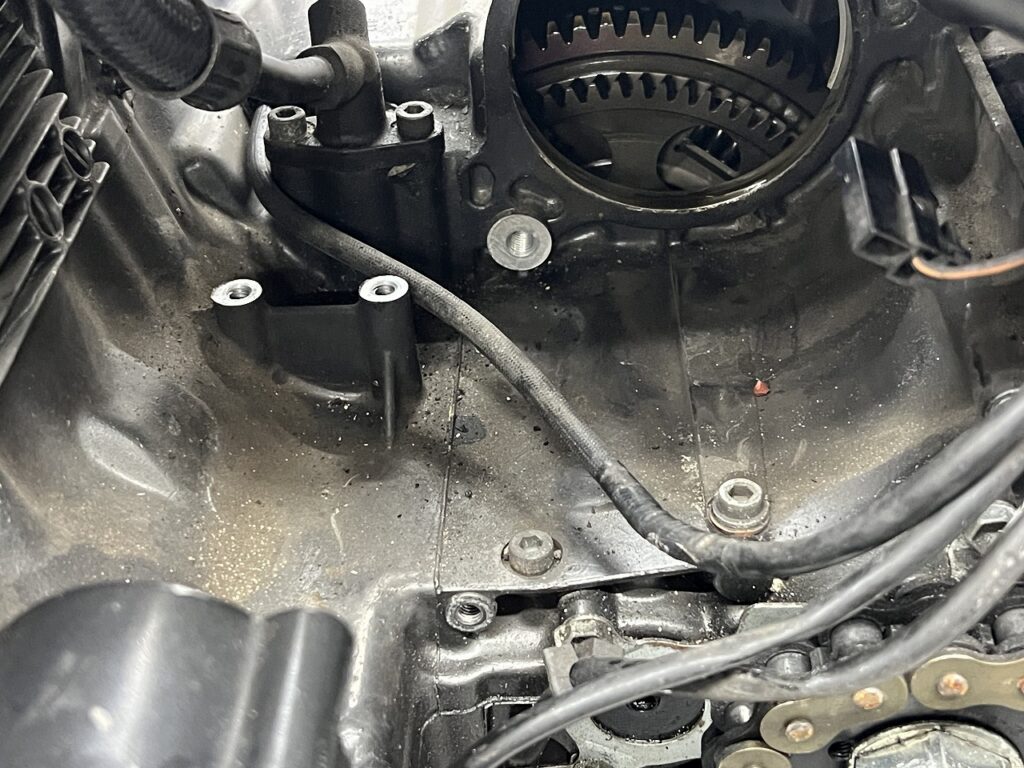
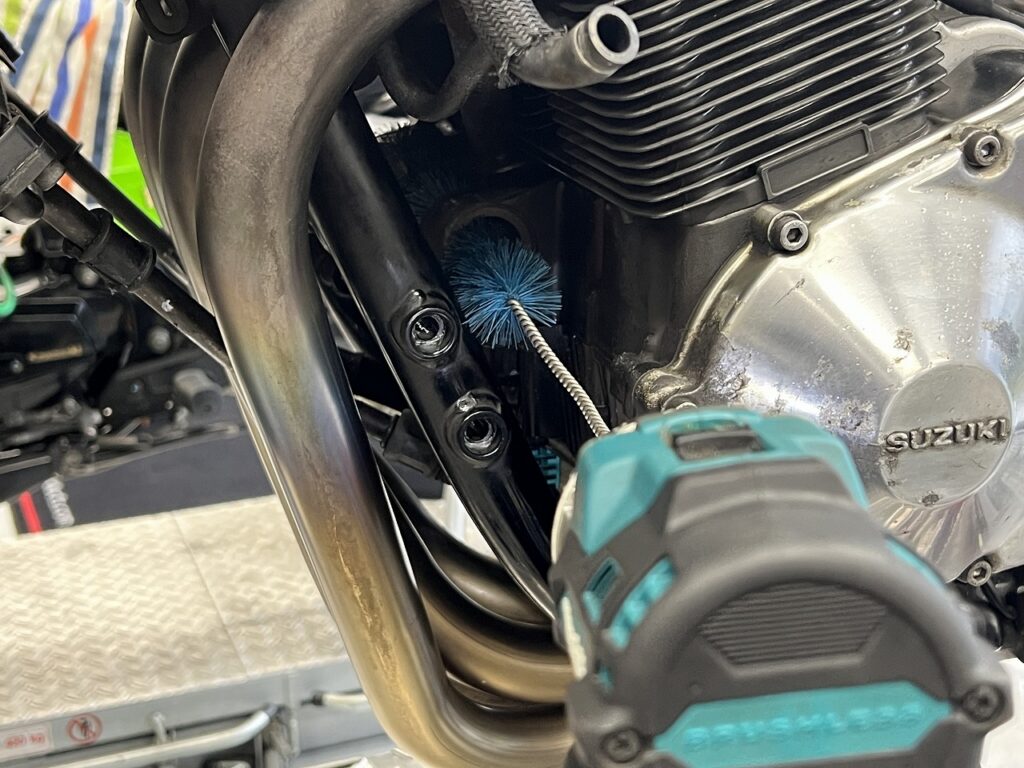
Under the refrigerator? It’s naturally filthy. I mean, you can’t get your hand in there. Taking it off and cleaning it up once in a while somehow makes you feel refreshed too.
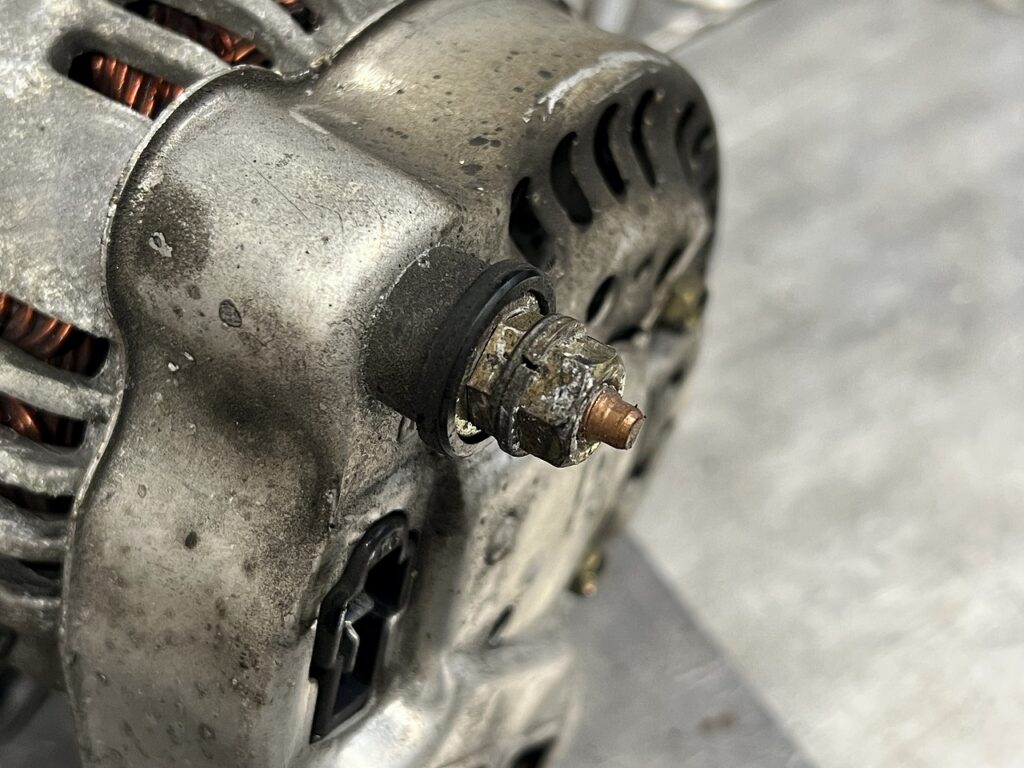
For the first time it wouldn’t loosen and the terminal snapped right off. *Fixed At 20 years old, anything can happen.
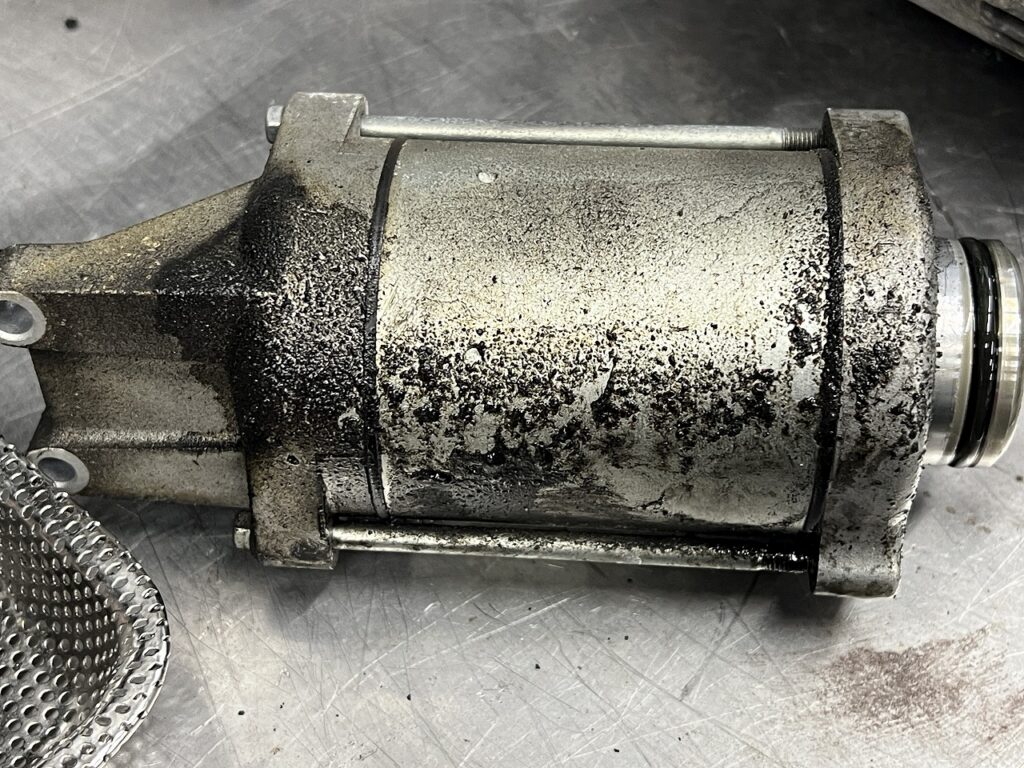
Seeping from the starter motor O-ring is surprisingly common.
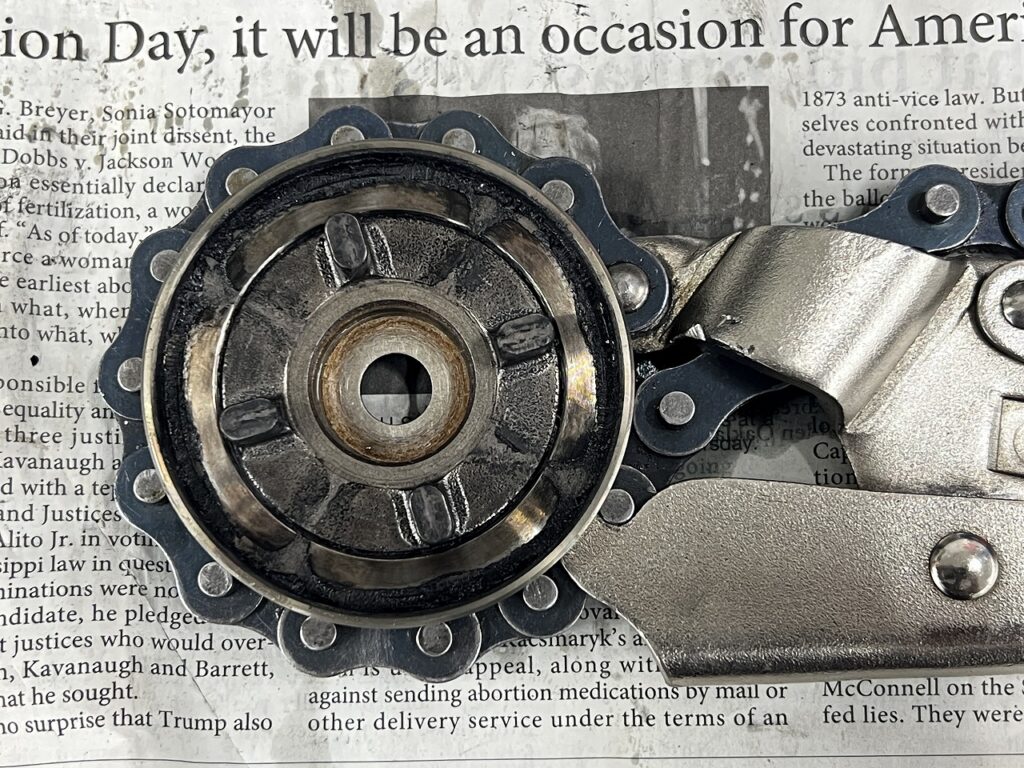
Removing the alternator gear. I use this locking plier chain clamp to hold the gear while loosening and tightening. An impact wrench won’t work.
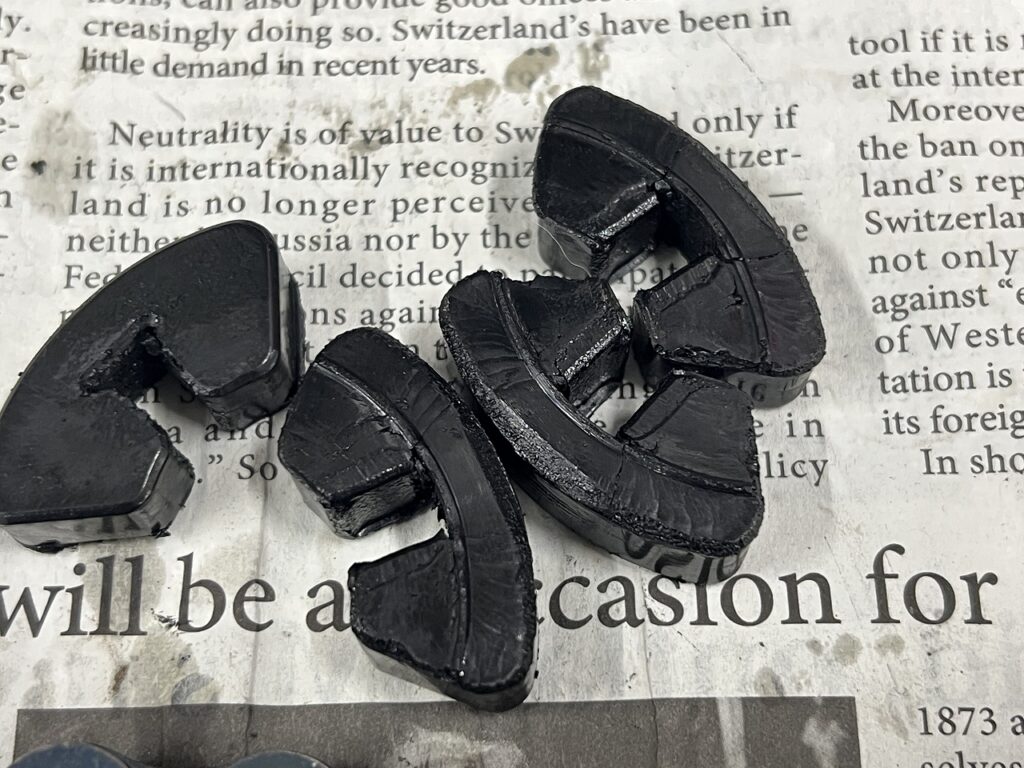
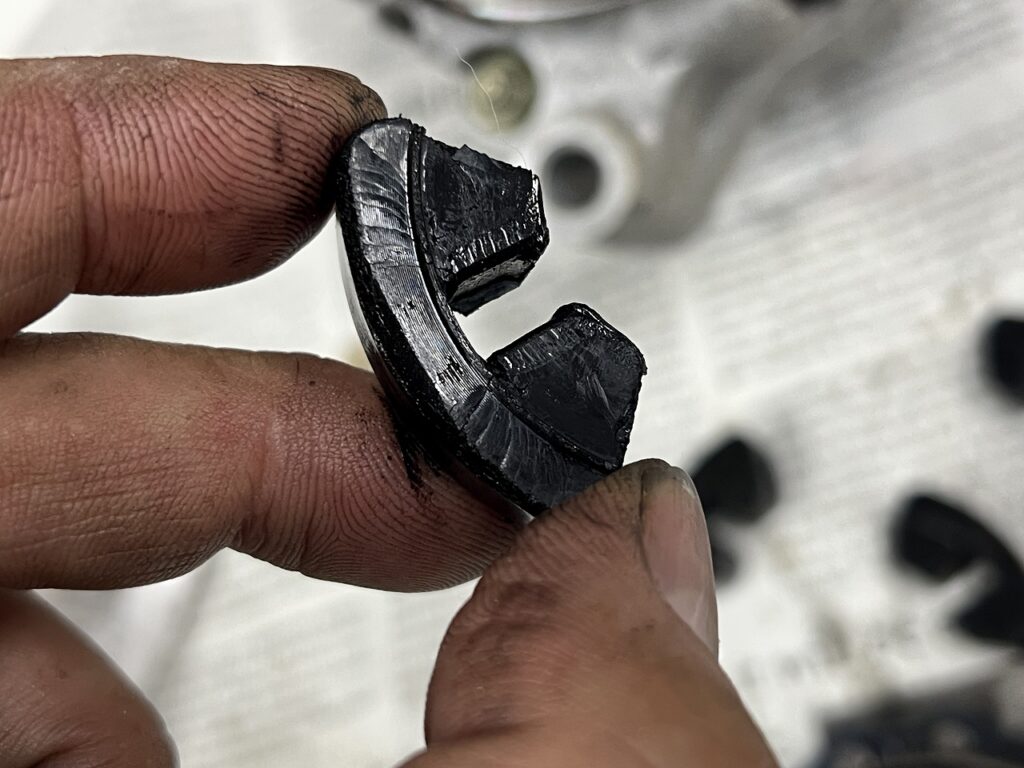
It’s already stiff and rattling. Just replacing the damper here quiets the engine noise dramatically. *If the damper is bad
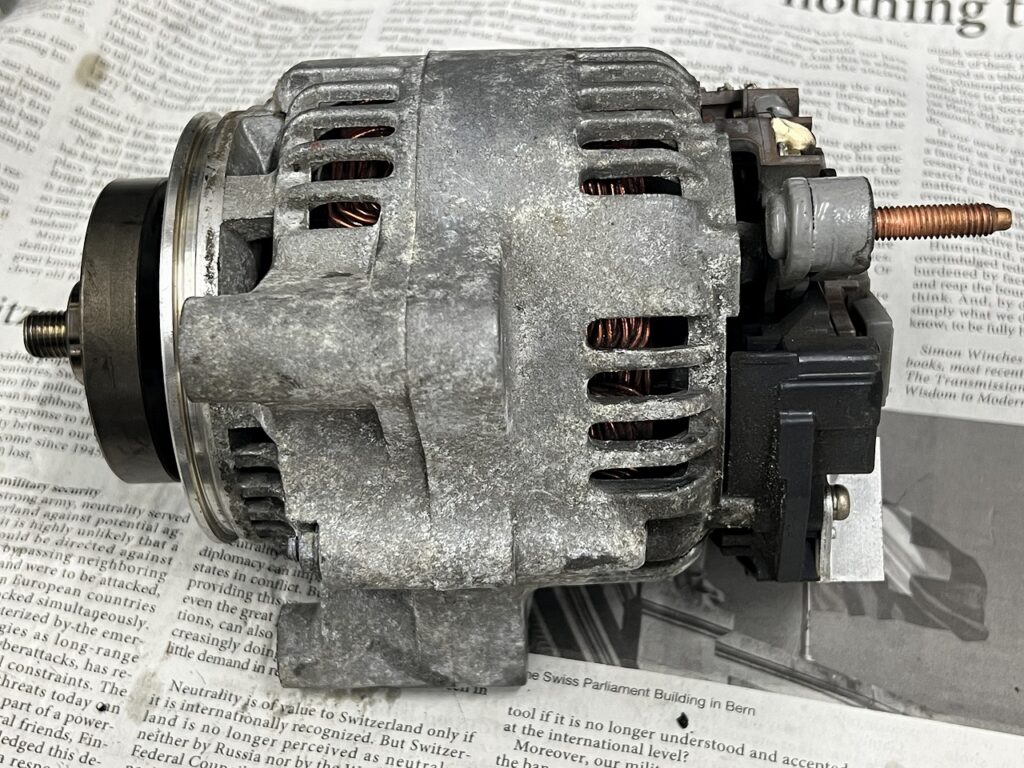
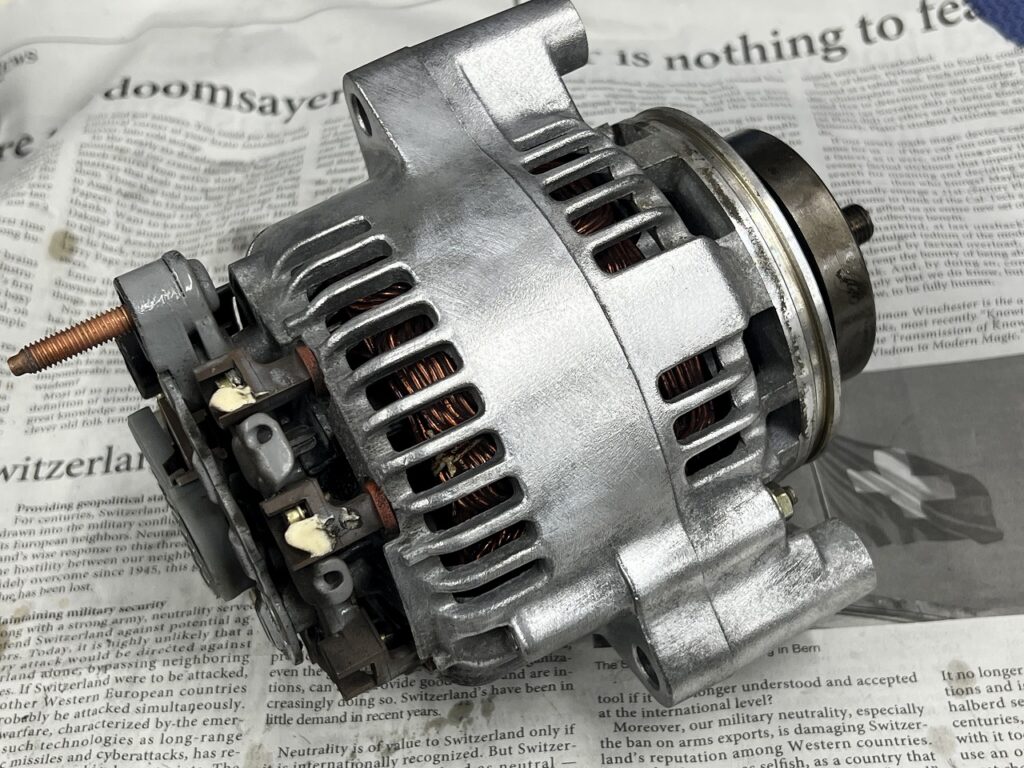
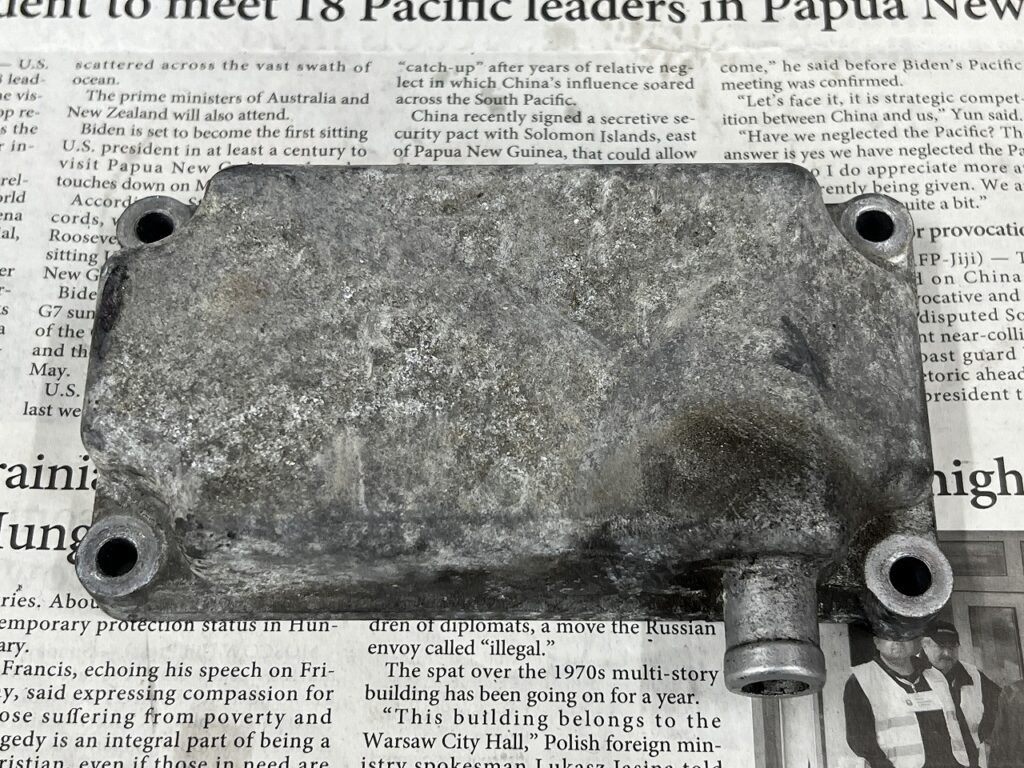
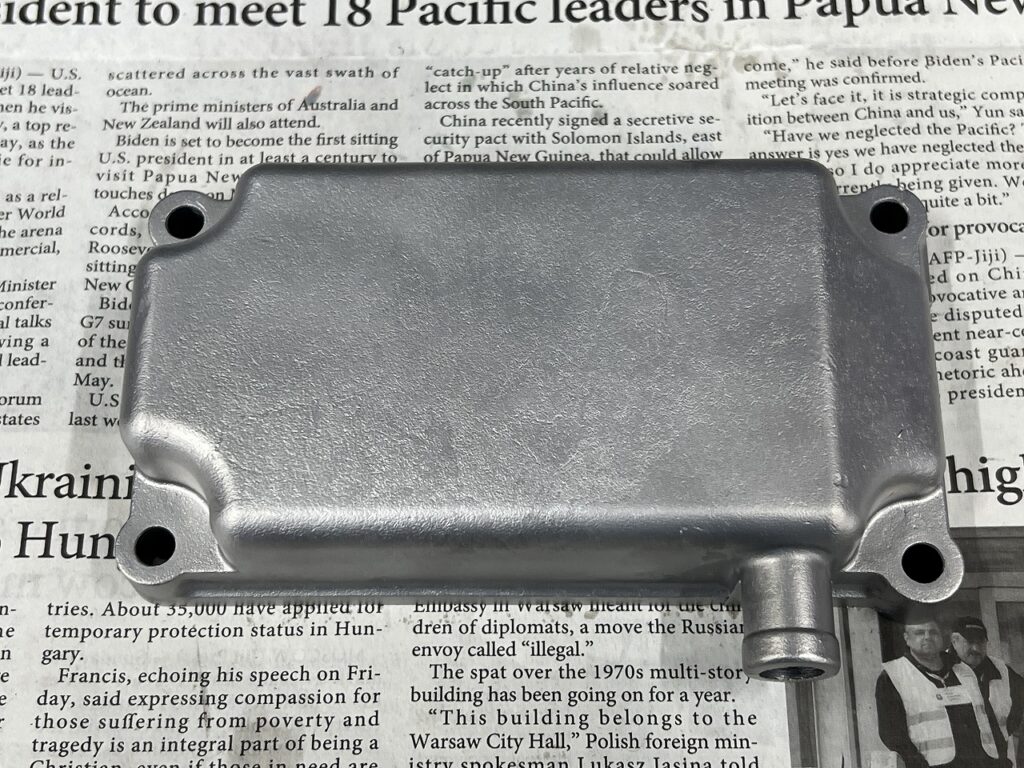
Hand-polishing the aluminum body exterior with a stainless steel wire brush.
If I took it completely apart and wet-blasted it, sure, it would look dramatically cleaner. Honestly, though, disassembling this is a bit of a hassle (sweat). The gear bearing press-fit is incredibly strong, and trying to force it out risks cracking or spreading the case—a bit scary.
“Destroying it to clean it is putting the cart before the horse.” Avoiding risky full disassembly and bringing out the texture by hand while assembled is the safest approach( `ー´)ノ
The center nut is always new. I use three-point tightening and thread-lock too.
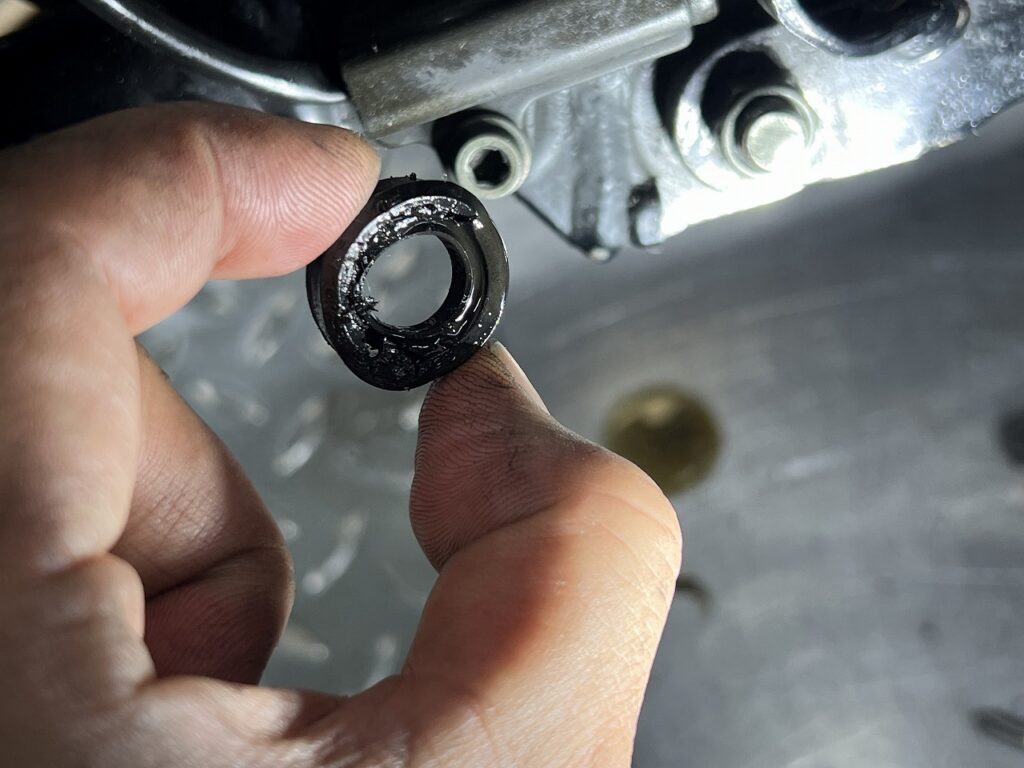
Shift shaft oil seal replacement
Normally this kind of replacement work would be done in minutes, but this time it was surprisingly stubborn and took quite a bit of effort (sweat).
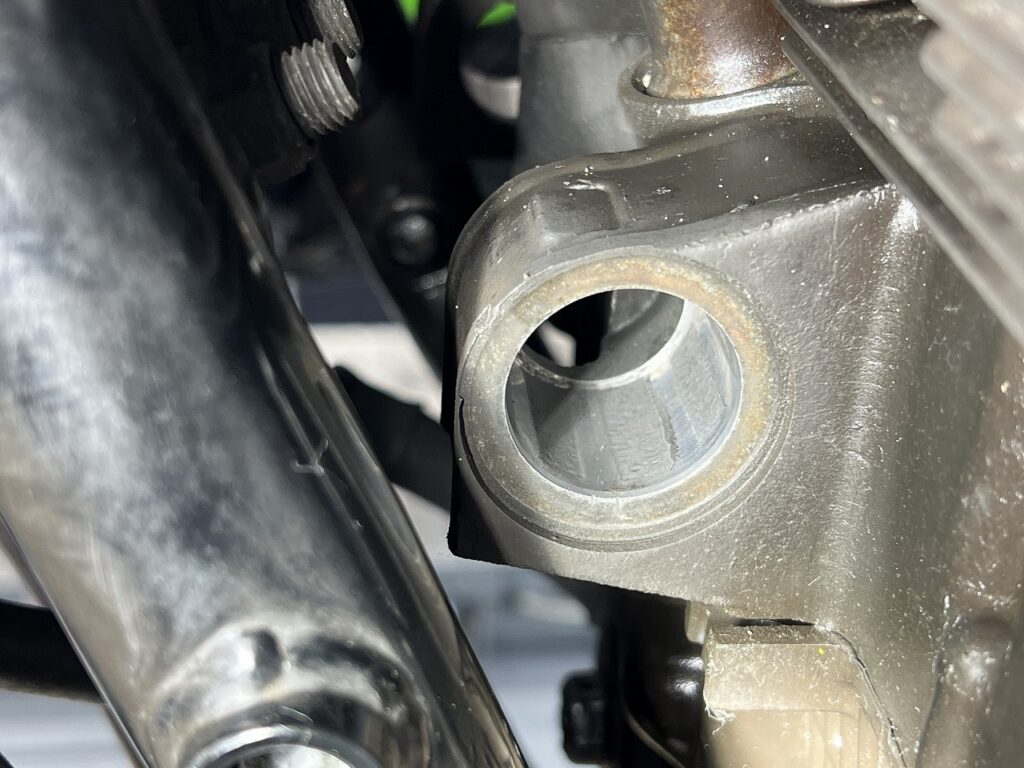
Oil-cooled Bandit 1200 models really often have units that run too hot in city traffic (overheating tendency). The heat damage has hardened oil seals and rubber gaskets to the point of being plastic-like, completely fused to the case.
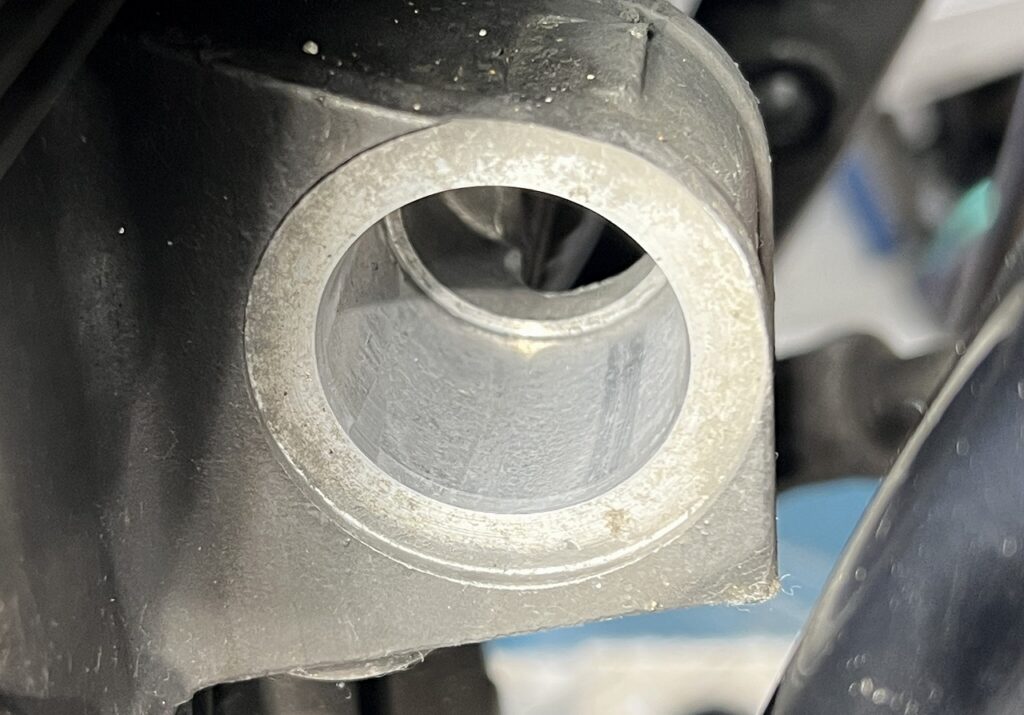
I worked carefully not to damage the aluminum on the other side by prying, and I’m relieved it finally came out( `ー´)ノ
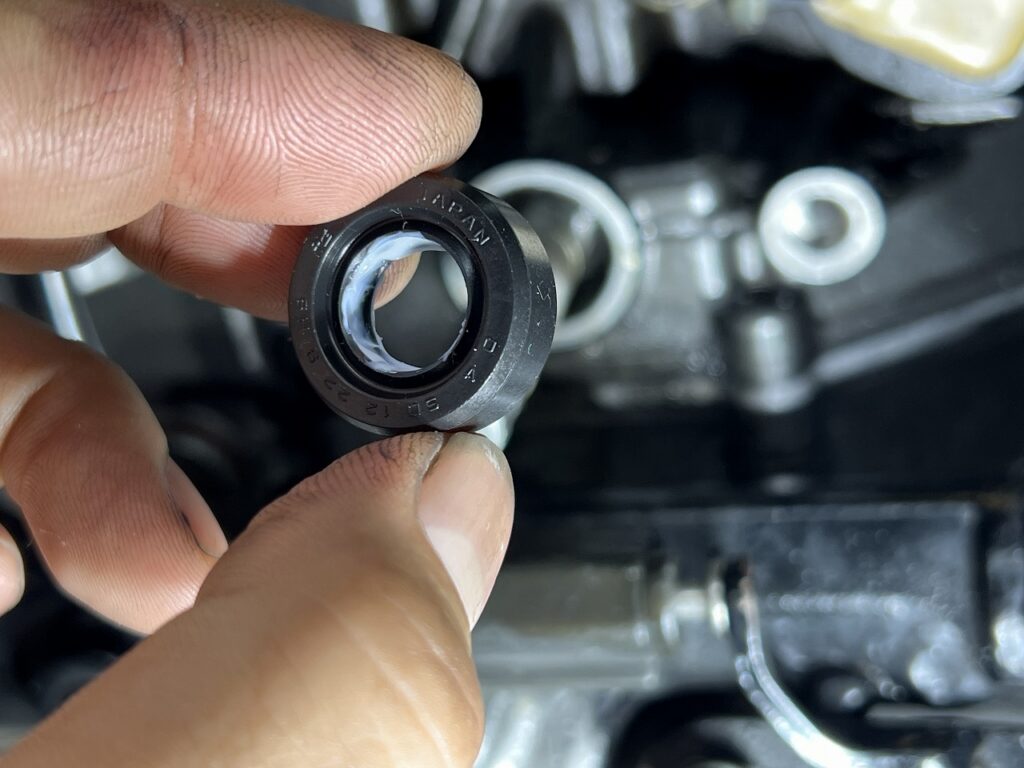
The initial grease pre-sealed in the lip groove of the new oil seal—I wipe it all away without hesitation.
What goes in here is unquestionably 【fluorine grease】 alone. It really works best.
Heat, oil, and chemical resistance are of course excellent, and with an extremely low coefficient of friction it helps the lip break in initially, filling microscopic gaps to suppress oil leakage significantly. When you think in gram units it’s shockingly expensive, so I choose where to use it carefully, but considering it reliably frees you from later “oil is seeping…” rework troubles, it’s actually cheap insurance( `ー´)ノ
When the engine damper wears too much, the case also…
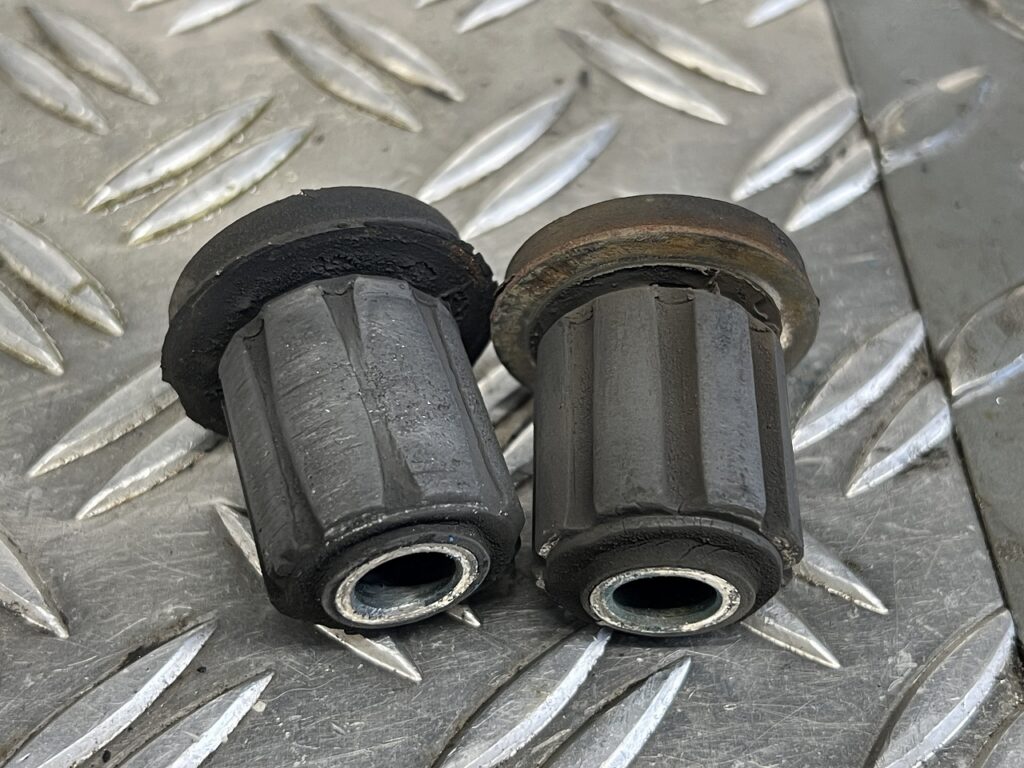
When the damper wears too much, vibration wears the case too. Even with use, I’d say 20,000 to 30,000 kilometers is the limit.
Rather than just swapping it in as-is after removal, polishing it first makes installation smooth.
Due to frame bolt hole tolerances and subtle welding distortion, various parts of a bike often carry “stress (tension)” and are held together by brute force.
Especially engine mounts! If you muscle the bolts in and tighten them hard, the whole frame ends up with nasty twists and vibration. Before final tightening, loosen each part to position it, and within tolerance create a “smooth fit” state where it slides in by hand with no resistance—that’s ideal.
Just assembling the frame and engine so they don’t fight each other makes annoying vibration buzz disappear and handling feel dramatically better( `ー´)ノ
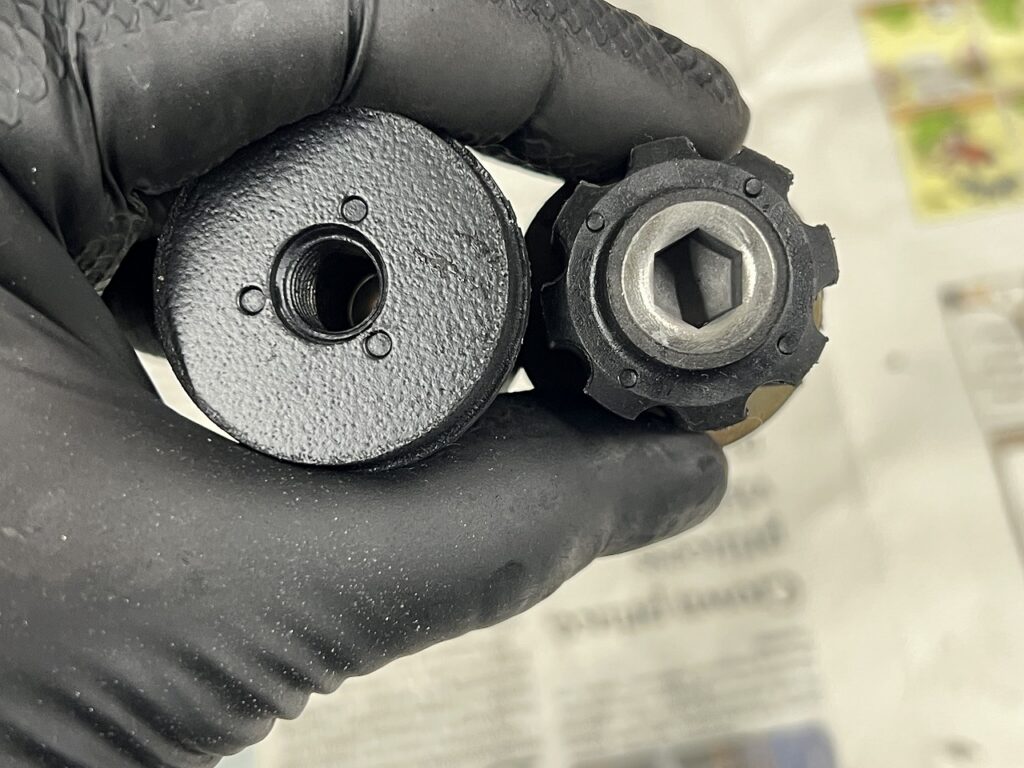
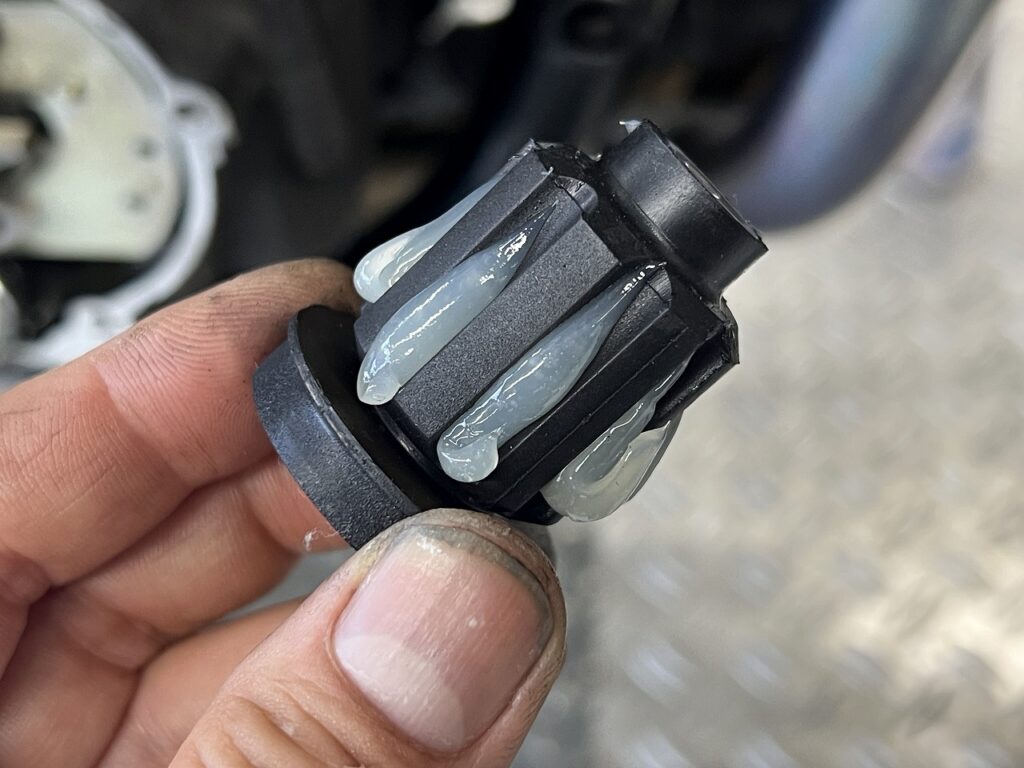
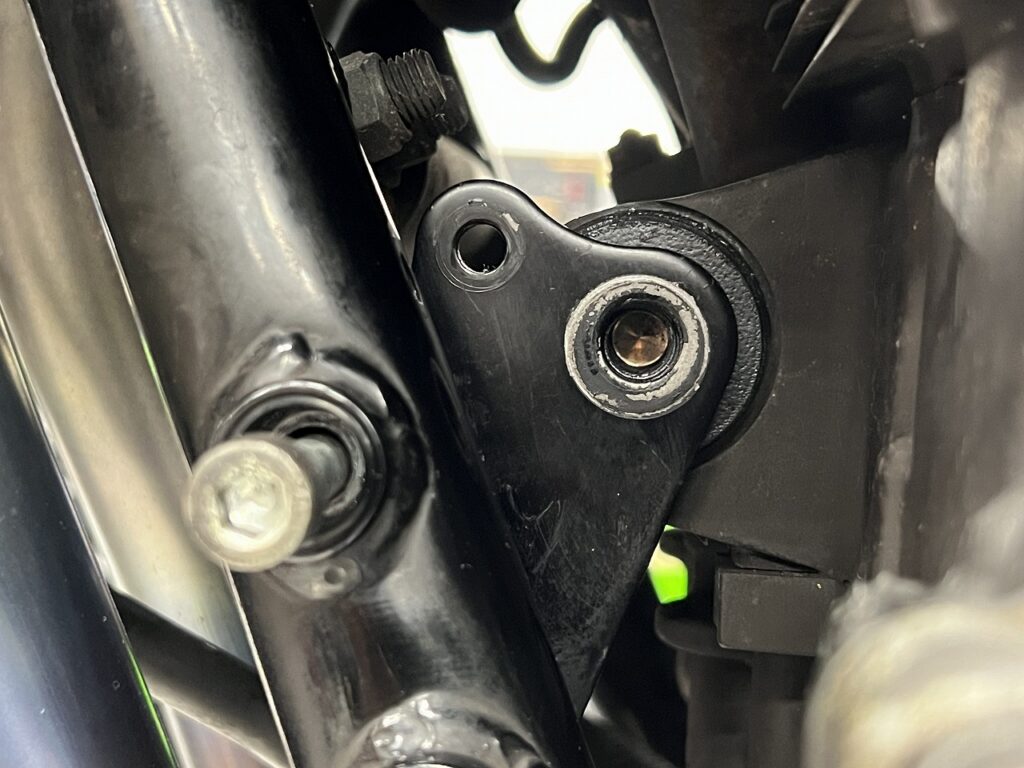
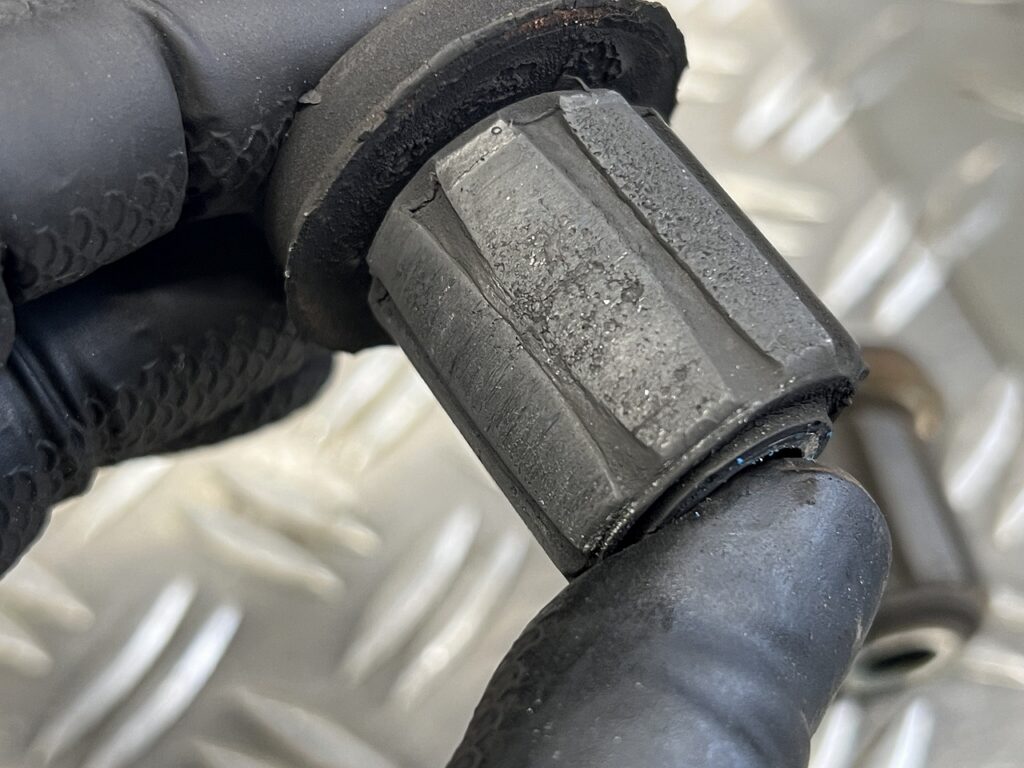
A small note on oil-cooled engine mount dampers. The Bandit 1200 (K6) front side is this: 【 11681-49G00 】Bush, engine mounting front
This damper is not a through-bolt type. So unless you’re “co-bolting an aftermarket engine slider from the damper bolt,” it basically doesn’t apply to you.
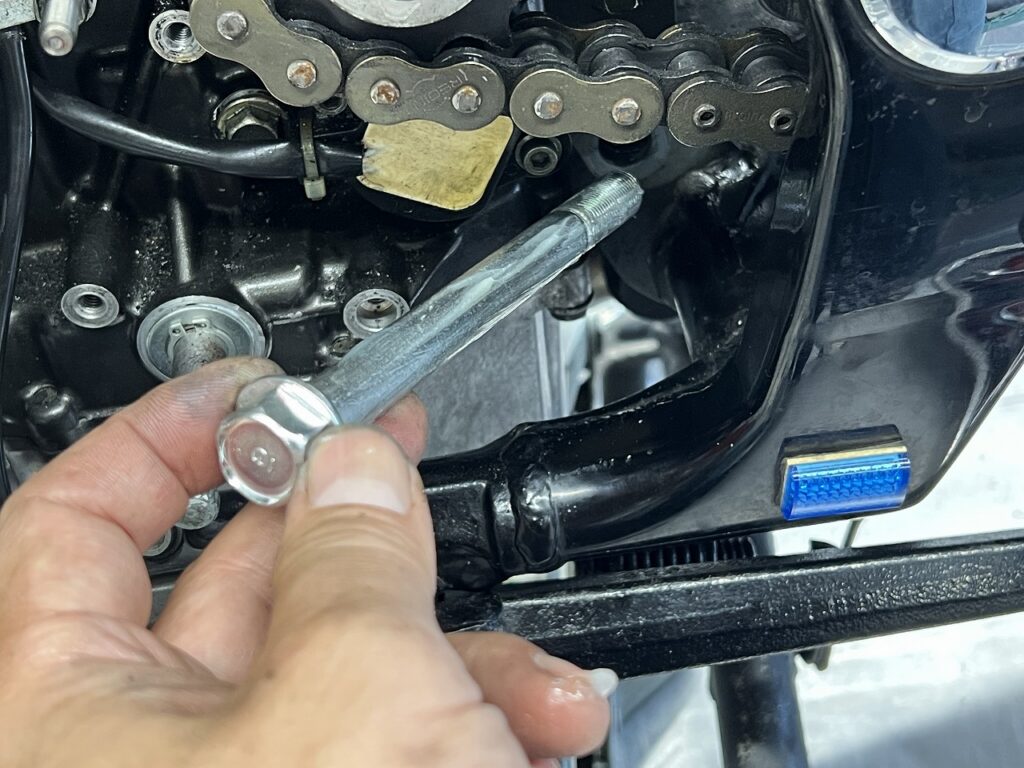
And the mounting bolt to match. Rather than use a bland Suzuki OEM bolt, I highly recommend using a Honda OEM flange bolt 【 96300-10020-07 】(10×20). The head lightening and flange shaping are clearly cooler on the Honda side, and cheaper too. It’s fun to sneak in texture and attention to detail on an overlooked bolt like this( `ー´)ノ
I pack it with plenty of grease when assembling. When you do this, the case hole is shiny next time.
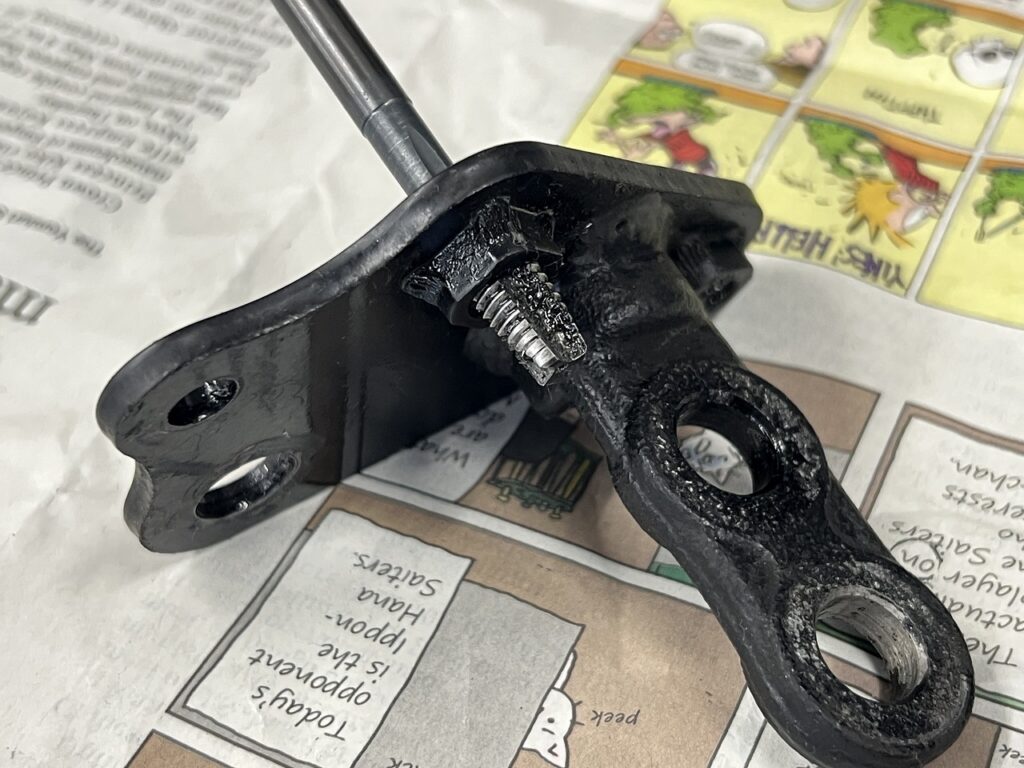
I clean and check all the threads. This area sometimes gets mangled by brute force. If so, use a helicoil and assemble.
Engine mount bolt replacement
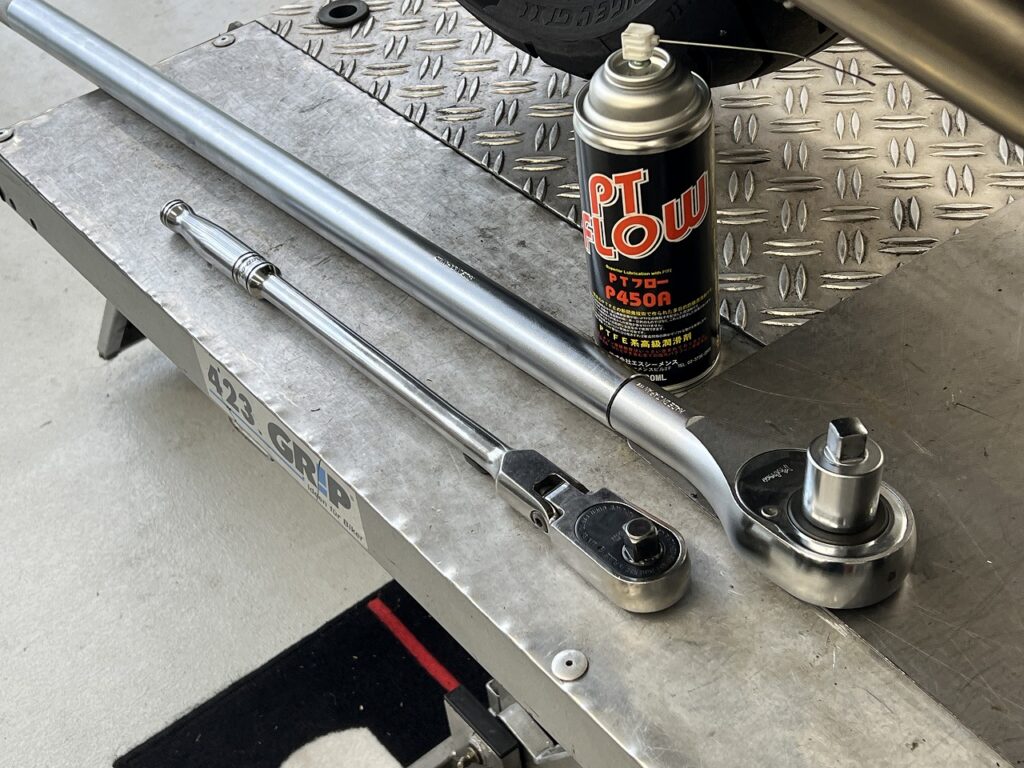
The oil-cooled 1200 engine mount bolts come from the factory with ferocious thread-lock that really grips hard.
I pull out a super-long, thick 【3/4-inch breaker bar】 instead of the normal 1/2-inch size to loosen them.
Just because it’s tight doesn’t mean you should hit it with an impact wrench “dadada!” in one shot—super high risk. The impact can strip the female threads or nut on the frame side, and the moment that happens, it’s an unrecoverable nightmare.
Using long lever advantage, you gradually break the frozen thread-lock by applying torque slowly. Loosen it gently and it’ll come out for sure. It’s all about tool selection and approach planning before you muscle in( `ー´)ノ
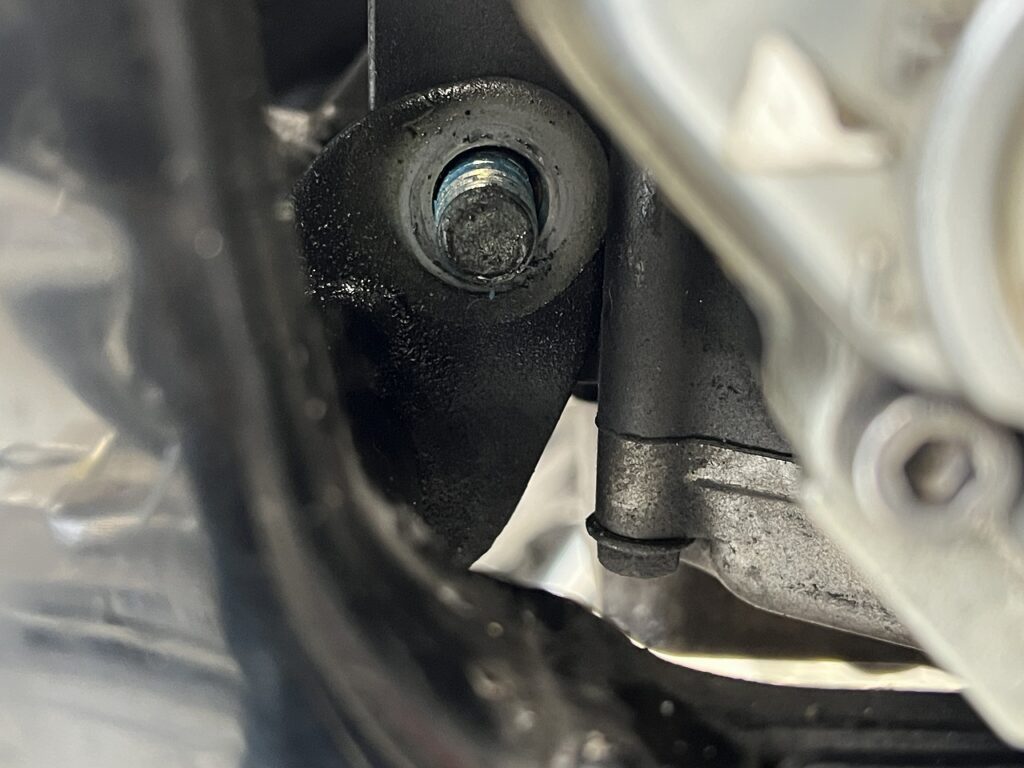
It’s recessed this deep. I bet there are people who’ve seen hell by stripping it…
Refreshing with new mount bolts too(*´ω`*) Of course they’re Honda OEM…I don’t use Suzuki much…
Establish the main reference mount position firmly, then use the bolt hole tolerance (play) to carefully find the best position where each part fits most smoothly.
Doing this won’t dramatically cut lap times or raise top speed—no flashy effects. But the moment you sit on the assembled bike and ride off, you’ll instinctively feel “…huh? The frame feels snappy.”
Removing invisible frame tension and twist. This humble positioning work stacks up to tighten the whole bike’s solidity( `ー´)ノ
Straightening bolt alignment, replacing stiff seals, carefully working out corrosion. Each one is really just “a small thing,” but as you put in the work, the long years of fatigue the bike has carried gradually lift.
Refresh isn’t just about bolting on expensive aftermarket parts. Simply returning it to its natural state breathes new life into the bike—there’s a moment when its expression softens.
Feeling this gradual change is the real thrill of working on an old bike( `ー´)ノ
[Maintenance log] The rumored oil-cooled maintenance! Bandit 1200 (K5) also a 20-year-old bike. Resetting rubber, fluids, and electrical as foundational tuning


 ポチップ