[Notice] Torrential Rain That “Shouldn’t Happen” Based on Past Climate Data—Is Mobara/Mutsuzawa Safe? Factory Status Report and Heavy Rain Countermeasures
The torrential rains that continued from August 13, 2026 onwards. Brought significant disasters throughout Chiba Prefecture.
I’d like to share recent updates, including records. *Nothing happened.
Today’s Notice: Heavy Rain Situation and Business Report
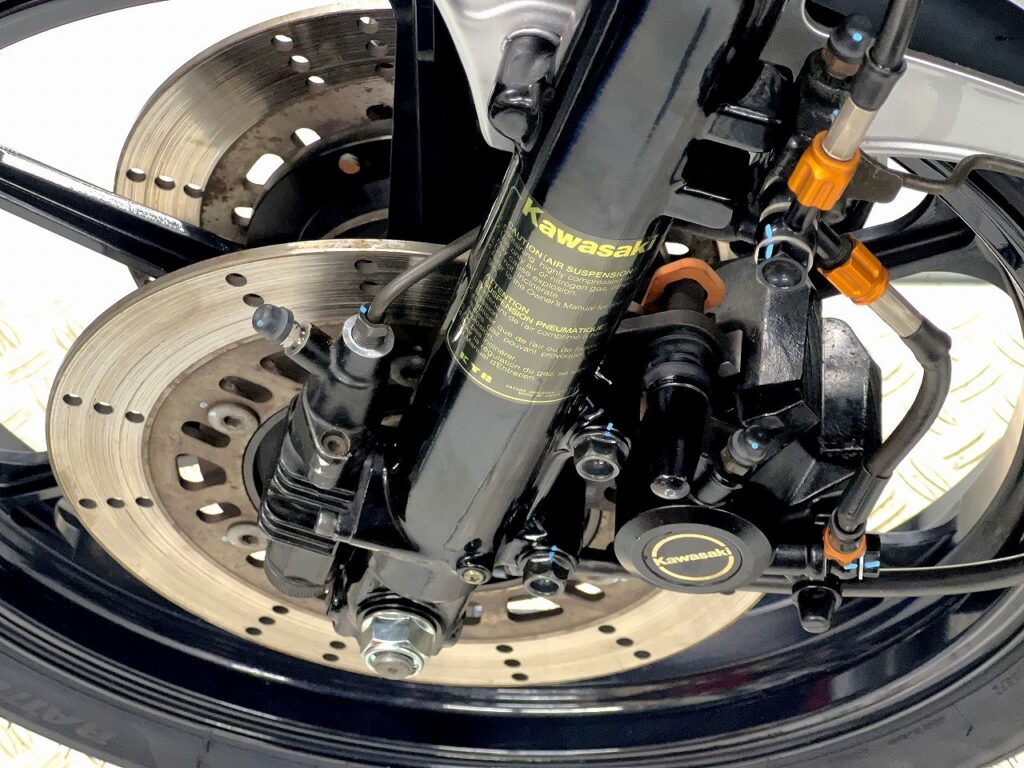
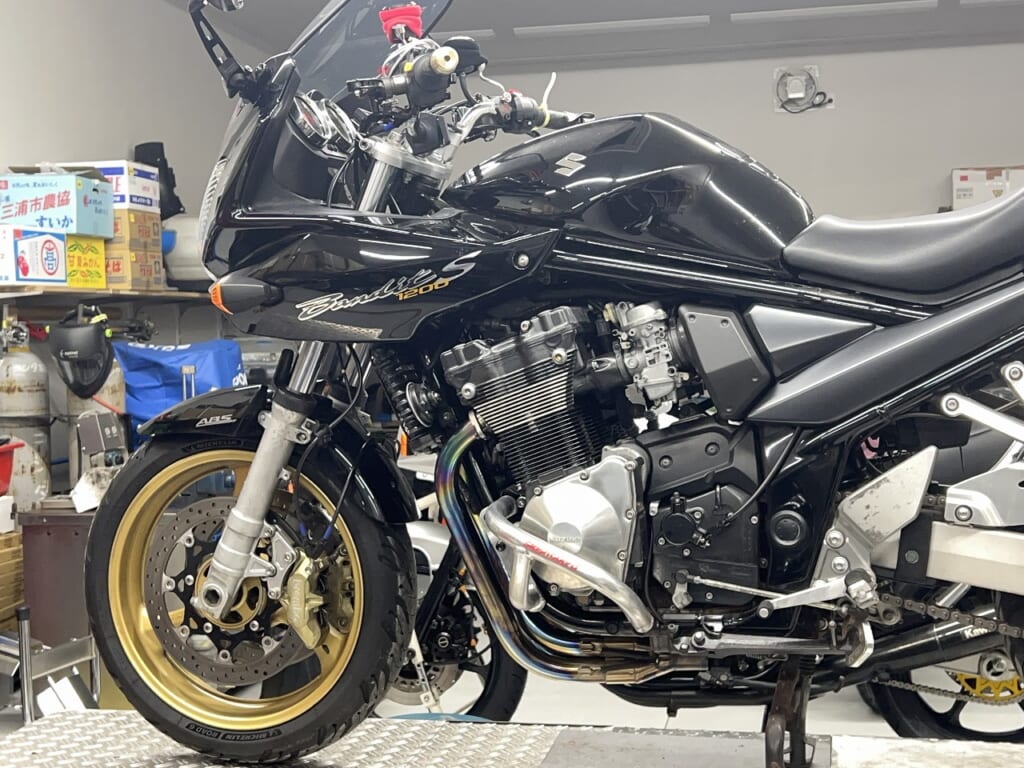
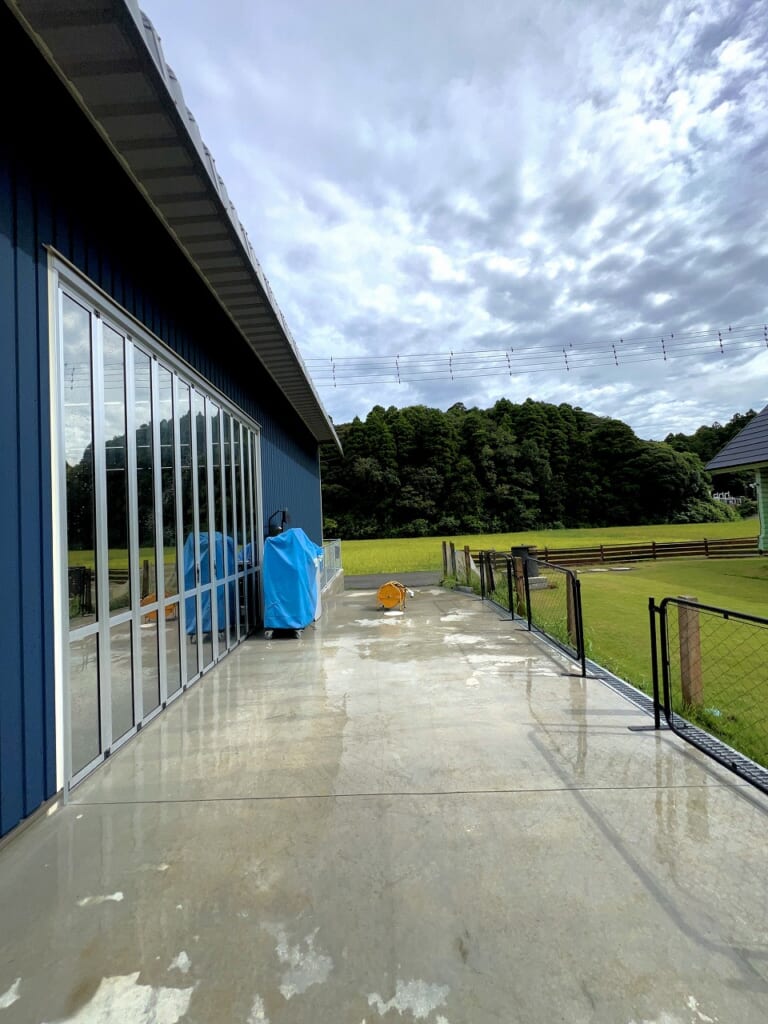
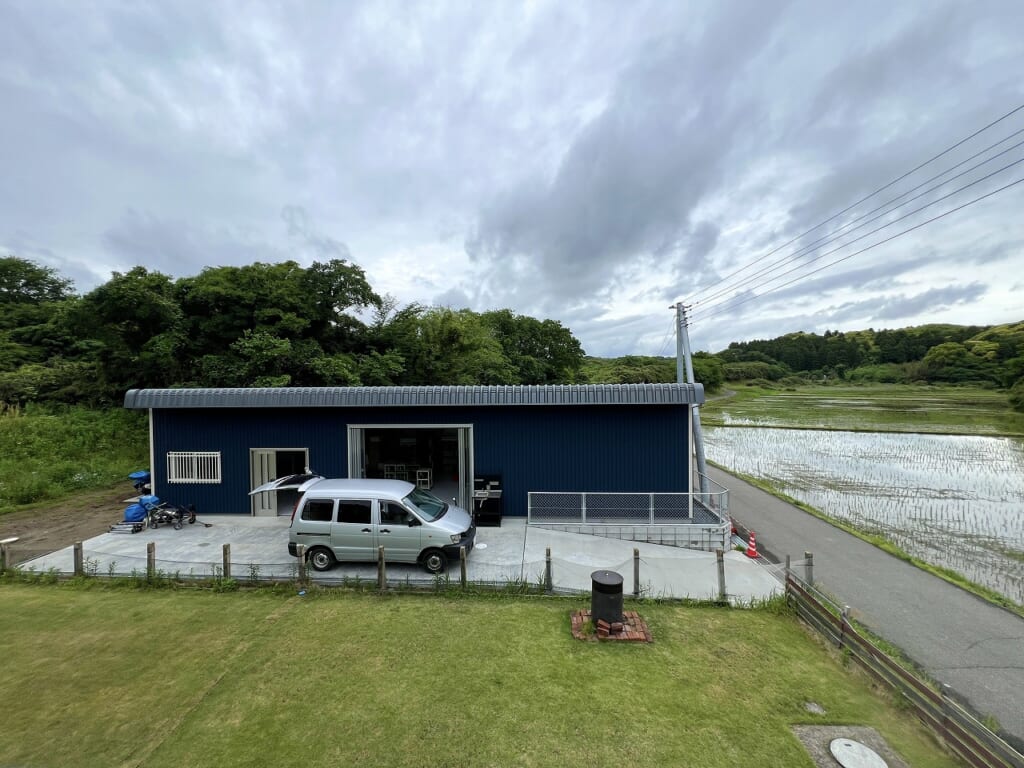
Store and Factory Status: Decoboco Factory (Mutsuzawa Town, Chiba Prefecture) has experienced no flooding or inundation damage and continues normal operations with pit service running. All motorcycles in our care are safely stored indoors in our pits, so please rest assured.
Caution for the Outer Boso and Mobara Area: Recent guerrilla downpours and linear precipitation bands don’t follow “past common sense.” Please be very careful of flooded roads in low-lying areas and swollen rivers.
Emergency Advice from Our Mechanics:
For submerged or flooded motorcycles, never turn the ignition key (to prevent water hammer and electrical short circuits).
Parking on soft, loosened soil or gravel creates a high risk of “sinkage tip-over.”
Avoid unnecessary riding during heavy rain; prioritize evacuating yourself and your bike to higher ground first!
Is Mobara safe? Actually, our shop isn’t in Mobara.
We keep saying Mobara, Mobara, but since it doesn’t quite register, we just say Mobara. *It doesn’t really register even in Mobara itself… It’s kind of like calling Shinbashi by Ginza… Close? Not close?
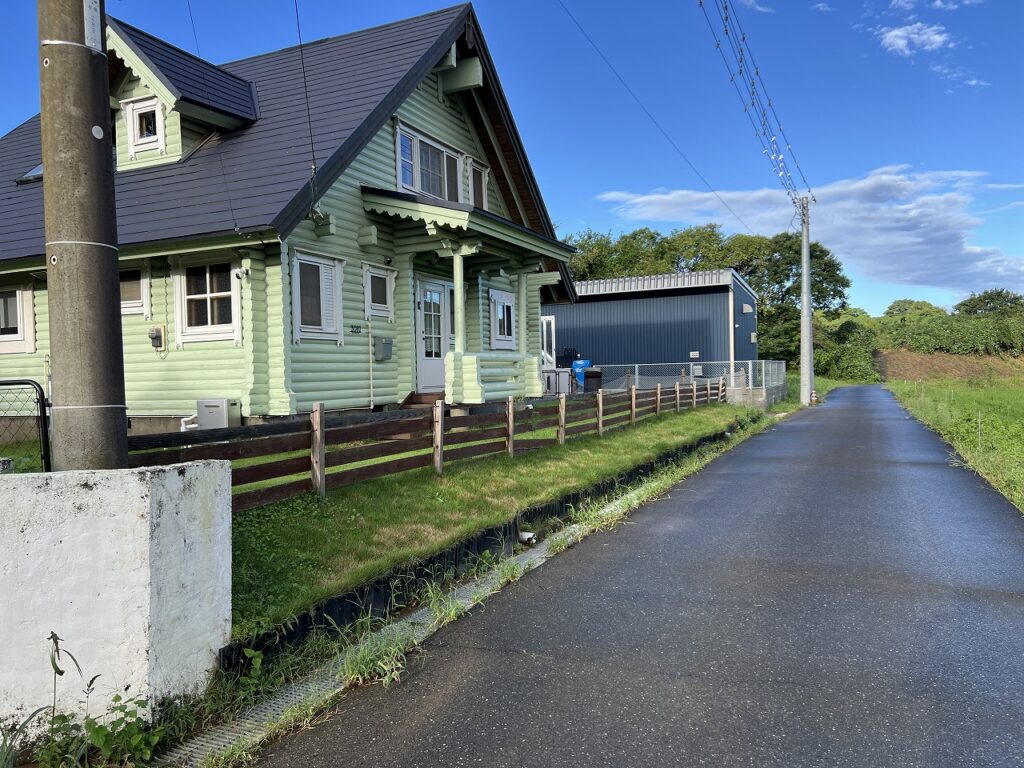
We’re located in Chosei District, so we’re in a slightly different area from “the flooded Mobara.” Our location is on high ground with no history of flooding according to hazard maps. If this area flooded, things would be pretty dire, so you can feel somewhat reassured.
That said, today’s natural disasters are off the charts and far exceed our imagination. We may need to constantly think ahead.
The next day, August 14
It felt like rain within my experience. It was heavy rain, but with fluctuations and shorter intense periods. The wind wasn’t particularly strong, and honestly, a typhoon would be worse, I thought.
The lightning was relentless though. Deep bass-like rumbling shook the ground until around 4 AM, and I couldn’t sleep.
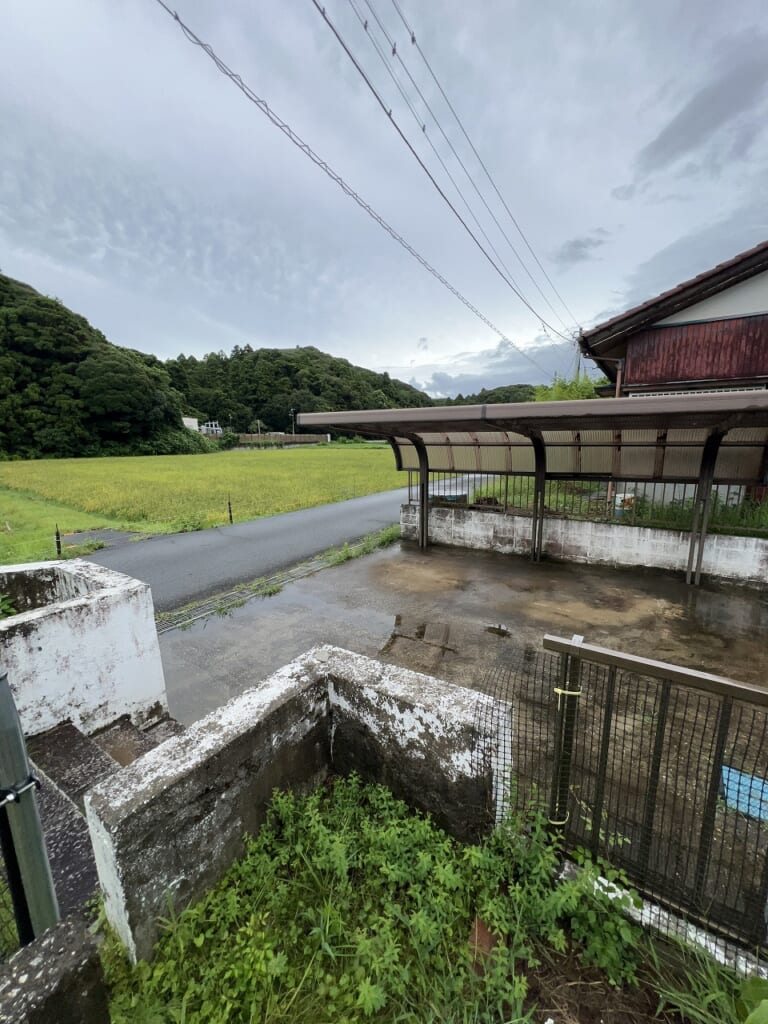
My home parking lot that flooded during the typhoon *not used recently looked clean.
It did rain quite a bit, but nothing serious, so I’m relieved.
Patrolled by scooter in the early afternoon
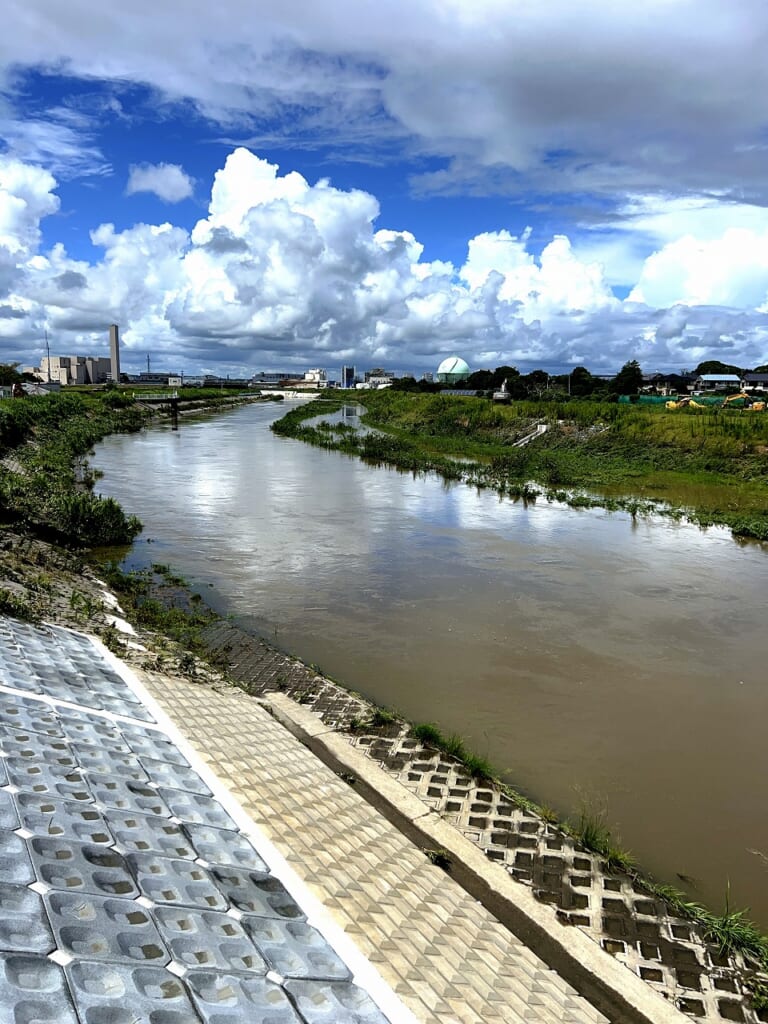
A short distance away is the Ichinomiya River, a “Class 2 River.” The ongoing widening construction of the riverbed helped.
The water level rose quite high. After patrolling the area around my home by scooter, nothing major happened. At least we’re safe for now.
Torrential Rain That “Shouldn’t Happen” Based on Past Climate Data
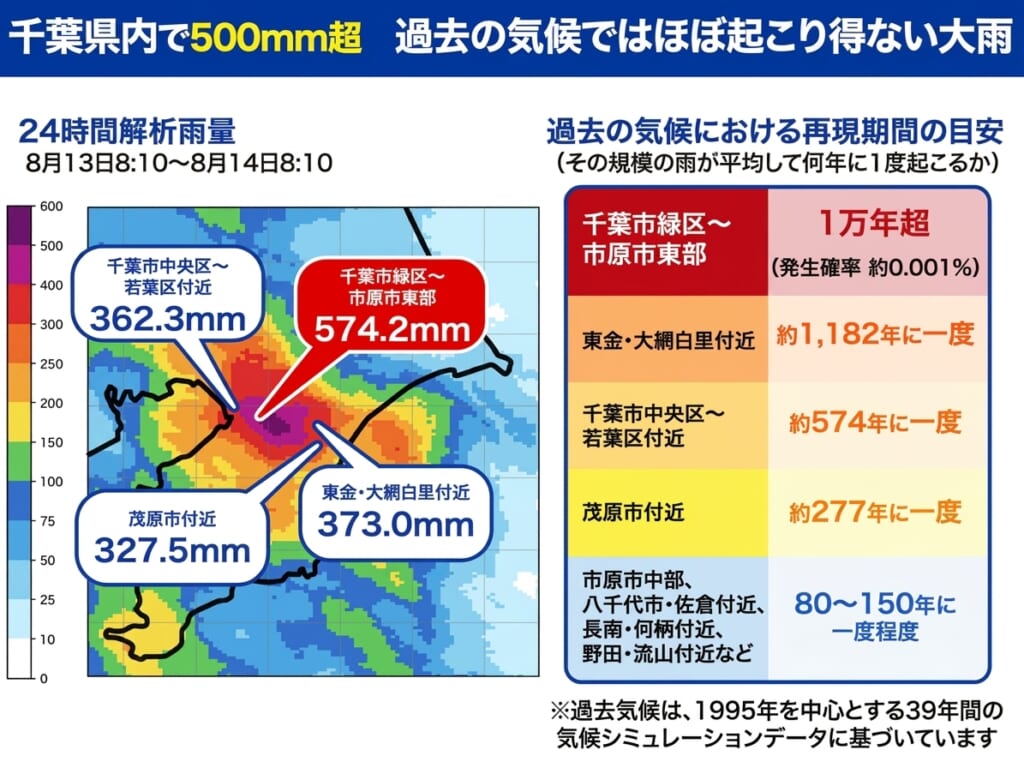
In the Midori Ward of Chiba City and eastern Ichihara City, rainfall reached 574.2mm. Based on past climate data, the probability of such a scale of heavy rain occurring is about 0.001%, which corresponds to a frequency exceeding 10,000 years. Statistically, this appears to be a level of heavy rain that is virtually impossible to occur.
Additionally, 373.0mm near Togo and Oamishirasato corresponds to once every 1,182 years, 362.3mm in the Chuo and Wakabaward areas of Chiba City corresponds to once every 574 years, and 327.5mm near Mobara corresponds to once every 277 years. In these areas as well, the heavy rain was considered to be of an extremely rare scale that people would almost never experience in their normal lives.
Additionally, heavy rain equivalent to once every 80 to 150 years was confirmed in central Ichihara City, near Yachiyoand Sakura, near Chonan and Choga, and near Noda and Nagareyama.
I wondered if it was because Chiba had the least… but it seems that’s not the case. Even areas without rivers were lightly submerged. In other words, “any region experiencing this rainfall would face disaster-level damage.” If this happened in Tokyo or urban areas, it would be catastrophic. I don’t even want to imagine it.
Can’t return by train or pick up
As of the morning of August 15, 2026, here is the operational and suspension status of the Outer Boso Line. The impact from the heavy rain that continued from August 13 persists.
Outer Boso Line Operations Status
Homuta Station to Mobara Station
Service Suspended (Service has been suspended since the first train, with some sections experiencing cancellations)
Chiba Station to Homuta Station
Delays and Some Train Cancellations (Some trains on both lines are experiencing delays and cancellations)
Mobara Station to Awa-Kamogawa Station
Due to connections, track inspections, and schedule disruptions, some trains may experience cancellations or delays.
Main Status of Surrounding and Connected Lines
Togo Line (Oami to Narutou) : Service Suspended
Depending on the progress of restoration work and safety confirmation status, the expected reopening and operational plans may change, so please check the latest information on the JR East official app or operations information page before traveling.
In short, “trains aren’t coming to Mobara Station.” The reality is that even if you leave your bike with us, you can’t return by train or pick it up.
Learning from the Past: Time Required for Recovery *3-4 Days?
1. September 2023: Typhoon No. 13 (Record-Breaking Heavy Rain, Ichinomiya River Overflow)
In addition to massive flooding in the Mobara city center, the Outer Boso Line suffered catastrophic damage including slope collapse (soil runoff) between Toke and Oami stations.
Disaster Occurred: September 8, 2023
Partial Reopening (Oami to Awa-Kamogawa): September 11 First Train (3 Days After Disaster )
Full Line Reopening (Homuta to Oami Restored): September 12 First Train (4 Days After Disaster )
Initially, recovery was expected to take about a week (after September 14), but through emergency repairs, full service resumed on the morning of September 12, four days after the disaster.
2. October 2019: October 25 Record-Breaking Heavy Rain (Ichinomiya River Overflow, Mobara Station Area Flooding)
Shortly after Typhoon No. 19, concentrated heavy rain on October 25 struck Mobara City and Choga Town, submerging the Mobara station area, causing track flooding and soil intrusion.
Disaster Occurred: October 25, 2019
Partial Reopening and Gradual Recovery: October 26 Afternoon through October 27
Full Line Reopening: Approximately 2-3 Days After Disaster
Track flooding and electrical/signal equipment inspections and mud removal were performed, and normal schedules were gradually restored over several days.
Recovery Pattern Characteristics
When the Outer Boso Line stops, if it’s only “station area and track flooding,” the line often resumes once water recedes and inspections are complete (typically 1-2 days).
However, if slope collapse or track bed washout occurs in the mountainous or cut sections around “Toke-Oami-Homuta” before Mobara, repairs become necessary, and full line recovery typically requires at least 3-4 days or more.
Urgent Announcements & Workshop Safety Report.
Subject: Torrential rain updates in Mobara/Mutsuzawa and essential motorcycle flood-defense tips. Details: Greetings from the Decoboco workshop in Mutsuzawa, Chiba. Following recent severe local downpours, we would like to reassure all our customers that our workshop and all stored motorcycles are completely safe and unaffected by flooding . Extreme weather requires updated precautions:
Prevent Stand Sinkage: Wet ground can swallow side-stands, causing tip-overs. Always place a solid base plate under the stand.
Never Ride Through Flooded Roads: Ingesting water via low-mounted airboxes or exhausts will cause catastrophic engine hydro-lock.
Never Crank a Flooded Bike: If submerged, never turn on the ignition. Cranking forces water into cylinders and fries electrical harnesses. Verdict: Prioritize your personal safety first. Decoboco remains fully operational and dedicated to preserving your rides with total reliability!
[Notice] Torrential Rain That “Shouldn’t Happen” Based on Past Climate Data—Is Mobara/Mutsuzawa Safe? Factory Status Report and Heavy Rain Countermeasures


 ポチップ
ポチップ