Before you know it, it’s inspection season? Maybe I should stick the expiration date on the handlebars… or make an announcement that it’s time for inspection!
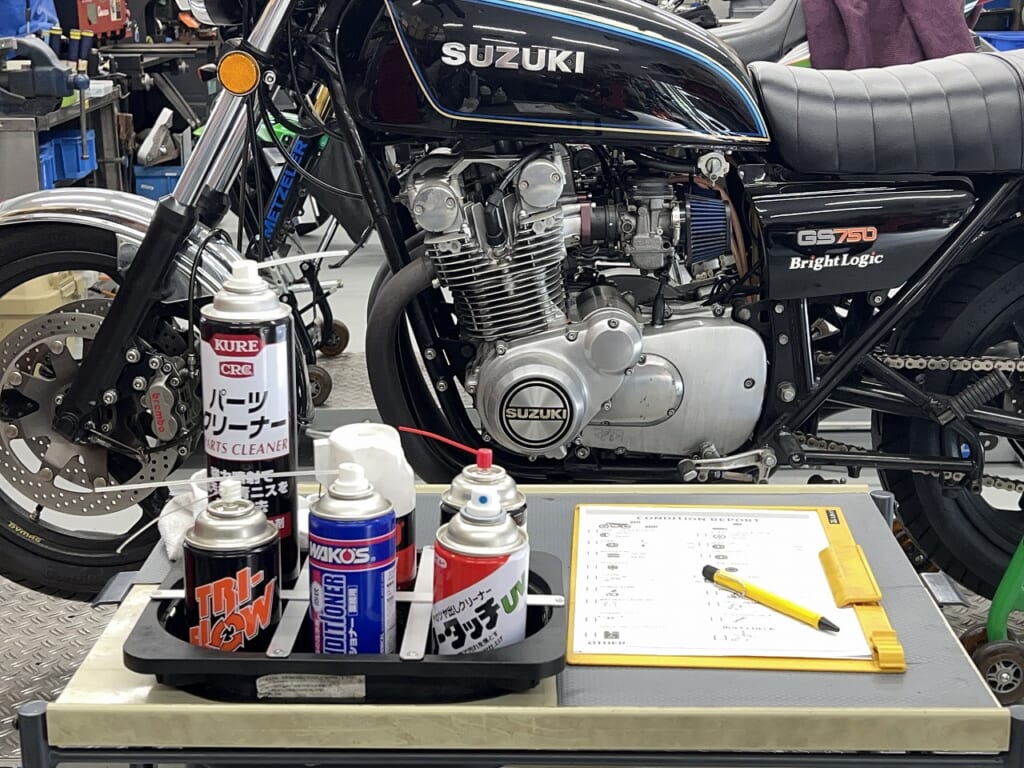
Recently, I cut out the tool wagon with an air saw and threw in a chemical case. I’m aiming to reduce the strokes needed to grab chemicals—efficiency optimization.
Since the mileage hasn’t progressed much, I’ll do a light maintenance check.
Today’s Inspection and Light Maintenance Log
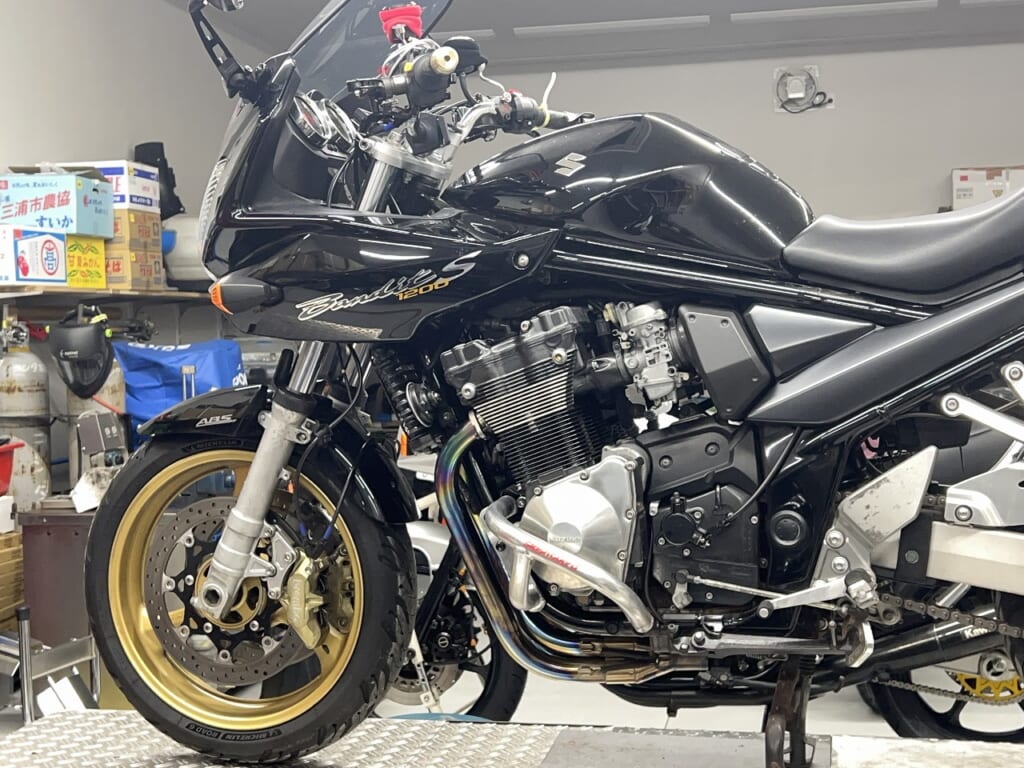
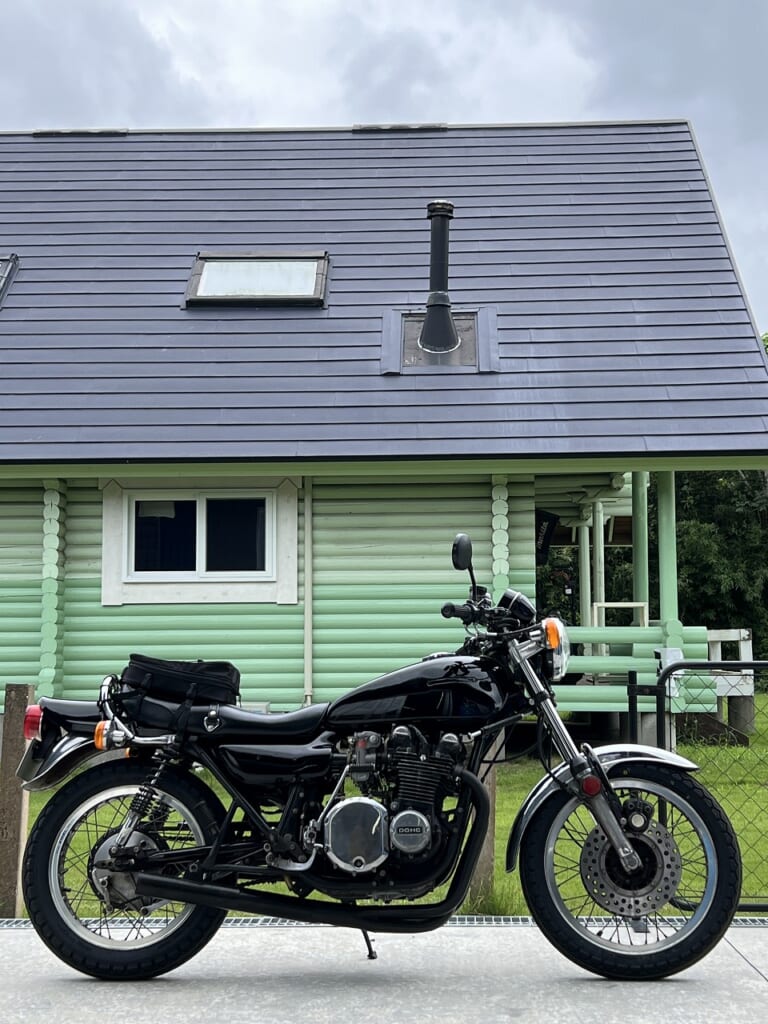
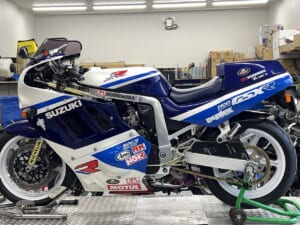
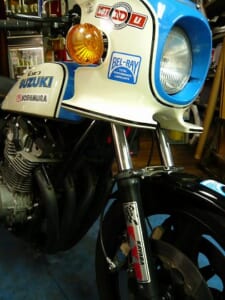
Vehicle: Suzuki GS750E (Suzuki’s first historic 4-stroke air-cooled four!)
Key Points: Not as thorough as a full Deco-mainte teardown, but we completely refresh all fluids, check for brake drag, tighten all fasteners, and verify lighting and battery voltage—ensuring the classic machine stays safe and reliable on the road.
Mechanic’s Note: Rather than “fix it after it breaks,” the real secret is “prevent breakage through regular checkups like inspections.” This is the fastest path to making your GS a lifetime companion!
Decobocoflow’s other BLOG. “RURAL GARAGE”
A hidden room beyond motorcycles. Sharing everyday convenience items, relocation, delicious food, life philosophy and more. ←click
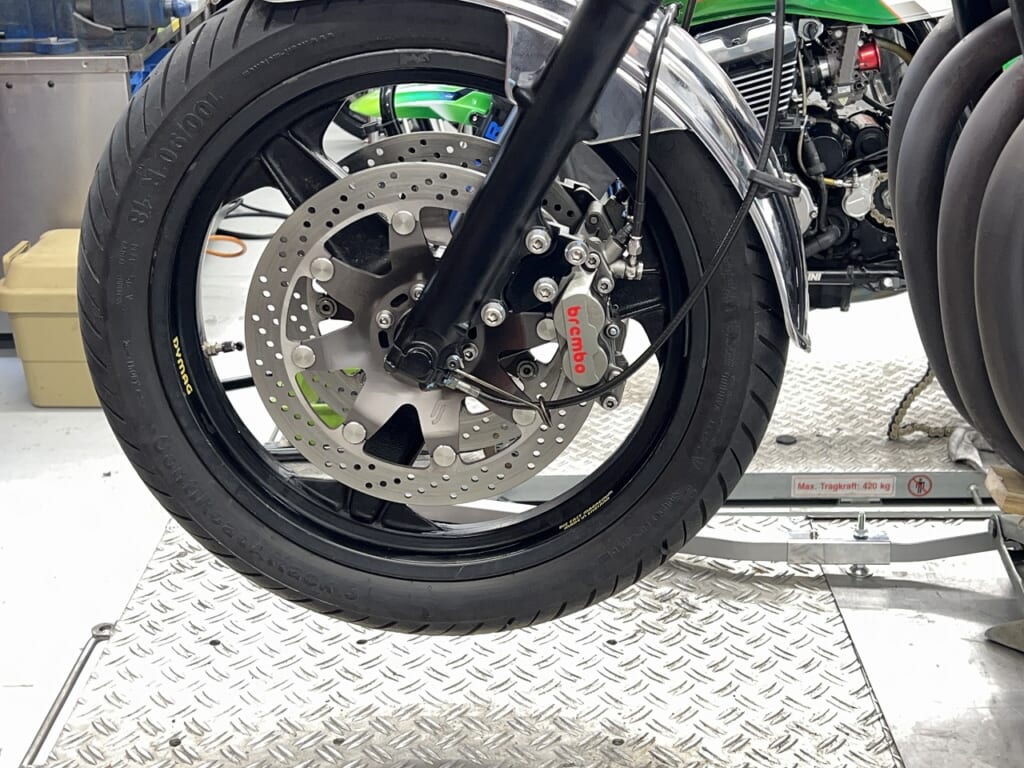
It’s tough to lift the wheels and clean them anyway. Washing is also tricky. I’ll check each part while cleaning.
Ultimately, silicone oil is the strongest option. It has light water-repellent properties and gives a nice shine, so it’s very convenient.
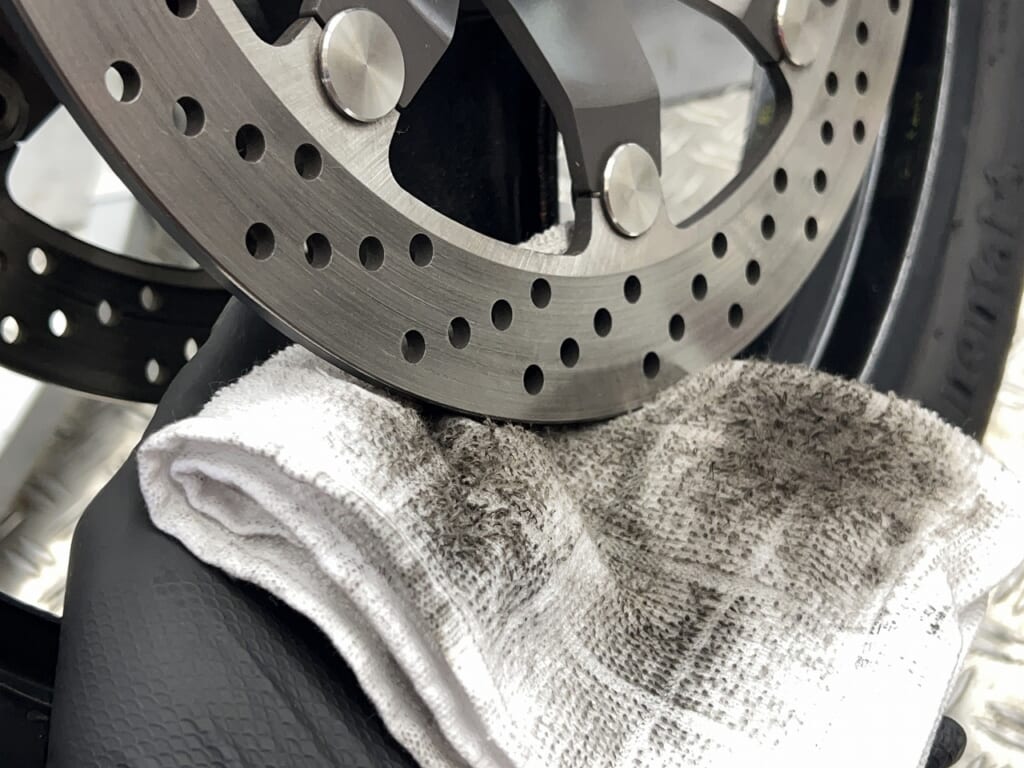
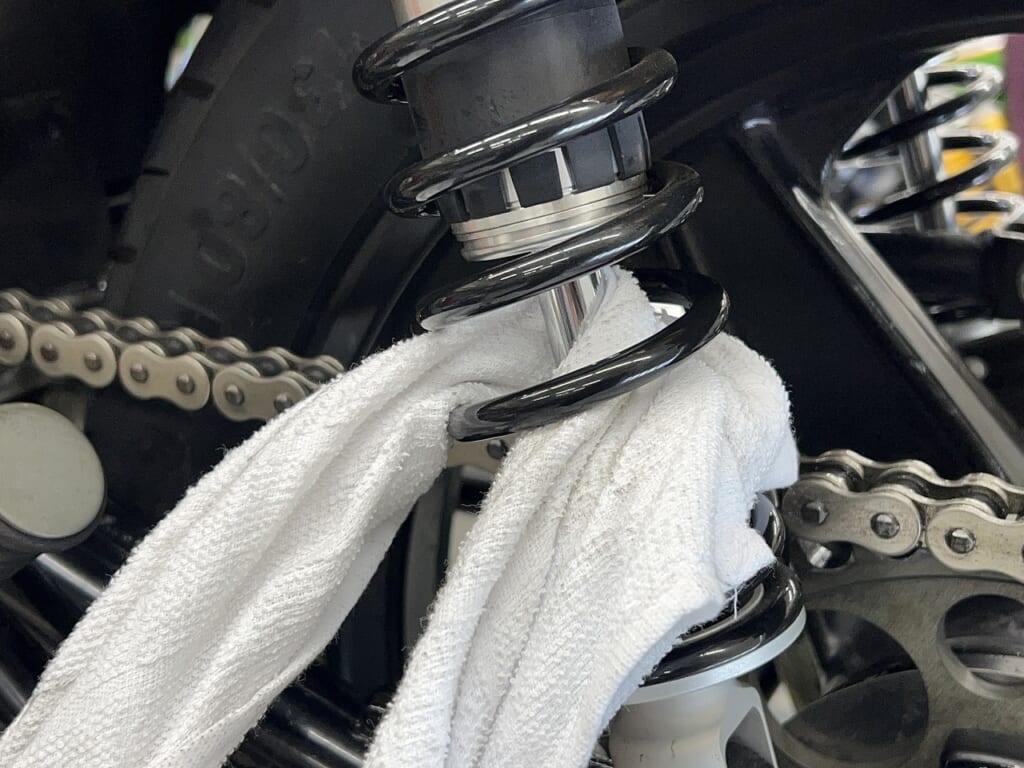
I’m wiping with a cloth soaked in silicone oil. Since it’s near the brakes and tires, I don’t really recommend it…
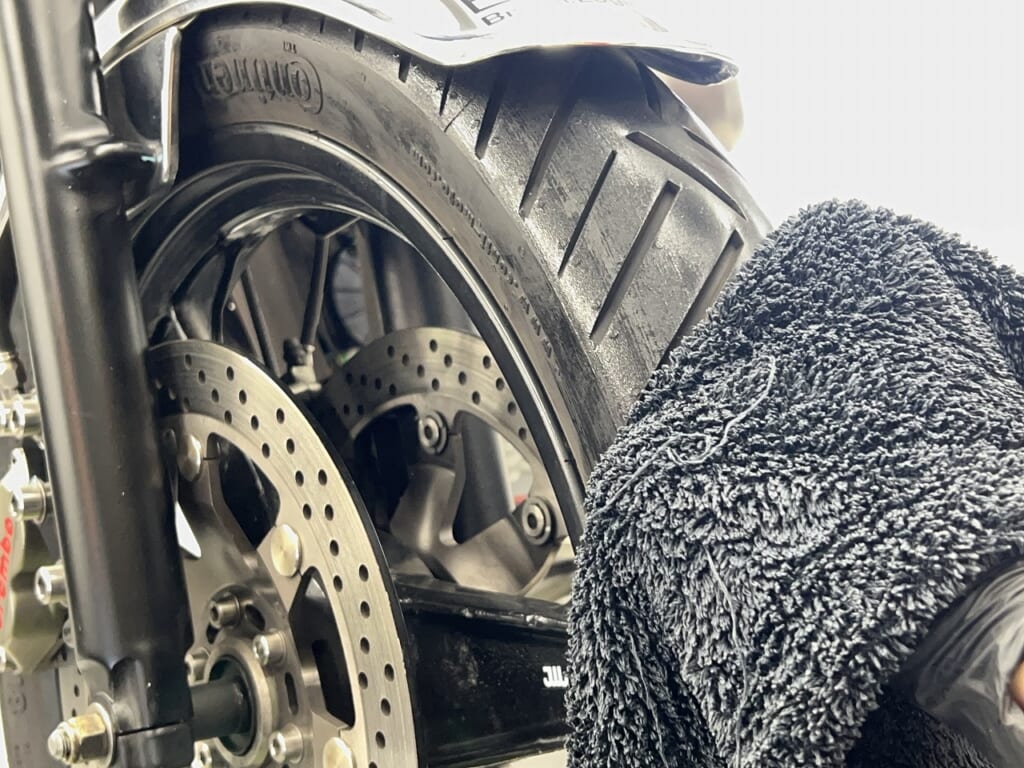
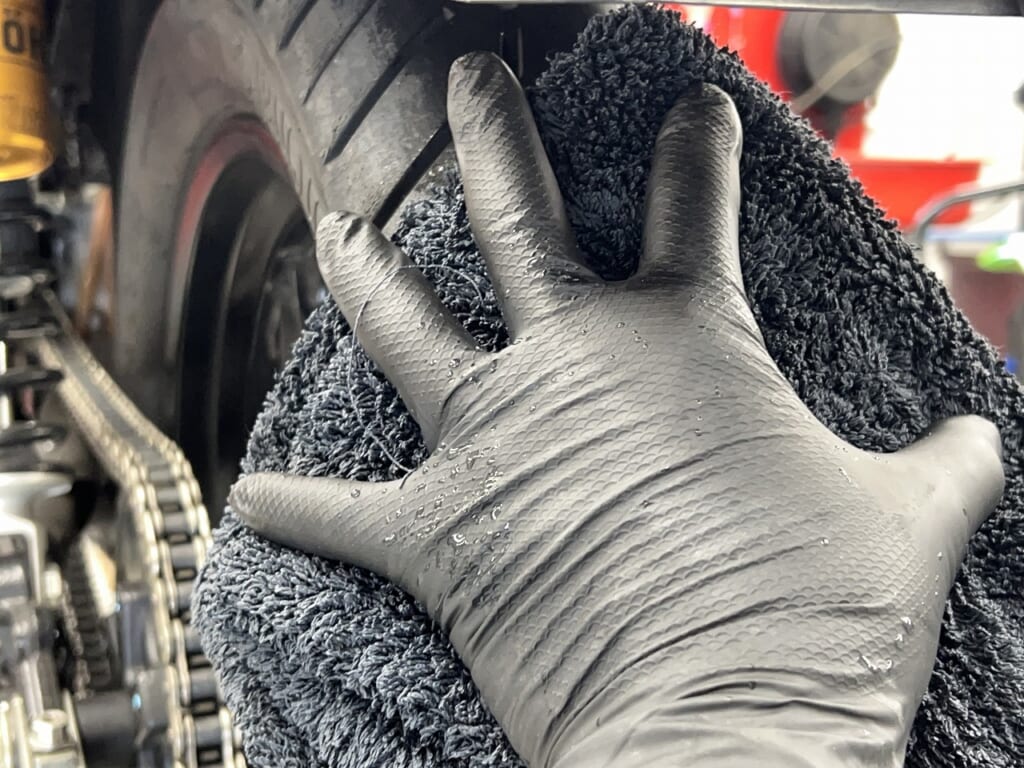
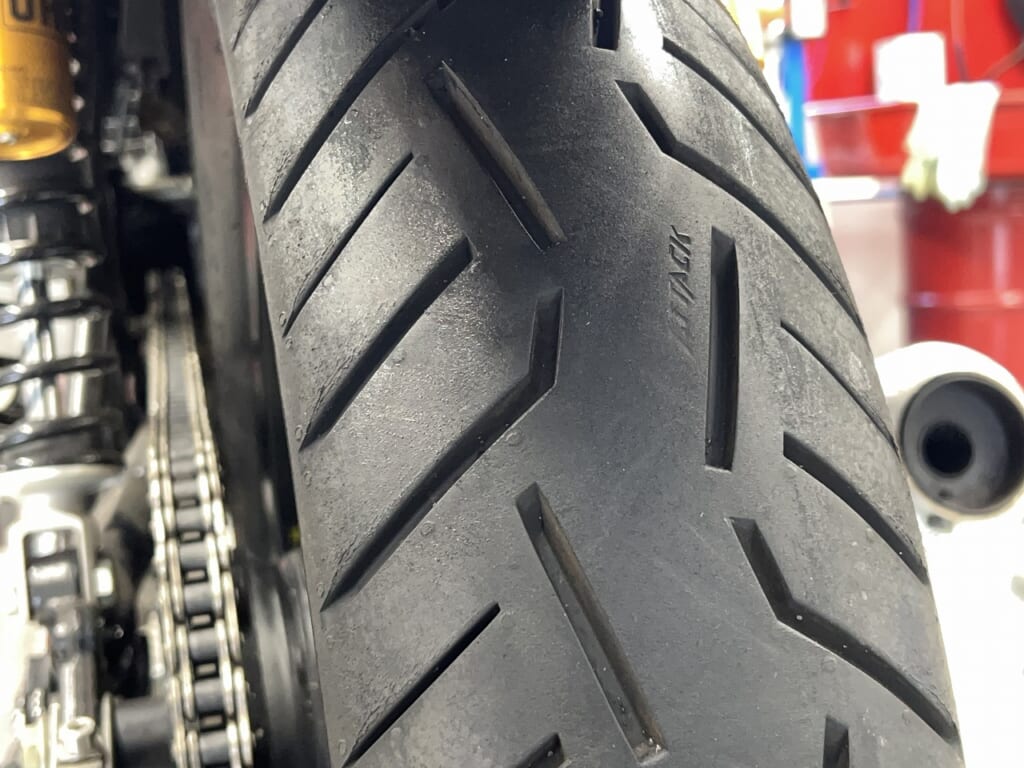
Wiping the tire with water and checking for foreign objects
I wipe the entire circumference thoroughly with water and check for embedded objects and wear. Surprisingly, simple tasks you can do yourself are often overlooked.
Starting with basic cleaning often reveals things you might have missed!
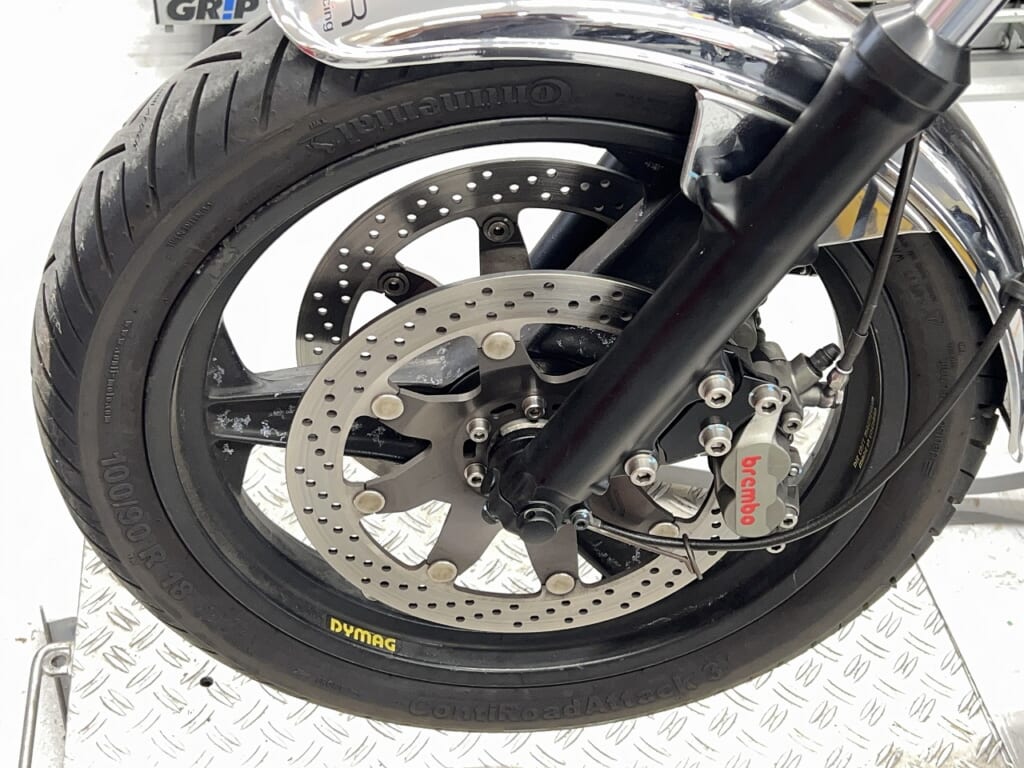
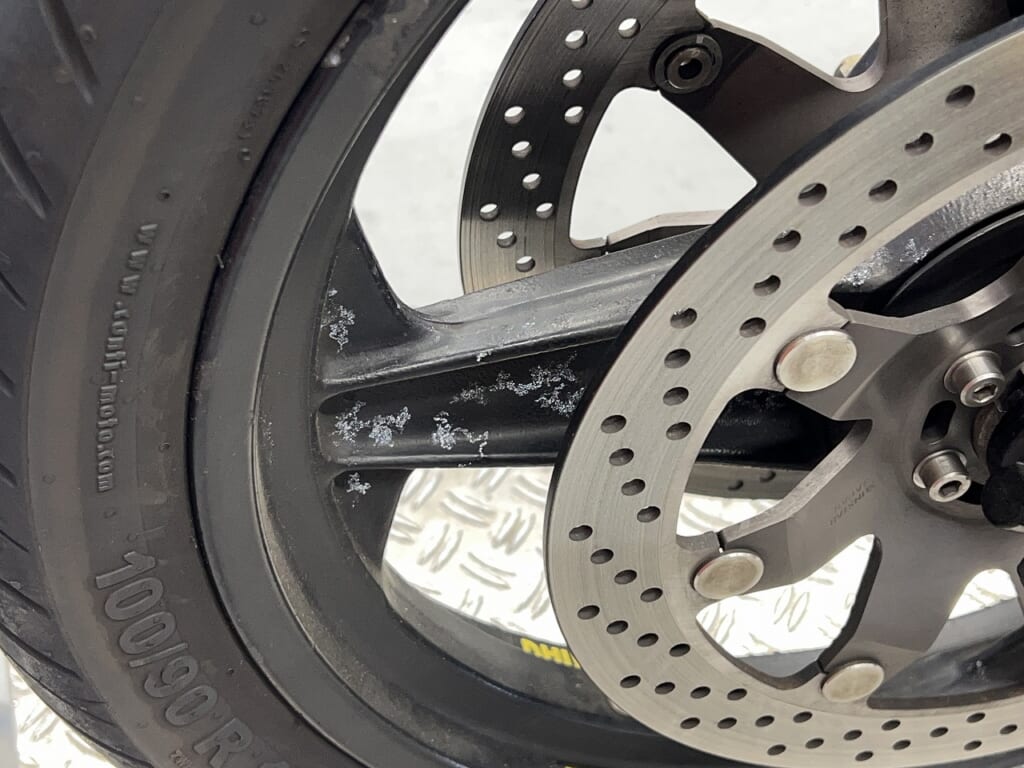
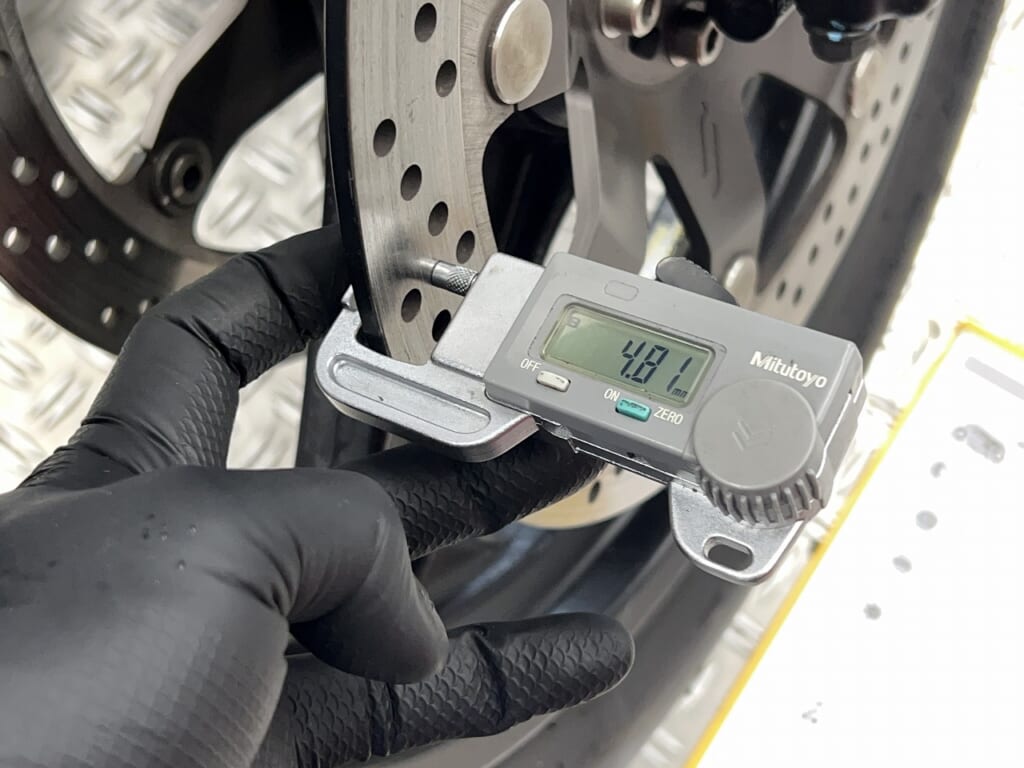
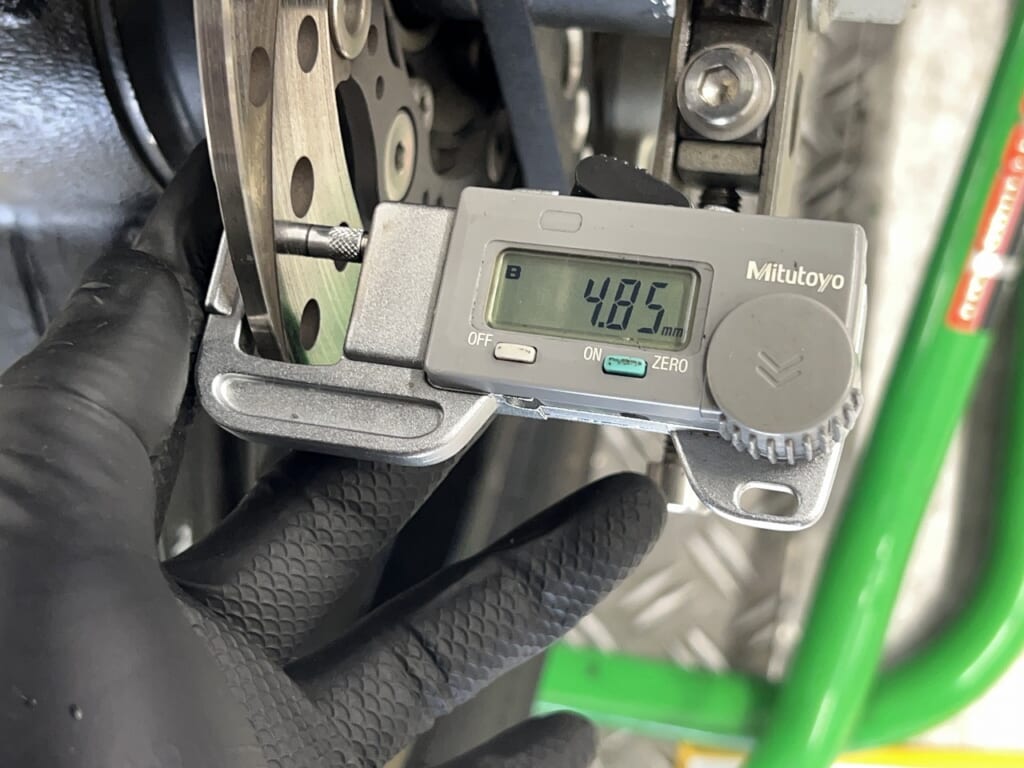
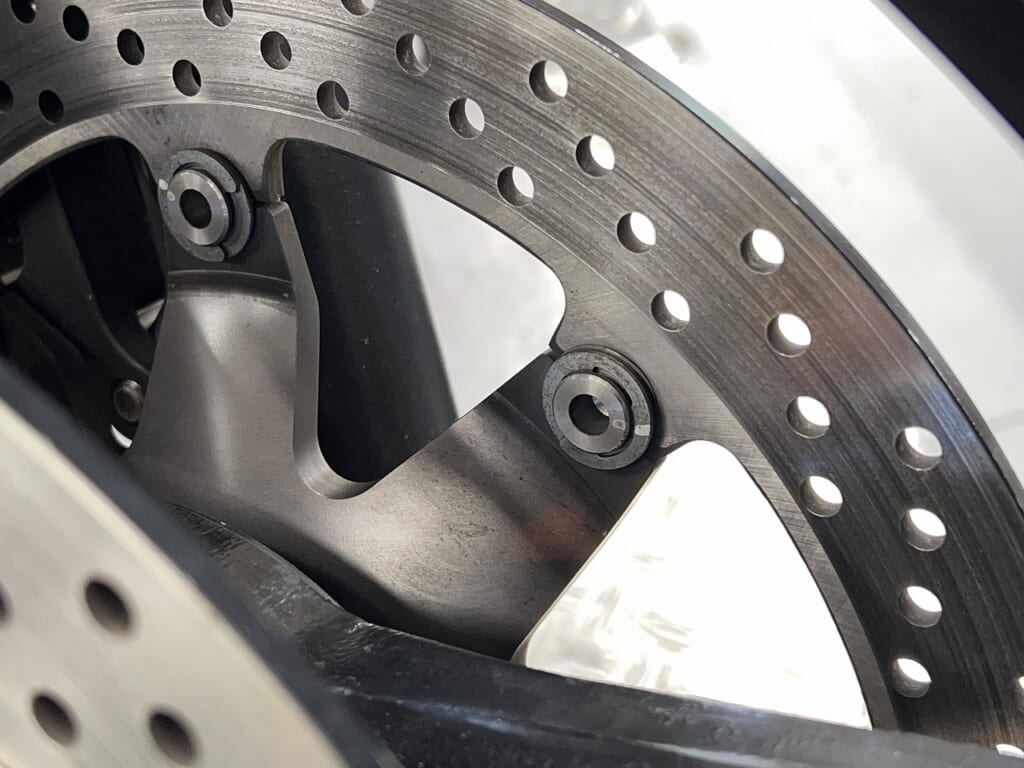
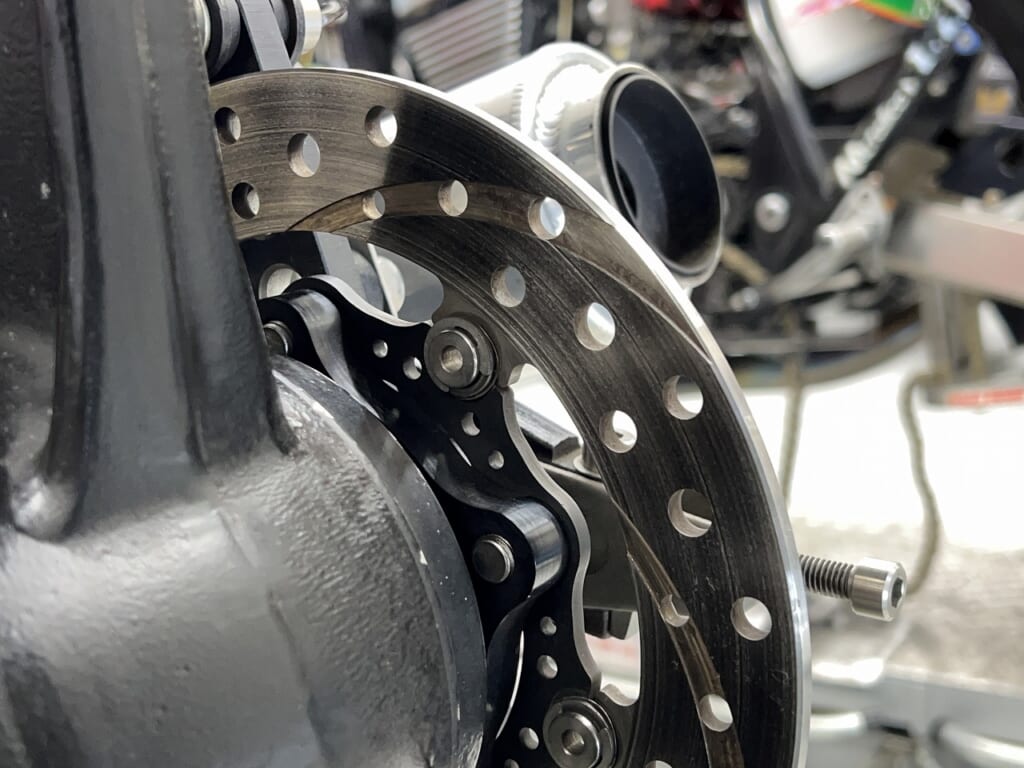
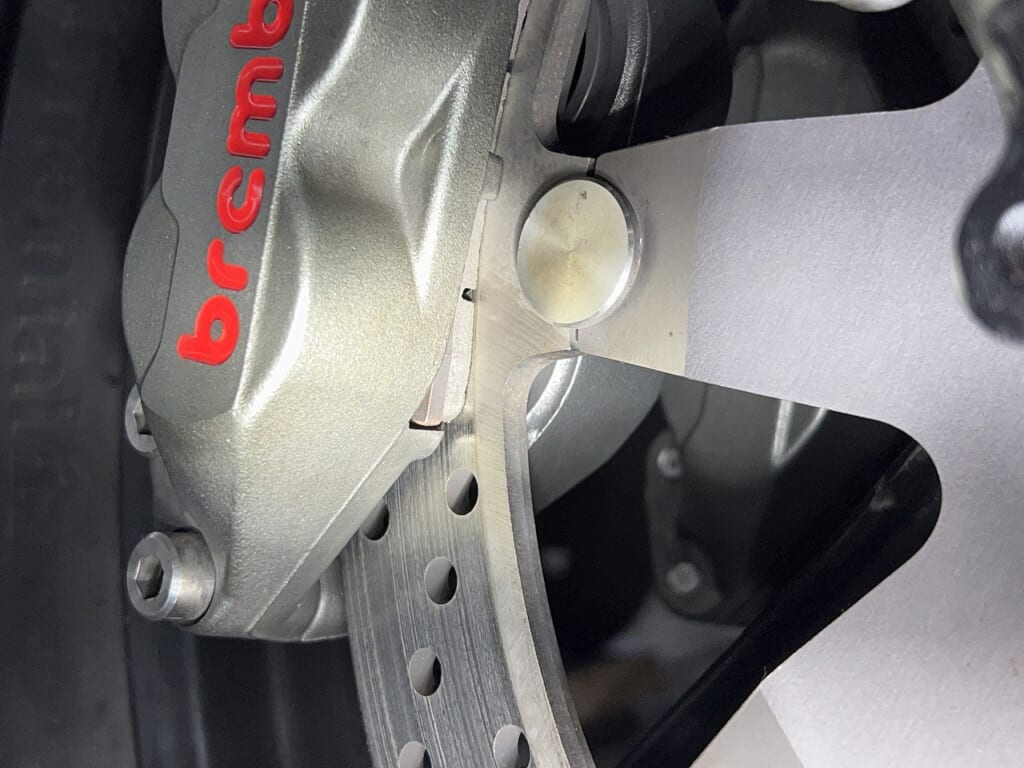
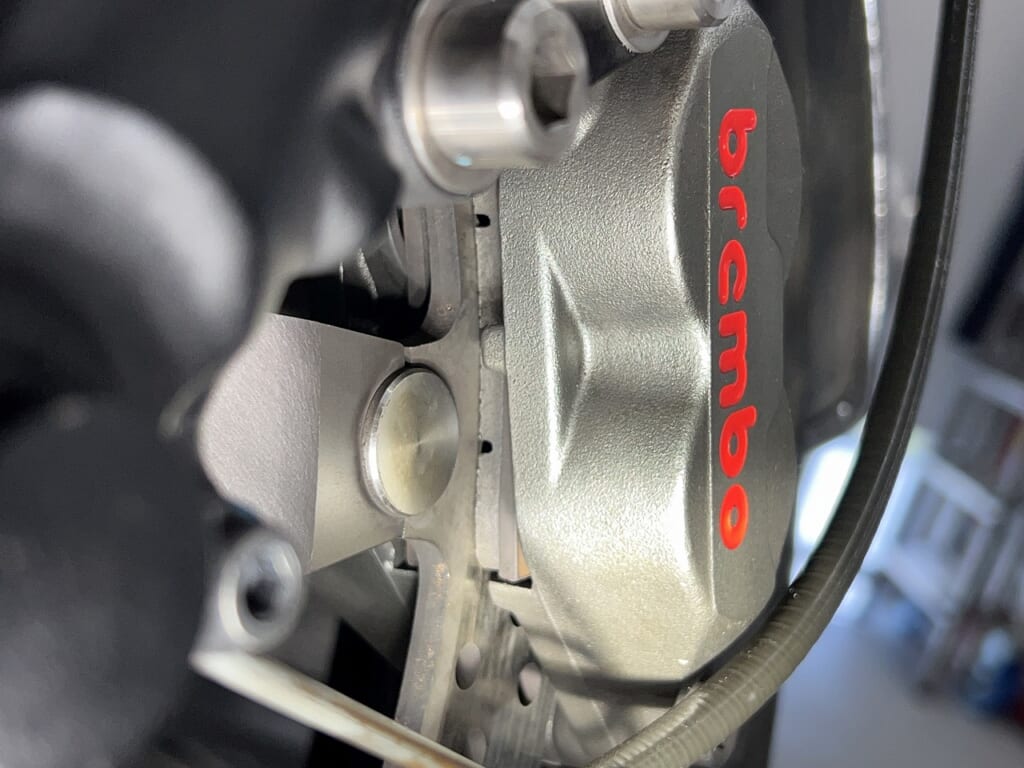
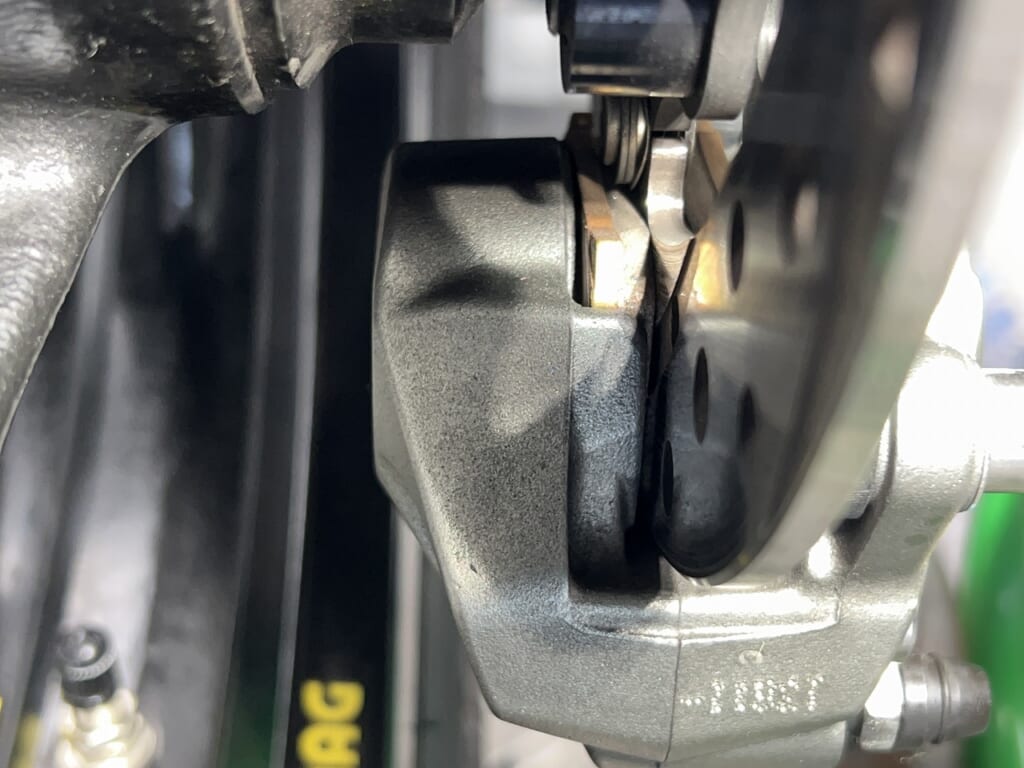
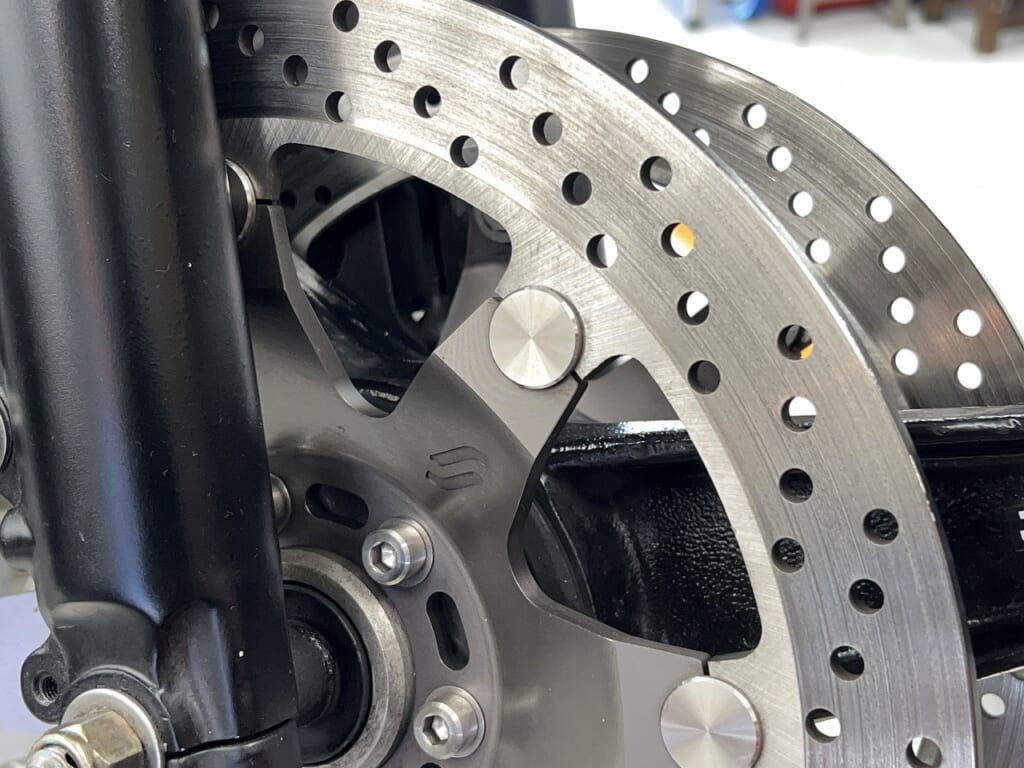
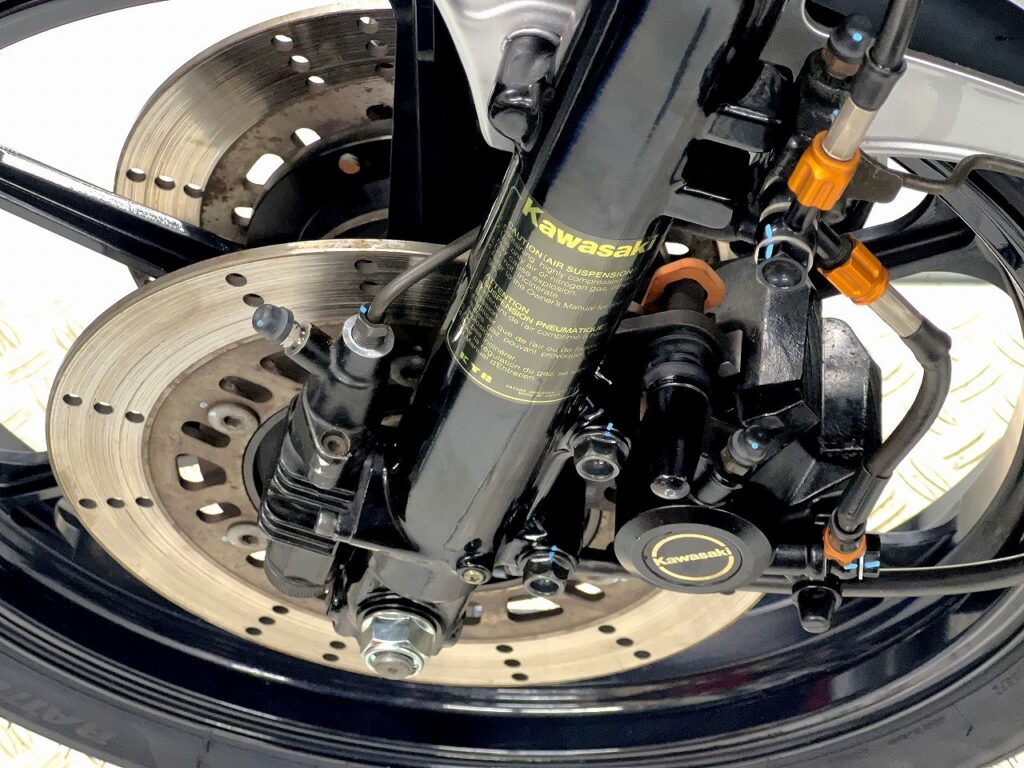
Checking brake disc and pad wear and pin condition
I’m measuring the thickness of the brake disc. Since wear differs between the inner and outer sides, it’s good to reference the most worn spot.
Most of the time it’s fine, but it’s safer to occasionally check the E-ring on the floating pin. Back in the day, I’d see people who had converted to floating pins and were missing one or two…
I wipe and degrease thoroughly. Degreasing also removes the good stuff, so you’ll need to brake hard afterward to bed in the pads.
You can check brake pad wear from the outside. Since some pads have thick backing plates and thin friction material, it’s good to remember how far the piston extends when the pads are new.
The pins and inner parts that were covered in gunk are now clean.
Chain, Sprocket, Hub Damper
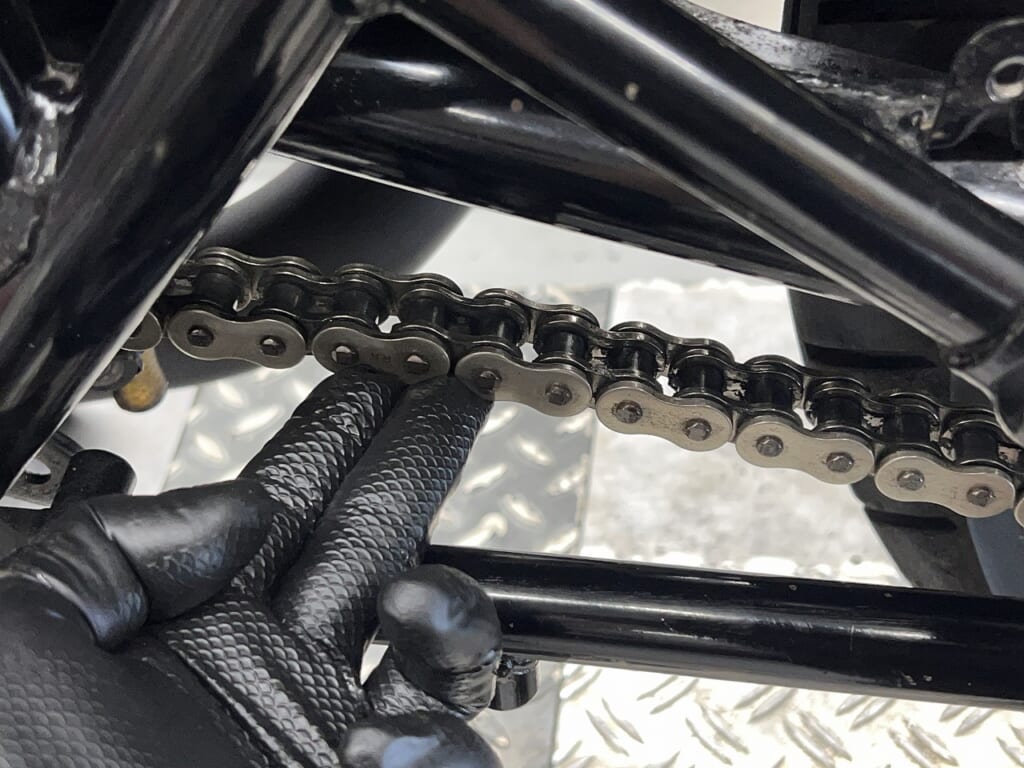
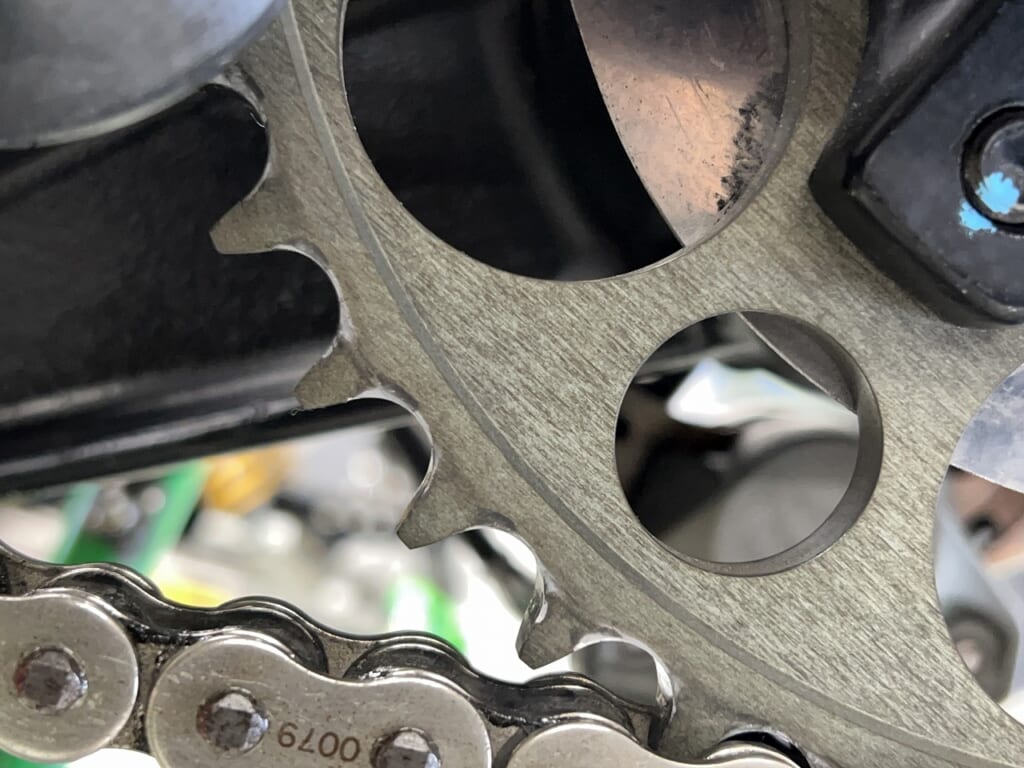
I clean the chain while checking its condition. If it’s reusable, I oil it, adjust it, and we’re done.
Adjusting with the left and right pivot/axle lengths should give even tension (*´ω`*)
The damper area looks good too.
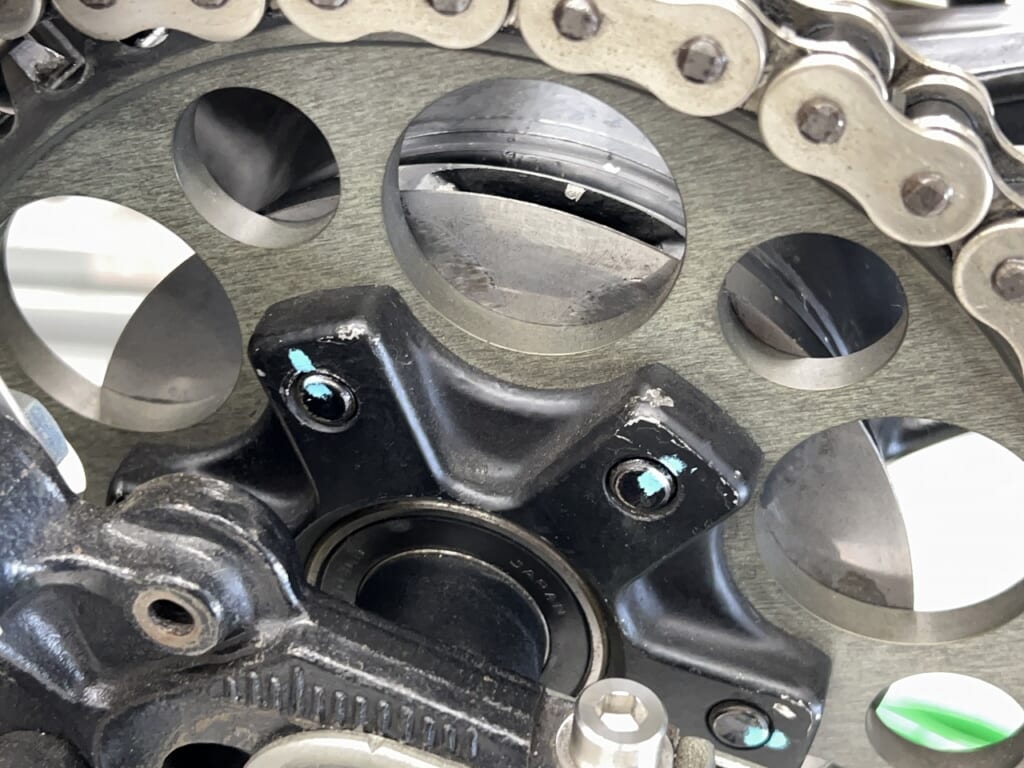
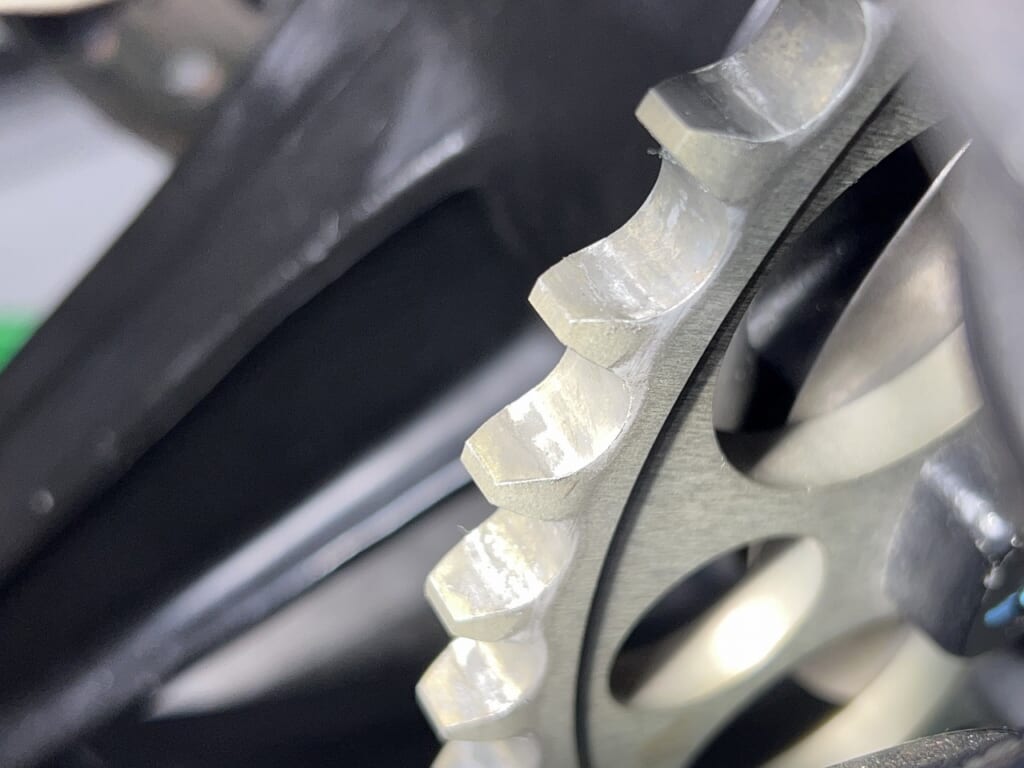
The recent trend of checking the rear sprocket. Still no issues. Peace of mind (*´ω`*)
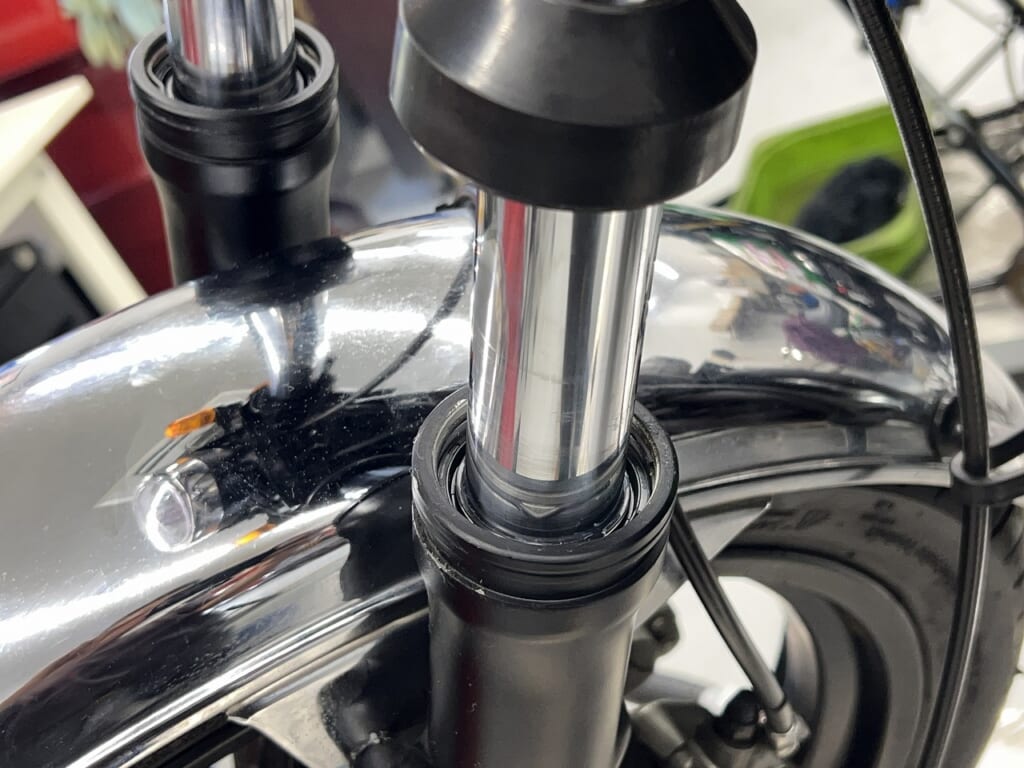
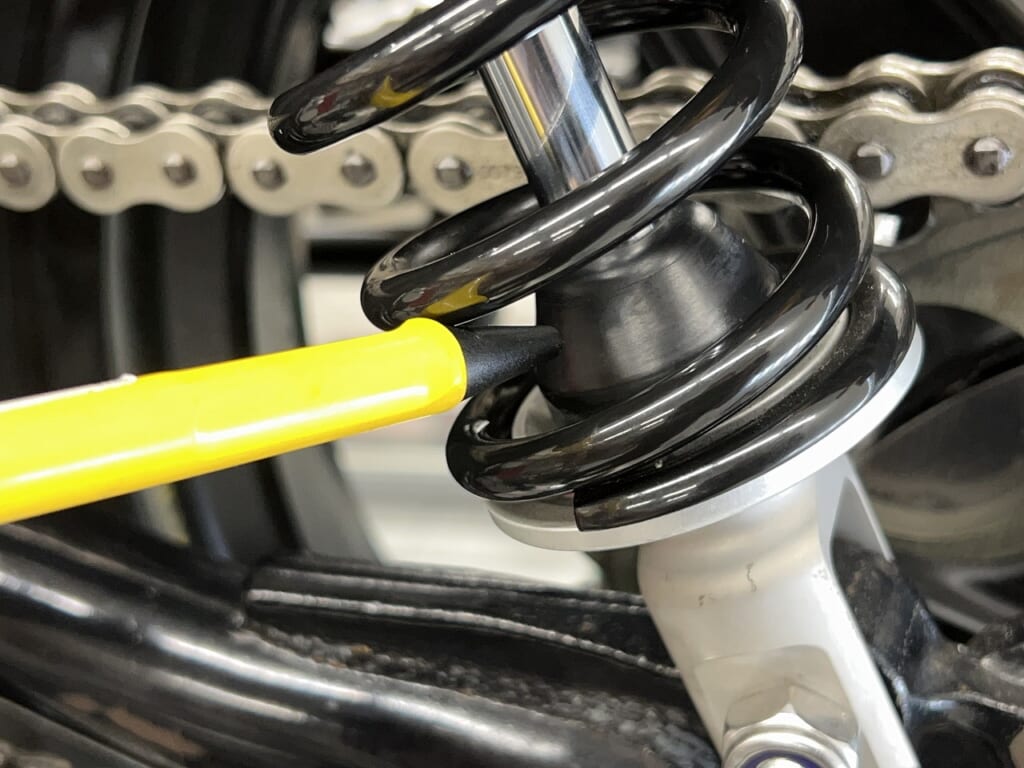
First I clean and check the inner tubes, rods, and bump rubber condition. It’s great to manage overhauls before they start leaking from age or mileage.
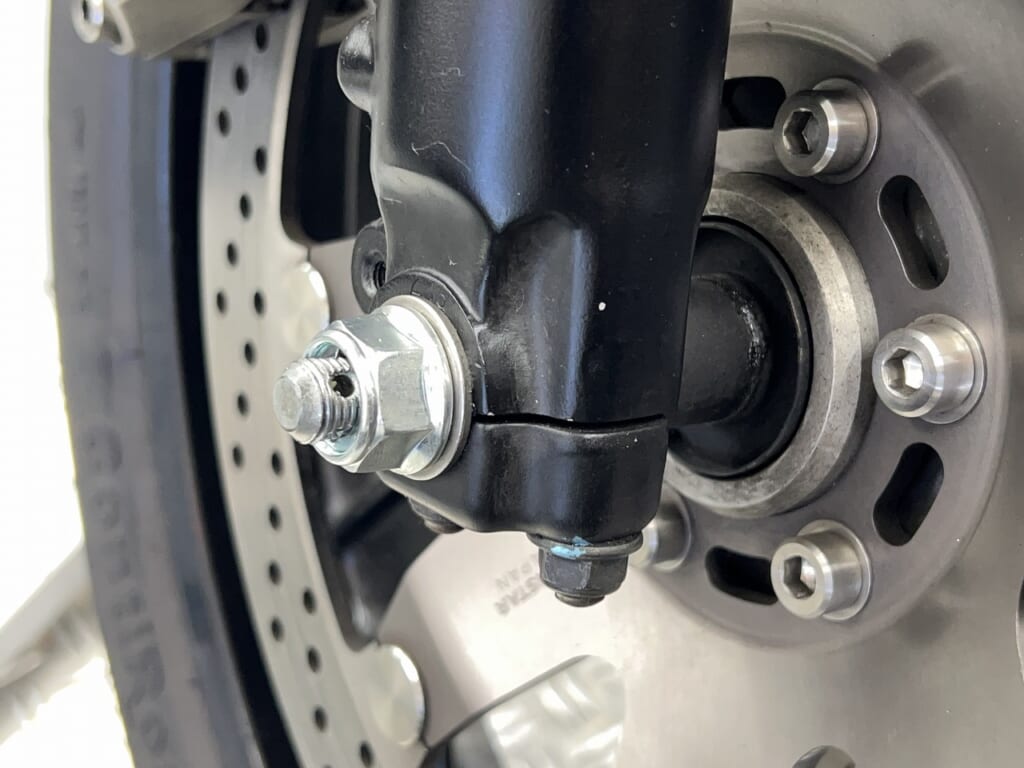
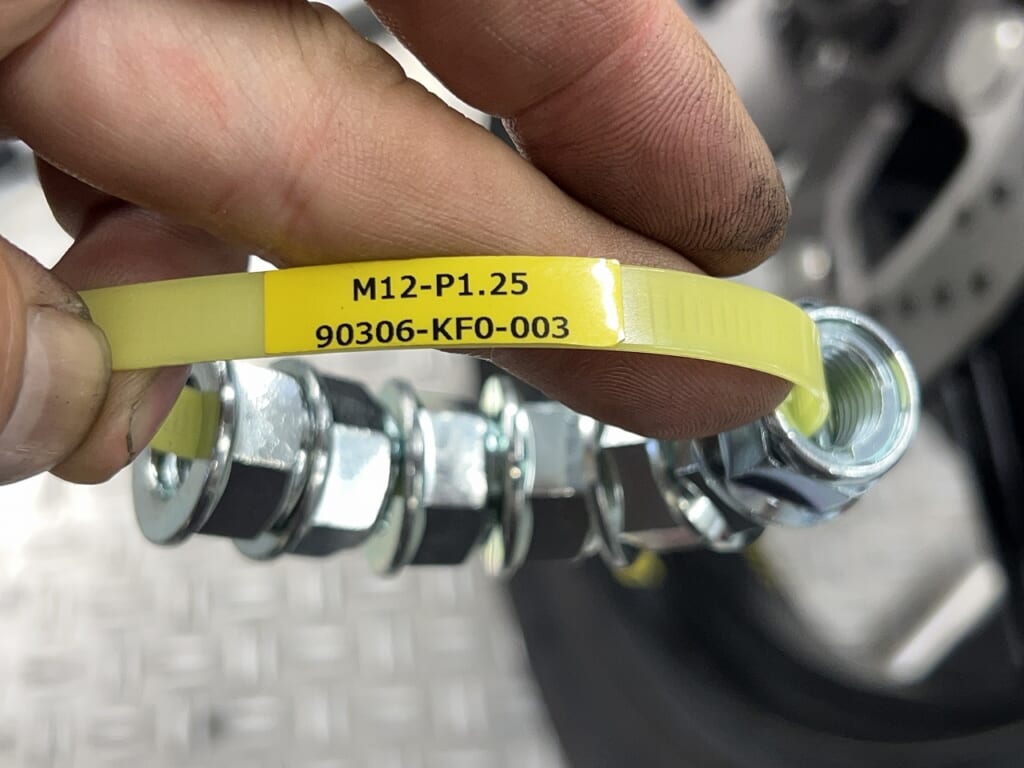
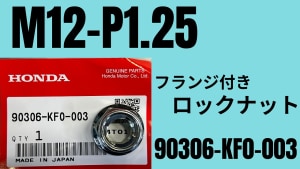
I replaced only the front axle nut. M12-P1.25 90306-KF0-003
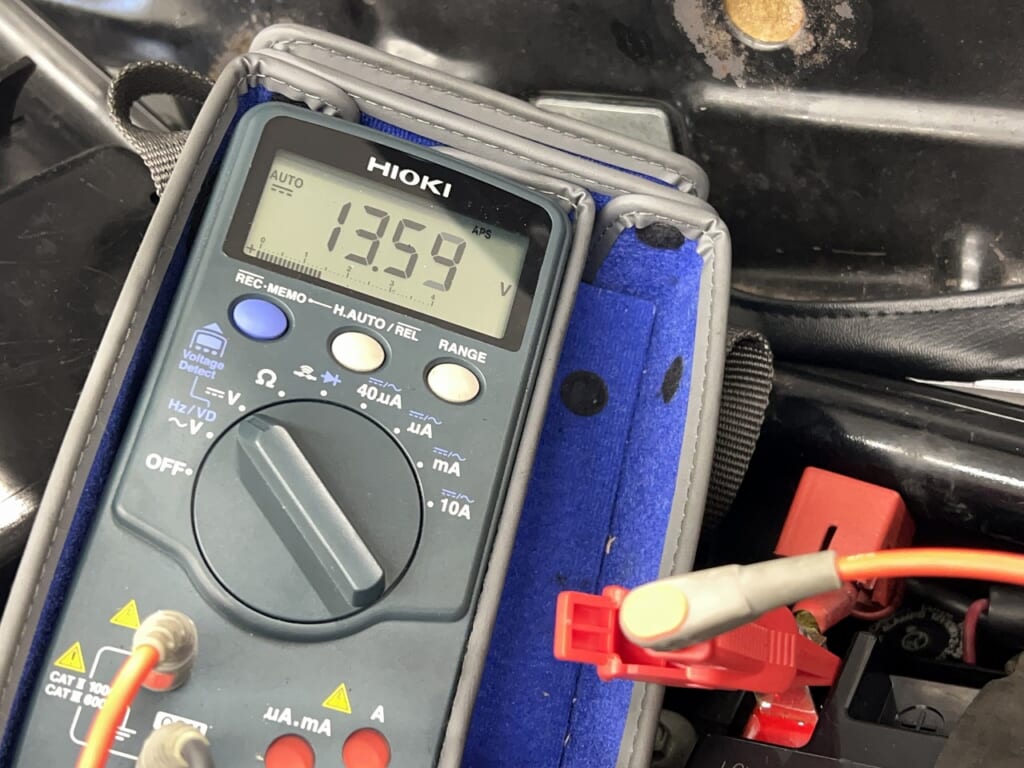
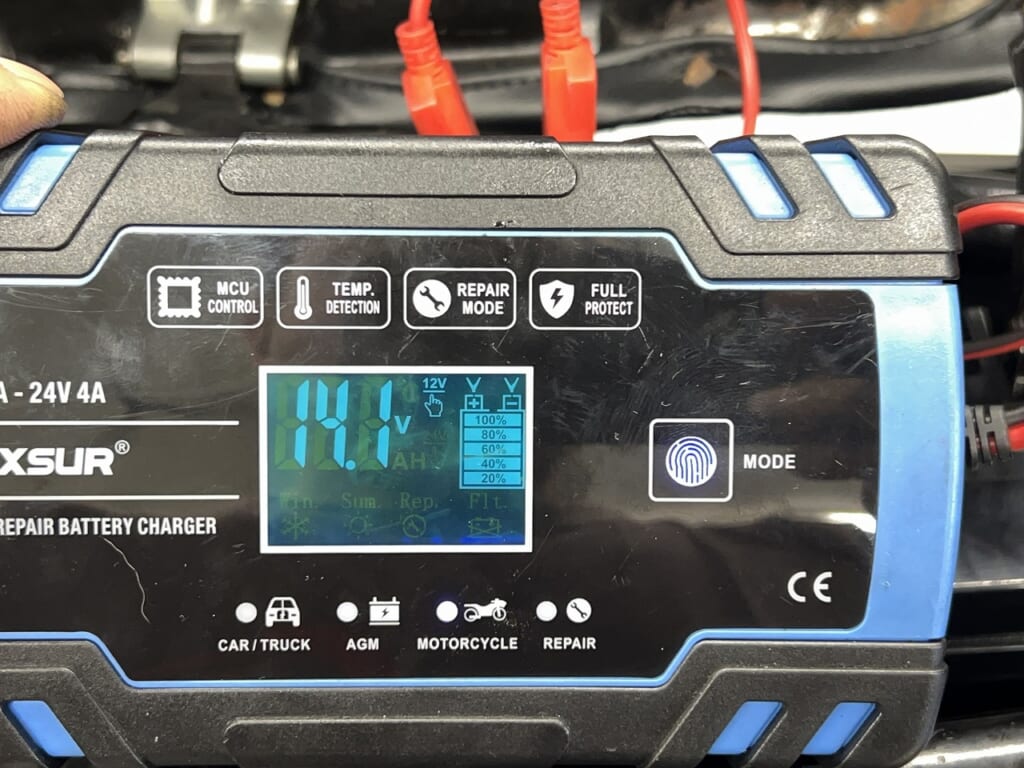
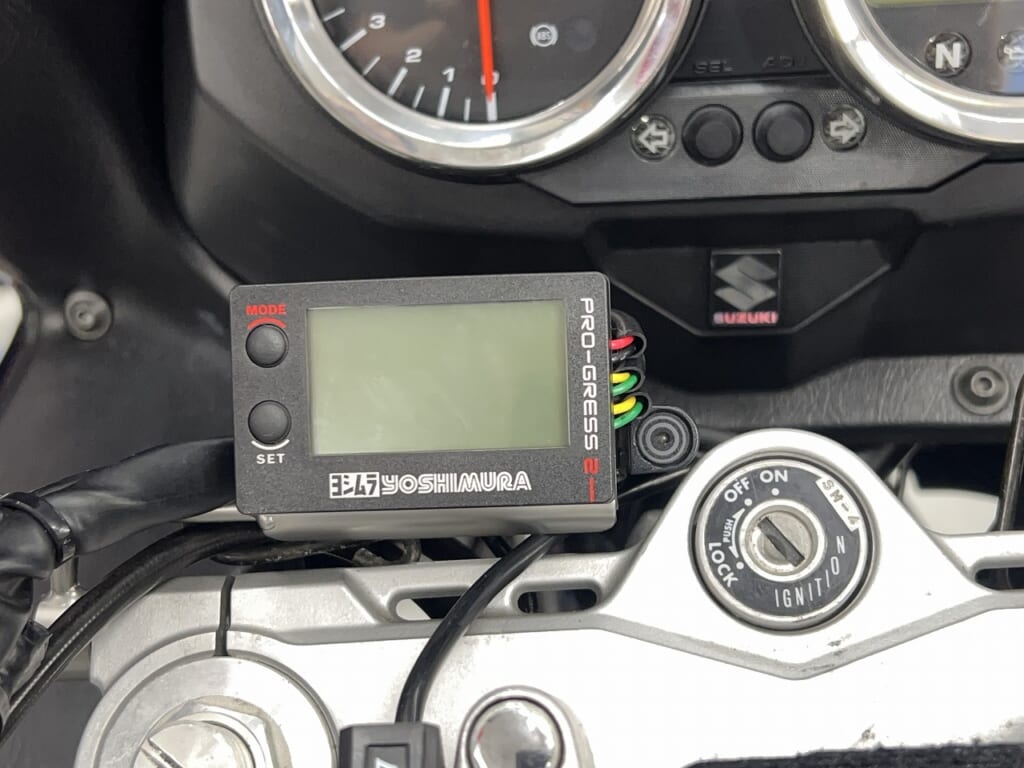
Knowing the charging voltage greatly reduces electrical worries. It’s also good to know at what RPM maximum voltage is generated.
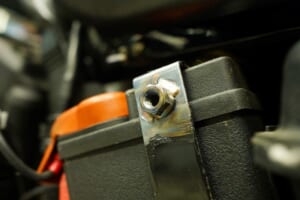
Since the battery is new, I gave it a full charge.
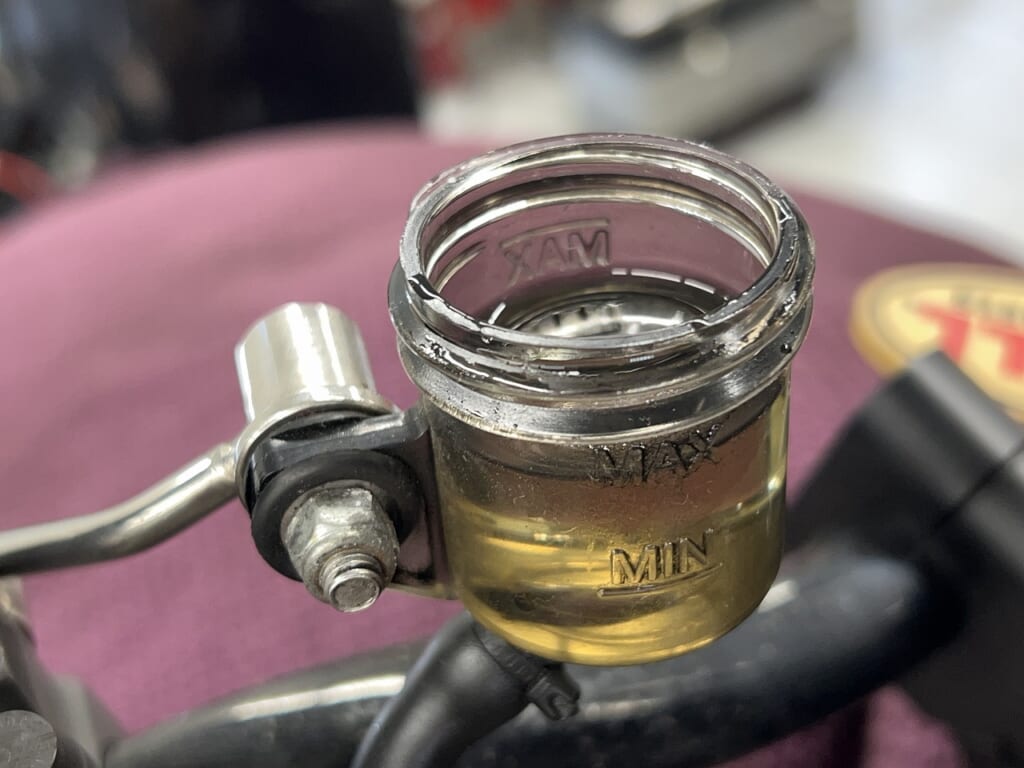
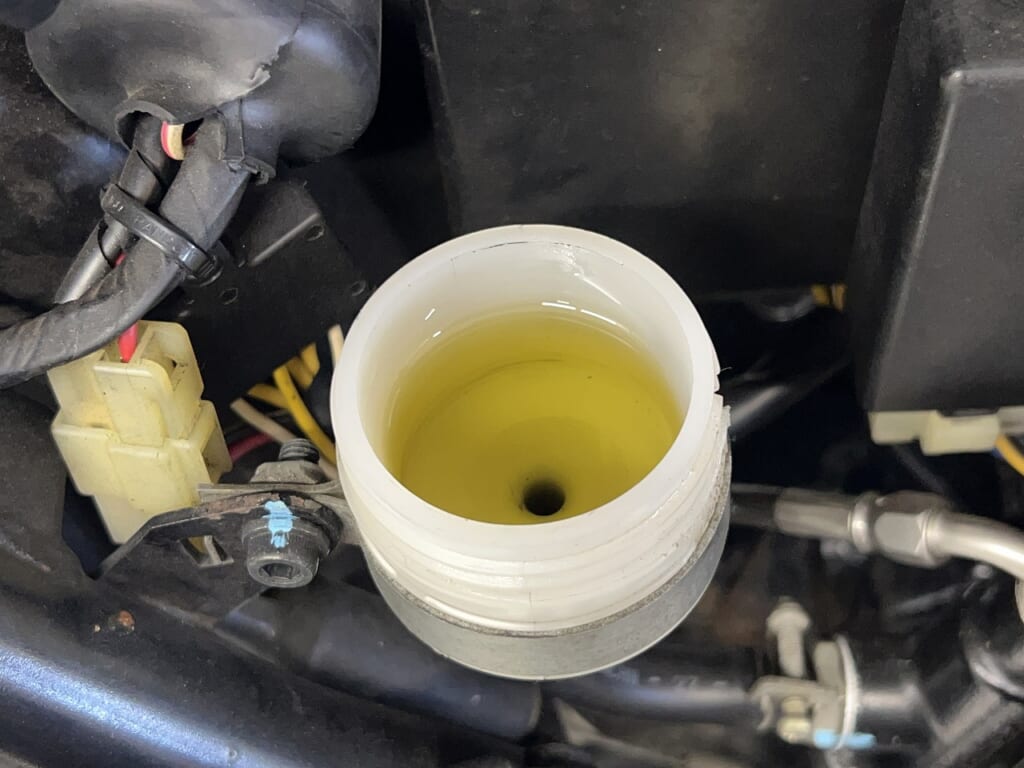
Brake fluid every two years
I replaced the brake fluid with Golden Cruiser DOT4.
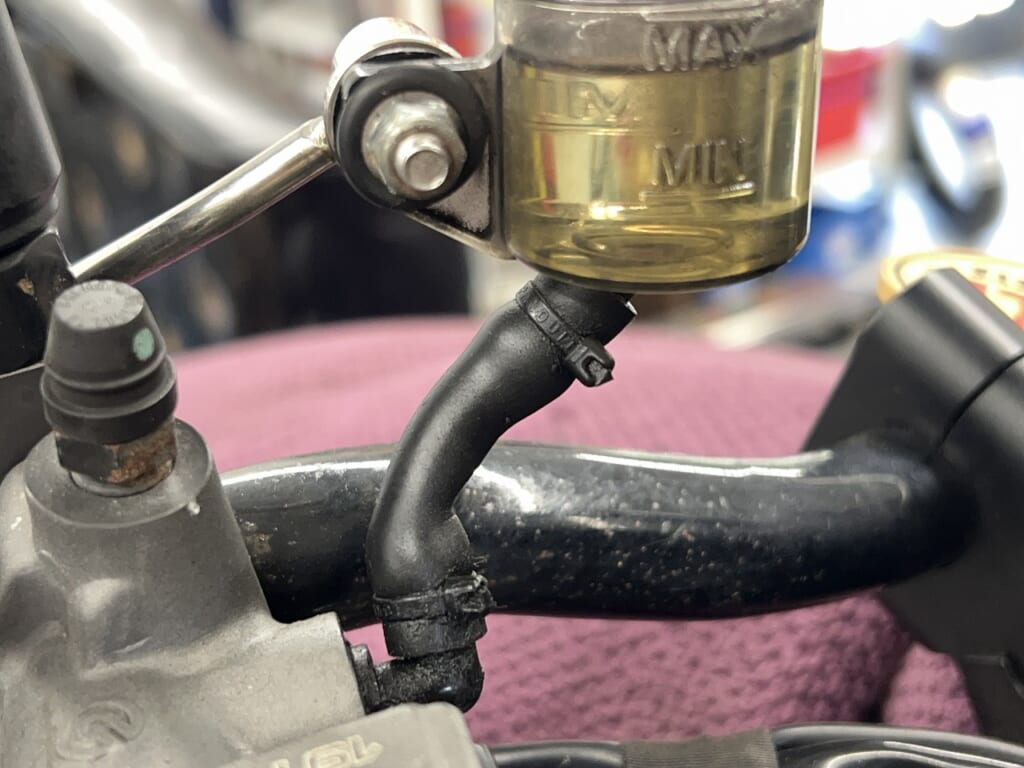
The fluid hose sweats, so I replaced it.
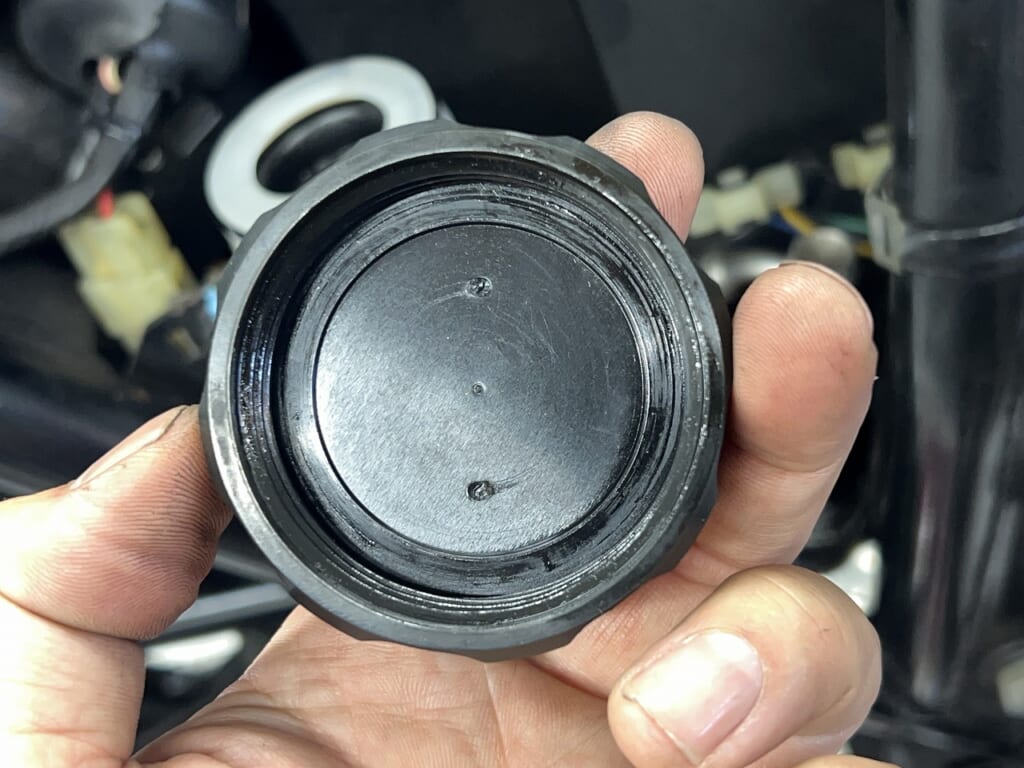
The cap degrades and loses its final click, so I replaced it.
Remaining: Control Lubrication and Tightness Check
Just checking small spots with a wrench increases confidence. For example, the banjo bolts on brake hoses. These are simple stainless steel, so they’re safe, but “braided line” types need checking. Honestly, you should inspect them every time you remove the caliper.
Calipers twist more than you’d think when removed. If that twist is in the loosening direction, it’s not impossible.
I also polished up the corroded silencer. * Waiting for parts.
Suzuki GS750E (The legendary pioneer of Suzuki’s air-cooled DOHC inline-four!).
Topic: Periodic vehicle inspection (Shaken) and executing our standard Light Maintenance Package. Details: Happy Friday from the Mutsuzawa factory! Today’s shop log highlights a beautiful 1970s Suzuki GS750E brought in for its mandatory bi-annual registration inspection and our popular “Light Maintenance” tune-up. While not as deep as our full-tier “Deco-mainte” overhaul, this package targets the vital core components to guarantee stress-free street durability. We thoroughly flushed and bled the brake fluid, recalibrated the calipers for zero pad drag, changed the engine oil, and verified all primary frame and suspension bolts met strict factory torque specs. Verdict: The machine sailed through the official legal inspection lines flawlessly. True vintage ownership doesn’t always require radical customization—keeping the fundamental fluids fresh and the mechanical joints tuned is the ultimate secret to expanding a classic machine’s lifespan for decades to come!



 ポチップ
ポチップ