When you buy a motorcycle, the first thing you want to do is swap out the exhaust.
(*・ω・)(*-ω-)(*・ω・)(*-ω-)Yeah, yeah♪
I totally get it. But here’s the thing! Before you do that, there are actually other areas where you could boost performance or restore function that would be better to tackle first.
It’s actually fun to list out all the spots where you’re feeling something off.
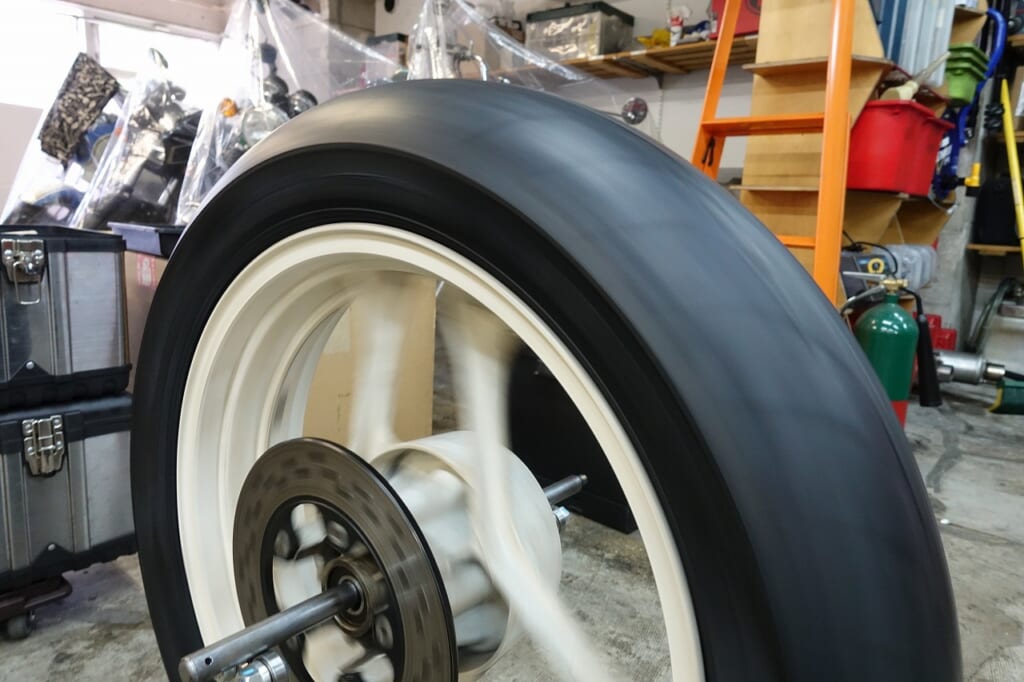
Tires play a pretty big role in how good or bad things feel.
Check the manufacturing date, how much tread is left, and feel the tire surface—if it feels like the rubber is getting thin, it’s better to replace them.
Figuring out which tires fit your wheel rim width is also part of the fun.
Tires are a consumable you can experiment with, and finding the brand that works best for you is enjoyable too.
You want your brakes to work within the range you expect.
I remember someone used to joke that they installed a Brembo engine brake…
What’s that supposed to mean? (´∀`*) Haha
Four-stroke is the mainstream these days.
Lately I hear people say they don’t ride hard, so they don’t brake aggressively.
Braking hard in traffic is dangerous, but every now and then, give your brakes a good workout to refresh both the pads and discs.
When you do brake hard, you might notice the braking feels softer than expected, or you want more bite after squeezing harder.
Ideally, replace the disc and pads as a set, but if the disc still has life left, you can have fun experimenting with pads.
Brake pads are a consumable you can experiment with, and finding the brand that works best for you is enjoyable too.
Set your position with handlebar → footpegs → seat (*´▽`*)
This is the order I follow when dialing in my bike’s position to my preference.
The seat is the most flexible component, so saving it for the final fine-tuning tends to minimize mistakes.
The handlebar is basically chosen from what’s available on the market.
Every rider’s position preference and body shape is different, so if you keep thinking about where you’d like the handlebar to be, you can dive into some fun problem-solving.
With footpegs, it’s worth thinking about where you’d prefer them relative to their current position.
Since preferences and body shapes vary so much, off-the-shelf footpegs aren’t always the best choice.
I don’t use stock parts on any of my bikes—I have custom footpegs made to fit my preference, and that reduces a lot of the little annoyances.
*For footpeg fabrication and such, it’s good to ask a custom shop or machine shop.
Use the seat to correct anything that footpegs and handlebar can’t fix.
It’s the most flexible positioning component, but you need to work closely with a seat builder to get it right.
Your true final form exists only in your own mind.
Aftermarket customization isn’t always stock-plus; if you minimize rework and plan carefully so you won’t regret it or want to go back, the ride ahead will be even more fun.