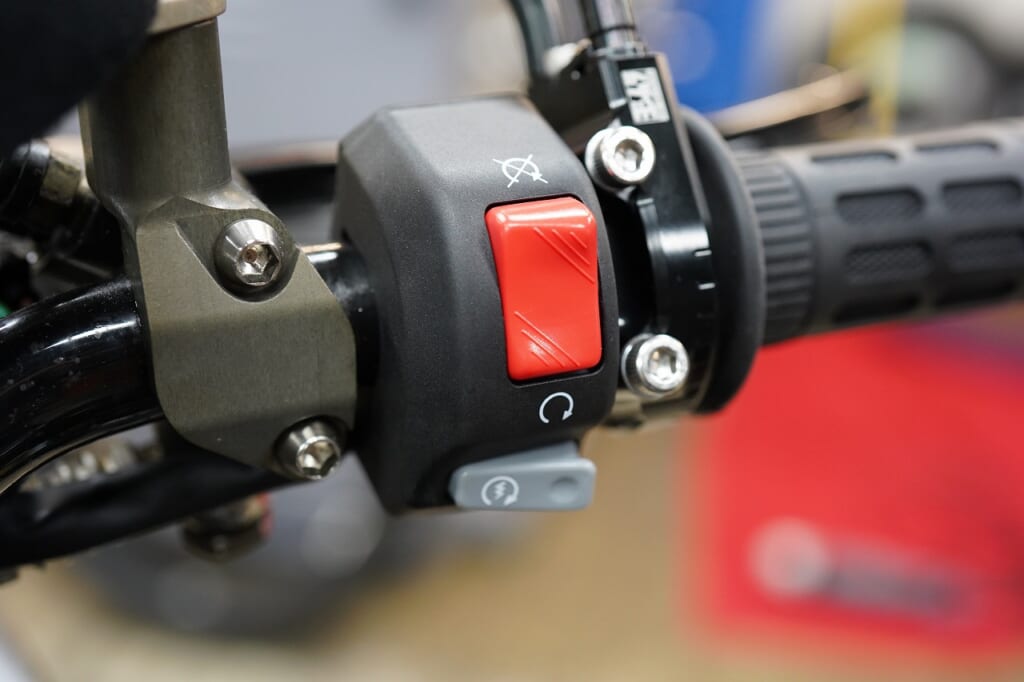
Now then, the right switch…
The constant-on stays constant-on… inspections are getting stricter these days.
This time we were troubled finding a handlebar switch from OEM parts.
Even if we find one, who knows if it’ll be useful down the road… (‘ω’)… it’s a puzzle.
Let’s keep moving forward steadily day by day.
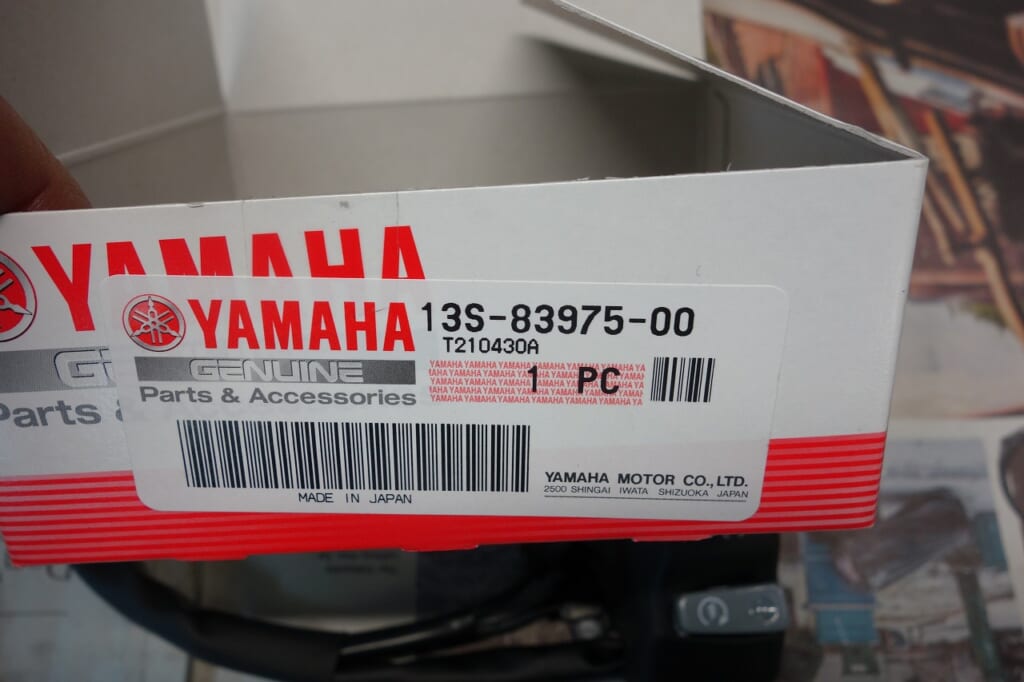
Various ones exist in the same shape, but the construction and price differ subtly.
With Kawasaki’s 9R and similar shapes, the price is nearly double, so… the customer’s wallet and skin feel are a question mark.
What I chose was Yamaha 13S-83975-00 at ¥4,850 before tax.
13S-83975-00 ¥3,970 before tax, for TW and such, 4-pole, no brake line
3D7-83975-00 Yamaha OEM switch handlebar 2, rear-mounted steel plate, no brake line
and so on… there’s still more. We went with a direction of not worrying too much about different makers.
Recently I’ve been using the useful reverse image search from Hi〇〇er Shoji for reference. (‘ω’)ノ Hope that helps.
Handlebar switches come in various cheap, sketchy options too.
Since the price doesn’t differ much, I think going with reliable OEM switches is the way to go.
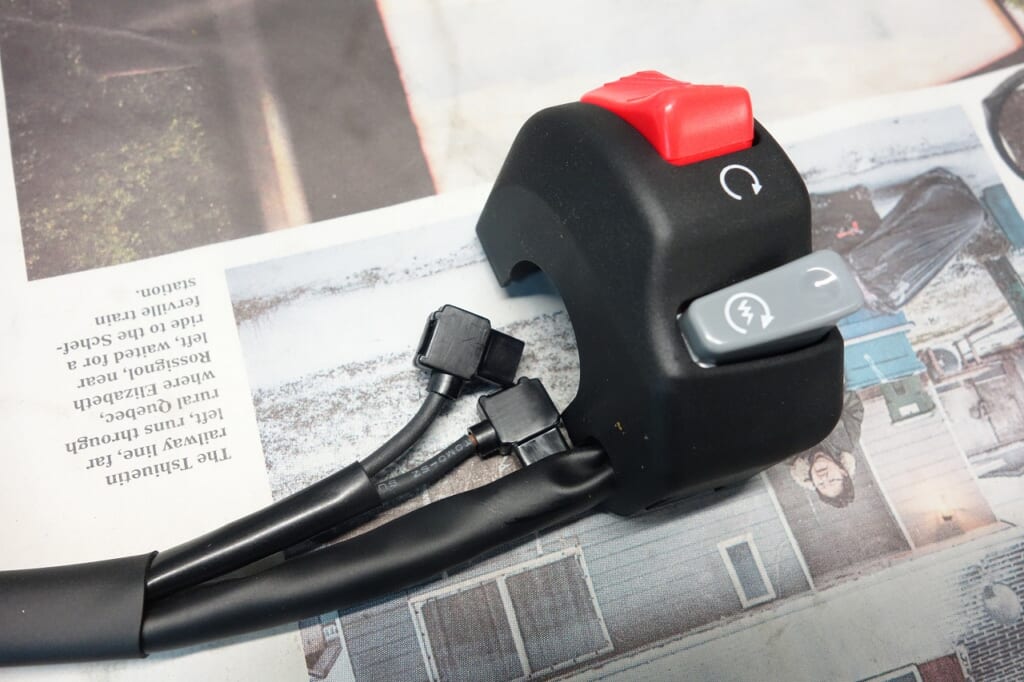
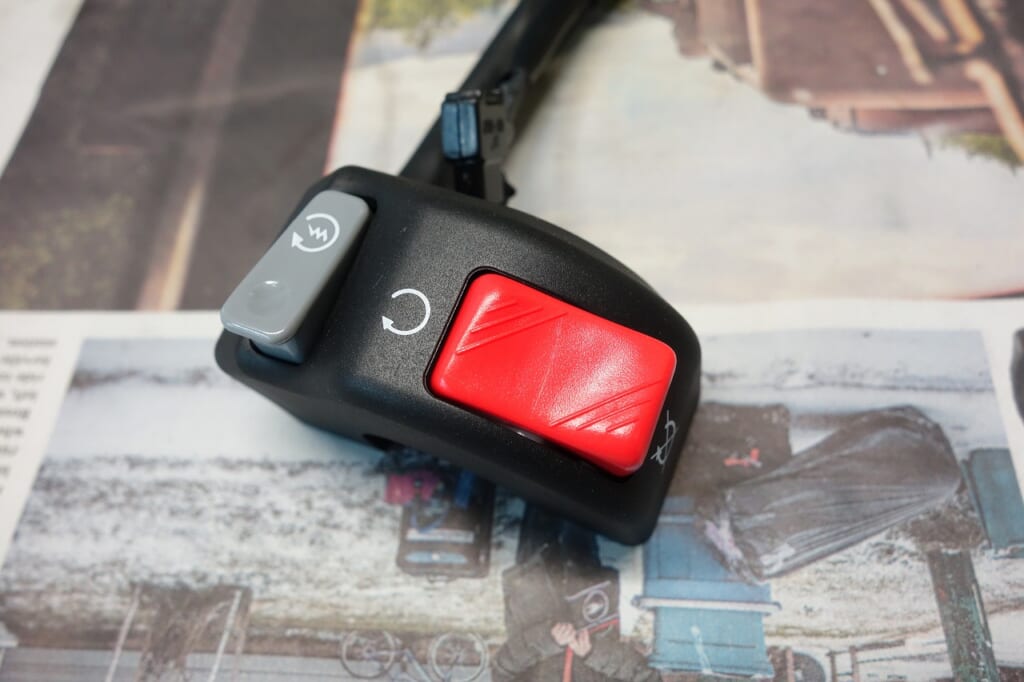
Hmm, thinking back now…
the XJR1300 has longer wiring, so maybe we didn’t need to modify it? I thought.
Well, it’s all learning as we go.
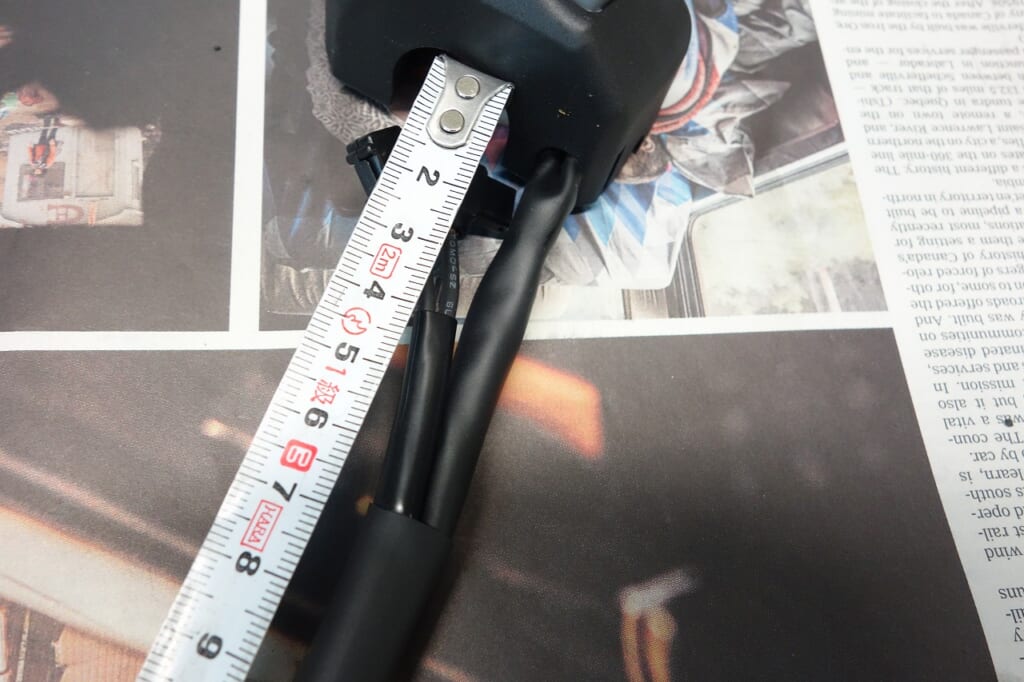
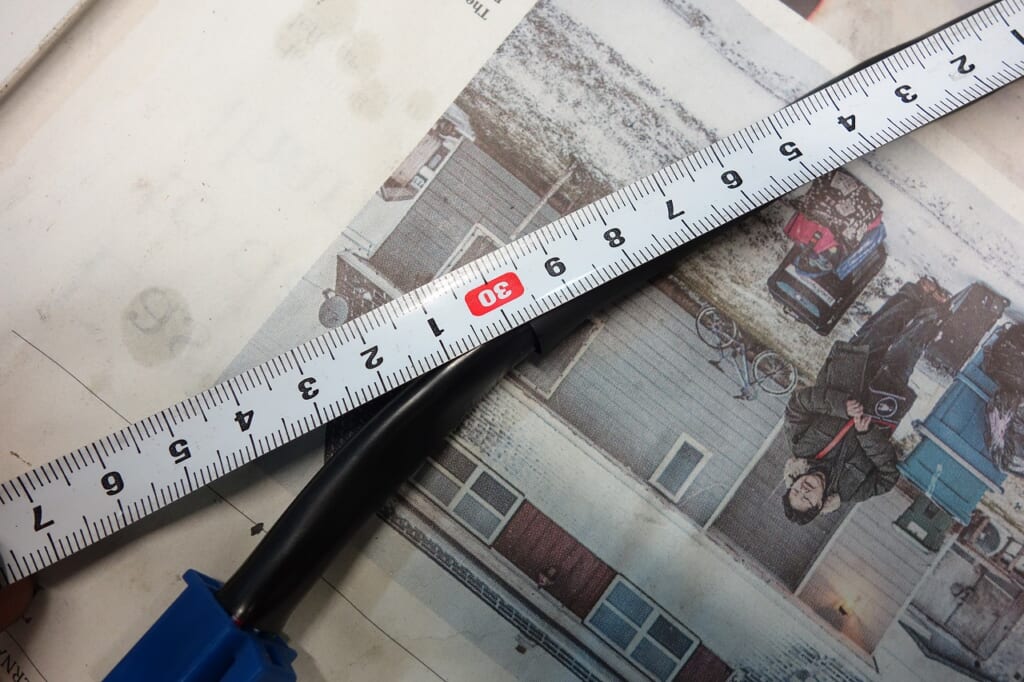
It looks like it’s used on R6 and such, so we need to extend it a bit.
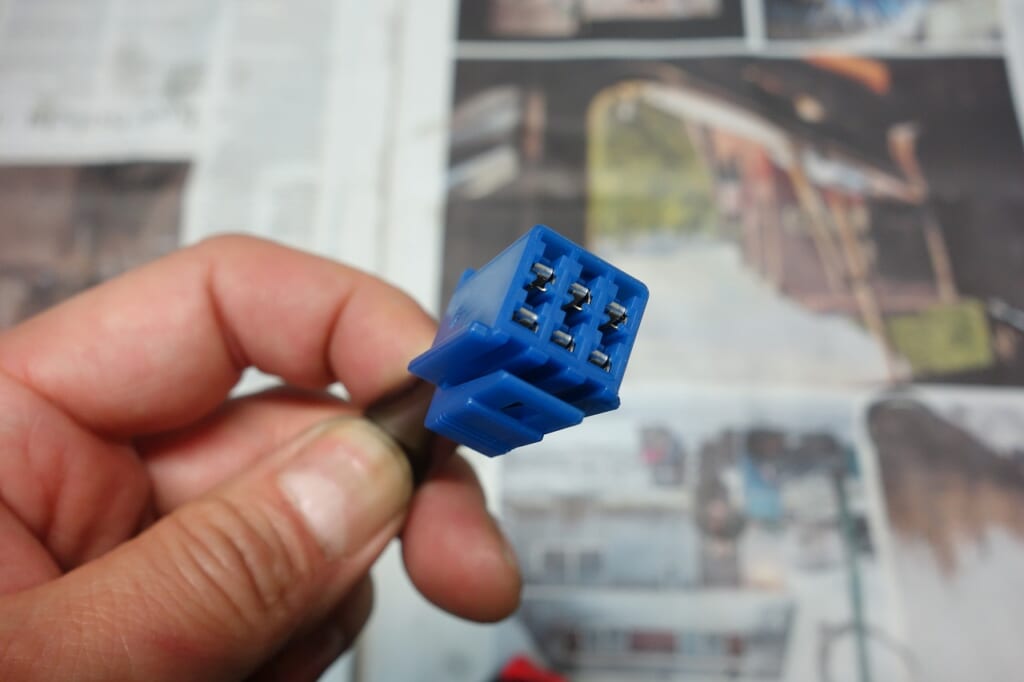
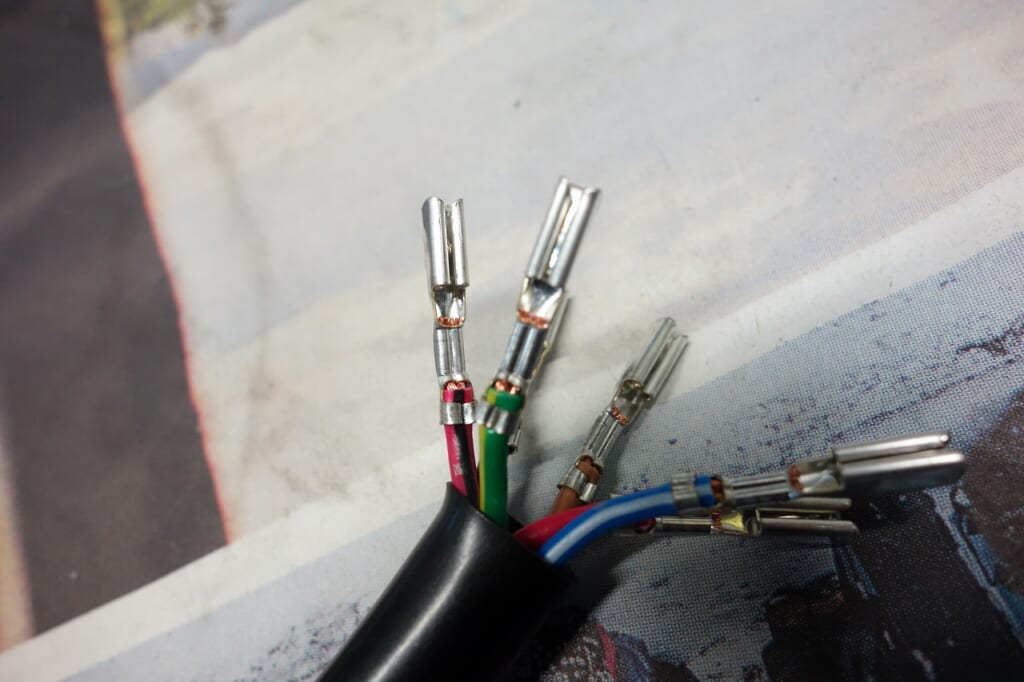
The connector shape has a maker flavor to it too. I’ve never seen this 110-series on Suzuki.
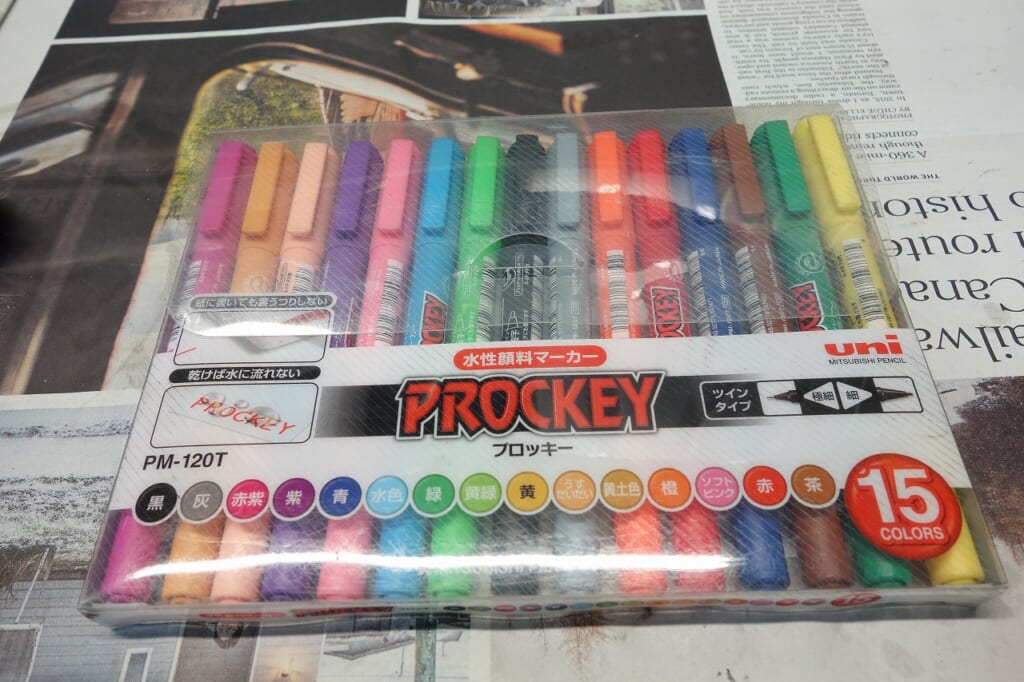
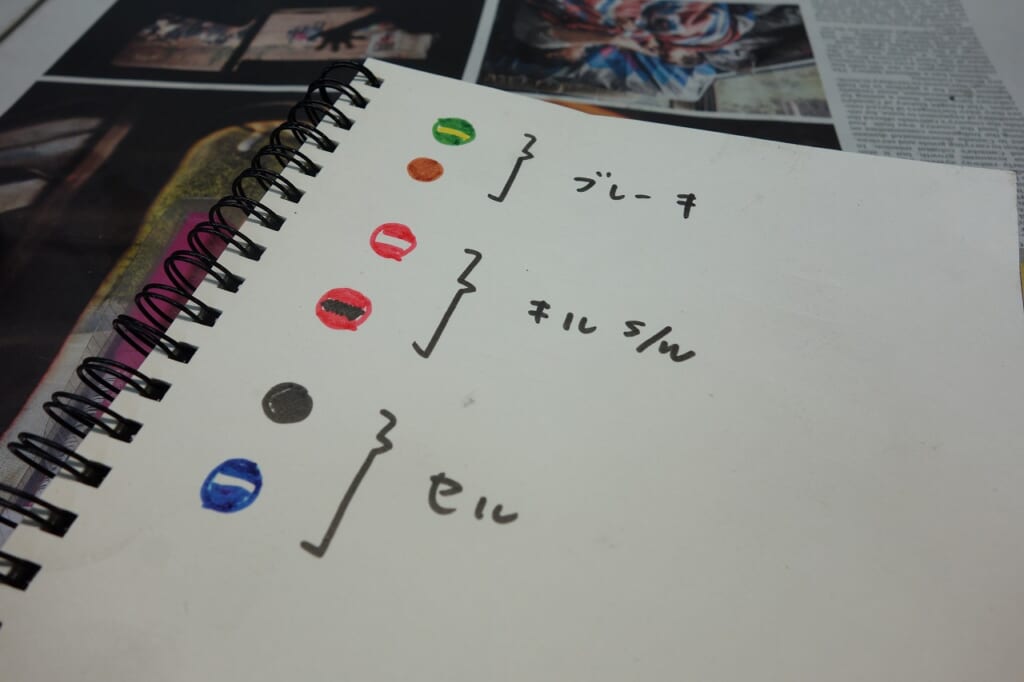
Standard for wiring work? Promarker 15 colors With this you can cover almost any wire color, a gem of a product?
If we did it on a tablet, the data would be recorded automatically, but…
it’s hard to find something that works well, and considering the risk of dropping and soiling it, we stick with paper.
Recording wire colors like the service manual does with B/W BR/W carries a risk of misidentification, so I basically manage everything by color.
If we don’t keep this data understandable years down the road, there’s barely any point in keeping it.
If we’re not keeping it, anything goes I suppose. (‘ω’)
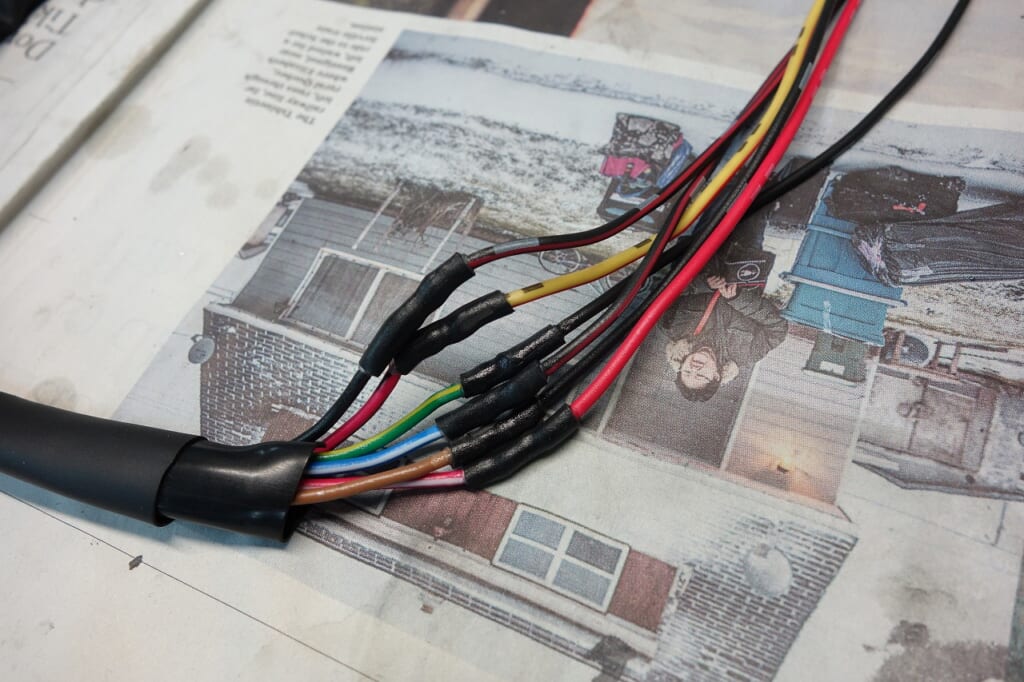
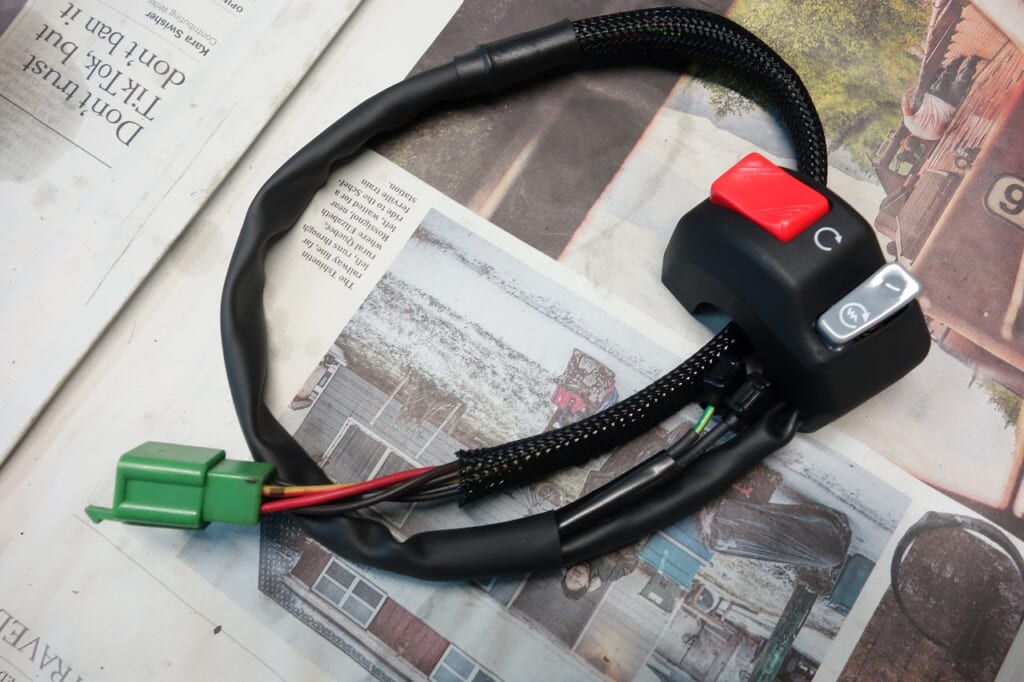
And that’s how it’s done.
For heat shrink tubing, I use the Sanichi brand with adhesive that comes out.
Denka Electron Sanichi Tubing CC-3006 black 5m
For 0.5 SQ connections, this is the best option so far. The adhesive comes out and it’s got good thick walls. Sumi Tubing F(Z) and such are too thin, so considering worst-case scenarios, it might be a bit risky.
This time the wiring layout wasn’t too tight, so we didn’t do it, but here’s a tip.
For wire cutting and splicing, if you stagger the connections, you reduce risk, volume, and get a cleaner layout. Always thinking about worst-case scenarios will boost your peace of mind.
Occasionally you see aftermarket meters with multiple connectors all the same length and position—disappointing stuff. You learn a lot from seeing and using actual products.
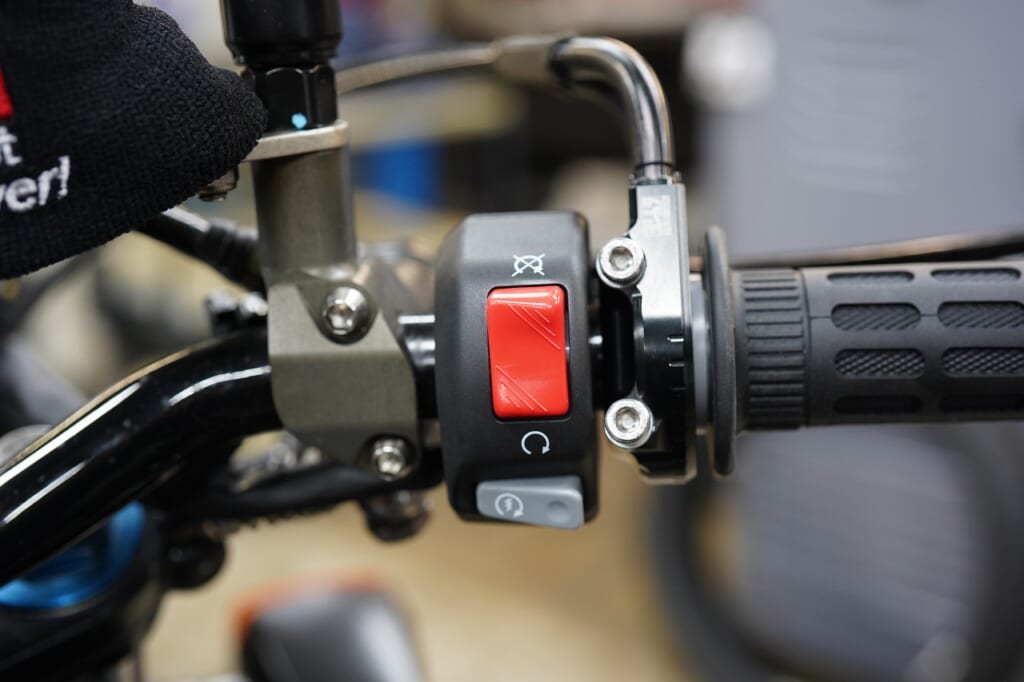
And so the splicing is complete, purr and bow!
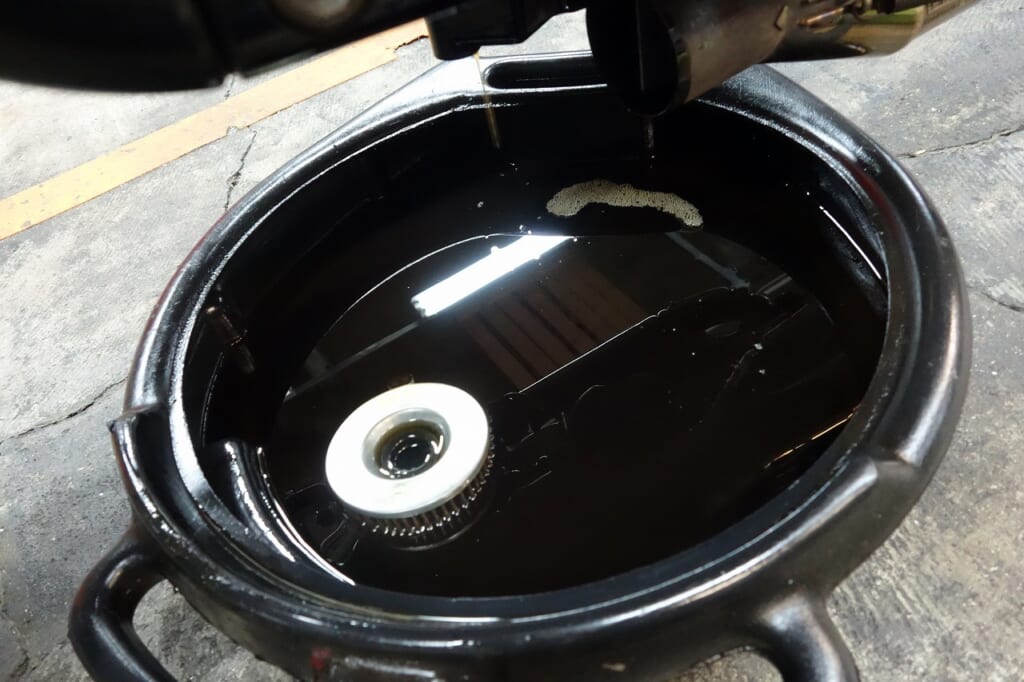
Now we’re going to change the engine oil. The mileage is low, so it was in very clean condition.
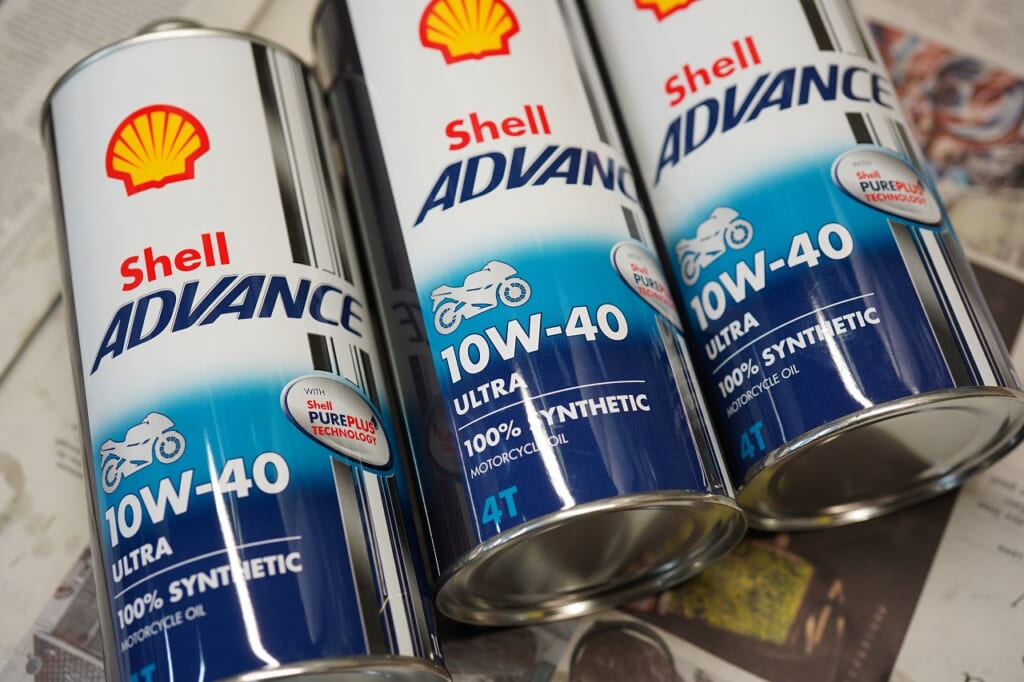
Recently it’s become a trend at our shop? Shell Advance Ultra 4T 10W-40 is what I want to use this time. I think it’s good for water-cooled bikes.
When handling oil, I first treat the SAE spec ○○W-○○ as a reference value, ask the maker for the kinematic viscosity at 40°C and 100°C, and use that as a decision factor.
Shell Advance Ultra 4T is 92.6-14.44 (40-100°C).
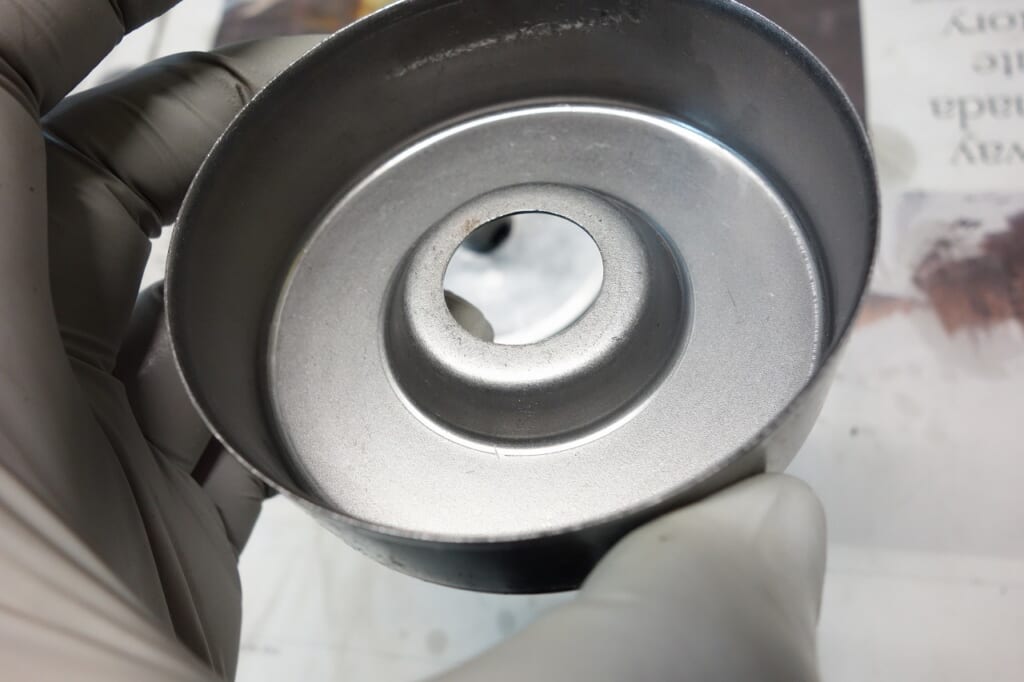
Now, what’s the purpose of this Kawasaki-specific bowl? I’d love to know.
This bowl comes in two types: the convex type in the image and flat.
The convex type is mainly for Ninja-series engines 13169-1313
The flat is mainly for Zephyr 750-series (Zapper-series?) and such 13169-1110
The convex and flat shapes are different, and the orientation is reversed too… it’s subtly unsettling.
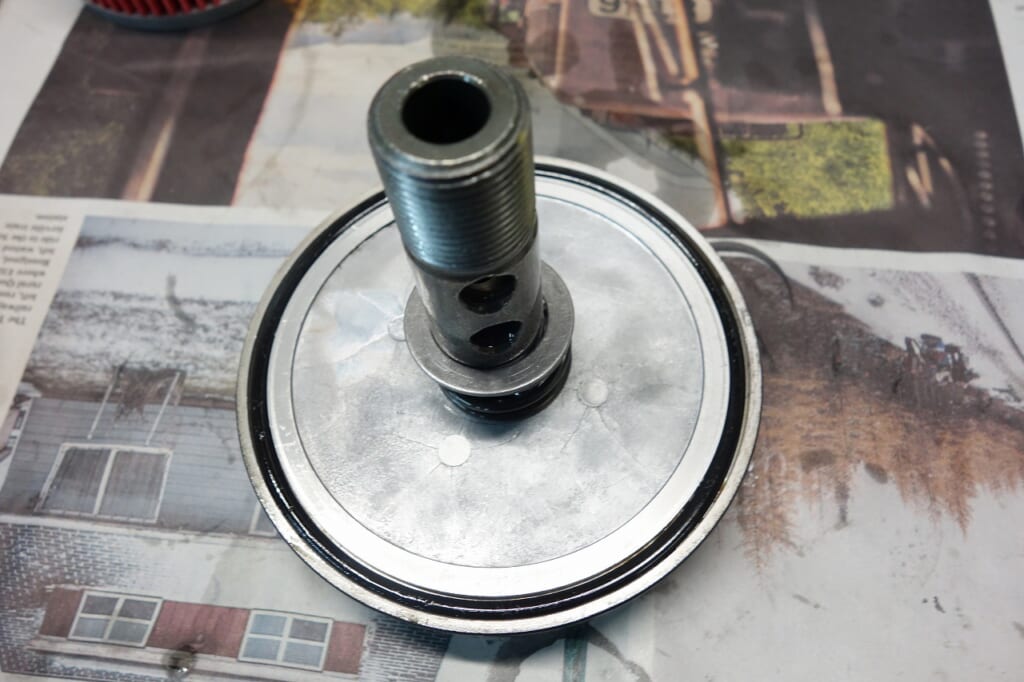
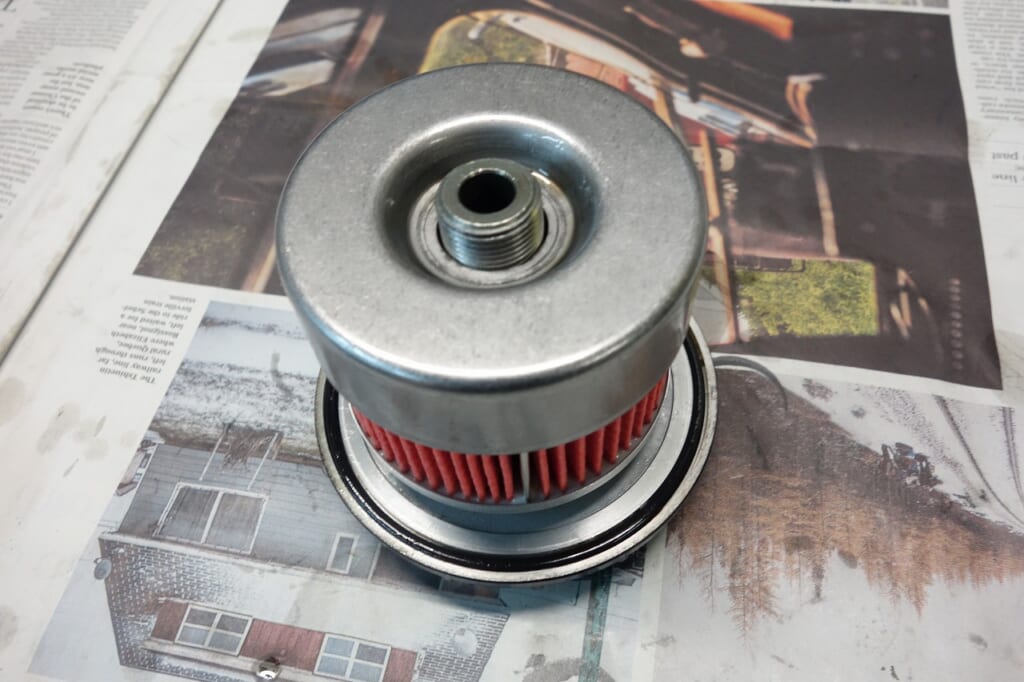
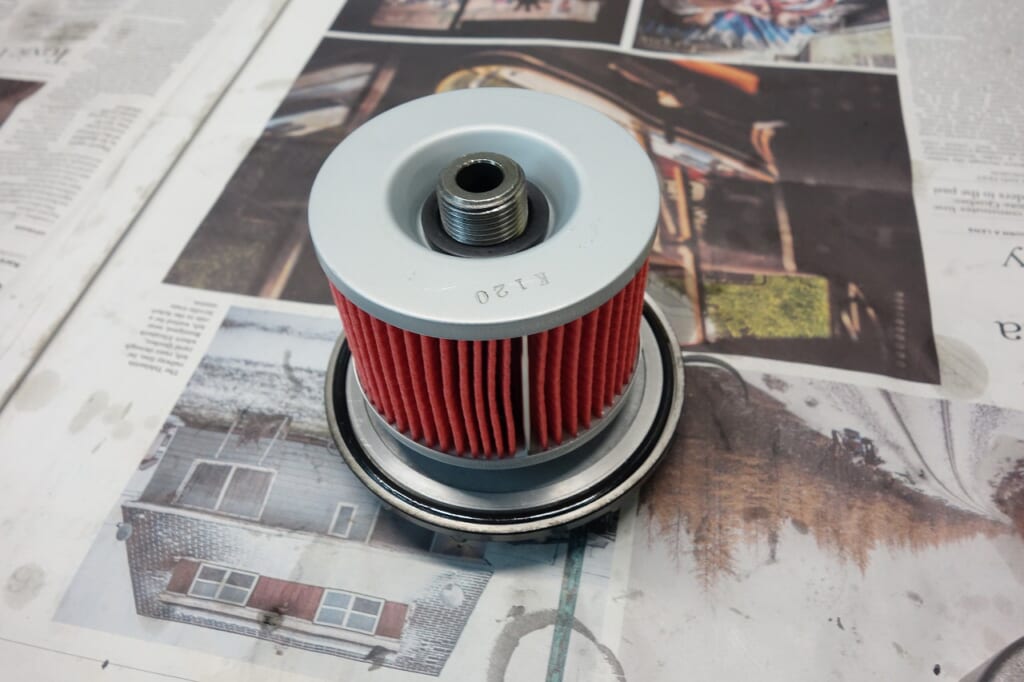
Ninja-series
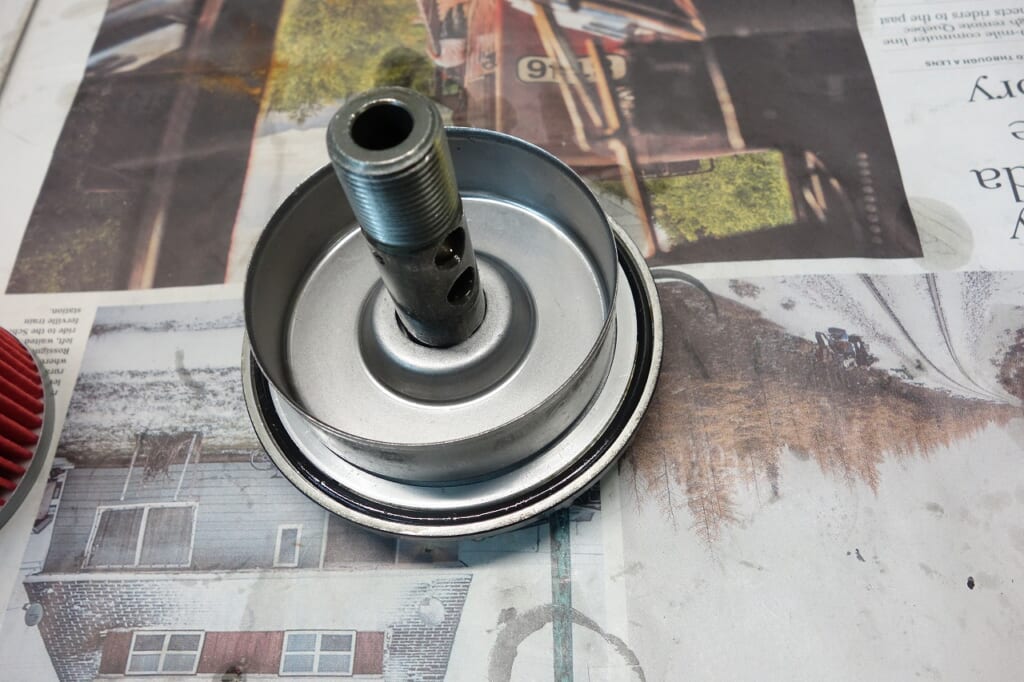
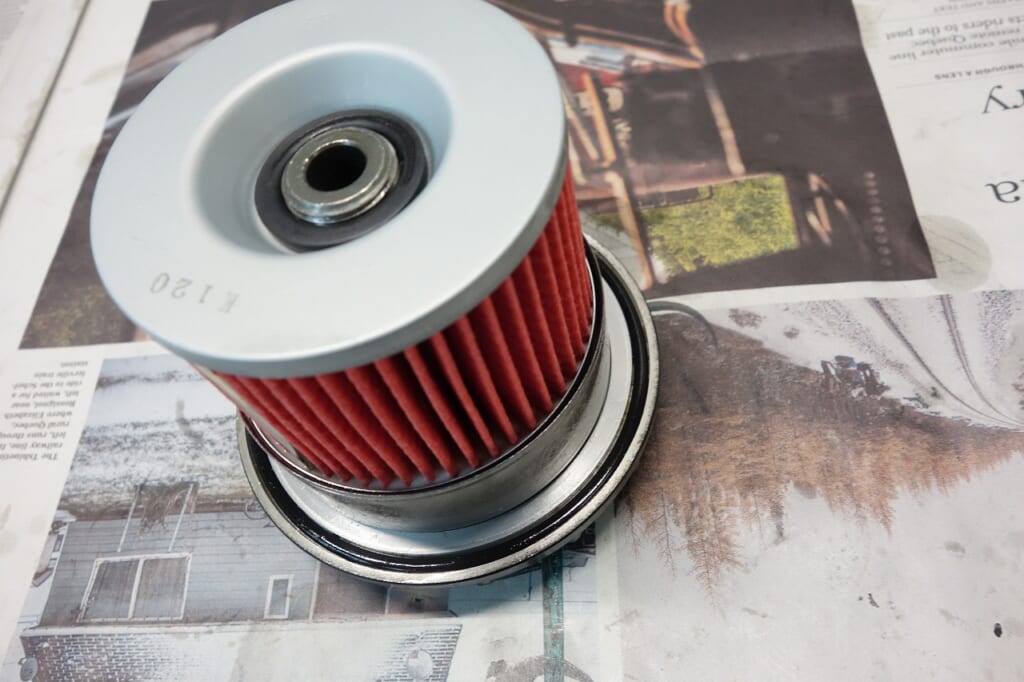
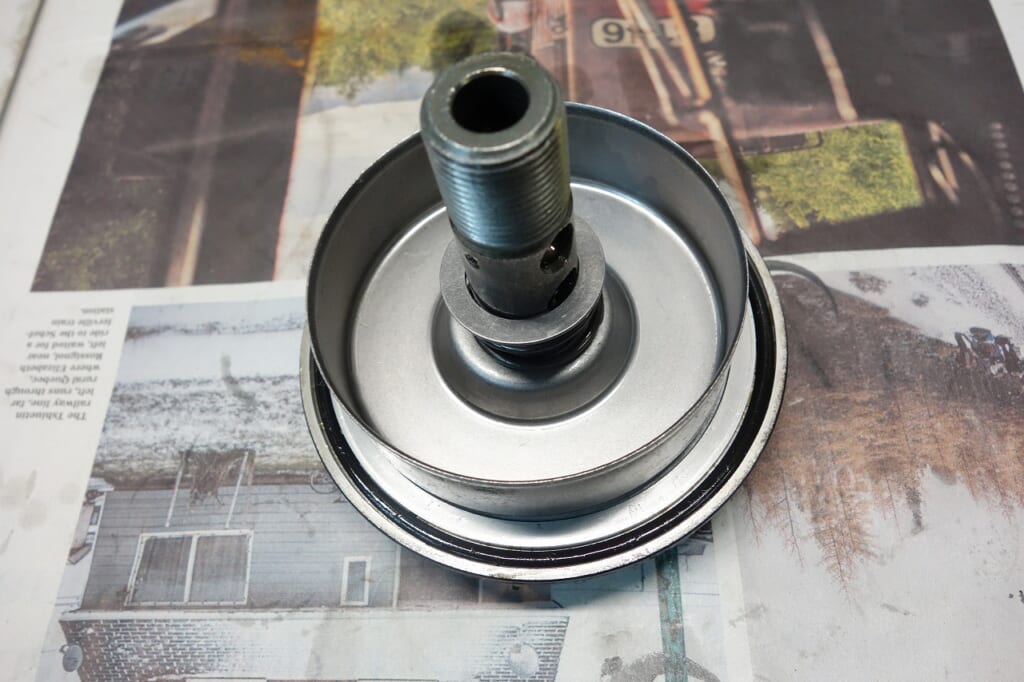
*The bowl plate is different; this is just an image.
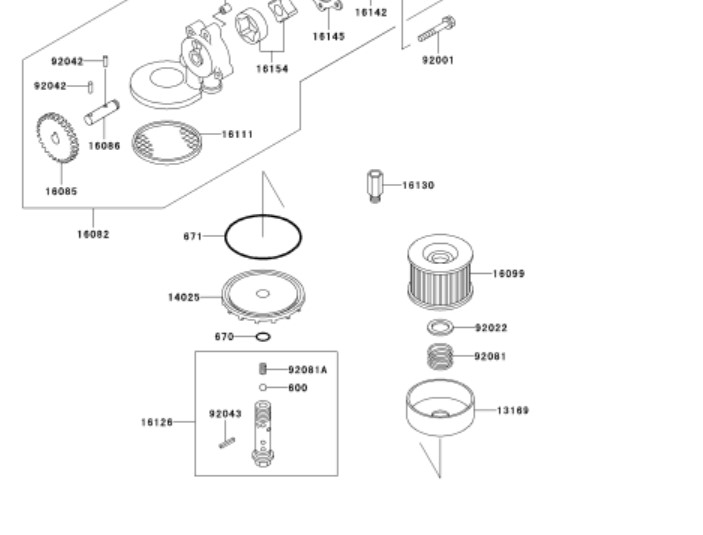
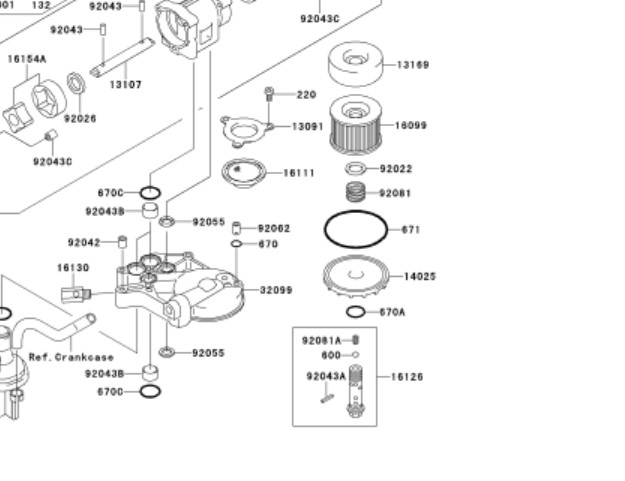
One of Kawasaki’s seven mysteries… I’m guessing it’s to prevent the filter from coming apart in a worst-case scenario.
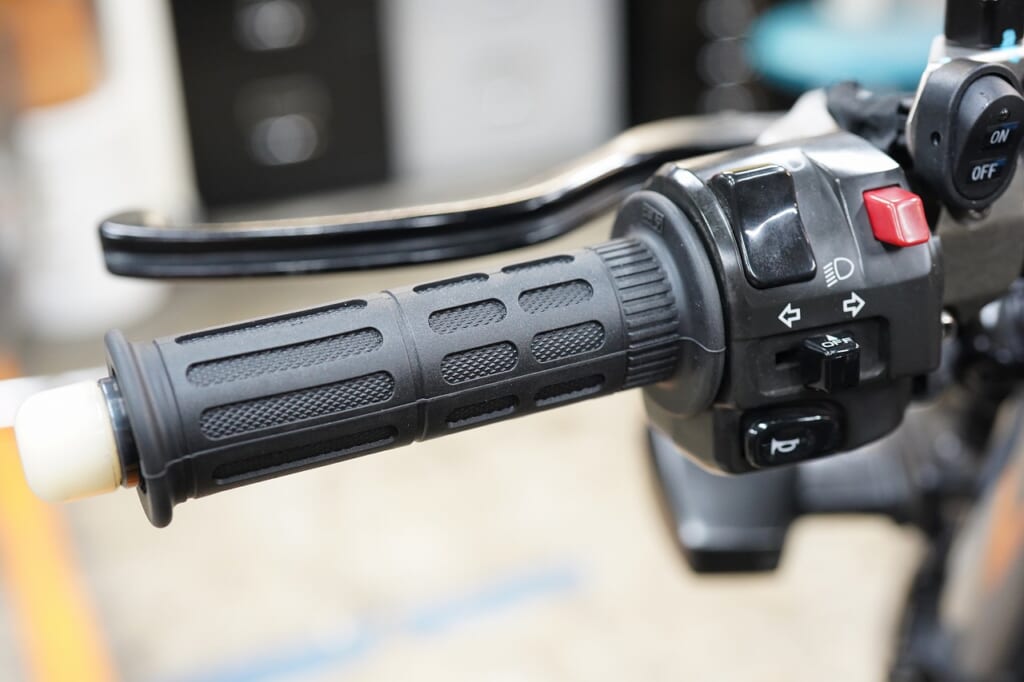
I went with the included Yoshimura grips.
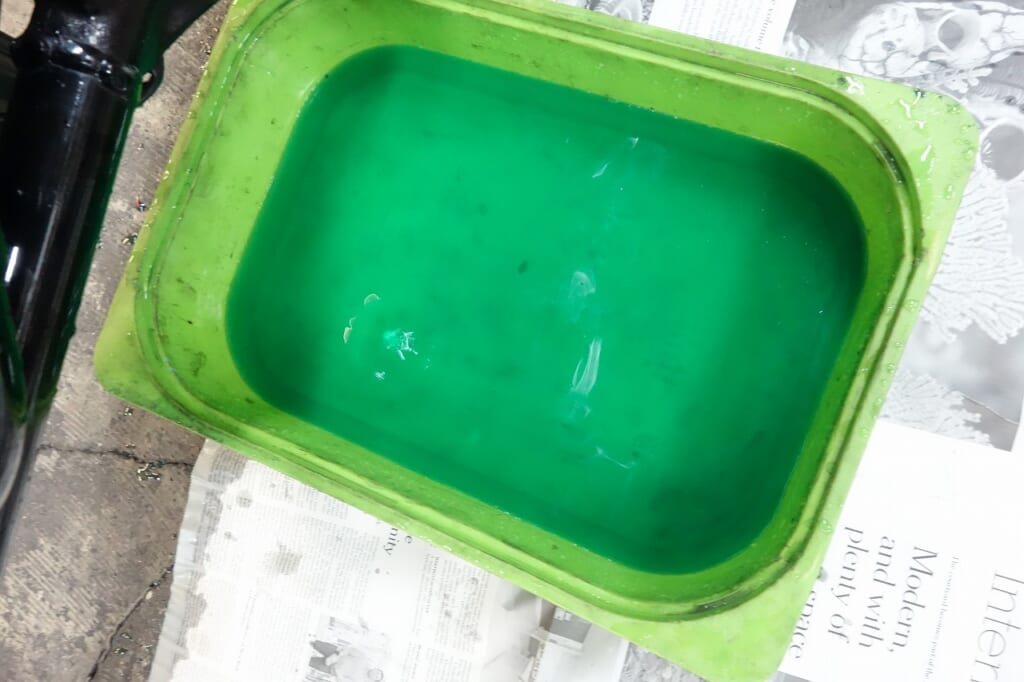
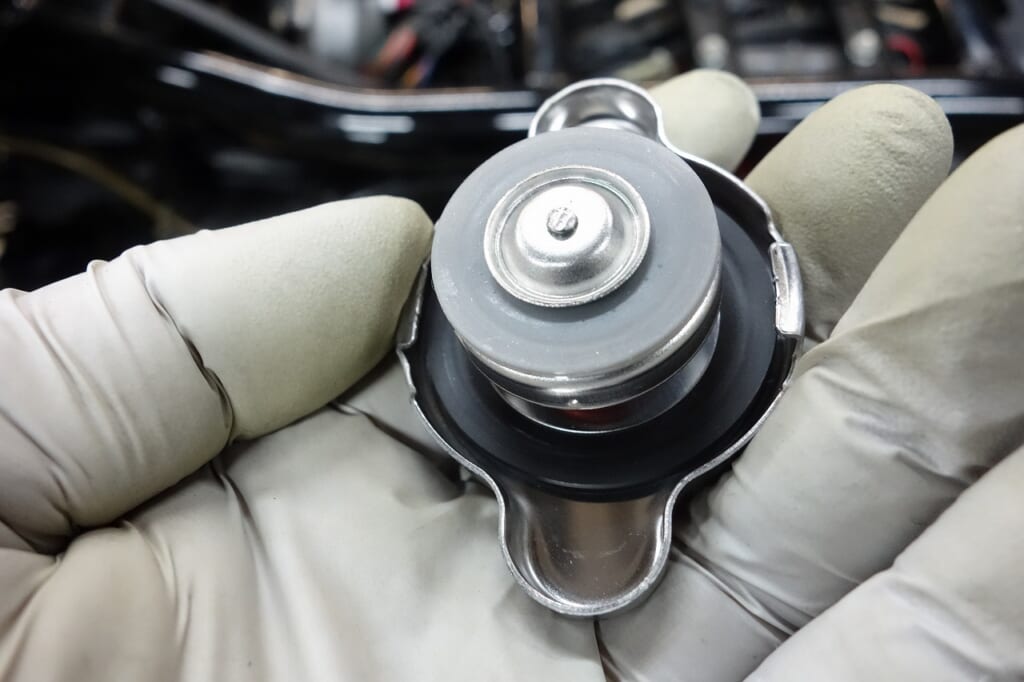
I also changed the coolant. Changing it every year or two keeps things safe.
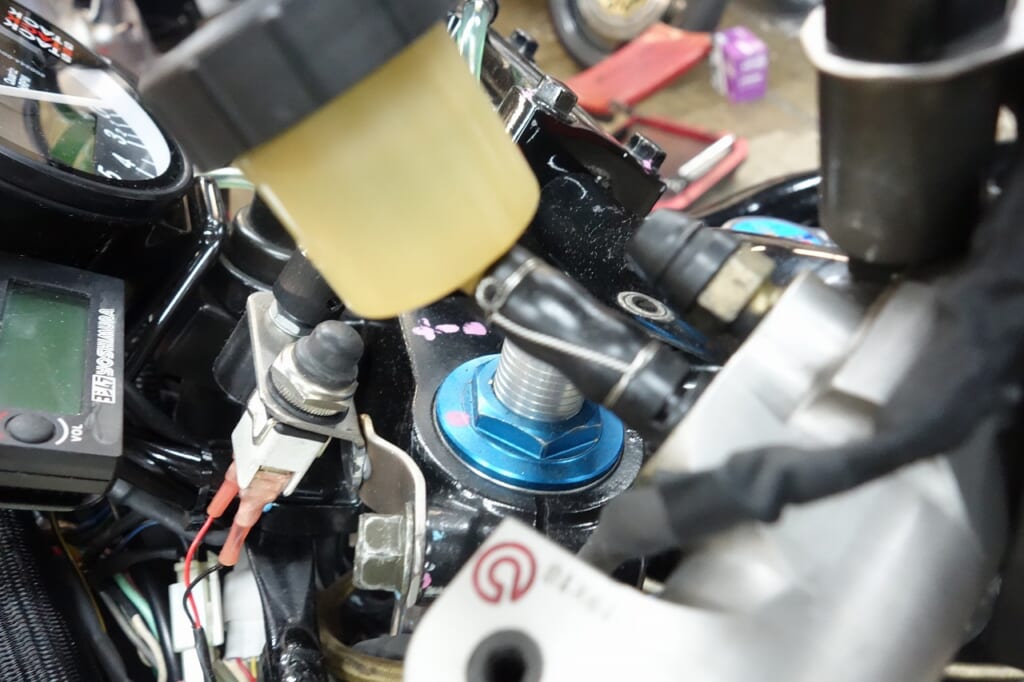
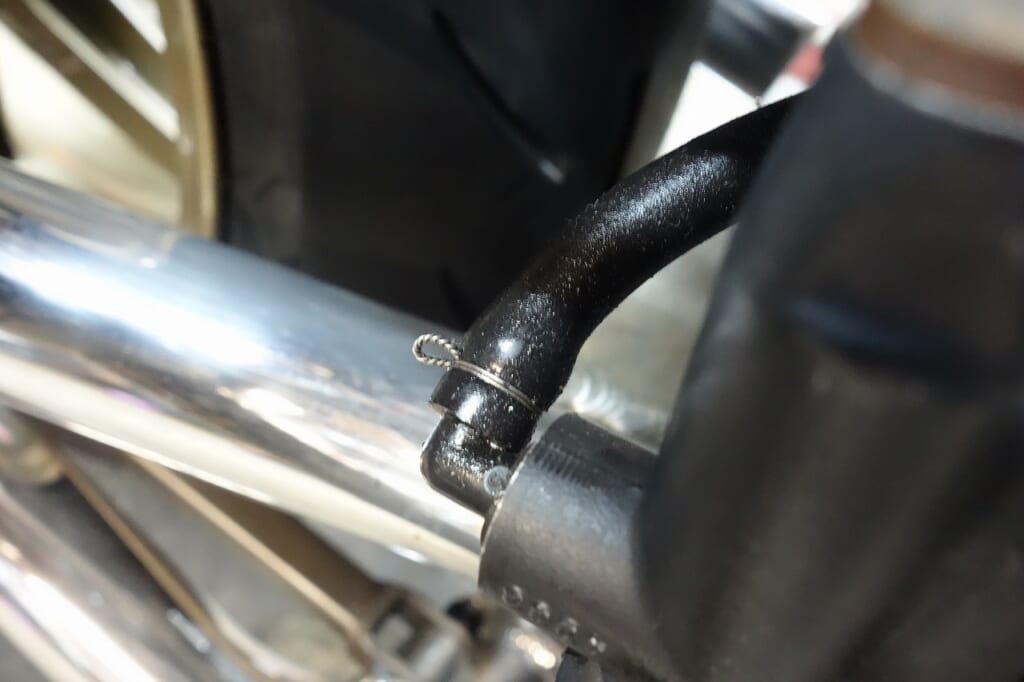
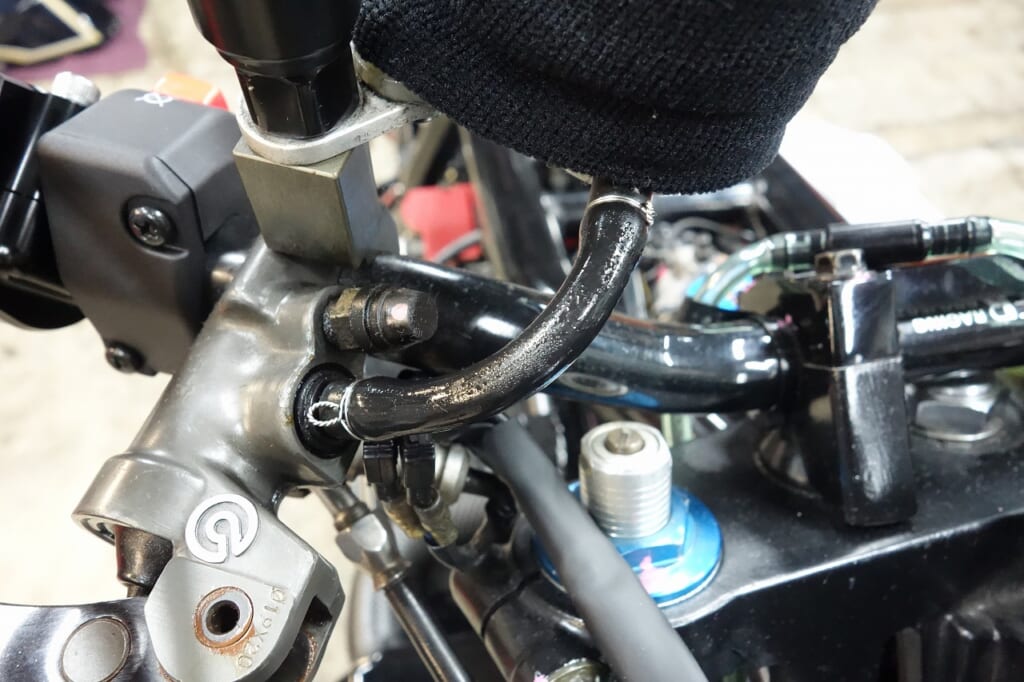
The fluid hose is sweating a lot, so I’m replacing it. I usually don’t use Brembo OEM…
Kijima Brembo-type (inner diameter 6φ) instead.
Also Nissin-type (inner diameter 7φ) Other sizes inner diameter 9φ are available, and I keep them in stock. The included clips are really convenient.
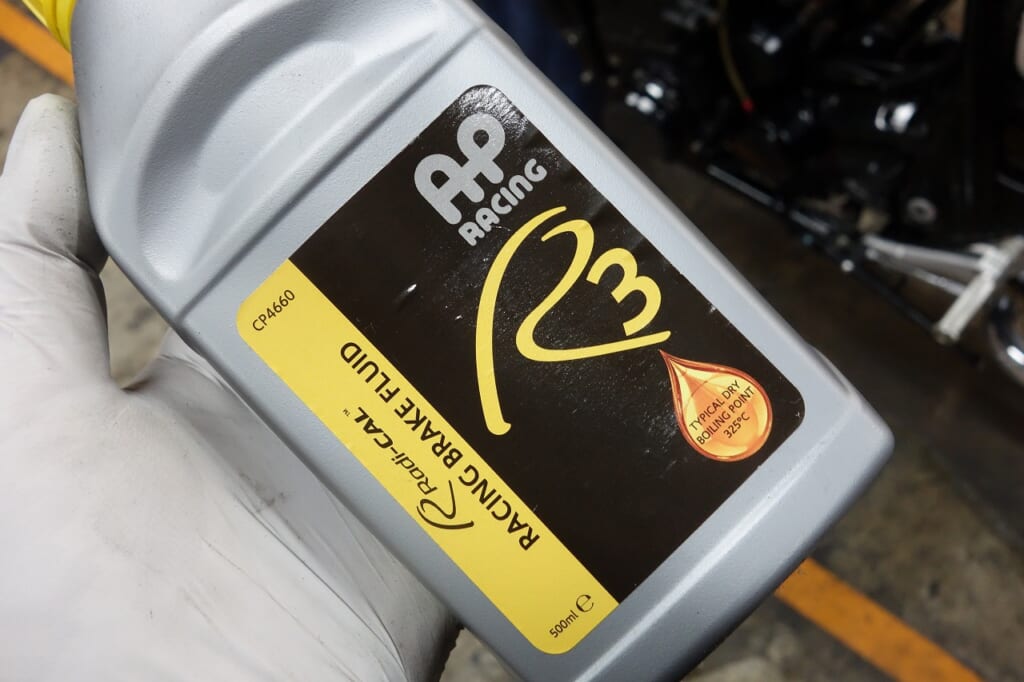
The legendary? CP4660 I had it on hand with a “try it!” note, so let’s use it this time.
The CP6005 above CP4660 and such… the price is crazy. And there’s no spec listed…
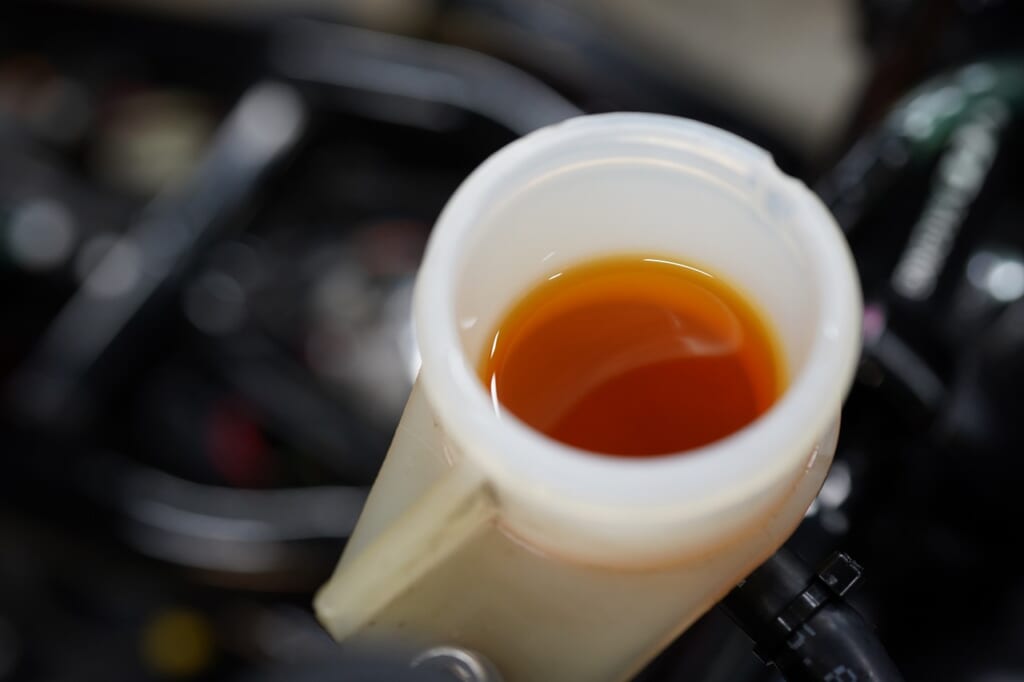
Hmm… it’s brown… I thought maybe it was old? But apparently not. It’s that amber color.
Coming from street fluid, I was a bit surprised.
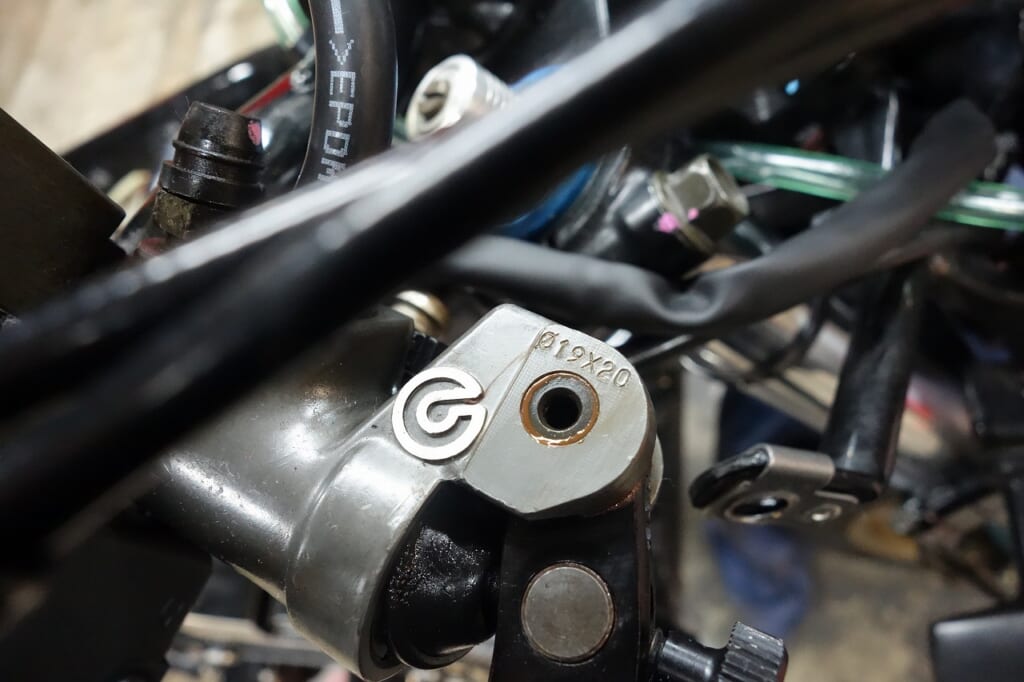
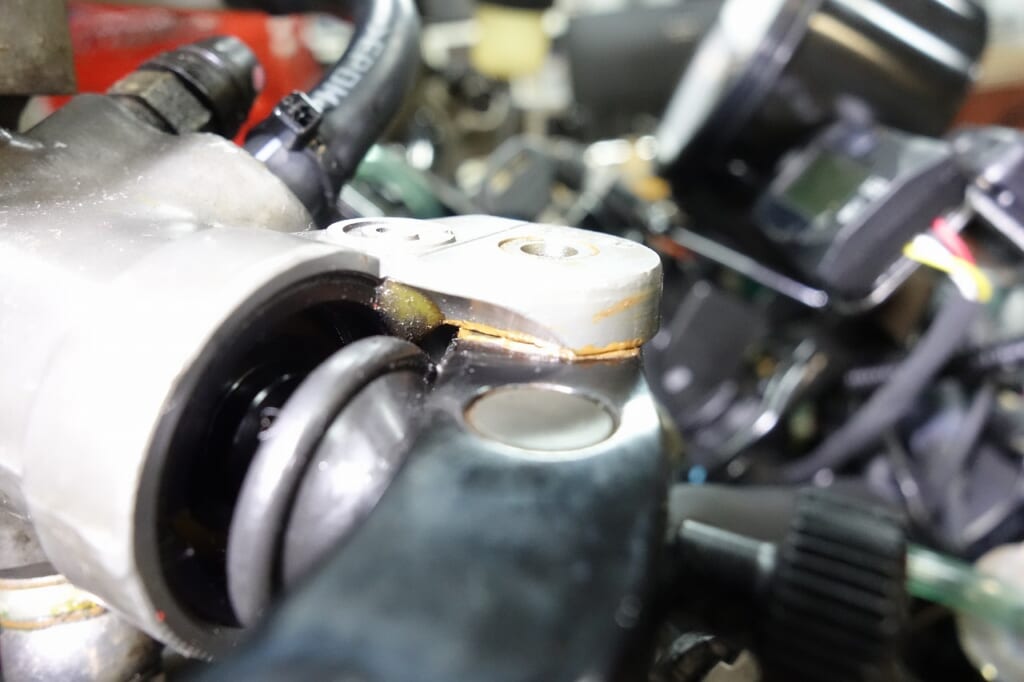
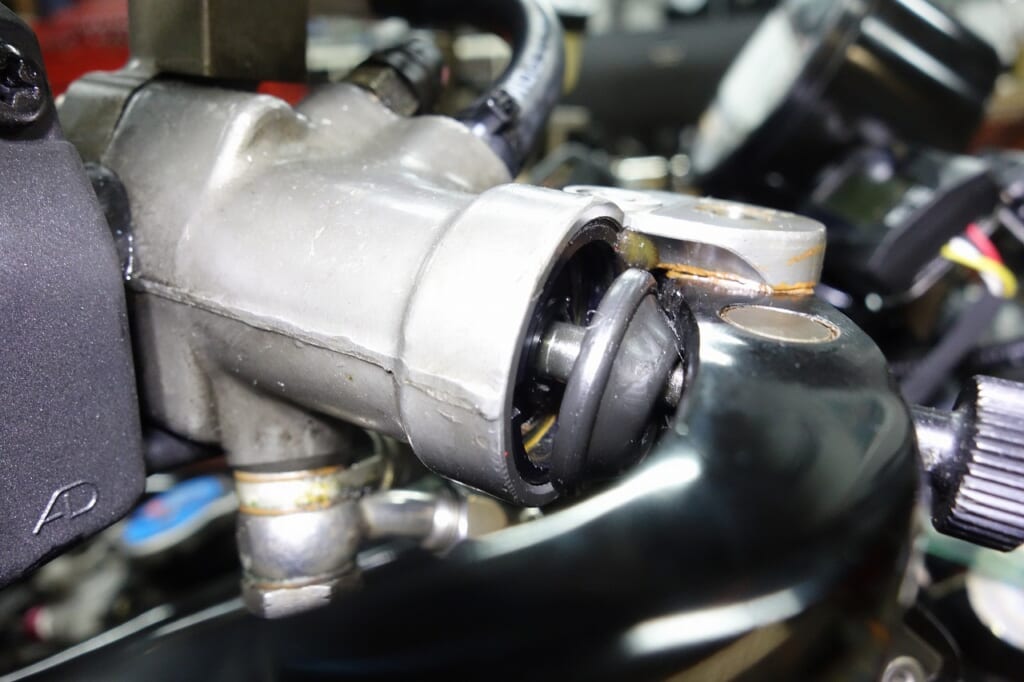
I noticed something around the Brembo master looked a bit weepy and rusty.
To check, I peeled back the boot, cleaned it, and squeezed it a few times—fluid came out gently, so we’re putting an overhaul or replacement on hold for now.
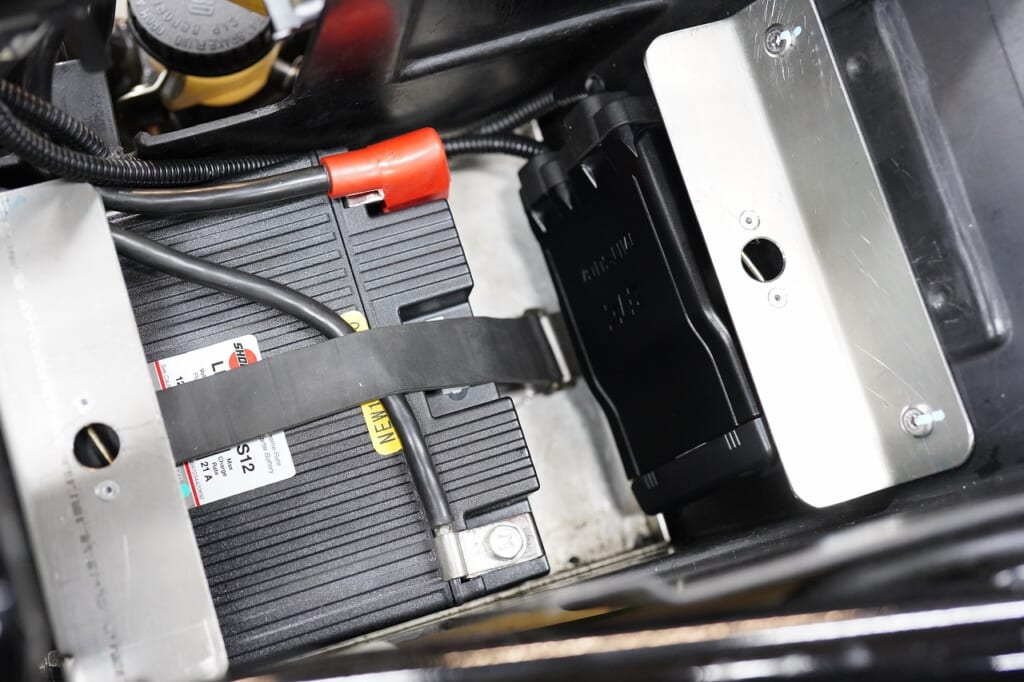
The ETC unit also fit in the box from the other day—ah, so clean.
We’re putting it on hold and continuing… ( ;∀;)