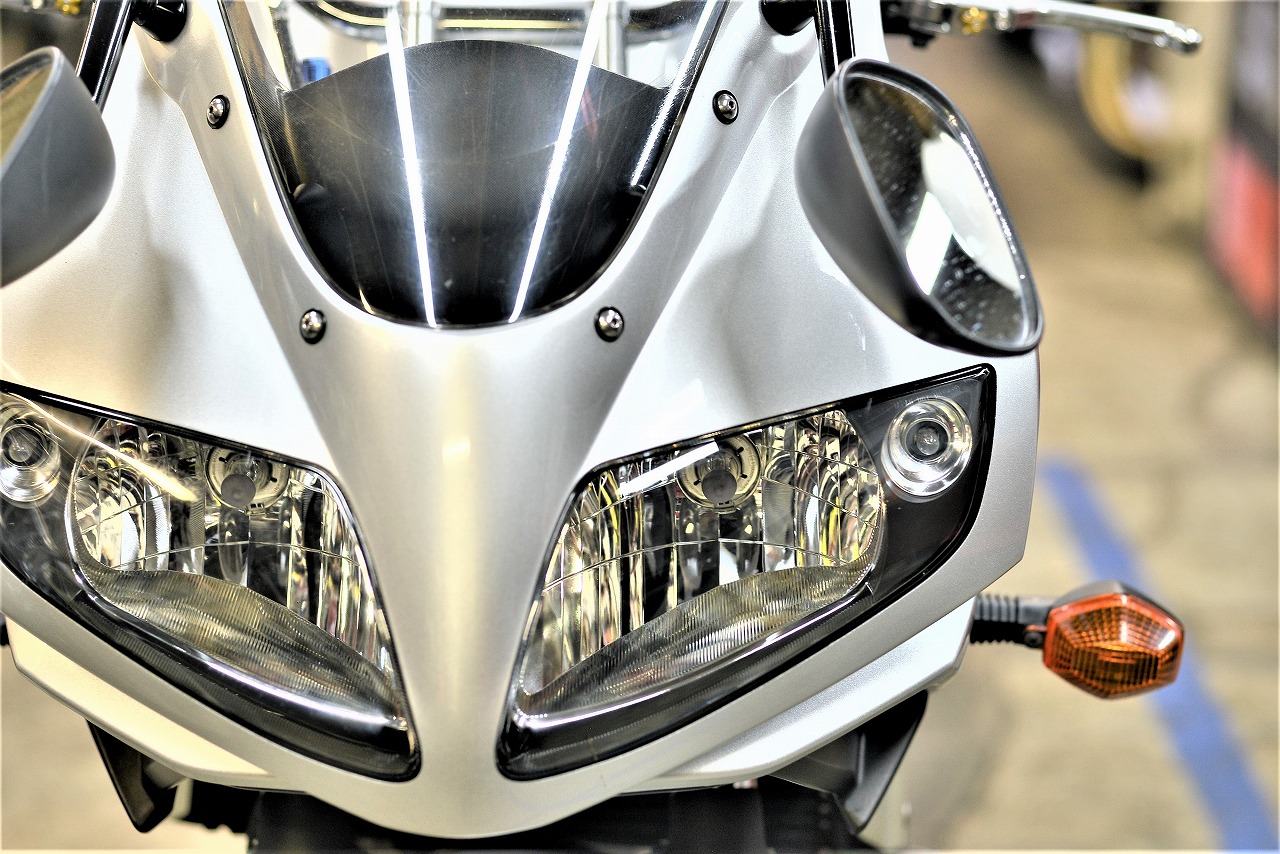
TL bikes are easy to ride too, which is nice. *Basically, I’m not great with the feel of singles and twins.
After not riding for about three months,
“the throttle won’t budge at all?”
“It cleared up when I opened it full throttle.”
Is it a cable issue?
I don’t think so, but… When you open the fuel cap, there’s that smell.
A sort of “poof”
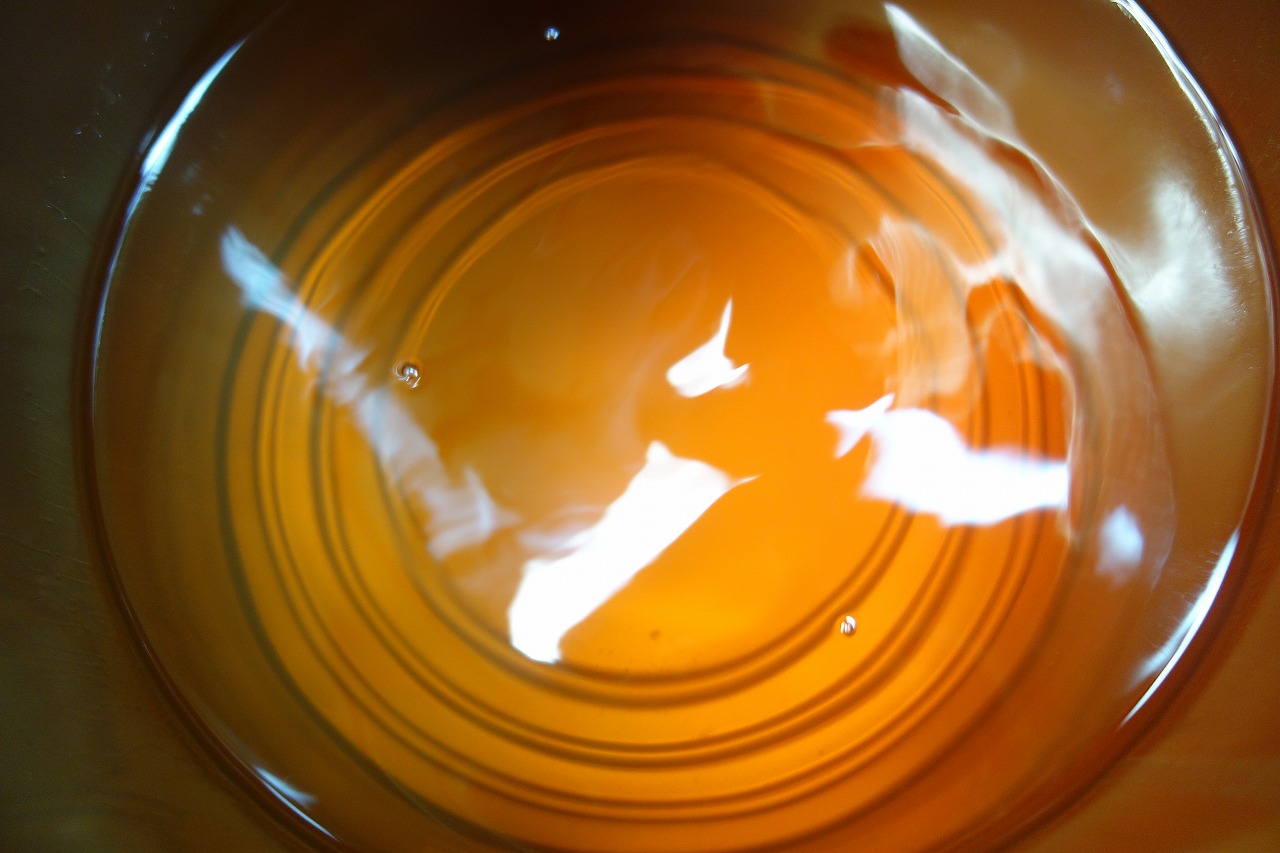
The gasoline might be degraded.
So we drained it. All of it. It was pretty cloudy, and the smell was off too.
I remembered what our super web designer said recently: “I feel like gasoline goes bad more easily than it used to.”
That’s not an unreasonable thought.
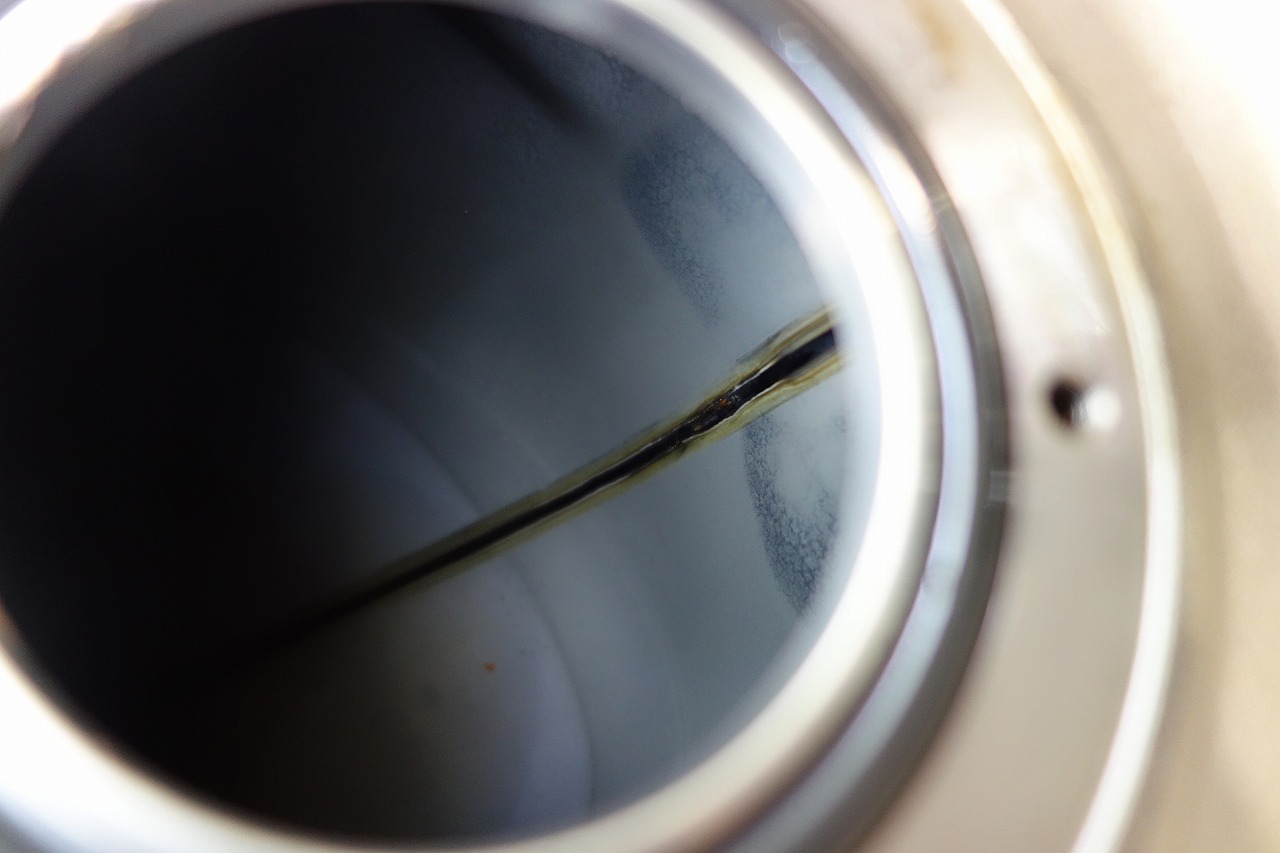
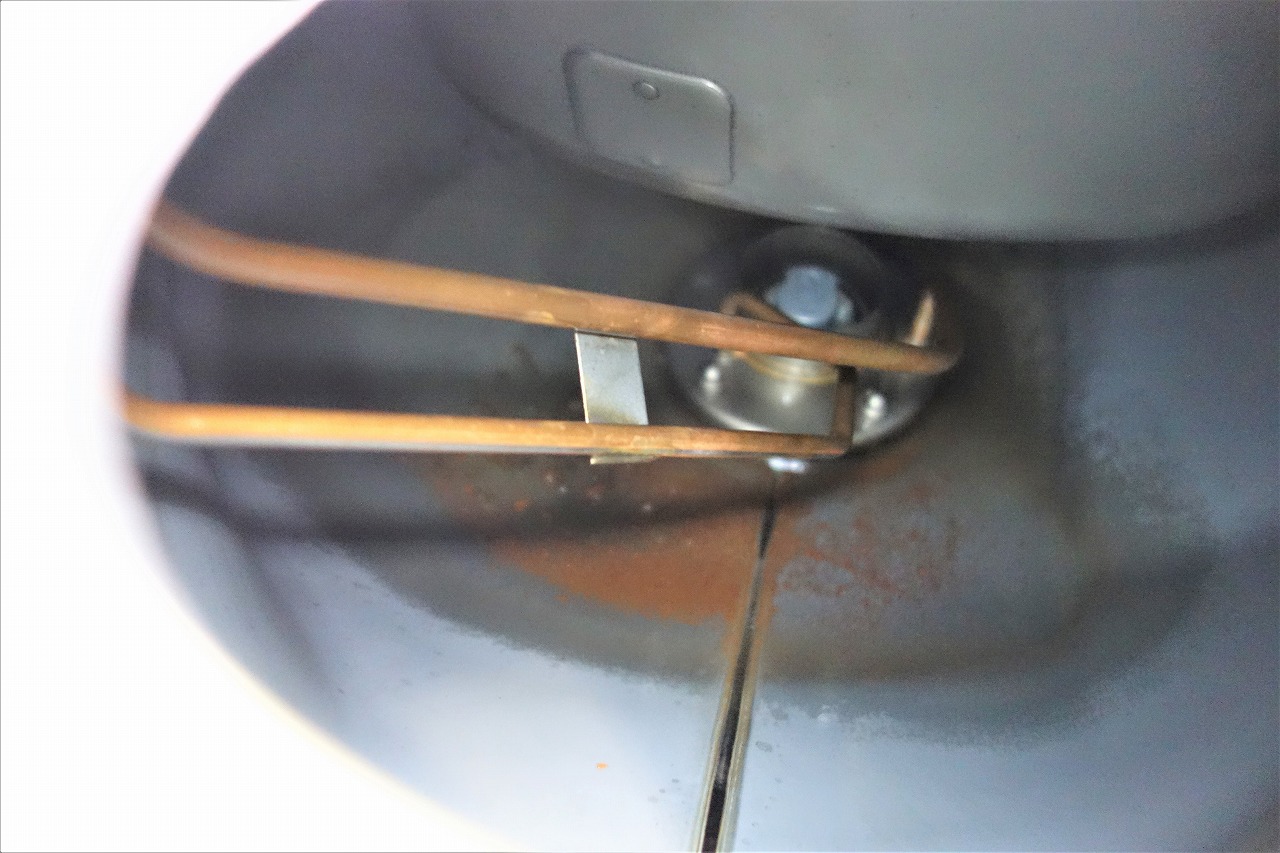
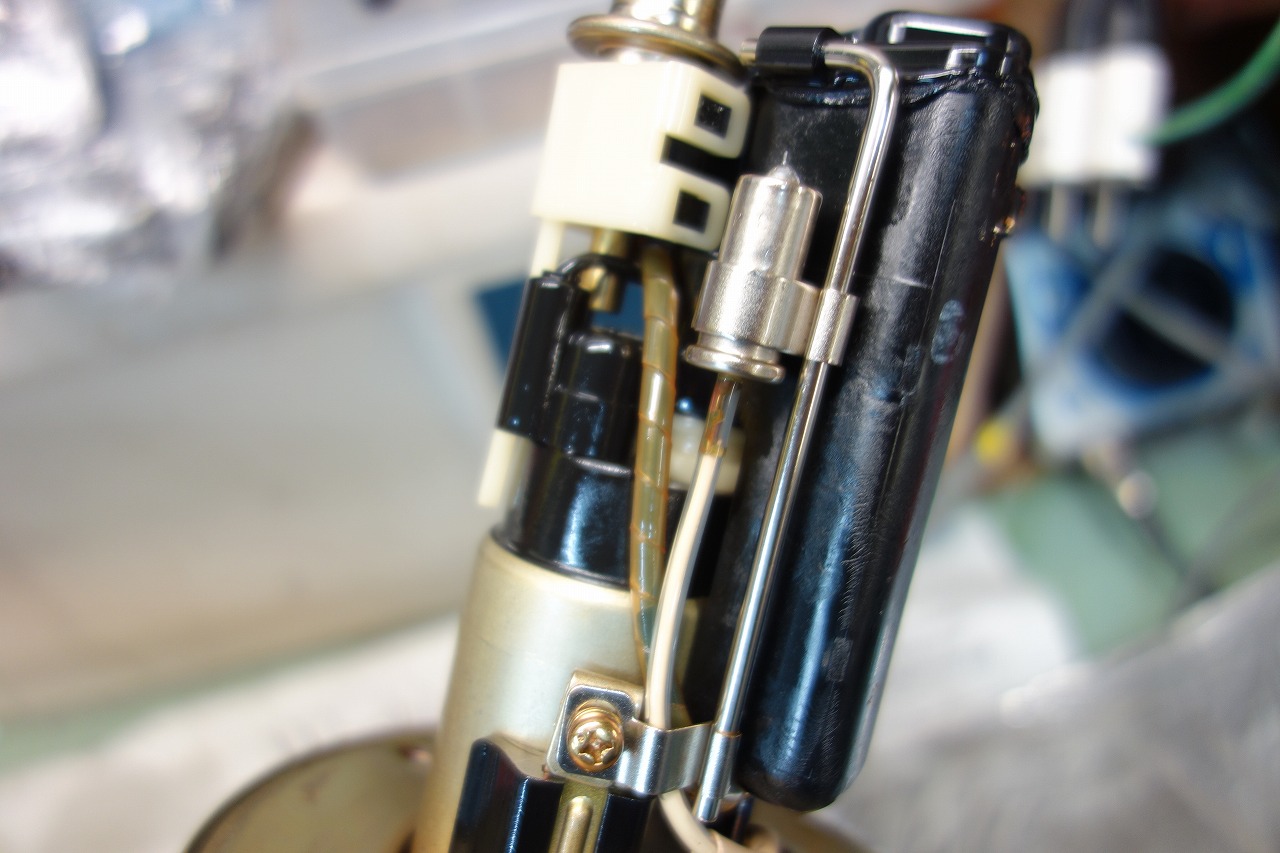
Fuel pumps are often custom-designed for tank shape, and minor bikes get discontinued quickly, so you’re stuck hunting for used ones.
These things run on electricity, right? I really don’t want to take one apart.
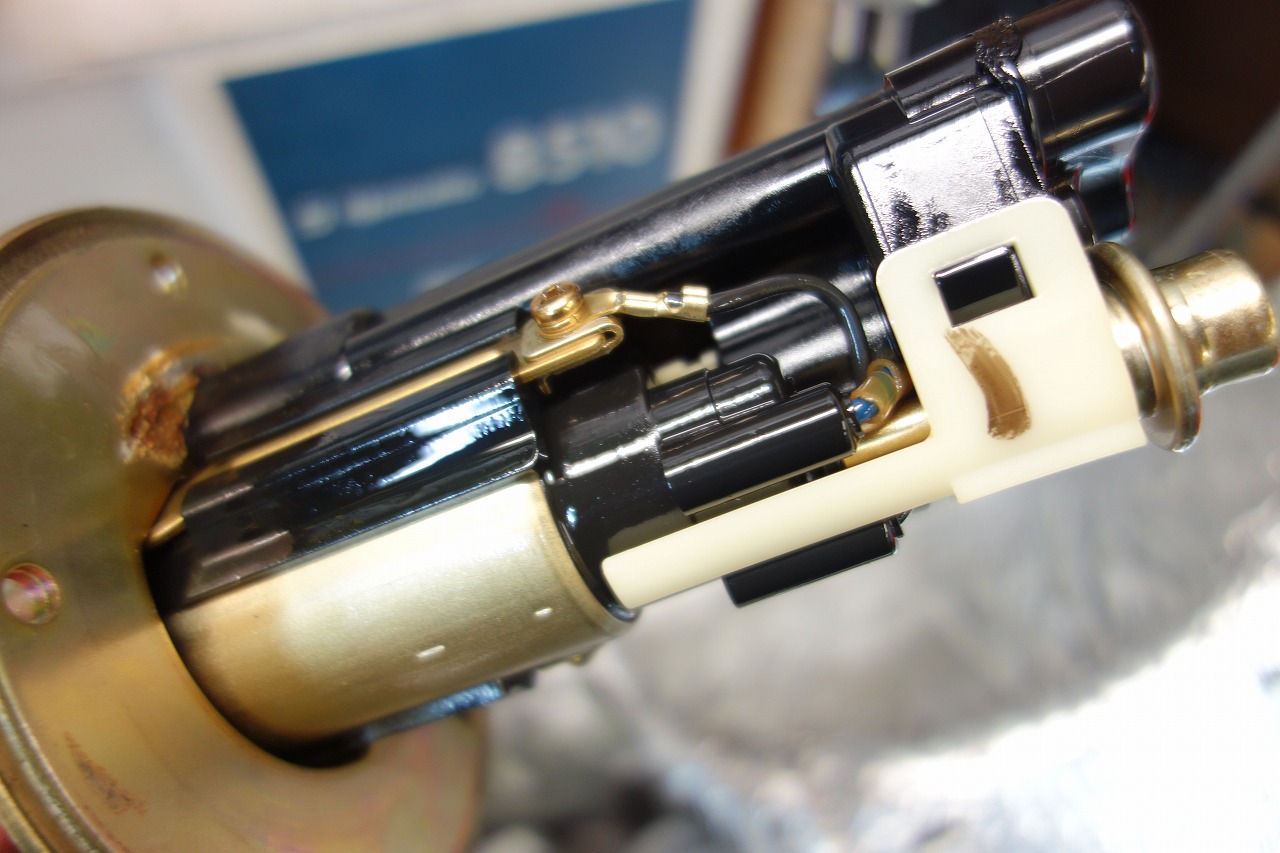
“Oh! Let me get a quote on that,” I thought, so I looked it up.
Over 20,000 yen… yeah, that’s not happening.
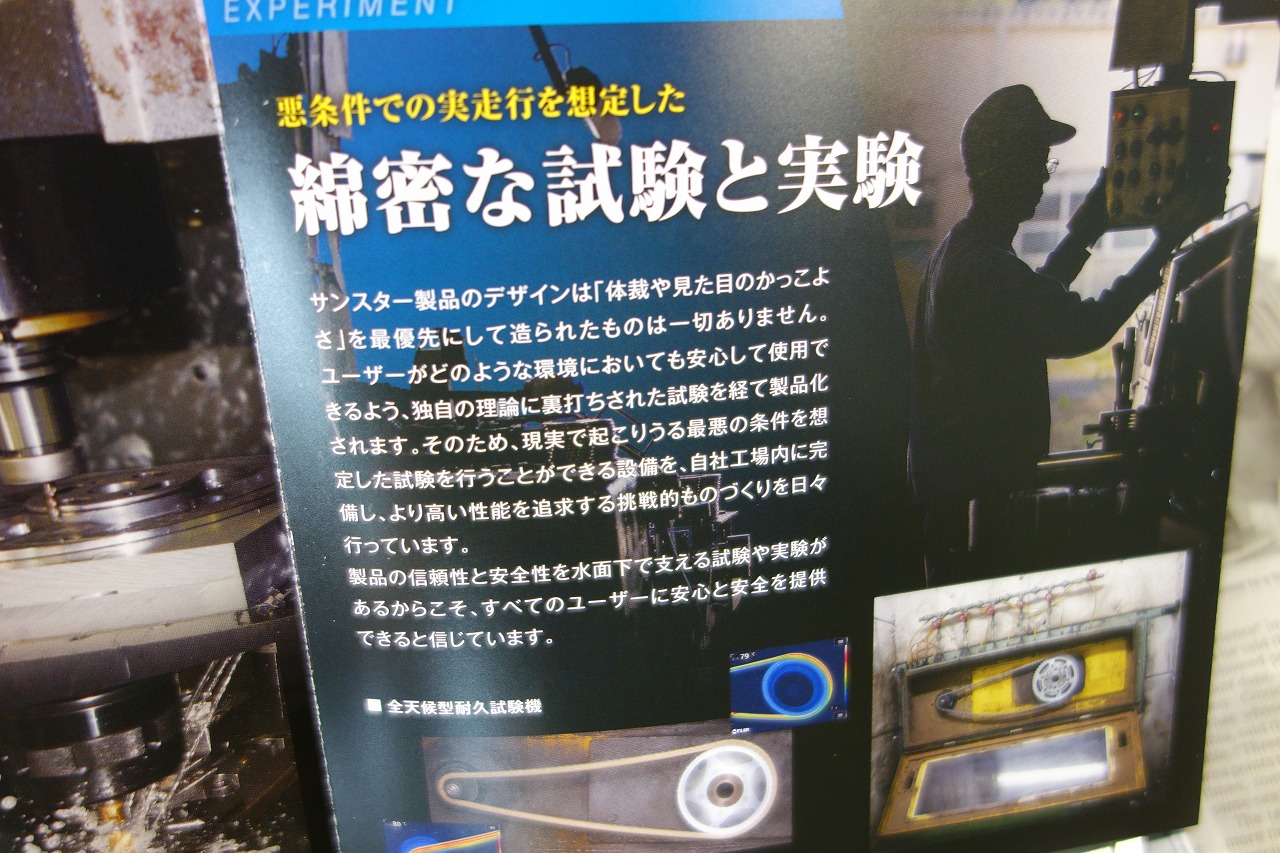
It’s hard to judge quality, but I think what matters is:
• The tolerance of the user side—even if you’re a bit sloppy, it holds up (durability)
• The tolerance of the installer side—you can fit it with confidence (precision and reliability of tolerances)
That’s what I think.
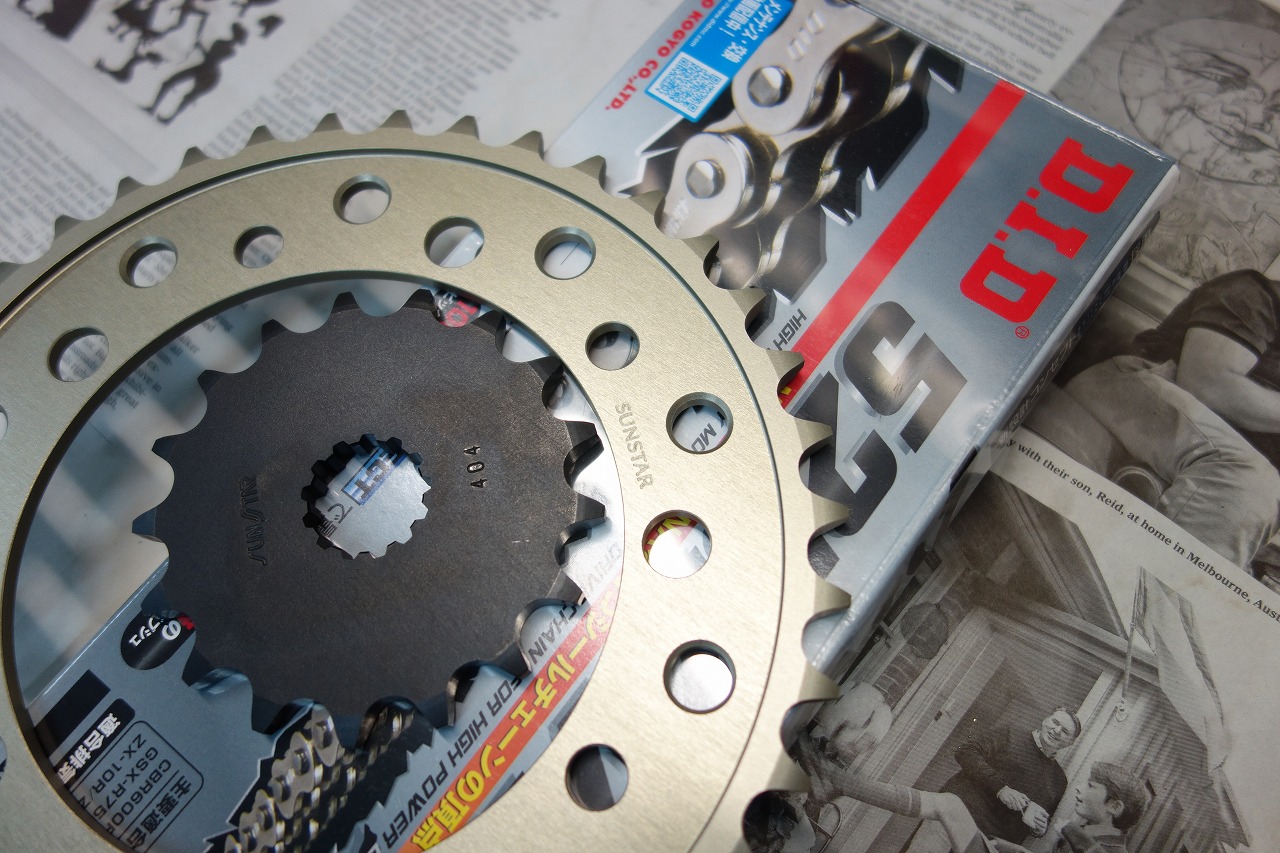
With DID, the rotation is smooth right from installation, and even over distance, you don’t get much one-sided stretch. *Maintenance is still needed.
With Sunstar, they do OEM work for manufacturers and meet strict standards, so the reliability is on a whole different level.
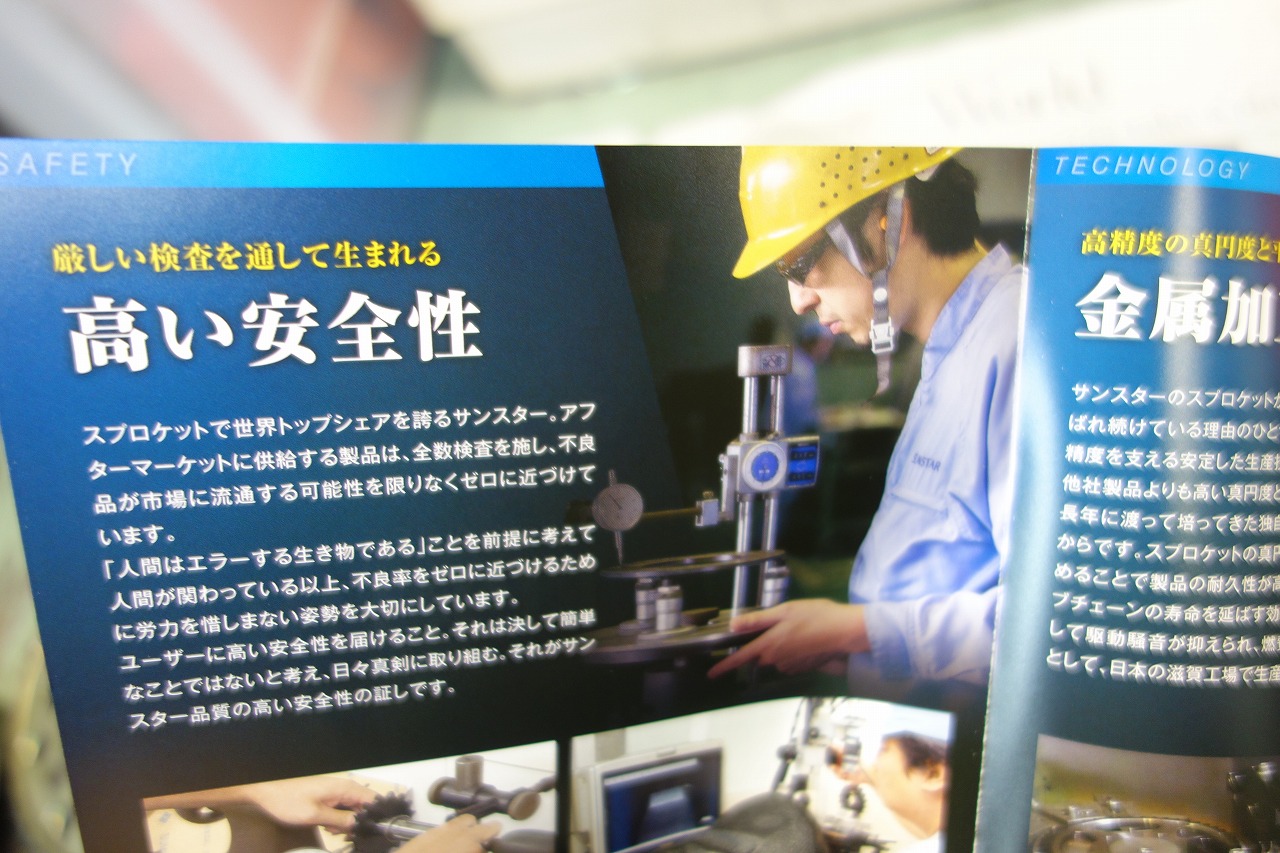
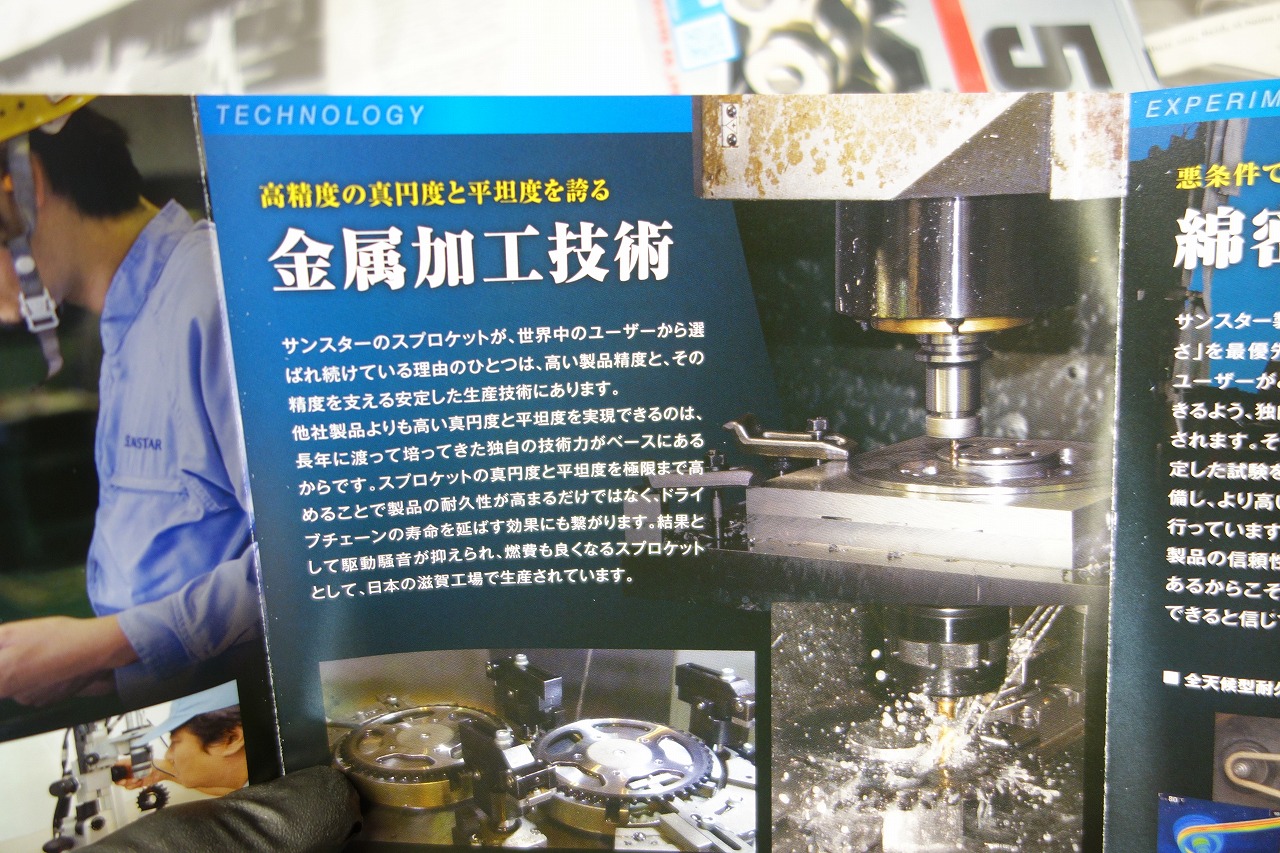
Nowadays, sprockets are easy to come by.
Back in the 20th century, even researching what could be adapted was a hassle, and offsetting sprockets was a real pain.
We’re lucky to live in an age where all the dimensions are provided.
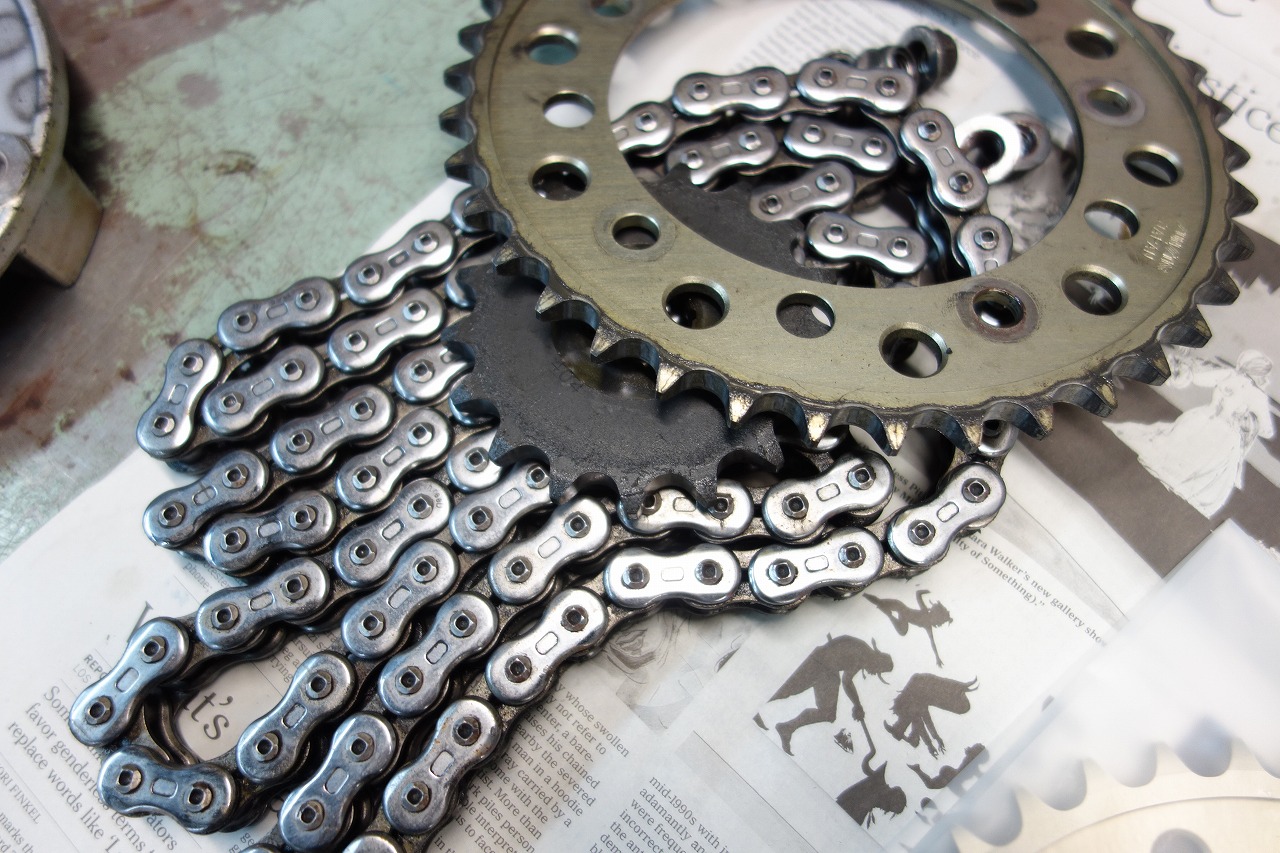
The design is really cool, and I have a pretty good impression of the chain itself.
Like everything, it’s hard to switch brands around when you’re already carrying a line.
At our level, it’s not about relationships with manufacturers or anything like that.
After years, miles, and many bikes, you think, “Yeah, this is reliable,” and that’s when you can carry it.
If opinions are split too much, it doesn’t work. If it’s bland, it doesn’t work either.
I know it’s tough when people say, “Isn’t that just playing it safe?” But I think safety first is the better call.
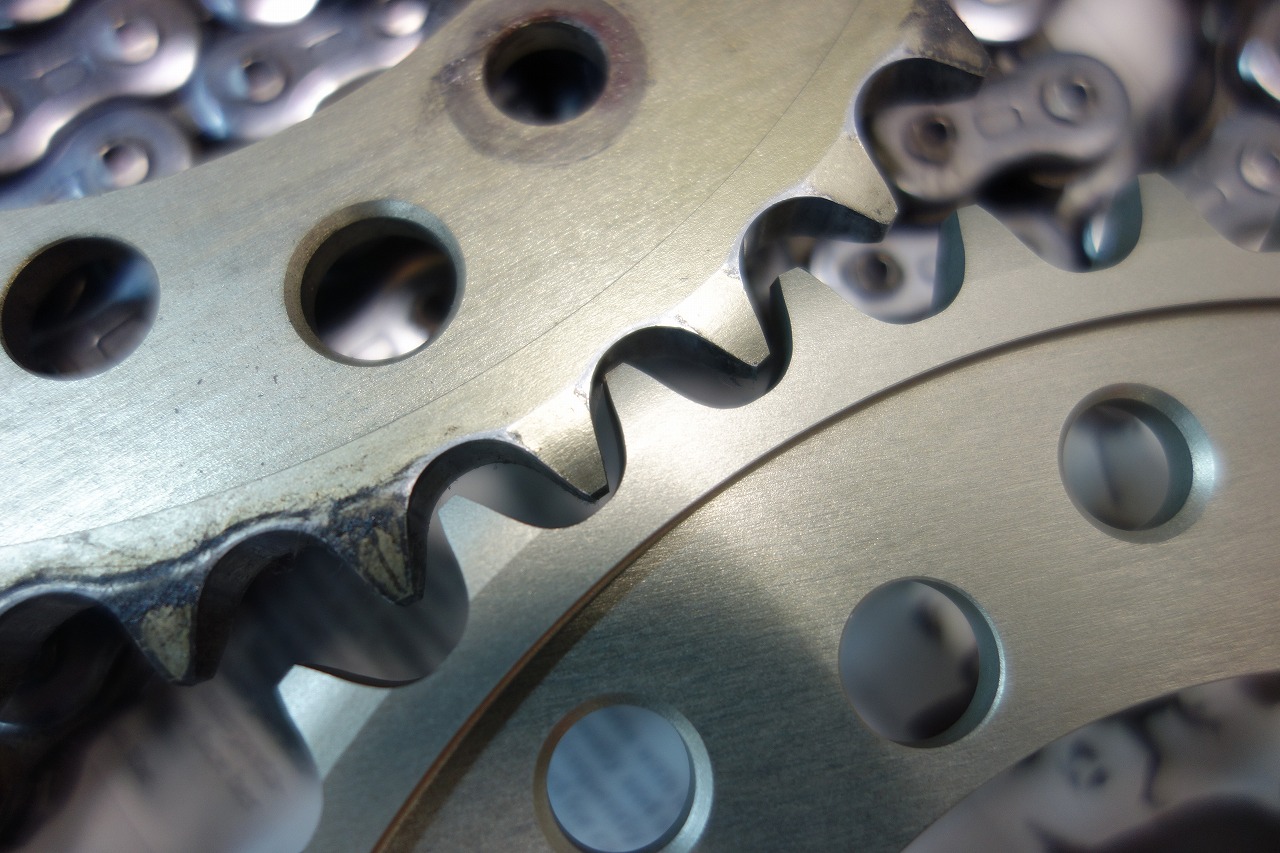
Aluminum sprocket wear accelerates once the hard anodize wears through.
Lubrication is really important. If you run it dry with minimal oil, wear will be super fast.
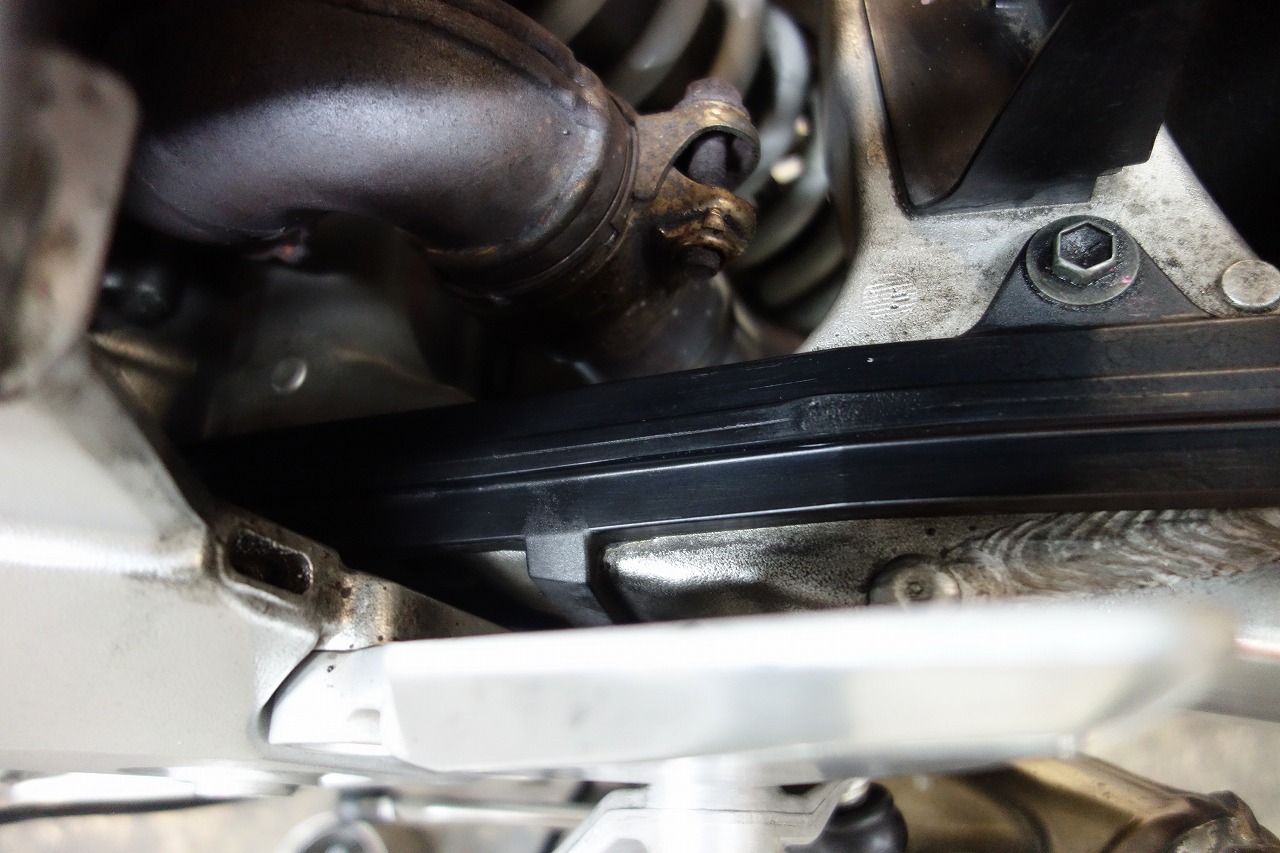
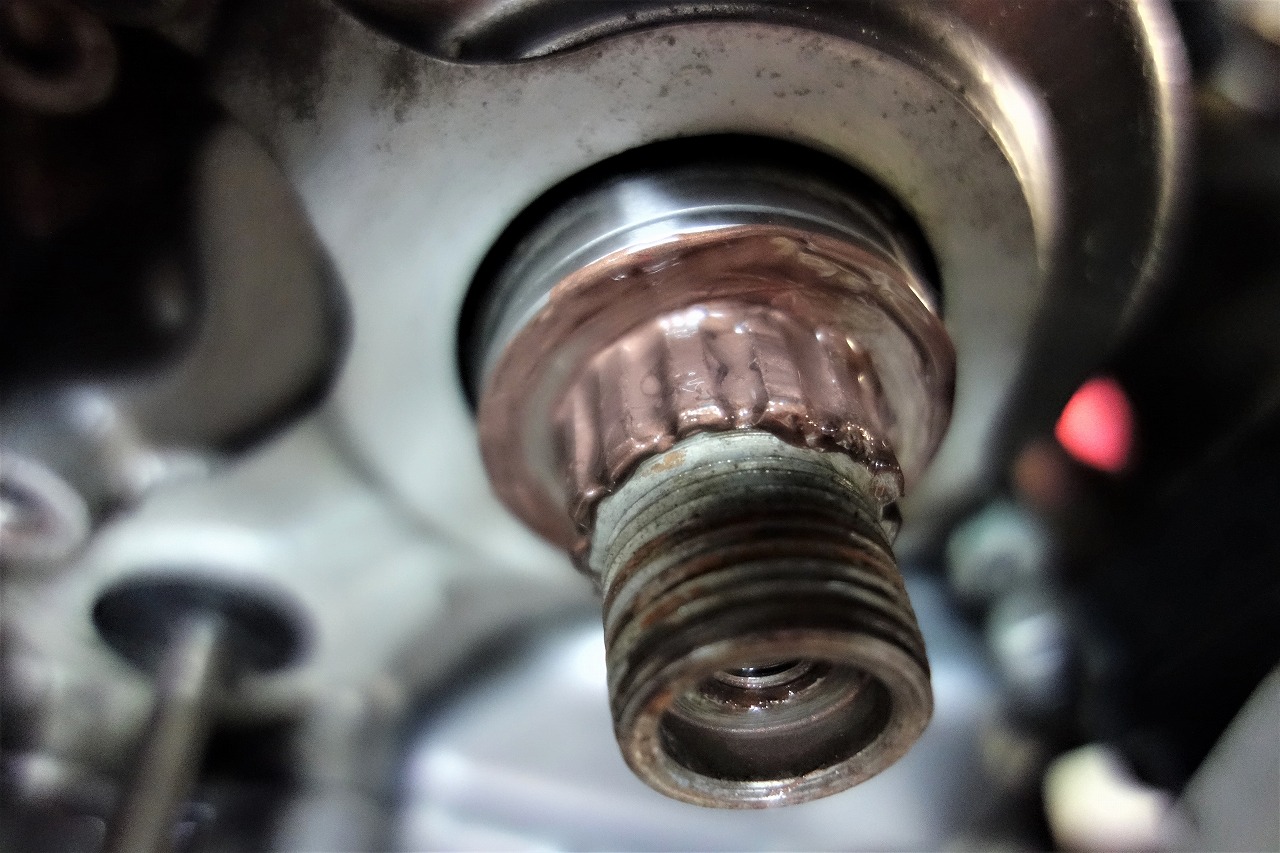
*Non-Honda bikes are locked, so they basically don’t get tapped, but… (Honda has some lock-type too.)
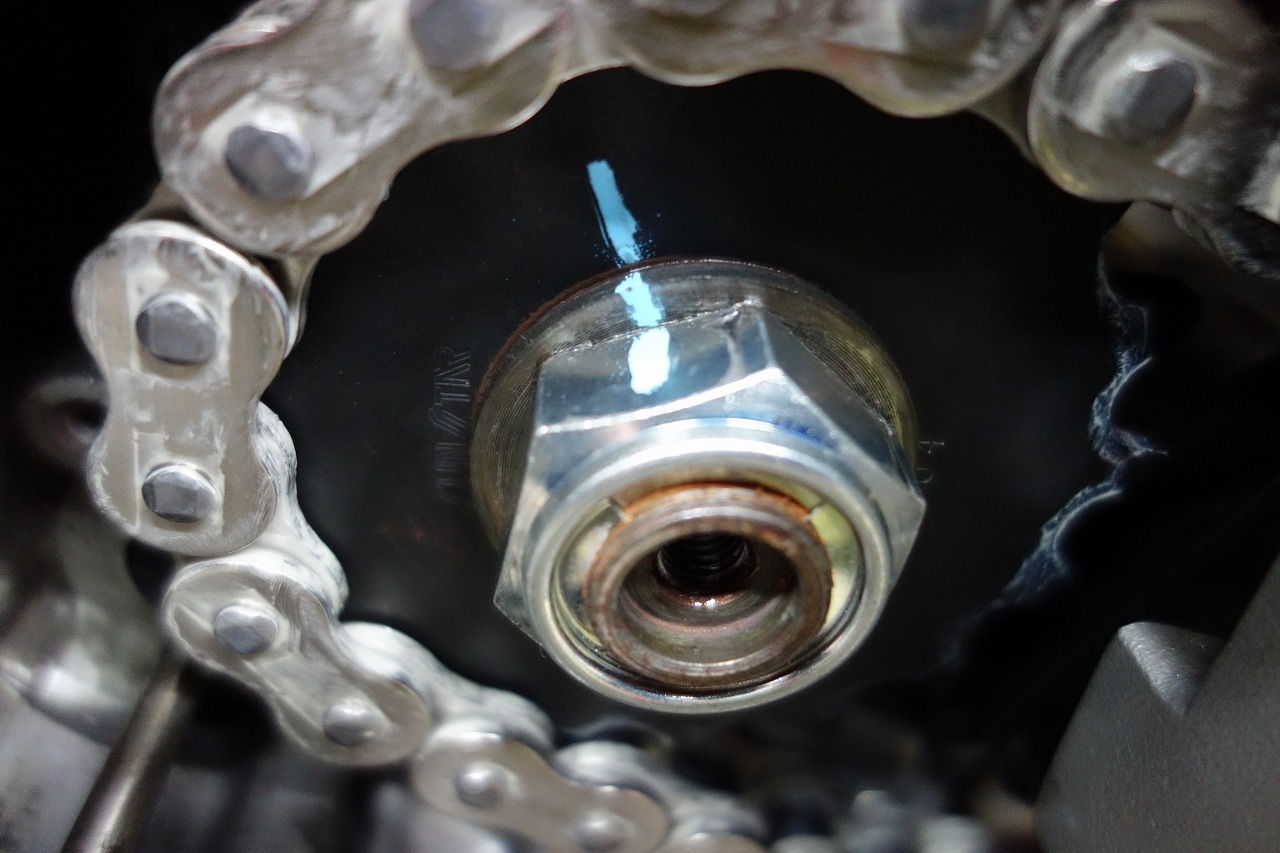
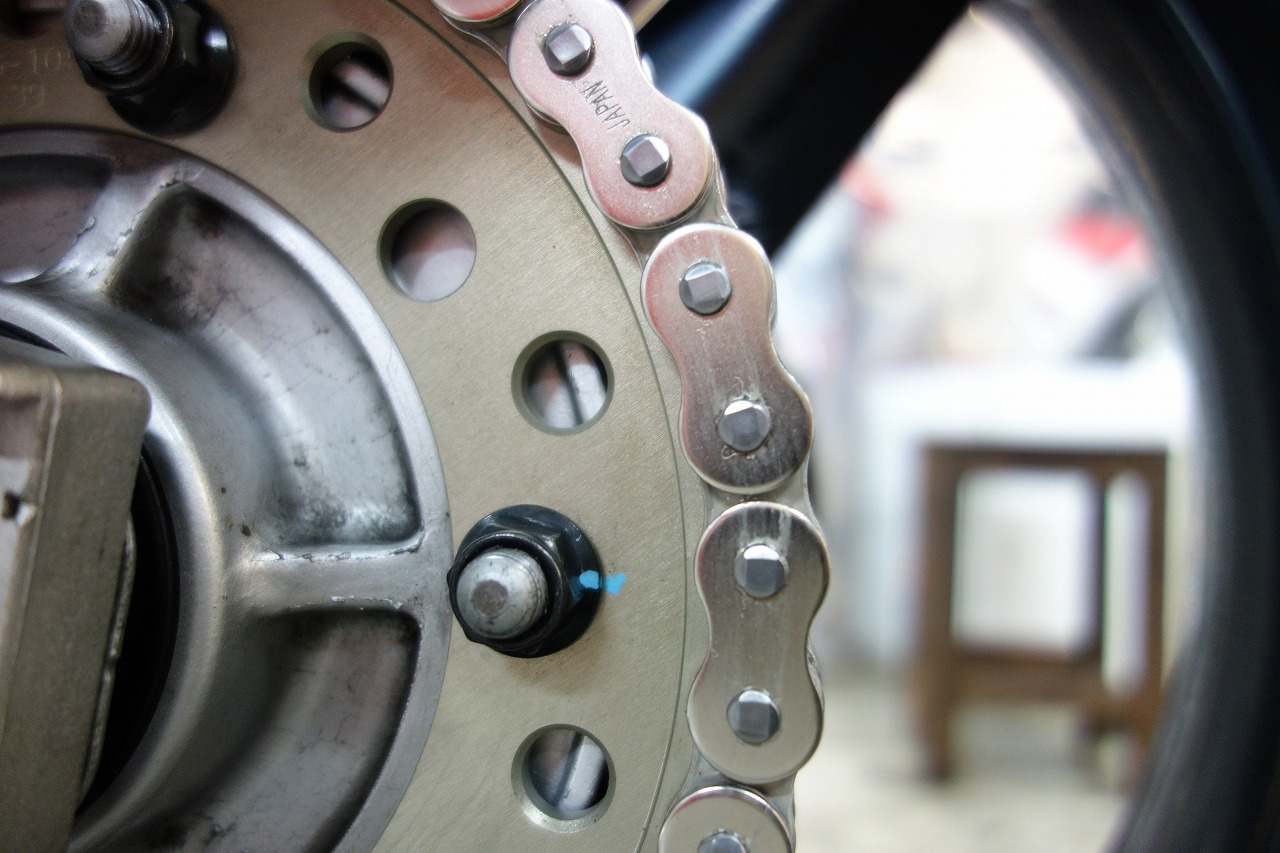
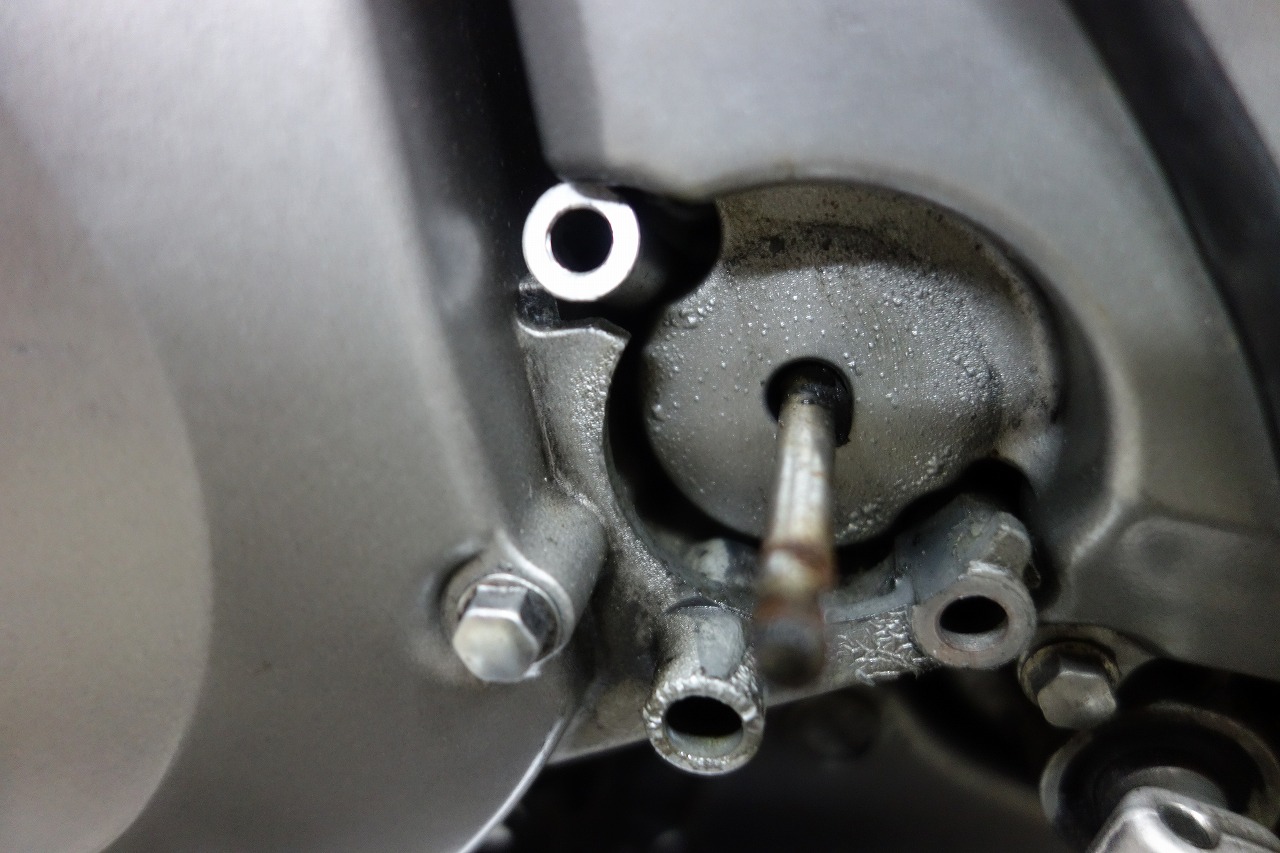
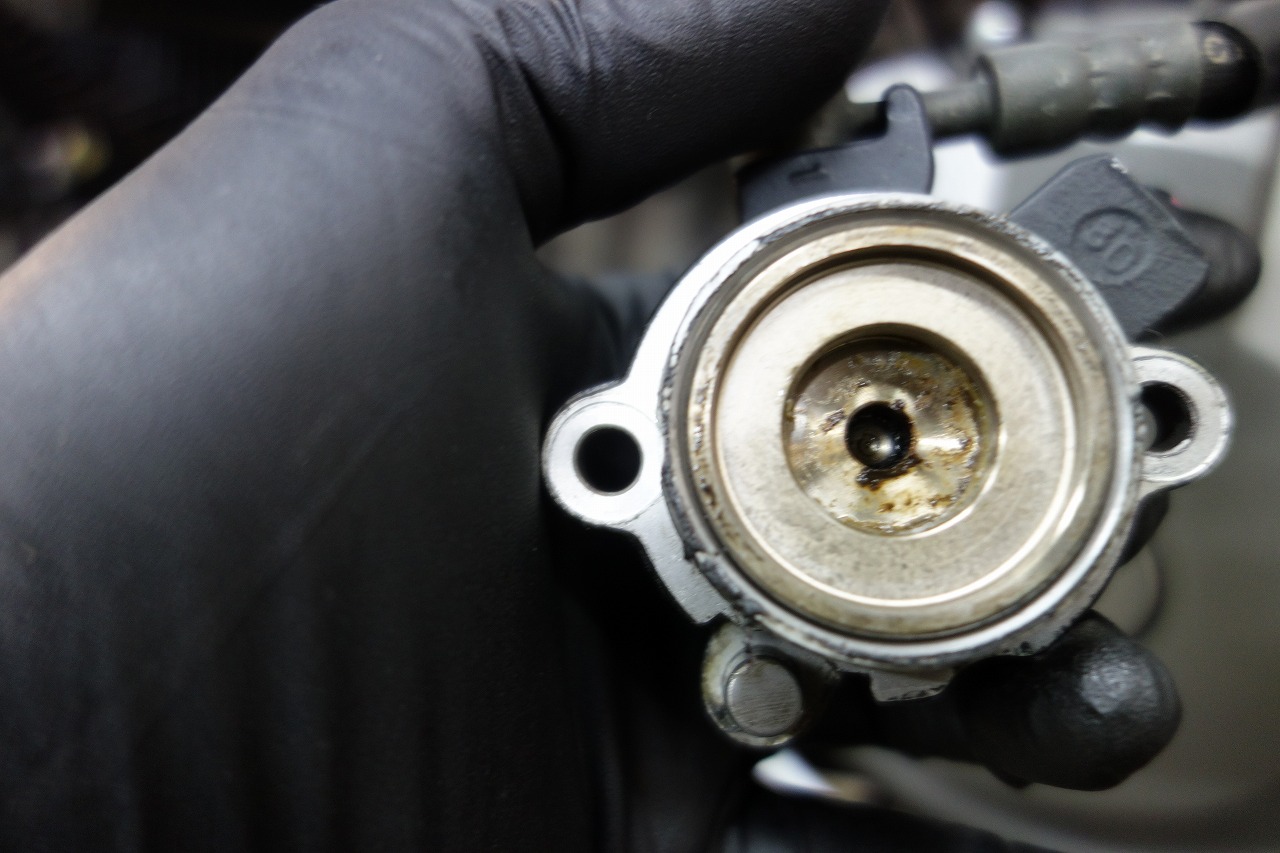
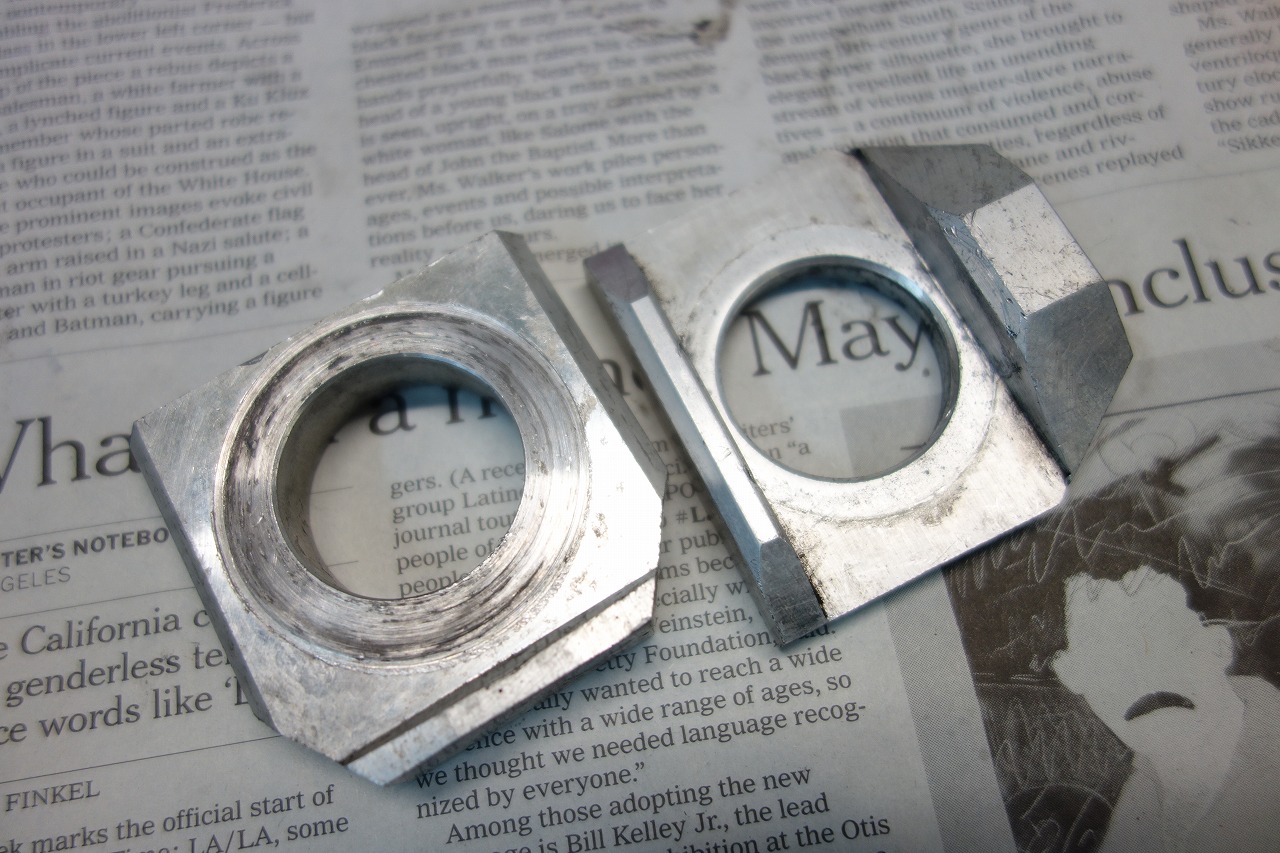
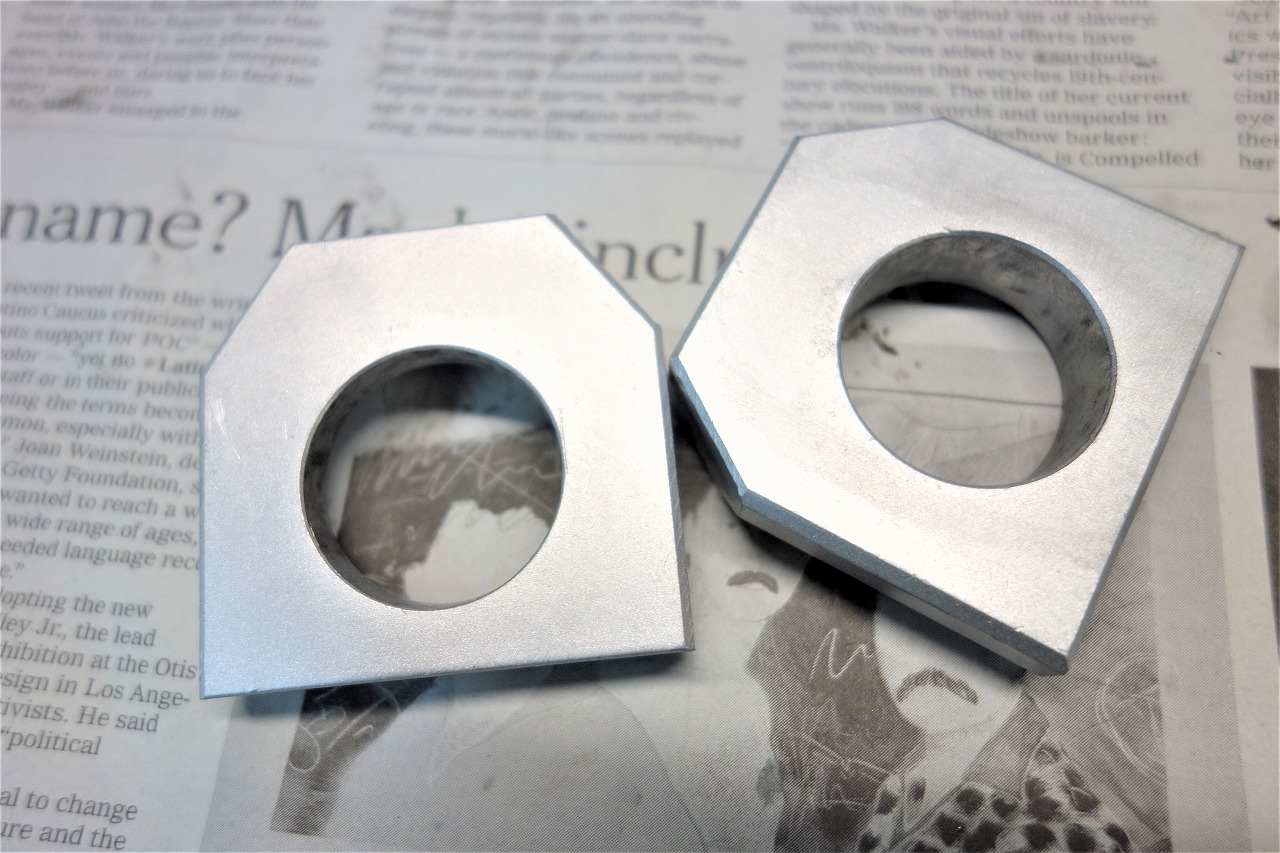
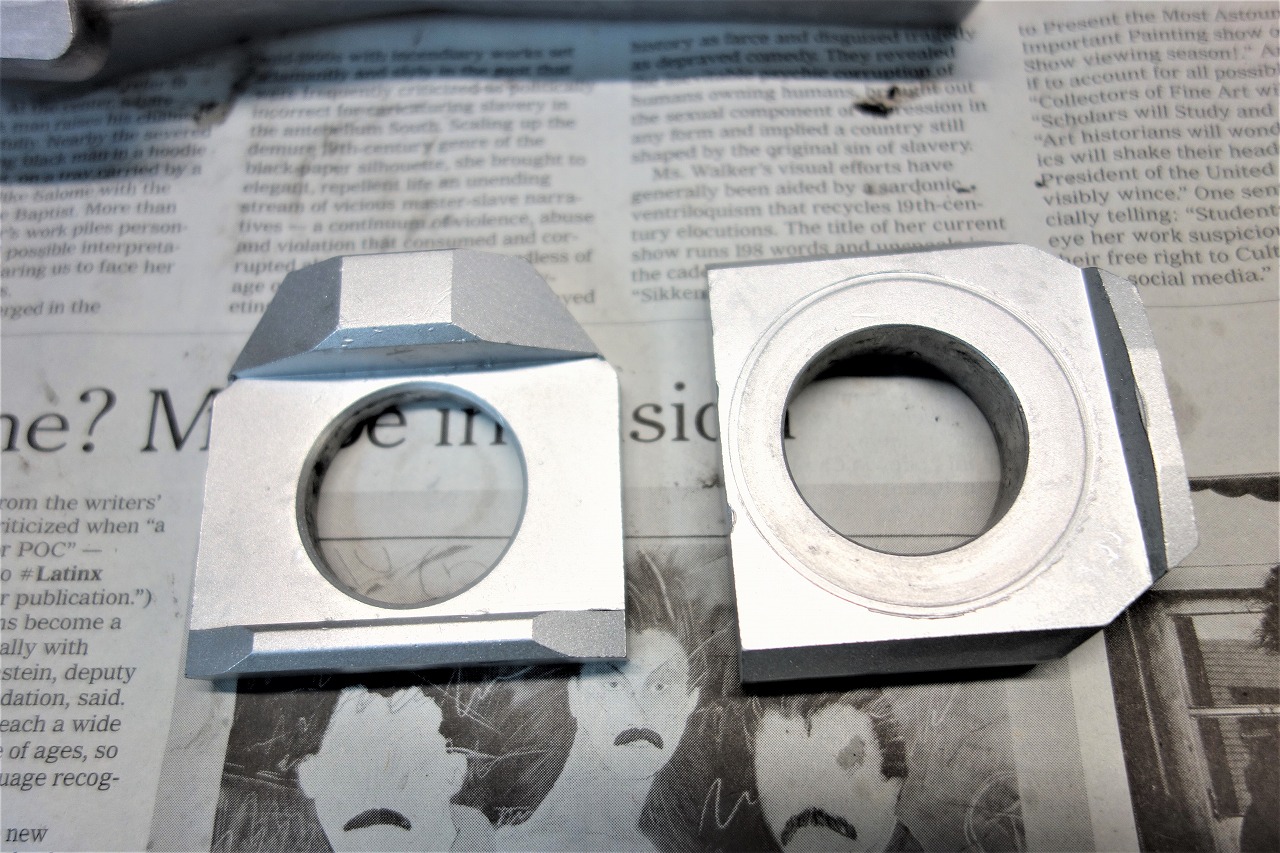
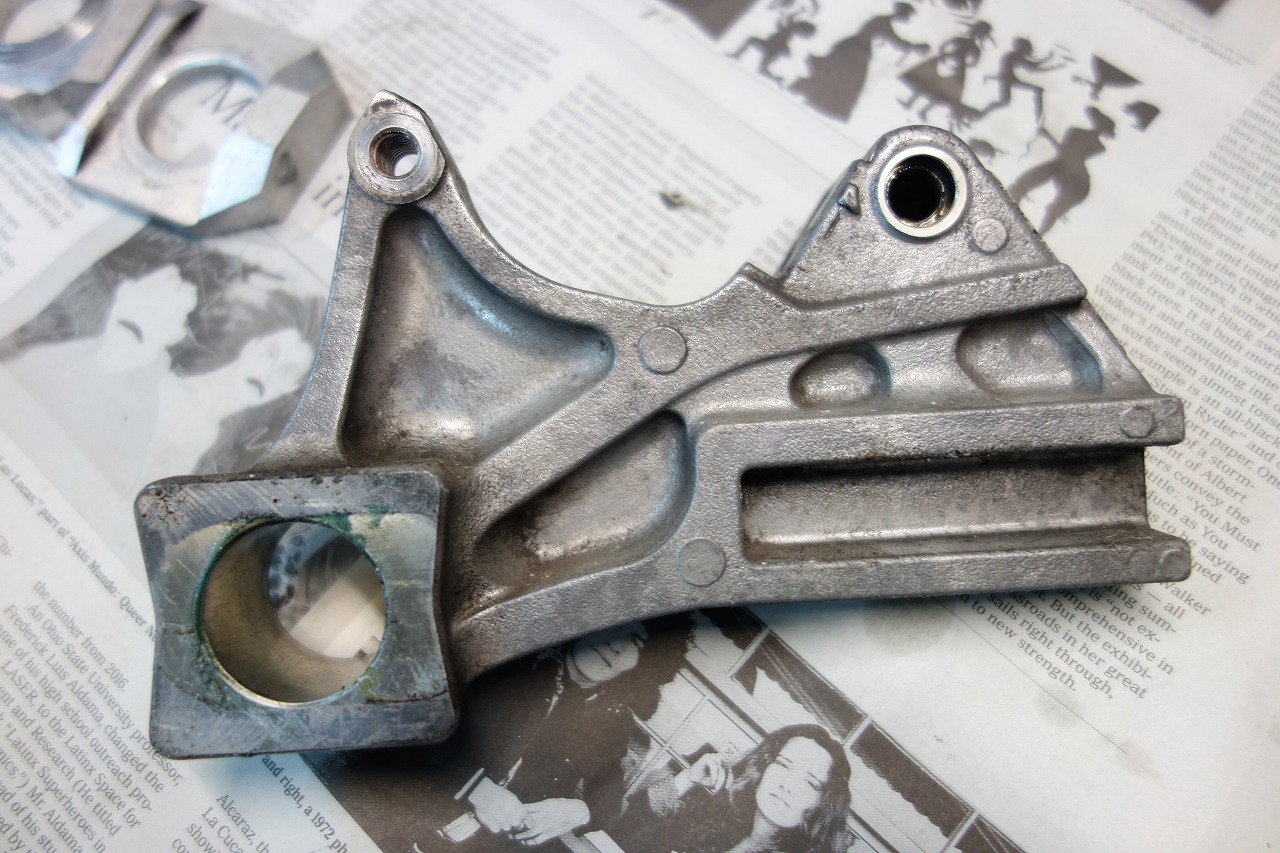
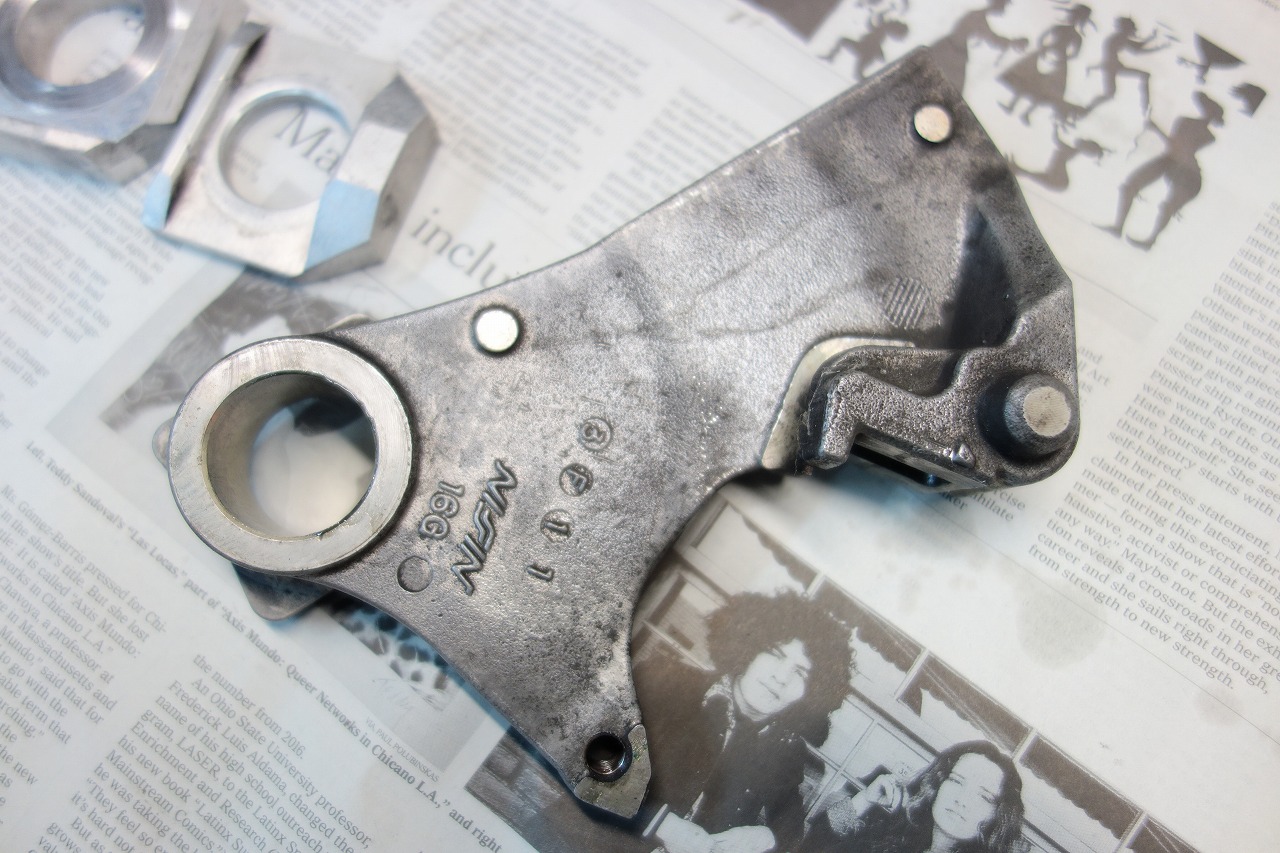
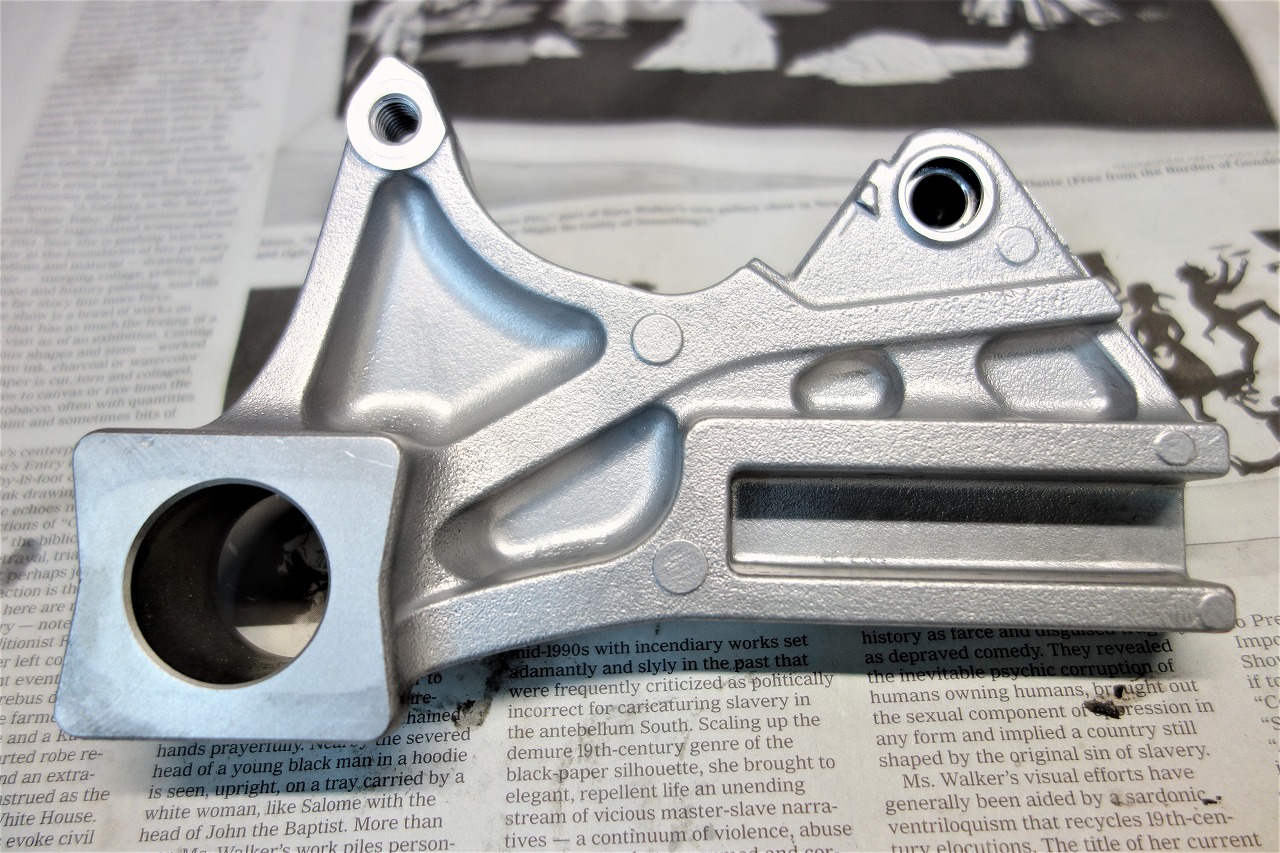
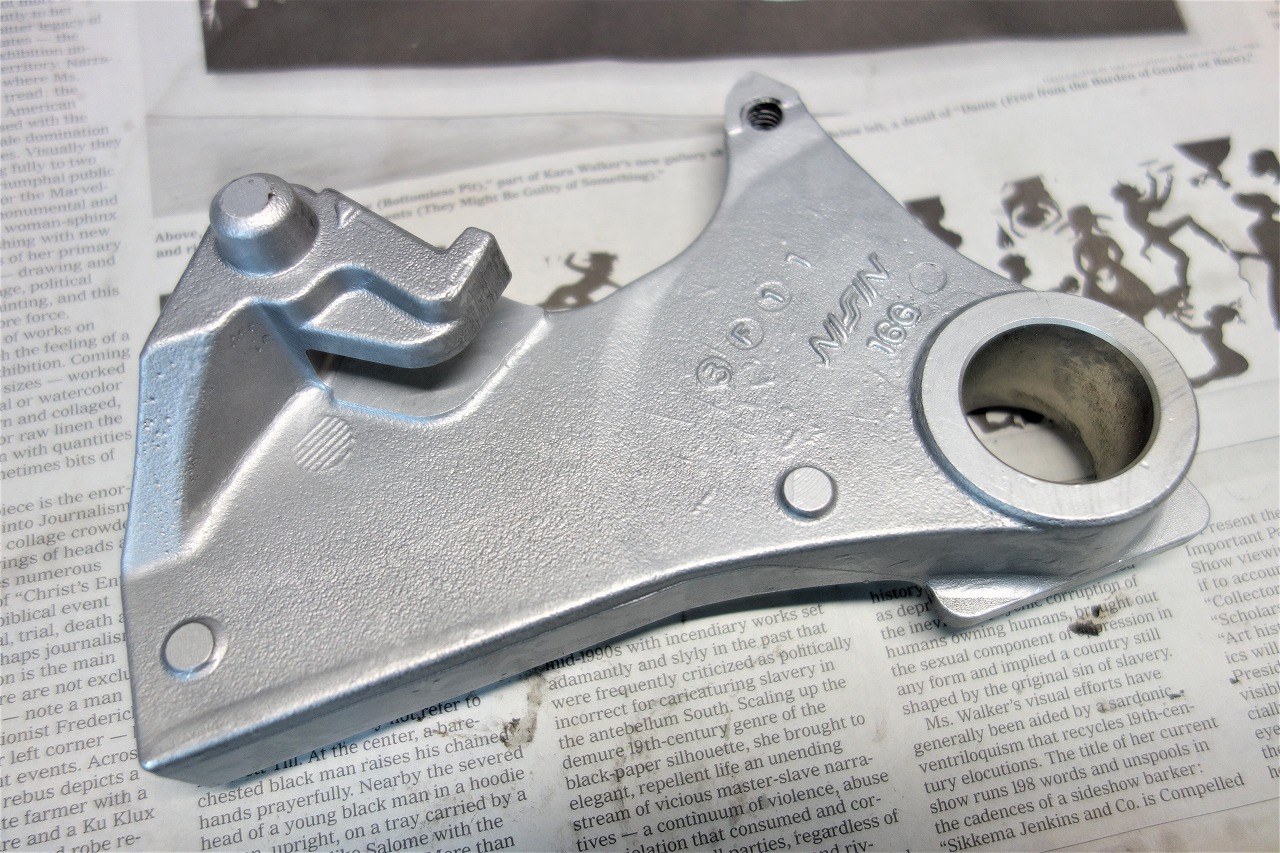
Everything starts out new. Over time, it gets dirty.
If there’s a restoration element built into your work flow, your bike will stay clean and run well forever.
Plus, the next person who works on it won’t have to spend as much time cleaning, which I think is a worldwide win.
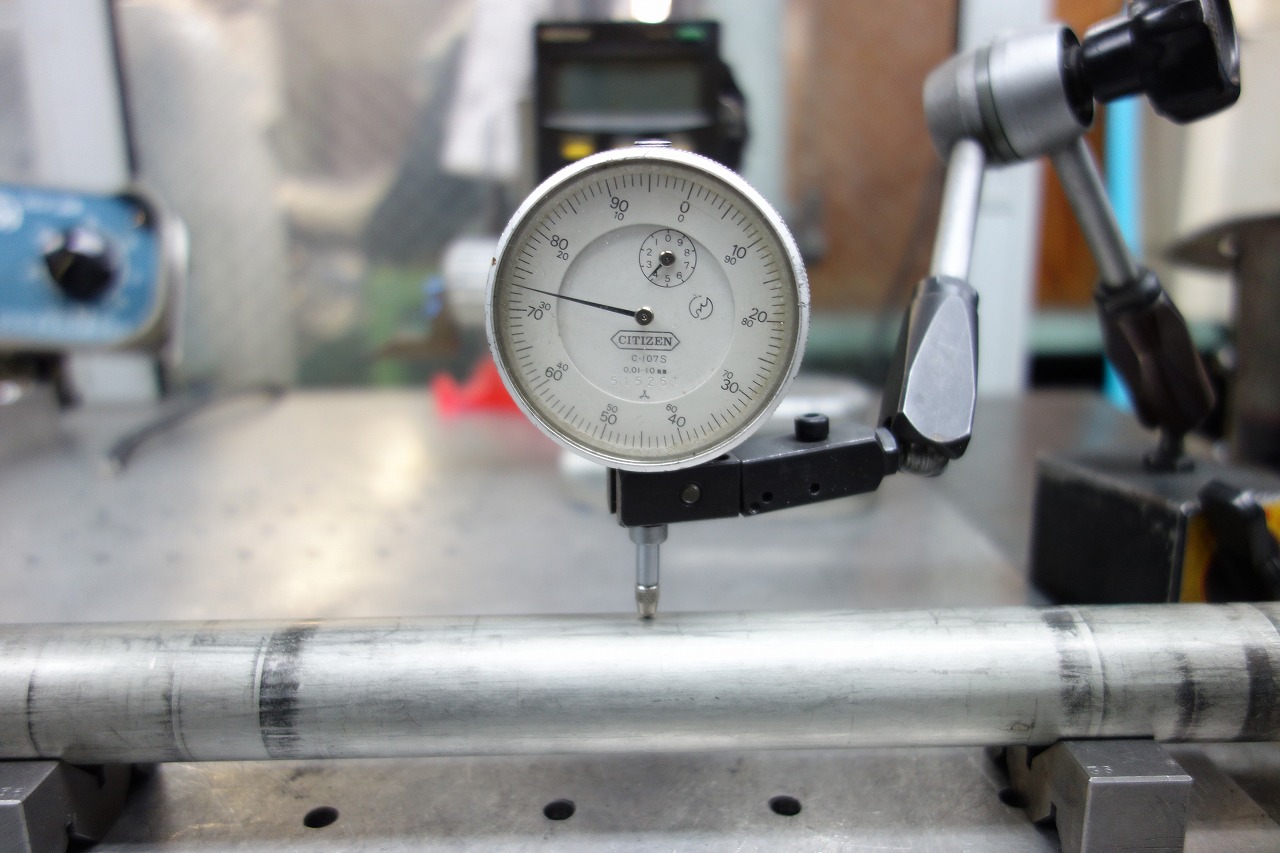
Even though we’ve stopped taking new jobs for the year, work just keeps piling up. Well, see you!