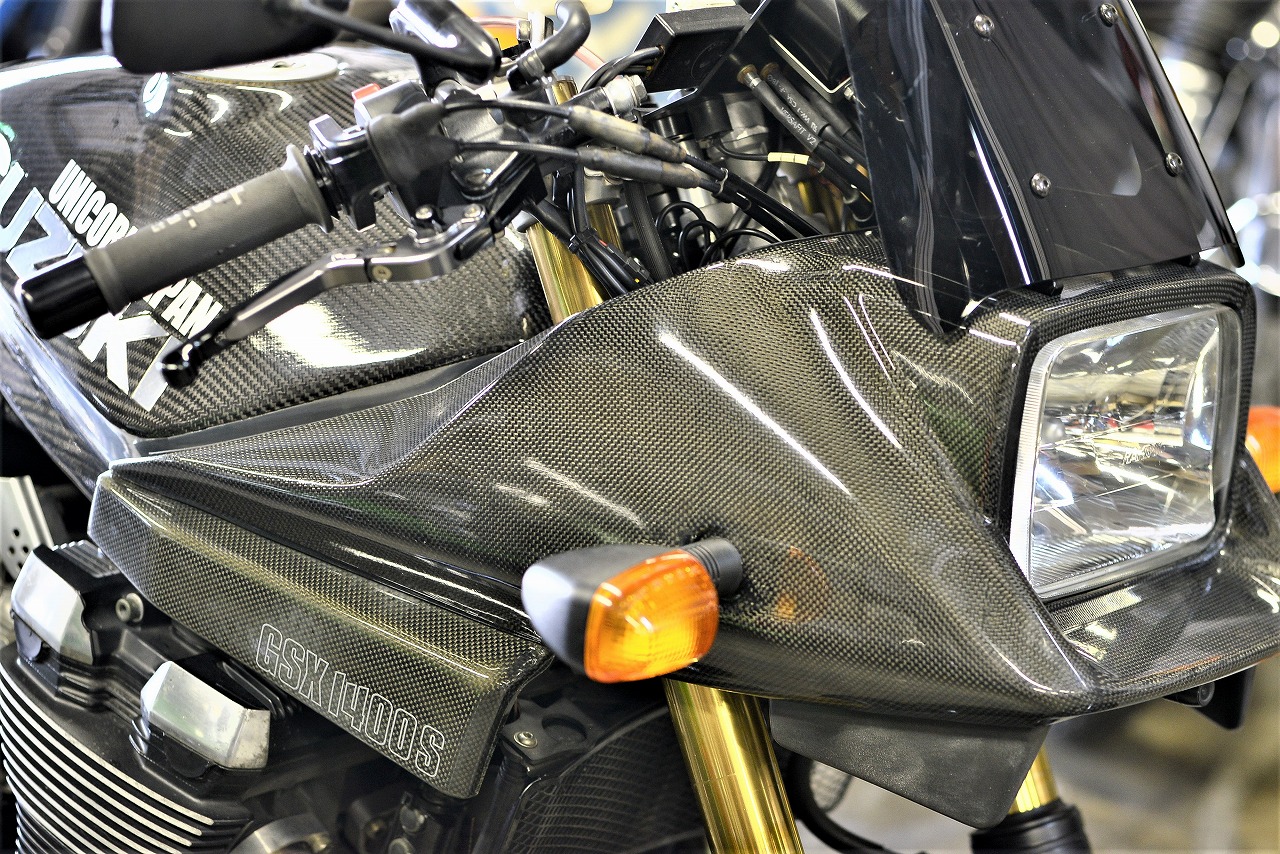
This is our first time servicing the carbon-clad unicorn GSX1400S.
The owner has requested an inspection and Deco-mainte.
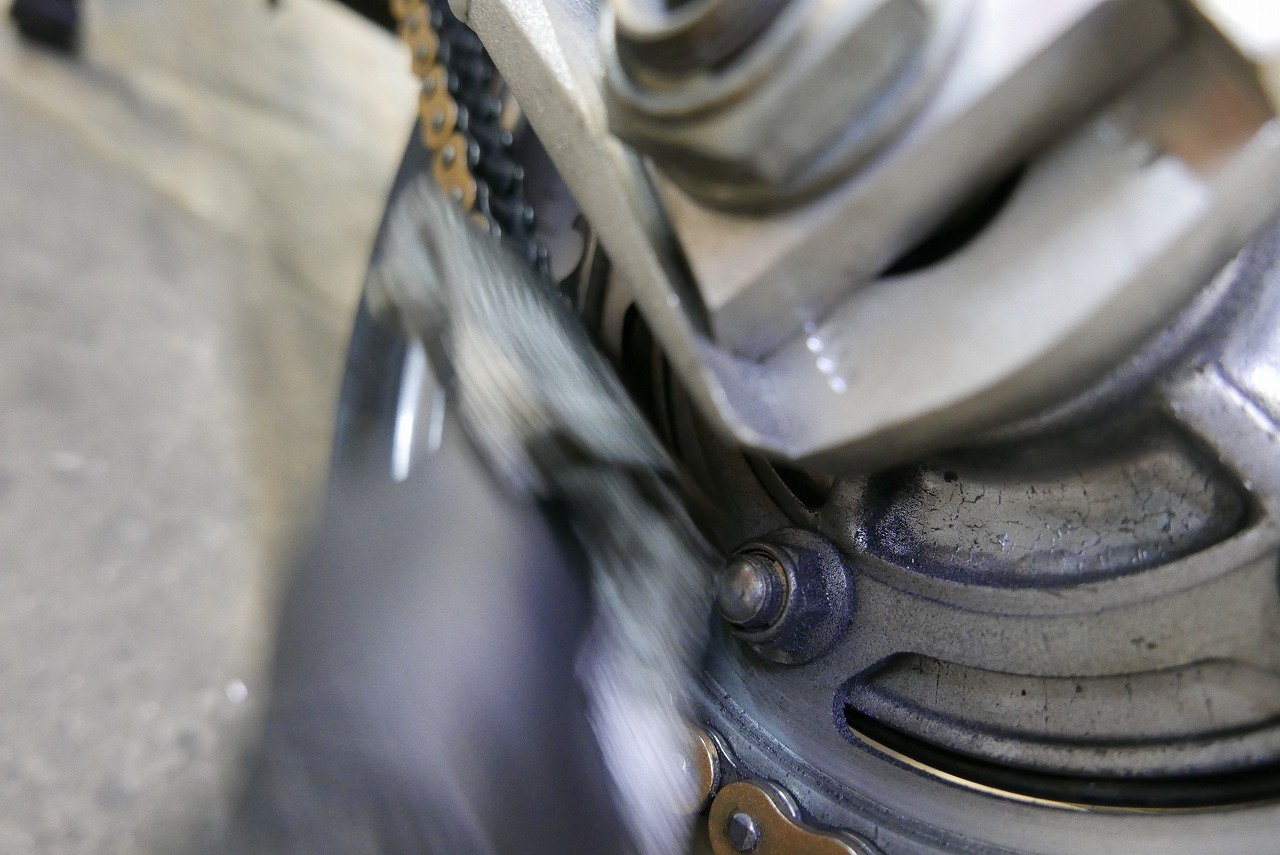
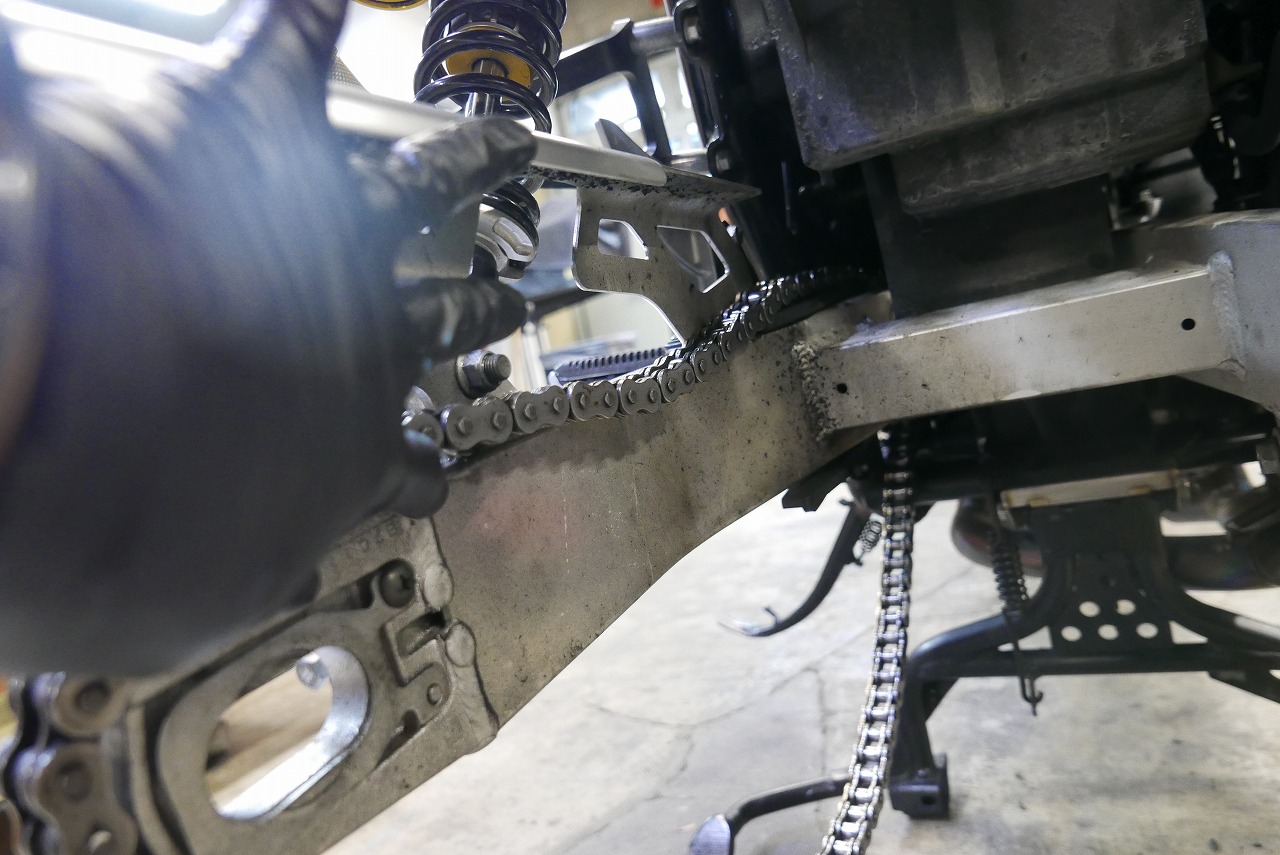
Just a little wipe with a rag during maintenance makes a surprising difference.
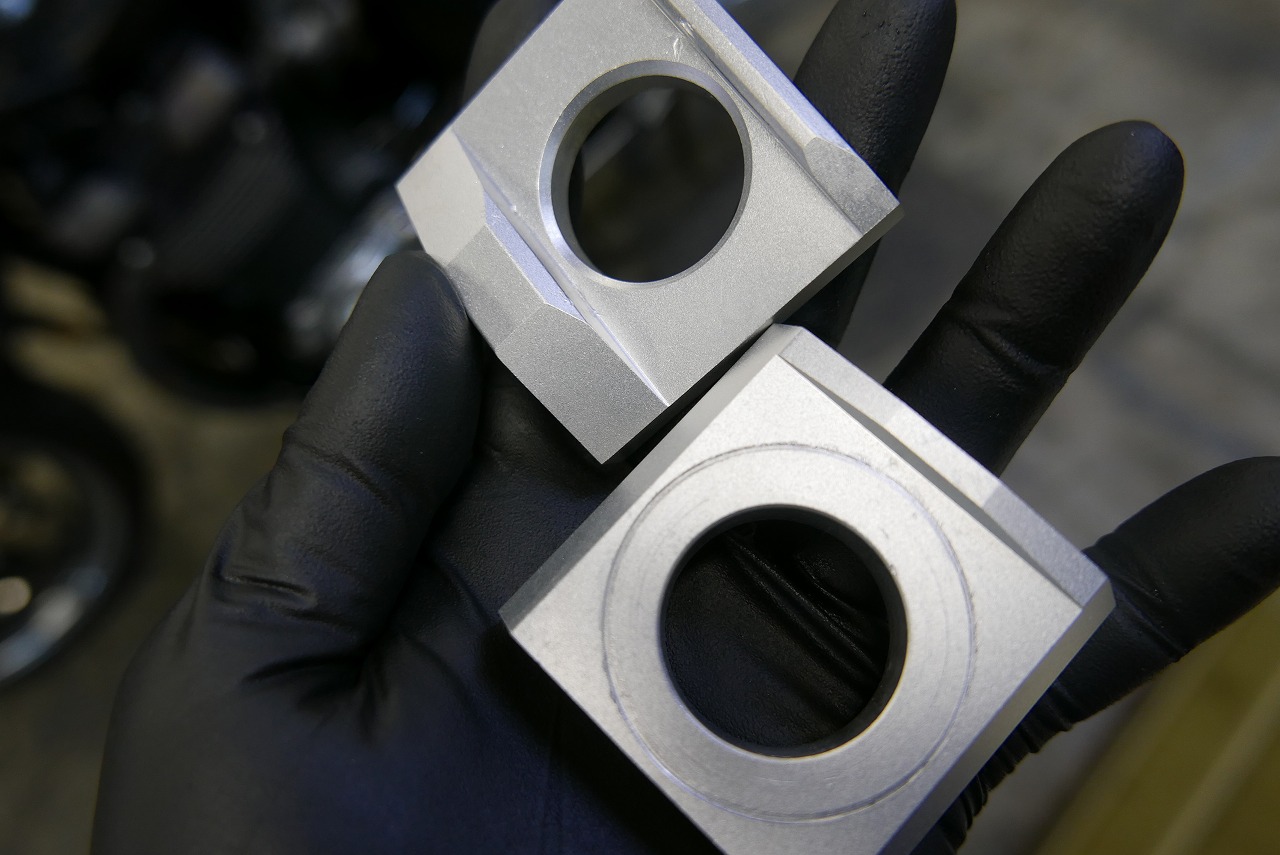
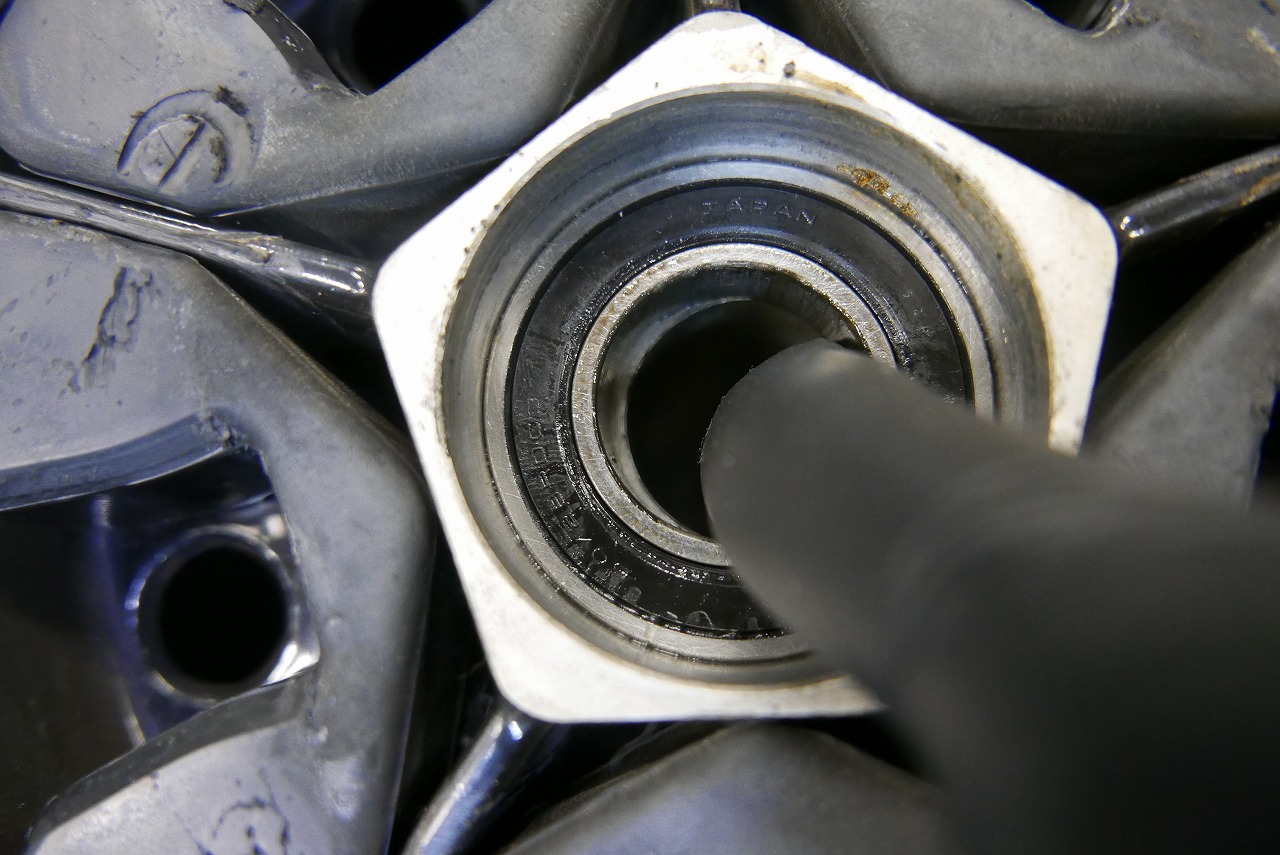
Bearings are amazing—they keep working even with some play.
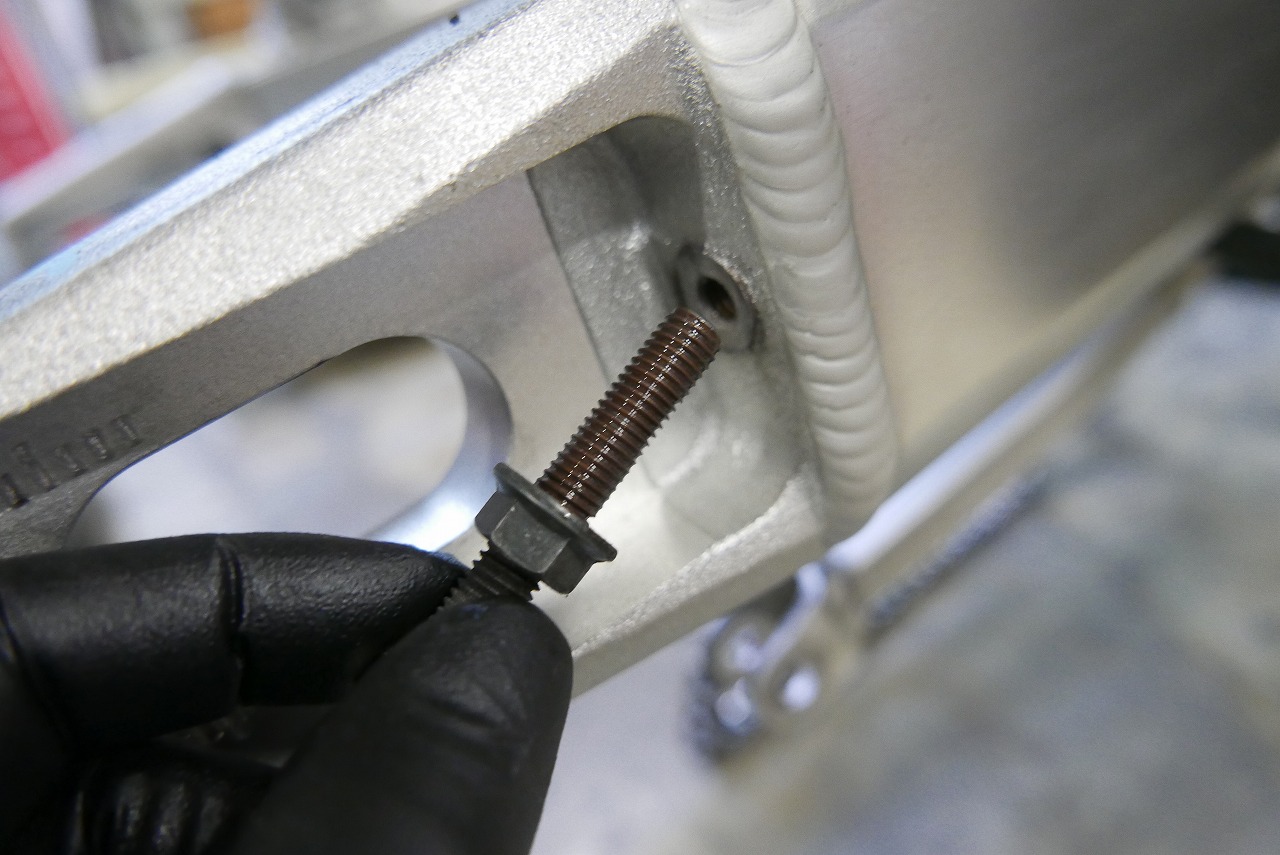
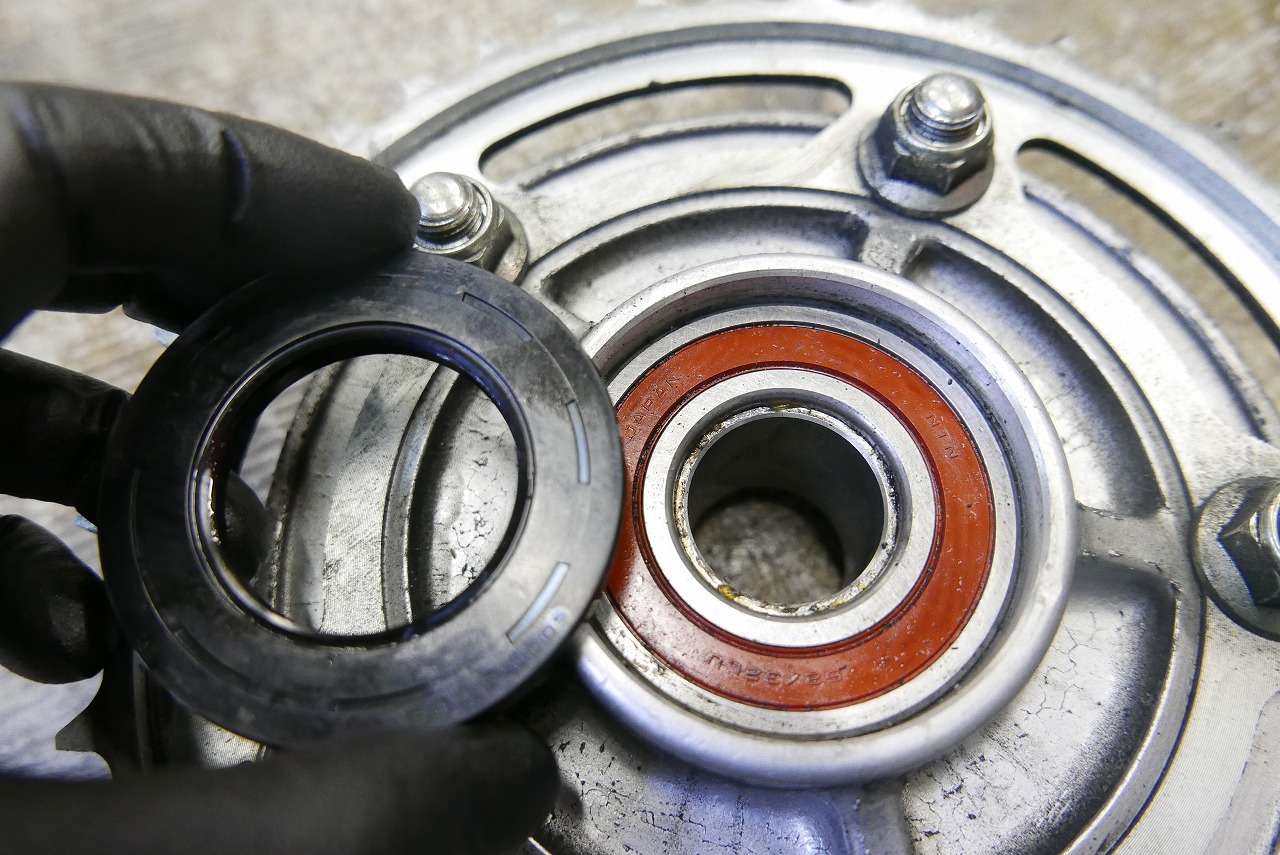
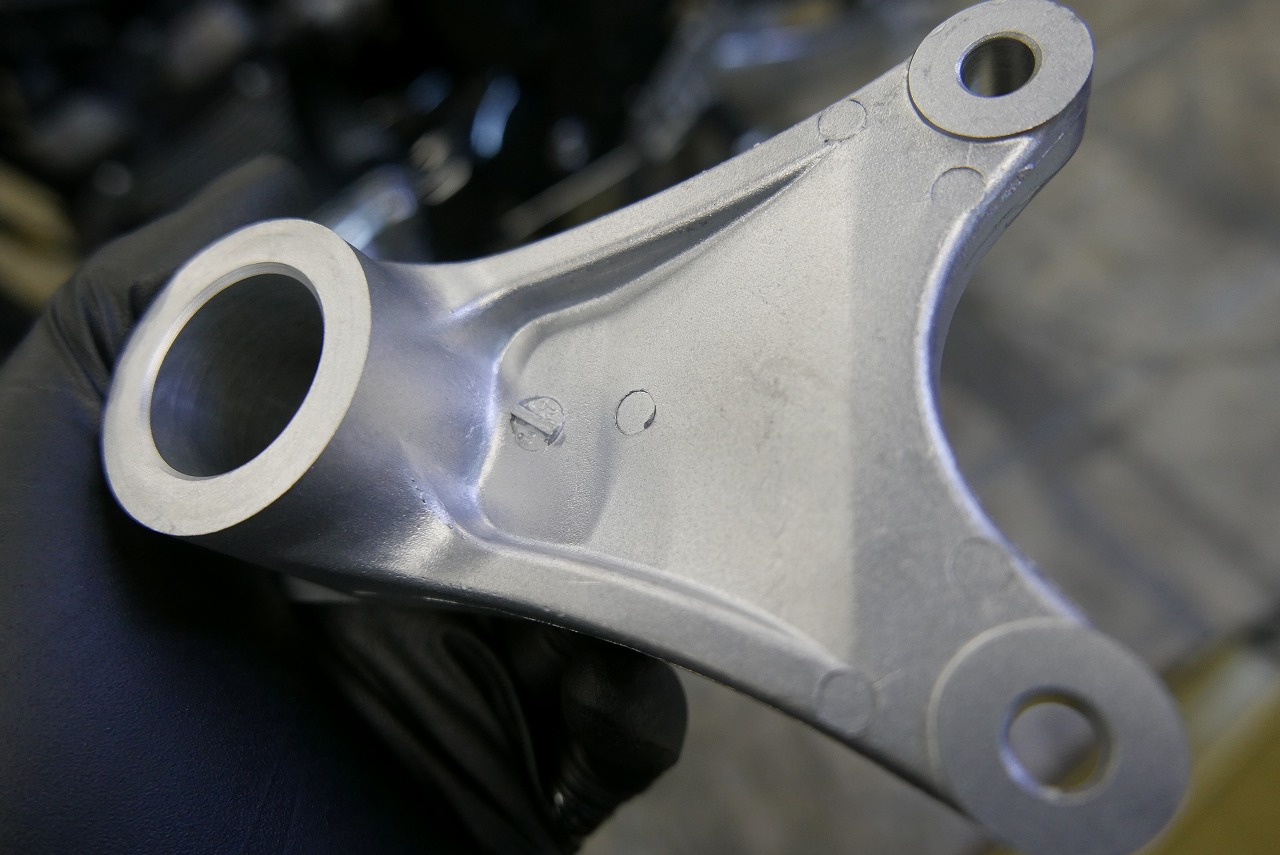
It’s not critical, but without it the hub collar flakes off and gets annoying.
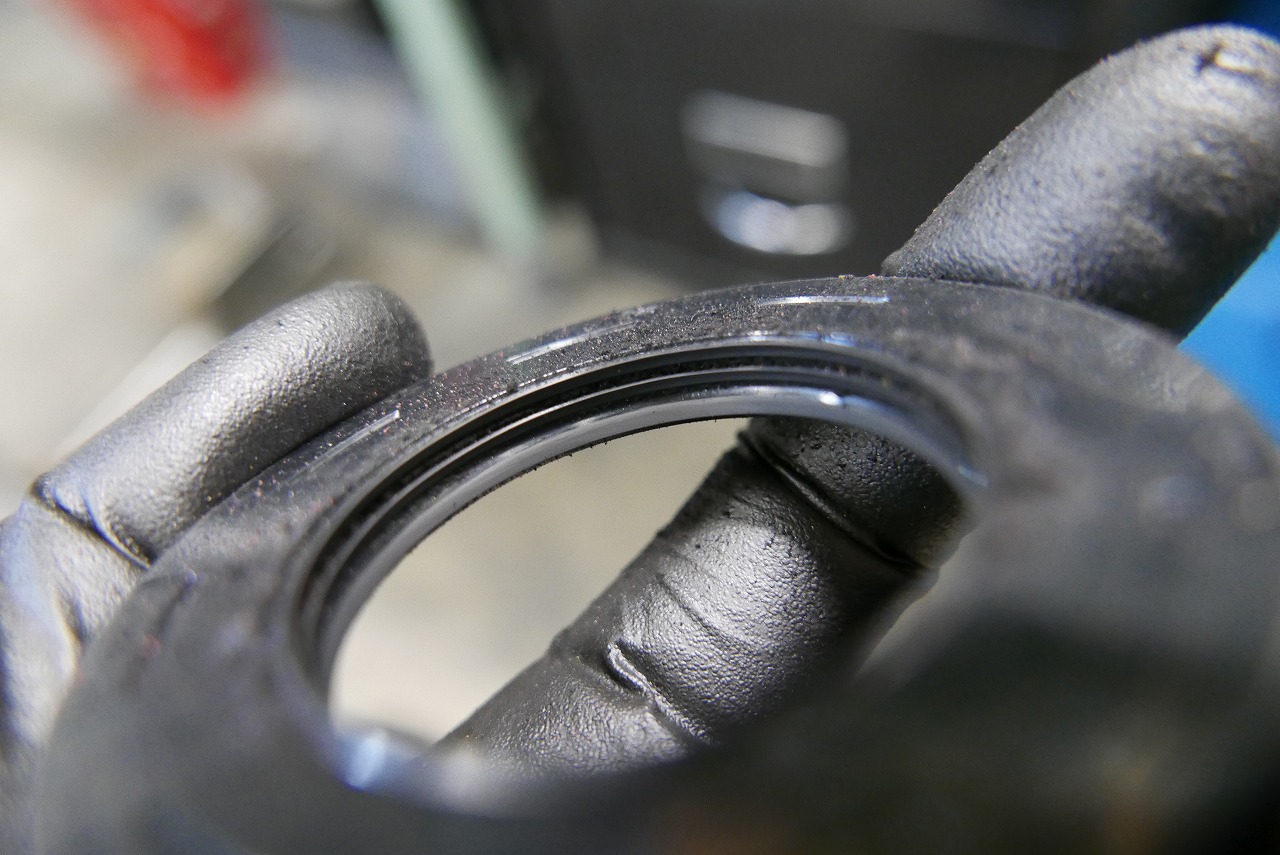
We grind it down aggressively with a stone wheel.
This isn’t a leak point, so we prioritize reducing friction.
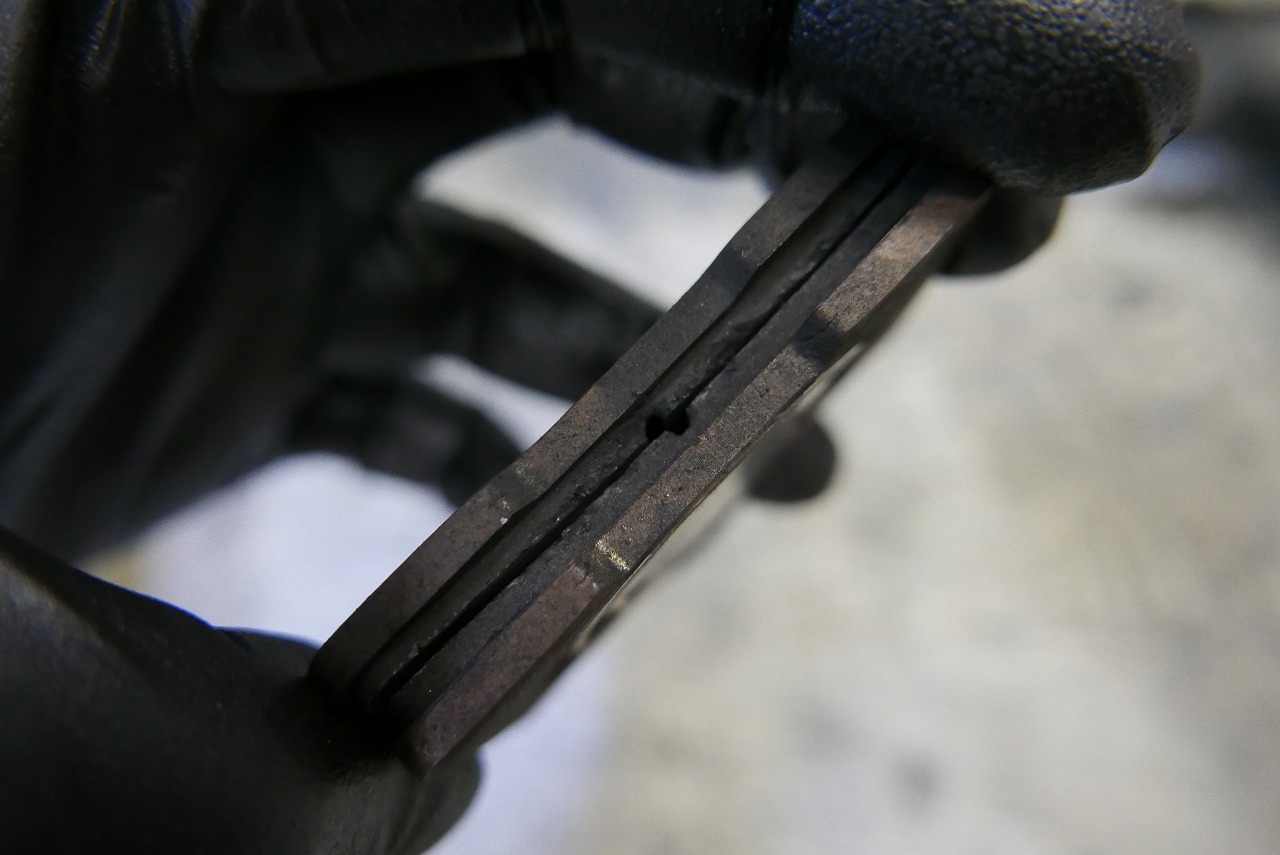
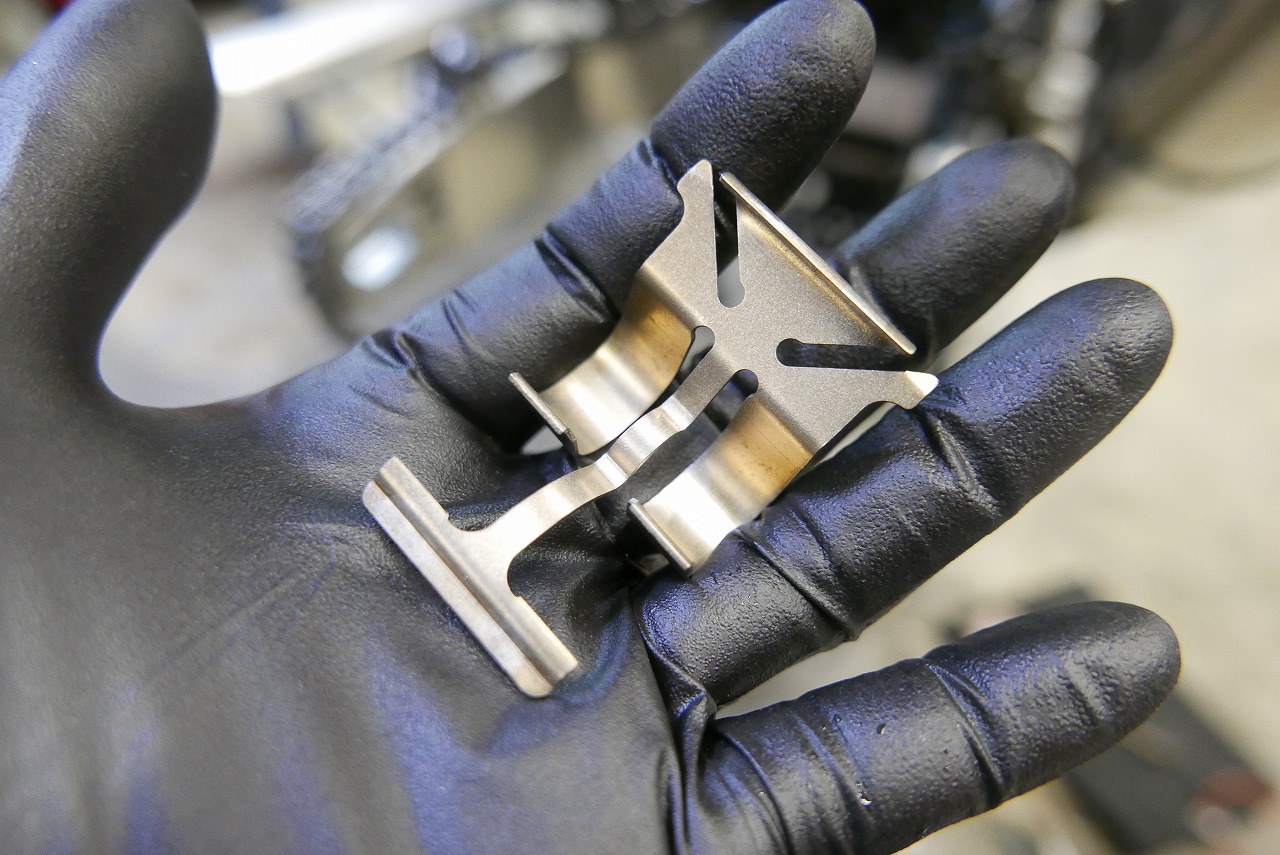
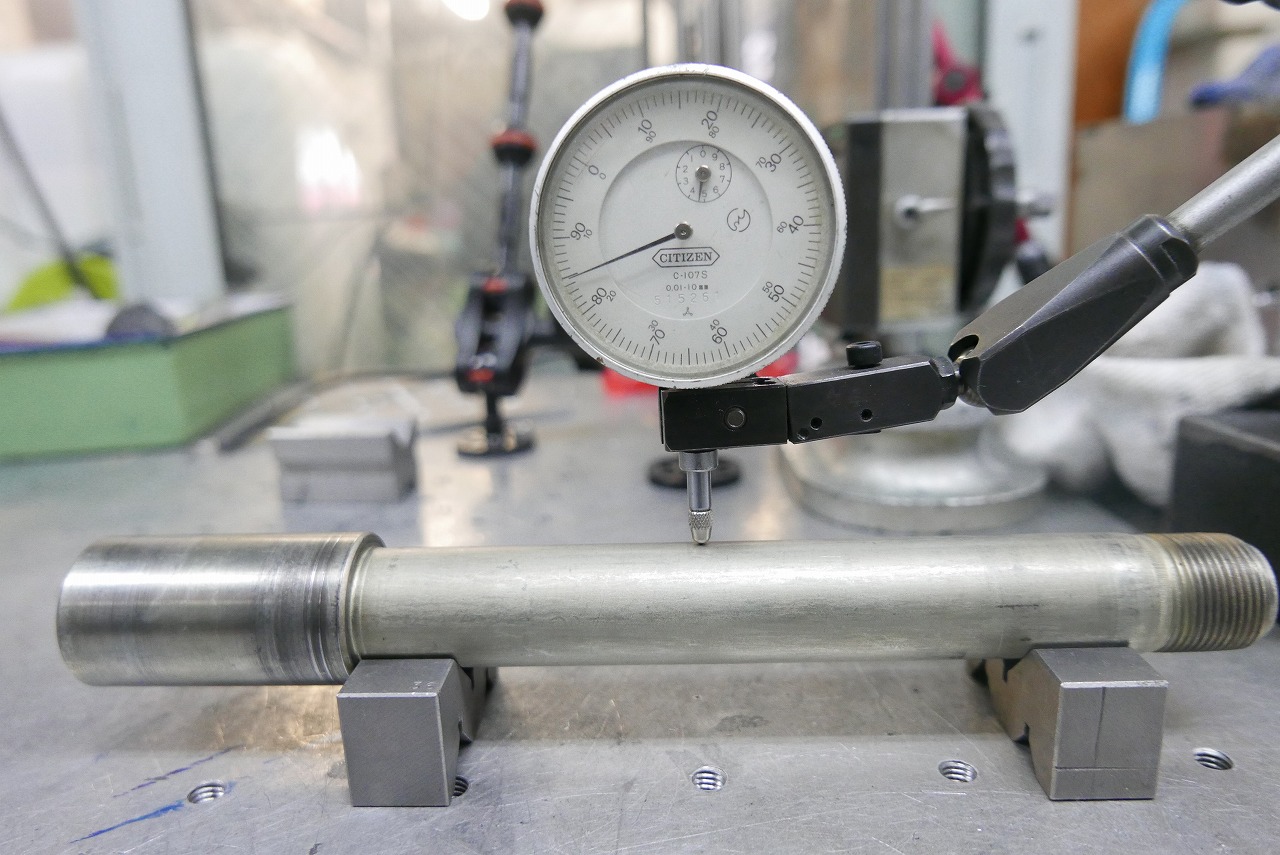
We didn’t get a photo, but the rear axle had some runout—though the tolerance is a generous 0.25 mm! We’ll tackle that next time.
Tire and wheel runout are fine.
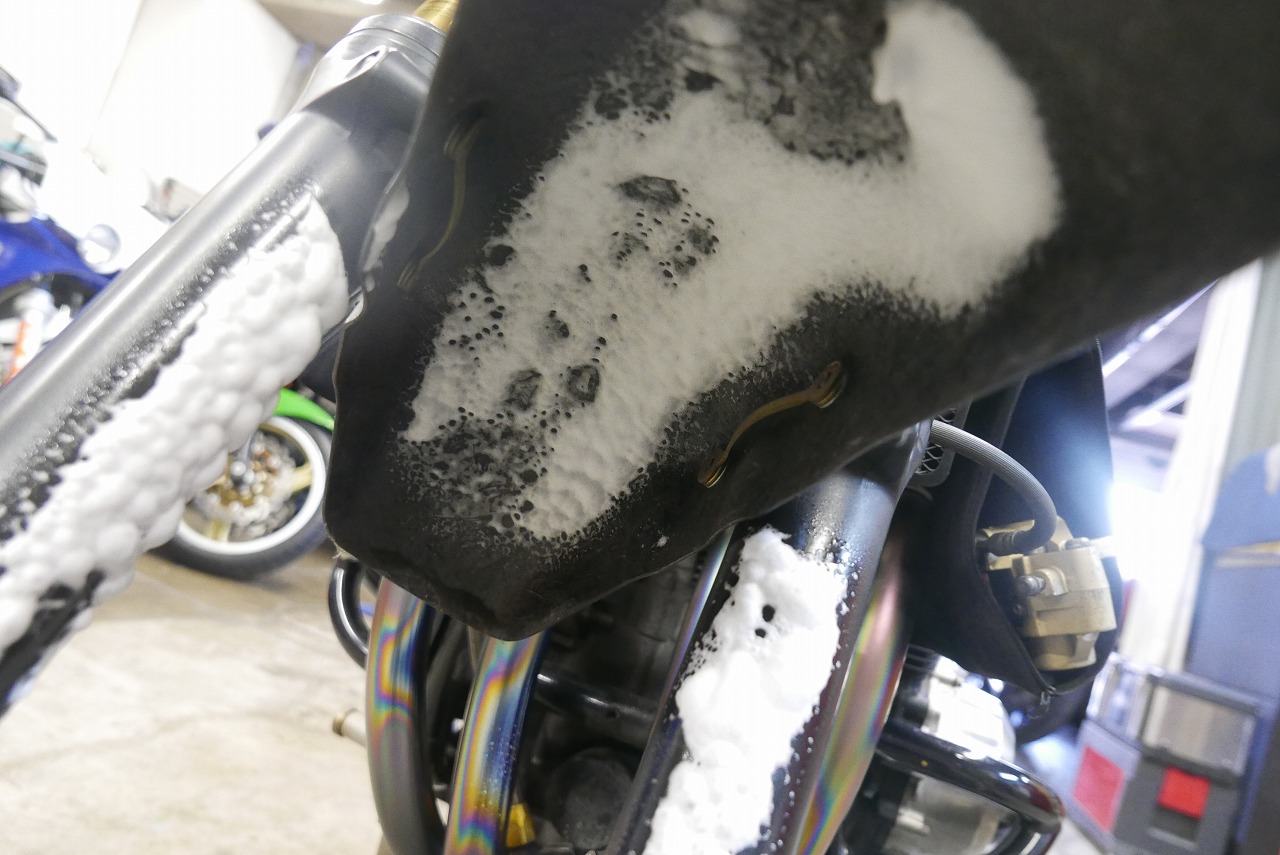
That way the next person who works on it won’t think “Ugh, so sandy!”—it’s considerate to everyone.
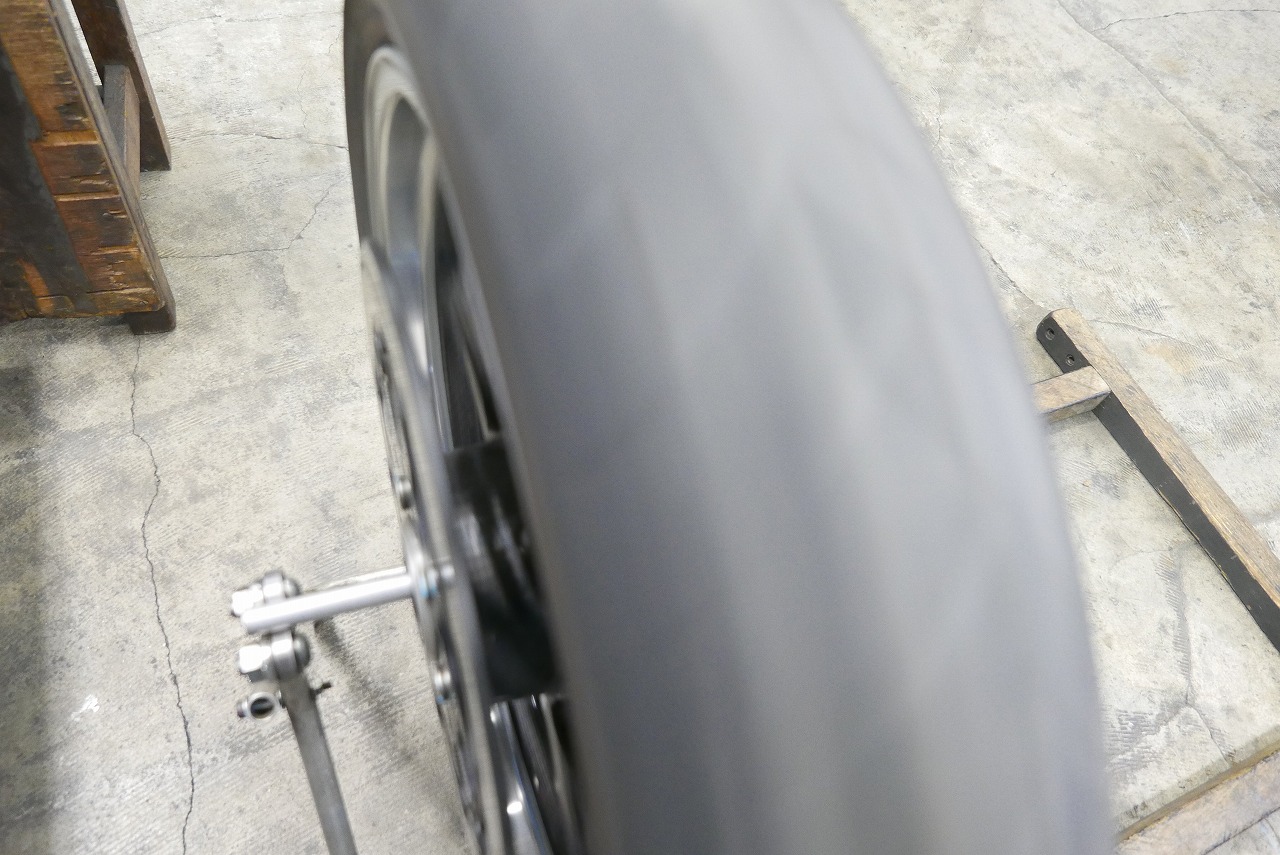
The owner said they remembered it, so that’s reassuring. During this maintenance we also checked the tire brand, size, manufacturing date, and wheel size, so that info will be useful next time.
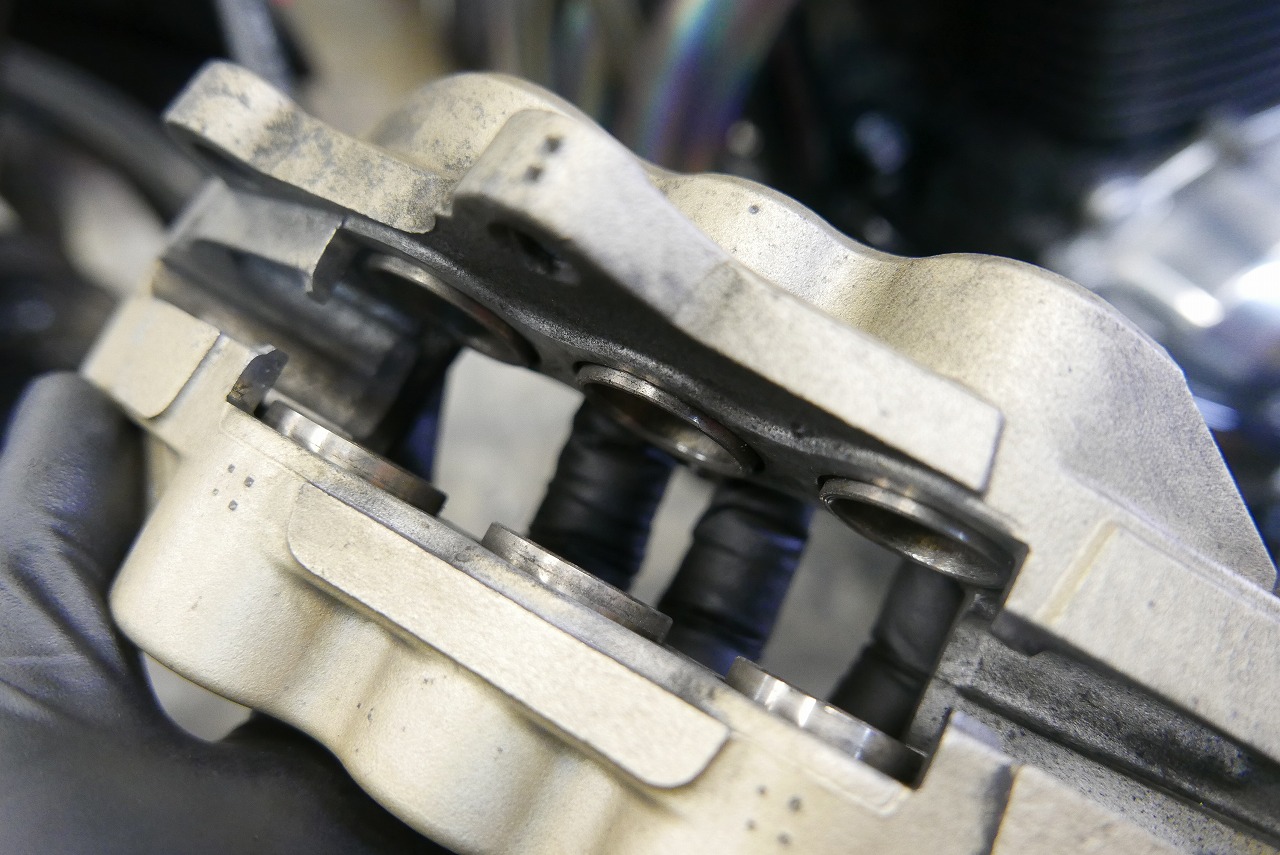
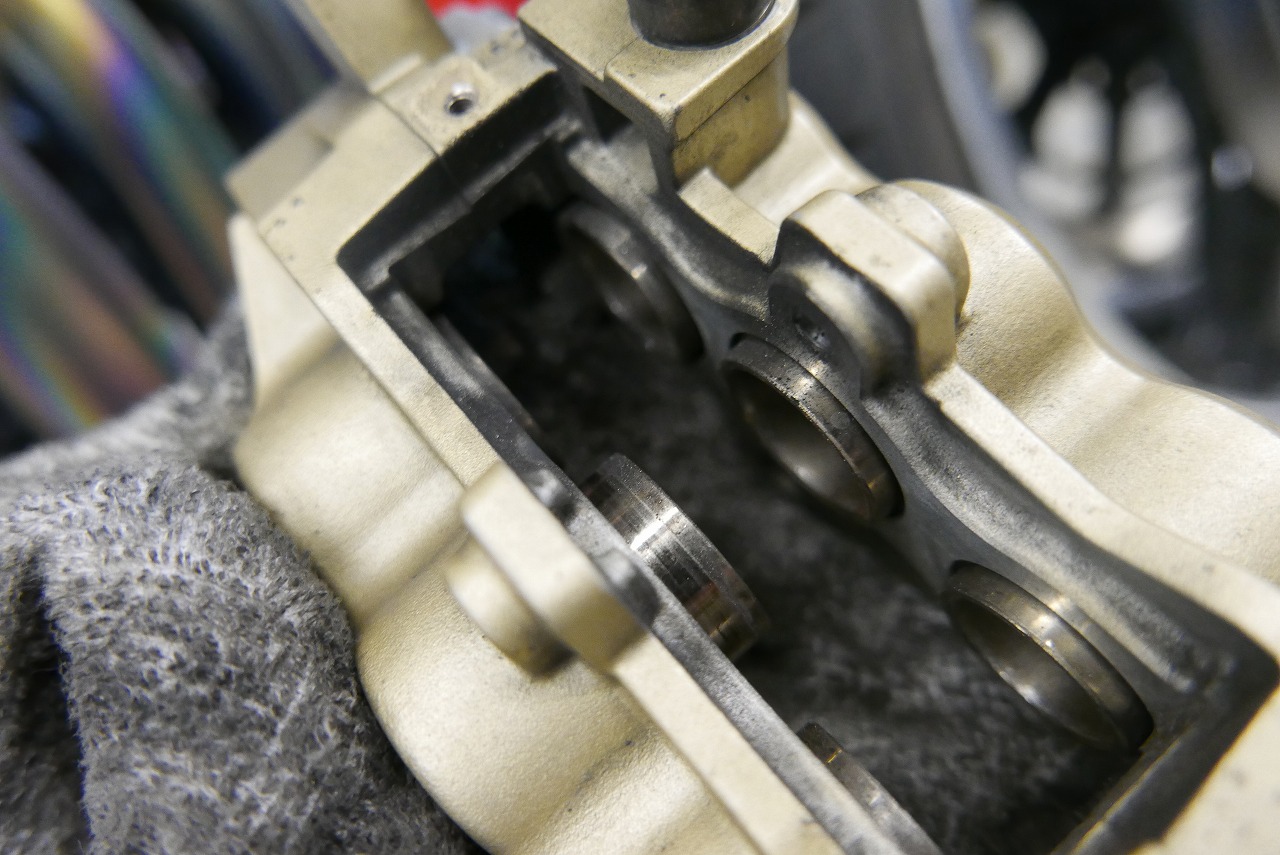
In this case, we recommend a caliper OH without spending a lot of time on it.
Spending time massaging it out won’t help much. That time is better spent on an OH.
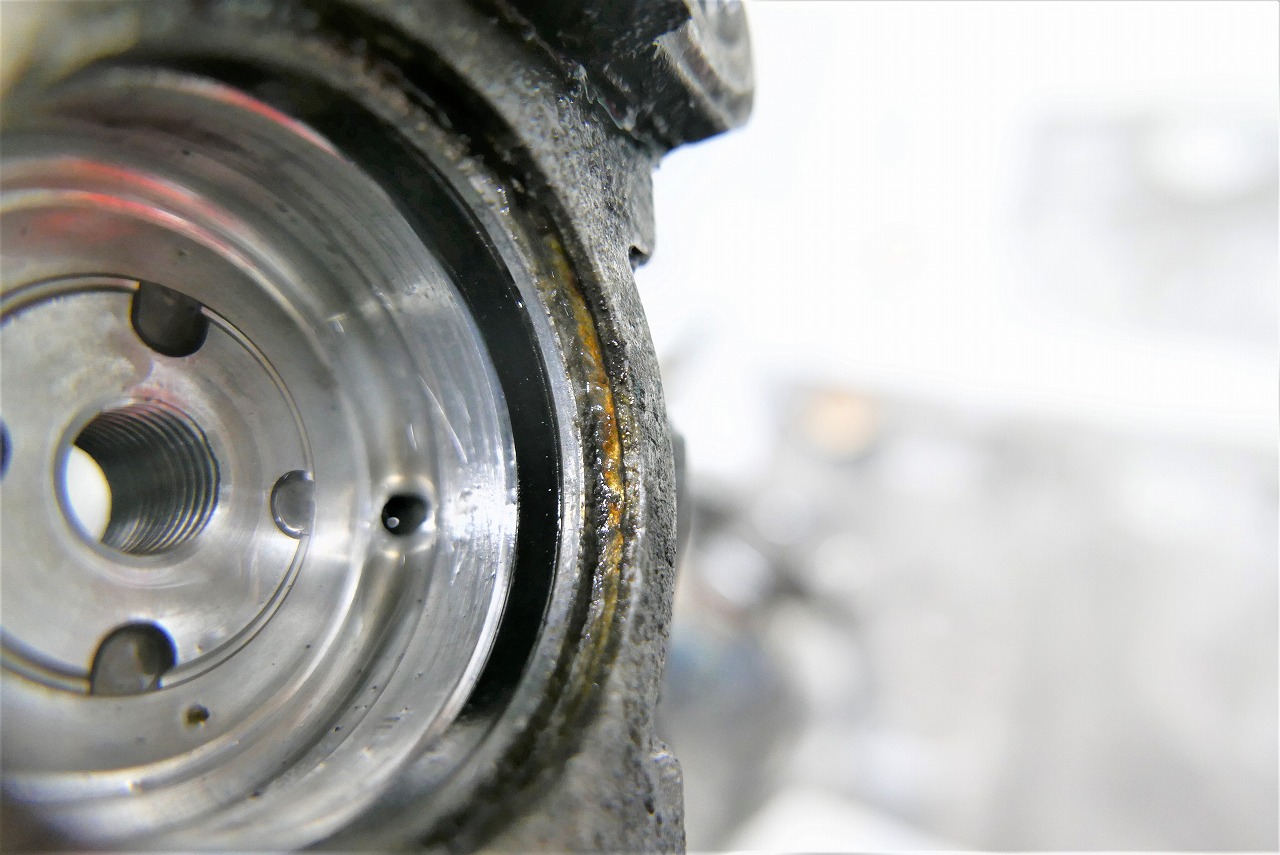
Based on our experience:
Bare calipers corrode inside the seal, getting rough and pitted.
• The pitting pushes out the dust seal = friction makes it stiff
• The pitting deforms the dust seal severely
Usually the dust seal has the problem, not the oil seal, making return stiff and sluggish.
In this state, no amount of piston massaging helps.
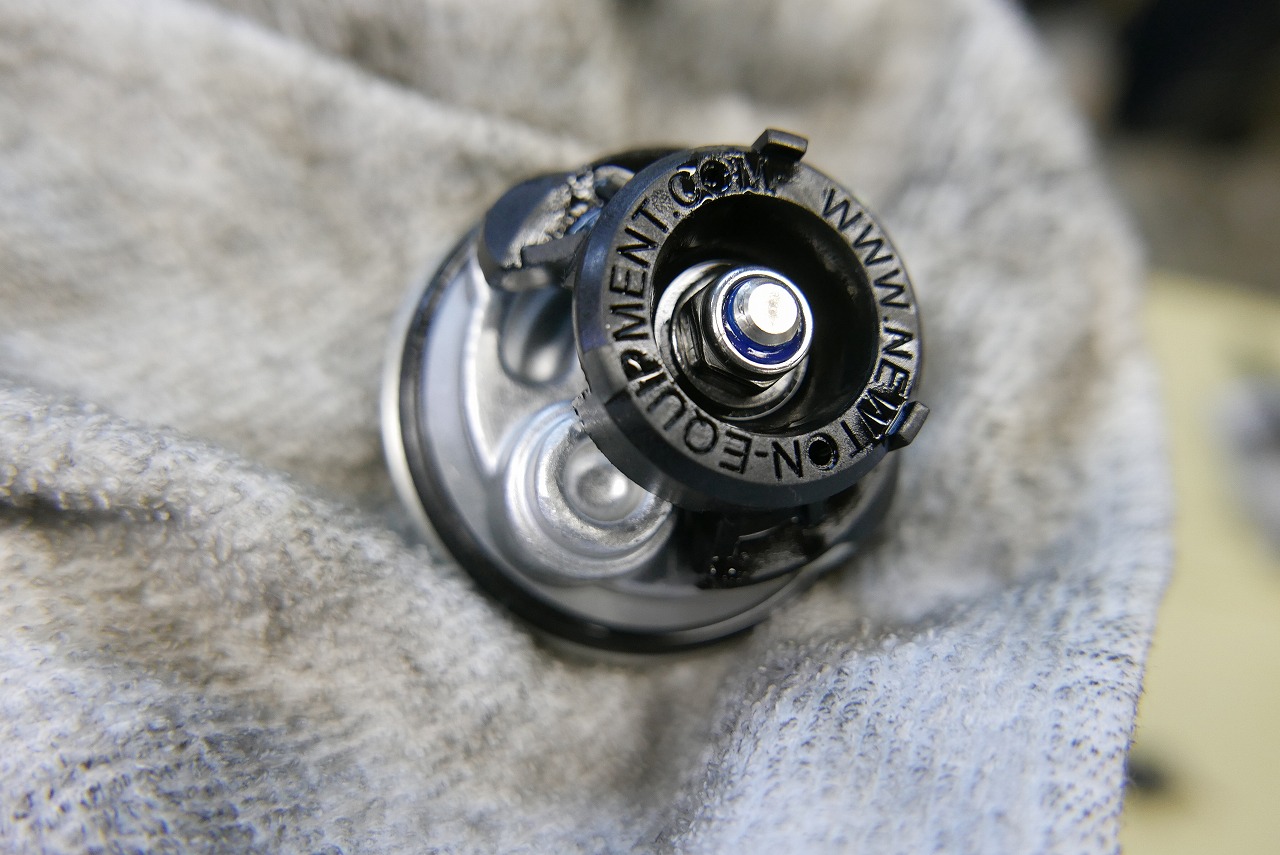
Newton caps are basically for racing.
The stock cap is really well designed—you appreciate it once you use it.
Maybe the inconvenience is part of the racing feel?
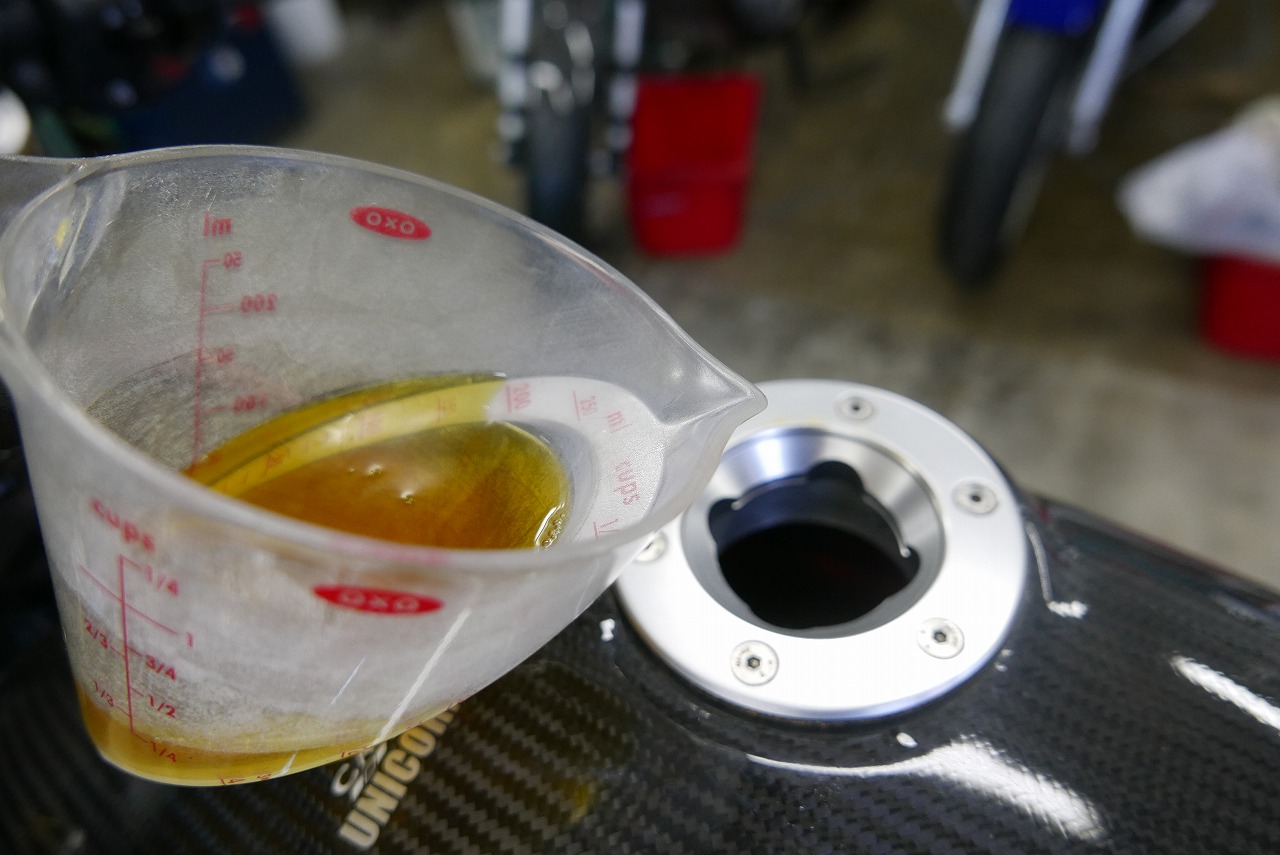
A little now and then is fine—don’t overdo it.
*We hear so many bad reviews we sometimes get discouraged…
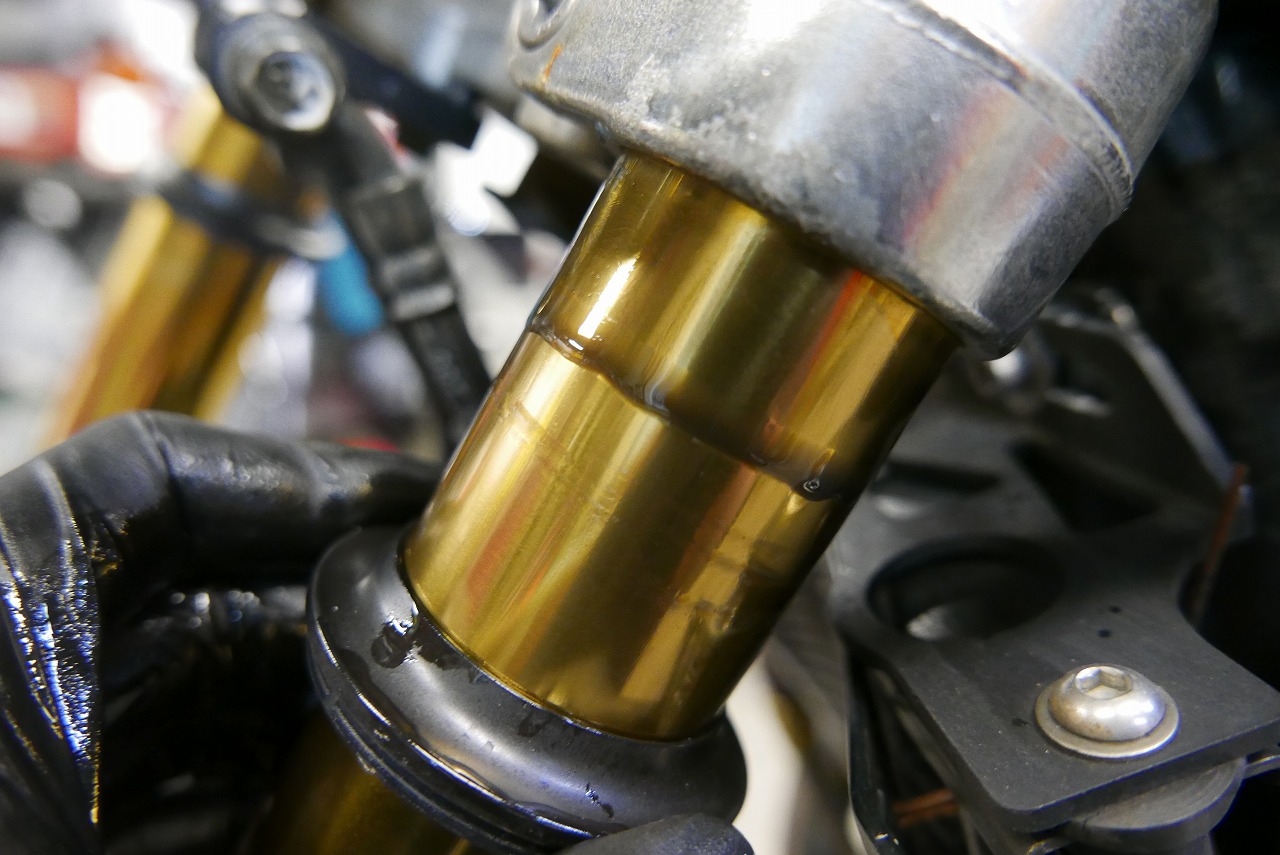
We apply fork oil to the stroke side and wipe away dust and oil seal debris.
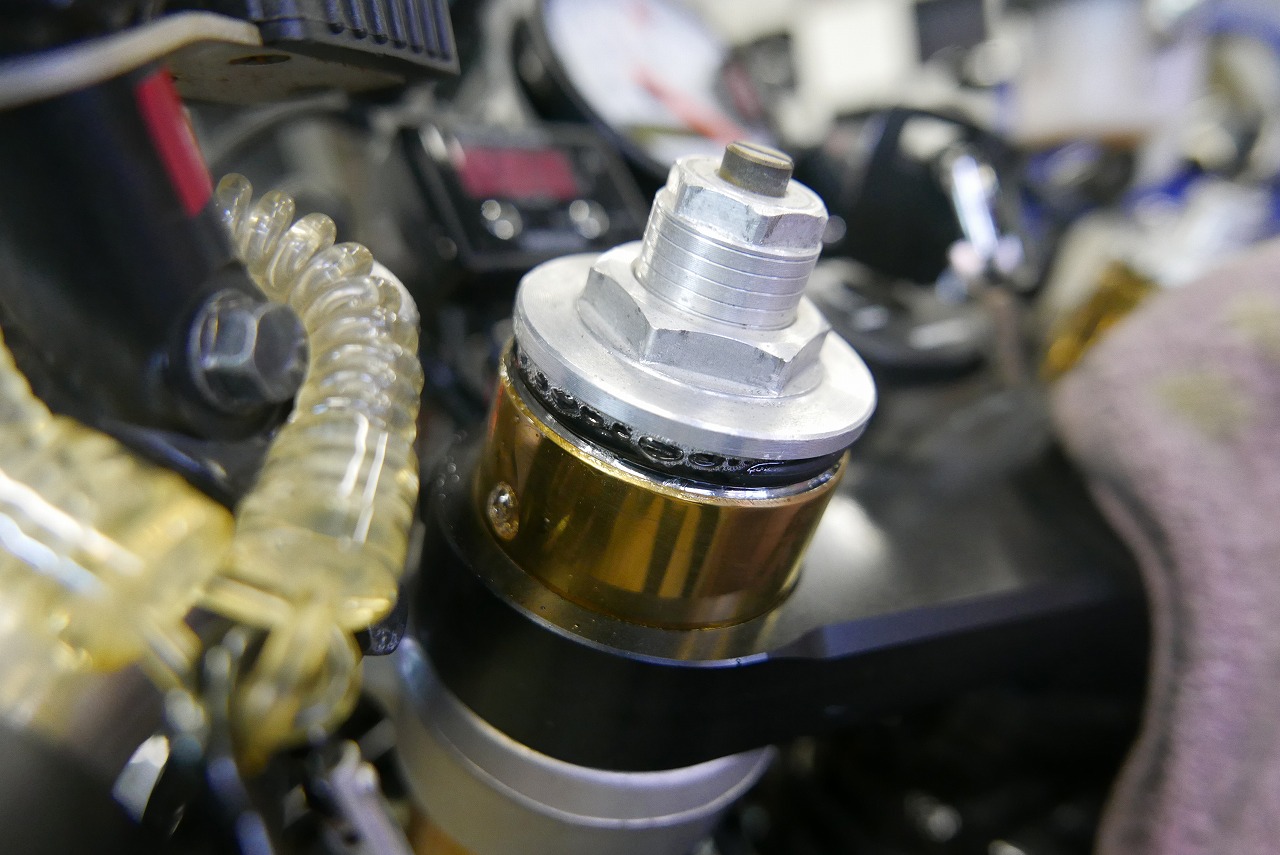
Apply rust preventative oil between the stem and top, then wipe it off once dry.
It works surprisingly well. AZ Long-term Rust Preventative Oil
Over time it dries and turns into something like grease.
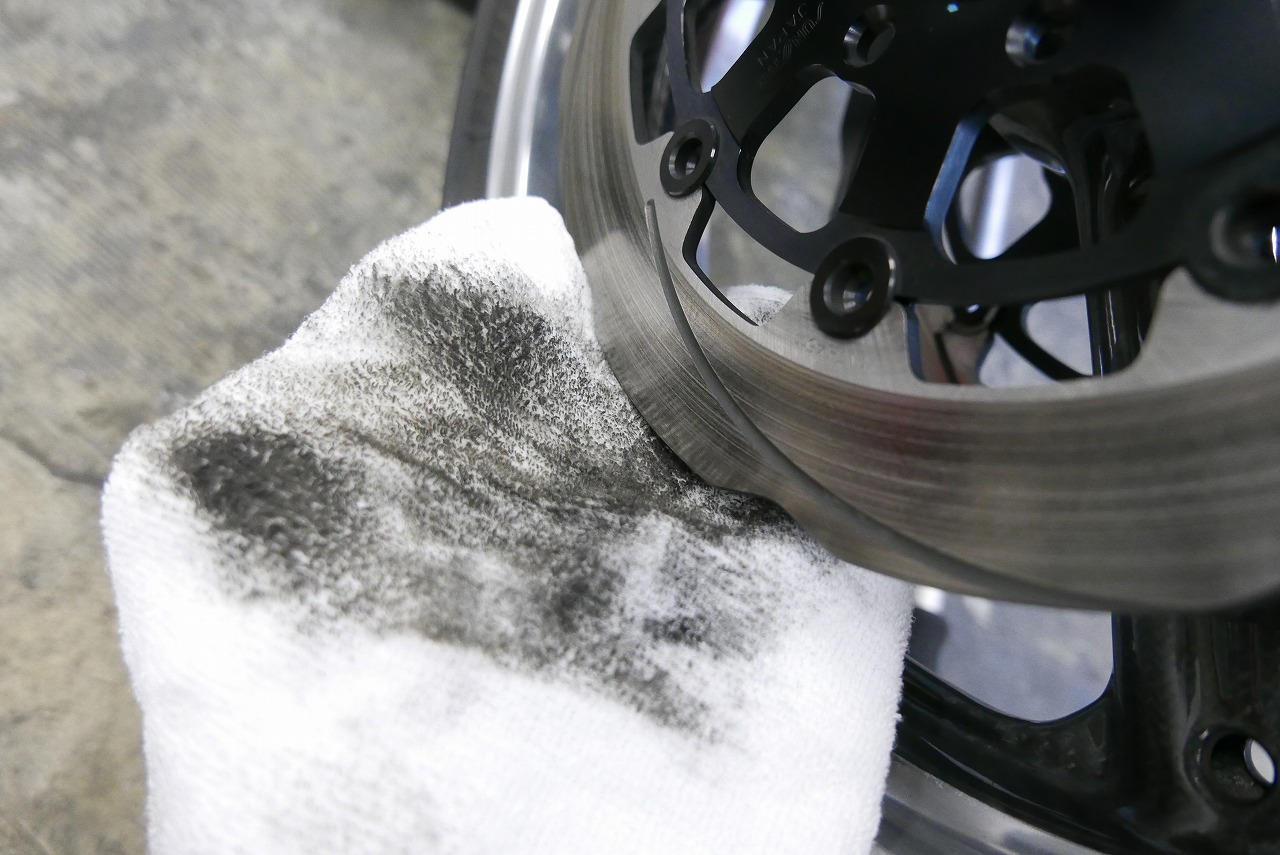
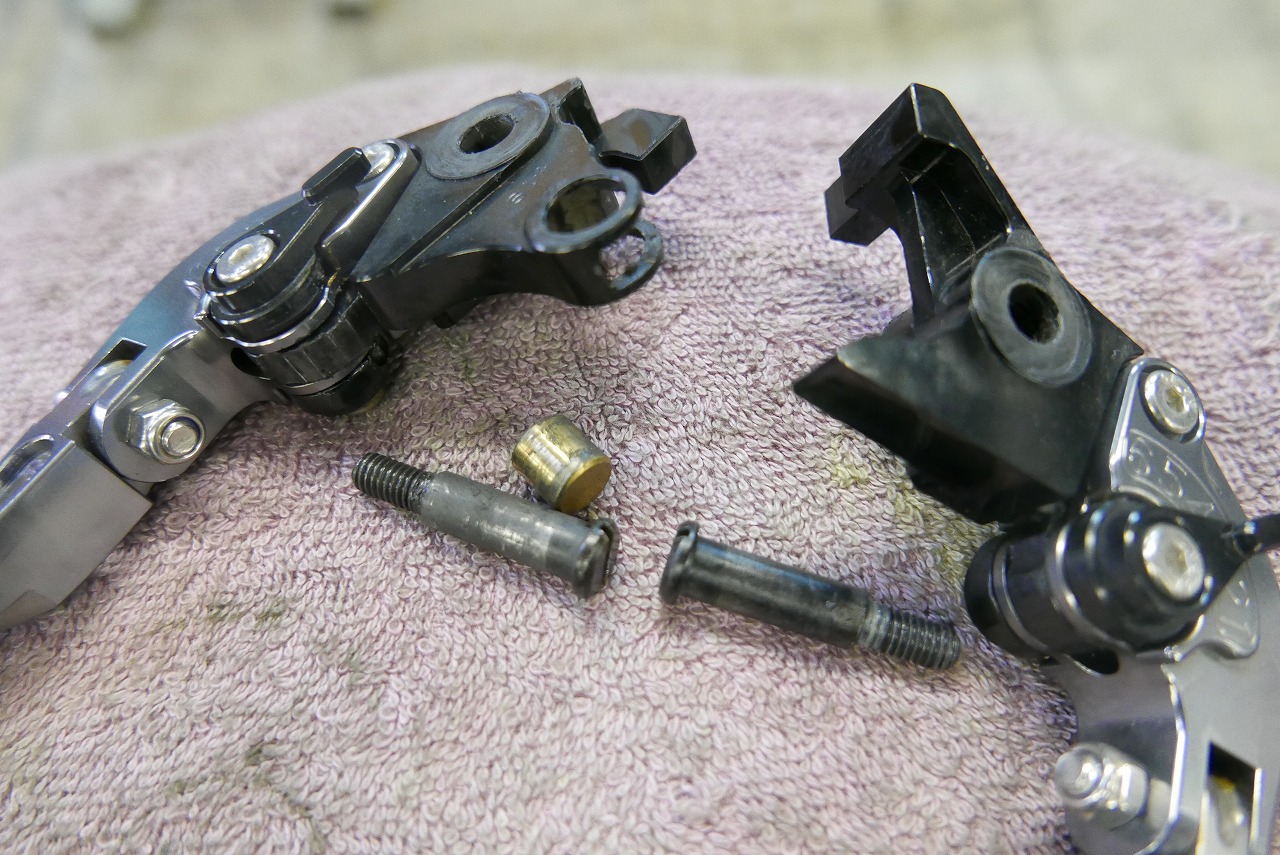
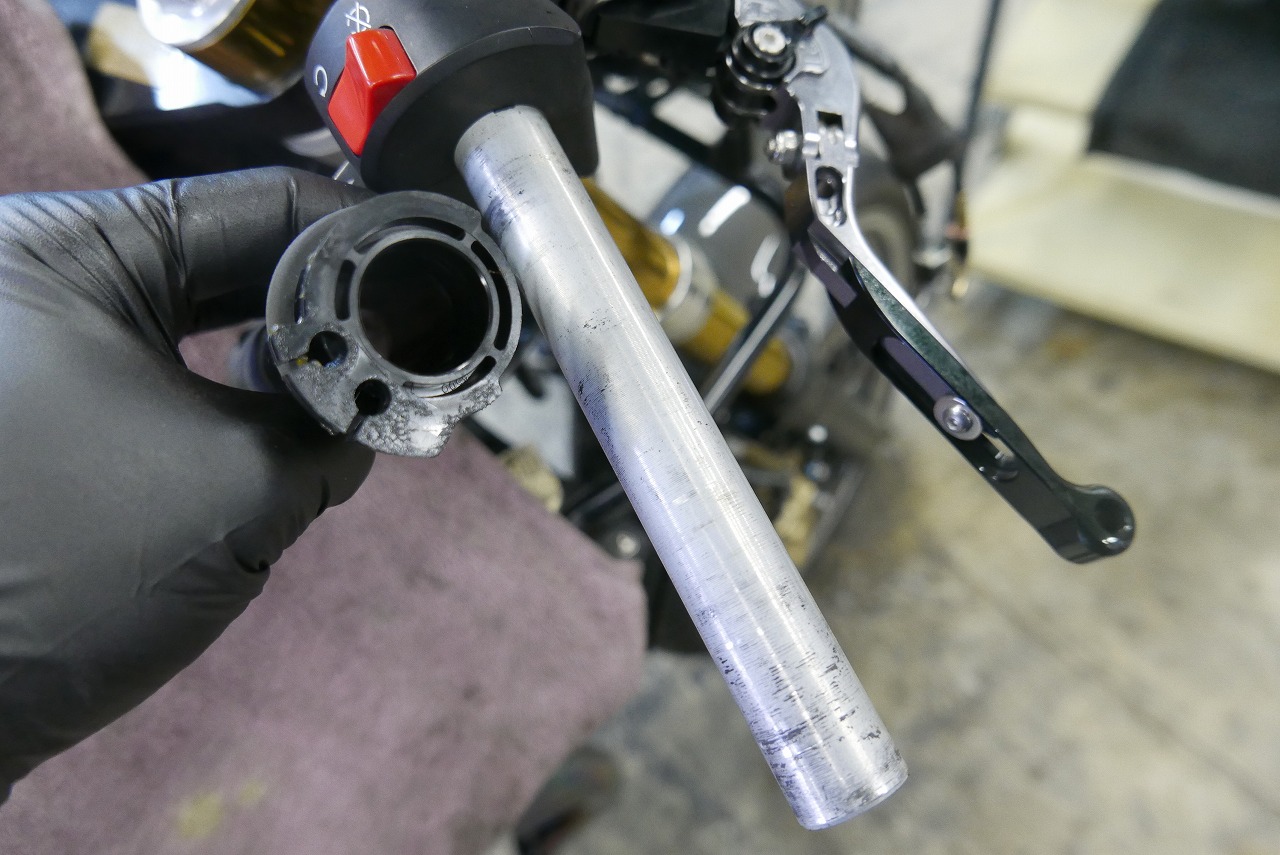
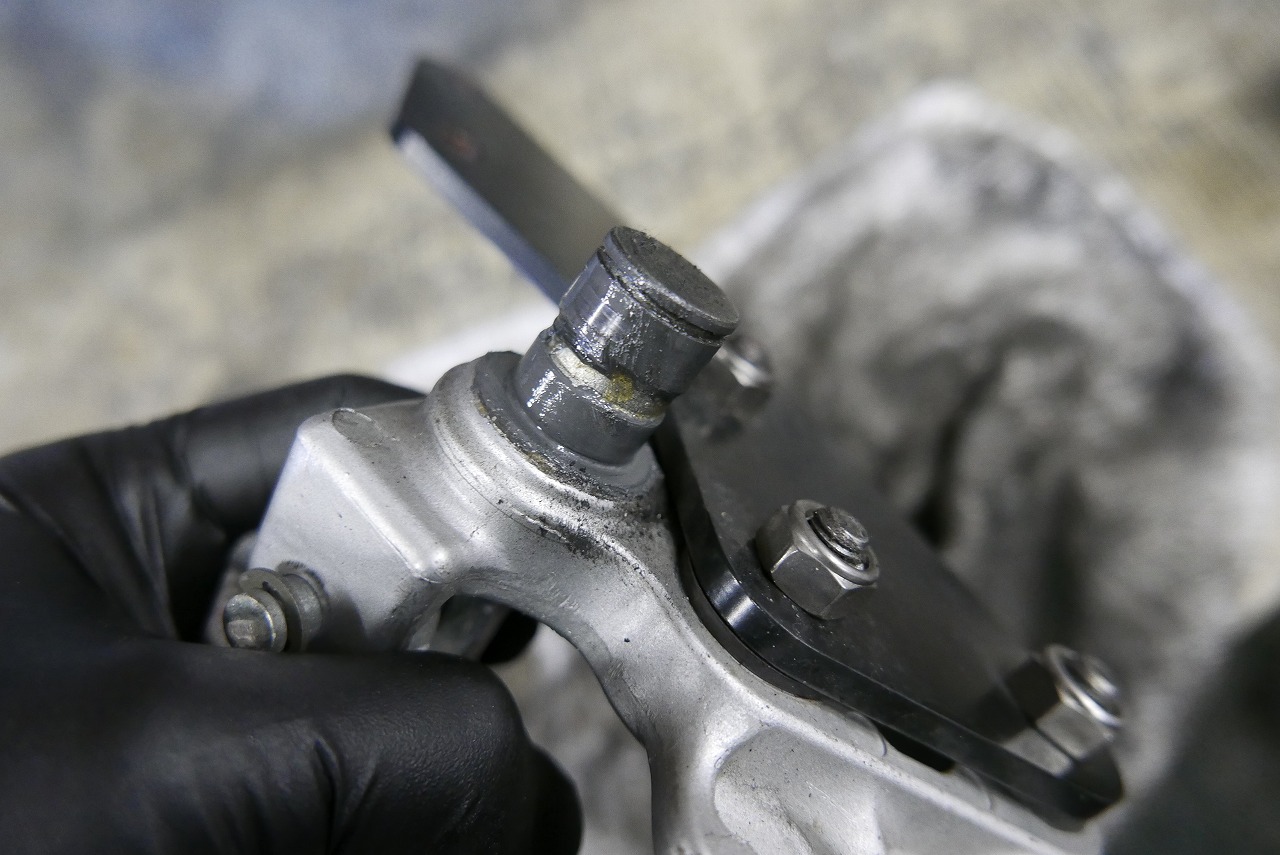
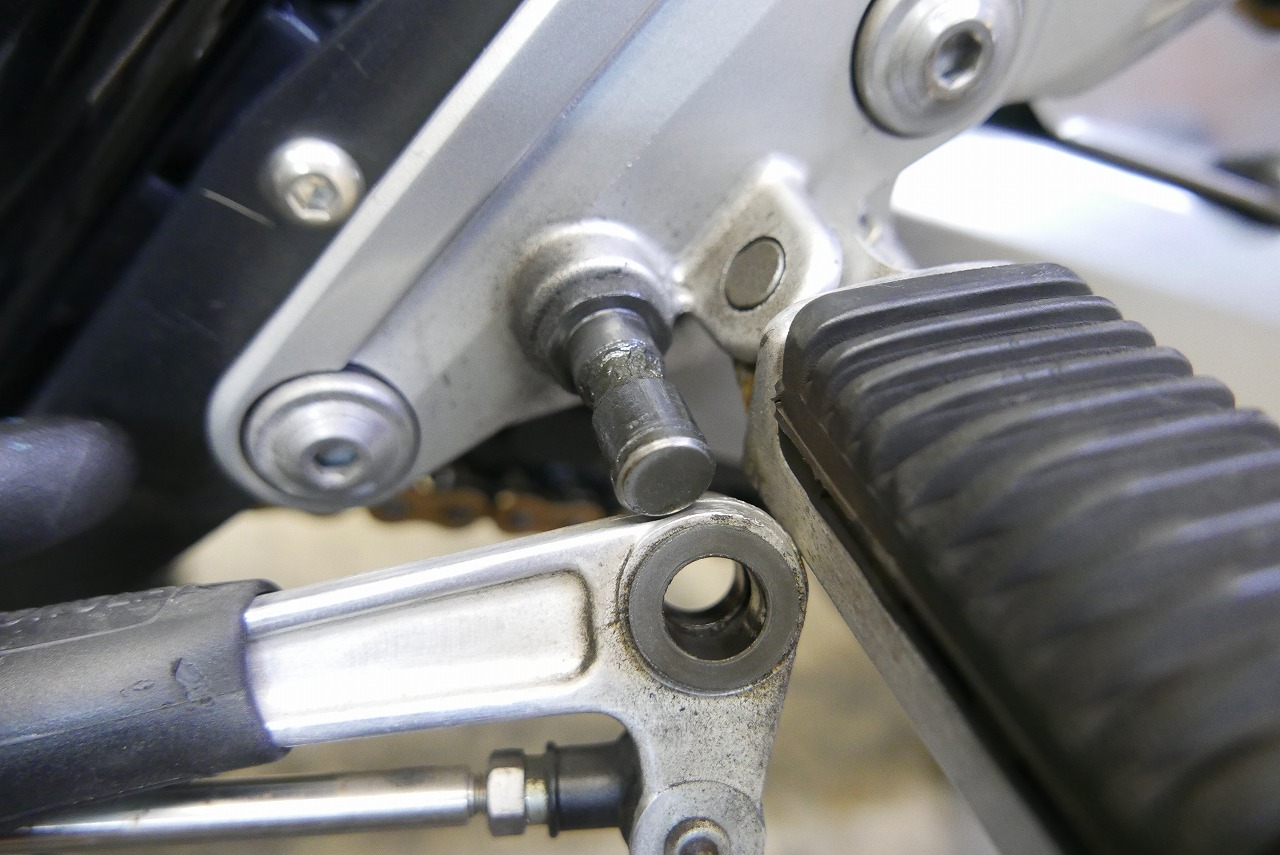
We disassembled and lubricated both pedals.
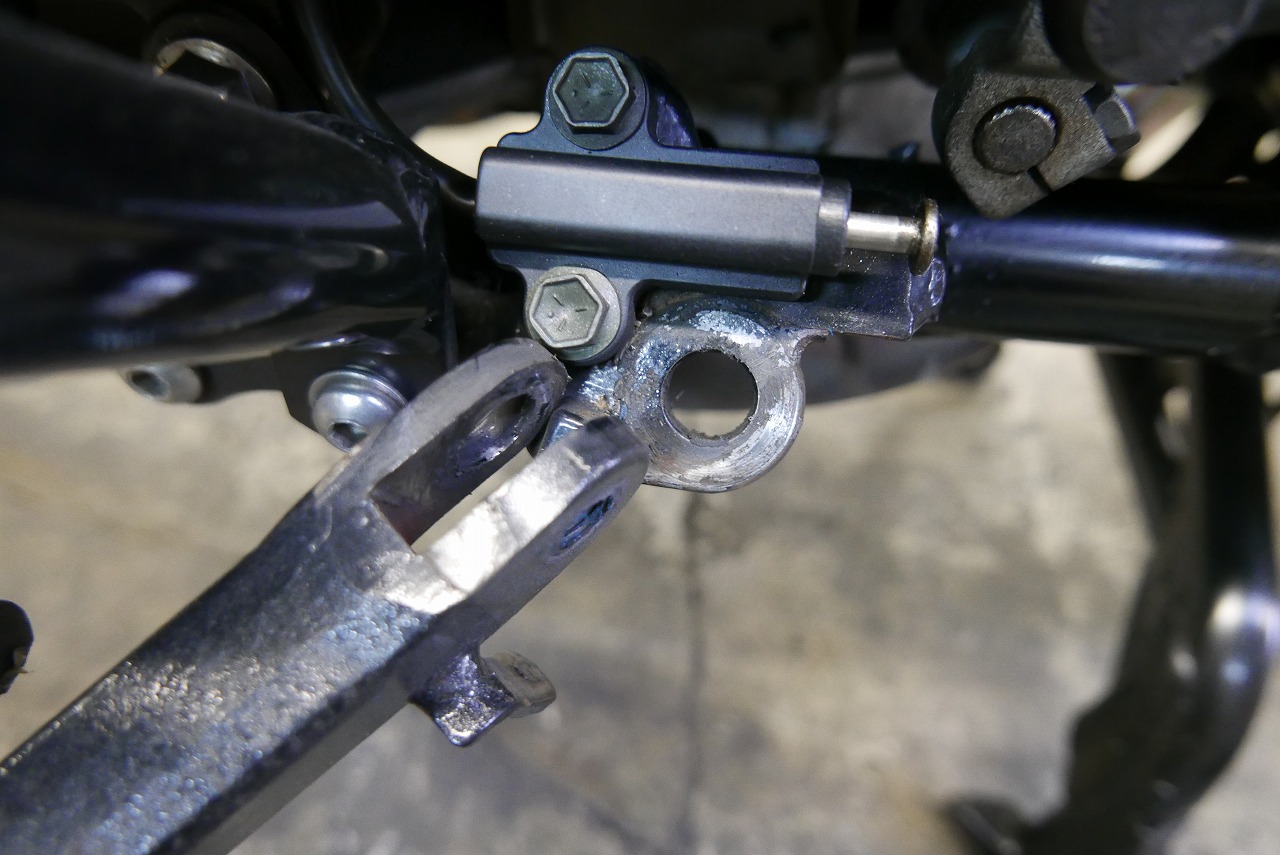
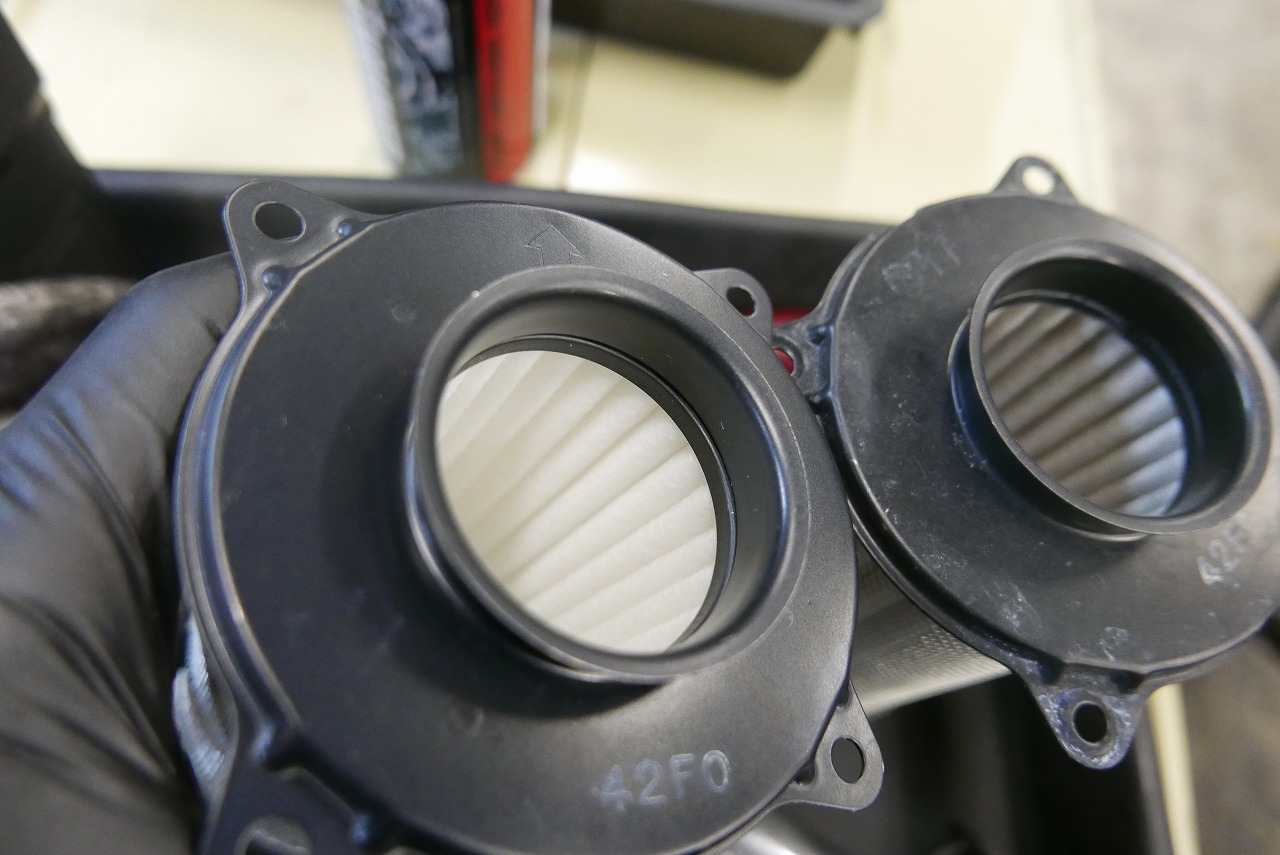
Disposable masks—replace them once they get dirty.
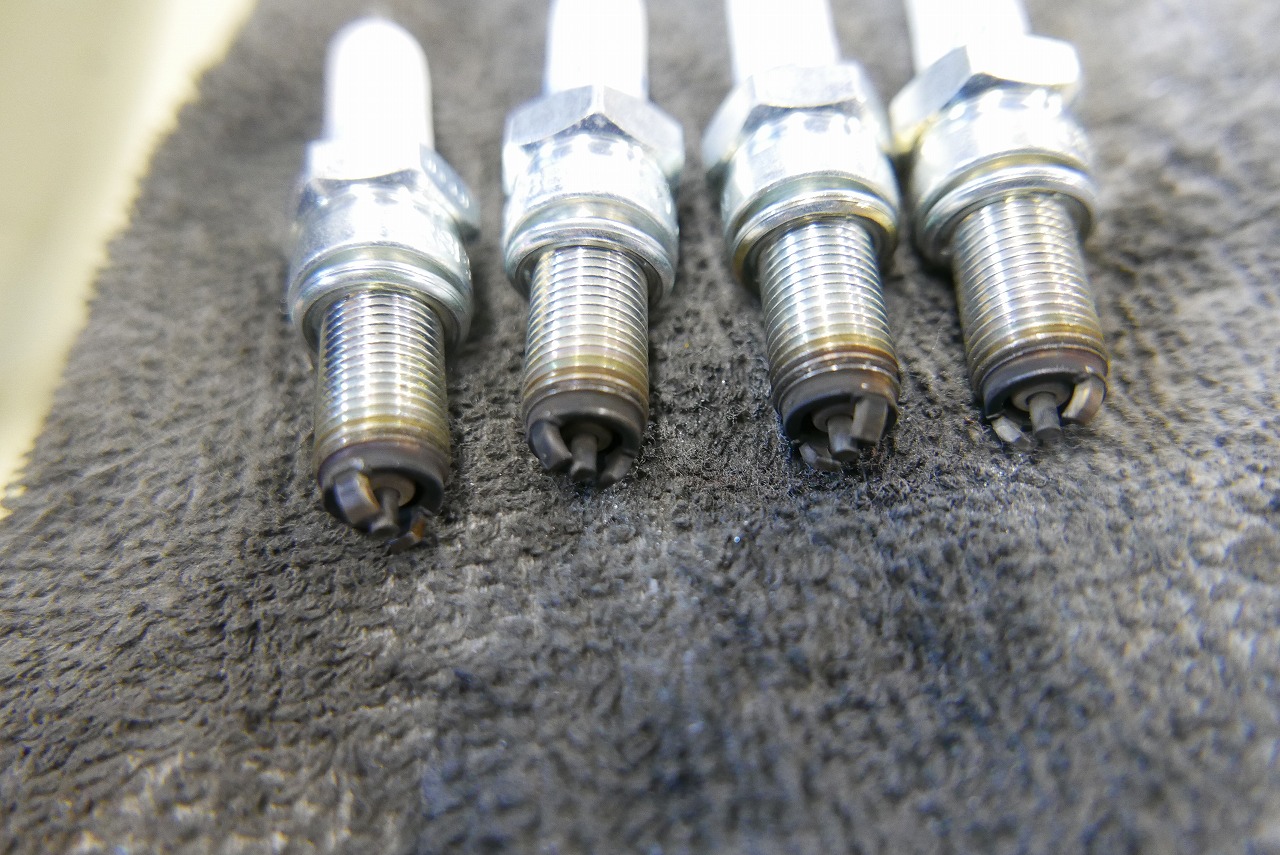
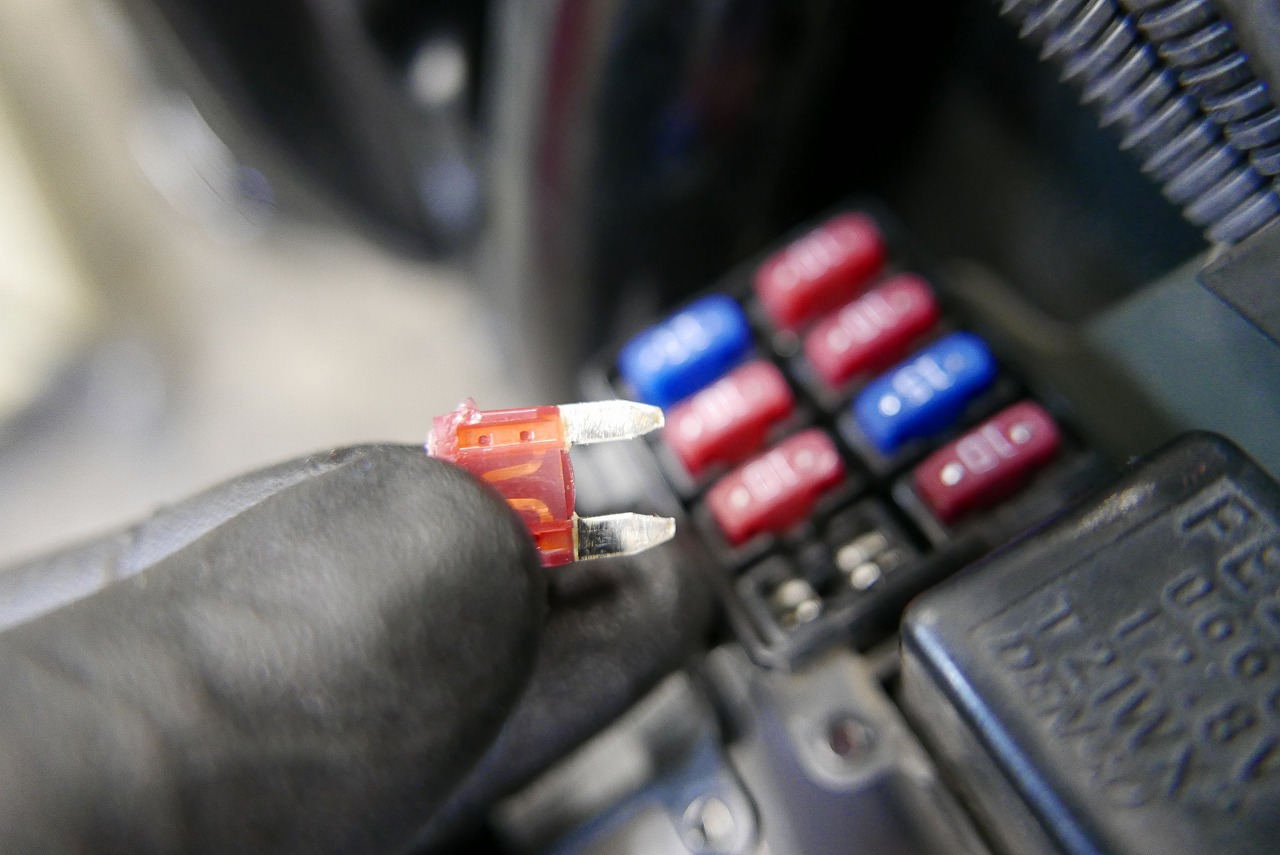
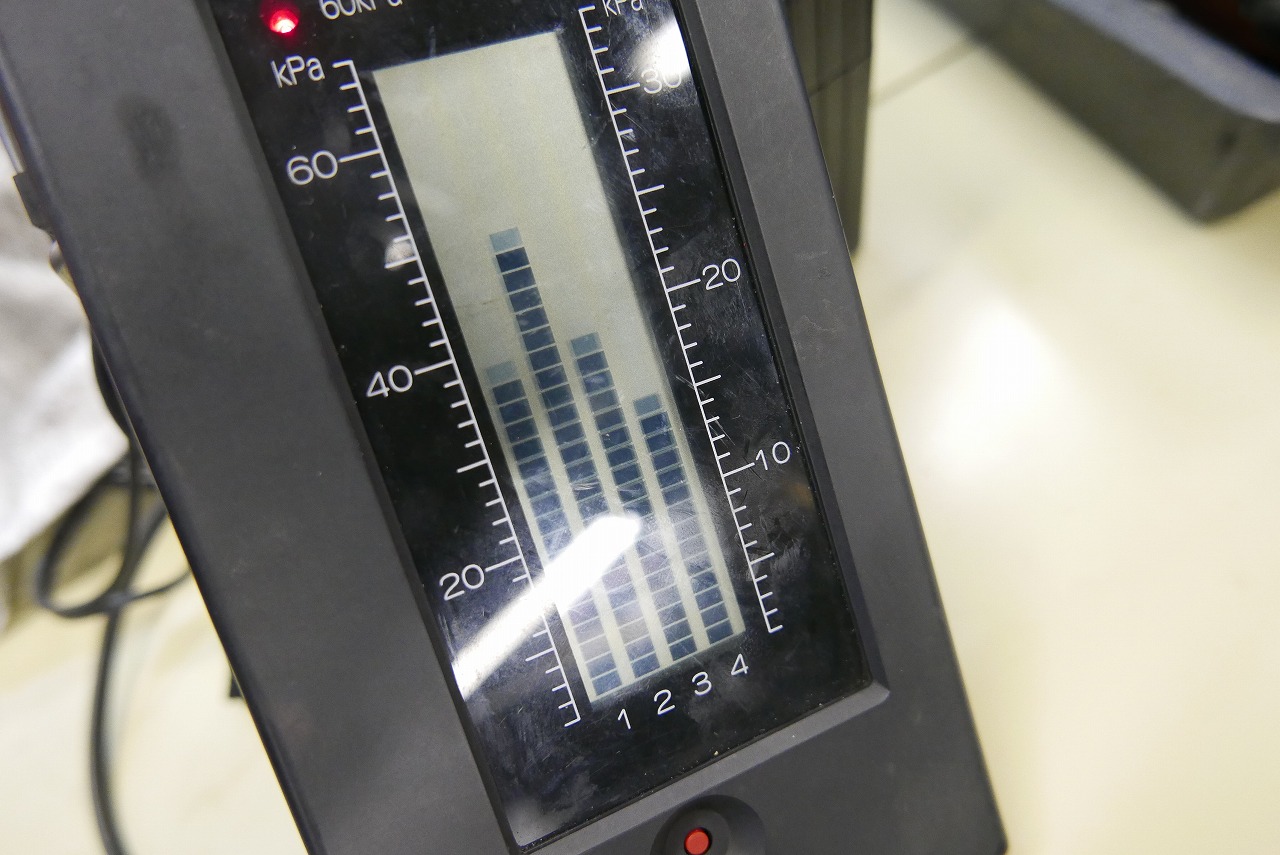
• The fuel pump means we have to keep the tank on.
• It’s hard to adjust from above or below.
The exhaust note sounds pretty rough—is it the 4-2-1 header? We figured we’d take a look anyway.
It was way out of sync—definitely worth checking!
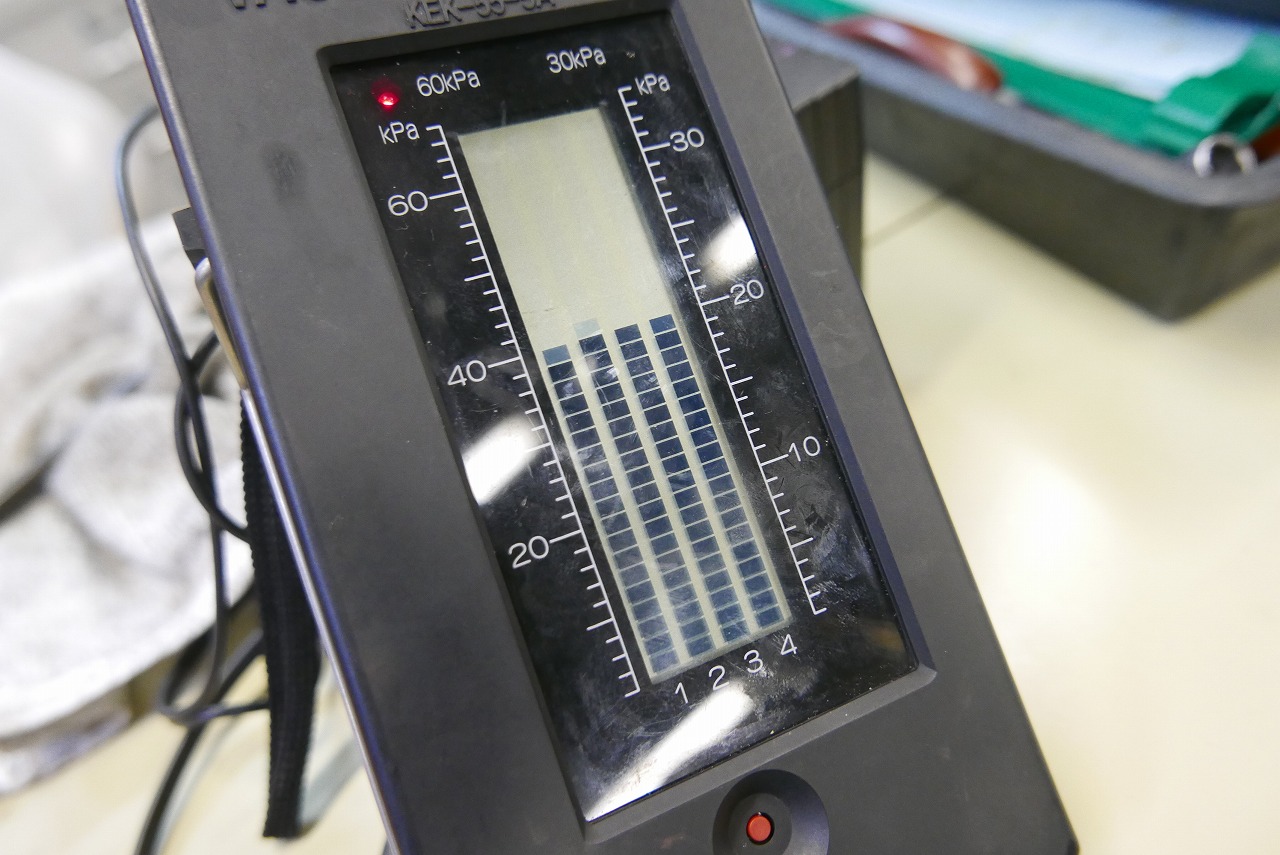
That completes this service.