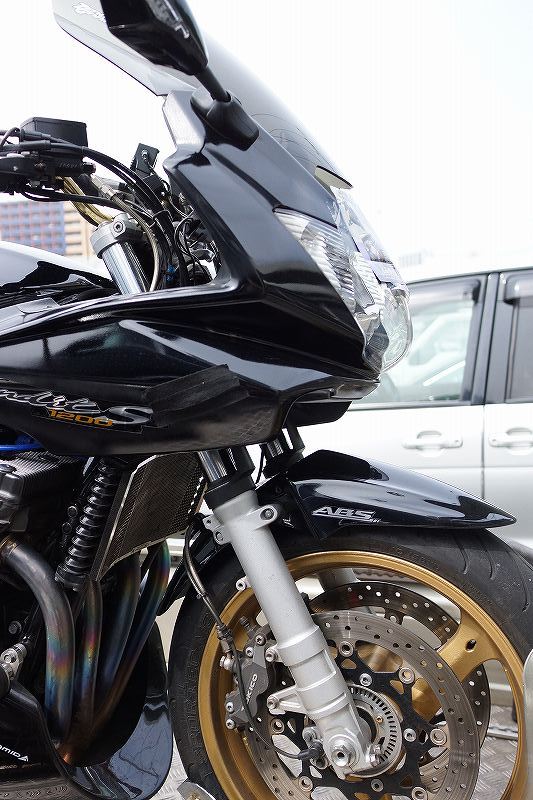
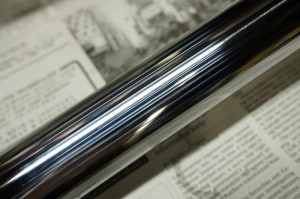
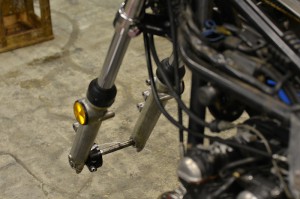
With vacuum bleeding to remove air, you won’t hear that squelching sound anymore. Vacuum bleeding is effective even on old-style forks.
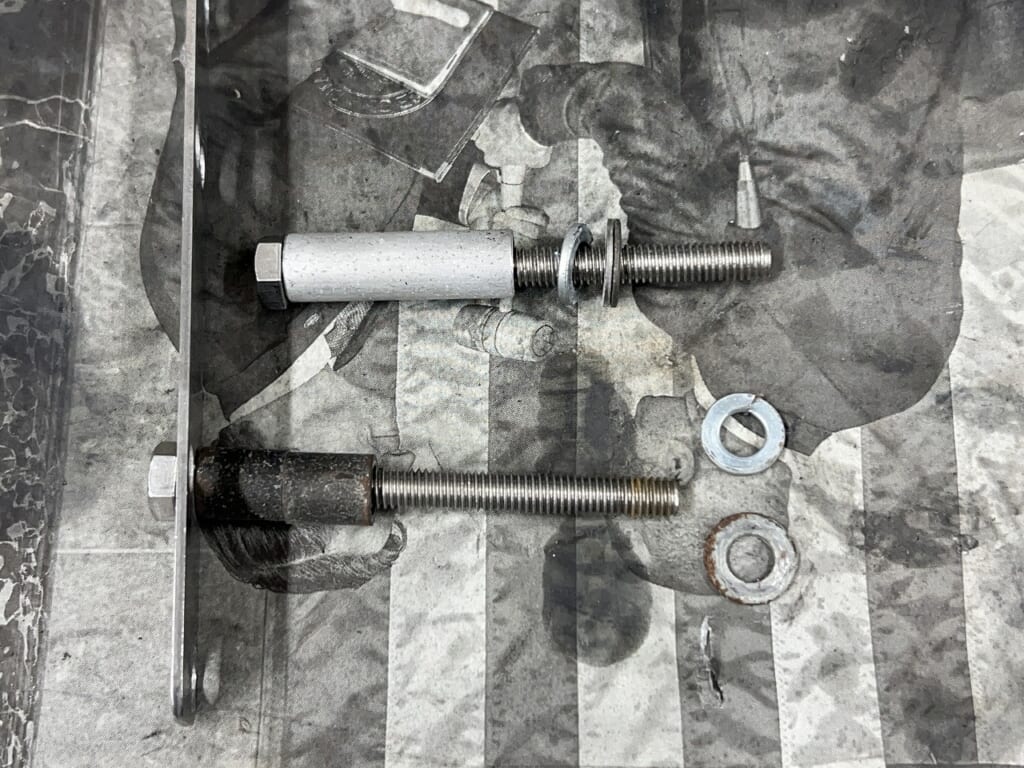
Way too many parts Spring washers were still widely used in this era. A part that’s now obsolete since we know it’s ineffective. I’ll remove them and modify the configuration.
The reason spring washers (lock washers) are considered to have almost no anti-loosening effect comes down to three main points:
1. Spring force is too weak against bolt tension
The **”clamping force (tightening force)”** generated when a bolt is tightened to the proper torque is far greater than the **”spring reaction force”** that a spring washer can exert.
When a bolt is properly tightened, the washer is completely compressed and acts as nothing more than a “flat plate.”
When vibration causes the bolt to start loosening, the spring force remaining in the washer can only maintain clamping force within a very narrow range, so it provides virtually no anti-loosening function.
2. Bearing surface subsidence from indentation
The cut edges (corners) of the spring washer bite into and damage the bearing surface of the bolt, nut, or fastened material.
When vibration causes those indentations to wear or settle, the **bearing surface subsides (settles)**, which can actually lower clamping force and cause loosening.
3. Unstable friction coefficient
Adding a spring washer increases the number of contact surfaces and sliding points, making the friction coefficient unstable and making proper clamping force management difficult.
Current technical standards For these reasons, JIS (Japanese Industrial Standards) and Western industrial standards now take a negative view of spring washers’ anti-loosening effectiveness, and their use is increasingly not recommended.
When reliable anti-loosening is needed
Nord-Lock washers (wedge-locking mechanism)
Nylon nuts / Nylock nuts
Thread-locking adhesive (anaerobic adhesive)
are recommended.
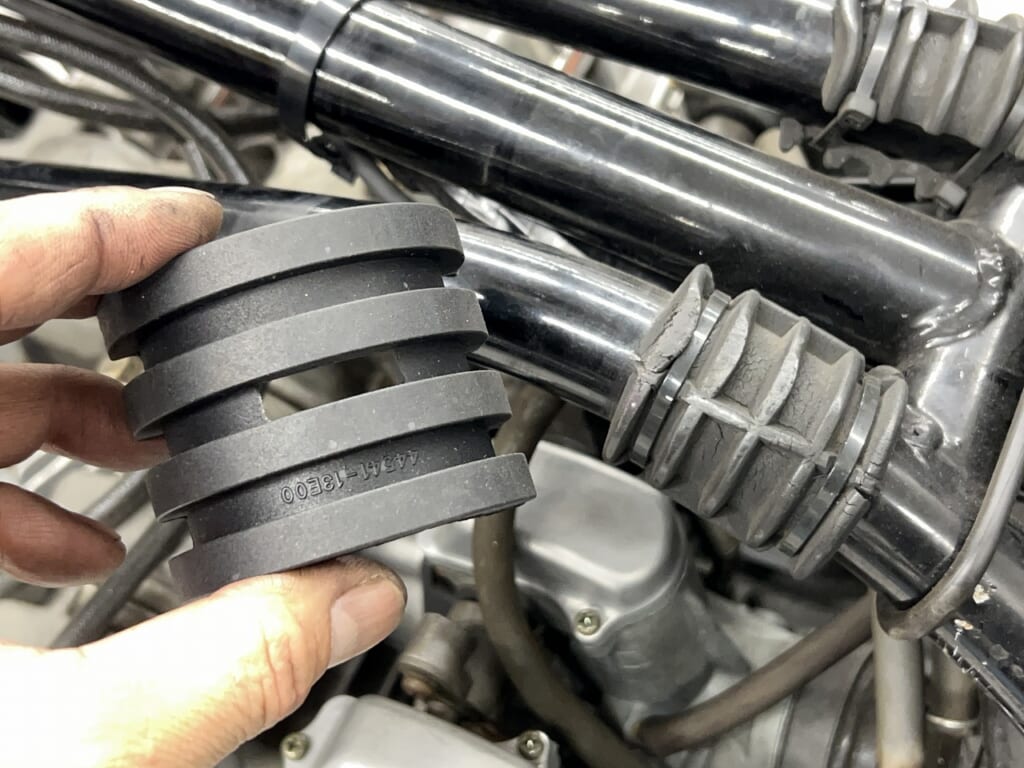
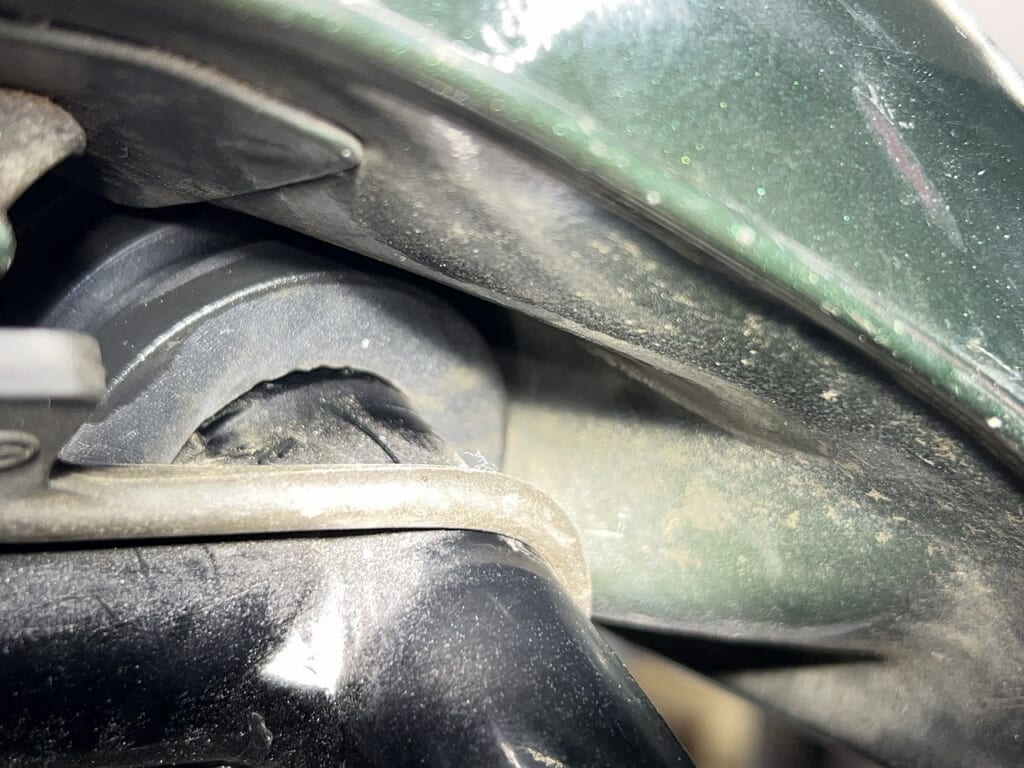
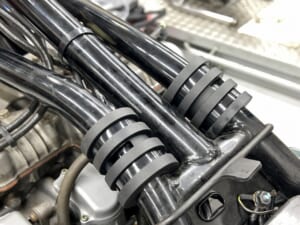
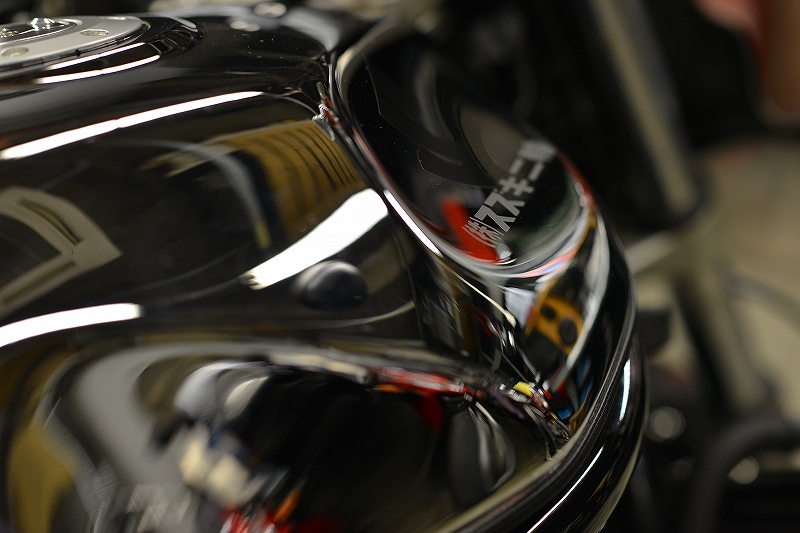
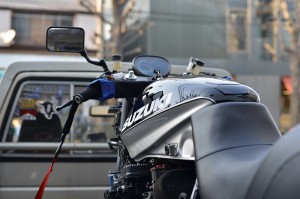
Suzuki 44541-13E00 – Perfect for Z tank damper
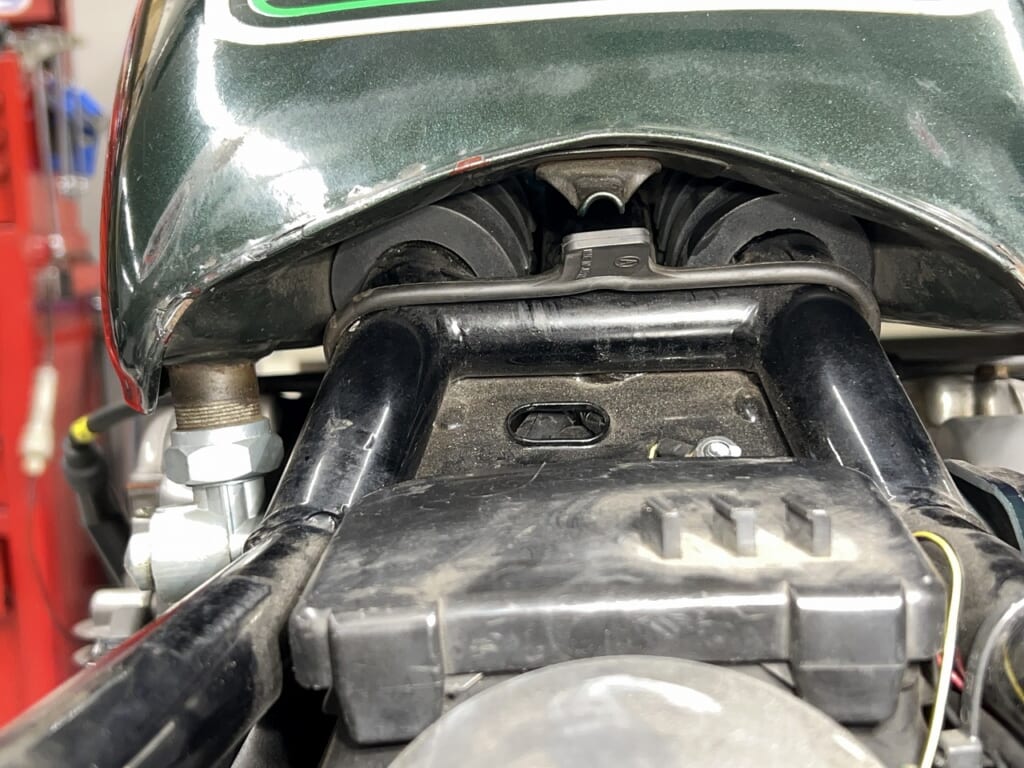
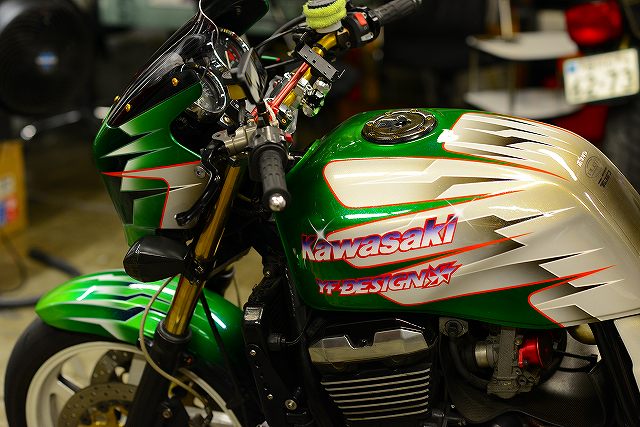
The worn-out Kawasaki OEM damper is being replaced with 44541-13E00.
It has good cable routing clearance and thick material that fits smoothly and securely.
Being a recent part, the material and shape are solid.
I’ve only tested it on Z1R and KZ900, but I think it works on most bikes. Give it a try!
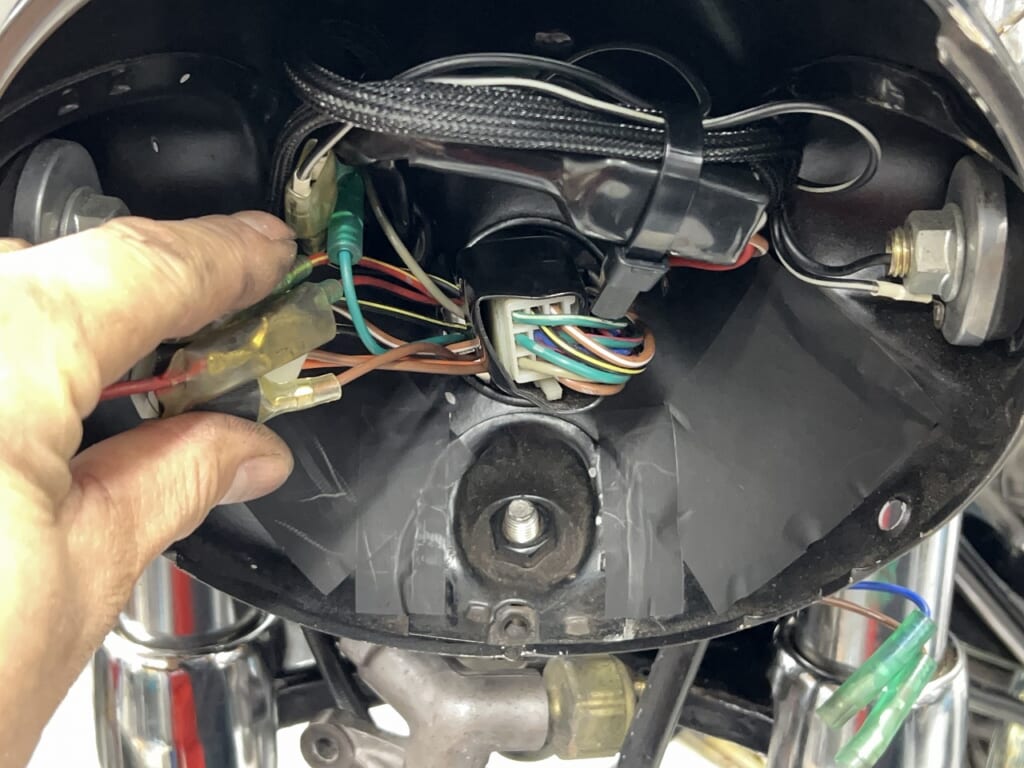
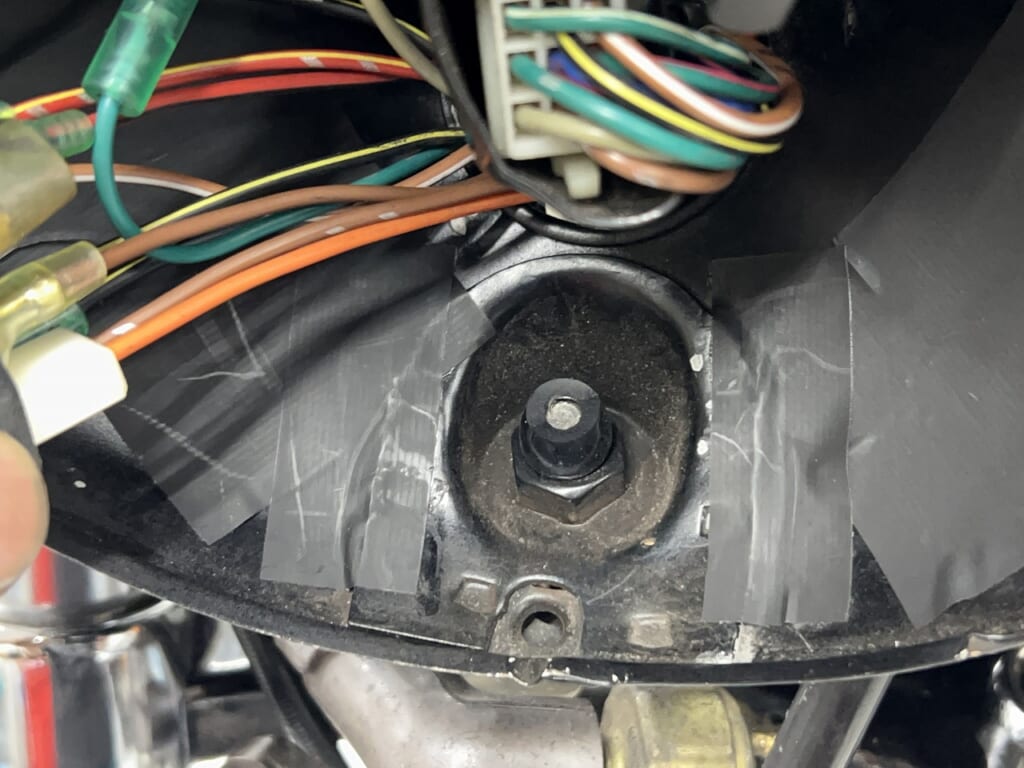
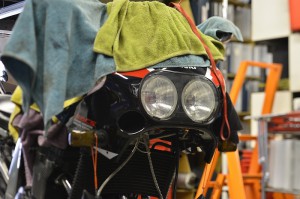
Iron headlight cases are risky! They can easily catch fire
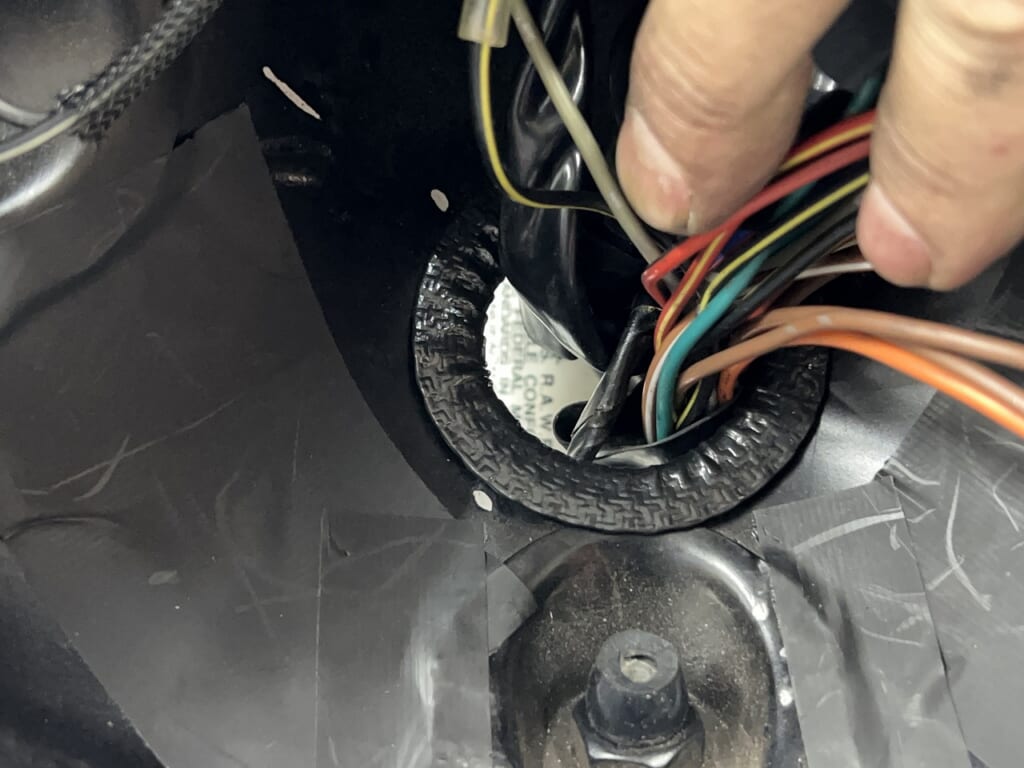
Cover exposed areas well with silicone hose
Make sure the areas where harnesses pass through are protected from chafing.
Neatly bundling the turn signal wires will make future work so much easier.
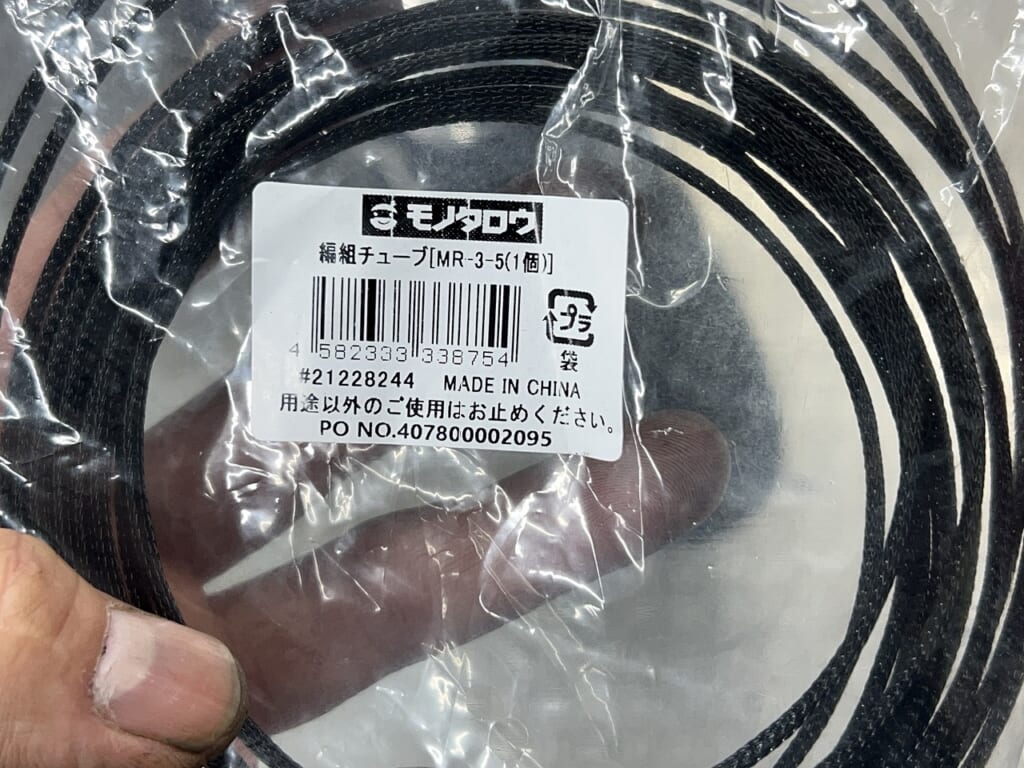
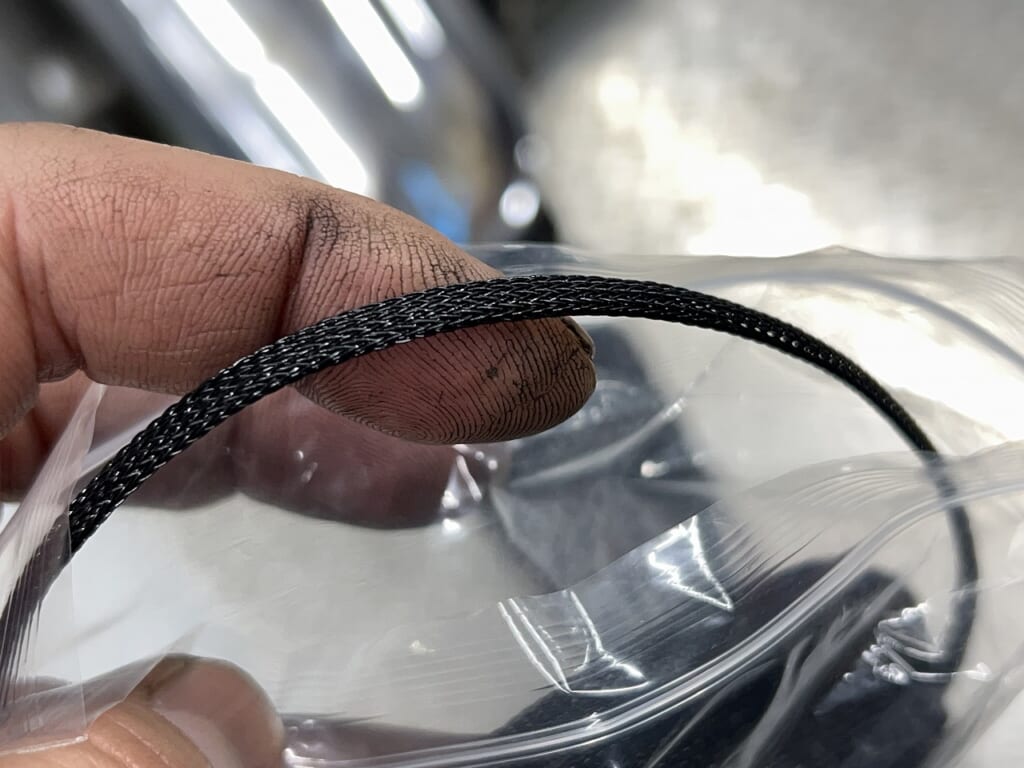
My recent find is Monotaro’s “Braided Sleeve MR3-5” —a fantastic item for neatly bundling 1-2 wires.
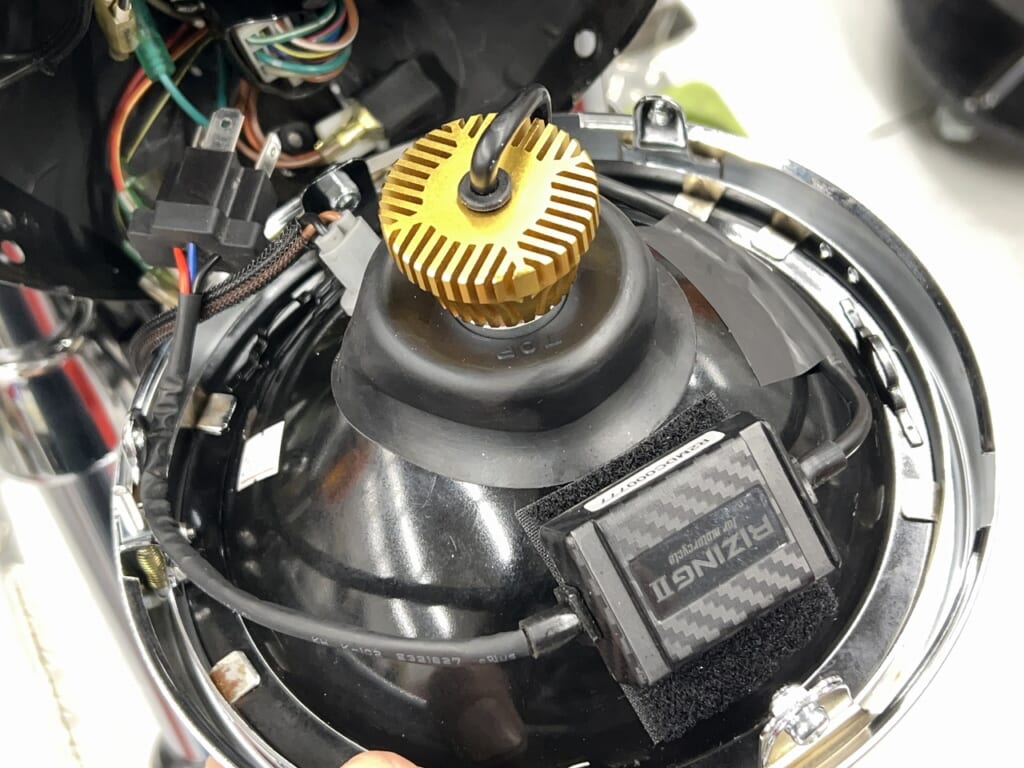
A rare RISING2. I’ve added Velcro to the lens side for the components. Never push wiring into the headlight.
Everything needs to fit snugly and be properly positioned, or it can easily catch fire. Why? I think modern headlight cases and switches are plastic precisely because fire risk is lower.
A finish that makes you want to ride anywhere. The stock VM carb really has an amazing feel when it’s running well.
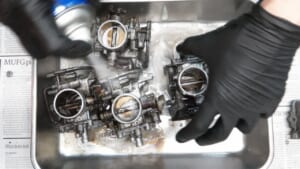
The idle is stable, and when you open the throttle, it revs with that classic vintage character. I think it’s important that the jets and needles inside are genuine Mikuni parts. As I learned recently, aftermarket repair kits just aren’t…
KZ900 Maintenance: Fork Oil Change & Suzuki Tank Damper Mod &
Fork Oil: Changed the front fork oil to restore proper damping. The ride is now firm yet supple, just like the original Z feel. Tank Damper: Replaced the worn-out fuel tank mounting rubbers with Suzuki OEM parts . Tip: The Suzuki dampers fit perfectly and hold the tank much more securely (“smooth” fit) than the old Kawasaki ones. A great little trick for Z owners!





 ポチップ
ポチップ