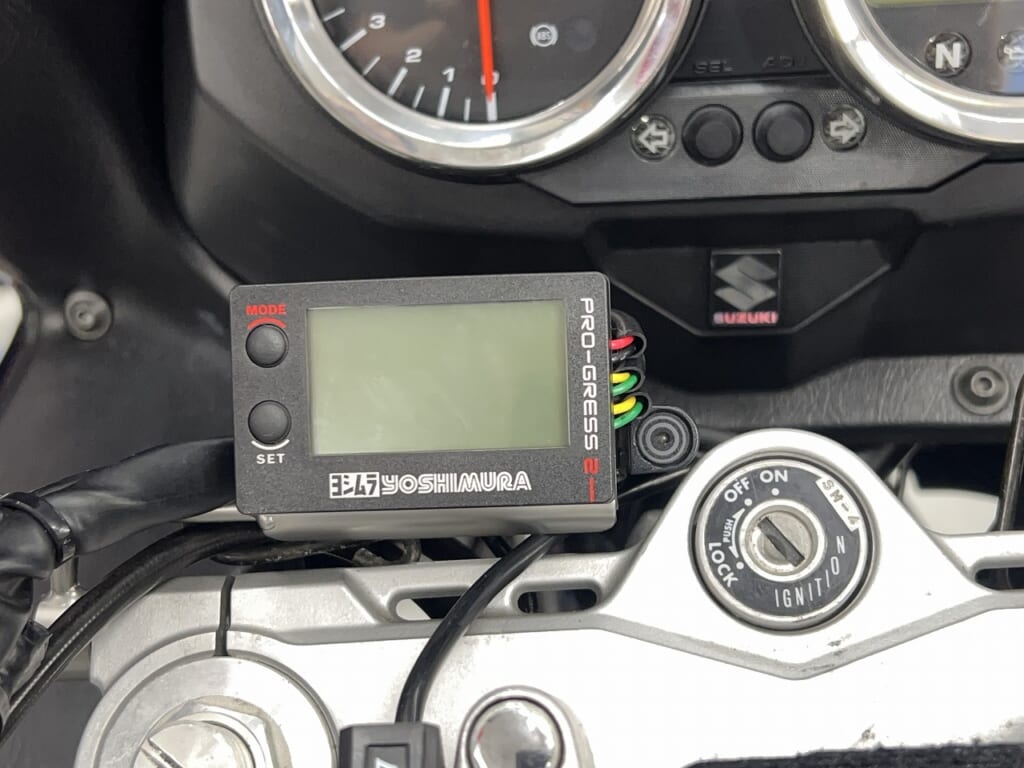
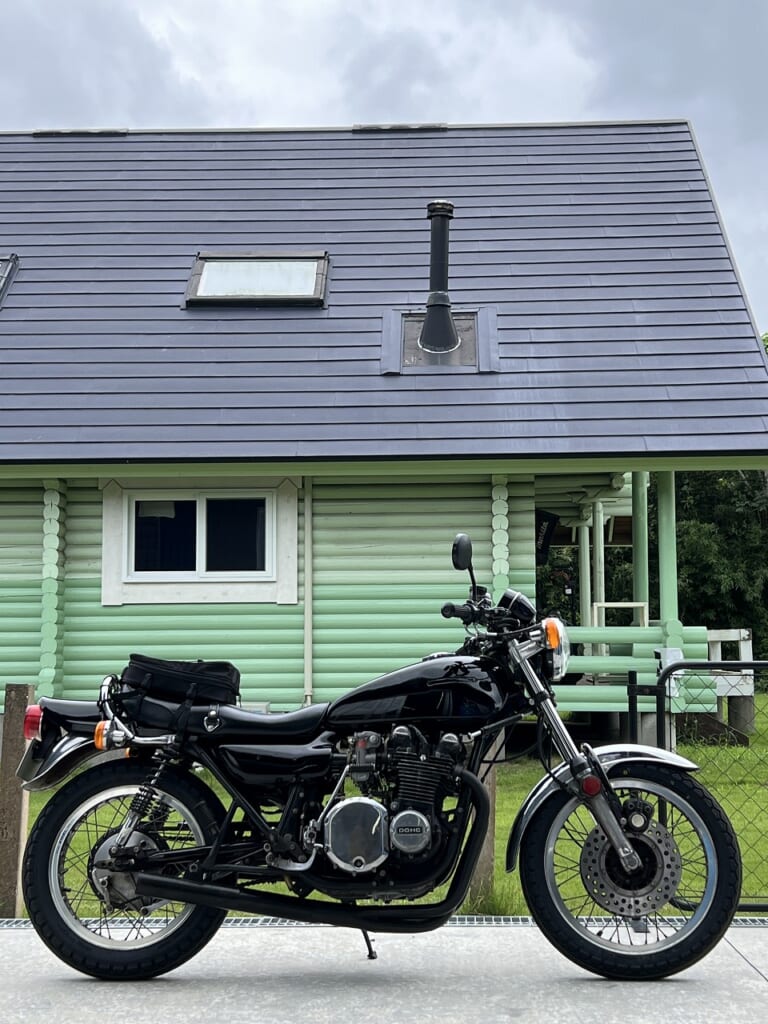
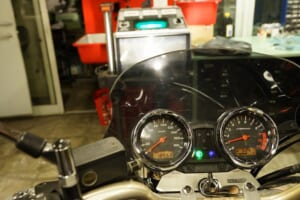
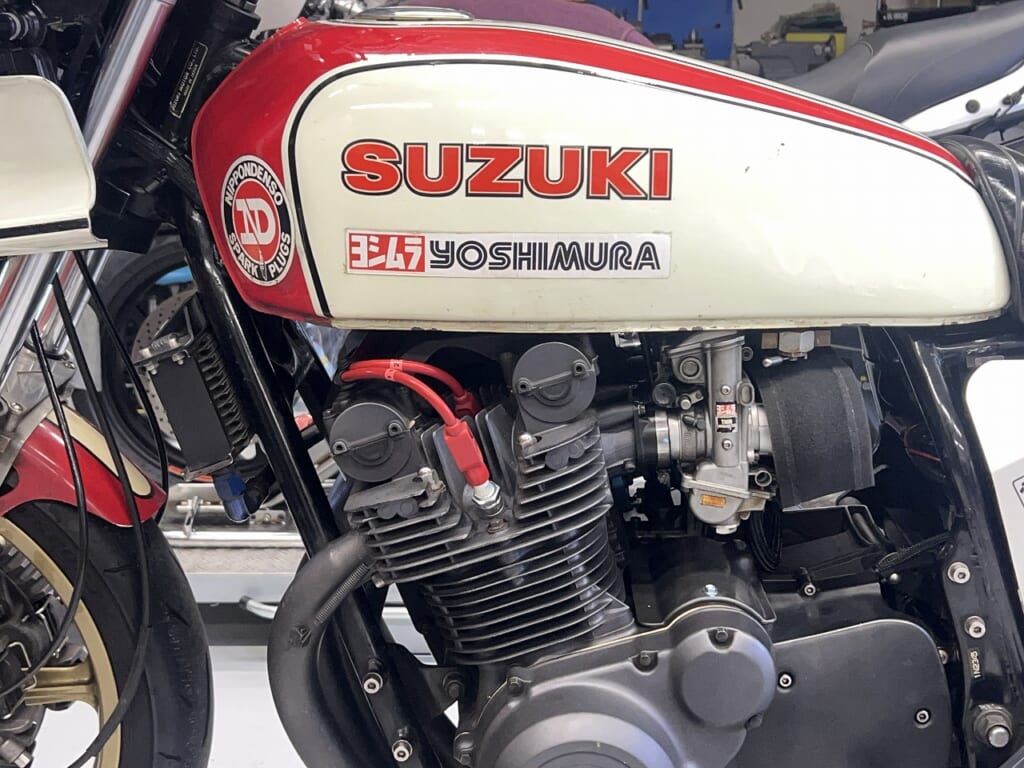
The GS1000S that seems to be finished but never quite is. The other day during a test ride, I happened to glance at the digital temperature gauge and… 15.6v?? I instinctively eased off the throttle and puttered back to the shop.
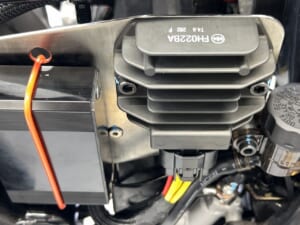
Since it’s been quite a while since the regulator was replaced, let’s take this opportunity to swap it out for my favorite compact MOSFET regulator FH022BA.
Maintenance Log for This Article
Vehicle: SUZUKI GS1000S (Red and White Coolie)
Symptom: Voltmeter displays 15.6V while riding (overcharging). Digital gauge misreading
Cause: Stock regulator failed due to age-related deterioration (uncontrolled output).
Solution: Replaced with a highly reliable compact **MOSFET Regulator “FH022BA”**.
Result: Voltage control is now stable, reducing strain on the battery. Eliminated electrical concerns for this vintage bike.
Another BLOG from Decoboco. “RURAL GARAGE ”
A hidden room for non-motorcycle topics. Sharing everyday convenience items, relocation, delicious food, life philosophy and more. ←click
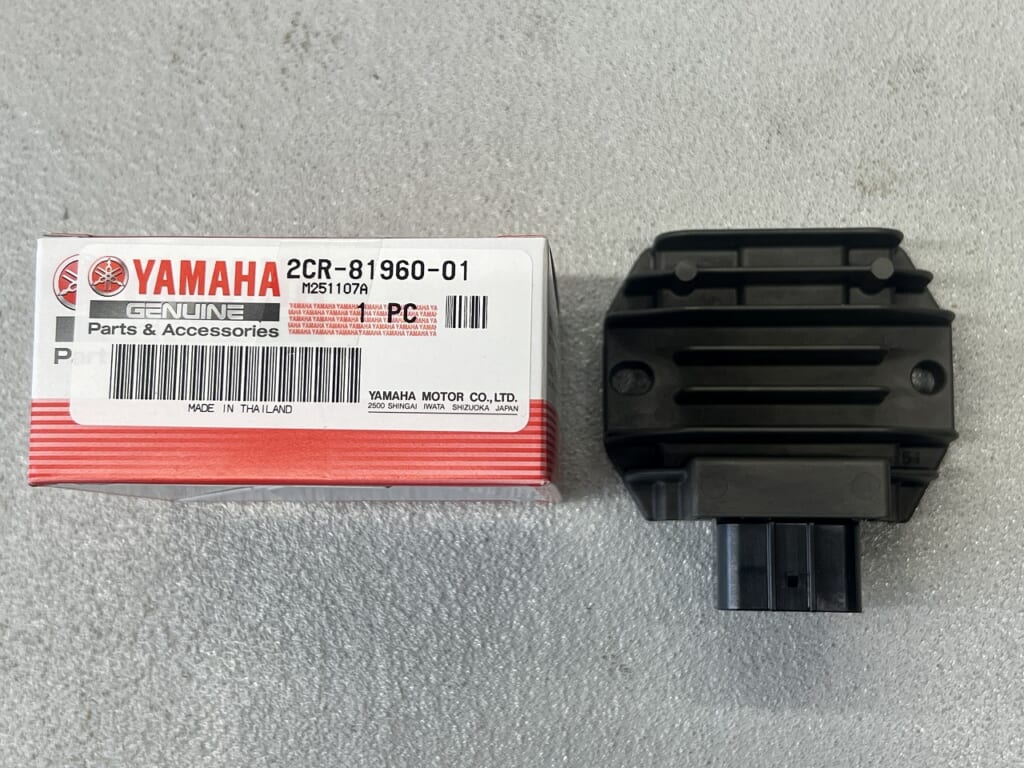
Thyristor short → MOSFET (short) → Thyristor open—that’s the trend these days. Personally, I still trust the MOSFET as the final version. I use FH022BA 2CR-81960-01.
For the hardcore enthusiasts, check out Compu-Fire 55402.
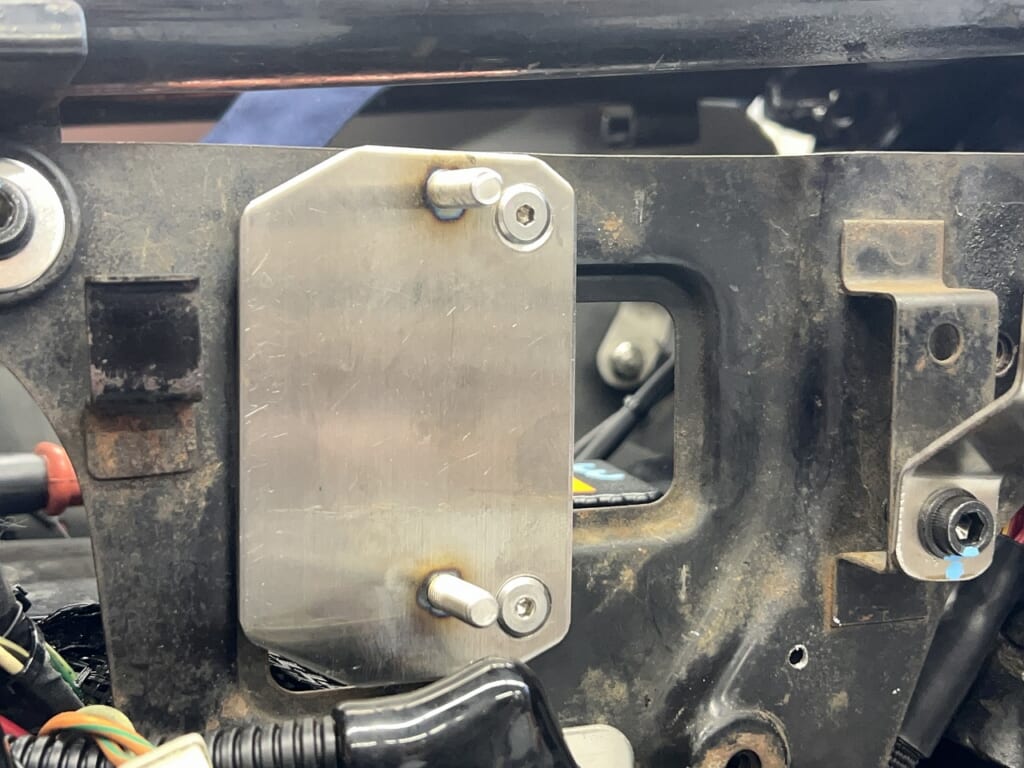
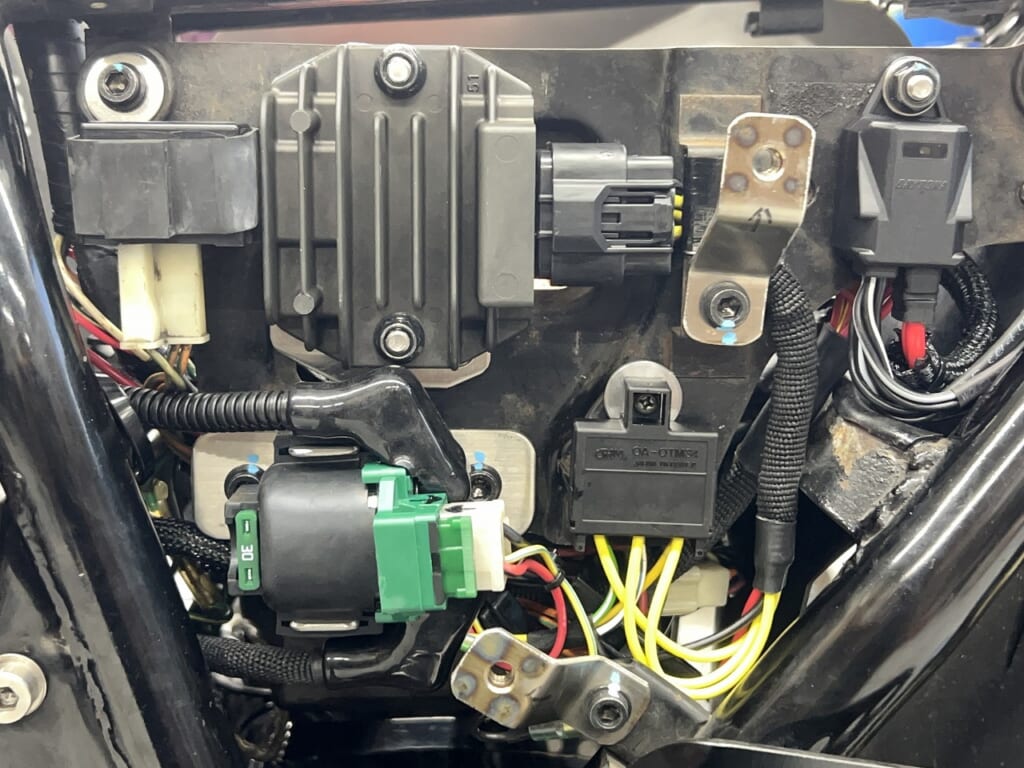
I recently laid out the wiring, so I didn’t want to remove the plate. So I decided to create a regulator support bracket using the existing mounting holes.
Before/After
Despite being called “compact,” it’s surprisingly large. But it fit perfectly. I was worried I might have to remake the plate, so I’m relieved.
The mysterious 15.6V—one culprit was the digital gauge
After replacing the regulator and checking the output voltage… 15.2V? It hasn’t dropped at all. My soul nearly left my body for a moment.
When I connected the multimeter directly to the battery, it never exceeded 14.4V, so I was relieved. Either way, the voltage was on the high side, so this worked out well. Modern bikes are becoming more energy-efficient with LEDs and such. “Use all the electricity you generate.” Excess electricity is converted to heat by the regulator and coil. Excess = strain on components, so keep the headlight on even during the day! It’s a subtle but important detail. Before that, though, check the main ground harness—that’s crucial too.
I’ll continue checking other work items bit by bit.
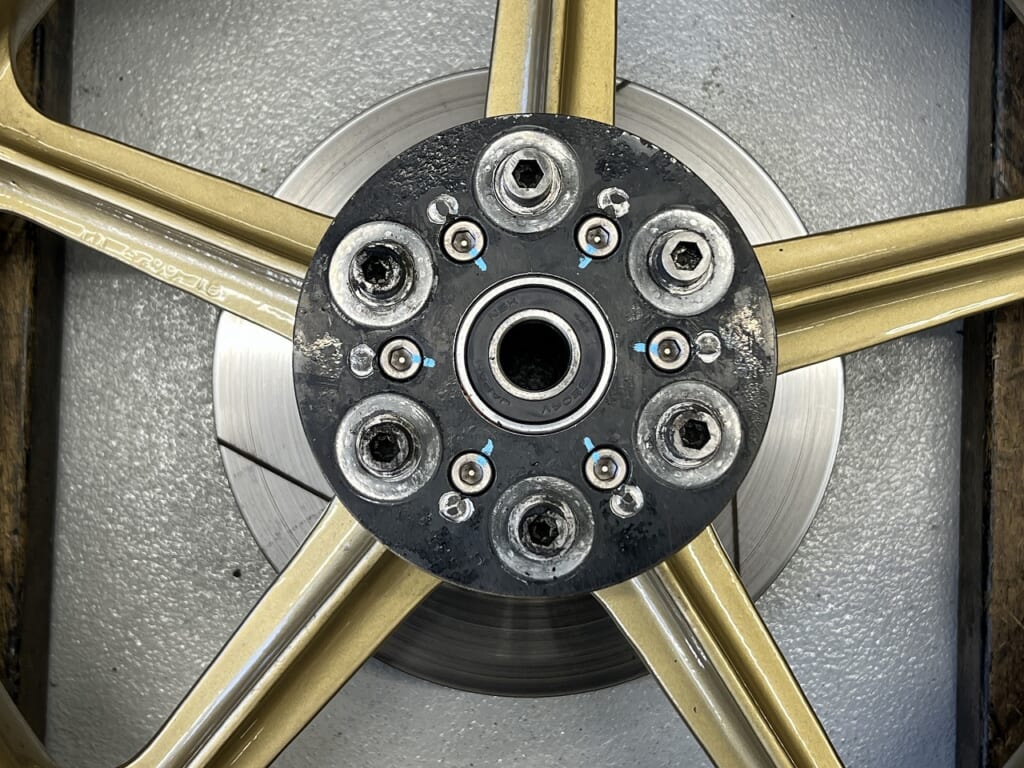
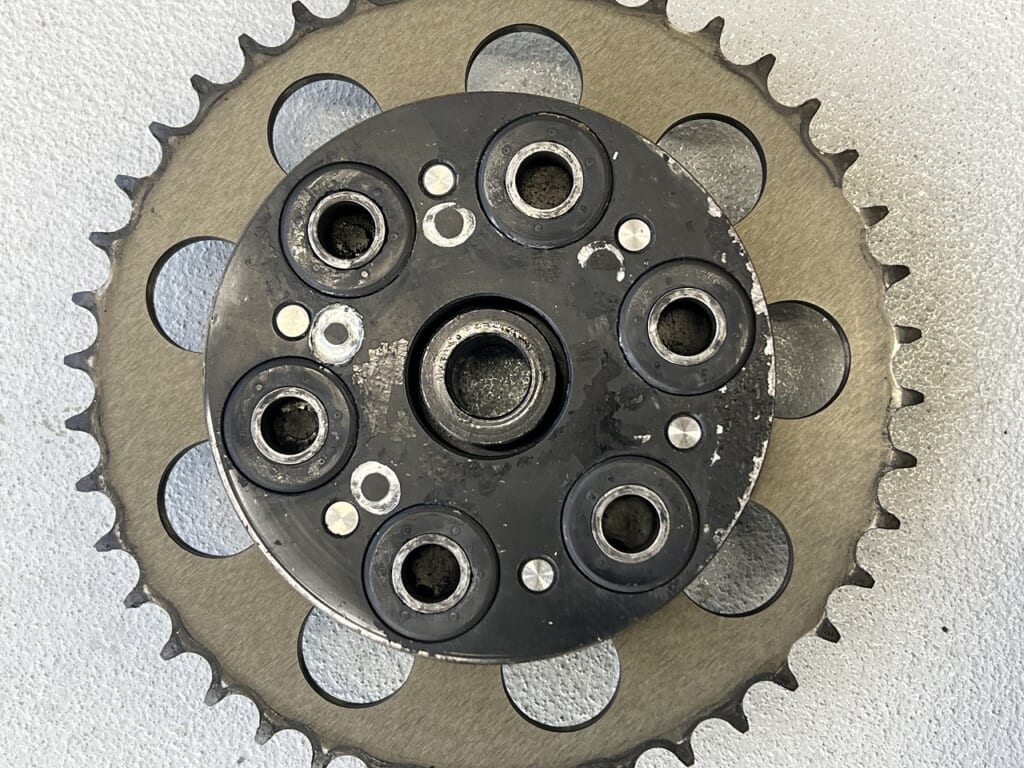
The rear damper showed no looseness or wear issues.
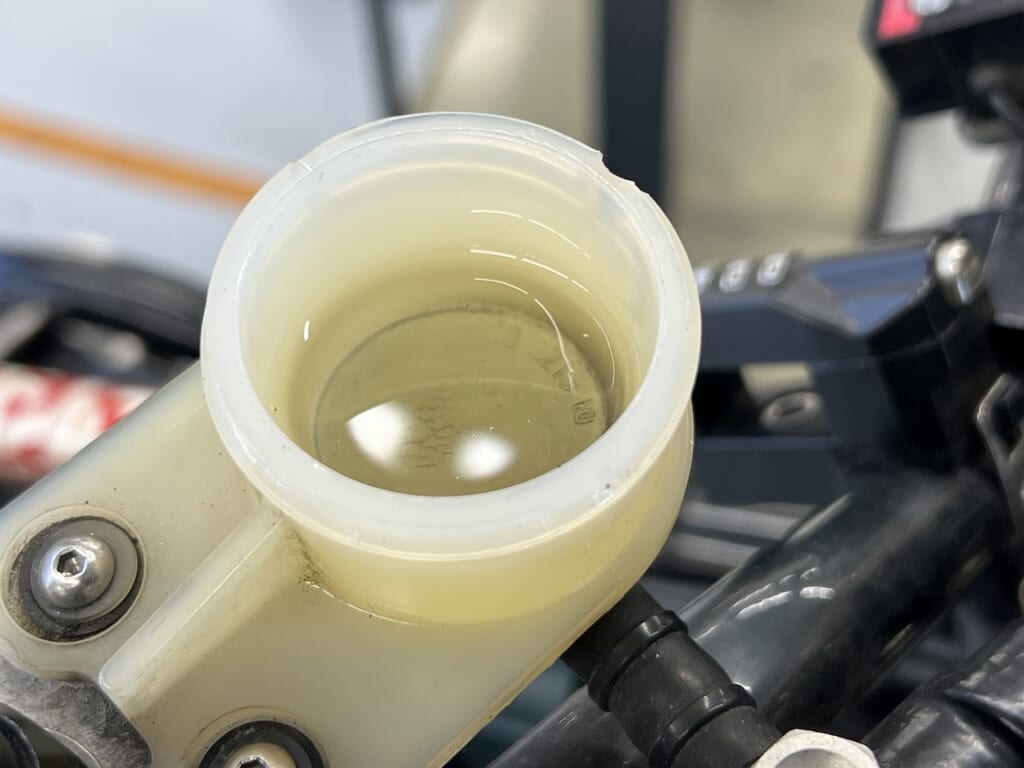
Replaced the brake fluid. *Engine oil was replaced recently.
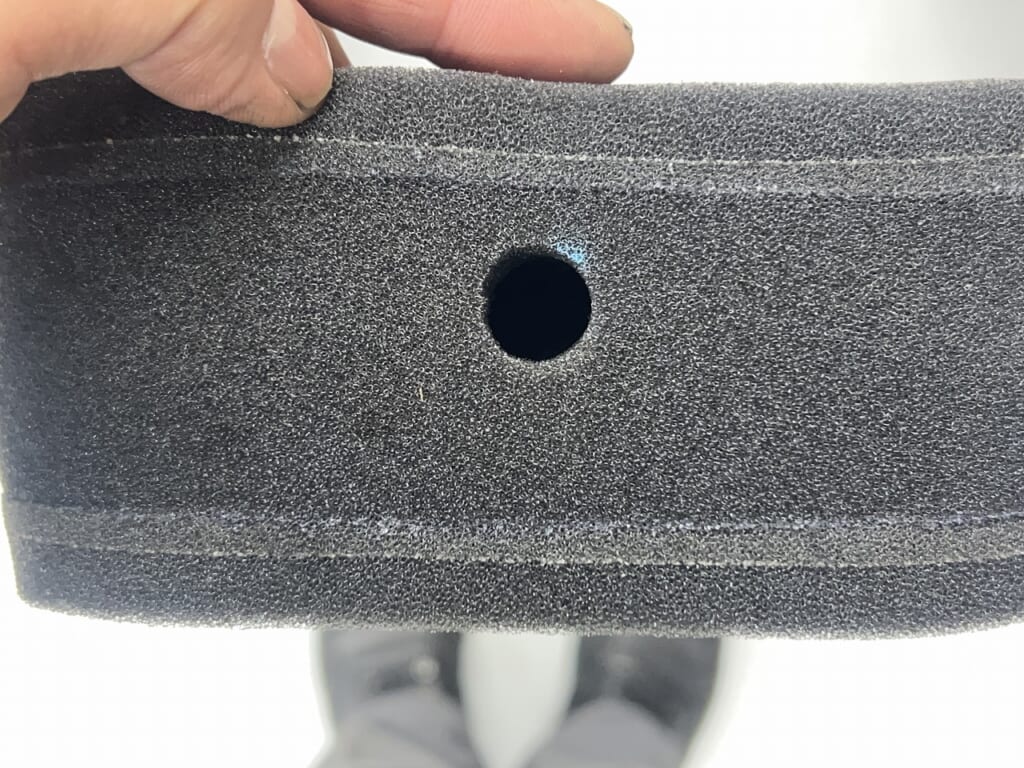
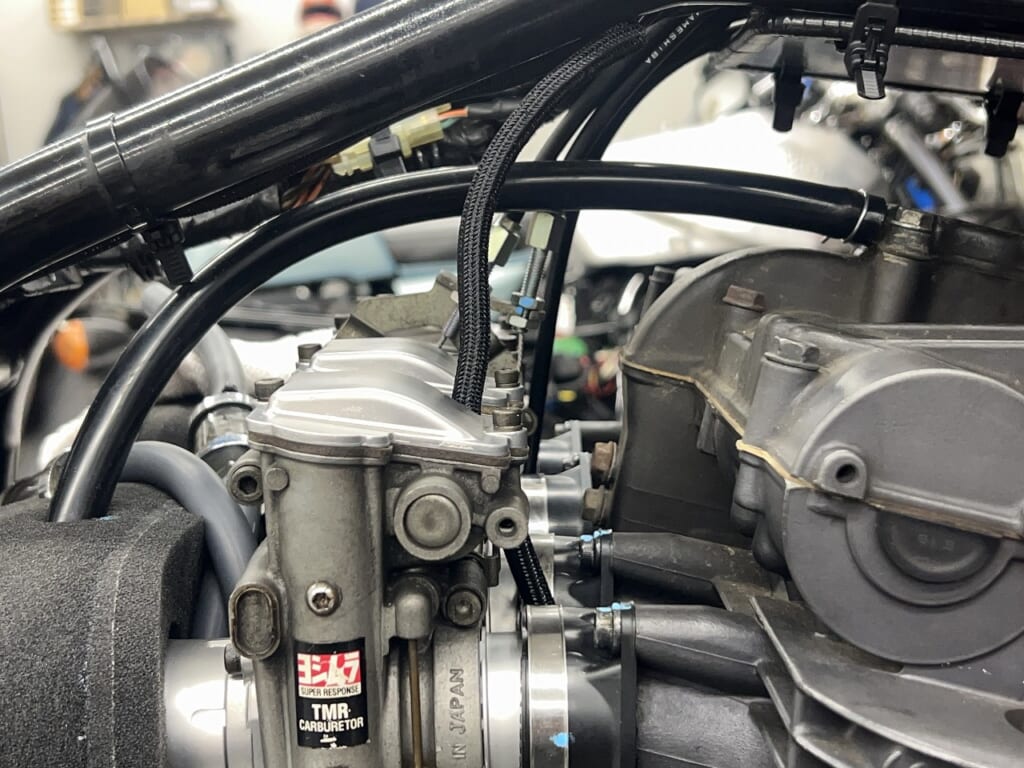
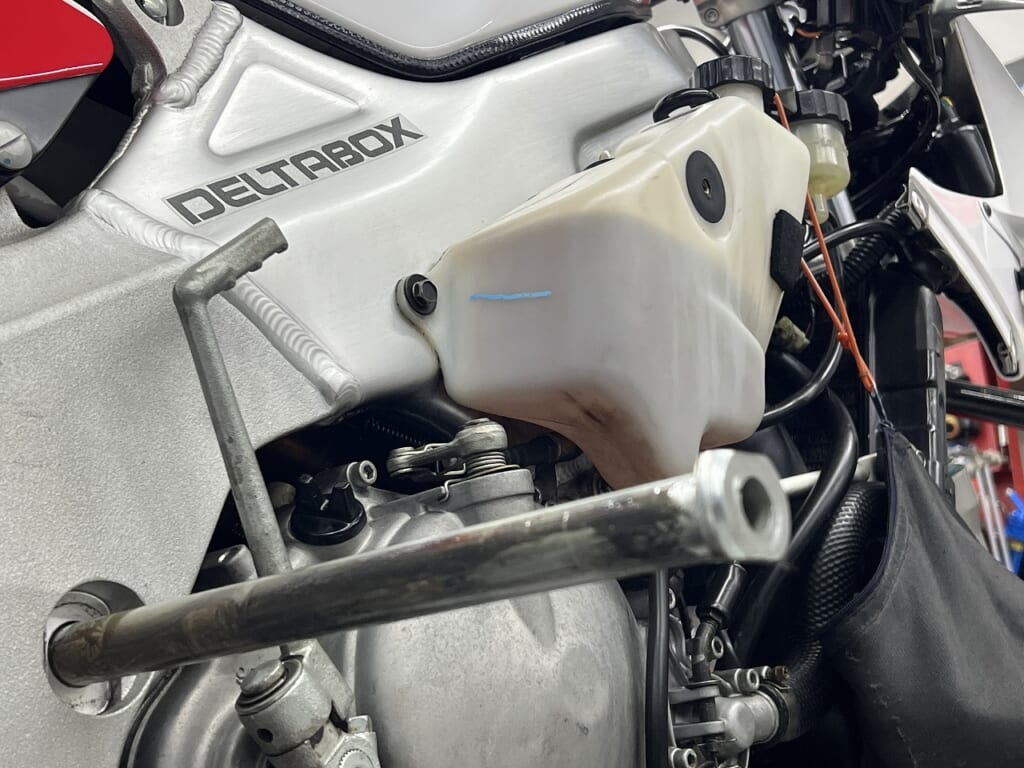
Since there’s no oil catch tank, I return it to the carb and let it be sucked in. I drilled a hole in the ram air.
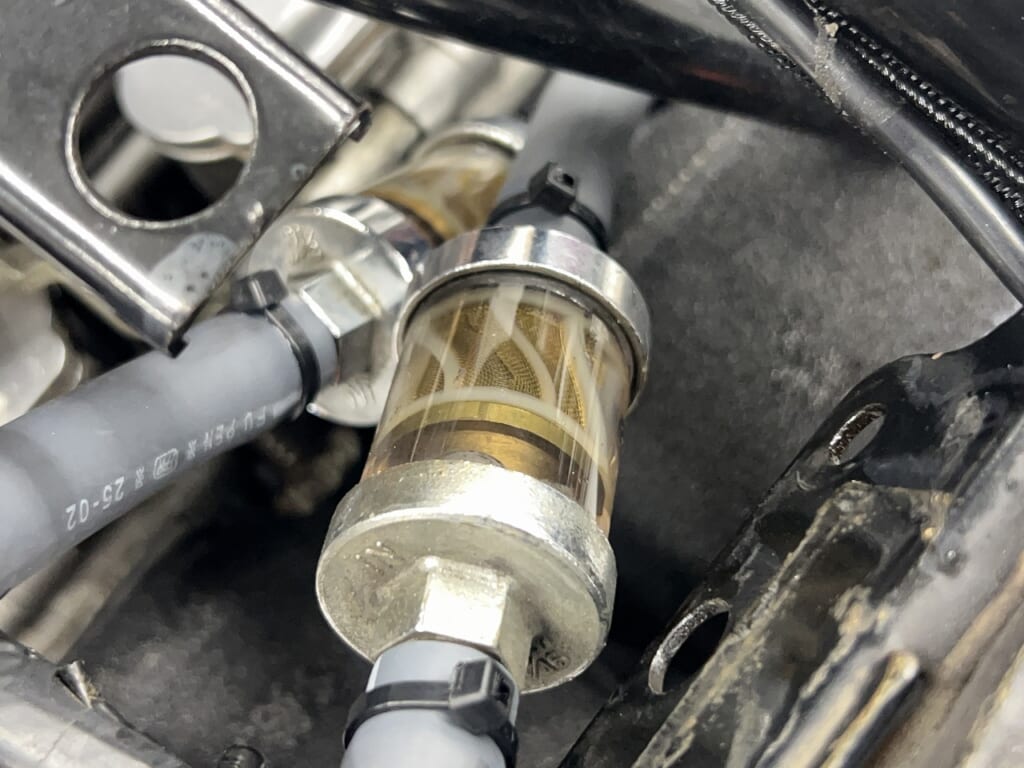
I’m going to address the fuel filter air-lock issue that’s been bothering me. If strange symptoms appear, it’s definitely a concern. Keeping everything as clean as possible helps speed up troubleshooting.
Fuel Filter Concerns • The hose insertion point narrows the inner diameter. • Air always gets trapped in the filter.
Naturally, the fuel passage narrows and air gets trapped in the filter. Of course, it’s better if the fuel passage doesn’t narrow and no air gets trapped. So lately, I’ve been pouring gasoline in first and then attaching the hose to add more peace of mind.
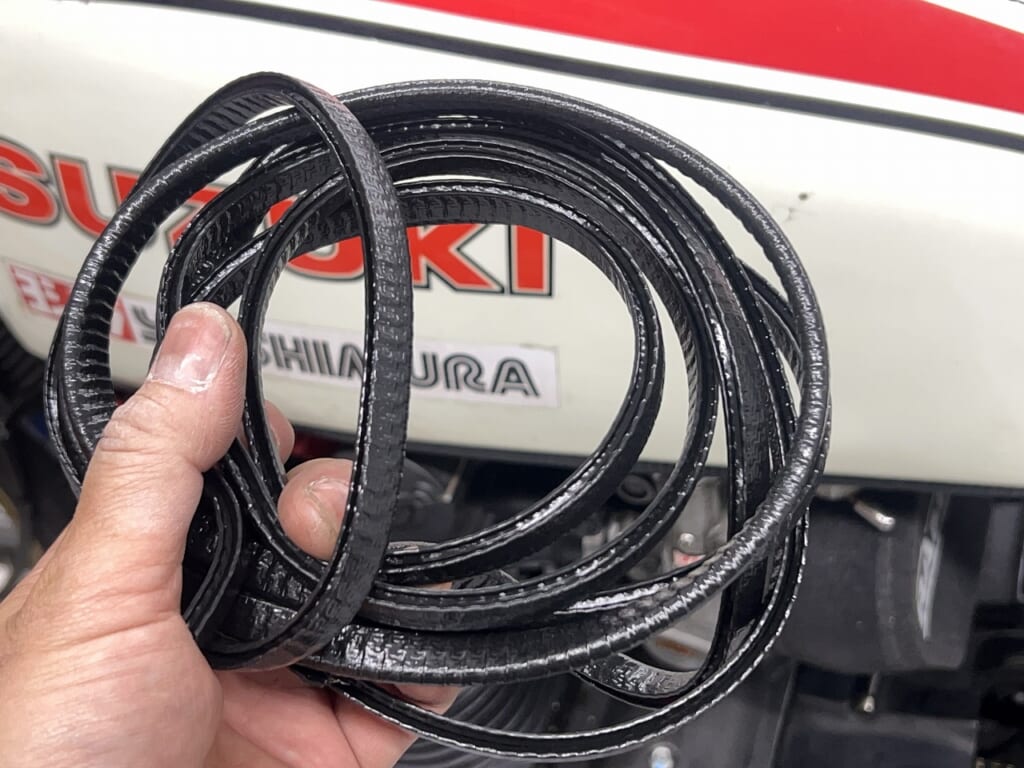
Amazon’s molding is excellent
You don’t need to buy Suzuki OEM parts anymore. For small consumables like this, decent quality is fine. Maybe “necessary and sufficient” is actually just right.
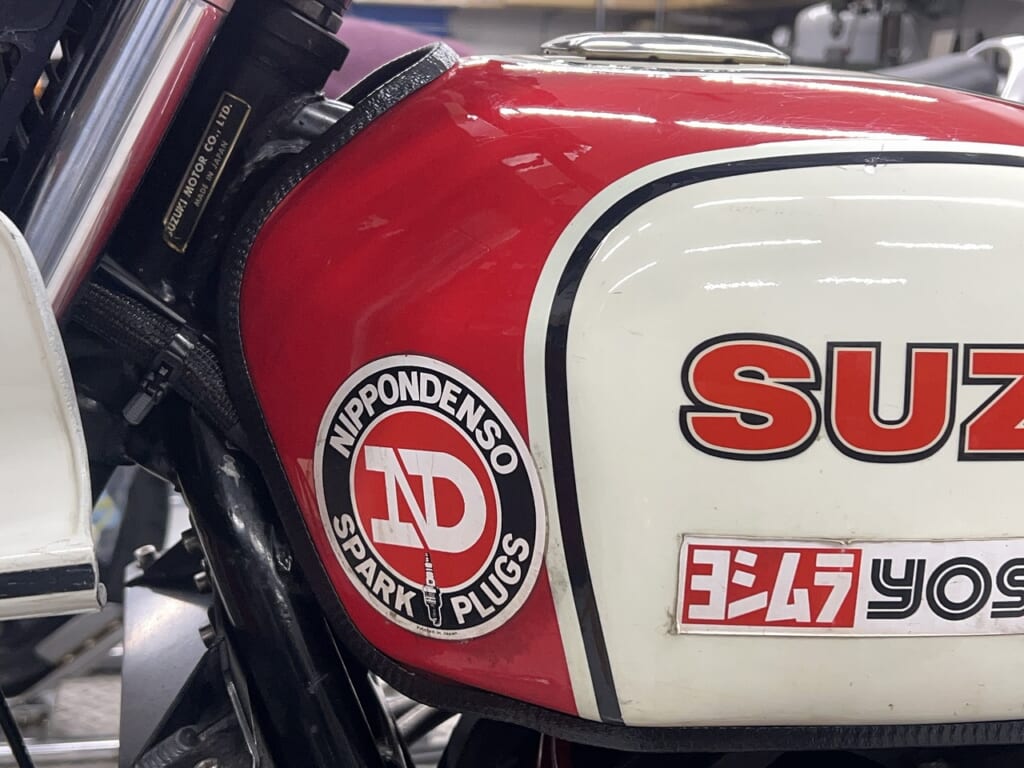
The metal-lined molding accommodates various thicknesses. And the metal tension holds it securely, making it easy to attach and detach.
I always keep it in stock. Great for the tank and anywhere wiring might rub!
Title: Troubleshooting GS1000S Overcharging: Installing a MOSFET Regulator.
Problem: During a test ride, the voltmeter spiked to 15.6V , indicating a dangerous overcharging condition due to the old stock regulator failing. Solution: Upgraded to a modern, compact MOSFET Regulator (Model: FH022BA) . Benefit: MOSFET regulators run cooler and provide much more stable voltage output compared to the original shunt-type regulators, protecting the vintage electrical system.


 ポチップ
ポチップ