Wiring work really does take a lot of time. Let’s embrace the good modern solutions and eliminate electrical worries.
Maintenance Log for This Article
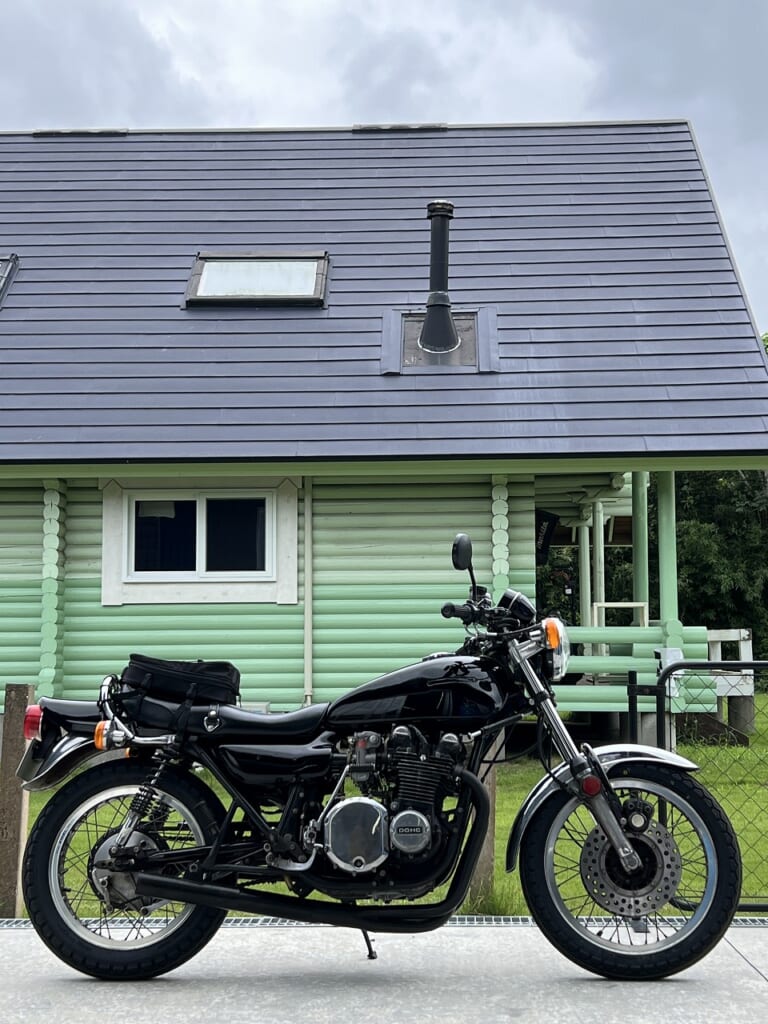
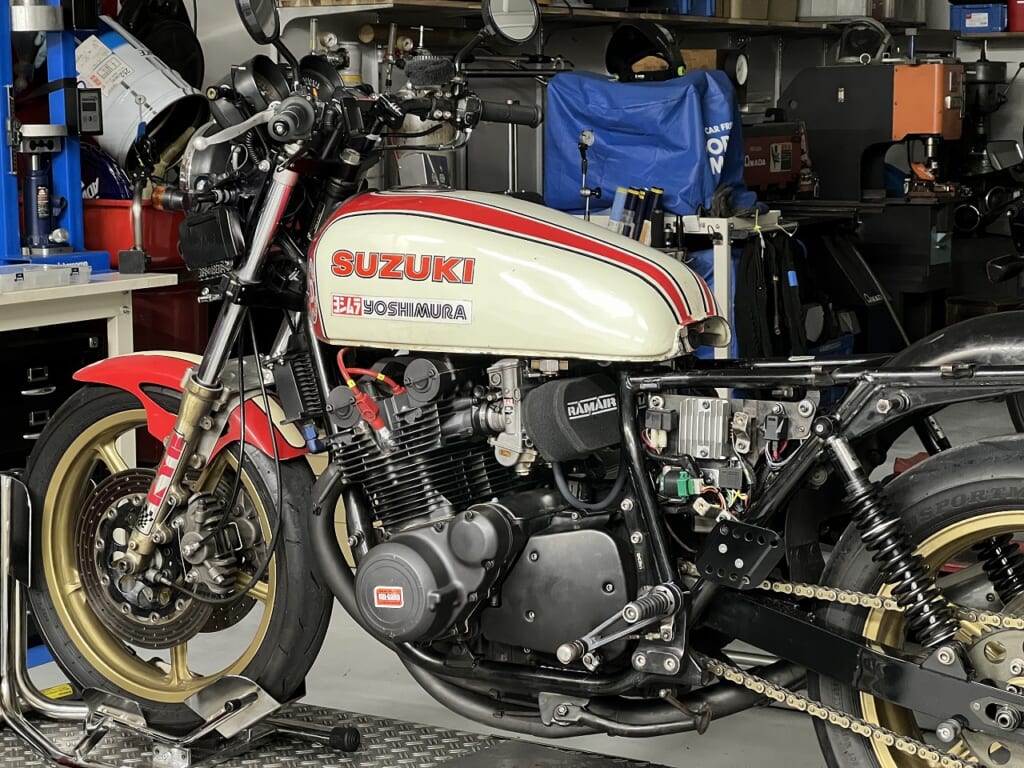
Vehicle: SUZUKI GS1000S (Red & White Coolie)
Symptoms: Starter motor turning slowly, poor engine starting.
Work Performed:
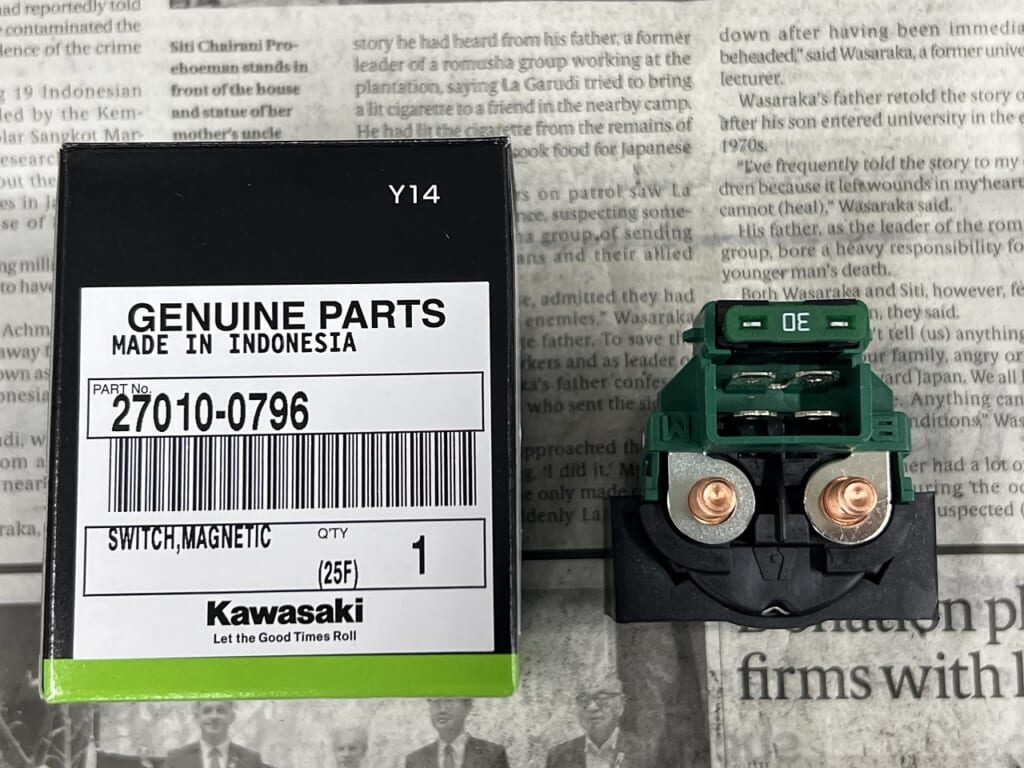
Starter Relay Replacement: Replaced the aged relay with a new one (or a reliable current model).
Ground Enhancement: Replaced and reviewed the ground wire from the battery negative terminal to the engine/frame.
Result: The moment the starter button is pressed, the engine cranks powerfully, and starting performance has improved dramatically.
Conclusion: For vintage motorcycle starting troubles, don’t just suspect the battery—also check the deterioration of the “electrical pathways” (relay and ground).
Decoboco’s Other BLOG. “RURAL GARAGE ”
A hidden room for non-motorcycle topics. Sharing everyday convenience items, relocation, delicious food, life philosophy and more. ←click
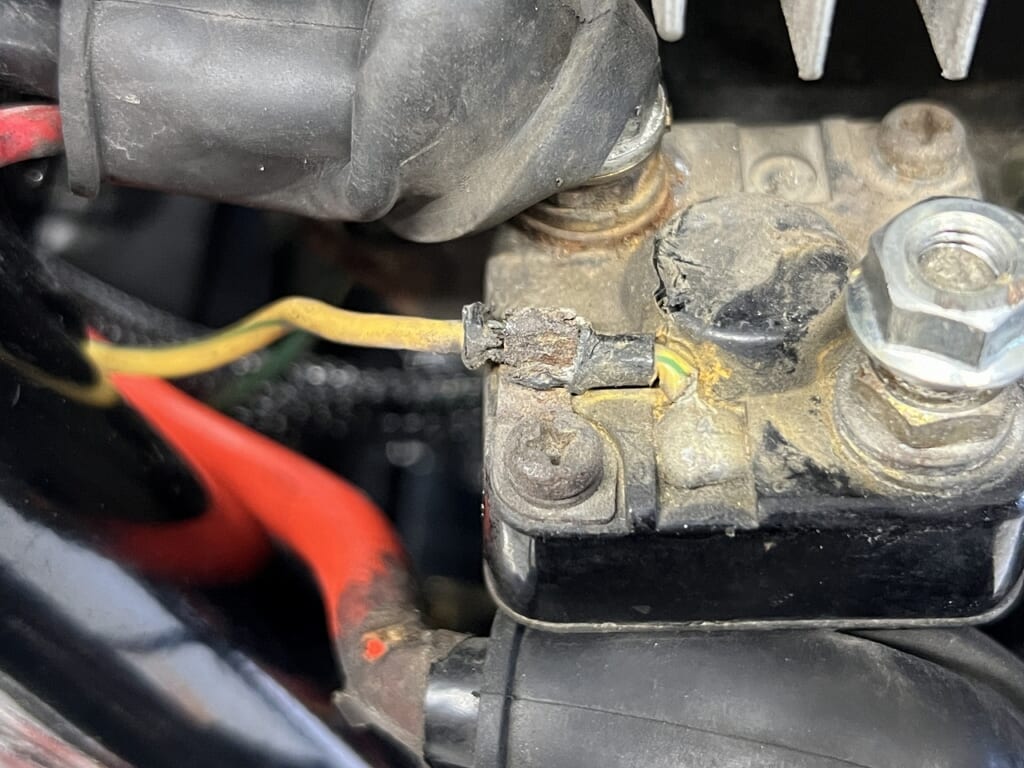
The Original Era Starter Relay is Seriously Sketchy
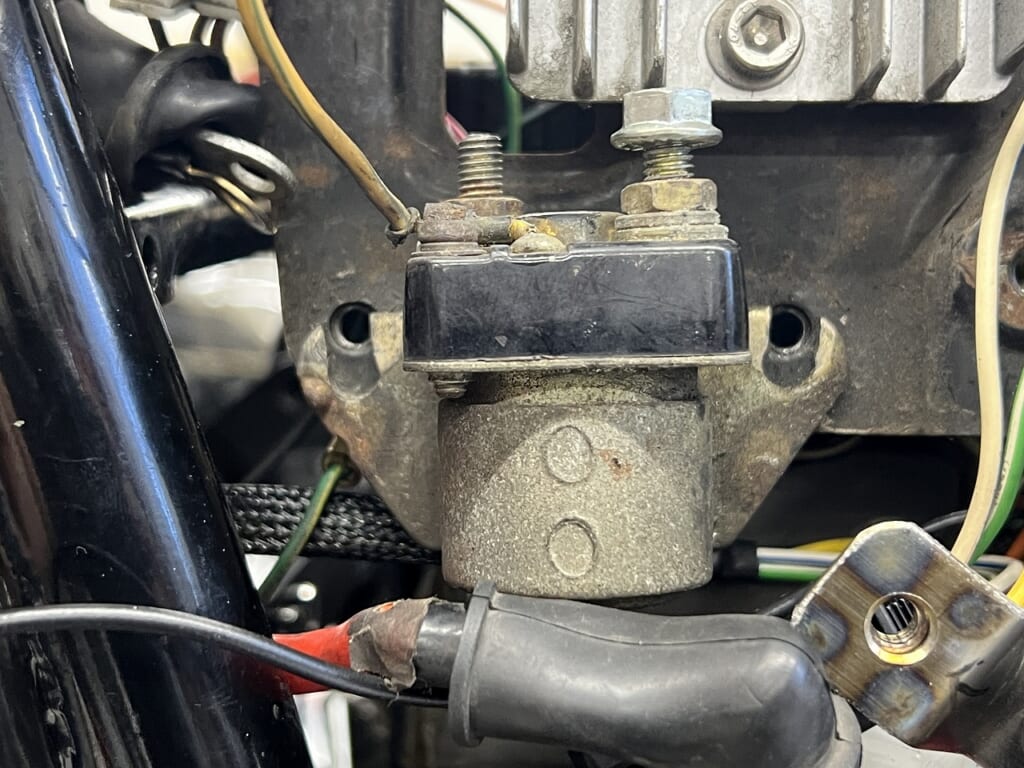
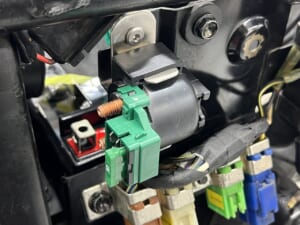
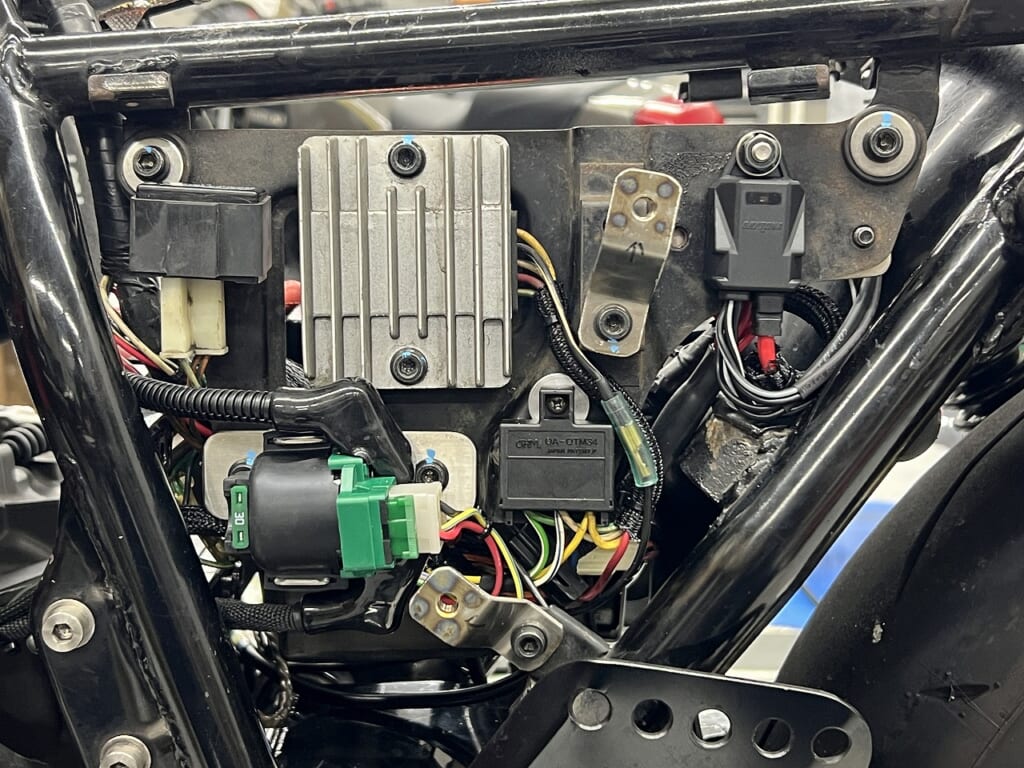
The Suzuki starter relay from this era uses “body ground” with just one lead wire from the starter .
From around the 1990s onward, most relays branch internally and supply 12V to the harness . This way, you can introduce a fuse at the point closest to the battery , and the harness supply layout becomes simpler . The GS1000S starter relay resistance is 3–3.5Ω. This relay was within spec, but I replaced it anyway.
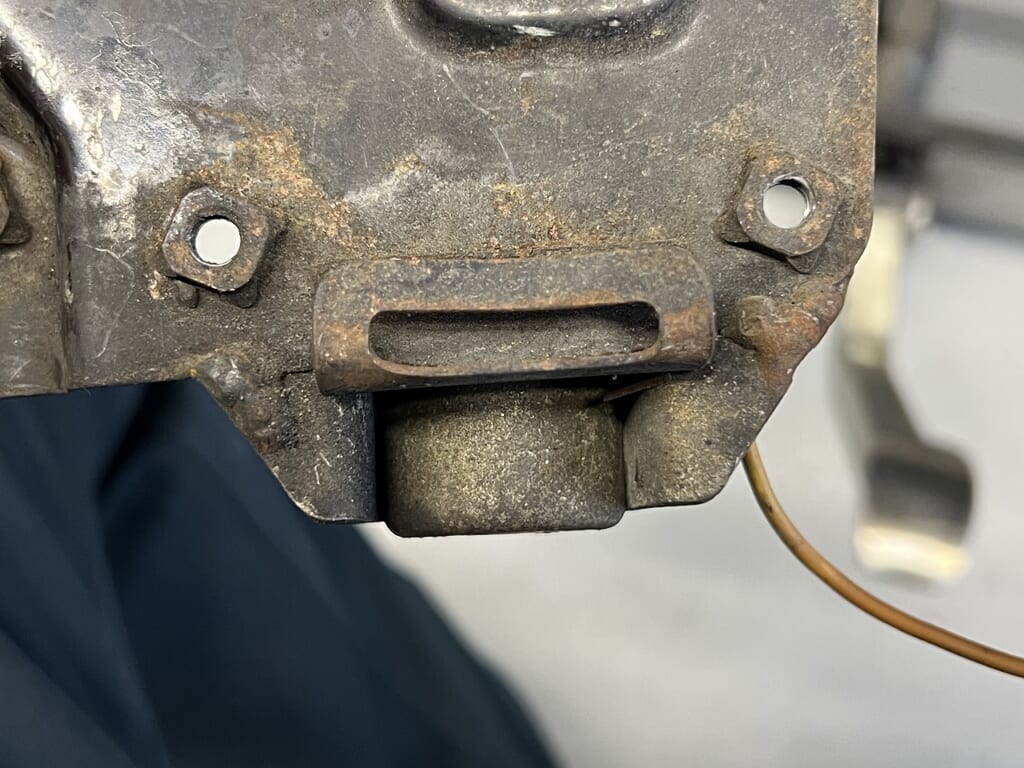
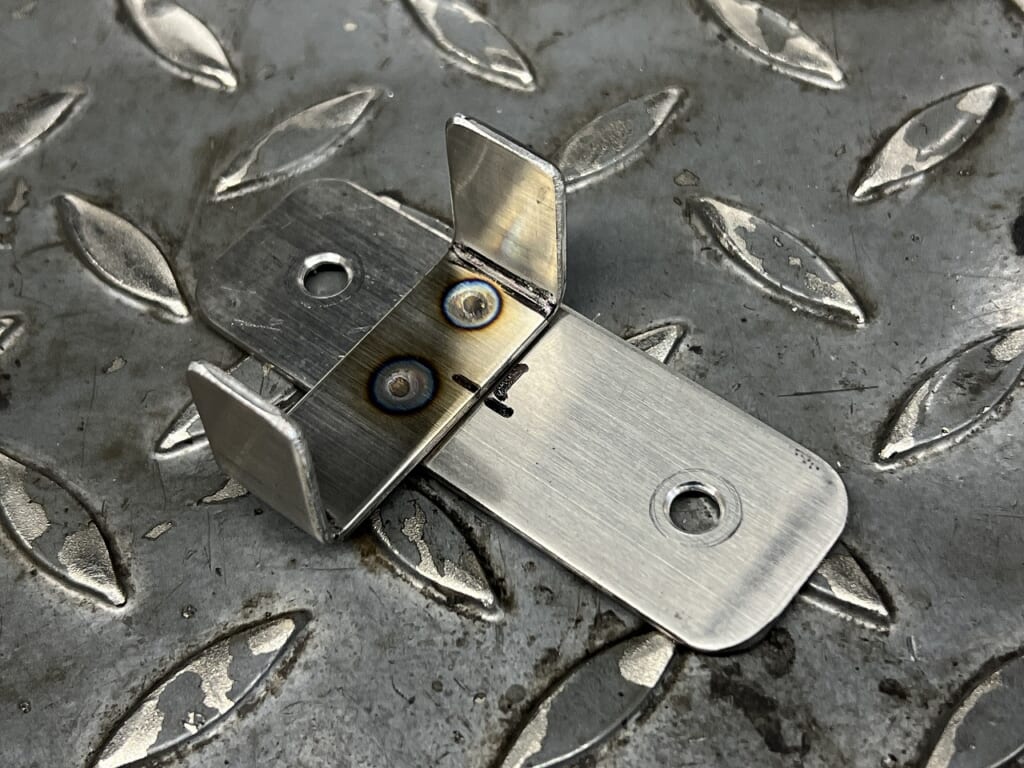
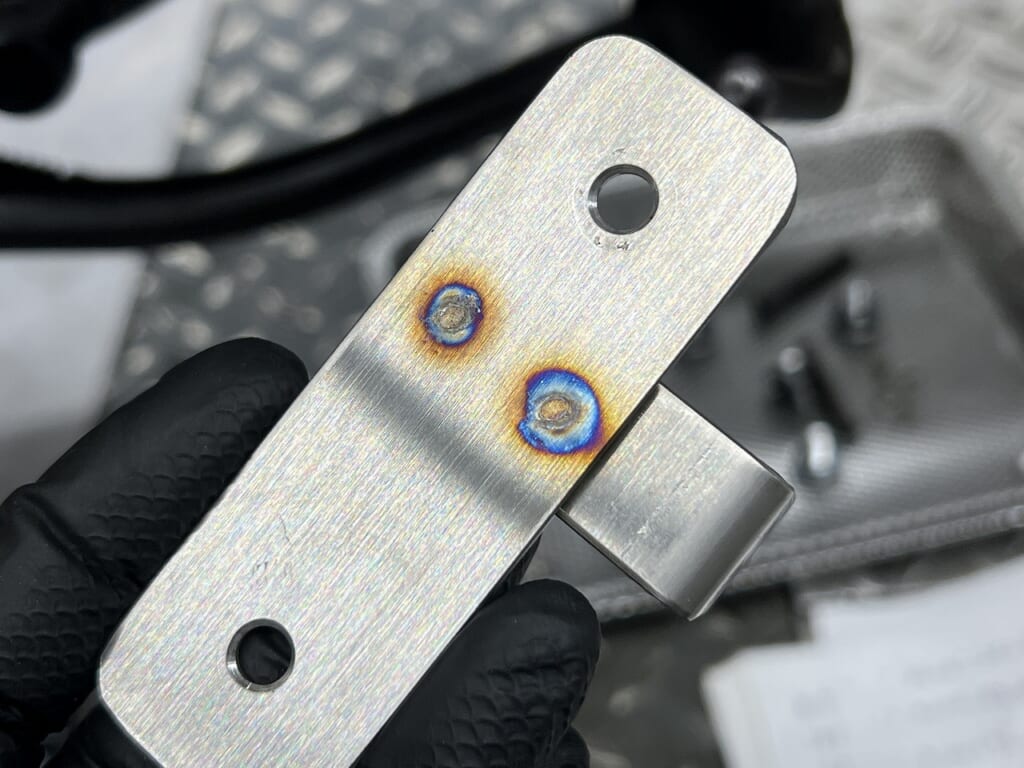
The bolt wouldn’t come out, so I removed the plate and found it was spot-welded (;∀;) That was close—I almost hit it. The spirit of “No way! Absolutely not! Brute force” saved me…
I’ll quickly fabricate a mounting bracket. My motto is to keep it as simple, fast, and robust as possible. *It’s a bit heavy though…
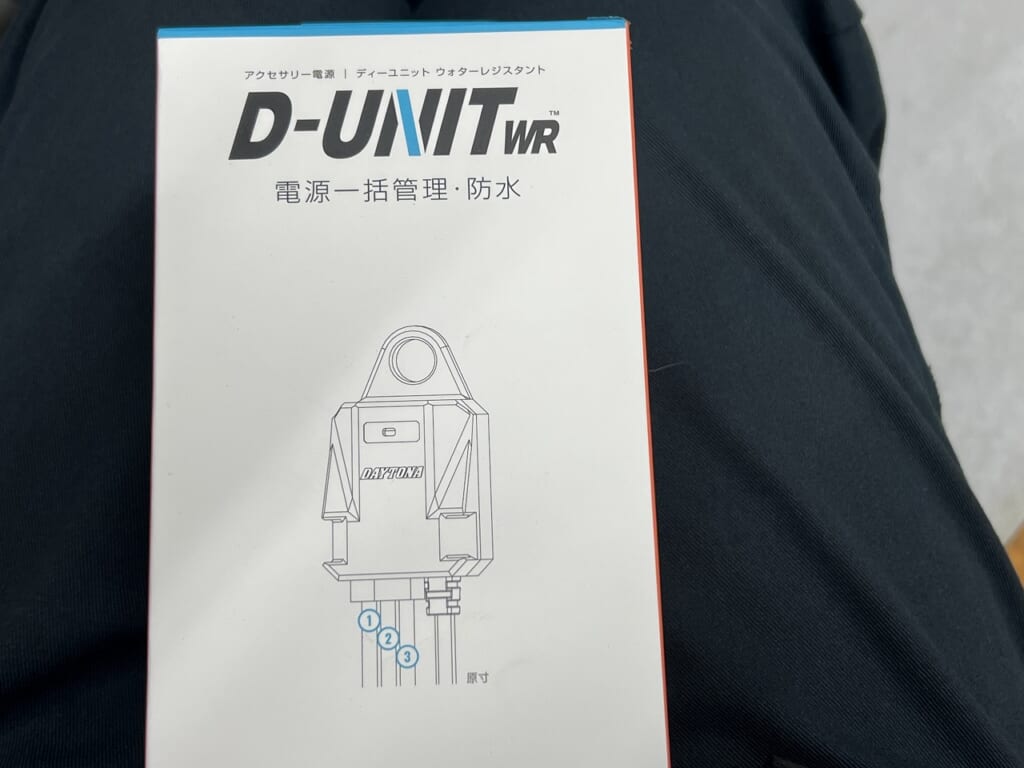
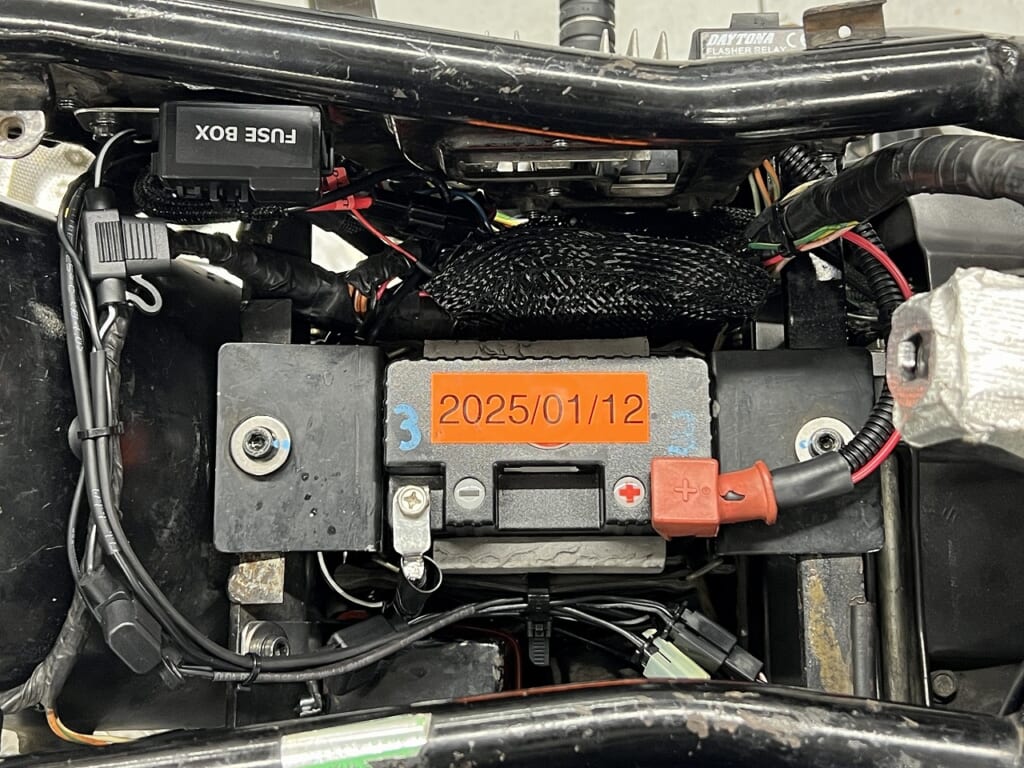
Changing from D-UNIT to D-UNIT WR.
Back in the day, I sold and installed a lot of D-UNIT+. At that time, I was genuinely impressed by such an amazing product. But! As time went on…
Of course, the newer, smaller, and more convenient D-UNIT WR is currently the strongest power-sourcing part available with high safety, compact size, and simplicity. I’ll remove the old D-UNIT and switch to this one.
If you’re adding electrical components, the D-UNIT WR is essential.
The layout is complete like this. If I wanted to make it even simpler, I could remake the plate and clean it up more! But then I’d also want to replace the regulator and rebuild the battery case, and the scope keeps growing.
I did my best with what I could do right now.
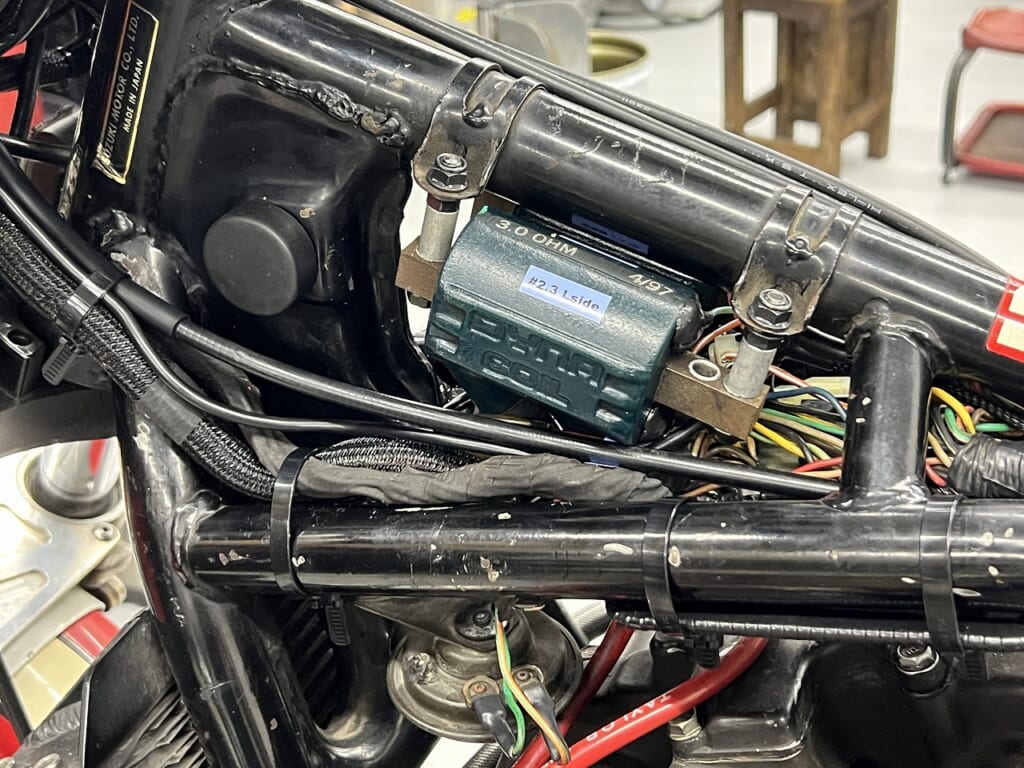
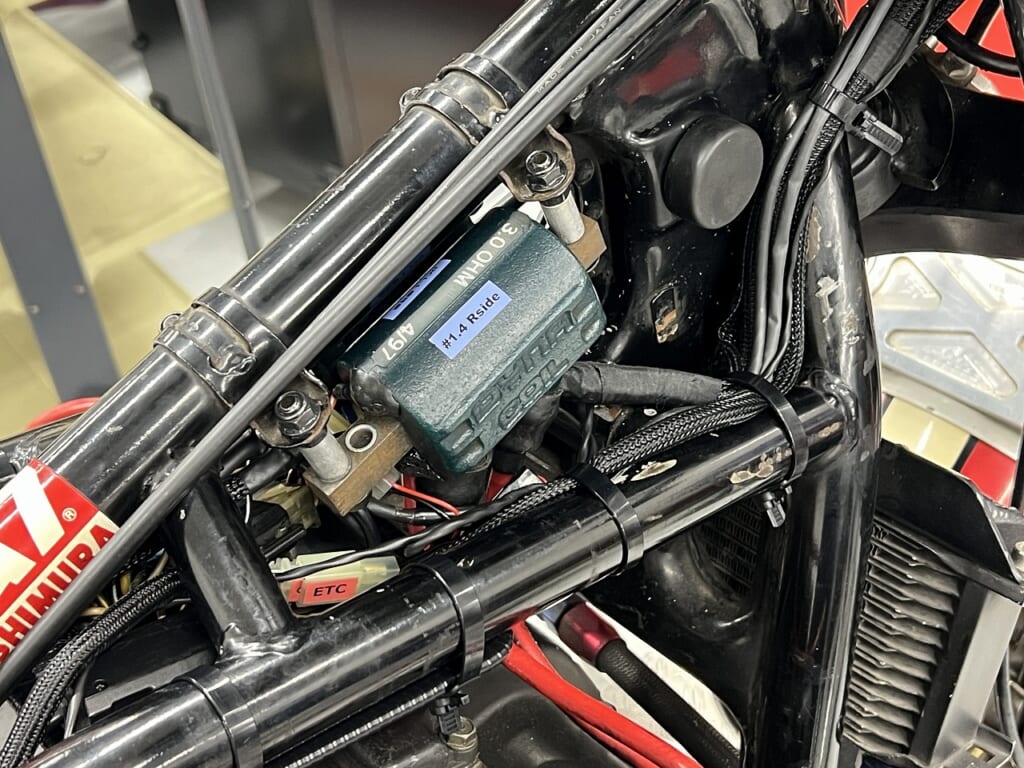
The harness itself has been cleaned and laid out, so it’s much tidier now.
The dramatic changes are in starting performance and zero headlight flicker
The other day, I replaced just the internals of the starter clutch. The result didn’t improve much… so I was a bit disappointed. Since it wasn’t slipping badly, I decided to wait and see.
But then? After I did the harness refresh project “The starter turns well and doesn’t slip” Ah, so this kind of thing can happen too—it’s a daily learning experience. With the passage of time, vintage bikes might benefit from “starter motor grounding” and “new starter relay & starter lead” —surprisingly effective.
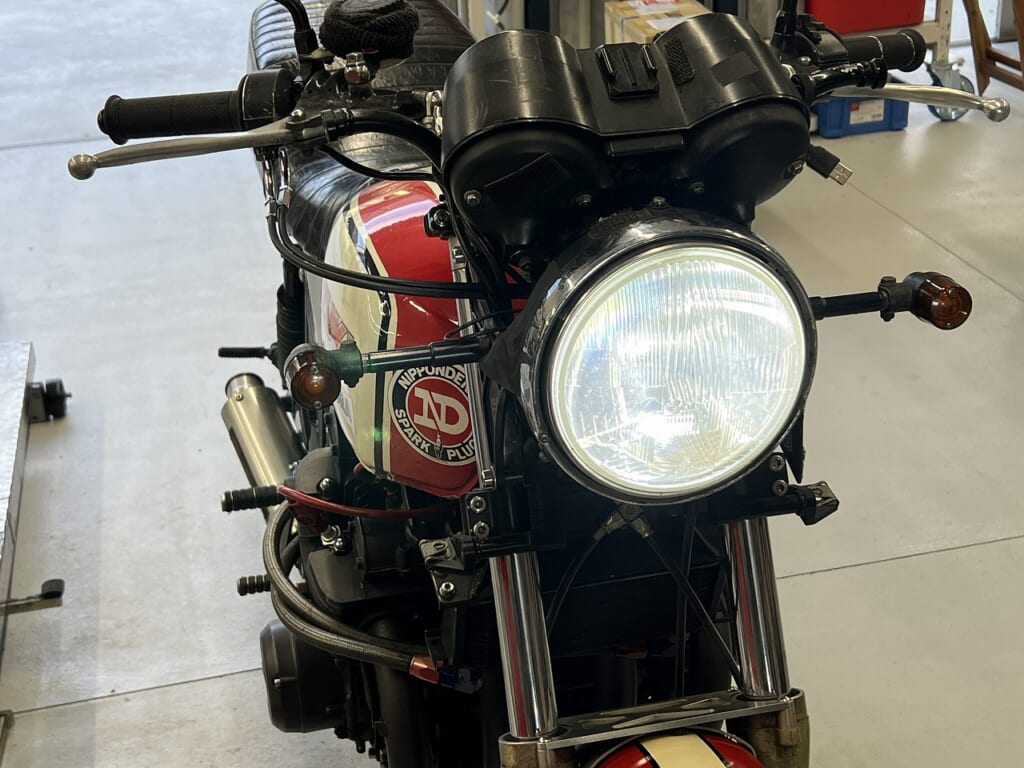
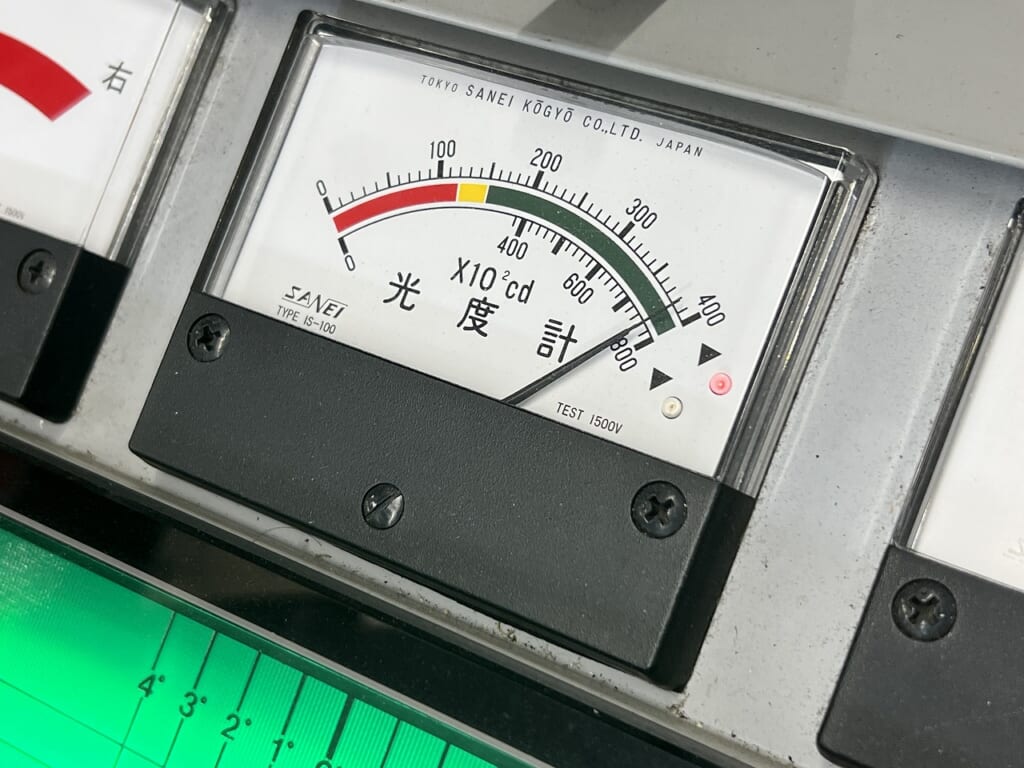
At the last inspection, the LED headlight was flickering, so I installed a headlight relay. After measuring it, the flicker was gone and the brightness was good, so I “removed the headlight relay” .
It makes sense that the grounding myth is passed down through the ages (*・ω・)(*-ω-)(*・ω・)(*-ω-)Yeah, yeah♪
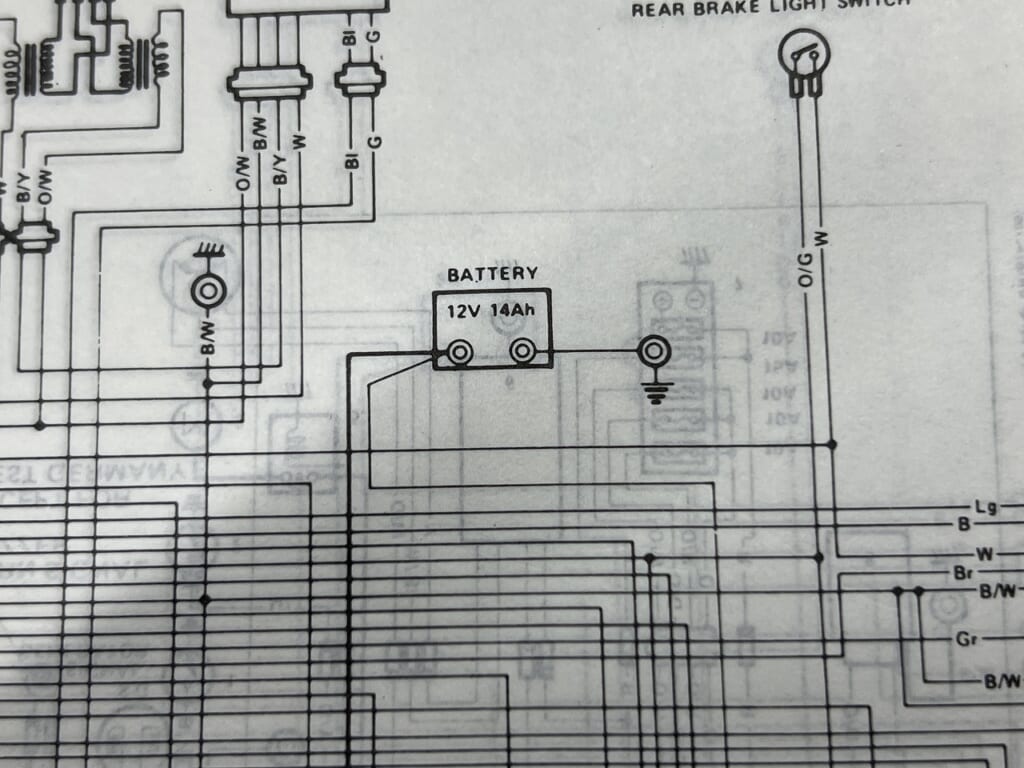
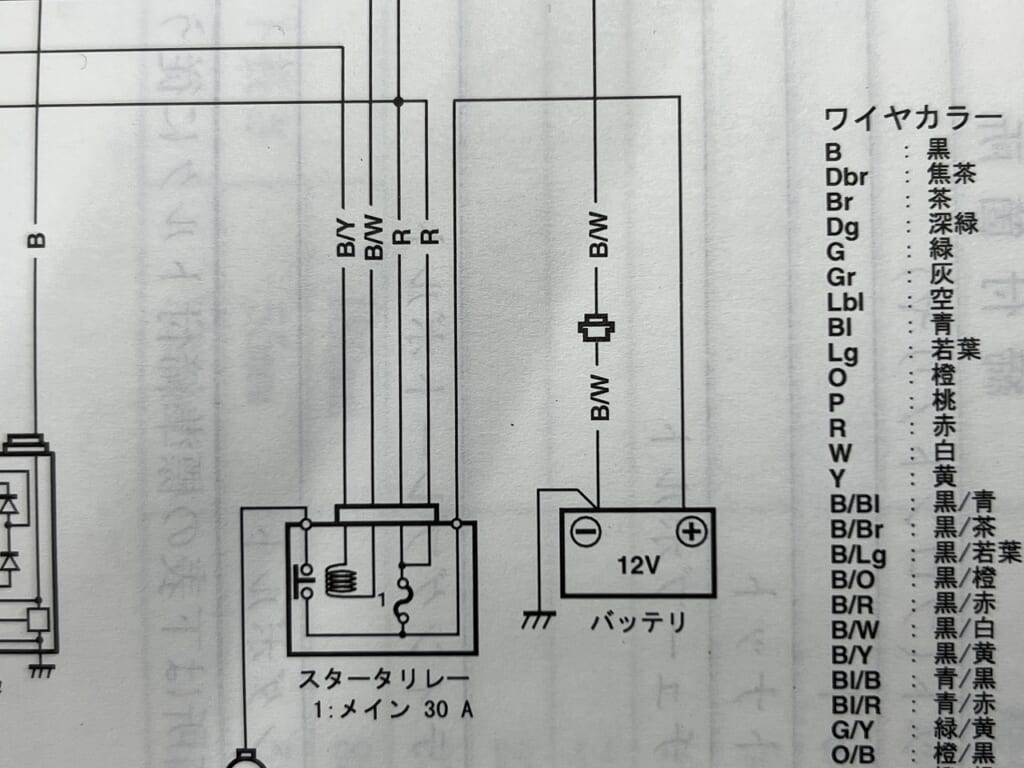
GS750/GS1000 series are effective when modified.
Left is GS1000, right is GS1200SS.
The left GS1000 just grounds to the body. Harness ground is sourced from the frame each time in this style. The right GS1200SS connects directly from the battery negative to the main harness. The reliability is quite different.
It should be done tomorrow… hopefully (*´ω`*)
[ English Summary ]
Title: Improving the Starting Performance of SUZUKI GS1000S. Problem: The starter motor was turning slowly, and the engine was difficult to start (common issue in vintage bikes). Solution: Replaced the Starter Relay and the Ground Lead (Earth wire) with new ones to reduce electrical resistance. Result: The engine now cranks vigorously and starts immediately. Updating the electrical ground system is essential for reliable vintage motorcycle performance.

 ポチップ
ポチップ