What defines a custom shop? I honestly don’t know either… and naturally, customers probably don’t either.
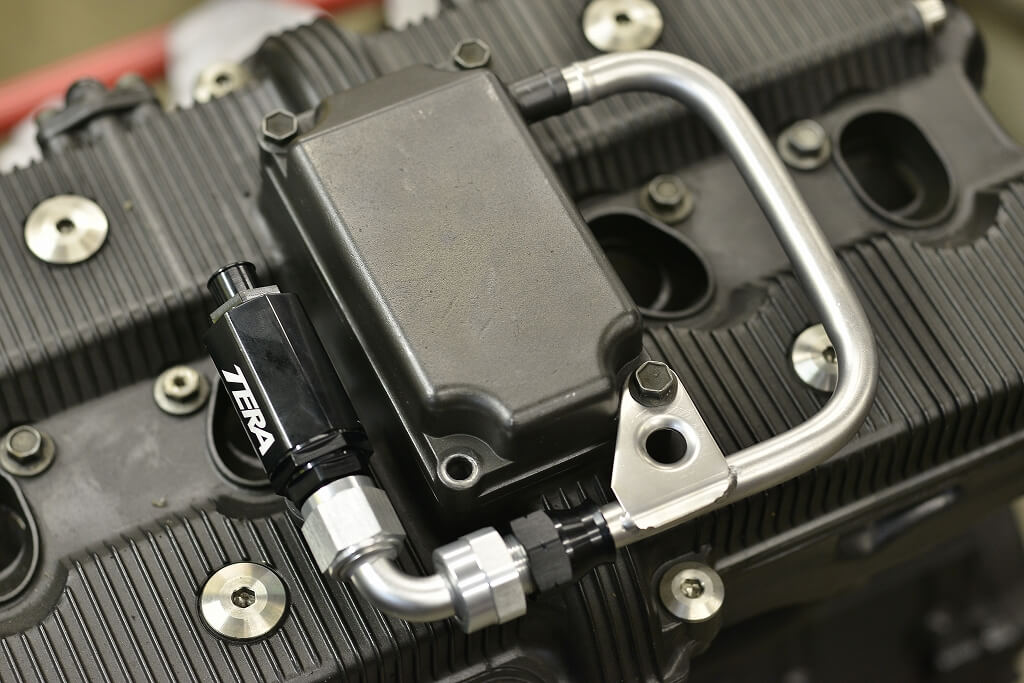
For example…
Is it custom if you install something that isn’t OEM?
Is it custom if it won’t pass inspection?
Is it custom if a dealer won’t accept it?
Honestly… I have no idea.
Once in a while someone asks me, “Can you do custom work?” but…
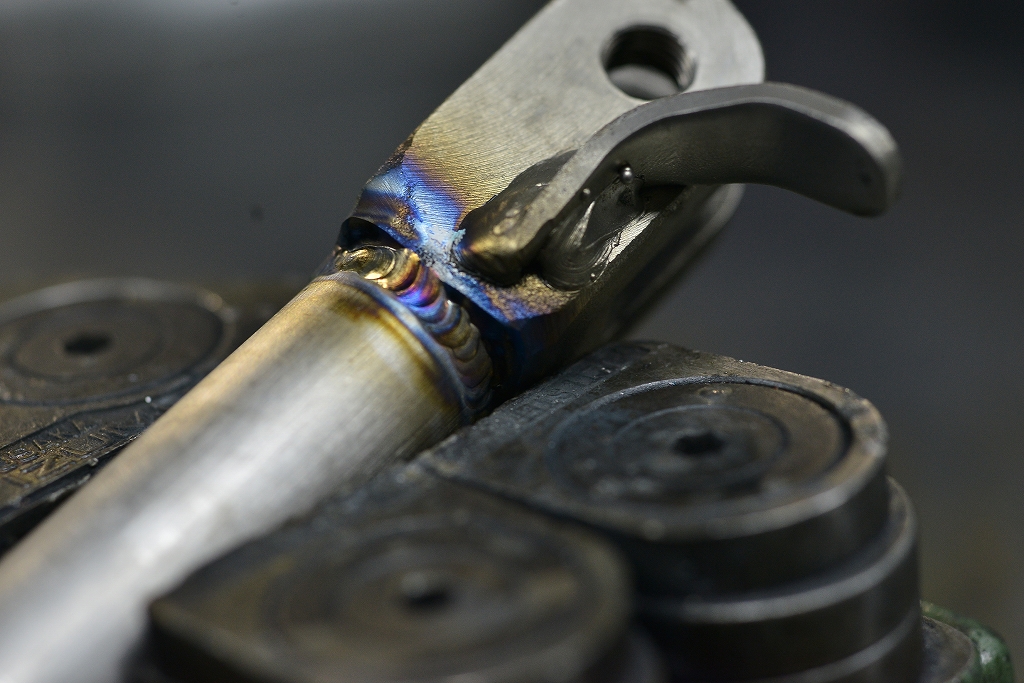
I’ve been in this industry for a while, and there are some truly exceptional craftspeople out there. I can’t just loudly declare “Custom OK! Leave the fabrication to us!” because of that.
The category of “custom” is just too broad to take on easily.
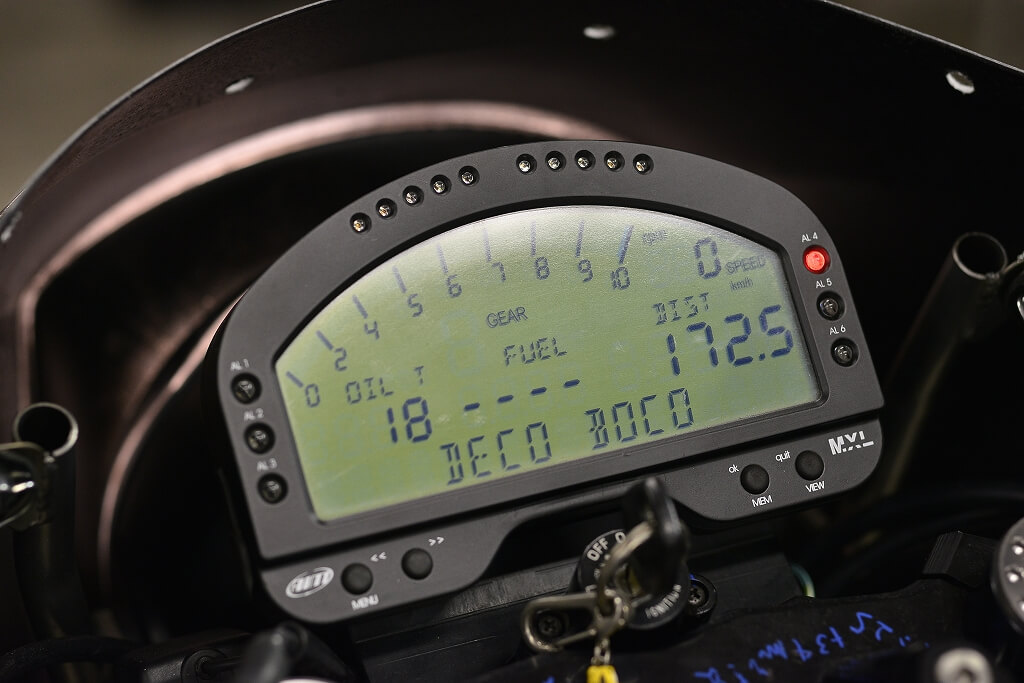
I think if we narrowed it down—not by difficulty levels like pine, bamboo, and plum, but rather to something like “Bolt-On Custom Shop” or “Dress-Up Custom Shop”—then people might go, “Oh, yeah, yeah, I get it.”
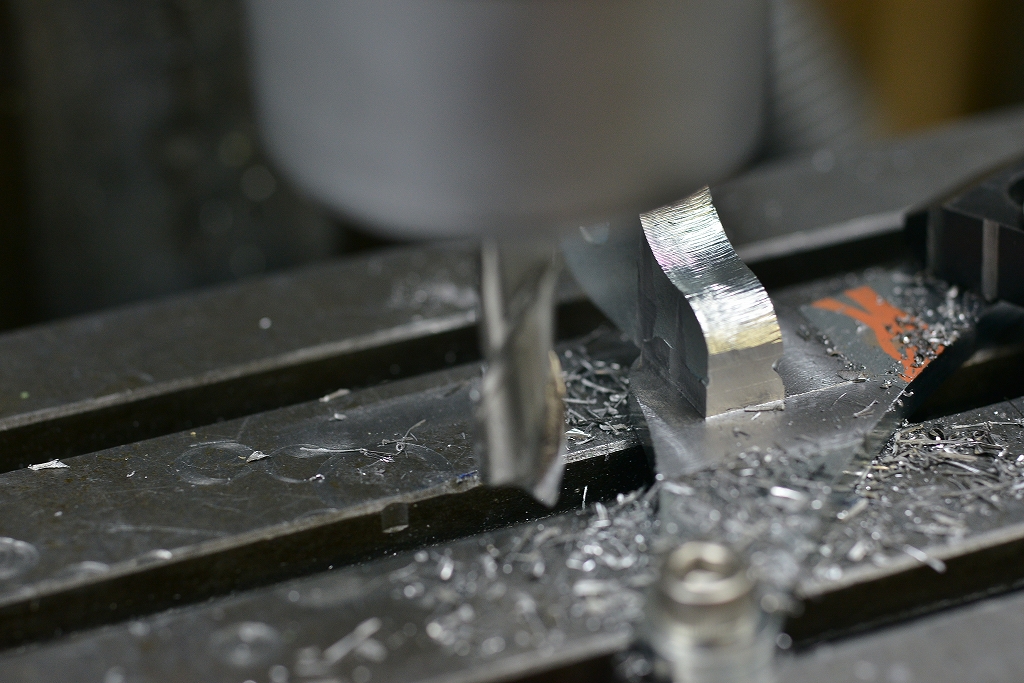
Customers might not notice, but…
A custom shop with no machine tools at all?
I find myself thinking, “How are you going to handle that?”
It’s fine if you outsource everything, but there’s a real danger in doing things halfway.
For example, “We don’t have a lathe.” You want to fabricate a collar, so you take measurements, have it drawn up, outsource it, and then discover the dimensions were wrong. When mistakes like that happen, you have to make it again. You end up dealing with this kind of thing constantly, so there are a lot of compromises involved.
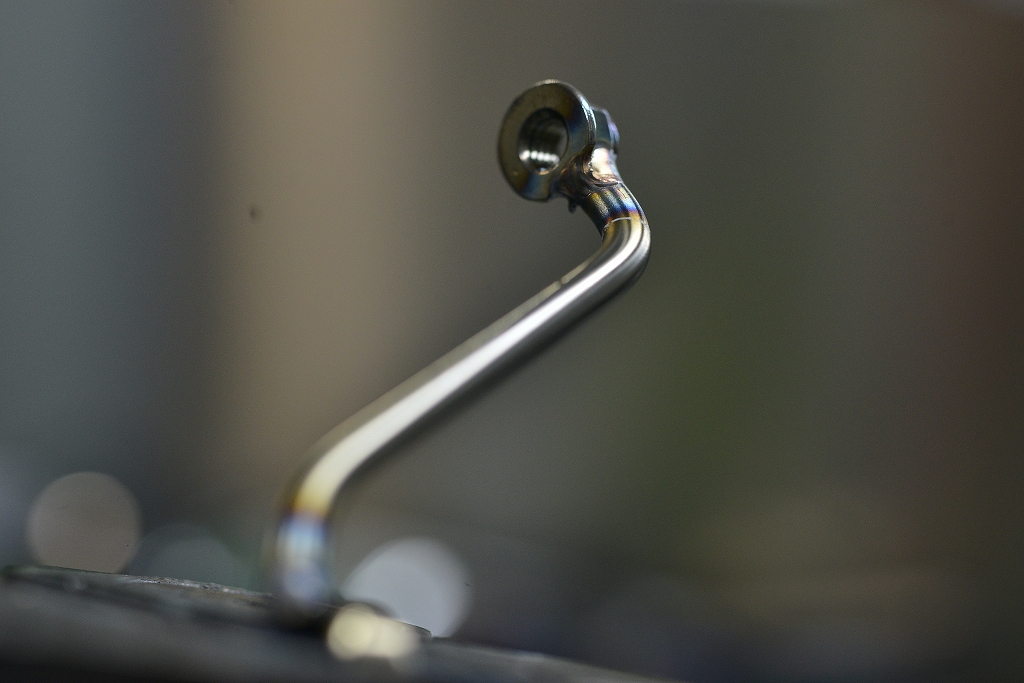
For example, “An off-the-shelf master cylinder bracket won’t fit cleanly.”
Of course, you can’t make it longer or shorter, so you just go with it as-is. The appearance and layout end up looking wrong, and despite spending money, you’re left feeling disappointed.
Both the serviceability and appearance suffer, and the layout is poor—it just feels wasteful.
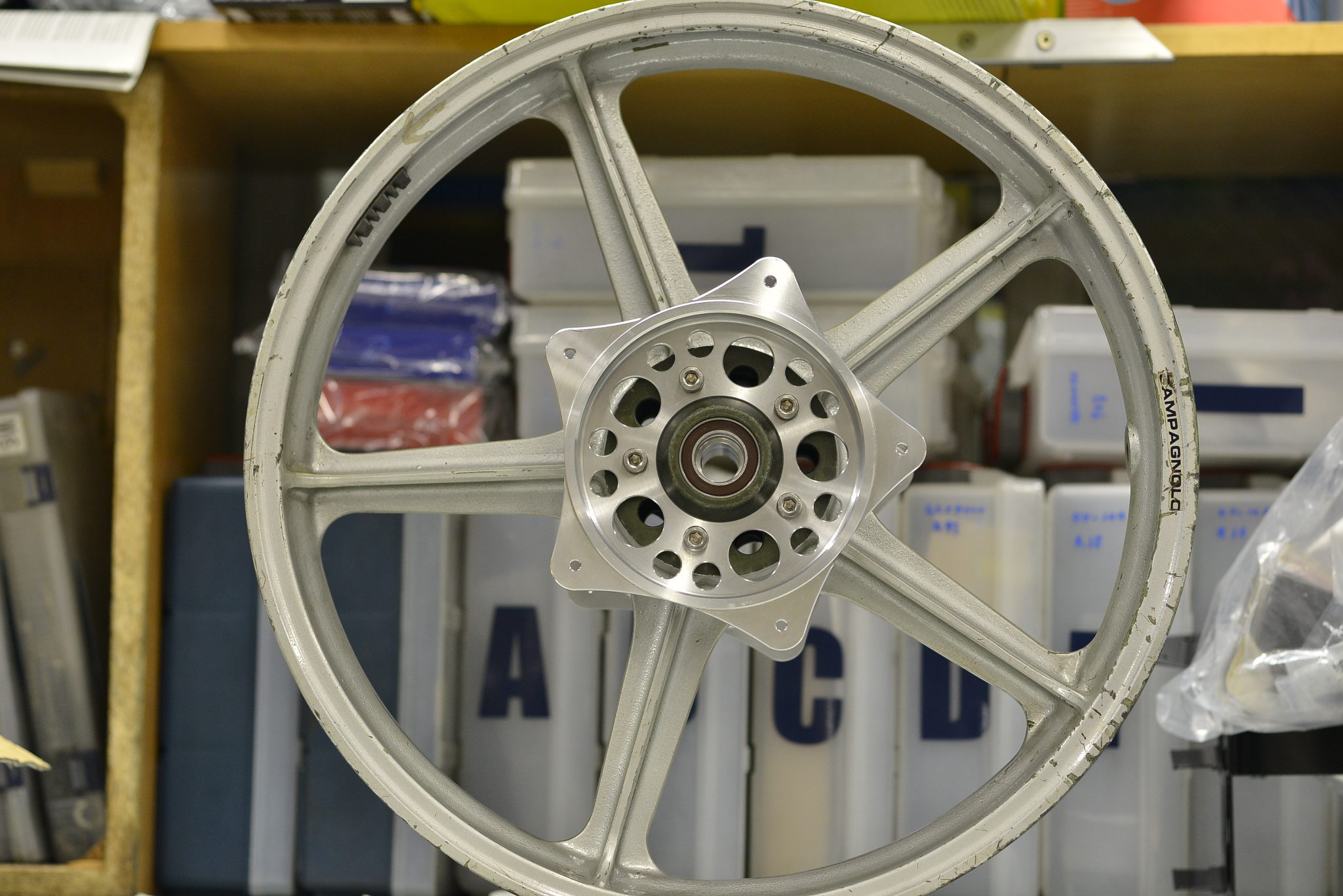
Naturally, customers can’t install things themselves, so they can’t judge whether the installation is good or bad. They also have limited options, so there’s little room for choice.
For example, “I want Brembo brakes!” If that Brembo is installed, maybe that’s all they focus on.
The flow of “just install what’s being sold and you’re good” might work because the customer’s wishes and the shop’s conditions align.
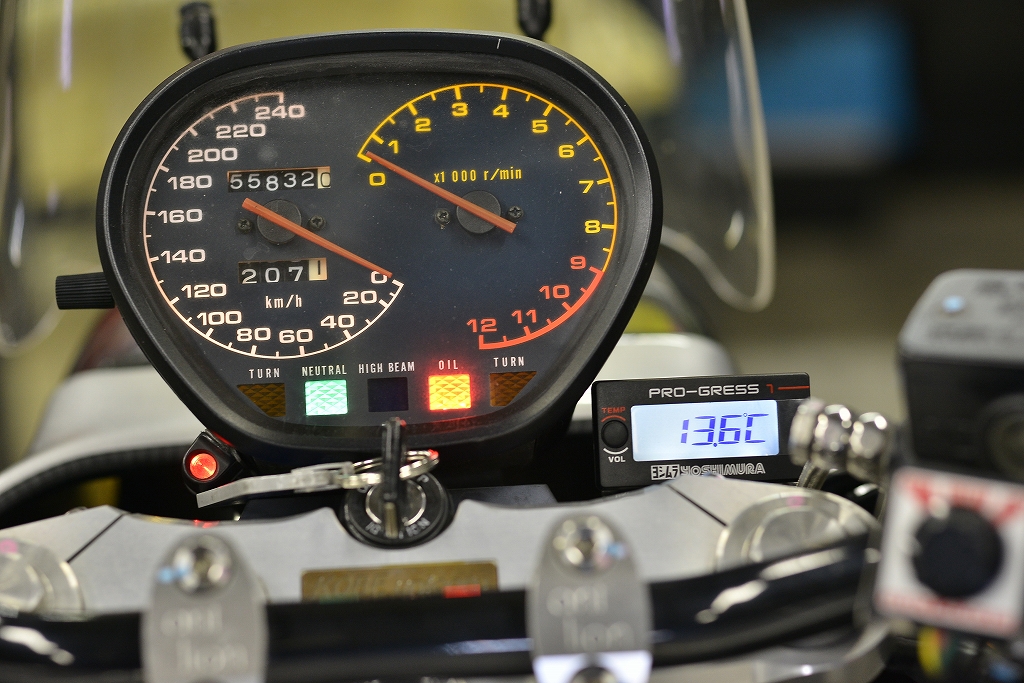
One suggestion.
I think it would be interesting to focus on how parts are installed—whether they fit cleanly and with good serviceability.
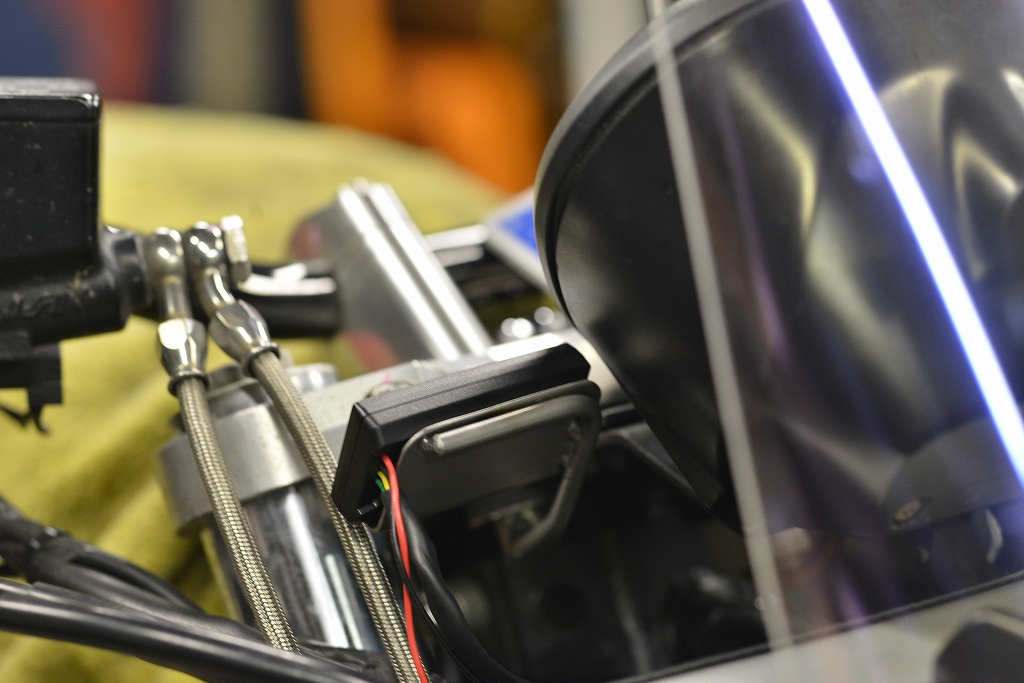
In a way that would look good even if others saw it. In a way that wouldn’t get in the way if someone else had to service it. I don’t want to cause trouble for others.
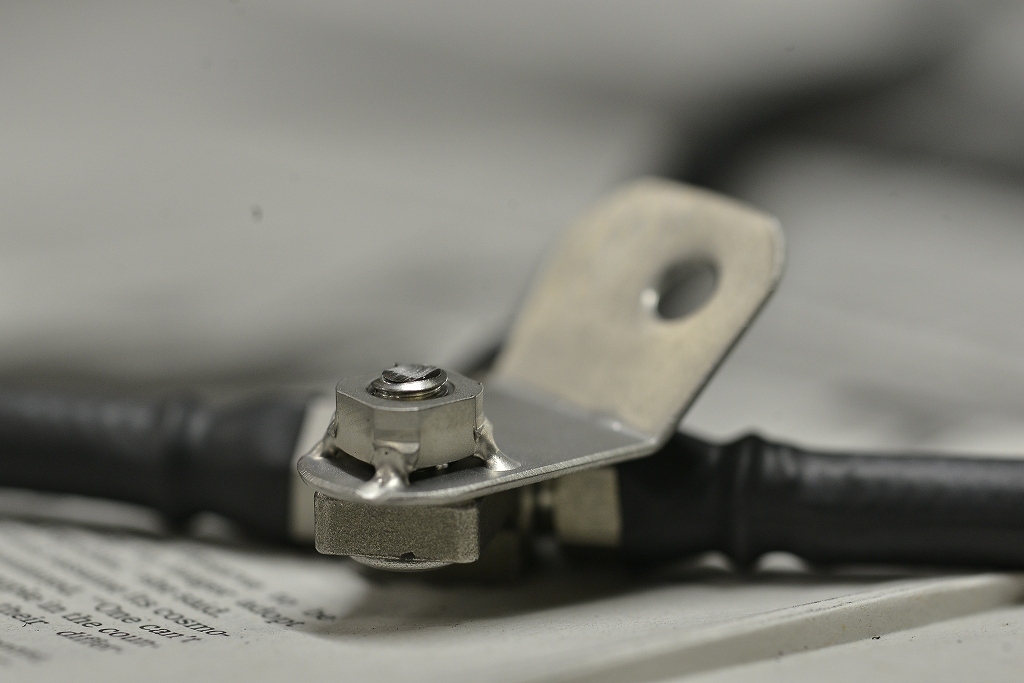
Before you focus on the big-ticket parts like Öhlins, Brembo, and Marchesini…
Isn’t the brake hose too long? Doesn’t the layout look awkward?
The carburetor’s been changed, but isn’t the throttle cable routing odd?
Isn’t the electrical system held in place with just zip ties and double-sided tape?
Looking at things from different angles like this, examining a custom-built machine can be really interesting.
Custom work and fabrication involve a lot of failures, so without at least basic machine tools, you can’t do anything deep.