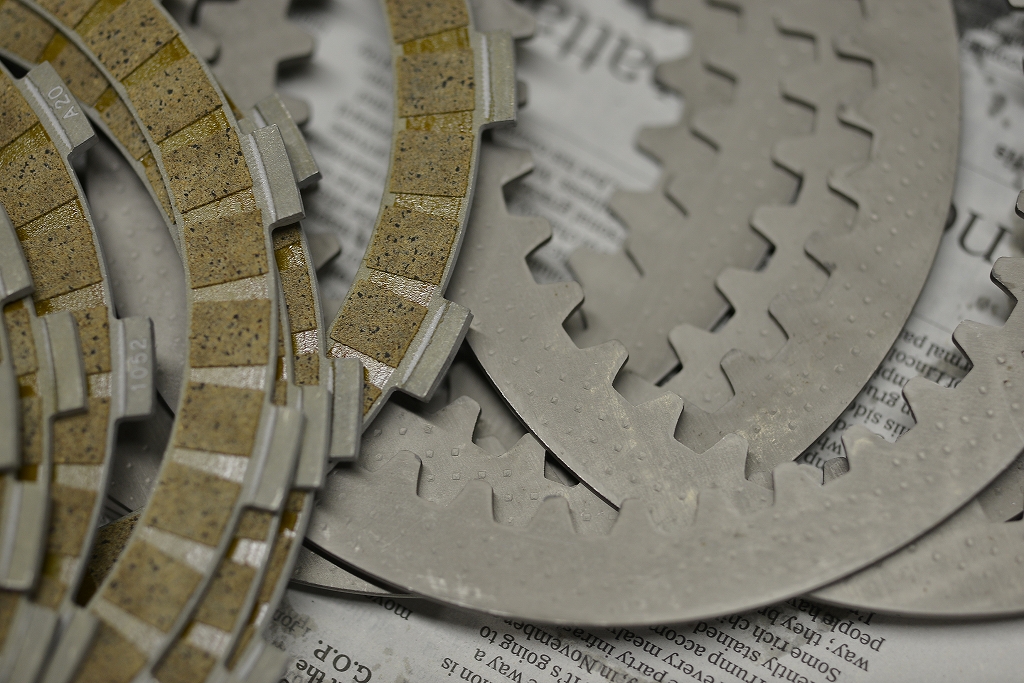
The OEM clutch is good, but the FCC clutch features new processing and friction material. It offers high reliability and often costs less than the original.
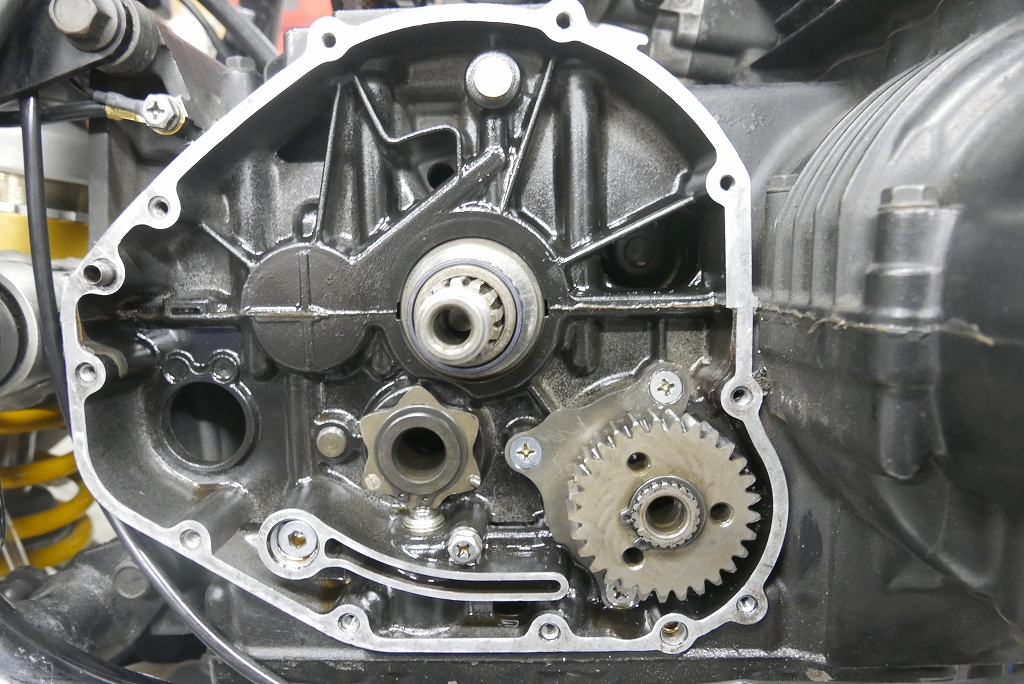
It’s quite an innovative structure, isn’t it? The clutch housing doesn’t mesh directly with the crankshaft—in a way, it’s refreshing.
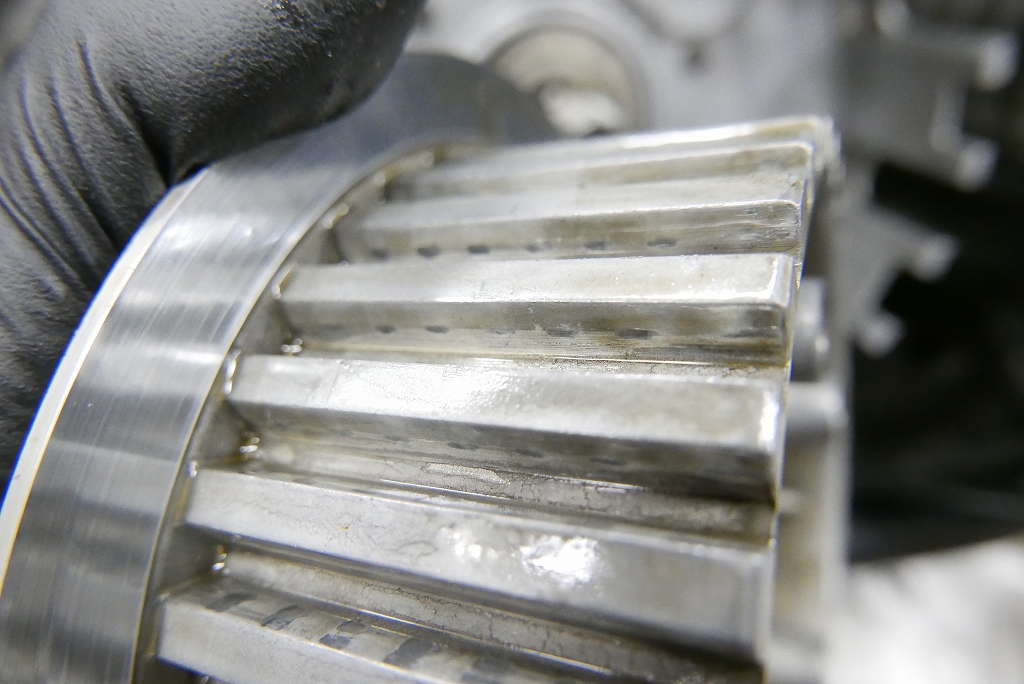
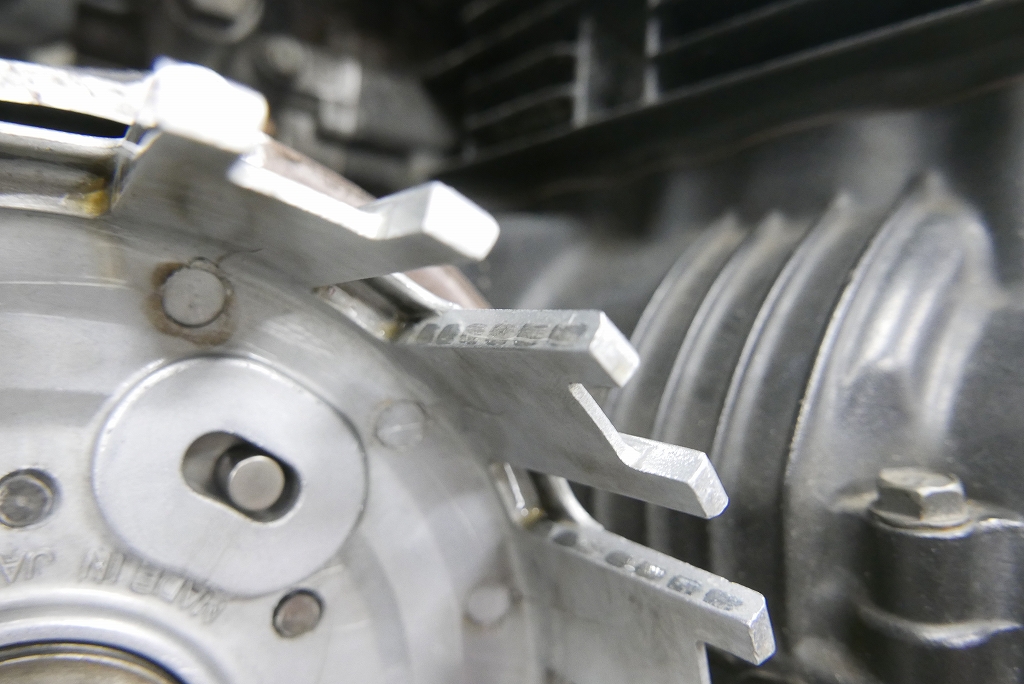
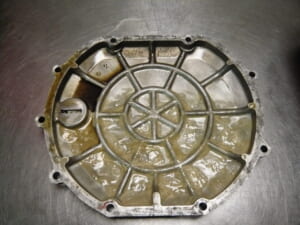
There are barely any impact marks; the condition is excellent.
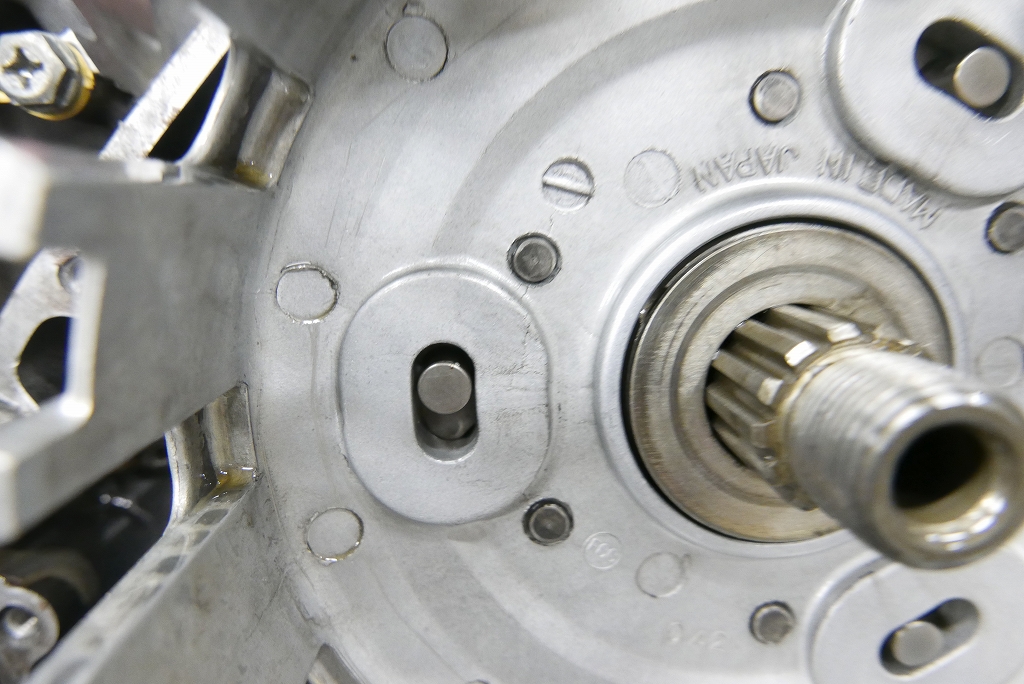
The more you look at it, the more refreshing it seems.
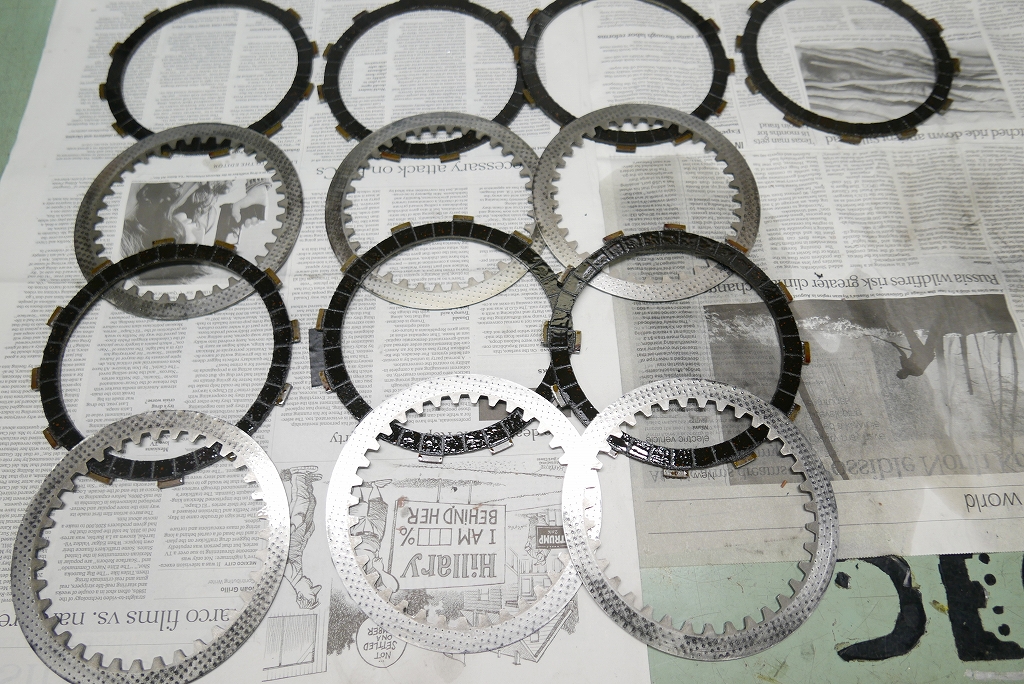
These are the clutch plates—a combination of plate and friction material.
It’s kind of like brake discs and pads, I suppose.
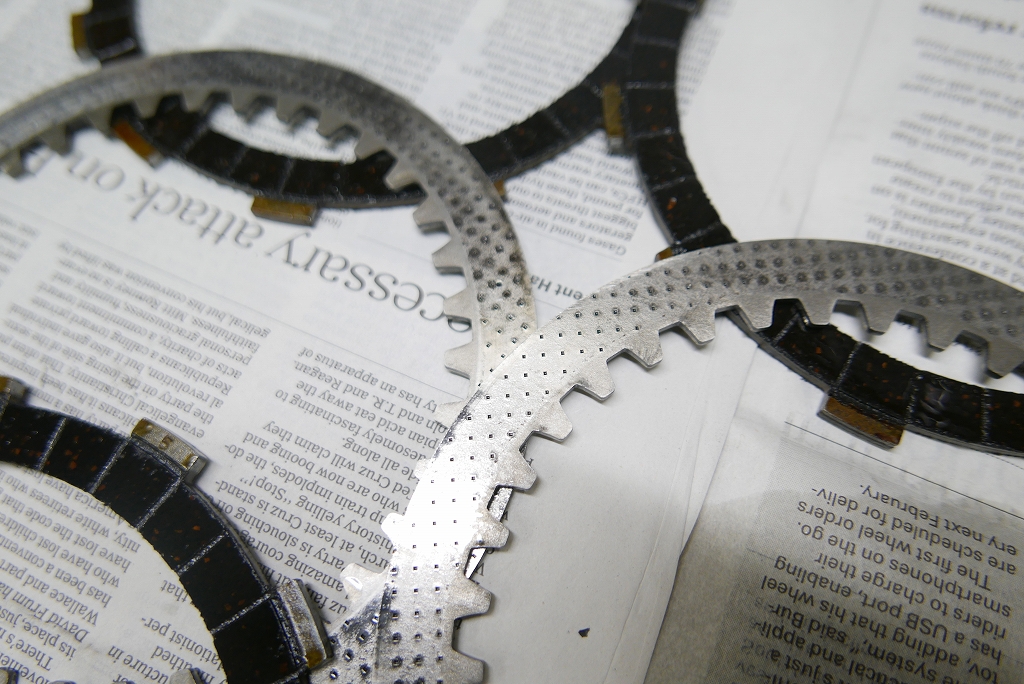
The steel plates showed no particular heat discoloration.
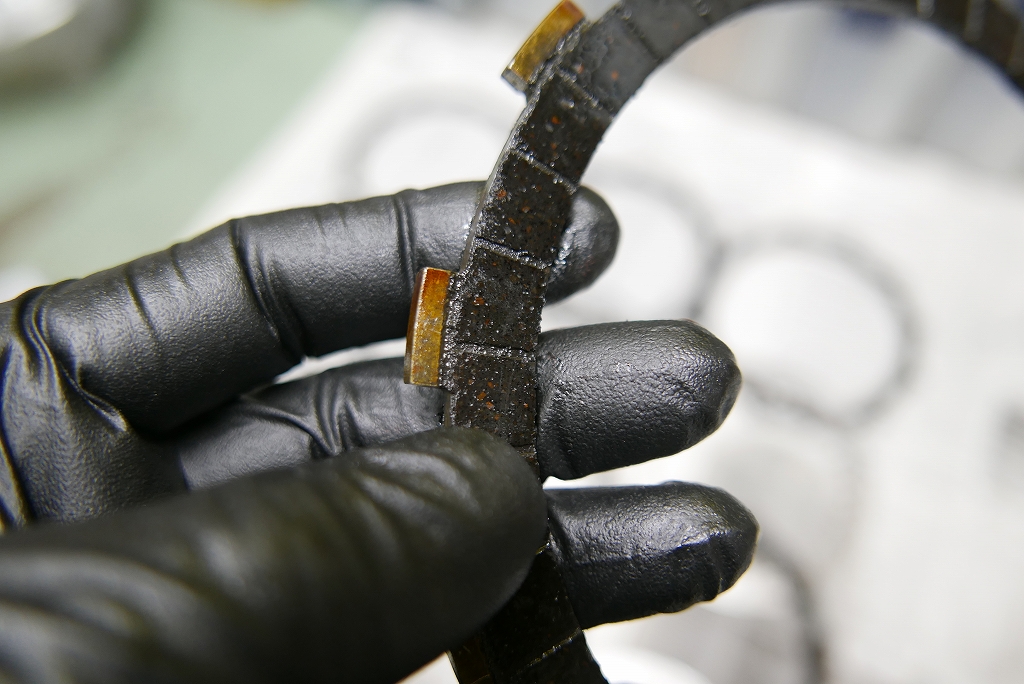
As they age, the friction material stops gripping and starts to crumble. Even if the thickness is correct, if it doesn’t grip, it’s often useless.
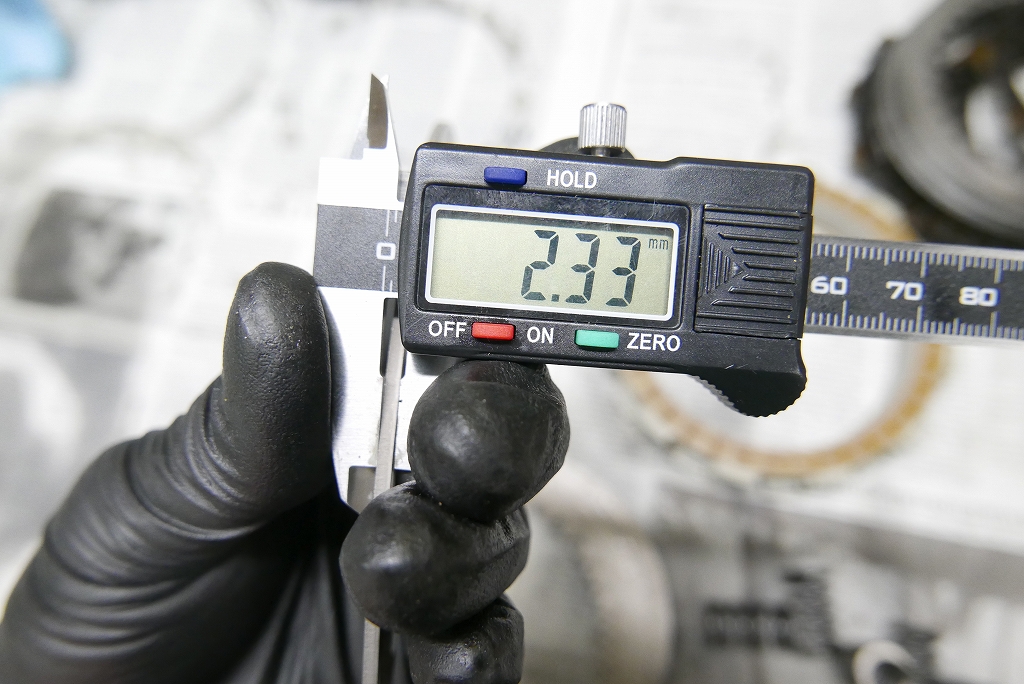
According to the specs, FCC adds one plate at a time.
You need to check the thickness of old and new plates and verify the total stack height. I’m amazed at the design that fits about 4mm extra thickness into three strong plates.
The clutch springs are included, so check the free length, coil count, and wire diameter as well.
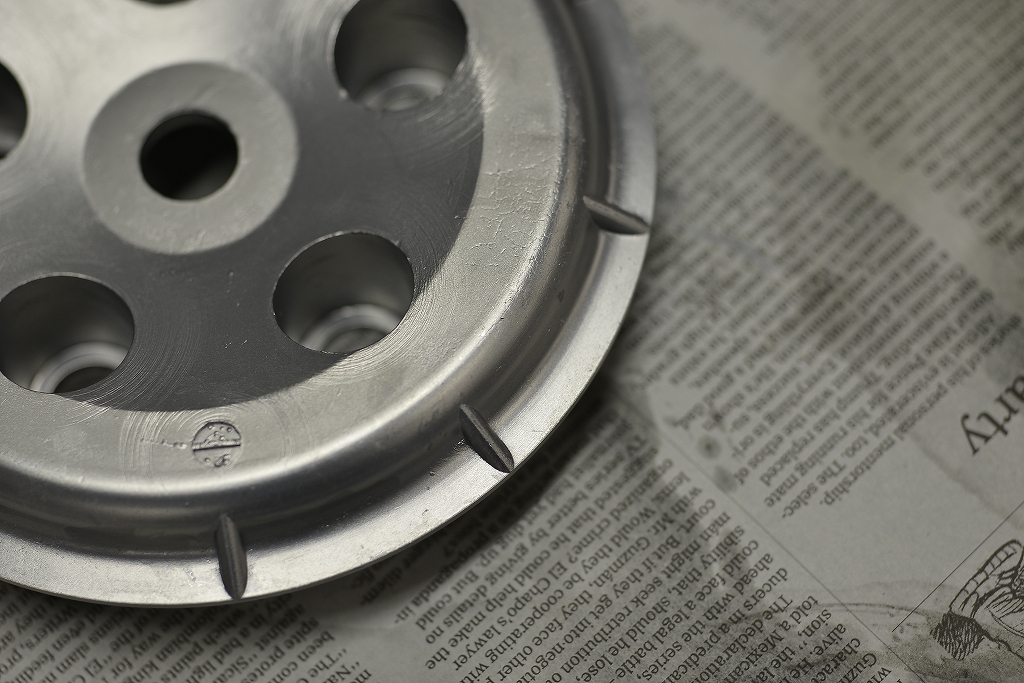
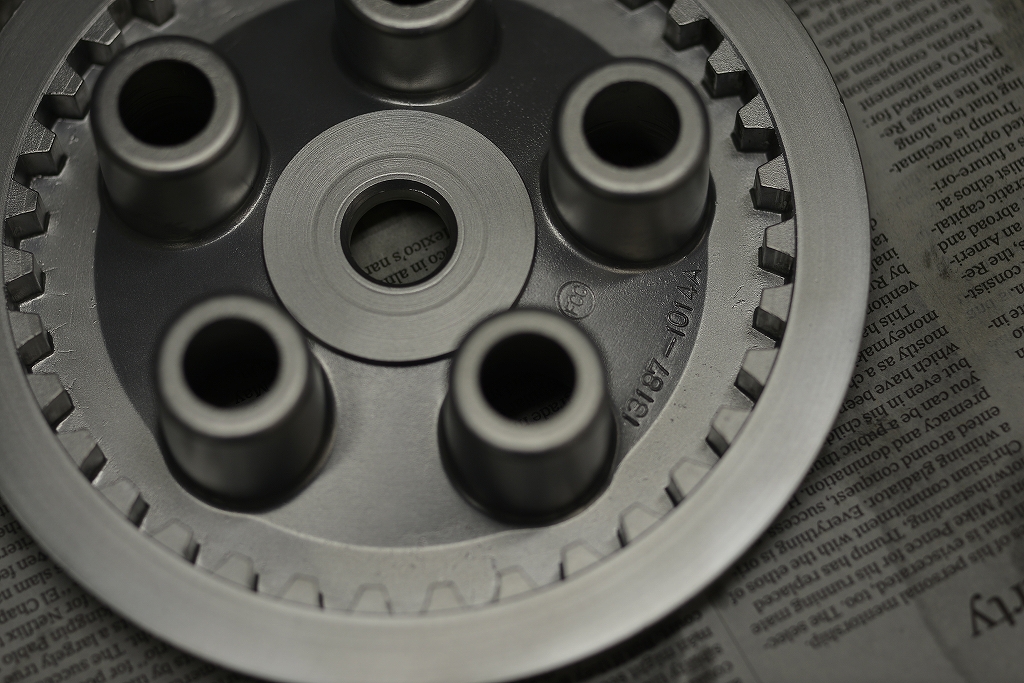
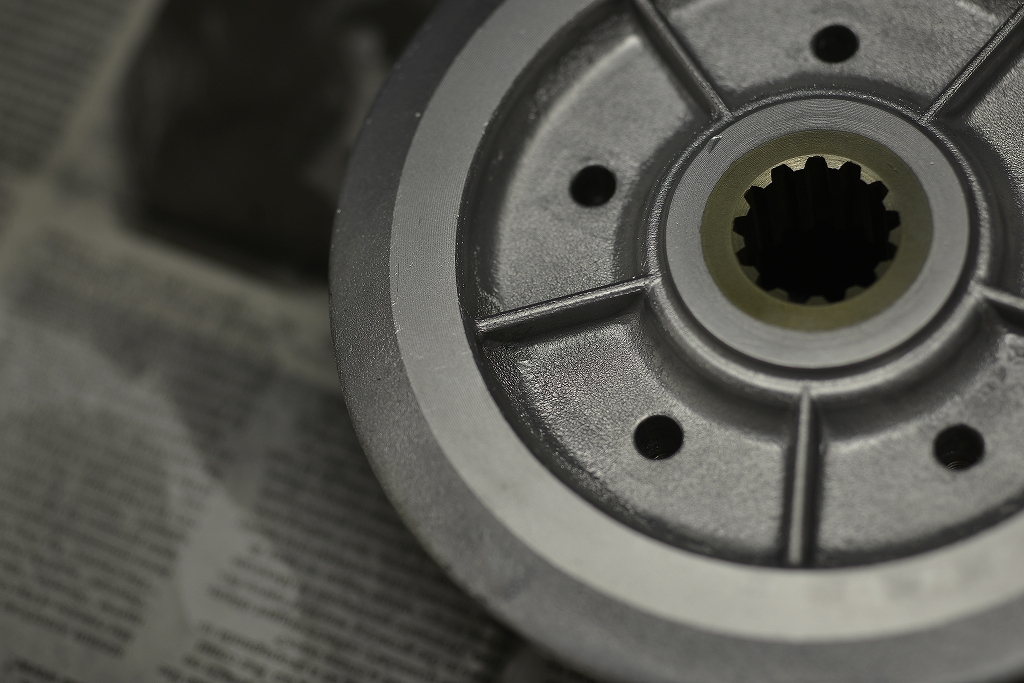
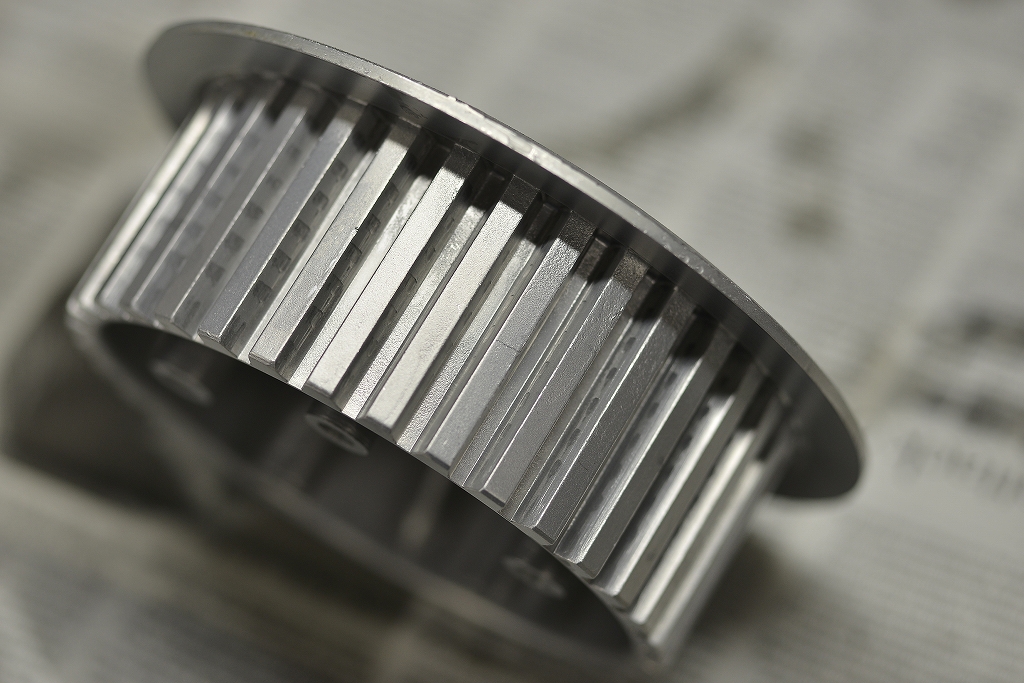
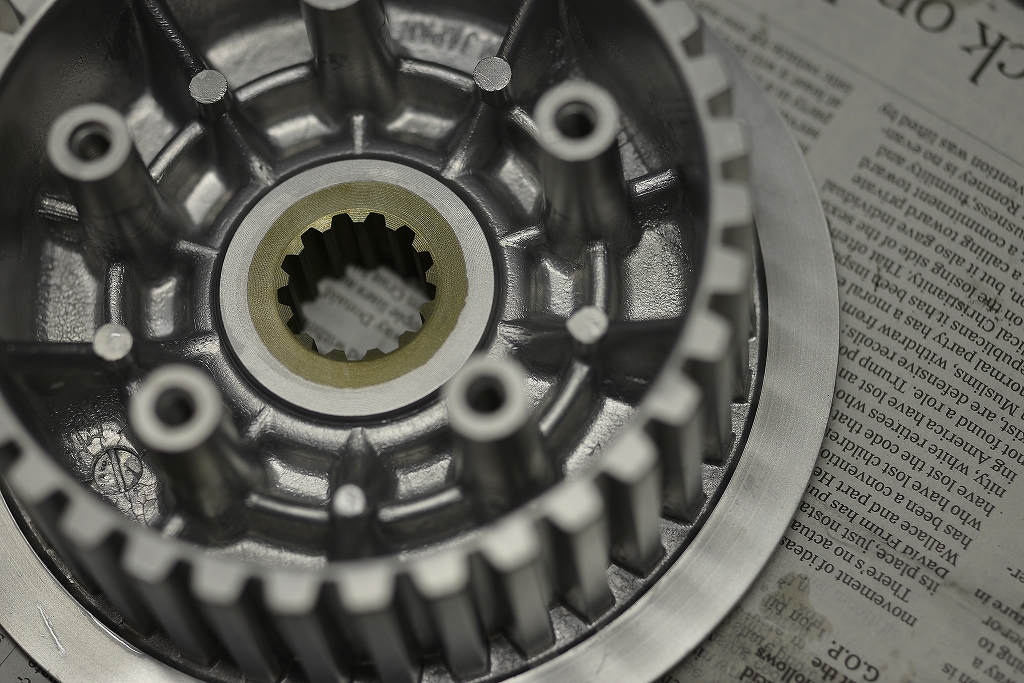
I polished everything that could be polished to make it nice and clean. It should resist dirt better, and it’ll be nice to see when we open it up again.
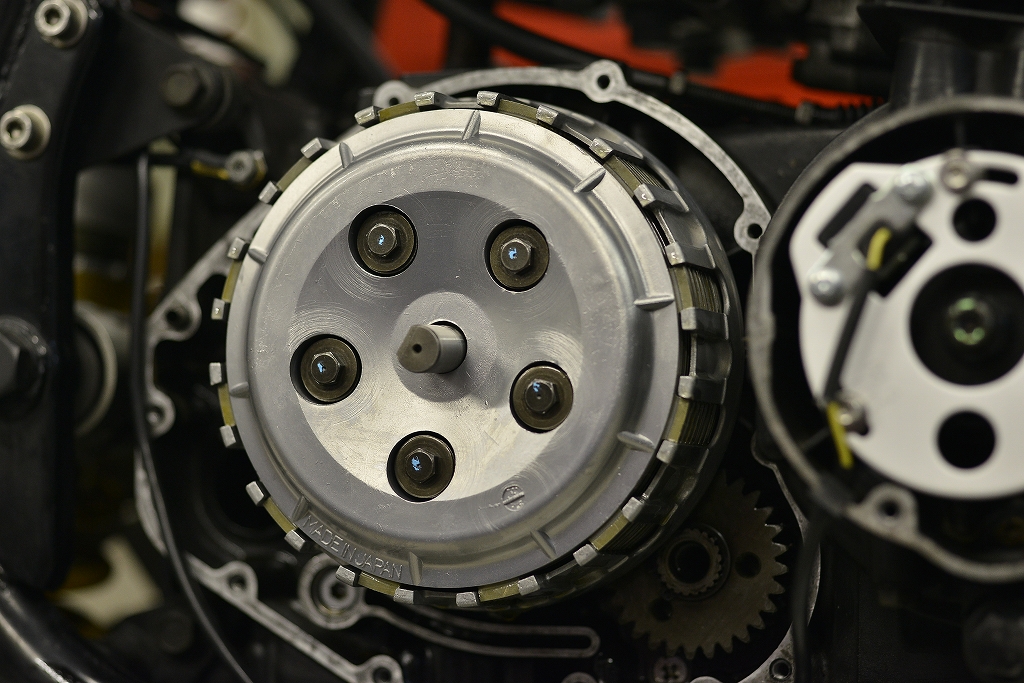
Then we install it, tighten it, and we’re done.
We’re holding off while waiting for the cover paint to cure.