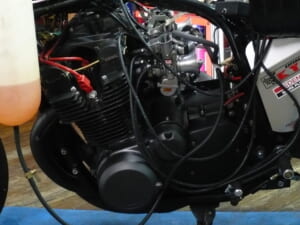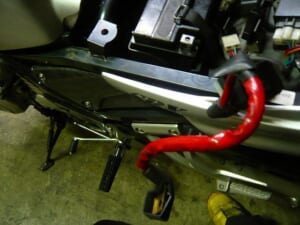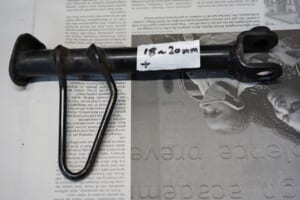
Let’s replace the generator and MOSFET regulator.
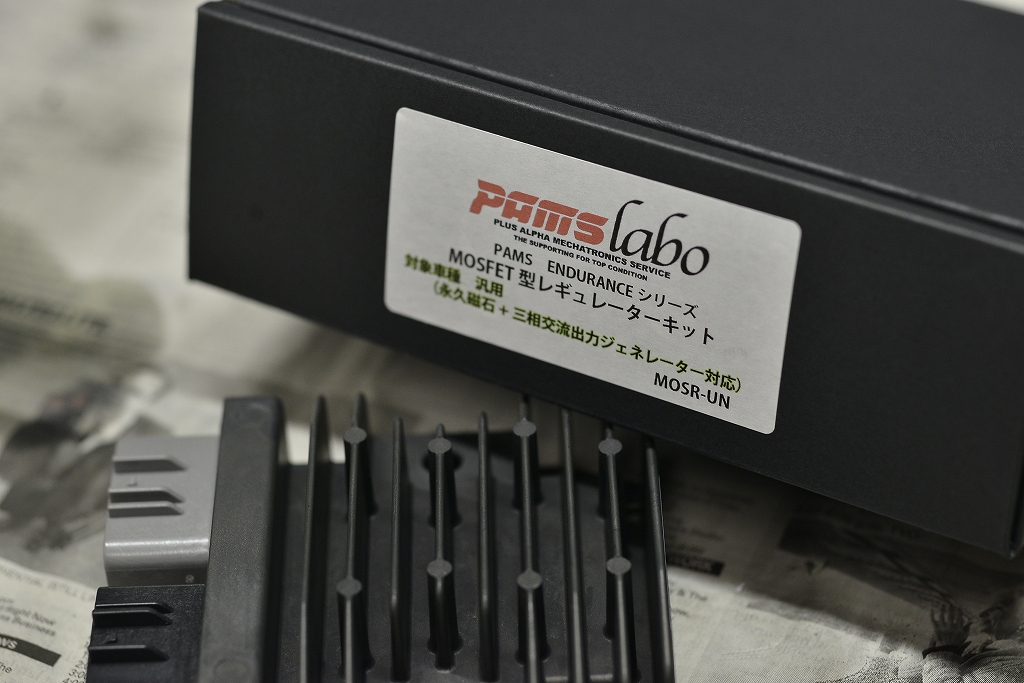
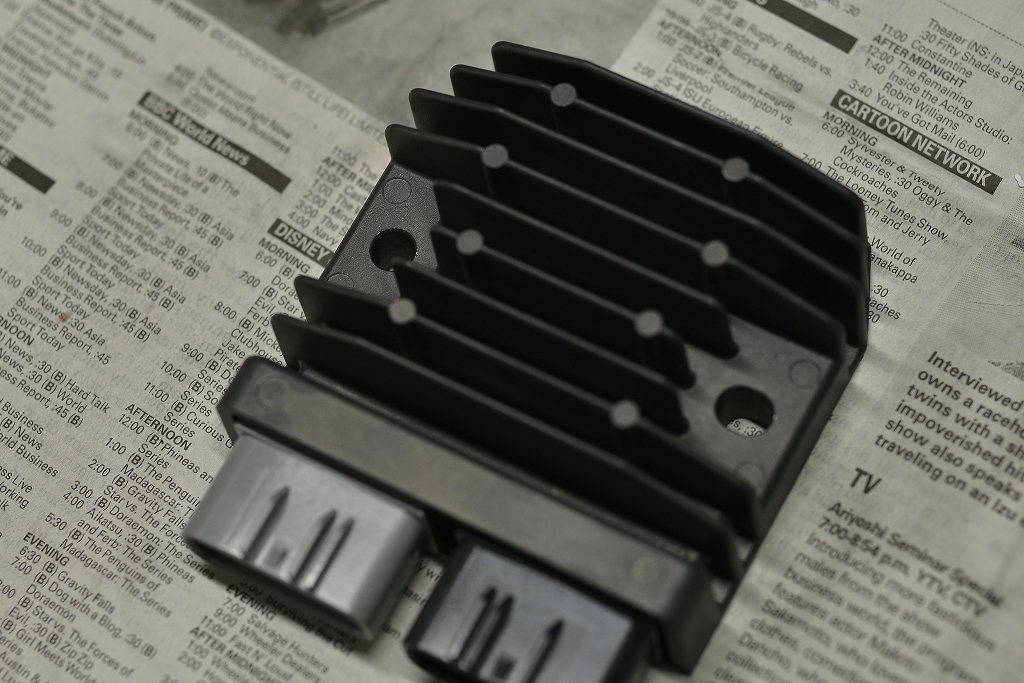
When it comes to regulators, MOSFET is the way to go. This kit is usually sold with some nice extras, and it’s very convenient, so I took a walk over to pick it up.
It’s easy to slap it on carelessly, but getting it on cleanly, simply, and neatly is quite a puzzle.
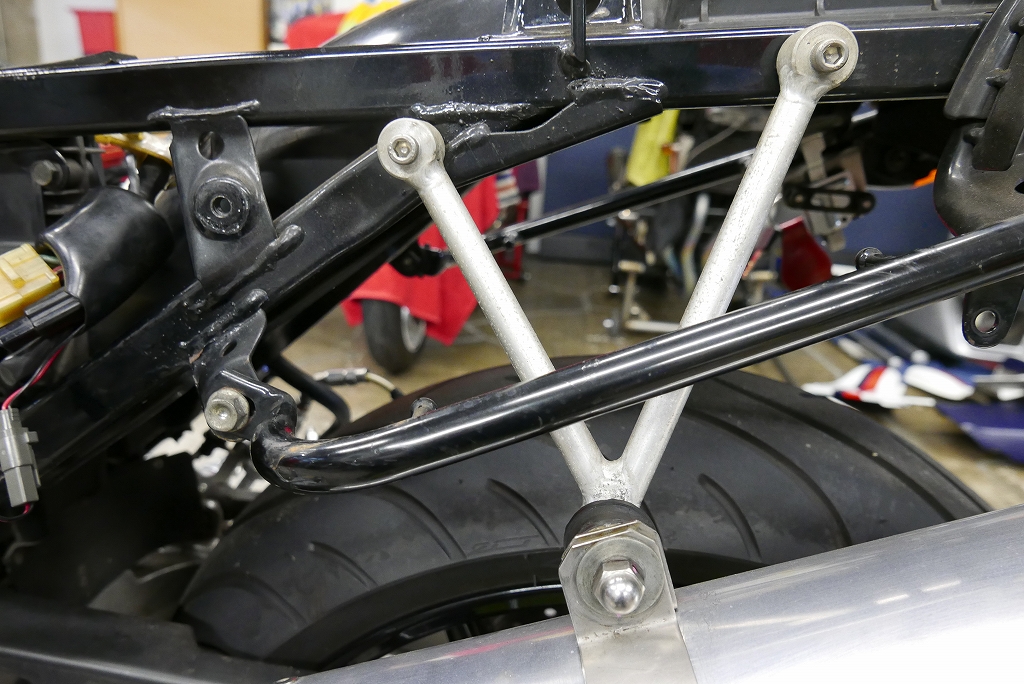
The thing is bulky but there’s nowhere to put it. I’m always struggling with that. There’s a muffler bracket right in a good spot, so let’s use that.
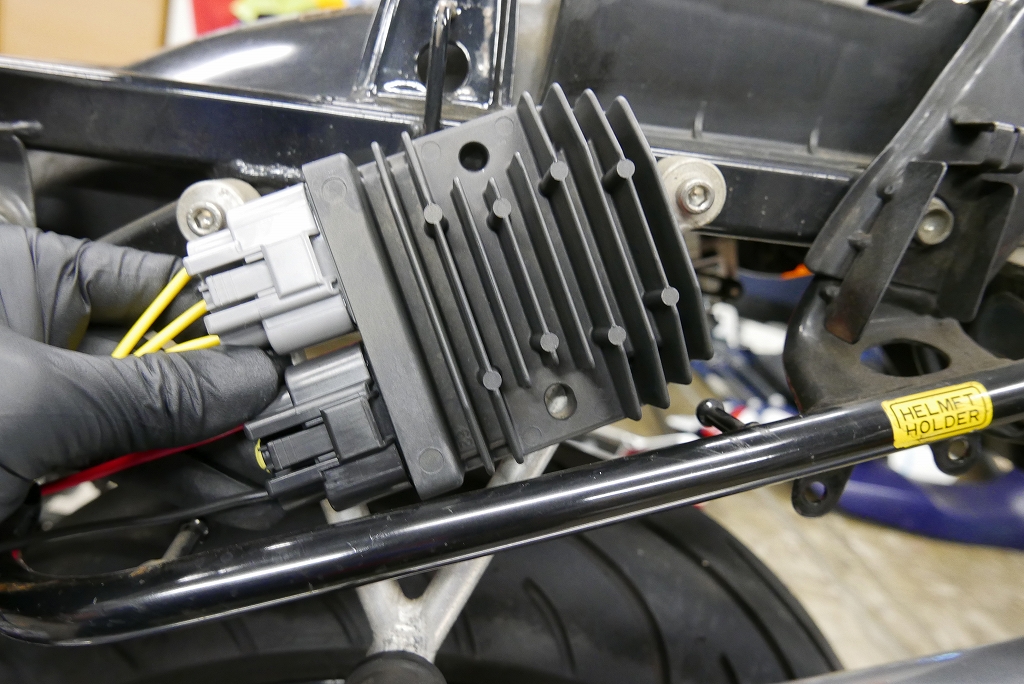
It looks like it’ll fit around here. First, the bolt head is in the way, so let’s countersink it.
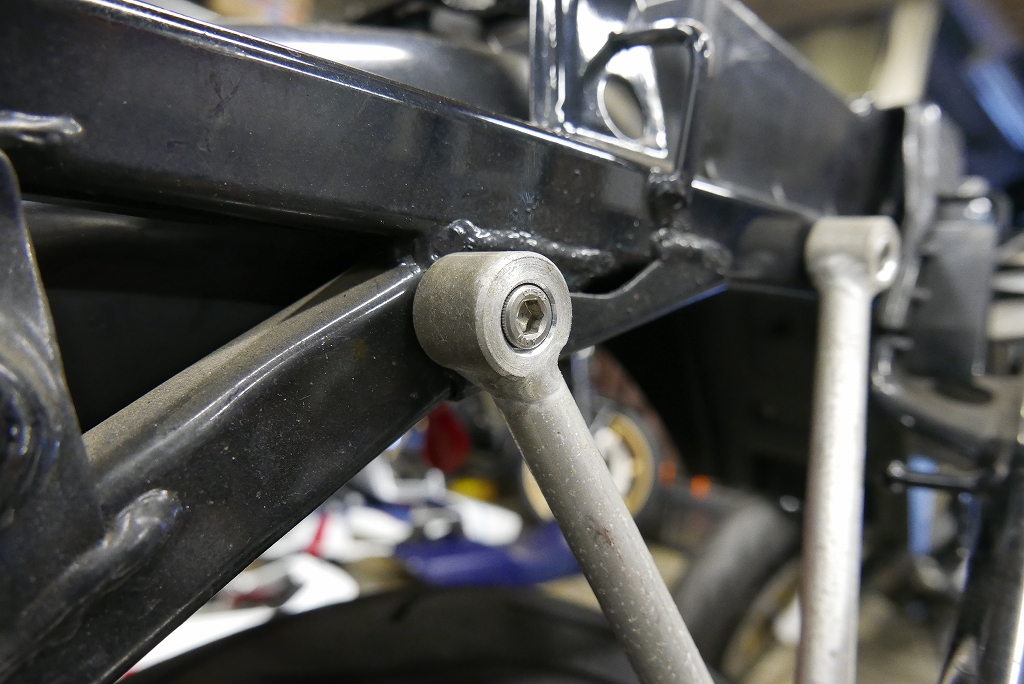
That gained us about 5 millimeters.
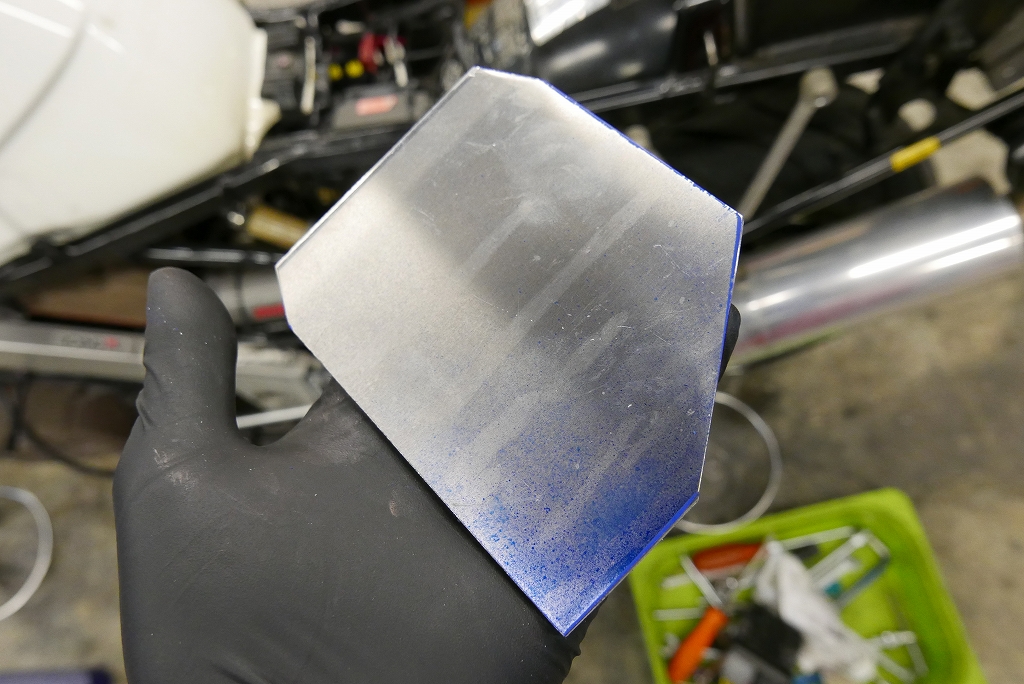
Next, template to aluminum cutout. Aluminum cuts like clay—it’s easy.
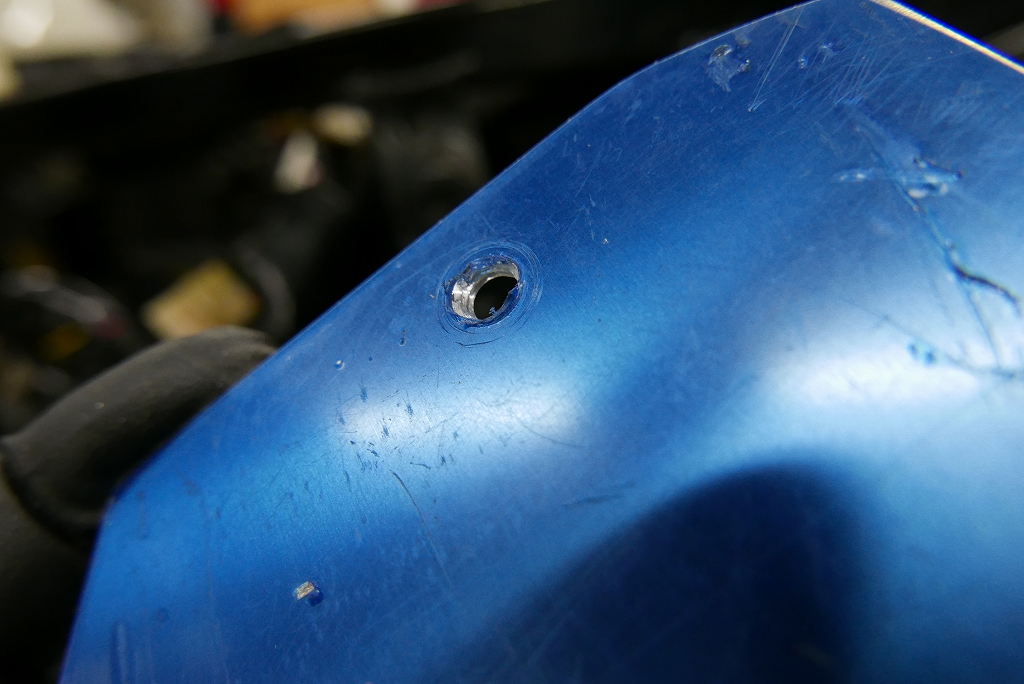
Lately I’ve been adding anti-loss features and more. I cut threads into the back of the plate too. That way, even if the nut on the back comes off, it won’t fall out right away. Well, it should be fine, but every little bit helps.
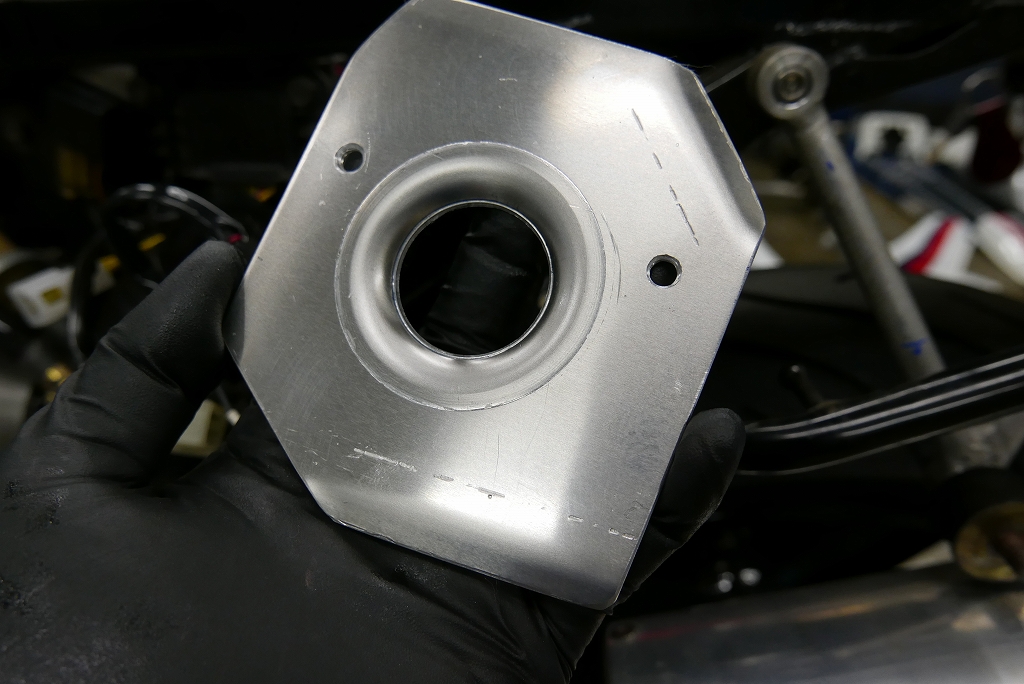
I’ve shaped it to cradle the pipe.
I went and did my favorite thing again—burring (hole pressing).
I was thinking of doing a bit more, but overdoing it isn’t popular these days, so I’ll stick with just one.
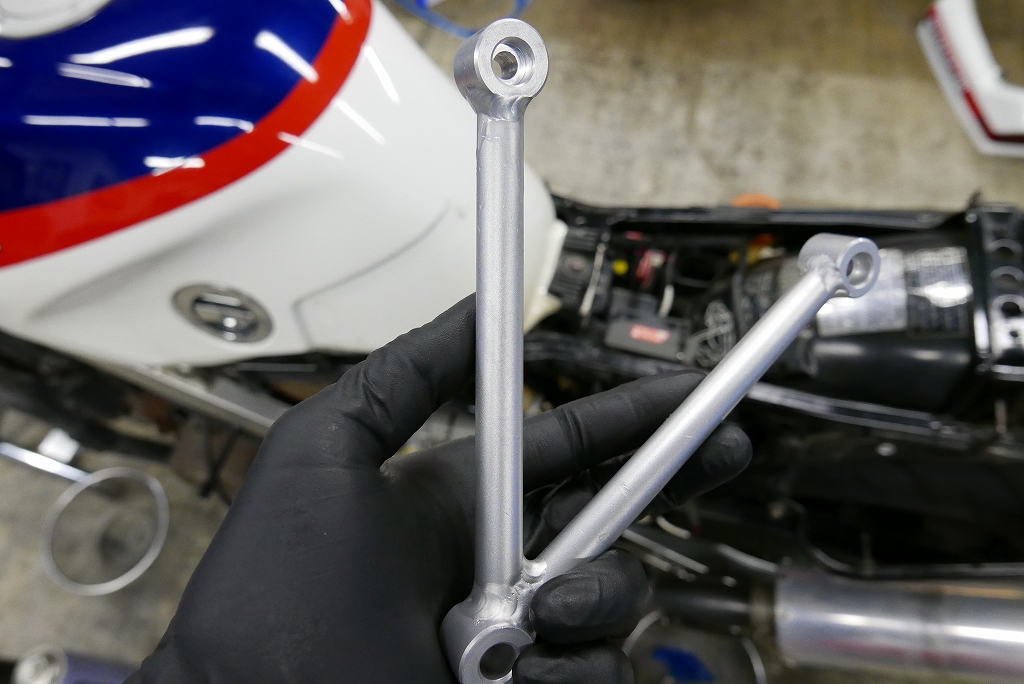
Welding prep. It was corroded, so I polished it at the same time. Hand-rubbing it? That’s out of the question.
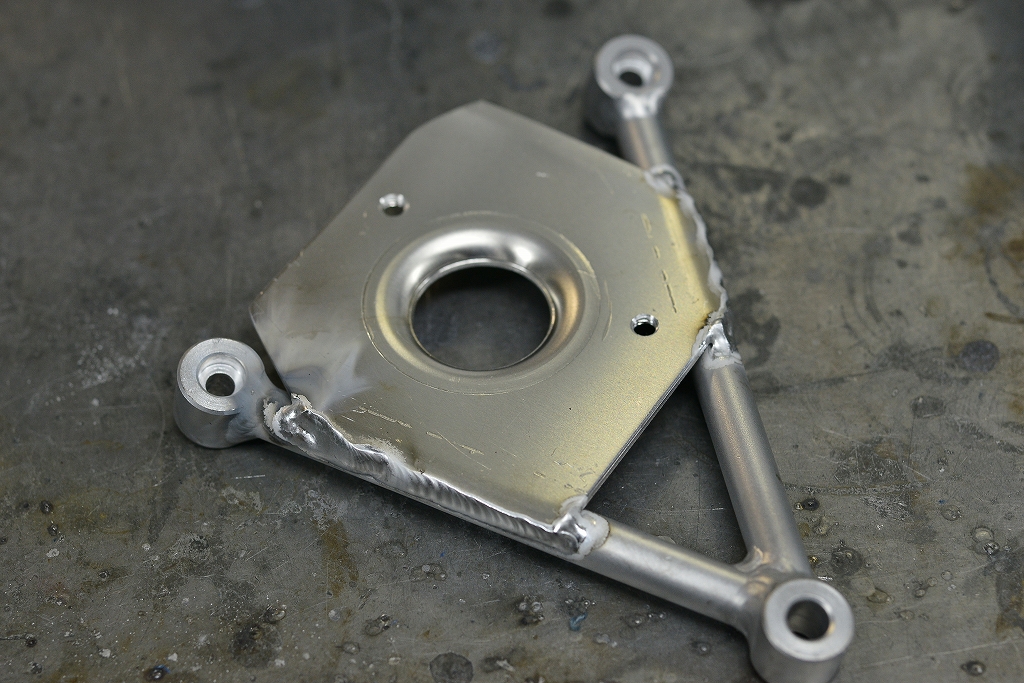
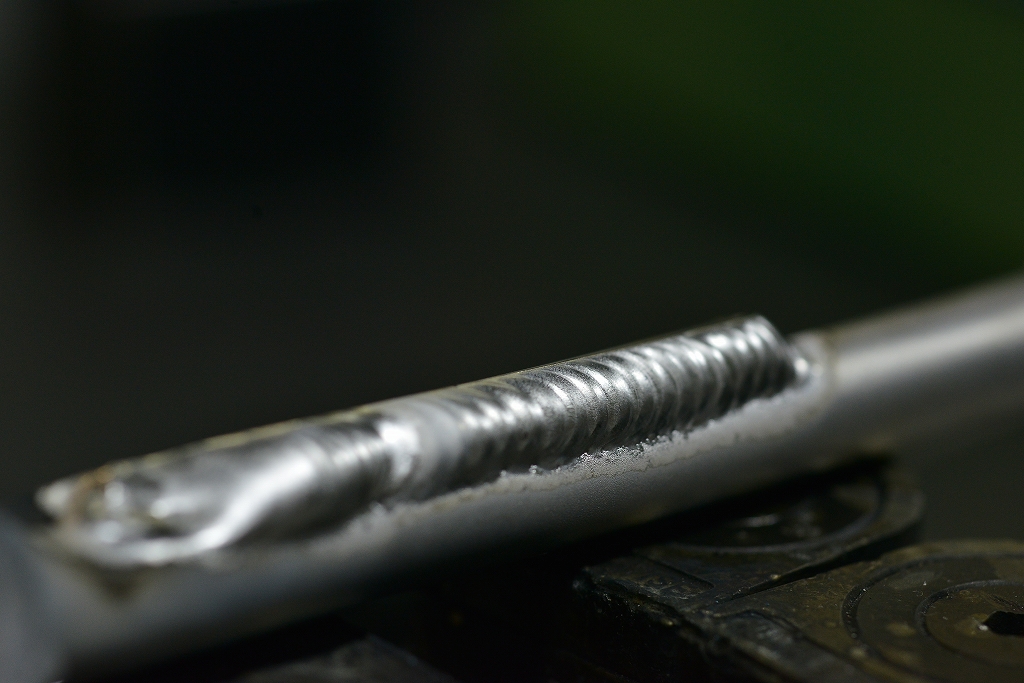
Here we go, joining them together. I always remember thinking “ah, it’s like this” and then I’m done welding.
It doesn’t sink in easily.
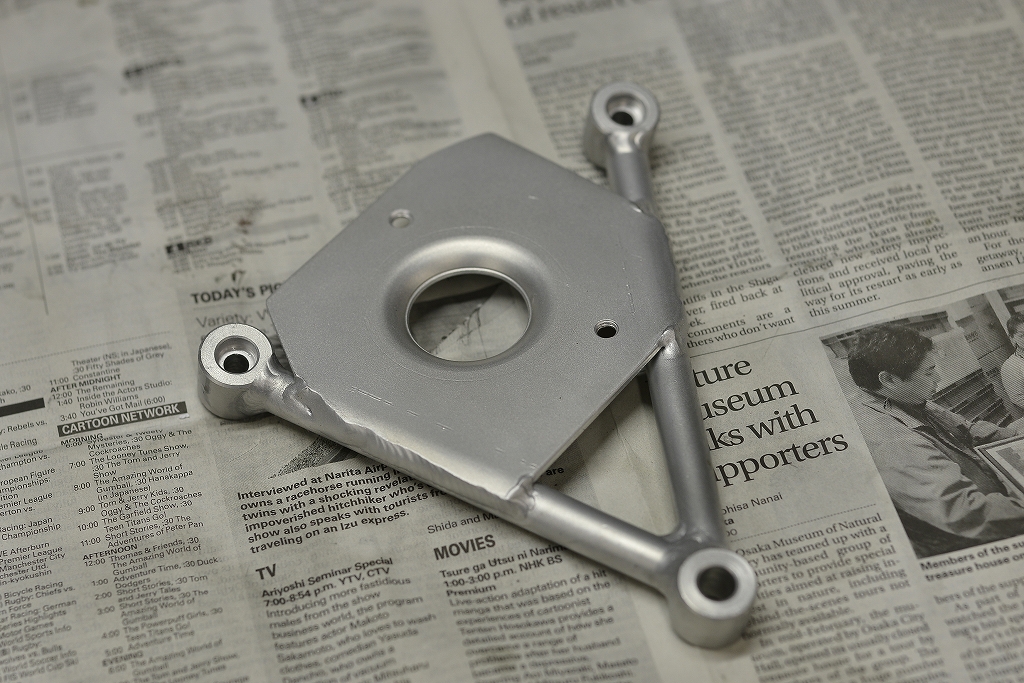
Polish and smooth it out.
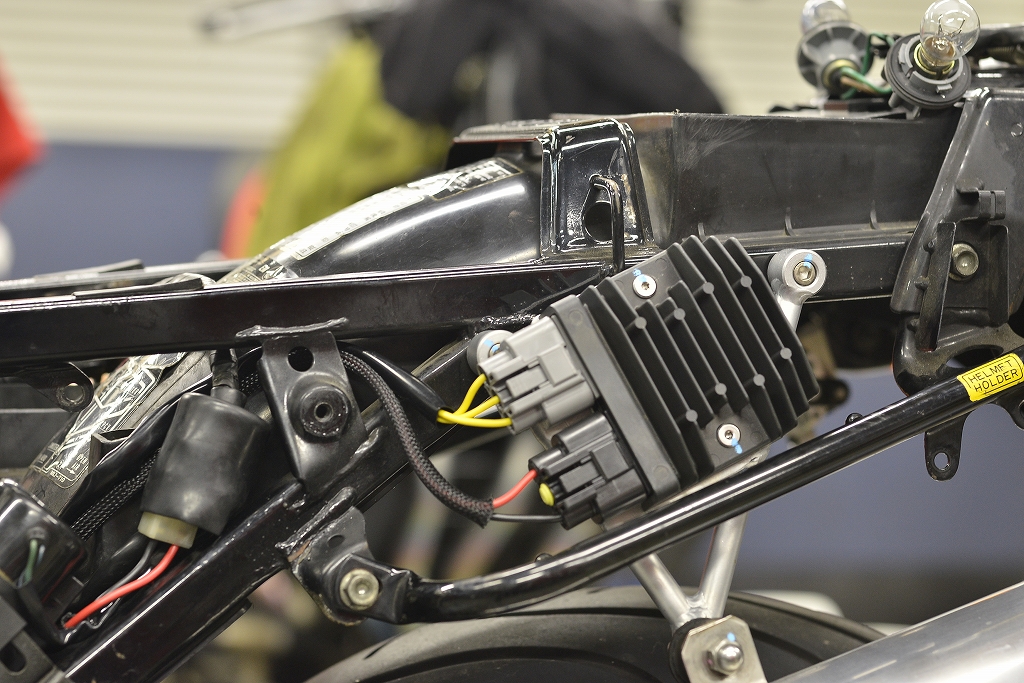
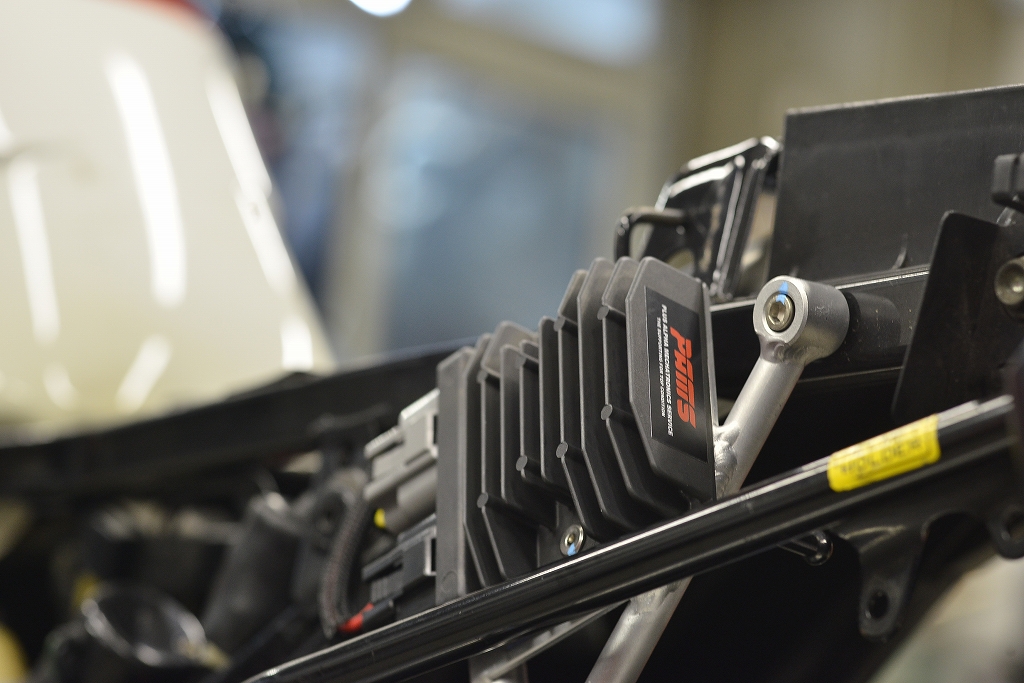
It installed simply and cleanly. Great!
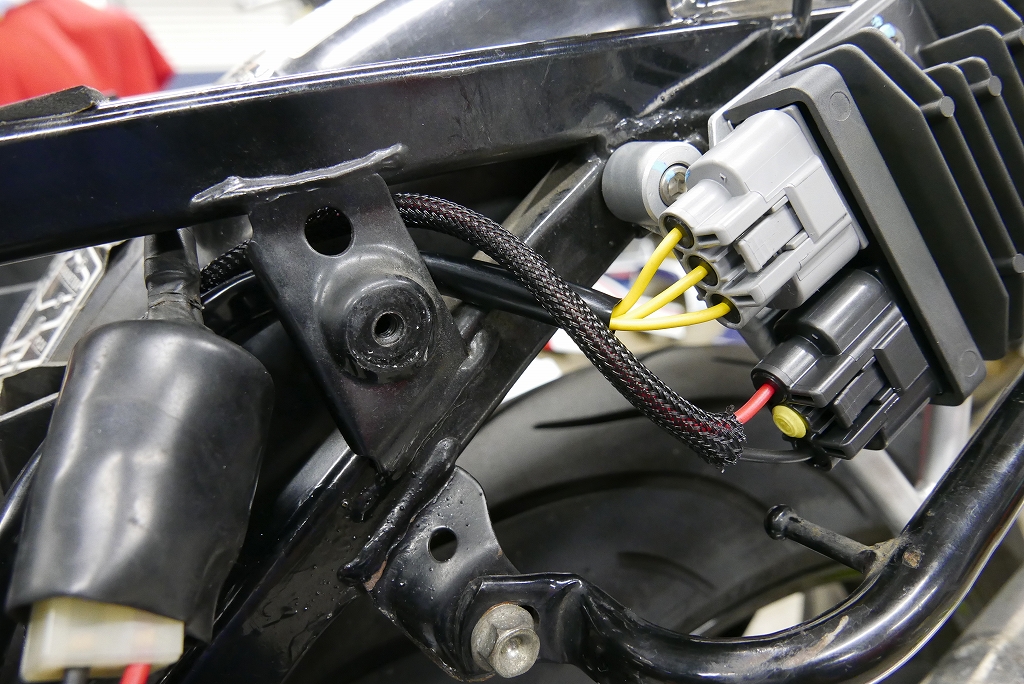
It’s a small detail, but take this layout for example.
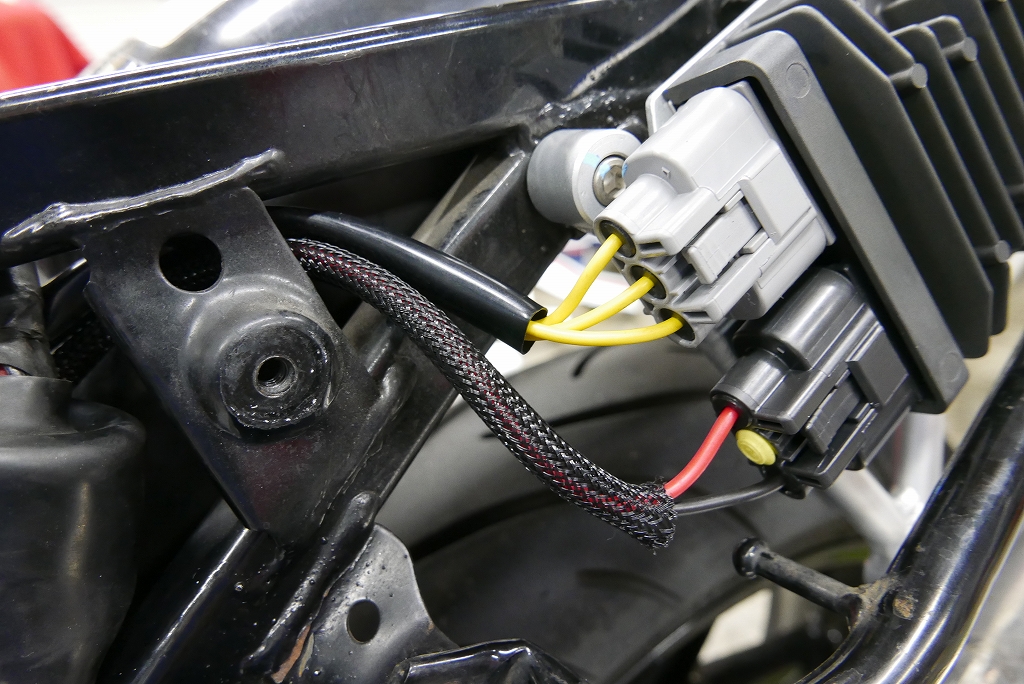
This is how it should be. I think if you repeat this for everything, you’ll be good.

The cover closes, there’s no contact, it’s hidden, and it looks great.
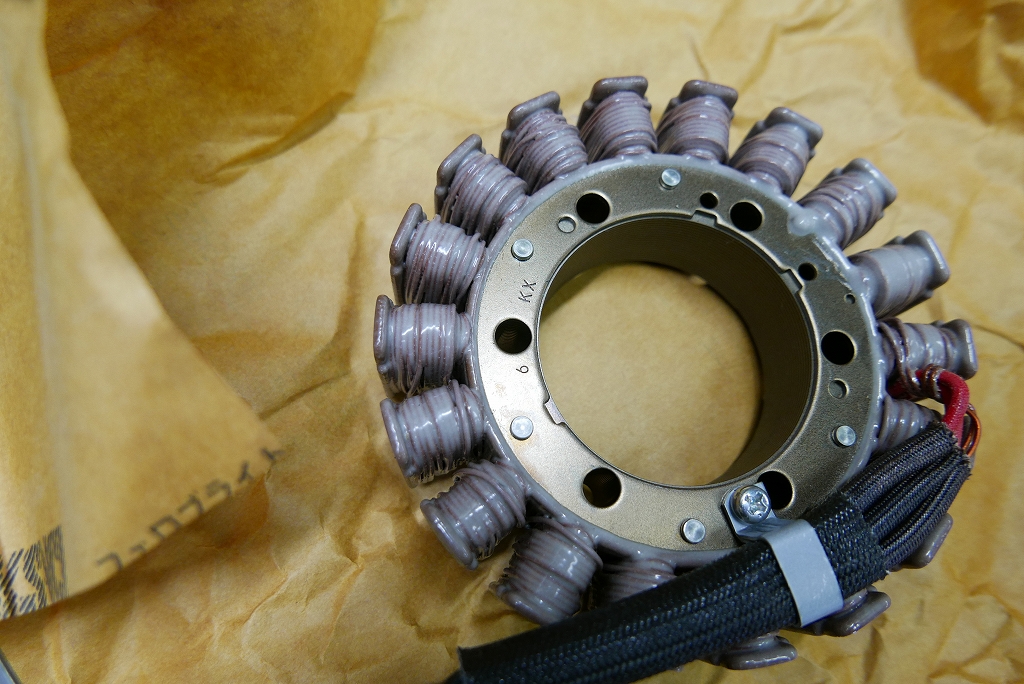
You need that positive attitude—thinking it’s actually good that it broke before it was sold.
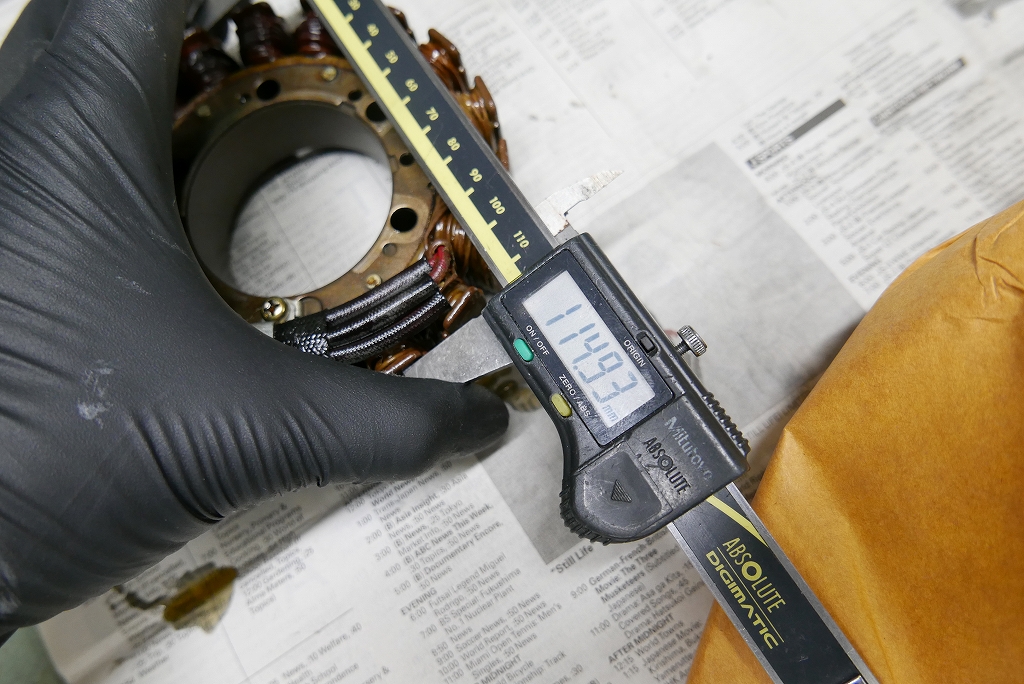
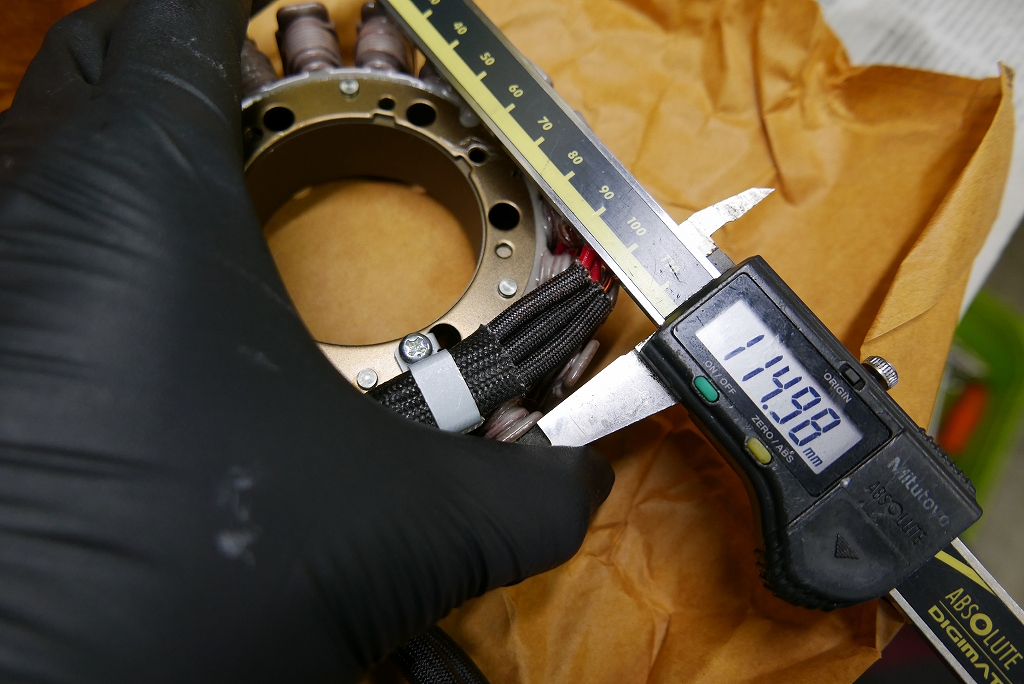
I’m naturally skeptical, so it’s check, check, and check again.
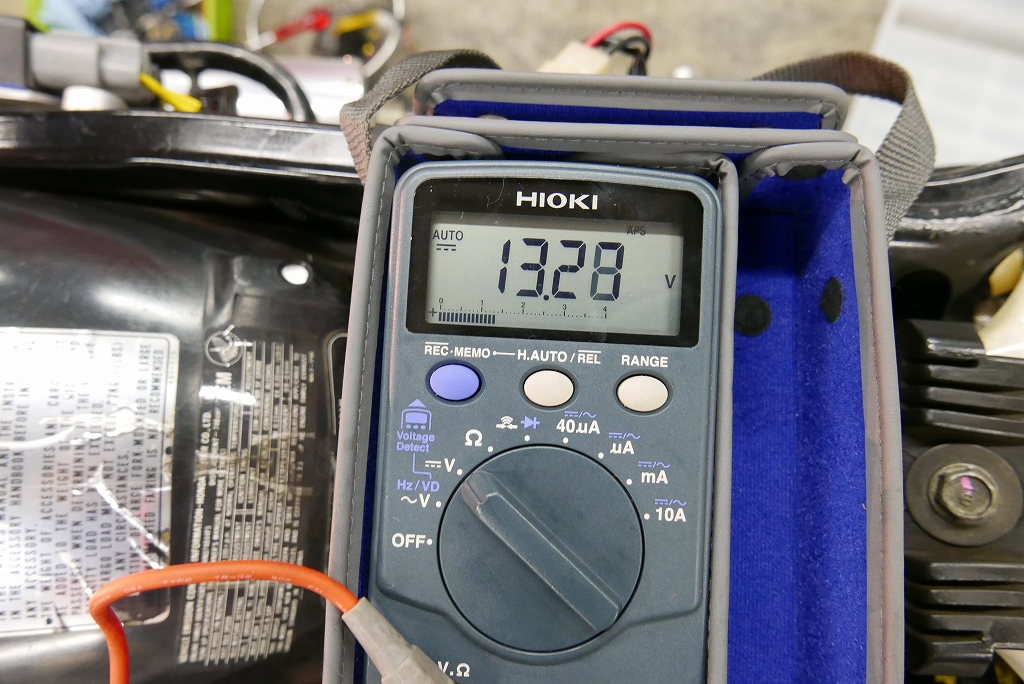
Charging complete. All good!