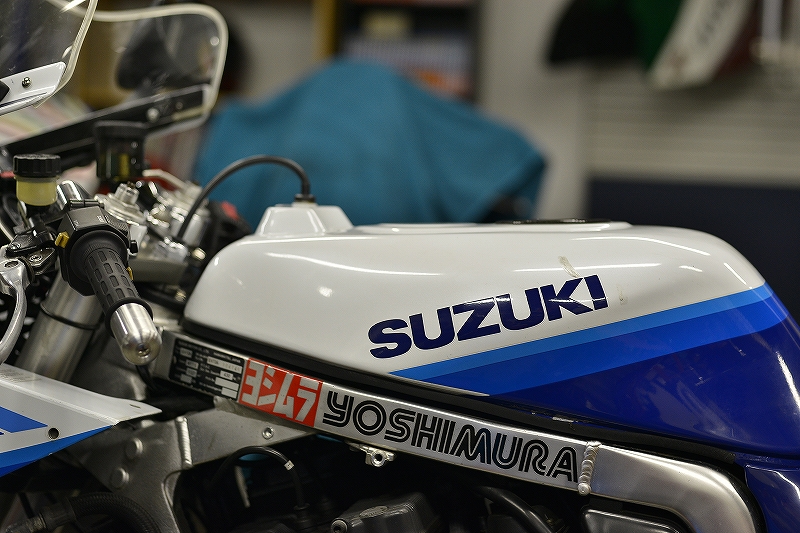
Inspection, brake maintenance (front only), stainless steel brake hose, master cylinder replacement, and various inspections were requested.
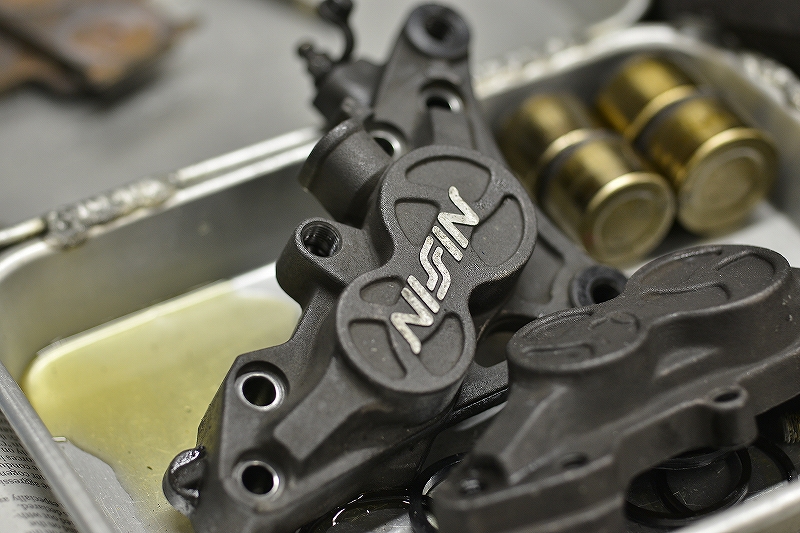
The caliper hasn’t been disassembled even once since 1990. Let’s take a look and check it out.
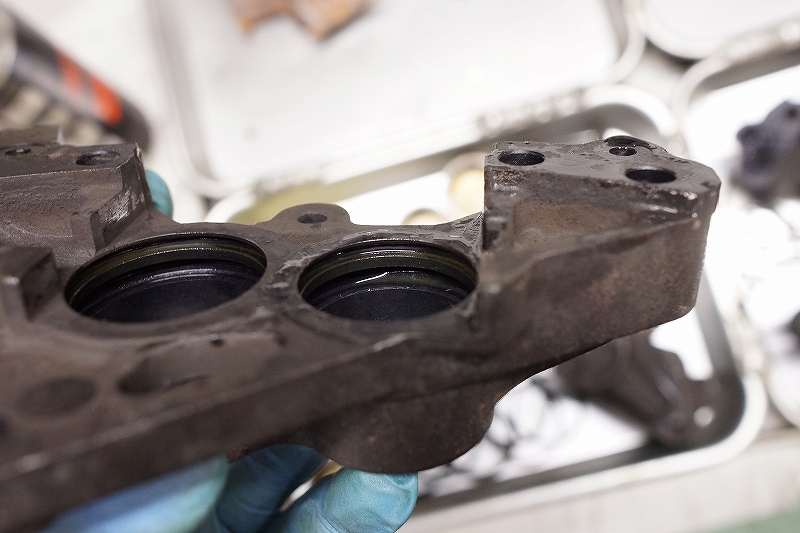
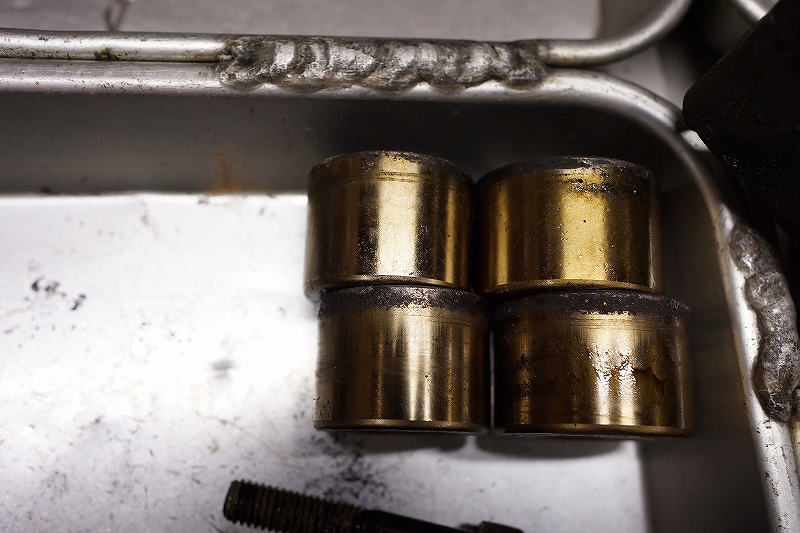
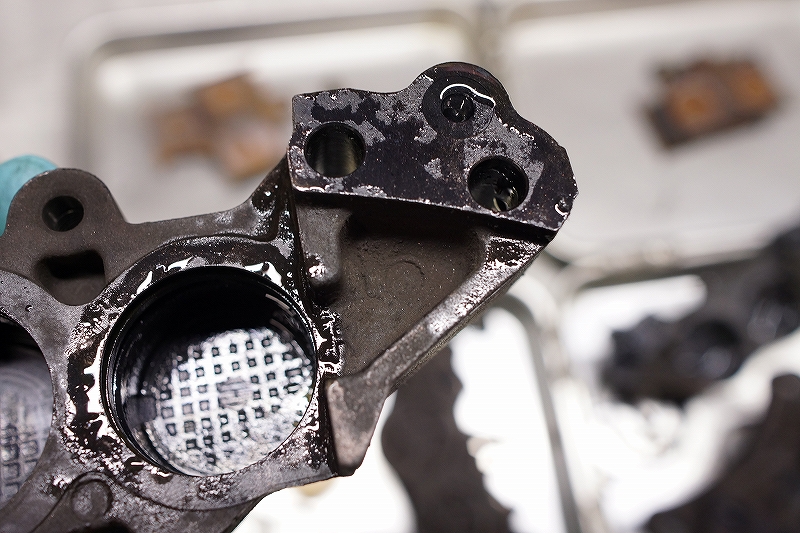
The dirt is starting to build up, but as expected, the seal elasticity is stiff. Since these are rubber parts, replacement becomes necessary after a certain point.
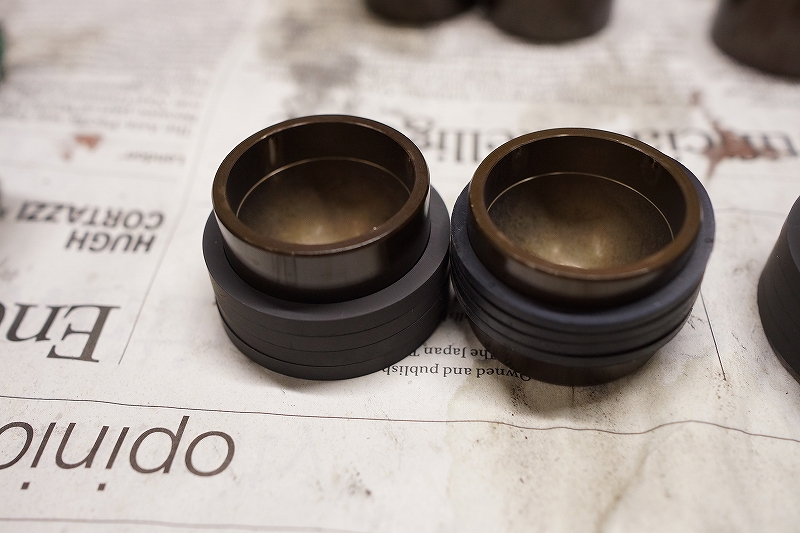
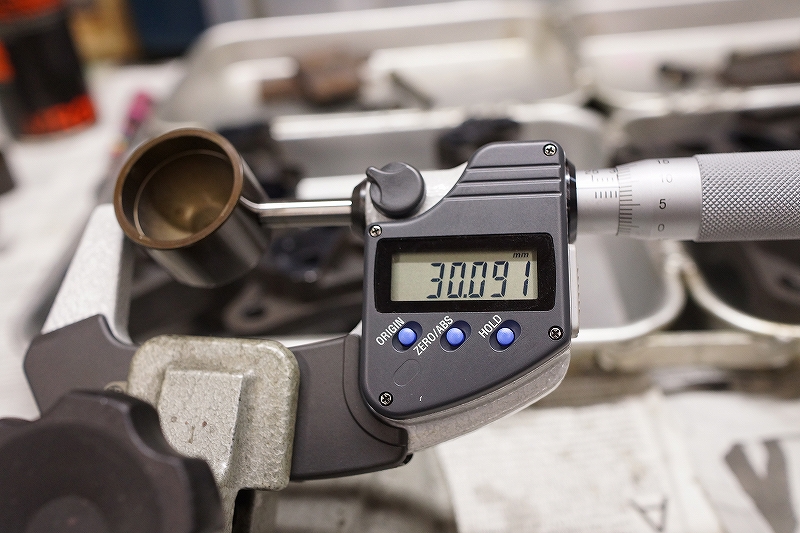
Inspecting parts before assembly is essential. It’s even more critical when it comes to brakes.
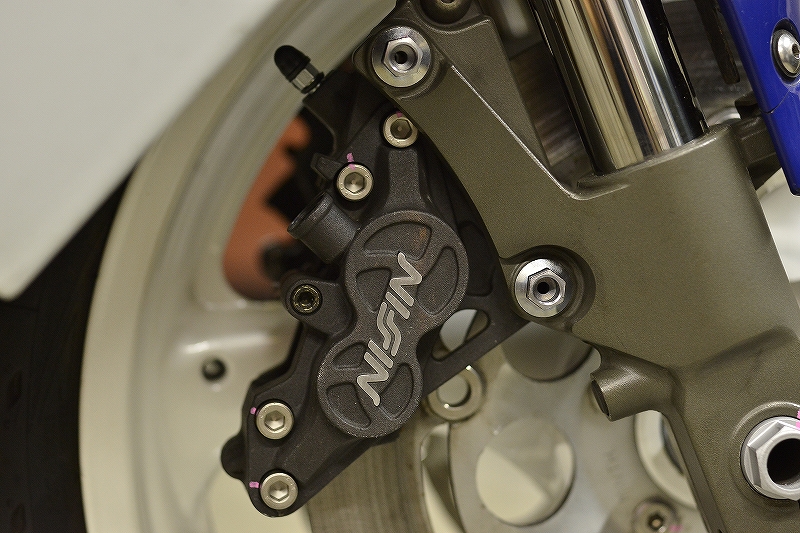
After completion. The caliper bolts are Yamaha spec, and the housing bolts are electroless nickel-plated for a sleek, smooth finish.
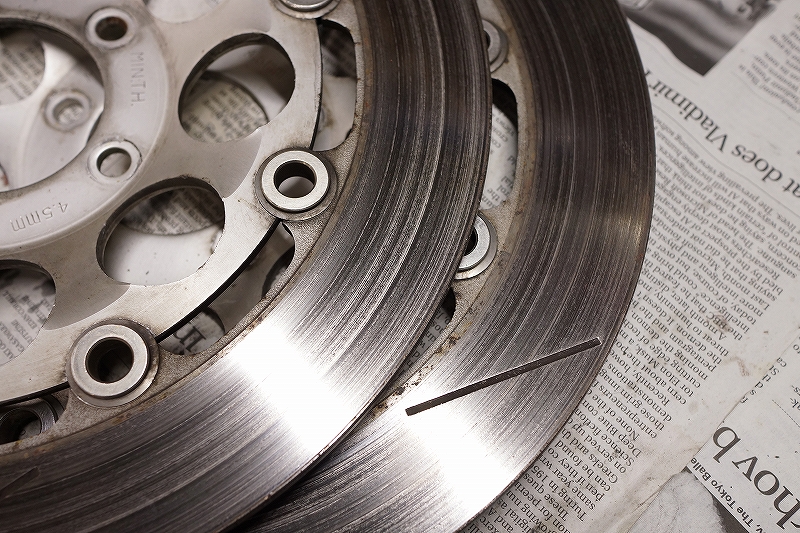
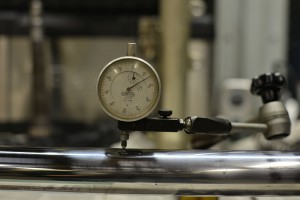
Since the owner expressed concern about the brake disc, we measured and polished it.
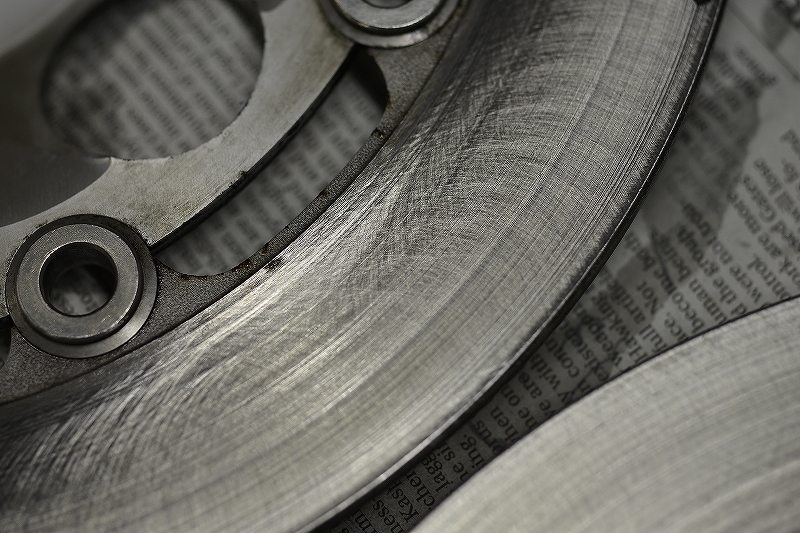
We polished about 1/100 of an inch off the surface, so let’s see how it performs. I don’t like replacing everything right away.
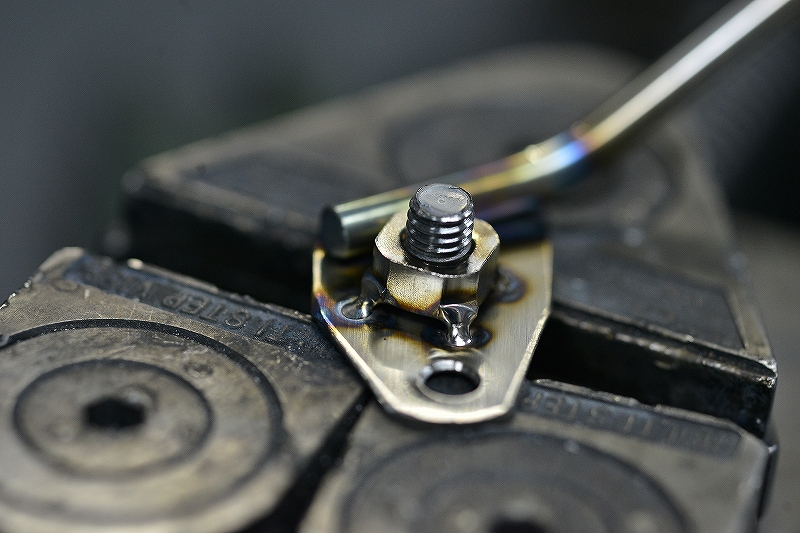
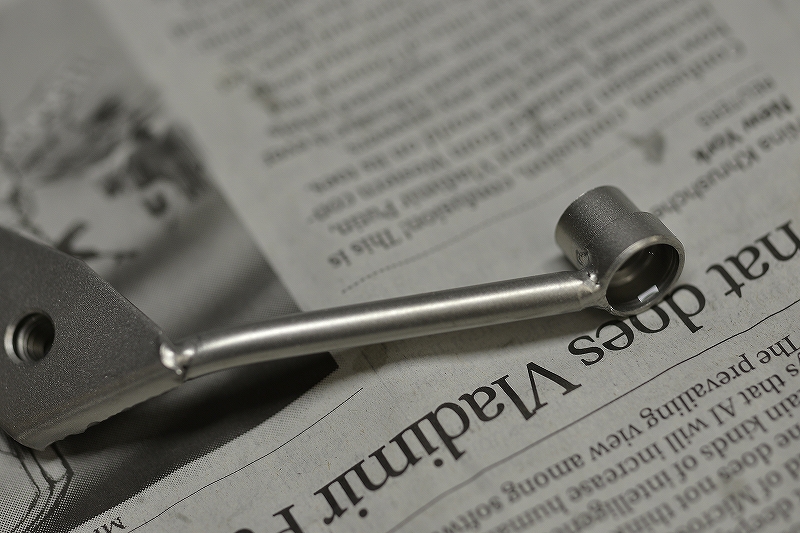
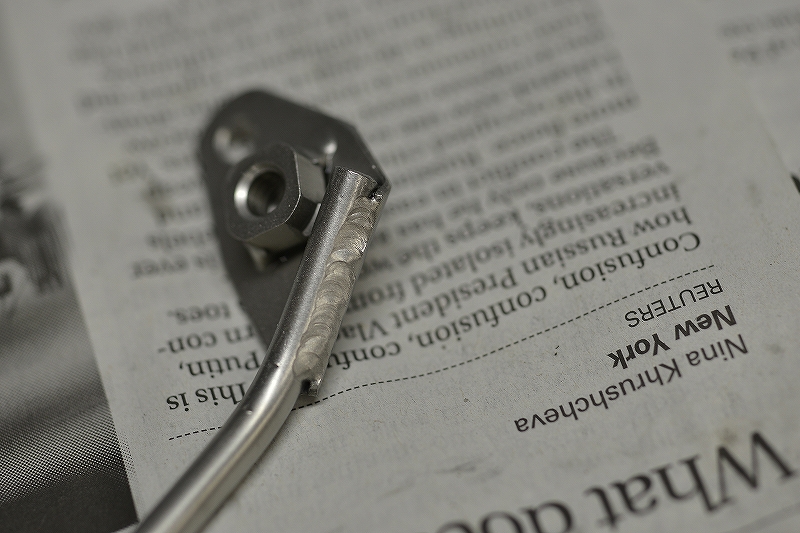
We fabricated and polished a reservoir stay.
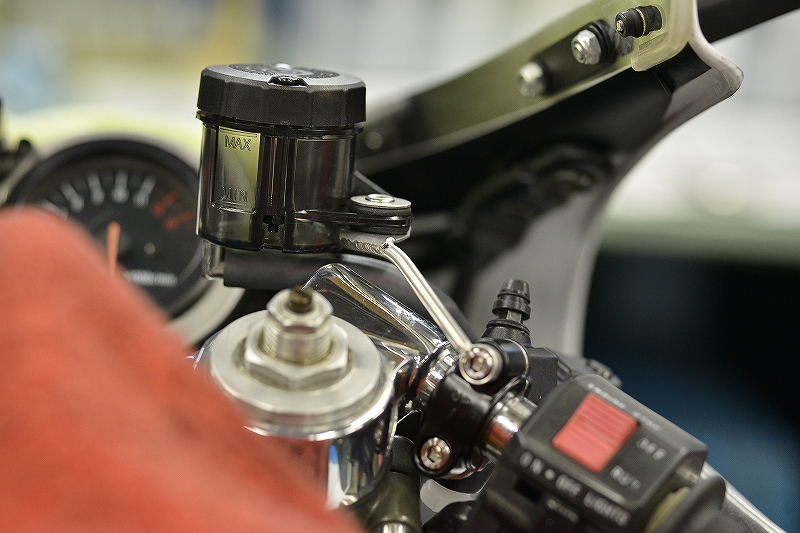
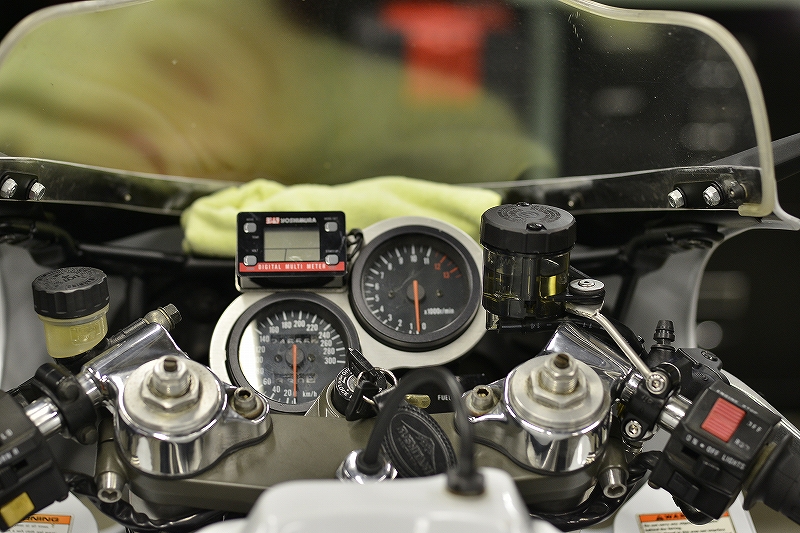
We kept it as low and simple as possible.
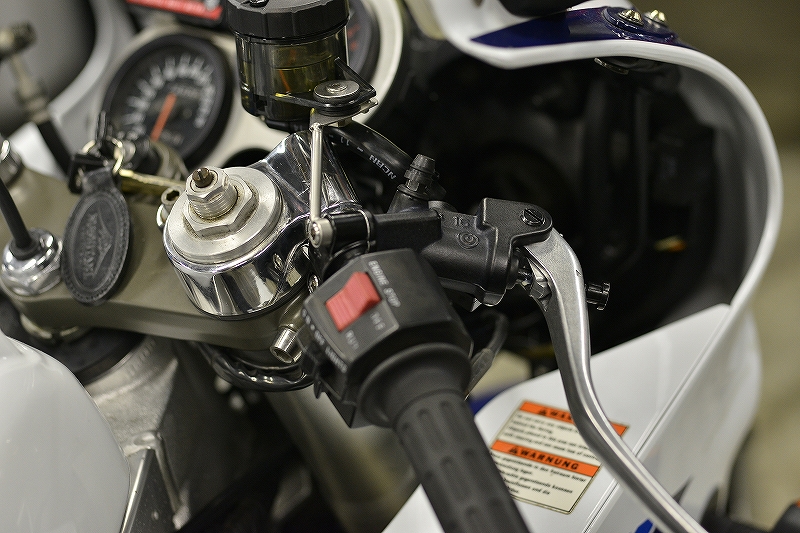
The master is the usual Brembo OEM semi-radial master.
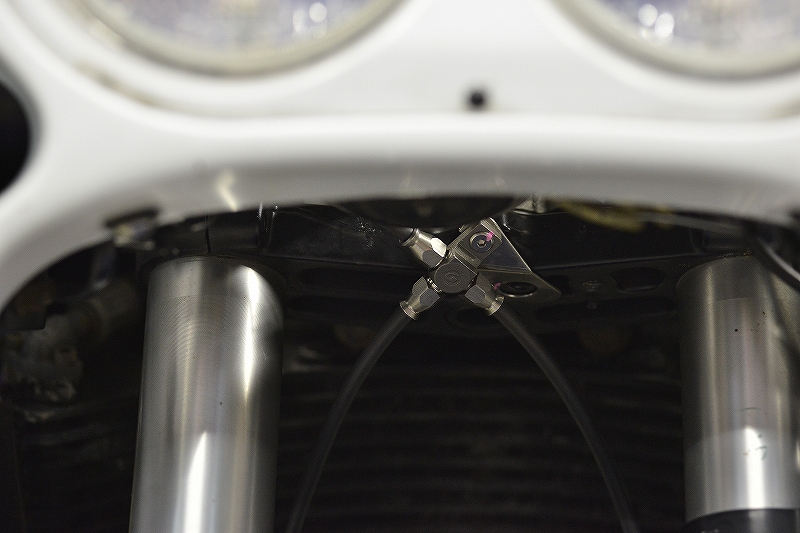
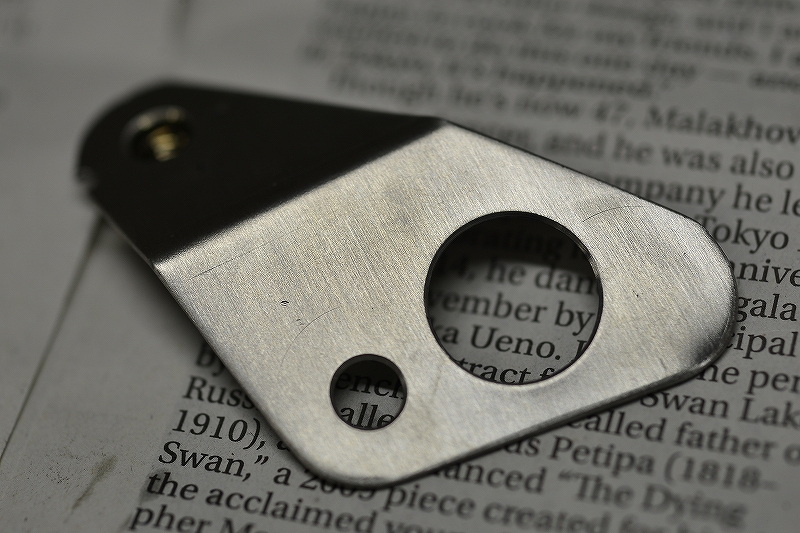
We fabricated a T-FIT brake hose bracket. We want it held firmly in place.
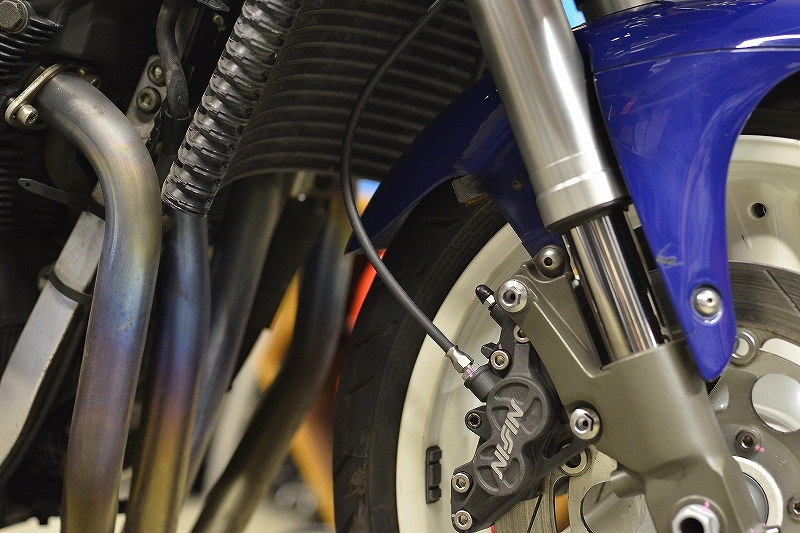
The brake hose should be long enough to handle full extension without twisting, and the routing should look natural.
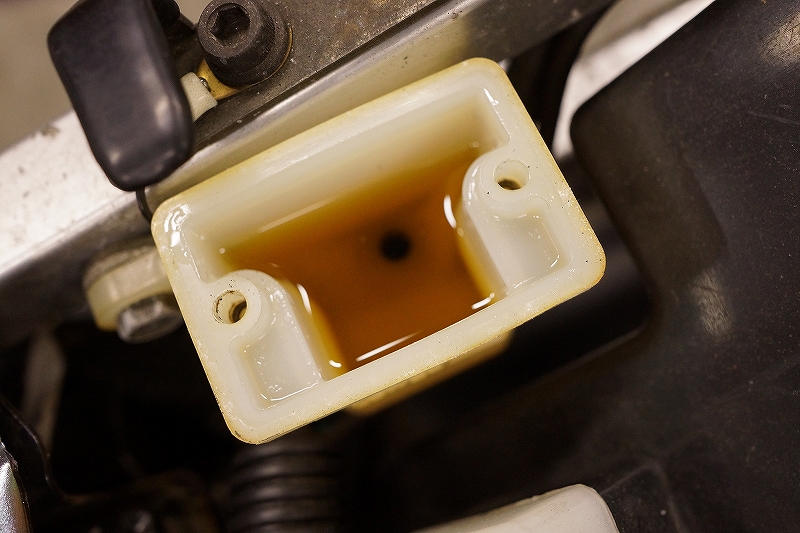
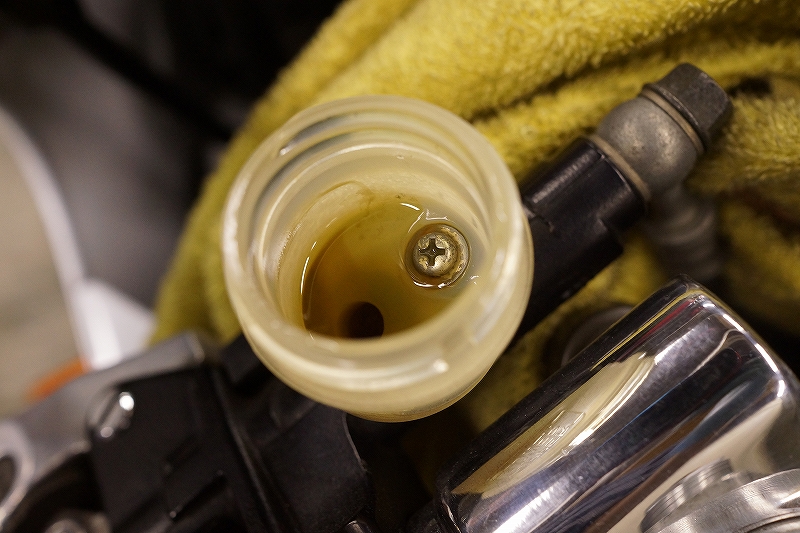
We also did a fluid change.
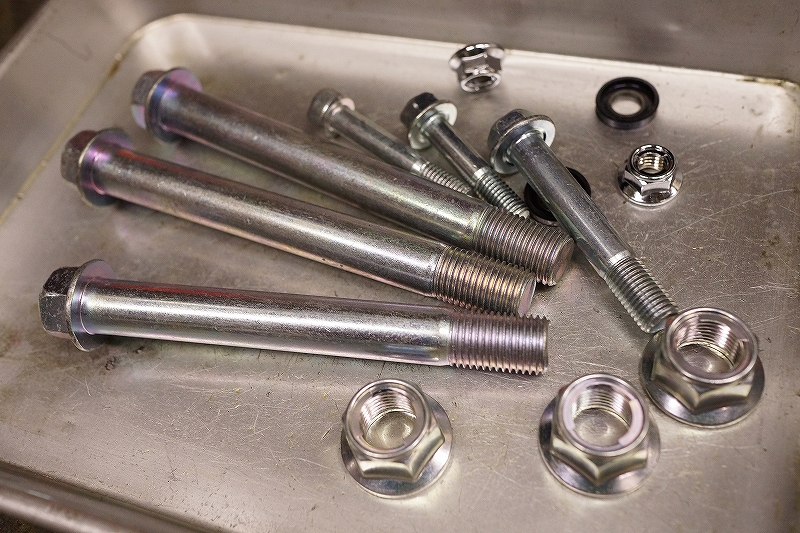
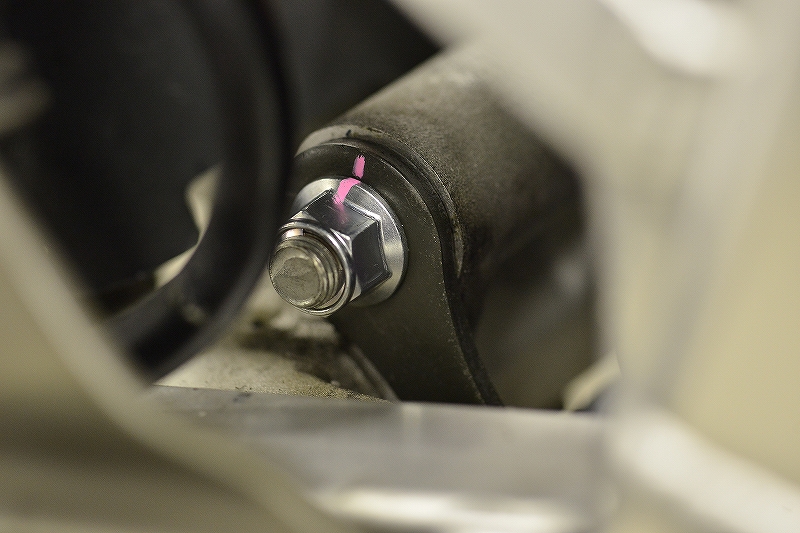
We replaced all the linkage bolts and nuts with new ones.
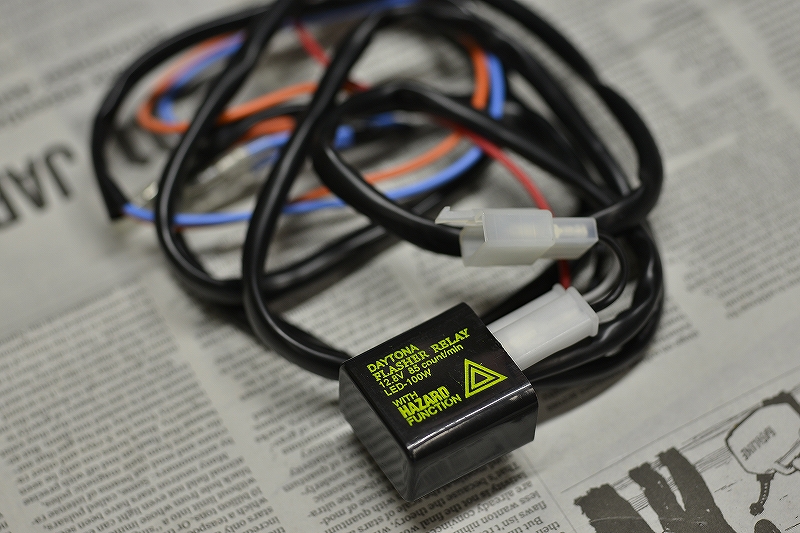
We’re upgrading the hazard function. There was a custom setup installed originally, but we’re changing it to a simpler configuration.
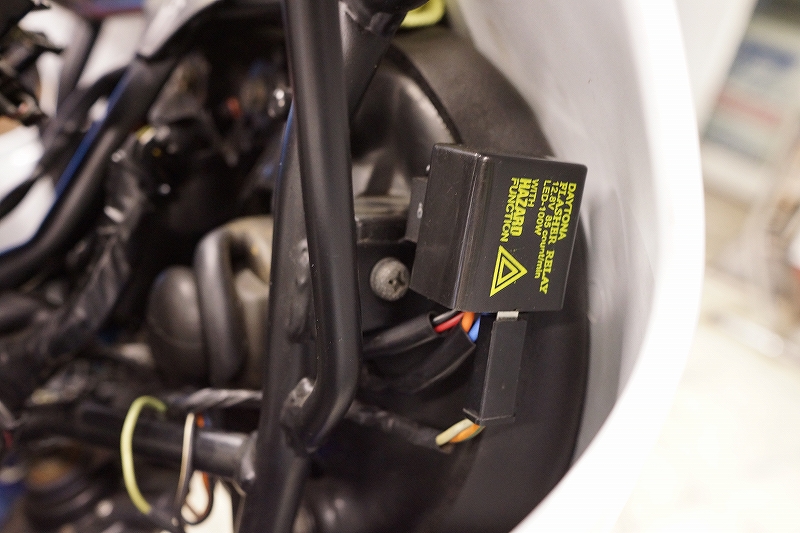
We’re making it compatible with LED turn signals, so it’ll be worry-free going forward. The switch and turn signal wiring are kept simple and clean.
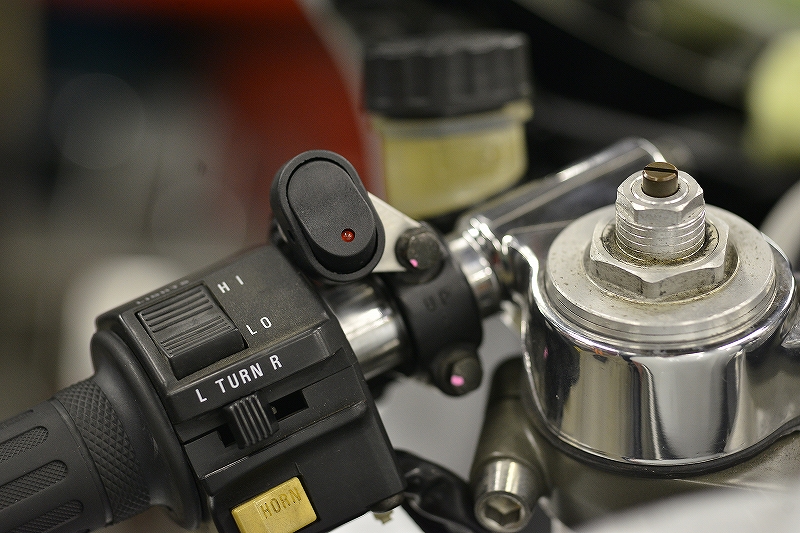
We fabricated a simple bracket for the switch so it can be operated while holding the handlebar.
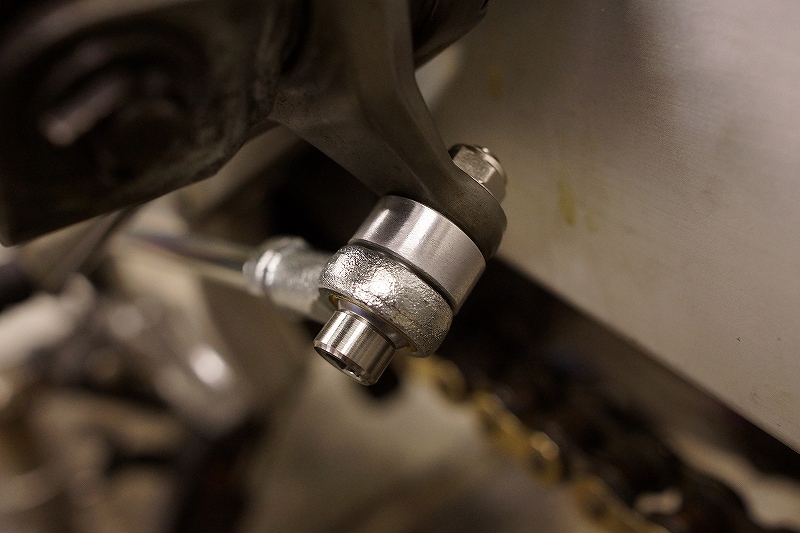
We replaced the shift rod as well. This makes adjustment easier. We fabricated a spacer with a larger outer diameter to prevent unnecessary play in the rod.
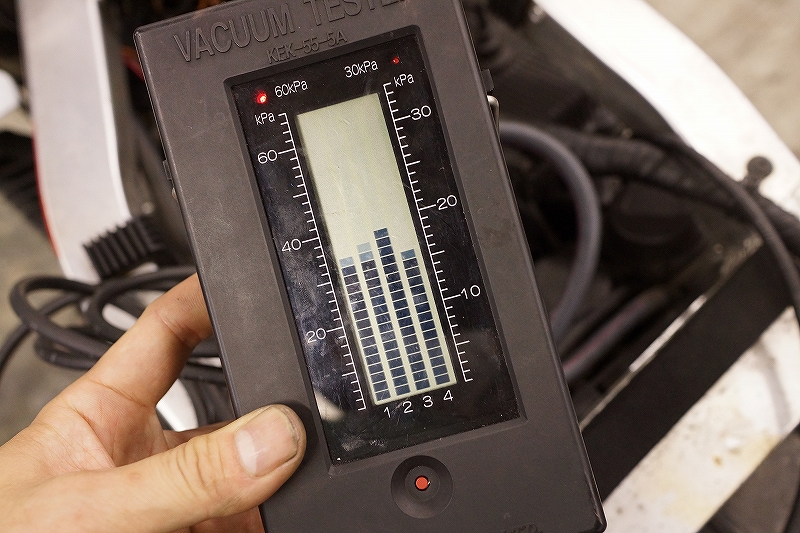
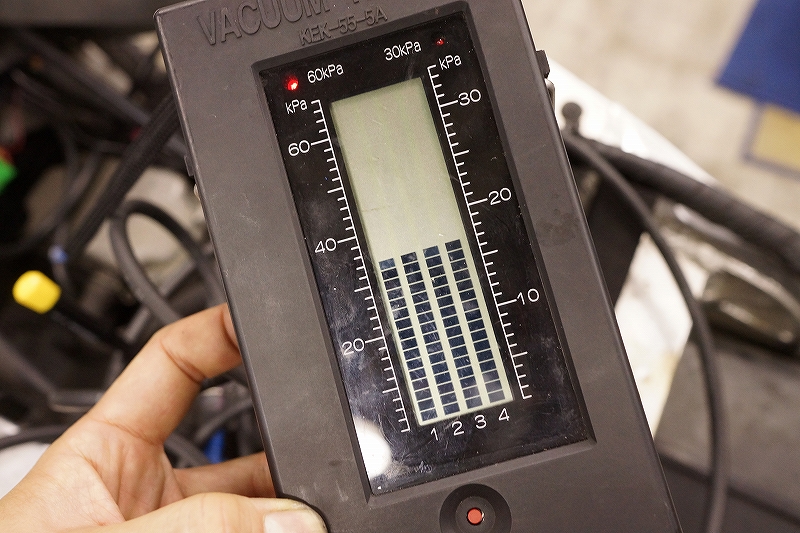
We adjusted the synchronization.
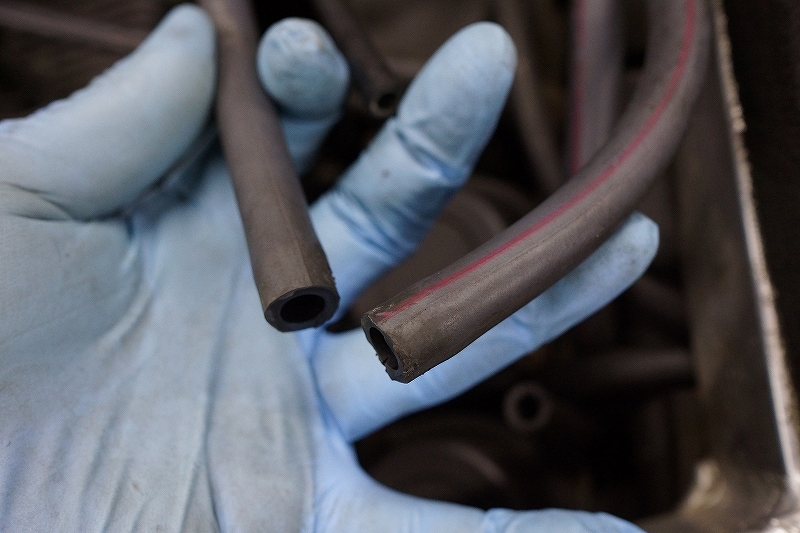
Secure the fuel hose with a clip or at least a cable tie.
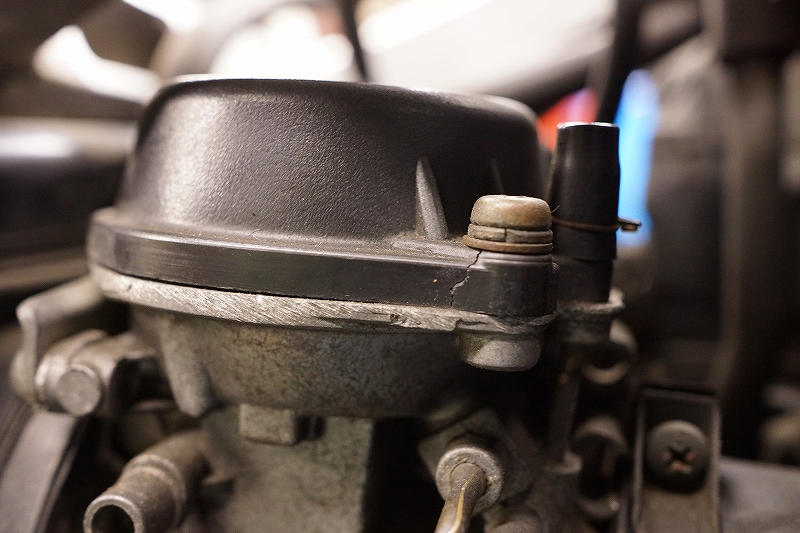
The top cap is a bit concerning, but it’s not leaking, so we’ll address it if we get another chance to disassemble it.
All done.