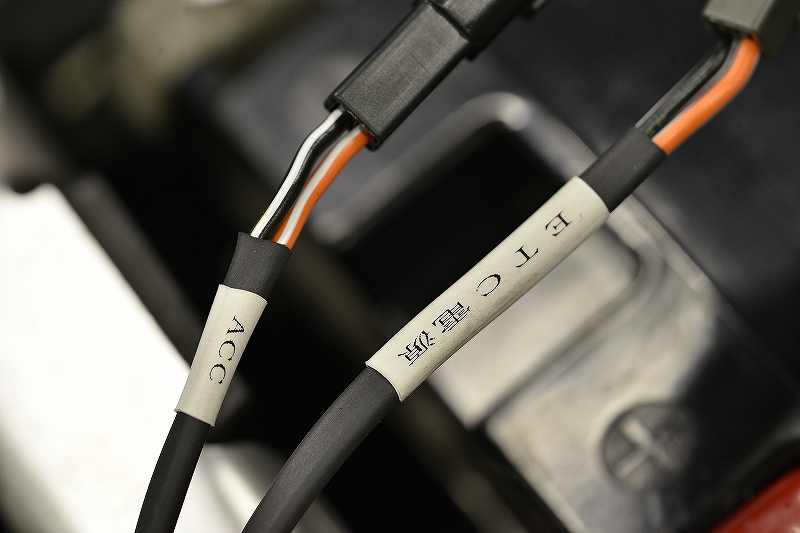
Let’s organize those wiring runs that catch your eye.
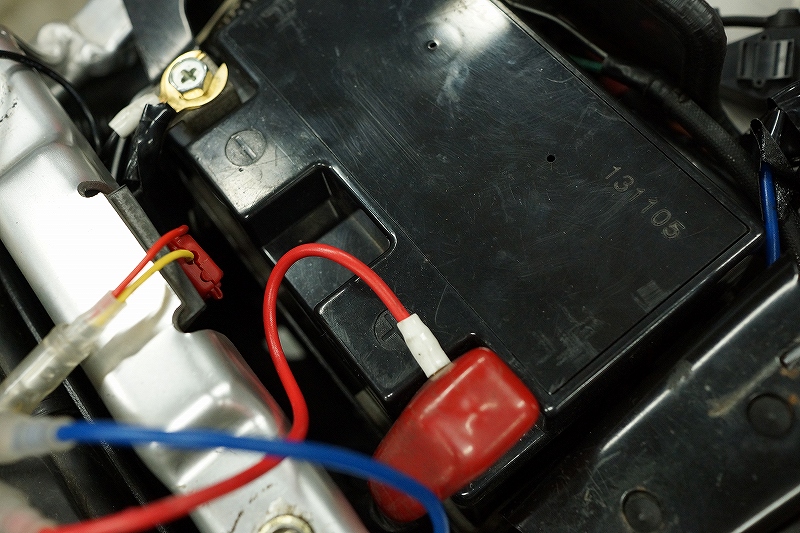
It might be better to avoid co-mounting to the battery as much as possible.
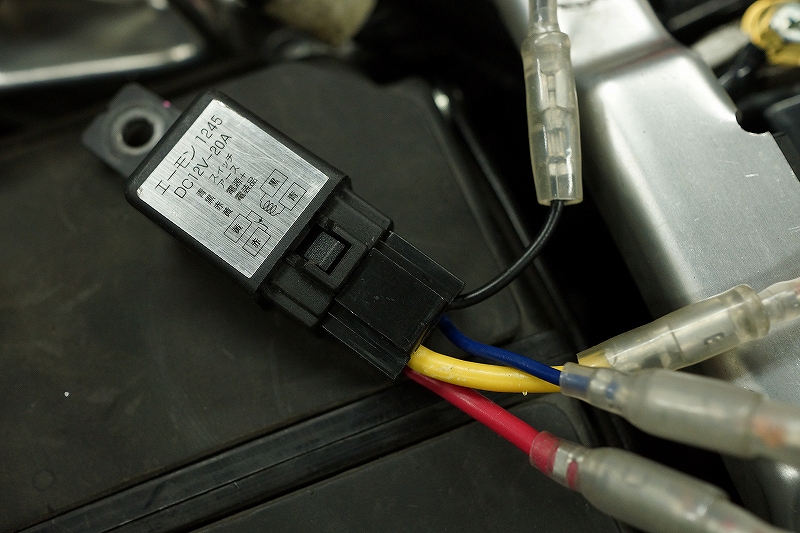
Using a relay is a pretty good idea. Power supply works without issues, but with a 20A capacity the relay gets bulky and the wiring needs to be thick.
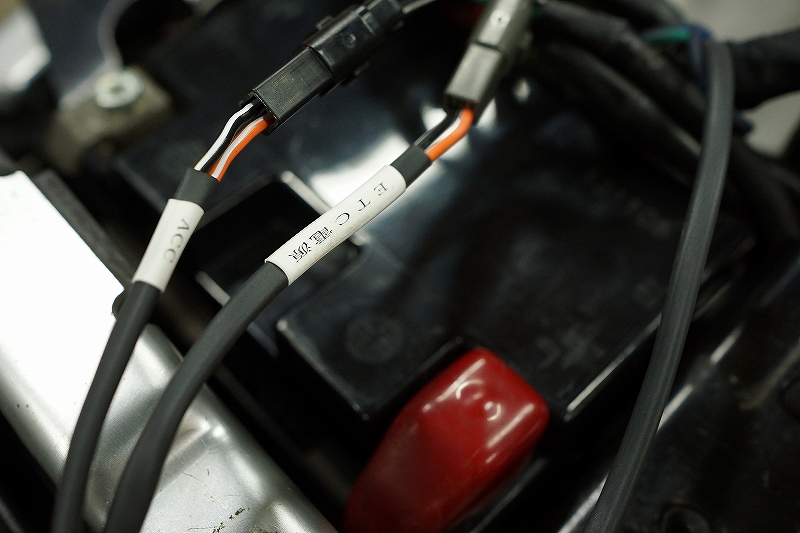
I made two connectors. They’re safe to plug in either way, but I color-coded the connectors—gray and black—so anyone can tell them apart. I think wiring should always be done so that anyone can understand it.
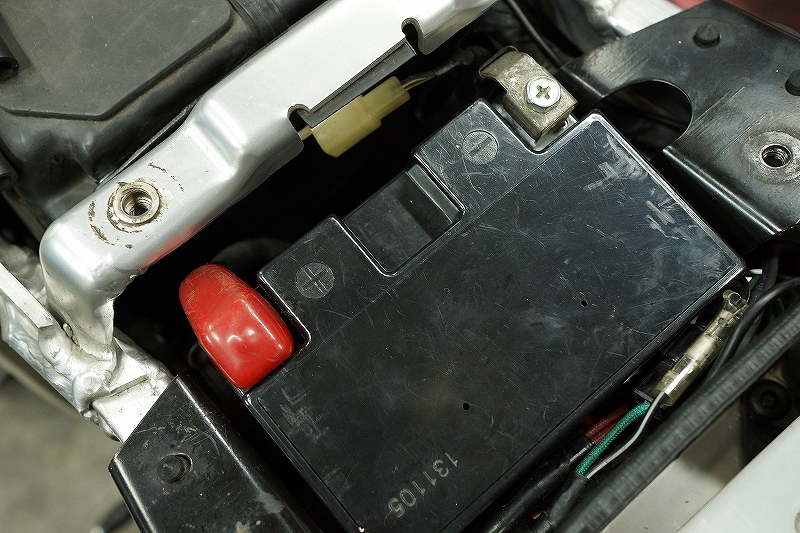
I removed the relay. This should look clean now.
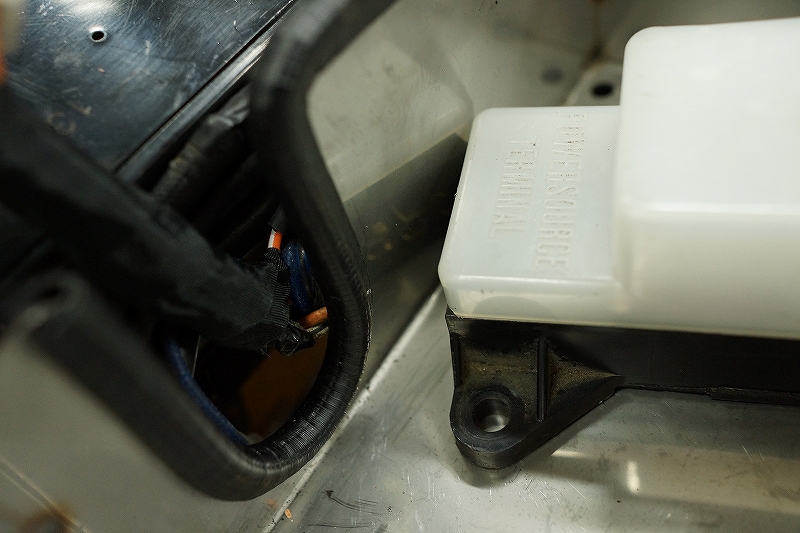
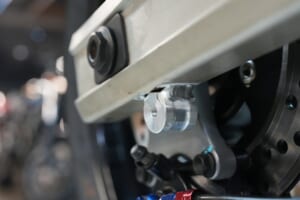
Wire protection with gel tubing and the like is fine, but instead of protecting on the wiring side, if you can mount protection on the receiving end as much as possible, you eliminate waste and keep things simple.
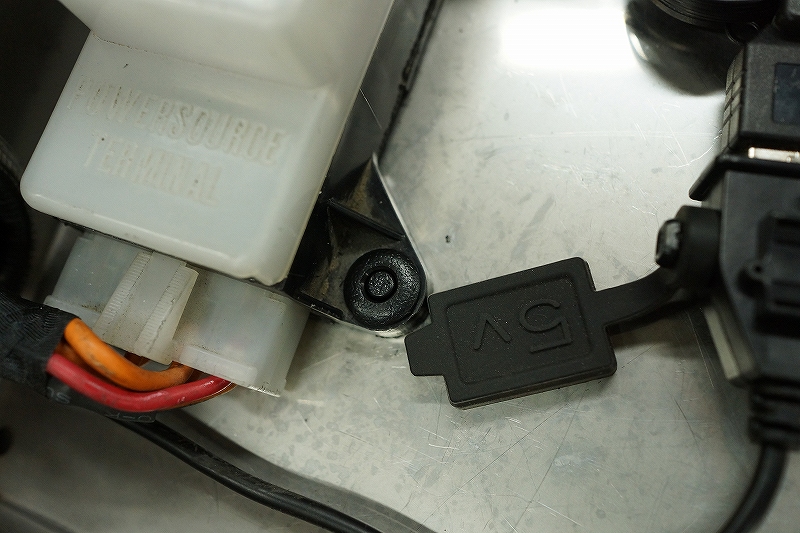
There’s no need to fix plastic parts that don’t have a sleeve inside with bolts and nuts.
Rather than risk cracking or loose tightening with lock nuts, I think push rivets are a smarter way to secure them.
They’re easy to remove and attach, the plastic floats freely, and they’re lightweight.
Tomorrow we’ll test ride and call it complete.