Oh right, I forgot to upload this! (*´з`)
In the end, we’re going back to the original and thinking about what to do going forward.
(´∀`*) Hehe, the big sale of the year—Amazon Prime Day 7/12–13
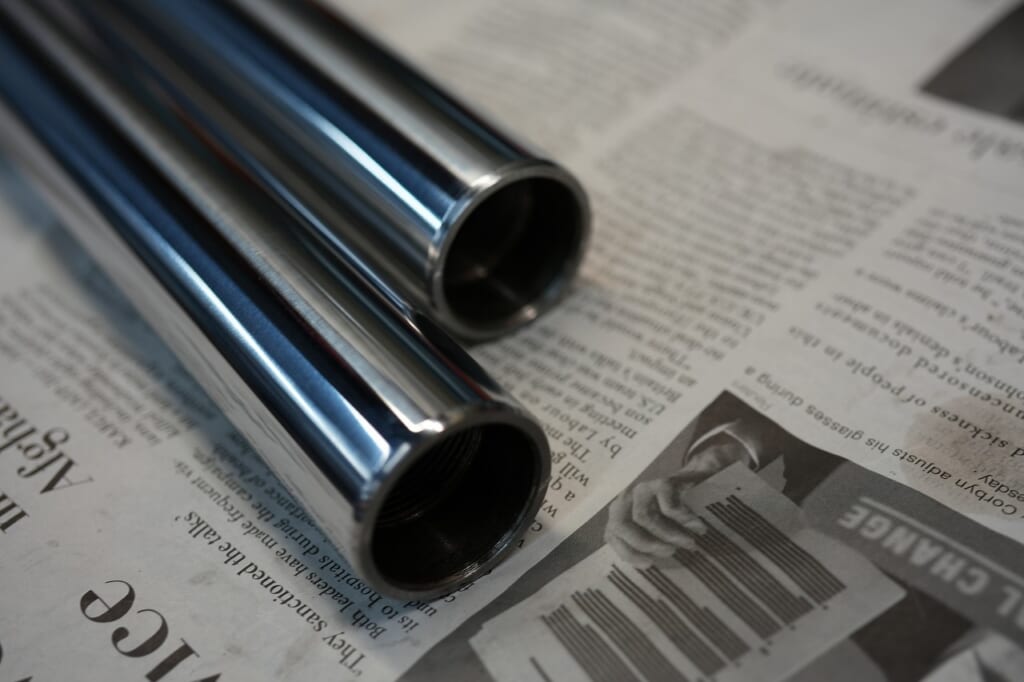
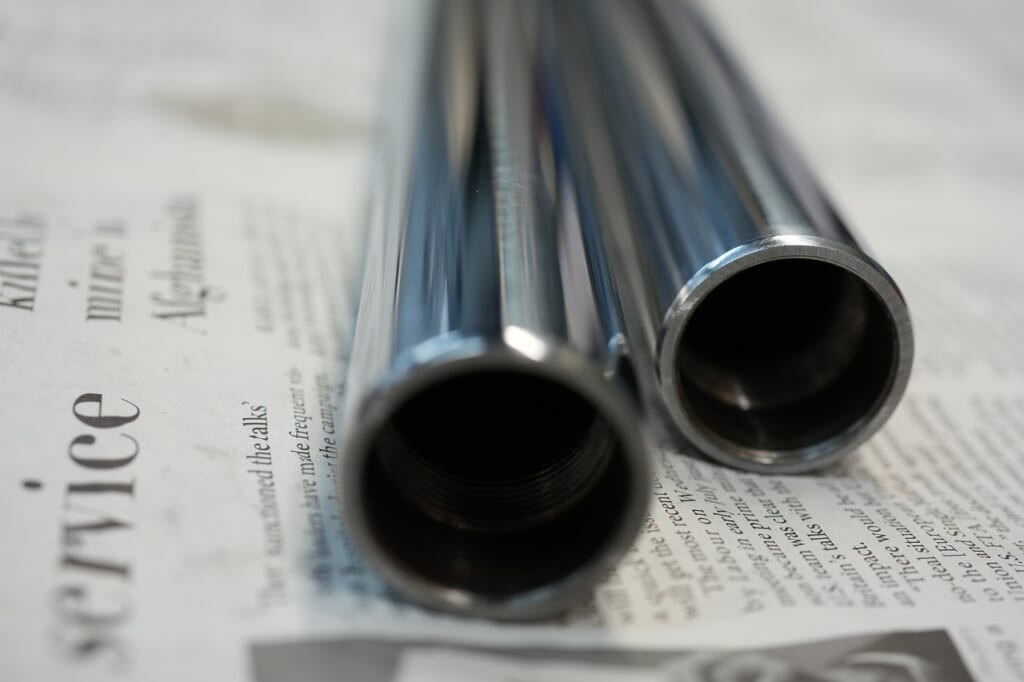
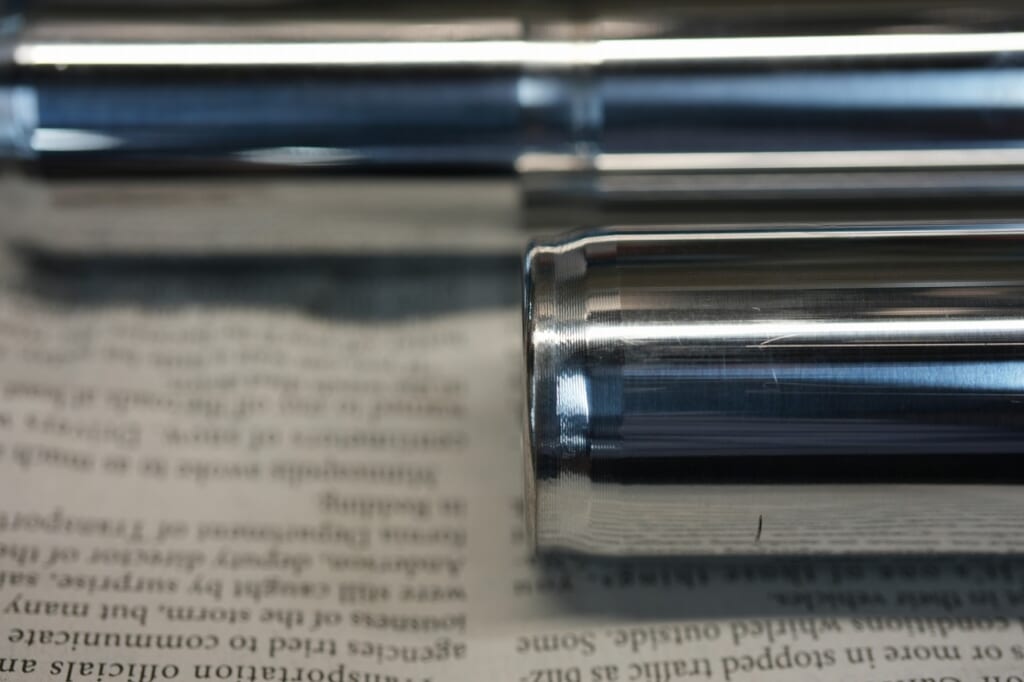
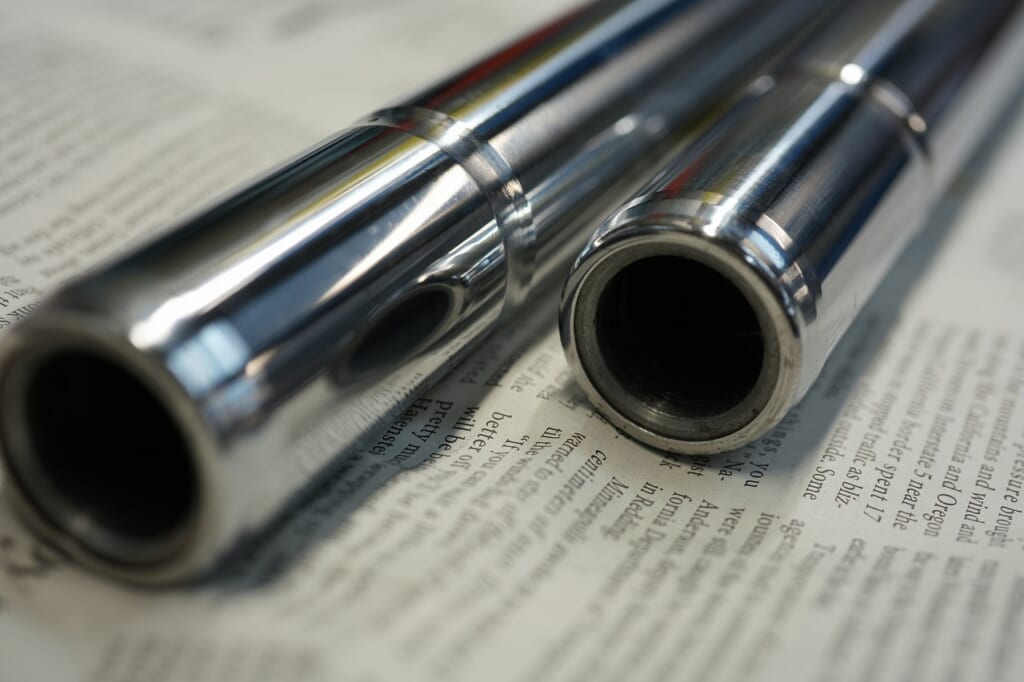
If you keep it a bit oily and wipe it down, it should last as long as the bike does.
Always perfect—Toyo hardening.
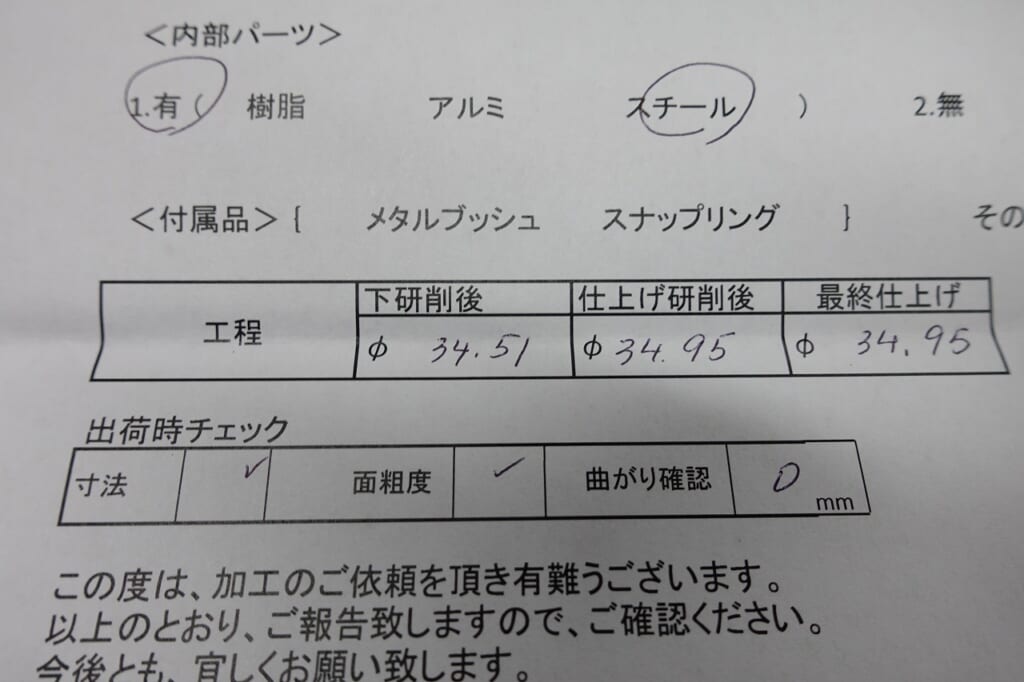
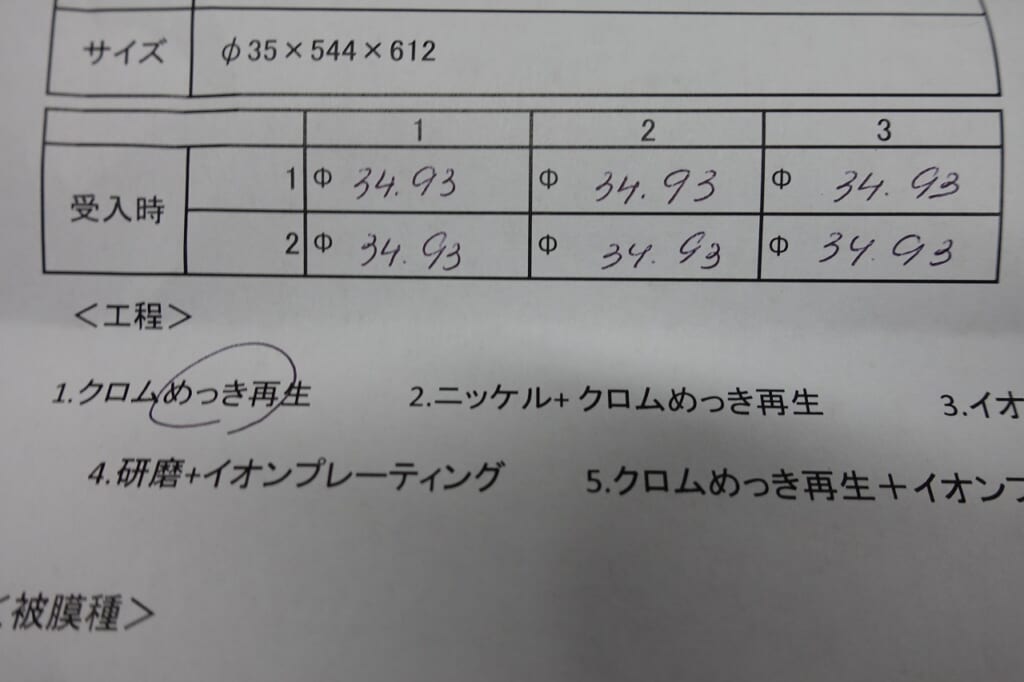
Services like this are really appreciated, you know? Truly.
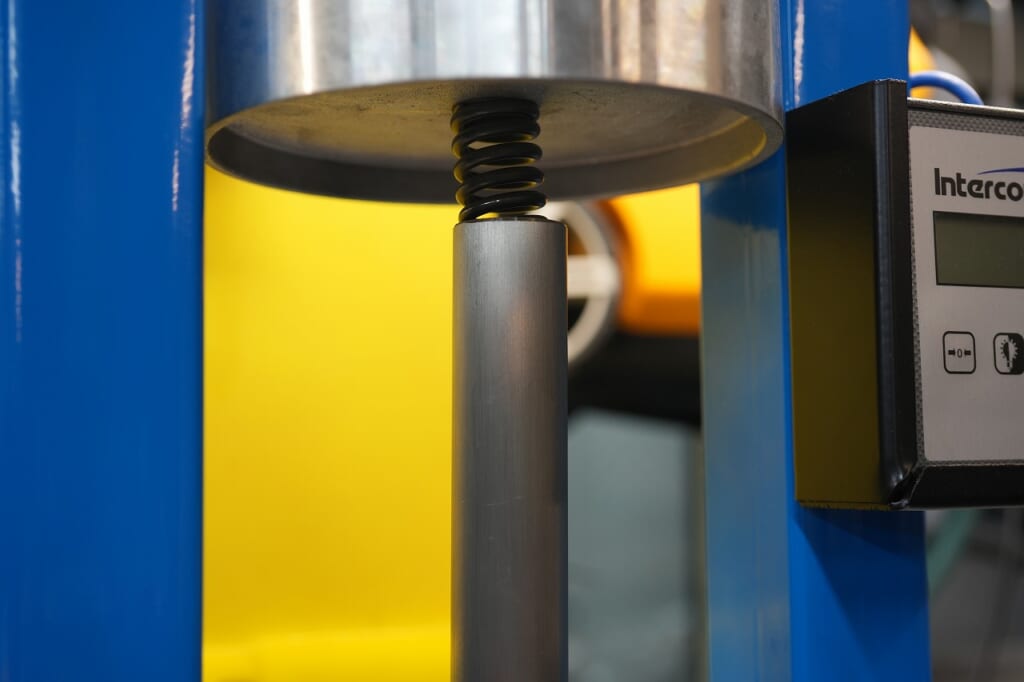
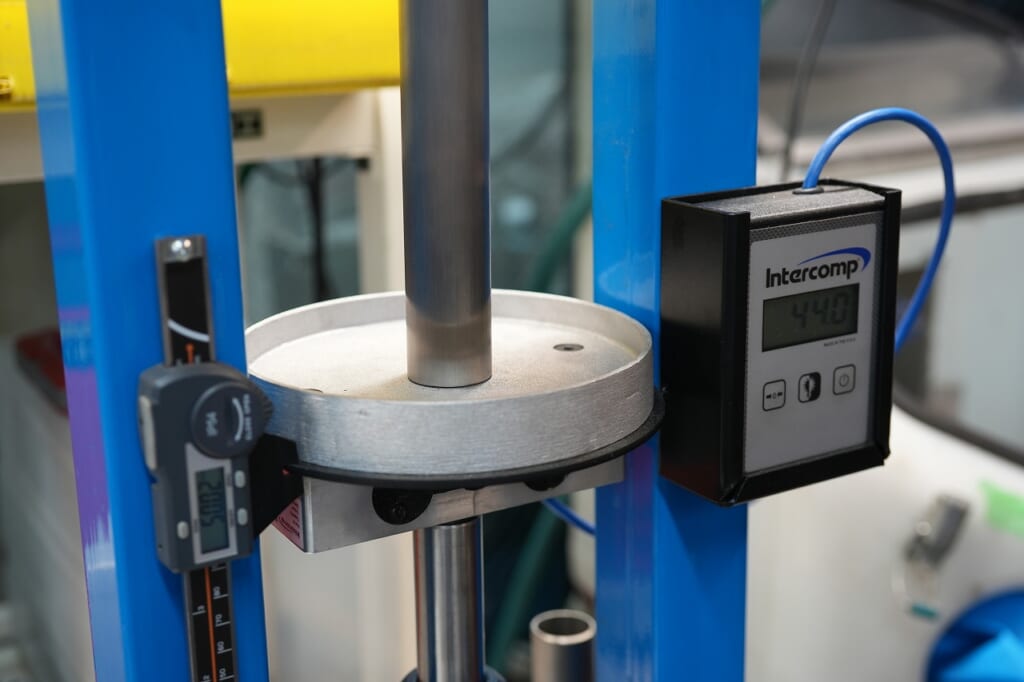
So then, this old timer measures the front fork spring.
Since it’s so thin, I put it in a pipe and check just the protruding bit—about 50 mm.
Fork springs bend a bit inside the inner tube, so in a way it’s pretty rough.
They give a little, you see.
The rate is actually pretty high, so I tried a single spring test on just the lower side. (Of course, I adjusted the length and preload with spacers.)
When I test rode it, the damping force was so weak that the fork rebound after braking was super fast—I decided it wasn’t rideable. I ended up having to put it back the way it was.
Just a spring won’t cut it, I guess.
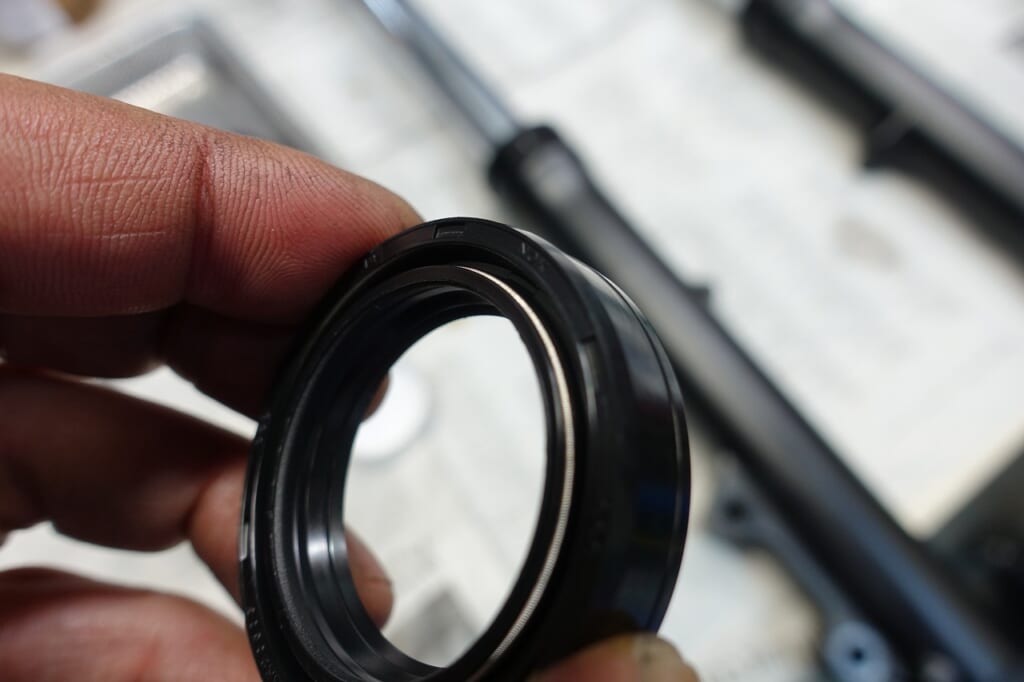
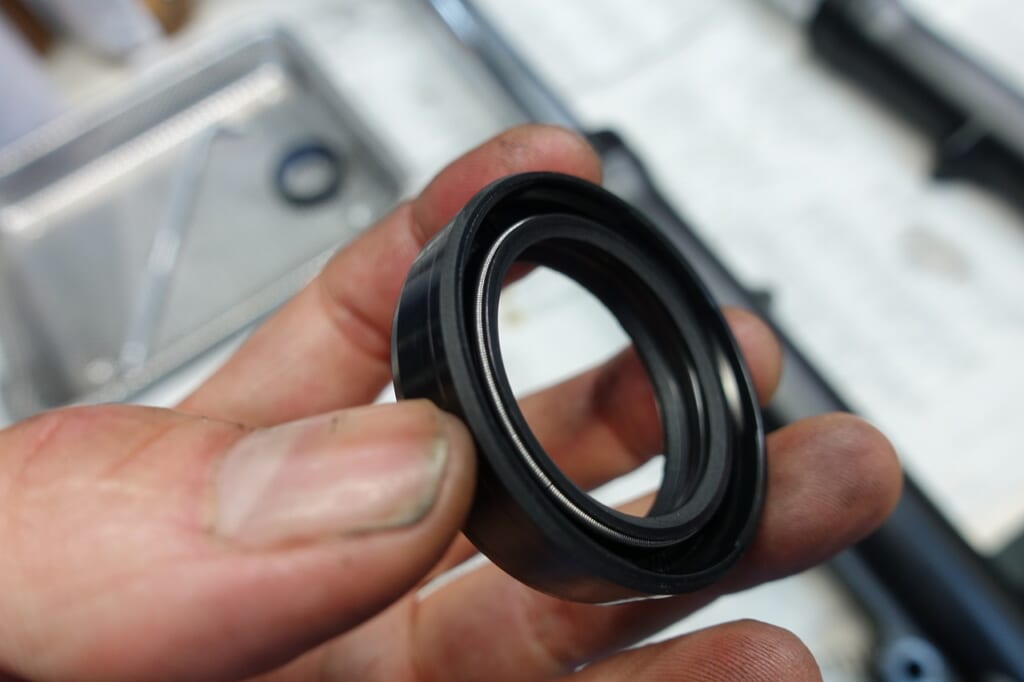
It’s 35 mm, but it’s a double spring with solid construction.
Different from the 35 mm KYB on the GSX750E…
Parts are normally available, which is nice. In a pinch, Honda has the same dimensions too.
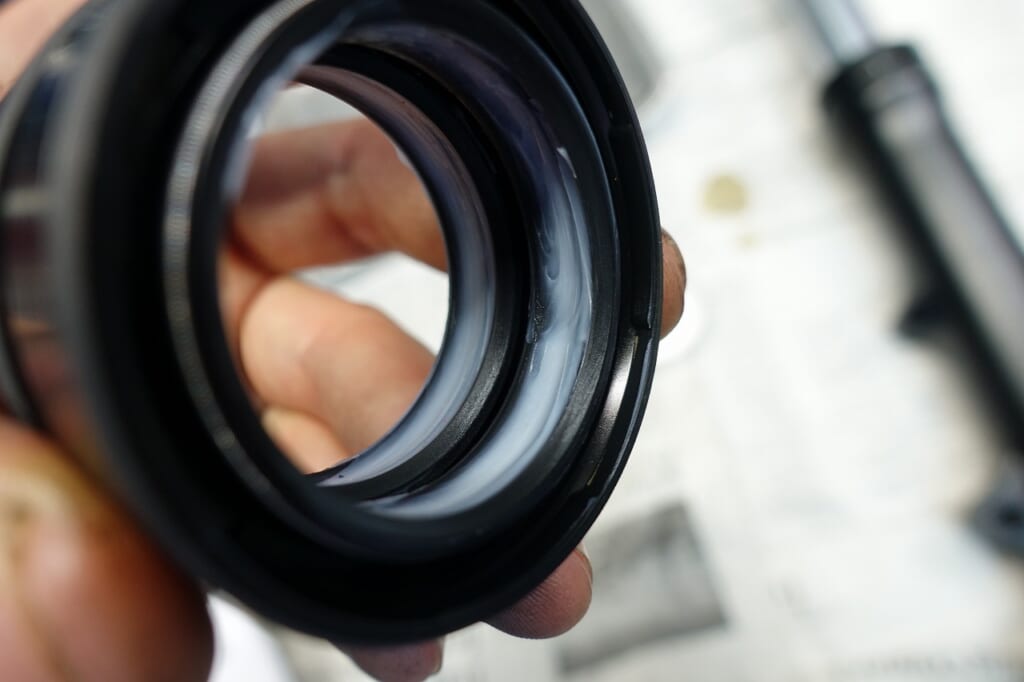
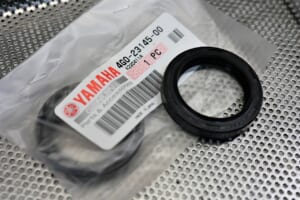
The recent trend: we pack fluorine grease firmly into the oil seal lip.
The so-called angel’s halo oil leak is less likely to appear, and operation feels smooth too.
Keeping things safe and long-lasting helps us out as well.
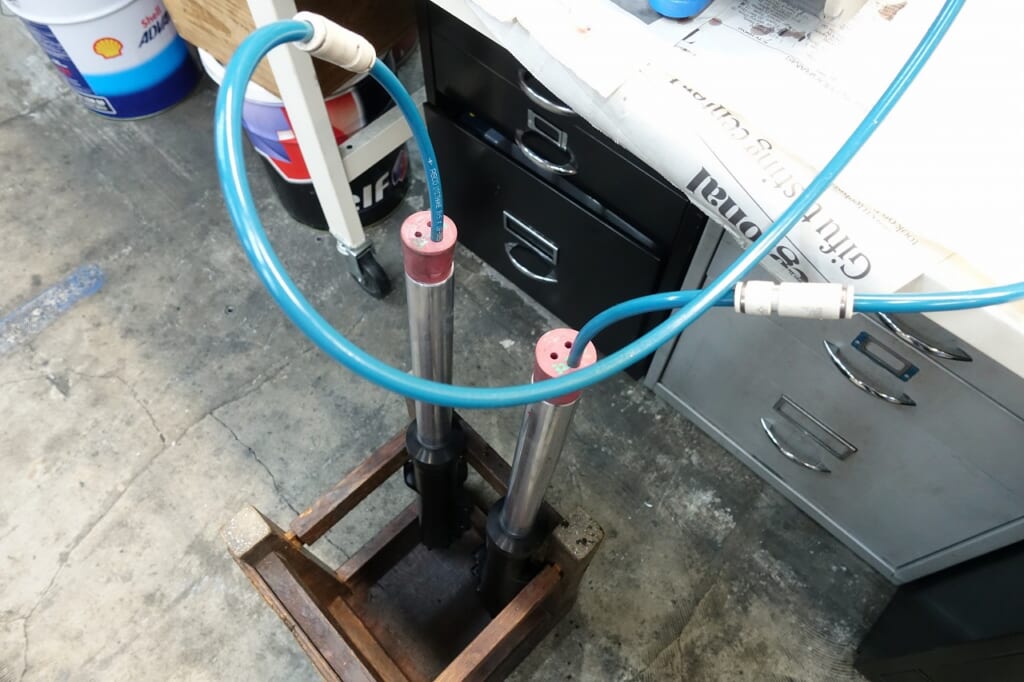
We bleed the air from the fork and we’re done.
Whether we bleed it or not, it’s all squishy anyway…
If you adjust by oil viscosity, temperature changes become very noticeable.
You’d be better off changing fork oil between summer and winter.
Ideally, you’d damp it mechanically and use thinner oil to deliver stable performance.