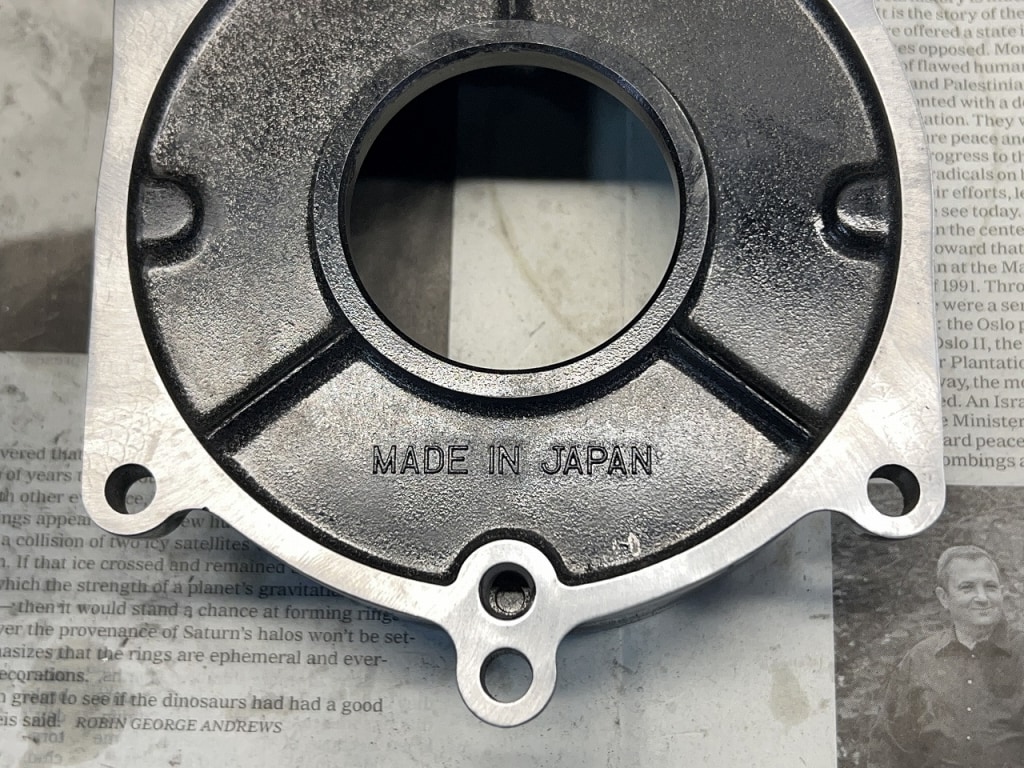
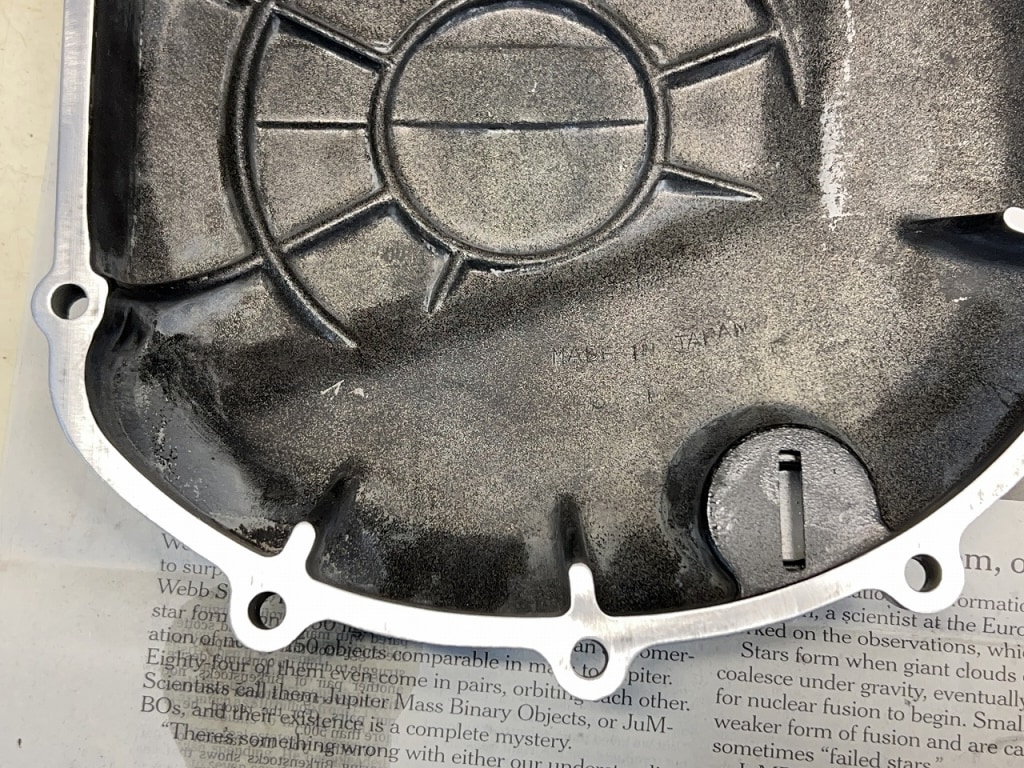
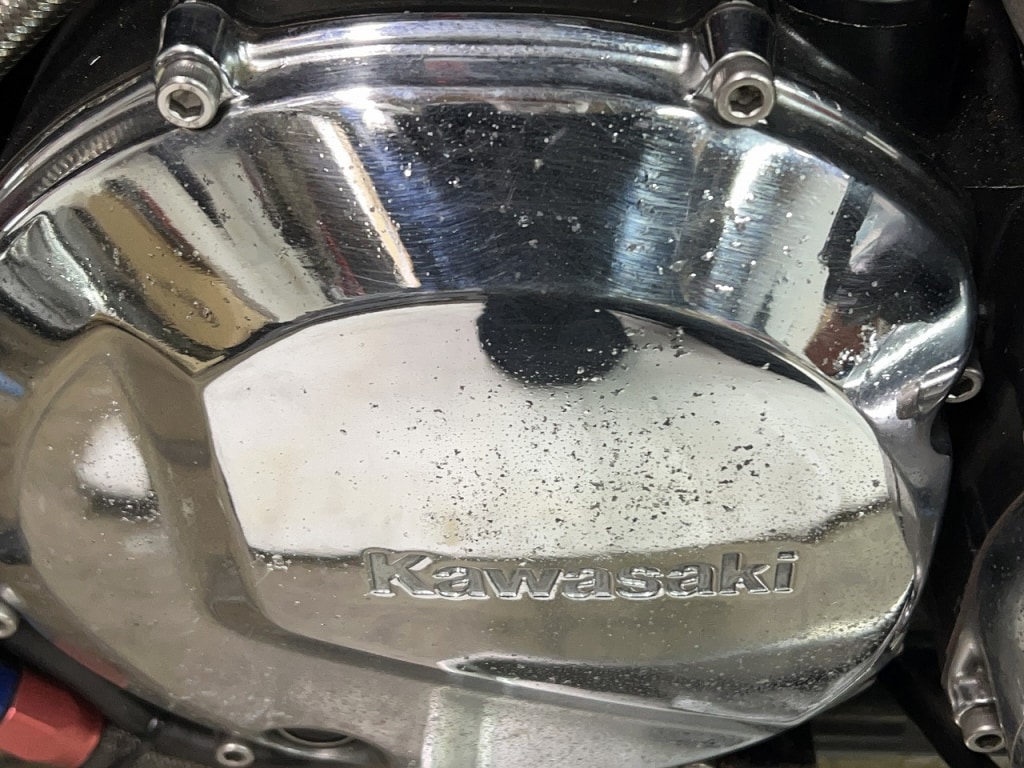
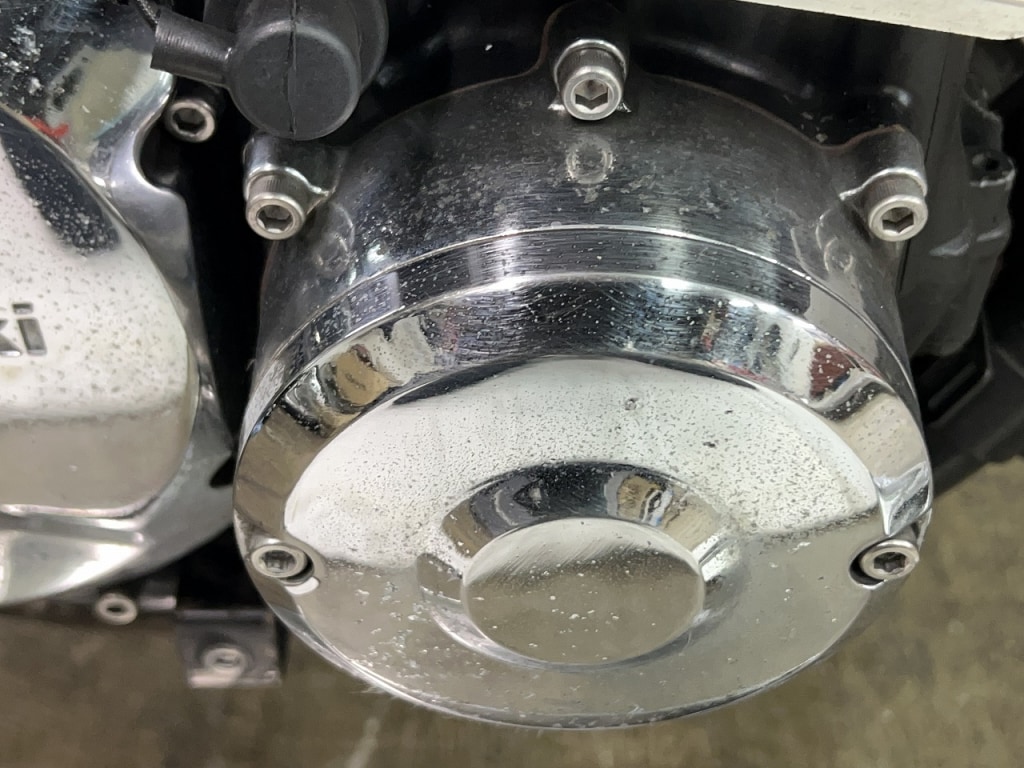
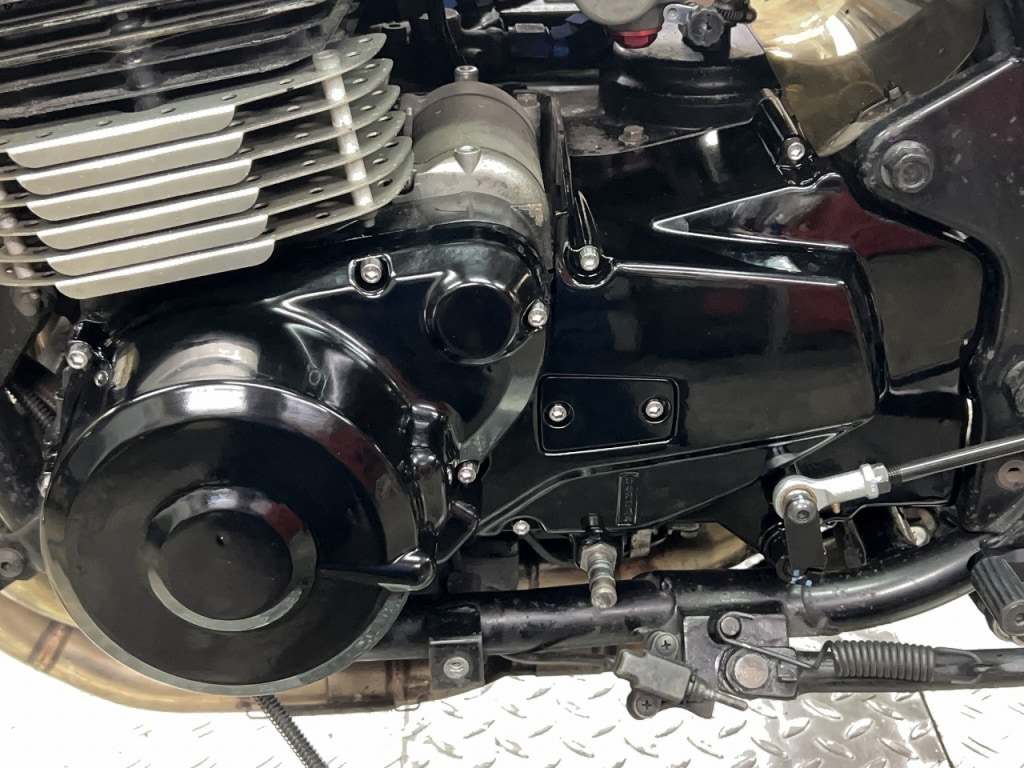
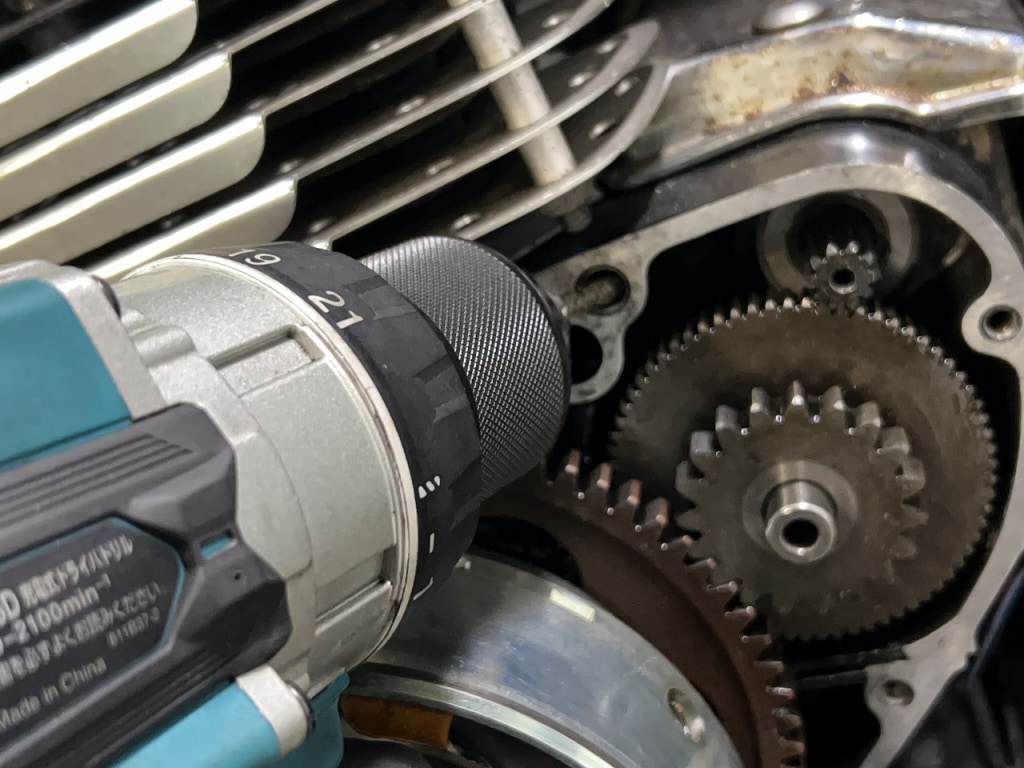
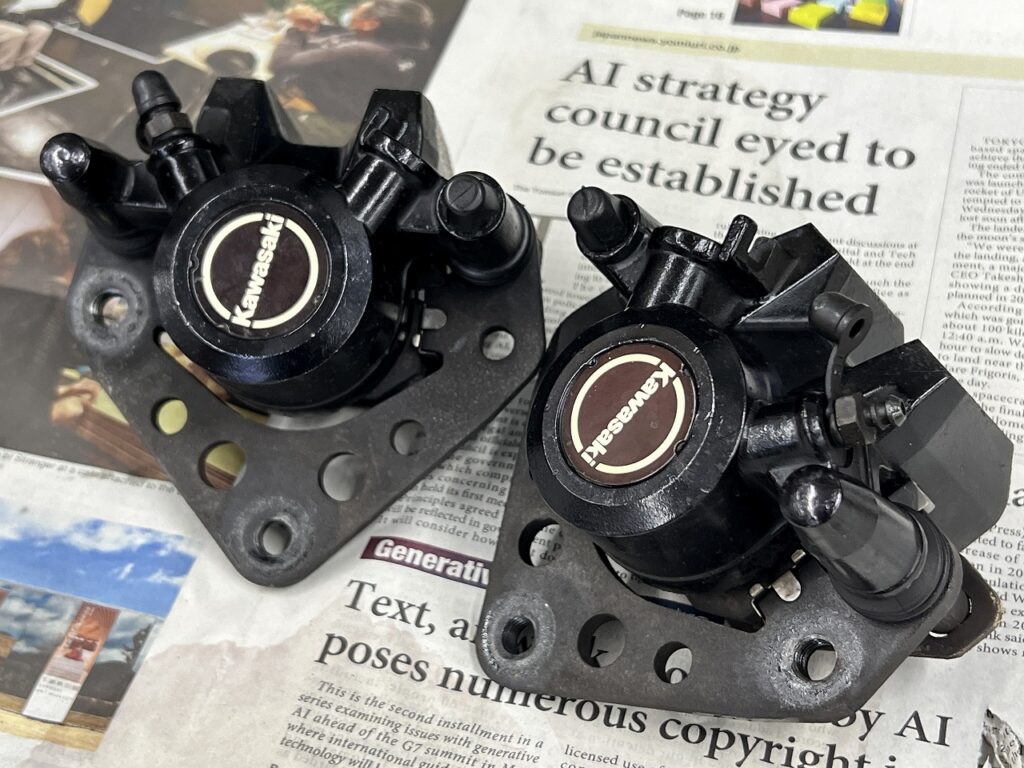
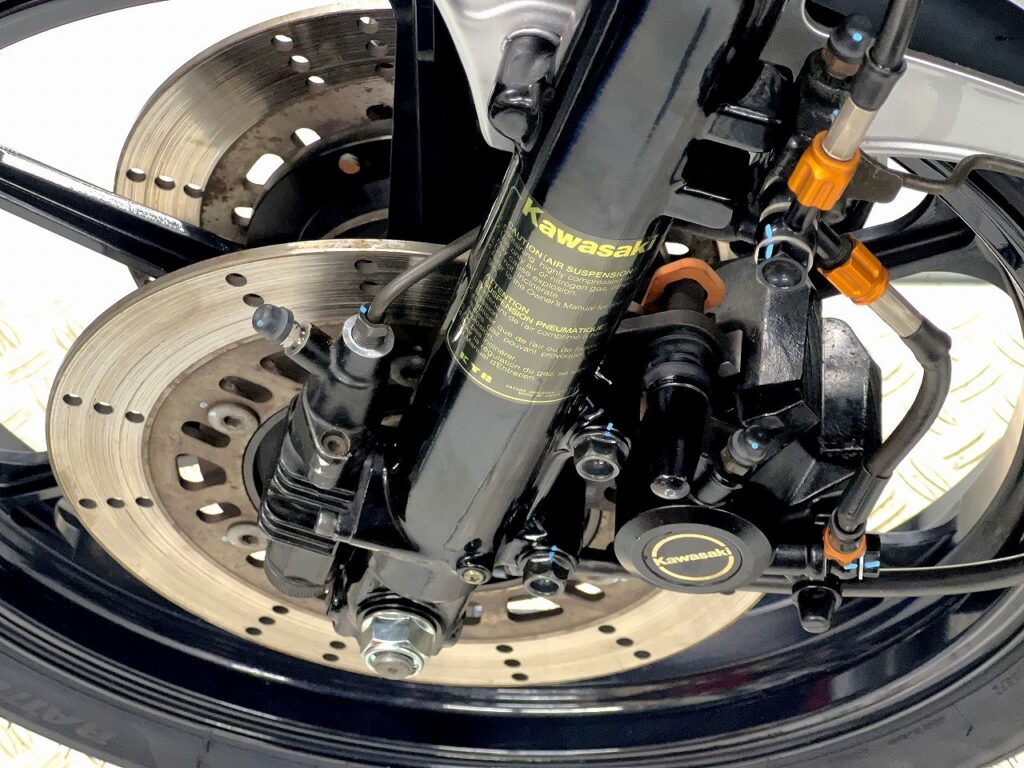
Various parts are rusty, so the owner wanted them painted. They have a regular painter they work with, so we’re installing the painted parts they brought back.
The finish is sharp, so cleaning is a hassle (*´ω`*)
The painter isn’t really involved, so to speak. Well, in case it gets removed somewhere else next time, it’s best to finish it properly for the future.
Plated and regretted it. It peels off in chunks and causes problems.
It bubbles from the inside and peels off in chunks when you scratch it with your fingernail. There’s nothing you can do about it when it gets that bad, so it’s frustrating.
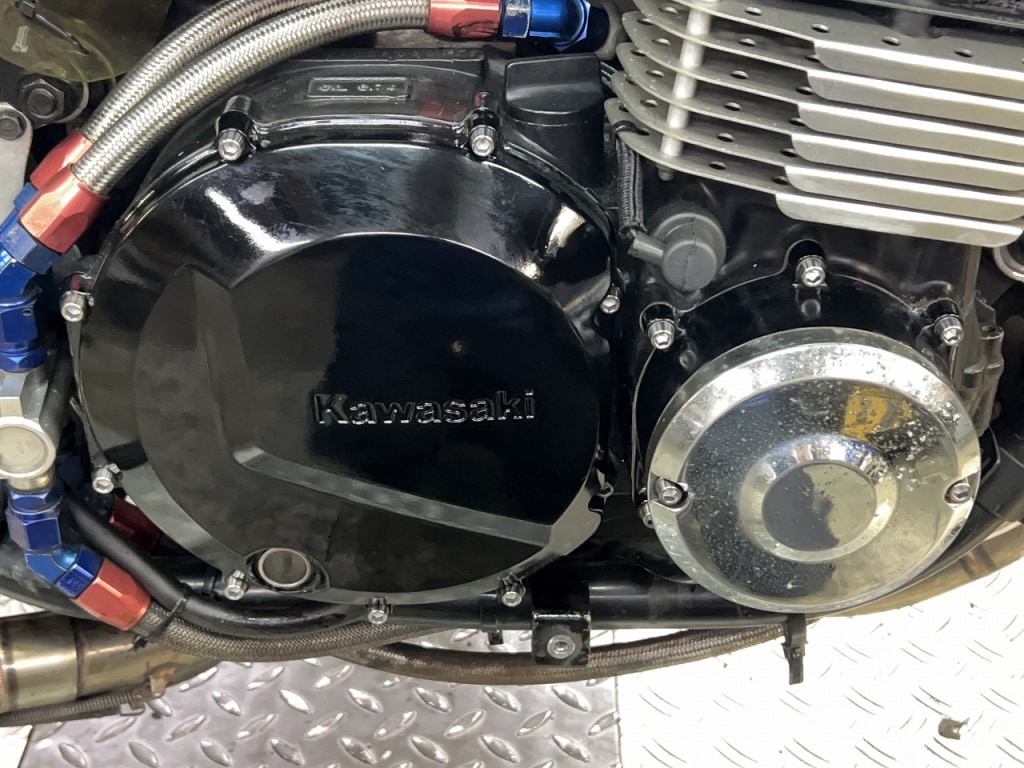
The owner had spare parts painted, so we’re swapping them in.
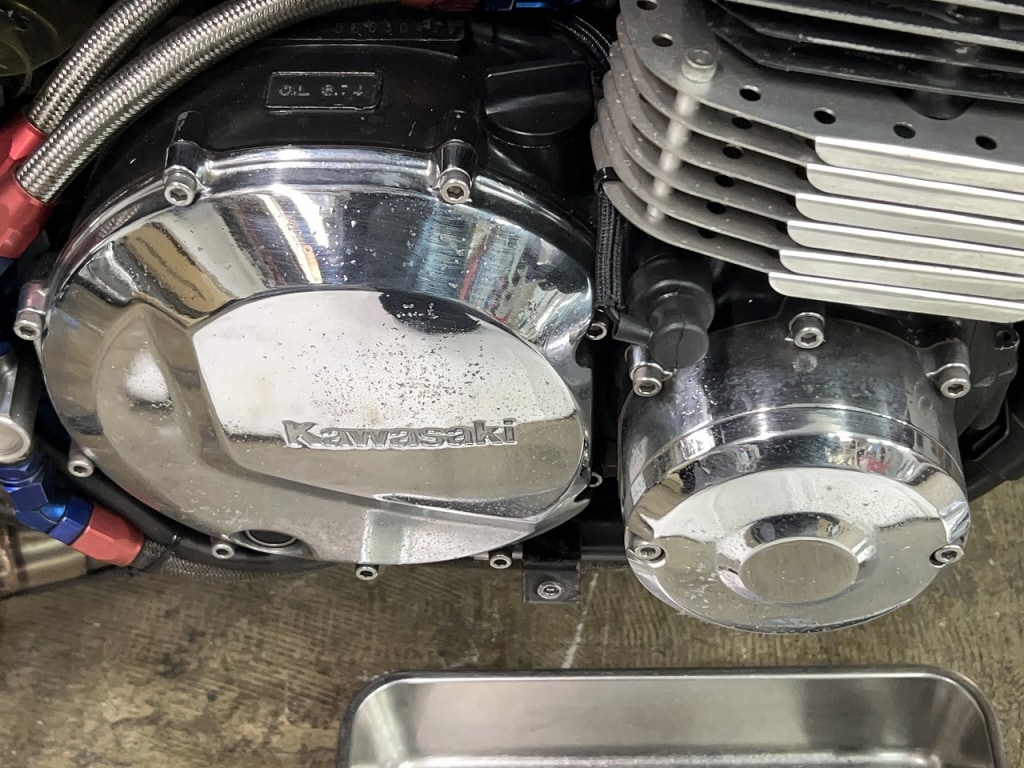
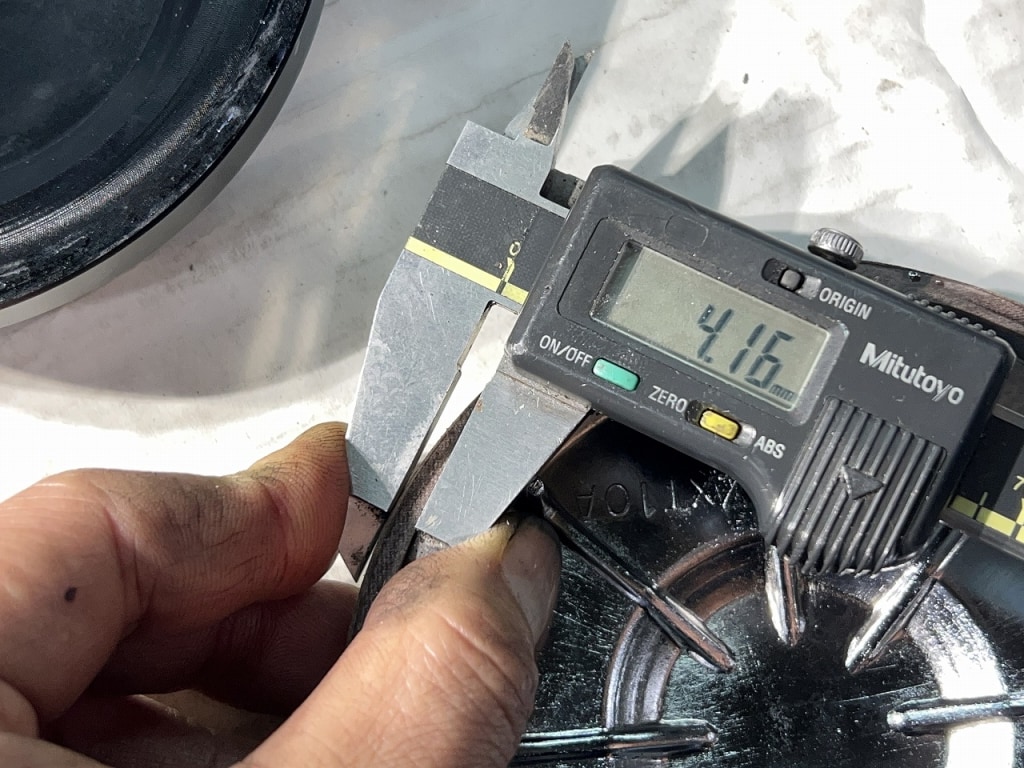
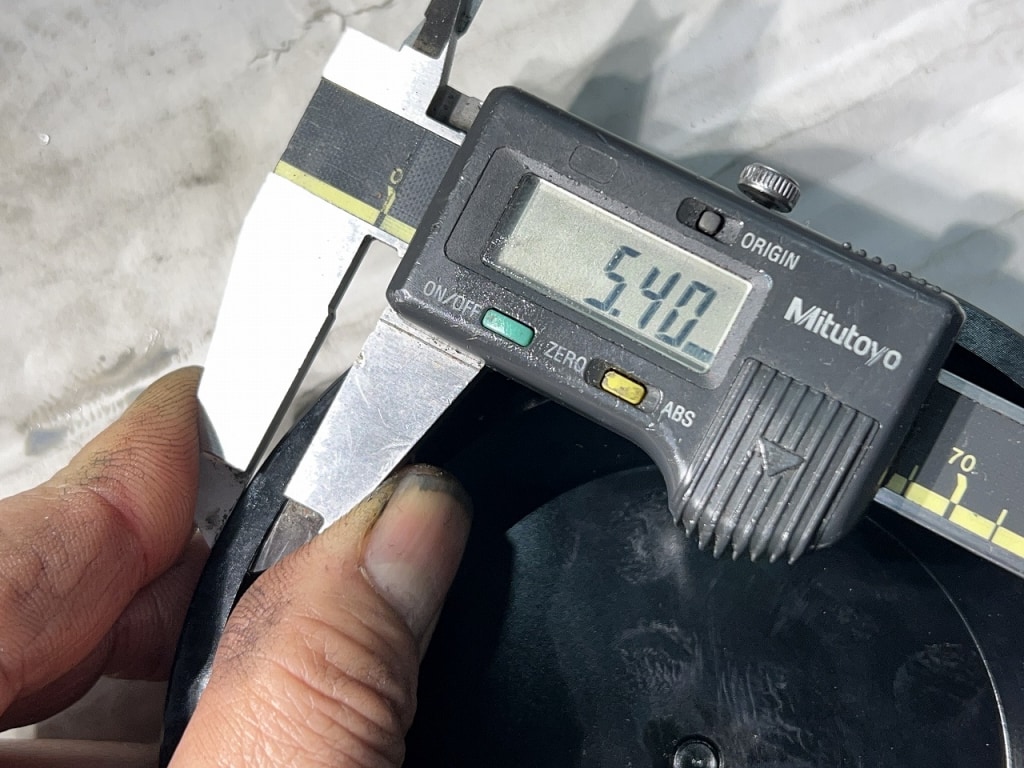
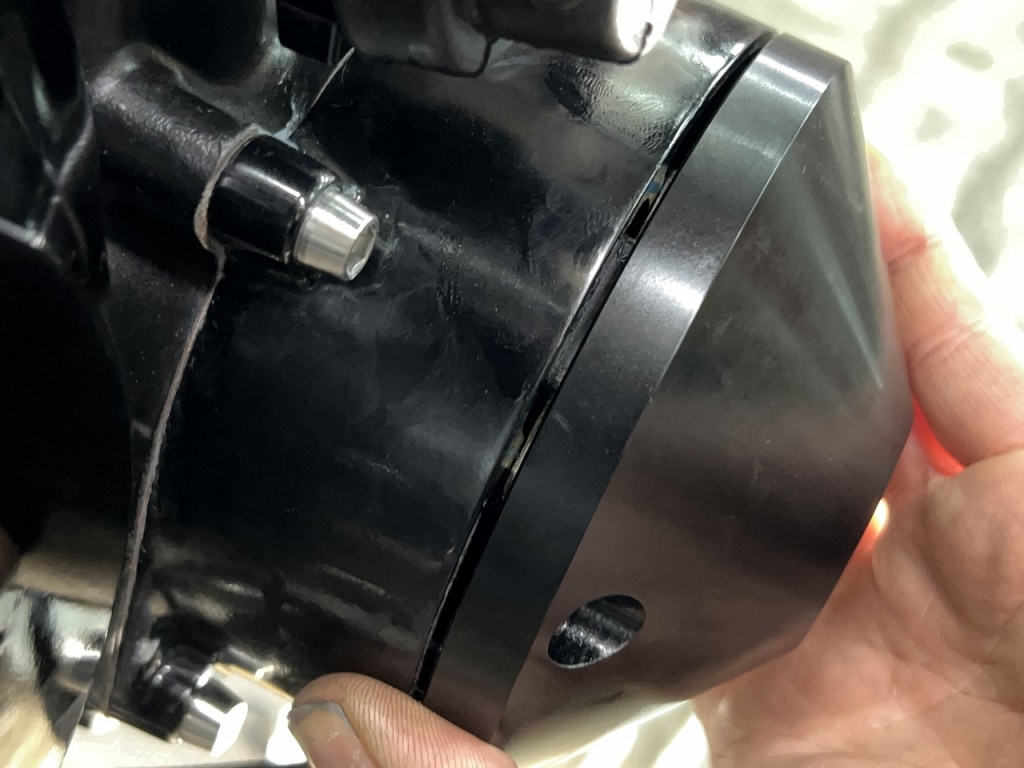
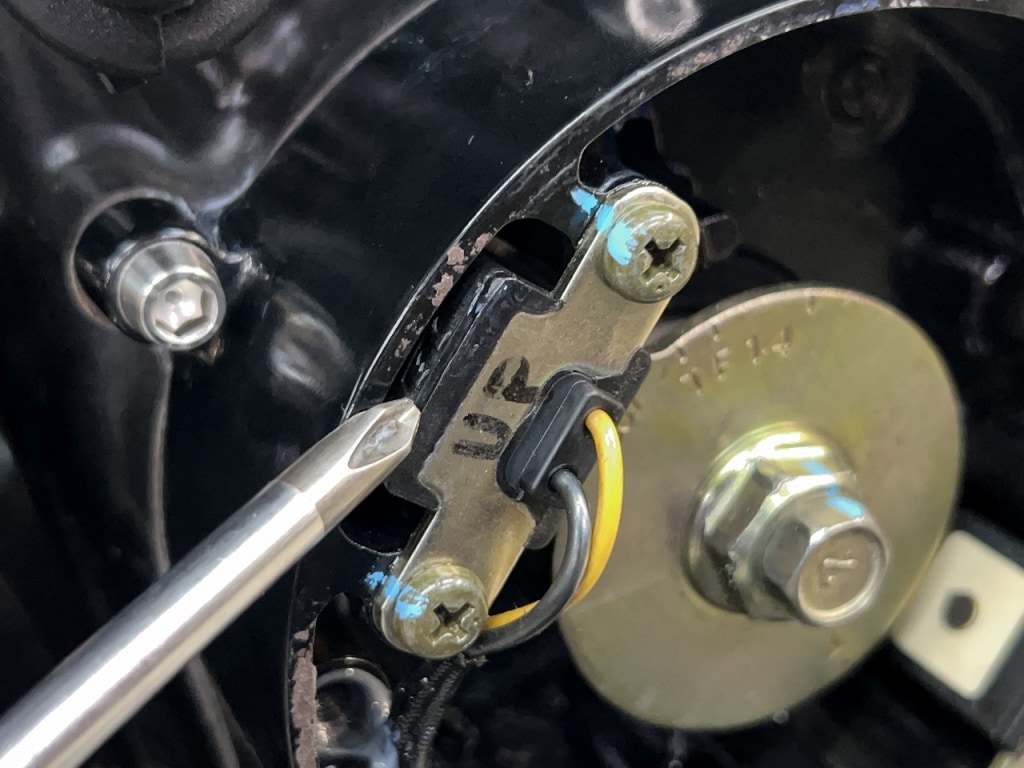
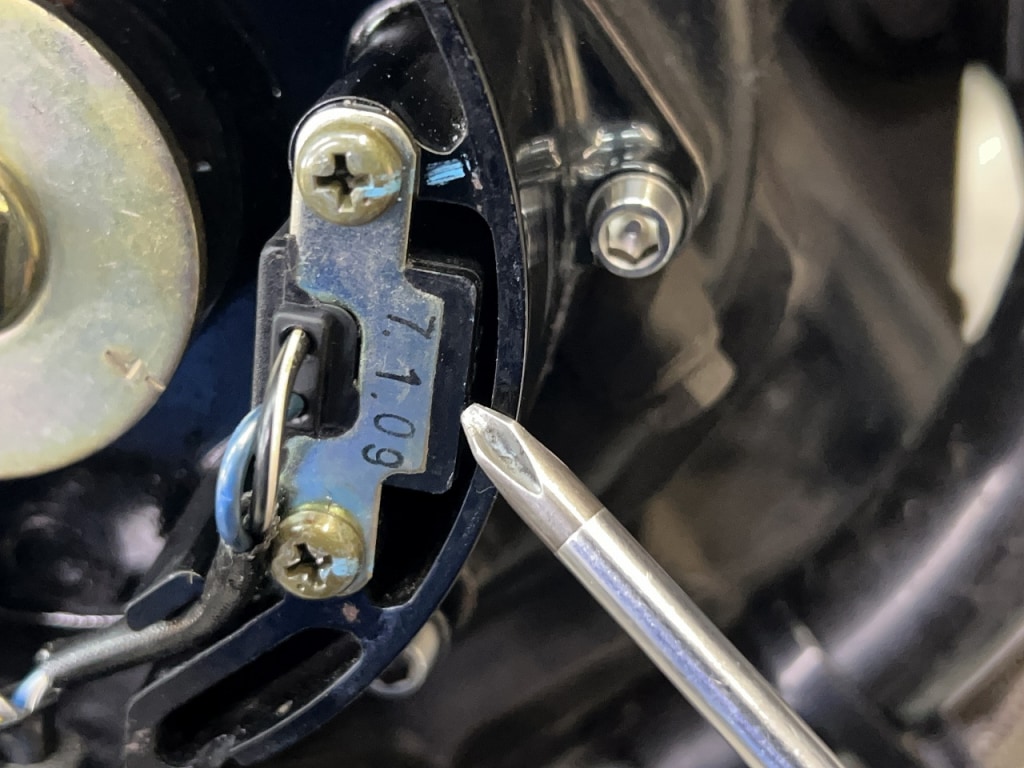
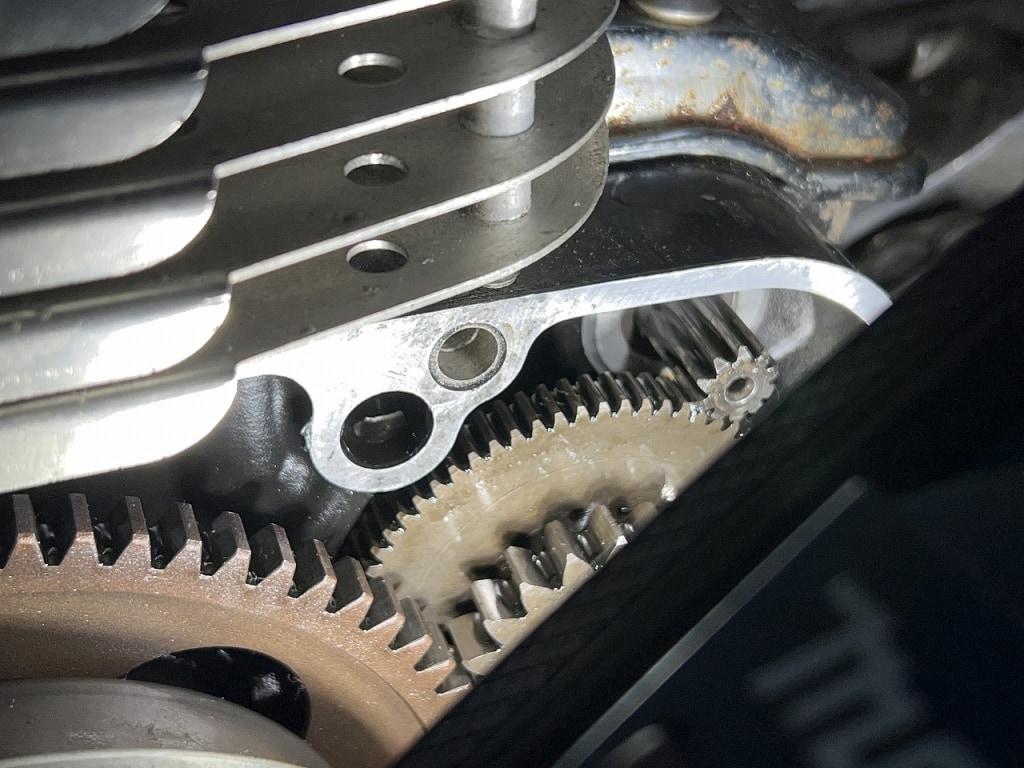
Mystery engine cover interferes with the pickup and won’t fit.
When I installed the cover, something didn’t feel right. The pickup seems to be slightly touching the cover. Even with the pickup mounting loose, it won’t fit, so we need to check.
Since it’s a customer-supplied part, we’re having the owner verify. *I basically don’t get involved with customer-supplied parts at all.
Anyway, it’s looking clean like this.
Classic bikes have all sorts of issues.
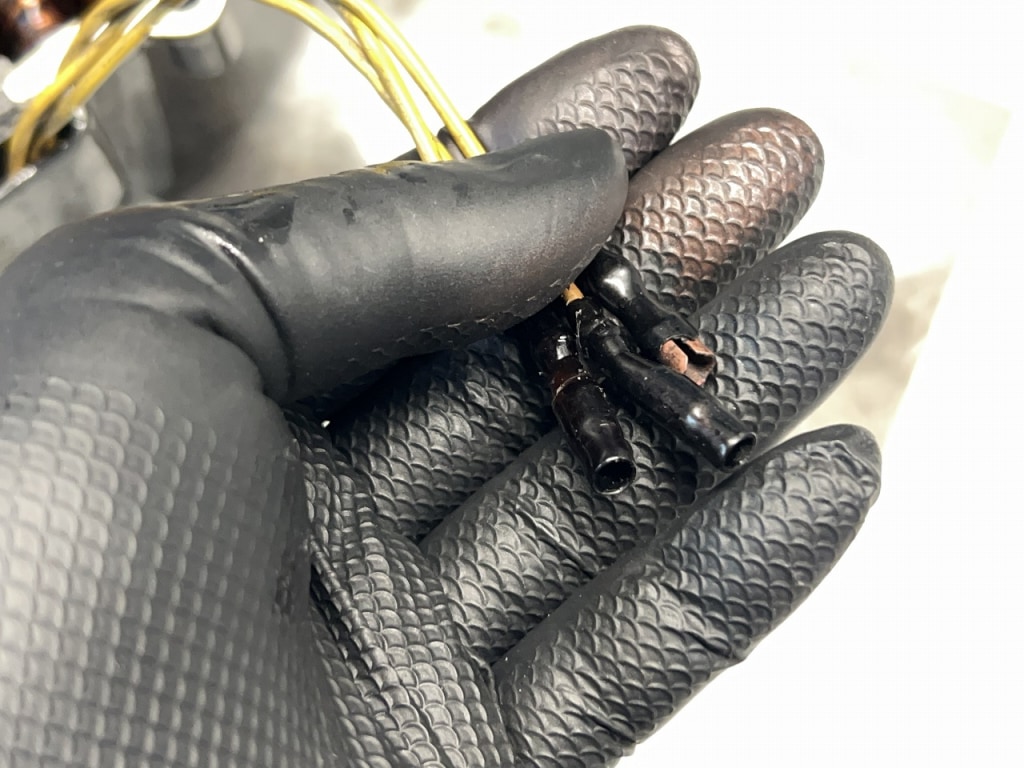
I’m amazed it ran as well as it did—the generator wiring was charred. This usually happens, doesn’t it?
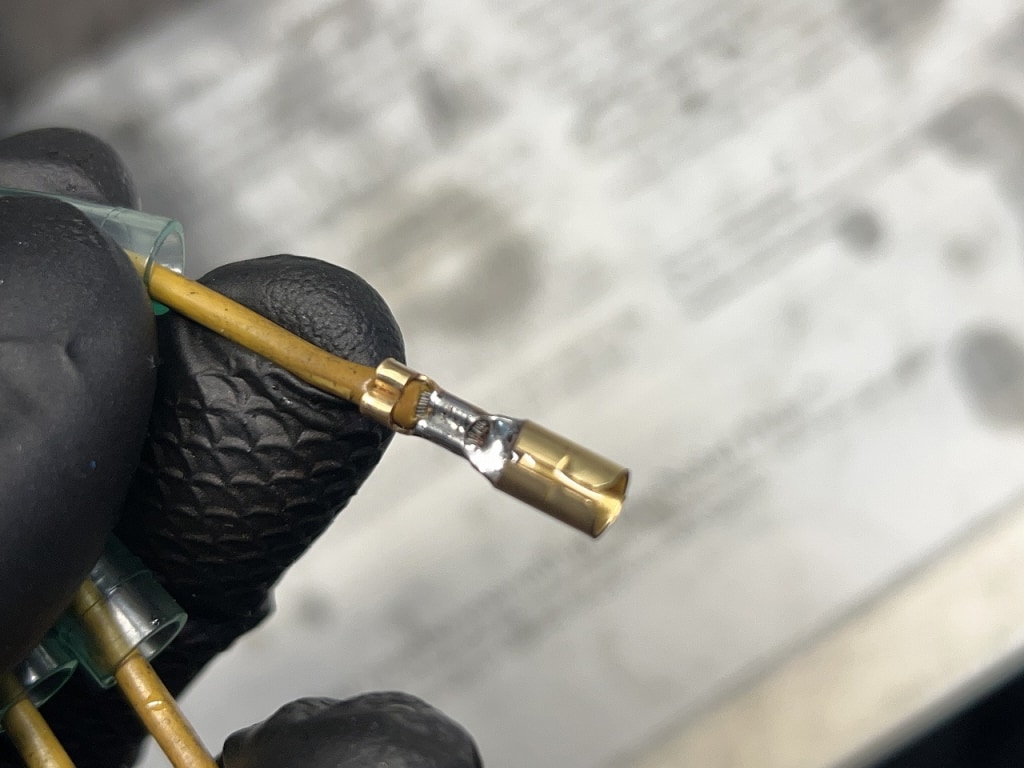
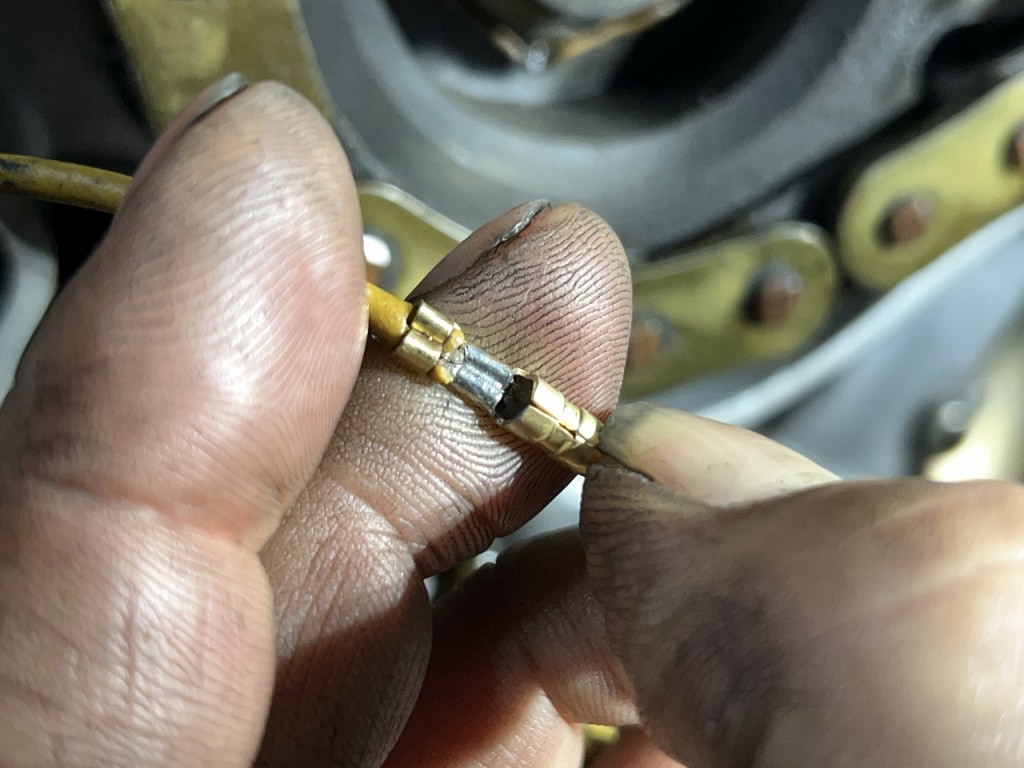
I’m re-soldering new terminals and making sure they’re properly soldered. This wiring has engine oil seeping into it, so solder doesn’t flow well.
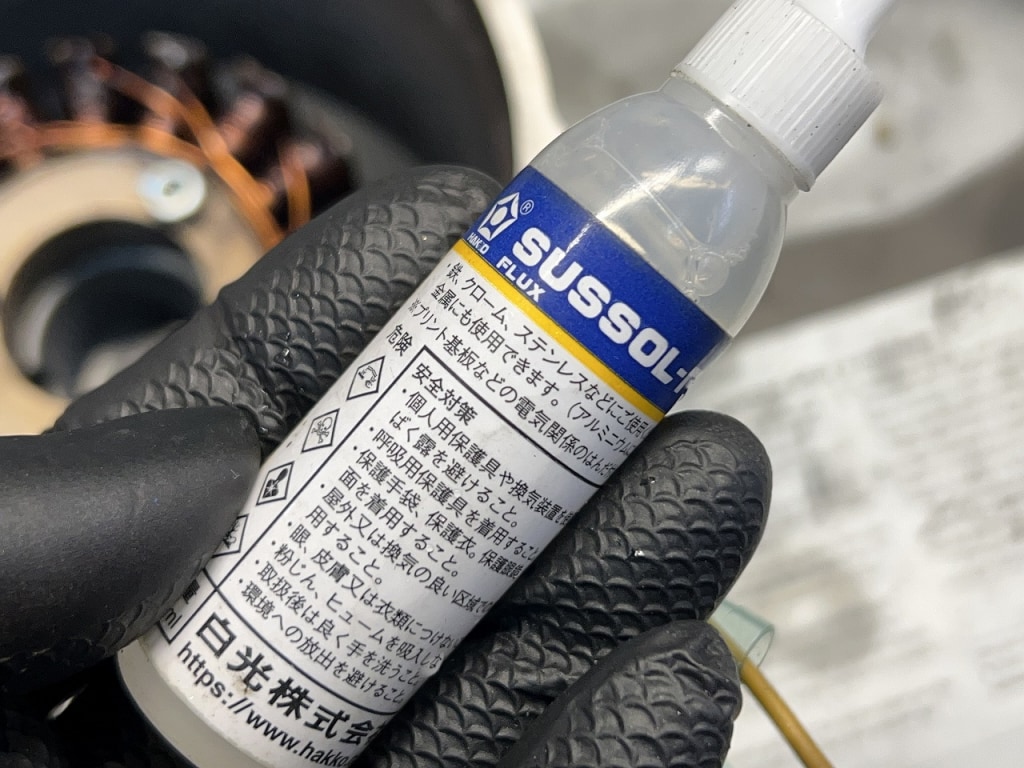
In cases like that, using a powerful Hakko SUSSOL-F makes the work go smoothly. It’s so powerful that you need to scrub it pretty hard with flux remover or a wet sponge. If you don’t remove it completely, it’ll corrode, so be careful.
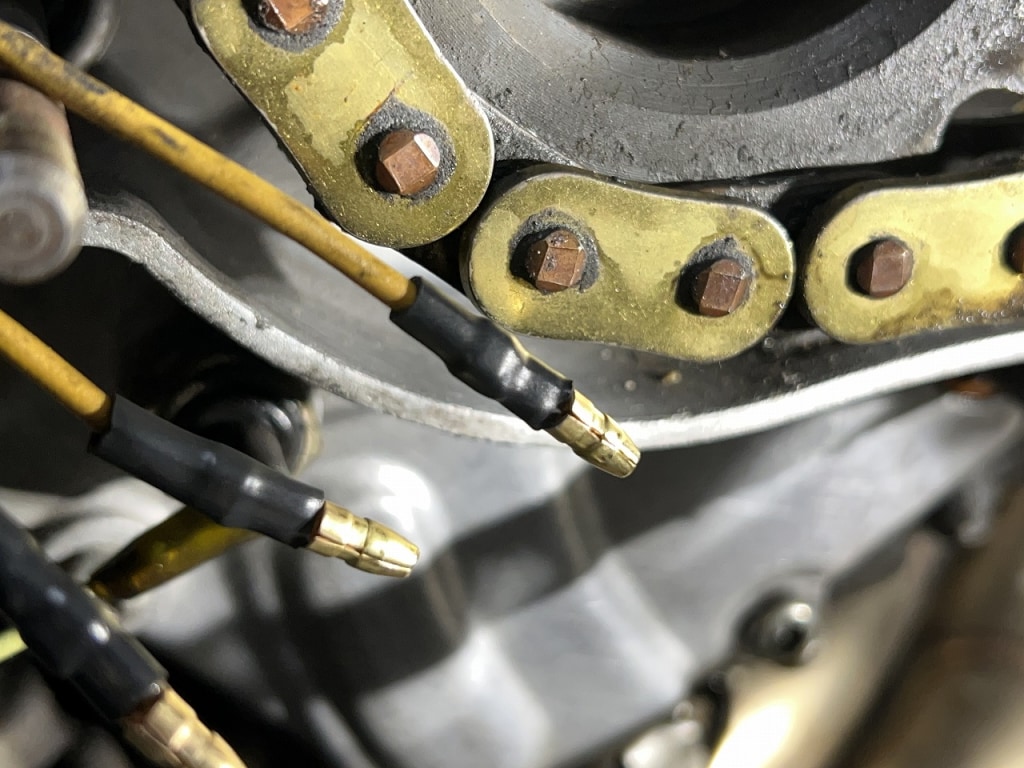
Of course, the other side needs replacing too. I’m soldering that one properly as well. I basically use 4:1 heat-shrink tubing on male terminals. With standard covers, it’s hard to tell if it’s fully inserted = you’re not sure if it’s in right.
A solid feel is important, so I do it this way. For male-female terminals, just insert them with a thin flathead screwdriver, never by hand.
A lot of bikes don’t have them pushed in all the way.
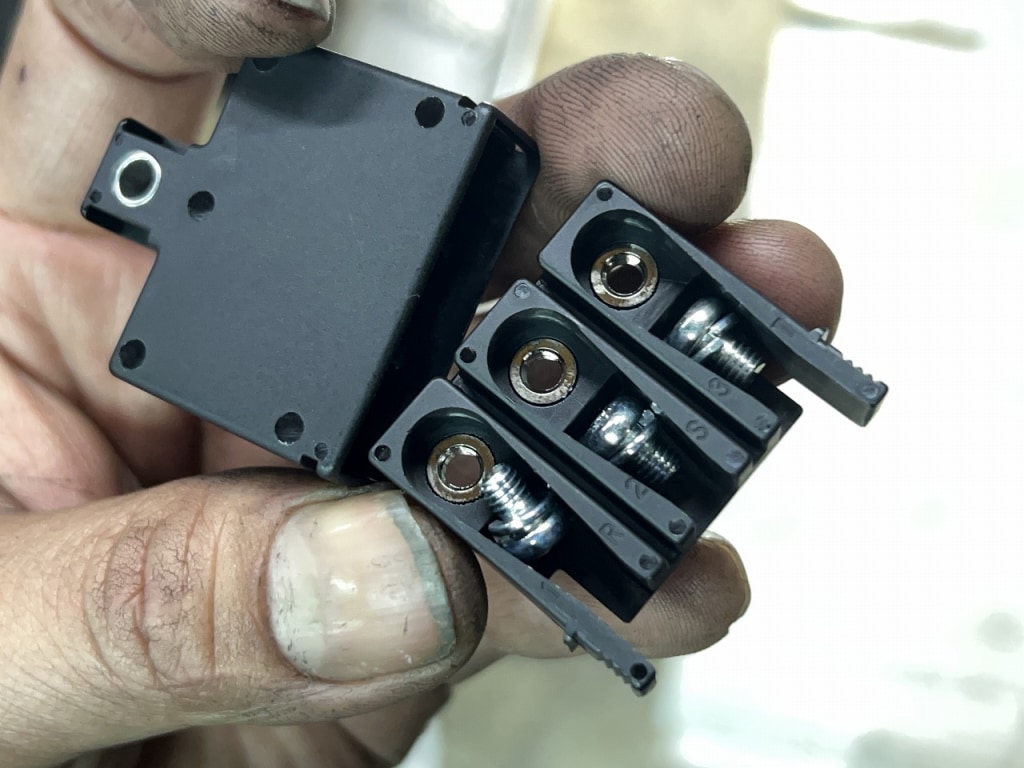
When wiring still burns no matter what, using something like this is an option.
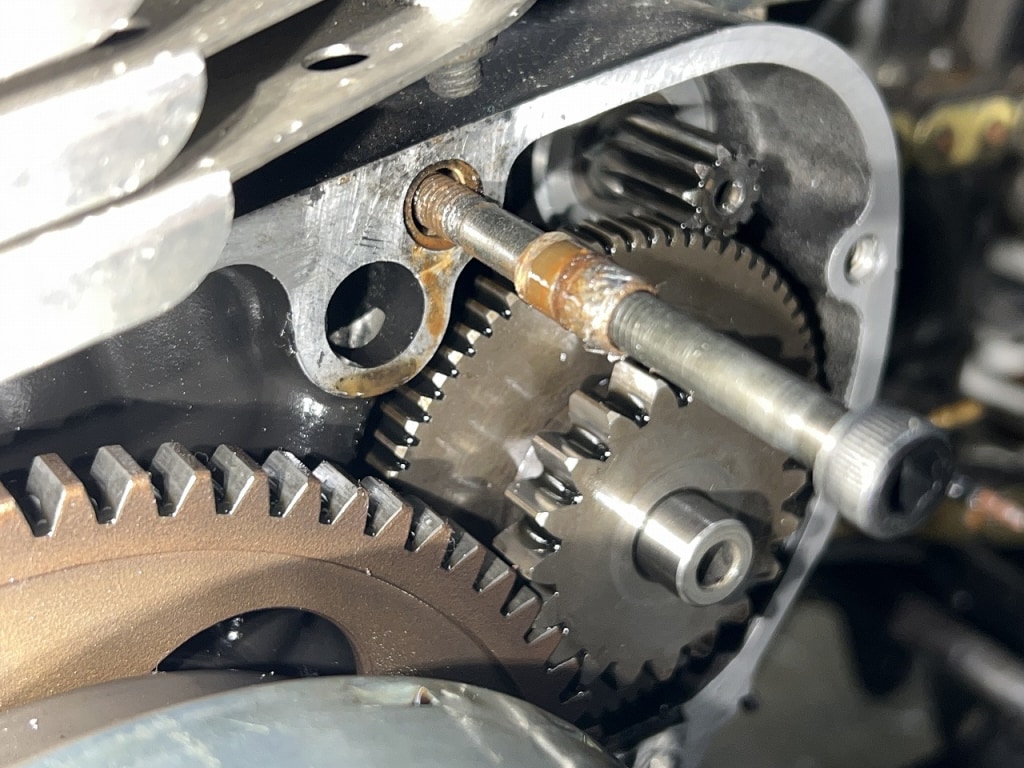
I prefer to use new dowel pins in situations like this.
They’re usually rusty and corroded. It’s definitely a part I’d rather not deal with.
But if you don’t do it now, the next person will have trouble too, so replacing them properly is the right call.
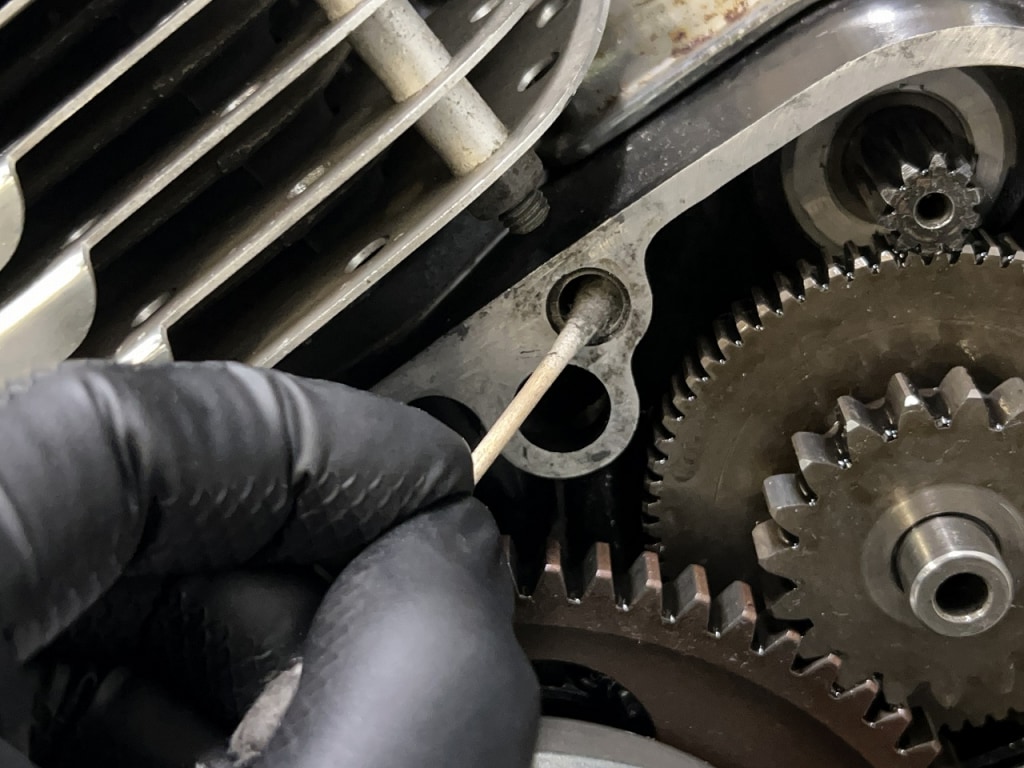
Cleaning the holes is surprisingly tedious. You can’t make them too big or too small, so it’s tricky to get the balance right.
When you clean it like this, it slides in smoothly and feels great.
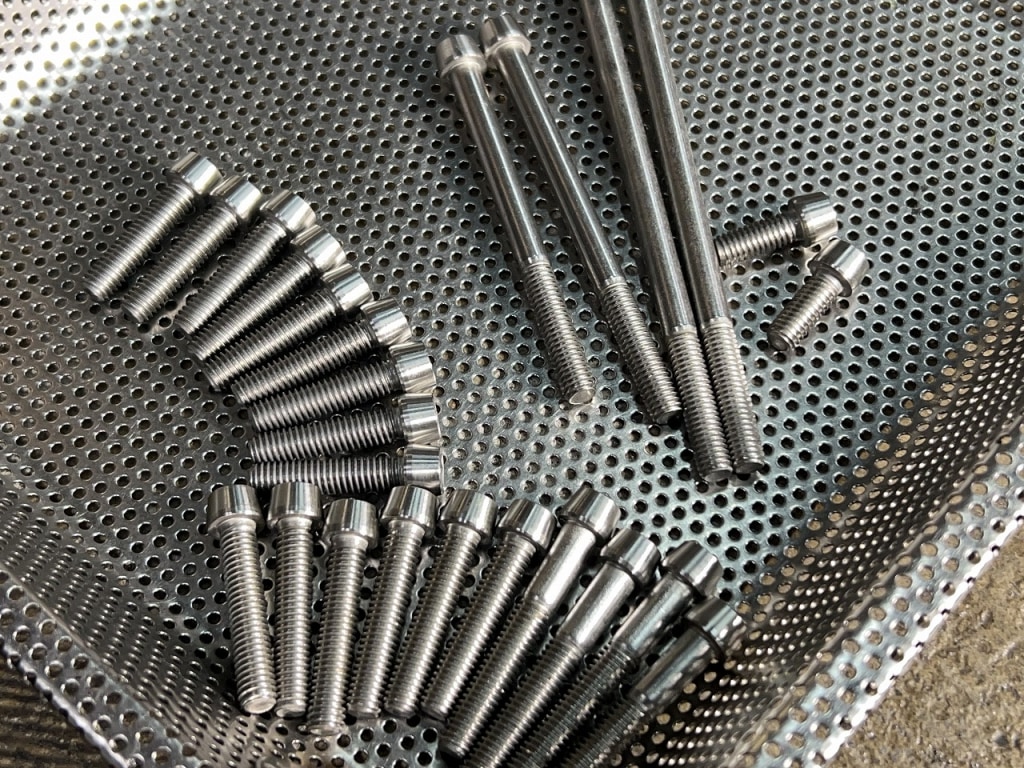
The owner brought engine cover bolts, so I’m replacing them.
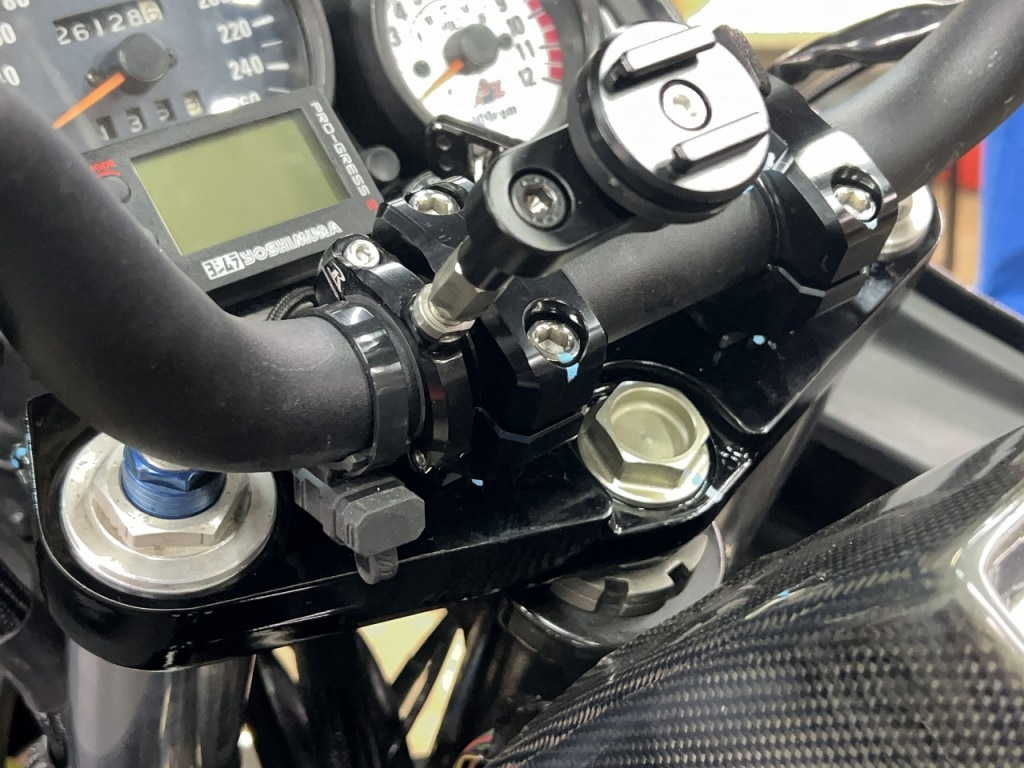
I’ve also installed the top bridge.
It looks like I just installed it as-is, but all the holes had blast media in them, so I cleaned every single one with a tap before assembly.



 ポチップ
ポチップ