Today I got spooked and bought a generator. Now I can get through a few days to a few weeks if the power goes out. This kind of disaster prep is surprisingly hard to take that first step on, isn’t it? First you have to think carefully about what you actually need. And you don’t want to mess up, and you want something with good usability and design that you can use for a long time. That’s why it’s best to choose during peacetime when you have the leisure to think it through—that way you won’t be caught off guard when the moment comes. When you really need it, you end up having to buy something from a brand you don’t even want at prices way above market.
I found myself thinking back to the COVID times. When it started spreading in China, something just clicked. I figured we’d be in trouble down the road —masks, tissues, toilet paper —so I stocked up on enough to get us through for a while. My prediction came true! Before you knew it, all the mask-related stuff vanished from the shelves, and I still remember being shocked.
Now with all this flooding chaos, I can’t help but think: “What if another disaster hits on top of this?” I can’t be optimistic about it. Everyone should have at least a portable power station as a bare minimum, and then a nice generator with real output—that’s the ultimate setup.
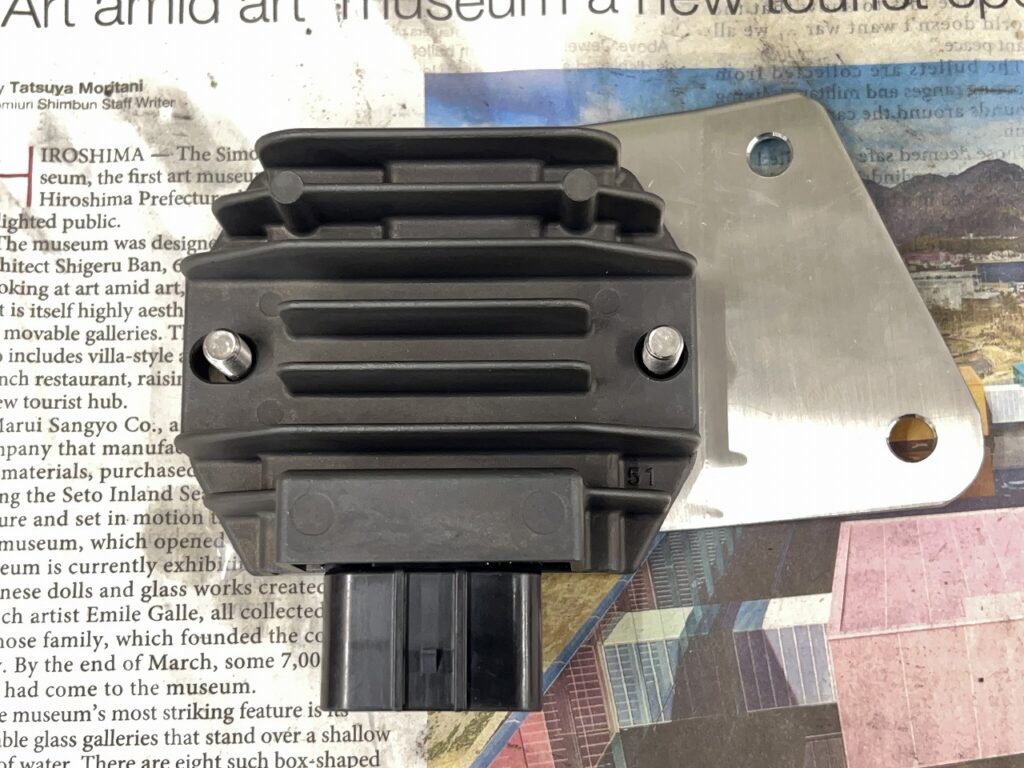
So with that in mind, let’s get this MOSFET regulator fitted to the TZR250 3MA
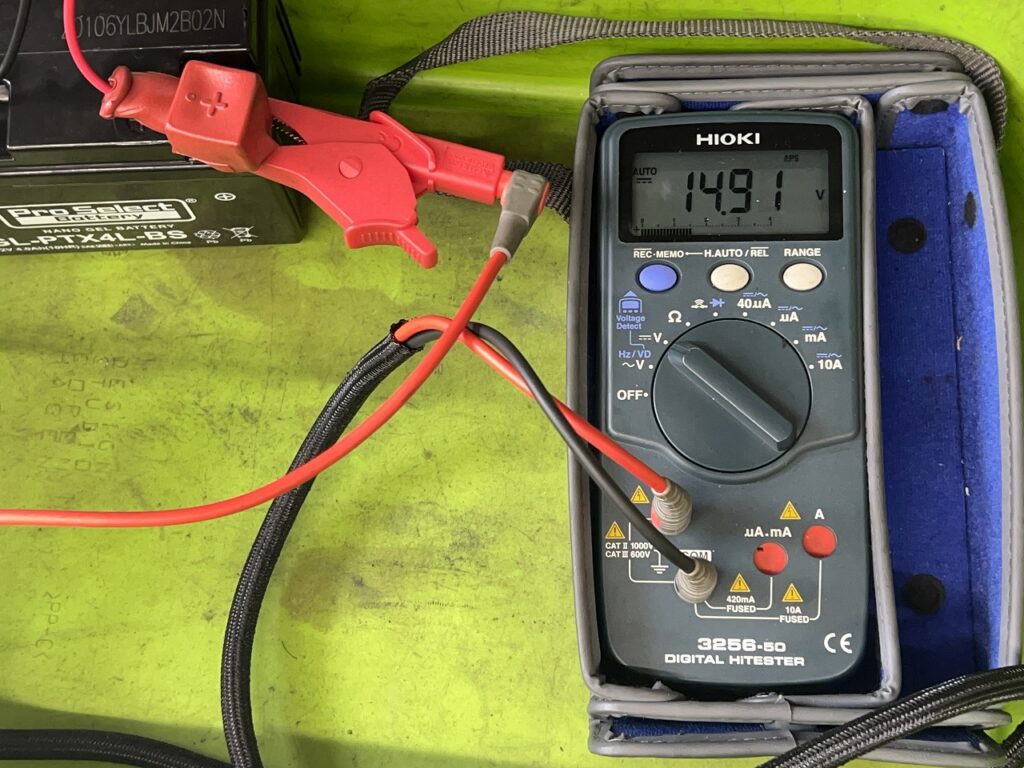
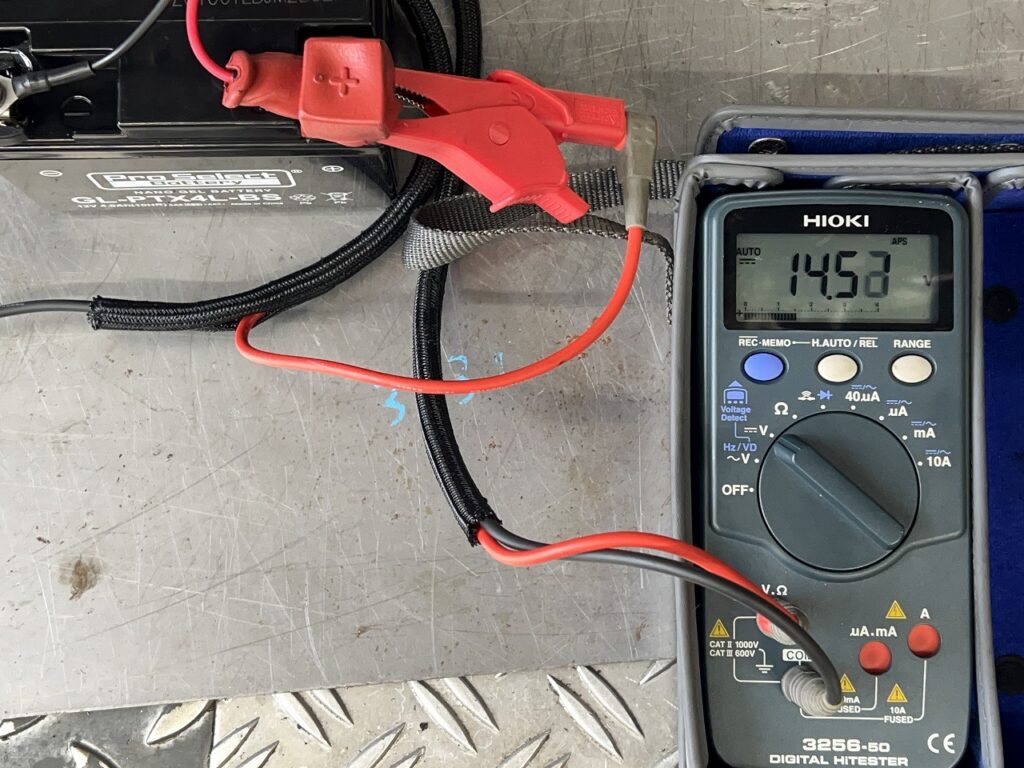
Anomaly spotted during pit stop: Voltage measurement showed the system climbing toward 15.5V–16V at high revs. **”One step short of electrical destruction from overcharging”**—an extremely dangerous warning sign we caught.
Catastrophic consequences if left unchecked:
Battery electrolyte boiling and dilute sulfuric acid spraying out, corroding the frame and swingarm.
Discontinued and unobtainable **CDI units and YPVS servo motors getting fried by overvoltage (instant loss of rideability)**.
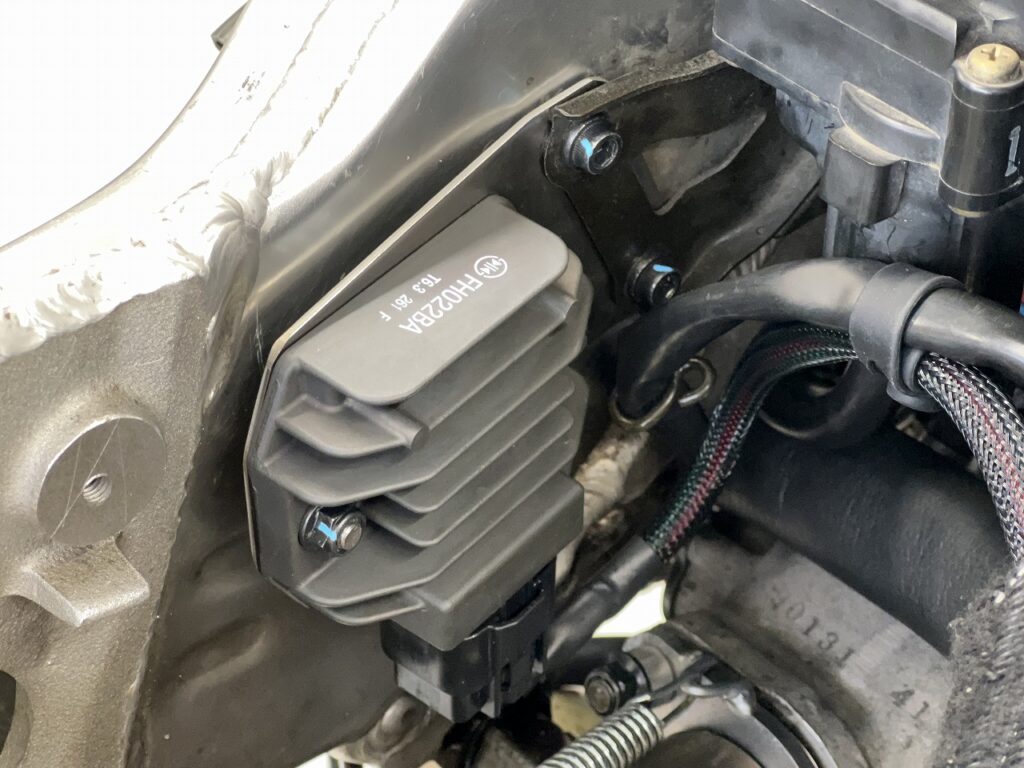
The lifesaver we deployed: Shindengen MOSFET regulator FH022BA (a high-reliability unit now adopted in modern superbike OEM systems).
Decoboco’s custom installation approach:
Evolved from traditional heat-dissipation (shunt-type) to high-efficiency FET switching, dramatically cutting heat generation.
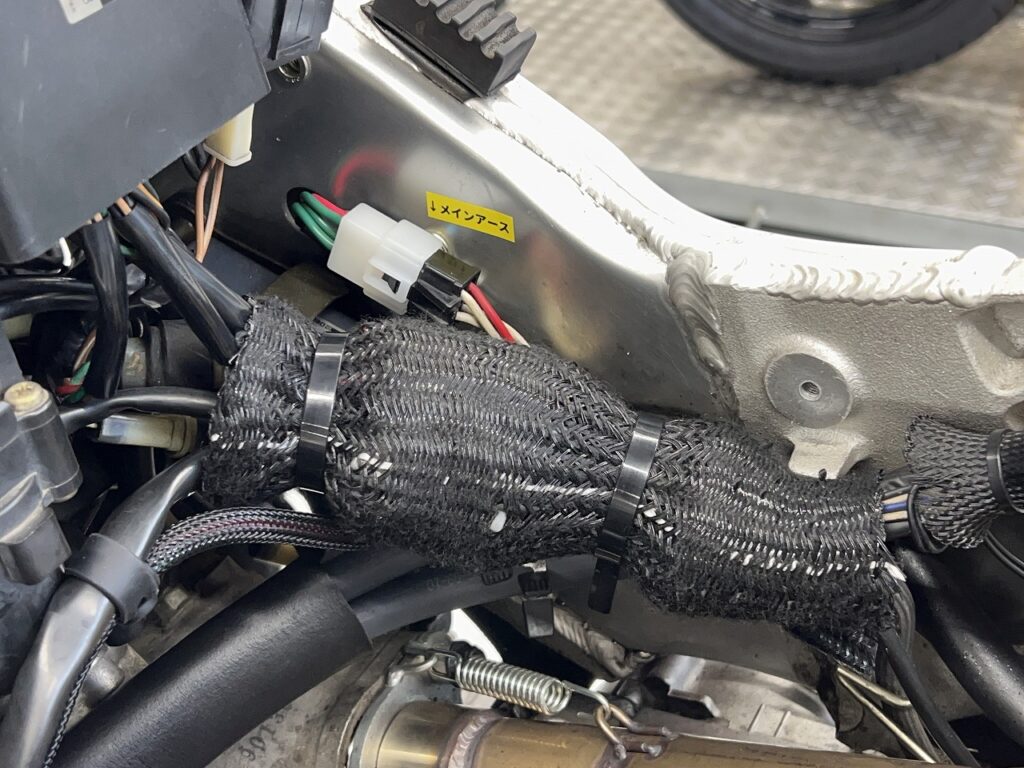
Eliminated the burn-prone OEM connector, replacing it with a dedicated waterproof high-capacity connector and fresh wiring.
Custom bypass harness to minimize wiring resistance (friction) and surface prep on the aluminum heat-dissipation plate.
Shop owner’s take: For two-stroke classics, the CDI and electrical system are the “black box of life.” Before you get stranded with a flat, the best defense is tuning voltage down to the 14V range with cutting-edge MOSFET technology!
According to the manual it’s still within spec, but…it feels a bit high? Honestly, for peace of mind, it’s not ideal.
The OEM regulator costs 25,000 yen… Well, they keep making it to the original size spec, so I guess that’s unavoidable.
There’s no point using OEM parts that don’t even account for heat dissipation in a compact installation.
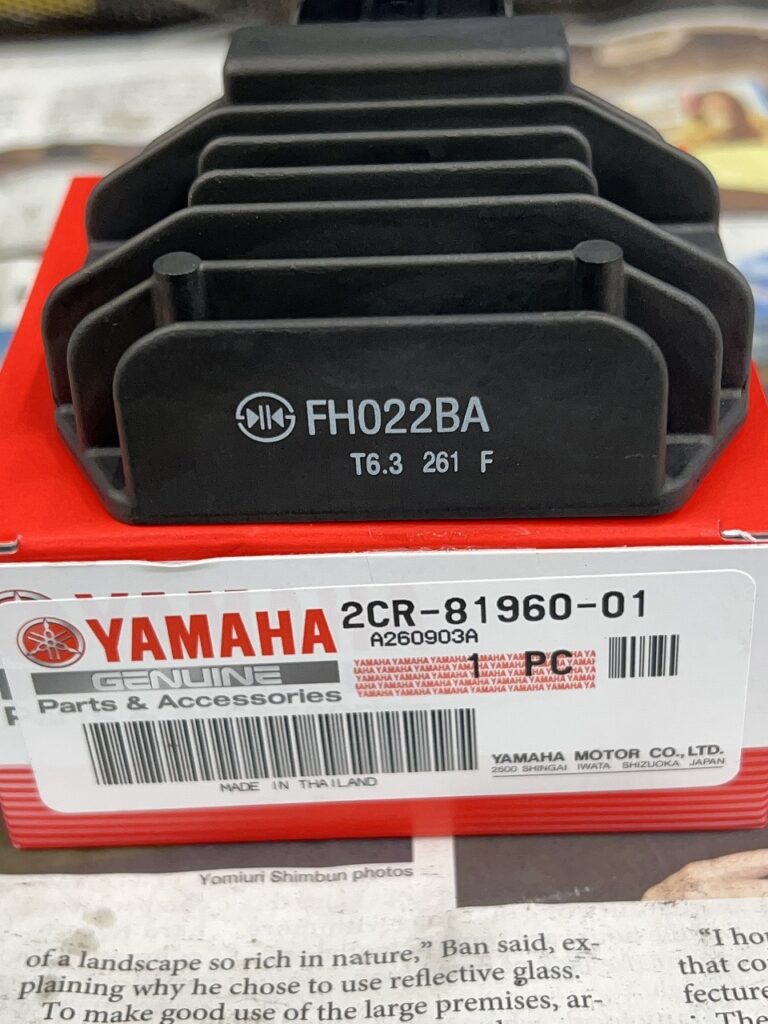
Yamaha OEM 2CR-81960-01 FH022BA
Yamaha OEM 2CR-81960-01 FH022BA It’s so compact that I’ve been using this regulator a lot lately. *I was told other makers make them too…
There are various issues—whether it’s a thyristor or MOSFET—but I’m firmly in the MOSFET camp. The low heat output from the regulator itself is great. Fundamentally, I think the answer is to use up all the electricity you’re generating.
Bikes run lights on even in daylight…you’re not turning them off during the day, right?
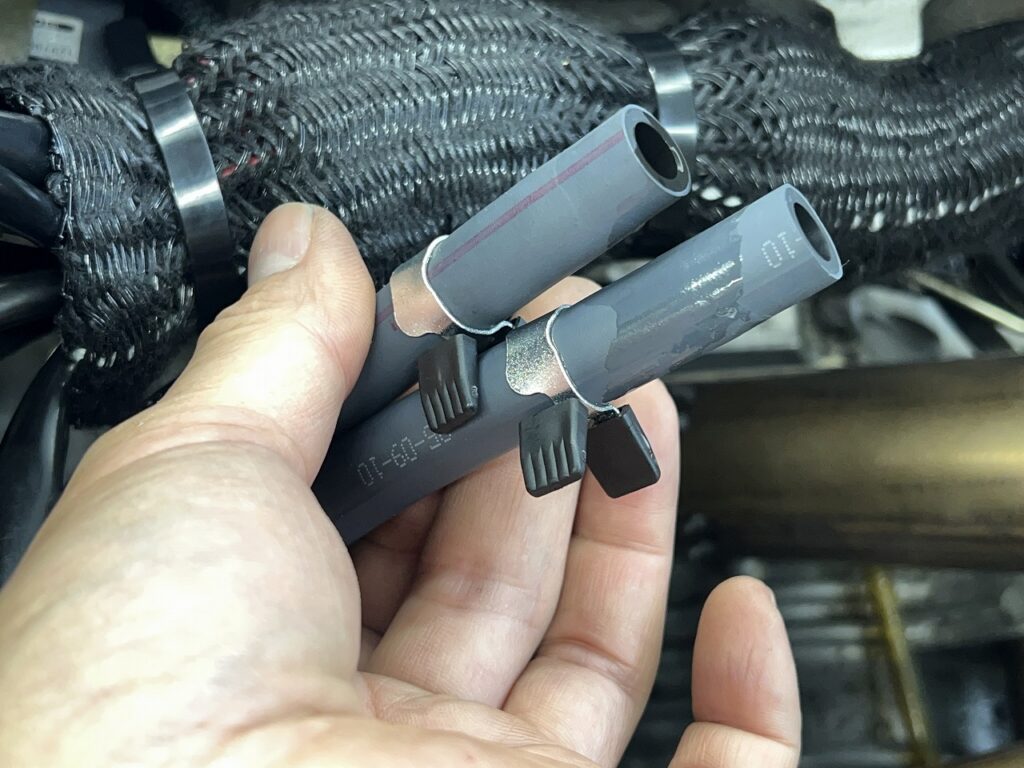
This kind of thing is really important. Better serviceability means you can remove and install parts safely and quickly. On a 3MA where hoses are tucked away in tight spots, a power band like this is super handy. T-14 Power band
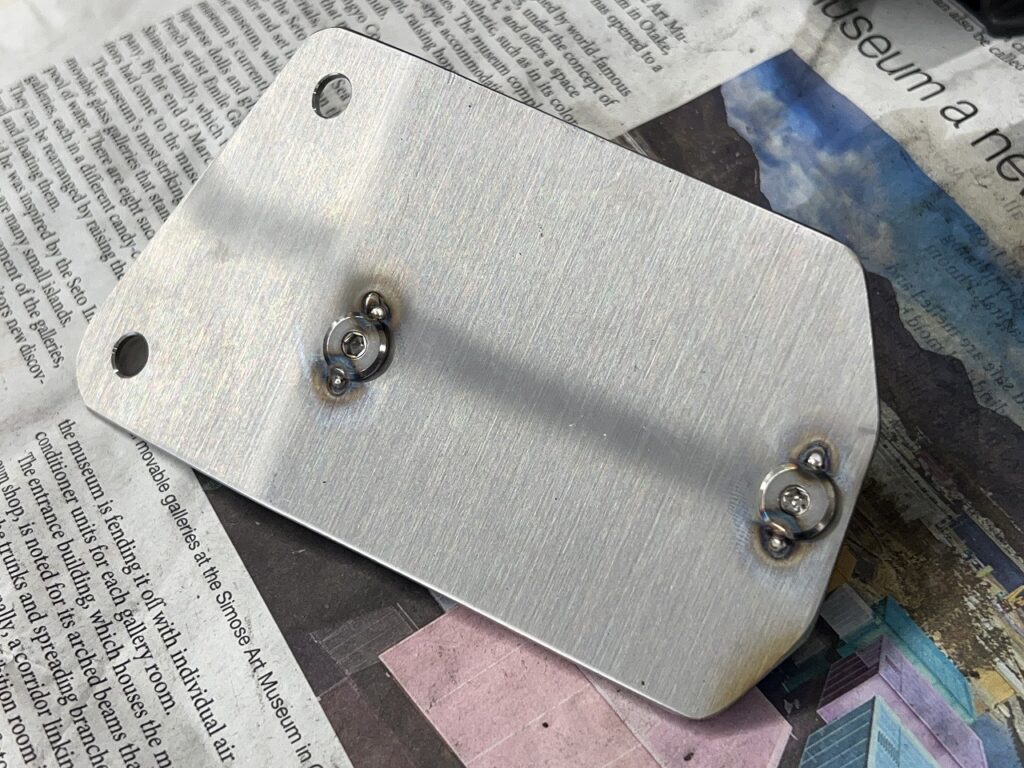
Fabricating the mounting plate
Compact as it is, the size is still bigger than stock. I whipped it up quick after settling into the new place. I made the plate stud-style, so it’s space-efficient and easy to remove and install.
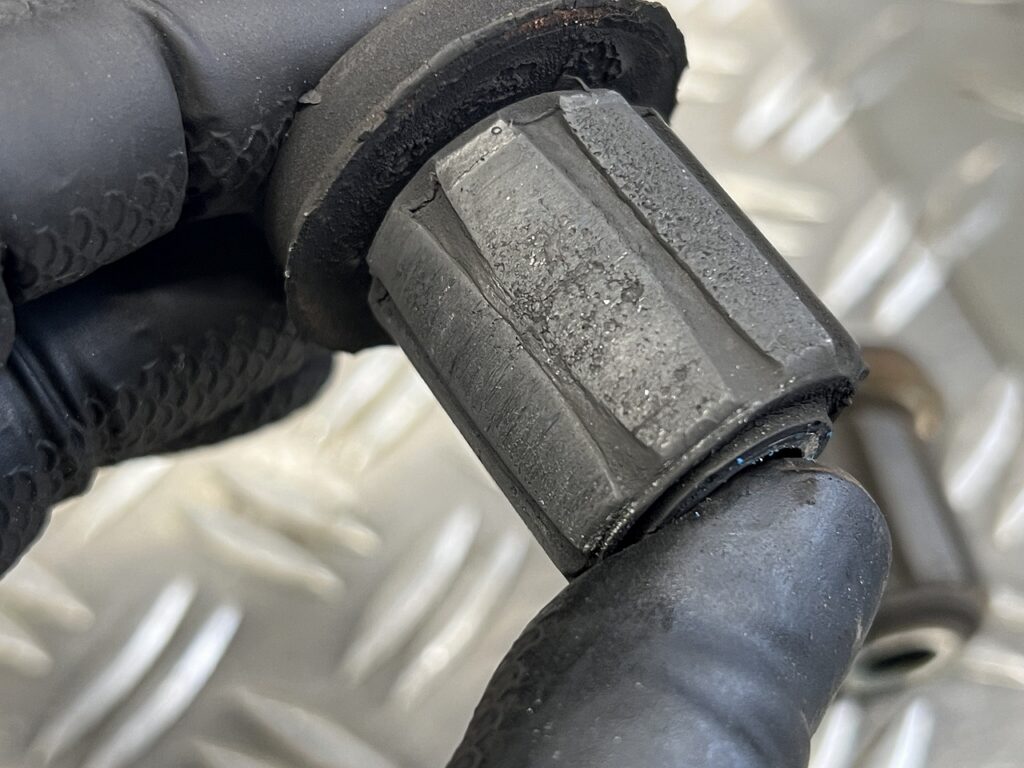
You’re not bolting this kind of part down with regular bolts and nuts, right? Don’t! Absolutely not! Use blind nuts!
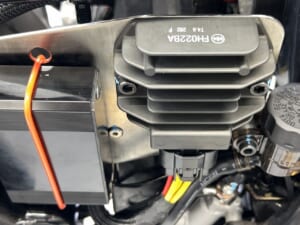
I mounted it snugly on the left side, just like the stock setup.
Terminals come in M/L/LL sizes; I use L-size with 2SQ AVS wire. Whatever you do, don’t buy the M-size by mistake.
Topped out at 14.5V
Now it’s just a test ride and we’re done~
Yamaha TZR250 (3MA / Iconic Rear-Exit 2-Stroke).
Topic: Narrowly averting disaster: Retrofitting a Shindengen FH022BA MOSFET Regulator/Rectifier to eliminate dangerous overcharging. Details: Happy Saturday night from the Decoboco tech bay! Following our chassis and swingarm work on this iconic 3MA, pre-delivery electrical testing revealed a terrifying anomaly: system voltage spiked toward 16V at higher revs. On vintage two-strokes, failing shunt-type regulators risk boiling batteries and instantly frying discontinued CDI boxes and YPVS servo controllers. To defuse this ticking time bomb, we retrofitted a modern Shindengen FH022BA MOSFET regulator. Unlike antiquated SCR units that convert excess current into extreme heat, MOSFET transistors run remarkably cool with minimal internal loss. The conversion required bespoke electrical prep work: fabricating a custom aluminum mounting plate and building dedicated wiring harnesses equipped with heavy-gauge leads and heavy-duty sealed connectors. Verdict: Voltage now holds rock-steady at 14.3V from idle to redline. Modern solid-state electrical stability guarantees ultimate peace of mind for irreplaceable classic electronics!



 ポチップ