The work with the best “rate” (profit margin, time efficiency) in a bike shop is actually consumable parts and maintenance replacements. Not major repairs or one-off customs. Repairs must produce a guaranteed result, and customs always hit unexpected walls when you open things up. There’s a real world where you think, “…what’s that worth per hour?”
To keep a shop running in such a harsh environment, you inevitably end up making “compromises” and “trade-offs” somewhere. From a technician’s perspective, an environment with “low fixed costs and plenty of space” is an overwhelming advantage. Without that, the only way to survive in the city might be to “run at ultra-high speed, sparing no sleep and keeping the work flowing constantly.”
I’m not cutting corners out of malice. Whatever the results, I don’t casually trash fellow shops grinding it out at the edge, because I painfully understand how hard and exhausting it is.
Today’s intake system: discontinued carburettor deep dive log
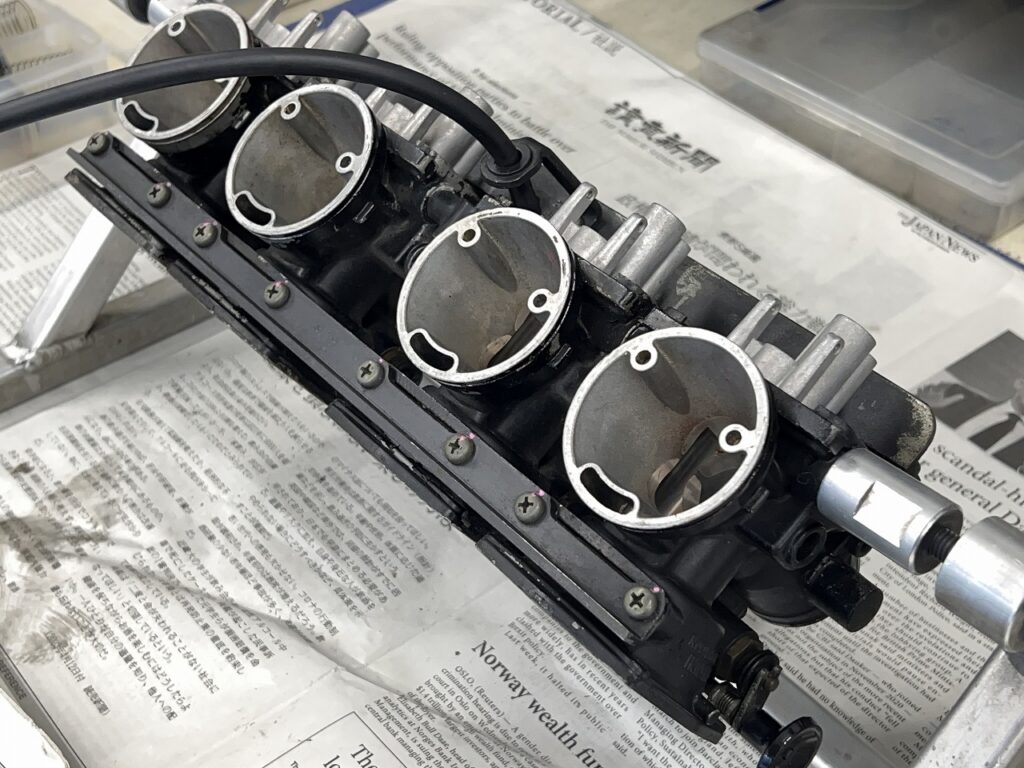
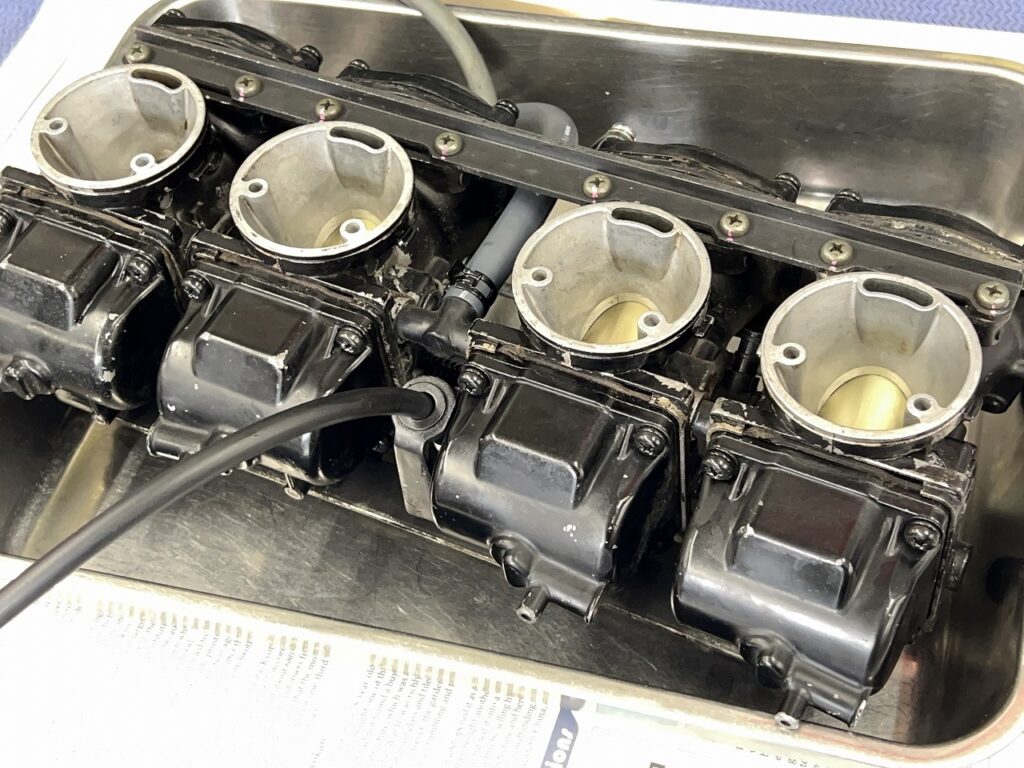
Star carburettor:Mikuni BS34 negative-pressure carburettor
The “mysteries and walls” we hit:
The legendary BS34, adopted on countless classics like the Z1000J/R, Z1100GP, GSX1100S Katana, and XS650.
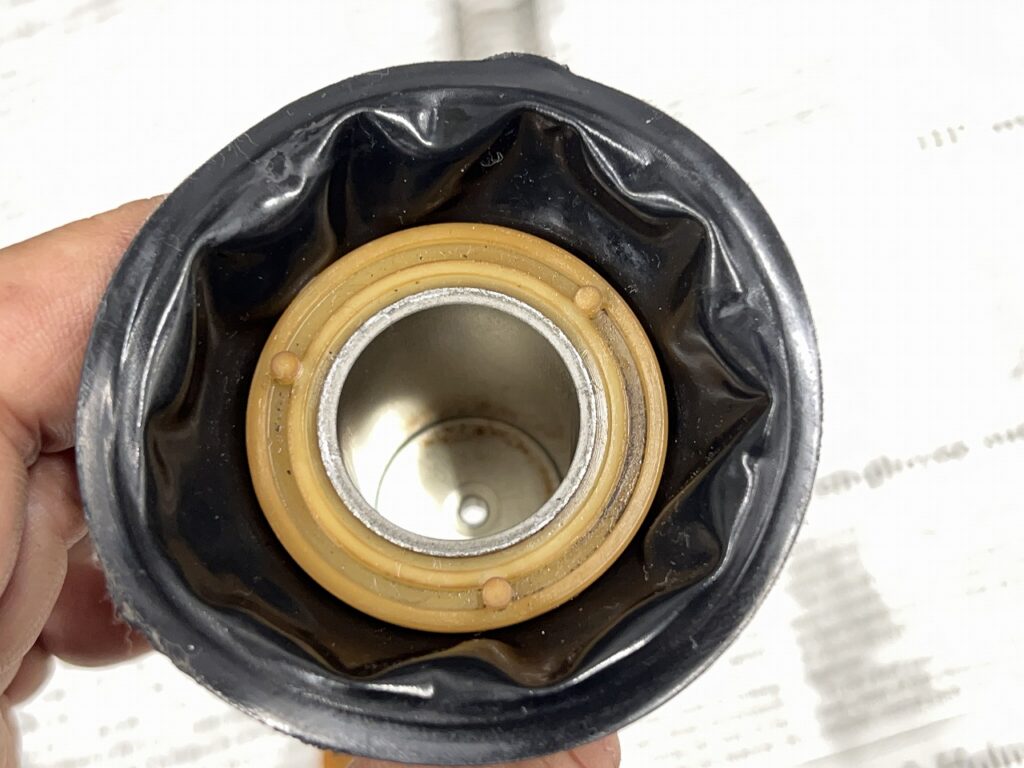
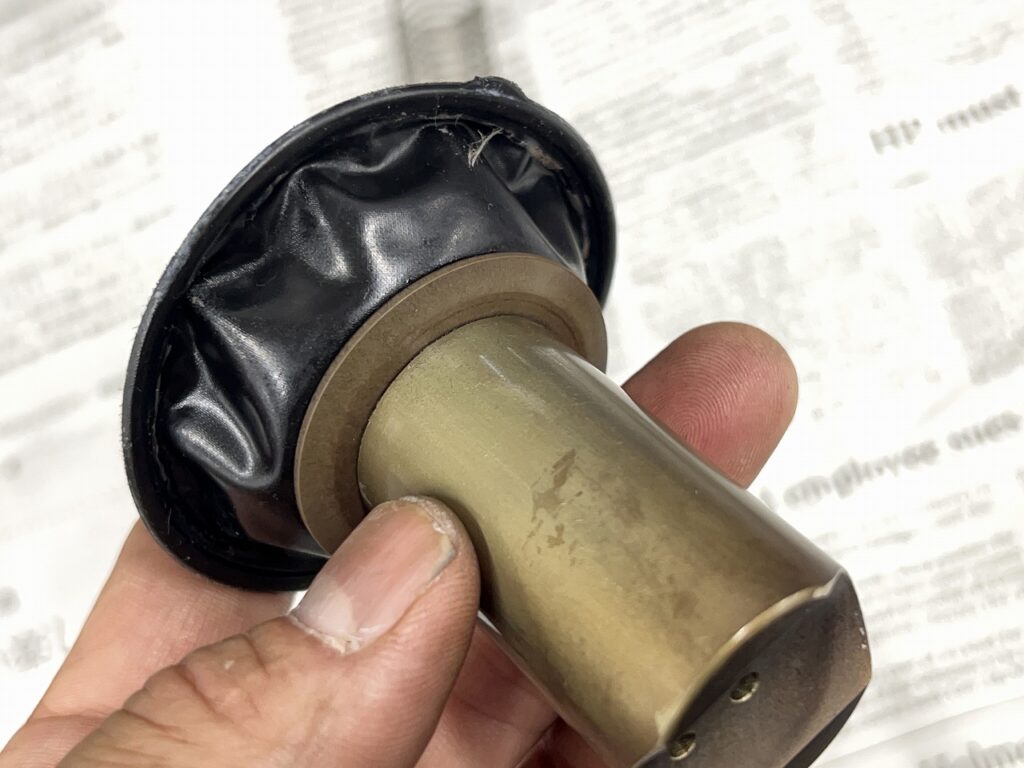
You might think “all BS34s are the same,” butthe vacuum piston and diaphragm on the GPz750F have unique specs—differences in fitting bore diameter, negative-pressure port shape, and ear configuration!
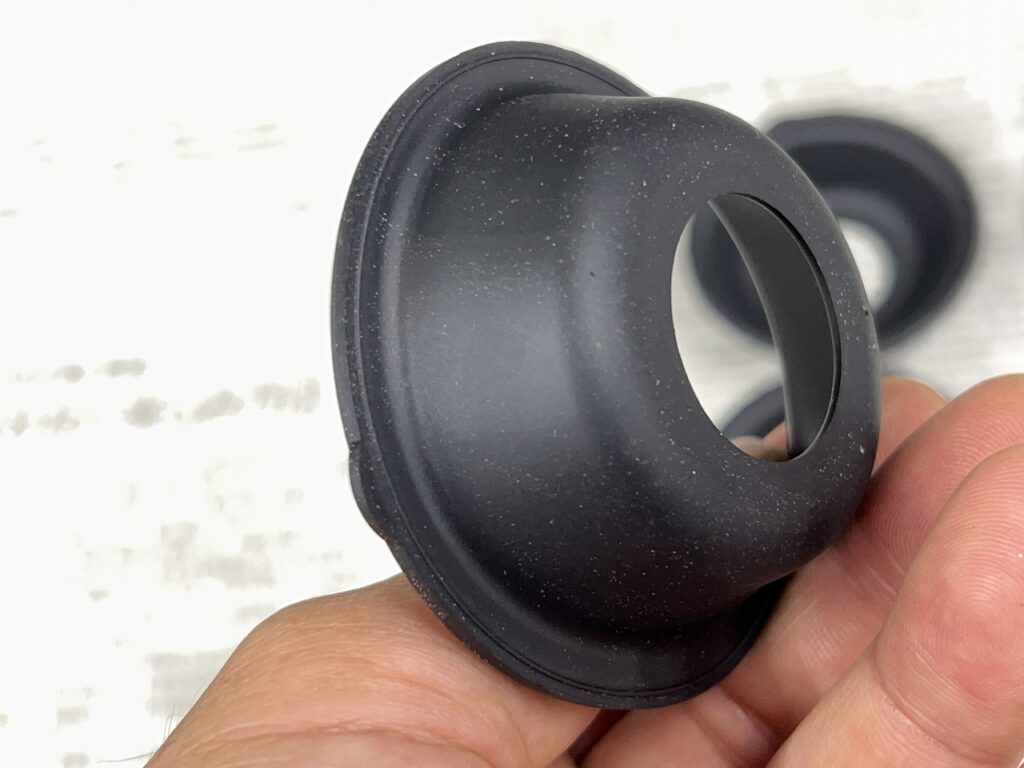
The OEM piston assembly was discontinued long ago. When sourcing aftermarket rubber alone and replacing it, if you don’t nail these dimensions, you’ll fall victim to airtightness leaks and malfunction.
Decoboco’s diaphragm base-prep essentials:
Groove cleaning and deburring on the resin piston: Completely remove old rubber residue and smooth the groove edges.
Stress-free press-in with silicone lubrication: Using a plastic spatula, seat the rubber evenly all around with zero twist or offset.
Airtightness test on the negative-pressure chamber top cover: Slide test after assembly and complete-seal assembly confirming zero negative-pressure leakage.
Shop owner’s note: The heart of a negative-pressure carburettor is the diaphragm’s “suppleness” and “airtightness.” Don’t give up just because parts are unavailable—dig into the structure, dial in the base prep, and a 40-year-old carb will recover its sharp response in ways that’ll surprise you!
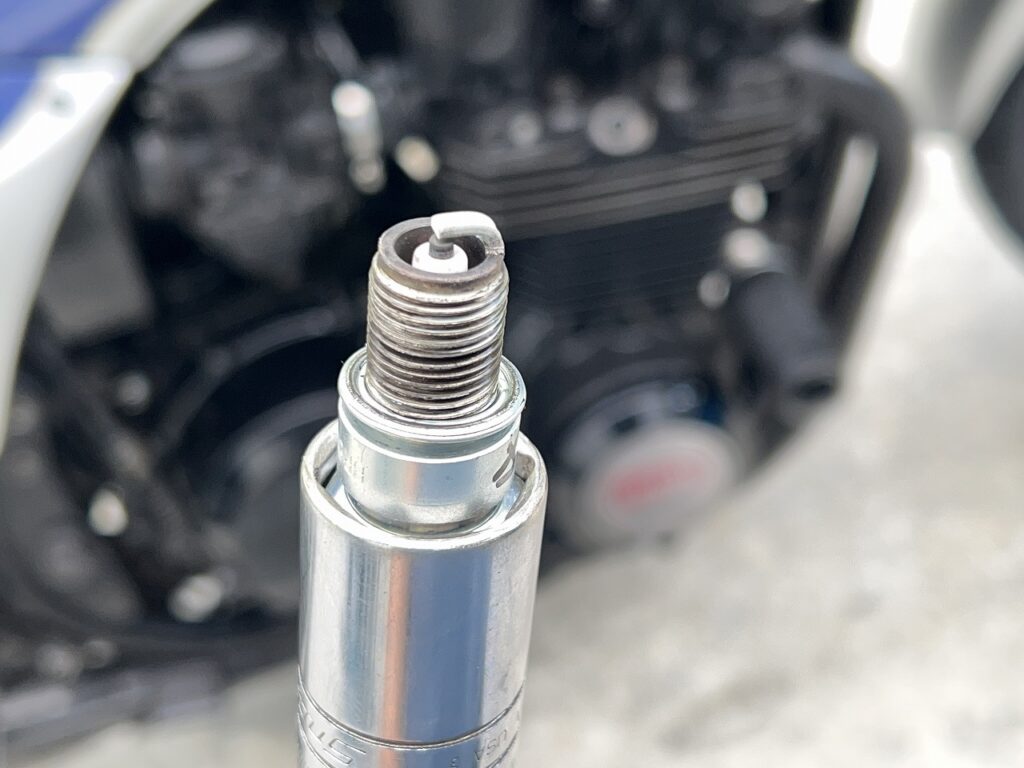
It’s always had terribly poor cold-start characteristics
It’s all stock, but the cold-start is terribly poor. This time I decided to dig into it without looking away.
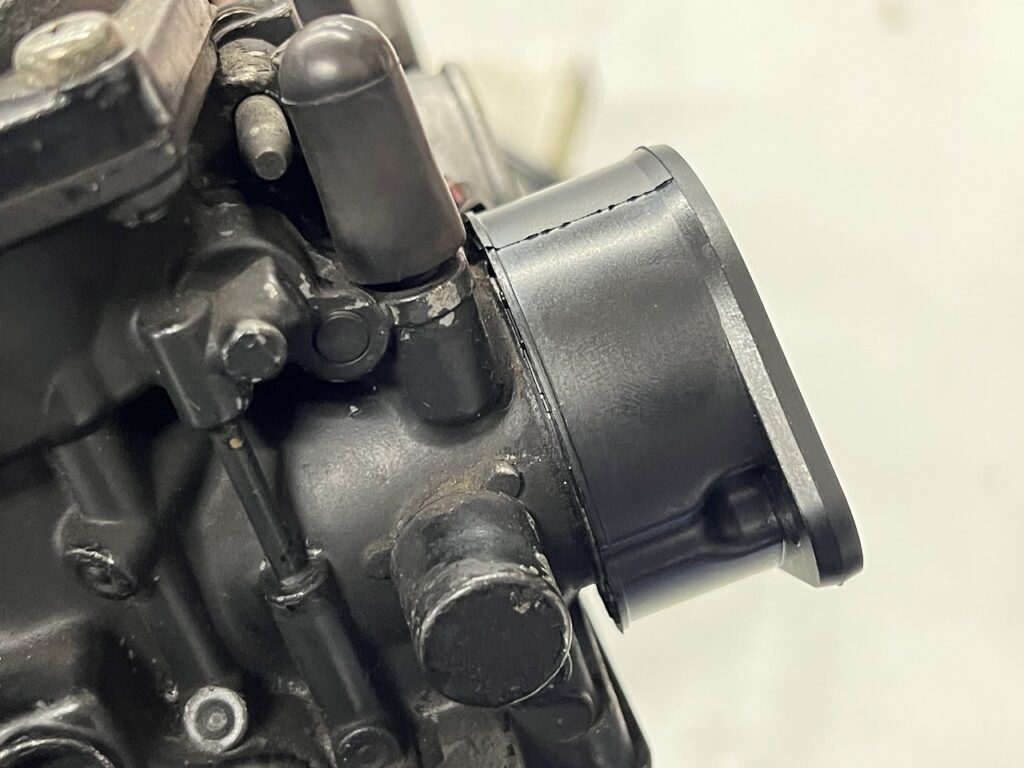
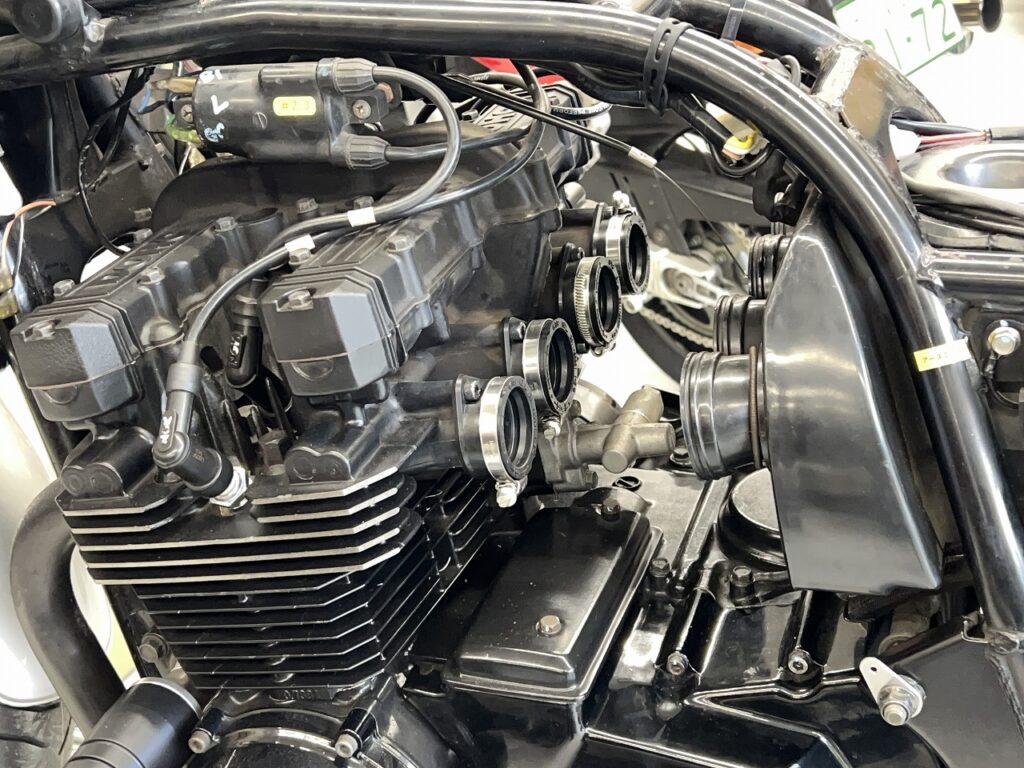
I checked the carb once before, but I’m resetting it again this time. The intake manifold was swollen from gasoline too, so I replaced it.
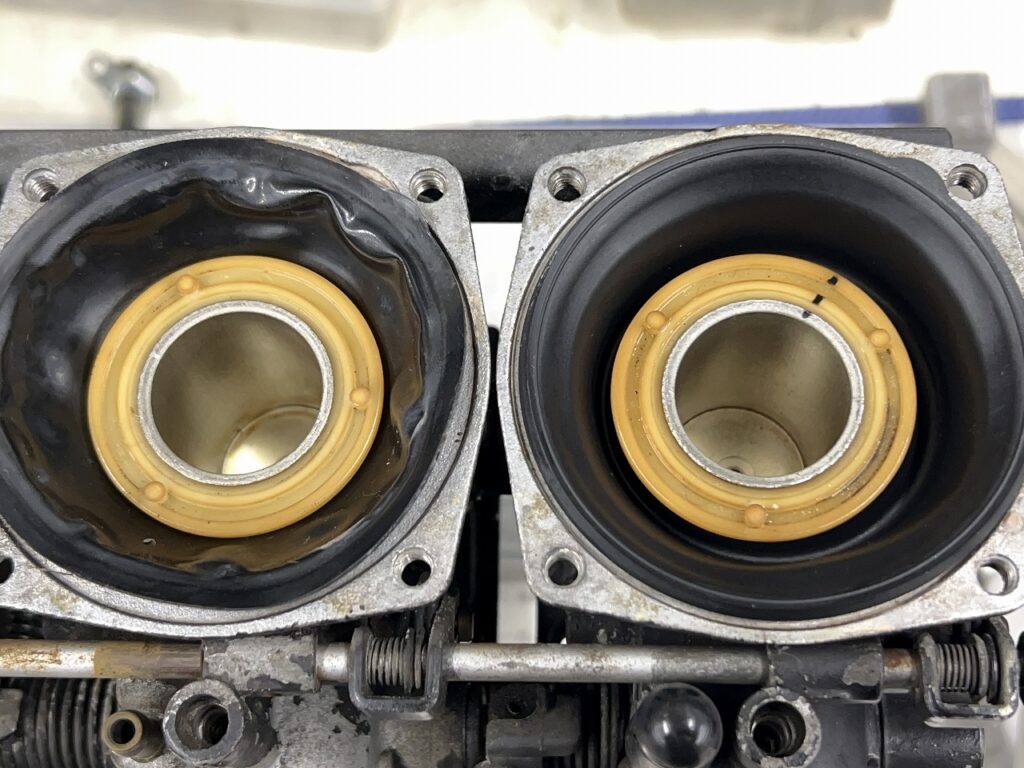
Reset even the small spots. The shriveled diaphragm gets revived with an aftermarket replacement.
The shine and luster are completely different. There might not be huge changes overall, but better condition is always better.
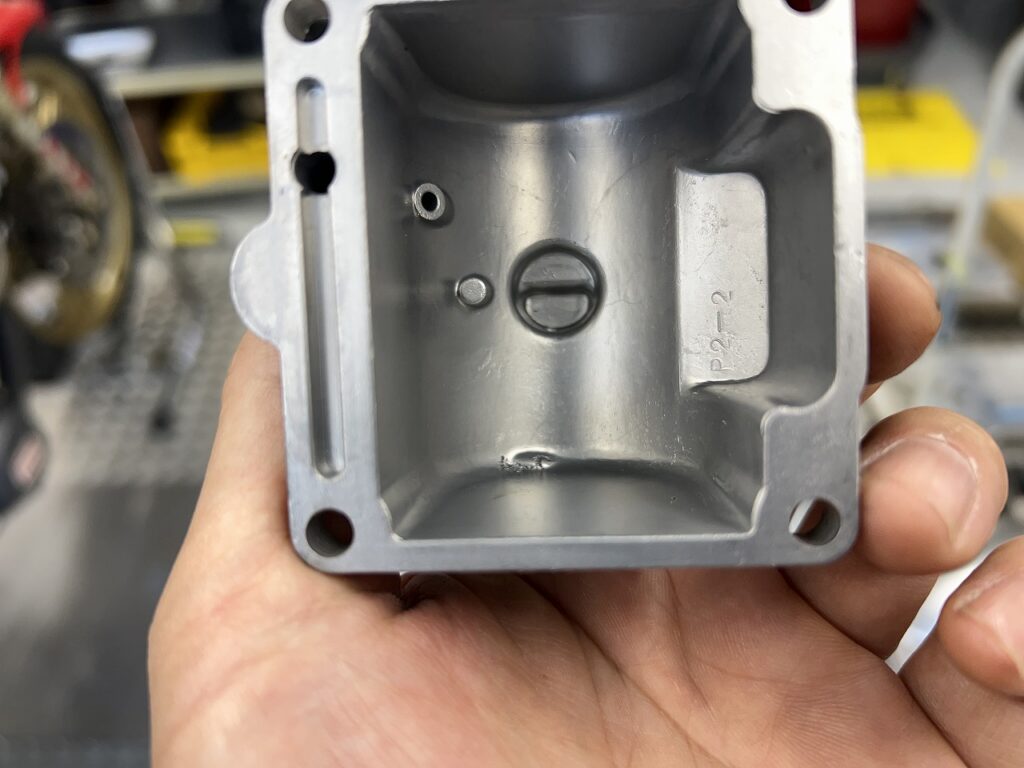
As a good-luck charm, I finish the float interior walls with wet blasting.
Carb sets with air cleaner boxes are a hassle
Nowadays, clear file removal and attachment is easier, but it’s still a pain.
The weather wasn’t great, so there was no chance for a test ride. I kept pushing, repeating the process about 10 times. All that effort paid off—the cold-start is now excellent, a feeling completely different from before. The “why is it like this when it’s stock?” question kept nagging me,but “bad is bad”
now it feels like it could go anywhere.
Nearly stock beauty and excellent feel
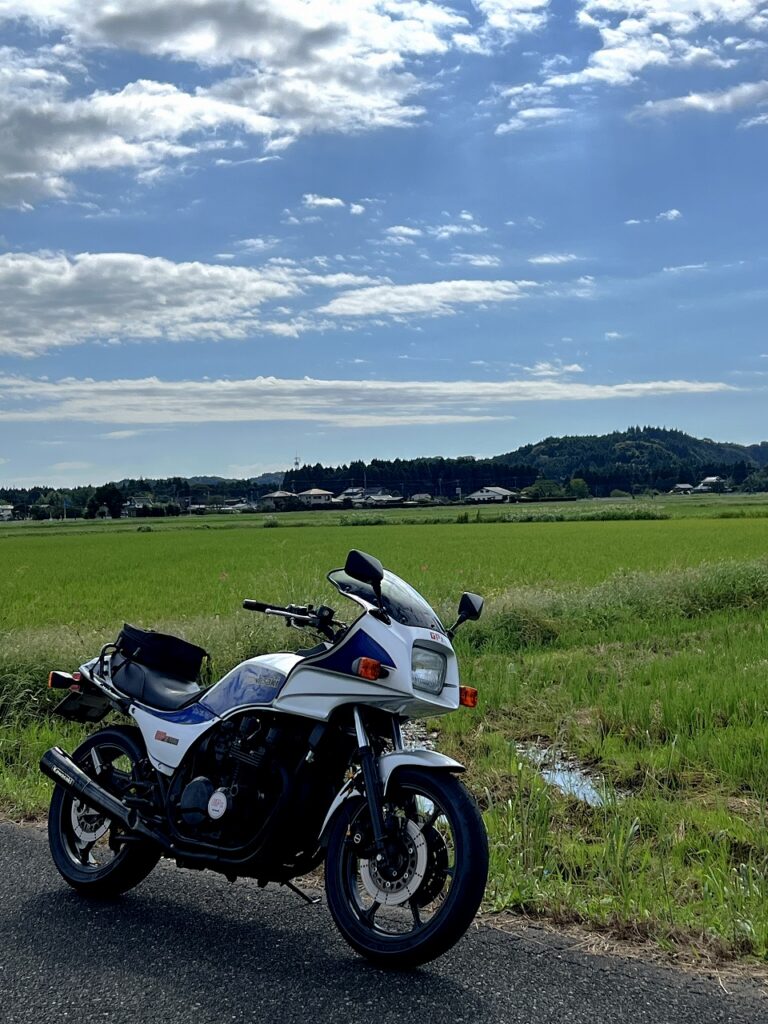
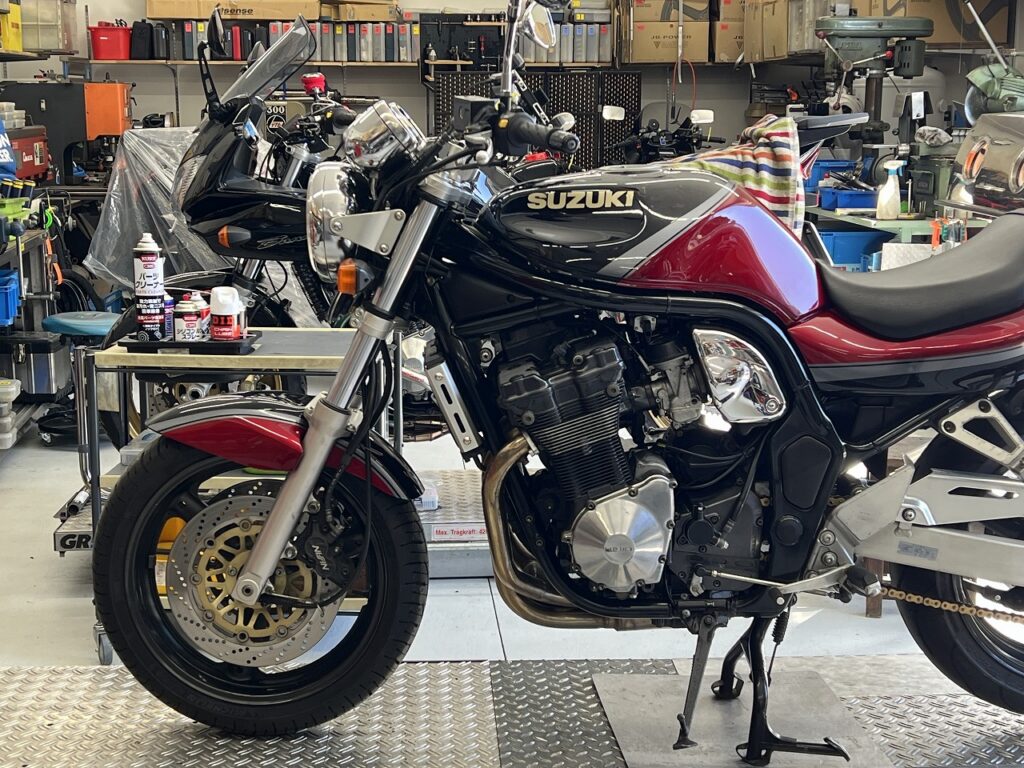
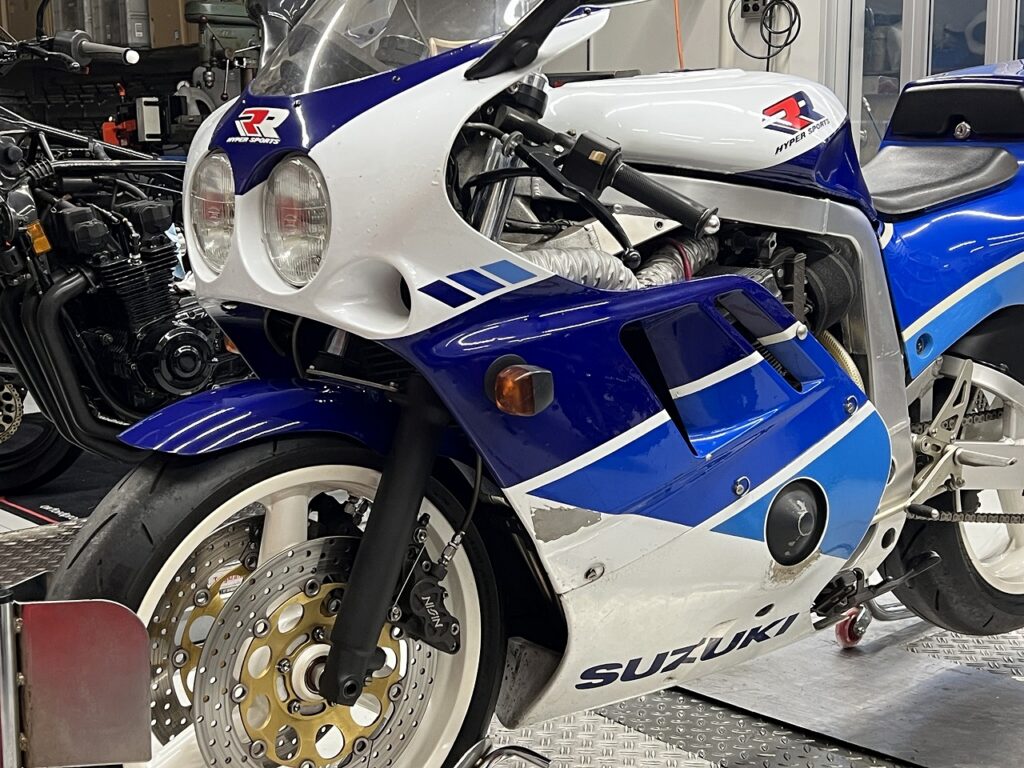
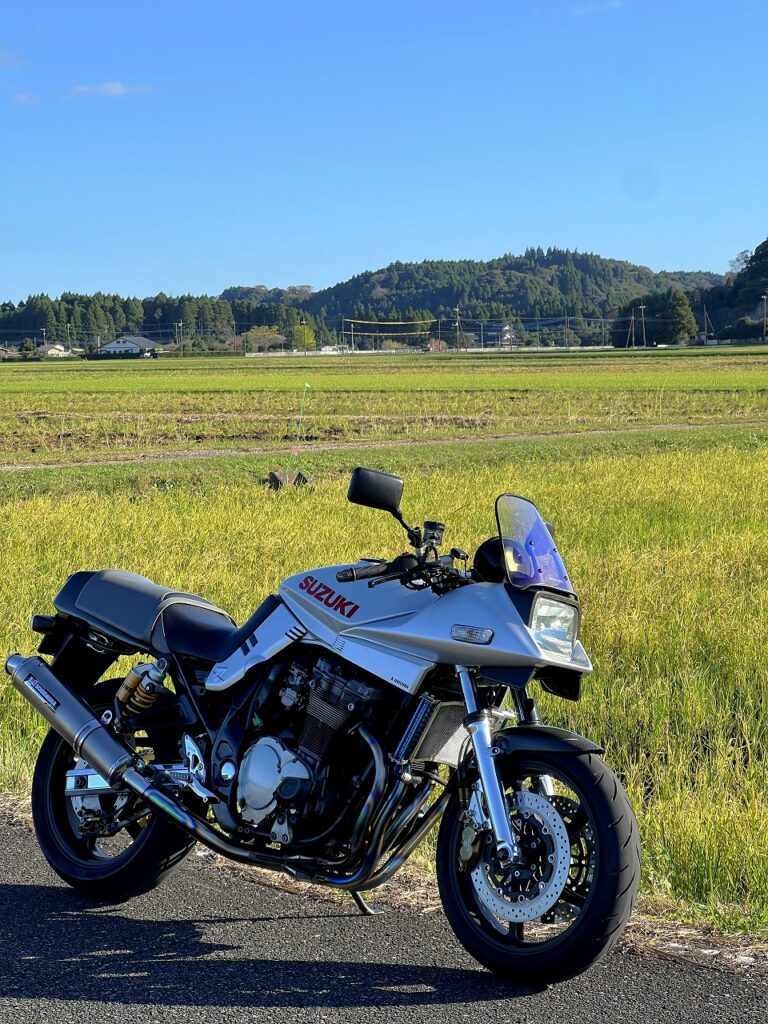
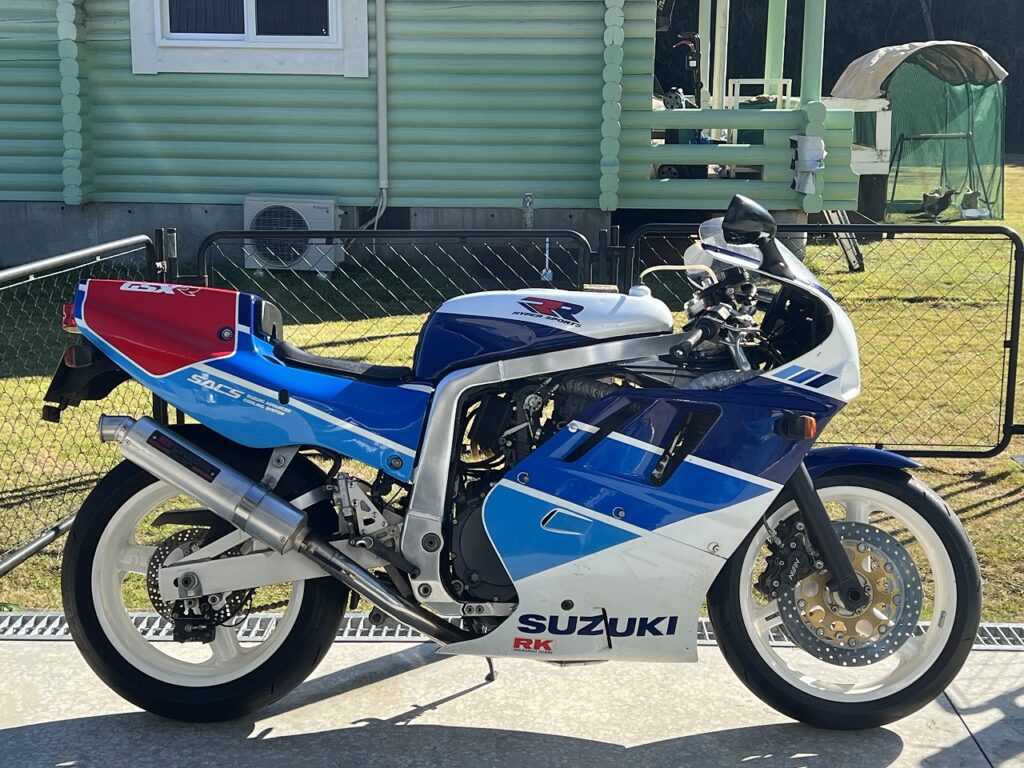
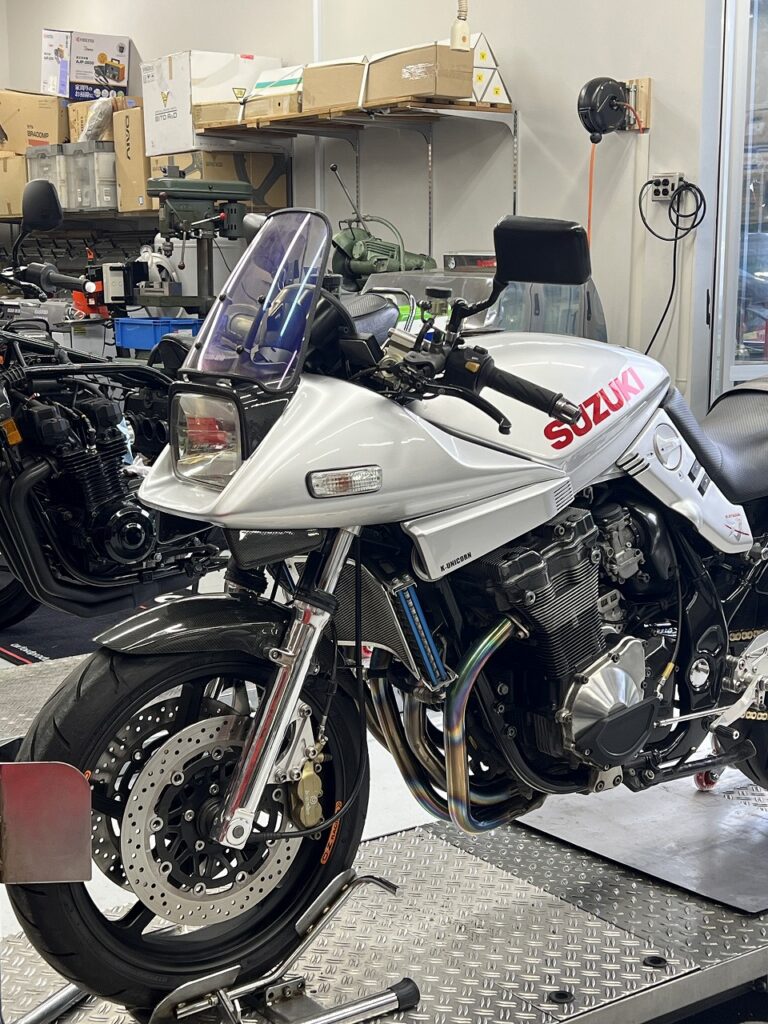
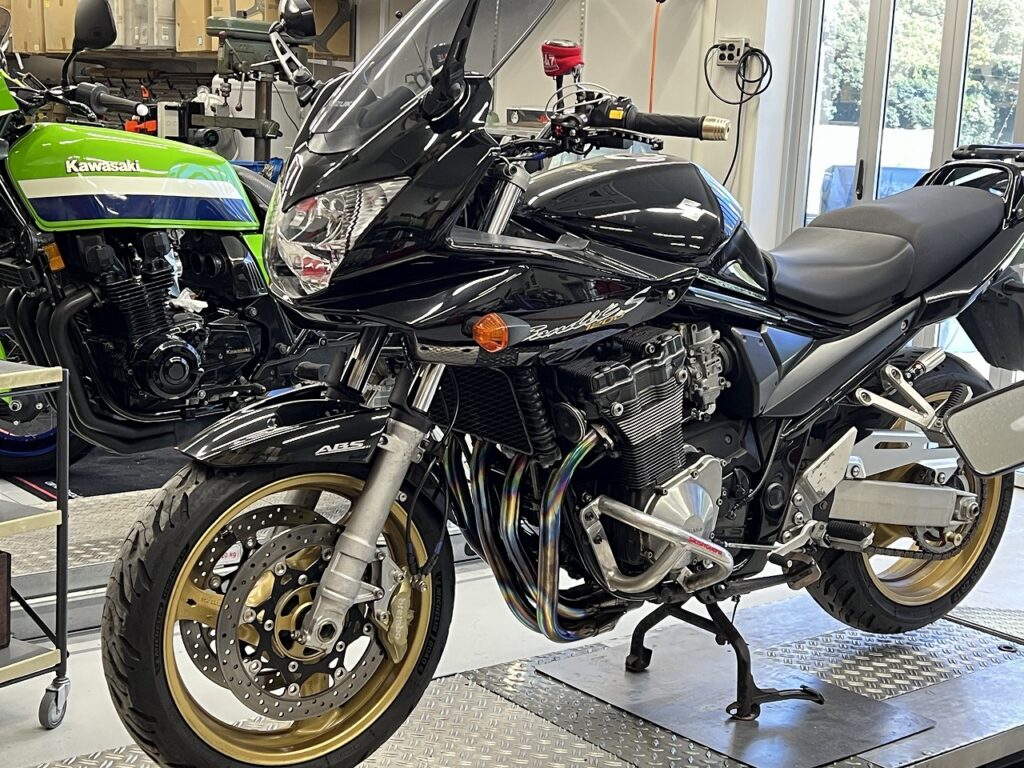
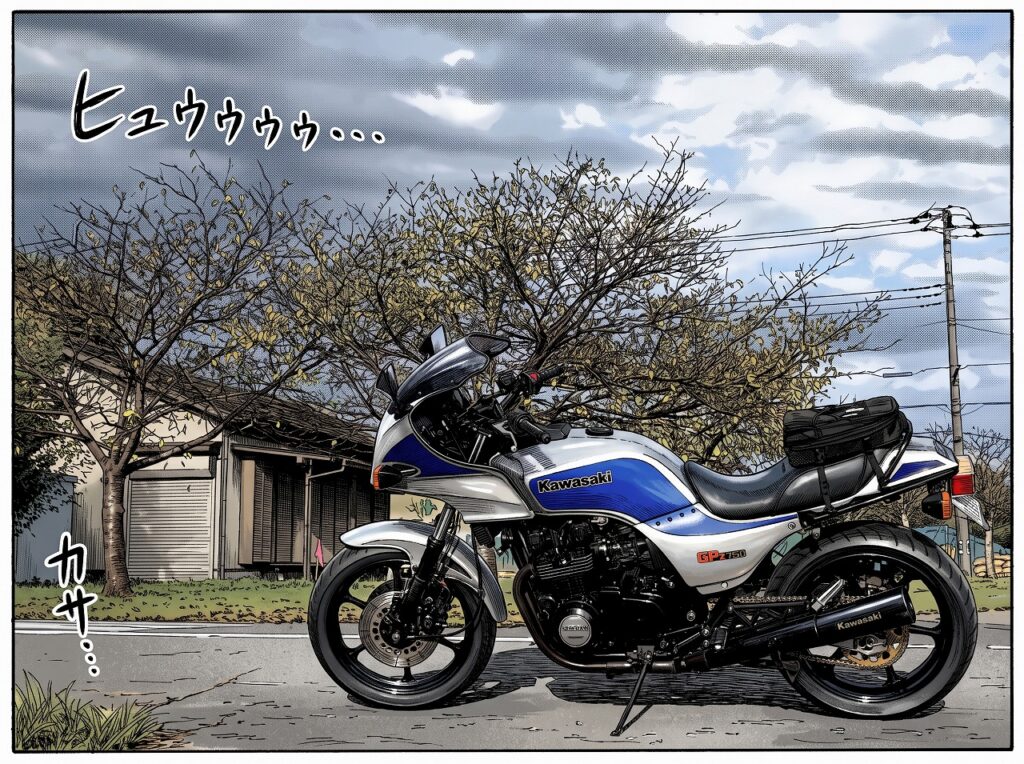
The wheels and master/rear suspension have changed, but it’s mostly stock. A 4-cylinder twin-exit is really well thought out. It’s genuinely easy to ride. The overall feel improved and cold-start is now solid. Starter clutch slip and various other areas have been refined. All’s well that ends well—I’m satisfied (*´ω`*).



 ポチップ