My ZEPHYR550 wasn’t in great shape to begin with, so I made some dramatic improvements.
What was wrong with it?
If I didn’t ride the bike for more than two weeks, it would stall right after starting in first gear.
The shift operation was incredibly stiff.
There was a lot of play in the rear damper when turning the throttle on and off.
If I kept the RPMs up and did power shifts without using the clutch much,
it would shift smoothly, but that’s difficult in city riding.
The thing is, the slower and smoother you try to ride, the more that stiffness and jerky feeling comes through.
After just a few days, the cold-start clutch sticking is gone, shifts are smooth,
and the rear damper play has decreased, making everything feel much more linear.
Since the bike was in poor condition, there’s “room for improvement”
and experiencing that kind of transformation is part of the fun with an older bike.
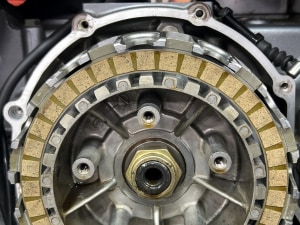
If it’s been 10-15 years, the clutch should be refreshed too.
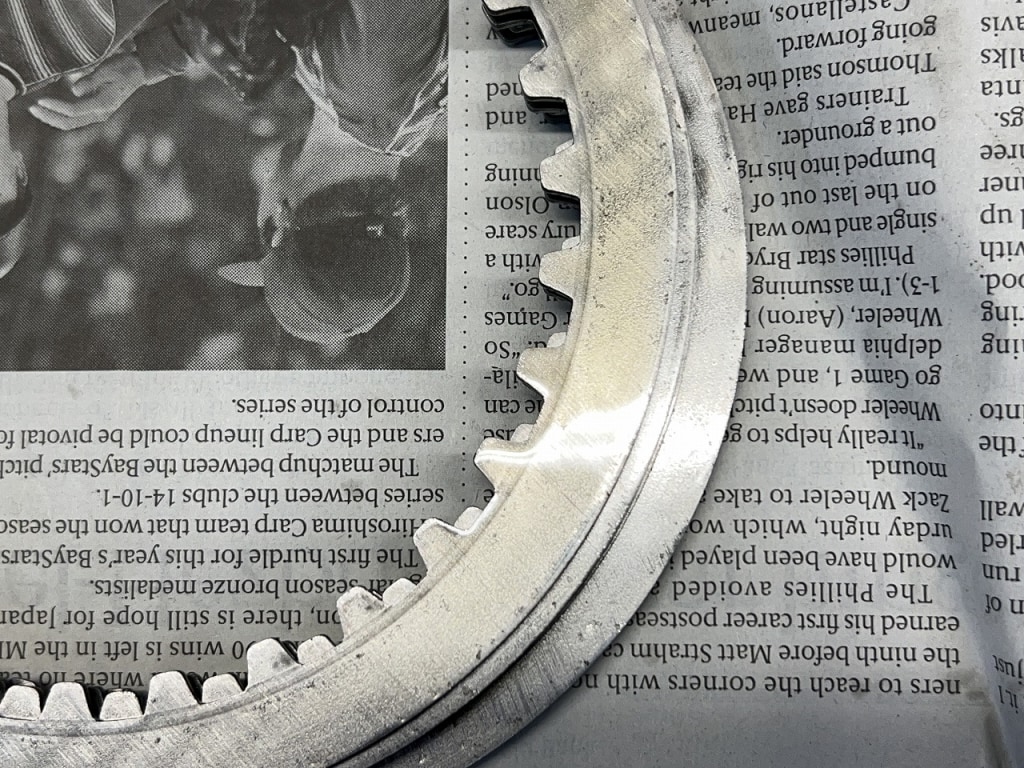
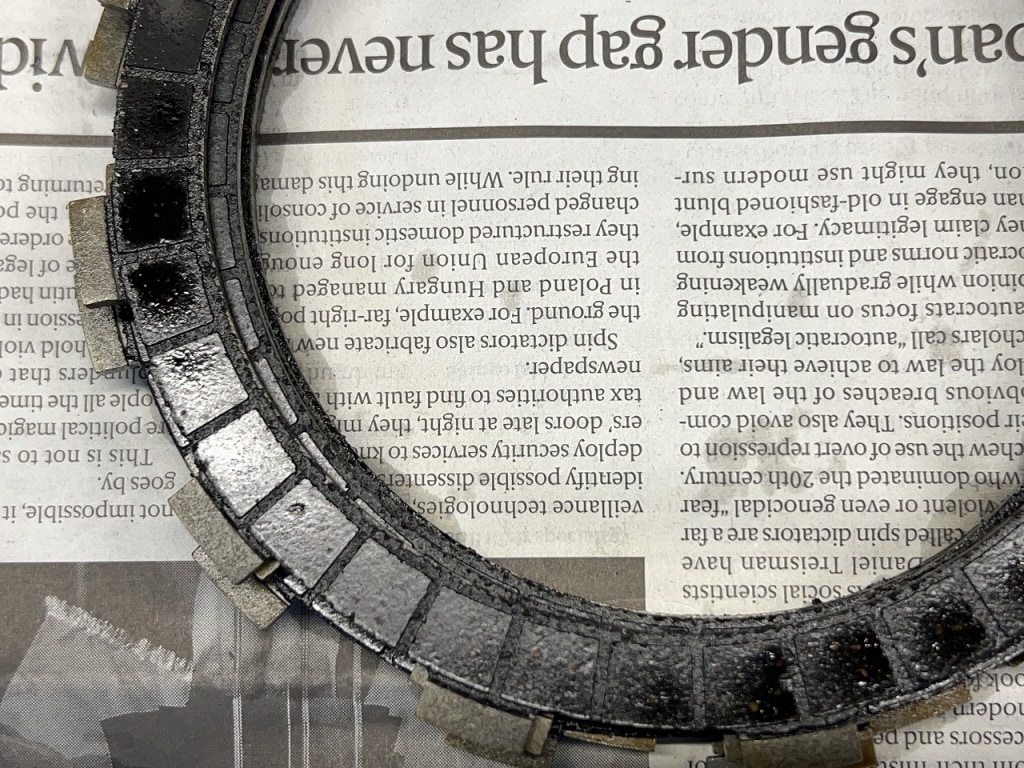
It’s not just about whether it’s slipping or not;
when the clutch is new and properly seated, the clutch engagement becomes extremely smooth.
Shifts become smooth and neutral engages with a satisfying click.
Your left foot’s thumb area won’t hurt and boot wear is reduced—it’s all good.
A motorcycle that feels natural to ride without any awkwardness in operation is truly a pleasure.
Don’t assume clutches will be available forever.
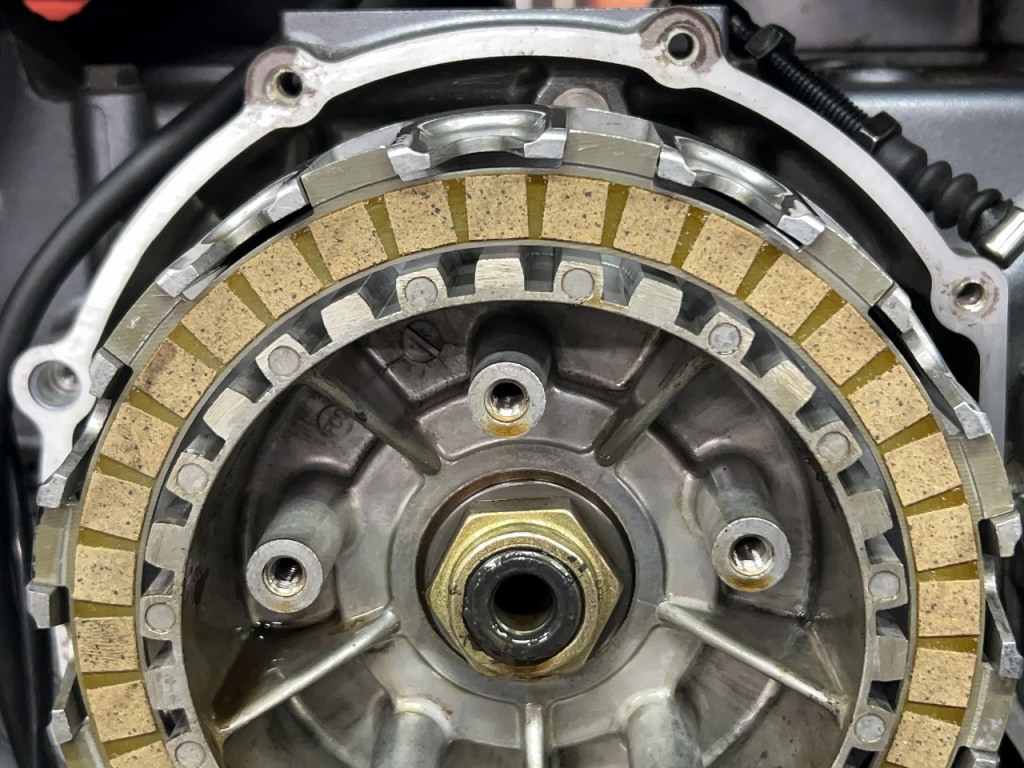
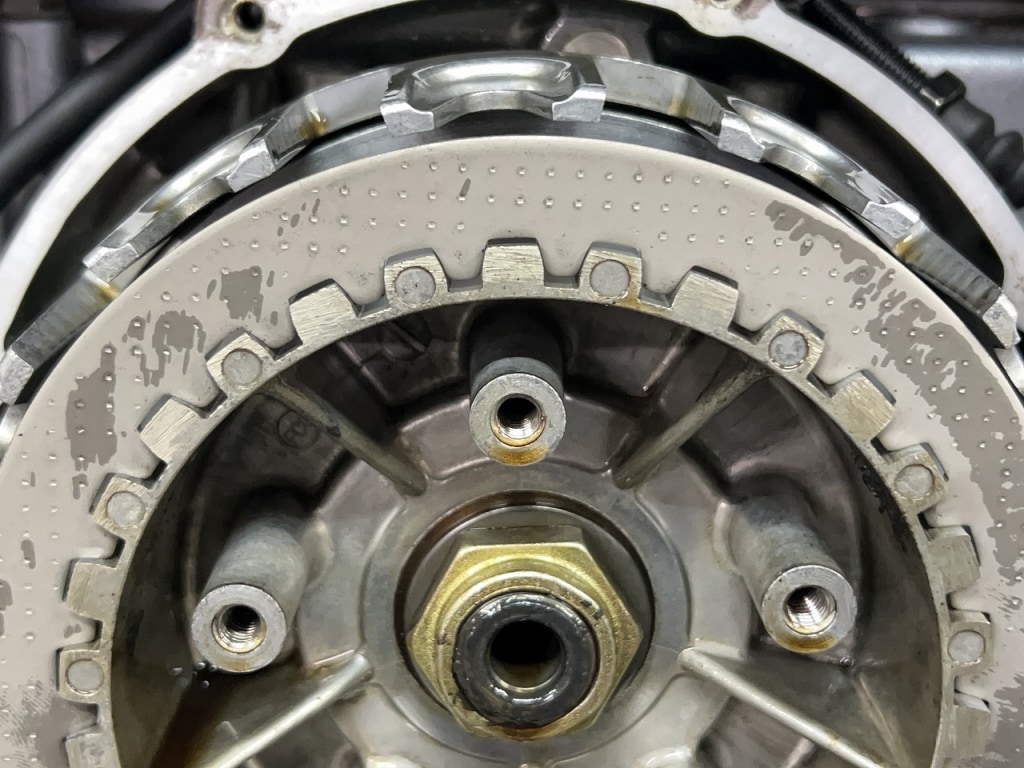
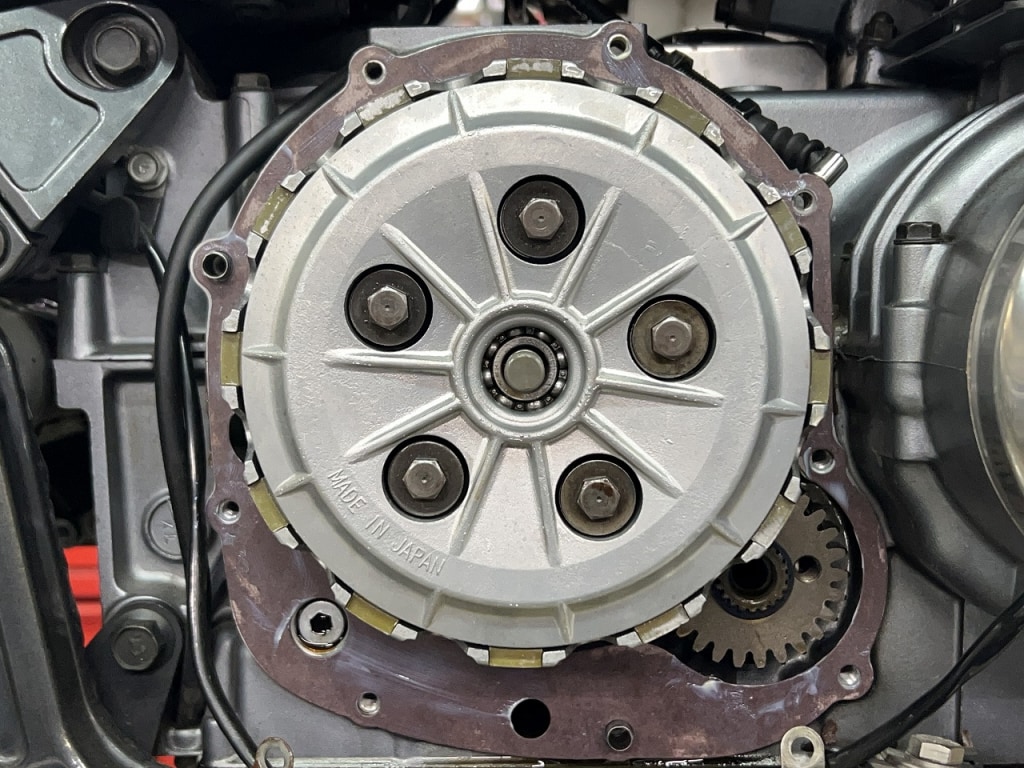
Once parts become discontinued, it’s too late.
With rising material costs year after year, prices tend to go up rather than down.
If you think you might need to replace something in the future, it’s smart to stock up early.
Having parts on hand gives you peace of mind, and even if you don’t use them, they’re easy to resell.
You might even end up selling them for more than you paid,
so stocking up has real benefits.
A bike with a loose hub damper becomes harder to ride.
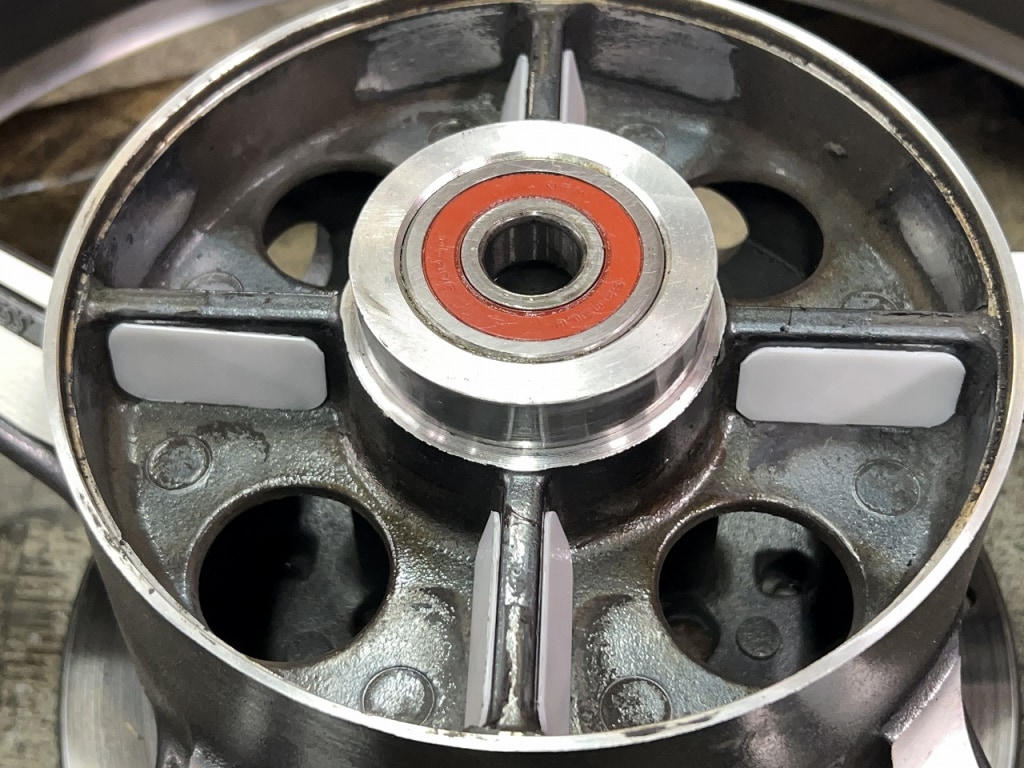
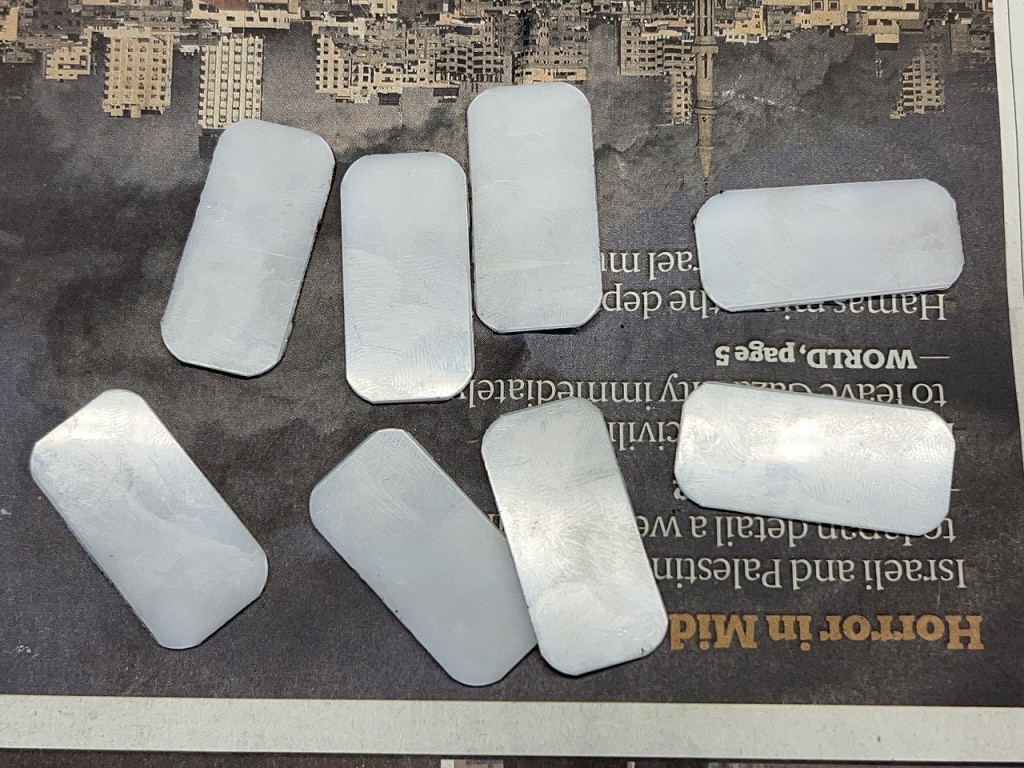
Some stock bikes surprisingly have loose hub dampers.
In a way, the damper isn’t working at all.
When the hub damper has excessive play, the shock from shifting into first from neutral increases.
The throttle on/off response feels non-linear and disconnected—very uncomfortable.
Humans are surprisingly adaptable,
so you end up learning to ride in a way that minimizes that play.
But without realizing it, the bike gradually becomes tiring to ride.
If you improve these small details by even 1% at a time,
you can turn it into a great machine
If it improves, lucky! Try &and fail.
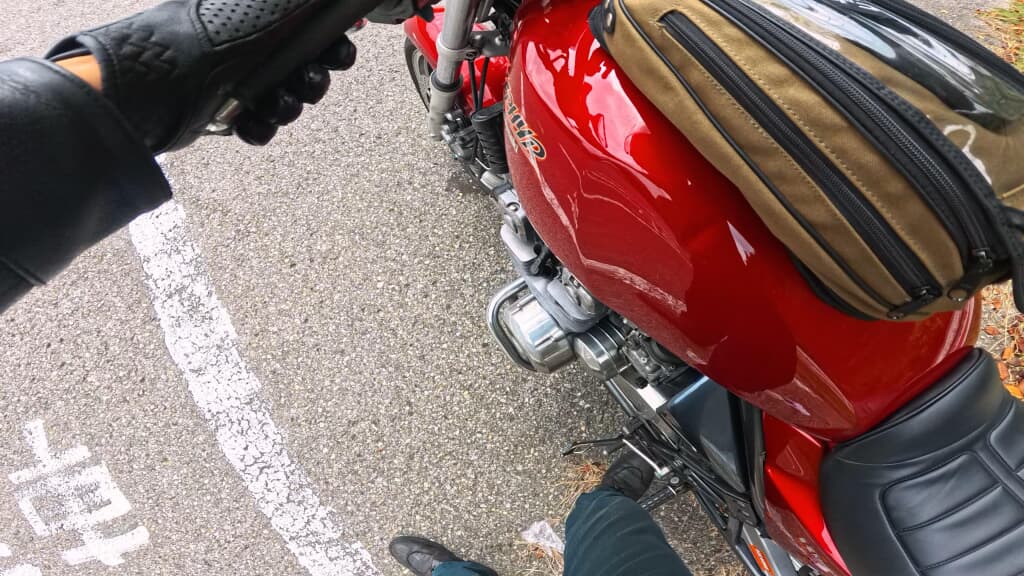
I think a lot of people get tired of bikes after adding too many aftermarket parts.
Just because you install parts doesn’t mean
everything performs better and becomes easier to ride.
You gain something but lose something else—that’s just how it is.
Personally, I’m basically lazy, so I prefer bikes I can ride casually.
Good starting, smooth throttle response, stable idle,
light and smooth controls that don’t burden the rider,
and
smooth pushing and pulling with minimal friction.
Beyond that, there are things like seating position and suspension setup, but I want to nail down at least these three basics.
I’m not asking for too much, but it’s surprisingly difficult.
I also stick with stock parts because the maintenance intervals are incredibly long.
With a stock air cleaner box and carburetor,
if you use it normally, it’ll last nearly 30,000 kilometers, and it’ll run fine even at high altitudes.
There are certainly things that are “just how this particular bike is,”
but if you write down the things you’d like to improve,
once they’re improved, your bike becomes something truly personal to you.
So maybe the dramatic improvement to my ZEPHYR550 is because it was just that bad to begin with?
I’m thrilled the results came through.
Of course, there’s always something else to improve next, so it never really ends.
But thinking about these things is part of the fun of motorcycles.
So stock up on a clutch before you’re in trouble—you’ll regret it if you don’t.
Thanks for reading! (*´ω`*)

 ポチップ
ポチップ
 ポチップ
ポチップ
 ポチップ
ポチップ
The article was not found.