You could say they break down, and you could say they don’t.
It’s tricky to know where the line is between normal wear and actual failure.
When fluid is leaking out, the engine won’t start, and the handling feels off—that’s when everyone agrees it’s broken and needs maintenance or repair.
But
the brake feel seems a little soft, the engine starts a bit rough, the handling feels a touch heavy—
just like with people, condition degrades gradually, say from 83% to 80% to 78%, so owners don’t notice it happening.
By the time you realize something’s wrong, it’s already in bad shape, and the shop says, “You really got a lot of miles out of this one.”
Parts have different lifespans, so when timing lines up badly, multiple things can fail at once—tough on the wallet.
Sometimes a quick temporary fix is the best move, but other times you need to do a thorough, solid repair you can trust with both hands off the bars.
It all starts from the moment you buy a used bike.
If most components are running below 50% life, you could face a cascade of repairs.
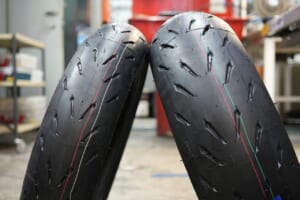
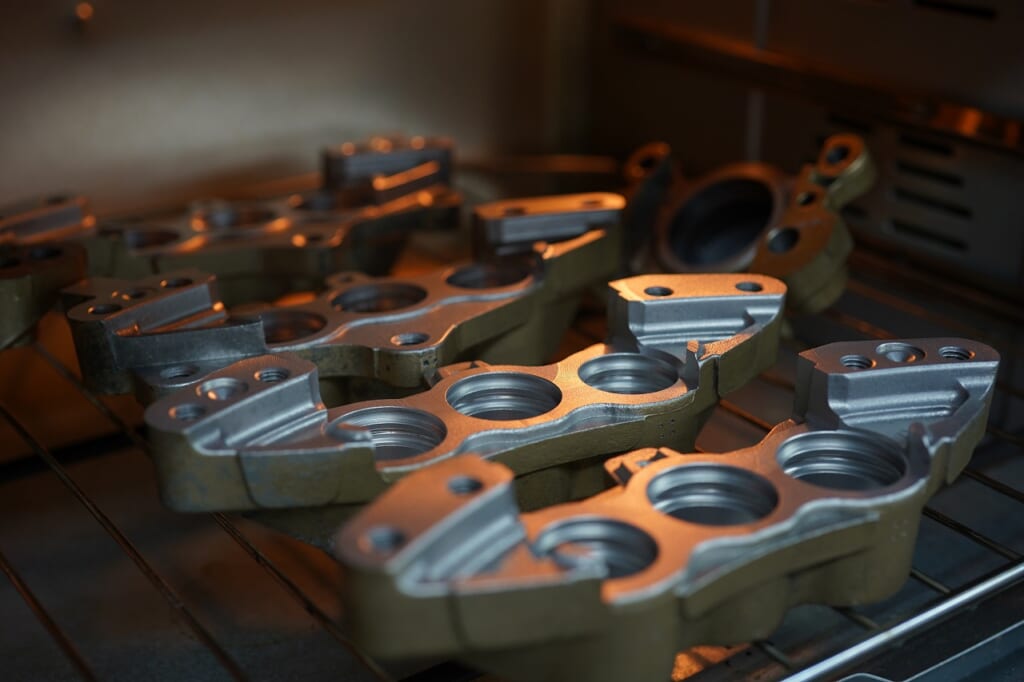
Front forks going out, brake calipers, rotors, pads, chain, tires, oil leaking from the head cover, oil pan too, cracks forming, clutch slipping, carburettor leaking, fuses, battery—
it gets depressing.
Well, when you think about why used bikes are cheap, maybe that explains it. Though an expensive one isn’t always a safe bet either.
A bike with a known service history is nice because you can see what’s coming next and plan your budget and schedule better.