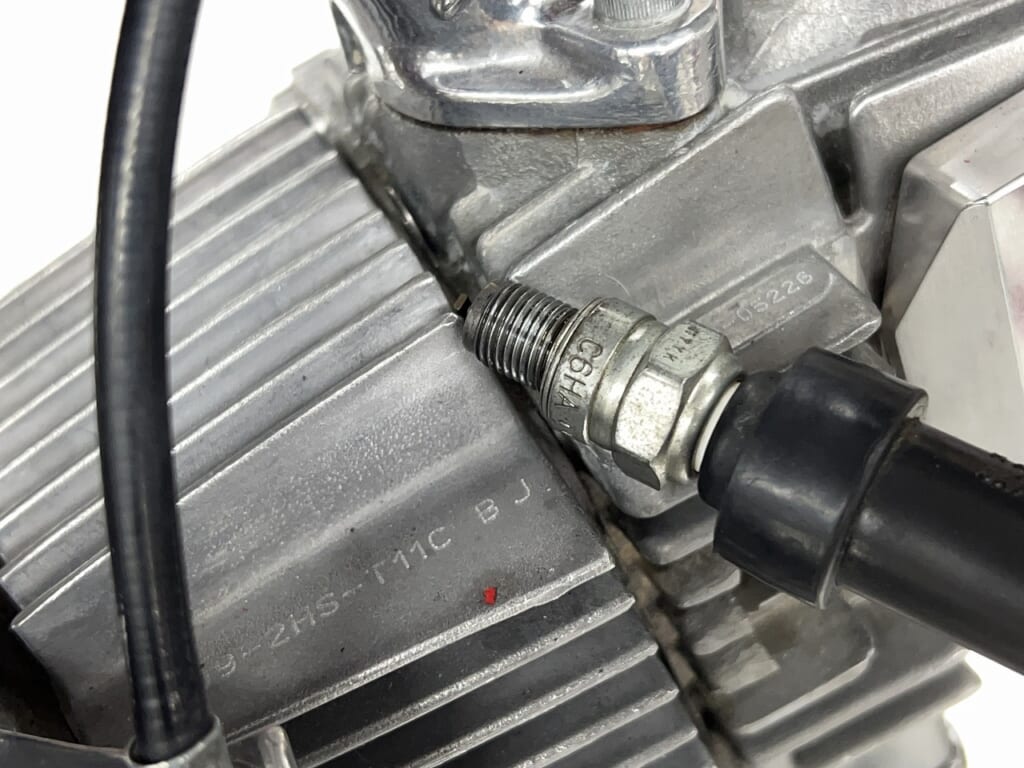
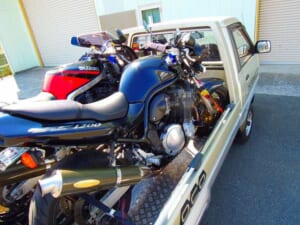
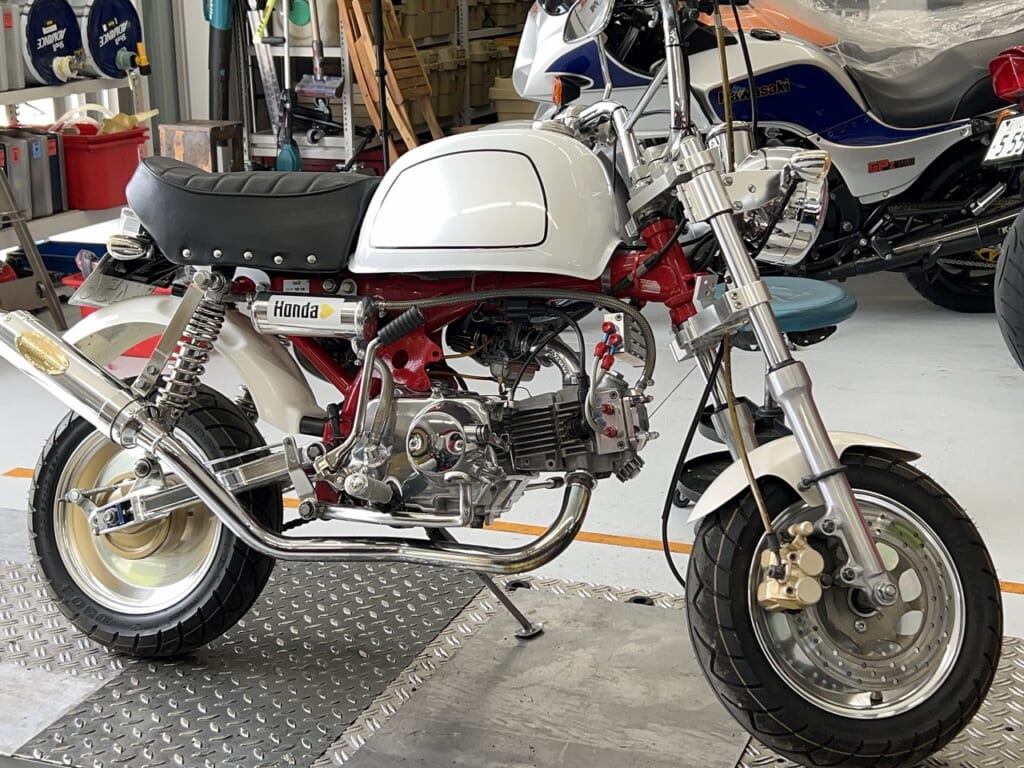
I got a consultation from an elderly gentleman who gives us vegetables. “One of my friend’s Monkeys won’t start—what do you think is wrong?” *He mentioned the spark plug was replaced but there’s no spark. I went to pick it up, but it was so small that loading it turned out to be quite the challenge.
He said “anytime is fine,” but my schedule fills up quickly, so I’ll get right on it.
Today’s Repair & Diagnosis Log
Vehicle: Honda Monkey 50
Symptom: The mysterious “engine won’t start at all” disease.
Diagnostic Process: Returning to the three fundamentals of engine operation—”good spark,” “good compression,” and “good fuel mixture”—I systematically eliminated each possible cause through troubleshooting.
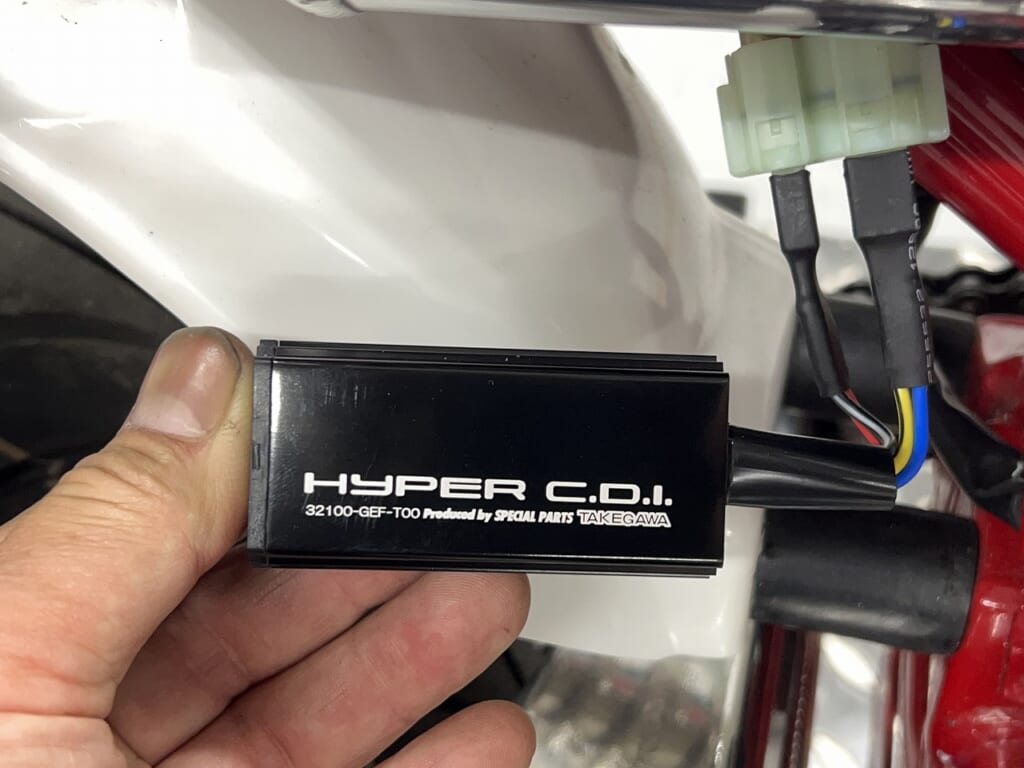
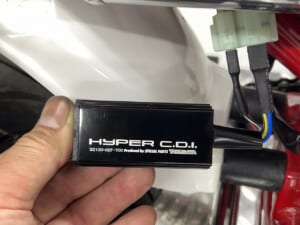
The Culprit: A faulty CDI unit
Result: The engine successfully returned to a healthy idle with that characteristic “tock-tock-tock” sound!
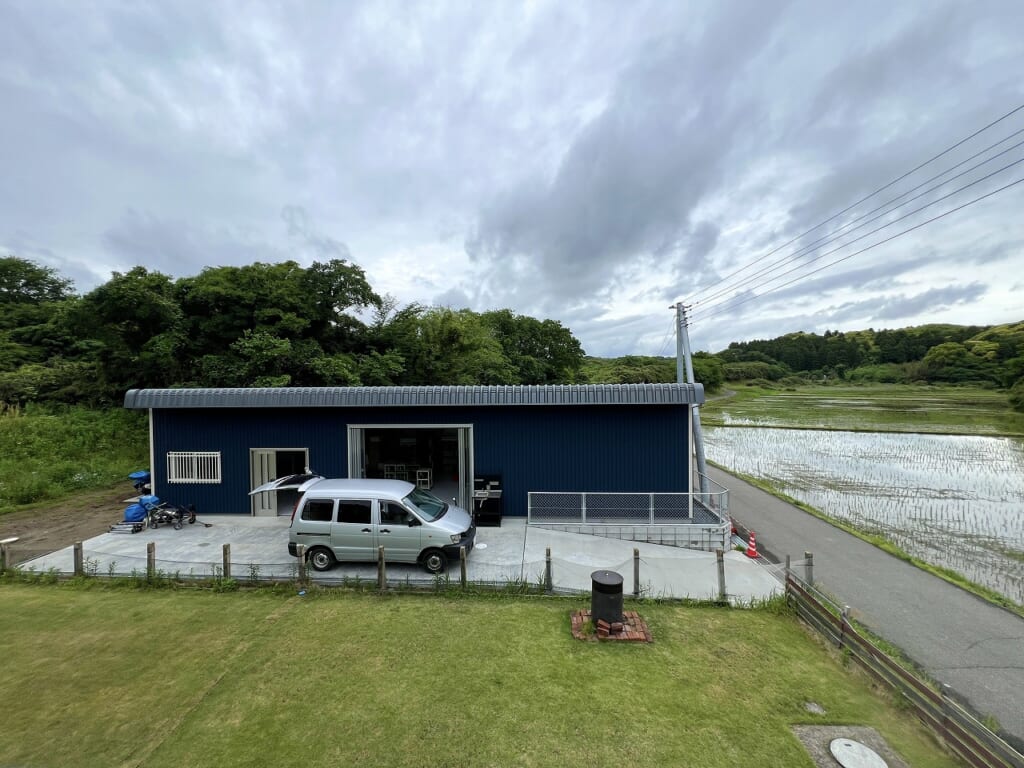
My other blog, Decoboco. “RURAL GARAGE”
A hidden room for non-motorcycle topics. I share everyday convenience items, relocation stories, delicious food, life philosophy, and more. ←click
Since I’m not very familiar with it, I need to start by learning about the Monkey.
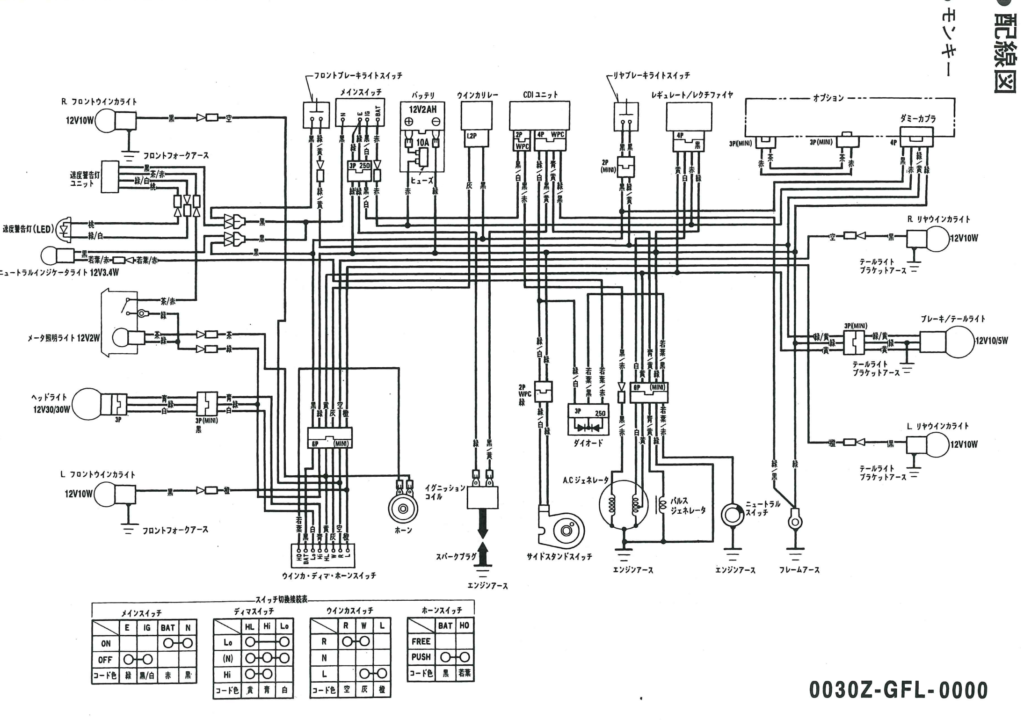
The wiring is beautifully simple. So it’s an AC-CDI system. Hmm, I’ll learn as I work through this.
Supply voltage to the ignition coil is abnormally low
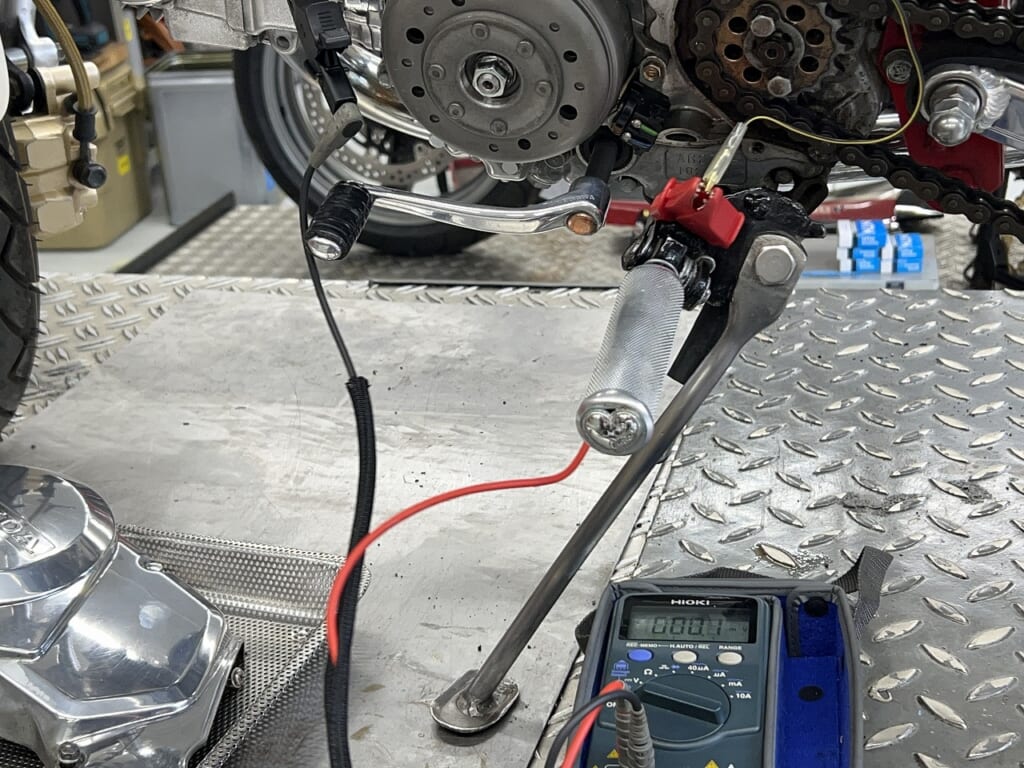
With the AC-CDI and ignition coil, the primary side is only producing a maximum of AC 11V. That’s not going to work. Let me check downstream from the coil first.
It looks like there’s been quite a bit of DIY customization, so I cleaned up what I could.
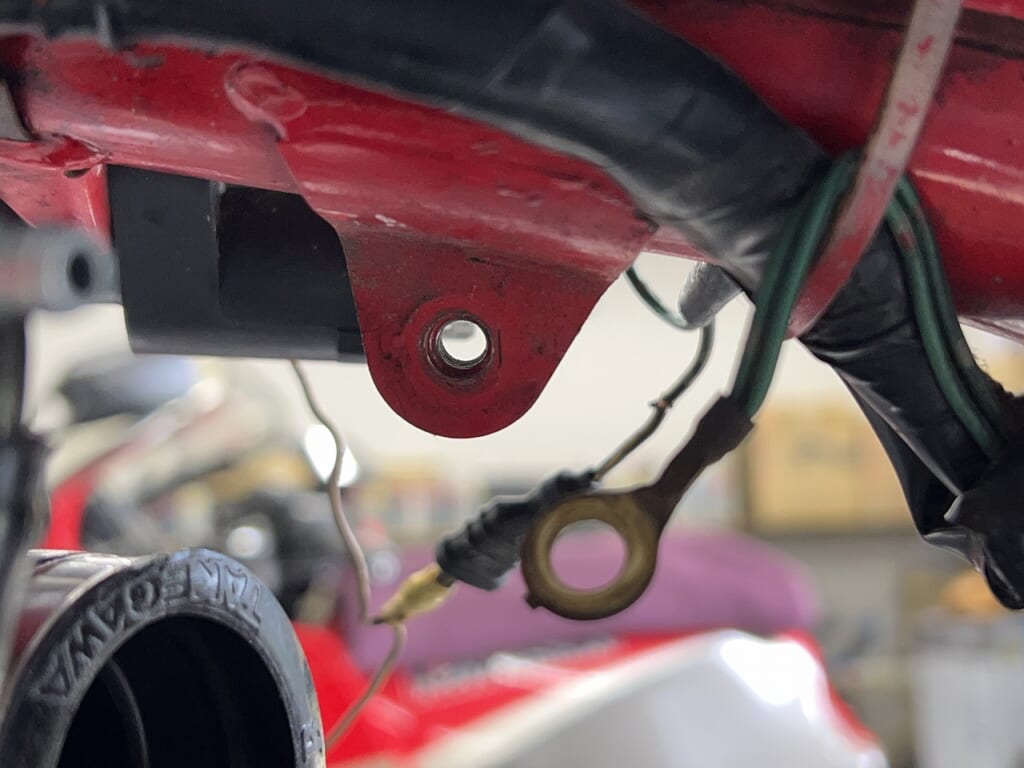
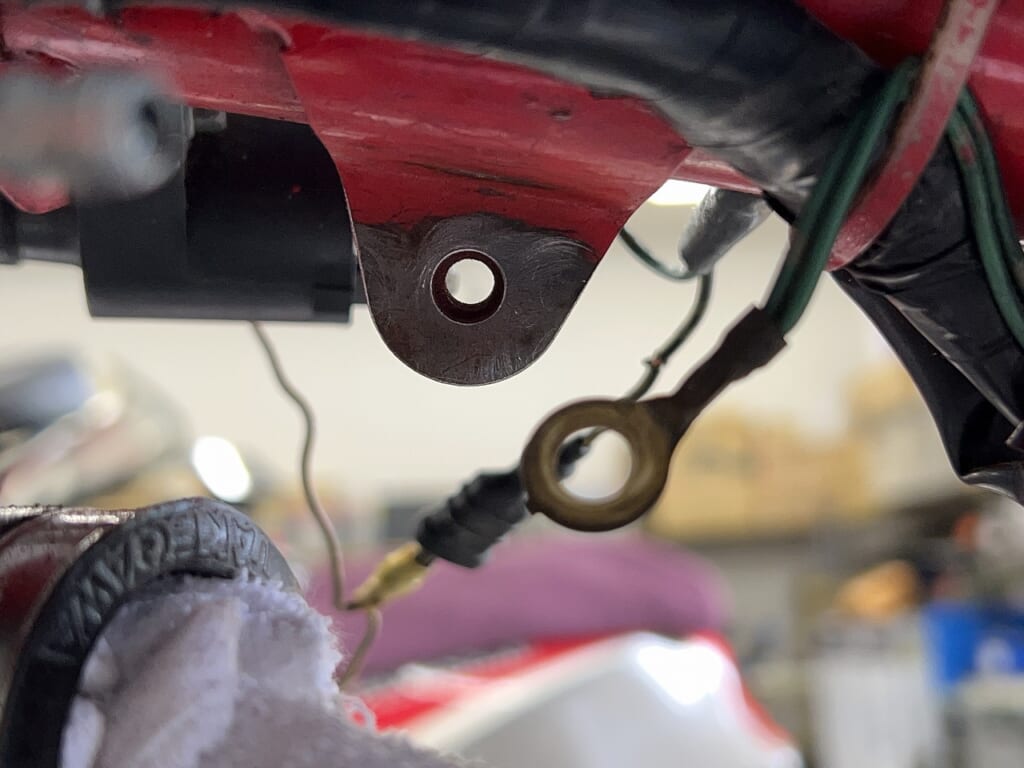
Back to Basics: Ground and Battery Charging
“That’s not relevant!” might seem true, but it can subtly become the glasses (reading glasses) that cloud your judgment. It’s important to methodically eliminate each possibility one by one.
We haven’t solved it yet…
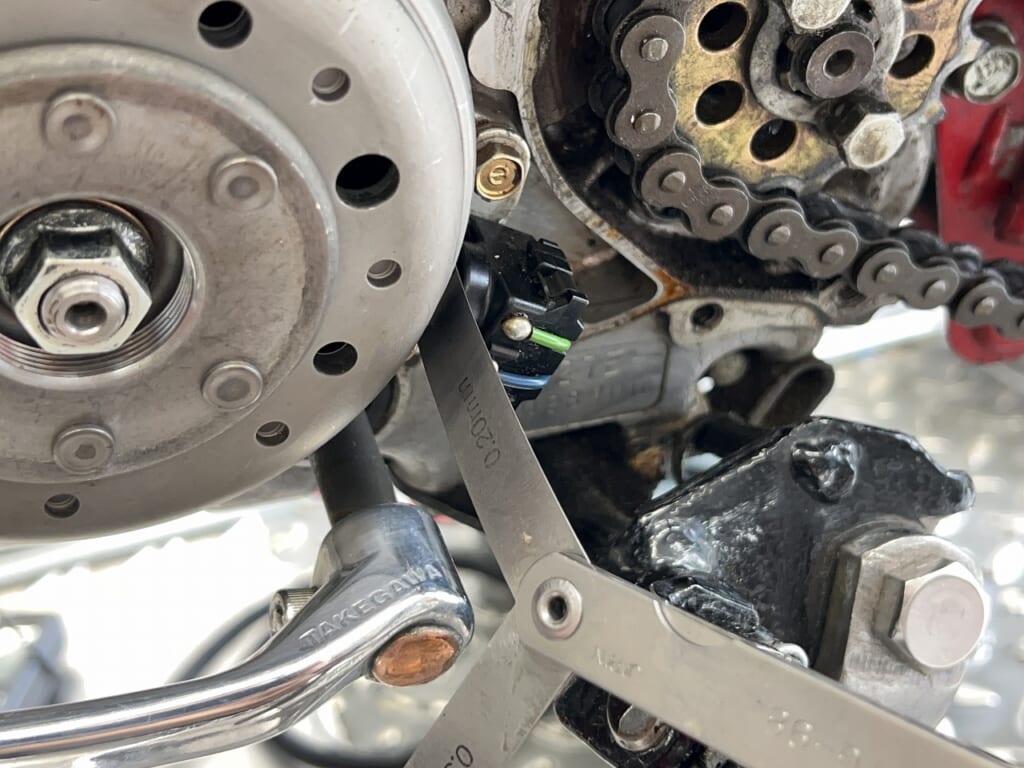
Checking Pickup Gap and Voltage
What was crucial here was testing in isolation. The pickup gap and voltage are both normal and generating properly. So that means? The CDI unit itself is likely the problem.
Sparks flying and one-kick start!
I installed the same Takegawa Hyper CDI. Monkey parts are surprisingly affordable… no wonder people get hooked on these!
And that’s the end of it (*´ω`*)
Quick Ignition Failure Diagnosis Flowchart
Thorough Grounding (Basics) & Battery Charging
Polish the main ground and engine body ground to ensure a solid “escape path” for electricity, improving measurement reliability.
AC Measurement on Ignition Coil Primary (Black/Yellow)
If you see 100V–200V here, you can narrow the problem down to the ignition coil and beyond (like the spark plug).
In this case, with low voltage (like 11V), go back upstream from the CDI and investigate further.
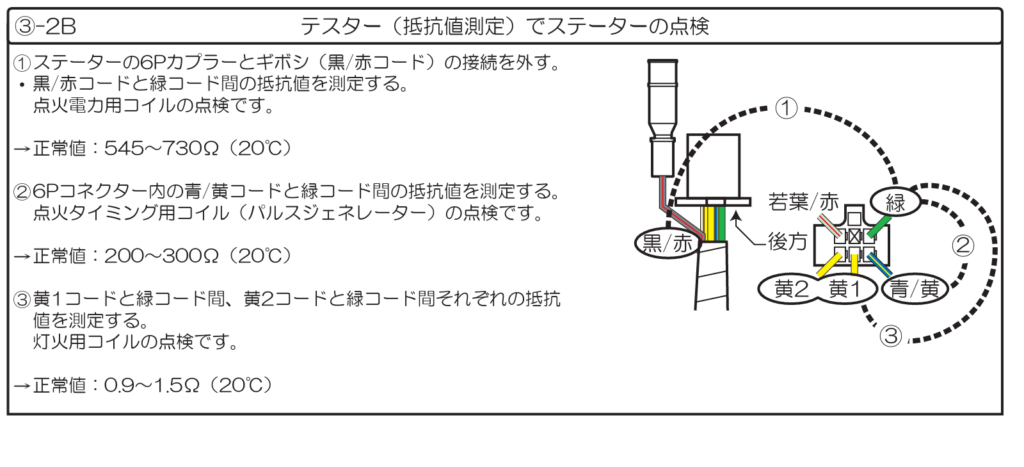
Remove the CDI and measure the “raw voltage” on the input side
Black/Red (Exciter): If AC 50V–100V or higher is present, the alternator is normal.
Blue/Yellow (Pulse): If AC around 1V (or more) is present, the pulse signal is also normal.
Solving the Mystery: Why Won’t This Honda Monkey 50 Start?
Vehicle: Honda Monkey 50. Issue: The owner brought it in with a mysterious “won’t start” disease. No matter how many times you kick it, it’s dead silent. Diagnosis & Repair: Big bike or mini bike, internal combustion engines all need three basics: Good Spark, Good Compression, and Good Air/Fuel Mixture. I played detective and systematically checked each element. [※If you want to briefly mention the cause here, e.g., “The culprit turned out to be a clogged pilot jet in the carburetor.”] Once the issue was addressed, one kick brought the iconic 50cc thumper right back to life with a steady idle. Verdict: Troubleshooting is like solving a puzzle, and hearing that engine run again is the best reward!



 ポチップ
ポチップ