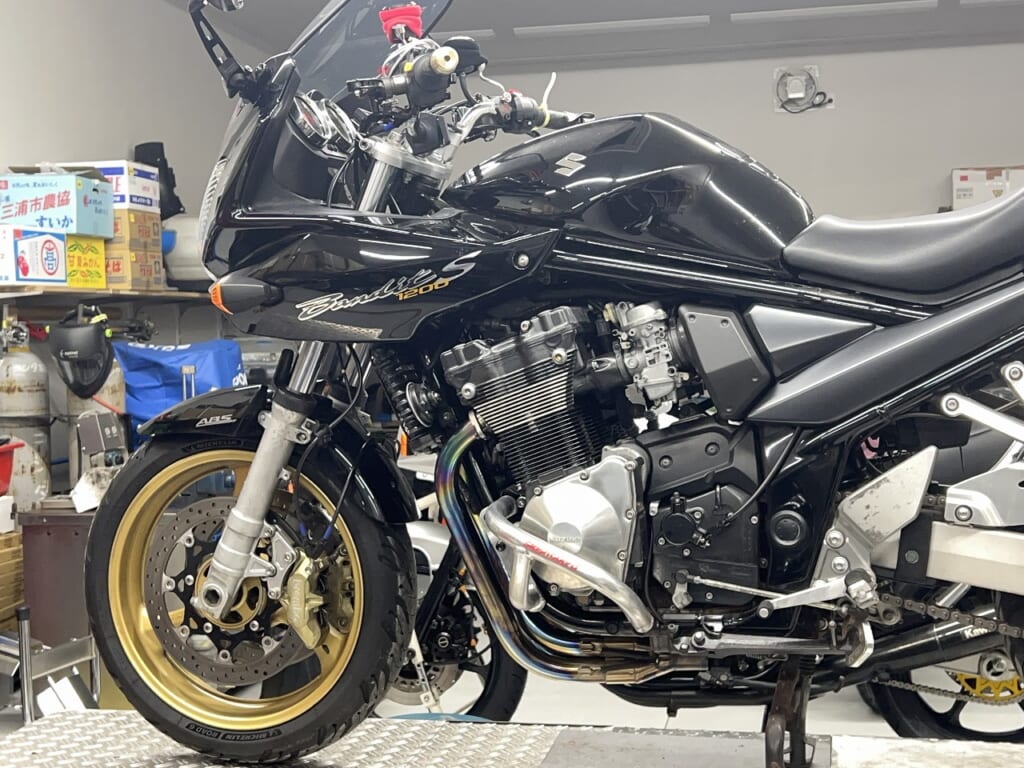
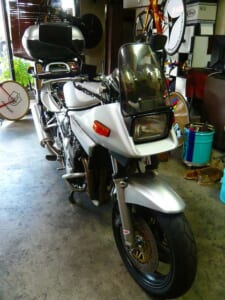
What’s the Bandit 1200 really like? It’s a good bike. In oil-cooled history, it’s possibly the first—the same name and engine continued for six years of sales (*´ω`*) It was probably mainly for export, but that’s impressive.
So everyone, I have a long-standing relationship with the Bandit 1200. There are people who plan to ride it for the rest of their lives.
So let’s see it through to the end… hehe
Today’s Maintenance Log (Footwork Compilation)
Vehicle: Suzuki Bandit 1200 (K6)
Features: The final evolution of Suzuki’s refined oil-cooled engine (GV79A).
Work Performed (Total Footwork Refresh):
[Rear] Disassembly, cleaning, and greasing of the swingarm and linkage area.
[Front] (※Please list the work performed, such as front fork overhaul and stem bearing replacement)
Results: The front and rear suspension now work properly, and the bike has regained its supple, nimble handling—no longer feeling the heaviness typical of oil-cooled bikes!
Decoboco’s other BLOG. “RURAL GARAGE ”
A hidden room for non-bike topics. Convenient everyday items, relocation, delicious food, life philosophy and more. ←click
The crane doesn’t show her weaving—from the Crane’s Repayment
When you search for something, you sometimes find other shops in the results, right? The work process is often like this! Boom! Done You can’t see the process at all sometimes.
For example How do they service the front and rear areas…? Or They don’t show it, or can’t show it… Maybe that’s where the crane’s feelings are hidden.
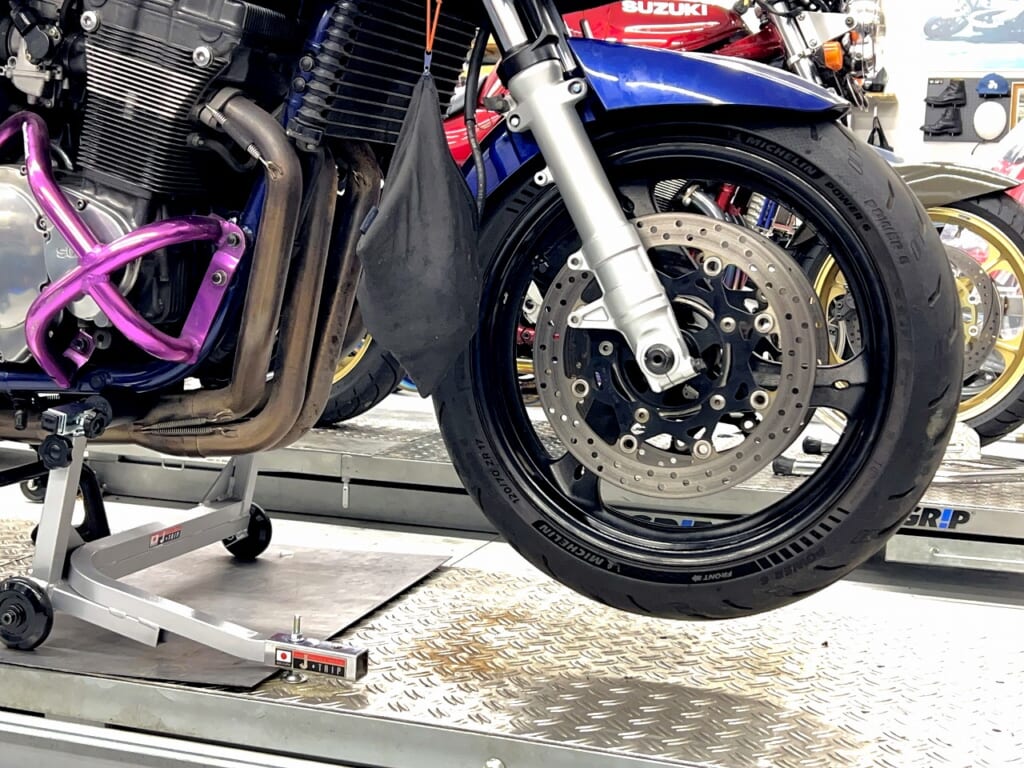
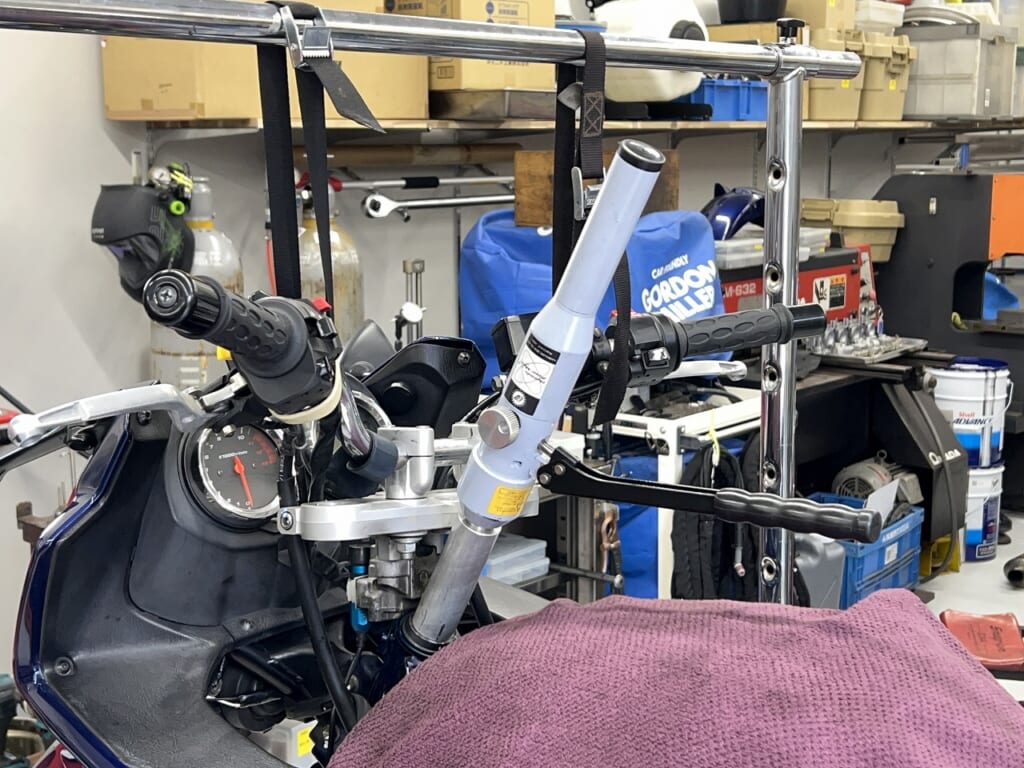
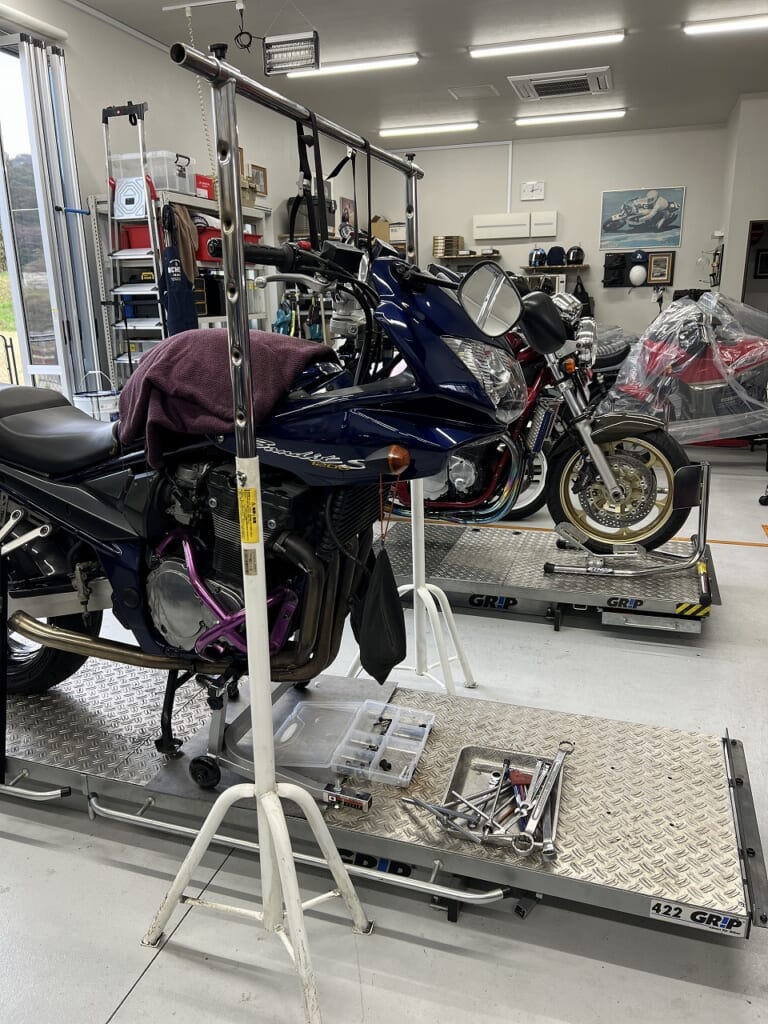
I try not to do work processes that can’t be shown to others. So J-TRIP’s frame stand is the best. These kinds of things will probably go up in price, so get one while you can!
Bikes with an undertube are truly the best. The trick is that the handles come off during lifting, as shown in the image. Removable handles mean more space around it and no worry about it catching and coming loose .
However, it’s mostly industrial equipment, so it doesn’t spread much. If the price goes up, maybe I should buy another one… it’s a tough decision at year-end.
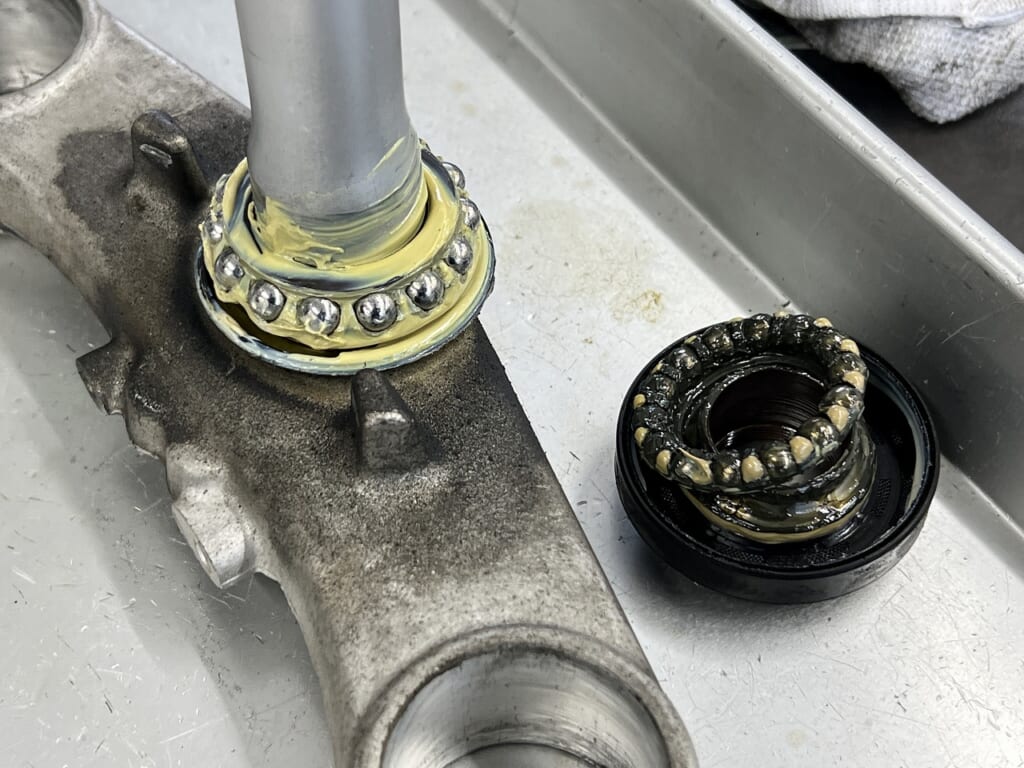
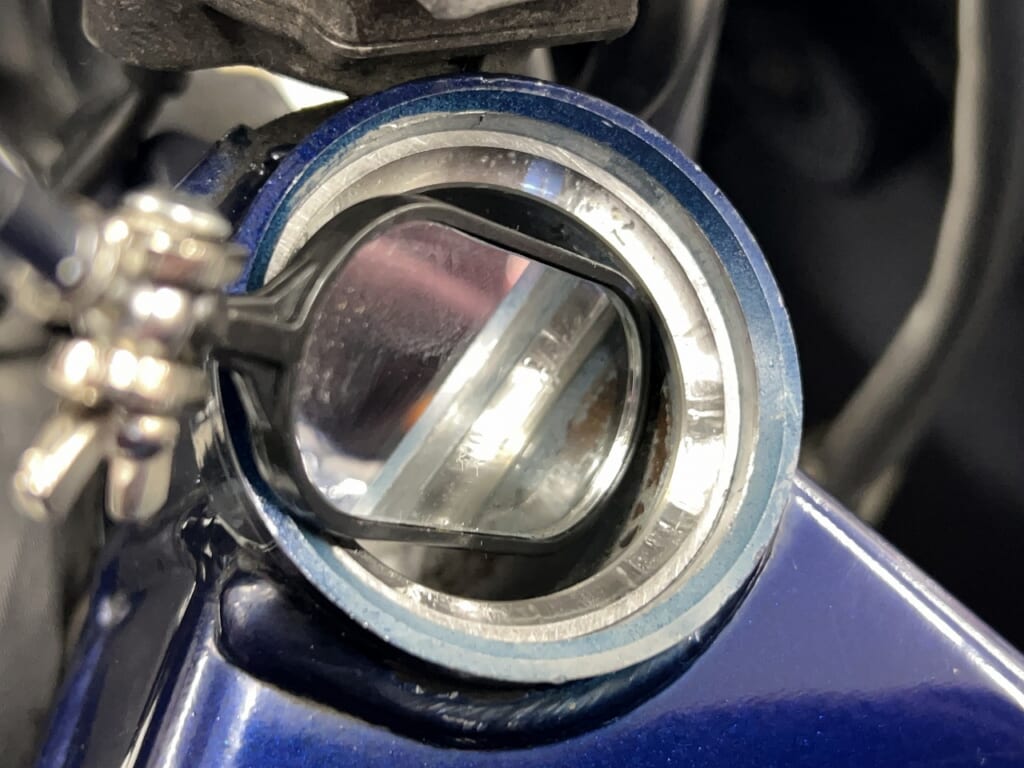
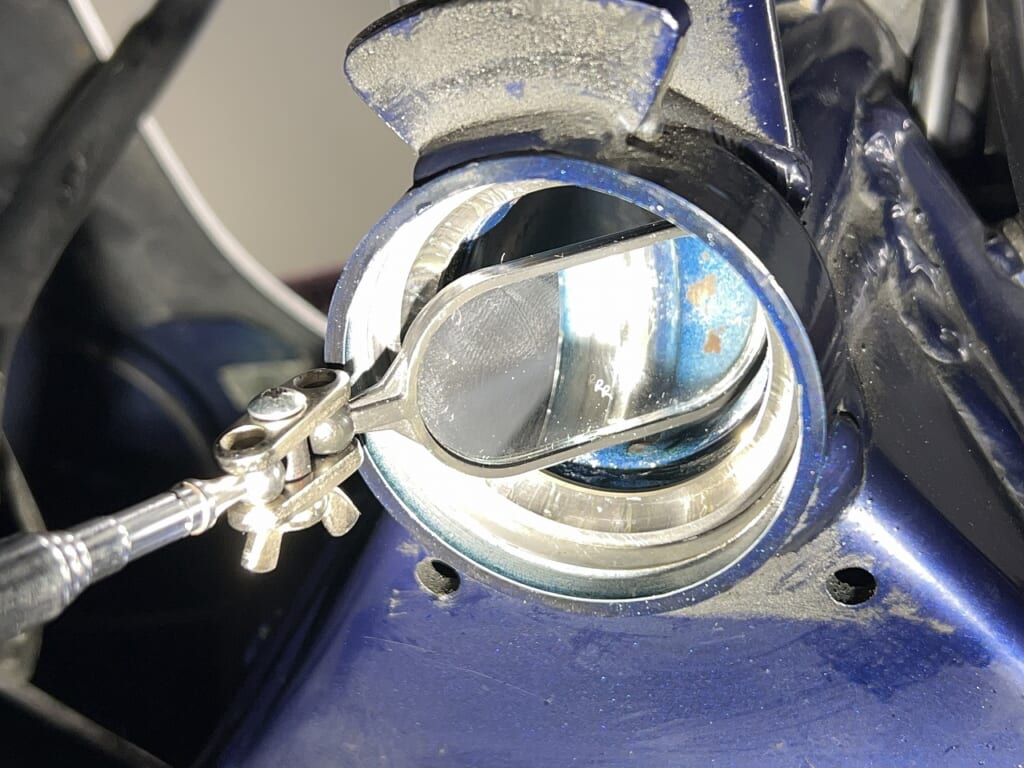
The condition is better than expected
I don’t know how many years or kilometers it’s been used, but it doesn’t need replacement. However, since we’re renewing all the footwork bearings this time, we’ll replace it.
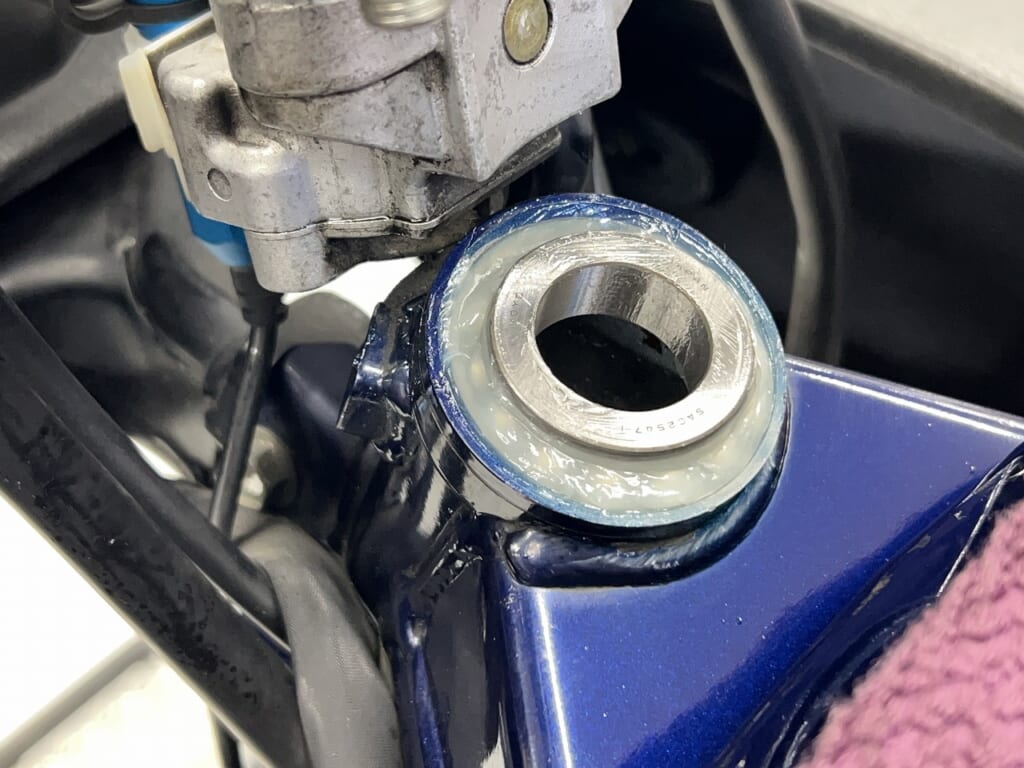
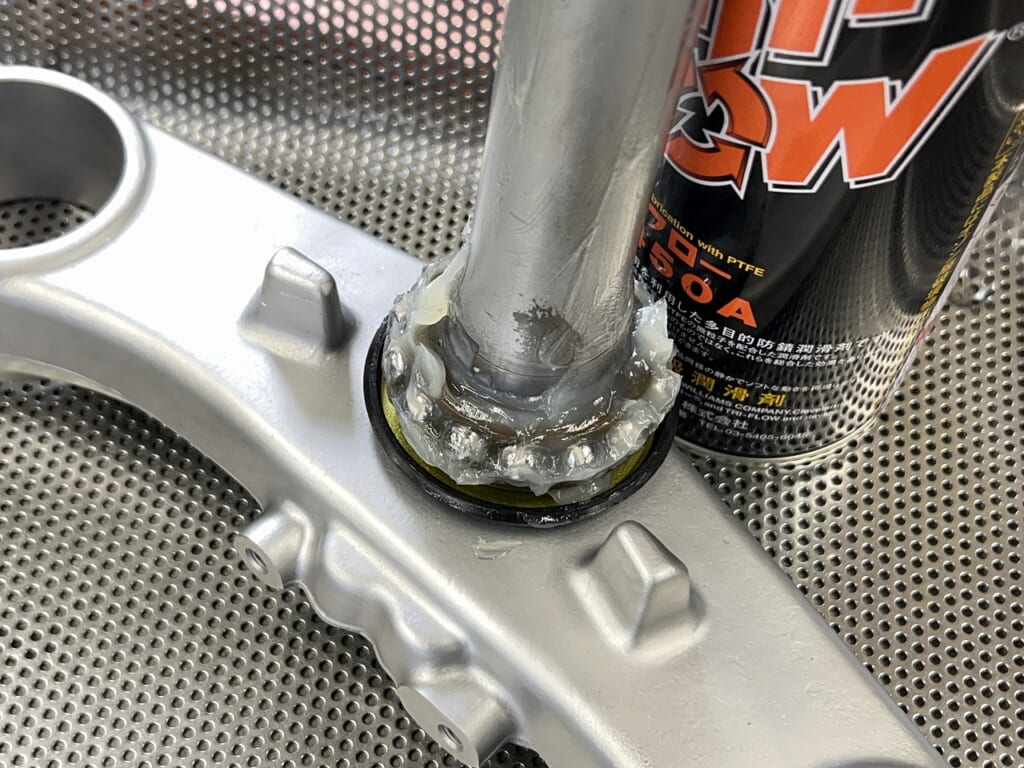
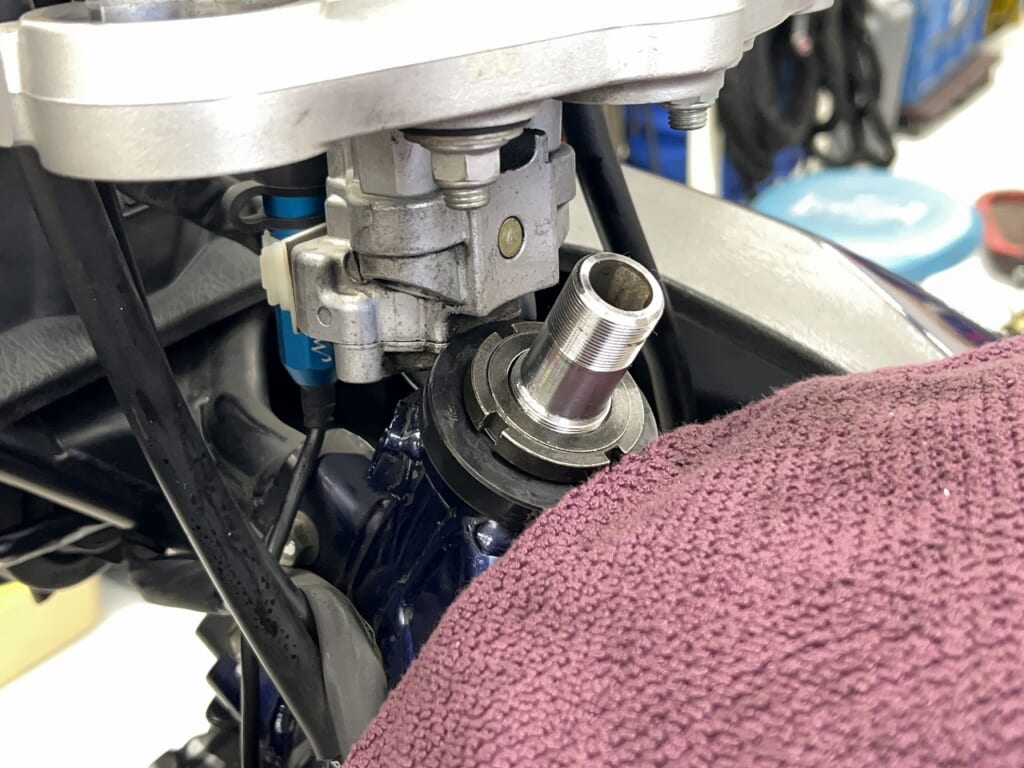
The stem bearing on the oil-cooled 1200 uses “ball and tapered roller” bearings mixed together. Of course, there’s some difference in bearing feel. Ball or tapered? As for durability, if proper lubrication and clearance are maintained, both can run comfortably for quite a distance. I basically only use “ball” bearings. It’s purely a preference.
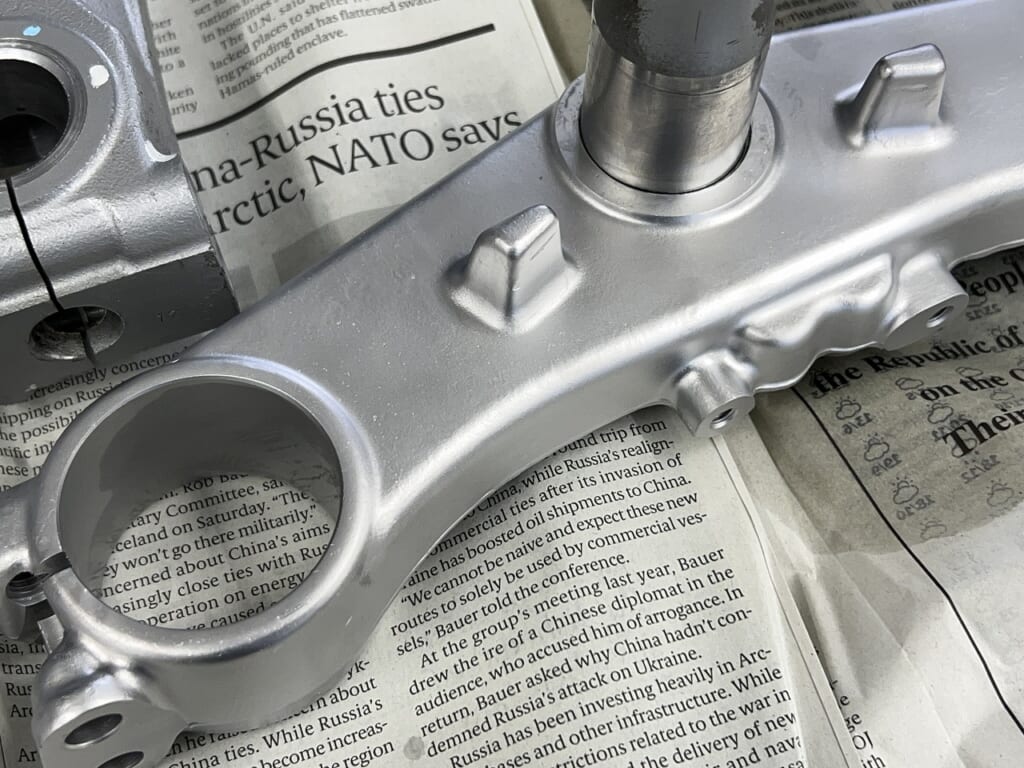
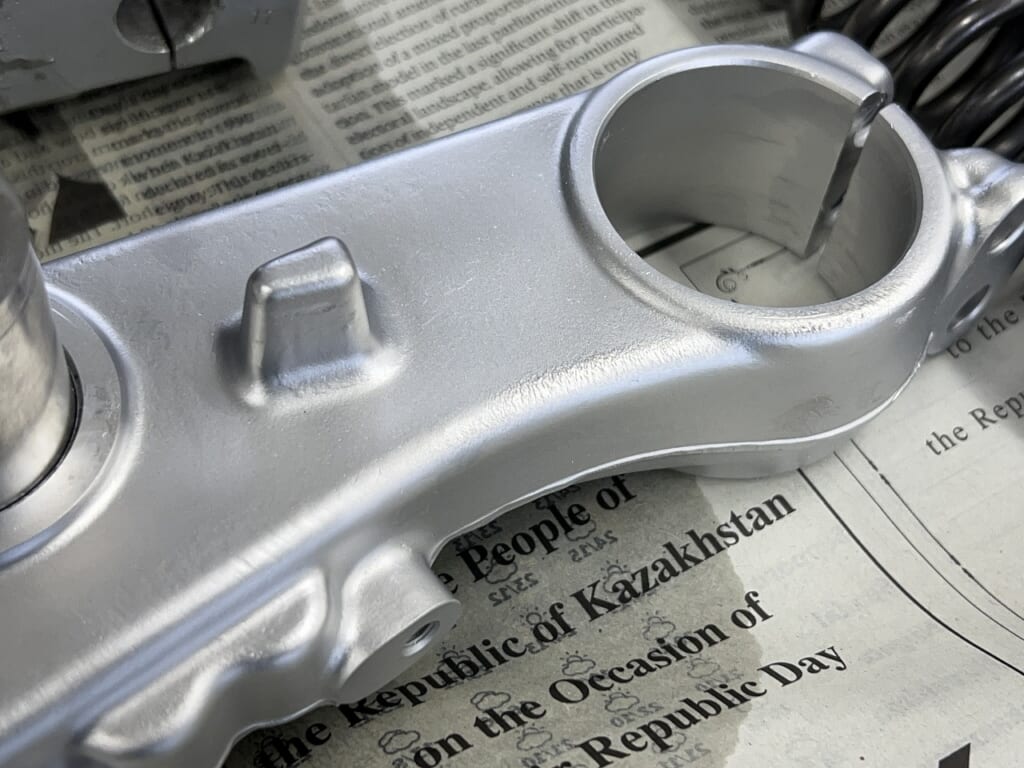
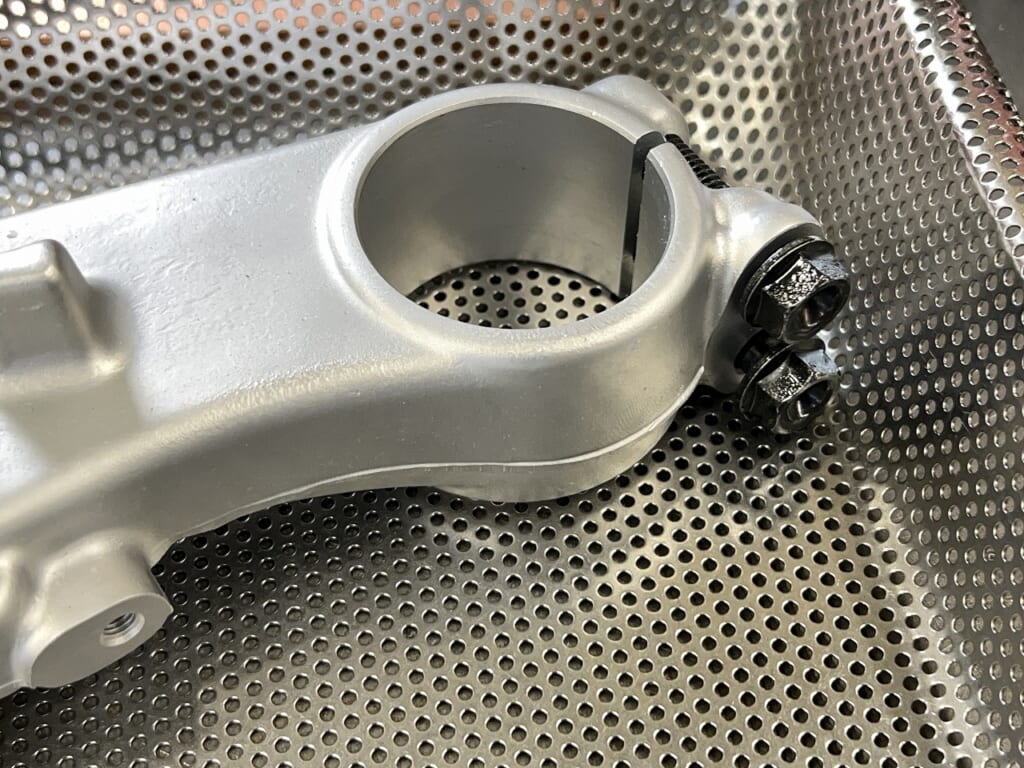
Suzuki has lots of unpainted, unfinished parts—wet blasting
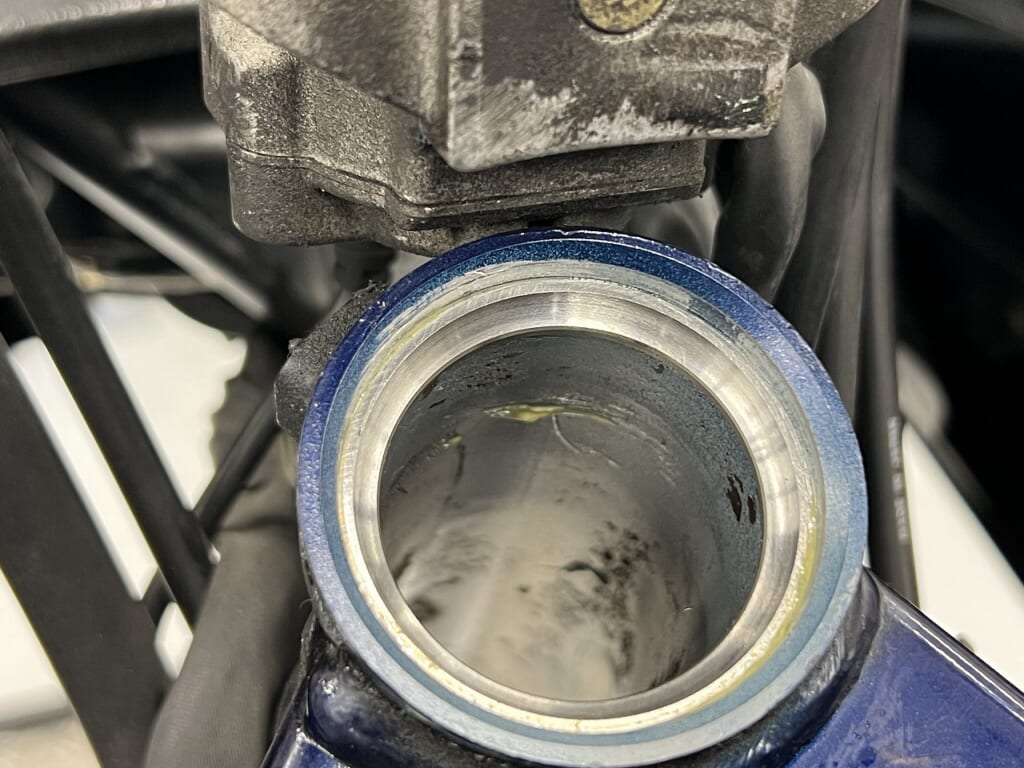
I don’t have a before photo, but since the stem body is unfinished, wet blasting quickly gives it an anti-aging makeover. It’s better than poorly painted parts.
It really feels good when it gets clean so easily.
Bearing removal and installation becomes more cautious with each repetition
Once you understand the importance of press-fitting, you become more cautious. It’s not just about removing and replacing; “minimize stress on the body” becomes a consideration for the future.
Maybe it’s because the customer “doesn’t treat the bike as just a tool.” I press-fit using hydraulic pressure with a set standard—it’s quietly easy and reliable. There’s a bit of a trick to using it though…
Always do a visual check, okay? (*´ω`*)
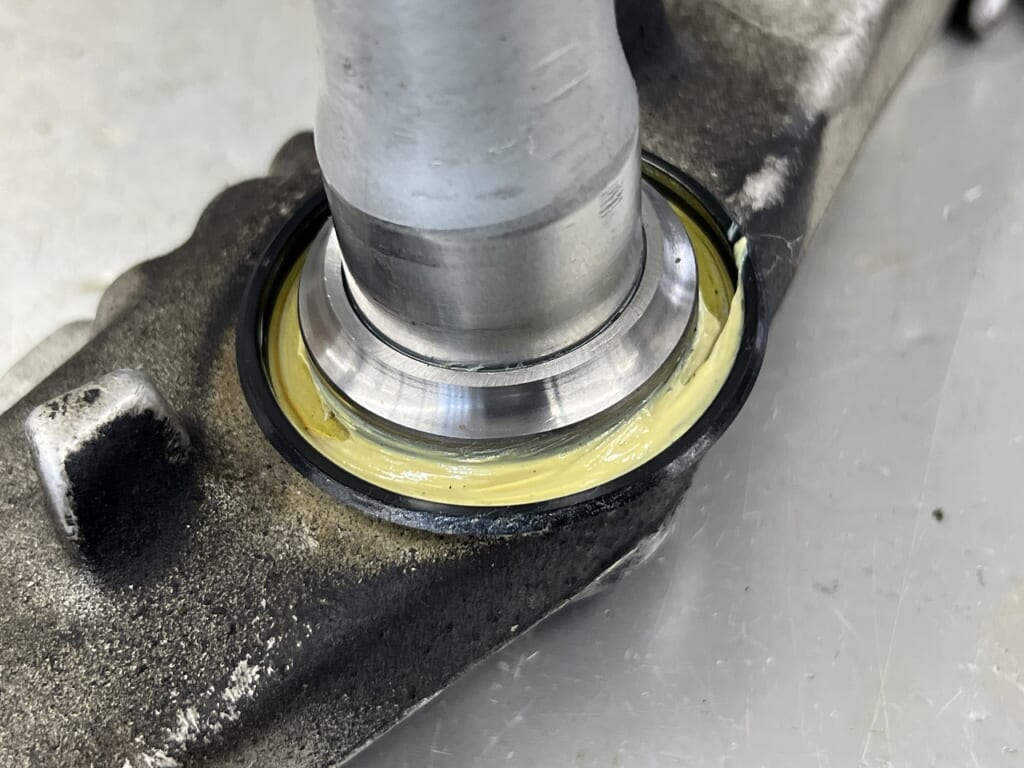
Lots of grease isn’t necessarily better—it’s just generous because we don’t take it apart often. Ideally, something soft and resistant to temperature changes is best.
The grease we use has quietly been upgraded too.
Suzuki uses a single nut, so there’s a bit of a quirk. If you’re used to Suzuki, the dual nuts on other bikes feel incredibly efficient.
Also, if the lower and top seals are overly effective on a particular unit, assembly requires real care or it won’t work well. If you don’t notice that, it becomes loose and rattles once wear marks appear. “The boundary between loose and light” is what stem bearings are all about…
I also replace bolts with Honda’s “steel” flanged ones. It subtly looks more finished (*´ω`*)
Depending on the location, “HEX” and “hex bolts” should be used strategically for dramatically improved work efficiency. Using “HEX” on a stem like this with a fairing
makes removal difficult. Also, using “HEX” on the back of the step area adds extra work. If you make it easily accessible from the outside, attachment, detachment, and tightness checks become easier. I write all this, but… you won’t be touching it yourself anyway, so it might not matter… (*´ω`*)
Let’s quickly do the front fork overhaul
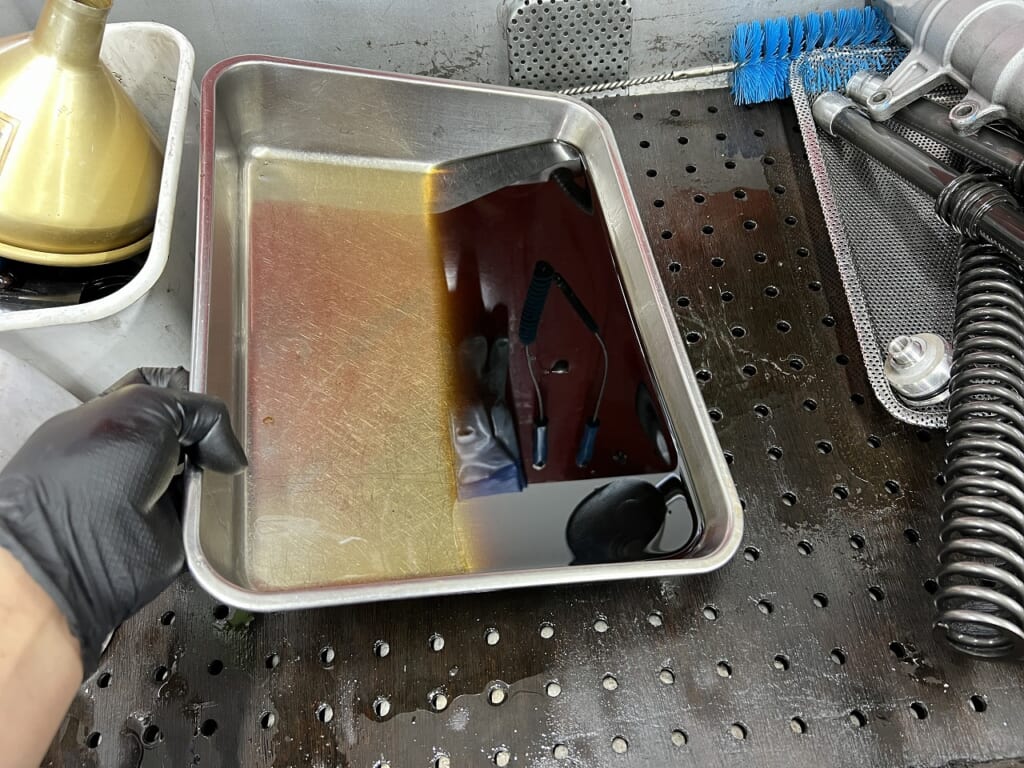
It had gotten quite dark. It’s been used quite a bit.
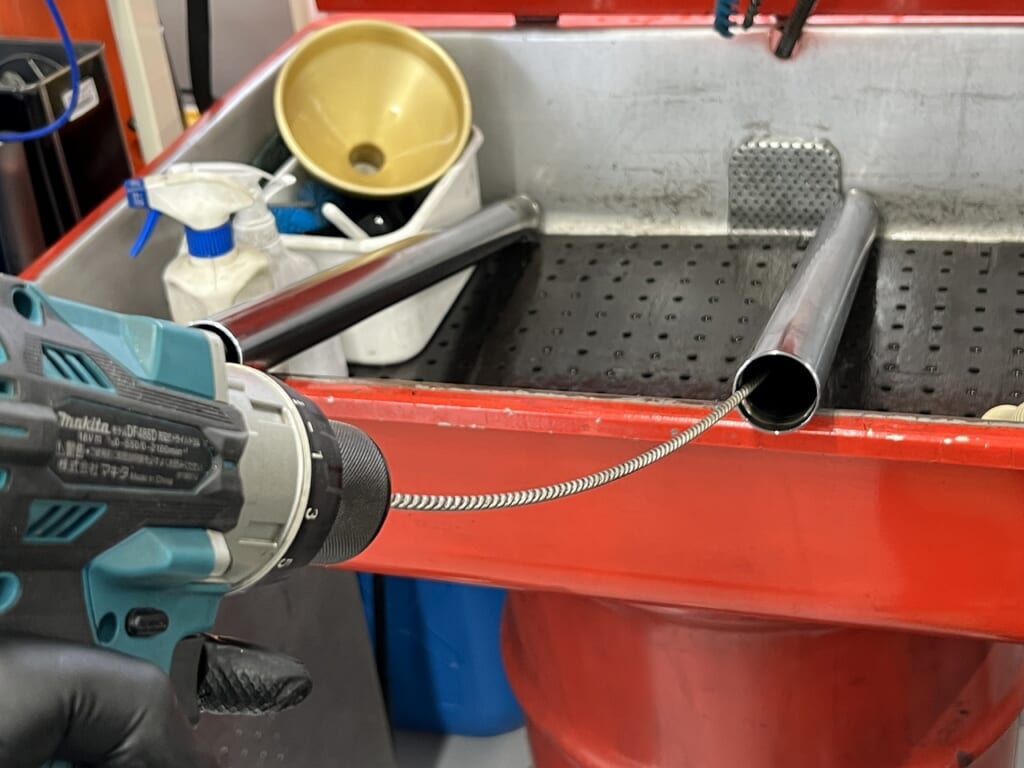
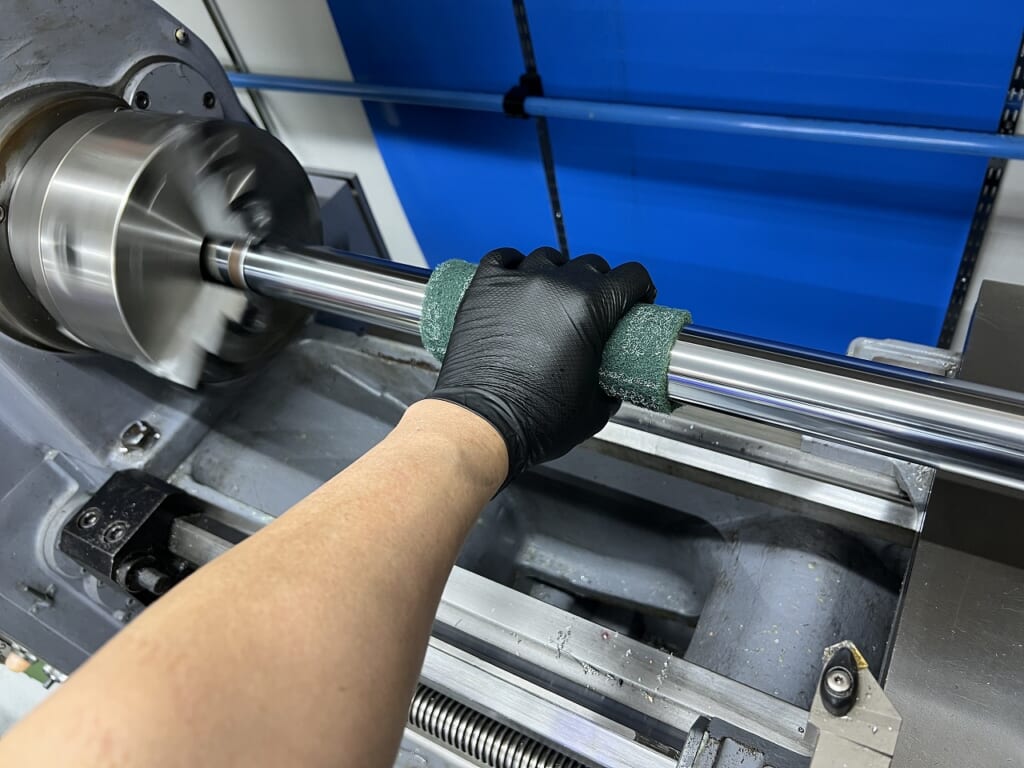
Wash, polish, and polish each part—with the right equipment, it progresses smoothly.
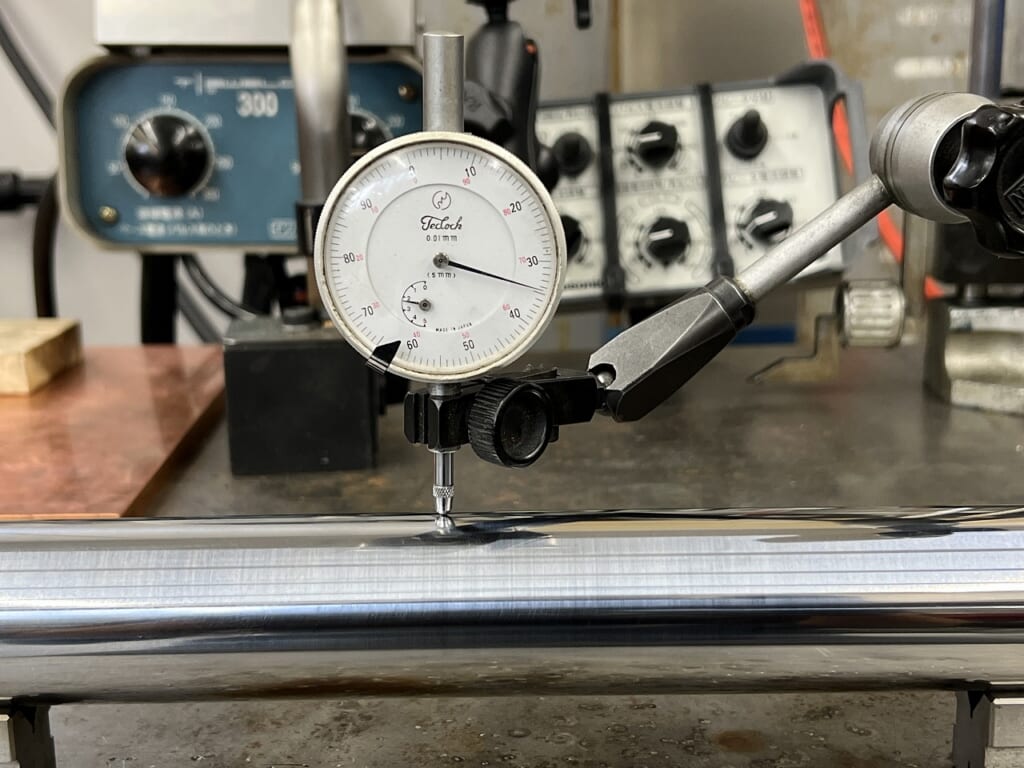
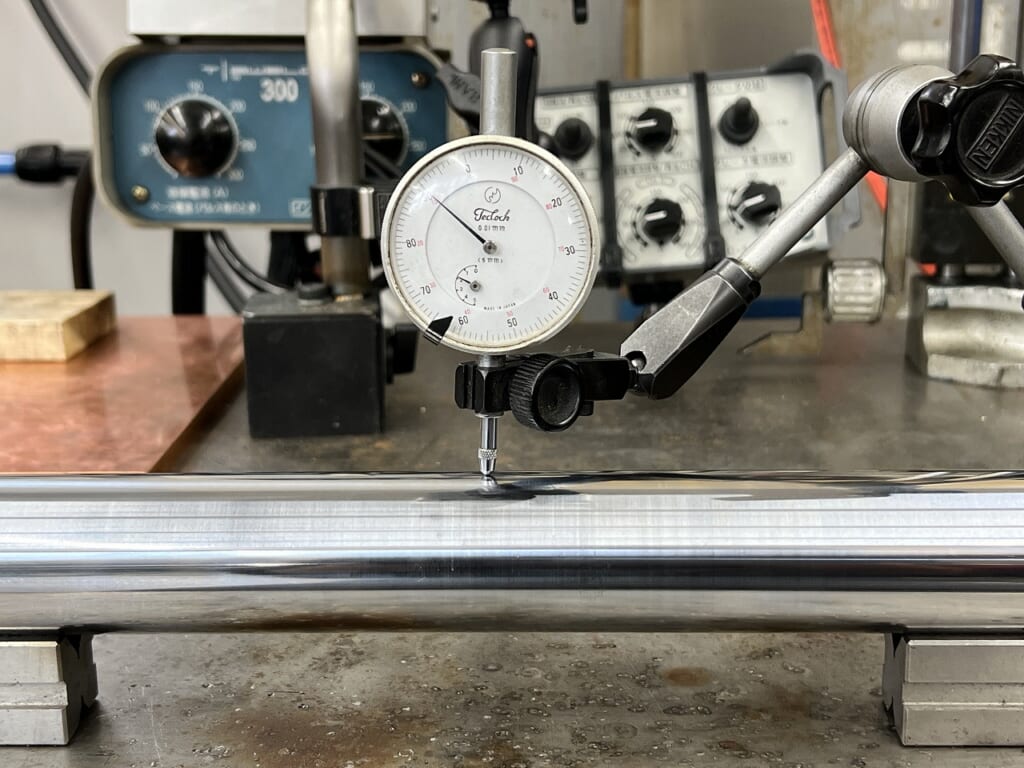
The inner tube had no runout either.
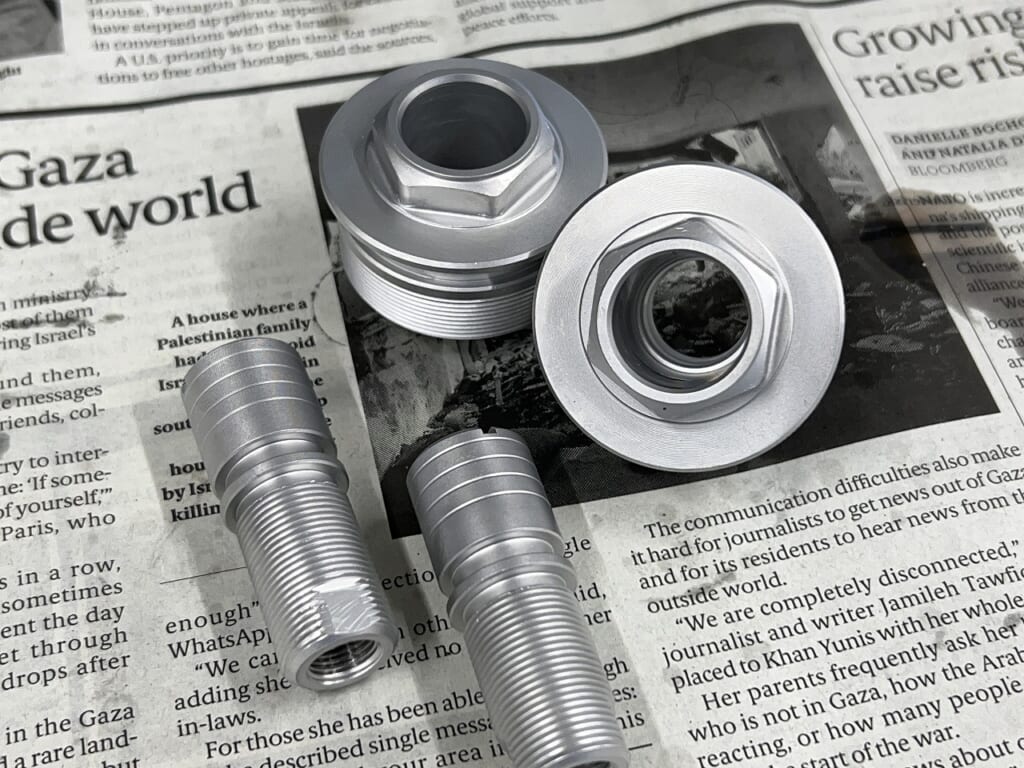
Caps like this finish so smoothly too—it feels great! (*´ω`*)
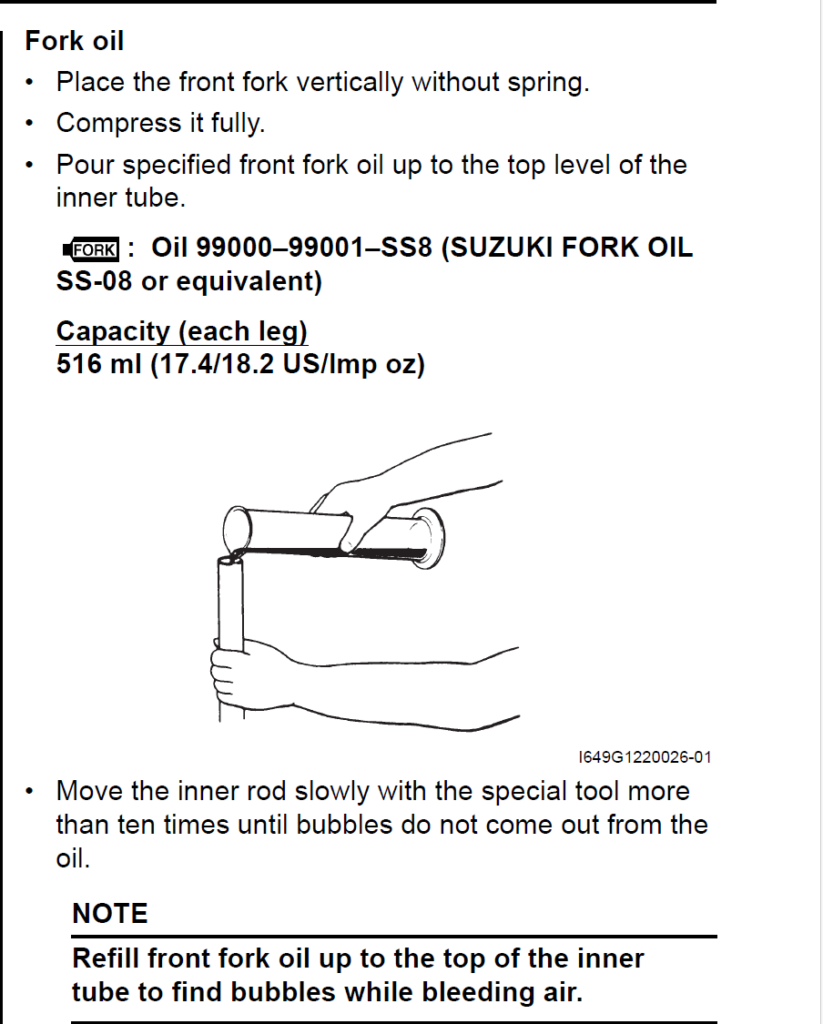
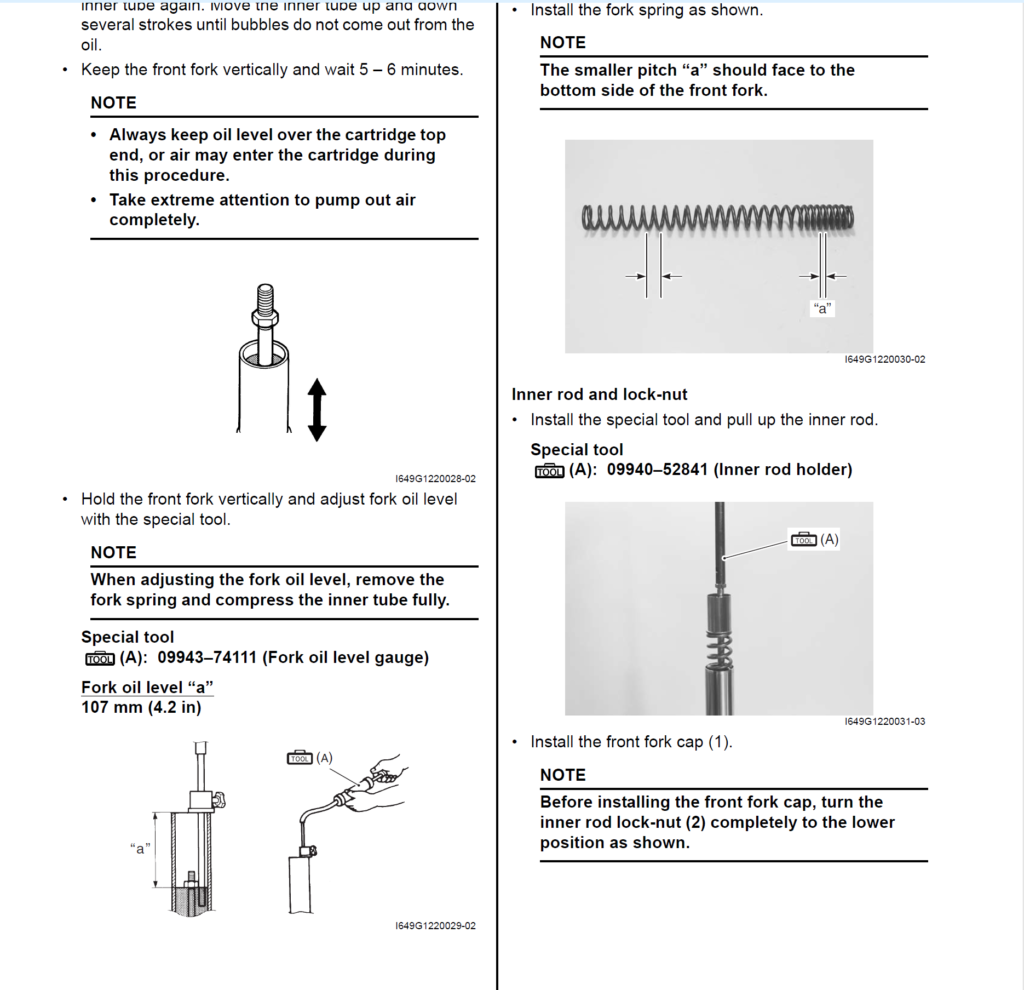
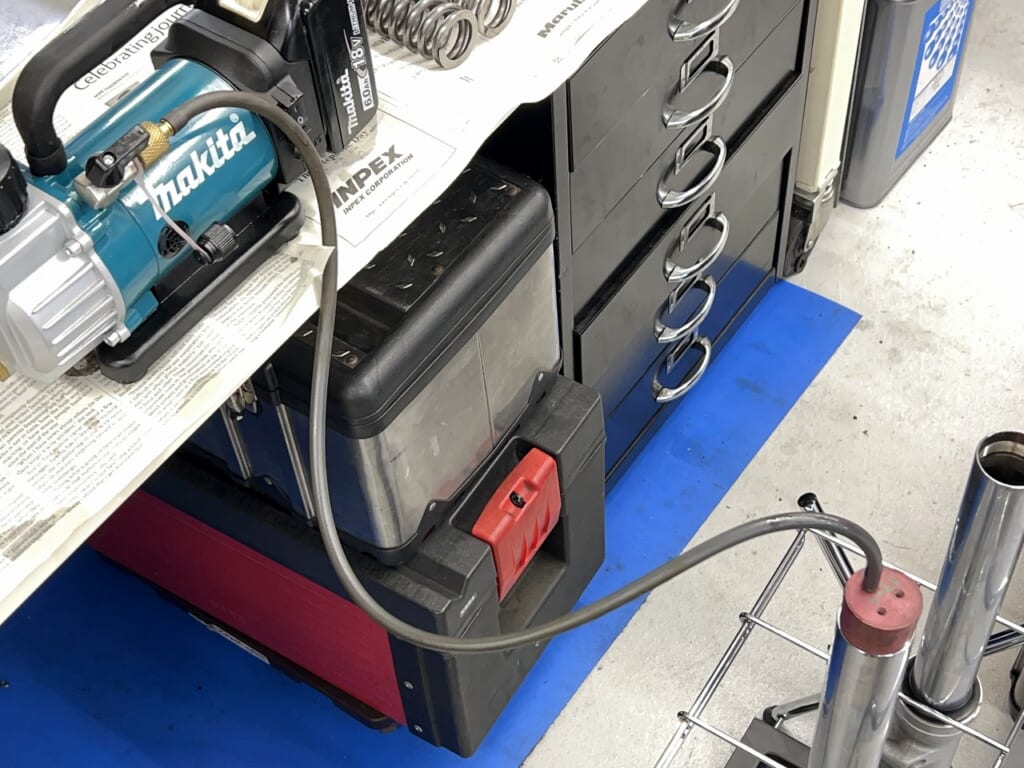
Bandit 1200 K6 uses oil SS-08 (#10 equivalent) with an oil level of 107mm
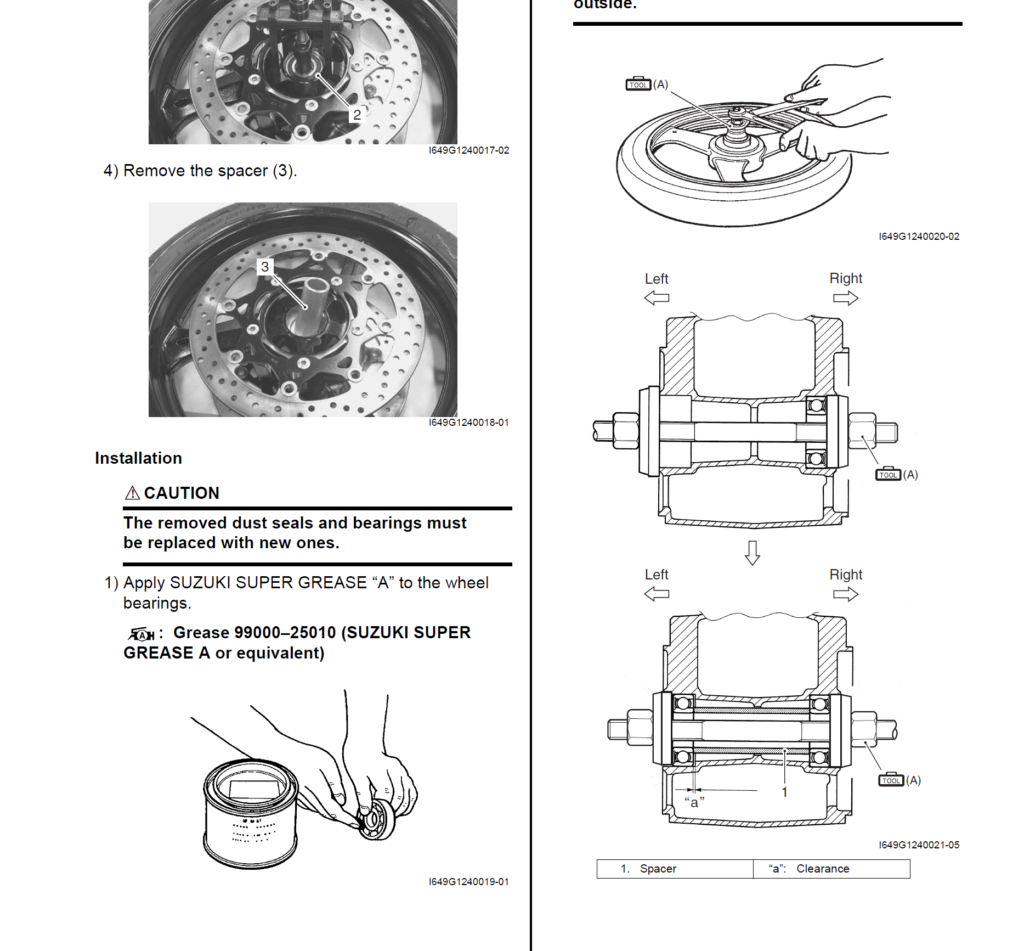
Front wheel bearing is right-referenced (bottom-seated)
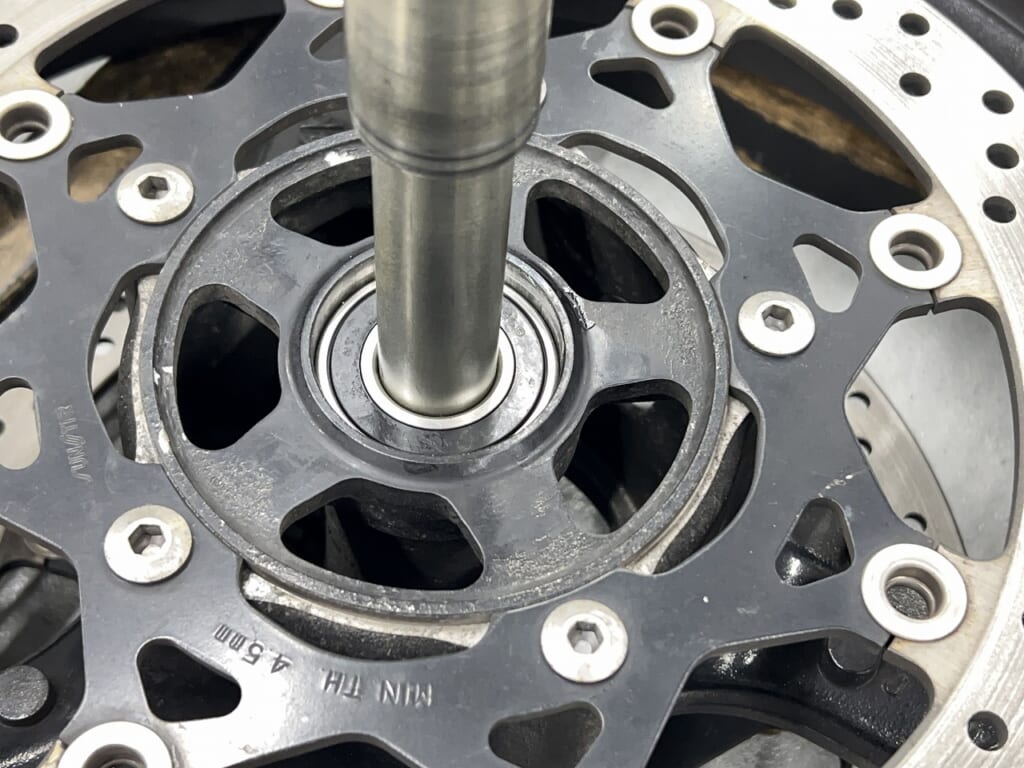
Wheel bearing replacement isn’t just about removing and replacing. Even if assembled carelessly, it only shifts slightly, so I really appreciate the excellence of Japanese parts and design.
This wheel bearing is also press-fitted, so “handle with love” is the rule. Some wheels have weakened press-fits, so I often think people shouldn’t touch them casually… *If you do, it’s at your own risk
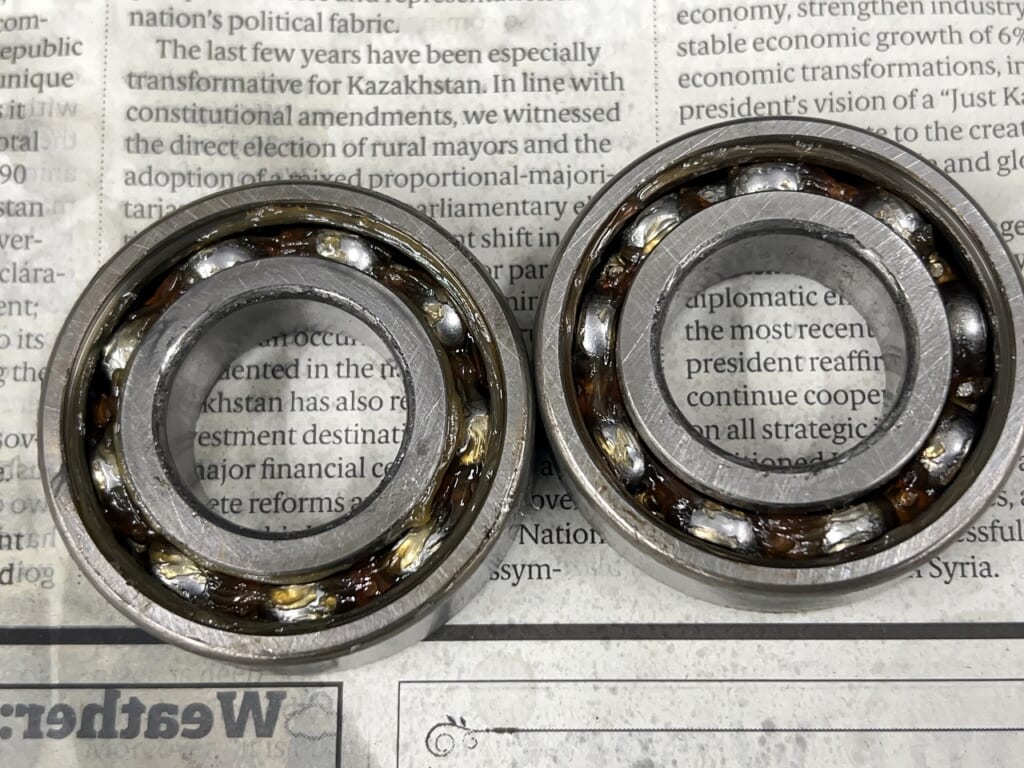
Bearings have been getting larger and larger, improving durability and rolling smoothness. There was still plenty of grease left, quietly.
It’s good to replace bearing sets before they go bad.
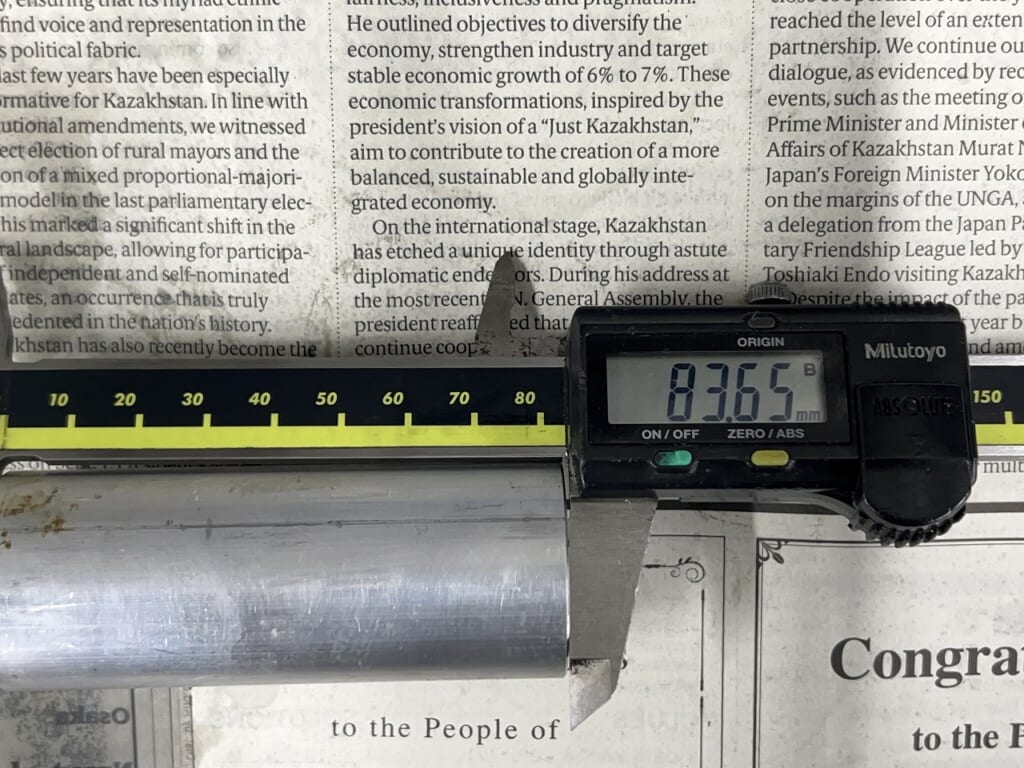
I’m often delighted that the distance collar is aluminum.
The play between bearing and distance collar is key. That’s what makes wheel bearing replacement so tricky.
After replacing, you want it to perform at 100%. The oil seal is overly effective, so I loosen it slightly before assembly. This way the collar and shaft don’t wear, which is quietly beneficial.
That’s pretty much it! (*´ω`*) Let me refine it a bit more—
Total Footwork Refresh for the Suzuki Bandit 1200 (K6).
Vehicle: Suzuki Bandit 1200 K6 (The ultimate oil-cooled machine). Work: A comprehensive overhaul of the front and rear suspension systems. Details: A powerful, heavy bike like this needs a perfect chassis to handle properly. Following the rear swingarm and linkage overhaul, we refreshed the front end as well. By servicing both the front and rear simultaneously, the bike regains its original, perfectly balanced geometry. Verdict: The handling has been completely transformed. It now feels incredibly light and agile. I can’t wait to take it for a test ride around Mutsuzawa!


 ポチップ
ポチップ